Social & External
An overview of one of the greatest disasters of the first World War WWI - the Dardanelles Campaign at Gallipoli, Turkey.
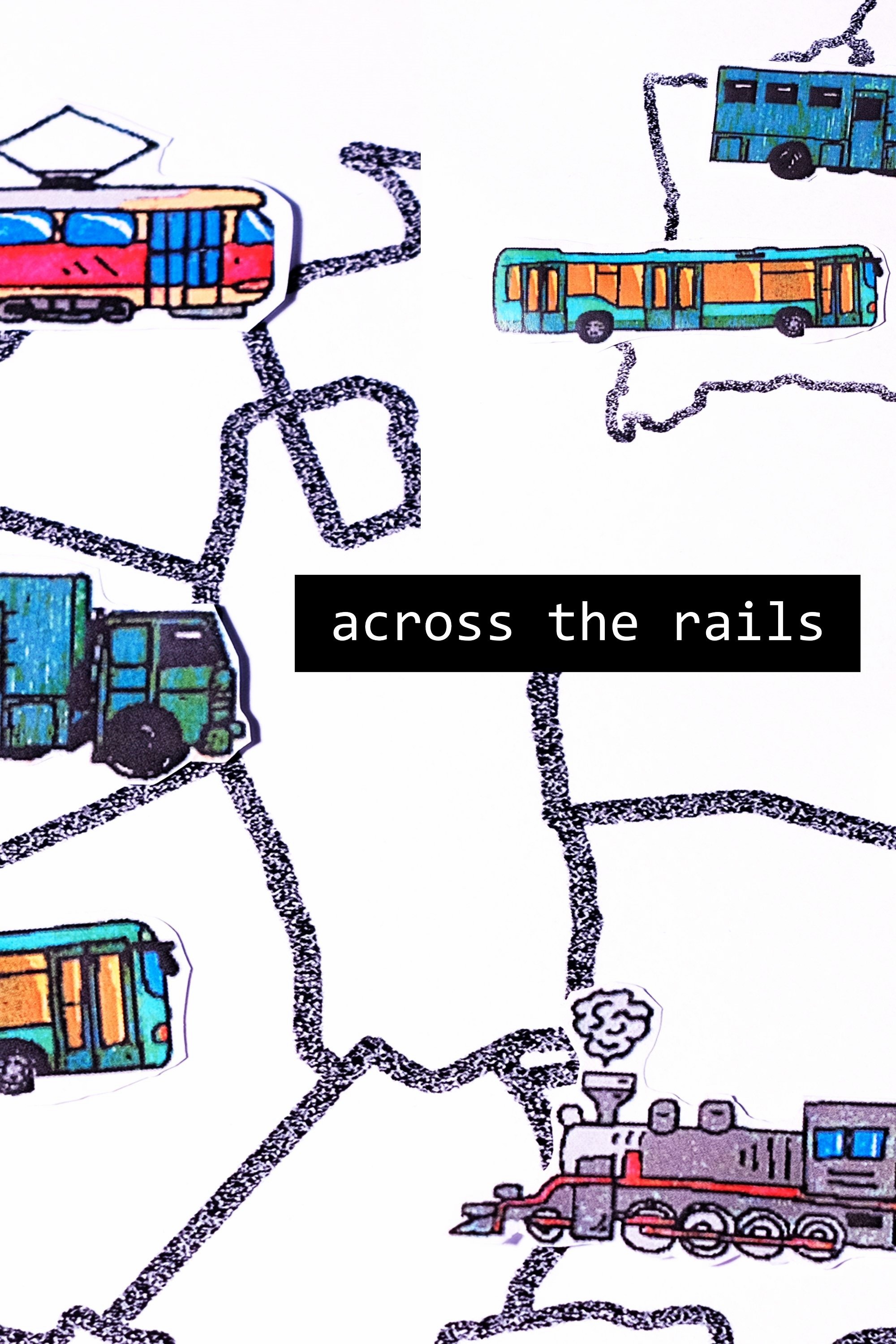
2021 was a turning point for Belarus and 6 Belarusian students - as well as for the city of Łódź, Poland, in which they found themselves. Across the rails of change and transformation, documenting a time that has not been before and will not repeat again. Heroes of the film have very different fates and experiences, but they are all connected by the place they found themselves in - the post-industrial and post-apocalyptic city, which becomes a part of their story and a hero of its own. Students, transport, quaters, youth, revolution, local apocalypse, changes and turns - they all mix in a documentary kaleidoscope 'Across the Rails'.
The larger-than-life story of Kim Dotcom, the 'most wanted man online', is extraordinary enough, but the battle between Dotcom and the US Government and entertainment industry—being fought in New Zealand—is one that goes to the heart of ownership, privacy and piracy in the digital age.
In the years since New Zealand politicians began to grapple with climate change our greenhouse gas emissions have burgeoned. Alister Barry’s doco draws on TV archives and interviews with key participants to find out why.
Ram Raid Mums follows three desperate mothers, at their breaking point. With nowhere to turn, they discover Mana Inc, a lifeline that sparks hope.
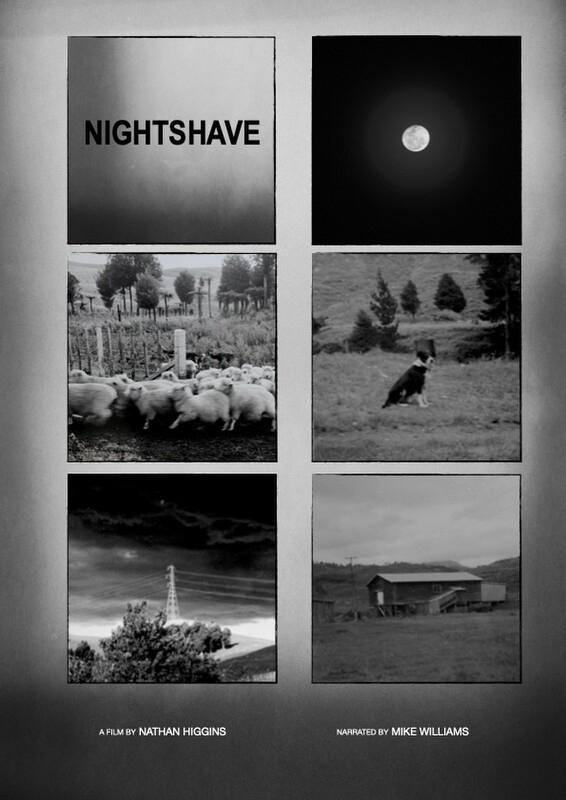
A narrator recounts a story about his missing friend, the downfall of a sheep shearing gang and sightings of a hairy beast in 1980s rural New Zealand.
Who is driving a violent, misinformed New Zealand, and why? Fire and Fury is a Stuff Circuit investigation into disinformation in Aotearoa New Zealand.
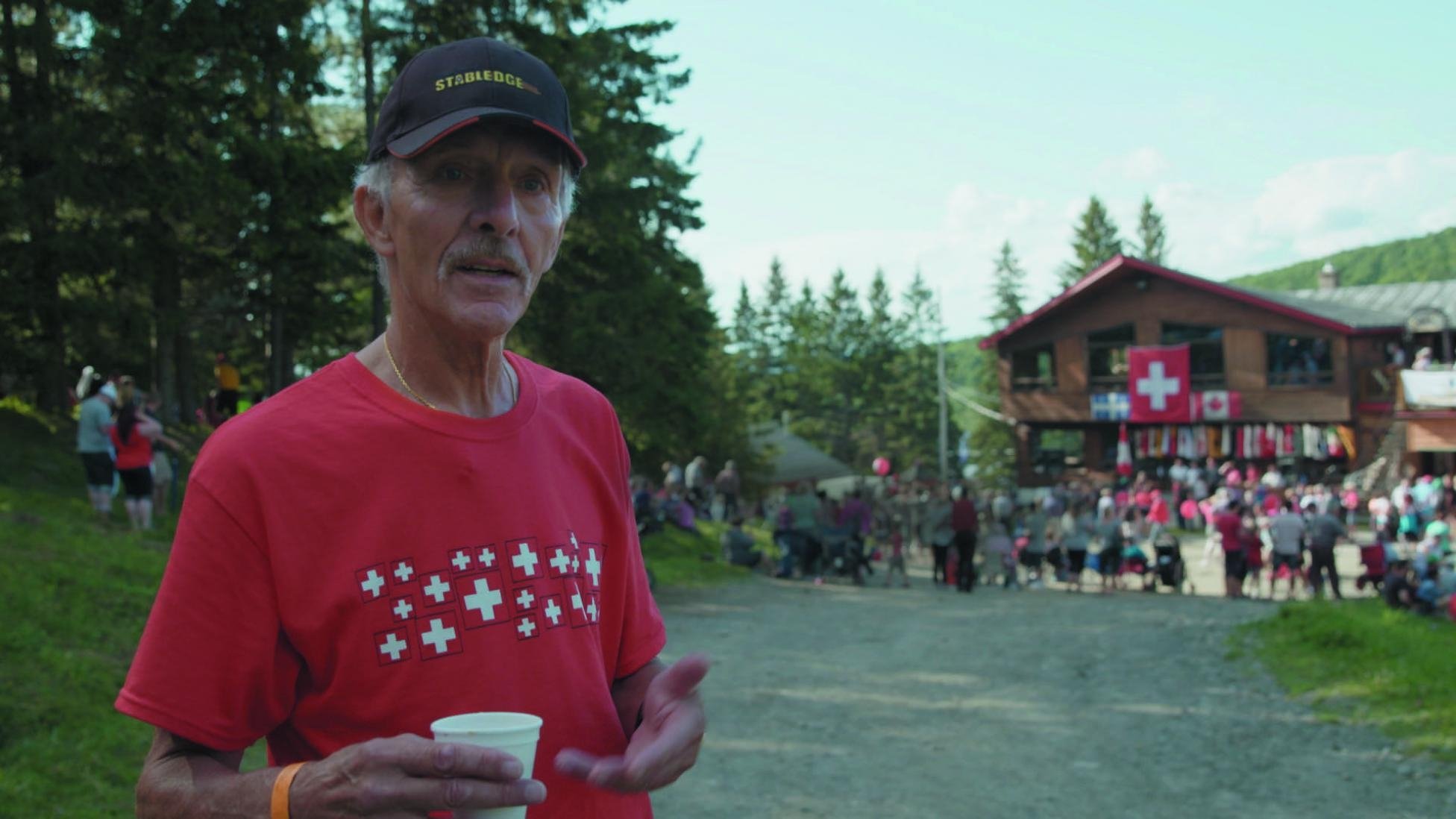
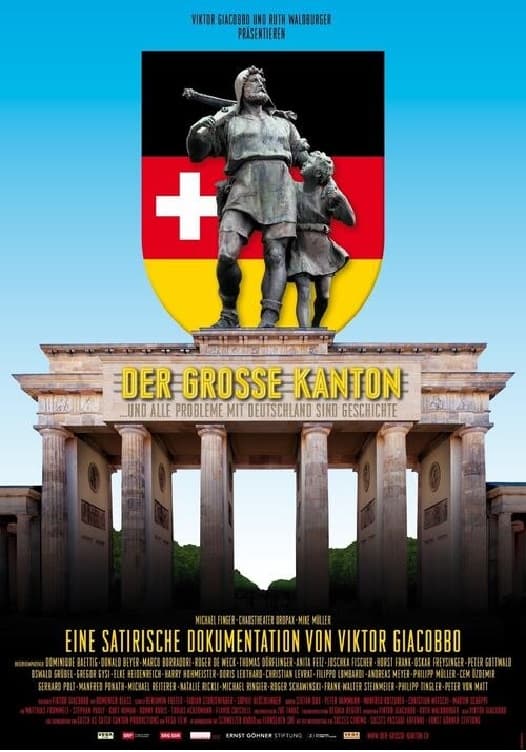
Is the solution to Switzerland's future to integrate Germany into the confederation? After all, like Michael Ringier, CEO of the Ringier media group, says, blithely ignoring all minorities, we're very close in culture and language. Oskar Freysinger takes out his guitar and sings his answer. Politicians from French-speaking Switzerland and Ticino think expanding will help the country survive. The former German foreign minister thinks the two countries' traditions are too different. The banker Oswald Grübel is worried about Germany's debts, although he'd be prepared to take over its assets. With serious interviews interspersed with gags (boat people on Lake Constance, the last Habsburger as a peasant), Giaccobbo gathers off-the-cuff reactions which reveal a lot about the different mentalities. The movie laughs at preconceived notions, redefines neutrality and reflects on what designates a nation. Switzerland, which loves to teach the world a lesson, will soon helvetize the planet, oder?
A documentary about the history of settler groups that came to New Zealand from Europe.
A documentary about the threat posed to New Zealand's Kaipara Harbour by rapacious commercial fishing and development.
Delegates and workers discuss the issues that effect the Timberworkers’ Union, the reasons for the formation of the Combined Council of Timber Workers Delegates (CCD) and their industrial action.
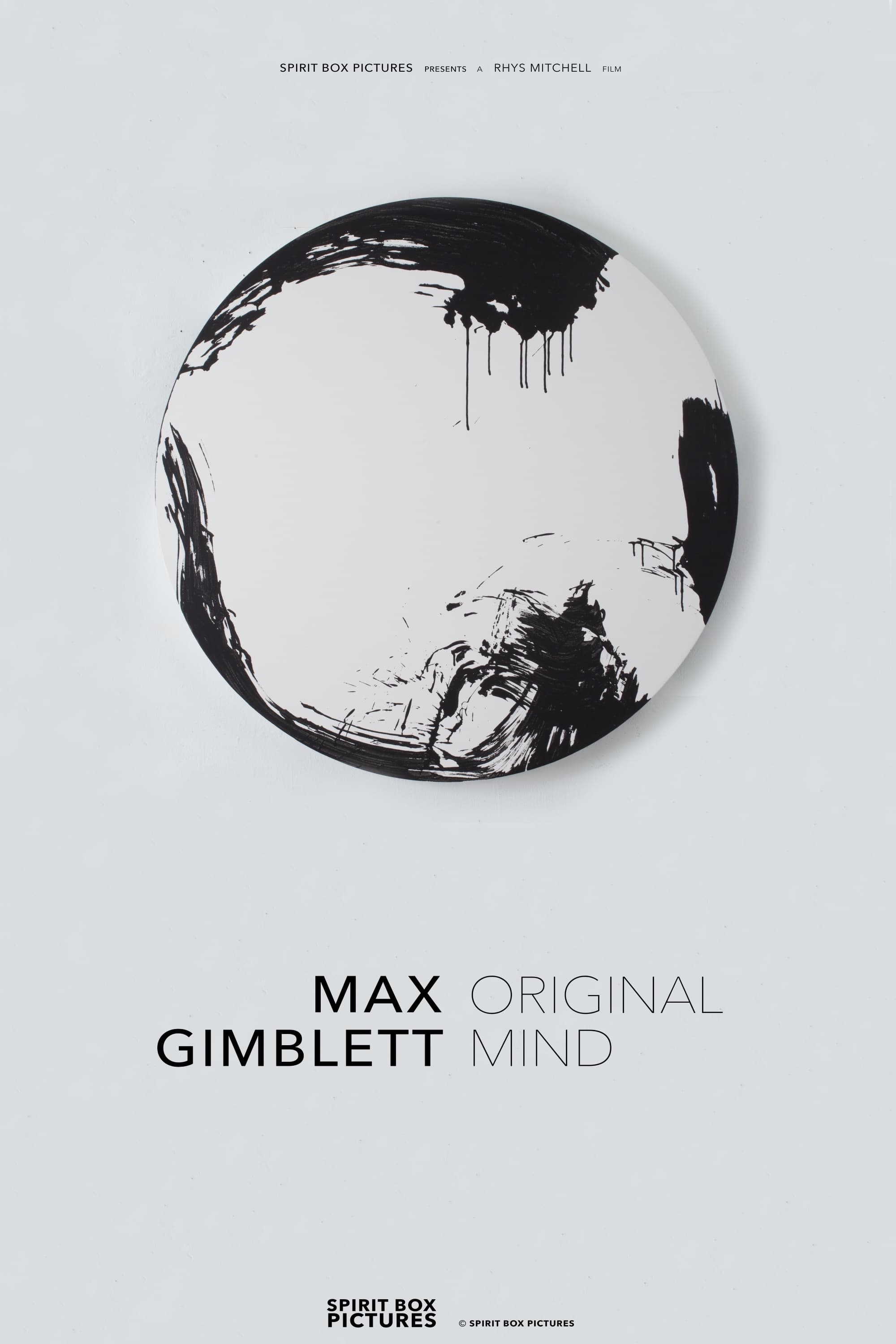
Max Gimblett: Original Mind documents the life and process of eccentric, creative genius Max Gimblett. One of New Zealand’s most successful and internationally prominent living painters, Gimblett has been working in America since 1962. The filmmakers spent a week in Gimblett’s Soho loft where he and his devoted studio assistants generously revealed the techniques and philosophy behind his beautiful art.
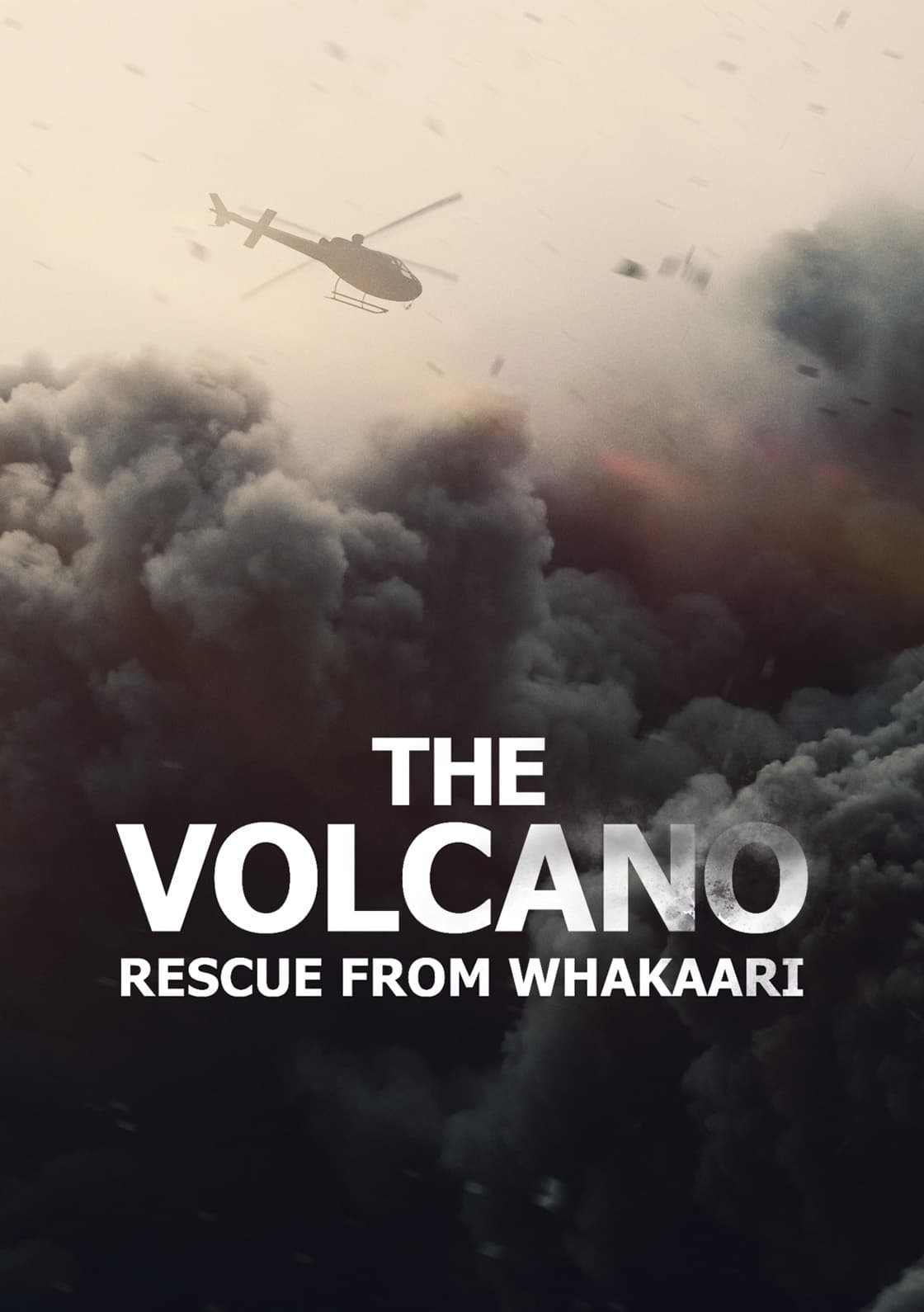
A close examination of the Whakaari / White Island volcanic eruption of 2019 in which 22 lives were lost, the film viscerally recounts a day when ordinary people were called upon to do extraordinary things, placing this tragic event within the larger context of nature, resilience, and the power of our shared humanity.
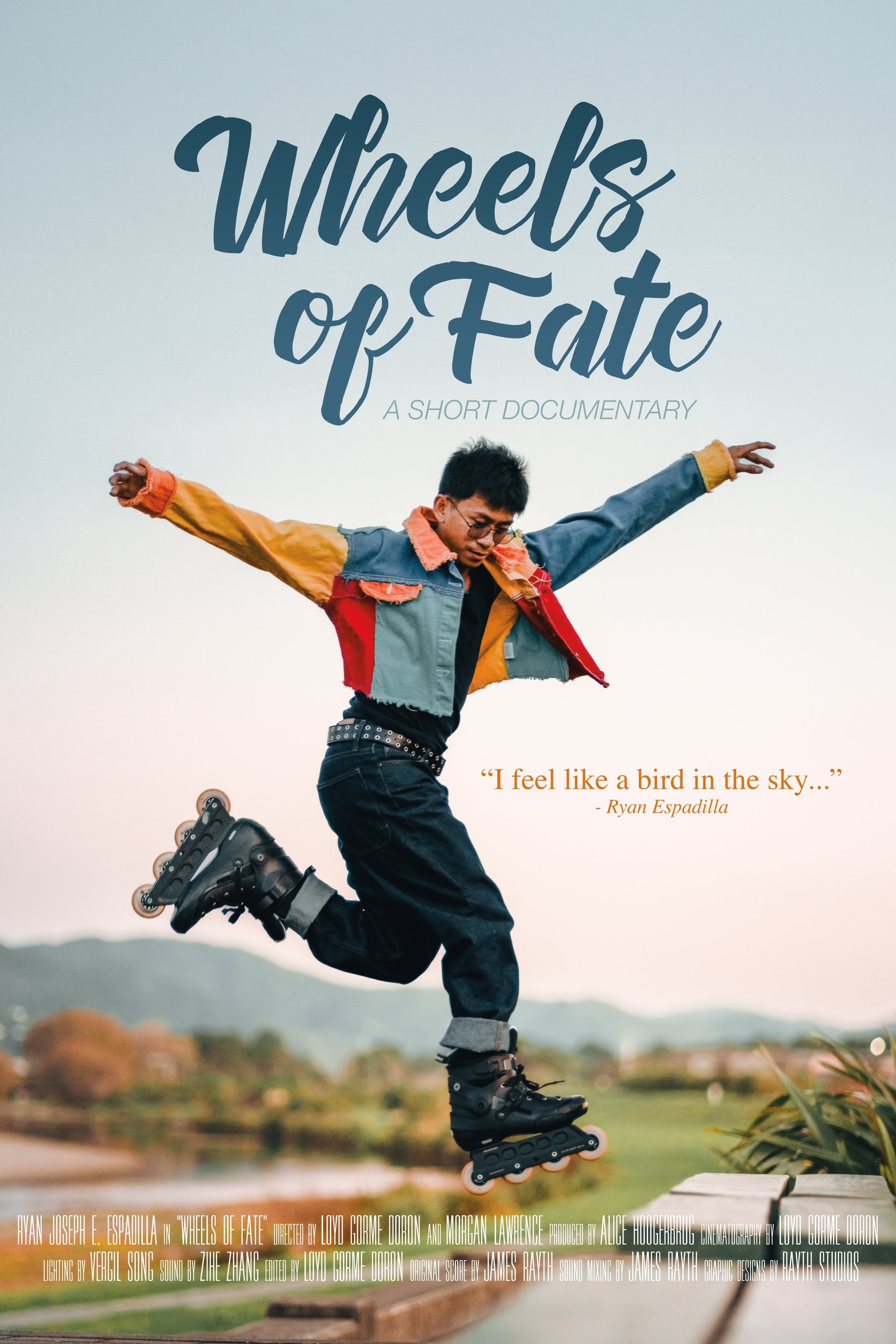
Wheels of Fate is a short documentary film about identity, belonging and acceptance. It reflects on Ryan Espadilla's experience immigrating to New Zealand. This film features the euphoria and sanctuary of inline skating as Ryan reveals inner struggles, trials and aspirations as he journeys towards a sense of belonging. It captures observation that speaks to the intricacies of the immigrant experience and the passion of inline skating.
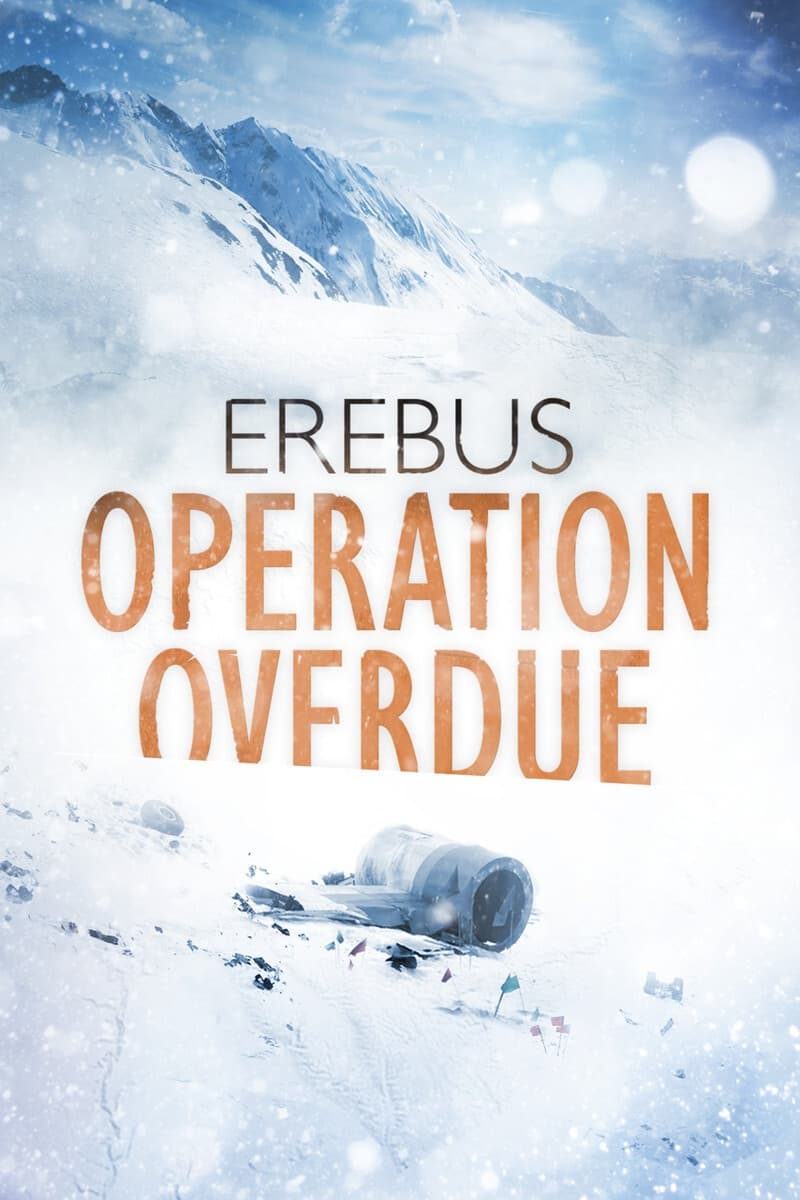
On 28 November 1979, an Air New Zealand jet with 257 passengers went missing during a sightseeing tour over Antarctica. Within hours 11 ordinary police officers were called to duty to face the formidable Mount Erebus. As the police recovered the victims, an investigation team tried to uncover the mystery of how a jet could fly into a mountain in broad daylight. Did the airline have a secret it wanted to bury? This film tells the story of four New Zealand police officers who went to Antarctica as part of the police operation to recover the victims of the crash. Set in the beautiful yet hostile environment of Antarctica, this is the emotional and compelling true story of an extraordinary police operation.
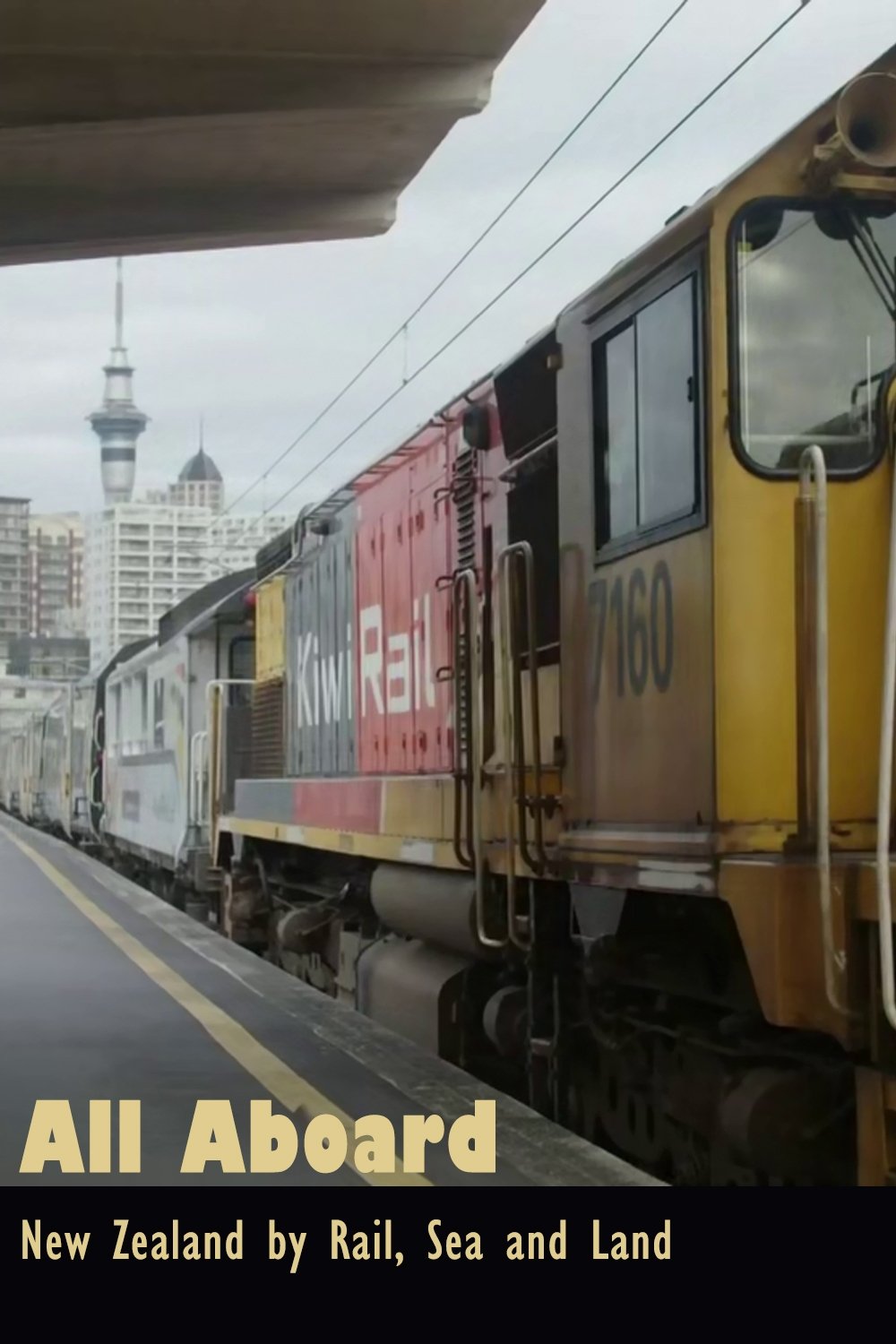
Take an epic overland train, boat and car journey through New Zealand’s breathtaking landscapes. The voyage begins in Auckland, but the city soon gives way to rolling pastures, volcanic extremes, tranquil waterways, the snowcapped grandeur of the Southern Alps and the beauty of Fiordland.
On June 21st, 2025, a film crew was sent to a competition in Wellington to document the niche sport and community of speedcubing. James Macdiarmid attempts to solve over 40 Rubik's cubes in a row blindfolded.
Someone Else’s Country looks critically at the radical economic changes implemented by the 1984 Labour Government - where privatisation of state assets was part of a wider agenda that sought to remake New Zealand as a model free market state. The trickle-down ‘Rogernomics’ rhetoric warned of no gain without pain, and here the theory is counterpointed by the social effects (redundant workers, Post Office closures). Made by Alister Barry in 1996 when the effects were raw, the film draws extensively on archive footage and interviews with key “witnesses to history”.
The story of unemployment in New Zealand and In A Land of Plenty is an exploration of just that; it takes as its starting point the consensus from The Depression onwards that Godzone economic policy should focus on achieving full employment, and explores how this was radically shifted by the 1984 Labour government. Director Alister Barry's perspective is clear, as he trains a humanist lens on ‘Rogernomics' to argue for the policy's negative effects on society, as a new poverty-stricken underclass developed.
The film follows adventurer Jeff Johnson as he retraces the epic 1968 journey of his heroes Yvon Chouinard and Doug Tompkins to Patagonia.
A documentary about the life and films of director John Ford.
A night of drunken chaos rocks a quiet Dutch town in this shocking documentary about a teen's birthday invite that accidentally went viral on Facebook.
Filmmaker Christopher Quinn observes the ordeal of three Sudanese refugees -- Jon Bul Dau, Daniel Abul Pach and Panther Bior -- as they try to come to terms with the horrors they experienced in their homeland, while adjusting to their new lives in the United States.
A detailing of the rise to prominence and global sporting superstardom of six supremely talented young Manchester United football players (David Beckham, Nicky Butt, Ryan Giggs, Paul Scholes, Phil and Gary Neville). The film covers the period 1992-1999, culminating in Manchester United's European Cup triumph.
Follow the evolution of the 'Halloween' movies over the past twenty-five years. It examines why the films are so popular and revisits many of the original locations used in the films - seeing the effects on the local community. For the first time, cast, crew, critics and fans join together in the ultimate 'Halloween' retrospective.
Documentarian Ross McElwee originally set out to make a travelogue of sorts tracing General William T. Sherman's infamous scorched-earth march through the Confederacy in the latter stages of the Civil War. Instead, haunted by a recent breakup with a girlfriend, McElwee ends up documenting his progress -- or lack thereof -- in starting a new relationship. His journey then becomes one of self-reflection and self-discovery rather than a historical/sociological exploration.
With unprecedented access to the official archives and intimate recollections from the band, both current and past, Iron Maiden: Burning Ambition invites fans to experience one of the most iconic journeys in music history. Spanning five decades, this electrifying documentary charts the band’s rise from the pubs of East London to the world’s biggest stadiums. Featuring exclusive interviews with band members and contributors such as Javier Bardem, Lars Ulrich and Chuck D, as well as all-new animated sequences of the band's legendary mascot, Eddie, the film offers a rare and intimate look at Iron Maiden’s uncompromising vision and unwavering connection with their truly global army of fans.
A purely observational non-fiction film that takes viewers into the ethically murky world of end-of-life decision making in a public hospital.
A homemade flying saucer lifts off, and a 6-year-old boy might be inside. National panic ensues — but what truly happened? This documentary investigates.
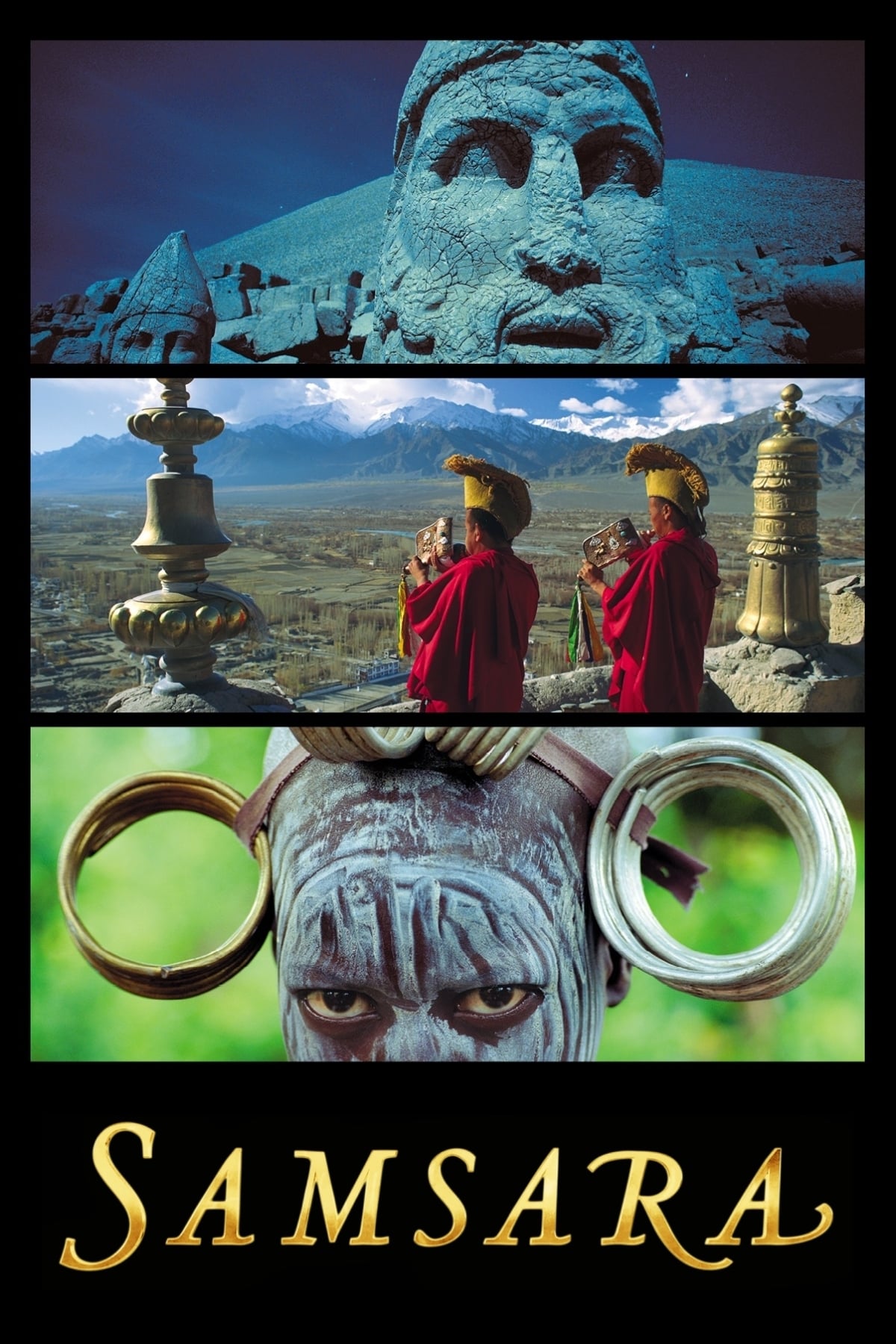
Filmed over nearly five years in twenty-five countries on five continents, and shot on seventy-millimetre film, Samsara transports us to the varied worlds of sacred grounds, disaster zones, industrial complexes, and natural wonders.
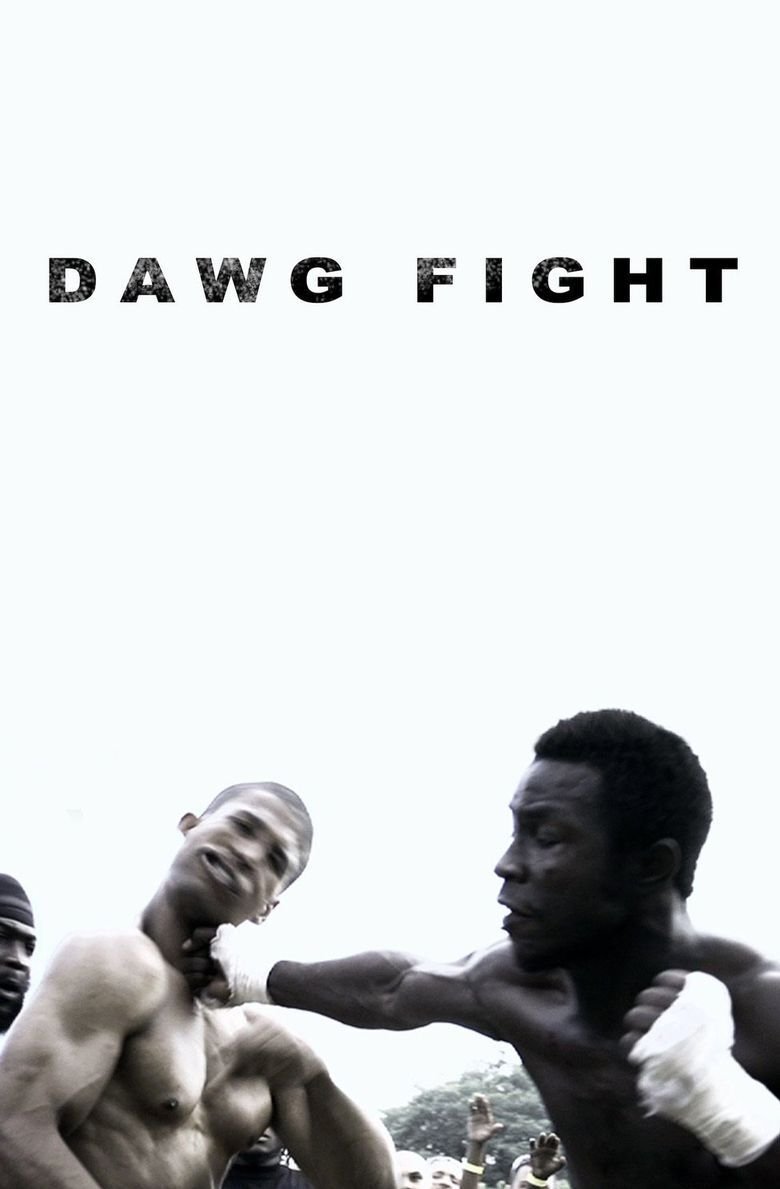
In a crime-plagued neighborhood near Miami, brutal, bare-knuckled backyard fights give young men a chance to earn money -- and self-respect.
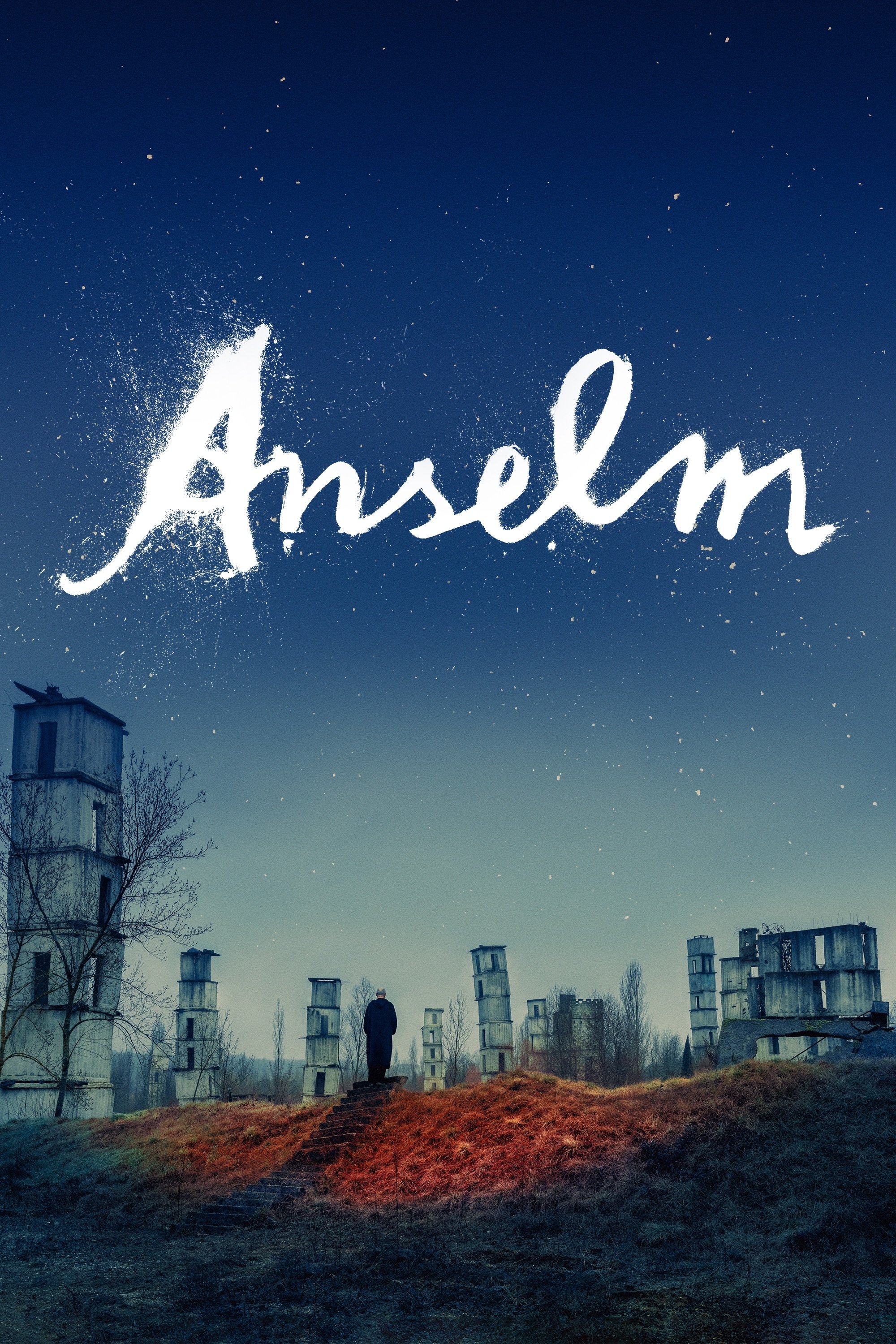
This unique cinematic experience dives deep into an artist’s work and reveals his life path, inspiration, and creative process. It explores his fascination with myth and history. Past and present are interwoven to diffuse the line between film and painting, allowing the audience to be completely immersed in the remarkable world of one of the greatest contemporary artists, Anselm Kiefer. Wim Wenders shot this unique portrait over the course of two years in stunning 3D.
Through deeply personal interviews with her siblings and an examination of the photographs, letters, and belongings left behind, Mariska assembles a new portrait of her mother Jayne Mansfield, an extraordinary and complex woman.
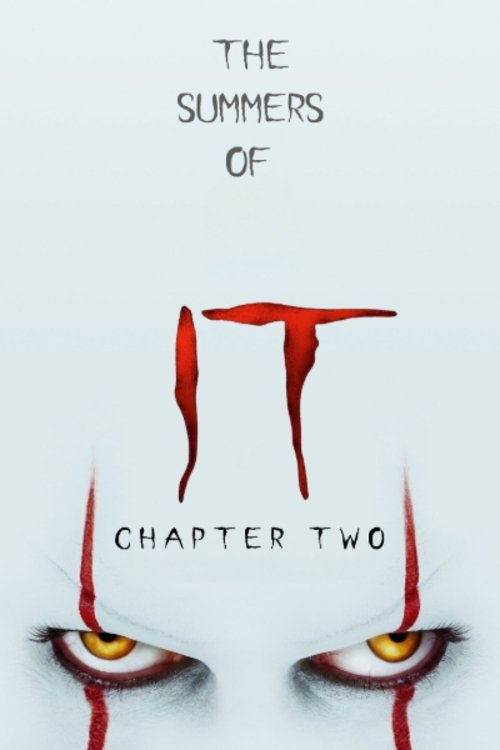
This documentary focuses on the actors and their journey over two summers to create the remake to the original IT, by Stephen King. The documentary originally released as bonus material, bundled with IT: Chapter Two.
A documentary examining the decade of the 1970s as a turning point in American cinema. Some of today's best filmmakers interview the influential directors of that time.
In the Realms of the Unreal is a documentary about the reclusive Chicago-based artist Henry Darger. Henry Darger was so reclusive that when he died his neighbors were surprised to find a 15,145-page manuscript along with hundreds of paintings depicting The Story of the Vivian Girls, in What is Known as the Realms of the Unreal, of the Glodeco-Angelinnian War Storm, Cased by the Child Slave Rebellion.
JB Smoove and Martin Starr host a celebration of 20 years of "Spider-Man" movies, from the Sam Raimi trilogy to Marc Webb's movies and the trio from Jon Watts.
A comedic, brutally honest documentary following self-destructive TV writer Dan Harmon as he takes his live podcast on a national tour.
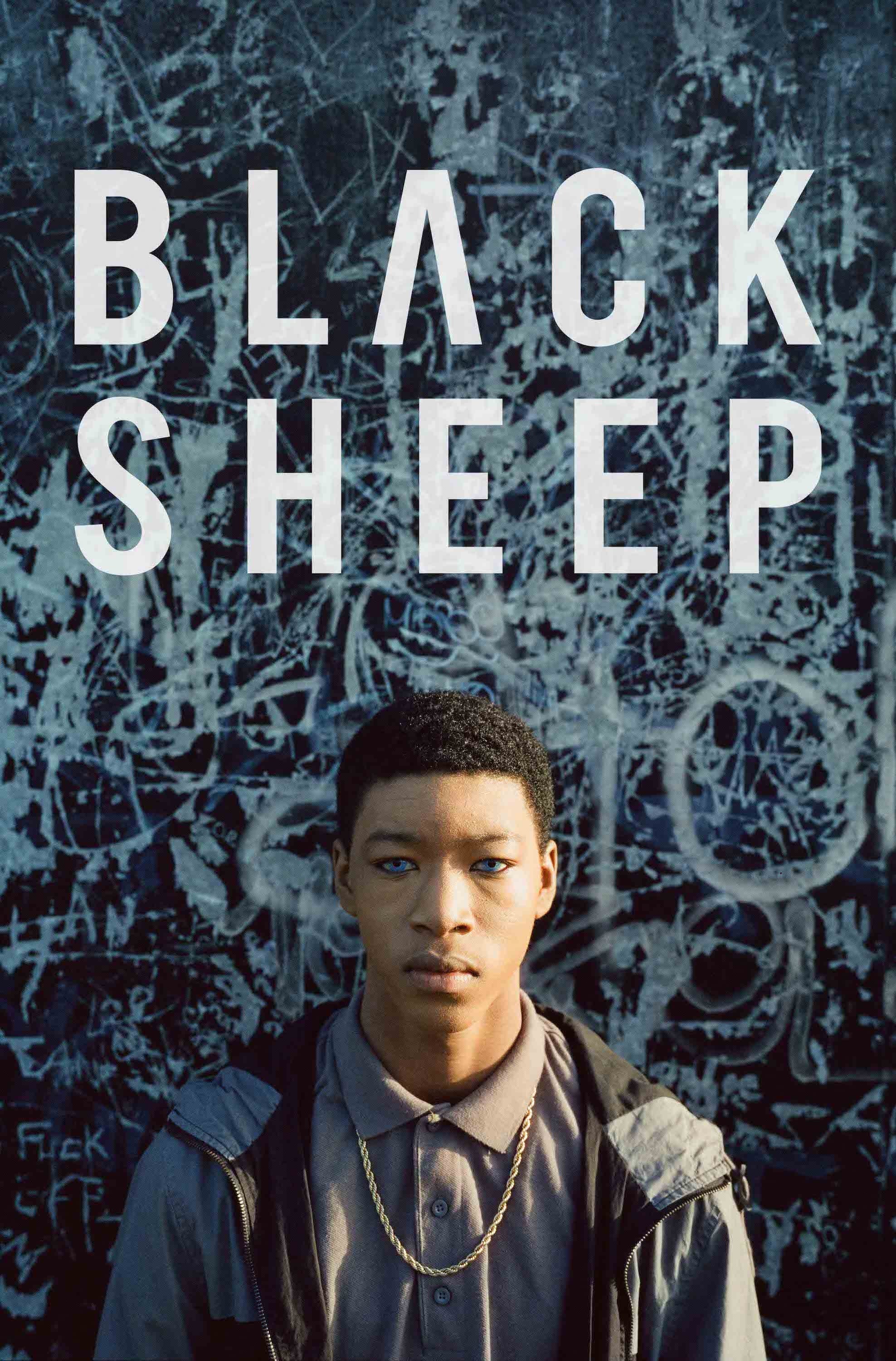
After the high-profile killing of Damilola Taylor, Cornelius' family move out of London. But when they discover their new town is run by racists, Cornelius takes a drastic step to survive.