Social & External
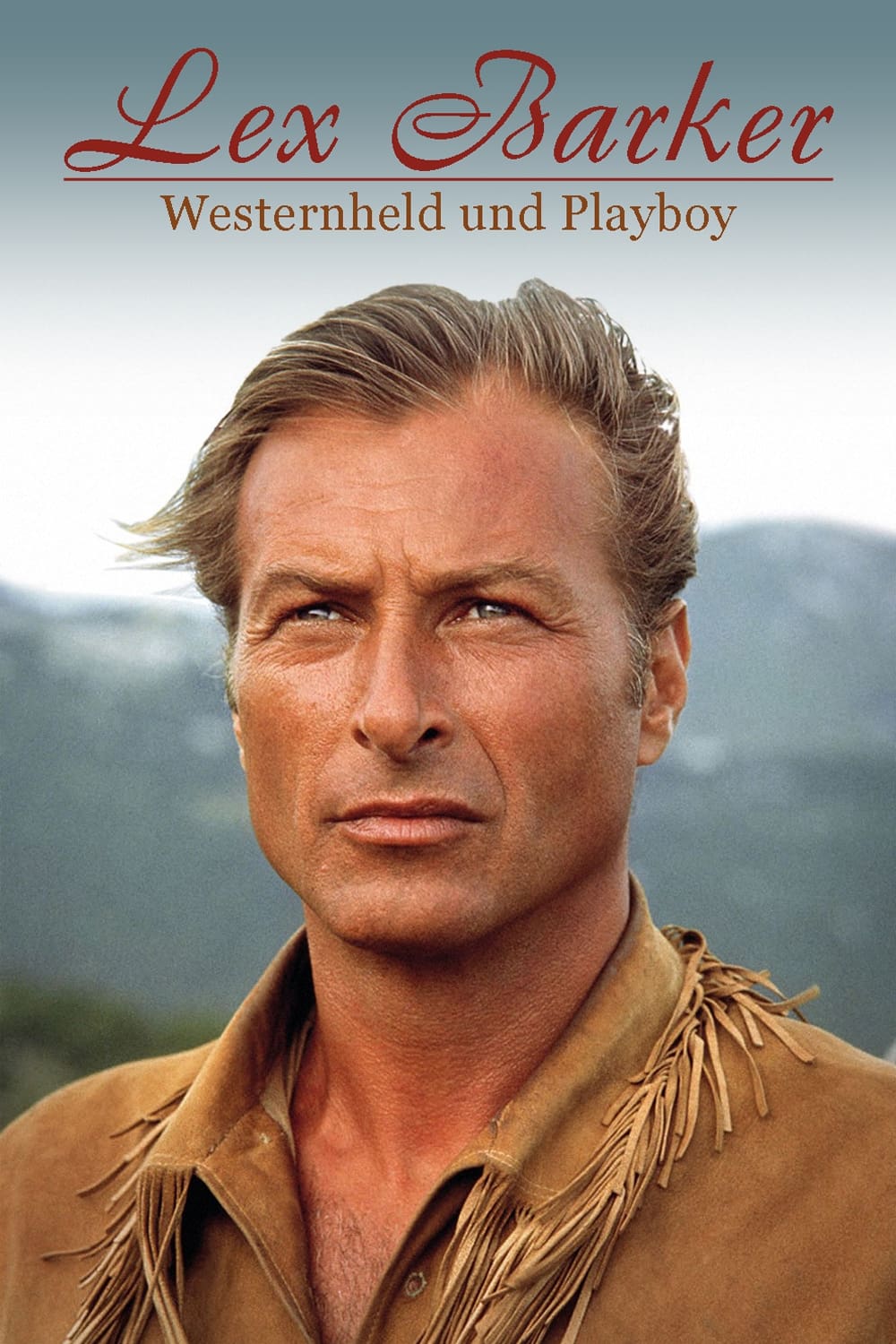
He is the most sought-after man in Europe in the 1960s. Lex Barker embodies the flawless hero in his films and, as Old Shatterhand, becomes a role model for generations of fans. Revered in Europe, misunderstood and almost forgotten in his native America. But who was this American who rode through Yugoslavia in a leather costume for the European audience? In 1973, Lex Barker died of a heart attack on the streets of Manhattan in New York. But no one recognizes the man who was Tarzan in Hollywood. Nobody knows him or cares about that he, as Winnetou's friend, is revered as an icon in Europe. Lex Barker's European western adventures are just a footnote in American film history. On the occasion of the 50th anniversary of his death, the documentary tells the story of one of the most beautiful men who ever flickered across Europe's cinema screens, for whom European cinema proved to be a stroke of luck and for whom a failed Hollywood career took him via Italy to Germany.
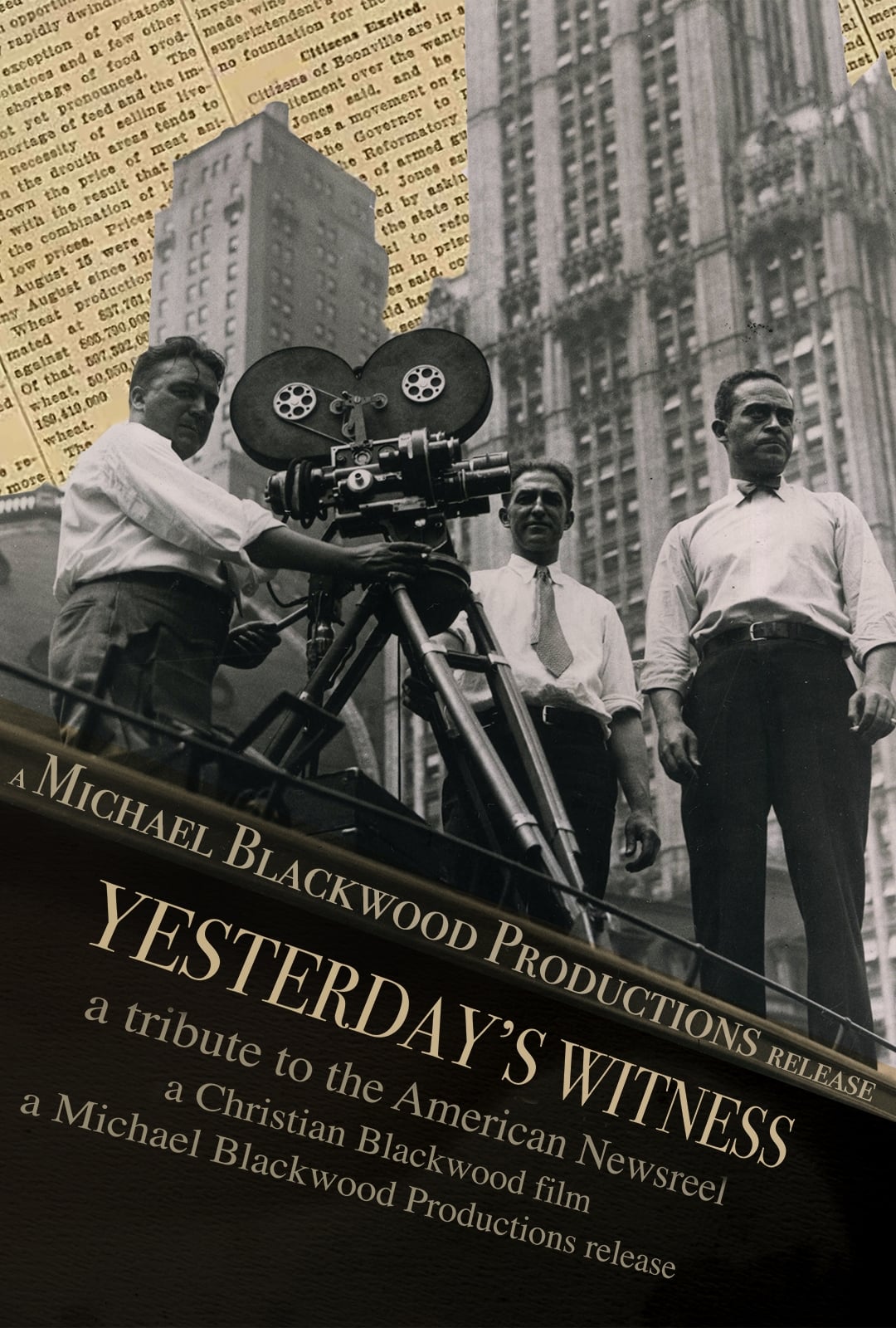
For the first 50 years of film history, the newsreel was a fixture in American movie theaters. From 1911 to 1967, these shorts proved an influential source of information – and misinformation – for generations of American moviegoers. Television news and public affairs programs became a great improvement over the scanty information offered by the newsreels. This documentary offers insight into a medium which has disappeared.
Sisters of Wrestling paints an intimate portrait of Azaelle, LuFisto and Loue O'Farrell, three ring warriors for whom wrestling is both a passionate love and an outlet from everyday life.
Documentary about the musician Mike Oldfield, whose 1973 album Tubular Bells launched the Virgin record label and became the biggest selling instrumental album of all time.
Follows the story of "Grizzly Man" Timothy Treadwell and what the thirteen summers in a National Park in Alaska were like in his attempt to protect the grizzly bears. The film is full of unique images and a look into the spirit of a man who sacrificed himself for nature.
The incredible house of Pierre Loti (1850-1923) in Rochefort will reopen to the public in June 2025. This is an opportunity to look back on the romantic life of one of the most widely read and translated authors of his time. The writer-officer, who joined the navy at the age of 17, traveled around the world as his assignments took him. Through his literary work, he built a sensitive memory of the diversity of cultures at the turn of the 20th century, questioning the major geopolitical upheavals of his time. The film draws heavily on Loti's own words, combined with a collection of rare archives from the period.
The Kiss by Gustav Klimt is one of the most recognised and reproduced paintings in the world. It is perhaps the most popular poster on student dorm walls from Beijing to Boston. Painted in Vienna around 1908, the evocative image of an unknown embracing couple has captivated viewers with its mystery, sensuality and dazzling materials ever since it was created. But just what lies behind the appeal of the painting – and just who was the artist that created it? Delving into the details of real gold, decorative designs, symbolism and simmering erotica, a close study of the painting takes us to the remarkable turn of the century Vienna when a new world was battling with the old.
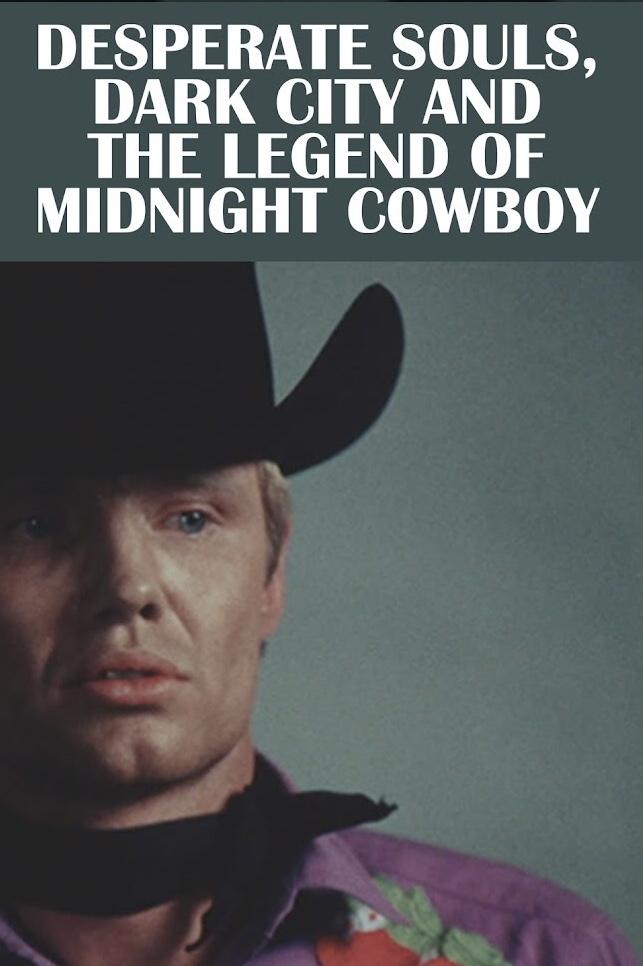
This is not a documentary about the making of Midnight Cowboy. It is about a humane and groundbreaking masterpiece and the flawed but gifted people who made it. It is about a troubled era of cultural ferment, social and political change, about broken dreams and strivers, then and now. It is about an era that made a movie and a movie that made an era.
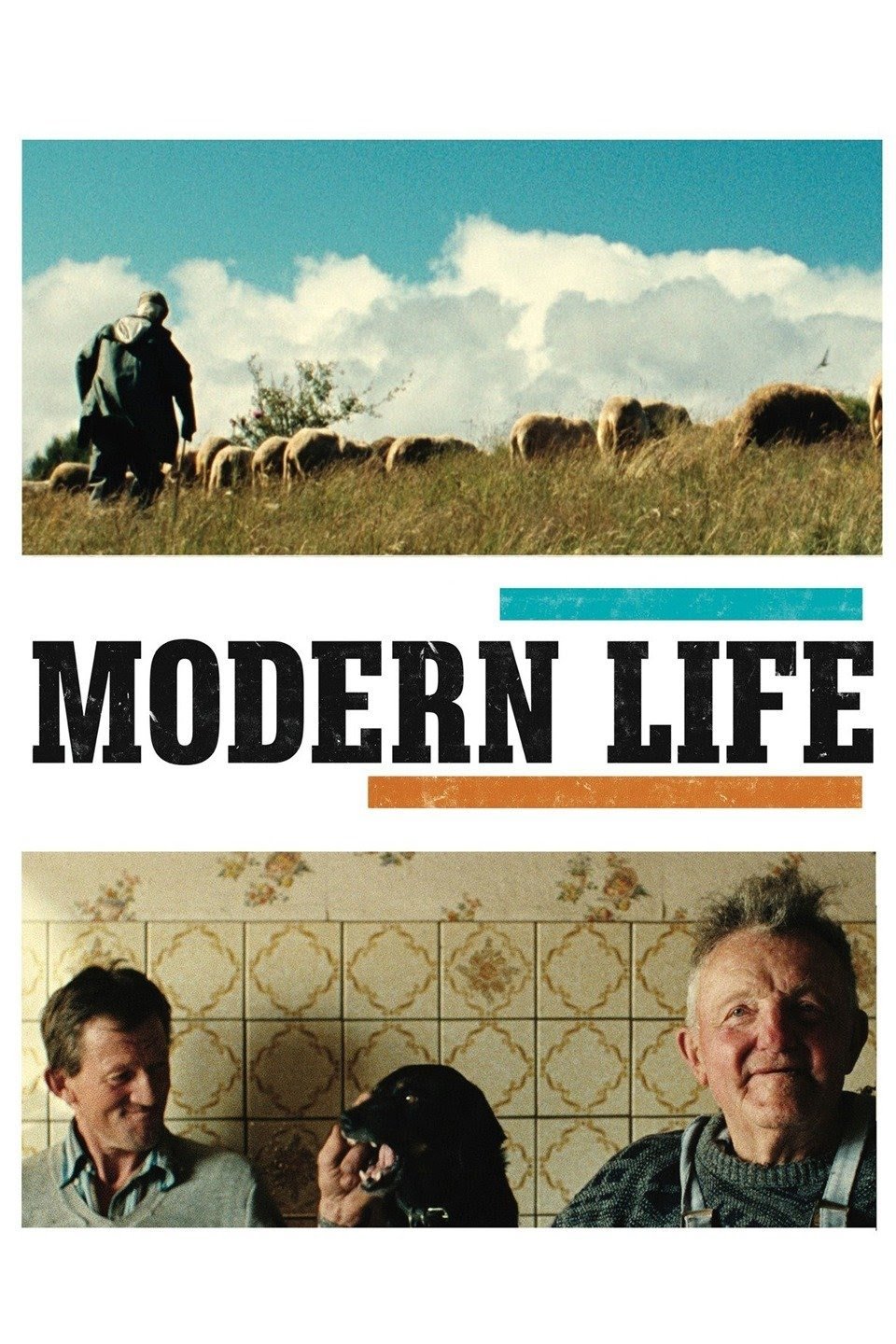
For ten years, Raymond Depardon has followed the lives of farmer living in the mountain ranges. He allows us to enter their farms with astounding naturalness. This moving film speaks, with great serenity, of our roots and of the future of the people who work on the land. This the last part of Depardon's triptych "Profils paysans" about what it is like to be a farmer today in an isolated highland area in France. "La vie moderne" examines what has become of the persons he has followed for ten years, while featuring younger people who try to farm or raise cattle or poultry, come hell or high water.
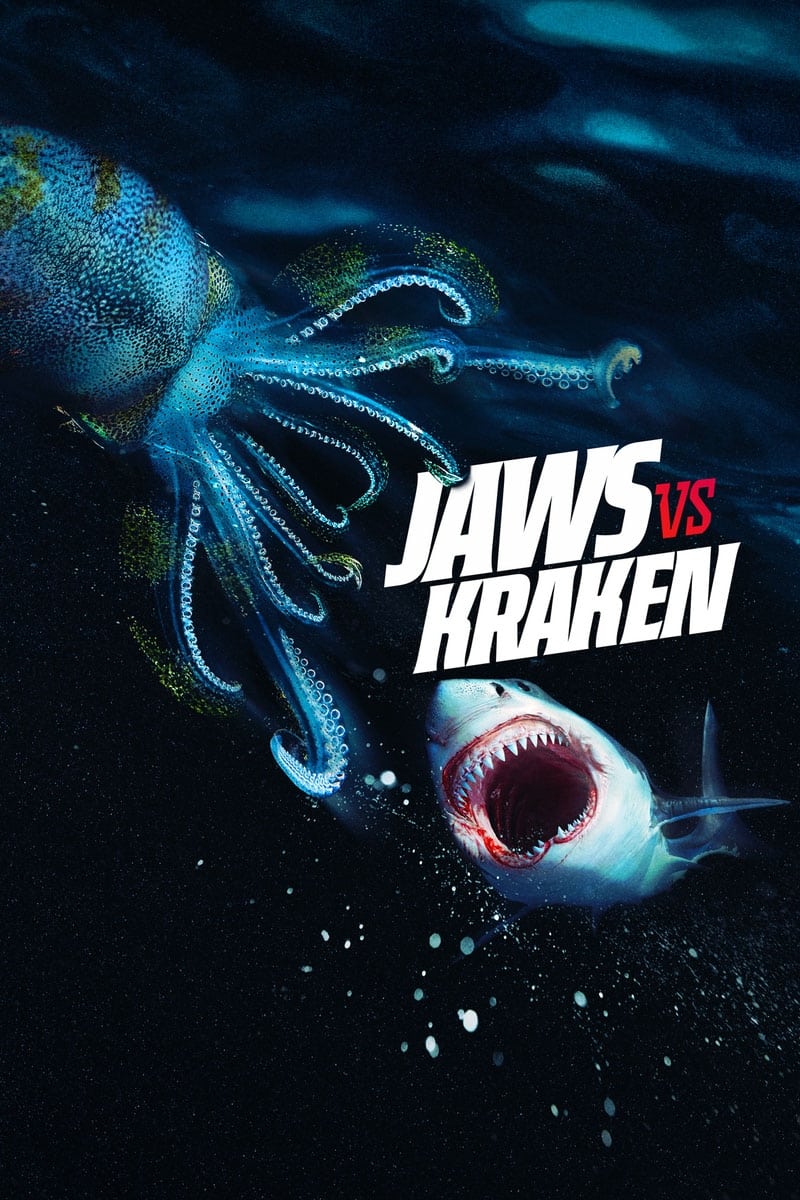
Something shocking is happening in the abyss around Guadalupe Island. Photos of great whites with strange scars believed to be from giant squids have surfaced. Dr. Tristan Guttridge leads a mission to get a glimpse into the battles between the two beasts.
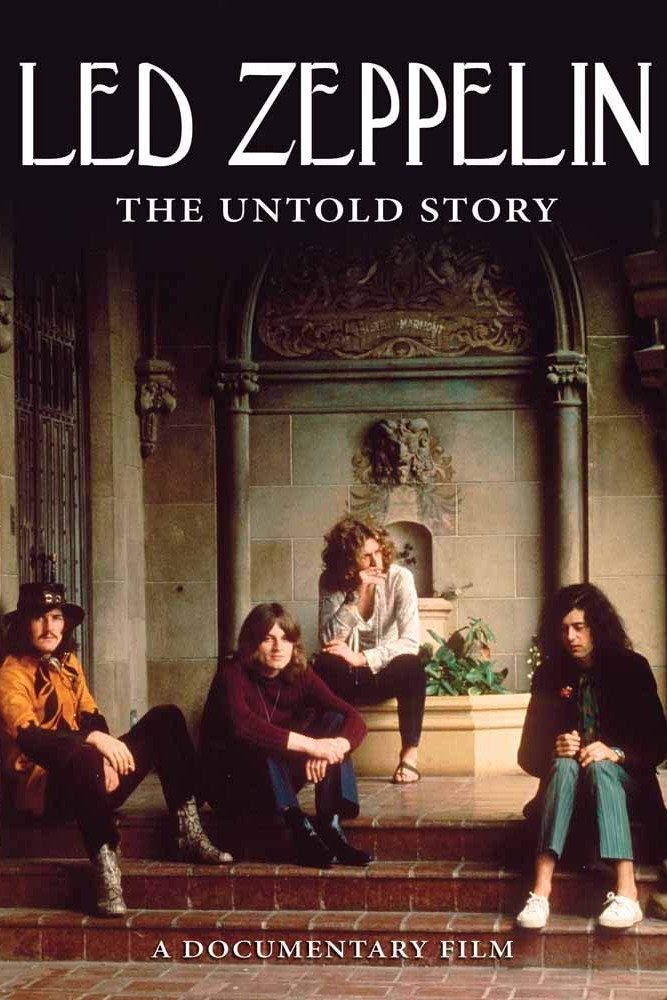
Led Zeppelin: The Untold Story reveals an often overlooked side of the saga. Using early performance footage, seldom seen interviews and previously unpublished photographs, as well as contributions from colleagues, friends, and associates who worked alongside the future members of Led Zeppelin, The Untold Story is finally made public.
"Actor" is China's first documentary film to explore the virtues and skills of actors. The film takes the "Twenty-Two Big Movie Stars of New China" as the starting point. It will explore the film experience and artistic achievements of the older generation of artists, explore their insights and thinking about the profession of actors for more than half a century, and pay tribute to the century-old Chinese film with the classic film images they created.
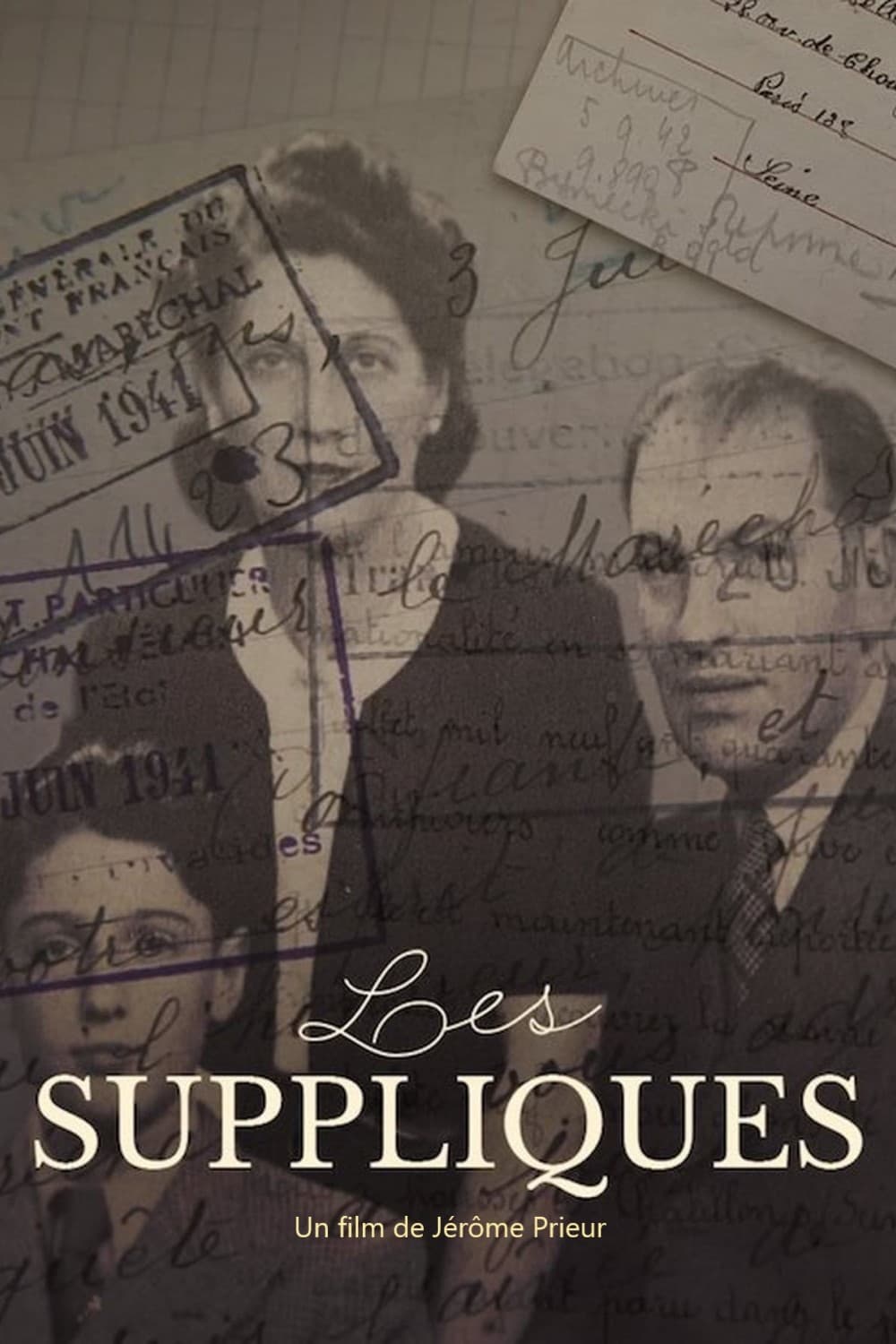
Since the defeat, the Nazis, who were the masters of the occupied zone, and the French State, which had been ruling the so-called free zone since Vichy, ordered the Jews to take a census. From the spring of 1941, whether they had been French for several generations or naturalized for a few years, foreigners who had taken refuge in France or stateless people who had been driven out of their country, they were put on file, arrested or threatened at any time. Some wrote to the administration, or directly to Marshal Pétain, who seemed to them to be the last resort. These requests are called Suppliques. Men, women, sometimes children, tried as best they could, by all means, to loosen the trap. They address themselves to their executioners, but they do not know it.
After 13 years in prison, former drug dealer Marius Eriksen needs to reintegrate into society, and gives unique insights into his past as the biggest drug dealer from Hamburg.
After Porn Ends 2 picks up where its predecessor left off and not only turns back the clock to meet the oldest living stars in adult film's history, but goes in depth with some of Its most current retirees and juxtaposes their experiences in a life after porn. Delving deeper into society's ongoing stigmas of race, misogyny, and the reality of decreasing opportunities for these former VHS box cover stars. For some, their careers in adult entertainment is accepted proudly and without regret. In fact, it seems to have proven to be the pathway to their current happiness and inner peace. For others, however, a career in porn has proven to be a conduit to certain despair as they struggle to find a way to bury their past and emerge with a new career or calling.
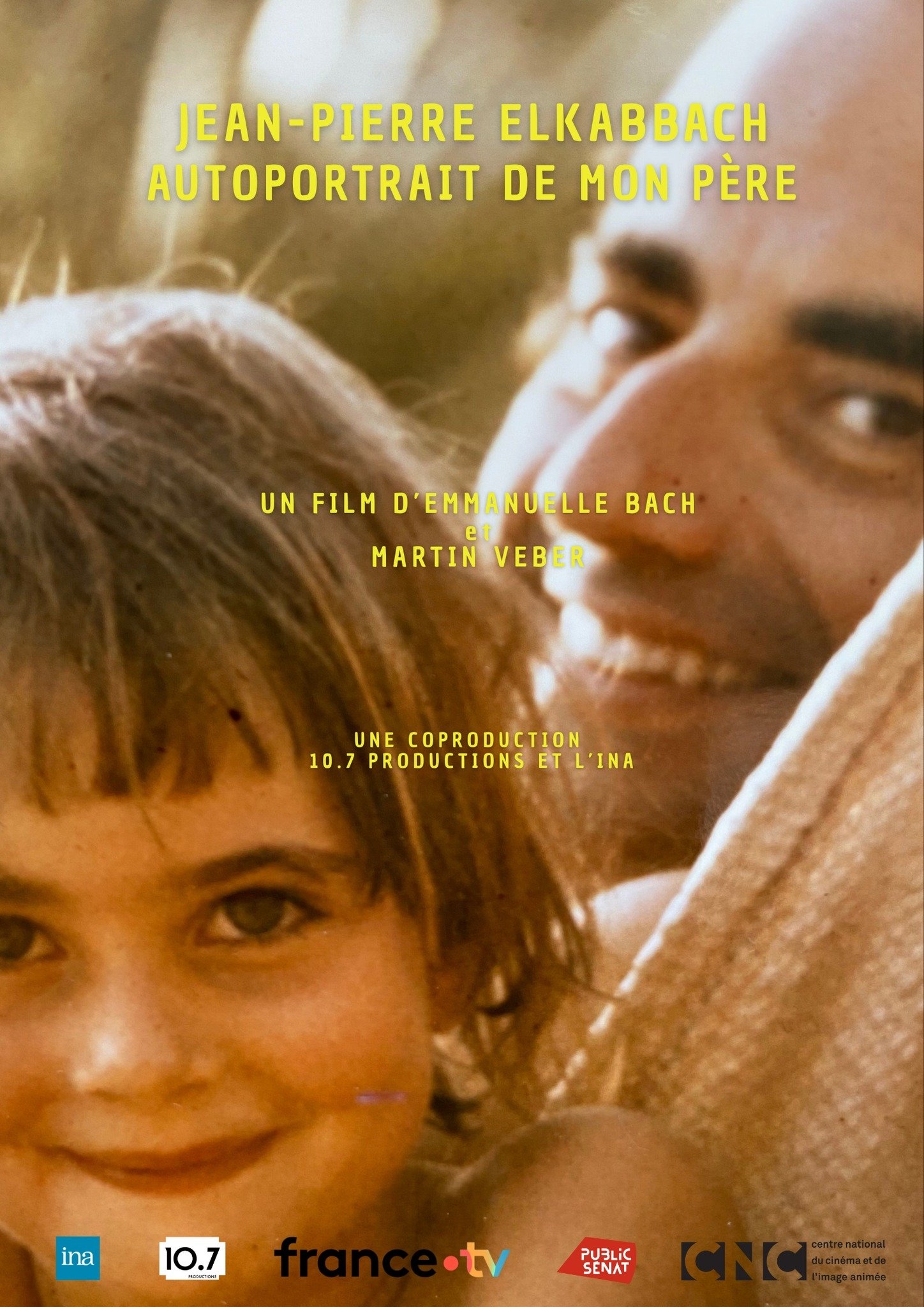
A witness to the history of the Fifth Republic for more than half a century, Jean-Pierre Elkabbach left his mark on the profession of radio and television journalism. This film tells the story of the man and his career through the voice of his daughter, Emmanuelle Bach, and previously unpublished private interviews recorded shortly before his death in 2023. It offers a portrait of this hyperactive, versatile, demanding, and inventive journalist, and reveals the private man: funny, sensitive, warm, and secretive. Emmanuelle Bach recounts with tenderness and humor her father, absorbed by his consuming passion for journalism, and with whom she struggled to find her place.
“Marilyn vs. Marilyn” tells the story of a little-known period of Marilyn’s life – the years she spent in New York, trying to became a ‘serious”’ actress, taking lessons with Lee Strasberg and setting up a production company with her photographer and trusted friend, Milton Green. Based on hitherto unpublished – and magical - photos from the Greene archives, the film focuses on the photographic image of a woman who remains one of the greatest legends in the history of cinema… and an enduring enigma.
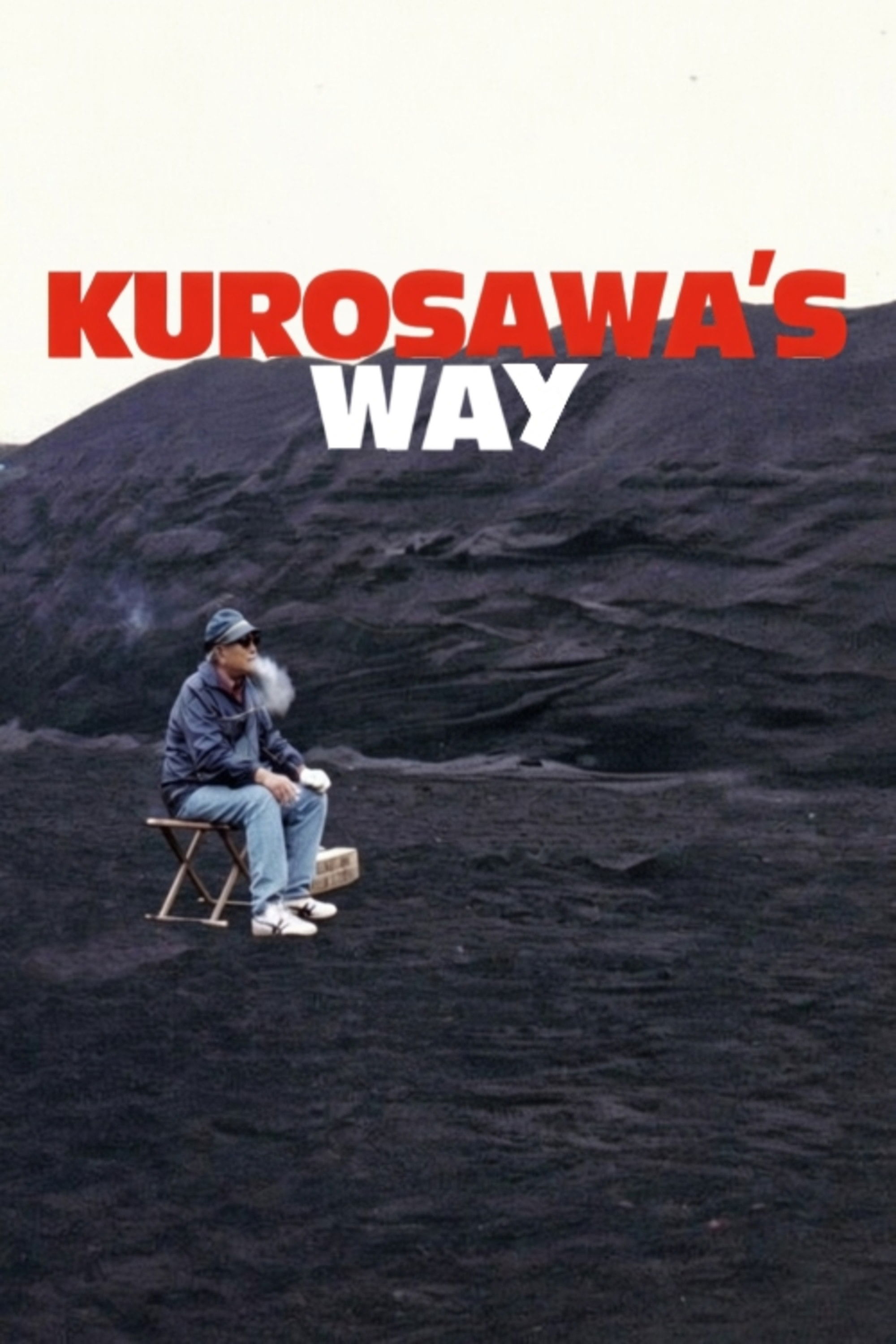
Eleven major film makers from Europe, America and Asia talk about Akira Kurosawa and discover surprising influences on their own work.
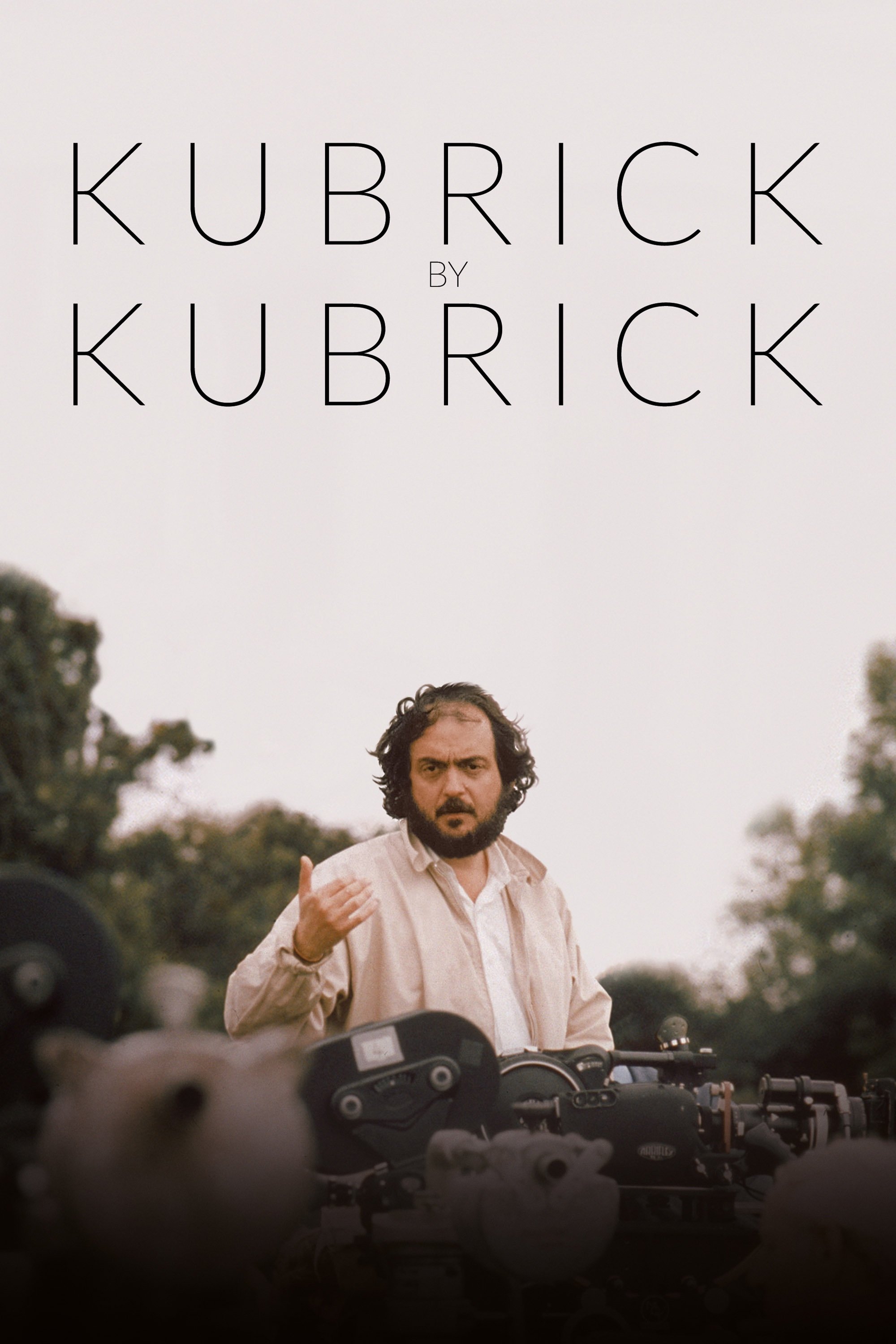
American filmmaker Stanley Kubrick (1928–1999), one of the greatest in history, but also one of the most reserved, gave few interviews throughout his long career, and none of them were filmed. A first-person journey through his life and work, based on a recorded conversation with French film critic Michel Climent.
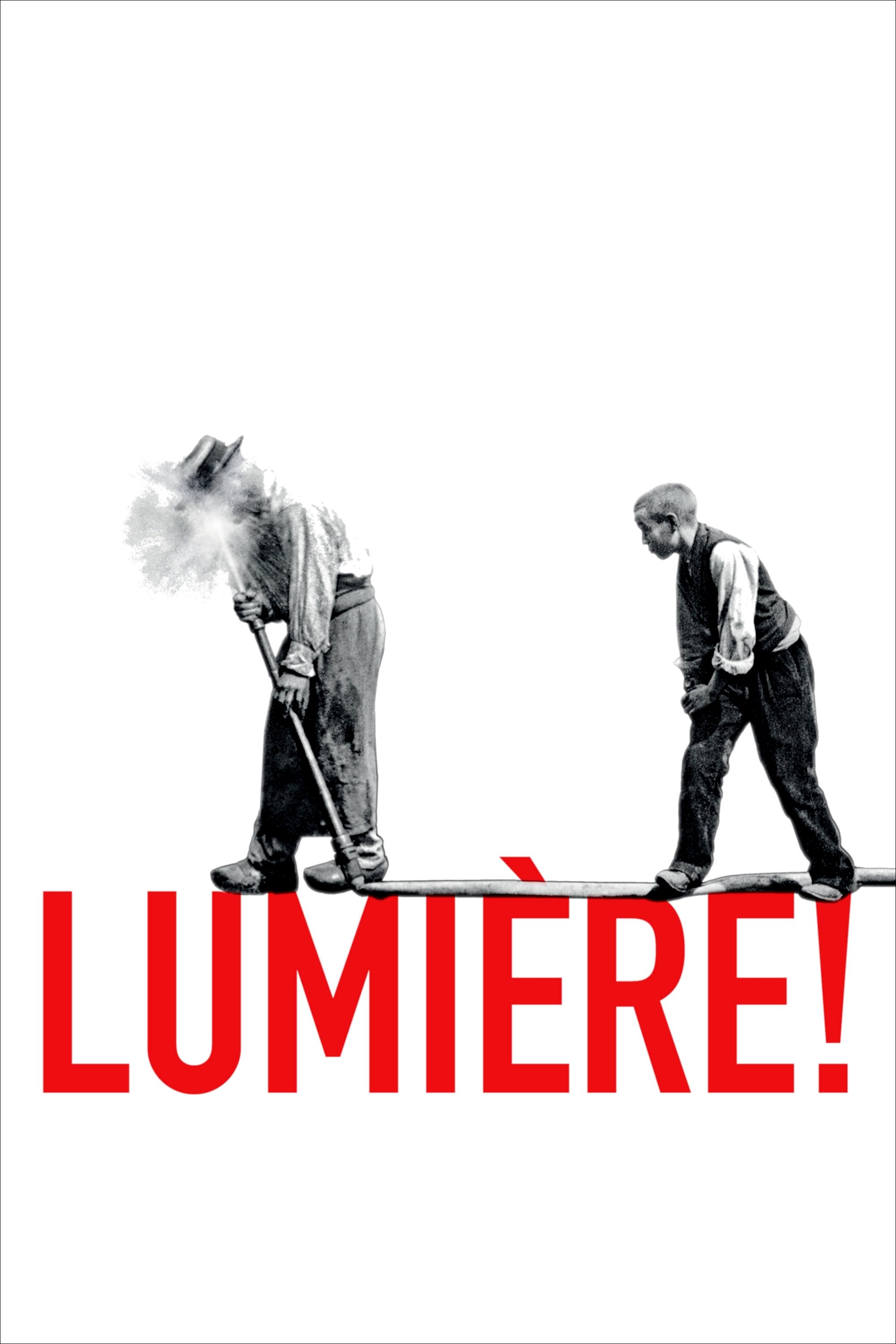
A collection of restored prints from the Lumière Brothers.
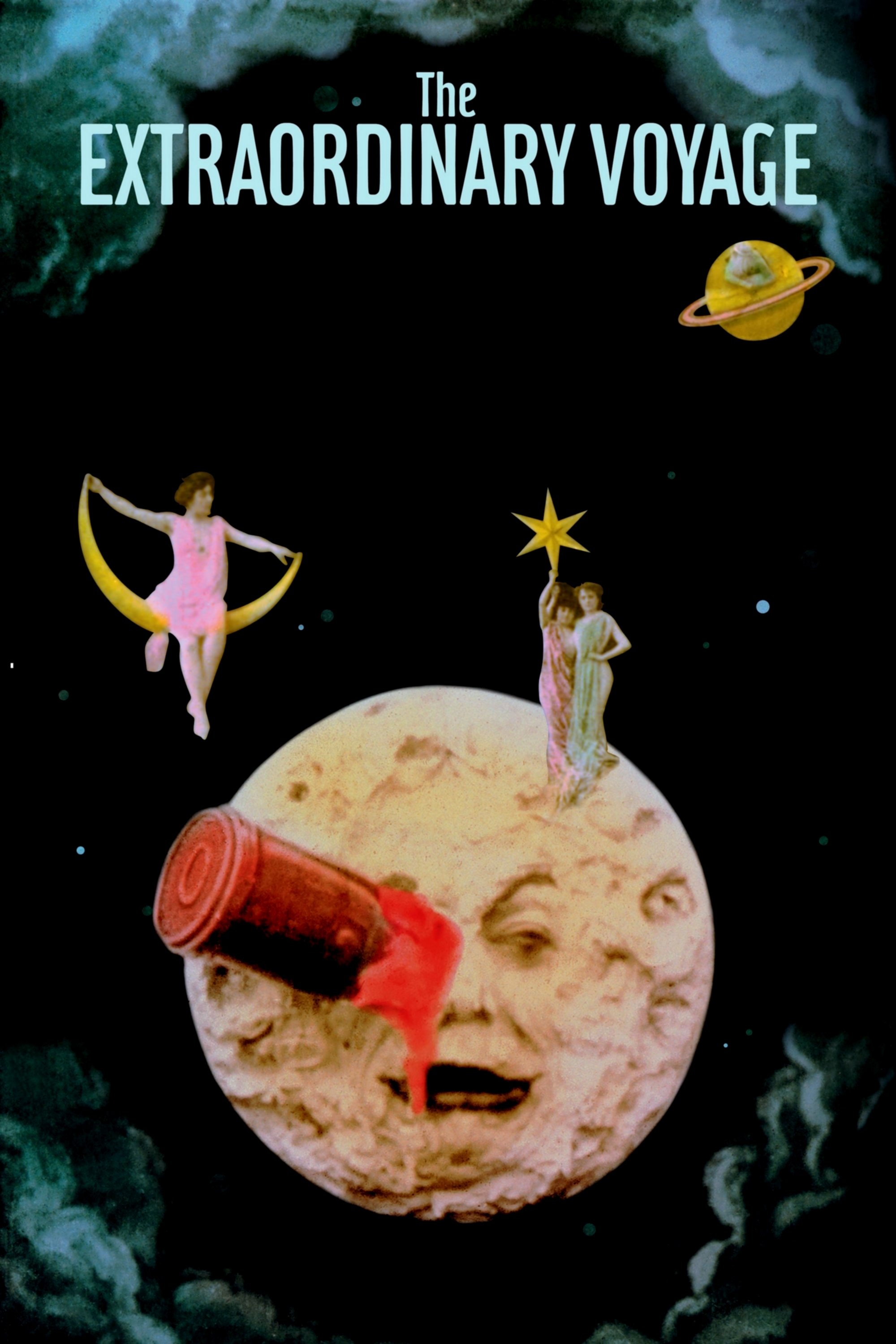
An account of the extraordinary life of film pioneer Georges Méliès (1861-1938) and the amazing story of the copy in color of his masterpiece A Trip to the Moon (1902), unexpectedly found in Spain and restored thanks to the heroic efforts of a group of true cinema lovers.
The history of cinematic sound, told by legendary sound designers and visionary filmmakers.
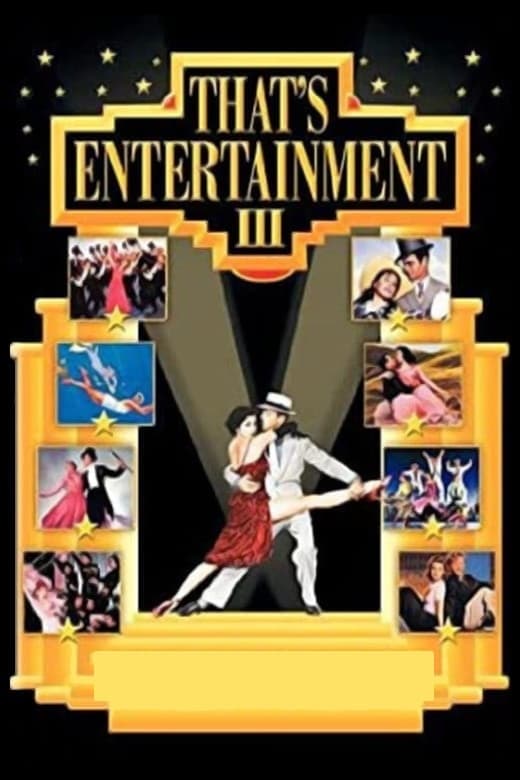
Some of MGM'S musical stars review the studios history of musicals. From The Hollywood Revue of 1929 to Brigadoon, from the first musical talkies to Gene Kelly in Singin' in the Rain.
Told through performances, TV interviews, home movies, family photographs, private letters and unpublished memoirs, the film reveals the essence of an extraordinary woman who rose from humble beginnings in New York City to become a glamorous international superstar and one of the greatest artists of all time.
In 1964, Henri-Georges Clouzot's production of L'Enfer came to a halt. Despite huge expectations, major studio backing and an unlimited budget, after three weeks the production collapsed. This documentary presents Inferno's incredible expressionistic original rushes, screen tests, and on-location footage, whilst also reconstructing Clouzot's original vision, and shedding light on the ill-fated endeavor through interviews, dramatizations of unfilmed scenes, and Clouzot's own notes.
The definitive documentary on the history of nudity in feature films from the early silent days to the present, studying the changes in morality that led to the use of nudity in films while emphasizing the political, sociological and artistic changes that shaped that history. Skin will also study the gender inequality in presenting nude images in motion pictures and will follow the revolution that has created nude gender equality in feature films today.
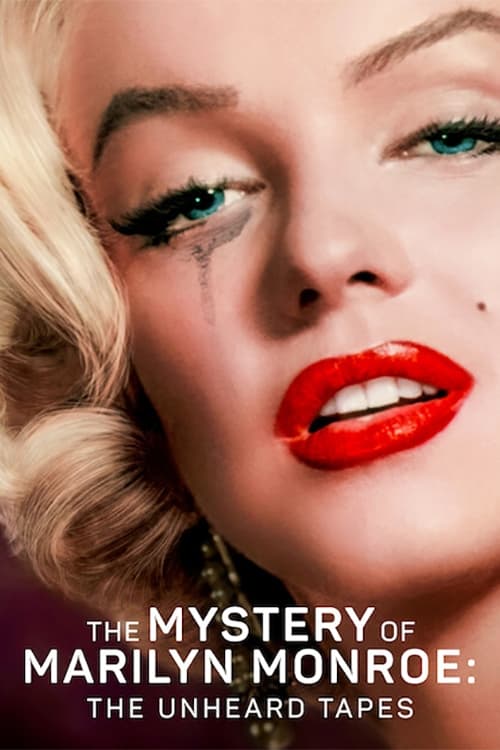
This documentary explores the mystery surrounding the death of movie icon Marilyn Monroe through previously unheard interviews with her inner circle.
Director Claude Lanzmann spent 11 years on this sprawling documentary about the Holocaust, conducting his own interviews and refusing to use a single frame of archival footage. Dividing Holocaust witnesses into three categories – survivors, bystanders, and perpetrators – Lanzmann presents testimonies from survivors of the Chelmno concentration camp, an Auschwitz escapee, and witnesses of the Warsaw Ghetto Uprising, as well as a chilling report of gas chambers from an SS officer at Treblinka.
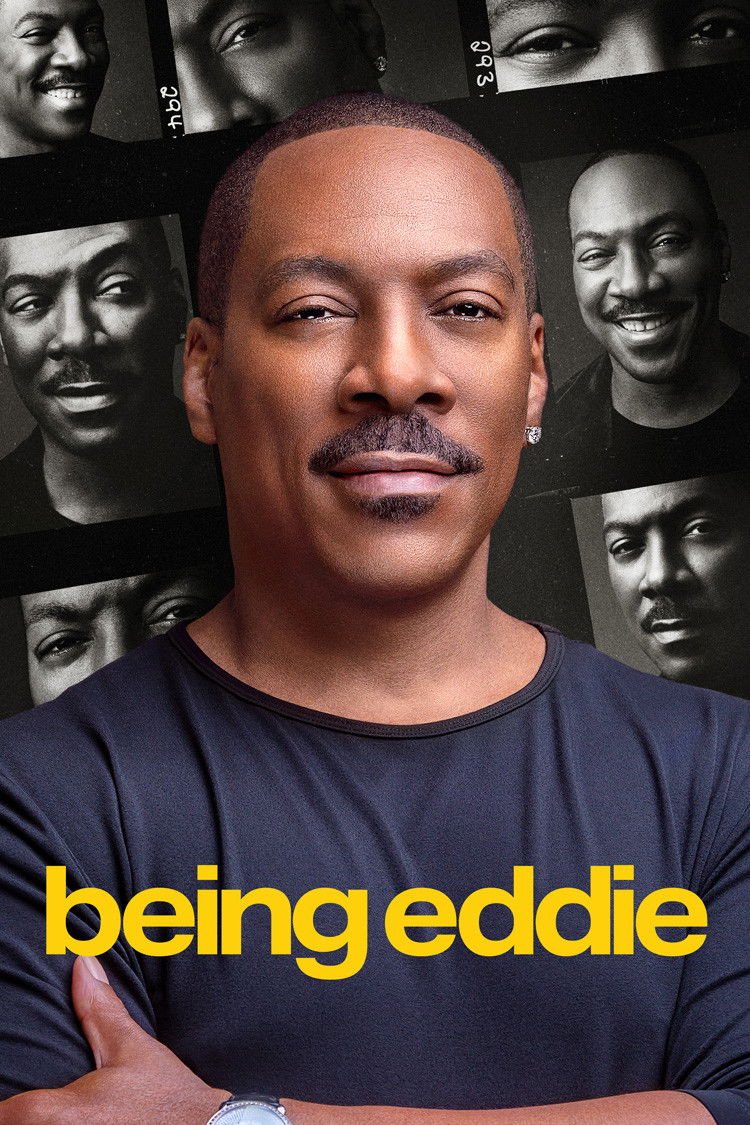
From teen comedian to Hollywood legend, Eddie Murphy revisits his extraordinary showbiz ride with raw honesty and humor.
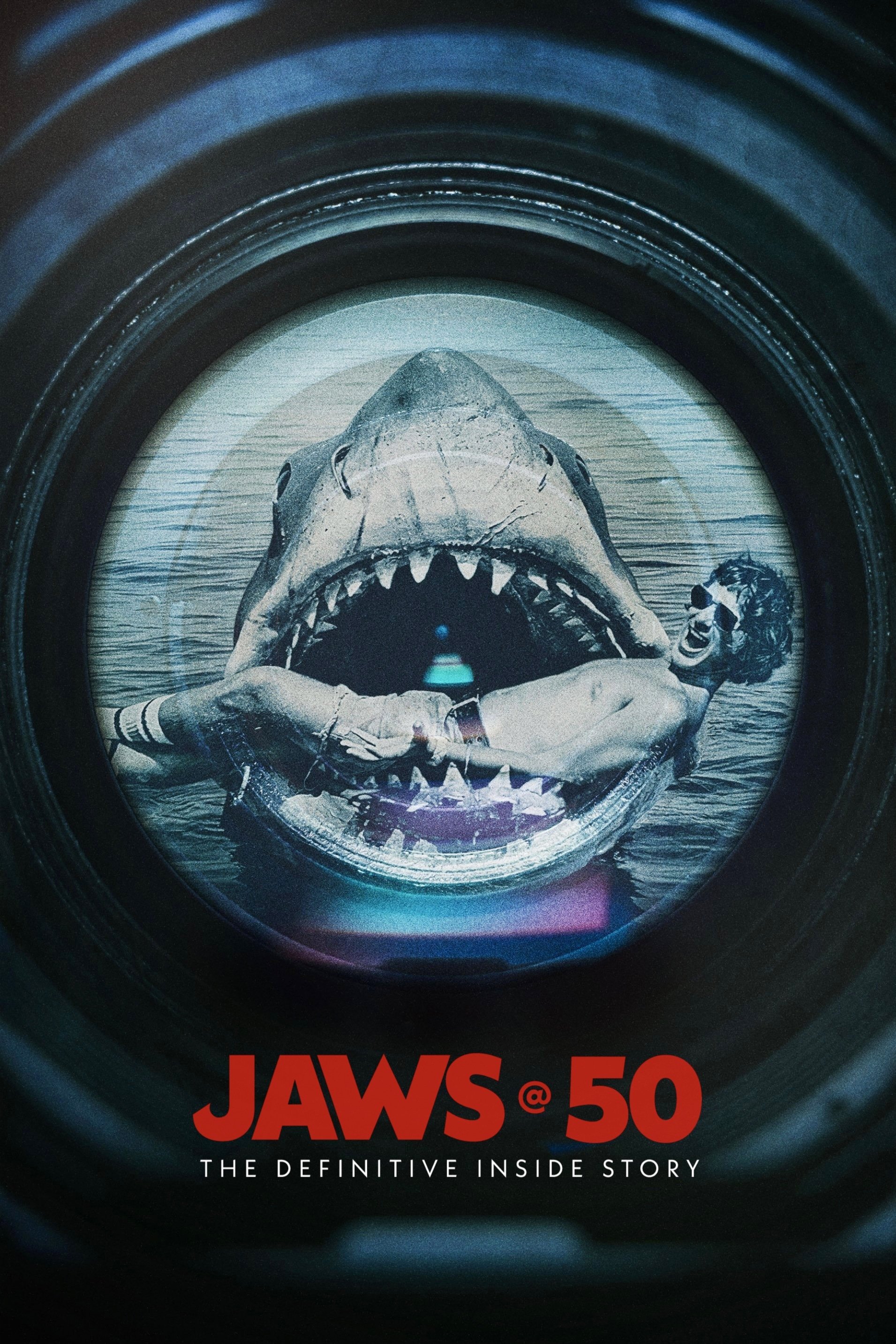
The authorized documentary celebrating the film that redefined Hollywood, 50 years after its premiere. Featuring rare archival footage and interviews with acclaimed Hollywood directors alongside Steven Spielberg, top shark scientists, and conservationists, the film uncovers the behind-the-scenes chaos and how the film launched the summer blockbuster, inspired a new wave of filmmakers, and paved the way for shark conservation that continues today.
Since the invention of cinema, the standard format for recording moving images has been film. Over the past two decades, a new form of digital filmmaking has emerged, creating a groundbreaking evolution in the medium. Keanu Reeves explores the development of cinema and the impact of digital filmmaking via in-depth interviews with Hollywood masters, such as James Cameron, David Fincher, David Lynch, Christopher Nolan, Martin Scorsese, George Lucas, Steven Soderbergh, and many more.
From a prolific career in film and television, Anton Yelchin left an indelible legacy as an actor. Through his journals and other writings, his photography, the original music he wrote, and interviews with his family, friends, and colleagues, this film looks not just at Anton's impressive career, but at a broader portrait of the man.
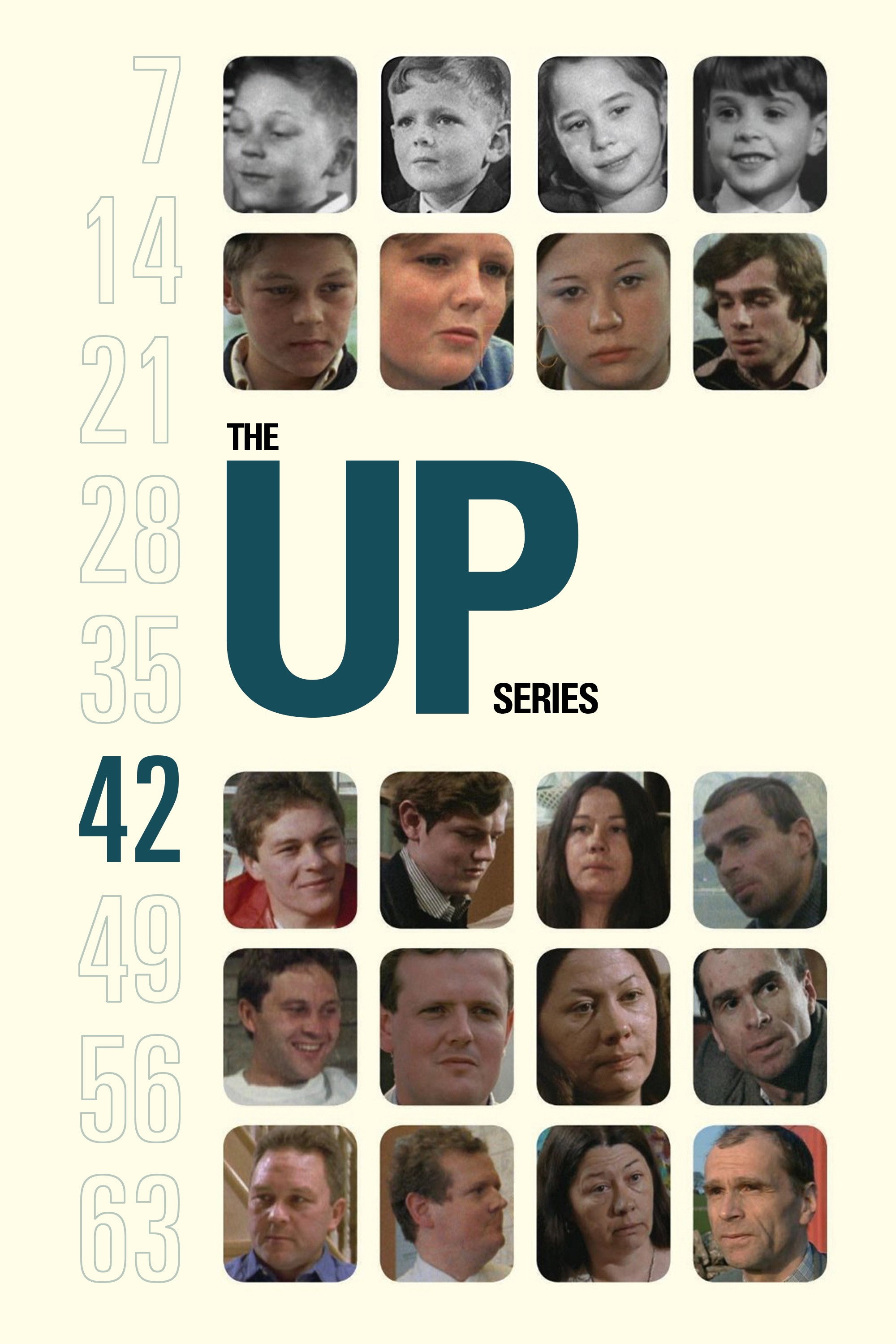
Director Michael Apted revisits the same group of British-born adults after a 7 year wait. The subjects are interviewed as to the changes that have occurred in their lives during the last seven years.
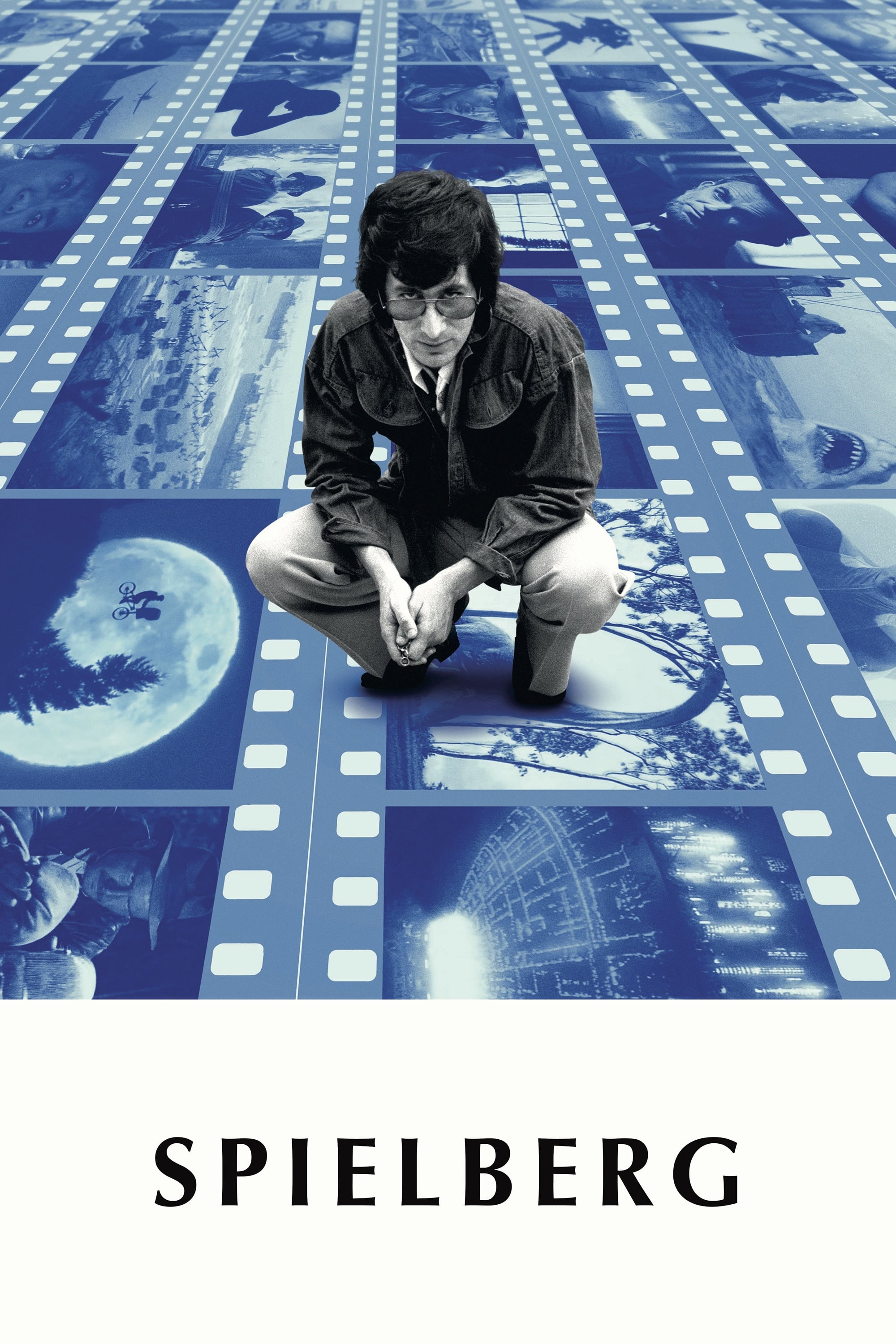
A documentary on the life and career of one of the most influential film directors of all time, Steven Spielberg.
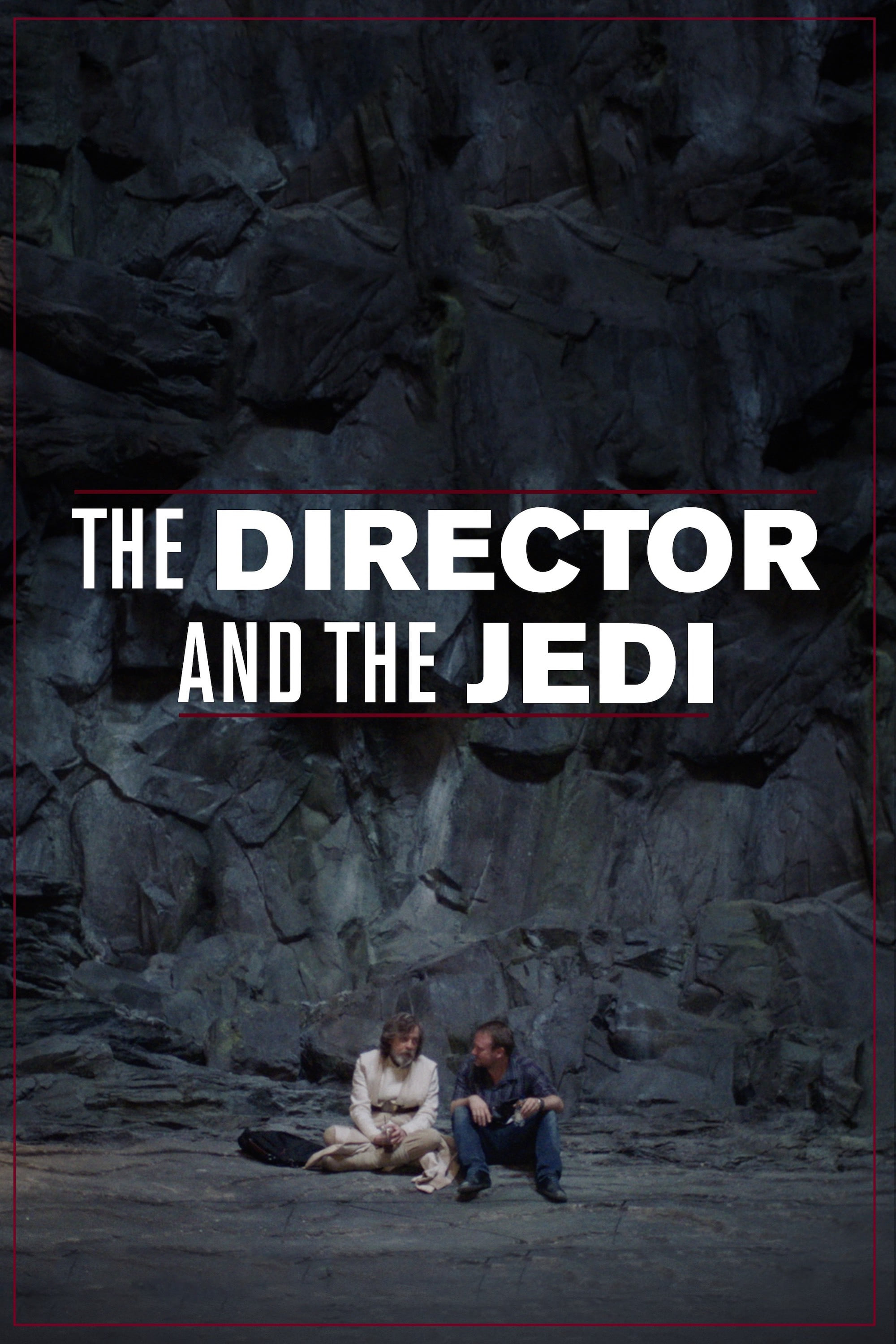
An intimate documentary delving into Rian Johnson's process as he comes in as a director new to the Star Wars universe.
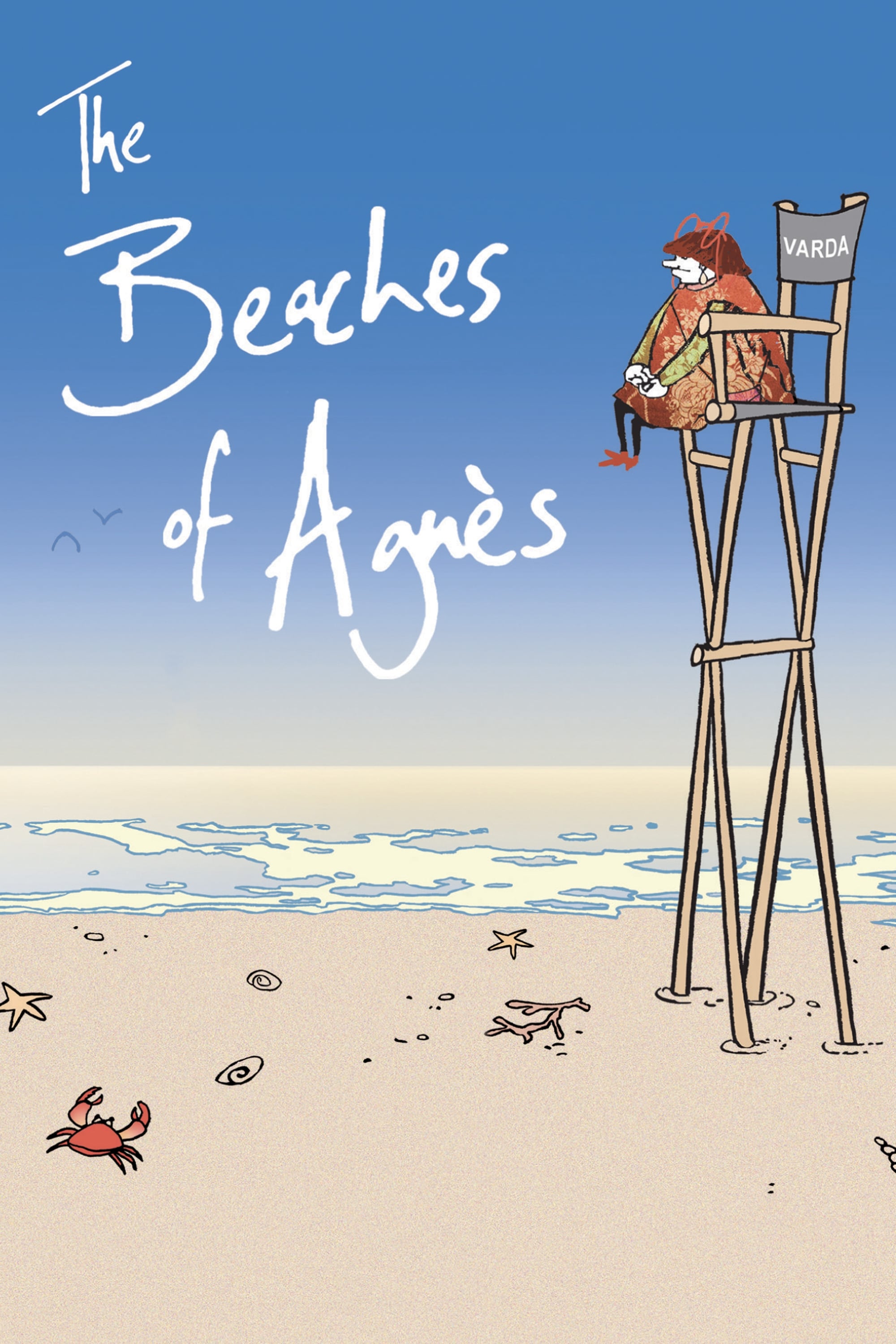
Filmmaking icon Agnès Varda, the award-winning director regarded by many as the grandmother of the French new wave, turns the camera on herself with this unique autobiographical documentary. Composed of film excerpts and elaborate dramatic re-creations, Varda's self-portrait recounts the highs and lows of her professional career, the many friendships that affected her life and her longtime marriage to cinematic giant Jacques Demy.
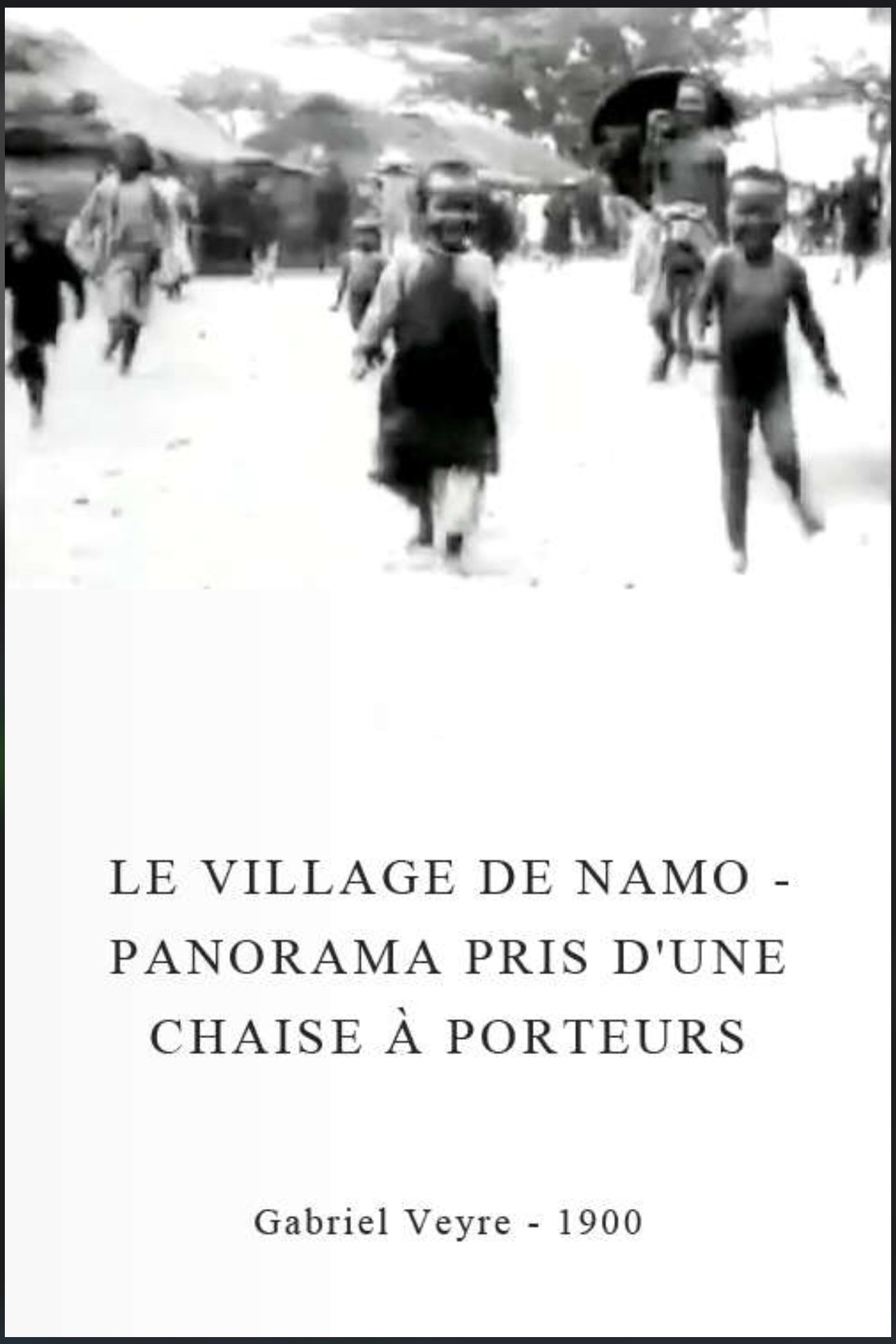
The film is a panorama shot-scene lasting just under a minute. The panorama film, as coined by Lumière, is a moving-camera shot--usually accomplished by placing the camera on a moving transport, such as a boat or train.
Meet the real-life airmen who inspired Masters of the Air as they share the harrowing and transformative events of the 100th Bomb Group.