Social & External
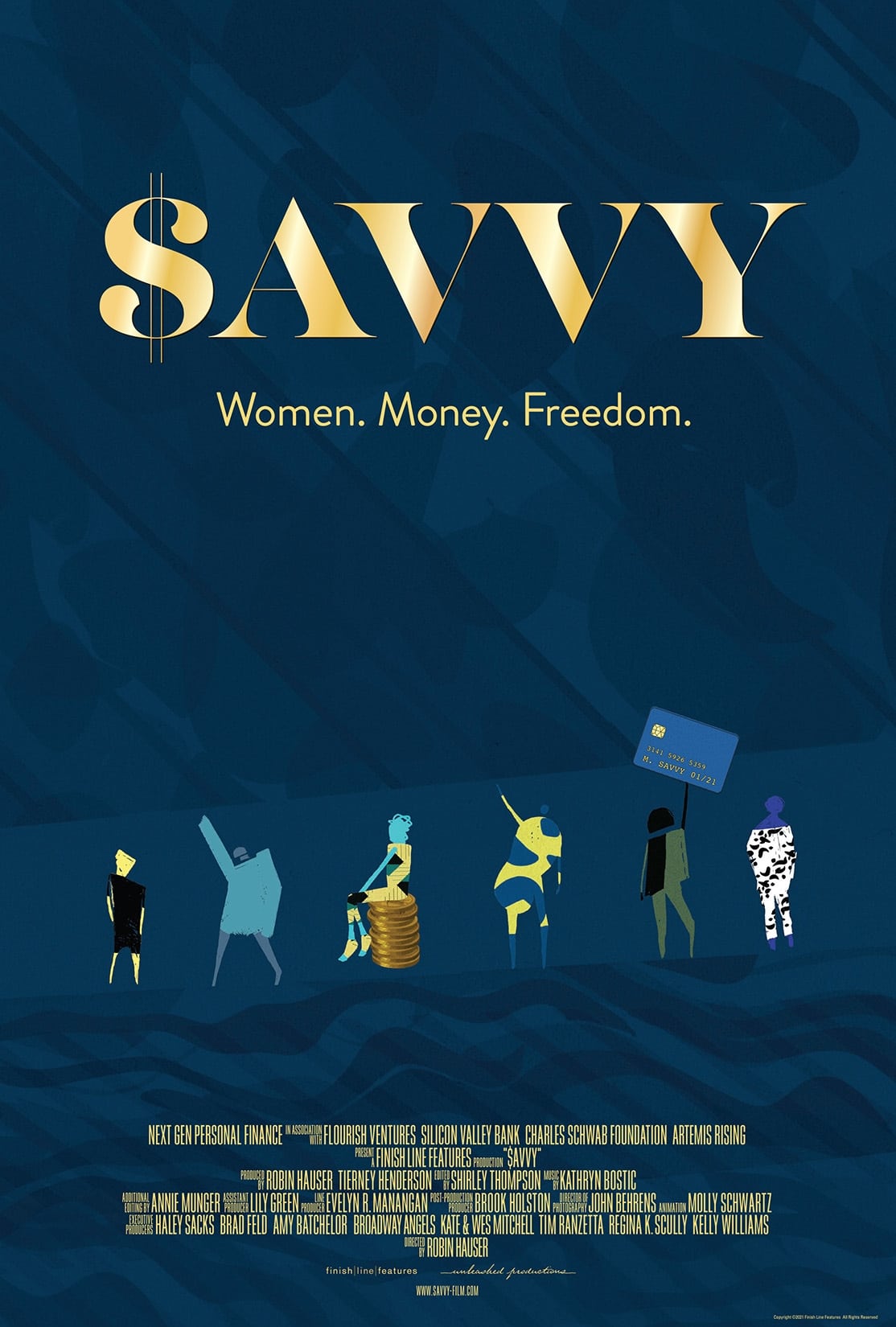
$avy investigates the historical, cultural, and societal norms around women and money.
In the week when Hindus celebrate the holy festival of Diwali, this documentary tells the story of one of their faith's most sacred symbols - the swastika. For many, the swastika has become a symbol synonymous with the Nazis and fascism. But this film reveals the fascinating and complex history of an emblem that is, in fact, a religious symbol, with a sacred past. For the almost one billion Hindus around the world, the swastika lies at the heart of religious practices and beliefs, as an emblem of benevolence, luck and good fortune.
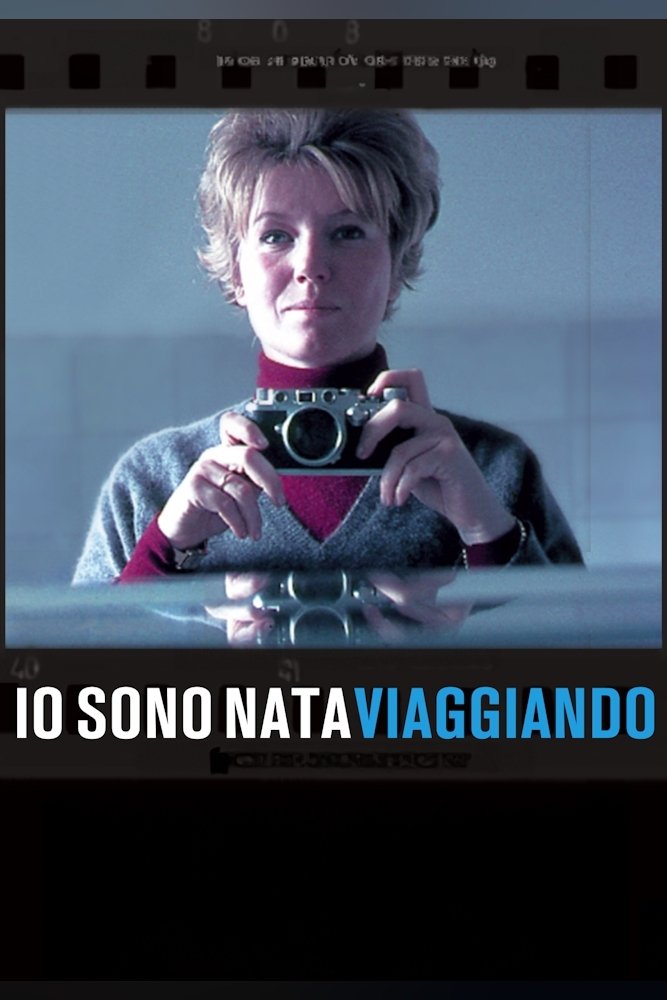
A journey back through Dacia Maraini's and her trips around the world with her close friends cinema director Pier Paolo Pasolini and opera singer Maria Callas. An in-depth story of this fascinating woman's life. Maraini's memories come alive through personal photographs taken on the road as well as her own Super 8 films shot almost thirty years ago.
Documentary about Japan's Unit 731 of World War II.
Trans and queer communities shaped carnival traditions in the Canary Islands, exploring their historical role in developing costumes, performances, and celebrations that define the region's festive identity.
A documentary film telling the story of true friendship and commitment to Japan’s recovery by the international community following the Great East Japan Earthquake. Many of these people dropped what they were doing and dedicated themselves to Japan’s recovery. Many of these them even took it upon themselves to establish non-profit organizations aimed at connecting with and rebuilding Tohoku and its communities.
Using never-before-seen footage, Japan's War In Colour tells a previously untold story. It recounts the history of the Second World War from a Japanese perspective, combining original colour film with letters and diaries written by Japanese people. It tells the story of a nation at war from the diverse perspectives of those who lived through it: the leaders and the ordinary people, the oppressors and the victims, the guilty and the innocent. Until recently, it was believed that no colour film of Japan existed prior to 1945. But specialist research has now unearthed a remarkable colour record from as early as the 1930s. For eight years the Japanese fought what they believed was a Holy War that became a fight to the death. Japan's War In Colour shows how militarism took hold of the Japanese people; describes why Japan felt compelled to attack the West; explains what drove the Japanese to resist the Allies for so long; and, finally, reveals how they dealt with the shame of defeat.
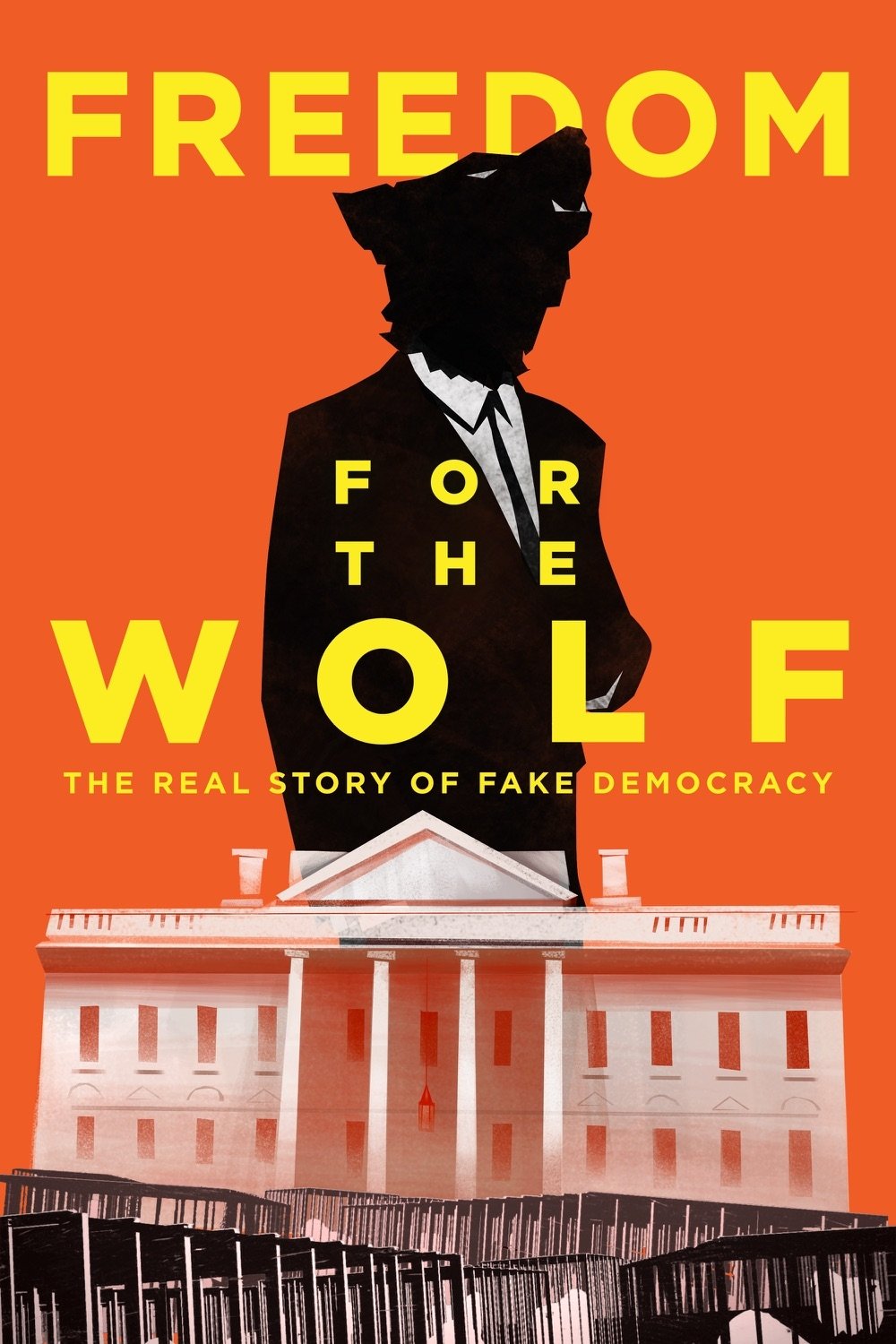
The Real Story of Fake Democracy. Filmed over three years in five countries, FREEDOM FOR THE WOLF is an epic investigation into the new regime of illiberal democracy. From the young students of Hong Kong, to a rapper in post-Arab Spring Tunisia and the viral comedians of Bollywood, we discover how people from every corner of the globe are fighting the same struggle. They are fighting against elected leaders who trample on human rights, minorities, and their political opponents.
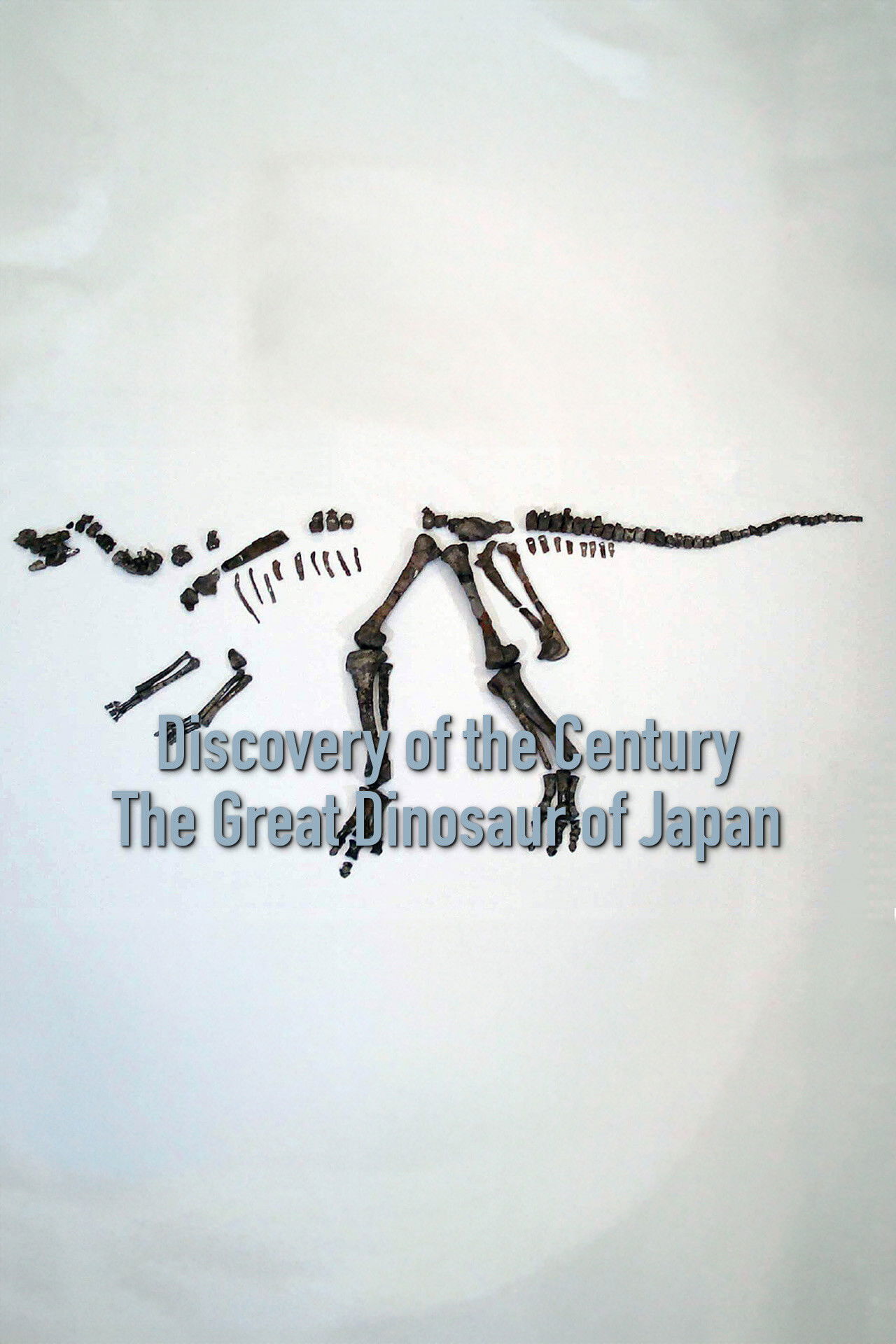
It's considered the discovery of the century in Japan -- the unearthing of a complete fossilized skeleton of an 8-meter long dinosaur. It was dubbed Mukawaryu based on the name of the town in Hokkaido where it was uncovered. The find opened up a new world of dinosaur research in Japan. But it also created another mystery because this land dinosaur was discovered in a location that, eons ago, would have been in the ocean. How did the fossil get there? The amazing answer is revealed in this documentary, using CGI to re-create how dinosaurs lived 72 million years ago.
Documentary on the Mayan culture.
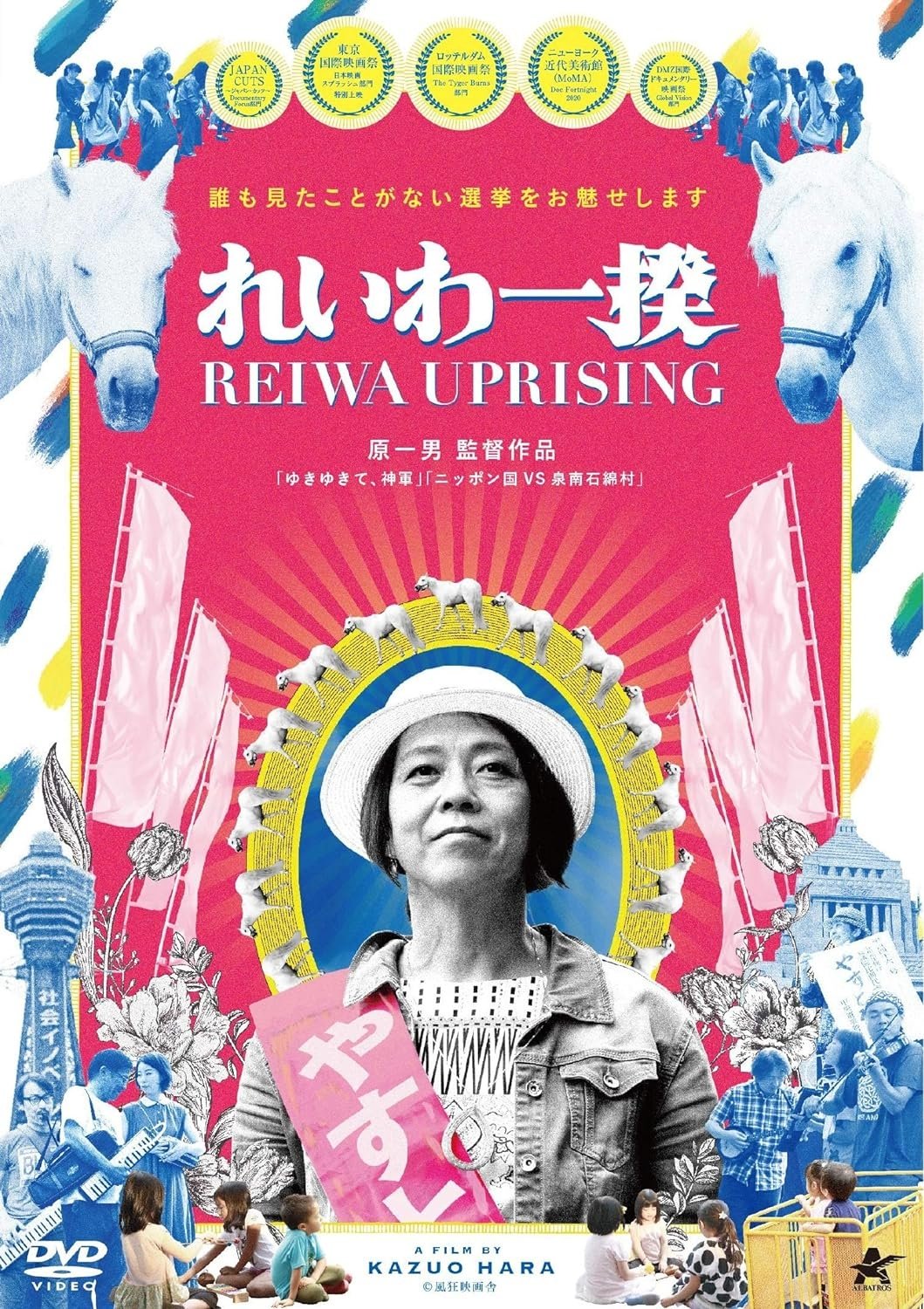
Kazuo Hara follows Ayumi Yasutomi, a transgender candidate, who is also a Tokyo University professor, as she embarks on a national campaign for a seat in Japan's Upper House.
How the Japanese process American pop culture and make it their own -- a mind-bending odyssey through cultural mixing.
Since the year 2000, there have been several waves of suicides among the indigenous population of the Colombian Amazon. I discovered that the men commit suicide because of love sorrow. Their wives leave them for white men. The latter think that the Indian feels nothing because they do not express themselves in the same way and, in their language, there are no words to describe feelings. Is it possible that a whole people, the Cácuas Indians, do not feel anything?
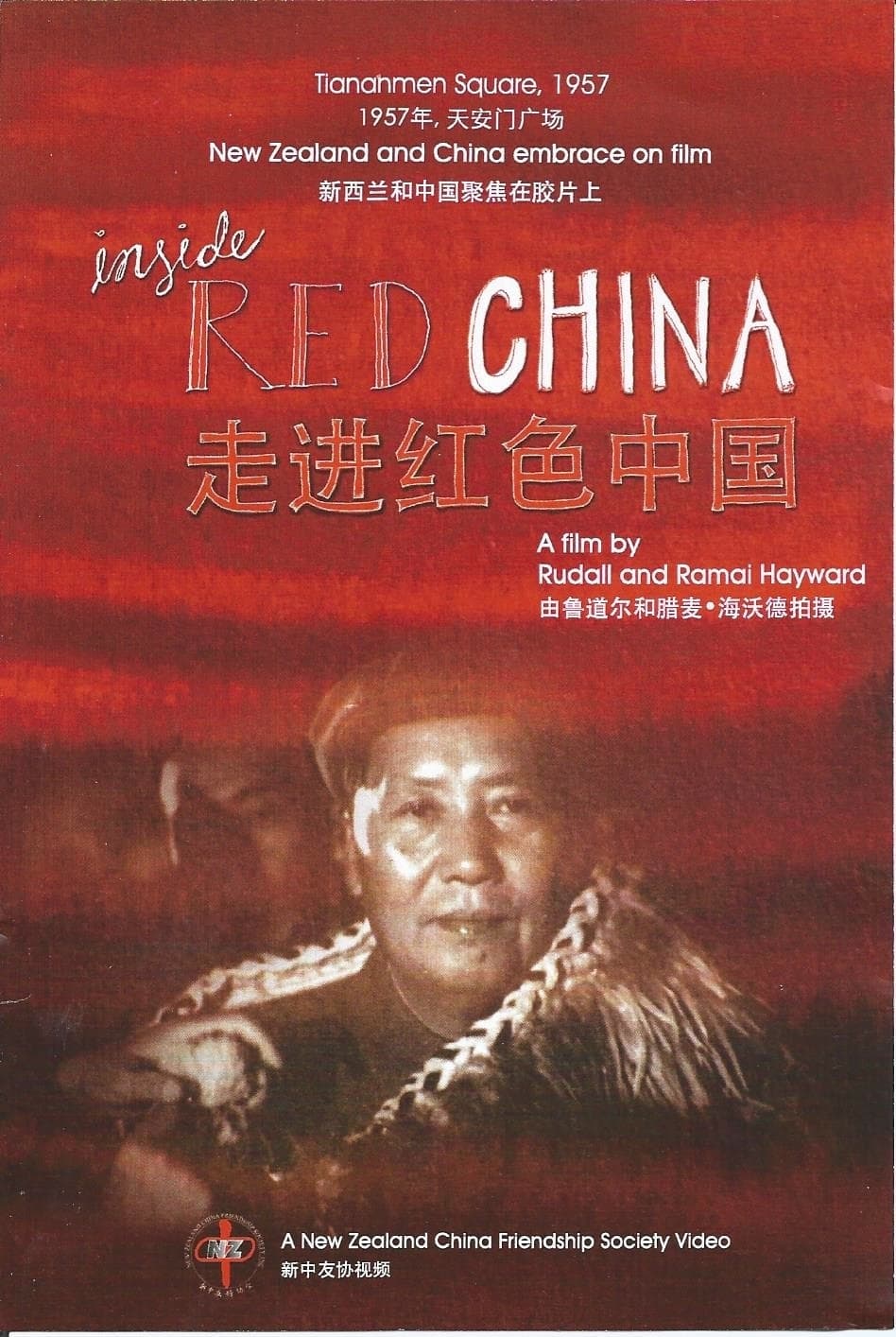
October 1st, 1957. Dusk descends on Tiananmen Square, Peking. Fireworks crackle light across the night sky, above a city alive with National Day festivities and celebrations. Two intrepid New Zealand film-makers - Rudall and Ramai Te Miha Hayward - are there, documenting the life and times of communist China. The distinction of being the first English speaking foreigners to film unfettered in communist China was significant. The invitation to visit China was facilitated through the New Zealand China Friendship Society. They filmed in Canton, Shanghai, Peking (Beijing) and Wuhan. It was a small window of opportunity for Westerners to gaze on a country that was largely a mystery to the outside world since 1949. The unfortunate irony was that two of the documentaries; “Wonders of China”, and “Inside Red China”, were considered to be communist propaganda, and were not distributed outside of New Zealand.
Sake is a traditional alcoholic beverage from Japan and is otherwise known as rice wine. Women were prohibited from entering the many large and small sake breweries dotting Japan for centuries. However, times have changed and women are present on the sake scene today. In several cases, they are integral to the Japanese brewery business. The documentary depicts women who are not only enthusiasts, but also leaving their marks on the evolution of this Japanese mainstay.
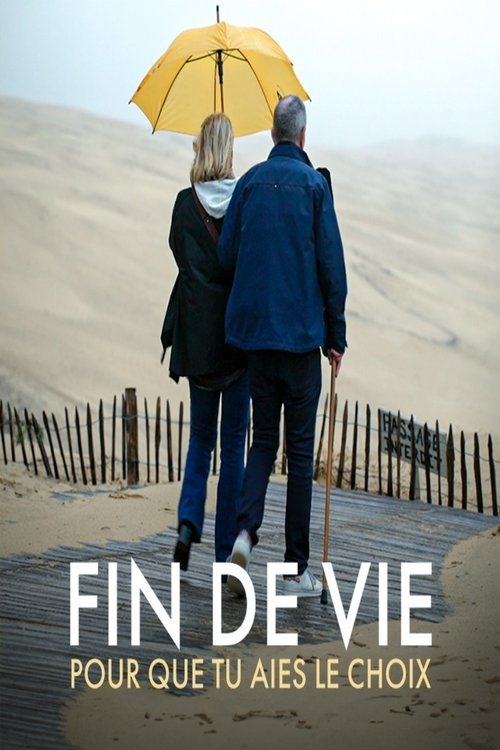
Marina Carrère d'Encausse lifts the veil on the intimate questions that preoccupy her as well as society at large: those related to the end of life. The doctor-journalist introduces Antoine, her partner, who is suffering from Charcot's disease, an incurable illness, and who wishes to choose how he ends his life. Is the current law in France sufficient? Should it simply be better enforced, allowing better access to palliative care? Should assisted suicide and euthanasia be legalized? Marina meets with patients concerned about the end of life, caregivers, and politicians in France, as well as in Belgium, Switzerland, and Canada, countries where euthanasia and assisted suicide are legal.
Leaving Europe to look for Akiko, Jean-Noël discovers her city, the exotic Tokyo. A documentary on everyday life in Tokyo, its KABUKI theater, its nostalgic TAKENOKOZOKU dances, its thousands of suit-and-tie executives, its geishas, its Western style marriages, its tranquil green areas, its pulsating nightlife...
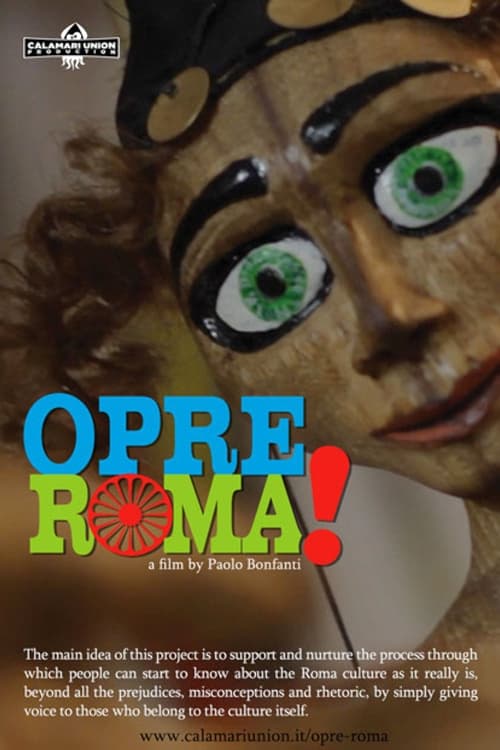
The film retraces the origins, history, habits and traditions of the Roma people but also tells the direct experience of some of the people who belong to it.
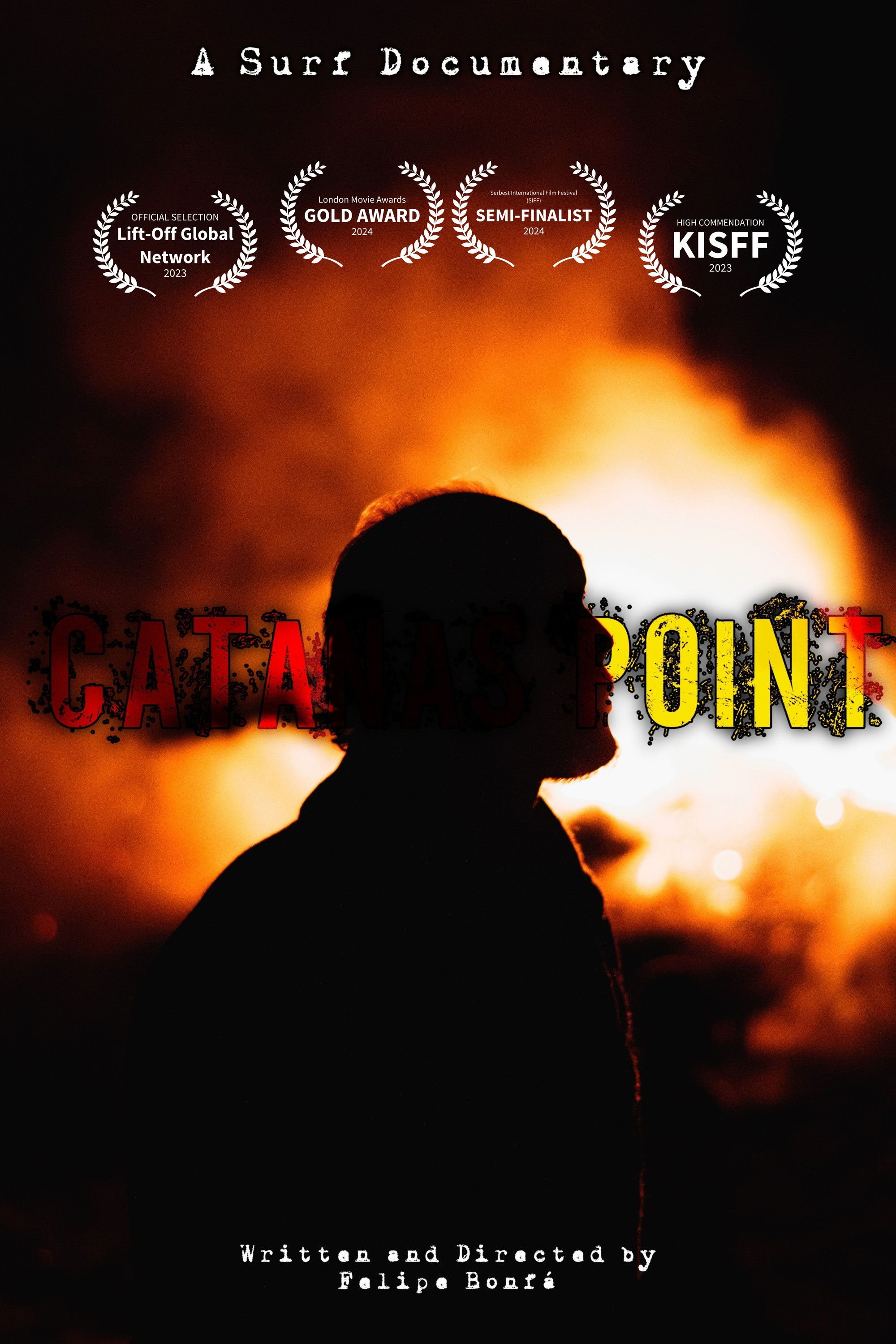
"CATANAS POINT - A Surf Documentary" portrays the reality of the sport of surfing in Angola and compares it with what surfing was like in Brazil from the 1980s to the present day.
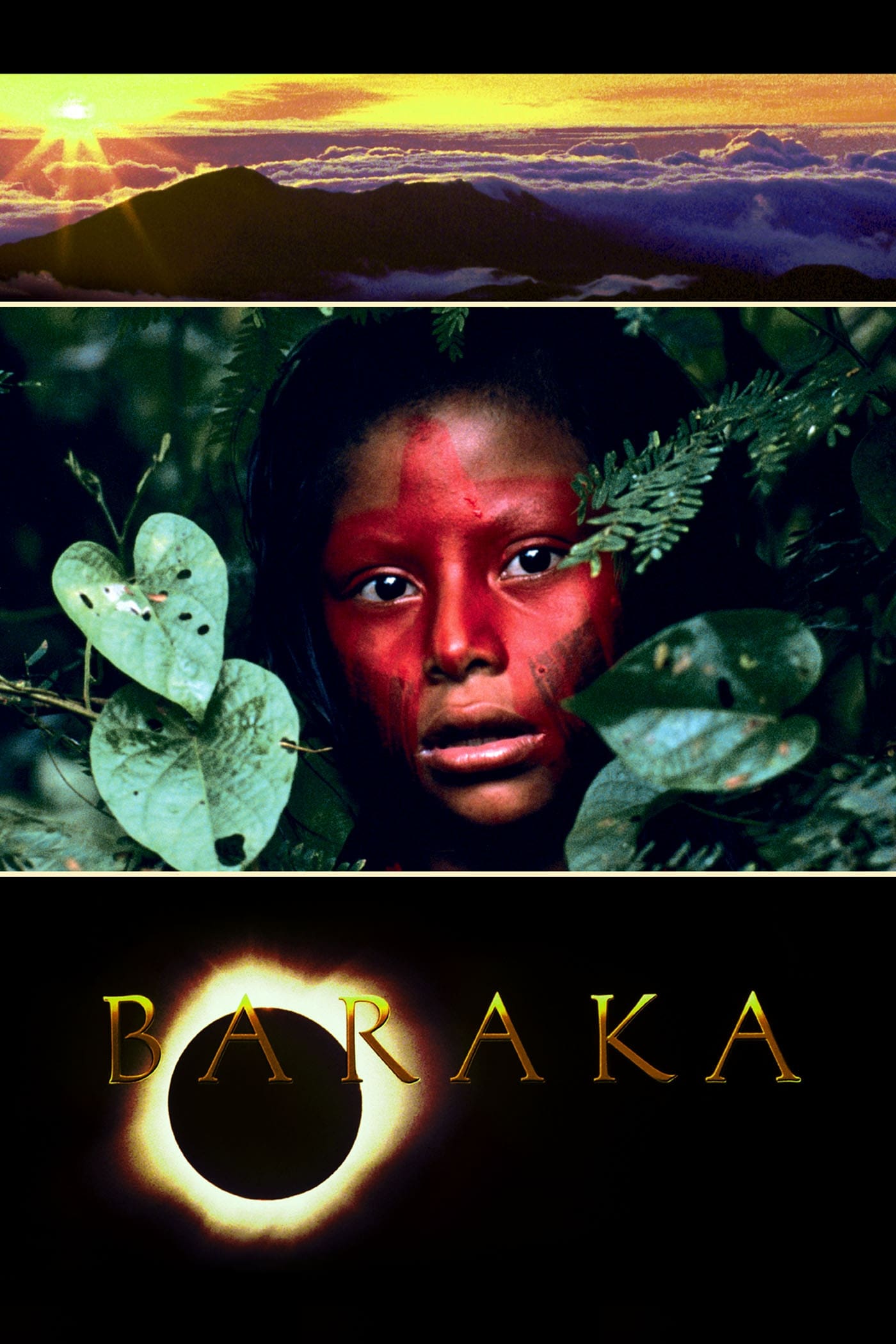
A paralysingly beautiful documentary with a global vision—an odyssey through landscape and time—that attempts to capture the essence of life.
A documentary on the expletive's origin, why it offends some people so deeply, and what can be gained from its use.
A woman narrates the thoughts of a world traveler, meditations on time and memory expressed in words and images from places as far-flung as Japan, Guinea-Bissau, Iceland, and San Francisco.
A visual montage portrait of our contemporary world dominated by globalized technology and violence.
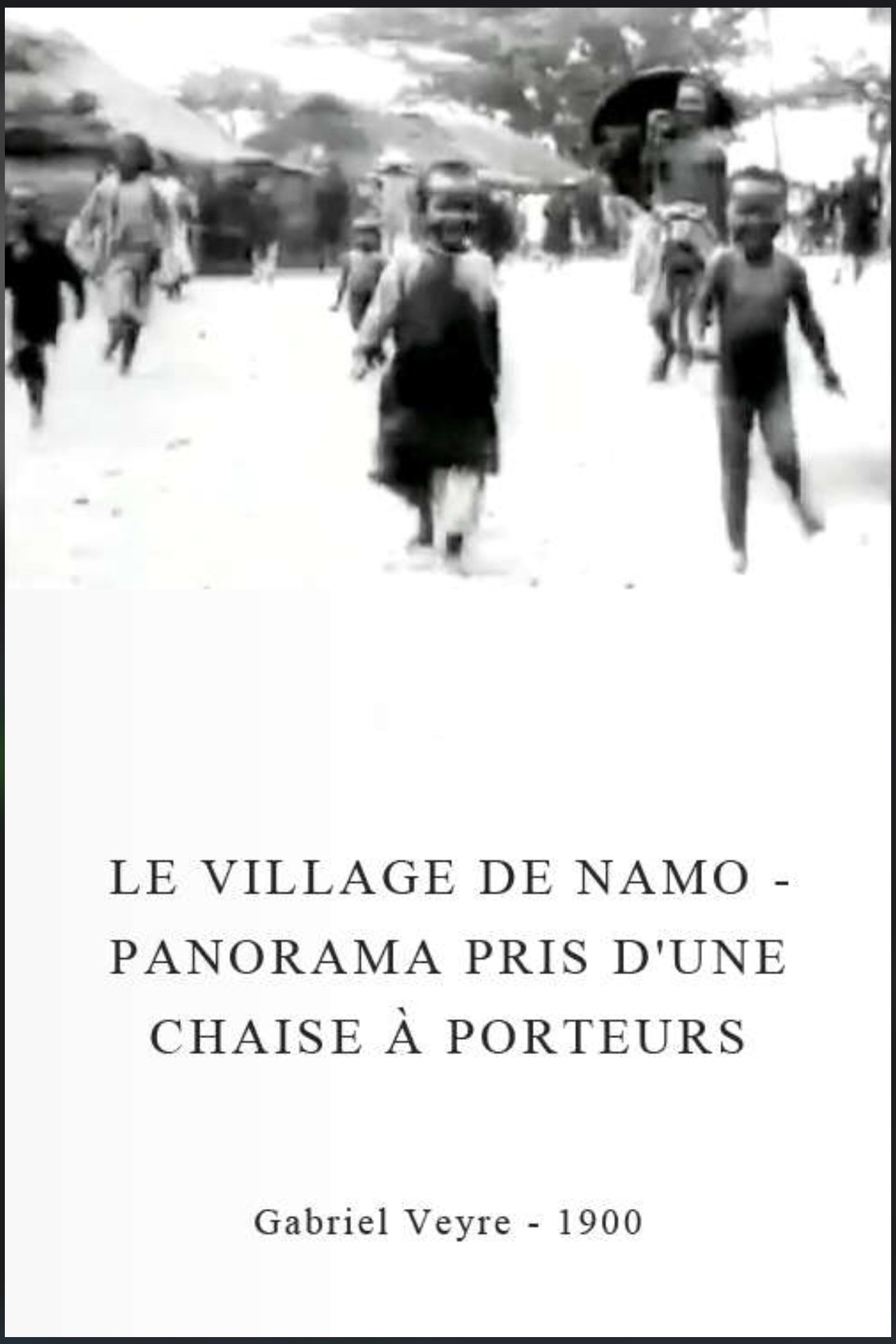
The film is a panorama shot-scene lasting just under a minute. The panorama film, as coined by Lumière, is a moving-camera shot--usually accomplished by placing the camera on a moving transport, such as a boat or train.
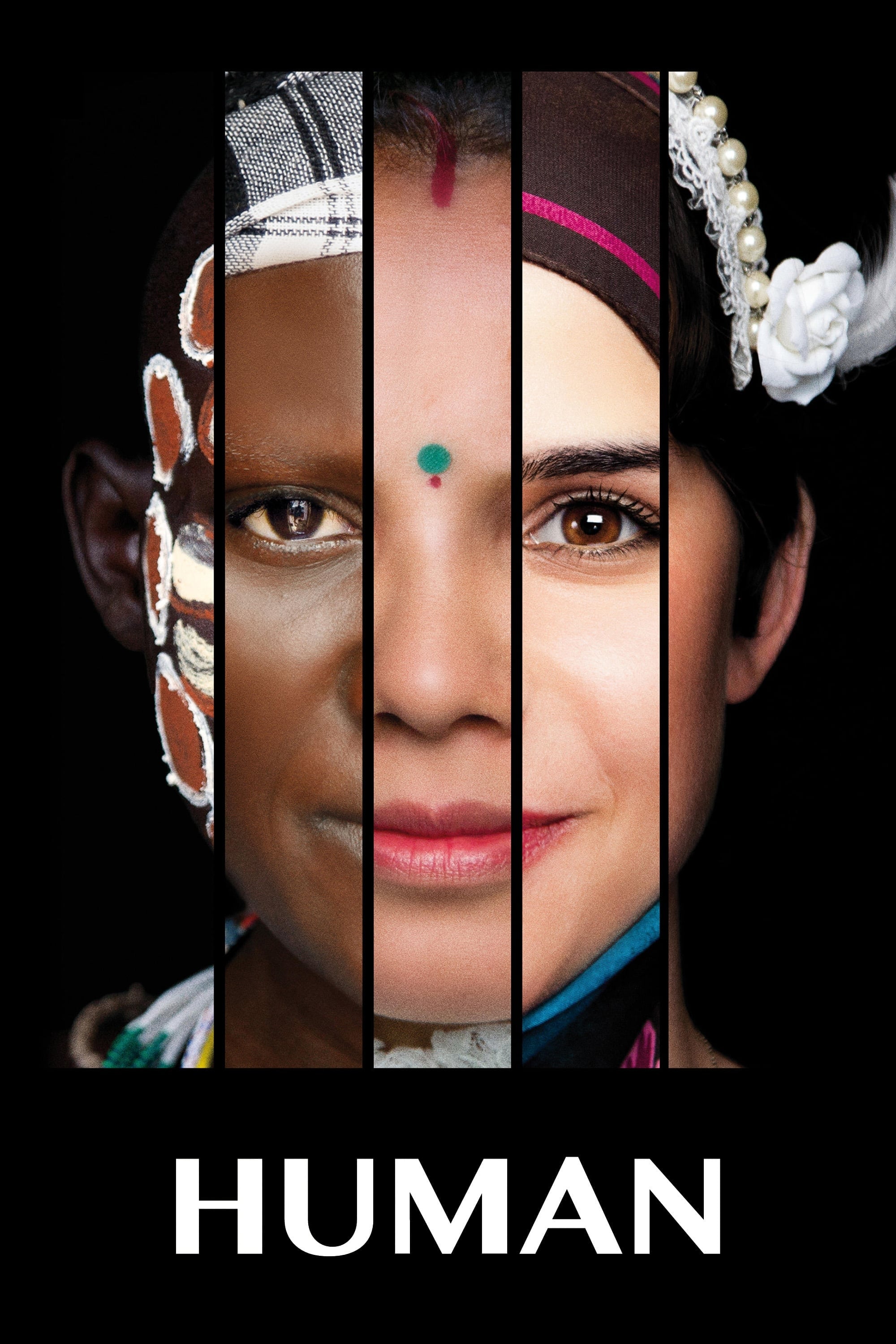
A collection of stories about and images of our world, offering an immersion to the core of what it means to be human. Through these stories full of love and happiness, as well as hatred and violence, it brings us face to face with the Other, making us reflect on our lives. From stories of everyday experiences to accounts of the most unbelievable lives, these poignant encounters share a rare sincerity and underline who we are – our darker side, but also what is most noble in us, and what is universal. Our Earth is shown at its most sublime through never-before-seen aerial images accompanied by soaring music, resulting in an ode to the beauty of the world, providing a moment to draw breath and for introspection. This film is a politically engaged work which allows us to embrace the human condition and to reflect on the meaning of our existence.
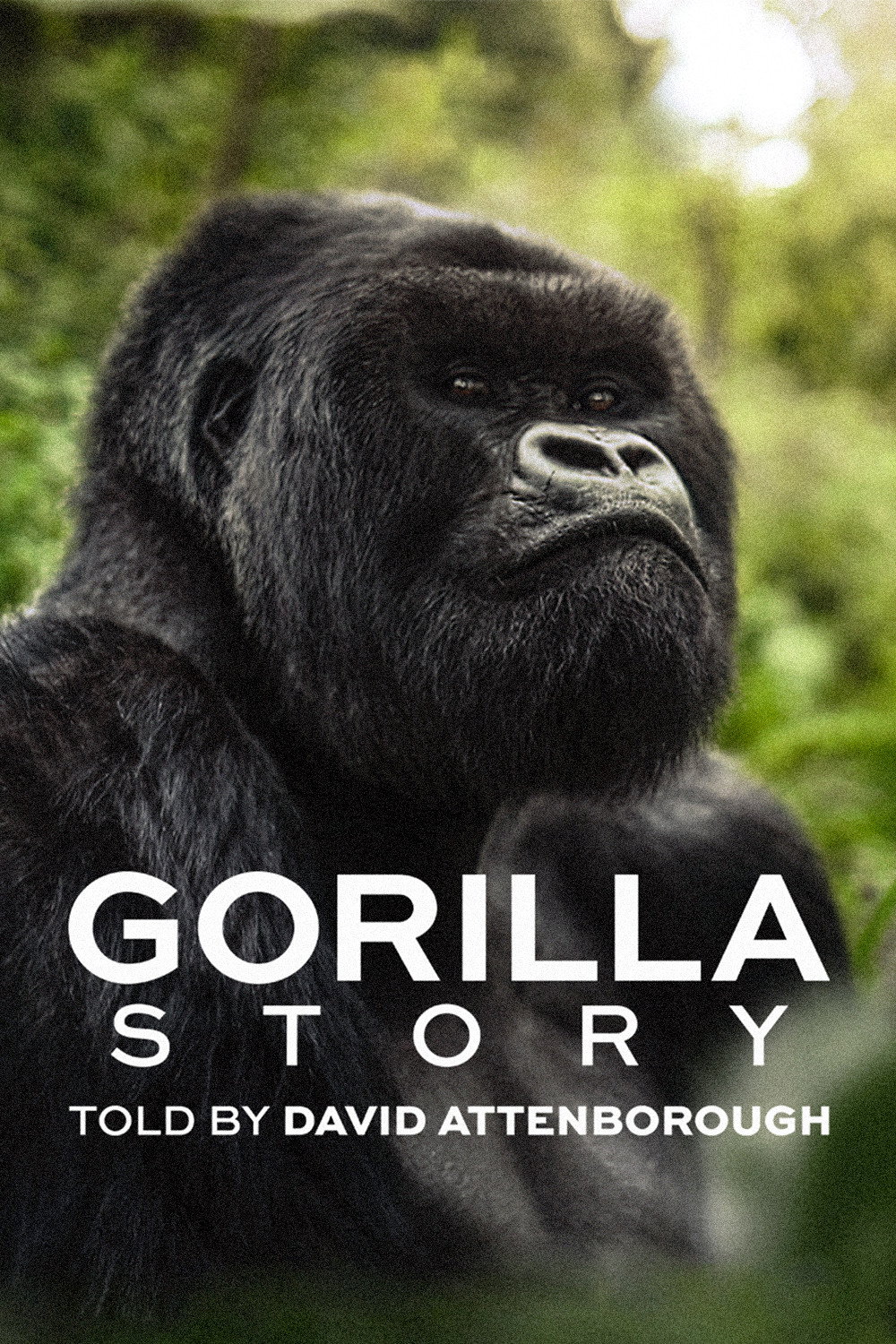
Veteran naturalist Sir David Attenborough tells the story of a remarkable group of gorillas, from his first encounter in the '70s to the present day.
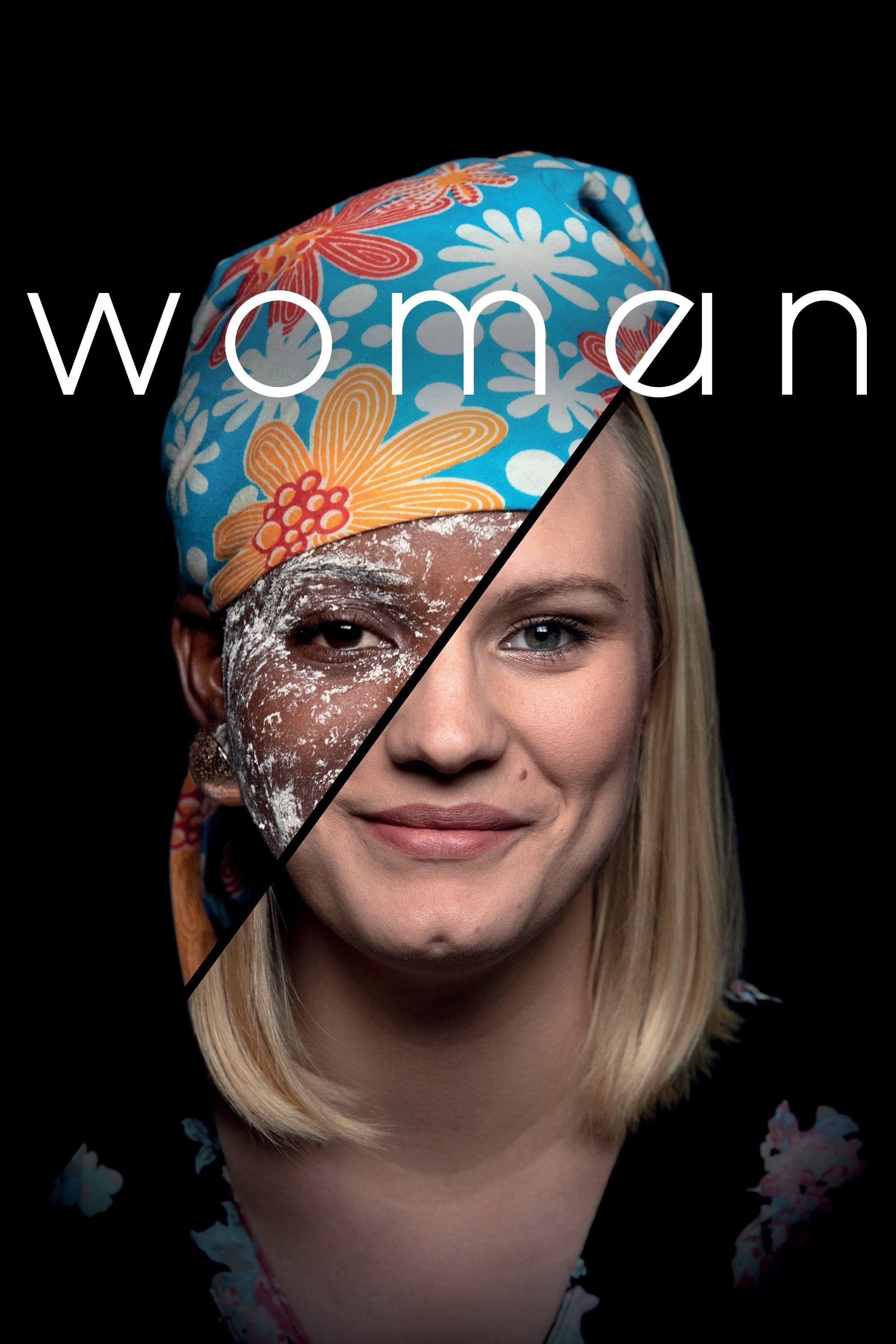
The film is based on interviews with 2,000 women from 50 countries, and covers the status of women all over the world. The topics covered include forced marriages, sexual assault, female genital mutilation, acid attacks, motherhood, sexuality, menstruation, education and the professional success of women.
Takes us to locations all around the US and shows us the heavy toll that modern technology is having on humans and the earth. The visual tone poem contains neither dialogue nor a vocalized narration: its tone is set by the juxtaposition of images and the exceptional music by Philip Glass.
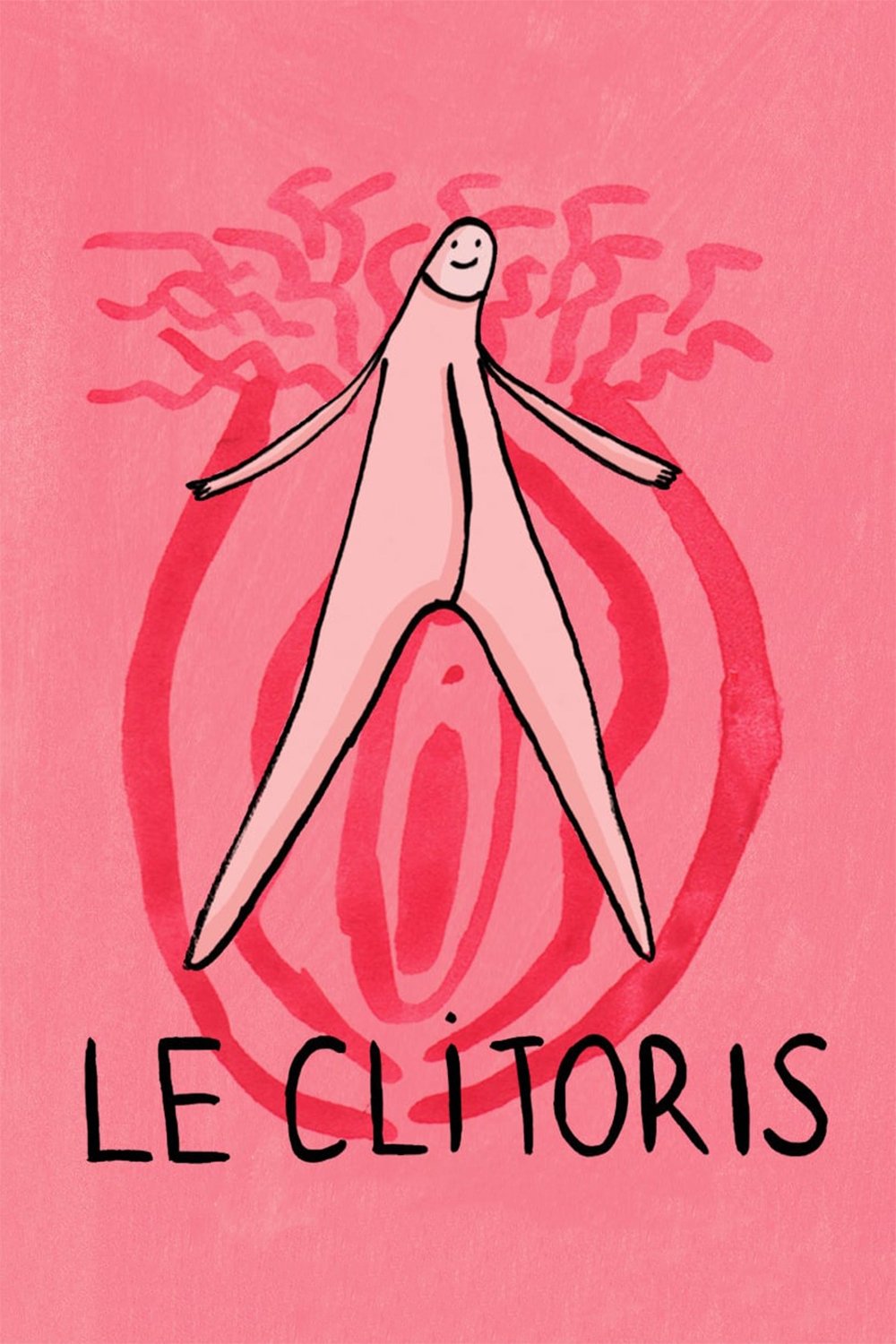
Women are lucky, they get to have the only organ in the human body dedicated exclusively for pleasure: the clitoris! In this humorous and instructive animated documentary, find out its unrecognized anatomy and its unknown herstory.
Carefully picked scenes of nature and civilization are viewed at high speed using time-lapse cinematography in an effort to demonstrate the history of various regions.
Alexander McQueen's rags-to-riches story is a modern-day fairy tale, laced with the gothic. Mirroring the savage beauty, boldness and vivacity of his design, this documentary is an intimate revelation of McQueen's own world, both tortured and inspired, which celebrates a radical and mesmerizing genius of profound influence.
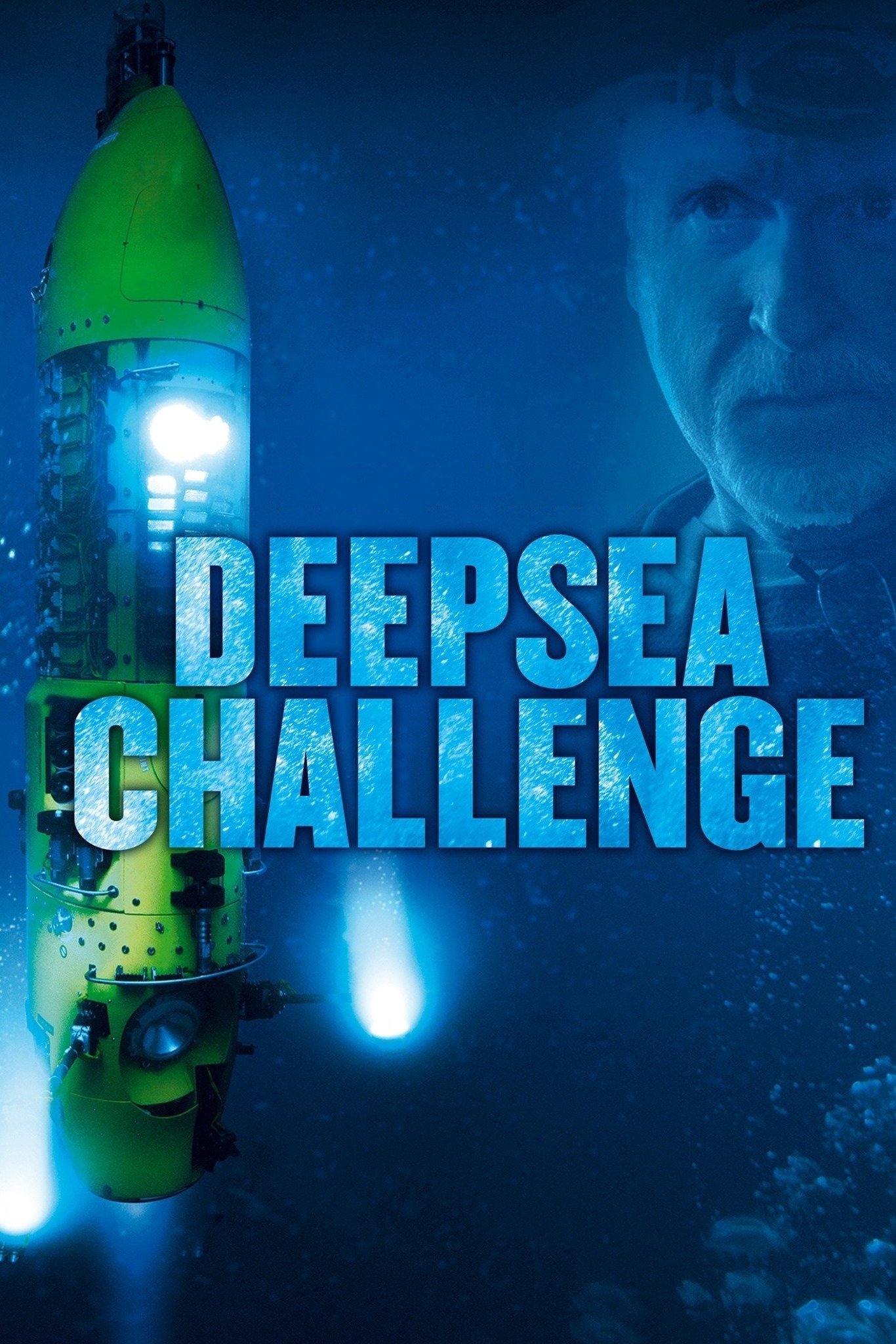
Described as being a film about determination, danger and the ocean’s greatest depths, James Cameron's "Deepsea Challenge 3D" tells the story of Cameron’s journey to fulfill his boyhood dream of becoming an explorer. The movie offers a unique insight into Cameron's world as he makes that dream reality – and makes history – by becoming the first person to travel solo to the deepest point on the planet.
Nine filmmakers each profile a young girl from a different part of the world to weave a global tapestry of youth in the 21st century.
After years in the limelight, Selena Gomez achieves unimaginable stardom. But just as she reaches a new peak, an unexpected turn pulls her into darkness. This uniquely raw and intimate documentary spans her six-year journey into a new light.
A night of drunken chaos rocks a quiet Dutch town in this shocking documentary about a teen's birthday invite that accidentally went viral on Facebook.
Lupita Nyong'o narrates a documentary about Peanuts and its creator, Charles M. Schulz. Famous fans—including Drew Barrymore, Kevin Smith, and Al Roker—share its influence on them, and a new animated story finds Charlie Brown on a quest.
Climate is changing. Instead of showing all the worst that can happen, this documentary focuses on the people suggesting solutions and their actions.
An exploration of technologically developing nations and the effect the transition to Western-style modernization has had on them.
A documentary about how a dominant cultural and demographic institution both sustains their traditional activities and adapts to the digital revolution.