This is a record of people who face up to the big change.
Social & External
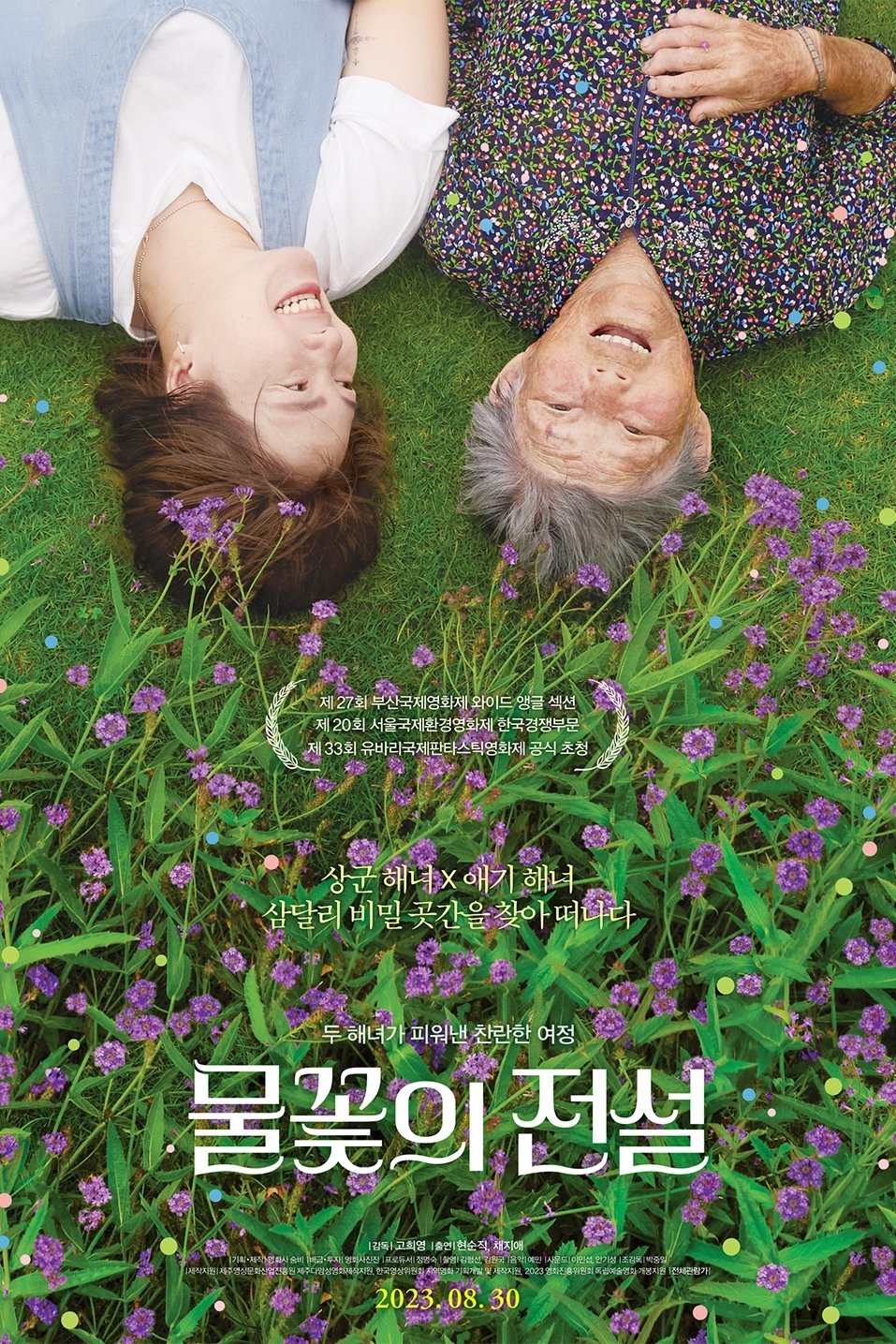
Hyun Soonjik is the oldest living resident in Jeju Island. A natural diver with good skills, she became a high rank Haenyeo at an early age and has led an astonishing career of diving for eighty-seven years. Though she looks more comfortable when she is under water than when she is at home, she quit diving in October, 2020, and goes to sea every day, missing her old life as a diver. When she does, Chae Jiae who has been disciplined by Hyun, accompanies her and looks after her. Together they head for Deulmoolyeo, a place that only Hyun can find, to see the water flowers that bloom under water.
There are five grandmothers, four of whom went to Jeonju Prison due to the Jeju 4.3. All of them were young people around the age of 20 at the time of the incident in 1948. The outline of the incident is formed when hearing the experiences of those who were sent to prison without trial particularly as women. The audience feels indescribable emotions by the fact that they have lived on despite what they had gone through, things that are just too much for a human being to bear.
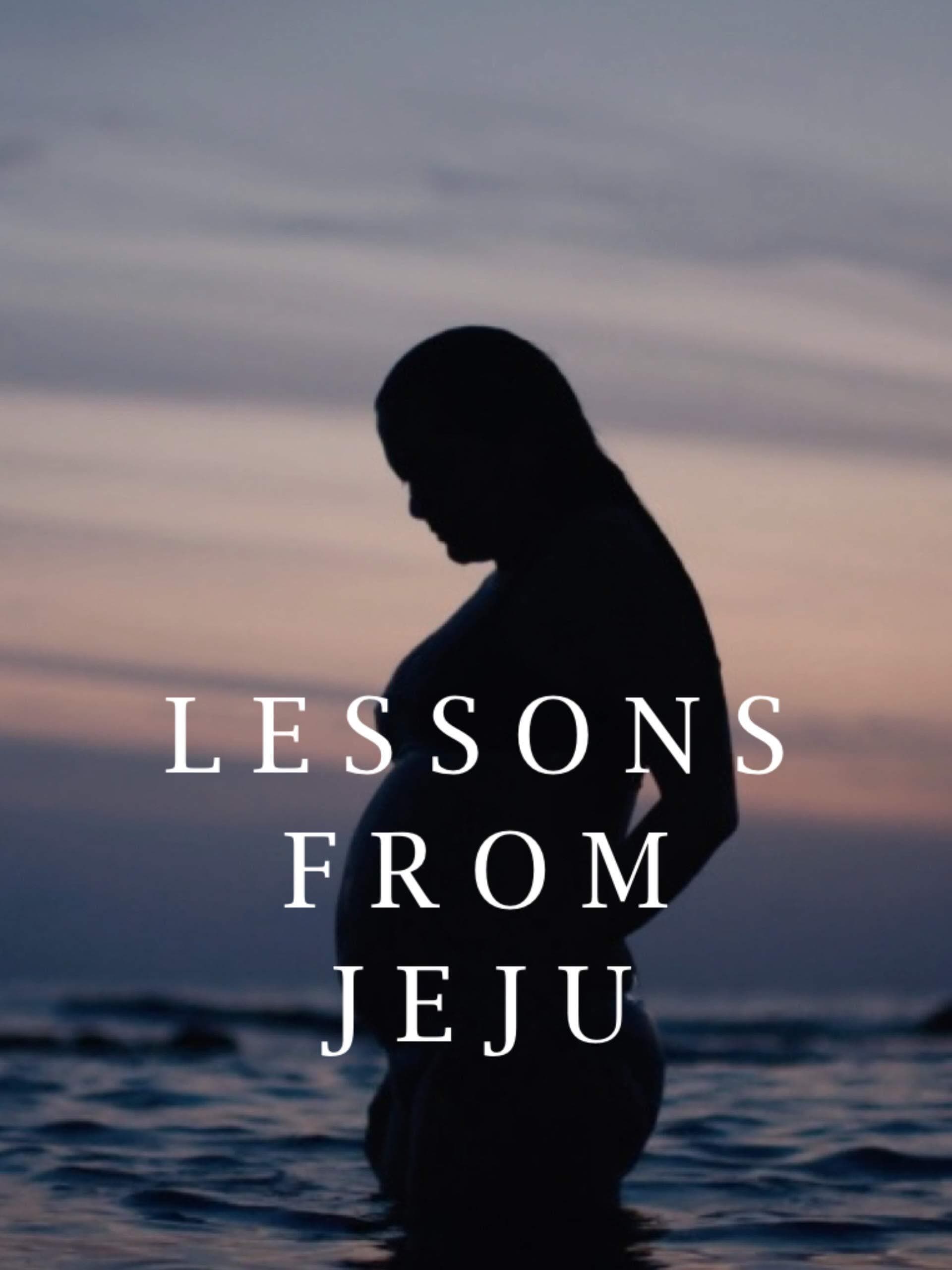
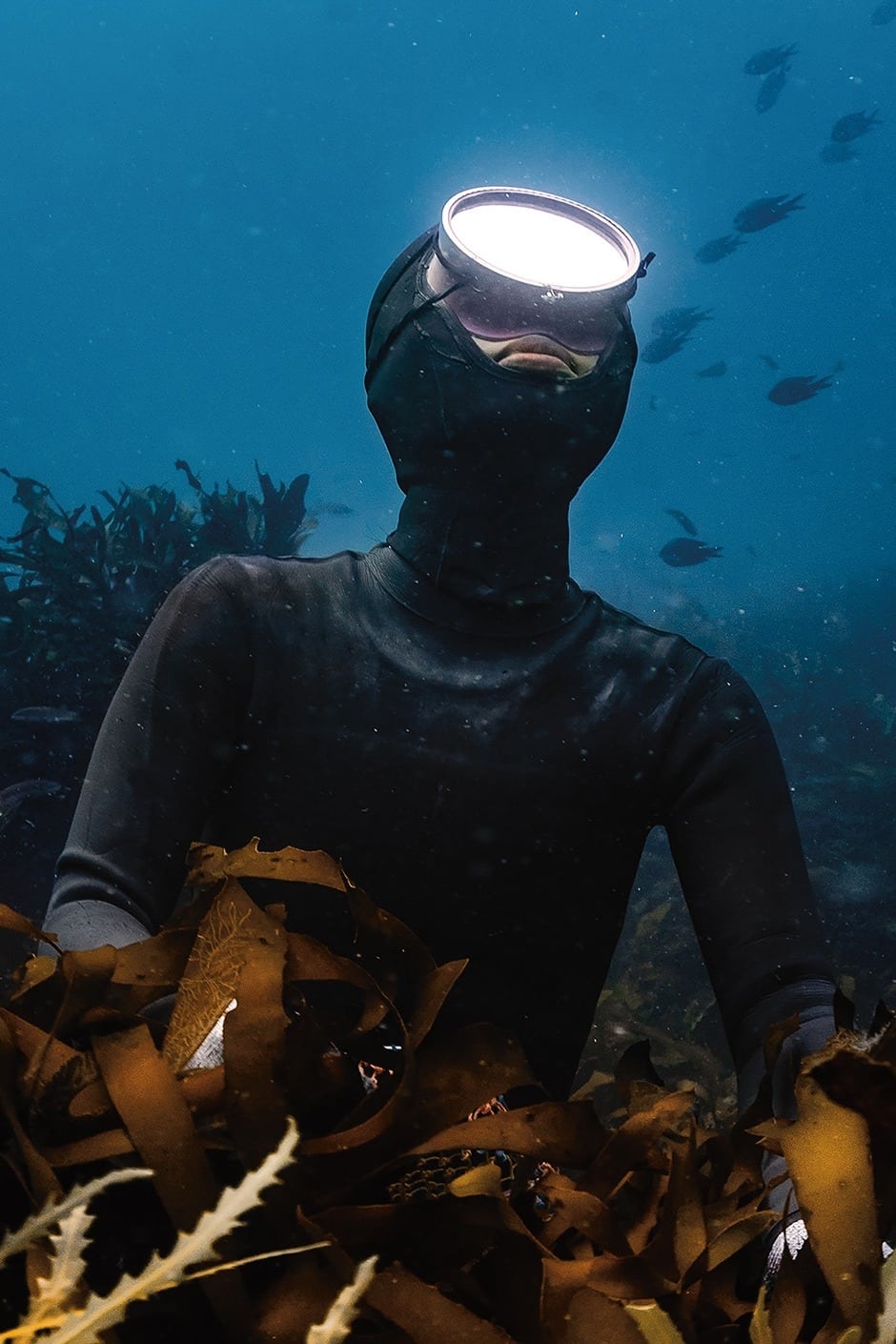
Seven months pregnant and apprehensive of the effect motherhood would have on her career as a professional freediver, Kimi Werner took a trip to the island of Jeju in South Korea to meet her heroes, the haenyeo – a group of freediving and fishing women often regarded as Korea’s first working mother’s whose culture dates back centuries.
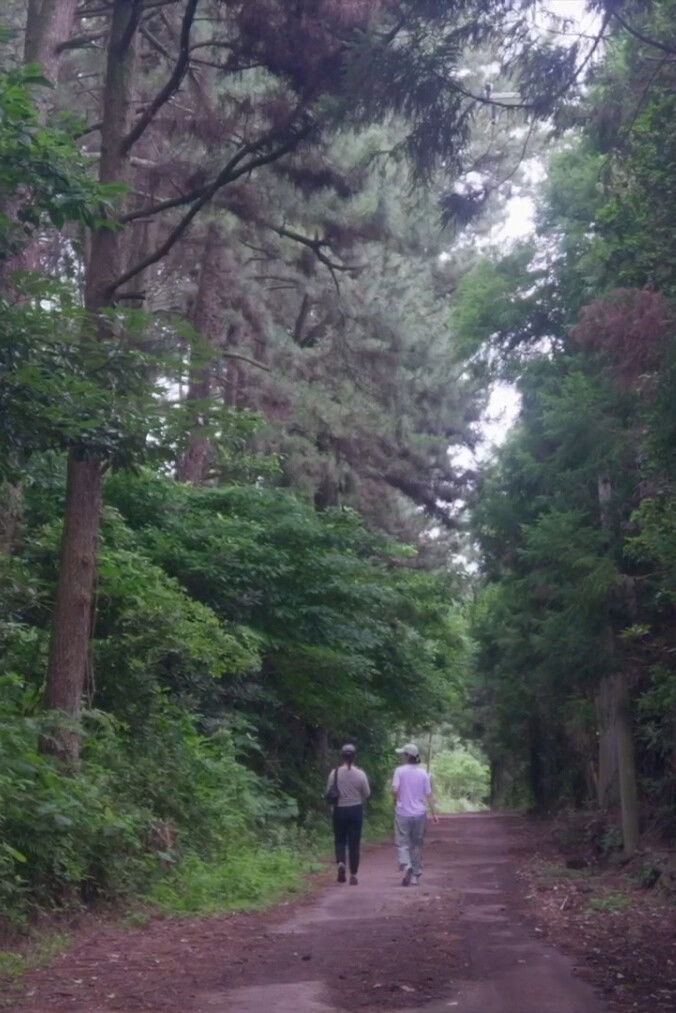
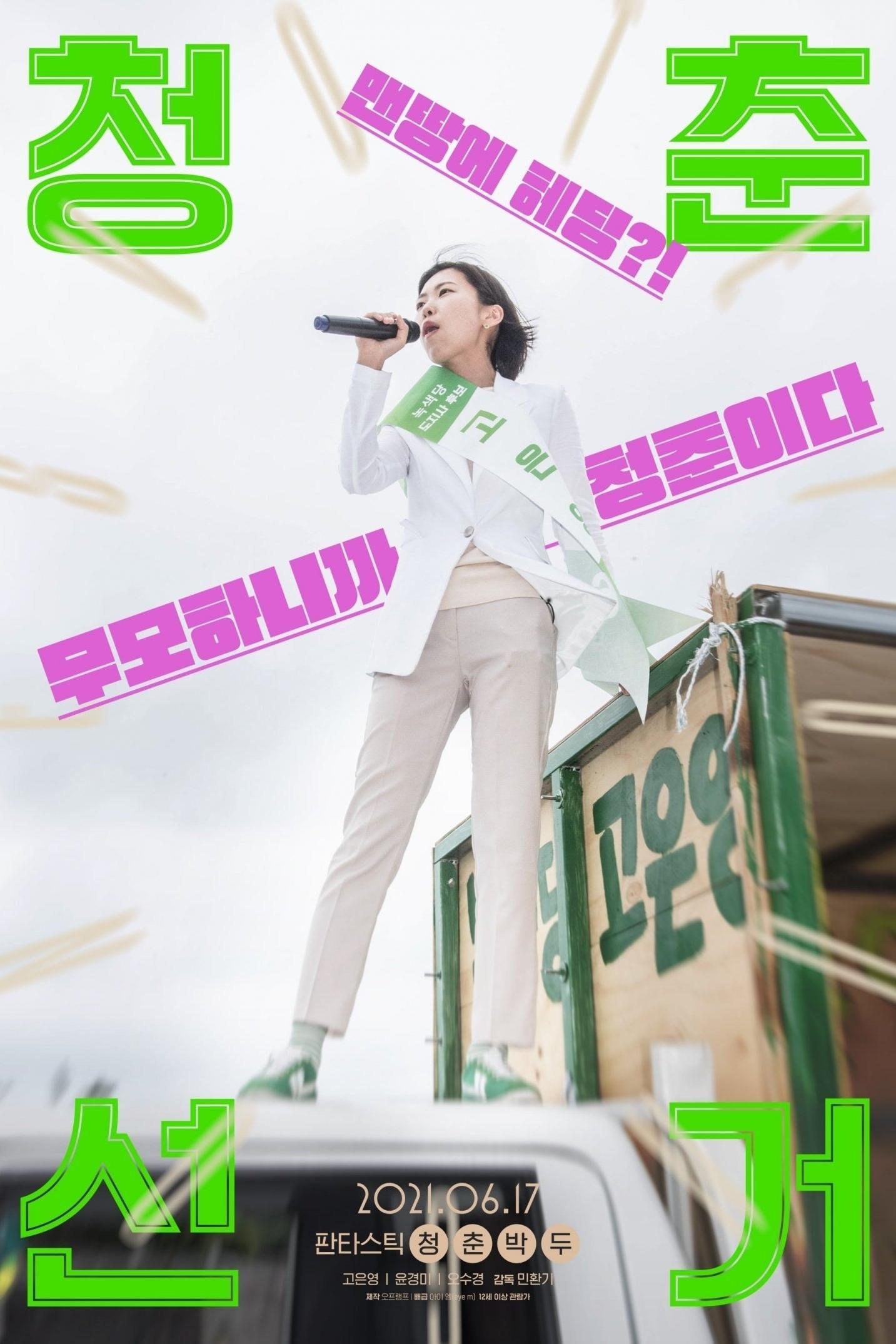
Jeju authorities felled about 900 cedar trees on Bijarim-ro for a road expansion project. Citizens exposed the project's flawed environmental impact assessment, leading to its suspension. They continued efforts to protect Seongsan, slated for the second airport, and Bijarim-ro. This documentary follows the journeys of five women involved in this movement.
Documentary about the struggle of the people of Jeju Island, South Korea. Set in the context of the U.S. presence in Korea after World War II, the film reveals horrible atrocities at the hands of the U.S. Military Government of Korea.
Immediately after liberation, an incident called 'Jeju Uprising' took place on Jeju Island, the Hawaii of Korea, under the control of the US military government. As a result, about one-tenth of the total population of the island at that time was sacrificed. The children who survived the massacre record the memories of that day in an animated film 70 years later.
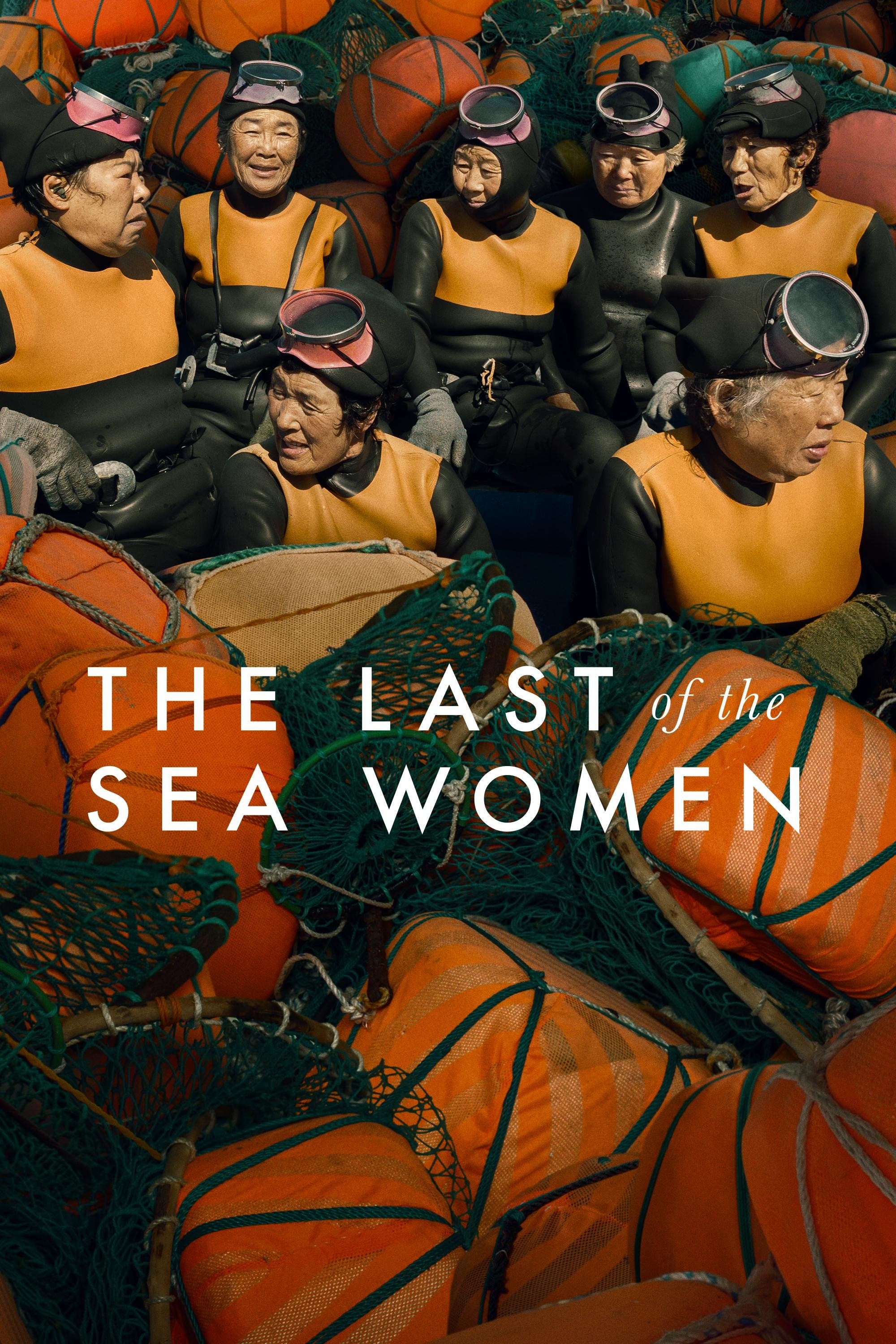
On the shores of Jeju Island, a fierce group of South Korean divers fight to save their vanishing culture from looming threats.
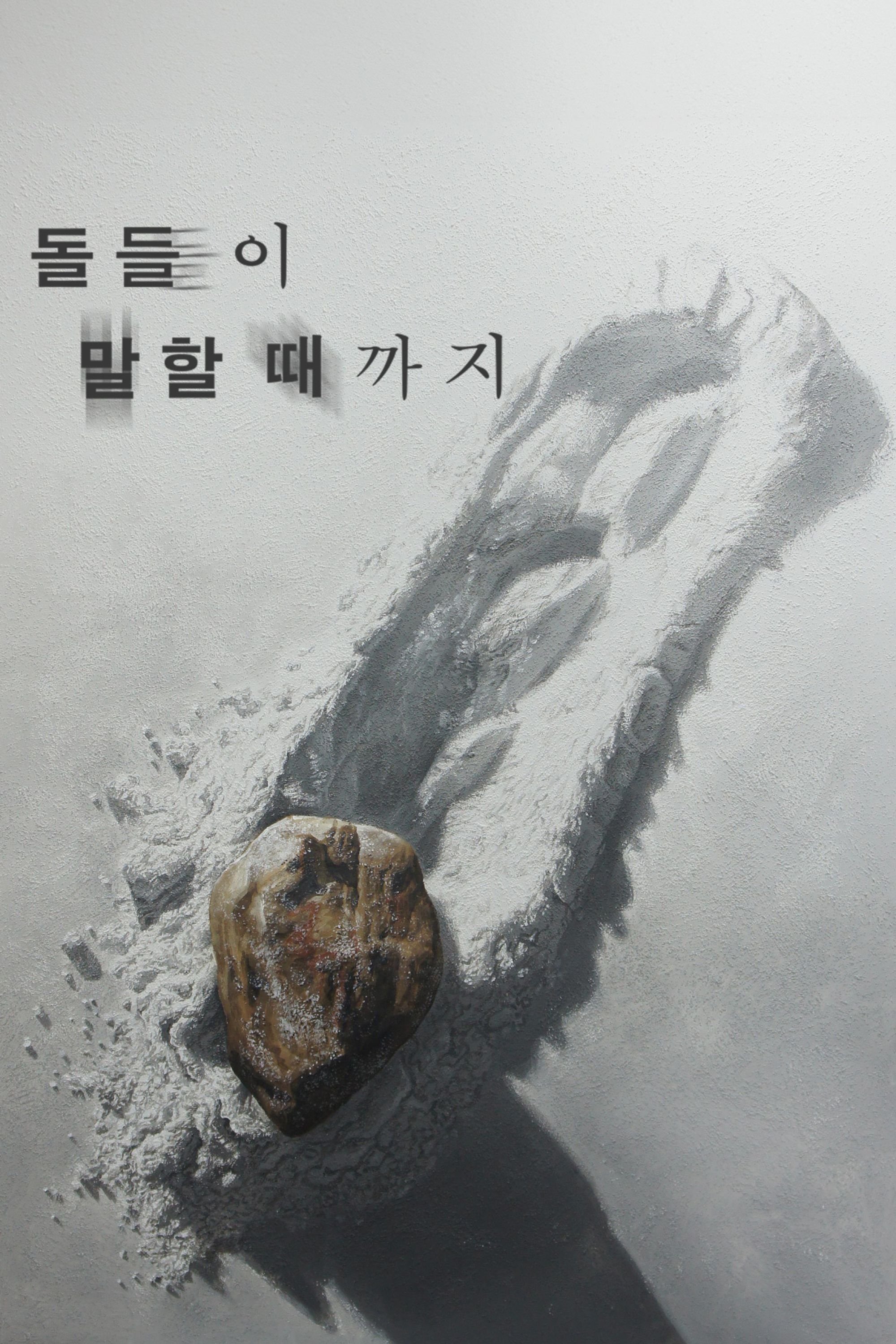
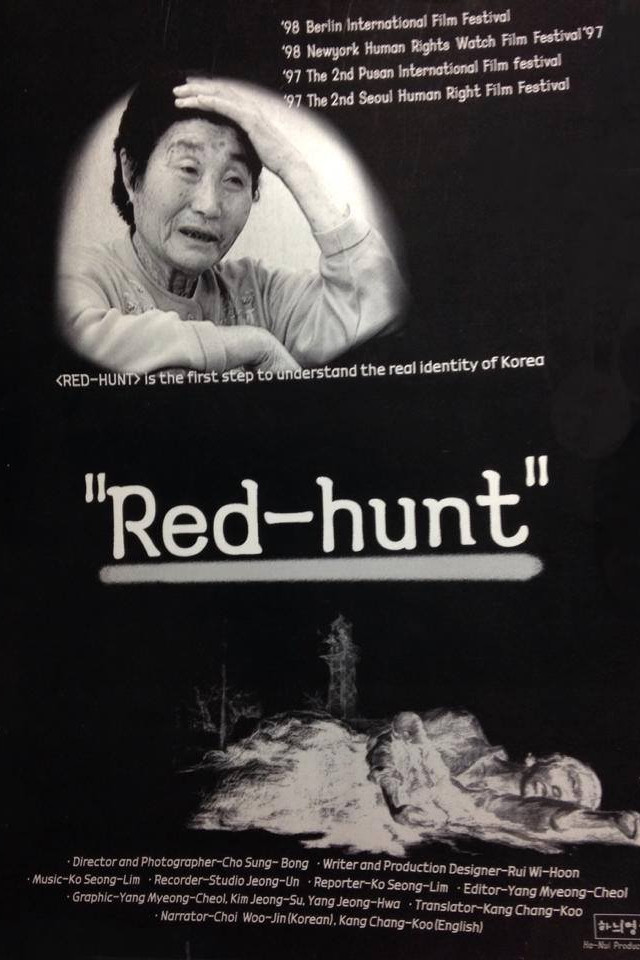
70 years ago, a massacre called ‘Red Hunt’ occurred in Jeju island. Over 6 years, countless lives were murdered in the Daranshi cave, Jungbang waterfall, and Ompang field. There was no line between life and death. There were only ideological and political strategies that surrounded Jeju. After 49 years, survivors can finally testify the memories that could not be forgotten.
A follow-up to 1996's documentary on the massacre at Cheju island, Red Hunt 2 exposes the real facts of the outrage upon personal rights and the brutal butchering occurred 50 years ago. Lives of nine survivors with their grieving testimony expose the horror of six yearlong massacres by Rhee Seung-man regime which still lingers today.
Focusing on Mrs. Kang Sang-hee’s life, she lost her husband in the Jeju Uprising (March 3rd, 1948). The film views the dark-side of Jeju Island, a huge grave, which is completely opposite of the other side of the island, the famous tourist attraction. It says that the tragedy has been going on about the recent Gang-jeong village situation.
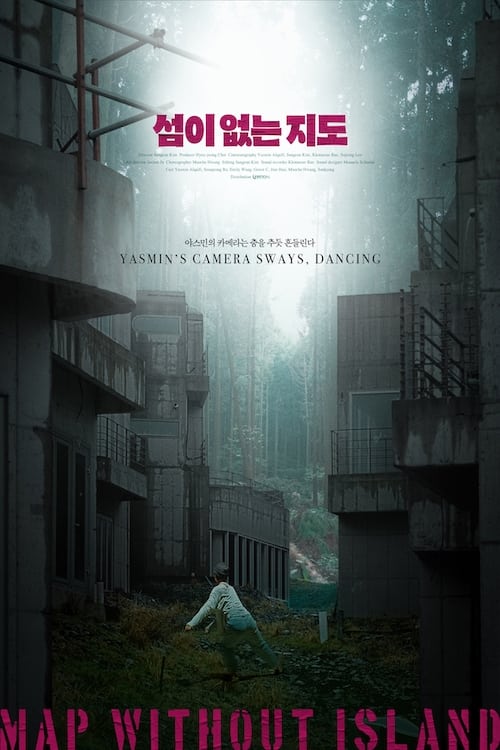
Following water's flow through the volcanic body of Jeju Island, the film traces resilience across geological, historical, and mythical time. A lone visitor enters a cave where submerged memories—of militarization and exploitation—surface through sound.
The film shows demonstrations against building the second airport in Jeju Island the performances of environmentalists very closely and in detail, by which it develops a desperate love story.
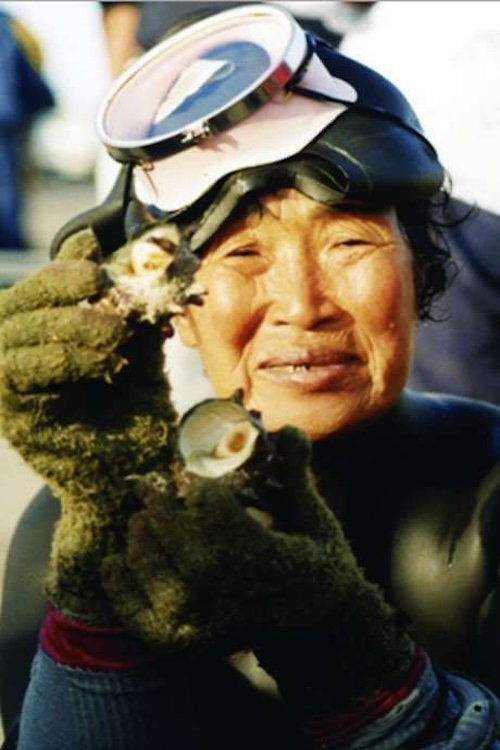
Jeju-do is the largest of Korean islands and lies between Korea and Japan. There, for hundreds of years, women dive without breathing apparatus, to the ocean floor and collect shellfish, octopus, and urchins that they sell. The divers are in their sixties and seventies and their daughters do not want to inherit their work, lifestyle, and health problems that go with diving. As a filmmaker I was privileged to meet many of these women and dive with them. Their stories of hardship and pride confirmed my desire to record this unique and ancient tradition.
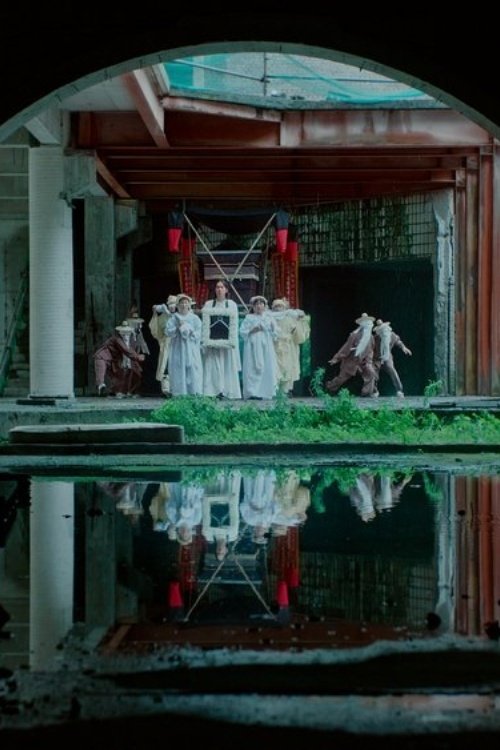
In an abandoned resort on the South Korean island of Jeju, a group of people perform a symbolic funeral ritual to end a world built on hierarchies, division and destruction.
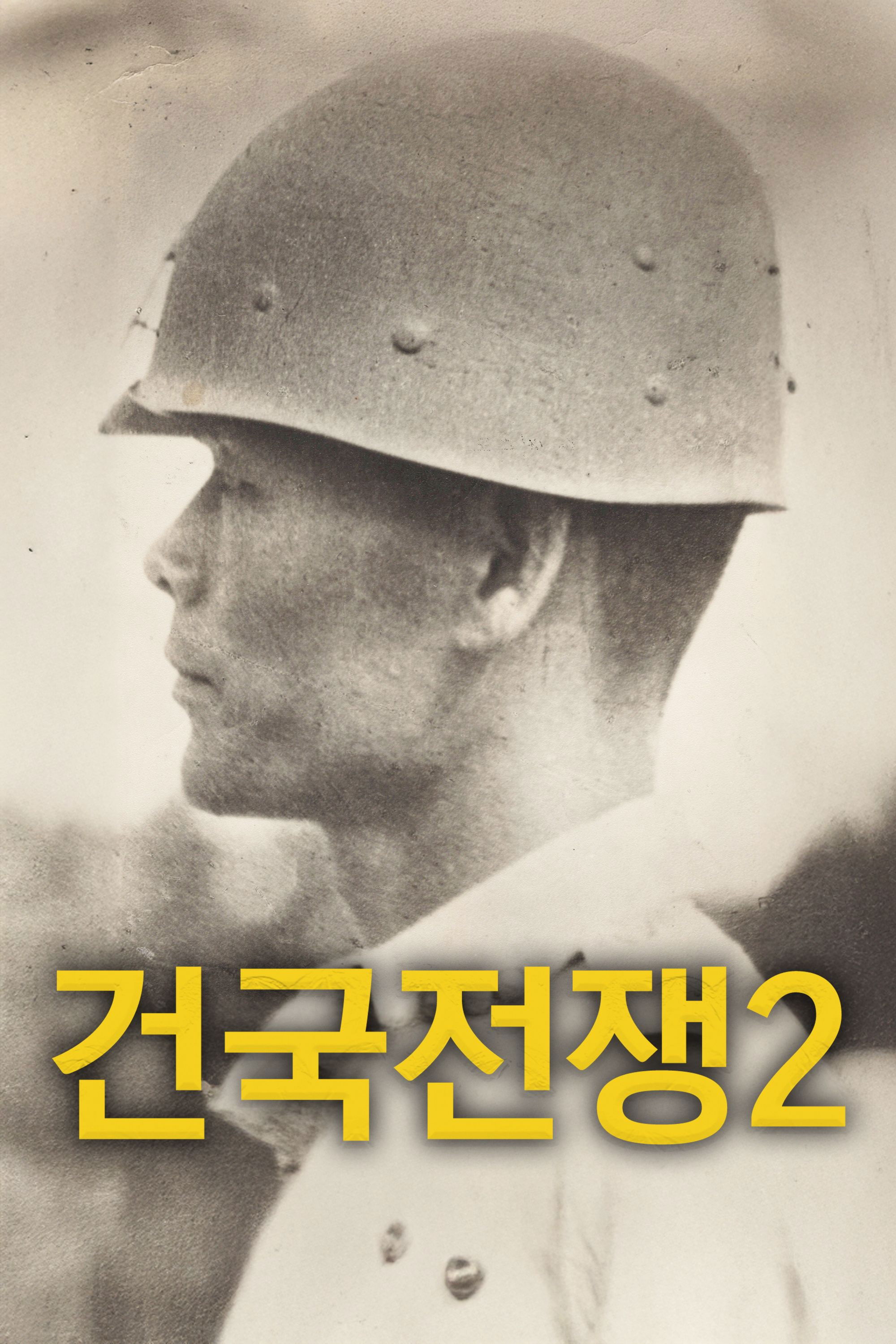
How did South Korea, after liberation in 1945 defend liberal democracy against leftist and communist forces? The door to that secret is now revealed.
Battling deep depression, Jaeyoun returns to her roots on the island of Marano, South Korea, to visit her family of female free fivers known as haenyeo. To her surprise, she finds a connection to nature and her ancestors that literally saves her life.
The folk duo 'Yeoyu and Seolbin' completed their third album, 「Comedy」, while living in Jeju. The record swept the Folk category at the Korean Music Awards and was praised as "a single album that has it all—regret and sympathy, rage and sorrow, and hope." Exploring what it means to be alive in the face of life's tragedies, the duo weaves a subtle yet powerful narrative through Jeju's landscapes: an old house and its yard, a Chinese restaurant where they once worked, and the recording studio.
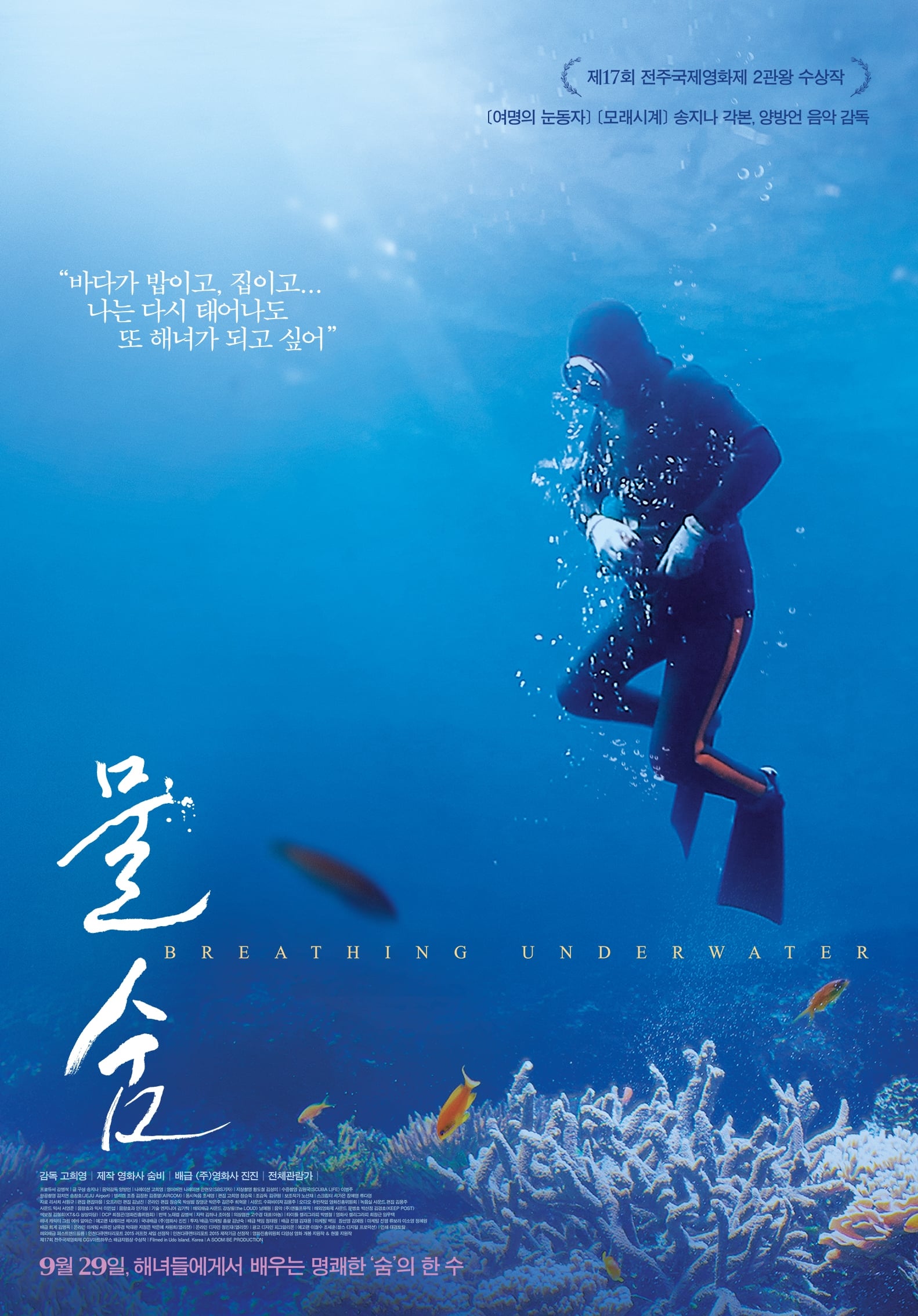
In Jeju Province, located off the southern coast of Korea, are the women of the sea, those who hold breath for life. These women still exist and they still dive the old way, without tanks. They go into the waters of 10- to 20-meter depth to harvest seaweed and shellfish to make a living. They make a living in the same sea, but each haenyeo’s sea of life is different. The community is divided into three tiers- Group A, B and C, based on skills and capabilities. One’s rank is determined by sum or breath. Sum, is pre-determined at birth. Therefore, sum is desired. However, the ocean is harsh. May you desire! But seek what is not yours, the ocean will devour you. Life, for these women of the sea, is about holding one’s breath, and containing and controlling one’s desire. The film is a six year record of the lives of the haenyeos in Udo, an islet in the province of Jeju, known to be the birthplace of haenyeo. It is a close look into the lives that stand on the boundary of life and death.
Through deeply personal interviews with her siblings and an examination of the photographs, letters, and belongings left behind, Mariska assembles a new portrait of her mother Jayne Mansfield, an extraordinary and complex woman.
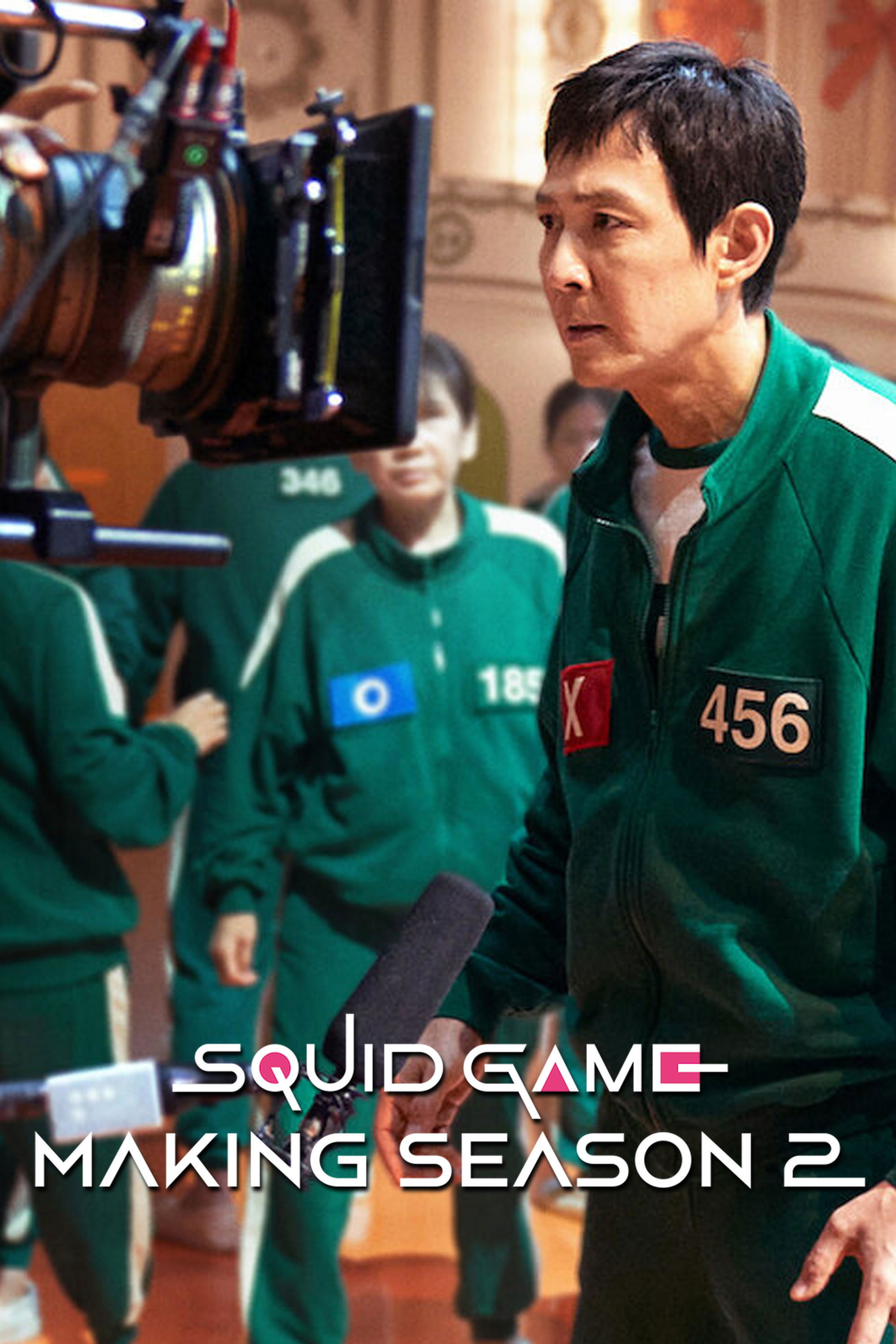
From set designs to character arcs, get exclusive cast and director interviews on how Season 2 of the globally most-watched series was brought to life.
The film follows adventurer Jeff Johnson as he retraces the epic 1968 journey of his heroes Yvon Chouinard and Doug Tompkins to Patagonia.
A detailing of the rise to prominence and global sporting superstardom of six supremely talented young Manchester United football players (David Beckham, Nicky Butt, Ryan Giggs, Paul Scholes, Phil and Gary Neville). The film covers the period 1992-1999, culminating in Manchester United's European Cup triumph.
With unprecedented access to the official archives and intimate recollections from the band, both current and past, Iron Maiden: Burning Ambition invites fans to experience one of the most iconic journeys in music history. Spanning five decades, this electrifying documentary charts the band’s rise from the pubs of East London to the world’s biggest stadiums. Featuring exclusive interviews with band members and contributors such as Javier Bardem, Lars Ulrich and Chuck D, as well as all-new animated sequences of the band's legendary mascot, Eddie, the film offers a rare and intimate look at Iron Maiden’s uncompromising vision and unwavering connection with their truly global army of fans.
The life and career of an actor, artist, and icon. His own journey through his own camera.
Those who knew iconic funnyman John Candy best share his story, in their own words, through never-before-seen archival footage, imagery, and interviews.
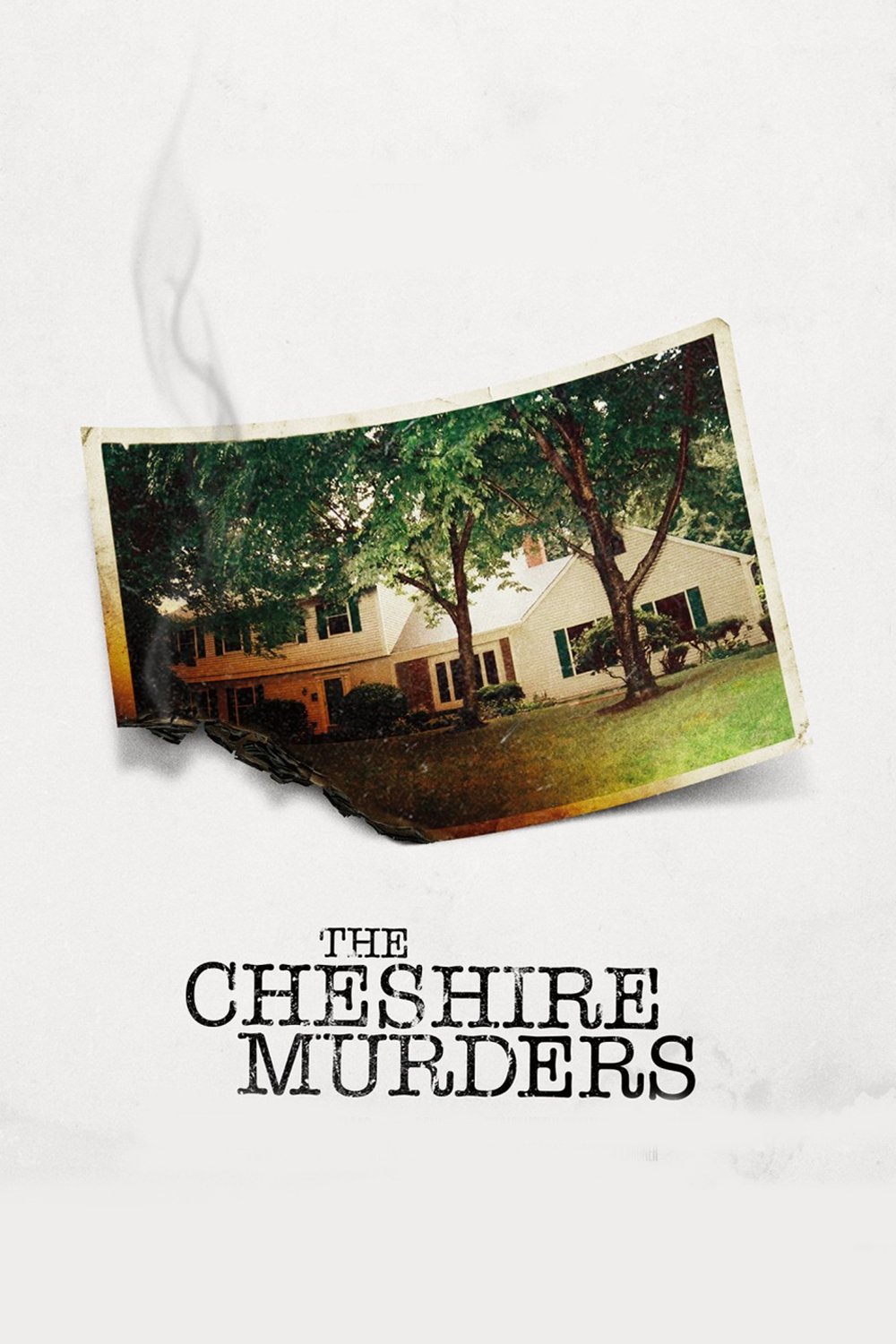
In the early-morning hours of July 23, 2007, in Cheshire, Conn., ex-convicts Steven Hayes and Joshua Komisarjevsky broke into the family home of William Petit, his wife, Jennifer, and their daughters, Michaela, 11, and Hayley, 17. Dr. Petit was beaten and tied to a pole in the basement. The three women were bound in their bedrooms while the men ransacked the house. The brutal ordeal continued throughout the morning, ending with rape, arson and a horrific triple homicide.
An inside look at one of the most anticipated movie sequels ever with James Cameron and cast.
In the Realms of the Unreal is a documentary about the reclusive Chicago-based artist Henry Darger. Henry Darger was so reclusive that when he died his neighbors were surprised to find a 15,145-page manuscript along with hundreds of paintings depicting The Story of the Vivian Girls, in What is Known as the Realms of the Unreal, of the Glodeco-Angelinnian War Storm, Cased by the Child Slave Rebellion.
From the heights of her modeling fame to her tragic death, this documentary reveals Anna Nicole Smith through the eyes of the people closest to her.
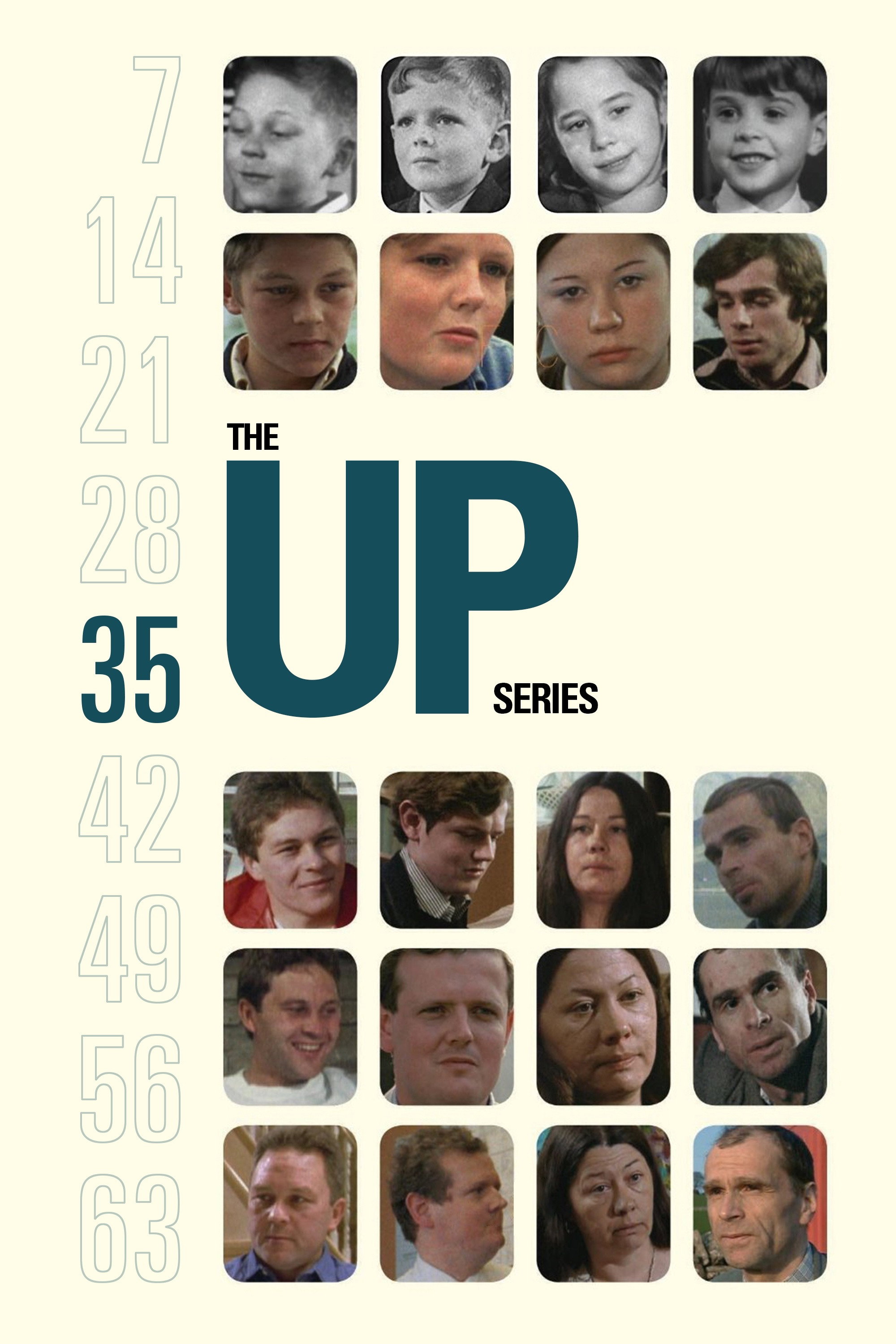
Director Michael Apted revisits the same group of British-born adults after a 7 year wait. The subjects are interviewed as to the changes that have occurred in their lives during the last seven years.
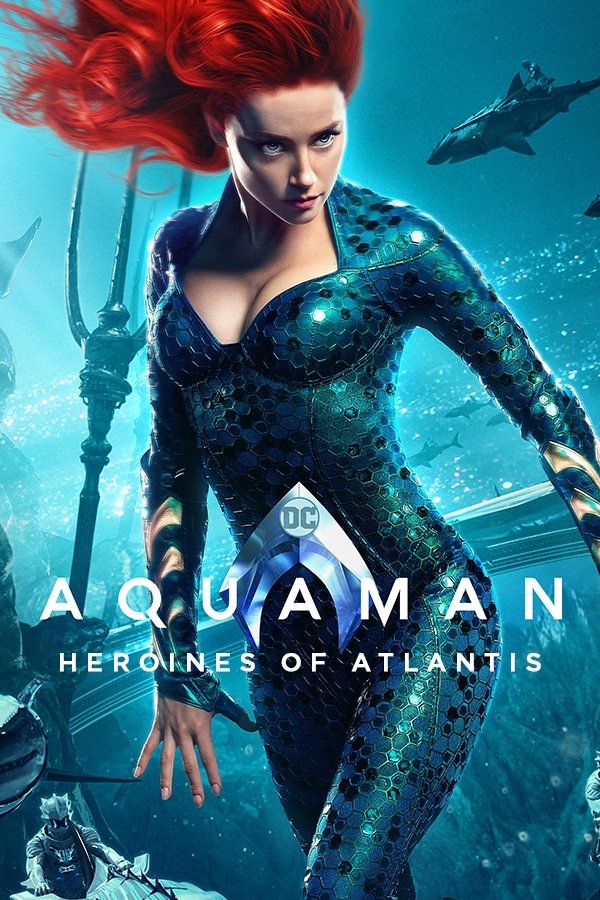
Amber Heard and Nicole Kidman discuss their characters Mera and Atlanna.
Daniel Craig candidly reflects on his 15 year adventure as James Bond. Including never-before-seen archival footage from Casino Royale to the upcoming 25th film No Time To Die, Craig shares his personal memories in conversation with 007 producers, Michael G Wilson and Barbara Broccoli.
A compilation of over 30 years of private home movie footage shot by Lithuanian-American avant-garde director Jonas Mekas, assembled by Mekas "purely by chance", without concern for chronological order.
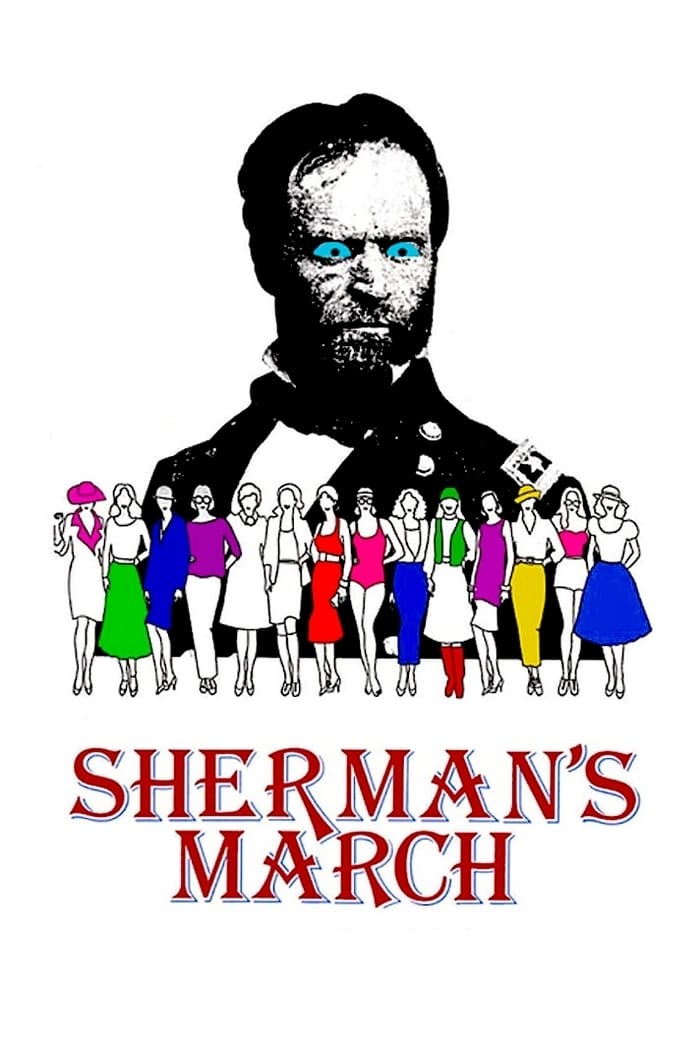
Documentarian Ross McElwee originally set out to make a travelogue of sorts tracing General William T. Sherman's infamous scorched-earth march through the Confederacy in the latter stages of the Civil War. Instead, haunted by a recent breakup with a girlfriend, McElwee ends up documenting his progress -- or lack thereof -- in starting a new relationship. His journey then becomes one of self-reflection and self-discovery rather than a historical/sociological exploration.
This character-driven film considers the evolving sex trafficking landscape as seen by the main players: the exploited, the pimps, the johns that fuel the business, and the cops who fight to stop it.
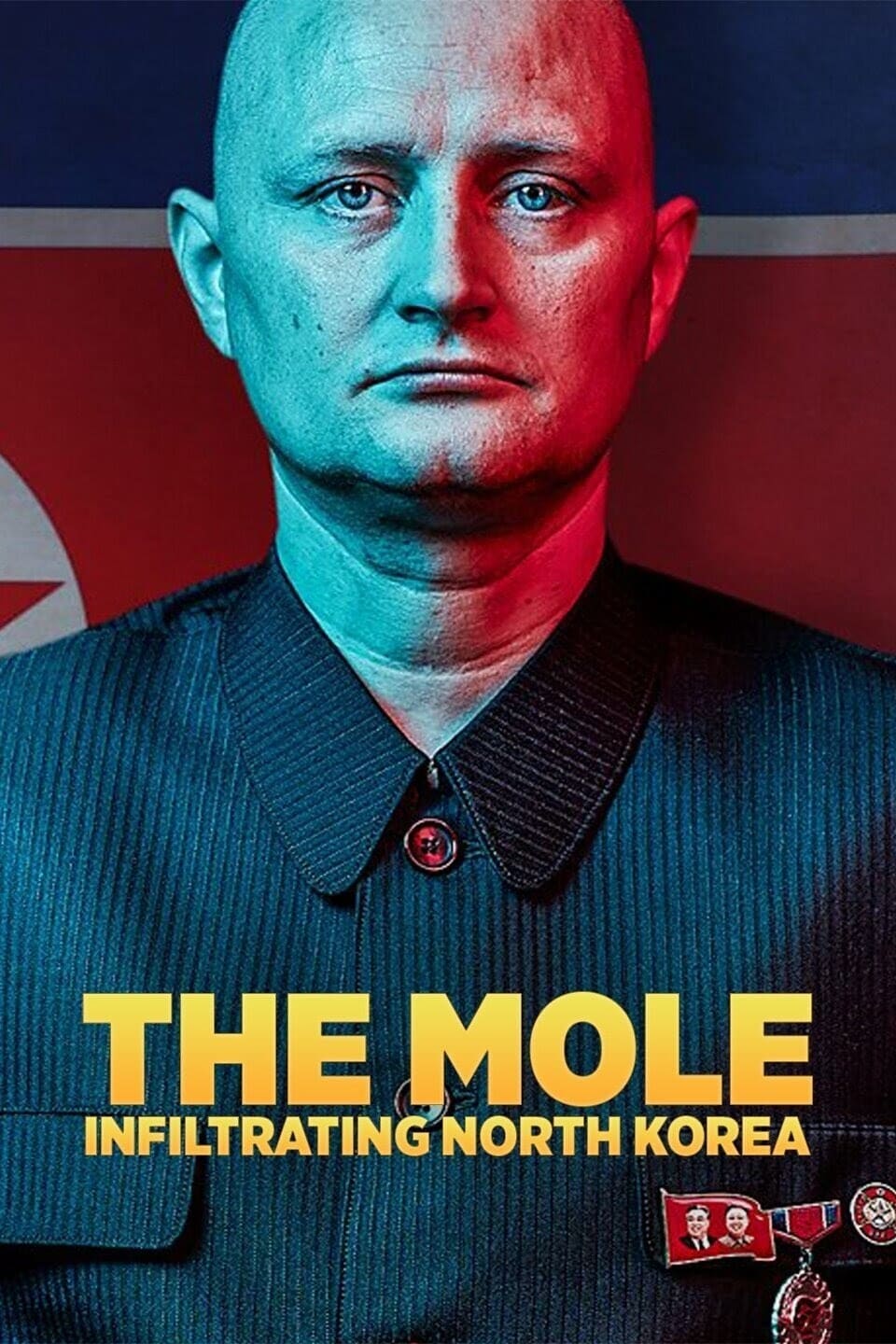
A real-life undercover thriller about two ordinary men who embark on an outrageously dangerous ten-year mission to penetrate the world's most secretive and brutal dictatorship: North Korea.
A purely observational non-fiction film that takes viewers into the ethically murky world of end-of-life decision making in a public hospital.
The life of Mr. Spock, as well as that of Leonard Nimoy, the actor who played him for almost fifty years, written and directed by his son: Adam.



![Yeoyu and Seolbin - [Comedy]](https://image.tmdb.org/t/p/original/54eOGR6nQtTKl9rGLTMMGsSd4FE.jpg)