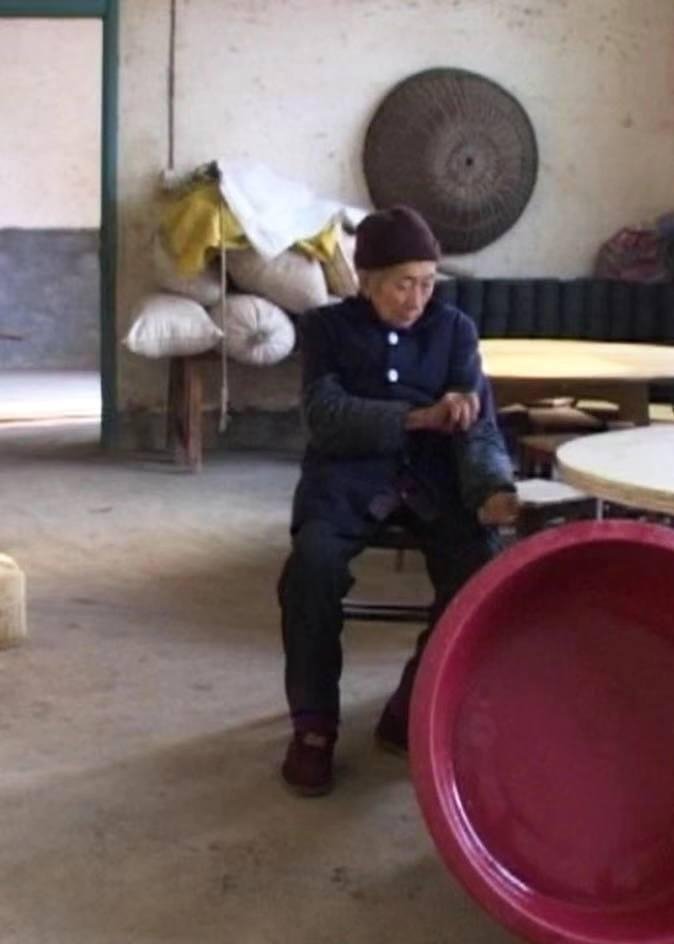
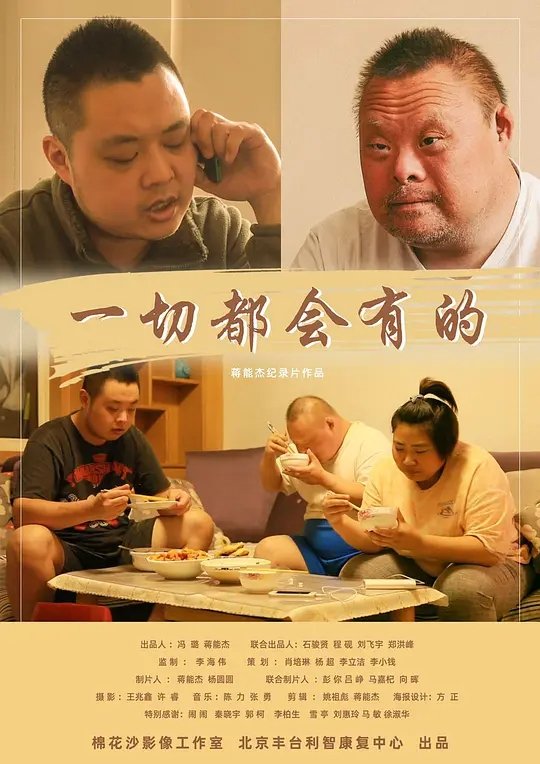
Zhang Ming went back to hometown to visit his aunt.
Social & External
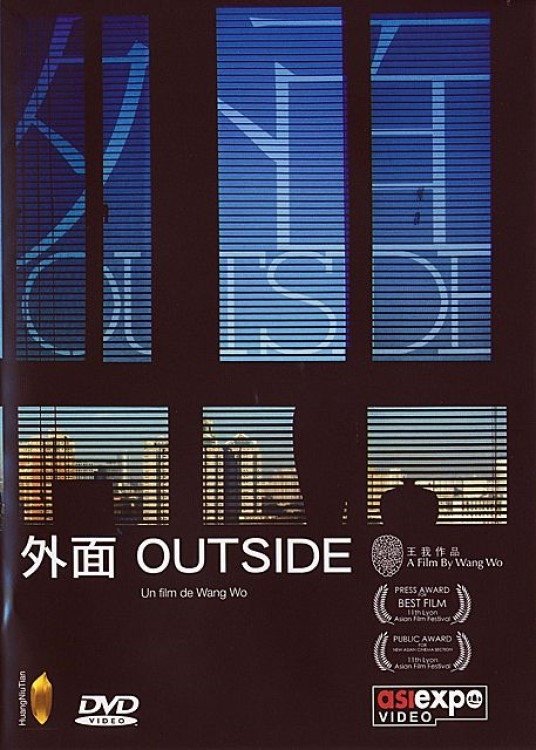
Wang Wo’s experimental documentary takes the direct cinema approach to the realm of avantgardism, immersing the viewer in a non-narrative, highly sensory experience of urban China in its visual and aural splendor.
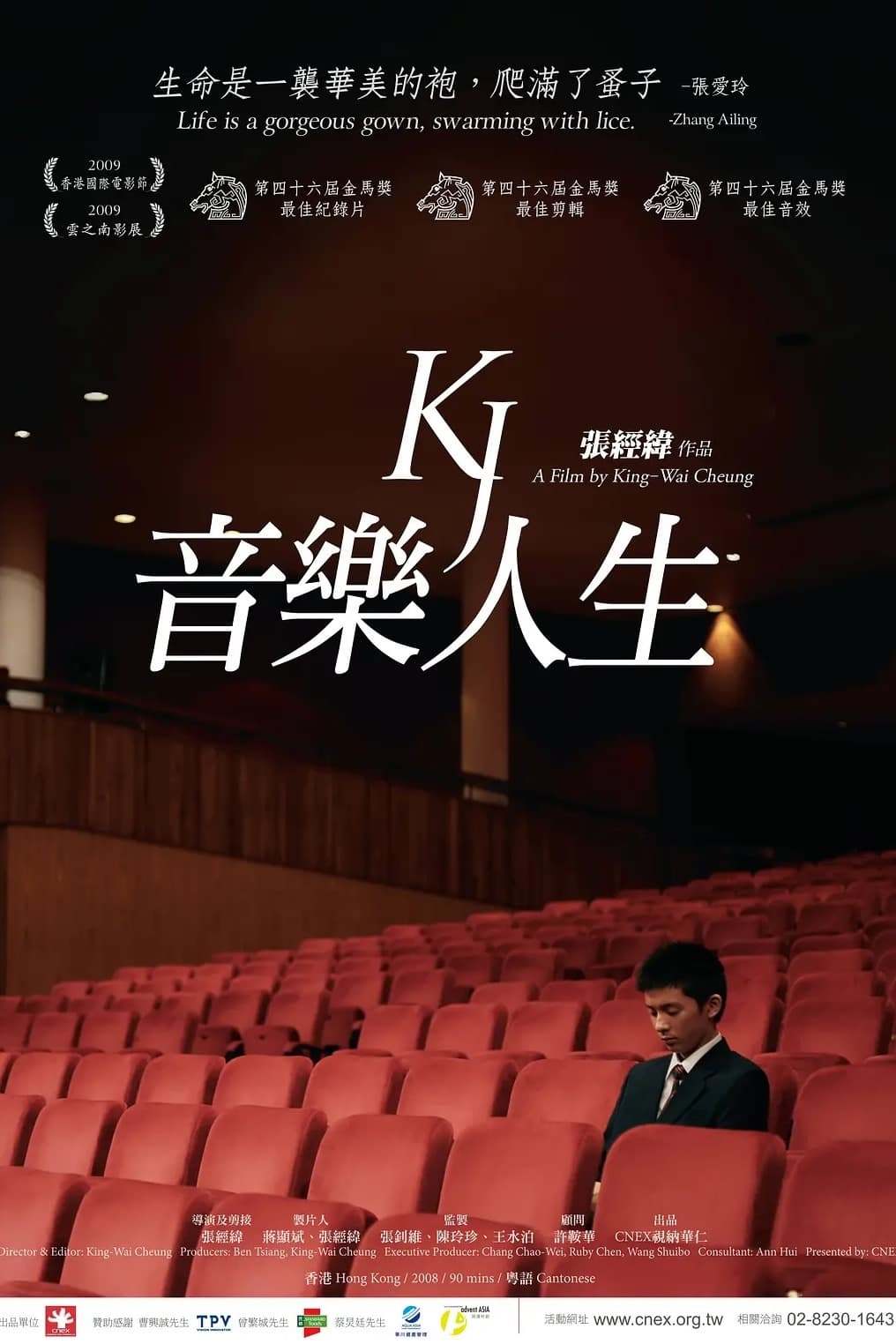
KJ is a biography of a HK musical genius. At the age of 11, KJ won the Best Pianist price and went to Czech to perform with a professional orchestra. Touching on subjects such as the meaning of life, God and the artistic process, the director’s 6-year-conversations with KJ reveal how a young man inspires by his music teacher, Nancy Loo and how he conflicts with his peers and parents. KJ is not about the victory of a genius, but how he learns to be a "human being".
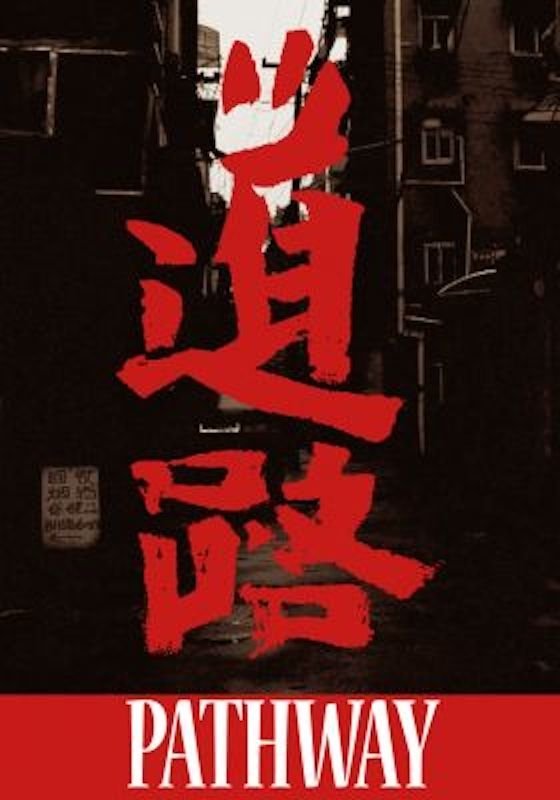
Xu Xin’s film “Dao Lu” (China 2012) offers an exclusive “in camera” encounter with Zheng Yan, an 83 year-old veteran of the Chinese Red Army, who calmly relates how he has navigated his country’s turbulent history over three-quarters of a century.Born to a wealthy family in a foreign concession, Yan joined the Chinese Communist Party (CCP) in 1941 because he sincerely believed in the socialist project, and in its immediate capacity to free China from the Japanese yoke and eradicate deep-rooted corruption.
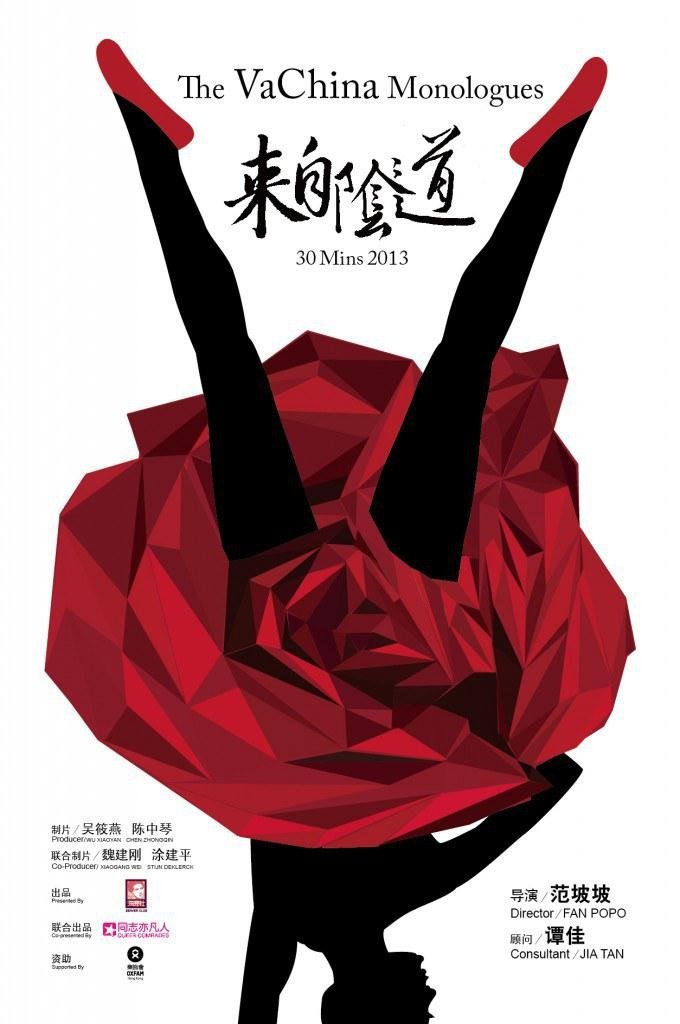
The Chinese Department of Sun Yat-sen University (Guangzhou) staged the Chinese debut of "The Vagina Monologues" in December 2003. Since then, this feminist play, which came from the US and has been committed to the elimination of gender-based violence, has incited a vagina hurricane that blew all over mainland China.
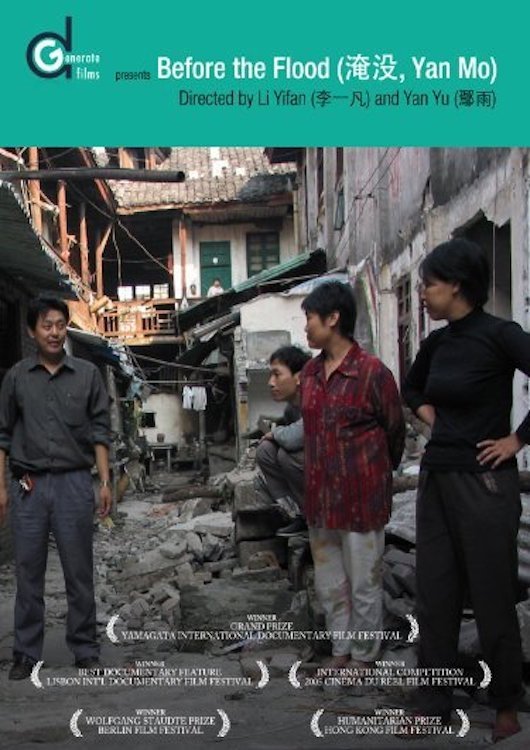
Before the Flood is a study of the final weeks of a dying city, as thousand-year-old Fengjie on the Yangtze River is reduced to rubble and its inhabitants uprooted to make way for the new Three Gorges Dam that will flood the entire valley.
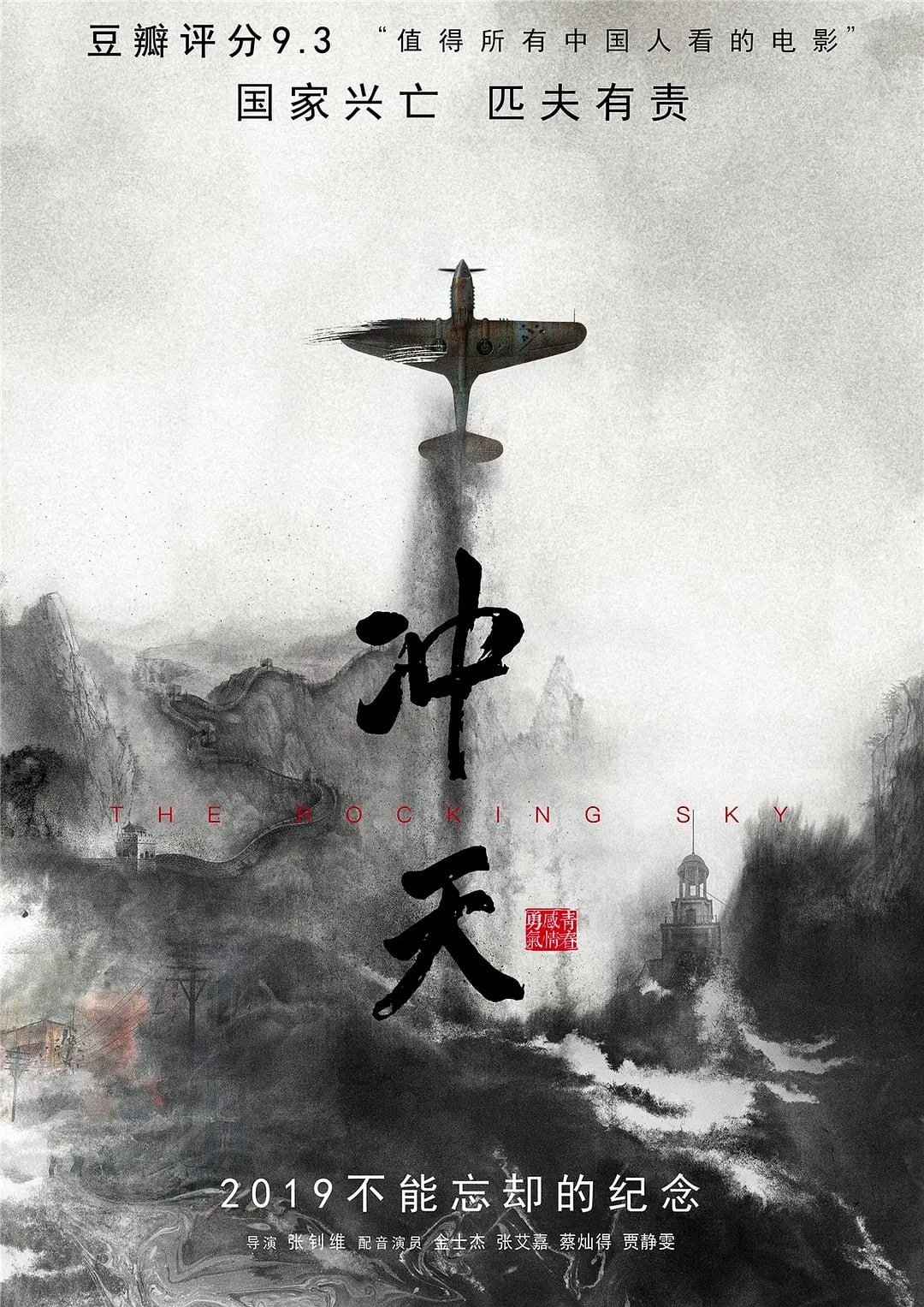
To commemorate the 70th anniversary of the victory of WWII, this documentary film describes the eight years of dauntless air-force fighting of the republic of China during the Anti-Japanese War, with only 300 combat-capable aircraft from China while Japan had over 2000.
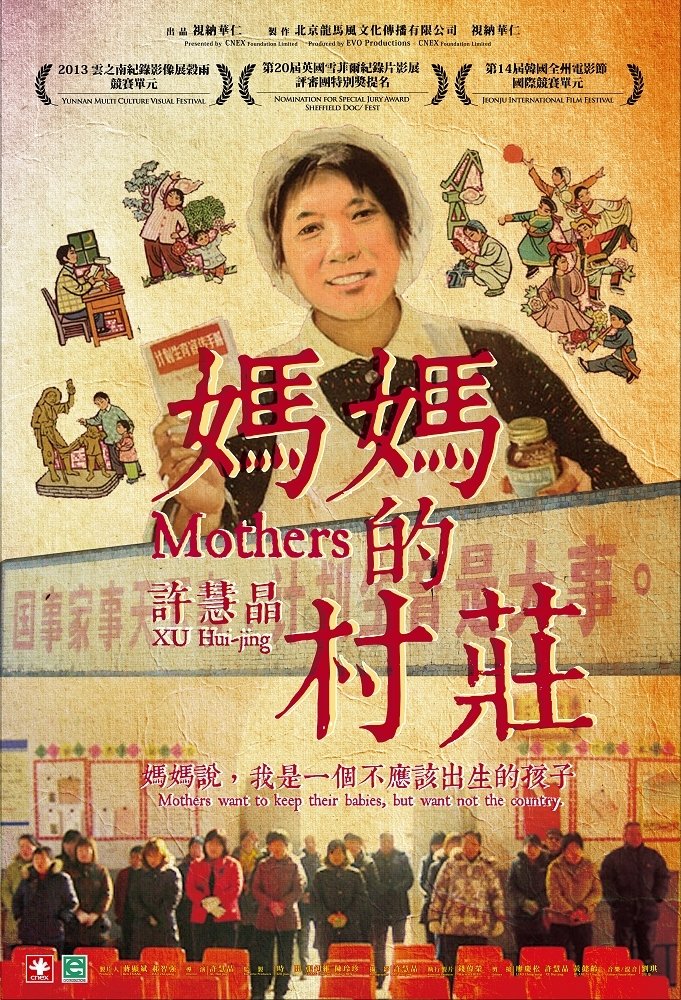
In rural China, the job of enforcing the Communist Party's one-child policy falls on government bureaucrats tasked with imposing fines, birth control, and forced sterilizations. Xu Huijing documents this process in his native village of Ma, following the tenacious efforts of the local birth control chief during an increased sterilization quota period, revealing the absurd and tragic local consequences of high-level government policy. (Chicago International Film Festival)
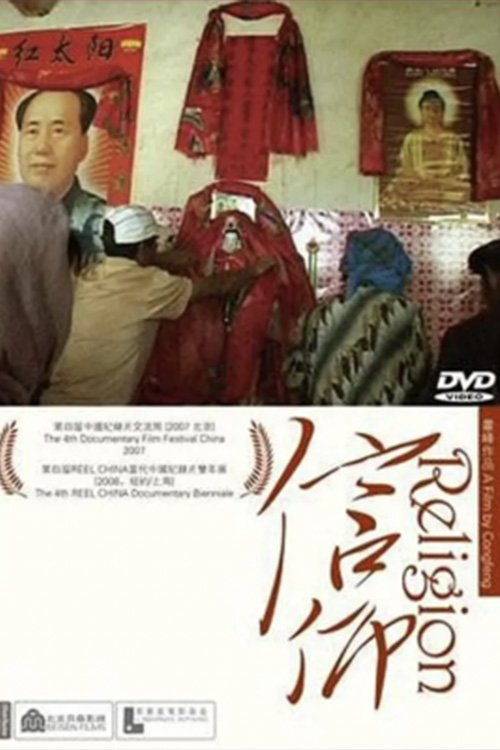
Huangyangchuan township, Gulang County, Gansu province. In a village, two members of a family died in accidents in a short period. People took it seriously, they decided to rebuild the old temple in the village, hoping it could bless them with peace. In the ceremony after the rebuilding was finished, the figure of Buddha, the picture of Chairman Mao, the Taoist and the country shamen, gathered together…This film documented the details of this ceremony, hoping to reveal the common status of Chinese people’s religion.
Springtime, Maoshan Town, Taizhou Shi, north Jiangsu Province in China. As the villagers of Maoshan prepare for their annual temple fair to pay their respects to Chairman Mao, tempers are reaching boiling point. Organizing this festival is a not easy matter, as director Jin Shifang will attest. Not only does he have to deal with wayward loudspeakers and corrupt police, but he also has to put up with infighting and subordinates just waiting for him to make a wrong move. This observational film captures the lives of ordinary people in rural China caught in changing times, letting audiences to think it over.
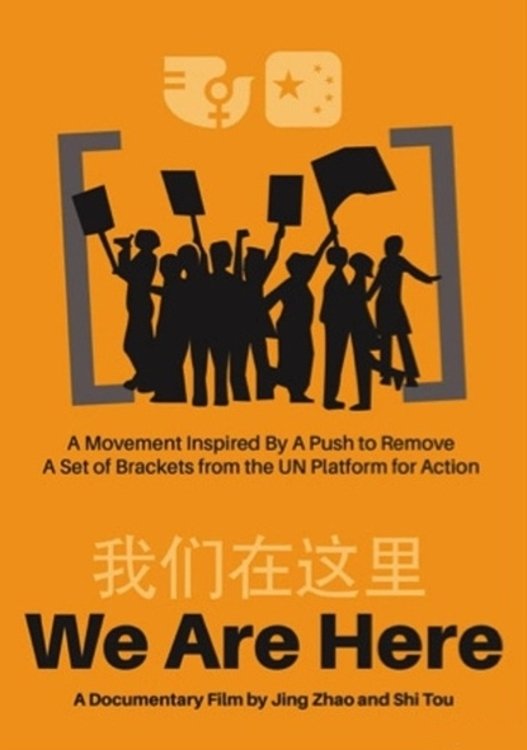
What happens when 300 lesbians from around the world attend the largest United Nations conference? How did two busloads of lesbians headed to an underground nightclub help spark the birth of a lala (LBT) movement in China? At the 1995 Fourth World Conference on Women in Beijing, the first ever lesbian tent at an UN NGO Forum was created. Emerging from hidden shadows of shame and invisibility, Chinese lalas began a hard-fought path of deliverance from themselves, from family, and from an apprehensive environment. In doing so, they sought empowerment and change as they explored concepts and issues from self-affirmation to rights consciousness. The film powerfully moves forward to the present day and shows the drastic change in today’s young feminist lalas – their challenging of sexism and homophobia with daring public street actions on subways – a parallel action to their forerunners in 1995, with much vigor and defiance 20 years later.
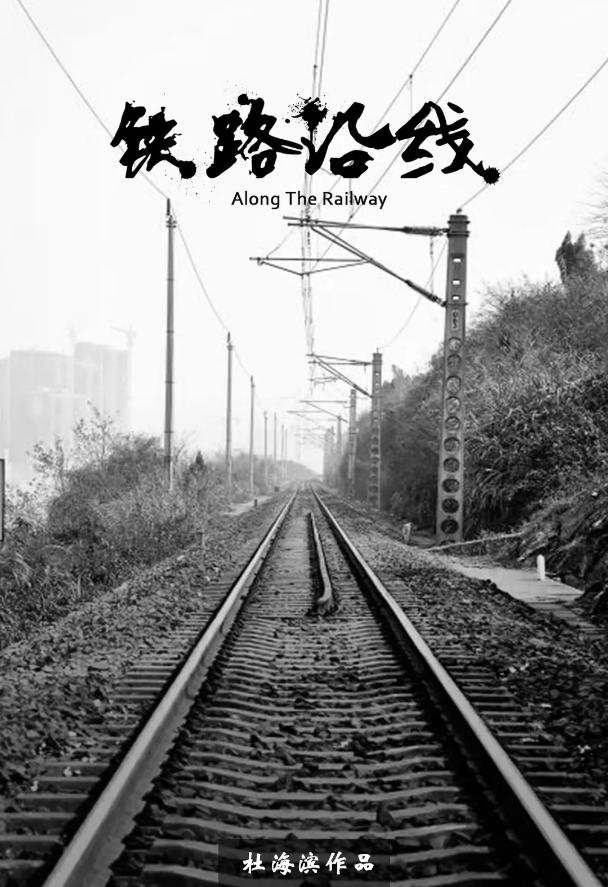
This important, patient documentary follows a year in the life of the sidings dwellers who eke out a living, begging, foraging, stealing and sleeping rough near the Baoji railway station in Shaanxi.
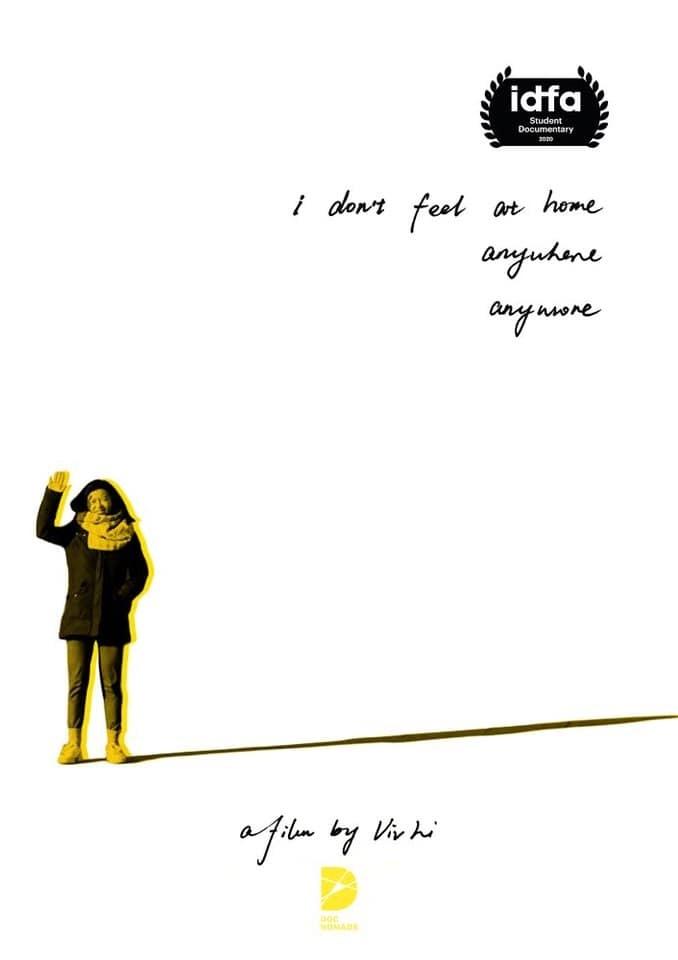
A wistful but witty account of a trip to Beijing by filmmaker Viv Li, a Chinese art student who has been living abroad for ten years. Her stay with her family mercilessly exposes how uprooted she has become by her life abroad.
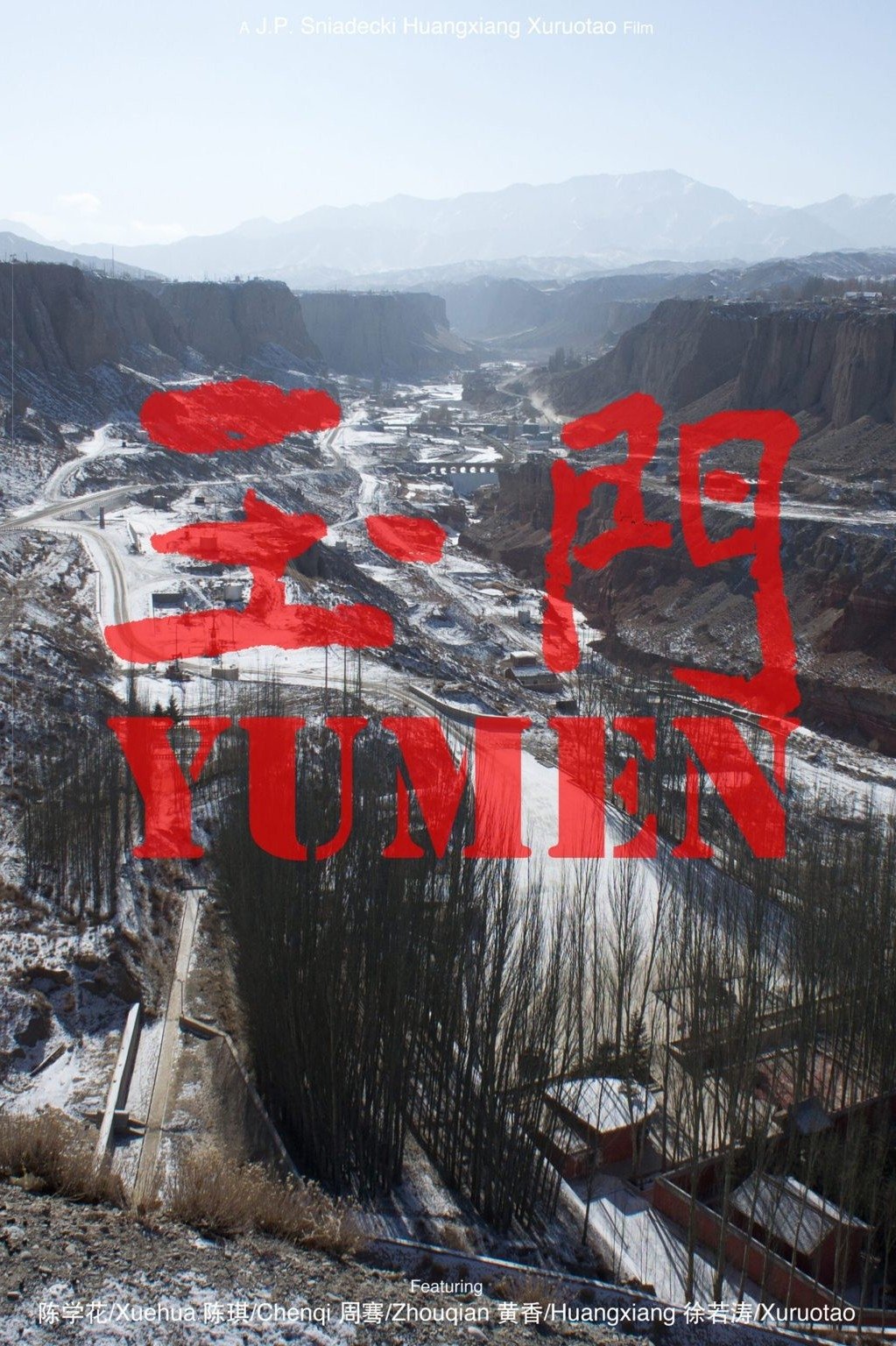
Set in a quasi-ghost town that once thrived with oil in China's arid northwest, Yumen is a haunting, fragmented tale of hungry souls, restless youth, a wandering artist and a lonely woman, all searching for human connection among the town's crumbling landscape. One part "ruin porn", one part "ghost story”, and entirely shot on 16mm, the film brings together performance art, narrative gesture, and social realism not only to play with convention and defy genre, but also to pay homage to a disappearing life-world and a fading medium.
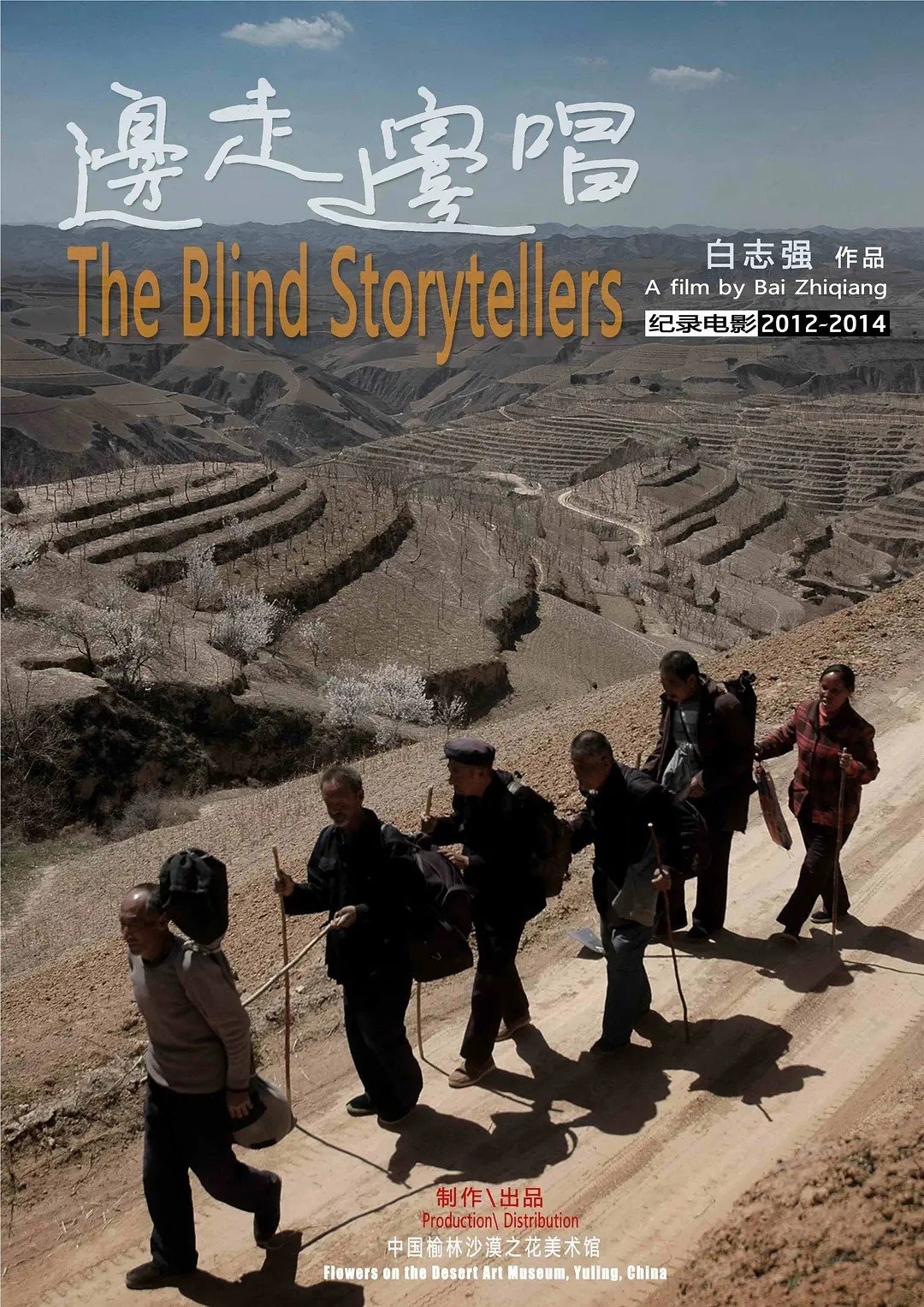
Li Shouwang is the leader of a blind storytellers team, learned storytelling at the age of 19. His childernare living hard in other cities. Li's money amost goes to his children's pocket every year. But with urbanisation, the storytellers have lost almost all their audience. As the conflict between the storytelling team and the village team intensified, his son, who was far away from home, became the only spiritual sustains... When he was excited that his son would be taking his family home for Chinese New Year, what's await is a sigh.
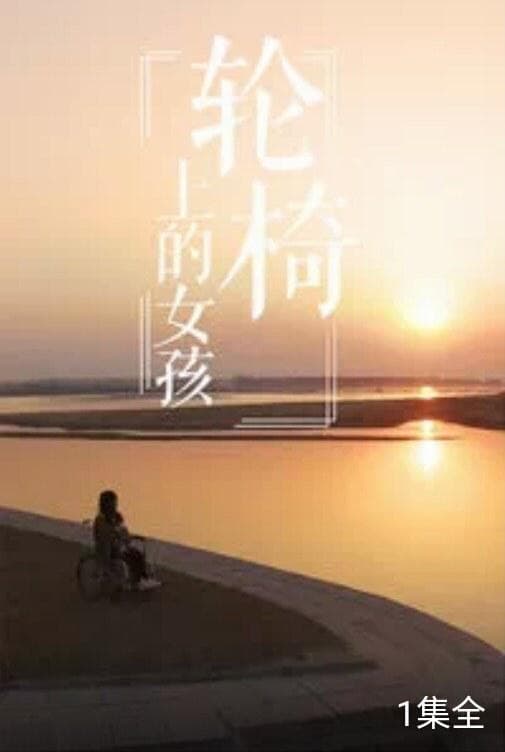
In Yuncheng County, Shandong, there is a girl born in the 90s named Han Wenjing who was paraplegic in a car accident in her childhood. As Han Wenjing gets older and older, she is worried about her future life. Marriage has become the biggest concern of parents. Han Wenjing got acquainted with a soldier online, but finally broke up under his father's opposition. The younger sister-in-law also had a dispute between the two over her marriage. When Han Wenjing was depressed, her father proposed to carry her to Liangshan. First, fulfilling Han Wenjing's wish was also compensation for Han Wenjing. Later, Han Wenjing met a dumb while studying e-commerce sales. The dumb liked her very much. Both parents were satisfied when they met. However, Han Wenjing felt that she still couldn't accept the disabled and wanted to try to combine healthy people, even if it failed. Under the pressure of her parents and sister-in-law on Han Wenjing, Han Wenjing still insists on her choice
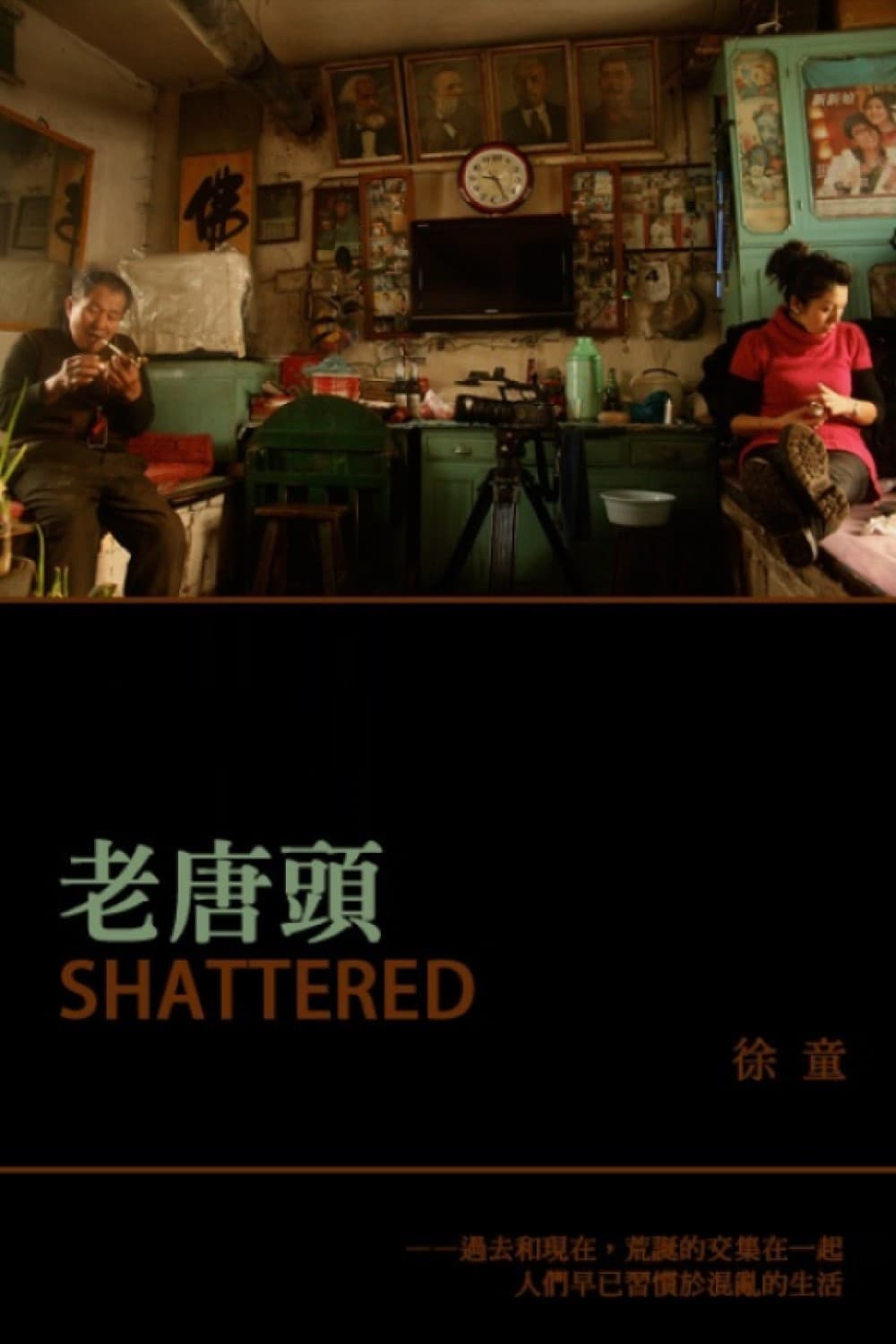
A microcosm of China past and present flows through Xu Tong’s intimate docu “Shattered,” in which the maverick indie filmmaker continues to refine his techniques and concerns shown in his previous “Wheat Harvest” and “Fortune Teller.”
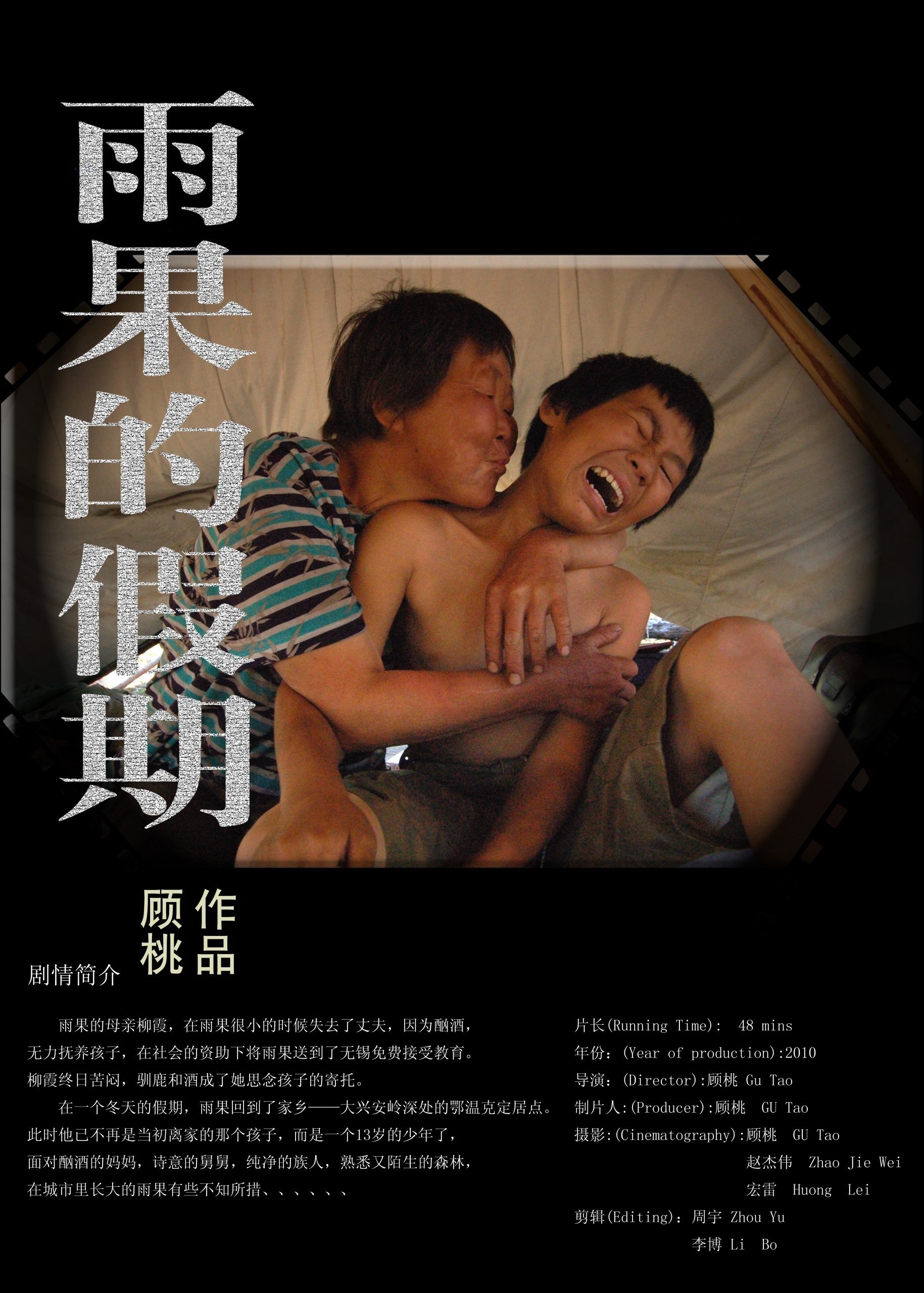
Yuguo, from Mongolia, lost his father when he was very young. His mother Liuxia was not able to raise him as a heavy drinker. With social support, she sent Yuguo to Wuxi for free education. Liuxia is depressed all day long, and she finds sustenance of missing Yuguo in reindeer and wine. One winter holiday after many years, Yuguo returns to his hometown, the Evenki settlement deep in the Greater Khingan mountains. At that time, he is no longer the boy who just left home, but a thirteen-year-old teenager. Facing alcoholic mother, poetic uncle, pure people from the tribe, familiar yet strange forest, Yuguo, who grew up in the city, doesn’t know what to do. In the snow-laden mountains of Aoluguya, northeast of Inner Mongolia, the film chronicles their brief time together. Yuguo and His Mother is the second documentary of Gu Tao’s Evenki trilogy.
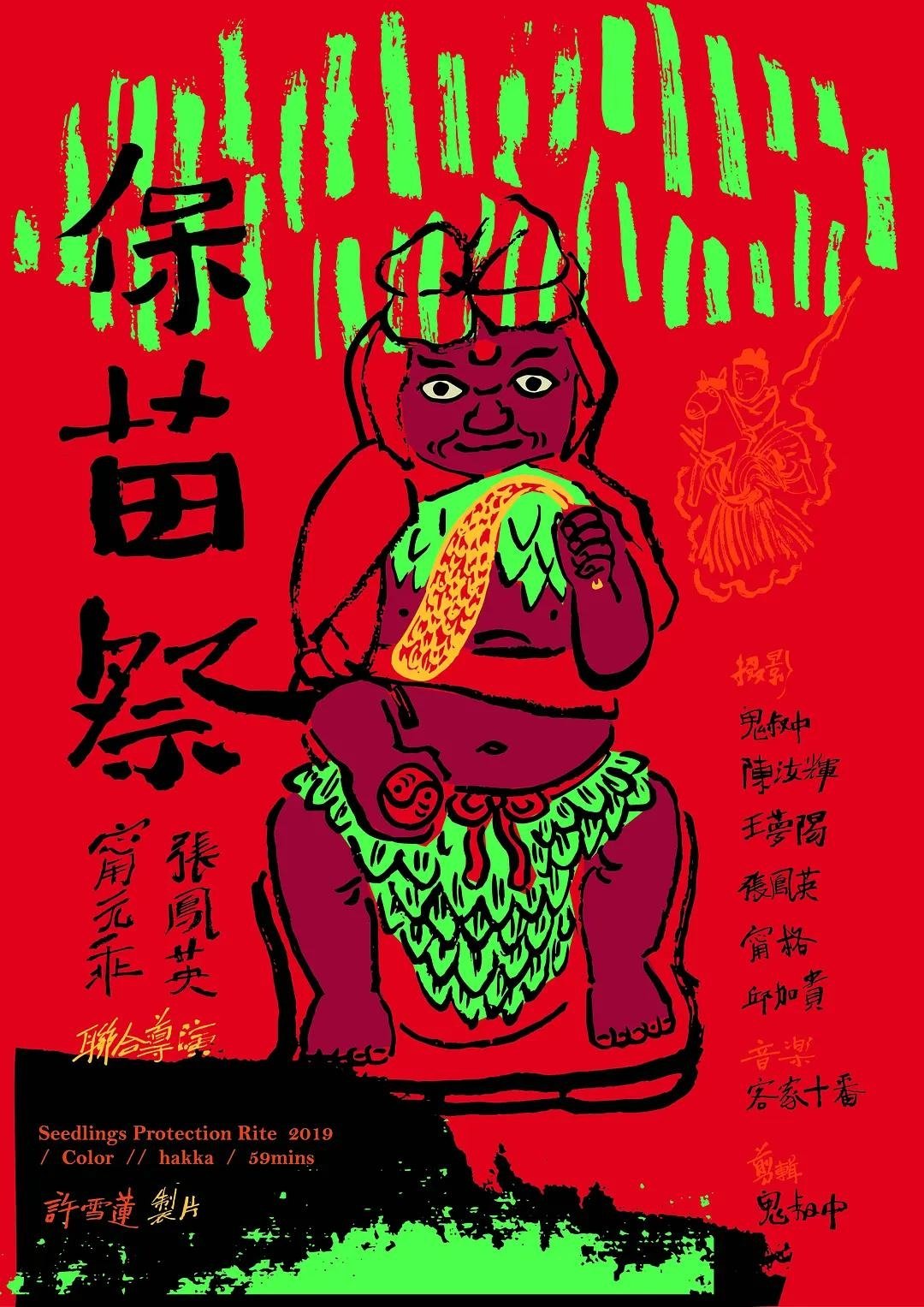
Seedlings protection rite (also called the parade of big rice dumplings) is a spring agricultural festival of Hakka people in Western Fujian, China. People worship the God of Grains (Shennong) in the rite. People collect thousands of fresh bamboo leaves, sew them together and make a pair of big dumplings filled with 120 kilograms of rice each. They also make tens of thousands of finger-sized rice dumplings for believers to take home. On the 15th day of the 2nd lunar month, villagers carry out the statues of the God of grains and big dumplings. Followed by flowers cars, eight sheds carry children chosen from every clan name in the village who are dressed up as ancient heroes, as people parade around the village. After the rite, villagers believe that farmland is awakened and that disasters are averted. A new agricultural cycle begins.
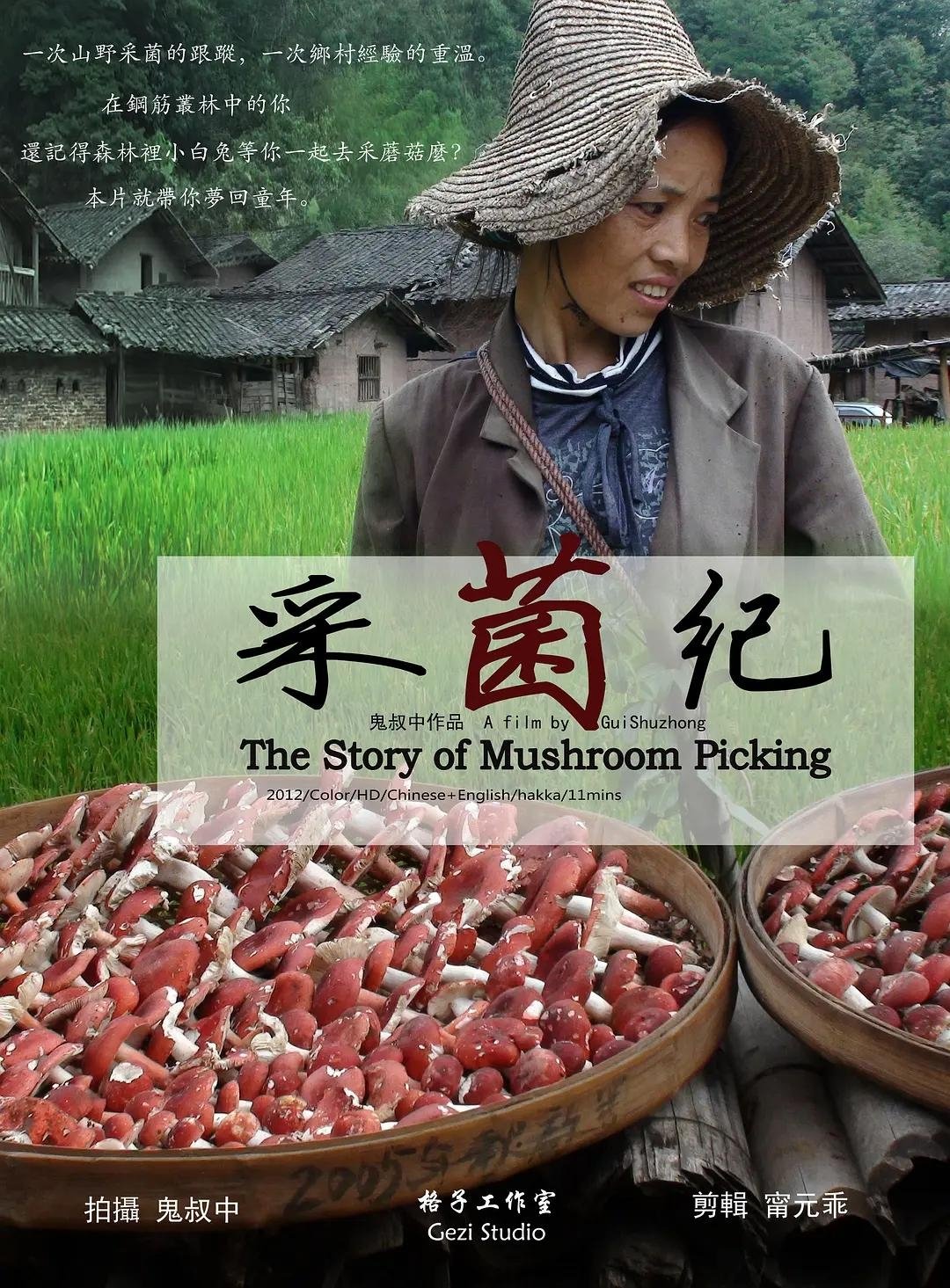
In the mountains of western Fujian, mushrooms emerge in large numbers after rain. Hakka people pick mushrooms up the mountain with baskets at three or four o 'clock in the morning. The process of picking mushrooms is also the process of harvest.
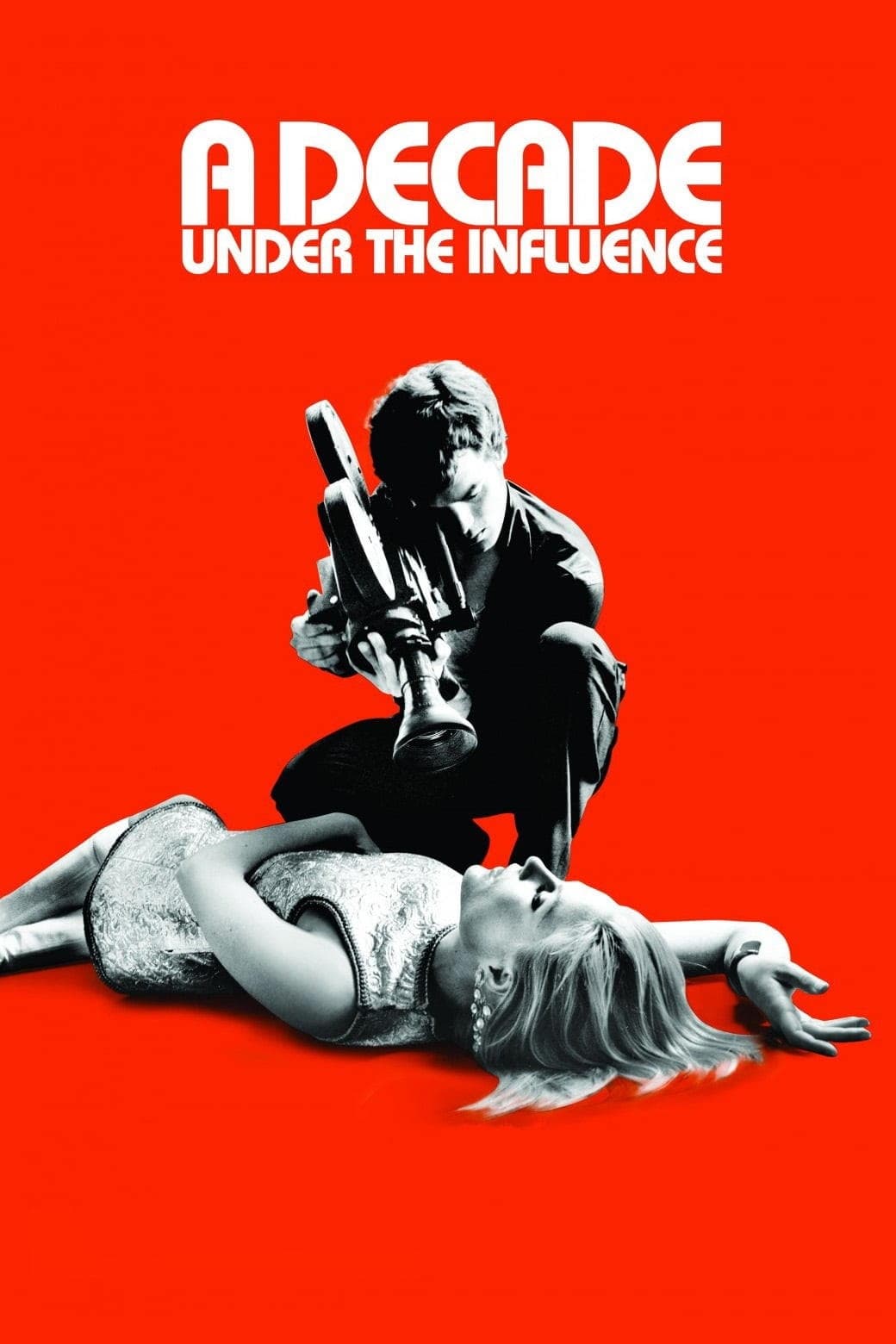
A documentary examining the decade of the 1970s as a turning point in American cinema. Some of today's best filmmakers interview the influential directors of that time.
The film follows adventurer Jeff Johnson as he retraces the epic 1968 journey of his heroes Yvon Chouinard and Doug Tompkins to Patagonia.
A detailing of the rise to prominence and global sporting superstardom of six supremely talented young Manchester United football players (David Beckham, Nicky Butt, Ryan Giggs, Paul Scholes, Phil and Gary Neville). The film covers the period 1992-1999, culminating in Manchester United's European Cup triumph.
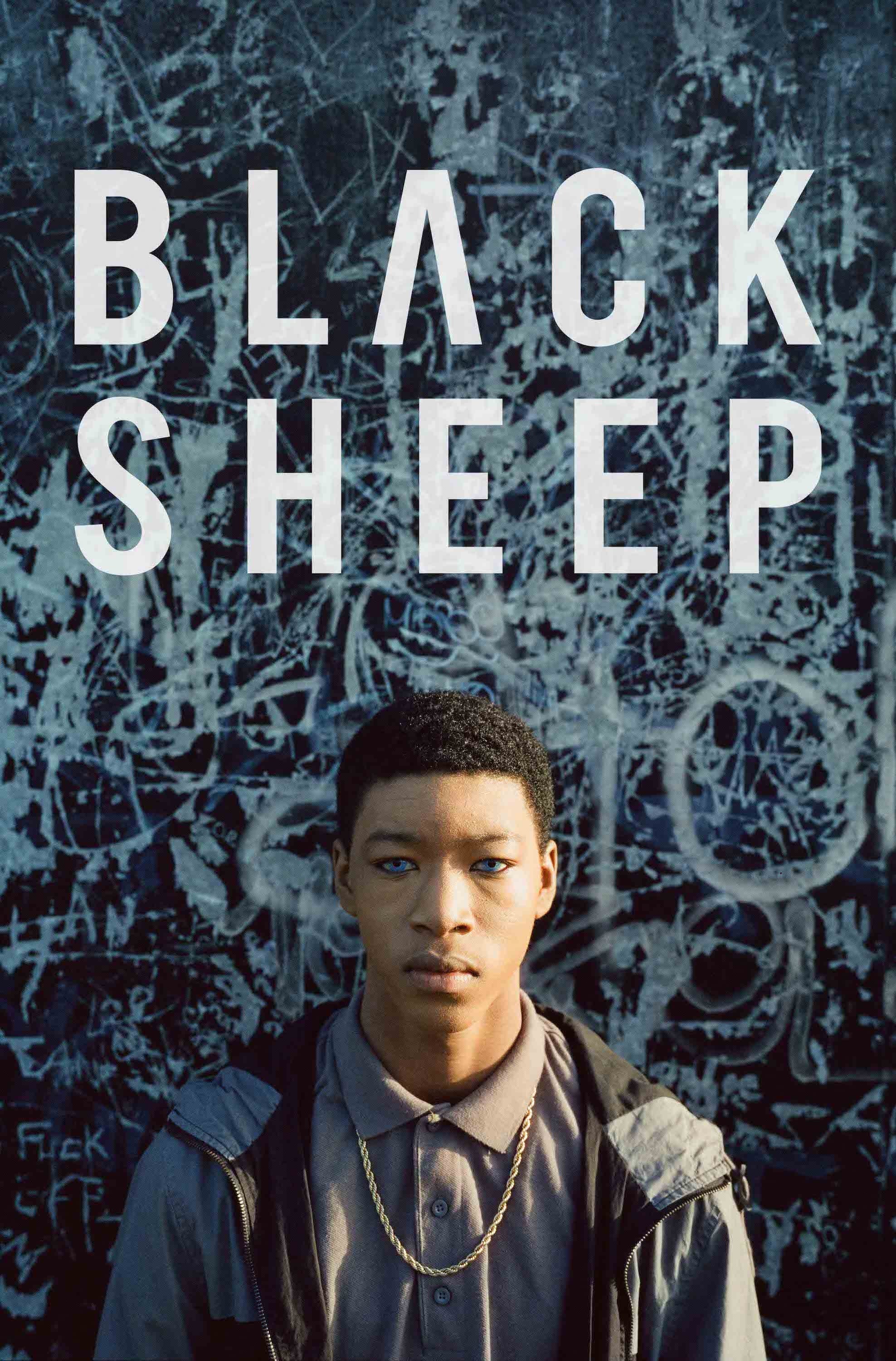
After the high-profile killing of Damilola Taylor, Cornelius' family move out of London. But when they discover their new town is run by racists, Cornelius takes a drastic step to survive.
JB Smoove and Martin Starr host a celebration of 20 years of "Spider-Man" movies, from the Sam Raimi trilogy to Marc Webb's movies and the trio from Jon Watts.
Through deeply personal interviews with her siblings and an examination of the photographs, letters, and belongings left behind, Mariska assembles a new portrait of her mother Jayne Mansfield, an extraordinary and complex woman.
A night of drunken chaos rocks a quiet Dutch town in this shocking documentary about a teen's birthday invite that accidentally went viral on Facebook.
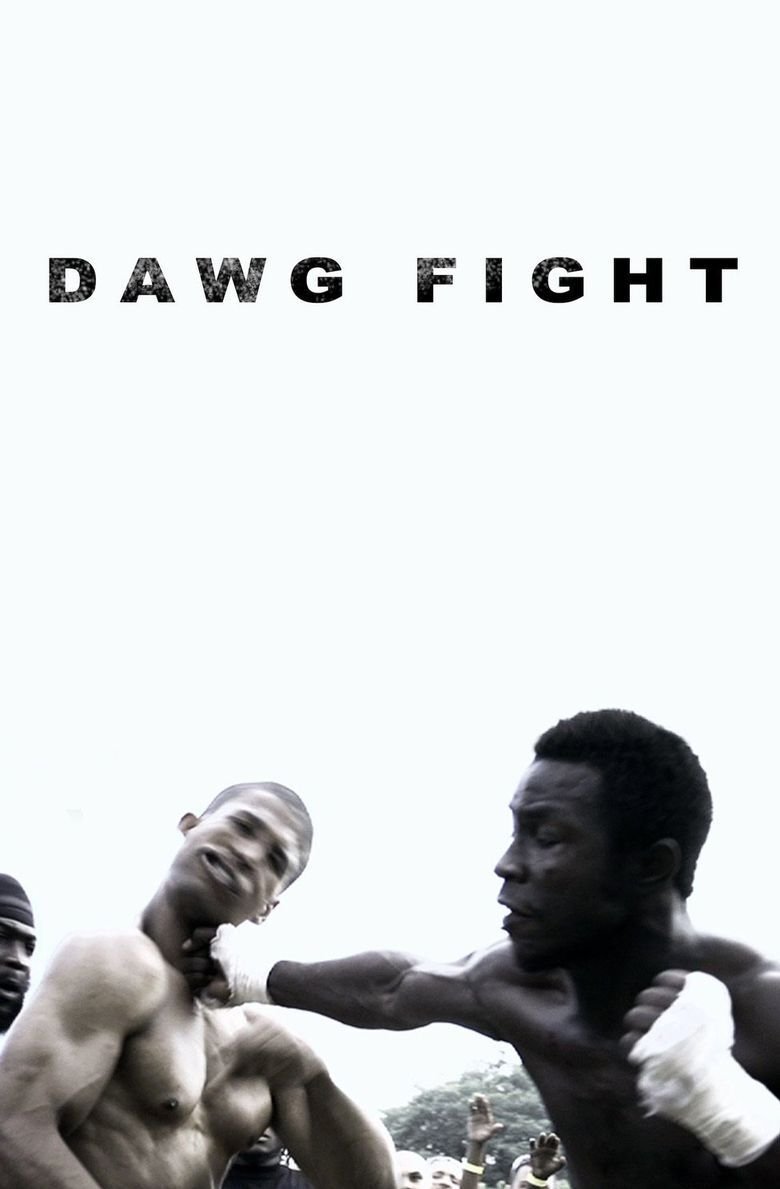
In a crime-plagued neighborhood near Miami, brutal, bare-knuckled backyard fights give young men a chance to earn money -- and self-respect.
An inside look at one of the most anticipated movie sequels ever with James Cameron and cast.
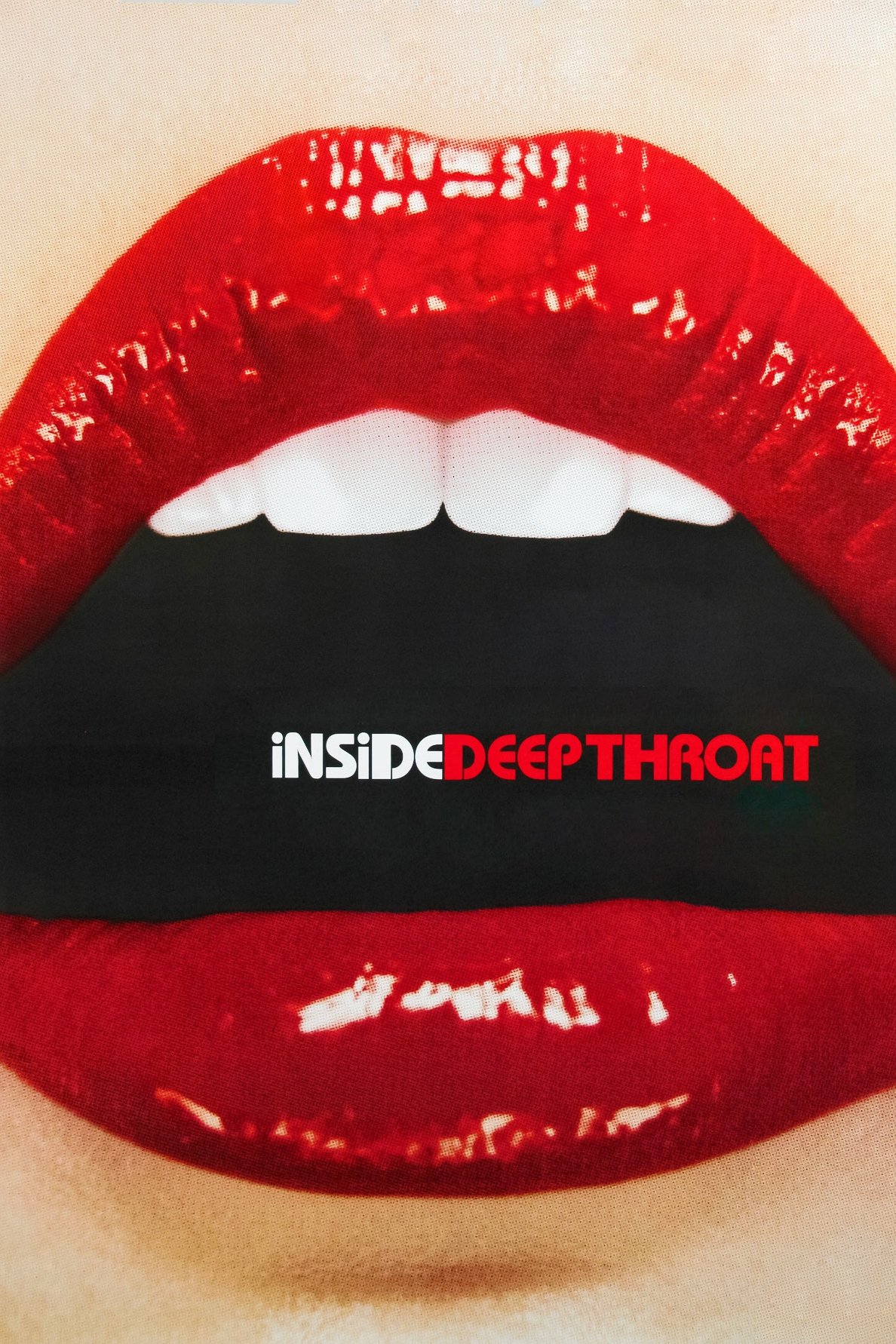
In 1972, a seemingly typical shoestring budget pornographic film was made in a Florida hotel: "Deep Throat," starring Linda Lovelace. This film would surpass the wildest expectation of everyone involved to become one of the most successful independent films of all time. It caught the public imagination which met the spirit of the times, even as the self-appointed guardians of public morality struggled to suppress it, and created, for a brief moment, a possible future where sexuality in film had a bold artistic potential. This film covers the story of the making of this controversial film, its stunning success, its hysterical opposition along with its dark side of mob influence and allegations of the on set mistreatment of the film's star.
A documentary about how a dominant cultural and demographic institution both sustains their traditional activities and adapts to the digital revolution.
Alexander McQueen's rags-to-riches story is a modern-day fairy tale, laced with the gothic. Mirroring the savage beauty, boldness and vivacity of his design, this documentary is an intimate revelation of McQueen's own world, both tortured and inspired, which celebrates a radical and mesmerizing genius of profound influence.
A documentary about the life and films of director John Ford.
Those who knew iconic funnyman John Candy best share his story, in their own words, through never-before-seen archival footage, imagery, and interviews.
Documentarian Ross McElwee originally set out to make a travelogue of sorts tracing General William T. Sherman's infamous scorched-earth march through the Confederacy in the latter stages of the Civil War. Instead, haunted by a recent breakup with a girlfriend, McElwee ends up documenting his progress -- or lack thereof -- in starting a new relationship. His journey then becomes one of self-reflection and self-discovery rather than a historical/sociological exploration.
Featuring interviews with filmmakers and industry legends, discover the origins and evolution of The Joker, and learn why The Clown Prince of Crime is universally hailed as the greatest comic-book supervillain of all time.
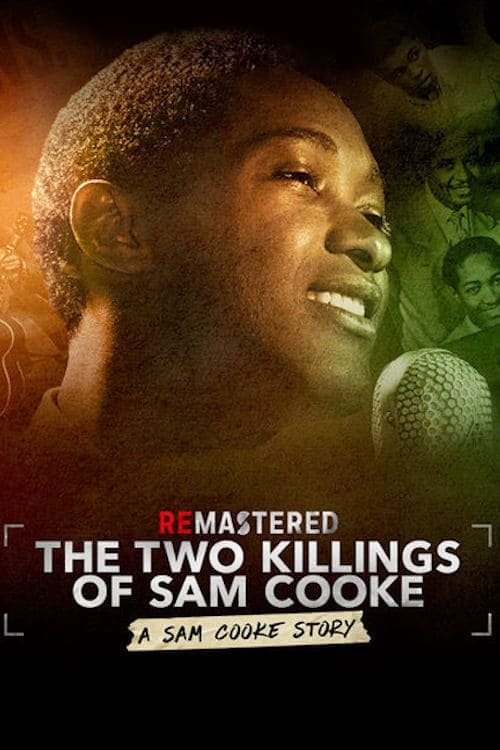
This investigation examines the mysterious shooting of soul icon Sam Cooke, whose death silenced one of the most vital voices in the civil rights movement.
A look at the origins, history and conspiracies behind the "Majestic 12", a clandestine group of military and corporate figureheads charged with reverse-engineering extraterrestrial technology.
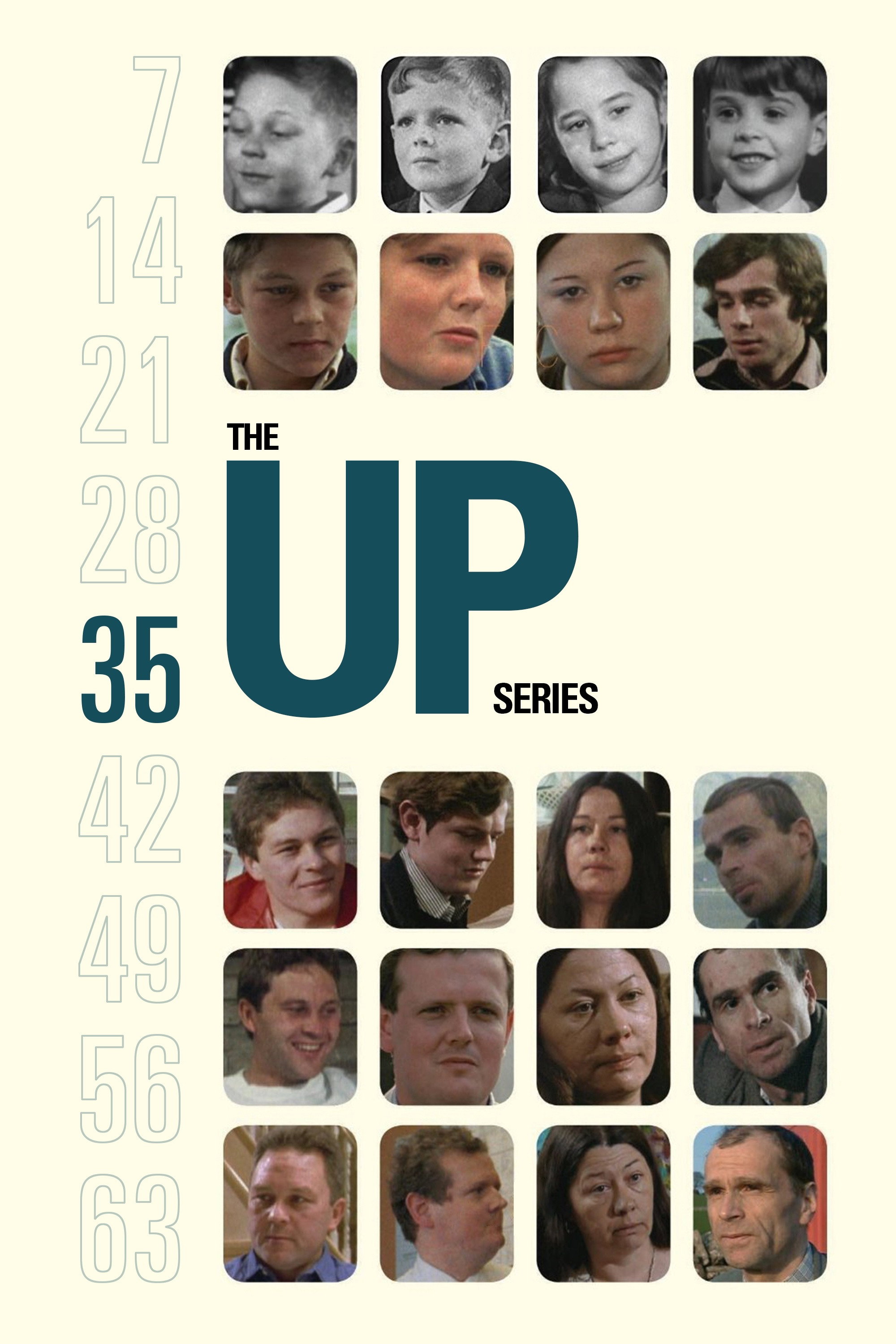
Director Michael Apted revisits the same group of British-born adults after a 7 year wait. The subjects are interviewed as to the changes that have occurred in their lives during the last seven years.
The life and career of an actor, artist, and icon. His own journey through his own camera.