Social & External
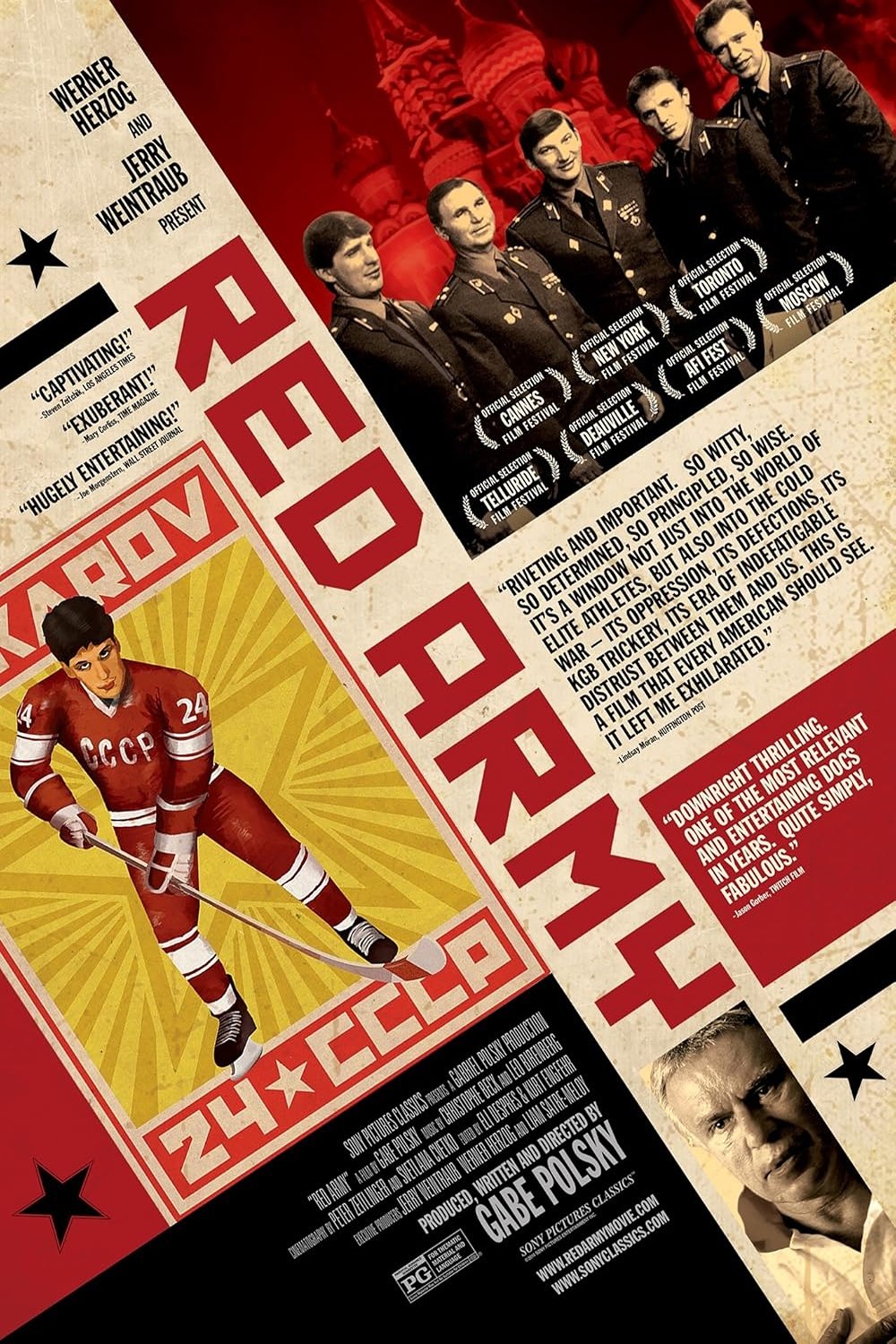
A documentary highlighting the Soviet Union's legendary and enigmatic hockey training culture and world-dominating team through the eyes of the team's Captain Slava Fetisov, following his shift from hockey star and celebrated national hero to political enemy.
An eight-year-old boy is willing to do whatever it takes to end World War II so he can bring his father home. The story reveals the indescribable love a father has for his little boy and the love a son has for his father.
Dr. Barbara Staggers, winner of the San Francisco Foundation 2004 Community Leadership Awards (San Francisco Foundation Award) - for her dedication to improving adolescent healthcare through community- and school-based care, for promoting teen health among communities of color nationally, and for serving as an outstanding role model for youth pursuing careers in healthcare.
Puente de la Costa Sur, winner of the San Francisco Foundation 2004 Community Leadership Awards (John R. May Award) - for its creative, grassroots efforts to provide education, social justice advocacy, direct services, and community connections enabling immigrant men in rural San Mateo County to improve their living and working conditions
Insight Prison Project, winner of the San Francisco Foundation 2005 Community Leadership Awards (John R. May Award) - for its dedication to breaking the cycle of incarceration through effective in-prison rehabilitation programming, and for being a model for catalyzing statewide prison reform.
Bishop William Swing, winner of the San Francisco Foundation 2006 Community Leadership Awards (The San Francisco Foundation Award) - for creating a more just and compassionate community. He reaches out across religions and takes risks to push for innovative solutions to social problems. Bishop Swing's perseverance in fighting homelessness, raising HIV/AIDS awareness, and providing equal access to healthcare has left an indelible imprint on local, national, and international communities.
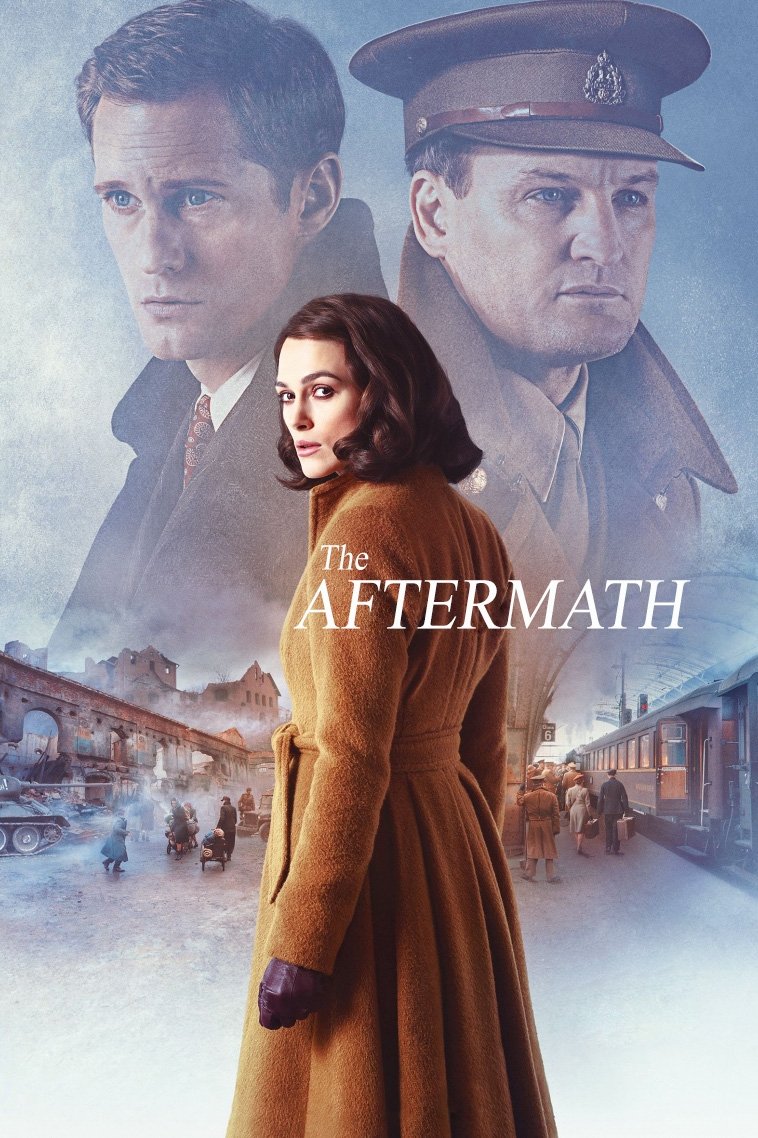
In the aftermath of World War II, a British colonel and his wife are assigned to live in Hamburg during the post-war reconstruction, but tensions arise with the German widower who lives with them.
Michael Morgan, winner of the San Francisco Foundation 2006 Community Leadership Awards for making symphonic music essential to the culture of the East Bay community. He is dedicated to minority access to the arts and arts education, visiting 100 schools every year. More than 20,000 public school students received hands-on music education because of Michael's leadership.
Dr. Joseph Marshall, Jr., winner of the San Francisco Foundation 2006 Community Leadership Awards (The Robert Kirkwood Award) - for redefining youth violence as a public health issue. By developing violence prevention methodologies and promoting these models nationwide, he influenced the lives of hundreds of young men and women whose mindsets were changed, and futures improved, through their involvement with Omega Boys Club/Street Soldiers.
Arnold Perkins, winner of the San Francisco Foundation 2007 Community Leadership Awards (the San Francisco Foundation Award). Arnolds broad experiences reflect his passion to build and strengthen community spirit. Through his lifelong commitment to the Bay Area, Arnold has mentored hundreds of African American men and challenged them to be leaders in their own right. His diverse and inspired leadership creates positive change in the health of underserved communities locally and throughout the world.
Jane Garcia, winner of the San Francisco Foundation 2007 Community Leadership Awards (the Robert C. Kirkwood Award). Jane's visionary advocacy reflects the cultures and languages of patients and has advanced the national, state, and regional public health agenda. Under Jane's dynamic leadership, La Clínica de la Raza grew from a storefront clinic to a national model of multilingual and multicultural access to healthcare. More than 20 sites provide crucial healthcare and empowerment to hundreds of thousands of low-income residents across the Bay Area.
Eva Paterson, winner of the San Francisco Foundation 2007 Community Leadership Awards (The San Francisco Foundation Award). Eva has empowered thousands of people to make their voices heard in the critical civil rights struggles of our times. Eva's passionate and longtime commitment to advancing social and racial justice through law and public policy, communications and the arts, and alliance building has had a profound local and national impact. Her vision, coalition building, and tenacity have not only won landmark cases, but have raised the visibility and impact of the justice movement to change the very fabric of our society.
National Center for Lesbian Rights, winner of the San Francisco Foundation 2009 Community Leadership Awards (the John R. May Award), for its pioneering spirit and unwavering commitment to advancing the civil and human rights of LGBT people. Its precedent-setting case victories have rewritten laws to change the legal landscape for all LGBT people and families across the nation. Through litigation, public policy advocacy, and public education, NCLR advocates on behalf of LGBT people and their families nationwide. For 30 years, NCLR has been at the forefront of pursuing justice, fairness, and legal protections for all LGBT people.
Dr. Washington Burns is the executive director of the Prescott-Joseph Center for Community Enhancement, for working tirelessly to meet the needs and better the lives of West Oakland residents. A retired pathologist, Dr. Burns is at the heart of PJCCE's health and human services, education, literacy, arts, and cultural programs for residents of all ages. A trusted community organizer and partner, he inspires others to narrow disparities in health and social services access and to strengthen their own community. In the spirit of The San Francisco Foundation Award, made to an individual demonstrating exemplary commitment to improving human relations in the Bay Area.
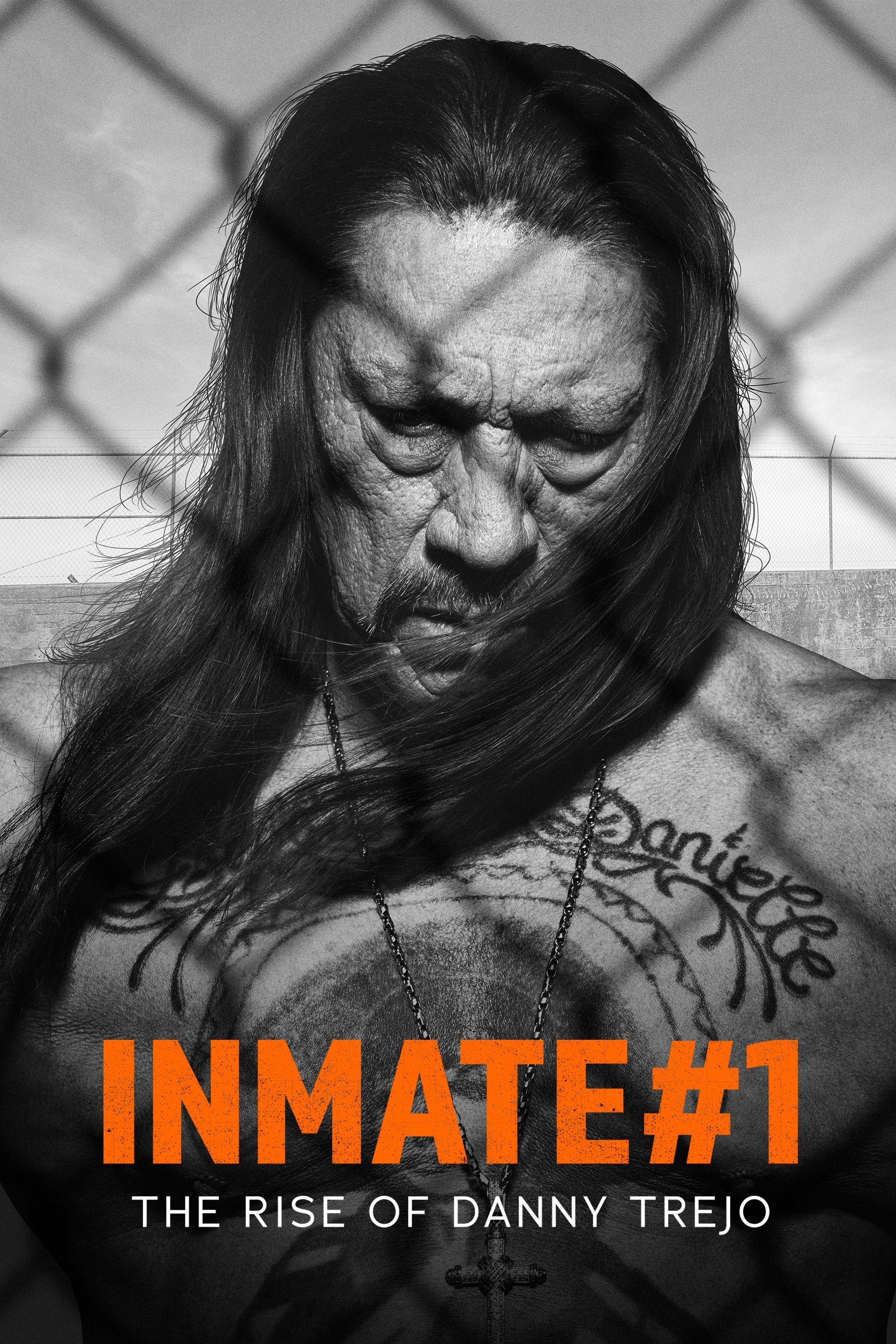
71 years in the making, this feature documentary experience reveals the extraordinary life journey of Hollywood's most unlikely hero, Danny Trejo.
The Balkans cradles Europe's last wild rivers and supports abundant wildlife and healthy, intact ecosystems. These rivers are "The Undamaged" – clean, pristine, and undammed. With over 2,700 small and large hydro power plants planned or under construction in the Balkans, corruption and greed are destroying the last free-flowing rivers of Europe. Follow the Balkan Rivers Tour, a rowdy crew of whitewater kayakers, filmers, photographers and friends who decided to stand up for the rivers, travelling from Slovenia to Albania for 36 days, kayaking 23 rivers in 6 countries to protest the dams and show the world the secret wild rivers of the Balkans. The film honours everyday people and local activists who are fighting to defend rivers and aims to spread the word of the plight of these rivers, showing a new style of nature conservation that is fun, energetic and effective.
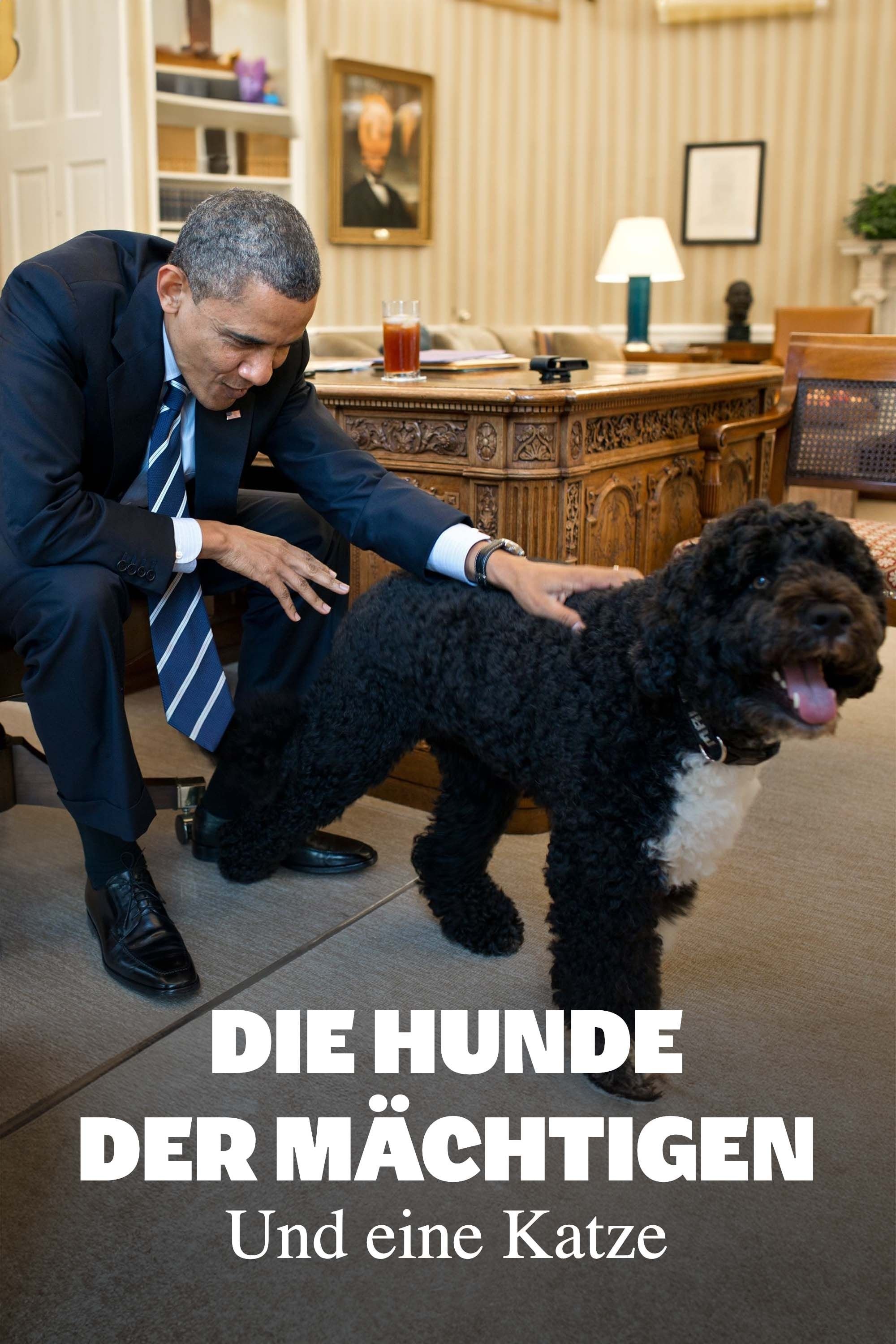
They are the secret protagonists of world history: dogs that became famous alongside powerful masters and mistresses. A four-legged friend helps to cultivate an image and can, depending on the calculations, make its owner appear sympathetic or threatening. In England, however, prime ministers have to get used to a cat...
Meet the real-life airmen who inspired Masters of the Air as they share the harrowing and transformative events of the 100th Bomb Group.
Produced and presented as evidence at the Nuremberg war crimes trial of Hermann Göring and twenty other Nazi leaders, this film consists primarily of dead and surviving prisoners and of facilities used to kill and torture during the World War II.
Director Claude Lanzmann spent 11 years on this sprawling documentary about the Holocaust, conducting his own interviews and refusing to use a single frame of archival footage. Dividing Holocaust witnesses into three categories – survivors, bystanders, and perpetrators – Lanzmann presents testimonies from survivors of the Chelmno concentration camp, an Auschwitz escapee, and witnesses of the Warsaw Ghetto Uprising, as well as a chilling report of gas chambers from an SS officer at Treblinka.
Filmmaker Alain Resnais documents the atrocities behind the walls of Hitler's concentration camps.
Over a period of two years, Mark Cowen and his crew travelled to thirty U.S. states and ten European cities, to interview the veterans of Easy Company. The stories told by the veterans themselves, create a history of the Second World War from the point of view of this heroic company of men, made famous in the mini-series Band of Brothers.
"Trinity and Beyond" is an unsettling yet visually fascinating documentary presenting the history of nuclear weapons development and testing between 1945-1963. Narrated by William Shatner and featuring an original score performed by the Moscow Symphony Orchestra, this award-winning documentary reveals previously unreleased and classified government footage from several countries.
The extraordinary story of how Hollywood changed World War II – and how World War II changed Hollywood, through the interwoven experiences of five legendary filmmakers who went to war to serve their country and bring the truth to the American people: John Ford, William Wyler, John Huston, Frank Capra, and George Stevens. Based on Mark Harris’ best-selling book, “Five Came Back: A Story of Hollywood and the Second World War.”
Prelude to War was the first film of Frank Capra's Why We Fight propaganda film series, commissioned by the Pentagon and George C. Marshall. It was made to convince American troops of the necessity of combating the Axis Powers during World War II. This film examines the differences between democratic and fascist states.
This documentary movie is about the battle of San Pietro, a small village in Italy. Over 1,100 US soldiers were killed while trying to take this location, that blocked the way for the Allied forces from the Germans. Preserved by the Academy Film Archive in 2005.
With unprecedented access, this documentary follows the extraordinary journey of “Raqqa is Being Slaughtered Silently”—a group of anonymous citizen journalists who banded together after their homeland was overtaken by ISIS—as they risk their lives to stand up against one of the greatest evils in the world today.
When Allied forces liberated the Nazi concentration camps in 1944-45, their terrible discoveries were recorded by army and newsreel cameramen, revealing for the first time the full horror of what had happened. Making use of British, Soviet and American footage, the Ministry of Information’s Sidney Bernstein (later founder of Granada Television) aimed to create a documentary that would provide lasting, undeniable evidence of the Nazis’ unspeakable crimes. He commissioned a wealth of British talent, including editor Stewart McAllister, writer and future cabinet minister Richard Crossman – and, as treatment advisor, his friend Alfred Hitchcock. Yet, despite initial support from the British and US Governments, the film was shelved, and only now, 70 years on, has it been restored and completed by Imperial War Museums under its original title "German Concentration Camps Factual Survey".
Amid the failing counteroffensive, a journalist follows a Ukrainian platoon on their mission to traverse one mile of heavily fortified forest and liberate a strategic village from Russian occupation. But the farther they advance through their destroyed homeland, the more they realize that this war may never end.
A love letter from a young mother to her daughter, the film tells the story of Waad al-Kateab’s life through five years of the uprising in Aleppo, Syria as she falls in love, gets married and gives birth to Sama, all while cataclysmic conflict rises around her. Her camera captures incredible stories of loss, laughter and survival as Waad wrestles with an impossible choice– whether or not to flee the city to protect her daughter’s life, when leaving means abandoning the struggle for freedom for which she has already sacrificed so much.
The history of cinematic sound, told by legendary sound designers and visionary filmmakers.
WWII from Space delivers World War II in a way you've never experienced it before. This HISTORY special uses an all-seeing CGI eye that offers a satellite view of the conflict, allowing you to experience it in a way that puts key events and tipping points in a global perspective. By re-creating groundbreaking moments that could never have been captured on camera, and by illustrating the importance of simultaneity and the hidden effects of crucial incidents, HISTORY presents the war's monumental moments in a never-before-seen context. And with new information brought to the forefront, you'll better understand how a nation ranked 19th in the world's militaries in 1939 emerged six years later as the planet's only atomic superpower.
Daniel Craig candidly reflects on his 15 year adventure as James Bond. Including never-before-seen archival footage from Casino Royale to the upcoming 25th film No Time To Die, Craig shares his personal memories in conversation with 007 producers, Michael G Wilson and Barbara Broccoli.
A documentary on the making of the three Godfather films, with interviews and recollections from the film makers and cast. This feature also includes the original screen tests of some of the actors for "The Godfather" film, and some candid moments on the set of "The Godfather: Part III."
A documentary about World War I with never-before-seen footage to commemorate the centennial of Armistice Day, and the end of the war.
An account of the extraordinary life of film pioneer Georges Méliès (1861-1938) and the amazing story of the copy in color of his masterpiece A Trip to the Moon (1902), unexpectedly found in Spain and restored thanks to the heroic efforts of a group of true cinema lovers.