Social & External
Yann Arthus-Bertrand
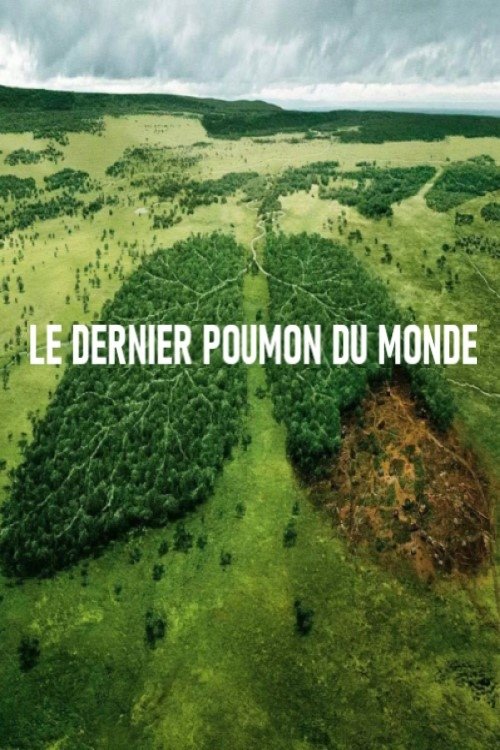
In June 2010, French actress Marion Cotillard spent a week in the heart of the tropical forests of the Democratic Republic of Congo with members of Greenpeace France and Greenpeace Africa. She delivers in video a strong testimony on the looting of Congolese forests which benefits a few industrial groups, often European.
Sven Nykvist, best known as Ingmar Bergman cinematographer, made this film as a tribute to his father who was a missionary in Kongo in the early 20th century. The story of his father Gustav Natanael Nykvist is told through his own photos, letters, and films. Director & cinematographer: Sven Nykvist. Narrators in the English dubbed version: Liv Ullmann & Sean Connery. Produced by Ingmar Bergman (Cinematograph AB). Digitally restored in 2022.
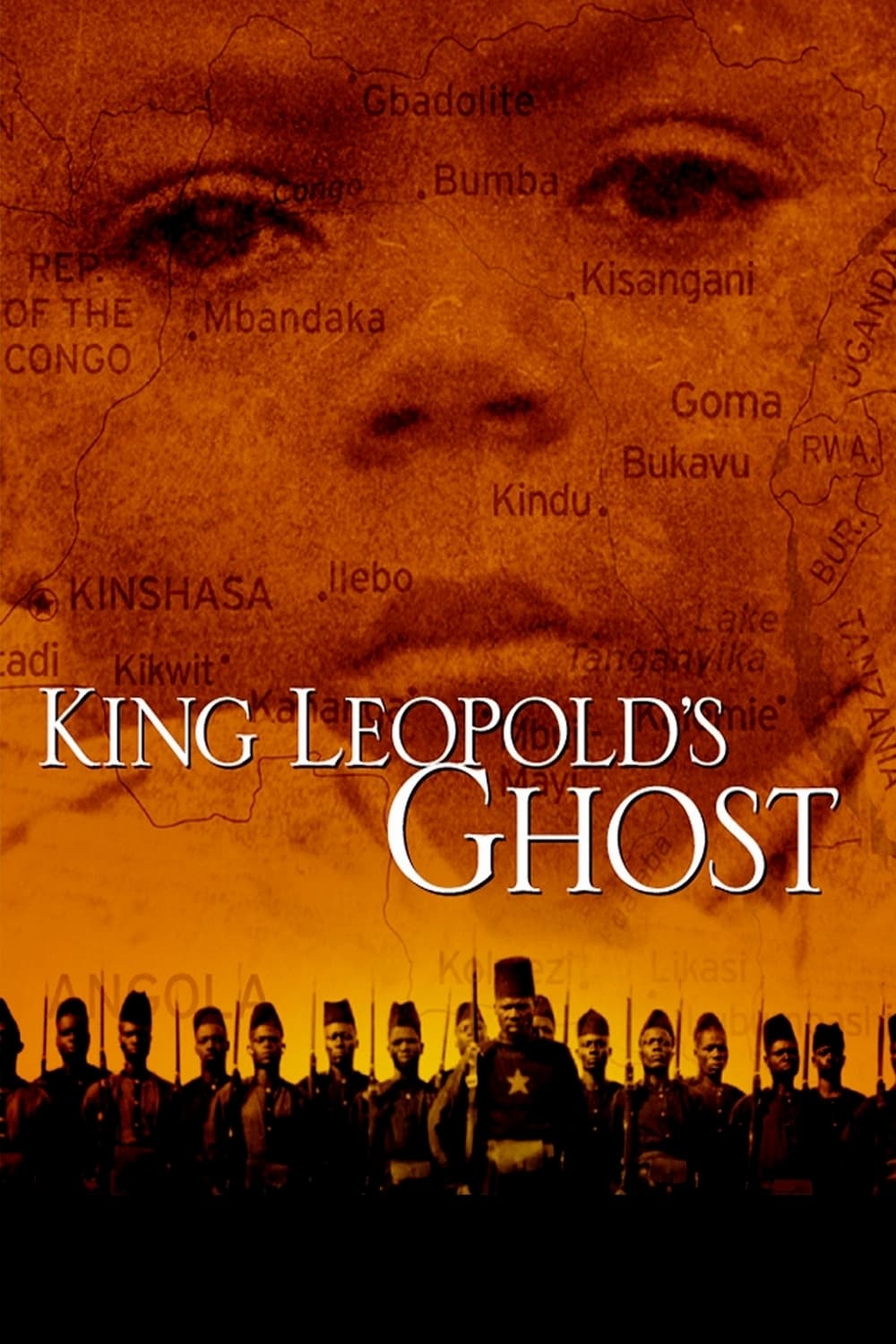
The modern history of the Congo, the heart of Africa, is a terrifying tale of appalling brutality: how the greedy and incredibly ruthless King Leopold II of Belgium (1935-1909) turned a vast country into his private estate (1885-1908) and how he plundered the land and raped the bodies and souls of its defenceless inhabitants, causing countless victims; and what exactly is the true impact of this often forgotten story of crime and horror today.
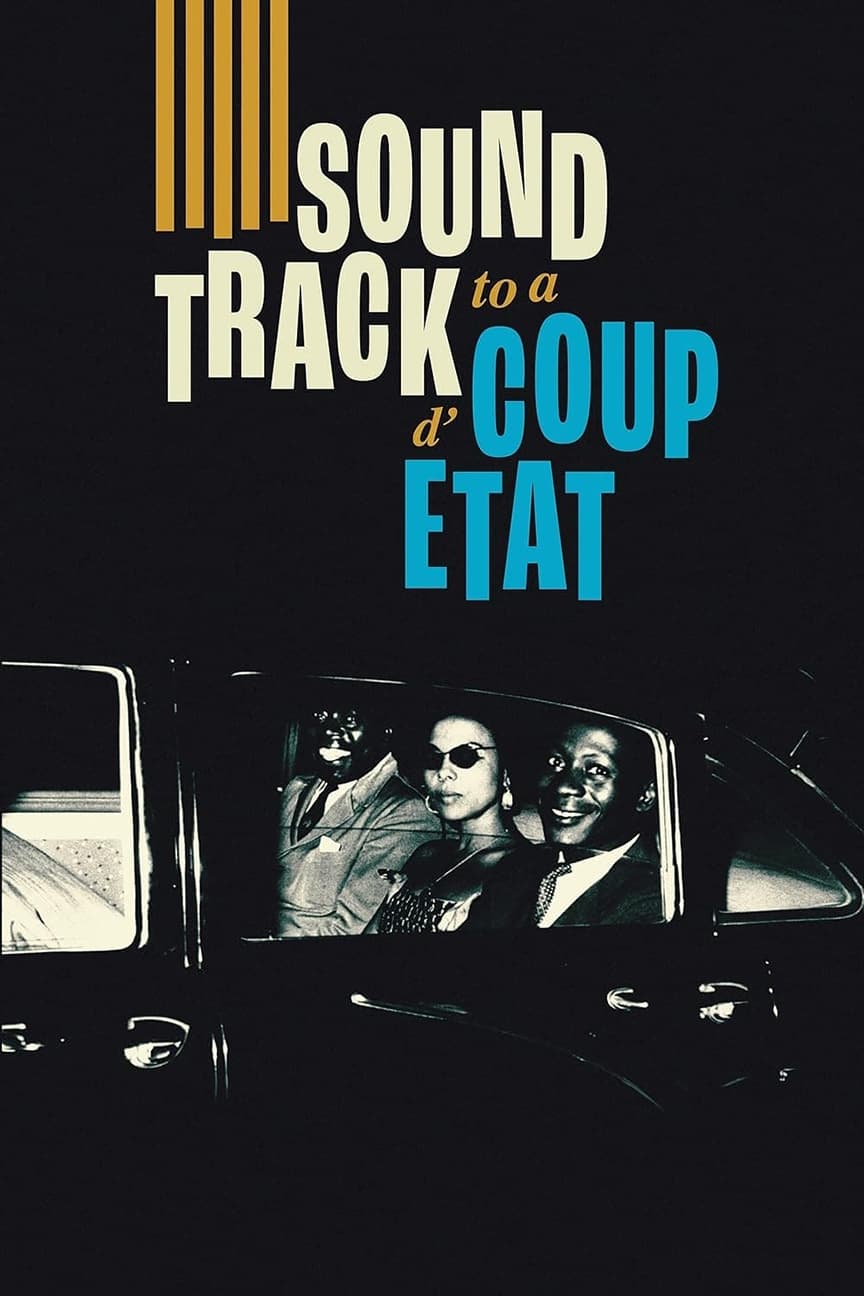
Jazz and decolonization are intertwined in a powerful narrative that recounts one of the tensest episodes of the Cold War.
Report retracing the military campaigns of the Belgian colonial troops in Africa through geographical maps, title cards, and documentary footage.
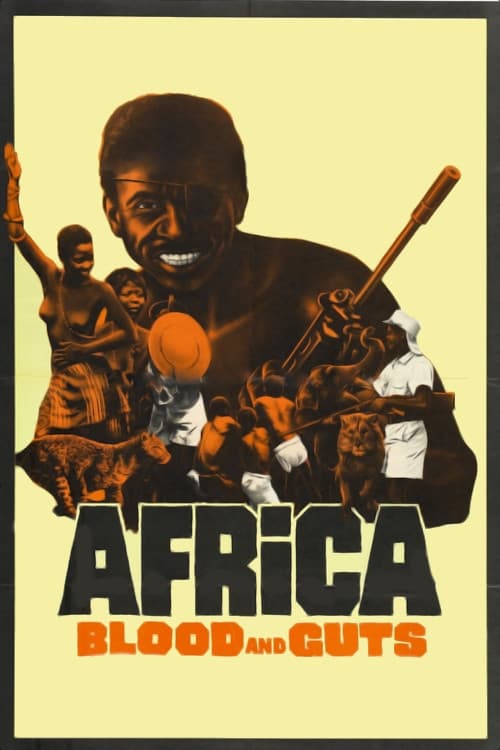
A chronicle of the violence that occurred in much of the African continent throughout the 1960s. As many African countries were transitioning from colonial rule to other forms of government, violent political upheavals were frequent. Revolutions in Zanzibar and Kenya in which thousands were killed are shown, the violence not only political; there is also extensive footage of hunters and poachers slaughtering different types of wild animals.
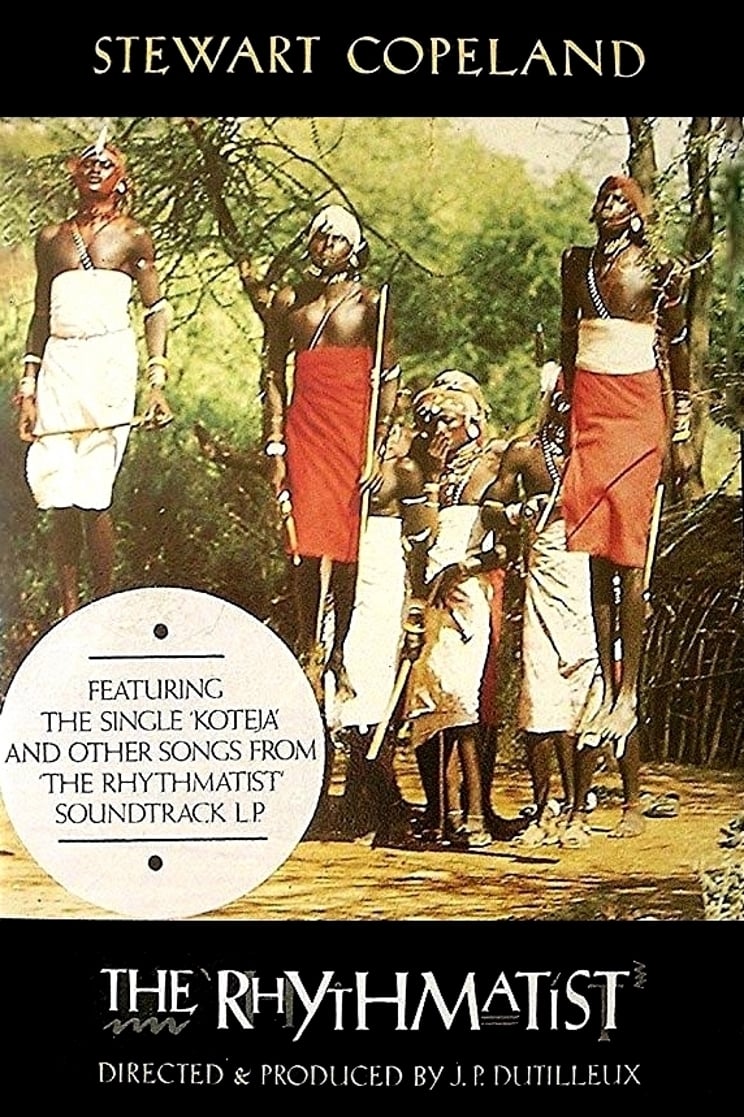
A musical oddessy through the heart of Africa in search of the roots of Rock & Roll.
A visual travel diary on the expedition led by Brondeel in 1934. This expedition to Belgian Congo, by truck, became a testimony to the social conditions of Africans during the colonial era.
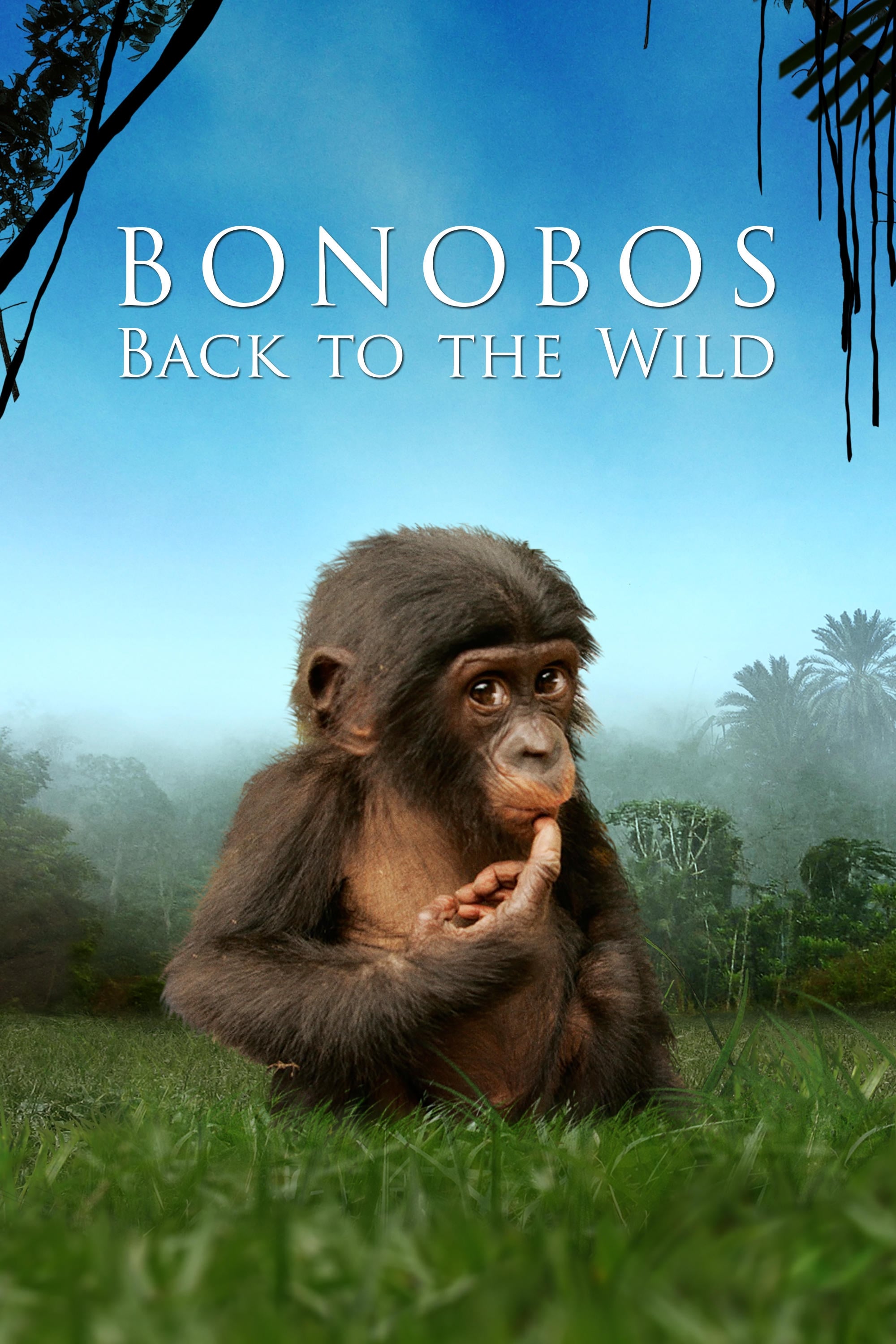
The critically important work by renowned naturalist Claudine Andre to save the endangered bonobo apes of the Congo is presented in this visually stunning feature film.
Along an overgrown rail track south of the Zairean town Kisangani, a UN expedition together with a handful of journalists discover “lost” refugees. They are eighty thousand Hutus from far away Rwanda, the last survivors of three years of hunger and armed persecution that transpired throughout the vast Congo basin. The Hutu-refugees leave the forest, gathering in two gigantic camps. Hundreds of refugees die every day from diseases and malnutrition The Rwandans are promised repatriation with airplanes out of Kisangani. The film traces those refugees into the heart of the rainforest, and the hopeless attempts to help them.. But only four weeks later, the unprotected UN-camps are again attacked by machine-gun fire, deliberately massacred by factions of the rebel army (AFDL) of today’s Democratic Republic Congo. Eighty thousand men, women and children disappear once again back into the jungle. (jedensvet.cz)
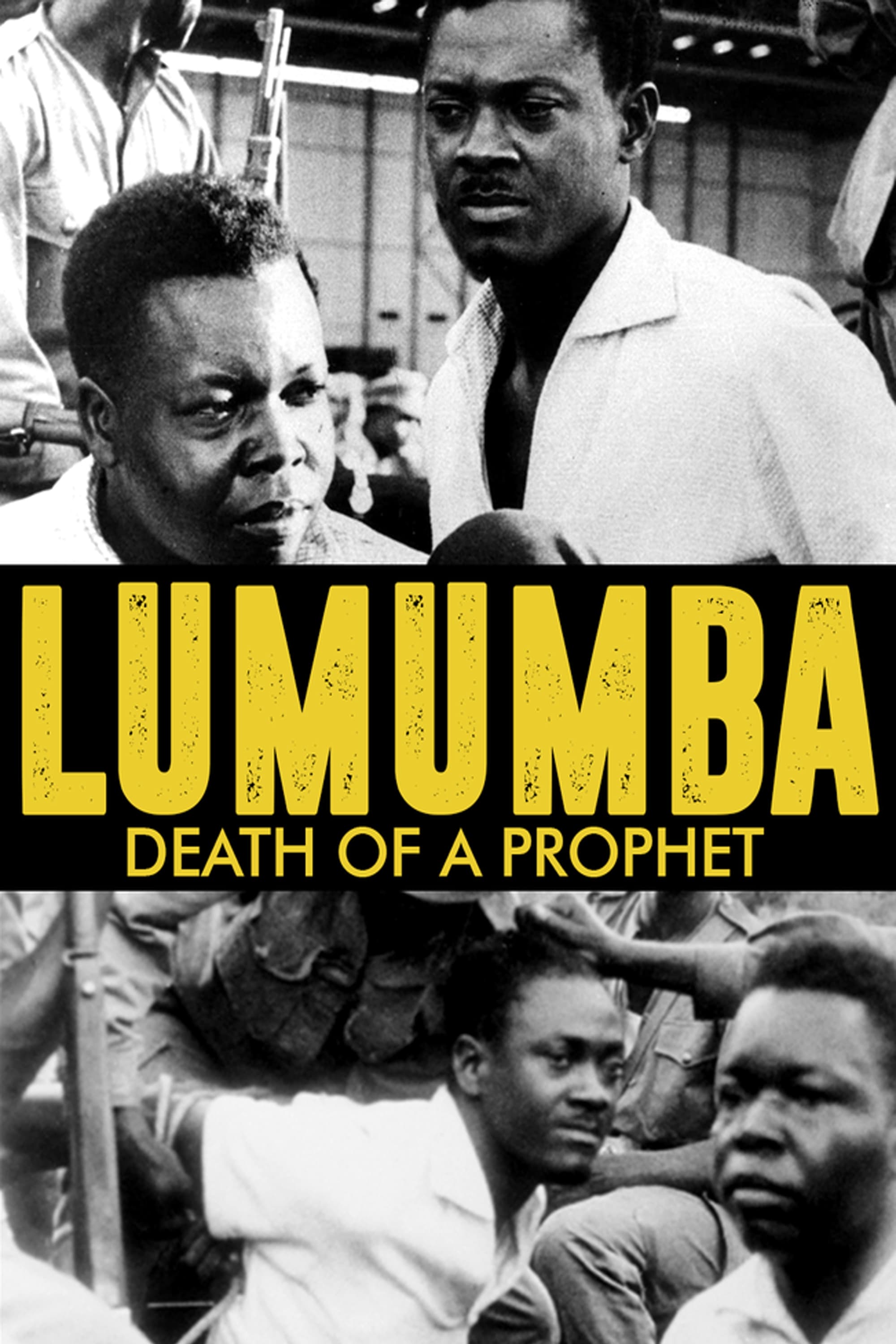
Documentary about African political leader Patrice Lumumba, who was Prime Minister of Zaire (now Democratic Republic of Congo) when he was assassinated in 1961.
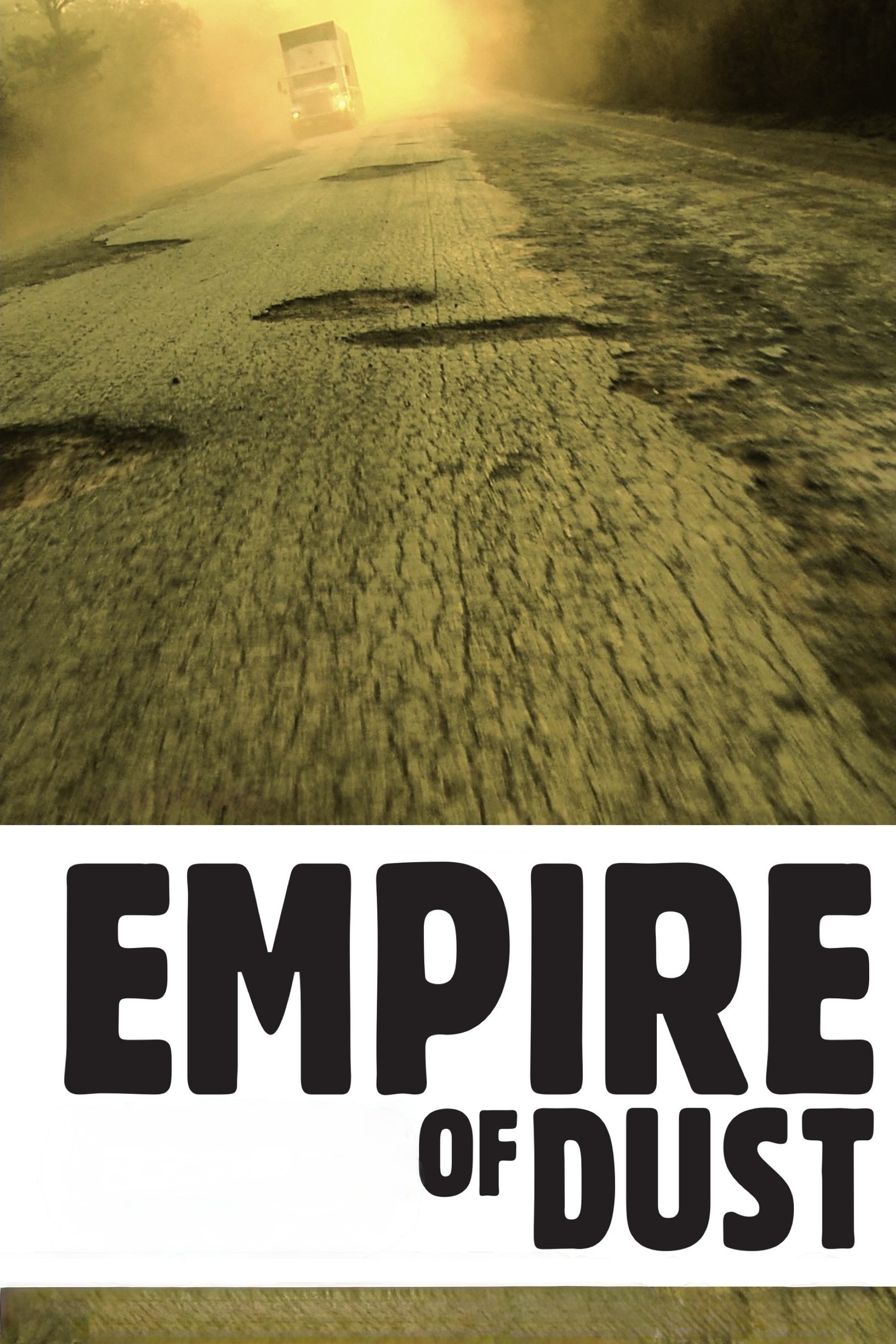
Lao Yang is head of logistics of the group. He is responsible for the equipment, building materials and food (mainly chickens) to arrive in the isolated Chinese prefab camp. The Congolese government was supposed to deliver these things but so far the team hasn't received anything. With Eddy (a Congolese man who speaks Mandarin fluently) as an intermediate, Lao Yang is forced to leave the camp and deal with local Congolese entrepreneurs, because without the construction materials the road works will cease. What follows is an endless, harsh, but absurdly funny roller coaster of negotiations and misunderstandings, as Lao Yang learns about the Congolese way of making deals.
John Bishop encounters one of the most endangered animals on Earth, and discovers they and his family have more in common than he ever imagined. Filming in the jungles of Rwanda for John Bishop’s Gorilla Adventure, the comedian realises adolescent male mountain gorillas are just like his teenage sons – bulging muscles but no sense. Plus they fart, flirt and pick their noses. We follow John as he joins a group of vets who have dedicated their lives to saving the, sadly, precious few mountain gorillas left in the wild rugged mountains and valleys between the borders of Rwanda, Congo and Uganda, which were made famous to UK viewers by David Attenborough’s iconic sequence filmed among them in the 1970s.
Commissioned for the Irish representation at the 55th Venice Biennale in 2013, The Enclave is an immersive, six-screen video art installation by Irish contemporary artist Richard Mosse. Partly inspired by Joseph Conrad’s modernist literary masterpiece Heart of Darkness, the visceral and moving work was filmed in the Democratic Republic of Congo using 16mm colour infra-red film, which captures otherwise invisible parts of the spectrum. The resulting imagery in Mosse’s work is hallucinatory and dream-like with the usual greens of jungle and forest replaced by shimmering violet. The Enclave depicts a complicated, strife-ridden place in a way that reflects its complexity, using a strategy of beauty and transfixion to combat the wider invisibility of a conflict that has claimed so many.
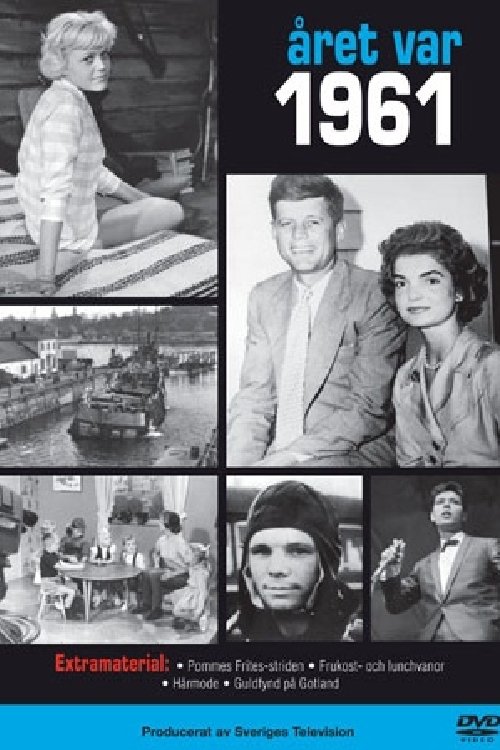
1961 - the year when Swedish UN soldiers are in the crisis-ridden Congo and Secretary General Dag Hammarskjöld dies in a plane crash. Swedish film's biggest hit, "Are there angels?", has its premiere with Christina Schollin in one of the roles. Yuri Gagarin becomes the first man in space and the Volvo P 1800 appears on the roads. Ewy Rosqvist is a rally ace and in April the regal ship Vasa is lifted up after 333 years at the bottom of Stockholm's stream. In August, the Berlin Wall is built and outside the Stockholm archipelago, Radio Nord broadcasts music and news.
Documentary about the inhabitants, both human and animal, of the Belgian Congo.
As if they were showing their film to a few friends in their home, the Johnsons describe their trip across the world, which begins in the South Pacific islands of Hawaii, Samoa, Australia, the Solomons (where they seek and find cannibals), and New Hebrides. Thence on to Africa via the Indian Ocean, Suez Canal, North Africa, and the Nile River to lion country in Tanganyika. (They are briefly joined in Khartum by George Eastman and Dr. Al Kayser.) Taking a safari in the Congo, the Johnsons see animals and pygmies, and travel back to Uganda, British East Africa, and Kenya.
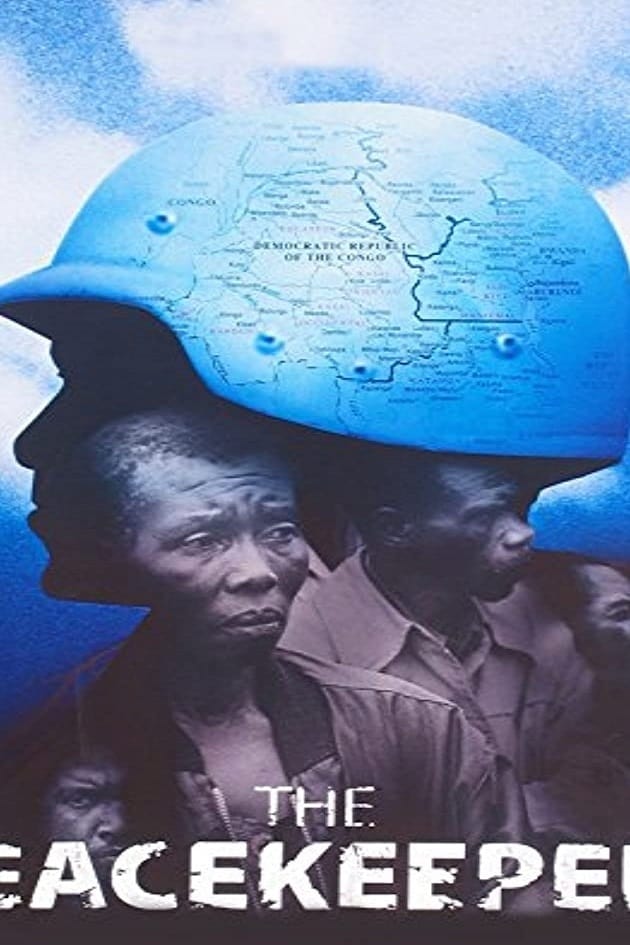
With unprecedented access to the UN Department of Peacekeeping, The Peacekeepers provides an intimate and dramatic portrait of the struggle to save "a failed state" The film follows the determined and often desperate maneuvers to avert another Rwandan disaster, this time in the Democratic Republic of Congo (the DRC). Focusing on the UN mission, the film cuts back and forth between the UN headquarters in New York and events on the ground in the DRC. We are with the peacekeepers in the "Crisis Room" as they balance the risk of loss of life on the ground with the enormous sums of money required from uncertain donor countries. We are with UN troops as the northeast Congo erupts and the future of the DRC, if not all of central Africa, hangs in the balance. In the background, but often impinging on peacekeeping decisions, are the painful memory of Rwanda, the worsening crisis in Iraq, global terrorism, and American hegemony in world affairs.
A documentary about how a dominant cultural and demographic institution both sustains their traditional activities and adapts to the digital revolution.
A documentary on the expletive's origin, why it offends some people so deeply, and what can be gained from its use.
A candid look at rehearsal footage in support of a focus on pre-viz.
Those who knew iconic funnyman John Candy best share his story, in their own words, through never-before-seen archival footage, imagery, and interviews.
A non-narrated documentary following the lovesome lives of four infants from birth to their first birthday. The babies featured are two from rural areas: Ponijao from Opuwo, Namibia, and Bayar from Bayanchandmani, Mongolia, as well as two from urban areas: Mari from Tokyo, Japan, and Hattie from San Francisco, USA.
Through deeply personal interviews with her siblings and an examination of the photographs, letters, and belongings left behind, Mariska assembles a new portrait of her mother Jayne Mansfield, an extraordinary and complex woman.
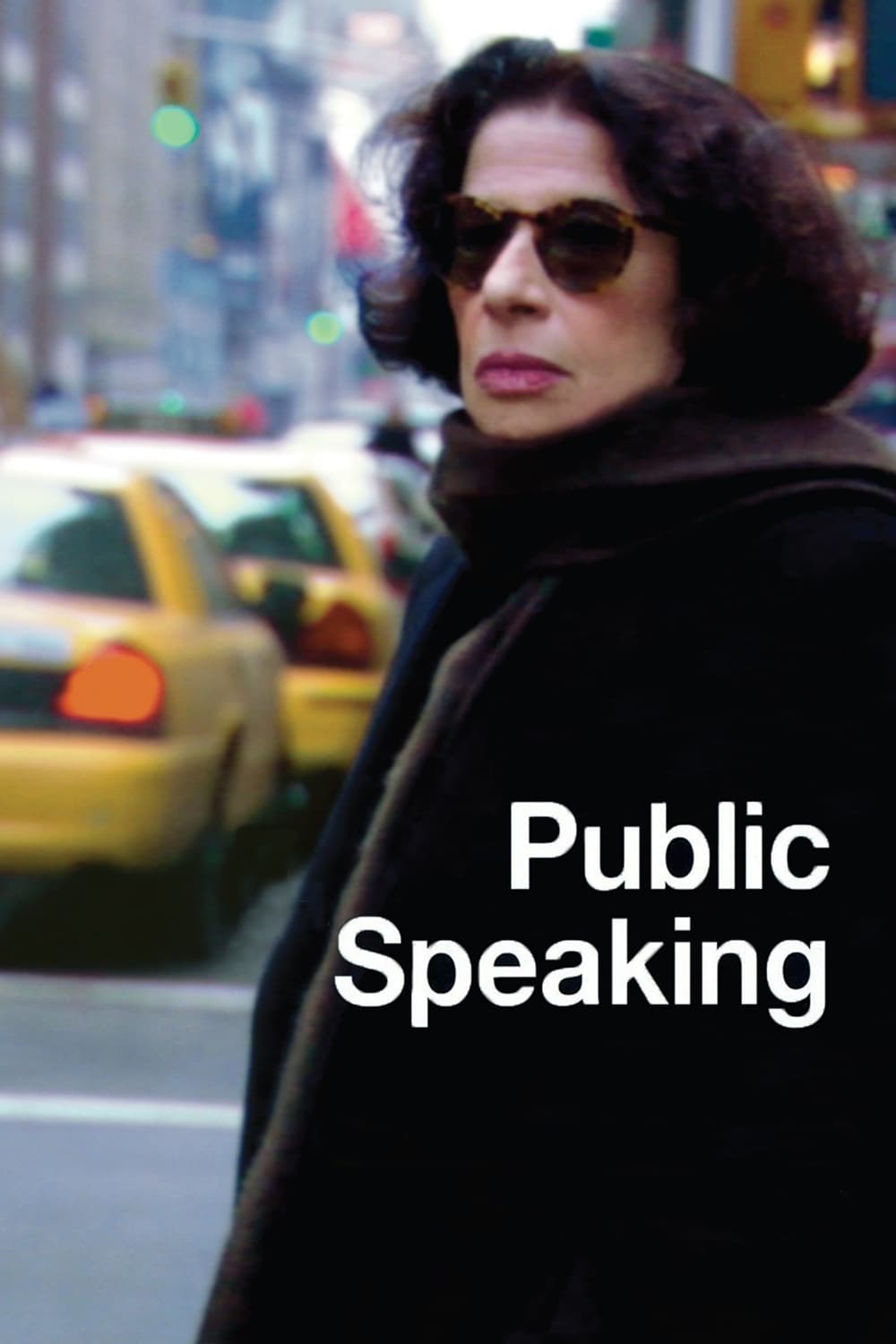
Martin Scorsese’s portrait of writer and social commentator Fran Lebowitz, celebrated for her sharp wit and observations on modern life. Filmed at New York’s Waverly Inn and intercut with archival footage and interviews, the documentary captures Lebowitz’s distinctive worldview through her spontaneous monologues and public appearances.
An inside look at one of the most anticipated movie sequels ever with James Cameron and cast.
In the Realms of the Unreal is a documentary about the reclusive Chicago-based artist Henry Darger. Henry Darger was so reclusive that when he died his neighbors were surprised to find a 15,145-page manuscript along with hundreds of paintings depicting The Story of the Vivian Girls, in What is Known as the Realms of the Unreal, of the Glodeco-Angelinnian War Storm, Cased by the Child Slave Rebellion.
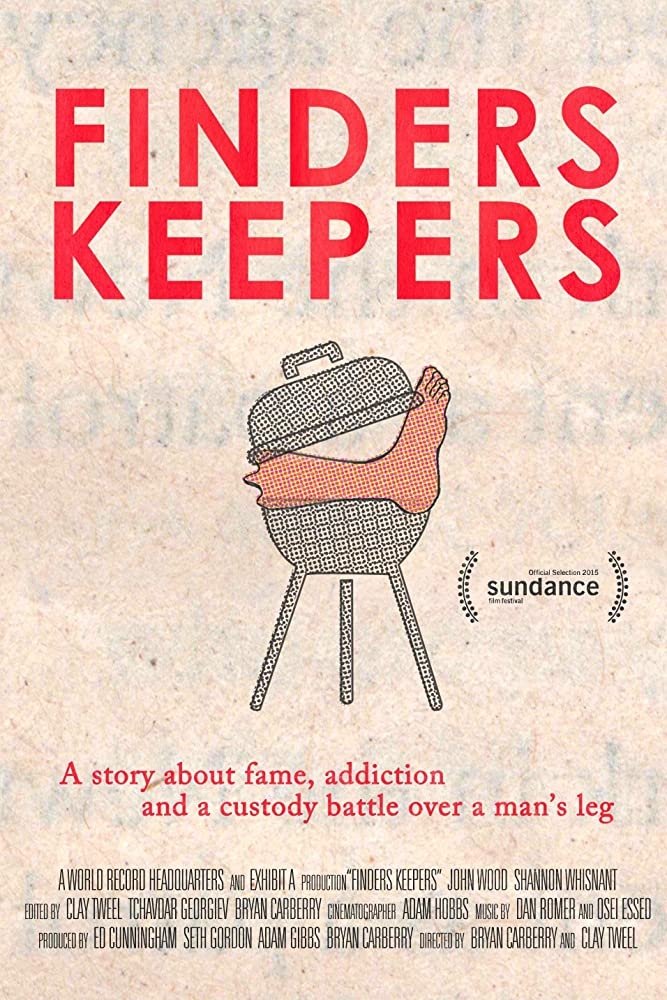
In this documentary, recovering addict and amputee John Wood finds himself in a stranger-than-fiction battle to reclaim his mummified leg from Southern entrepreneur Shannon Whisnant, who found it in a grill he bought at an auction and believes it therefore to be his rightful property.
One Life captures unprecedented and beautiful sequences of animal behaviour guaranteed to bring you closer to nature than ever before, as well as a second disc packed full of never before seen extras including an exclusive making of featurette narrated by Daniel Craig.
A detailing of the rise to prominence and global sporting superstardom of six supremely talented young Manchester United football players (David Beckham, Nicky Butt, Ryan Giggs, Paul Scholes, Phil and Gary Neville). The film covers the period 1992-1999, culminating in Manchester United's European Cup triumph.
A visual montage portrait of our contemporary world dominated by globalized technology and violence.
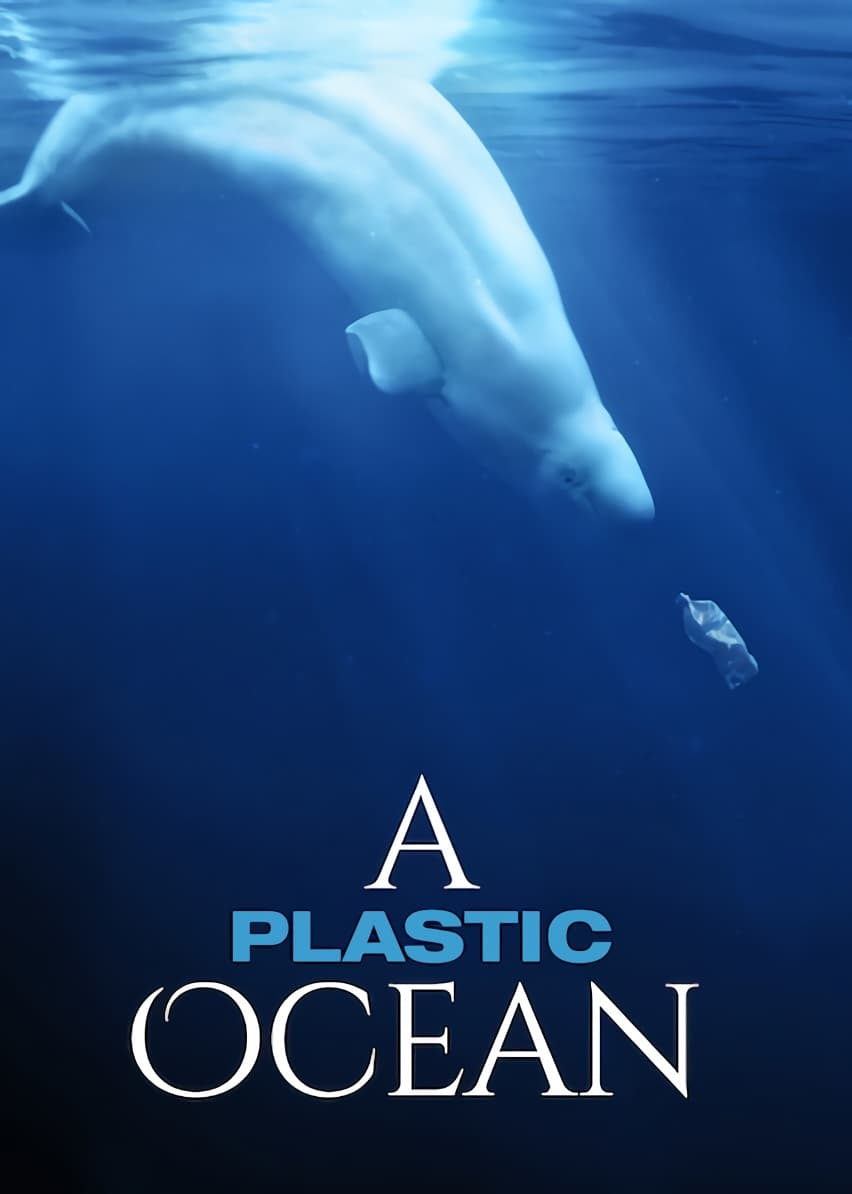
A documentary focused on plastic pollution in the world's oceans.
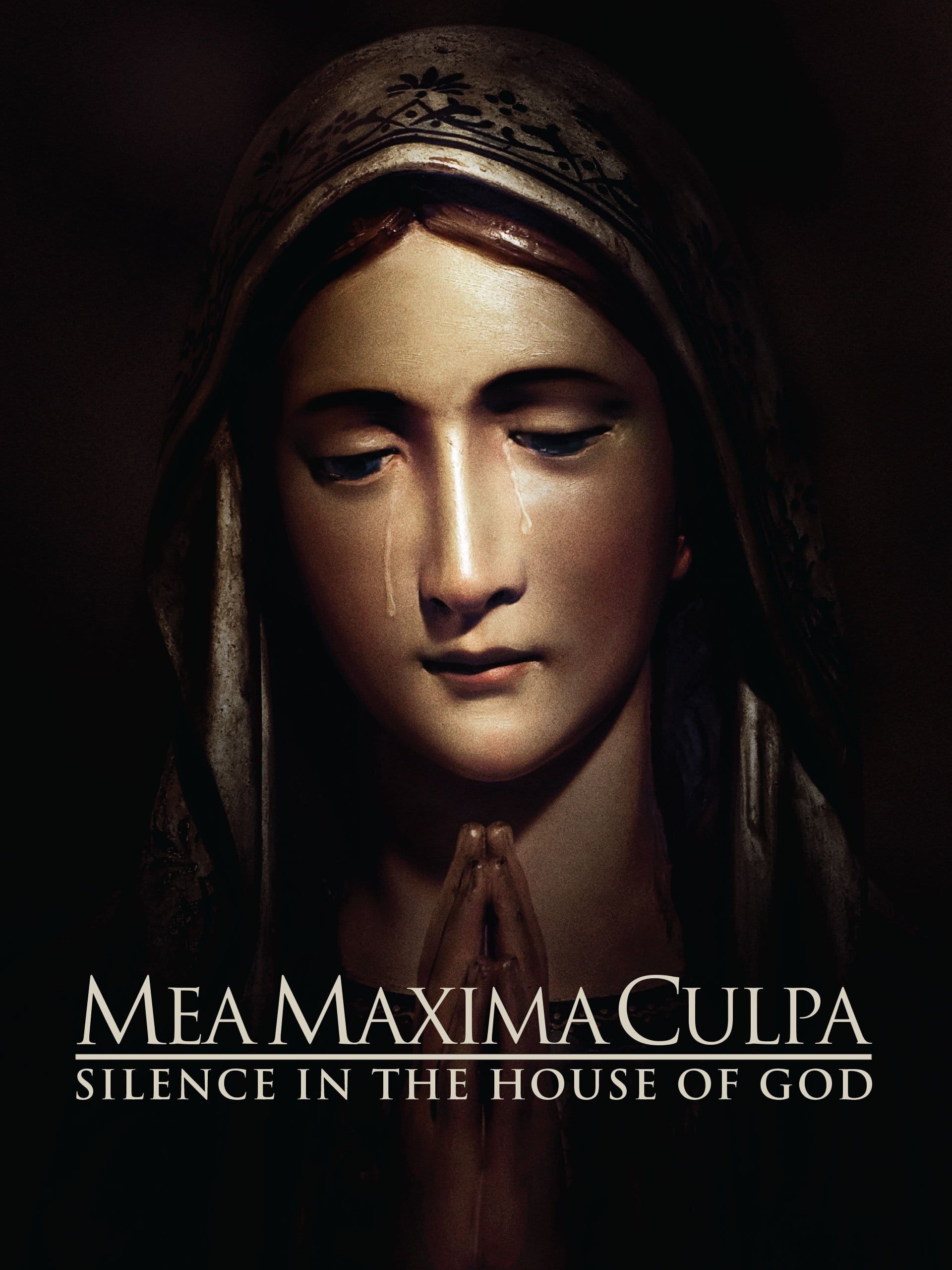
Alex Gibney explores the charged issue of pedophilia in the Catholic Church, following a trail from the first known protest against clerical sexual abuse in the United States and all way to the Vatican.
Iverson is the ultimate legacy of NBA legend Allen Iverson, who rose from a childhood of crushing poverty in Hampton, Virginia, to become an 11-time NBA All-Star and universally recognized icon of his sport. Off the court, his audacious rejection of conservative NBA convention and unapologetic embrace of hip hop culture sent shockwaves throughout the league and influenced an entire generation. Told largely in Iverson's own words, the film charts the career highs and lows of one of the most distinctive and accomplished figures the sport of basketball has ever seen.
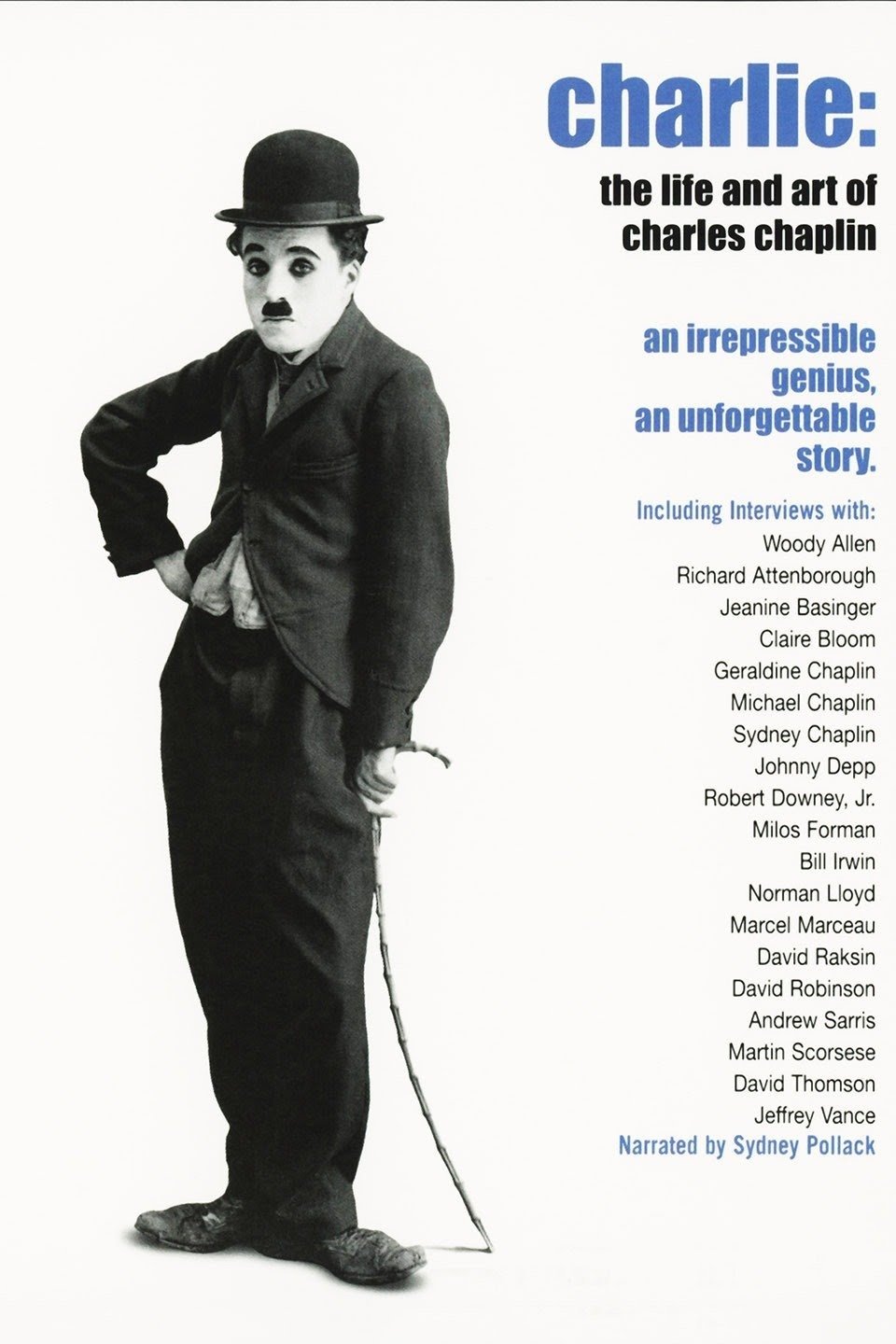
Brilliant, long in-the-works story of the life and art of the world's greatest comedian and the cinema's first genius, Charlie Chaplin. Produced, written and directed by renowned film critic Richard Schickel.
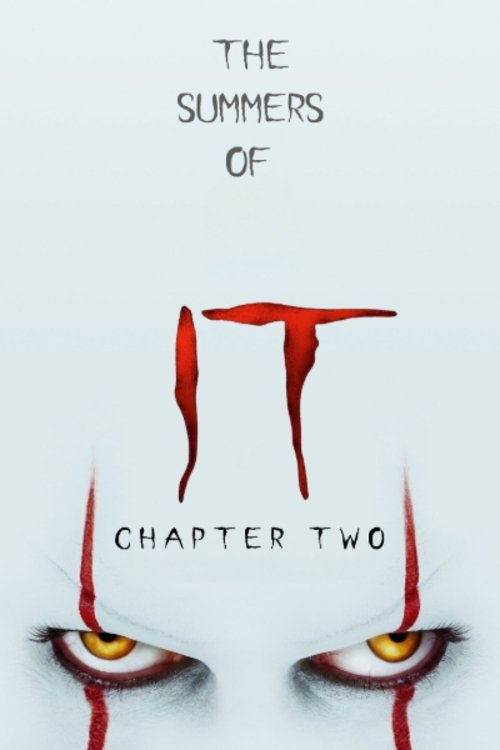
This documentary focuses on the actors and their journey over two summers to create the remake to the original IT, by Stephen King. The documentary originally released as bonus material, bundled with IT: Chapter Two.
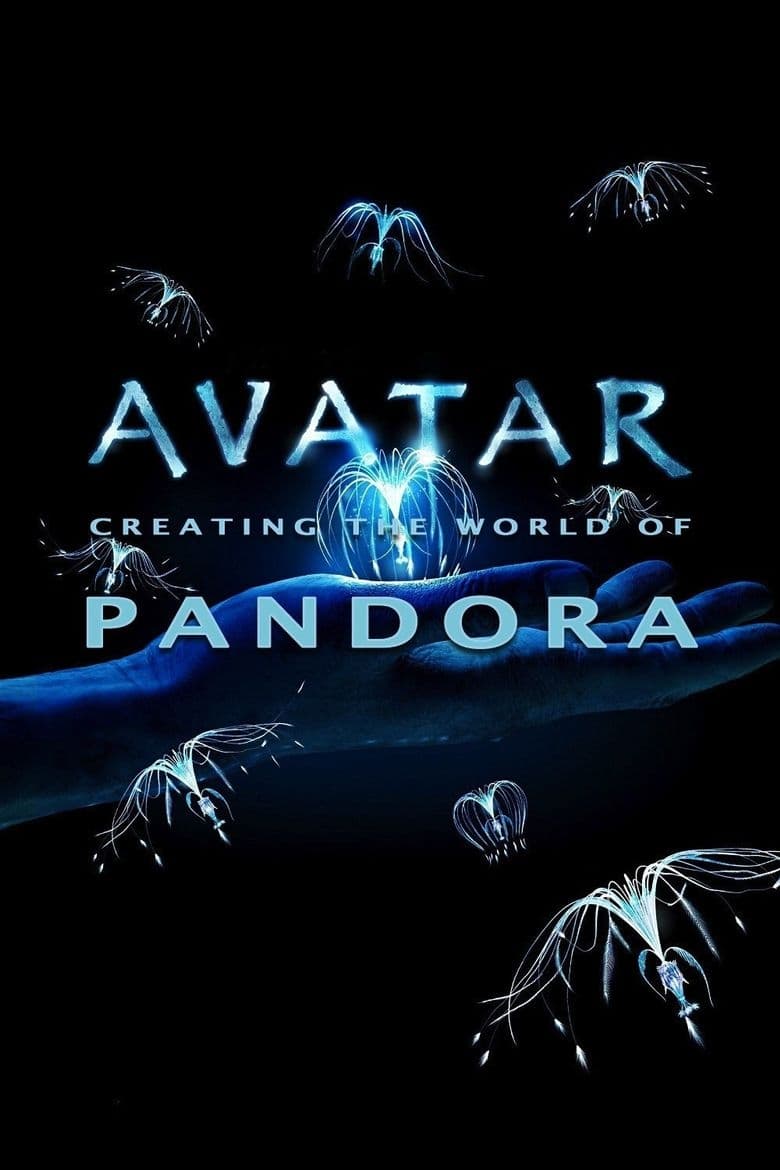
The Making-of James Cameron's Avatar. It shows interesting parts of the work on the set.
When Allied forces liberated the Nazi concentration camps in 1944-45, their terrible discoveries were recorded by army and newsreel cameramen, revealing for the first time the full horror of what had happened. Making use of British, Soviet and American footage, the Ministry of Information’s Sidney Bernstein (later founder of Granada Television) aimed to create a documentary that would provide lasting, undeniable evidence of the Nazis’ unspeakable crimes. He commissioned a wealth of British talent, including editor Stewart McAllister, writer and future cabinet minister Richard Crossman – and, as treatment advisor, his friend Alfred Hitchcock. Yet, despite initial support from the British and US Governments, the film was shelved, and only now, 70 years on, has it been restored and completed by Imperial War Museums under its original title "German Concentration Camps Factual Survey".