Social & External
How did Nazi Germany, from limited natural resources, mass unemployment, little money and a damaged industry, manage to unfurl the cataclysm of World War Two and come to occupy a large part of the European continent? Based on recent historical works of and interviews with Adam Tooze, Richard Overy, Frank Bajohr and Marie-Bénédicte Vincent, and drawing on rare archival material.
Life in the GDR was not only documented on behalf of the state, but also by photographic artists and journalists. The documentary goes on a journey through time with some of them and shows little-known aspects of the GDR from its foundation to the fall of the Wall. Photographers in the GDR had a surprising amount of freedom; there was no explicit censorship of images. This allowed them to make visible what the state wanted to hide. This documentary presents two photographers who observed life in the GDR and whose work has been rediscovered in recent years.
Documents the remodeling of the Ostbahnhof in Berlin Friedrichshain into the central station of the GDR.
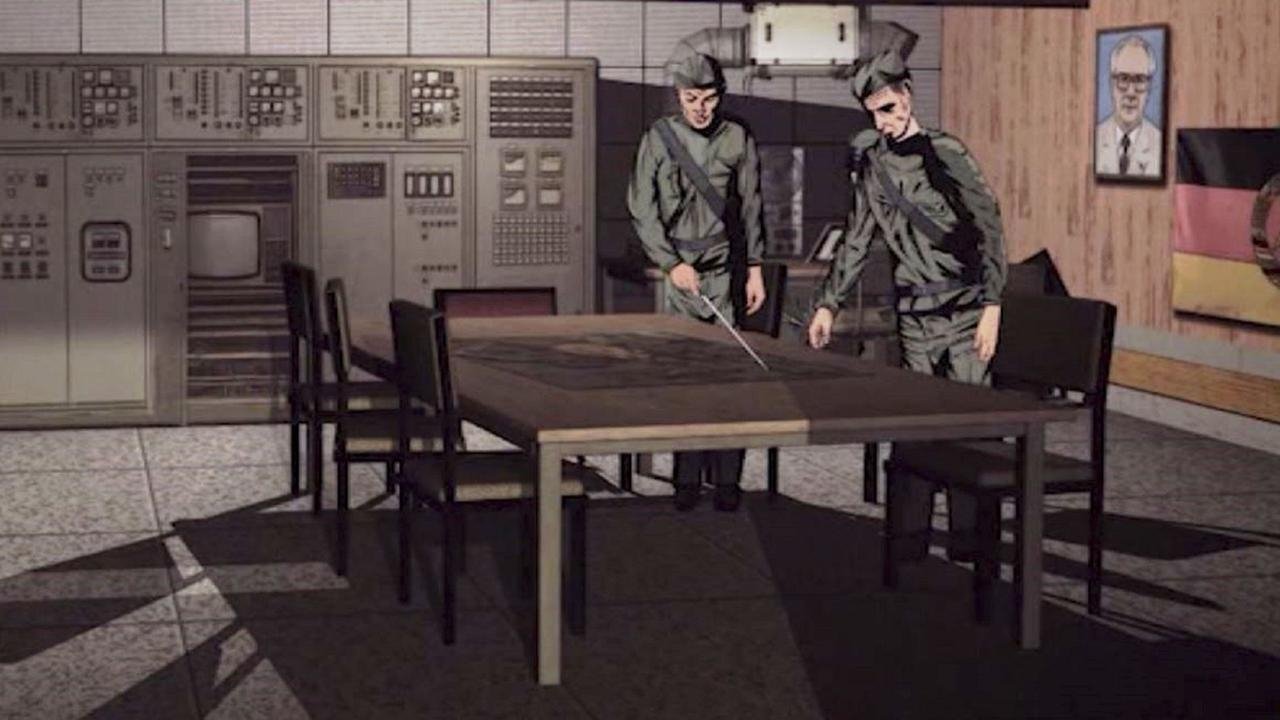
The army of the GDR, called NVA had not survived the reunification of Germany, it was completely absorbed by the Bundeswehr and scrapped subsequently. But what apparently went on so smoothly as a peaceful unification of hostile brothers quietly left deep scars in the East German landscape.
Short film about the MiG fighter jets of the NVA
Short film about astronauts in the GDR
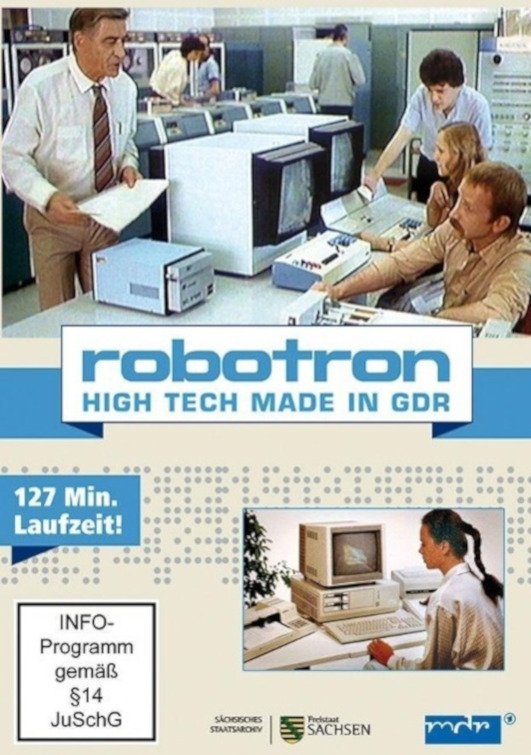
In a world divided by the Iron Curtain, East Germany sought to carve its niche in the technological race. Enter "Robotron" - a name that seamlessly blended "robot" and "electronics." This wasn't just a brand; it was an ambitious answer to the West's technological advancements, a testament to the GDR’s drive to match, if not surpass, Western innovation. Drawing inspiration from the corporate giants of the West, the GDR‘s government merged various businesses to form this tech behemoth. With 16 major hubs in Central Germany alone, it was clear: "Robotron" was to be the DDR's technological crown jewel. But what was the Socialist Unity Party (SED), the GDR's ruling party, envisioning with this grand venture? How did "Robotron" navigate the challenges of operating within a socialist planned economy, while striving for global excellence? And as it grew to dominate East Germany's tech landscape, why did it always seem to be one step behind the leading global tech powers?
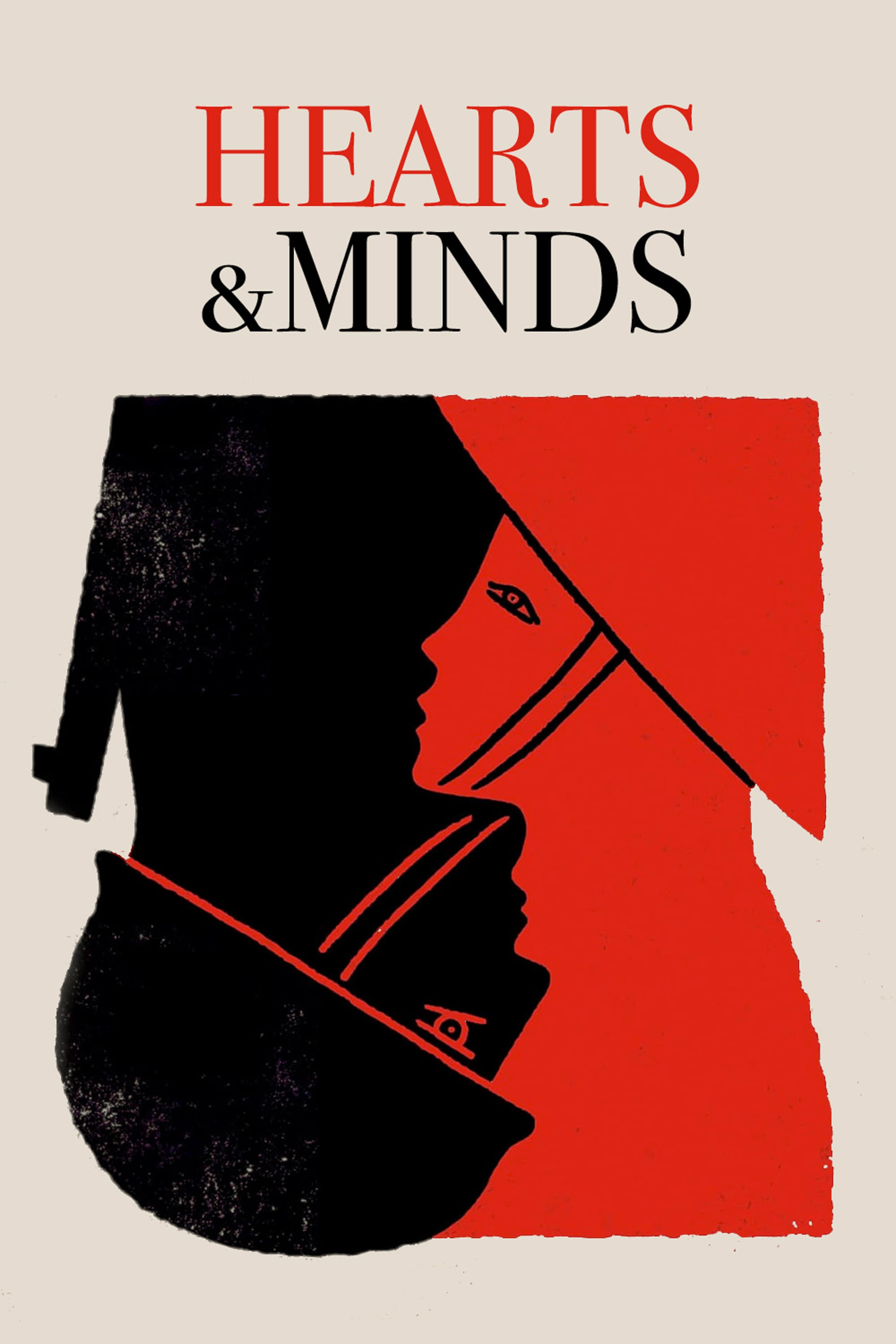
Many times during his presidency, Lyndon B. Johnson said that ultimate victory in the Vietnam War depended upon the U.S. military winning the "hearts and minds" of the Vietnamese people. Filmmaker Peter Davis uses Johnson's phrase in an ironic context in this anti-war documentary, filmed and released while the Vietnam War was still under way, juxtaposing interviews with military figures like U.S. Army Chief of Staff William C. Westmoreland with shocking scenes of violence and brutality.
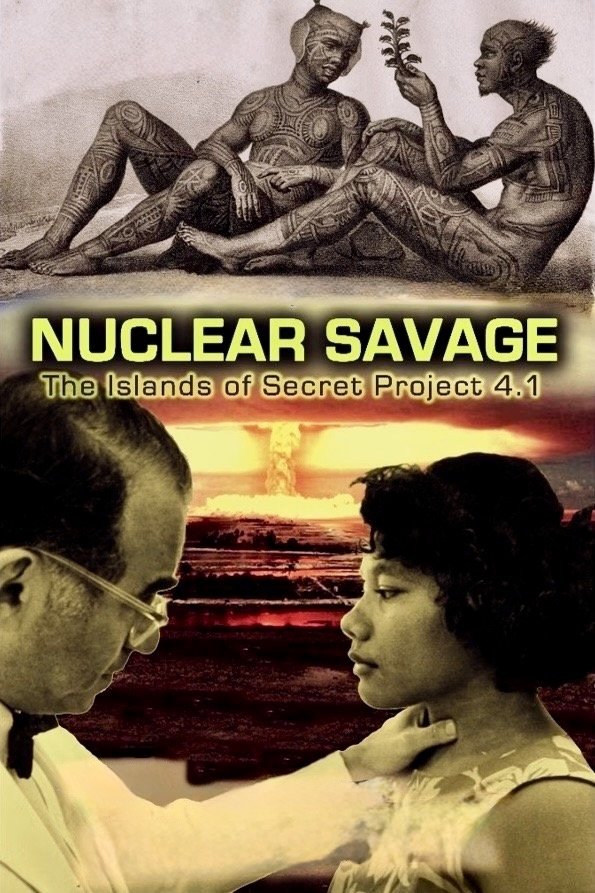
A shocking political exposé, and an intimate ethnographic portrait of Pacific Islanders struggling for survival, dignity, and justice after decades of top-secret human radiation experiments conducted on them by the U.S. government.
Celebrated author and Nation magazine sports editor Dave Zirin tackles the myth that the NFL was somehow free of politics before Colin Kaepernick and other Black NFL players took a knee.
Nine very private encounters with different people of the post-war generation and their memories of childhood and youth. Among others, the guitarist and singer Peter "Caesar" Gläser and the actress Christine Harbort. Roland Steiner asked his contemporaries about - "What we remember ...". All interviewees are as old as the state they live in. Nine CVs from the GDR are described. They have different professions, from skilled worker and scientist, nurse and saleswoman, actress or rock musician, even a minstrel is included. They remember what shaped them: Family, school, birthdays and hot summers, the happy moments and their own failures.
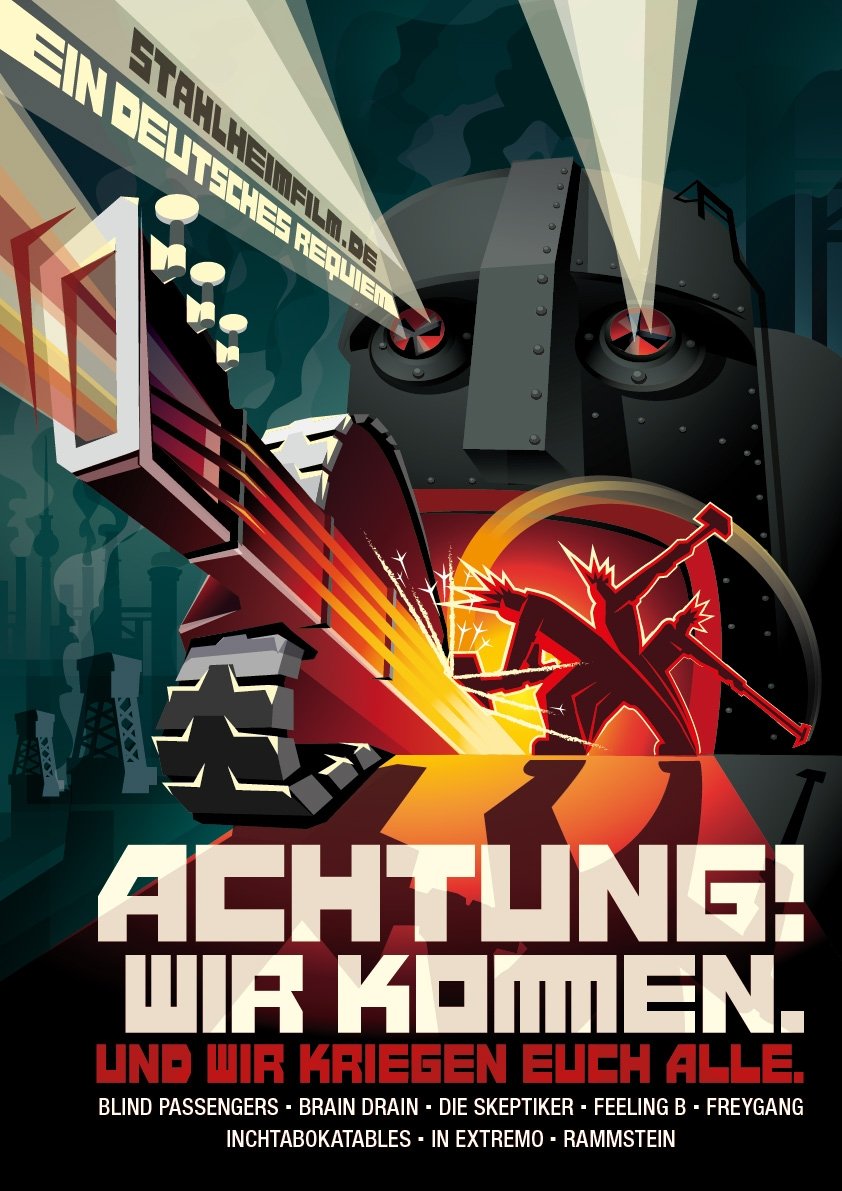
Hard, harder, hardest! This film orders you from the start to turn up the volume and pay attention. "Look out! We're Coming to Get You!" is a flood of images driven by a tempest of guitars. The film's creators jam 20 years of German music history into 120 minutes of film. Musicians from BLIND PASSENGERS, DIE SKEPTIKER, SANDOW and other bands explode their way through the film. Fans of the DEFA documentary "Flüstern und Schreien" ("Whisper and Shout") already know the stars of that film, Aljoscha, Paul and Flake of the band Feeling B. Here they have a chance to see how these musicians survived the period after the fall of the Berlin Wall and the "escalation of possibilities" that came with it. And you're allowed to laugh, too!
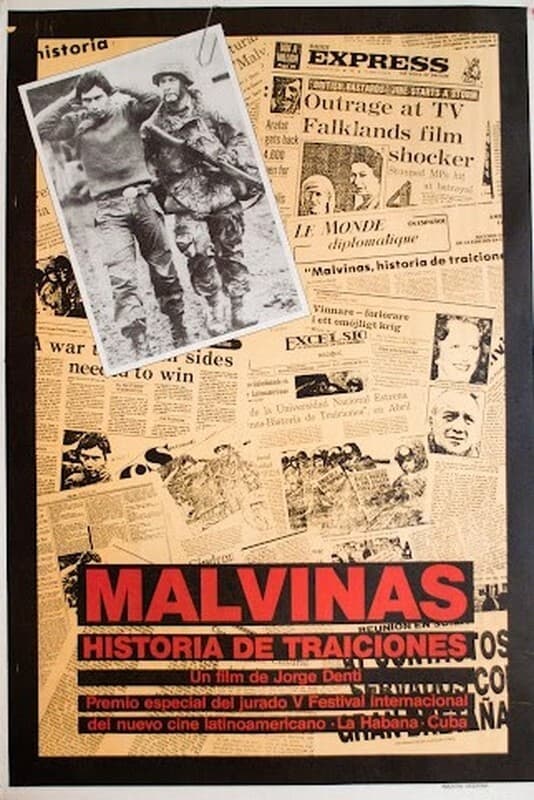
Malvinas, history of betrayals is an Argentine-Mexican co-production documentary film directed by Jorge Denti from a script by Irene Selzer and Alberto Adellach.
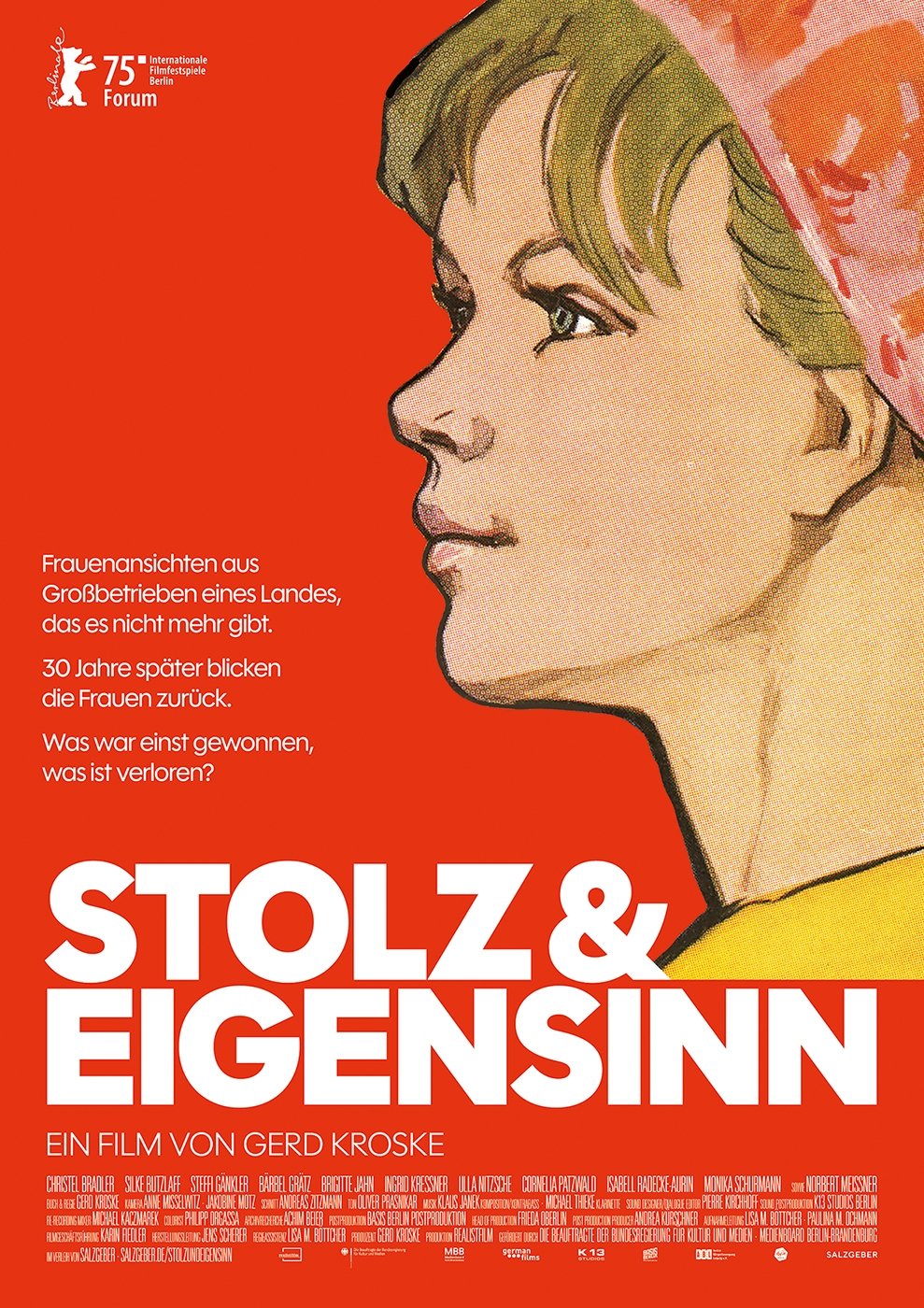
The viewpoints of women from a country that no longer exists preserved on low-band U-matic tape. GDR-FRG. Courageous, self-confident and emancipated: female industry workers talk about gaining autonomy.
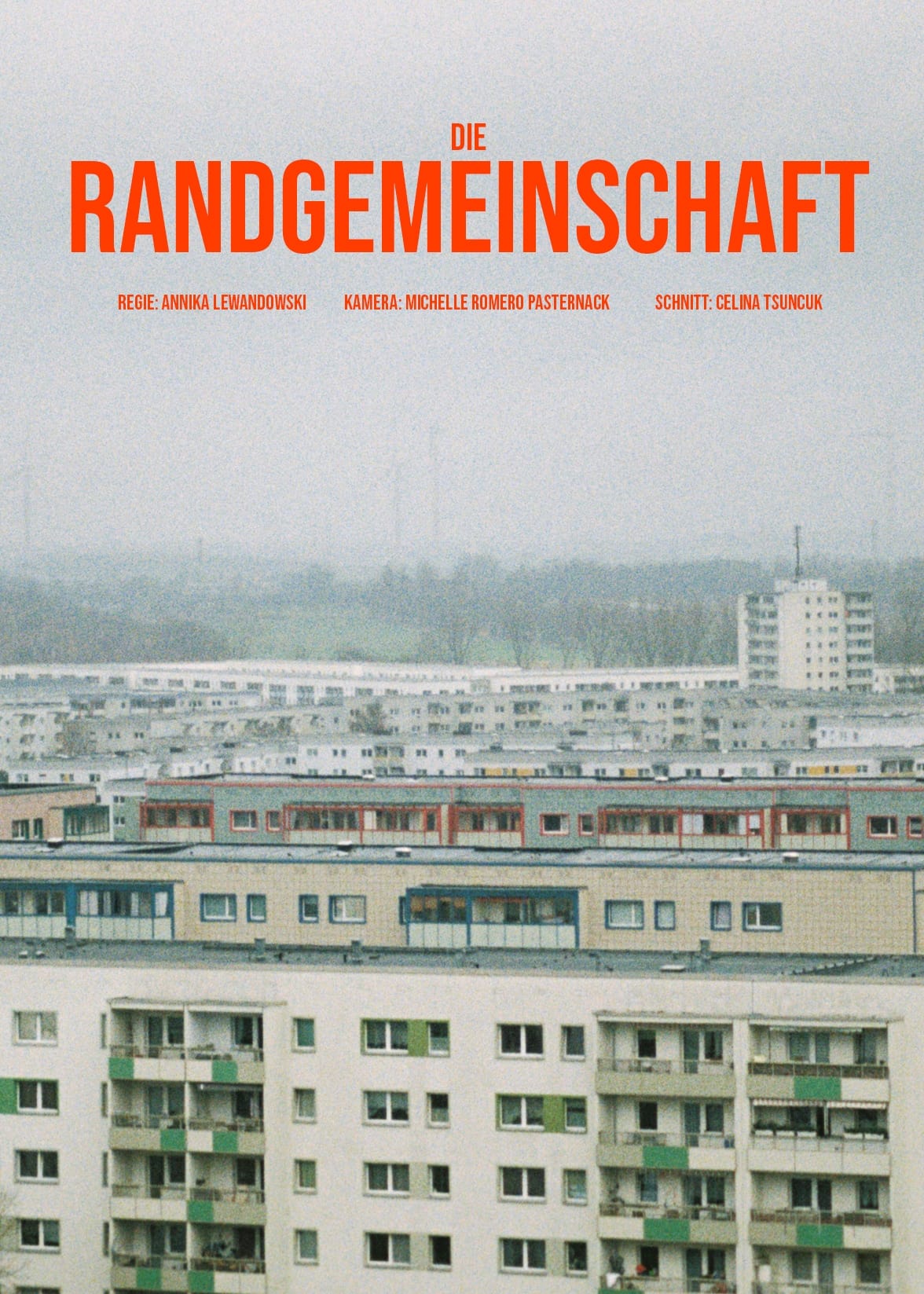
This color documentary tells the story of the "Mamais." In 1960, a group of workers at the Bitterfeld chemical plant set themselves the task of becoming the first "socialist brigade" in the German Democratic Republic (GDR) to act in accordance with the slogan "Work, learn, and live socialist."
By means of a chronological arrangement of historical video material from the Istituto Luce archives, it tells the story of Fascist Italy's ambitions in Africa and the role they played in shaping fascist ideology and the stance of the fascist regime in the Western world at the height of the age of colonialism and aggressive European expansionism.
A candid look at rehearsal footage in support of a focus on pre-viz.
A documentary on the expletive's origin, why it offends some people so deeply, and what can be gained from its use.
A documentary about how a dominant cultural and demographic institution both sustains their traditional activities and adapts to the digital revolution.
The life and career of one of comedy's most inimitable modern voices, Mr. Gilbert Gottfried.
This unique cinematic experience dives deep into an artist’s work and reveals his life path, inspiration, and creative process. It explores his fascination with myth and history. Past and present are interwoven to diffuse the line between film and painting, allowing the audience to be completely immersed in the remarkable world of one of the greatest contemporary artists, Anselm Kiefer. Wim Wenders shot this unique portrait over the course of two years in stunning 3D.
Lyrical and powerfully personal essay film that reflects on the deaths of her husband Lou Reed, her mother, her beloved dog, and such diverse subjects as family memories, surveillance, and Buddhist teachings.
When Allied forces liberated the Nazi concentration camps in 1944-45, their terrible discoveries were recorded by army and newsreel cameramen, revealing for the first time the full horror of what had happened. Making use of British, Soviet and American footage, the Ministry of Information’s Sidney Bernstein (later founder of Granada Television) aimed to create a documentary that would provide lasting, undeniable evidence of the Nazis’ unspeakable crimes. He commissioned a wealth of British talent, including editor Stewart McAllister, writer and future cabinet minister Richard Crossman – and, as treatment advisor, his friend Alfred Hitchcock. Yet, despite initial support from the British and US Governments, the film was shelved, and only now, 70 years on, has it been restored and completed by Imperial War Museums under its original title "German Concentration Camps Factual Survey".
Through deeply personal interviews with her siblings and an examination of the photographs, letters, and belongings left behind, Mariska assembles a new portrait of her mother Jayne Mansfield, an extraordinary and complex woman.
In June 2013, Laura Poitras and reporter Glenn Greenwald flew to Hong Kong for the first of many meetings with Edward Snowden. She brought her camera with her.
In the Realms of the Unreal is a documentary about the reclusive Chicago-based artist Henry Darger. Henry Darger was so reclusive that when he died his neighbors were surprised to find a 15,145-page manuscript along with hundreds of paintings depicting The Story of the Vivian Girls, in What is Known as the Realms of the Unreal, of the Glodeco-Angelinnian War Storm, Cased by the Child Slave Rebellion.
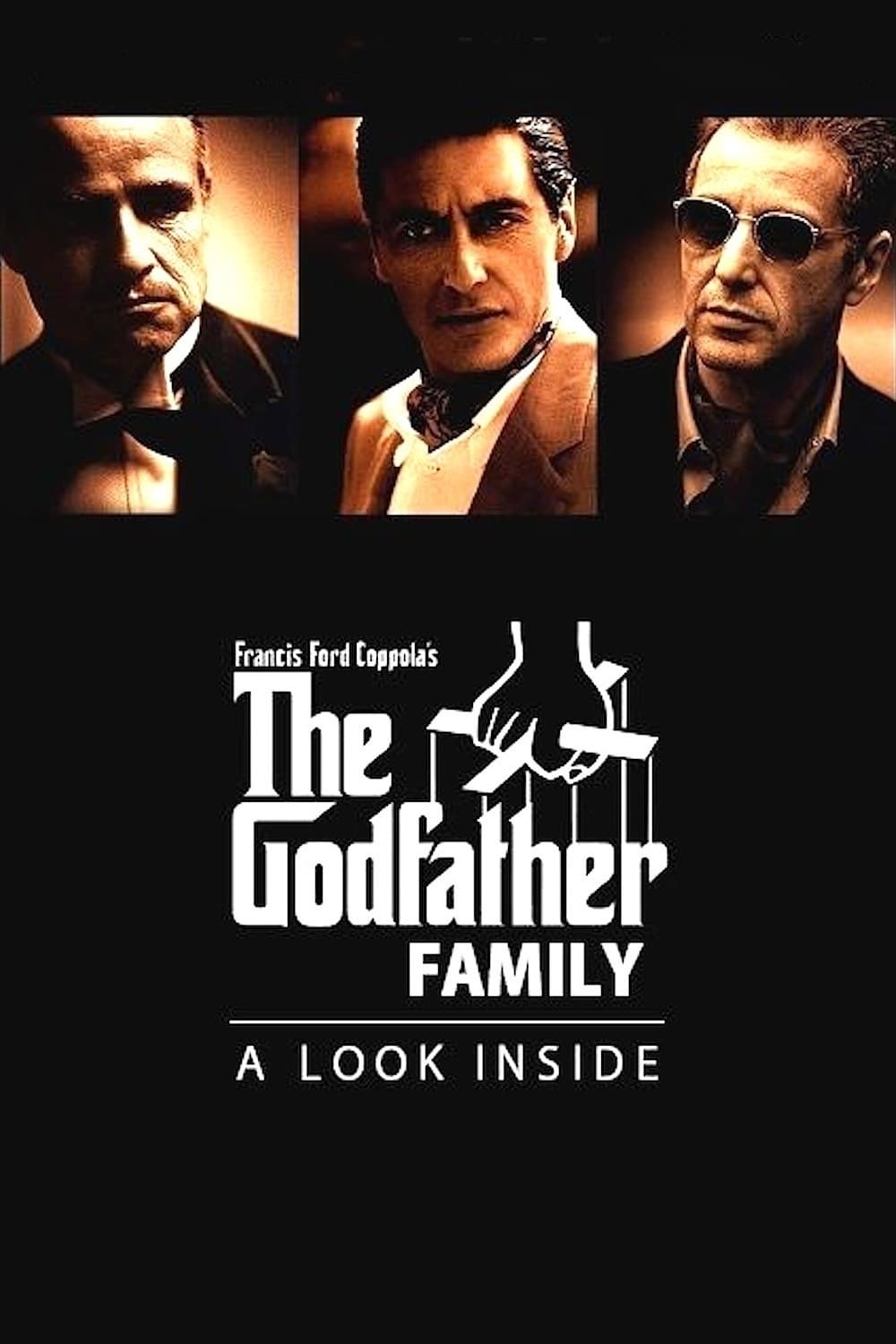
A documentary on the making of the three Godfather films, with interviews and recollections from the film makers and cast. This feature also includes the original screen tests of some of the actors for "The Godfather" film, and some candid moments on the set of "The Godfather: Part III."
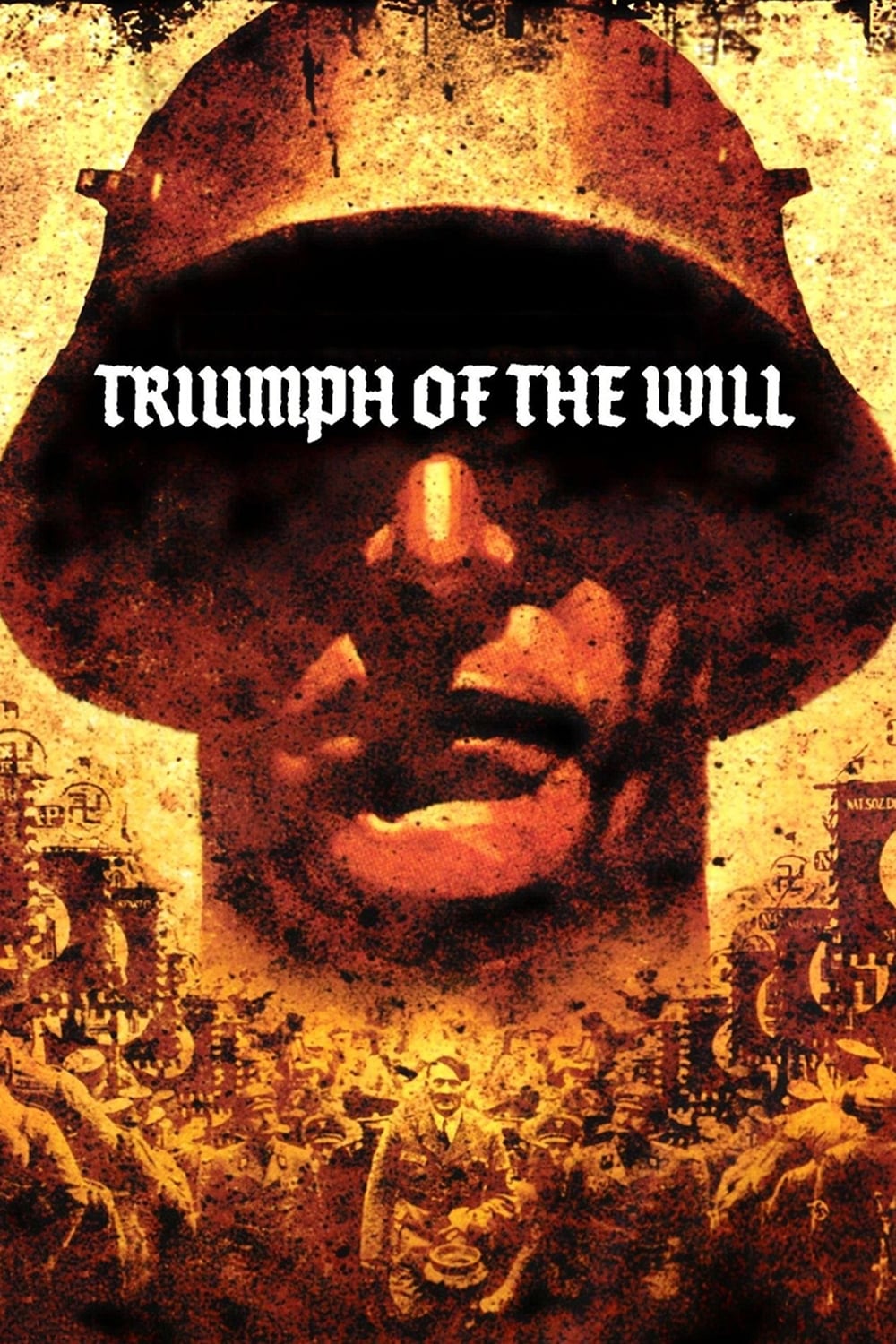
A showcase of German chancellor and Nazi Party leader Adolf Hitler at the 1934 Nuremberg Rally.
Diaries, audiotapes, videotapes and testimonials from friends and colleagues offer insight into the life and career of Gilda Radner -- the beloved comic and actress who became an icon on Saturday Night Live.
Filmed over 14 months with unprecedented access into the inner circle of the man and the sport, this is the first official and fully authorised film of one of the most celebrated figures in football. For the first time ever, the world gets vividly candid and un-paralleled, behind-closed-doors access to the footballer, father, family-man and friend in this moving & fascinating documentary. Through in-depth conversations, state of the art football footage and never before seen archival footage, the film gives an astonishing insight into the sporting and personal life of triple Ballon D'Or winner Cristiano Ronaldo at the peak of his career. From the makers of ‘Senna’ and ‘Amy’, Ronaldo takes audiences on an intimate and revealing journey of what it’s like to live as an iconic athlete in the eye of the storm.
A documentary about the life and films of director John Ford.
A detailing of the rise to prominence and global sporting superstardom of six supremely talented young Manchester United football players (David Beckham, Nicky Butt, Ryan Giggs, Paul Scholes, Phil and Gary Neville). The film covers the period 1992-1999, culminating in Manchester United's European Cup triumph.
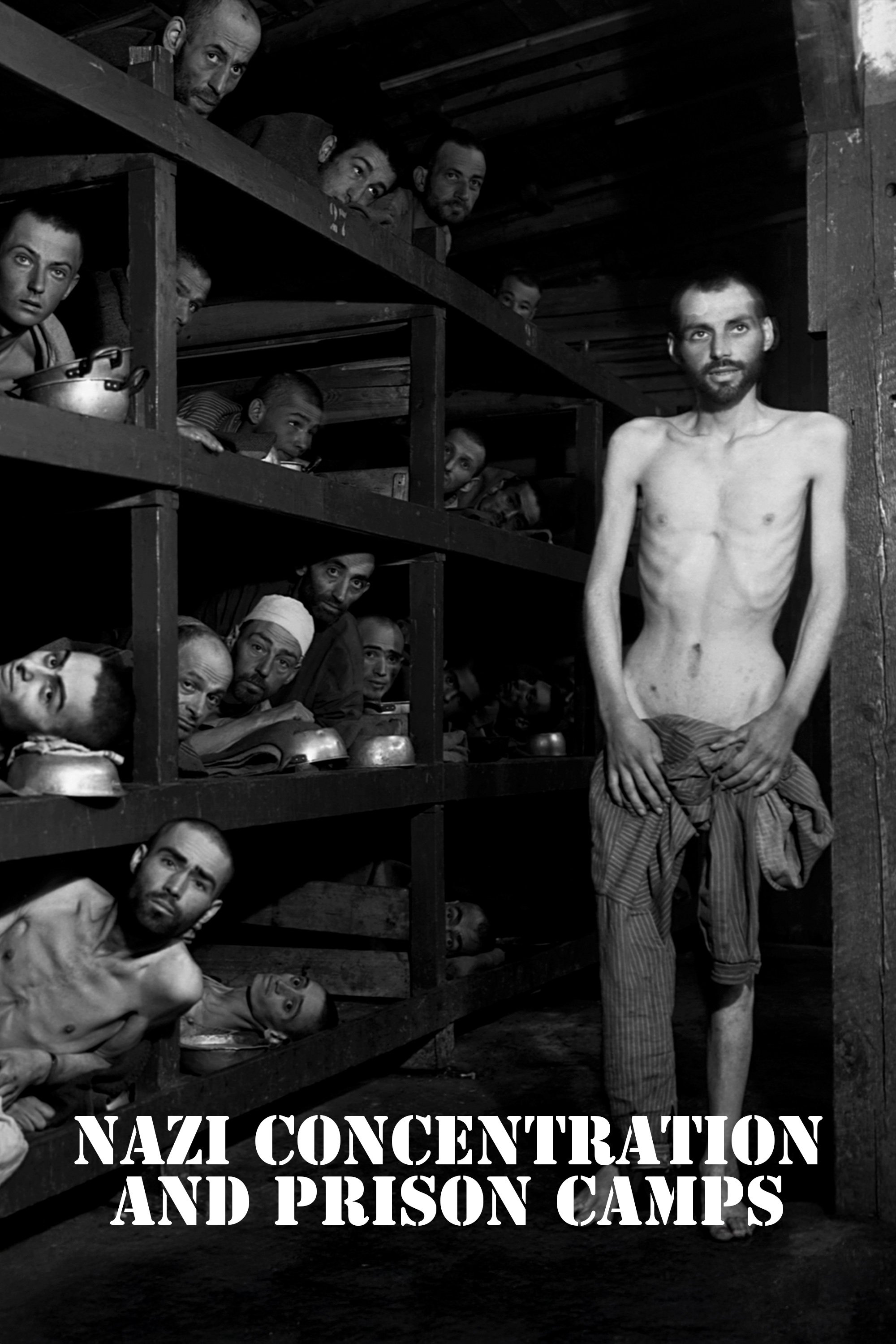
Produced and presented as evidence at the Nuremberg war crimes trial of Hermann Göring and twenty other Nazi leaders, this film consists primarily of dead and surviving prisoners and of facilities used to kill and torture during the World War II.
Al Pacino's deeply-felt rumination on Shakespeare's significance and relevance to the modern world through interviews and an in-depth analysis of "Richard III."
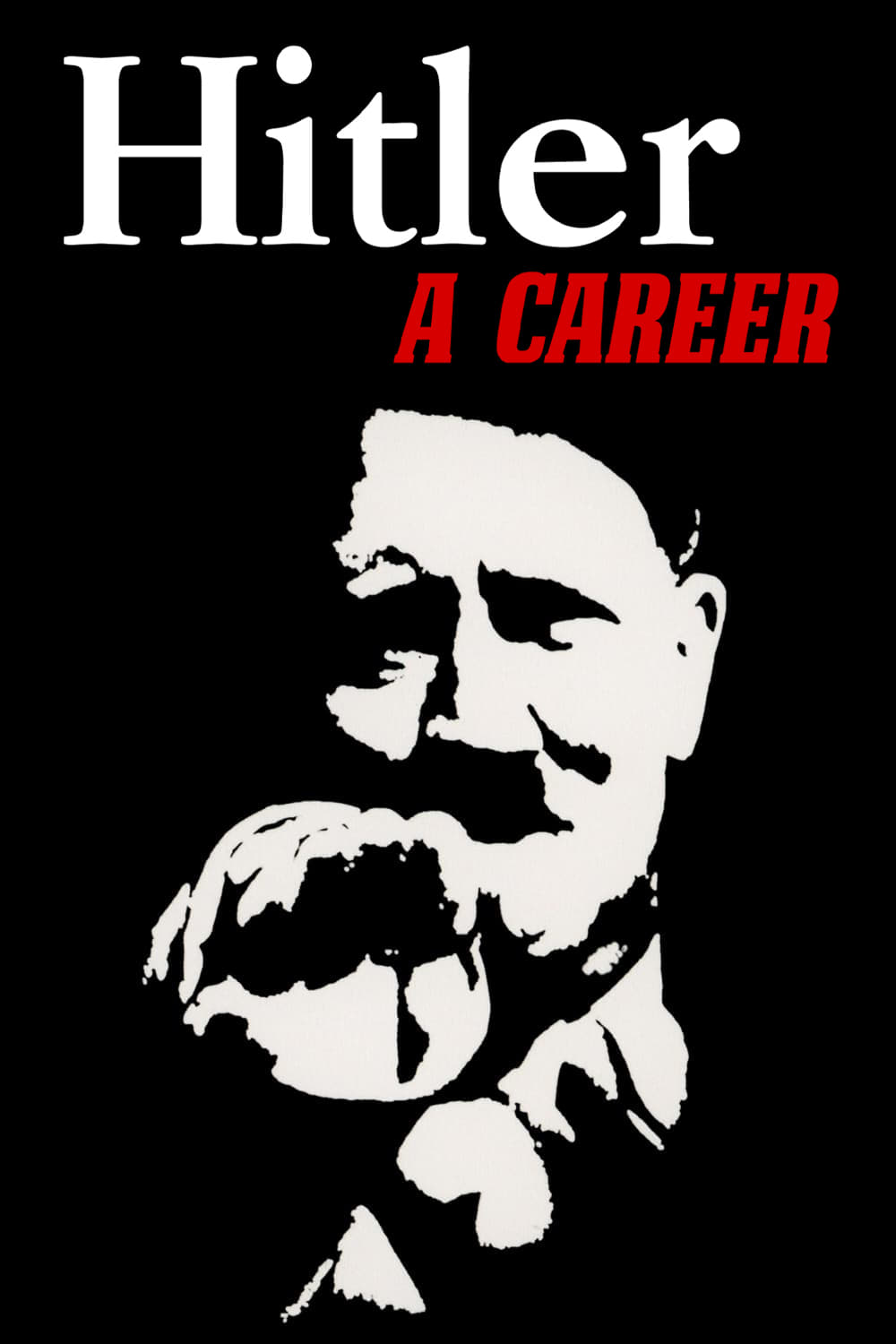
A keen chronicle of the unlikely rise to power of Adolf Hitler (1889-1945) and a dissection of the Third Reich (1933-1945), but also an analysis of mass psychology and how the desperate crowd can be deceived and shepherded to the slaughterhouse.
A documentary on the life of John Lennon, with a focus on the time in his life when he transformed from a musician into an antiwar activist.