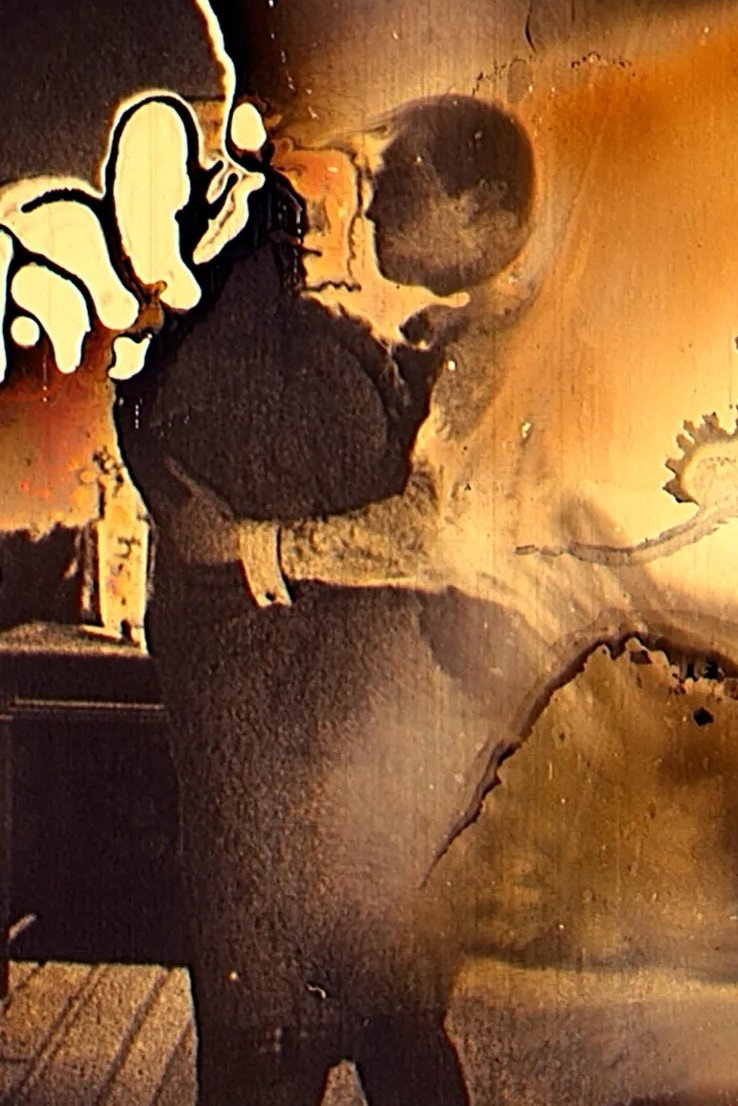
Bill Morrison’s experimental short features decayed film reels from the lost, German silent film Pawns of Passion (1928).
Social & External
(archive footage)
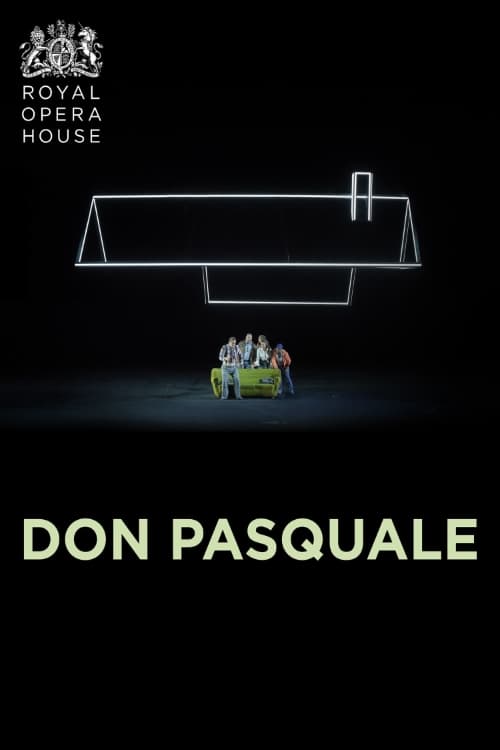
Royal Opera favourite Bryn Terfel heads the cast for this new production of Donizetti’s comedy of domestic drama across two generations. The witty story of a middle-aged man whose supposed young wife runs rings around him – with her own ulterior romantic purpose in mind – has long delighted and surprised audiences, not least as presented with the sparkle of its music and the virtuoso skill of its performers. Damiano Michieletto’s exhilarating production shows how contemporary the characters still are and how immediate and touching the story remains.
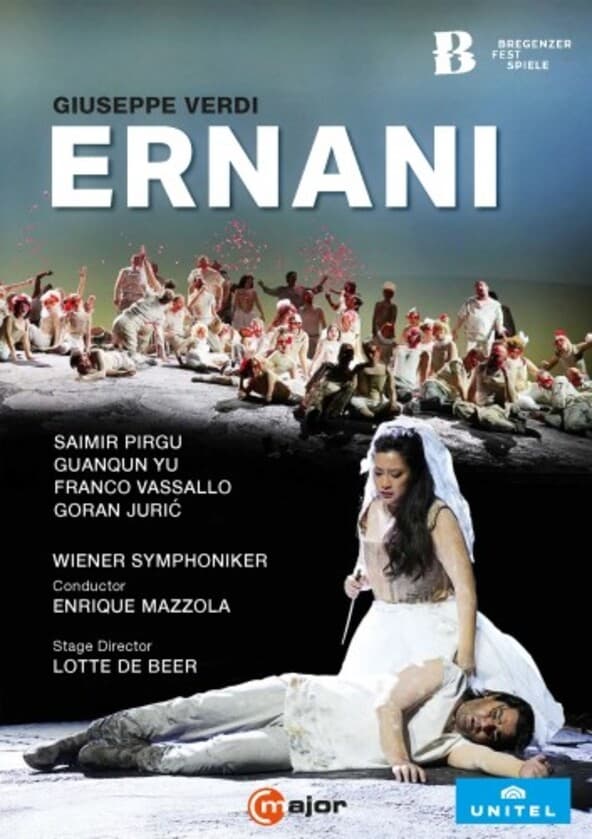
Ernani is a gripping drama about love and revenge by Giuseppe Verdi. Written in his unique style it brims with poignant arias, rousing choruses and enthralling ensemble scenes. The rebel leader Ernani recognises his father's murderer in the Spanish King Carlo and seeks revenge on him. Both men love Elvira – as does old Silva whom she is to be married to ... Director Lotte de Beer and her set and costume designer Christof Hetzer devote themselves to the fictional plot which bears references to the 16th century. They demonstrate their rich scenic imagination in this production, conducted by Enrique Mazzola who “provides musically magic moments at the stand of the Wiener Symphoniker” (Schwäbische Zeitung). “Great singers, fiery music and an action-packed staging” (Allgäuer Zeitung). “A mixture of Tarantino’s ‘Kill Bill’ and Monty Python’s ‘The Knights of the Coconut’” (Deutschlandfunk).
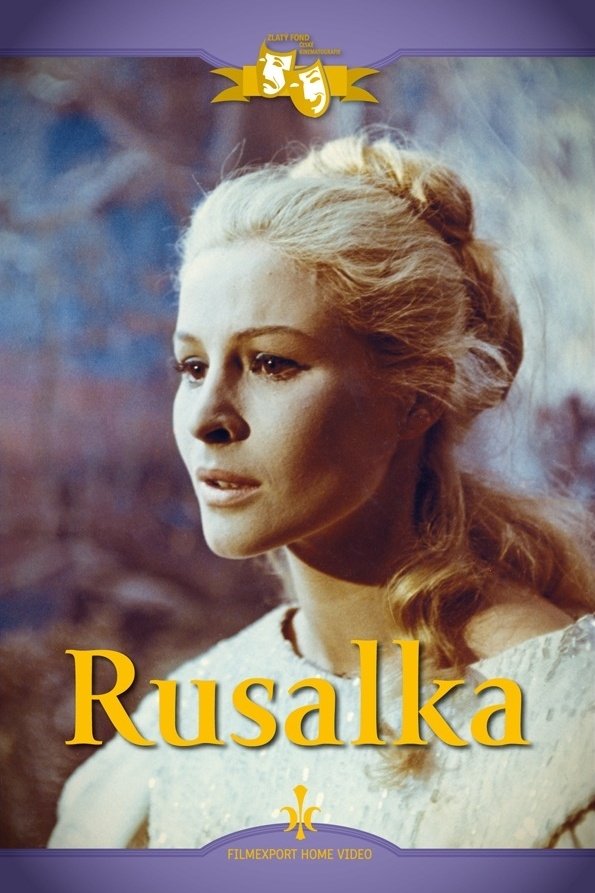
The water fairy Rusalka falls in love with an earthly prince. In vain, Father Aquarius warns her. Her sincere feelings are met with human treachery...
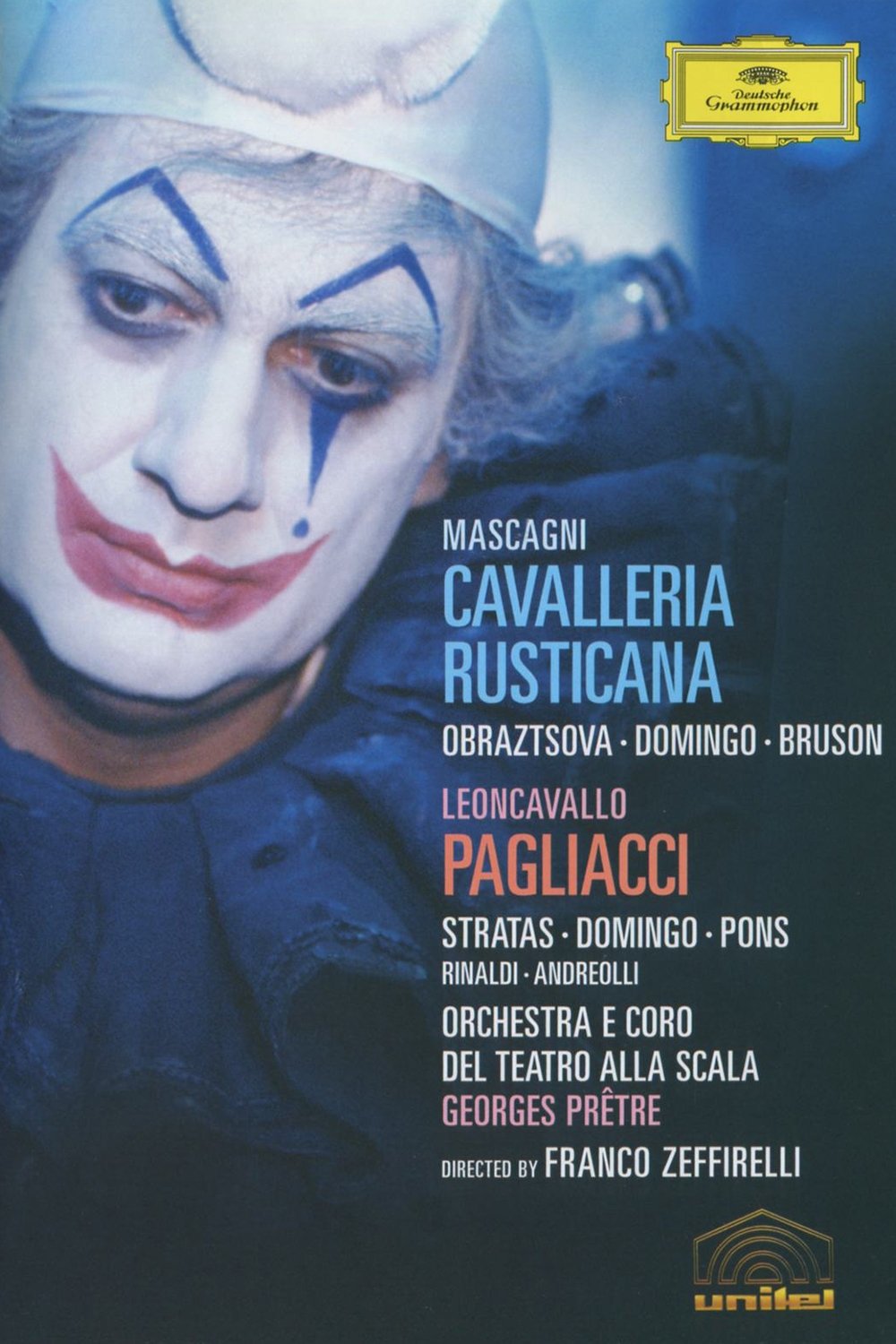
Franco Zeffirelli directs these two legendary La Scala productions telling tragic tales of jealousy. Mascagni's Cavalleria Rusticana features performances by Elena Obraztsova, Plácido Domingo, and Renato Bruson. Leoncavallo's I Pagliacci stars Teresa Stratas, Plácido Domingo, and Juan Pons. Both are conducted by George Pretre. This production of Pagliacci earned director Franco Zeffirelli the coveted Emmy as Best Director in the category of Classical Music Programming.
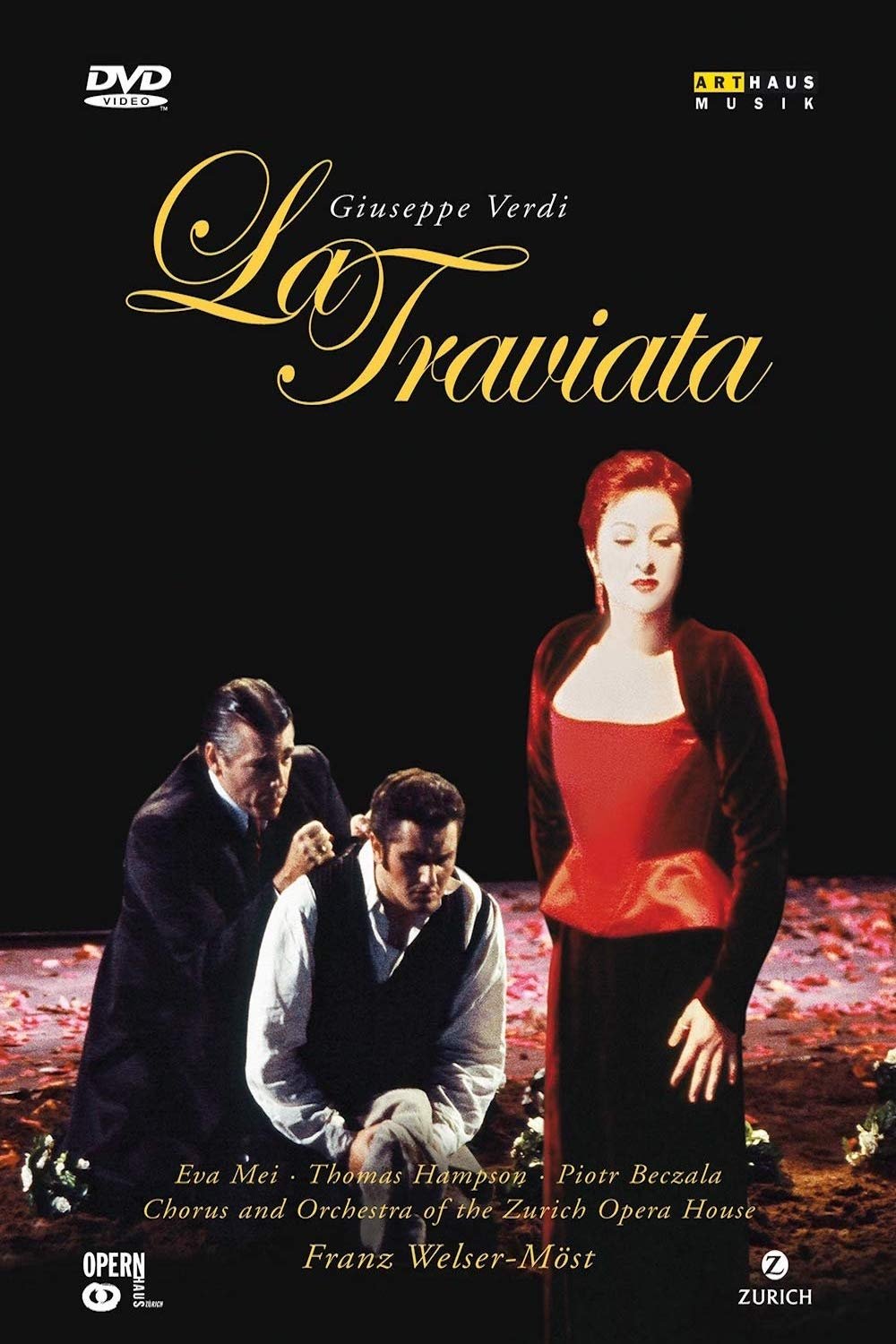
This DVD of a live 2005 performance from the Zürich Opera under the musical direction of Franz Welser-Möst has many things to recommend it -- the young tenor Piotr Beczala as Alfredo, the marvelous Thomas Hampson as Giorgio Germont, the playing of the Zurich Opera orchestra, the simple but effective sets by by Erich Wonder, the uncluttered stage direction by Jürgen Flimm. It also has some flaws: strangely variable volume level of the recorded sound sometimes coming on so loud as to make one reach for the volume control, and the uneven performance of the Violetta, Eva Mei who, for all her merits, gives a dramatically effective performance marred by occasional difficulties with vocal production. Still, overall I felt this was a moving production, one that I would recommend, although perhaps not as an only DVD of one of Verdi's most popular operas.
Simon Keenlyside smolders dangerously in the title role of Mozart’s version of the legend of Don Juan, creating a vivid portrait of a man who is a law unto himself, and all the more dangerous for his eternally seductive allure. Adam Plachetka is his occasionally unruly servant Leporello. It’s when Giovanni tangles with Donna Anna (Hibla Gerzmava) that things start to unravel, aided by the reappearance of Donna Elvira (Malin Byström), who is determined not to let her seducer go. With Paul Appleby as Don Ottavio, Donna Anna’s eternally steadfast fiancé. Principal Conductor Fabio Luisi leads the Met Orchestra and Chorus.
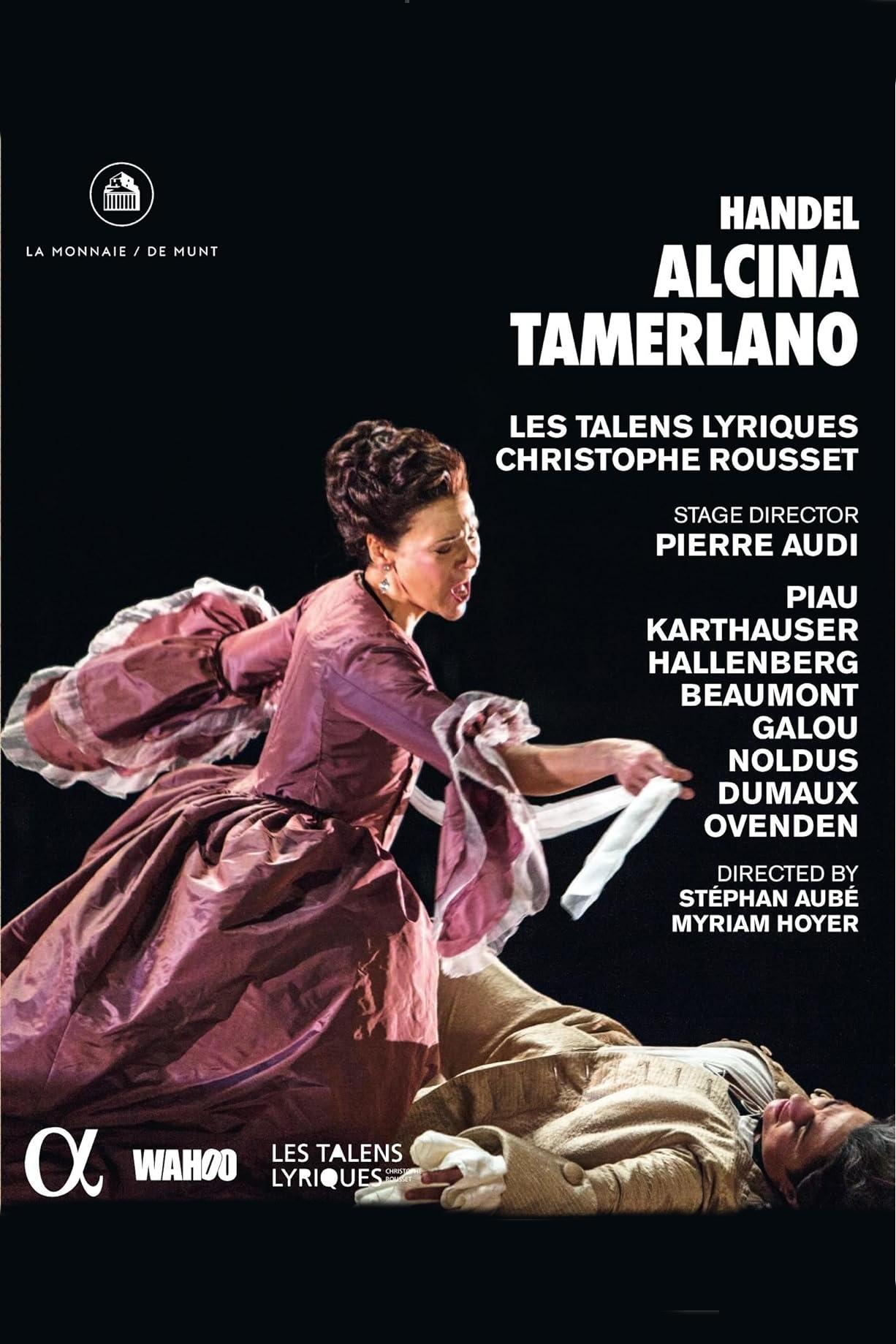
Like Handel’s Orlando (1732) and Ariodante (1734), Alcina derives from the narrative material in Ariosto’s Orlando furioso. The story of the sorceress Alcina, an initially hedonistic, manipulative woman who later finds herself a victim of love, fits into the genre of the ‘magical opera’ with numerous magical elements, but Handel achieved considerable emotional authenticity in his characterisations. This makes Alcina one of the most deeply felt and multifaceted operas. ‘You may despise what you like ; but you cannot contradict Handel,’ said the Irish playwright George Bernard Shaw. As in Tamerlano, Pierre Audi based this production on the stage at the baroque theatre at Drottningholm, for which he originally developed the directing concept. His set is thus based on the principles of perspective, with wings in the form of painted panels. The result is marvellous modern musical theatre in a historizing frame.
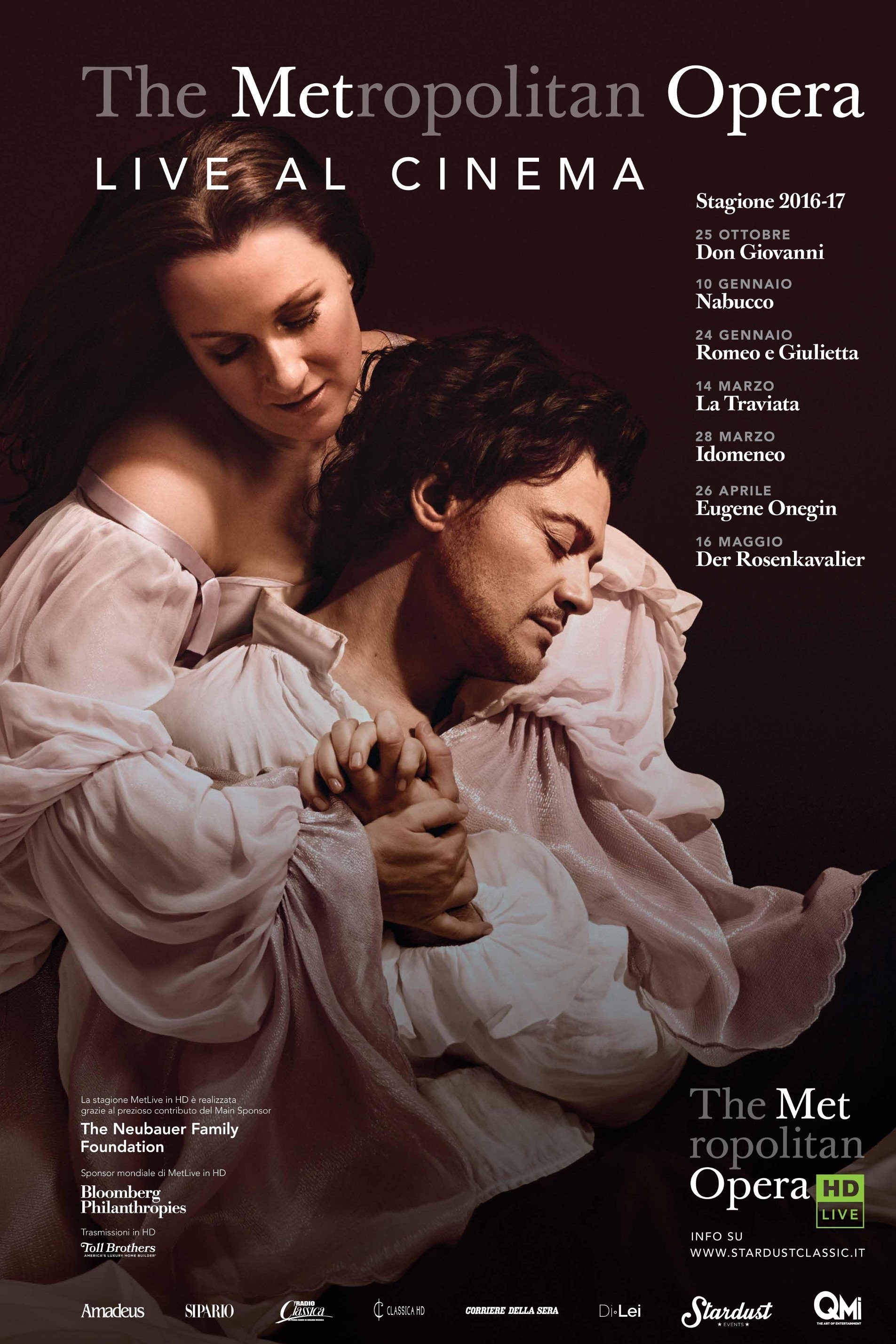
Diana Damrau and Vittorio Grigolo are opera’s classic lovers in Gounod’s lush Shakespeare adaptation. Director Bartlett Sher’s “brilliant and inspired new production … is a revelation” (Huffington Post), and has already won acclaim for its vivid 18th-century milieu and stunning costumes during runs at Salzburg and La Scala. Emmanuel Villaume conducts the sumptuous score.
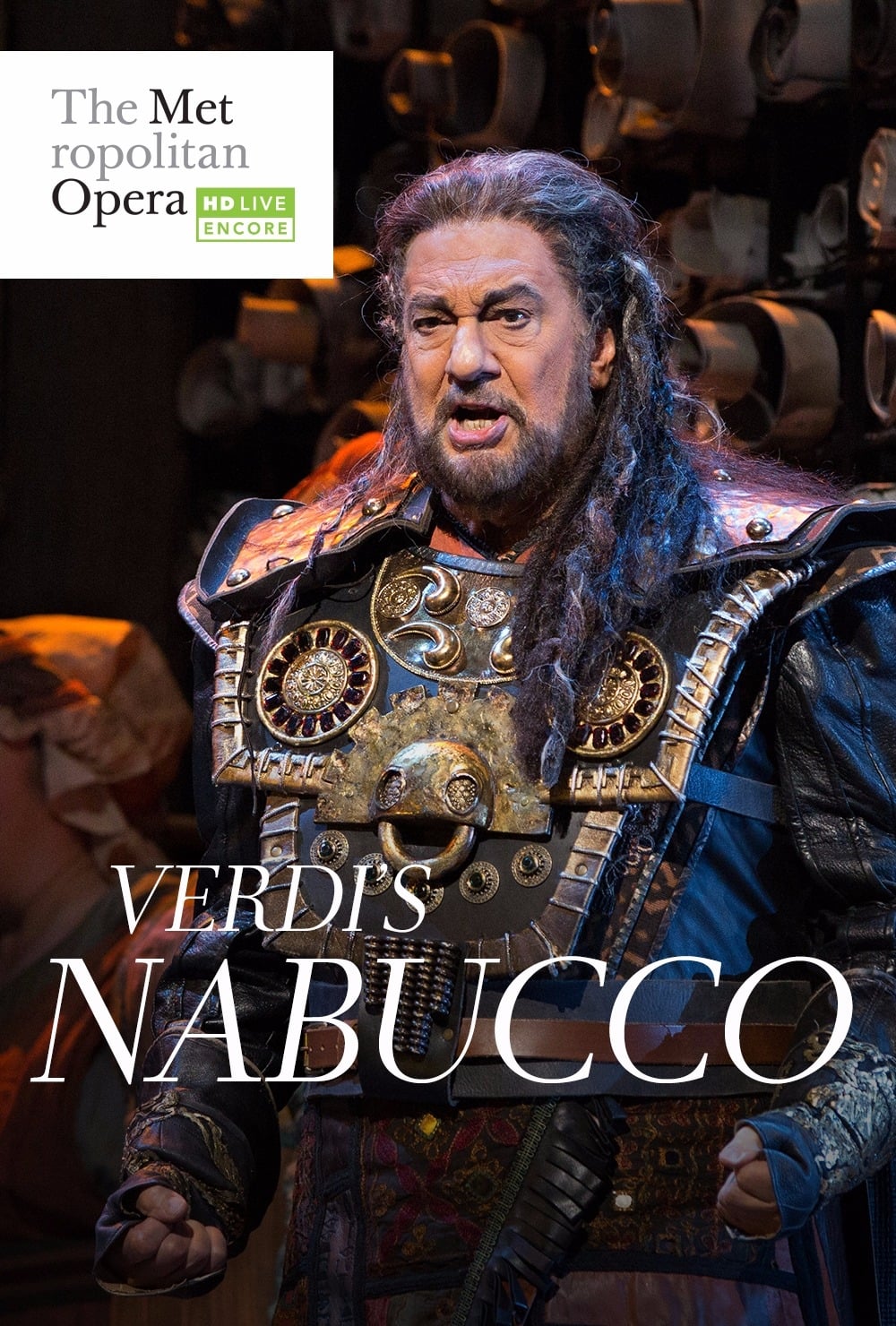
The legendary Plácido Domingo brings another new baritone role to the Met under the baton of his longtime collaborator James Levine. Liudmyla Monastyrska is Abigaille, the warrior woman determined to rule empires, and Jamie Barton is the heroic Fenena. Dmitri Belosselskiy is the stentorian voice of the oppressed Hebrew people.
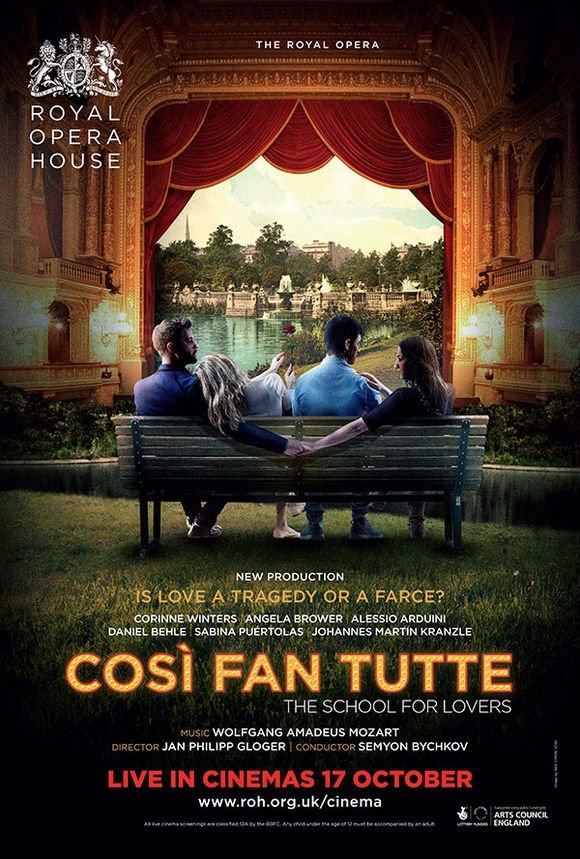
Semyon Bychkov conducts a cast of young, up-and-coming talent including American soprano Corinne Winters in a new production of Mozart’s opera on the nature of love.
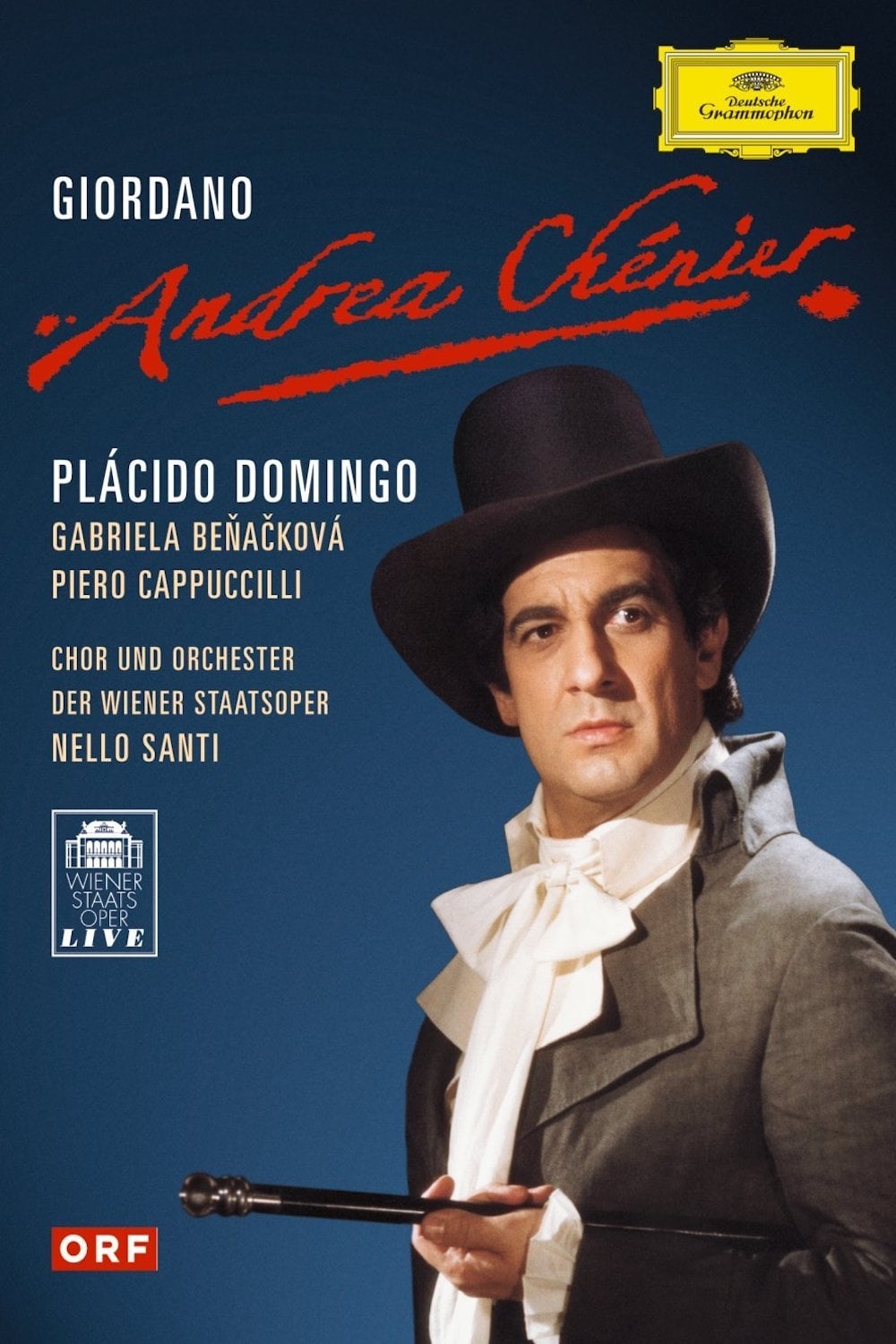
Although Domingo was younger and Banackova looked more like the sweet and innocent young Madalena than the one played by Tomowa-Sintow in the ROH production, this production was not as good. It was not as tight and neat. The tempo set was far too slow for the time-period of the story. The stage setting was distracting. The lighting was too dark. Except Domingo, a natural actor who was always into his role and sings and acts with passion, none of the other performers came up with a convincing portrayal of the role he/she played.
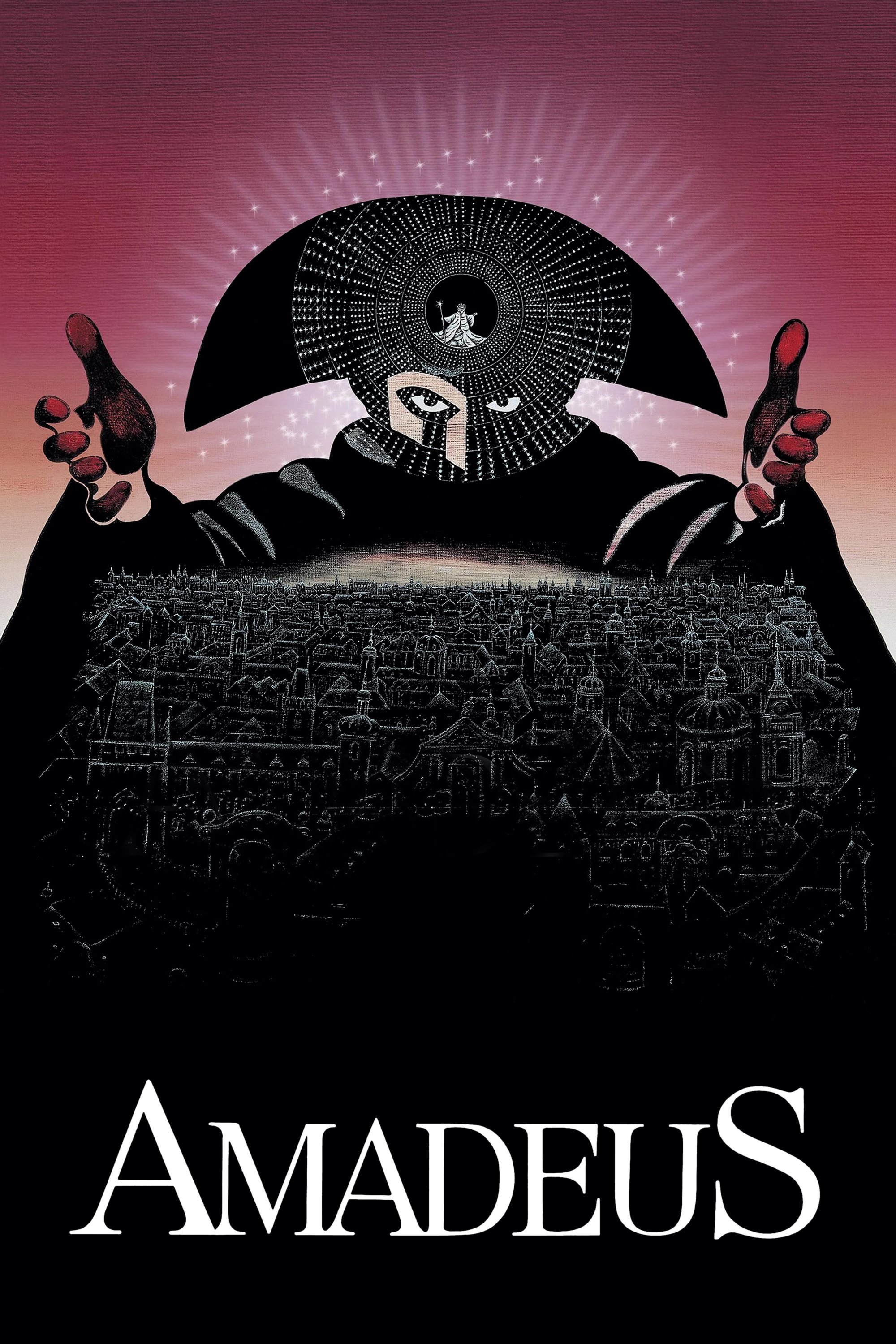
Disciplined Italian composer Antonio Salieri becomes consumed by jealousy and resentment towards the hedonistic and remarkably talented young Salzburger composer Wolfgang Amadeus Mozart.
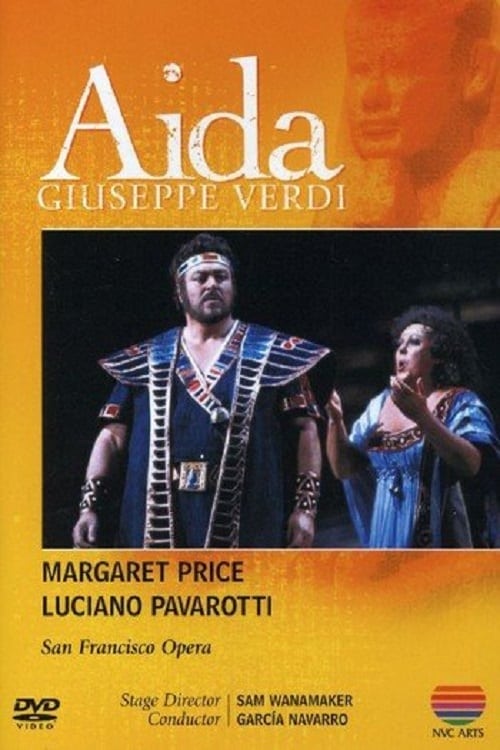
An Egyptian military commander, Radamès, struggles to choose between his love for the enslaved Ethiopian princess Aida, and his loyalty to the Pharaoh. To complicate the story further, the Pharaoh's daughter Amneris is in love with Radamès, although he does not return her feelings.
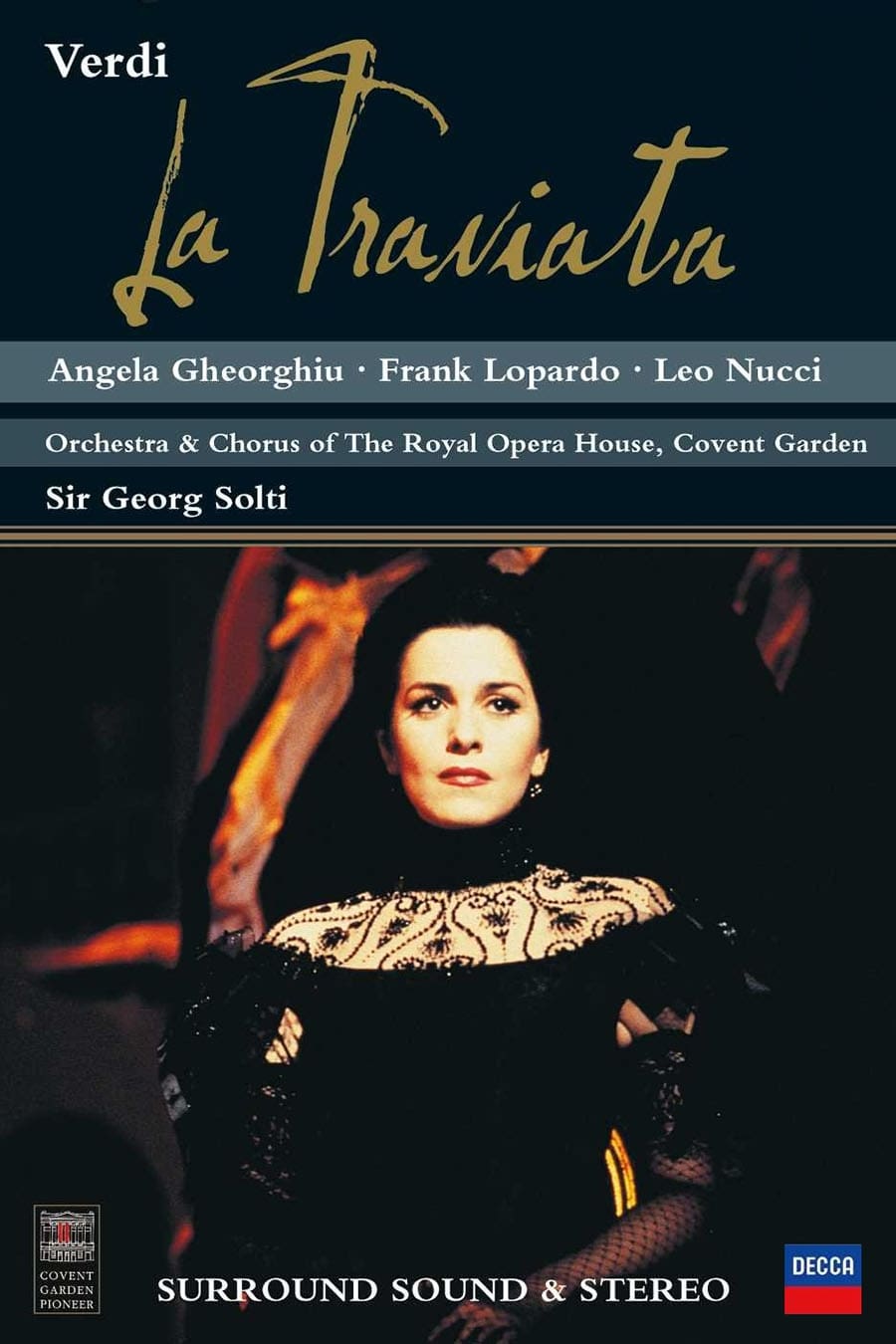
La traviata (Italian: [la traˈviaːta], "The Fallen Woman"[1][2]) is an opera in three acts by Giuseppe Verdi set to an Italian libretto by Francesco Maria Piave. It is based on La dame aux Camélias (1852), a play adapted from the novel by Alexandre Dumas, fils. The opera was originally entitled Violetta, after the main character. It was first performed on 6 March 1853 at the La Fenice opera house in Venice. Piave and Verdi wanted to follow Dumas in giving the opera a contemporary setting, but the authorities at La Fenice insisted that it be set in the past, "c. 1700". It was not until the 1880s that the composer and librettist's original wishes were carried out and "realistic" productions were staged.[3]
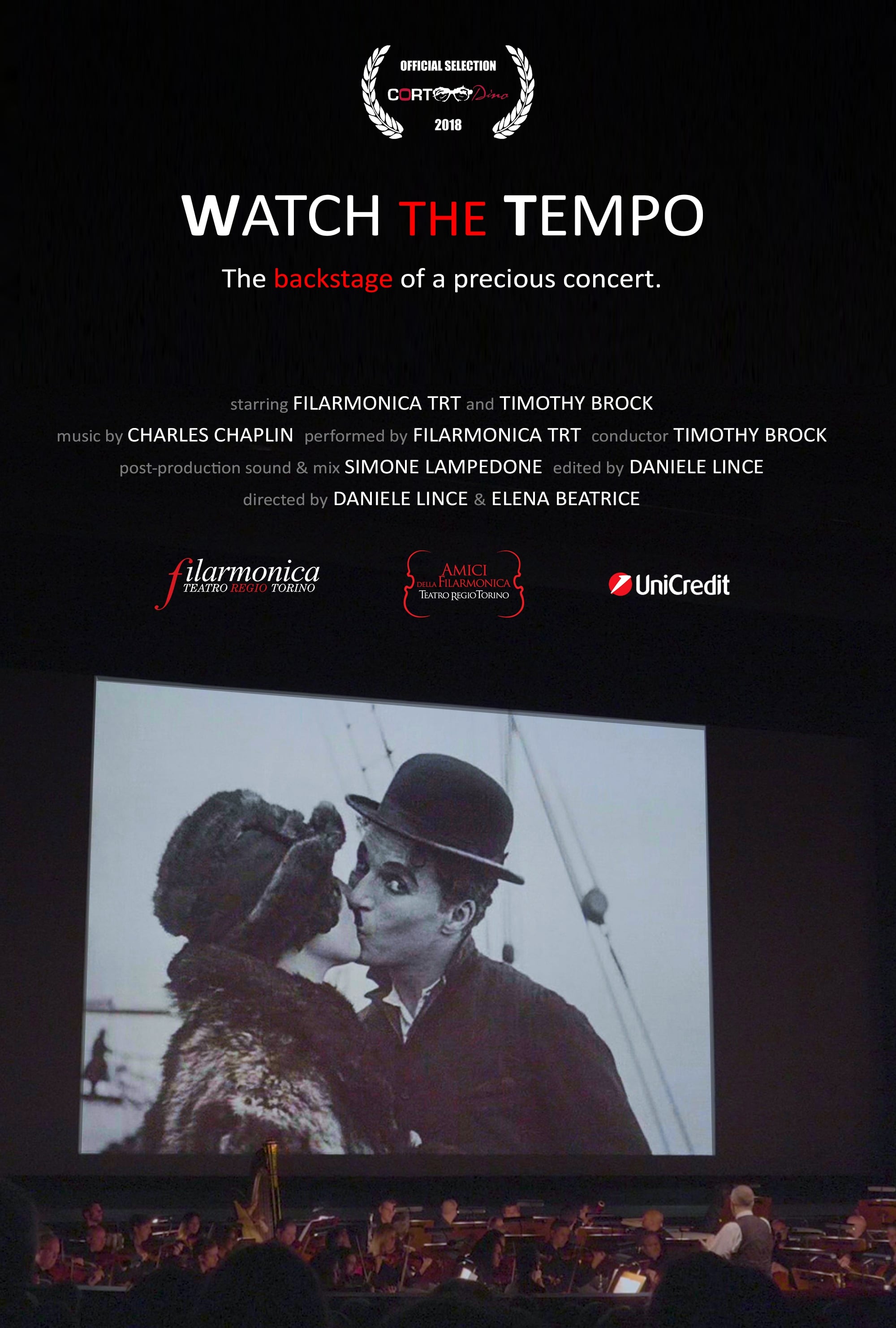
On 18th of December 2017, the Filarmonica Teatro Regio Torino, directed by Timothy Brock, presented "The Gold Rush" by Charles Chaplin, with live performance of the soundtrack. But let's go back a few days: this short film takes us in the backstage of the concert!
The Snow Queen is Hans Abrahamsen's first opera, composed to a self-penned libretto, based on Hans Christian Andersen's eponymous fairy tale. Following an in-depth study of the topic of snow and a life-long obsession with Andersen's fairy tales, Abrahamsen composed the opera between 2014 and 2018. Hans Abrahamsen's music, with it's smooth transitions and subtly modified repeats, lends the lyrics both depth and lightness. He is keen to point out the range of avenues for interpretation available. " It's possible to read the fairy tale in a variety of ways. It contains many mysteries which are open to numerous interpretations." Accompanying Barbara Hannigan is a top-class ensemble of singers, including Peter Rose, Katarinya Dalayman and Rachael Wilson. Cornelius Meister is the musical director, currently general music director at the Staatsoper Stuttgart.
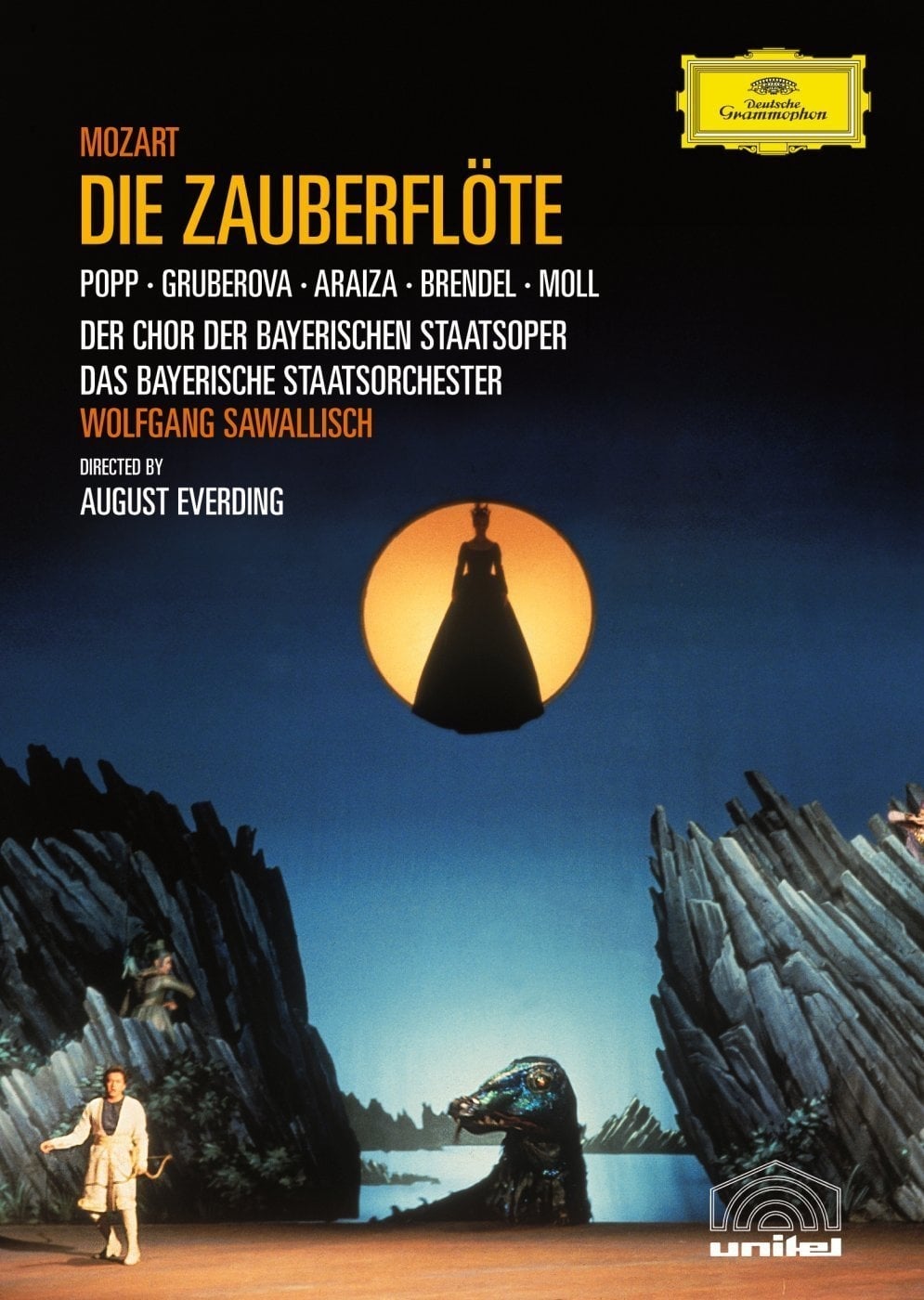
The Queen of the Night enlists a handsome prince named Tamino to rescue her beautiful kidnapped daughter, Princess Pamina. Aided by the lovelorn bird hunter Papageno and a magical flute that holds the power to change the hearts of men, young Tamino embarks on a quest for true love, leading to the evil Sarastro's temple where Pamina is held captive.
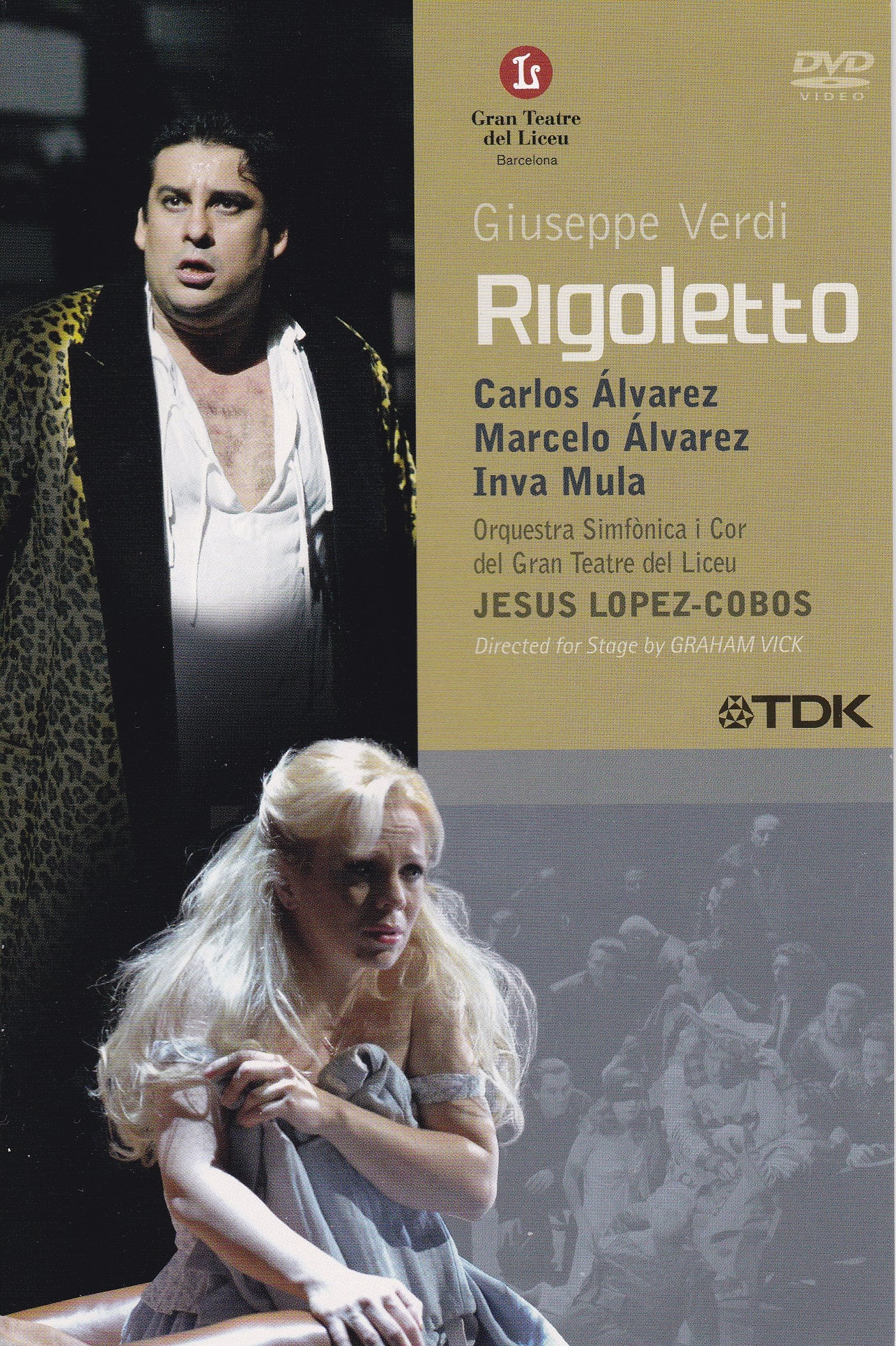
In Rigoletto, the deformed figure of the hunchbacked jester at the Mantuan court acts as a foil to his cynical and powerful master, an unscrupulous philanderer contrasted with his cruel and unforgiving fool. Rigoletto encourages and welcomes the Duke's conquests, pitilessly mocking his victims until he discovers that the Duke has abducted the one person he genuinely loves, his own daughter. As a result, the character of the court jester is transformed into a tragic figure who, in spite of his evident immorality and malice, allows us to sense the devotion he feels for his daughter and his horror at being destroyed by the same despotic world as that which he himself has helped to create.
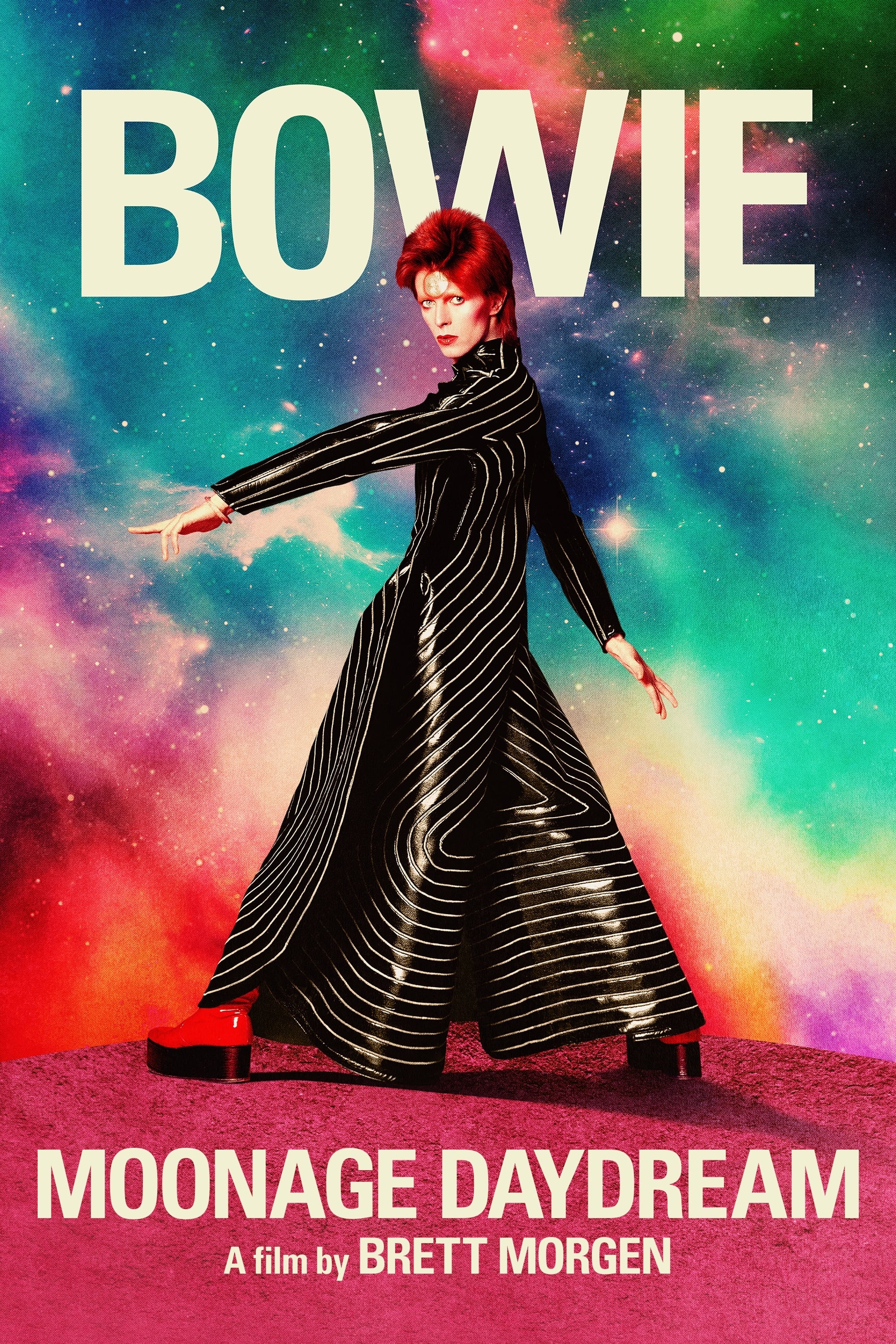
A cinematic odyssey featuring never-before-seen footage exploring David Bowie's creative and musical journey.
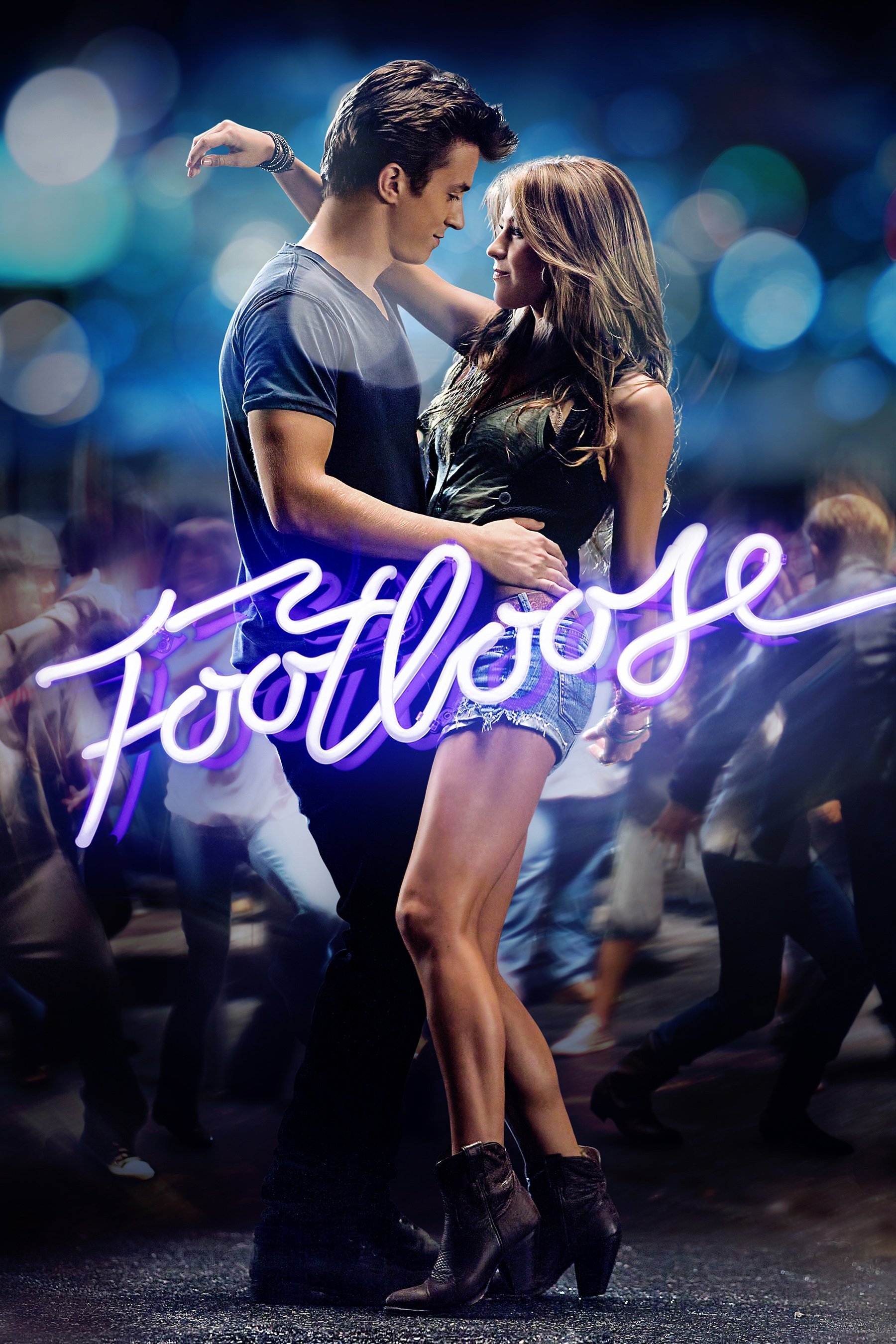
Ren MacCormack is transplanted from Boston to the small southern town of Bomont where loud music and dancing are prohibited. Not one to bow to the status quo, Ren challenges the ban, revitalizing the town and falling in love with the minister’s troubled daughter Ariel in the process.
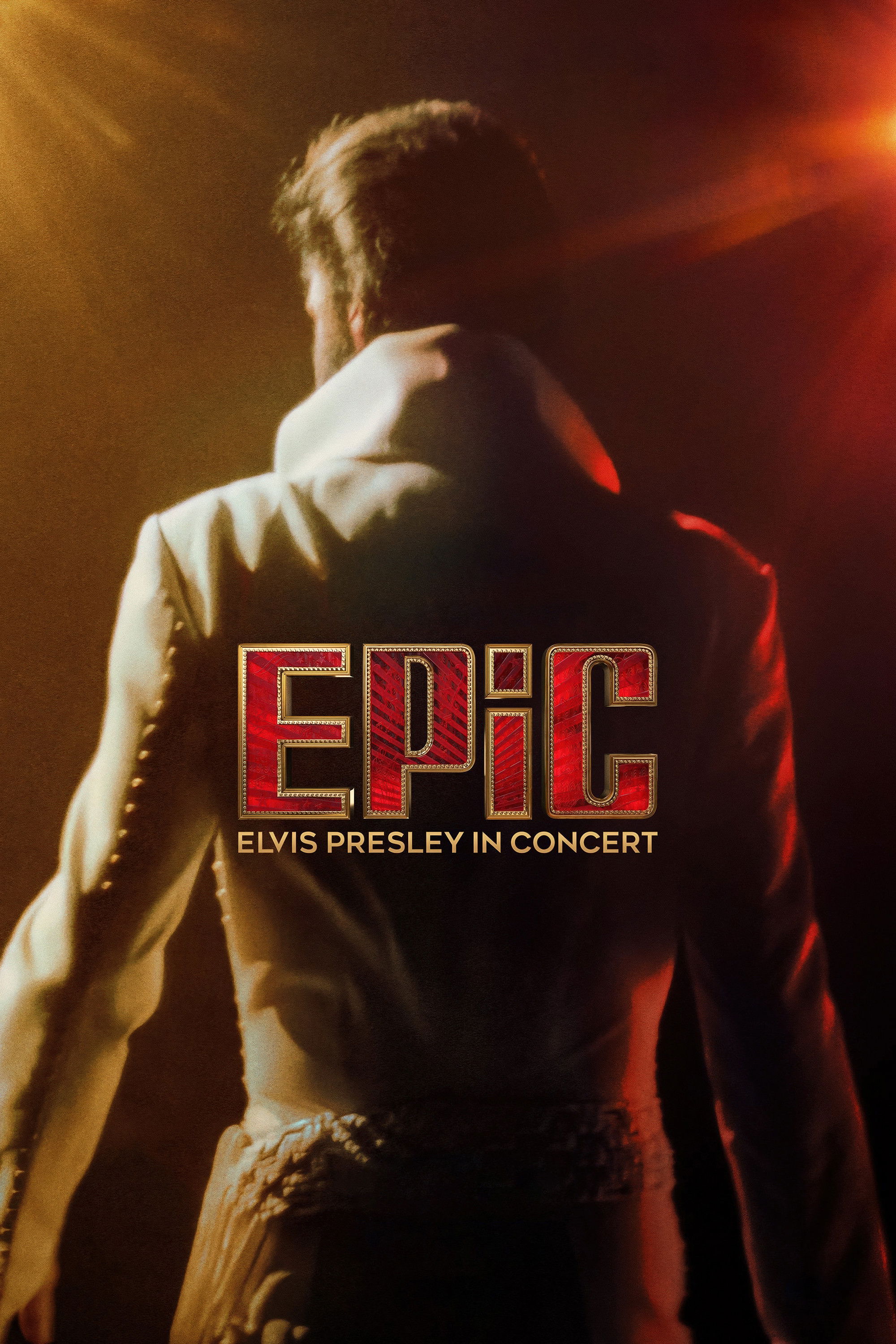
Long-lost footage from Elvis Presley's legendary Las Vegas residency in the 1970s woven together with rare 16mm footage from Elvis on Tour, and 8mm from the Graceland archive, plus recordings of Elvis telling "his side of the story" rediscovered during Baz Luhrmann's research for his 2022 film, Elvis.
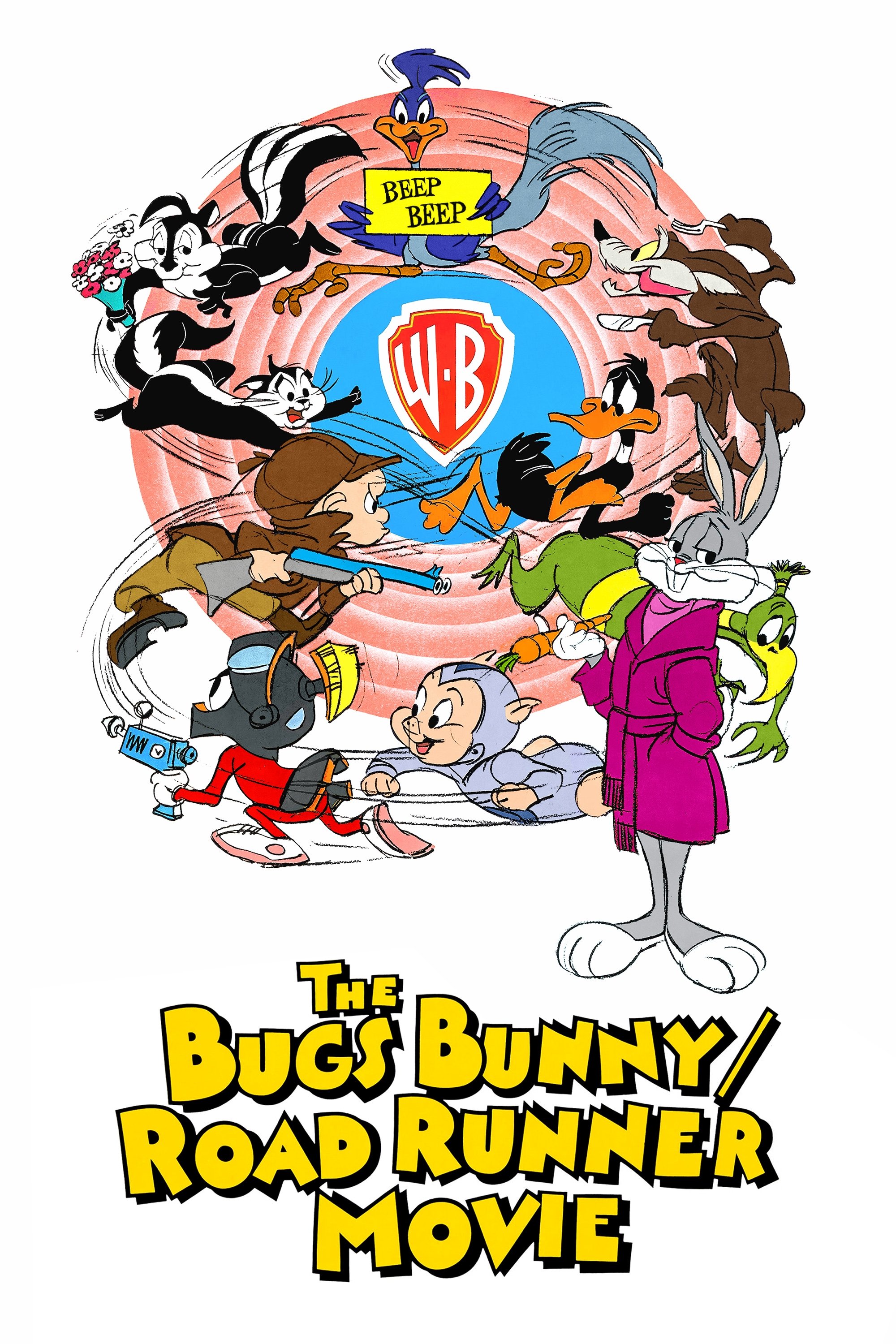
A collection of Warner Brothers short cartoon features, "starring" the likes of Daffy Duck, Porky Pig and Wile E. Coyote. These animations are interspersed by Bugs Bunny reminiscing on past events and providing links between the individual animations which are otherwise unconnected. This 1979 feature-length compilation includes several of his best cartoons. Among the 11 shorts shown in their entirety are the classics "Robin Hood Daffy," "What's Opera, Doc?," "Bully for Bugs," and "Duck Amuck". The Bugs Bunny Road Runner Movie provides a showcase not only for Jones's razor-sharp timing, but for the work of his exceptional crew, which included designer Maurice Noble, writer Mike Maltese, composers Carl Stalling and Milt Franklyn, and voice actor Mel Blanc.
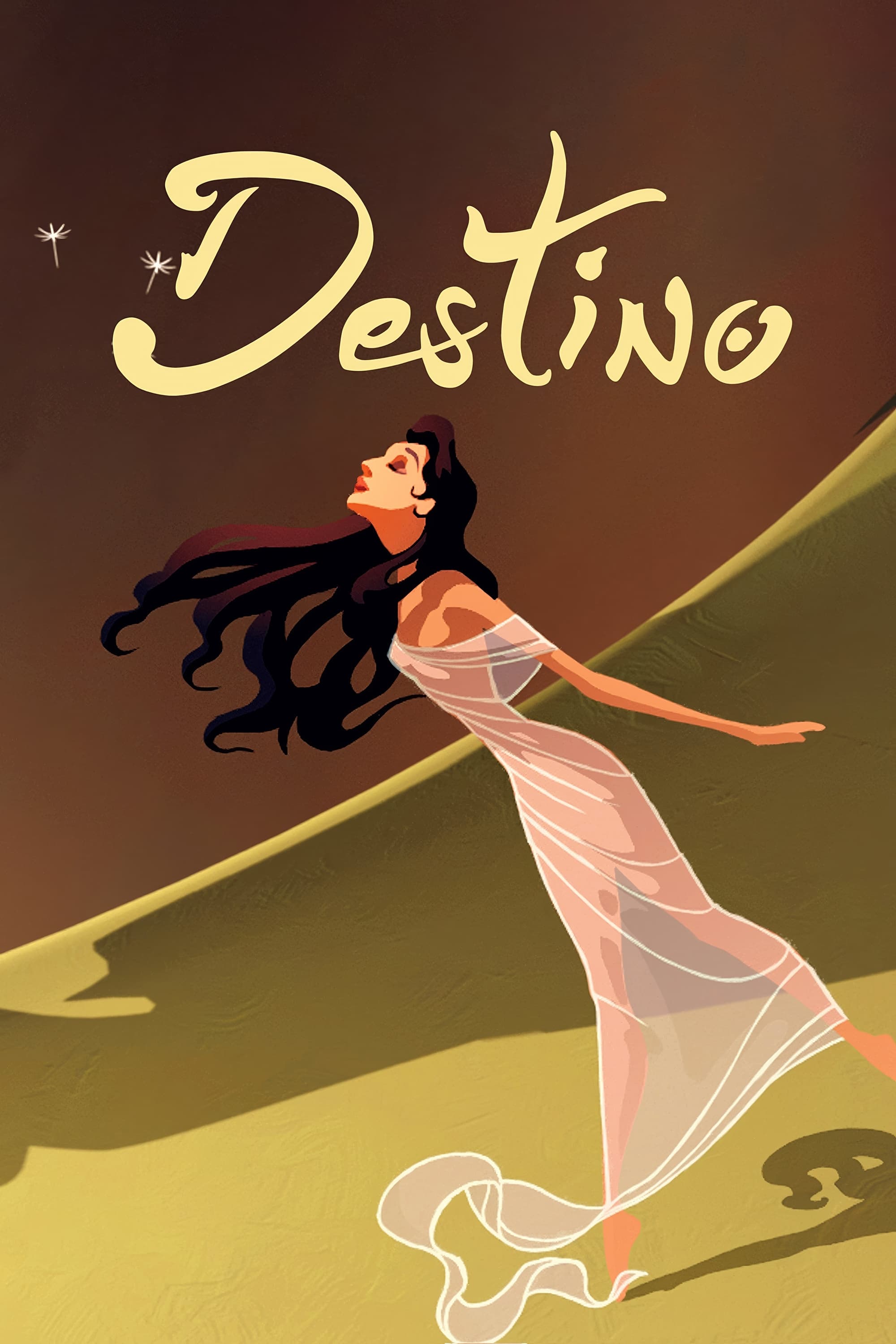
Short film to a song of love lost and rediscovered, a woman sees and undergoes surreal transformations. Her lover's face melts off, she dons a dress from the shadow of a bell and becomes a dandelion, ants crawl out of a hand and become Frenchmen riding bicycles. Not to mention the turtles with faces on their backs that collide to form a ballerina, or the bizarre baseball game.
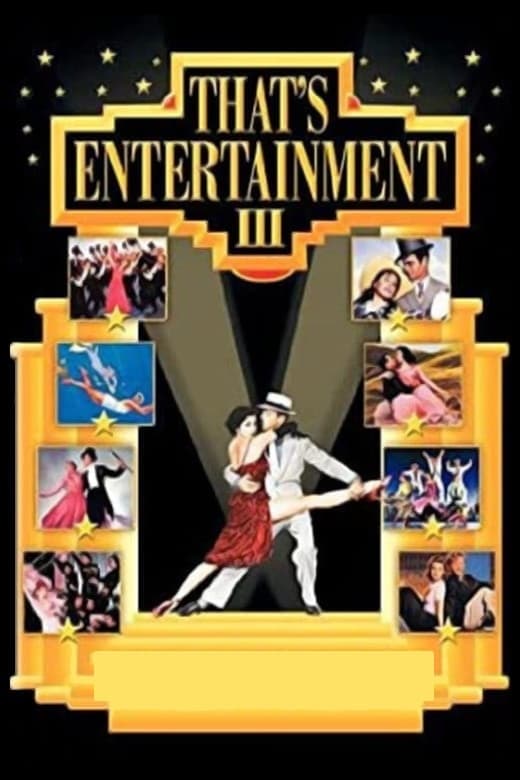
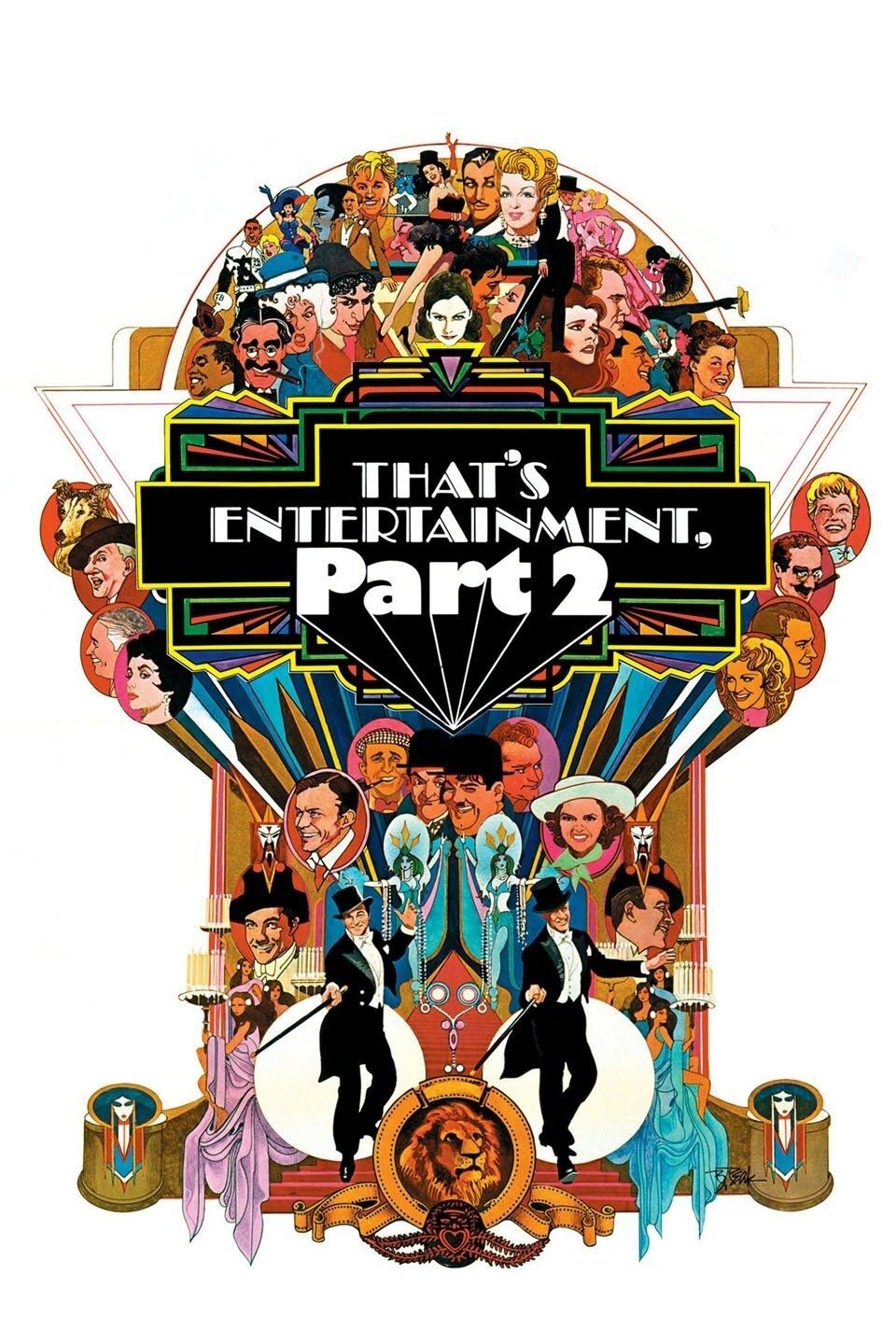
Some of MGM'S musical stars review the studios history of musicals. From The Hollywood Revue of 1929 to Brigadoon, from the first musical talkies to Gene Kelly in Singin' in the Rain.
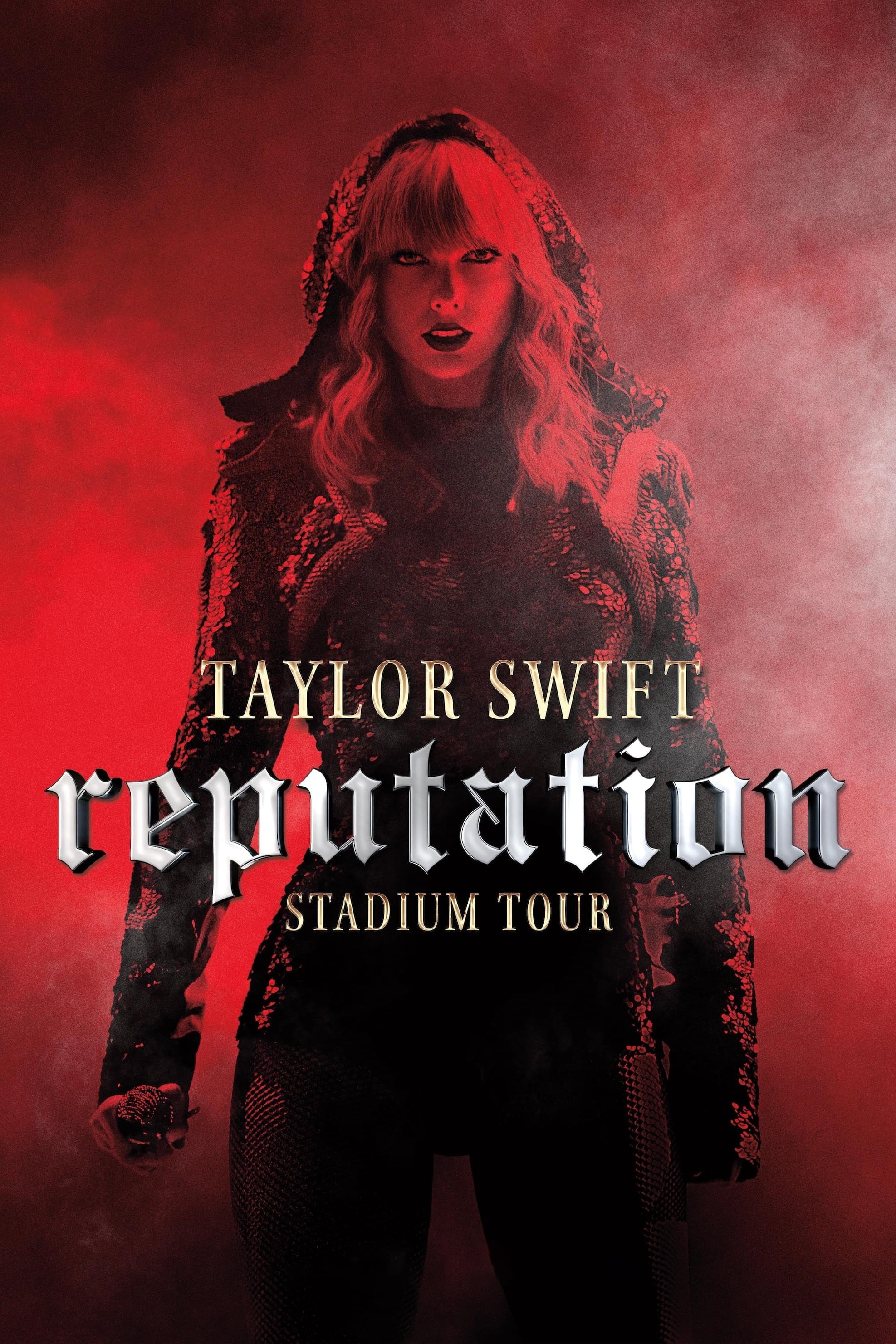
Taylor Swift takes the stage in Dallas for the Reputation Stadium Tour and celebrates a monumental night of music, memories and visual magic.
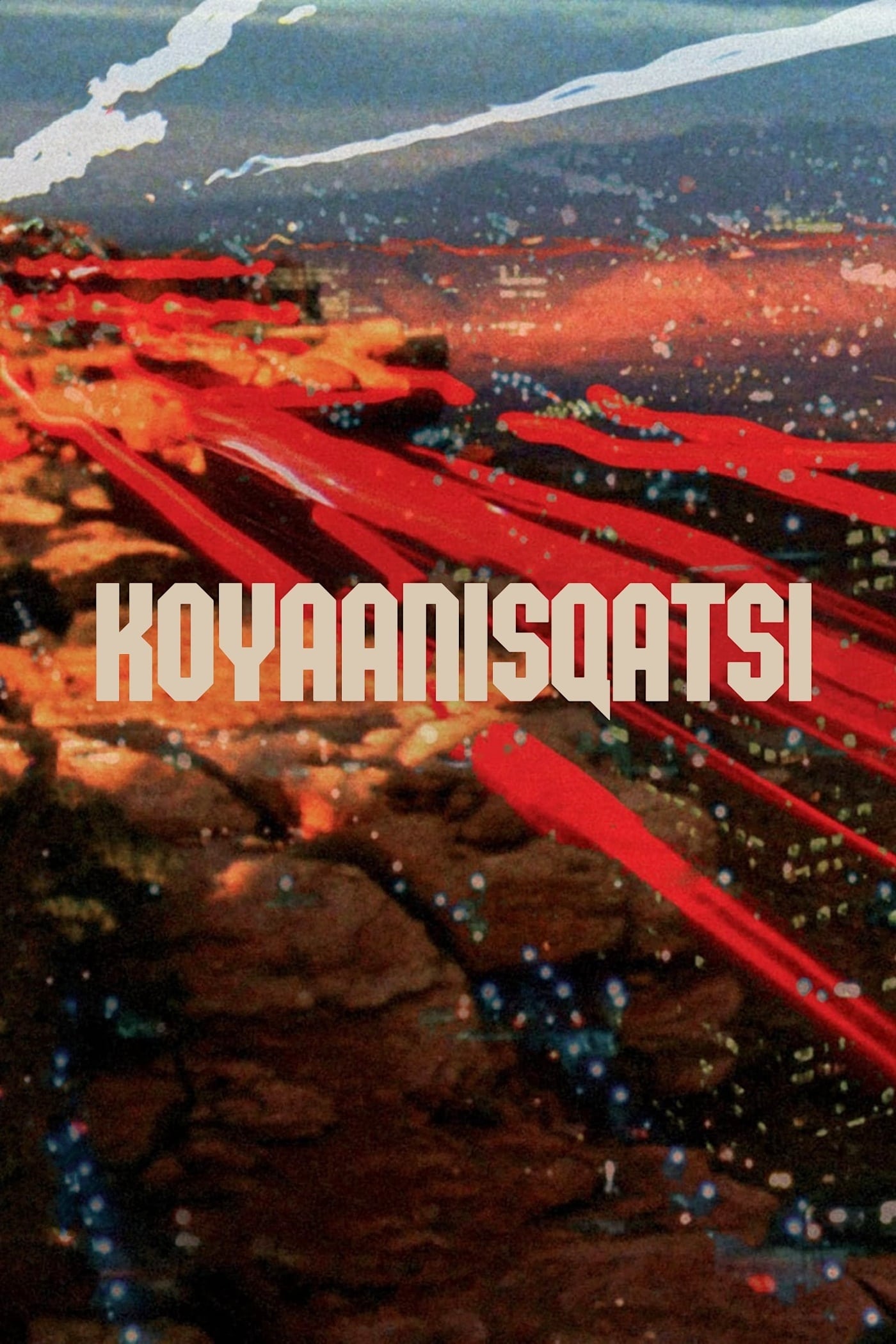
Takes us to locations all around the US and shows us the heavy toll that modern technology is having on humans and the earth. The visual tone poem contains neither dialogue nor a vocalized narration: its tone is set by the juxtaposition of images and the exceptional music by Philip Glass.
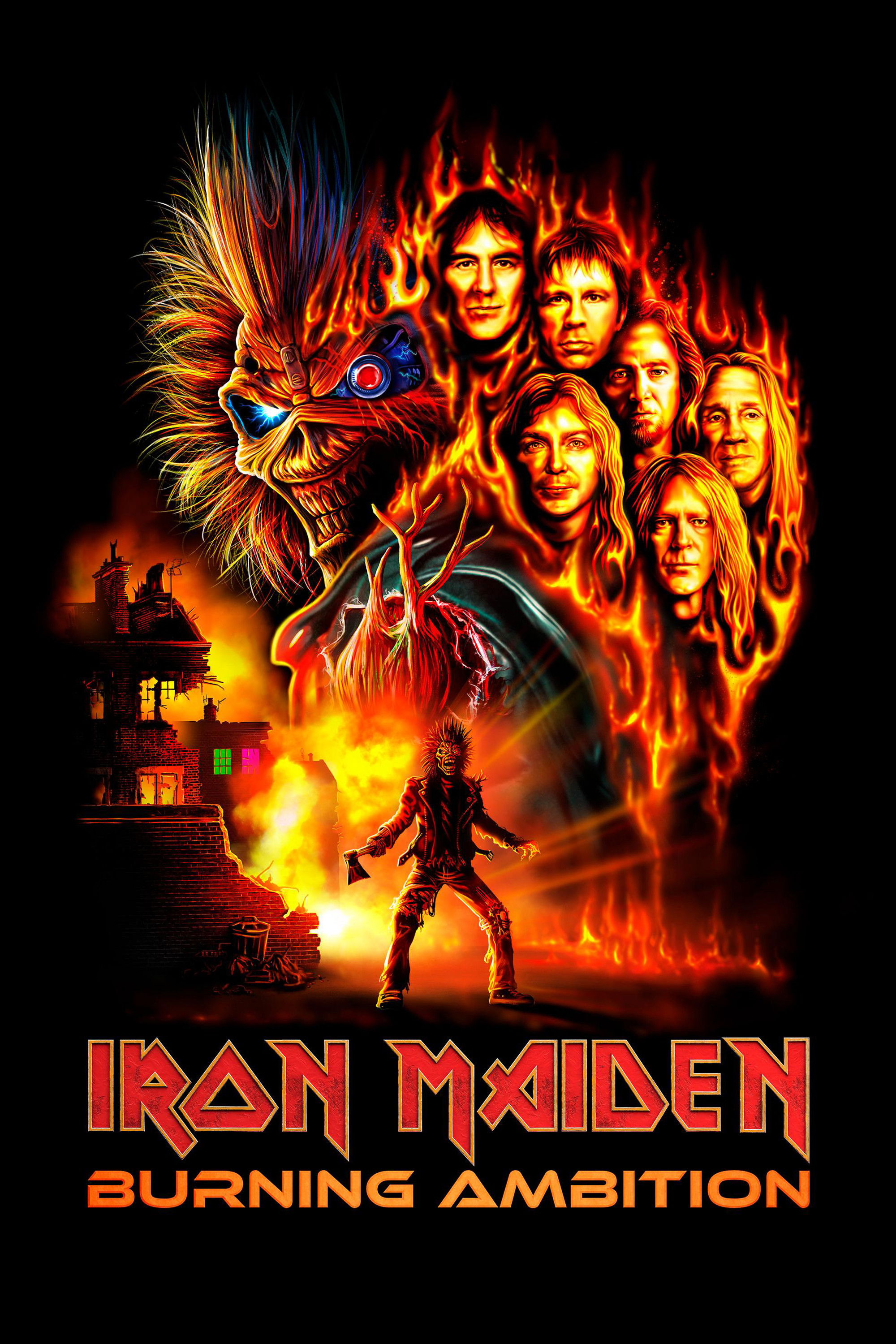
With unprecedented access to the official archives and intimate recollections from the band, both current and past, Iron Maiden: Burning Ambition invites fans to experience one of the most iconic journeys in music history. Spanning five decades, this electrifying documentary charts the band’s rise from the pubs of East London to the world’s biggest stadiums. Featuring exclusive interviews with band members and contributors such as Javier Bardem, Lars Ulrich and Chuck D, as well as all-new animated sequences of the band's legendary mascot, Eddie, the film offers a rare and intimate look at Iron Maiden’s uncompromising vision and unwavering connection with their truly global army of fans.
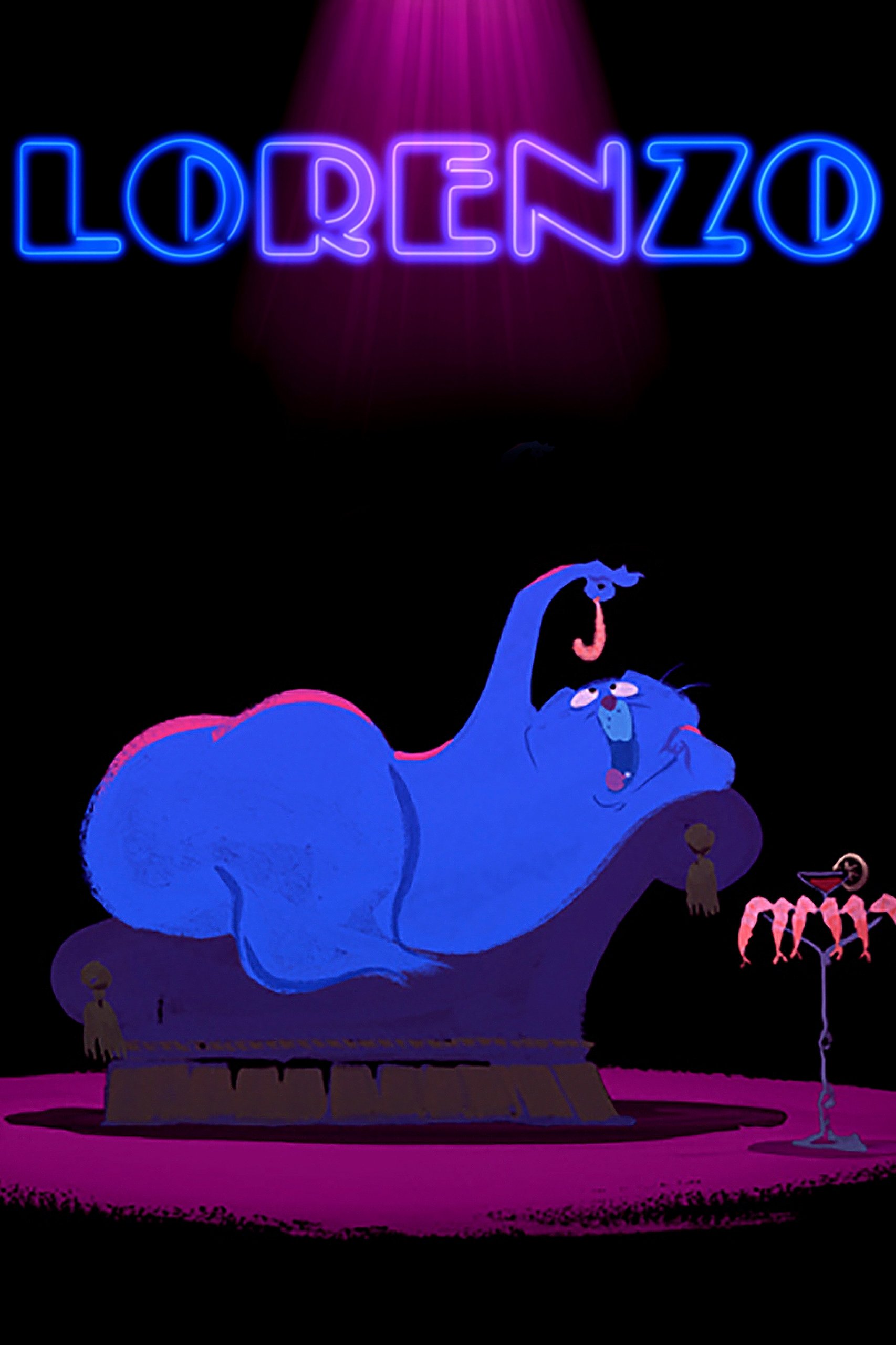
A cat named Lorenzo is dismayed to discover that his tail has developed a personality of its own.
A backstage and on-stage look at Justin Bieber during his rise to super stardom.
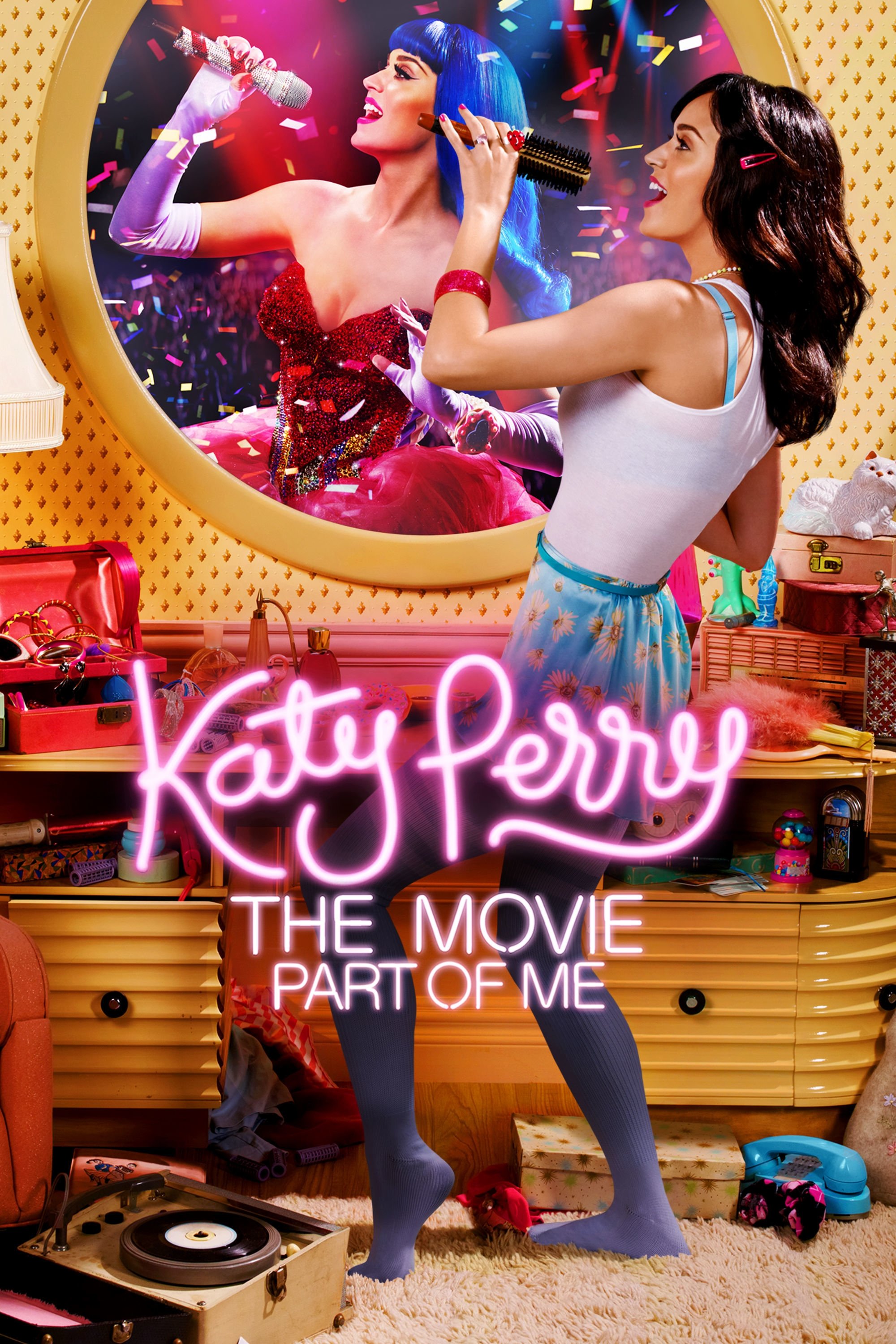
Giving fans unprecedented access to the real life of the music sensation, Katy Perry: Part of Me exposes the hard work, dedication and phenomenal talent of a girl who remained true to herself and her vision in order to achieve her dreams. Featuring rare behind-the-scenes interviews, personal moments between Katy and her friends, and all-access footage of rehearsals, choreography, Katy’s signature style and more, Katy Perry: Part of Me reveals the singer’s unwavering belief that if you can be yourself, then you can be anything.
A unique cinematic experience that invites audiences on a vibrant journey through the life of cultural icon Pharrell Williams. Told through the lens of LEGO® animation, turn up the volume on your imagination and witness the evolution of one of music's most innovative minds.
Gene Kelly and Fred Astaire present more golden moments from the MGM film library, this time including comedy and drama as well as classic musical numbers.
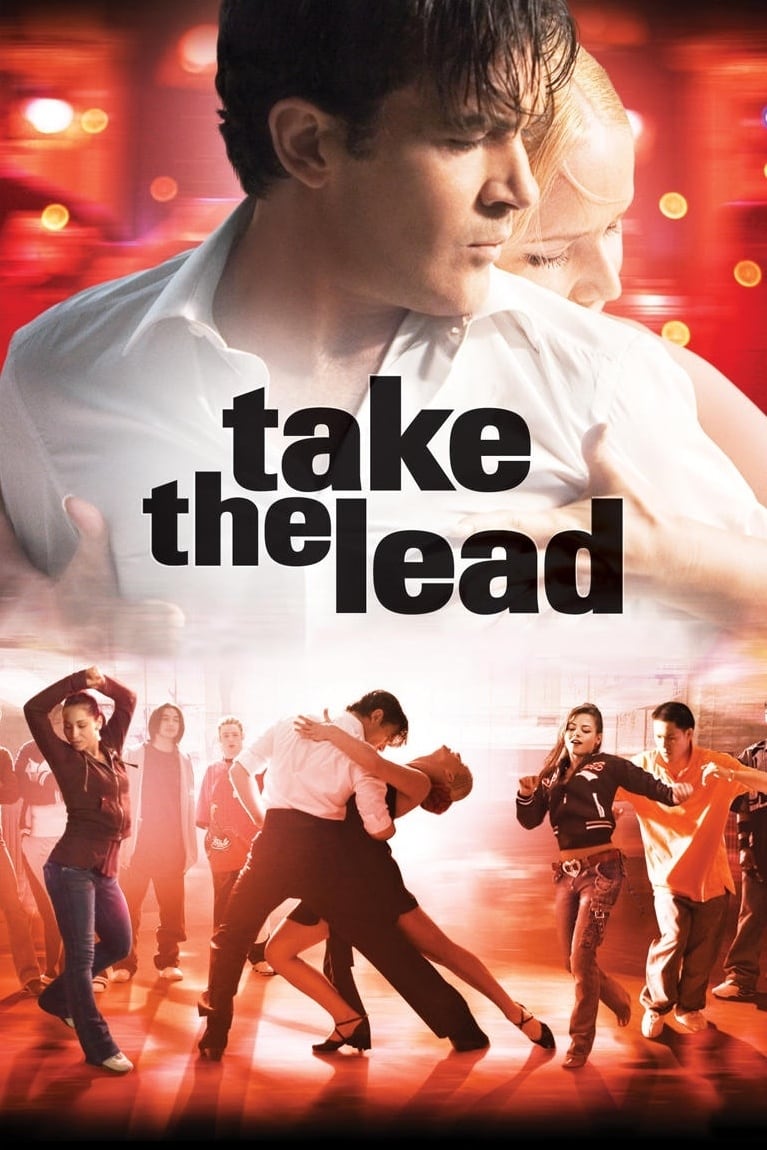
A former professional dancer volunteers to teach dance in the New York public school system and, while his background first clashes with his students' tastes, together they create a completely new style of dance. Based on the story of ballroom dancer, Pierre Dulane.
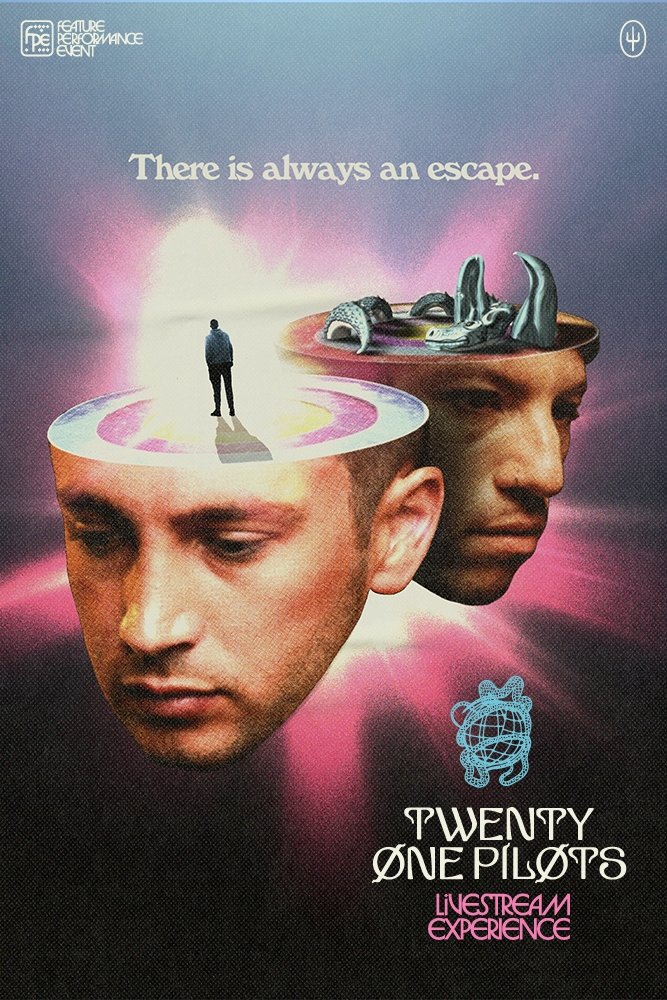
A one-night livestream concert performed by Twenty One Pilots on May 21, 2021, introducing their newest album "Scaled and Icy".
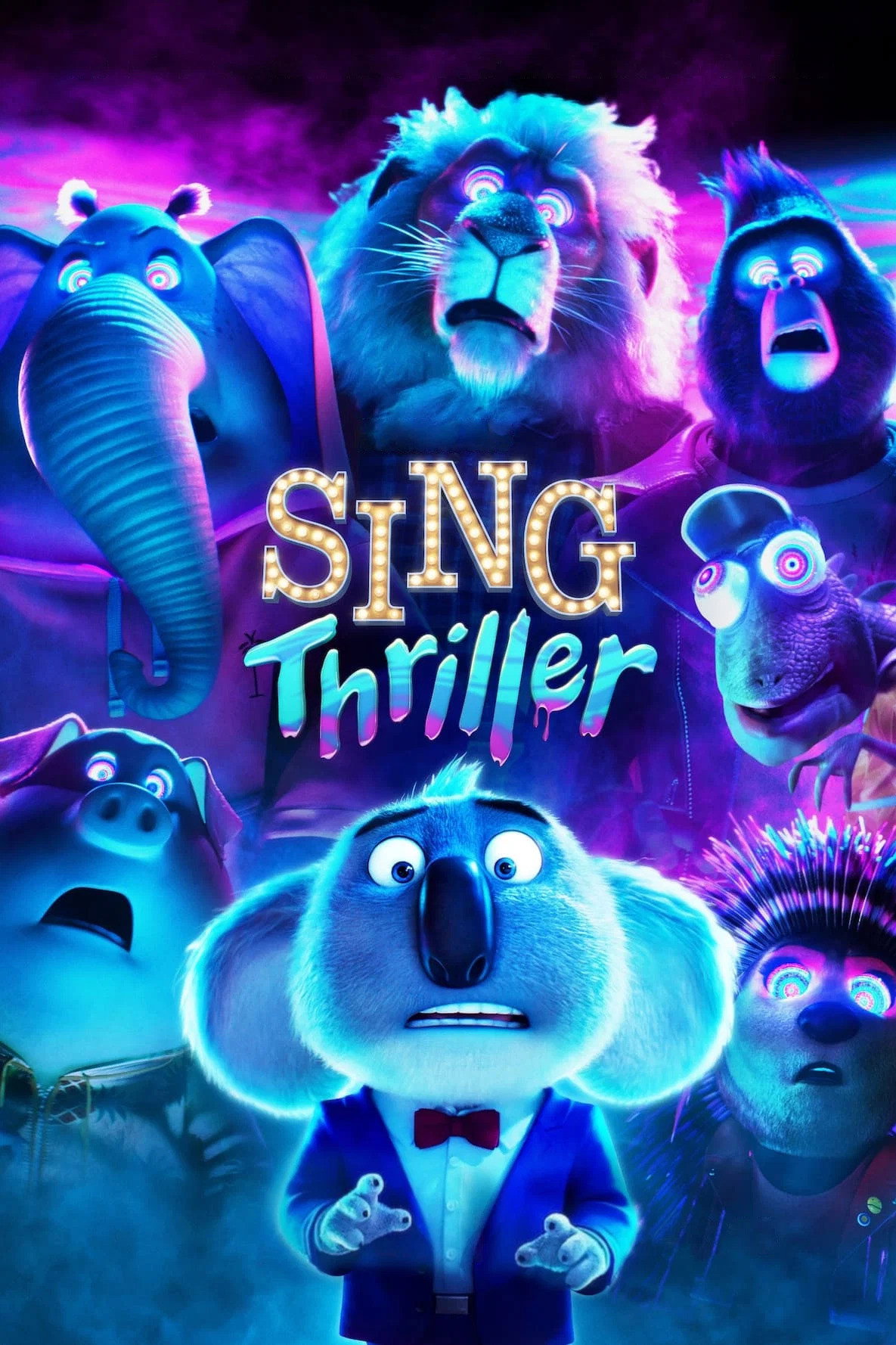
Buster Moon dreams up a star-studded spectacle set to Michael Jackson's "Thriller" in this animated short featuring characters from the hit "Sing" films.
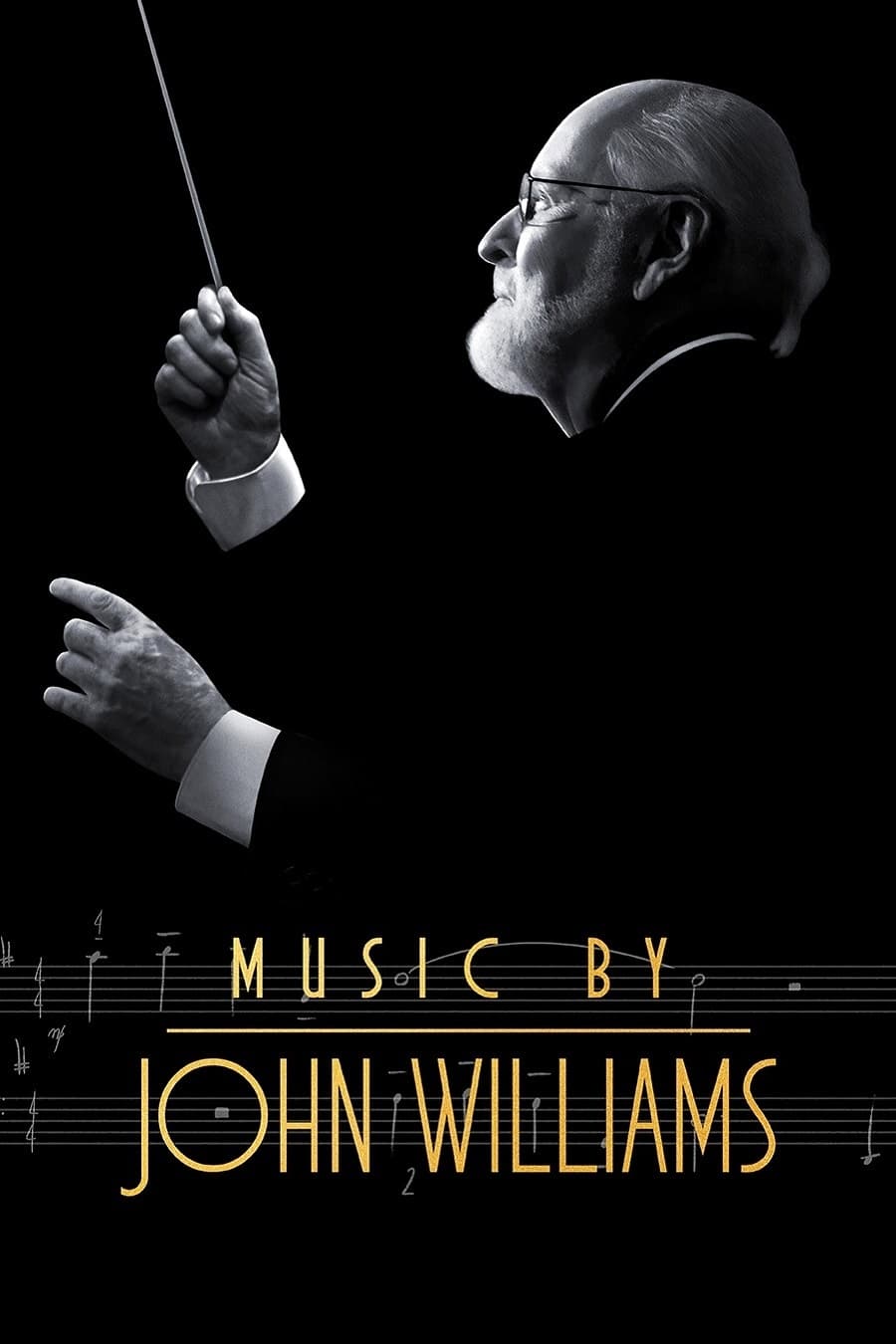
His unforgettable scores are an essential part of some of the most beloved movies of our time, over a career that spans decades. See and hear maestro John Williams' own story, with insights from filmmakers, musicians, and others he has inspired, complete with rare behind-the-scenes looks at the making of movie history.
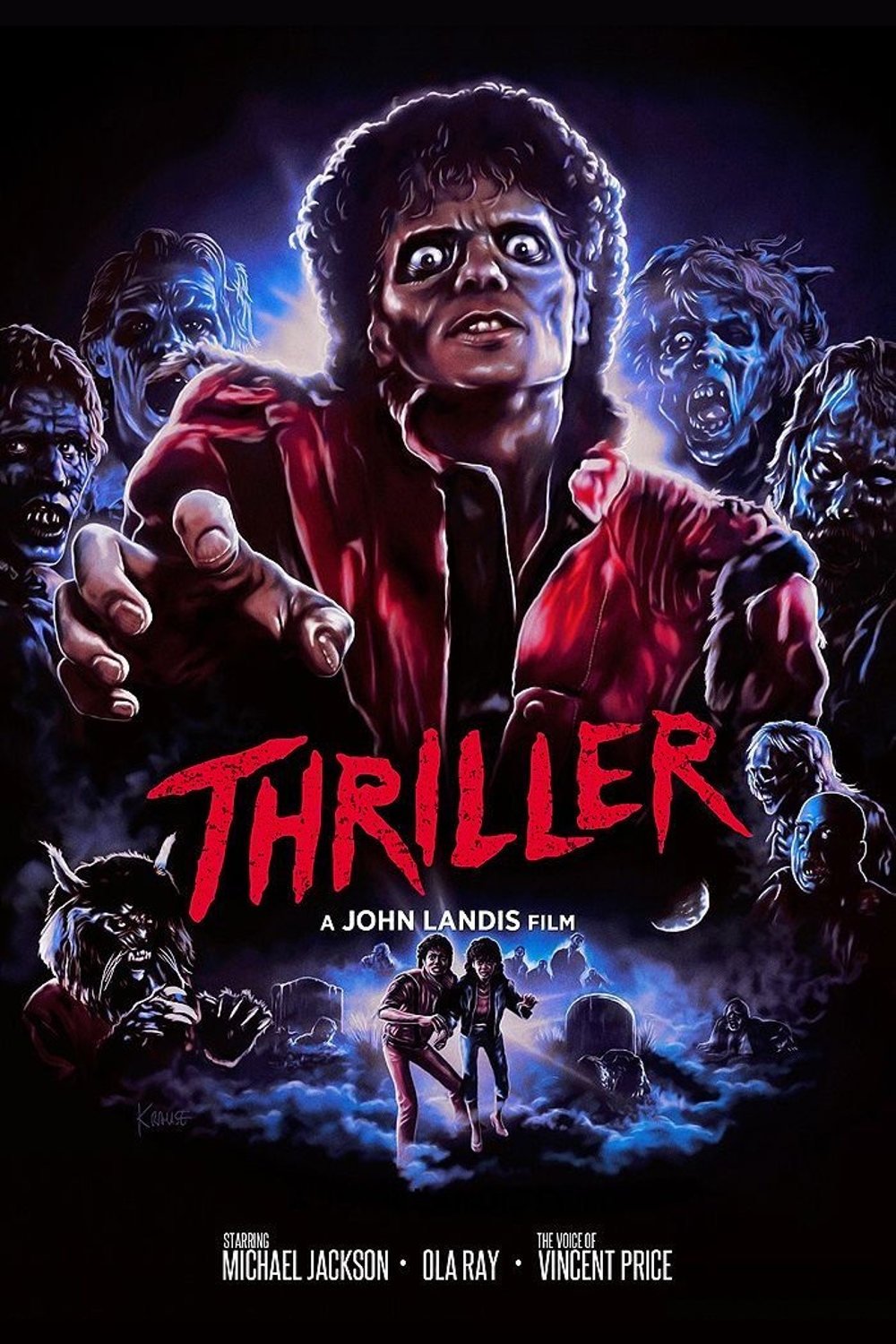
A night at the movies turns terrifying when Michael and his date are attacked by zombies. Released at the height of Thriller’s success, the short film redefined the music video, broke racial barriers, and became the first inducted into the U.S. National Film Registry.
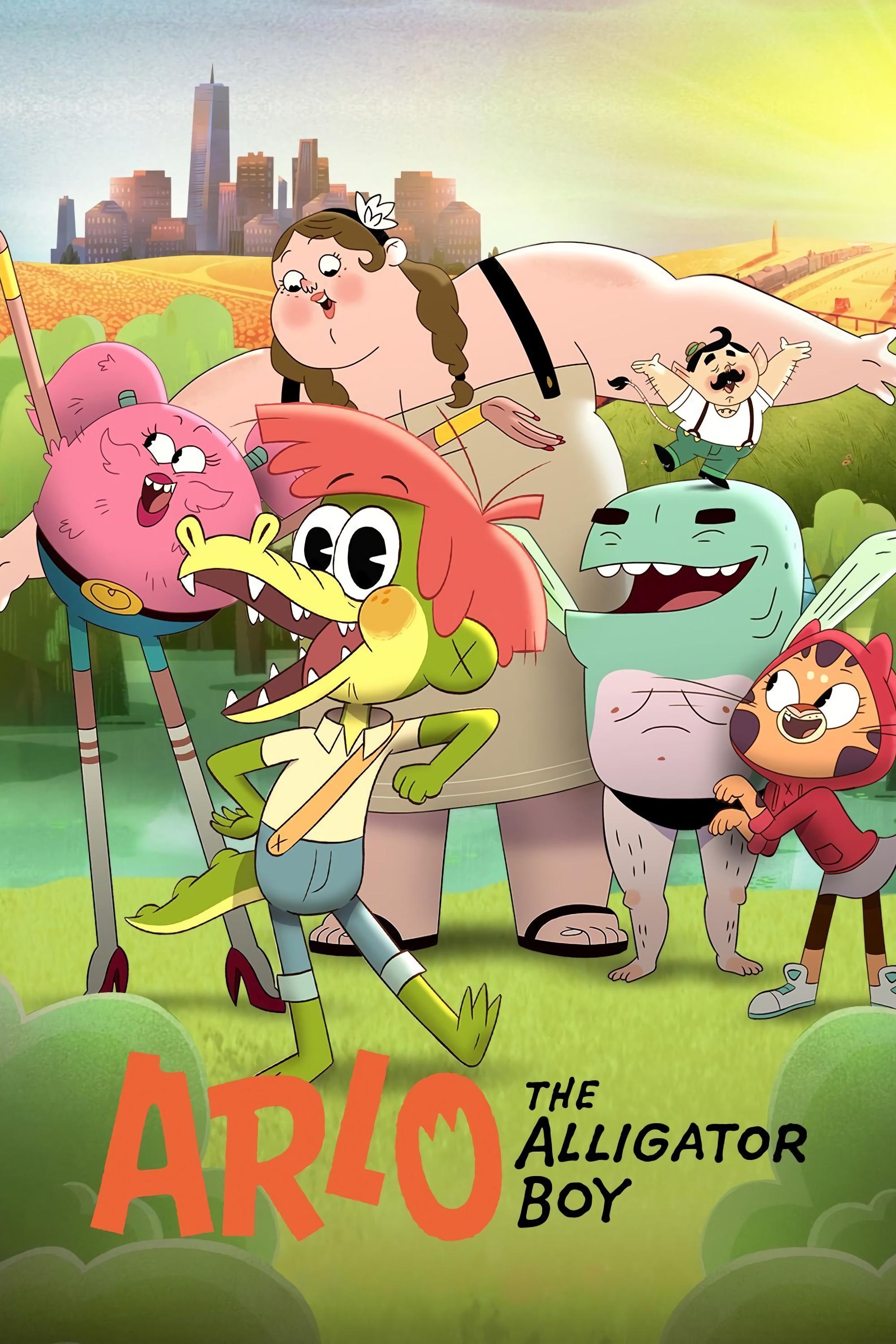
Upon learning that he is from New York City, a wide-eyed boy, who is half human and half alligator, decides to leave his sheltered life in the swamp and search for his long lost father. A musical adventure.