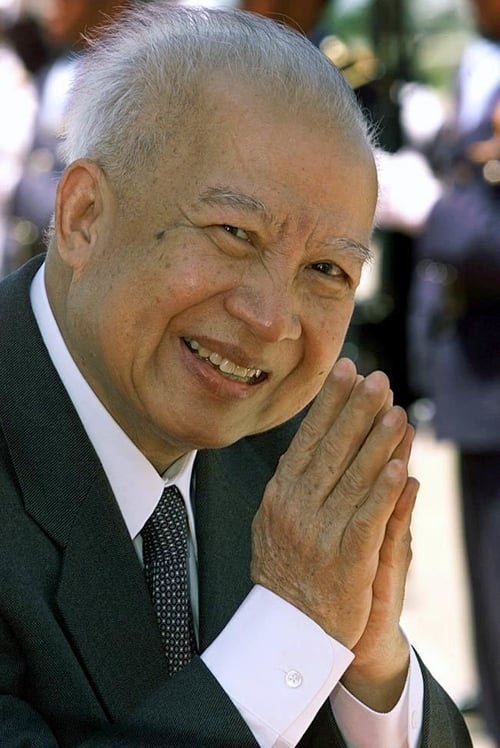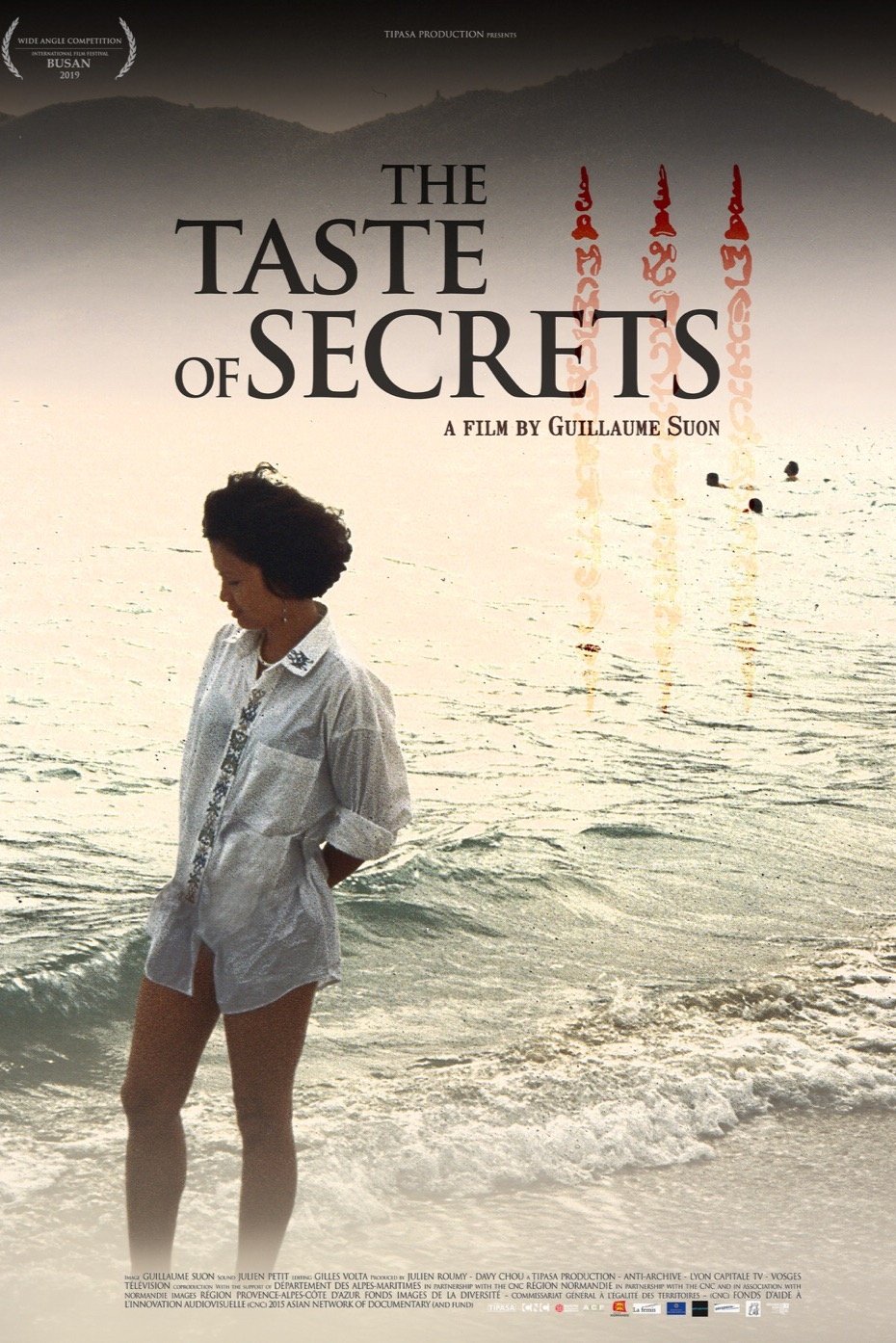
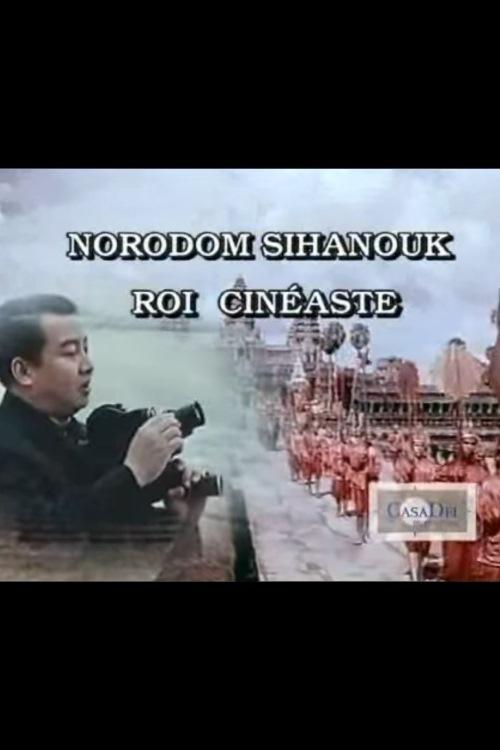
Profile of the Cambodian King Norodom Sihanouk, at the head of a country that has experienced colonization, the wars of the 20th century and the tragic period of the Khmers Rouge.
Social & External
Unknown Role
John Baumhackl recalls the early days of the Vietnam War when more and more troops were being sent into combat every month. In 1968, John's number came up and he was drafted into the conflict. Buying a camera at his company store before shipping off, he captured many battles while in a helicopter. John was near the front lines when President Nixon made the controversial decision to push into Cambodia. In John's view, this saved American lives.
An experimental film revisiting the entangled histories of borders, ancient sites, nationhood, and politics—emerging from the Thai-Cambodian border conflict under the shadow of colonial cartography, modern nation-states, and Thai political tensions.
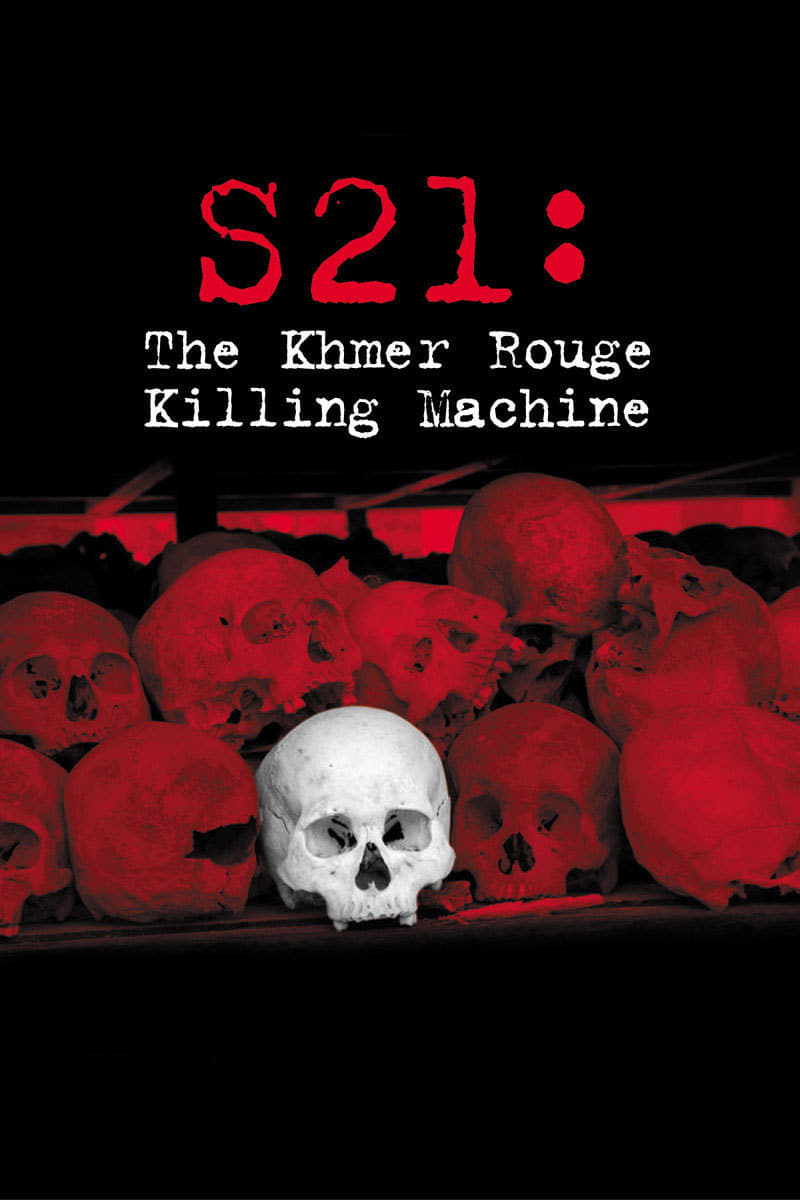
Documentary of the S-21 genocide prison in Phnom Penh with interviews of prisoners and guards. On the search for reasons why this could have happened.
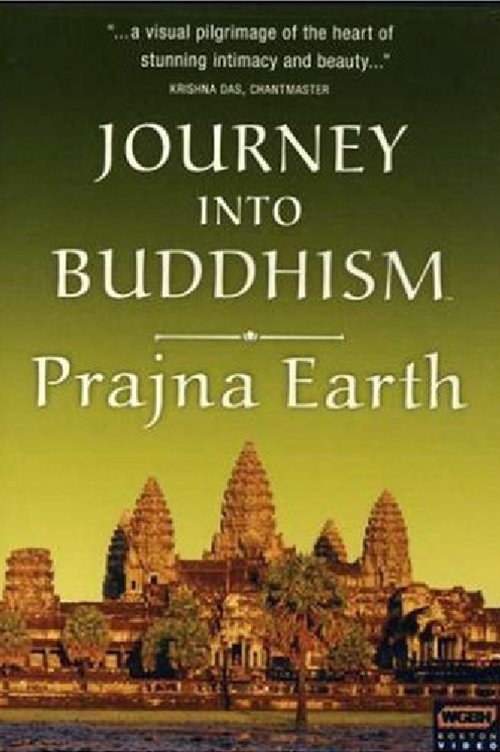
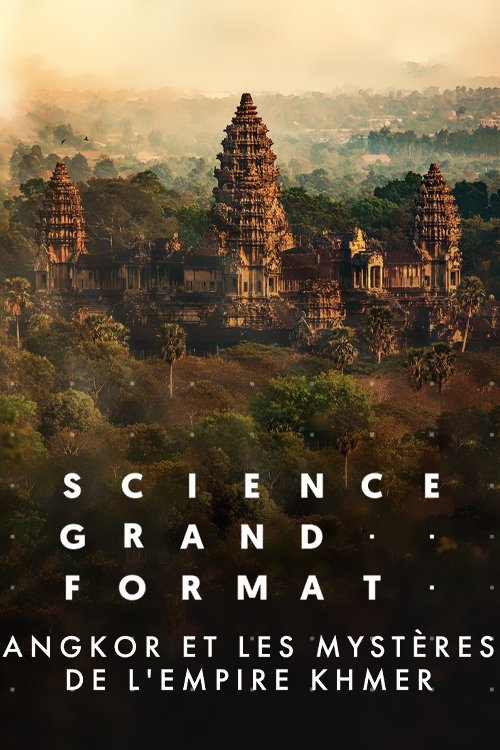
Prajna is the Sanskrit word for radiant wisdom, and yatra is the word for pilgrimage or spiritual journey. This visually stunning documentary is a cinematic pilgrimage exploring the lost civilization of Angkor in Cambodia, including the largest temple in the world, the magnificent Angkor Wat. The journey continues to sacred sites of the natural world, Hindu Bali, jungles of Java, and discovering Buddhist Borobudur. A John Bush film.
On April 17, 1975, the face of Cambodia would forever be changed. As Khmer Rouge soldiers marched into the capital city of Phnom Penh, the unsuspecting people of Cambodia had little idea they would be forced into a living nightmare that would last nearly four years. Rain Falls From Earth is a story of courage, a story of survival and a story of eventual triumph over the Communist regime that was responsible for the deaths of over two million people. The voices of many Cambodians are heard as they convey their thoughts, ideas and emotions - the very things they were forced to abandon in the "killing fields" of Cambodia. Their stories are an eyewitness account to genocide.
My mother always refused to speak about her childhood during the Cambodian genocide. Upset by her silence, my brother and I decide to follow Antoine, a grandson of Armenian genocide survivors, photographing the ghosts of his ancestors in the Middle East.
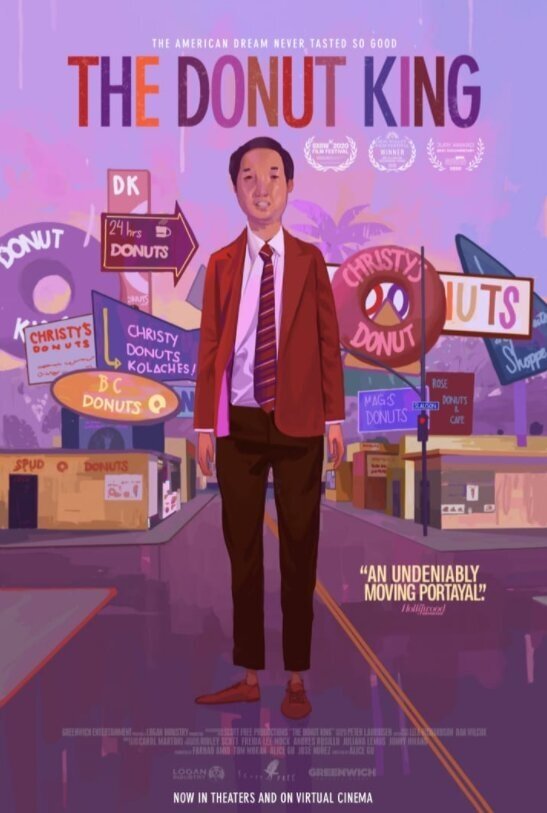
Cambodian refugee Ted Ngoy builds a multi-million dollar empire by baking America's favourite pastry: the doughnut.
Through daily routines in a rural village, an indigenous elder couple recall their strange marriage to their grand-daughter, and sometimes to each other, in the changing rhythm of nature around them.
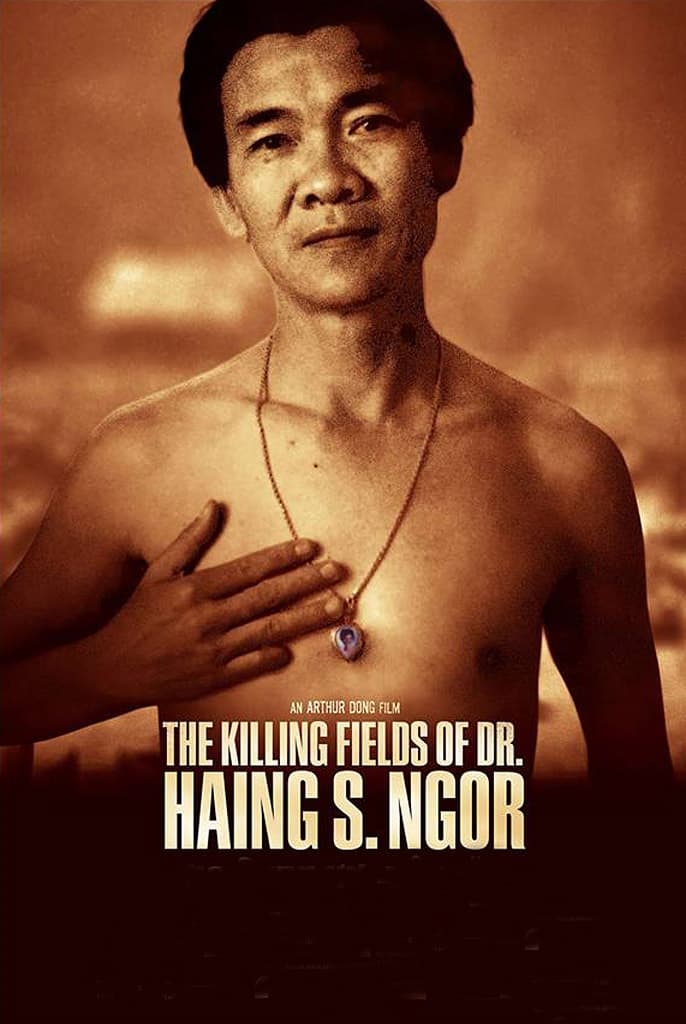
When Dr. Haing S. Ngor was forced into labor camps by the Khmer Rouge, little did he know he would escape years of torture and recreate his experiences in a film that would win him an Academy Award®. "The Killing Fields of Dr. Haing S. Ngor" tells the dramatic story about arguably the most recognizable survivor of the Cambodian genocide, a man who became a worldwide ambassador for justice in his homeland, only to be murdered in a Los Angeles Chinatown alley - a case still muddled with conspiracy theories. Through an inspired blend of original animation and rare archival material - anchored by Ngor's richly layered autobiography - the years encapsulating the Khmer Rouge's tyrannical rule over Cambodia are experienced though a politically charged transnational journey of loss and reconciliation.
Part travelogue and part sensitive investigation, the movie tells the universal story of people who refuse to be erased, reminding us that defending the Earth means defending life.
Over three million Cambodians died in the genocide between 1975 and 1979. The Khmer Rouge’s reign of terror also decimated a homegrown film industry that had flourished since 1960: movie theaters were bombed, film prints were destroyed and artists were executed. In Golden Slumbers, French-Cambodian filmmaker Davy Chou mourns this loss of lives and culture, but balances the somber material with a playfulness that honors the lush melodramas and mythic adventures of the glory years.
A powerful feature documentary about child sexploitation, an epidemic happening in every country around the world. Filmed over a four year period, REDLIGHT focuses on the personal stories of young Cambodian victims and two remarkable advocates for change: grass-roots activist Somaly Mam and politician Mu Sochua. Using gritty footage smuggled out of brothels and harrowing testimonials, REDLIGHT follows the plight of several current and former child sex slaves. Some are trying to regain entry into Cambodian society to find some semblance of normality after their horrific experiences. Other stories highlight the plight of victims who are attempting to bring the perpetrators to justice. Their torturous yet ultimately heroic battles to find witnesses and take brothel owners to court are dramatically brought to life in this topical and moving feature documentary.
Between April, 1975 and January, 1979, Pol Pot and the Khmer Rouge were responsible for the deaths of 1.7 million people in Cambodia. A quarter of the population were wiped out in one of the most brutal and virulent genocides of the twentieth century. This new film explores the life of Pol Pot, the ever-smiling, obsessively secretive leader of the Khmer Rouge. What drove him to inflict such a radical experiment on his own people? How did the Khmer Rouge turn from a band of nationalist revolutionaries into a ruthless killing machine? And why did the West stand by and let it happen?
 As an international tribunal in Cambodia finally brings the surviving leaders of the Khmer Rouge to justice, it's time to re-examine the gruesome legacy of Pol Pot.
Rithy Panh uses clay figures, archival footage, and his narration to recreate the atrocities Cambodia's Khmer Rouge committed between 1975 and 1979.
CAMBODIA/KAMPUCHEA draws on unique propaganda film and archival material from the Khmer Rouge, Vietnam and other sources. This is set against the grim realities of the Kampuchean tragedy. As a continuing theme, the film features exclusive interviews with Prince Sihanouk, who offers explanations for and insights into the role he has played in the fate of his luckless country. This definitive film study delves to the roots of the conflict, making sense of the madness, the politics and contradictions. It captures the epic spirit and passions of a people when a whole world is overturned.
During the last half-century, Cambodia has witnessed genocide, decades of war and the collapse of social order. Now, documentary filmmaker Rithy Panh looks at an irreparable tragedy that is less visible, yet no less pervasive: the spiritual death that results when young women are forced into prostitution. Angry and impassioned, PAPER CANNOT WRAP UP EMBERS presents the searing stories of poor Asian women whose lives were violated and their destinies destroyed when their bodies were turned into items of sexual commerce.
Narratives of Modern Genocide challenges the audience to experience first-person accounts of survivors of genocide. Sichan Siv and Gilbert Tuhabonye share how they escaped the killing fields of Cambodia, and the massacre of school children in Burundi. Mixing haunting animation, and expert context the film confronts our notion that the holocaust was the last genocide.
Documentary about Cambodia featuring a long interview with Pol Pot
Exil is a visionary narration of the exile of Cambodians during the Red Khmer regime, during which the country was renamed Democratic Kampuchea.
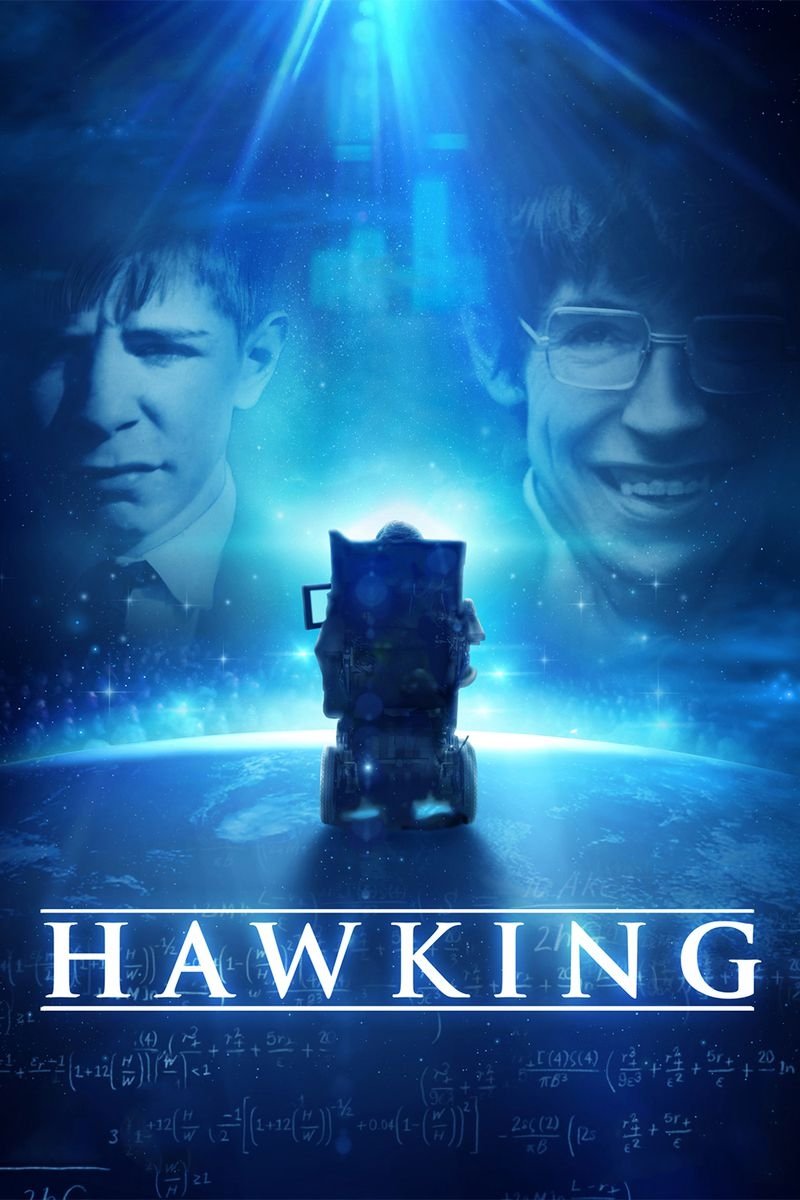
The extraordinary story of the planet’s most famous contemporary scientist, told in his own words and by those closest to him. Made with unique access to Hawking’s private life, this is an intimate and moving journey into Stephen's world, both past and present.
Lyrical and powerfully personal essay film that reflects on the deaths of her husband Lou Reed, her mother, her beloved dog, and such diverse subjects as family memories, surveillance, and Buddhist teachings.
Brilliant, long in-the-works story of the life and art of the world's greatest comedian and the cinema's first genius, Charlie Chaplin. Produced, written and directed by renowned film critic Richard Schickel.
Artists in LA discover the work of forgotten Polish sculptor Stanislav Szukalski, a mad genius whose true story unfolds chapter by astounding chapter.
The life and career of an actor, artist, and icon. His own journey through his own camera.
The life of Mr. Spock, as well as that of Leonard Nimoy, the actor who played him for almost fifty years, written and directed by his son: Adam.
A documentary that explores the downloading revolution; the kids that created it, the bands and the businesses that were affected by it, and its impact on the world at large.
The life and career of one of comedy's most inimitable modern voices, Mr. Gilbert Gottfried.
When Allied forces liberated the Nazi concentration camps in 1944-45, their terrible discoveries were recorded by army and newsreel cameramen, revealing for the first time the full horror of what had happened. Making use of British, Soviet and American footage, the Ministry of Information’s Sidney Bernstein (later founder of Granada Television) aimed to create a documentary that would provide lasting, undeniable evidence of the Nazis’ unspeakable crimes. He commissioned a wealth of British talent, including editor Stewart McAllister, writer and future cabinet minister Richard Crossman – and, as treatment advisor, his friend Alfred Hitchcock. Yet, despite initial support from the British and US Governments, the film was shelved, and only now, 70 years on, has it been restored and completed by Imperial War Museums under its original title "German Concentration Camps Factual Survey".
A documentary on the expletive's origin, why it offends some people so deeply, and what can be gained from its use.
A compilation of over 30 years of private home movie footage shot by Lithuanian-American avant-garde director Jonas Mekas, assembled by Mekas "purely by chance", without concern for chronological order.
A documentary chronicling Queen and Lambert's incredible journey since they first shared the stage together on "American Idol" in 2009.
From the heights of her modeling fame to her tragic death, this documentary reveals Anna Nicole Smith through the eyes of the people closest to her.
A documentary about how a dominant cultural and demographic institution both sustains their traditional activities and adapts to the digital revolution.
A road trip across five countries to explore the social and political movements as well as the mainstream media's misperception of South America while interviewing seven of its elected presidents.
A documentary about the sport of boxing, as seen through the eyes of champions Mike Tyson, Evander Holyfield and Bernard Hopkins.
Nine filmmakers each profile a young girl from a different part of the world to weave a global tapestry of youth in the 21st century.
Diaries, audiotapes, videotapes and testimonials from friends and colleagues offer insight into the life and career of Gilda Radner -- the beloved comic and actress who became an icon on Saturday Night Live.
A tribute to Chadwick Boseman, celebrating his life and legacy.
Those who knew iconic funnyman John Candy best share his story, in their own words, through never-before-seen archival footage, imagery, and interviews.