Social & External
Commentary (voice)
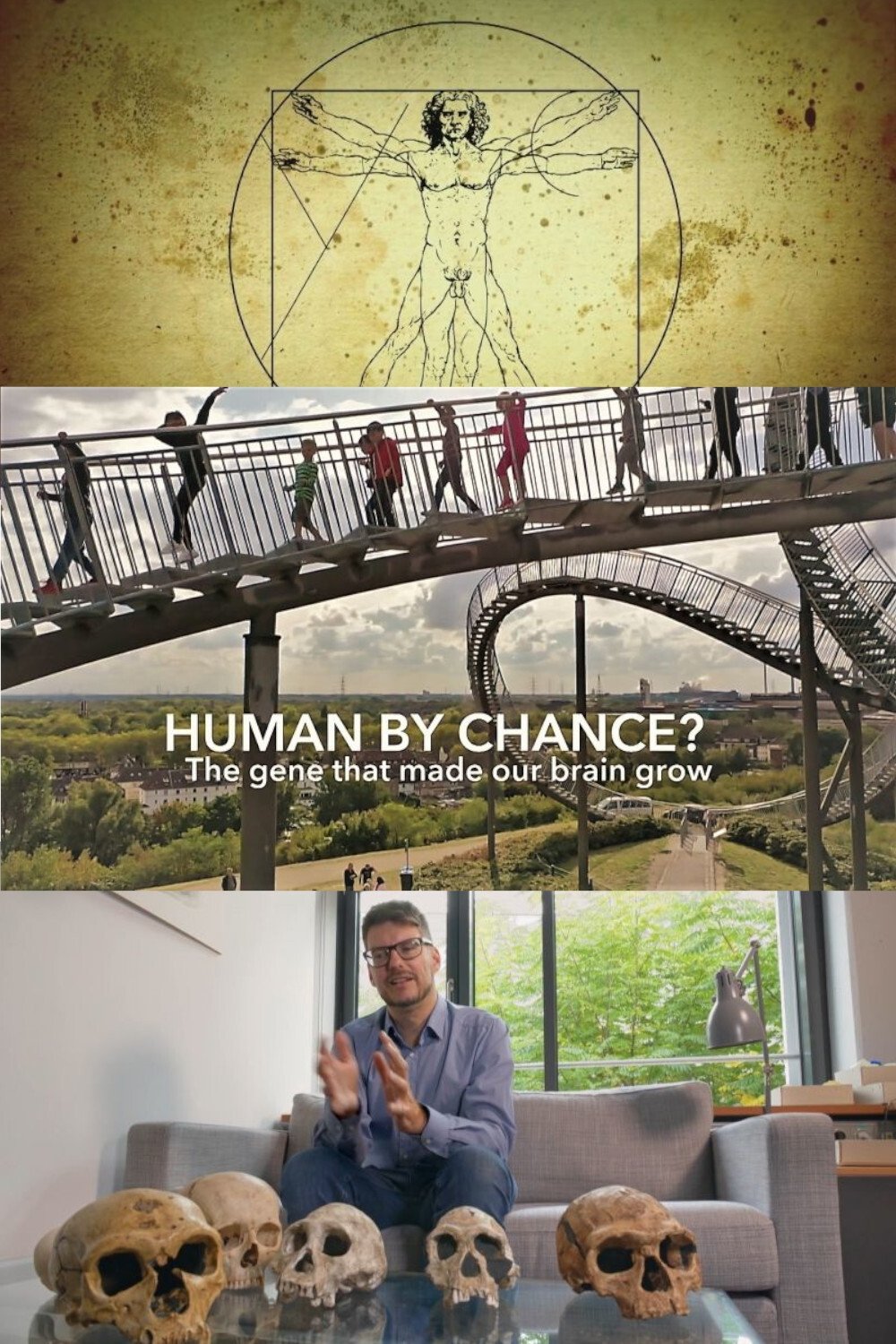
The events and coincidences that led to rapid advances in human intelligence 50,000 years ago.
If we compare ourselves with our genetically closest living relatives, the chimpanzees, we have few physical advantages. We are far weaker, cannot move nearly as fast, and do not have the same climbing capabilities. Instead, humans excel in areas such as architecture, religion, science, language, writing, art, culture, and ideas. These achievements are due to our larger brain that contain billions of neurons. It was the rapid growth of our brain, originating about 2 million years ago, that allowed us to be the predominant species of the world. What caused this rapid growth of our cerebral cortex? Researchers worldwide have asked this question for many years, but now there finally seems to be an answer.
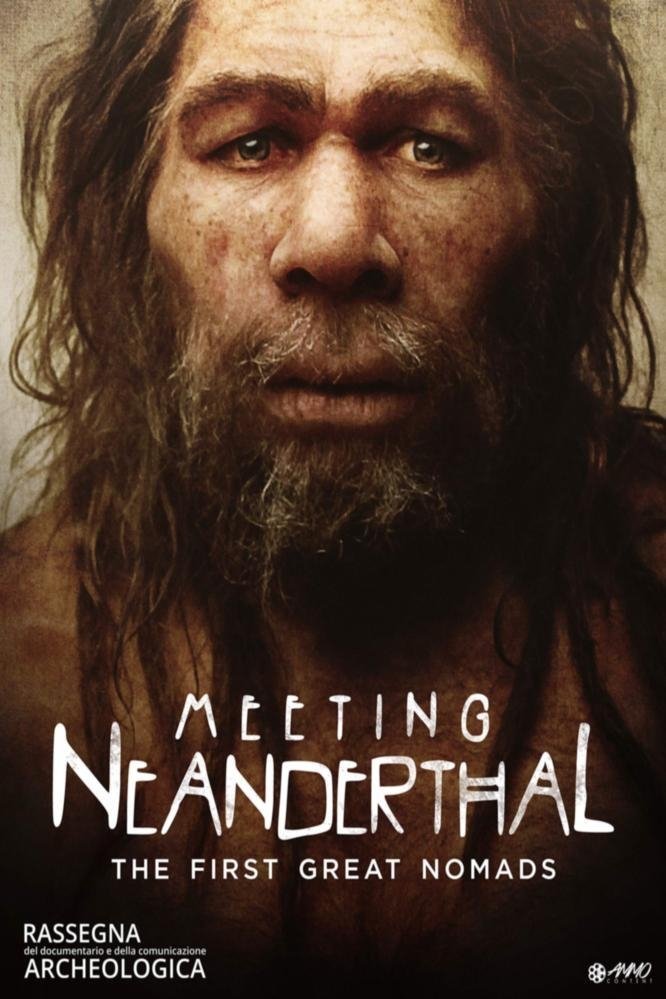
Over 60,000 years ago, the first modern humans left their African homeland and entered Europe, then a bleak and inhospitable continent in the grip of the Ice Age. But when they arrived, they were not alone: the stocky, powerfully built Neanderthals had already been living there for hundreds of thousands of years. So what happened when the first modern humans encountered the Neanderthals? Did they make love or war?
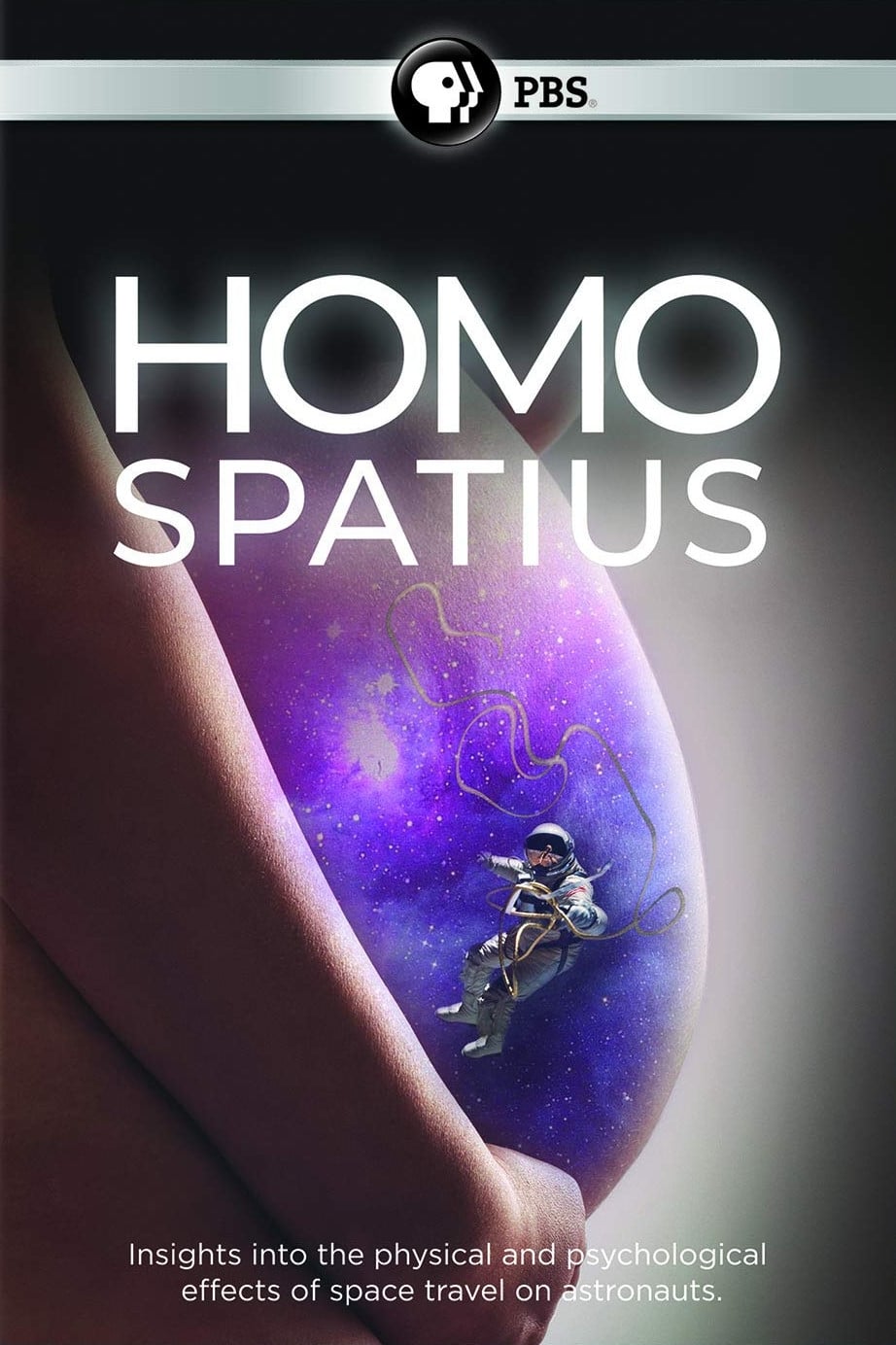
Can Homo sapiens evolve into Homo spatius? For over 50 years now, we have been testing our human nature in our effort to conquer outer space, and still 30 years away from a possible human exploration of Mars, a question remains: Can our body take such travels? Will it ever adapt? Combining human adventure and the exploration of the human body, this film offers unique insights into the physical and psychological effects of space travel on the Astronauts and measures the impact on medical sciences.
The cutting edge group known as transhumanists see a beautiful future brought about by artificial intelligence, life extension, and cybernetics. What one must realize before getting carried away with such utopian dreams is that transhumanism was born out of the elitist pseudo-science eugenics. This documentary provides vital information on the history of eugenics and its new cutting edge transformation.
Looking at whether the history of early human evolution should be rewritten. For decades, most experts have been convinced that Africa is the cradle of mankind and many fossil finds from Kenya, Ethiopia, South Africa and Chad seemed to prove it.
With the rapid advancements in artificial intelligence, the line between humans and machines continues to blur, and everything is evolving at an astonishing pace as this technology offers tantalizing promises. However, some researchers, including 2024 Nobel Prize in Physics laureate Geoffrey Hinton, warn about its exponential power. A deep dive into the dizzying complexities of AI.
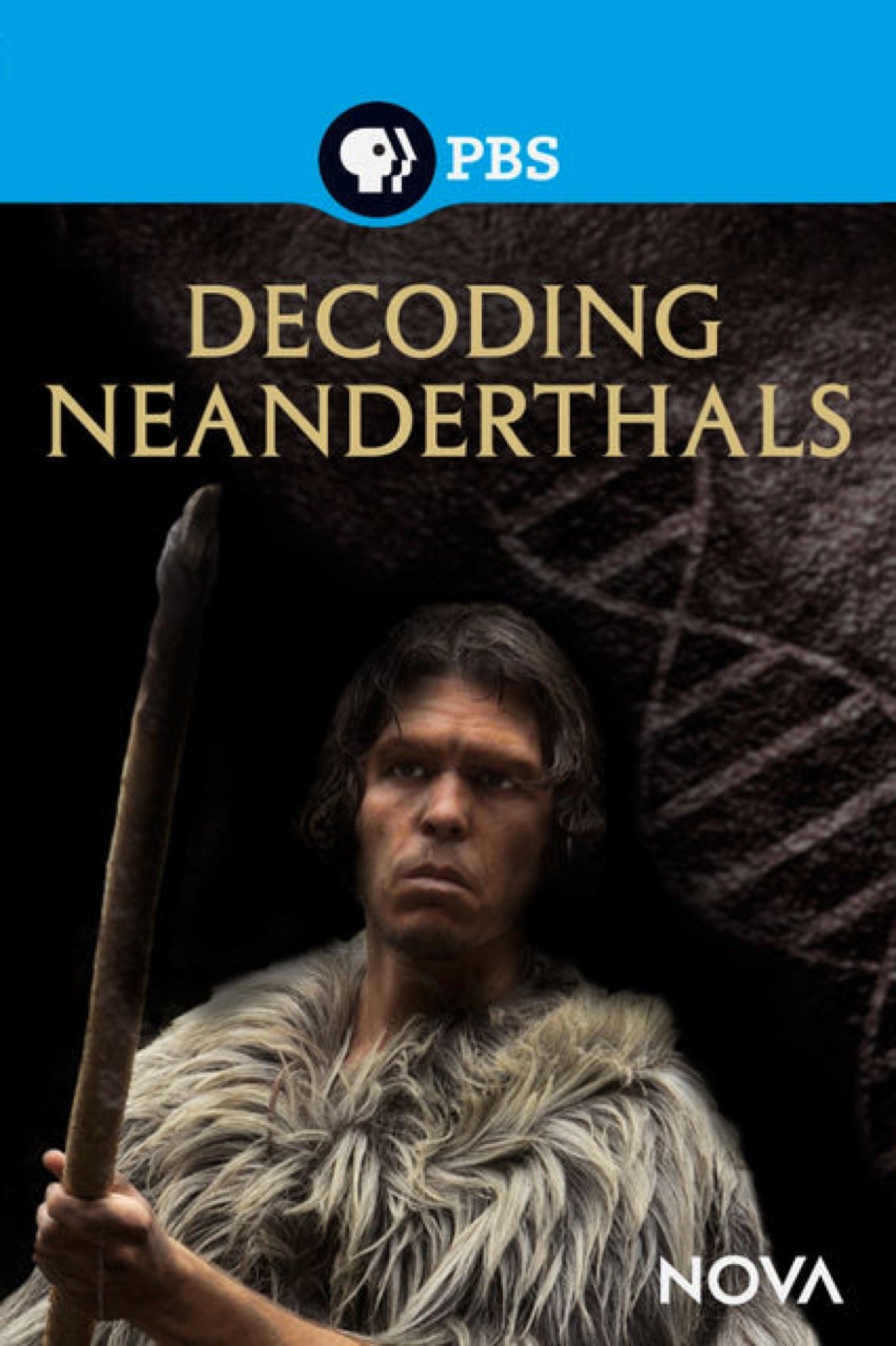
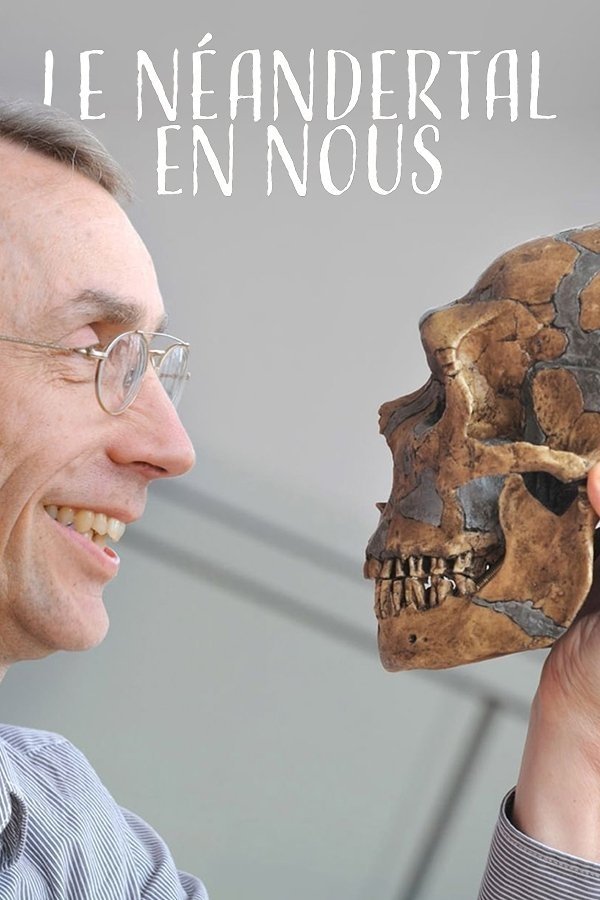
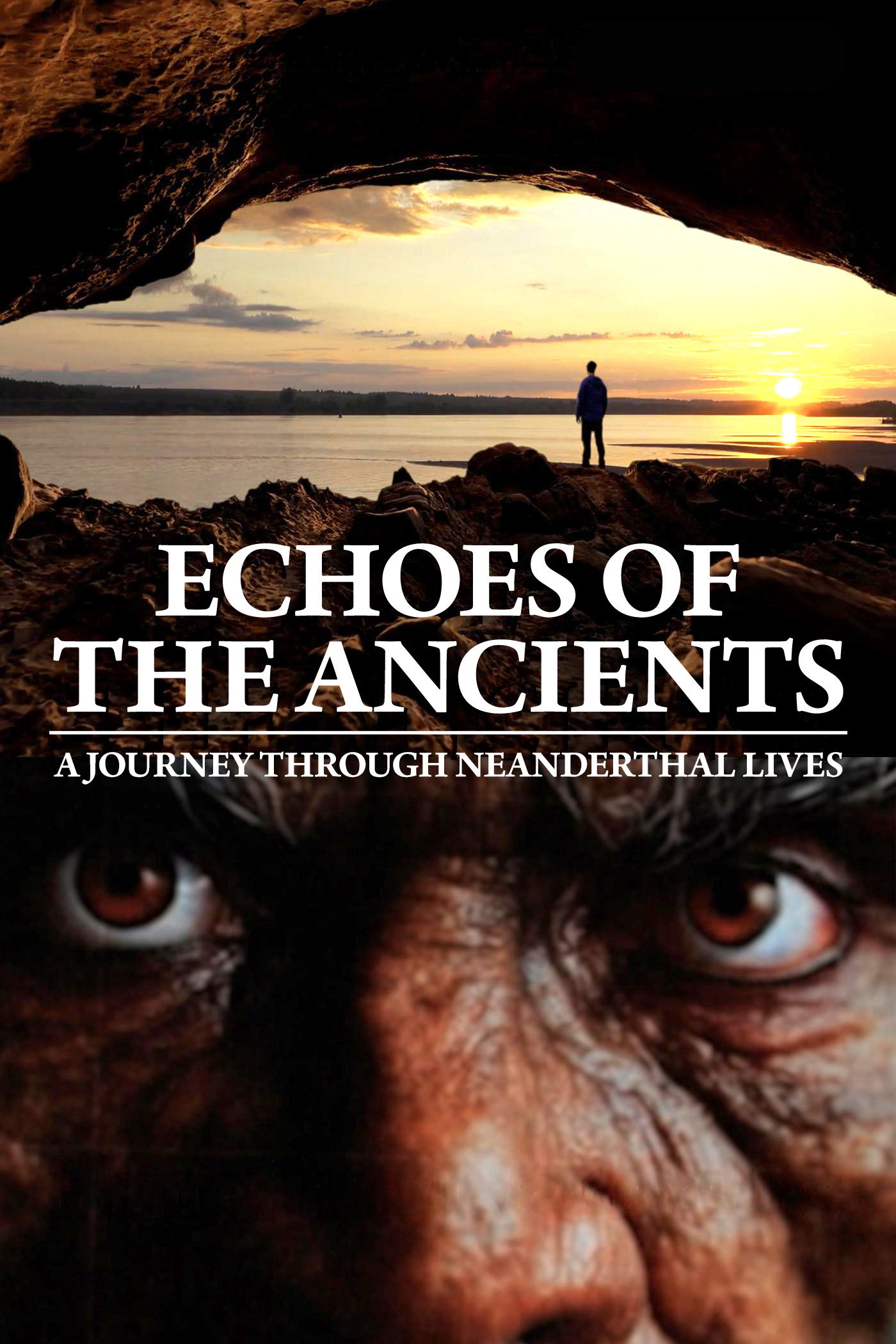
This documentary delves into the mysteries surrounding the Neanderthals and what their fossil record tells us about their lives and disappearance.
Neandertal man disappeared abruptly 30,000 years ago. Who was that "other" man and what is the most plausible hypothesis leading to his extinction? An investigation using all current knowledge available tries to answer these questions.
This series incorporates the latest animated 3D films to explore recent discoveries about human history, especially in Asia.
In the docudrama "Les Derniers Secrets de l'humanité" (The Last Secrets of Humanity), author and director Jacques Malaterre and paleoanthropologist and professor at the Collège de France Yves Coppens reveal the incredible adventure of Asian prehistory. How does science help to reconstruct these bygone times in images? Thanks to discoveries made at excavation sites and in analysis and genetics laboratories, researchers are now revealing this distant, vanished past.
The great follow-up to 'Walking with Dinosaurs' and 'Walking with Beasts', presented by Professor Robert Winston, explains the story of human evolution.
Narrator Lawrence Dobkin examines unusual paranormal activities and conspiracy theories in several eerie segments. Subjects include flying saucers and alien encounters, the disappearance of Atlantis, the Bermuda Triangle and the origins of Bigfoot, telekinesis, witchcraft, and the unusual notion that human evolution and technology might have been moved forward with assistance from intelligent extraterrestrial beings.
Explores the story behind the discovery of an early primate fossil, Darwinius masillae, nicknamed Ida, in a shale quarry in Germany. The fossil is believed to be around 47 million years old, and is extraordinarily well-preserved. Originally unearthed in 1983, Ida lay in the hands of a private collector for 20 years before it was shown to a Norwegian paleontologist, Dr Jørn Hurum. Realising that Ida could turn out to be a significant missing link between modern primates, lemurs and lower mammals, he persuaded the Natural History Museum in Oslo to purchase the fossil and assembled an international team of experts to study it. Their findings were announced in a press conference and the online publication of a scientific paper on 19 May 2009.
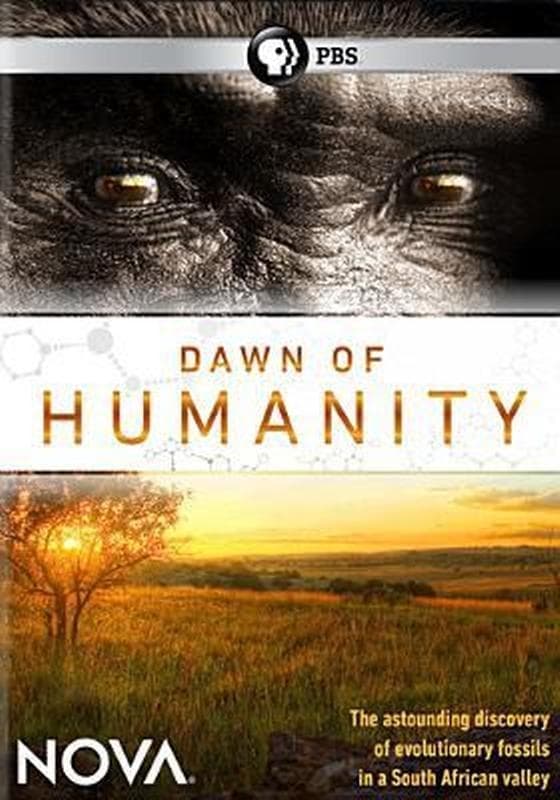
NOVA's groundbreaking investigation explores how new discoveries are transforming views of our earliest ancestors. Becoming Human explores the origins of us -where modern humans and our capacities for art, invention, and survival came from, and how our social history led to 3-5% of our genetic heritage being Neanderthal. Featuring interviews with world-renowned scientists, footage shot in the trenches as fossils were unearthed, and stunning computer-generated animation, Becoming Human brings early hominids to life, examining how they lived and how we became the creative and adaptable modern humans of today. In gripping forensic detail, we meet: Selam, the amazingly complete remains of a 3 million year-old child, packed with clues to why we split from the apes, came down from the trees, and started walking upright; Turkana Boy -a tantalizing fossil of Homo erectus, the first ancestor to leave Africa and colonize the globe. What led to this first great African exodus?
40, 000 years ago the steppes of Eurasia were home to our closest human relative, the Neanderthals. Recent genetic and archaeological discoveries have proven that they were not the dim-witted cave dwellers we long thought they were. In fact, they were cultured, technologically savvy and more like us than we ever imagined! So why did they disappear? We accompany scientists on an exciting search for an answer to this question and come to a startling conclusion …
In Morocco, new excavations on the site of Jebel Irhoud upset the generally accepted view of the dating of the appearance of man.
For Millions of years, our planet has been floating in space. Millions of creatures have lived on its surface. Many a quaint being was among them, but they affected only our, human imagination, for in the evolutionary struggle we are the only ones who have obtained the advantage of reason.
Host Neil deGrasse Tyson tackles one of science's major challenges in each segment of Where Did We Come From? He will guide us as he explores dramatic discoveries and the frontiers of research that connect each central, provocative mystery. Program includes: Revealing the Origins of Life; Origins of the Solar System; Lice and Human Evolution; and Profile: Andre Fenton
The life and career of one of comedy's most inimitable modern voices, Mr. Gilbert Gottfried.
JB Smoove and Martin Starr host a celebration of 20 years of "Spider-Man" movies, from the Sam Raimi trilogy to Marc Webb's movies and the trio from Jon Watts.
A candid look at rehearsal footage in support of a focus on pre-viz.
A documentary about the making of season five of the acclaimed AMC series Breaking Bad.
A detailing of the rise to prominence and global sporting superstardom of six supremely talented young Manchester United football players (David Beckham, Nicky Butt, Ryan Giggs, Paul Scholes, Phil and Gary Neville). The film covers the period 1992-1999, culminating in Manchester United's European Cup triumph.
The Making-of James Cameron's Avatar. It shows interesting parts of the work on the set.
Through deeply personal interviews with her siblings and an examination of the photographs, letters, and belongings left behind, Mariska assembles a new portrait of her mother Jayne Mansfield, an extraordinary and complex woman.
The compelling feature-length documentary film, by director Barry Ptolemy, chronicles the life and controversial ideas of luminary Ray Kurzweil. For more than three decades, inventor, futures, and New York Times best-selling author Ray Kurzweil has been one of the most respected and provocative advocates of the role of technology in our future.
A documentary about how a dominant cultural and demographic institution both sustains their traditional activities and adapts to the digital revolution.
Alex Gibney explores the charged issue of pedophilia in the Catholic Church, following a trail from the first known protest against clerical sexual abuse in the United States and all way to the Vatican.
Brilliant, long in-the-works story of the life and art of the world's greatest comedian and the cinema's first genius, Charlie Chaplin. Produced, written and directed by renowned film critic Richard Schickel.
A documentary that explores the downloading revolution; the kids that created it, the bands and the businesses that were affected by it, and its impact on the world at large.
A comedic, brutally honest documentary following self-destructive TV writer Dan Harmon as he takes his live podcast on a national tour.
Those who knew iconic funnyman John Candy best share his story, in their own words, through never-before-seen archival footage, imagery, and interviews.
Film adaptation of French economist Thomas Piketty's ground-breaking global bestseller of the same name: an eye-opening journey through wealth and power.
An inside look at one of the most anticipated movie sequels ever with James Cameron and cast.
The life and career of an actor, artist, and icon. His own journey through his own camera.
A compilation of over 30 years of private home movie footage shot by Lithuanian-American avant-garde director Jonas Mekas, assembled by Mekas "purely by chance", without concern for chronological order.
Serial killer Dennis Nilsen narrates his life and horrific crimes via a series of chilling audiotapes recorded from his jail cell.