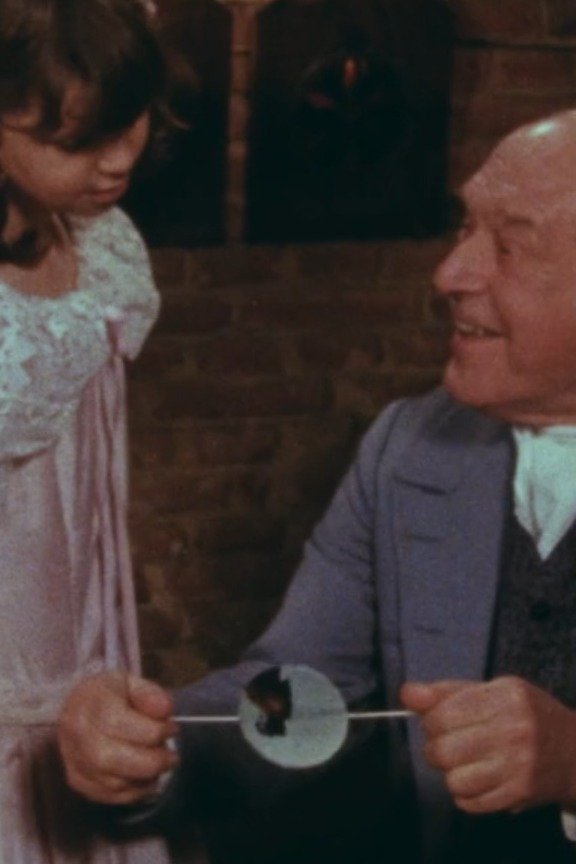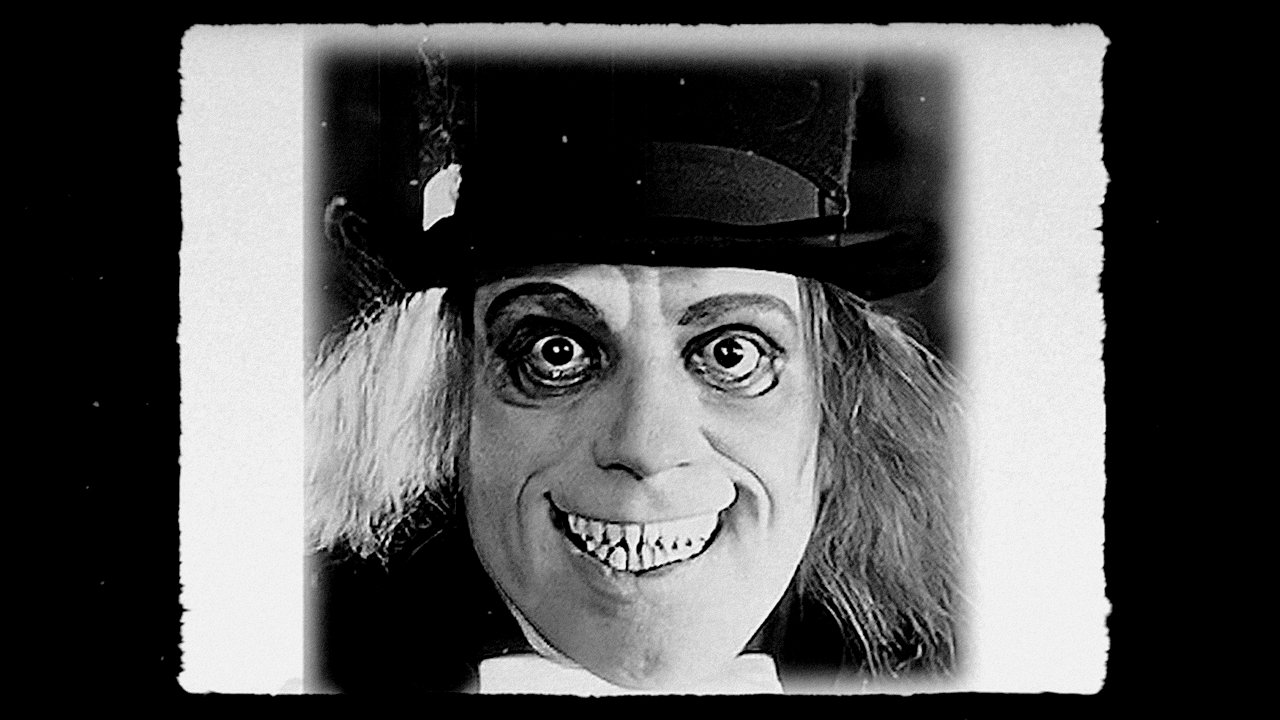
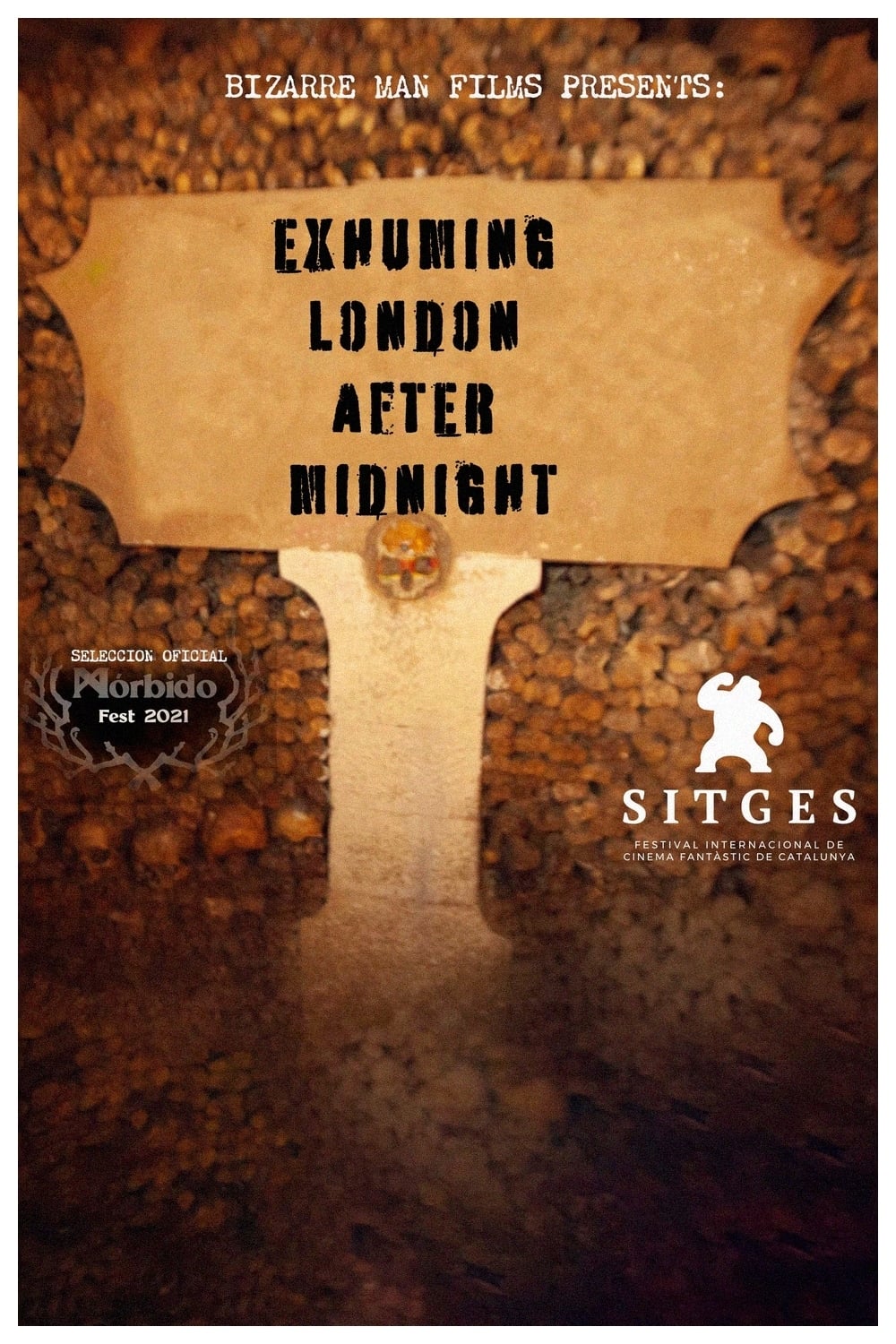
London After Midnight (1927), directed by Tod Browning and starring Lon Chaney, is the most sought-after lost film by fans of fantastic cinema. Has this mythical treasure finally been found in an old South American cinema?
Social & External
An exploration —manipulated and staged— of life in Las Hurdes, in the province of Cáceres, in Extremadura, Spain, as it was in 1932. Insalubrity, misery and lack of opportunities provoke the emigration of young people and the solitude of those who remain in the desolation of one of the poorest and least developed Spanish regions at that time.
Jean Rochefort, Jean-Pierre Marielle, Philippe Noiret - This is the story of a bunch of friends. Comedian buddies. Actors who dreamed of the Conservatory and the National Theater of Paris. The theater was their ideal, cinema will be their paradise. Their friend Jean-Paul Belmondo, the relaxed Parisian, who failed the entrance exam, will make sparks fly. Rochefort, Marielle and Noiret, the three provincials, will climb the steps of recognition one by one. From the little cabarets on the Left Bank to the TV shows of the Buttes-Chaumont pioneers. From the second roles to the first and from the B movies to the classics.
Women are lucky, they get to have the only organ in the human body dedicated exclusively for pleasure: the clitoris! In this humorous and instructive animated documentary, find out its unrecognized anatomy and its unknown herstory.
Orson Welles acted in Brazilian culture and music by deeply researching Brazil's historical geology, consciously completing a legendary cultural mission. Although being turned down by Hollywood producers, he developed a triumphantly accomplished mission in the language domain - three friends of Welles' testified his love for cinema, his passion for Brazilian music and people and his obstinate endurance against formidable pressures coming from inside and outside Hollywood regarding his unfinished "It's All True".
A poetic journey from the darkness of dawn into the brightness of the midday sun in the American South. Filmed over the course of six months on one bus route in Durham, North Carolina, this film is a celebration of light and a meditation on leaving.
This FitzPatrick Traveltalk short visits Guatemala City, touching upon its sights, customs, and history.
The history of Frankenstein's journey from novel to stage to screen to icon.
"Lionpower from MGM" (1967) is an exciting 60's promotional short subject, which showcases MGM's releases for the 1967-68 film season under a "five seasons" theme--fall, winter, spring, summer--plus a "fabulous fifth season". The main music is set to the rousing theme from "The Magnificent Yankee" composed by David Raksin in 1950. The promo is narrated by some of the best voice-over actors of the time, and is an excellent time capsule of a by-gone era.
An isolated village in the Lithuanian countryside. Seated in her house, an elderly woman recites an old folk story. Then she climbs up the tall ladder that takes her to the rooftop of the church.
“Let’s describe it as a desire to be outward followed by a fear of being seen,” The 1975’s Matty Healy tells Apple Music. “I think that is the conversation that happens in this record.” This short film finds Healy reflecting on his motivations and complexities as he and his bandmates reveal the ideas that fuelled their fourth album, Notes on a Conditional Form. It’s a unique and unguarded look at one of Britain’s most venturous bands.
In 1967, de Andrade was invited by the Italian company Olivetti to produce a documentary on the new Brazilian capital city of Brasília. Constructed during the latter half of the 1950s and founded in 1960, the city was part of an effort to populate Brazil’s vast interior region and was to be the embodiment of democratic urban planning, free from the class divisions and inequalities that characterize so many metropolises. Unsurprisingly, Brasília, Contradições de uma Cidade Nova (Brasília, Contradictions of a New City, 1968) revealed Brasília to be utopic only for the wealthy, replicating the same social problems present in every Brazilian city. (Senses of Cinema)
Elem Klimov's tribute to his late wife, director Larisa Shepitko, killed in a car accident a year earlier. Features excerpts from all of her films, and archival audio of her discussing life and art.
In the late sixties, Spanish cinema began to produce a huge amount of horror genre films: international markets were opened, the production was continuous, a small star-system was created, as well as a solid group of specialized directors. Although foreign trends were imitated, Spanish horror offered a particular approach to sex, blood and violence. It was an extremely unusual artistic movement in Franco's Spain.
This short film focuses on the job of the Hollywood screenwriter.
The story of how Aurora Mardiganian (1901-94), a survivor of the Armenian genocide perpetrated by the Ottoman Empire (1915-17), became a Hollywood silent film star.
Alcoholism and its Ill-Effects was considered to be one of the most popular science propaganda (or educational) films produced in Russia before the revolution of 1917. Alexander Khanzhonkov, the most prominent Russian film producer of that era, financed a special department dedicated to non-fictional cinema, despite the fact that such films were not commercially successful. Unfortunately, not a single copy of the film has survived to the present day. All that remains are 12 frames, which were used by Izvolov to create this reconstruction. He also used extracts from critical reviews, published at the time of the film’s release, to produce a soundtrack.
A 16 year old girl recalls the last moments of her summer vacation, spent with friends in the Laurentians north of Montreal. She reminisces about their talks on life, death, love, and God. Shot in direct cinema style, working from a script that left room for the teenagers to improvise and express their own thoughts, the film sought to capture the immediacy of the youths presence their bodies, their language, their environment.
João Pedro Rodrigues answers the question from the title with an autobiographical short-film.
An animated film about the history and use of hot water.
A cinephile collage, both historical and philosophical, of films on artificial intelligence, cyberspace and virtual reality, from 1981 to 2001: cinema as a way and an instrument to cope with humanity's euphoria, anxiety, fear and obsession with technology.
The history of cinematic sound, told by legendary sound designers and visionary filmmakers.
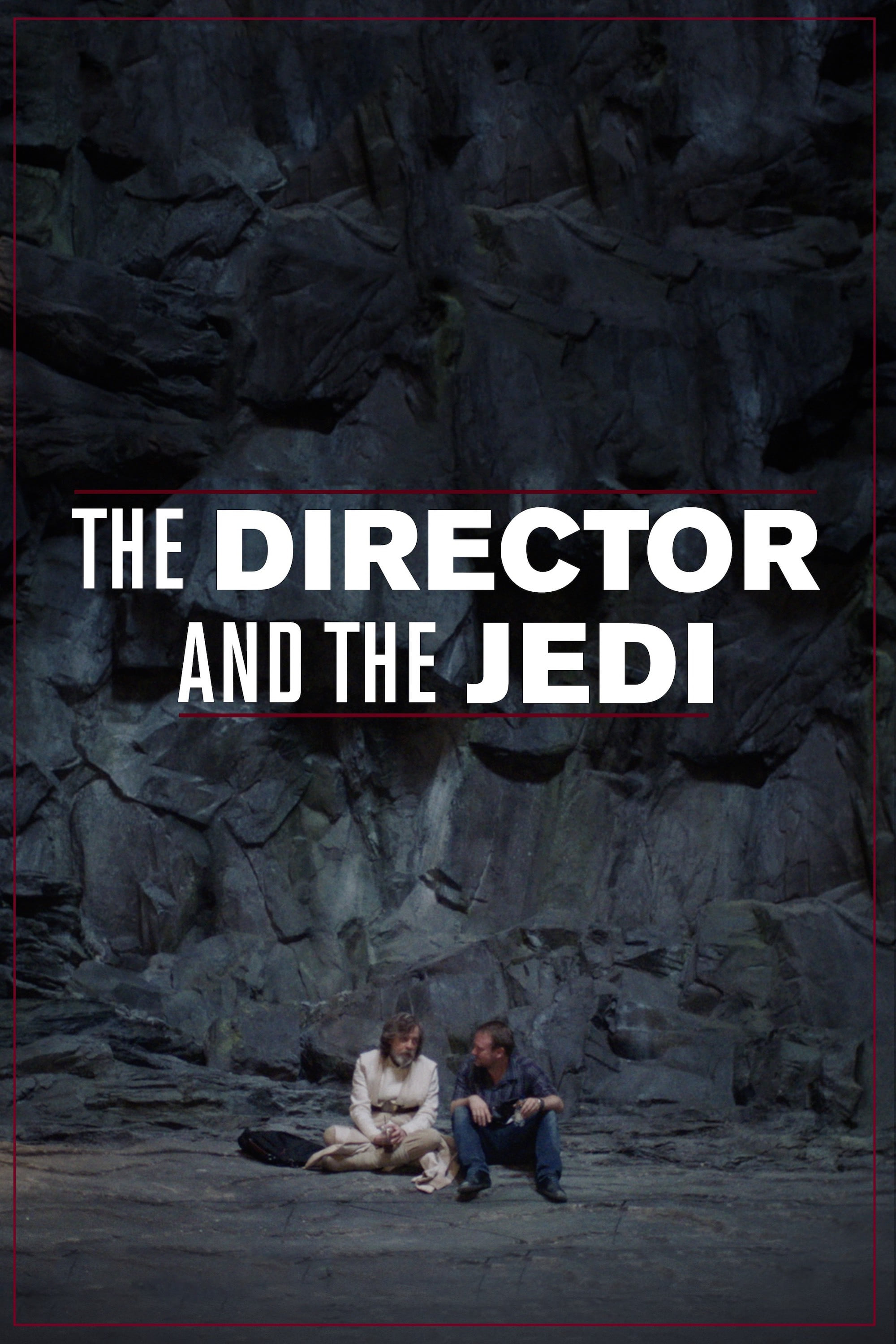
An intimate documentary delving into Rian Johnson's process as he comes in as a director new to the Star Wars universe.
During the 1982 Cannes Film Festival, Wim Wenders asked a number of global film directors to, one at a time, go into a hotel room, turn on the camera, and answer a simple question: "What is the future of cinema?"
Daniel Craig candidly reflects on his 15 year adventure as James Bond. Including never-before-seen archival footage from Casino Royale to the upcoming 25th film No Time To Die, Craig shares his personal memories in conversation with 007 producers, Michael G Wilson and Barbara Broccoli.
Cameramen and women discuss the craft and art of cinematography and of the "DP" (the director of photography), illustrating their points with clips from 100 films, from Birth of a Nation to Do the Right Thing. Themes: the DP tells people where to look; changes in movies (the arrival of sound, color, and wide screens) required creative responses from DPs; and, these artisans constantly invent new equipment and try new things, with wonderful results. The narration takes us through the identifiable studio styles of the 30s, the emergence of noir, the New York look, and the impact of Europeans. Citizen Kane, The Conformist, and Gordon Willis get special attention.
A subjective documentary that explores various theories about hidden meanings in Stanley Kubrick's classic film The Shining. Five very different points of view are illuminated through voice over, film clips, animation and dramatic reenactments.
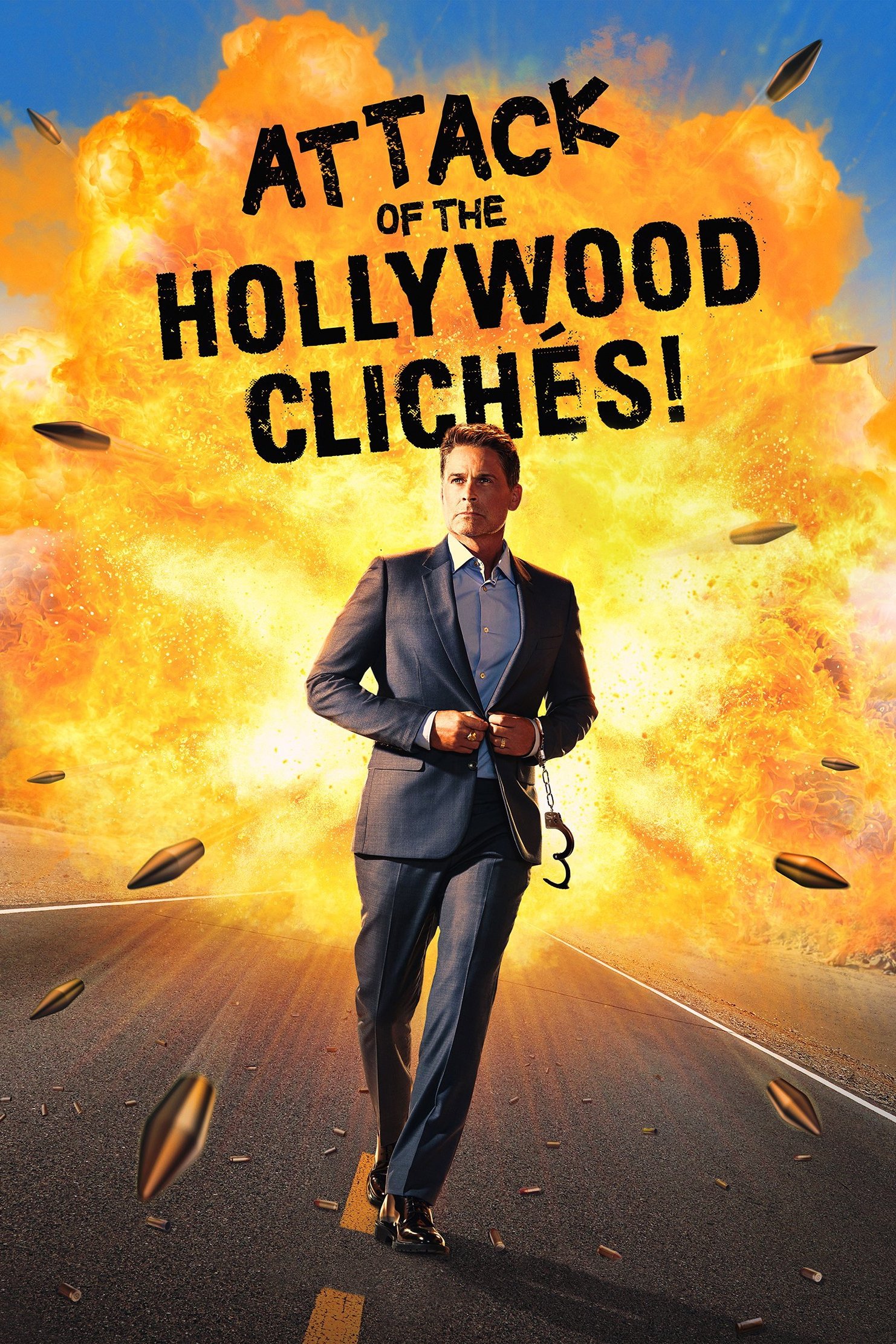
One-man armies, meet-cutes, casual strolls away from huge explosions — stars and industry insiders toast and roast these cinematic chestnuts and more.
SEDUCED AND ABANDONED combines acting legend Alec Baldwin with director James Toback as they lead us on a troublesome and often hilarious journey of raising financing for their next feature film. Moving from director to financier to star actor, the two players provide us with a unique look behind the curtain at the world's biggest and most glamourous film festival, shining a light on the bitter-sweet relationship filmmakers have with Cannes and the film business. Featuring insights from directors Martin Scorsese, 'Bernando Bertolucci' and Roman Polanski; actors Ryan Gosling and Jessica Chastain and a host of film distribution luminaries.
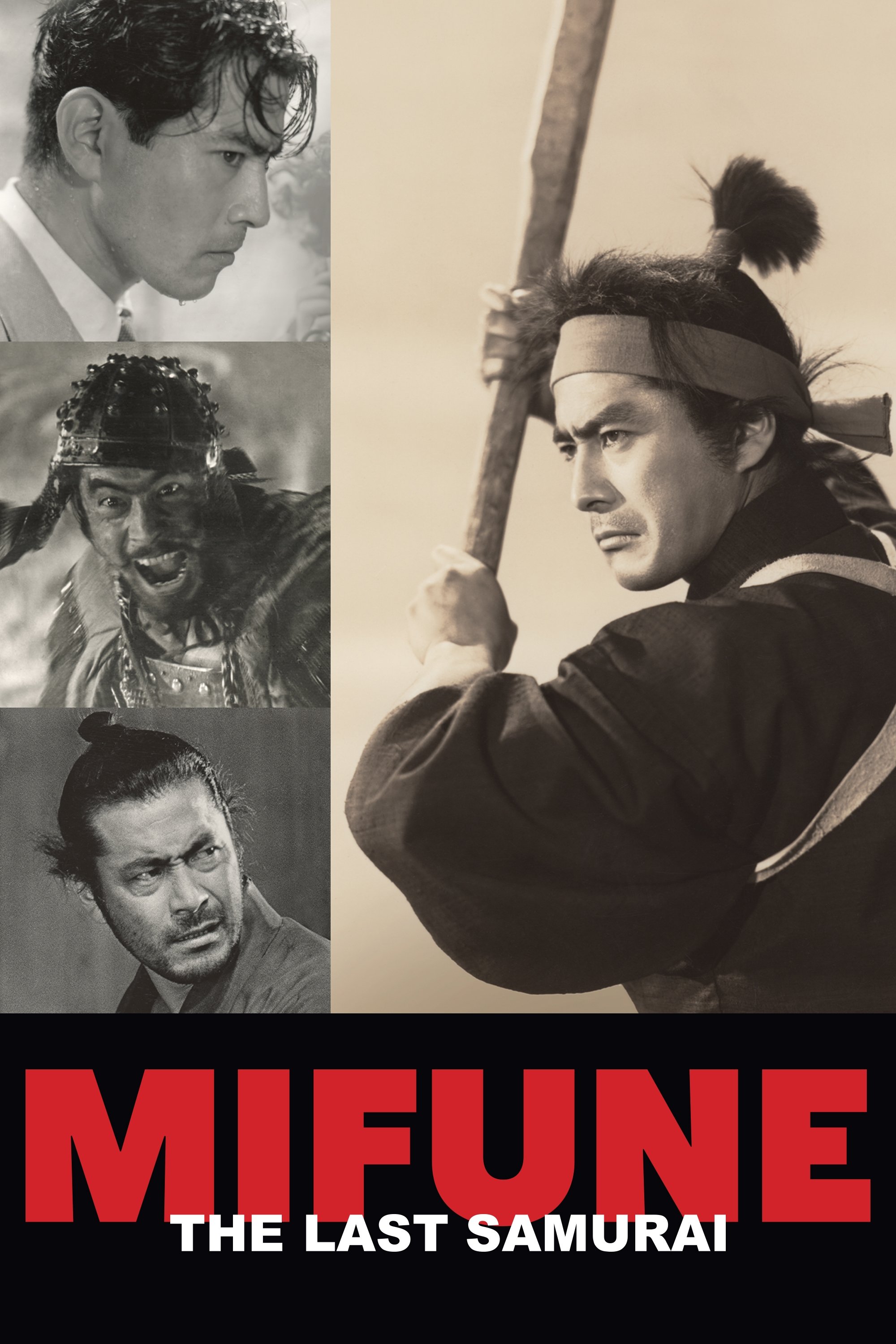
An account of the life and work of legendary Japanese actor Toshirō Mifune (1920-97), the most prominent actor of the Golden Age of Japanese cinema.
Join director Clint Eastwood and his creative team, along with Bradley Cooper and Sienna Miller, as they overcome enormous creative and logistic obstacles to make a film that brings the truth of Navy SEAL Chris Kyle's story to the screen.
Featuring interviews with filmmakers and industry legends, discover the origins and evolution of The Joker, and learn why The Clown Prince of Crime is universally hailed as the greatest comic-book supervillain of all time.
A feature length documentary about the all-women team at the helm of Pixar's original feature, Turning Red. With unprecedented behind-the-scenes access to Director Domee Shi and her core leadership crew, this story shines a light on the powerful professional and personal journeys that brought this incredibly comical, utterly relatable, and deeply heartfelt story to the screen.
A compilation of over 30 years of private home movie footage shot by Lithuanian-American avant-garde director Jonas Mekas, assembled by Mekas "purely by chance", without concern for chronological order.
The life story of ‘Zen Anarchist’ filmmaker John Milius, one of the most influential storytellers of his generation.
John Cazale was in only five films – The Godfather, The Conversation, The Godfather: Part II, Dog Day Afternoon and The Deer Hunter – each was nominated for Best Picture. Yet today most people don't even know his name. I KNEW IT WAS YOU is a fresh tour through movies that defined a generation.
Filmmaker Lawrence Shapiro discusses voice-over acting with the talented people behind the characters.
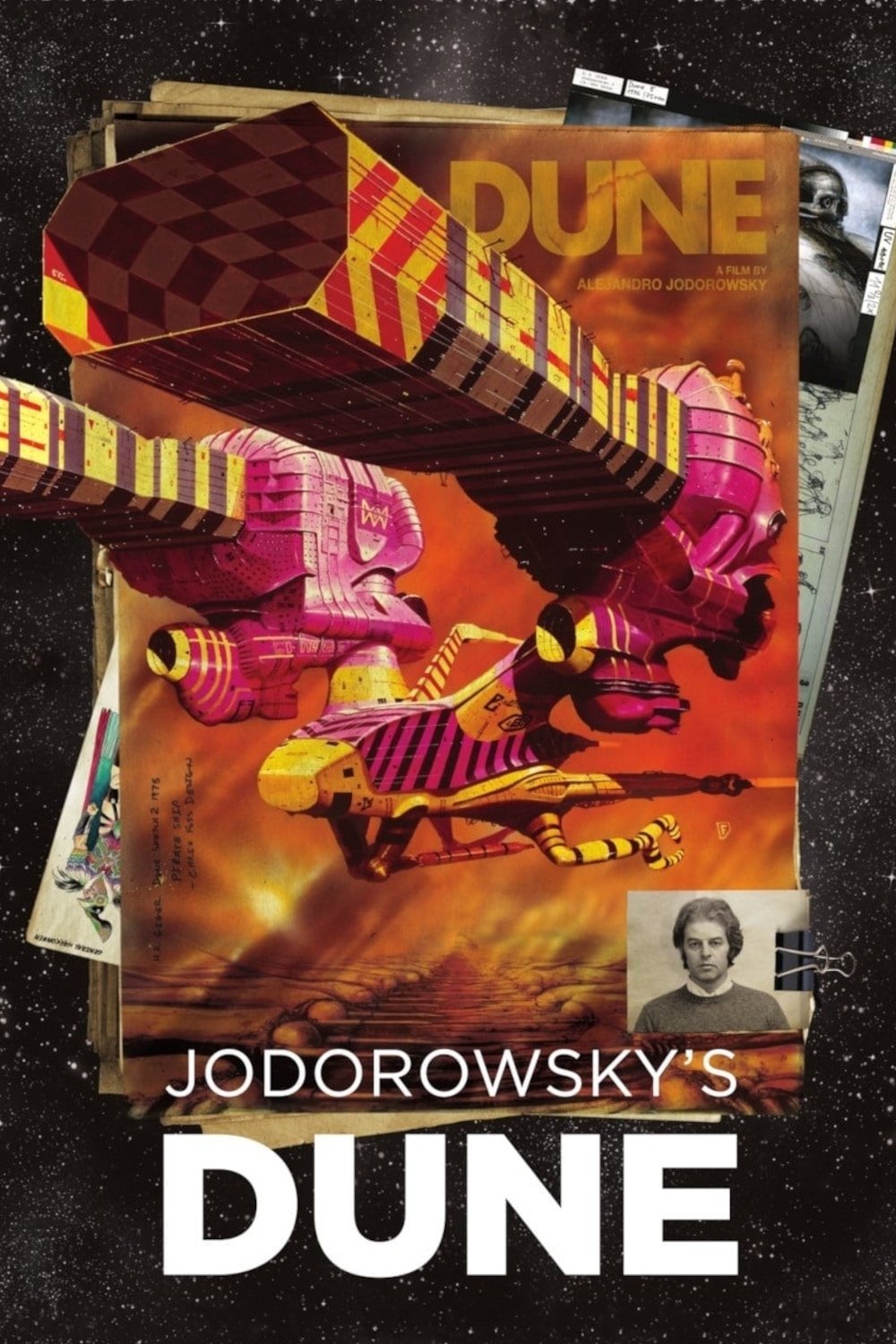
In 1974, Chilean-French director Alejandro Jodorowsky embarked on the quixotic project of adapting Frank Herbert's influential novel Dune (1969) for the big screen. After investing two years, and millions of dollars, the gigantic project ended in failure; but the artists Jodorowsky brought together to carry it out continued to work together, and ended up laying the foundations for modern science fiction cinema.
The definitive documentary on the history of nudity in feature films from the early silent days to the present, studying the changes in morality that led to the use of nudity in films while emphasizing the political, sociological and artistic changes that shaped that history. Skin will also study the gender inequality in presenting nude images in motion pictures and will follow the revolution that has created nude gender equality in feature films today.
Before computer graphics, special effects wizardry, and out-of-this world technology, the magic of animation flowed from the pencils of two of the greatest animators The Walt Disney Company ever produced -- Frank Thomas and Ollie Johnston. Frank and Ollie, the talent behind BAMBI, PINOCCHIO, LADY AND THE TRAMP, THE JUNGLE BOOK, and others, set the standard for such modern-day hits as THE LION KING. It was their creative genius that helped make Disney synonymous with brilliant animation, magnificent music, and emotional storytelling. Take a journey with these extraordinary artists as they share secrets, insights, and the inspiration behind some of the greatest animated movies the world has ever known!
Filmmakers discuss the legacy of Alfred Hitchcock and the book “Hitchcock/Truffaut” (“Le cinéma selon Hitchcock”), written by François Truffaut and published in 1966.