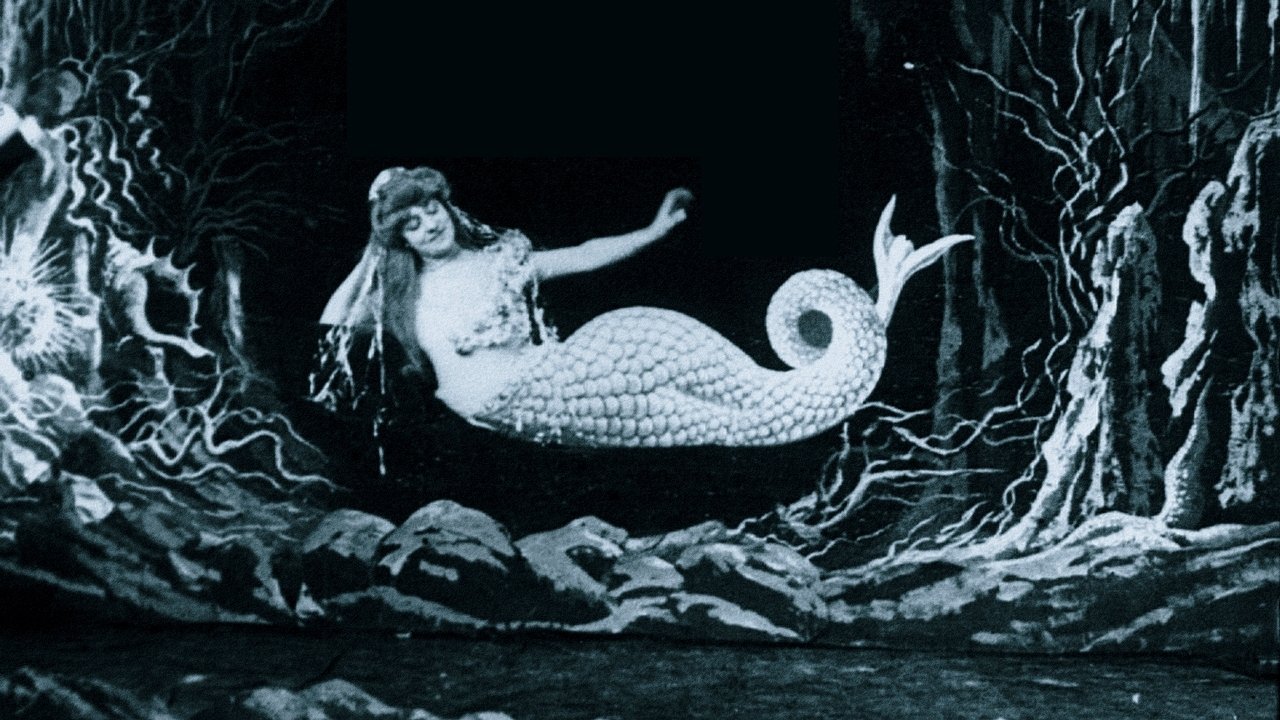


A walk through the life and work of the brilliant French filmmaker Georges Méliès (1861-1938), pioneer of special and visual effects.
Social & External
Self - Narrator (voice)
Méliès (voice)
Salesman (voice)
Magician
Magician's Assistant
Young Méliès
Magic Lantern Operator
Announcer
The Drawing Hand
Child Madeleine
Self
Self / Various Roles (archive footage)
A woman, an artist and dancer, sets out to reclaim her childhood memories shared with her late grandmother—a bond forged through their mutual passion for painting. Through the delicate recovery of her grandmother’s floral works, she engages in a silent dialogue with the gestures of an ancient practice. She conjures a fictional exchange, a spellbinding journey between dimensions. This intimate quest transcends disciplines, seeking intergenerational connection and answers.
The story of a group of actresses who, in the Spain of the seventies, and in the midst of the democratic Transition, decided to appear nude in the films of that time of radical political change, defying the rigid and deeply rooted social rules.
An unflinching and deeply personal journey into the life and work of guitarist Eric Clapton told through his own words and songs.
A two-hour documentary special Robin Williams: Behind Closed Doors which gives viewers an intimate look at his life from his childhood in the suburbs of Chicago to small comedy clubs in Los Angeles, his breakthrough role on the TV show Happy Days as Mork from Ork and his big screen triumphs.
In Spain, a poor country ruined by the recent Civil War (1936-39), and in the midst of Franco's dictatorship, a film school was created in Madrid in 1947, which became, almost unintentionally, a space of freedom and pure experimentation until its closure in 1976.
The story of French filmmaker Jean Rollin (1938-2010), one of the most singular voices of European cult cinema, deeply misunderstood and widely misrepresented.
3-part documentary on the life of Belgian singer Arno Hintjens.
The chronicle of the mind-blowing journey that was Hollywood during the seventies; the true and gripping story of the last golden age of American cinema, an exalted celebration of creativity and experimentation; but also of sex, drugs and rock 'n' roll: a turbulent and dark tale of ambition, envy, betrayal, hatred and self-destruction.
In 1960, acclaimed filmmaker James Ivory traveled to Afghanistan to shoot scenes for a documentary that was never completed. In 2022, he decided to revisit this unique footage, which takes him back to his adventurous youth.
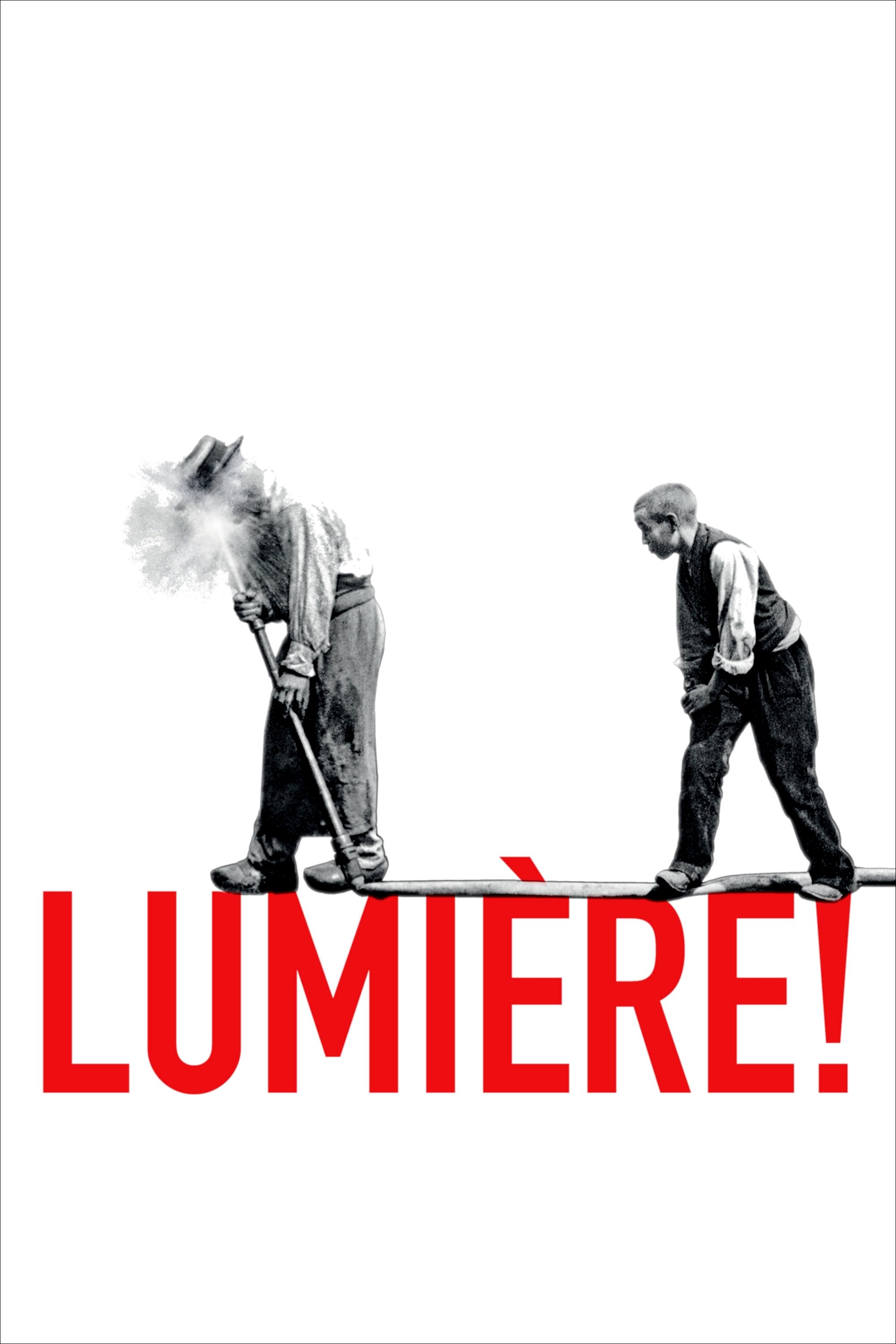
In one of those wonderful coincidences of history, lumière, the French word for “light,” was also the last name of brothers Auguste and Louis, whose brilliant invention, the cinematograph, helped to inaugurate the most beloved art form of the last 130 years. Institute Lumière director Thierry Frémaux uses Lumière, Le Cinema! to guide the viewer through over a hundred shorts—some famous, some forgotten, some never before seen—directed by Lumière and company. In the process, Frémaux illuminates how the brothers employed the camera as a creative instrument as they (and their operators) mastered framing, staging, and subject selection for quotidian and exotic microdocumentaries as well as the first ever fictional motion pictures. The result is not only a glorious re(telling) of the genesis of cinema but a profound meditation on the beautiful world captured—and the mysterious world imagined—by the Lumières.
Rare glimpse into the fascinating mind of one of cinema's greatest directors. Footage was gathered over a two year period and documents David Lynch's many creative interests as well as his passion for filmmaking. It’s “abstract trip” which reveals new aspects of the personality and the cinematographic vision of one of the exceptional authors of contemporary cinema. Personal portrait of David Lynch and his creative universe.
With his popular culture, prolific imagination, and verbal alchemy, Michel Audiard revolutionized cinema in the 1950s and 1960s. Alongside his mentor and friend Jean Gabin, his writing partner Albert Simonin, and his favorite actors Bernard Blier, Lino Ventura, and Michel Serrault, we find his verve and innate sense of repartee, which alone reflect the spirit of the French people and language. From elegance to cheekiness, cynicism to tenderness, he made words speak like no one else. Between the expressions he stole from bar counters to refine them and his encyclopedic knowledge of French culture, he created a unique style and ranks alongside Prévert and Jeanson as one of the greatest dialogue writers in French cinema.
Charlotte Gainsbourg looks at her mother Jane Birkin in a way she never did, overcoming a sense of reserve. Using a camera lens, they expose themselves to each other, begin to step back, leaving space for a mother-daughter relationship.
In this filmed version of cult film director John Waters' popular one-man show, the Pink Flamingos and A Dirty Shame director takes the stage to discuss everything from his early influences, fondest career memories, and notorious struggles against the MPAA rating system. Part endearing memoir and part hilarious lecture, This Filthy World touches on everything from the insanity of contemporary pop culture to the director's unforgettable early collaborations with inimitable Pink Flamingos star Divine.
Through the life and career of Marcel Carné, using film excerpts and archives (including touching interviews with the director), François Aymé weaves a fascinating portrait of a hypersensitive man who had to deal with his homosexuality and who, despite his brilliance, was long relegated to the shadow of his actors and Prévert, who were credited with their greatest success.
The ruthless dictator Teodoro Obiang has ruled Equatorial Guinea with an iron hand since 1979. Juan Tomás Ávila Laurel is the most translated Equatoguinean writer, but he had to flee the country in 2011, after starting a hunger strike denouncing the crimes of the dictatorship. Since then, he has lived in Spain, feeling that, despite the risks, he must return and fight the monster with words.
An account of the professional and personal life of renowned American photographer Annie Leibovitz, from her early artistic endeavors to her international success as a photojournalist, war reporter, and pop culture chronicler.
In 1999, 11-year-old Nisha Platzer lost her older brother, Josh, to suicide. Twenty years later, her search for a specialized medical treatment leads her to the door of someone who was once exceptionally close to Josh. And so it is that she finally has the chance to truly know her brother through his chosen family. Captured over five years in which synchronicities continually manifested, Platzer’s documentation of these encounters gently asserts that both grieving and healing are meant to be communal experiences.
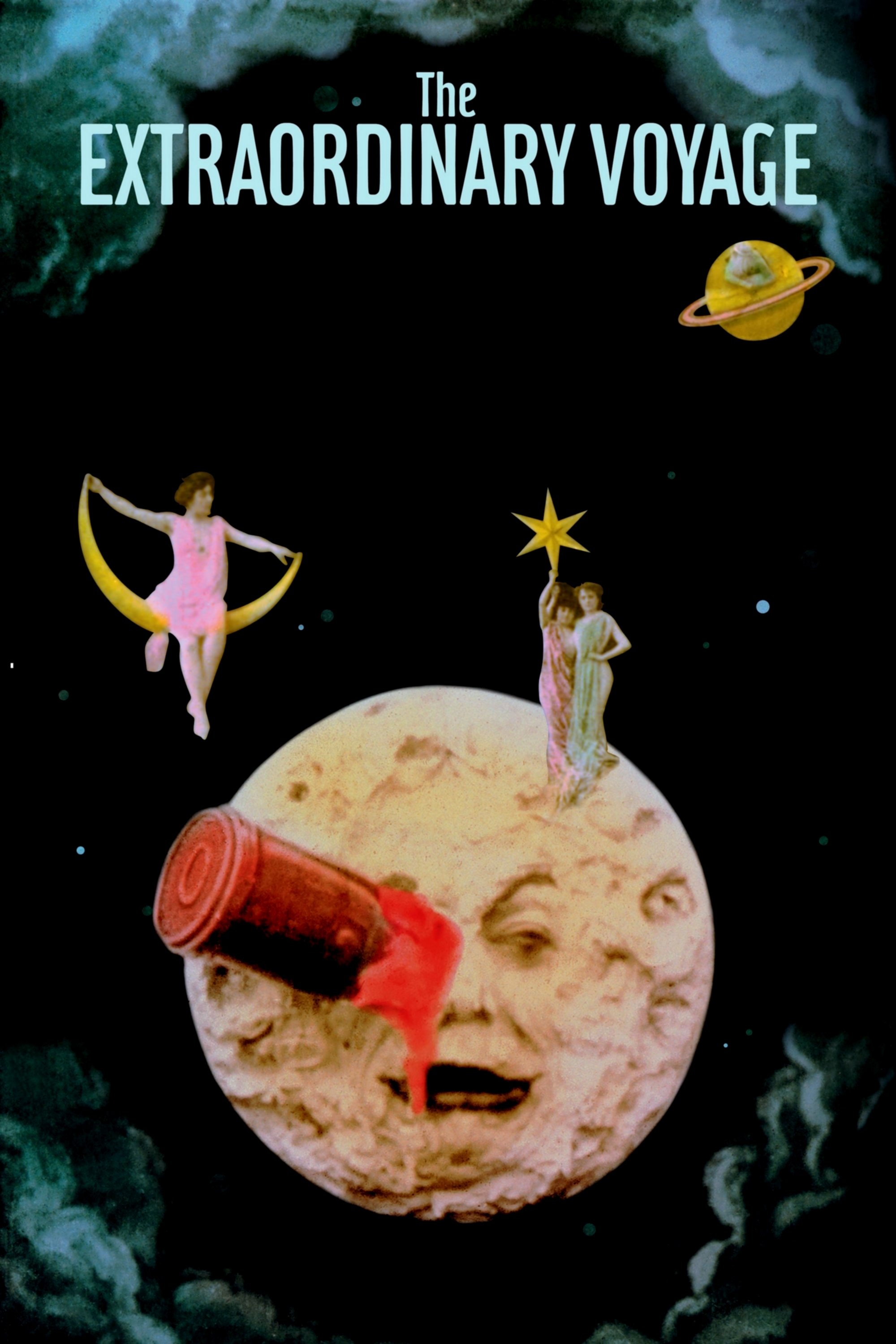
An account of the extraordinary life of film pioneer Georges Méliès (1861-1938) and the amazing story of the copy in color of his masterpiece A Trip to the Moon (1902), unexpectedly found in Spain and restored thanks to the heroic efforts of a group of true cinema lovers.
The history of cinematic sound, told by legendary sound designers and visionary filmmakers.
A collection of restored prints from the Lumière Brothers.
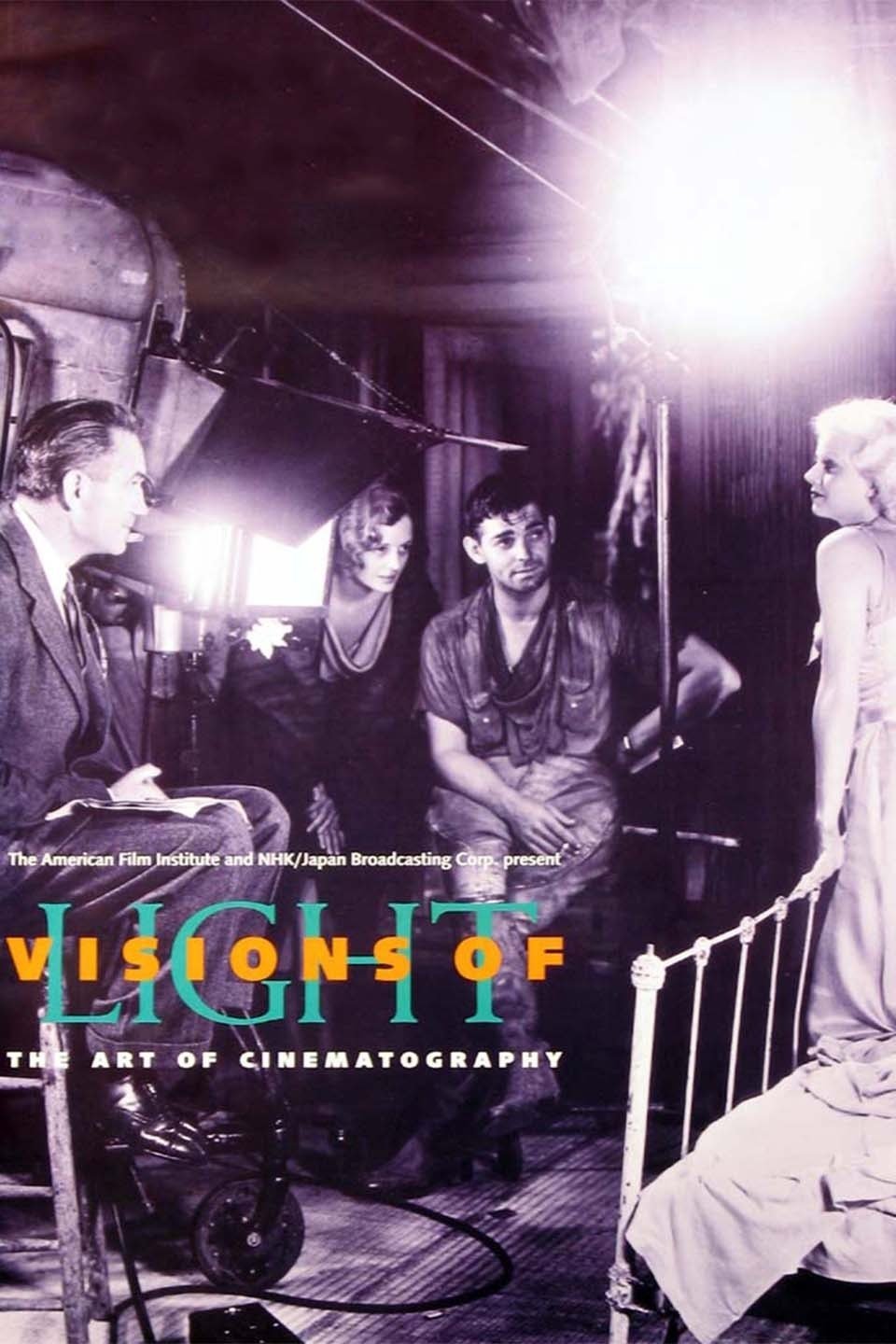
Cameramen and women discuss the craft and art of cinematography and of the "DP" (the director of photography), illustrating their points with clips from 100 films, from Birth of a Nation to Do the Right Thing. Themes: the DP tells people where to look; changes in movies (the arrival of sound, color, and wide screens) required creative responses from DPs; and, these artisans constantly invent new equipment and try new things, with wonderful results. The narration takes us through the identifiable studio styles of the 30s, the emergence of noir, the New York look, and the impact of Europeans. Citizen Kane, The Conformist, and Gordon Willis get special attention.
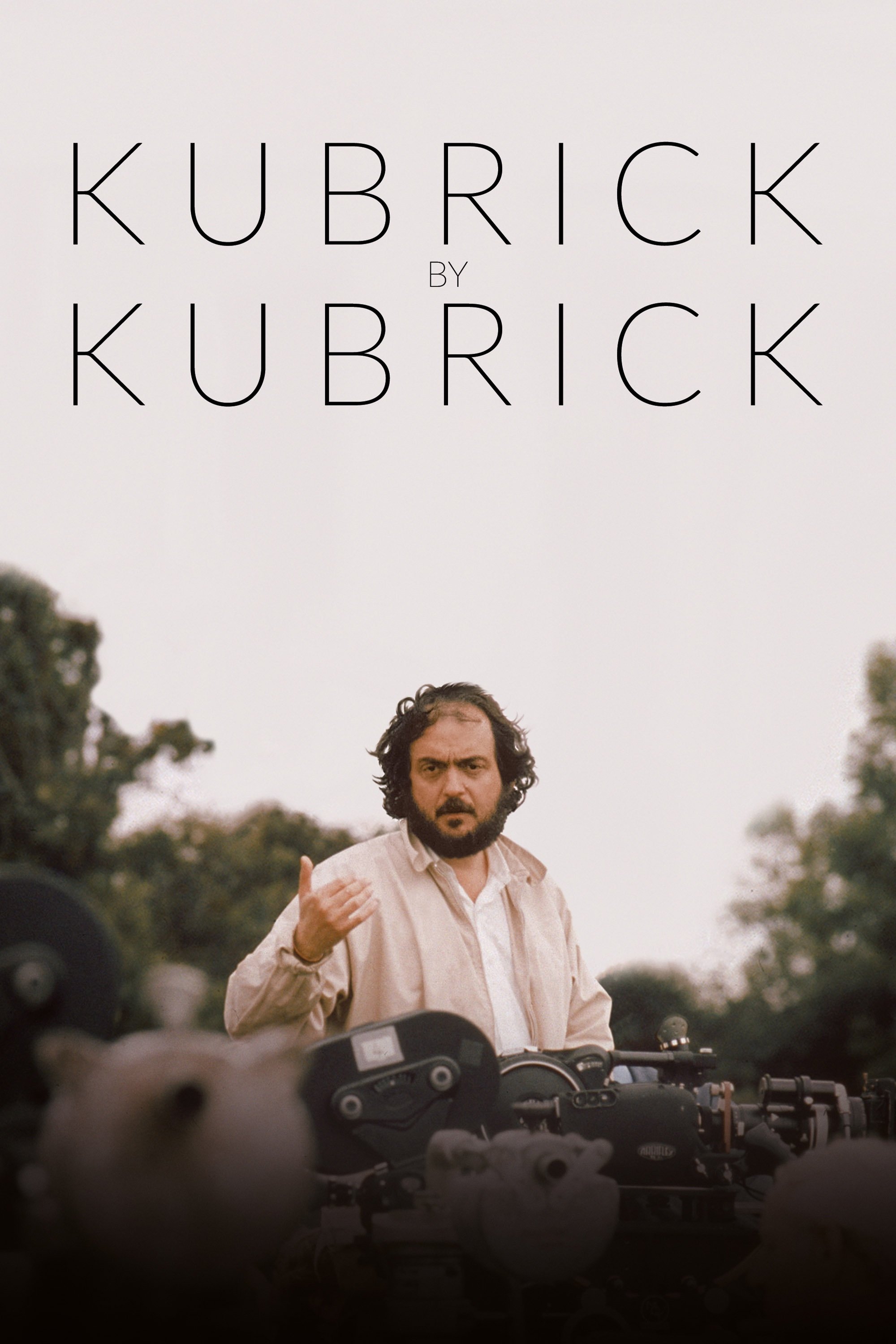
American filmmaker Stanley Kubrick (1928–1999), one of the greatest in history, but also one of the most reserved, gave few interviews throughout his long career, and none of them were filmed. A first-person journey through his life and work, based on a recorded conversation with French film critic Michel Climent.
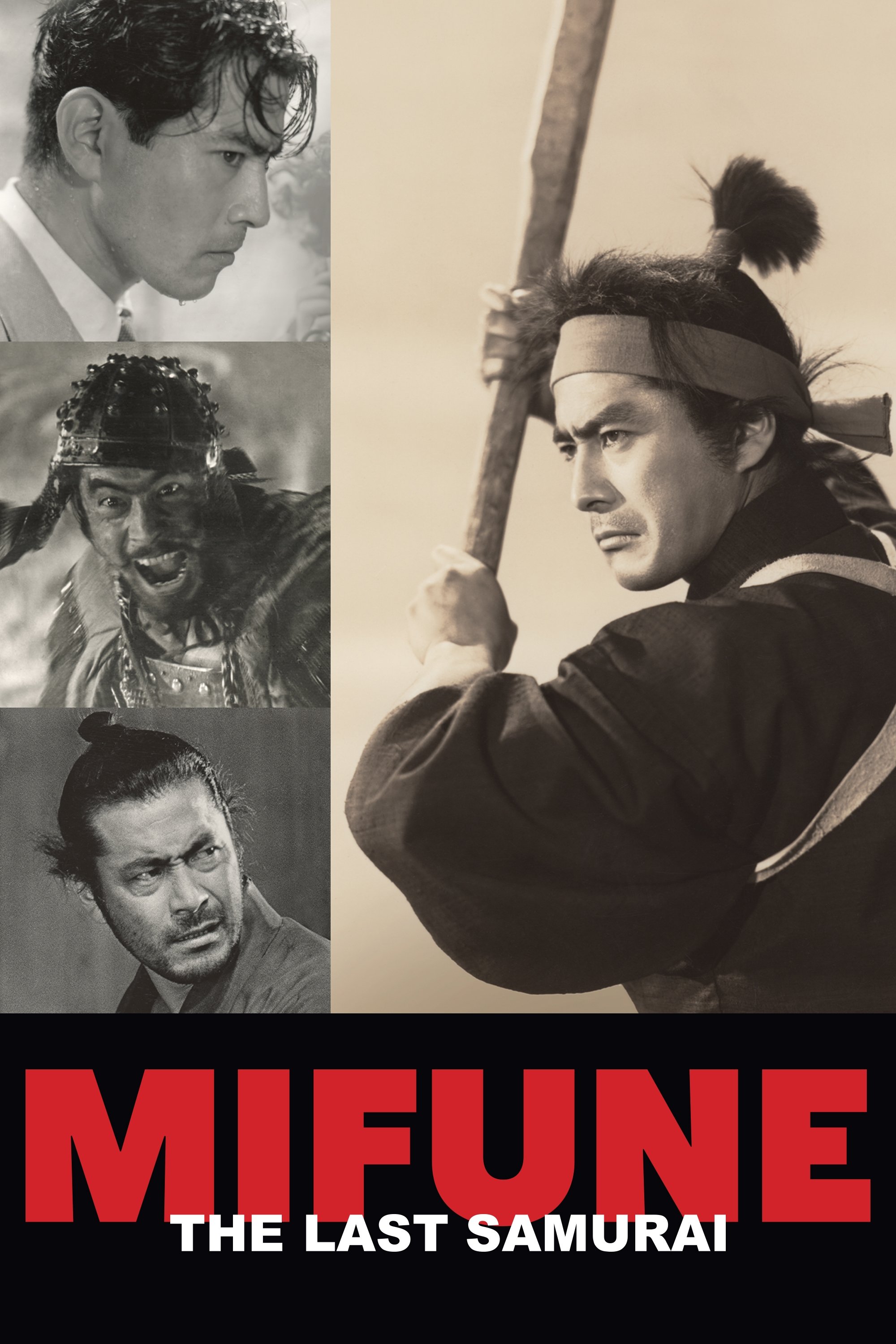
An account of the life and work of legendary Japanese actor Toshirō Mifune (1920-97), the most prominent actor of the Golden Age of Japanese cinema.
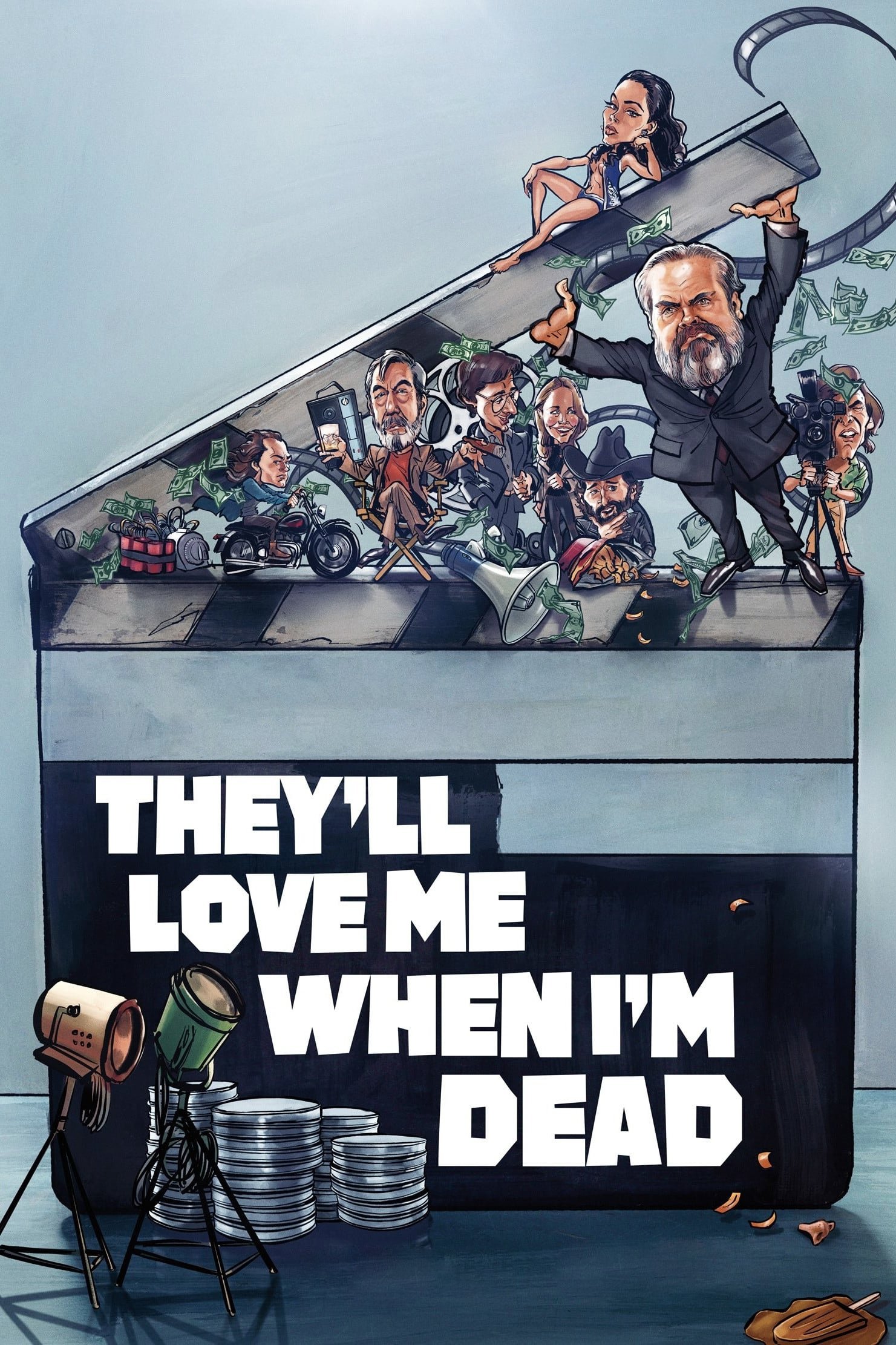
As his life comes to its end, famous Hollywood director Orson Welles puts it all on the line at the chance for renewed success with the film The Other Side of the Wind.
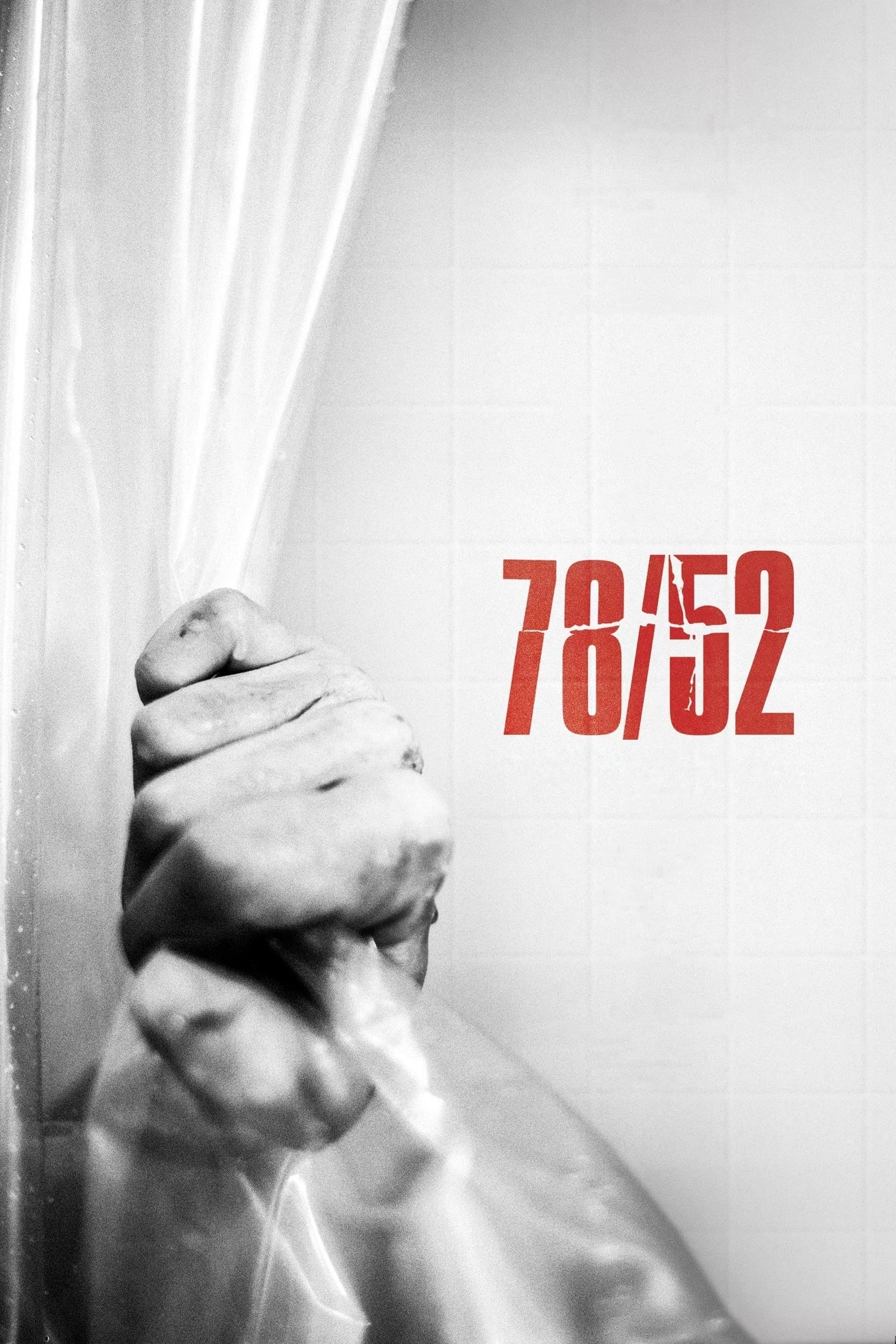
The most famous murder scene in movie history comprises 78 camera settings and 52 cuts: the shower scene in Alfred Hitchcock's Psycho. 78/52 tells the story of the man behind the curtain and his greatest obsession.
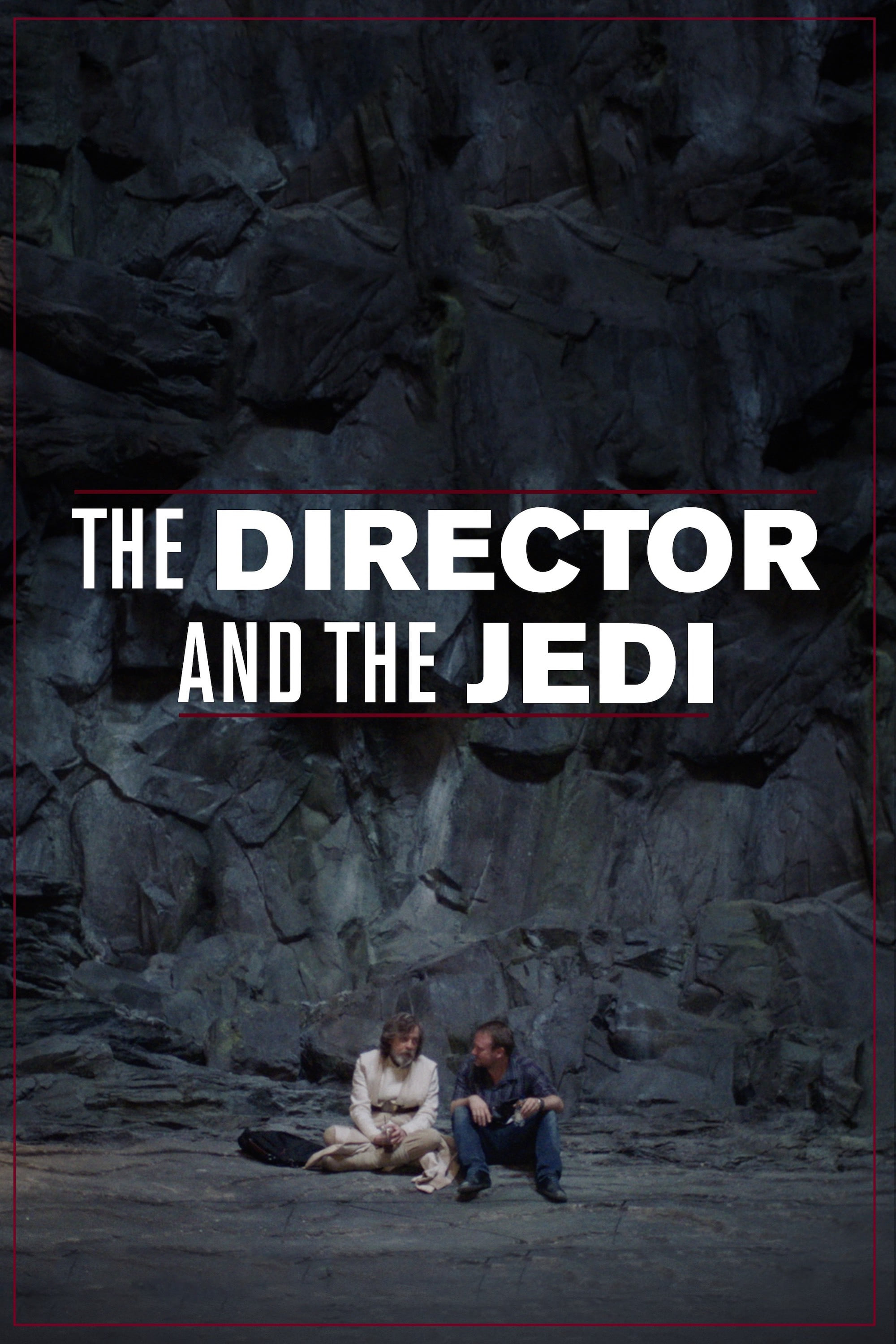
An intimate documentary delving into Rian Johnson's process as he comes in as a director new to the Star Wars universe.
Documentary about the art of film editing. Clips are shown from many groundbreaking films with innovative editing styles.
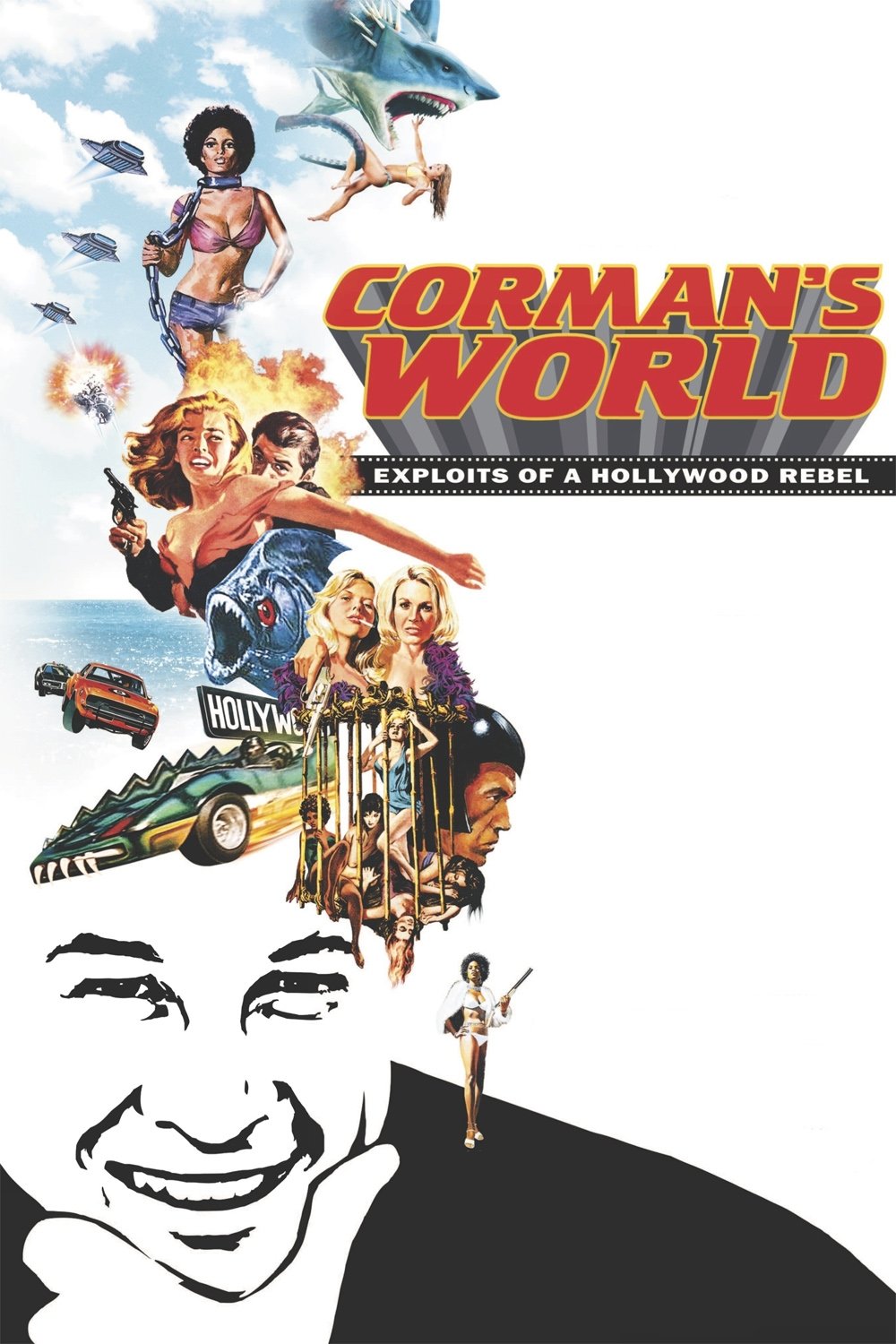
A chronicle of the long career of American filmmaker Roger Corman, the most tenacious and ingenious low-budget producer and director in the US film industry, a pioneer of independent filmmaking and discoverer of new talent.
The story lives forever in this feature-length documentary that charts the making of Star Wars: The Rise of Skywalker.
Since the invention of cinema, the standard format for recording moving images has been film. Over the past two decades, a new form of digital filmmaking has emerged, creating a groundbreaking evolution in the medium. Keanu Reeves explores the development of cinema and the impact of digital filmmaking via in-depth interviews with Hollywood masters, such as James Cameron, David Fincher, David Lynch, Christopher Nolan, Martin Scorsese, George Lucas, Steven Soderbergh, and many more.
The life story of ‘Zen Anarchist’ filmmaker John Milius, one of the most influential storytellers of his generation.
A tribute to Italian filmmaker Sergio Corbucci (1926-90), presented by American filmmaker Quentin Tarantino.
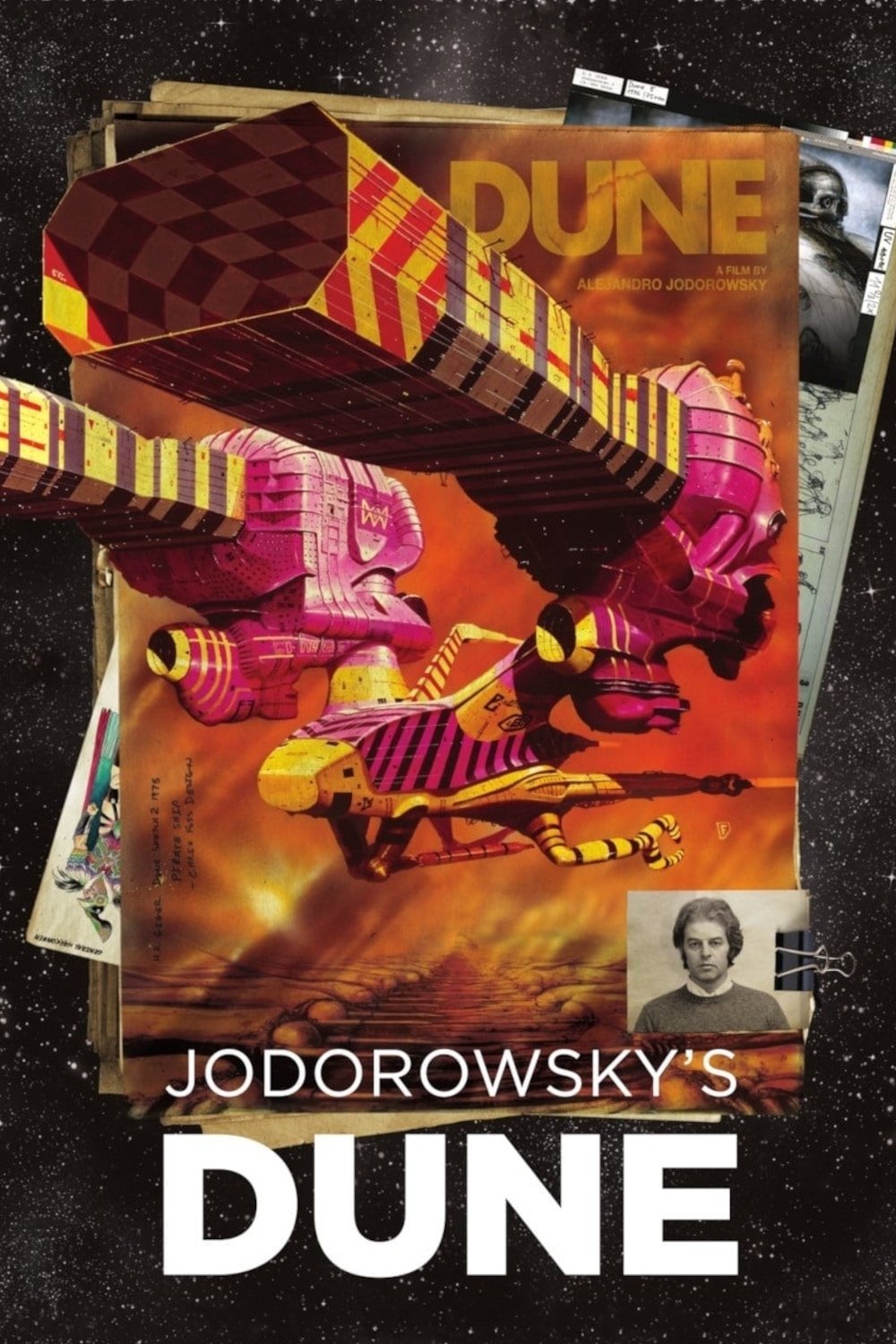
In 1974, Chilean-French director Alejandro Jodorowsky embarked on the quixotic project of adapting Frank Herbert's influential novel Dune (1969) for the big screen. After investing two years, and millions of dollars, the gigantic project ended in failure; but the artists Jodorowsky brought together to carry it out continued to work together, and ended up laying the foundations for modern science fiction cinema.
Filmmakers discuss the legacy of Alfred Hitchcock and the book “Hitchcock/Truffaut” (“Le cinéma selon Hitchcock”), written by François Truffaut and published in 1966.
A poetic journey into the visual world of the legendary filmmaker and actor Orson Welles (1915-85) that reveals a new portrait of a unique genius, both of his life and of his monumental work: through his own eyes, drawn by his own hand, painted with his own brush.
Before computer graphics, special effects wizardry, and out-of-this world technology, the magic of animation flowed from the pencils of two of the greatest animators The Walt Disney Company ever produced -- Frank Thomas and Ollie Johnston. Frank and Ollie, the talent behind BAMBI, PINOCCHIO, LADY AND THE TRAMP, THE JUNGLE BOOK, and others, set the standard for such modern-day hits as THE LION KING. It was their creative genius that helped make Disney synonymous with brilliant animation, magnificent music, and emotional storytelling. Take a journey with these extraordinary artists as they share secrets, insights, and the inspiration behind some of the greatest animated movies the world has ever known!
Told through performances, TV interviews, home movies, family photographs, private letters and unpublished memoirs, the film reveals the essence of an extraordinary woman who rose from humble beginnings in New York City to become a glamorous international superstar and one of the greatest artists of all time.