Social & External
Pasqualino Frafuso, known in Naples as "Pasqualino Seven Beauties" is a petty thief who lives off of the profits of his seven sisters while claiming to protect their honor at any cost, Pasqualino is arrested for murder and later sent to fight in the army after committing sexual assault. The Germans capture him and he gets sent to a concentration camp where he plots to make his escape by seducing a German officer.
Germans kidnap an American major and try to convince him that World War II is over, so that they can get details about the Allied invasion of Europe out of him.
Fleeing the June 1940 arrival of Hitler's army in Paris, a young war widow and her two children are rescued from dive-bombing German fighters by a cocky, reckless teenager. He finds them refuge in an abandoned house, but despite the fact that the family quickly comes to be depending much on his cunning and survival abilities, their cohabitation proves uneasy.
In Autumn of 1943 American plane carrying Soviet colonel is shot down near Nazi-occupied Belgrade. Germans capture the colonel and begin interrogations, because he knows everything about forecoming Allied summit in Tehran. Group of Yugoslav Partizans is sent to Belgrade in order to rescue the colonel before he starts talking.
Hermanovce, Slovak Republic. A Romani village located deep down in the valley, with old shacks and newer concrete ones. Four Romani women tell us about their day-to-day life through ancient habits, along with words that travel near borders with different worlds...
A drama set during World War II where a submarine carrying a secret weapon attempts to stop a planned third atomic bombing of Japan. Based on Harutoshi Fukui's novel Shuusen no Lorelei.
For the first time, survivors talk about life after the camps. How does one return to a life that was interrupted with such violence? How does one reconstruct oneself when all or most of one’s family were butchered? How does one resume studies and earn a living in a society that had cast you out a few years earlier?
A tribute to the U.S. 442nd Regimental Combat Team, formed in 1943 by Presidential permission with Japanese-American volunteers. We follow the training of a platoon under the rueful command of Lt. Mike Grayson who shares common prejudices of the time. The 442nd serve in Italy, then France, distinguishing themselves in skirmishes and battles; gradually and naturally, Grayson's prejudices evaporate with dawning realization that his men are better soldiers than he is.
Mr. Roberts is a Navy officer who's yearning for battle but is stuck in the backwaters of World War II on a non-commissioned ship run by the bullying Captain Morton.
The secret Nazi death camp at Sobibor was created solely for the mass extermination of Jews. But on the 14th October 1943, in one of the biggest and most successful prison revolts of WWII, the inmates fought back.
A Naval officer, reprimanded after Pearl Harbor, is later promoted to Rear Admiral and gets a second chance to prove himself against the Japanese.
The documentary of the Nuremberg War Trials of 21 Nazi dignitaries held after World War II.
A documentary that brings together interviews with 20 activists who address the issue of intersectional feminism and patriarchy in Portugal.
By mid-1945, Hitler is dead and the war has ended in Europe. Halfway around the world, however, the fighting is still going strong on a small island in the Pacific. Okinawa was the site of the last battle of the last great war of the 20th century, with a casualty rate in the tens of thousands. Through it all, military cameramen risked their lives to film the conflict, from brutal land combat to fierce kamikaze attacks at sea. See the footage they captured and experience this intense battle the way the soldiers saw it -- in color.
Somber tells the story of three depressed young people, all three in a different phase of the disease. What does depression do to a person? What does it actually mean? And above all, is there a way out?
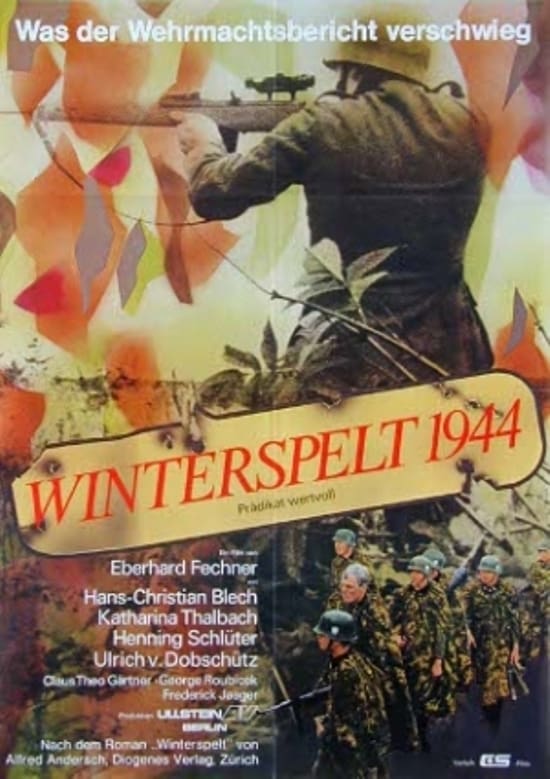
In the Second World War, spring 1944: shortly before the planned Ardennes offensive, Germans and Americans stand waiting on the German-Belgian border. The small Eifel village of Winterspelt threatens to become the scene of a bloody battle. A German officer comes up with a plan to hand over his battalion to the Americans without a fight. He finds support from three inhabitants of the small village, who help him to present his offer of surrender to the Americans, which they ultimately reject.
Morgan Spurlock, Joe Morley and Heather Winters -- the same group of filmmakers that exposed the greasy truth about fast-food "supersizing" -- team with director Sara Sackner for this eye-opening documentary that looks under the hood of America's public school curriculum. Under the microscope this time is arts education and its pitiable lack of funding, as well as the vital role a teacher can play in the lives of struggling students.
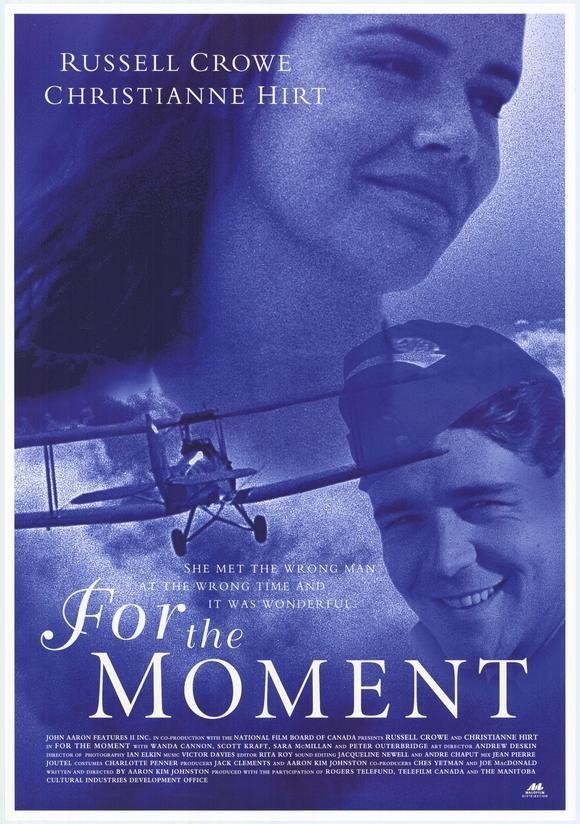
This Canadian film presents and old-fashioned war time romance. It is set during 1942 in Manitoba and traces the doomed affair between a young farmer's wife (Christianne Hirt) whose husband is fighting abroad and a dashing Australian pilot (Russell Crowe). The pilot has come to train in the British Commonwealth Air Training Plan of Canada. When the pilot, Lachlan, is not training, he is surreptitiously wooing Lill, the farmer's wife. At the other end of town, Betsy (Wanda Cannon) who supports her two kids by bootlegging, charges for her services. She gets involved with Zeek (Scott Kraft), an American flight instructor.
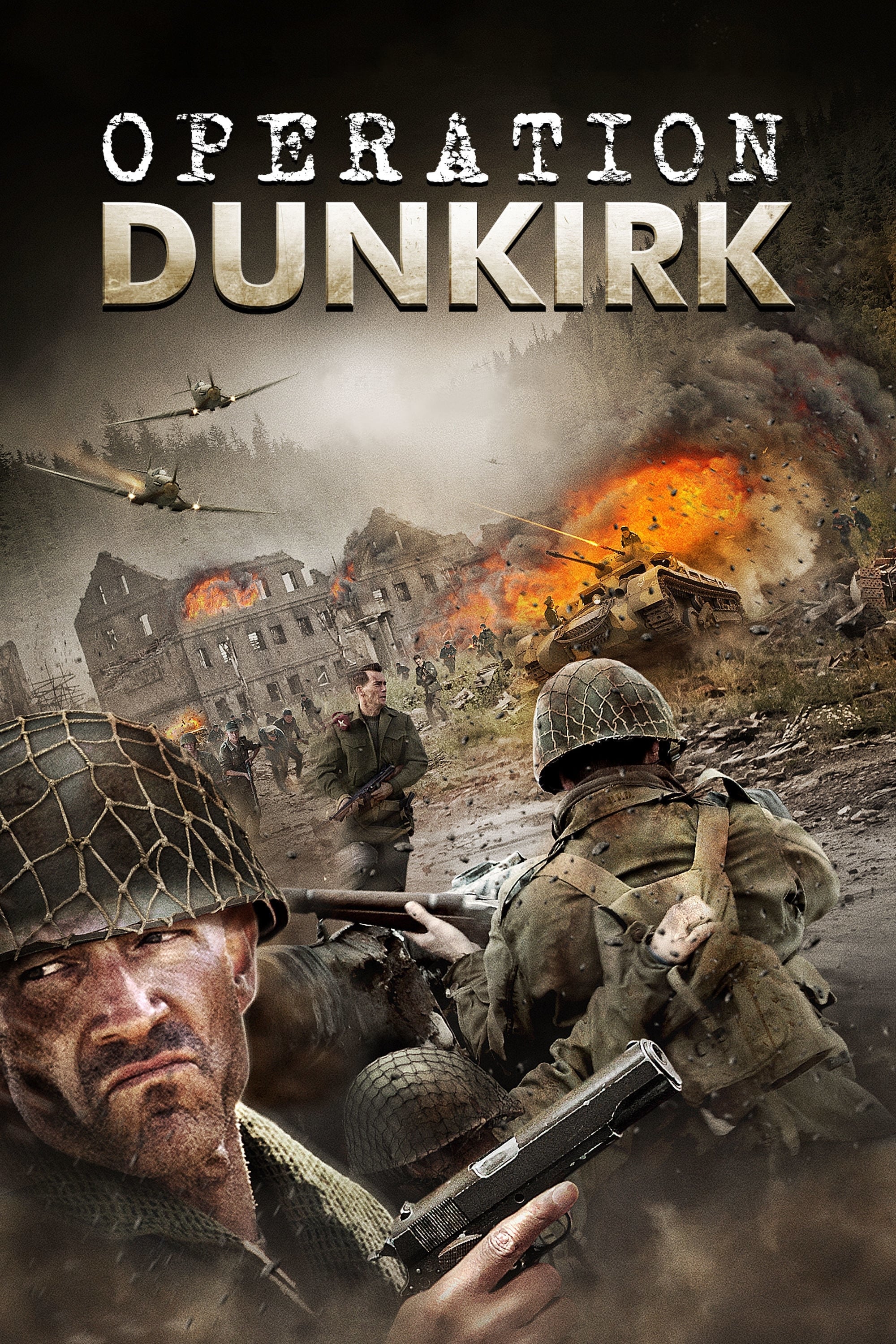
A band of soldiers tasked with staying behind during the Battle of Dunkirk to rescue a scientist with information that could turn the tide of the war must battle their way through dangerous Nazi territory to complete their mission.
Our two-hour film highlights the life and career of Dr. Schreiber with respect and clarity. Raemer, his wife Marge, and young daughter Paula would move to the high-desert of New Mexico where he and other brilliant minds would change the world forever.
Produced and presented as evidence at the Nuremberg war crimes trial of Hermann Göring and twenty other Nazi leaders, this film consists primarily of dead and surviving prisoners and of facilities used to kill and torture during the World War II.
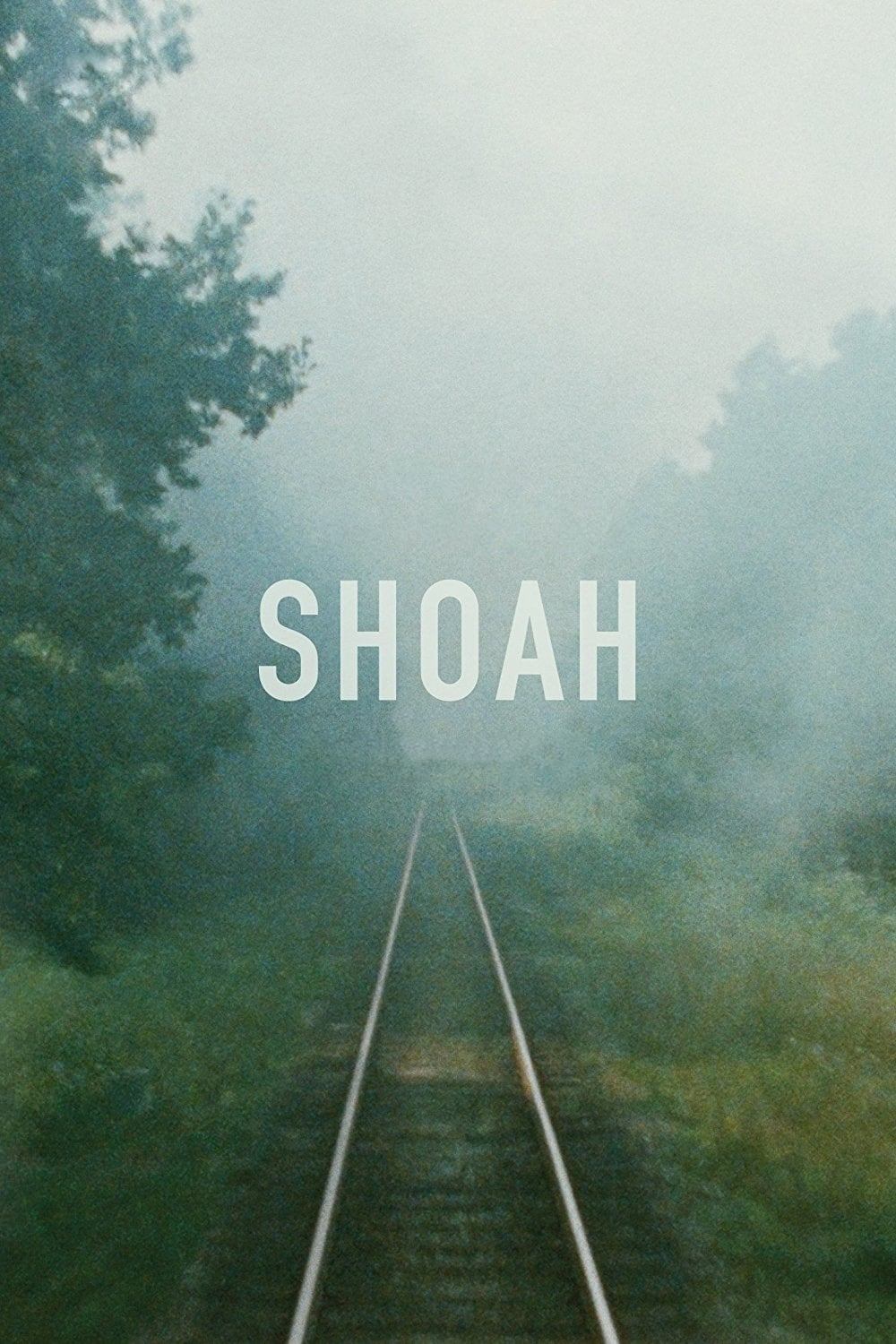
Director Claude Lanzmann spent 11 years on this sprawling documentary about the Holocaust, conducting his own interviews and refusing to use a single frame of archival footage. Dividing Holocaust witnesses into three categories – survivors, bystanders, and perpetrators – Lanzmann presents testimonies from survivors of the Chelmno concentration camp, an Auschwitz escapee, and witnesses of the Warsaw Ghetto Uprising, as well as a chilling report of gas chambers from an SS officer at Treblinka.
Prelude to War was the first film of Frank Capra's Why We Fight propaganda film series, commissioned by the Pentagon and George C. Marshall. It was made to convince American troops of the necessity of combating the Axis Powers during World War II. This film examines the differences between democratic and fascist states.
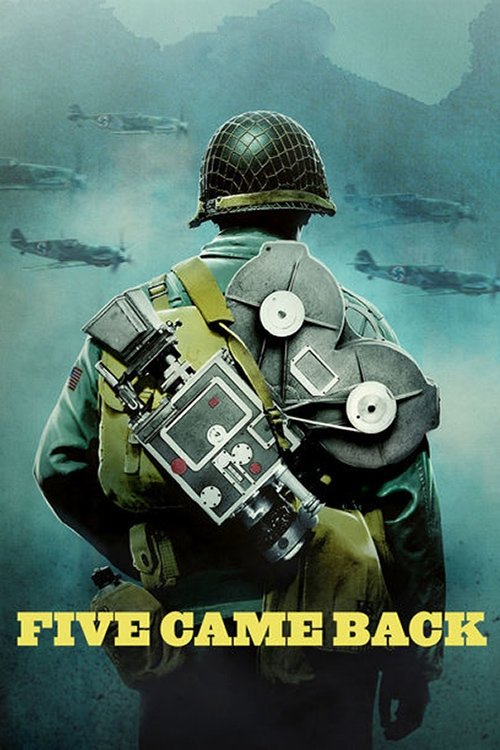
The extraordinary story of how Hollywood changed World War II – and how World War II changed Hollywood, through the interwoven experiences of five legendary filmmakers who went to war to serve their country and bring the truth to the American people: John Ford, William Wyler, John Huston, Frank Capra, and George Stevens. Based on Mark Harris’ best-selling book, “Five Came Back: A Story of Hollywood and the Second World War.”
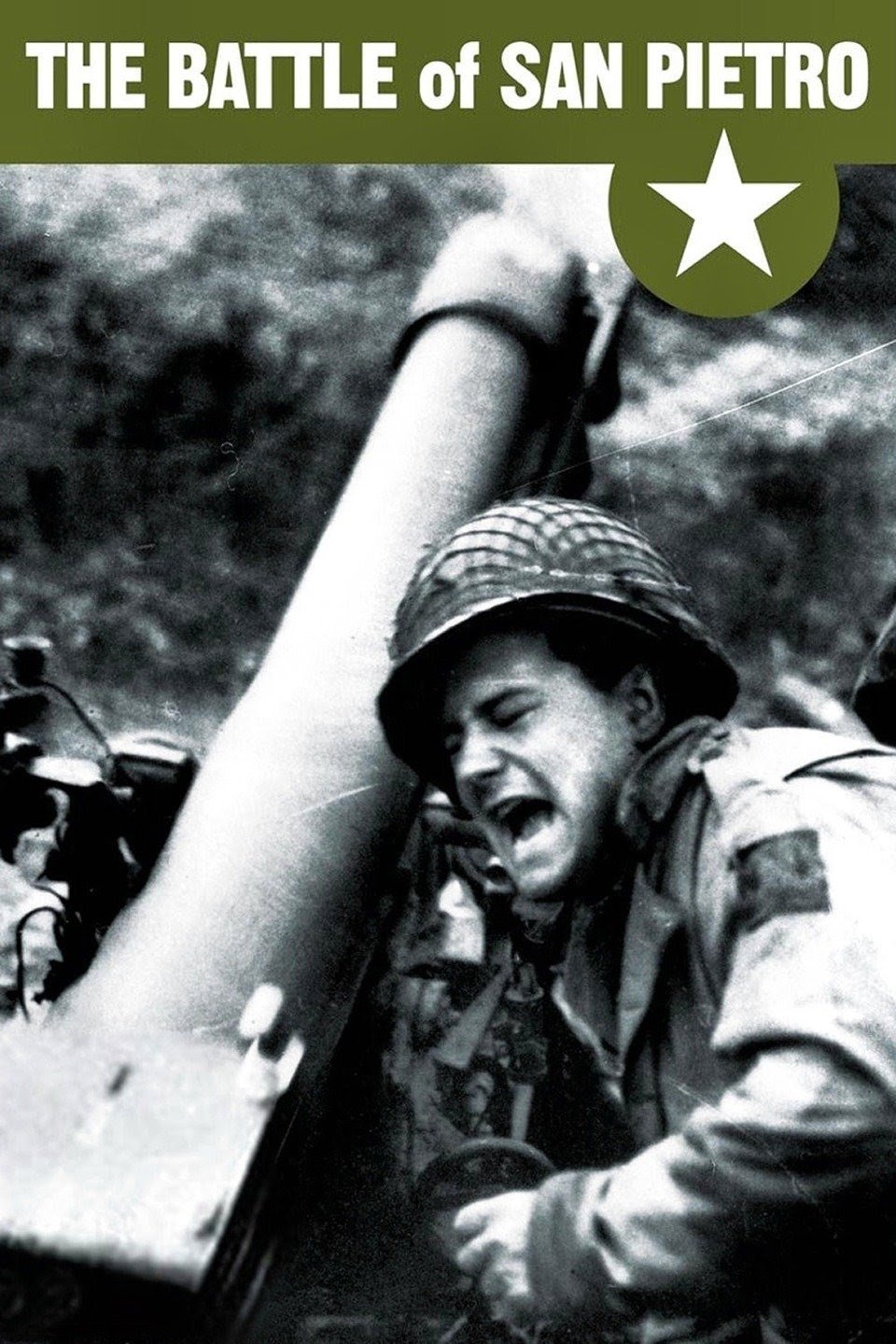
This documentary movie is about the battle of San Pietro, a small village in Italy. Over 1,100 US soldiers were killed while trying to take this location, that blocked the way for the Allied forces from the Germans. Preserved by the Academy Film Archive in 2005.
Meet the real-life airmen who inspired Masters of the Air as they share the harrowing and transformative events of the 100th Bomb Group.
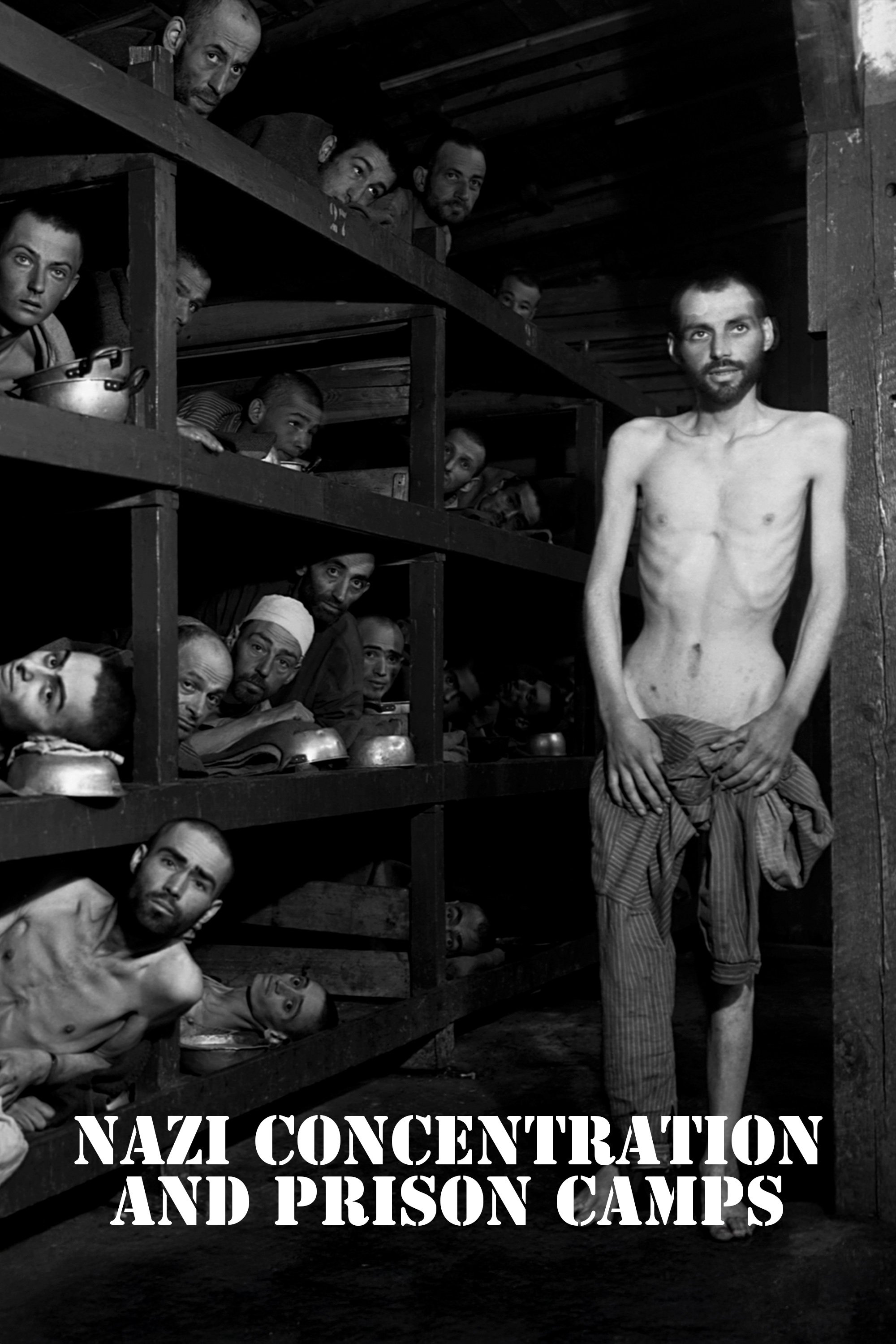
When Allied forces liberated the Nazi concentration camps in 1944-45, their terrible discoveries were recorded by army and newsreel cameramen, revealing for the first time the full horror of what had happened. Making use of British, Soviet and American footage, the Ministry of Information’s Sidney Bernstein (later founder of Granada Television) aimed to create a documentary that would provide lasting, undeniable evidence of the Nazis’ unspeakable crimes. He commissioned a wealth of British talent, including editor Stewart McAllister, writer and future cabinet minister Richard Crossman – and, as treatment advisor, his friend Alfred Hitchcock. Yet, despite initial support from the British and US Governments, the film was shelved, and only now, 70 years on, has it been restored and completed by Imperial War Museums under its original title "German Concentration Camps Factual Survey".
Filmmaker Alain Resnais documents the atrocities behind the walls of Hitler's concentration camps.
A documentary on the expletive's origin, why it offends some people so deeply, and what can be gained from its use.
Amid the failing counteroffensive, a journalist follows a Ukrainian platoon on their mission to traverse one mile of heavily fortified forest and liberate a strategic village from Russian occupation. But the farther they advance through their destroyed homeland, the more they realize that this war may never end.
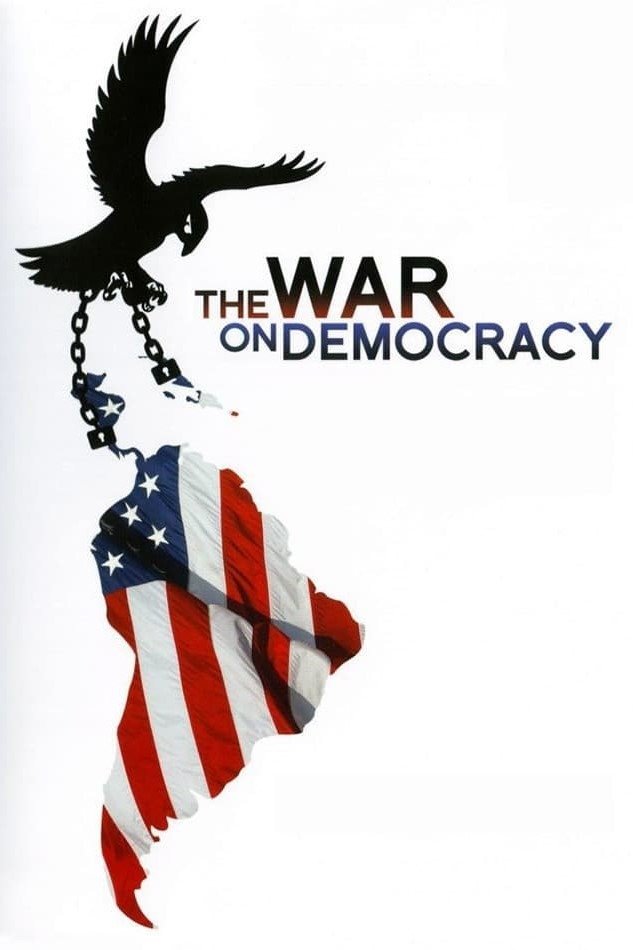
Set both in Latin America and the United States, the film explores the historic and current relationship of Washington with countries such as Venezuela, Bolivia and Chile. Pilger says that the film "...tells a universal story... analysing and revealing, through vivid testimony, the story of great power behind its venerable myths. It allows us to understand the true nature of the so-called "war on terror". According to Pilger, the film’s message is that the greed and power of empire is not invincible and that people power is always the "seed beneath the snow".
A documentary about World War I with never-before-seen footage to commemorate the centennial of Armistice Day, and the end of the war.
With unprecedented access, this documentary follows the extraordinary journey of “Raqqa is Being Slaughtered Silently”—a group of anonymous citizen journalists who banded together after their homeland was overtaken by ISIS—as they risk their lives to stand up against one of the greatest evils in the world today.
"Trinity and Beyond" is an unsettling yet visually fascinating documentary presenting the history of nuclear weapons development and testing between 1945-1963. Narrated by William Shatner and featuring an original score performed by the Moscow Symphony Orchestra, this award-winning documentary reveals previously unreleased and classified government footage from several countries.
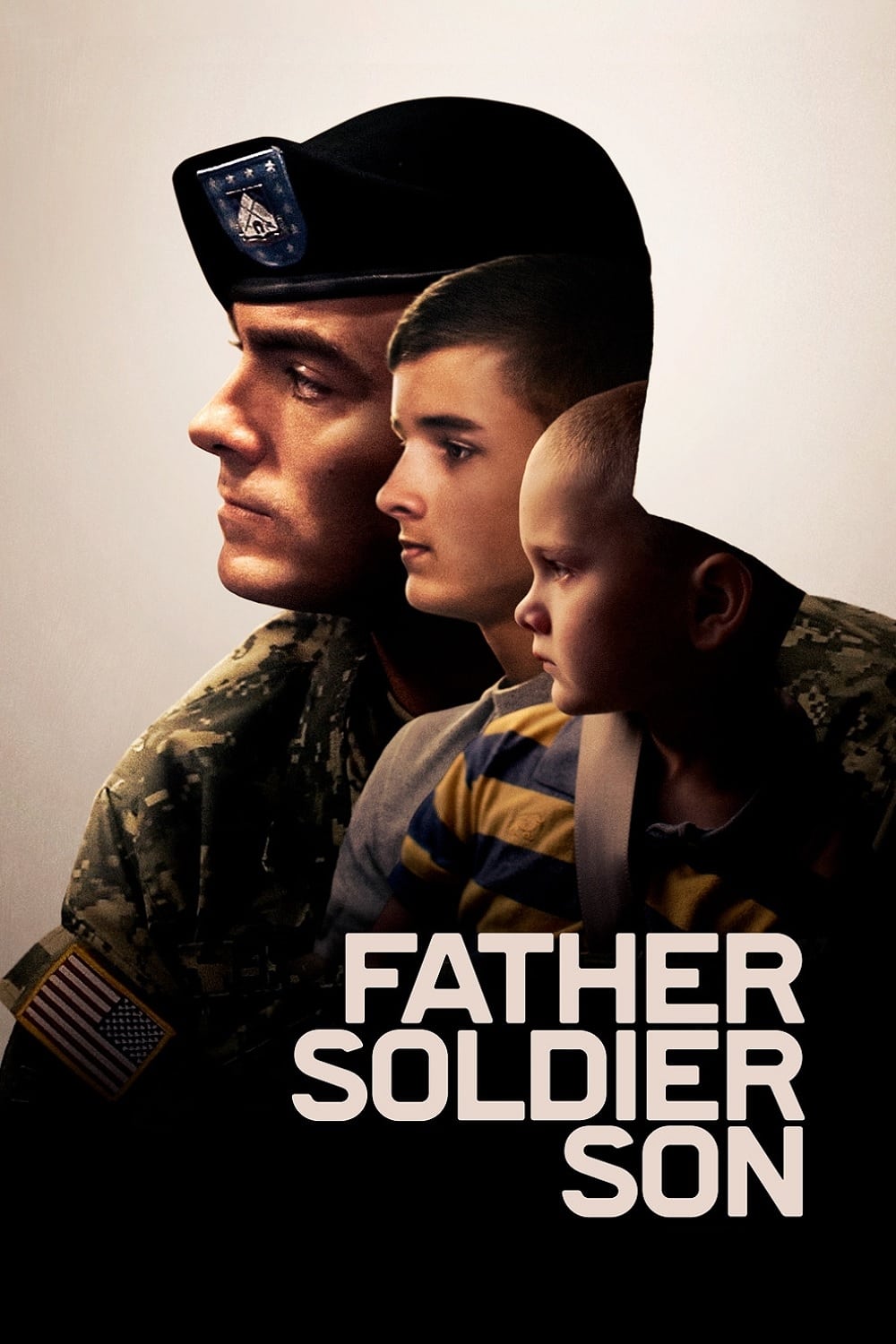
When Sgt. First Class Brian Eisch is critically wounded in Afghanistan, it sets him and his sons on a journey of love, loss, redemption and legacy.
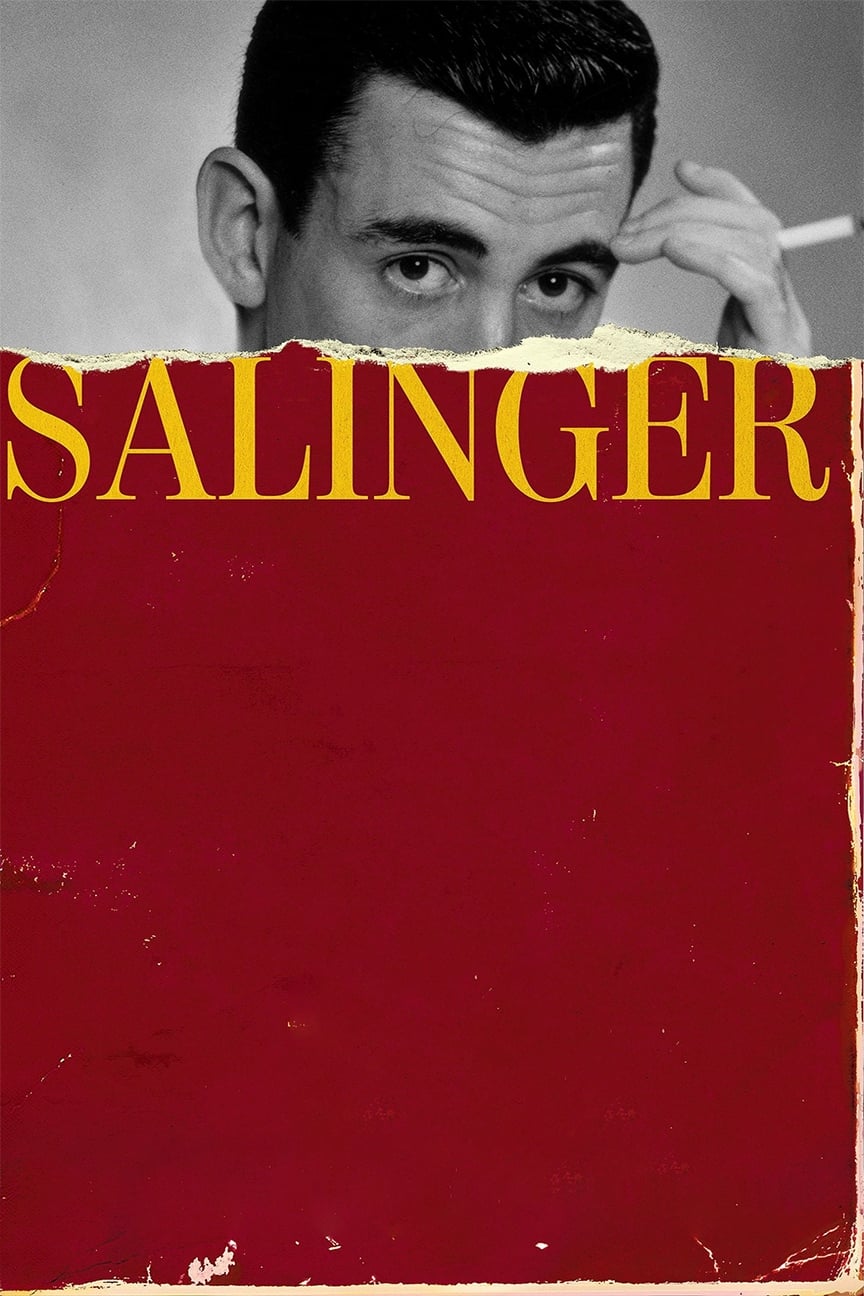
An in-depth investigation into the private world of the American writer J. D. Salinger (1919-2010), who lived most of his life behind the impenetrable wall of a self-imposed seclusion: how his dramatic experiences during World War II influenced his life and work, his relationships with very young women, his obsessive writing methods, his many literary secrets.
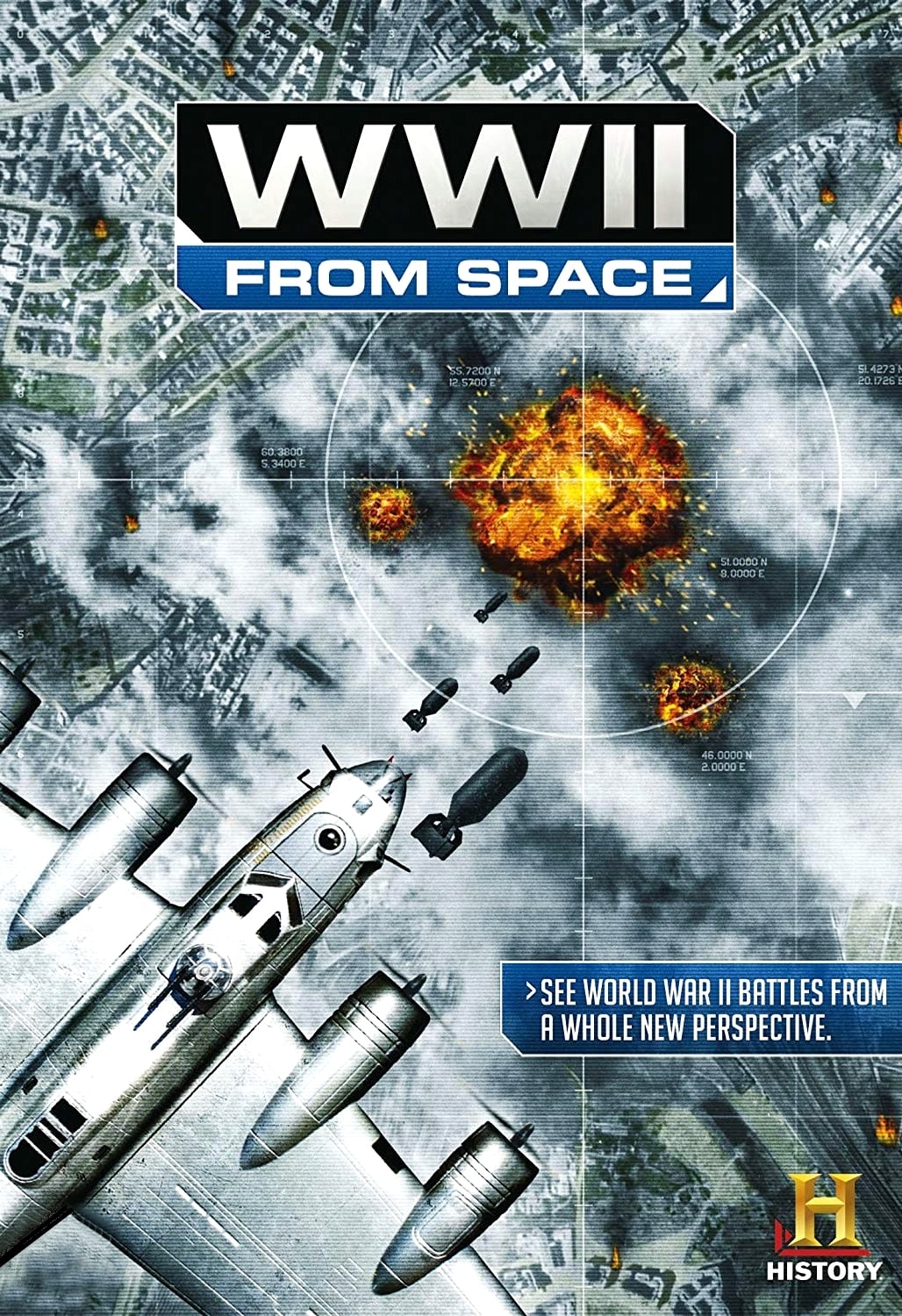
WWII from Space delivers World War II in a way you've never experienced it before. This HISTORY special uses an all-seeing CGI eye that offers a satellite view of the conflict, allowing you to experience it in a way that puts key events and tipping points in a global perspective. By re-creating groundbreaking moments that could never have been captured on camera, and by illustrating the importance of simultaneity and the hidden effects of crucial incidents, HISTORY presents the war's monumental moments in a never-before-seen context. And with new information brought to the forefront, you'll better understand how a nation ranked 19th in the world's militaries in 1939 emerged six years later as the planet's only atomic superpower.
A love letter from a young mother to her daughter, the film tells the story of Waad al-Kateab’s life through five years of the uprising in Aleppo, Syria as she falls in love, gets married and gives birth to Sama, all while cataclysmic conflict rises around her. Her camera captures incredible stories of loss, laughter and survival as Waad wrestles with an impossible choice– whether or not to flee the city to protect her daughter’s life, when leaving means abandoning the struggle for freedom for which she has already sacrificed so much.
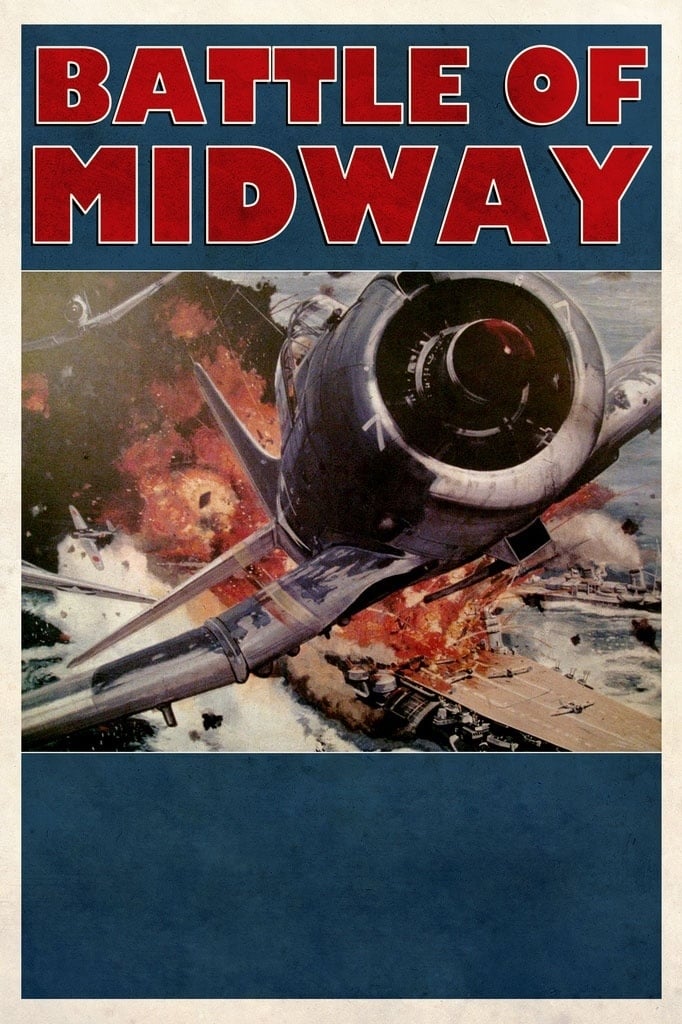
The Japanese attack on Midway in June 1942, filmed as it happened. Preserved by the Academy Film Archive, in partnership with Twentieth Century Fox Film Corporation, in 2006.
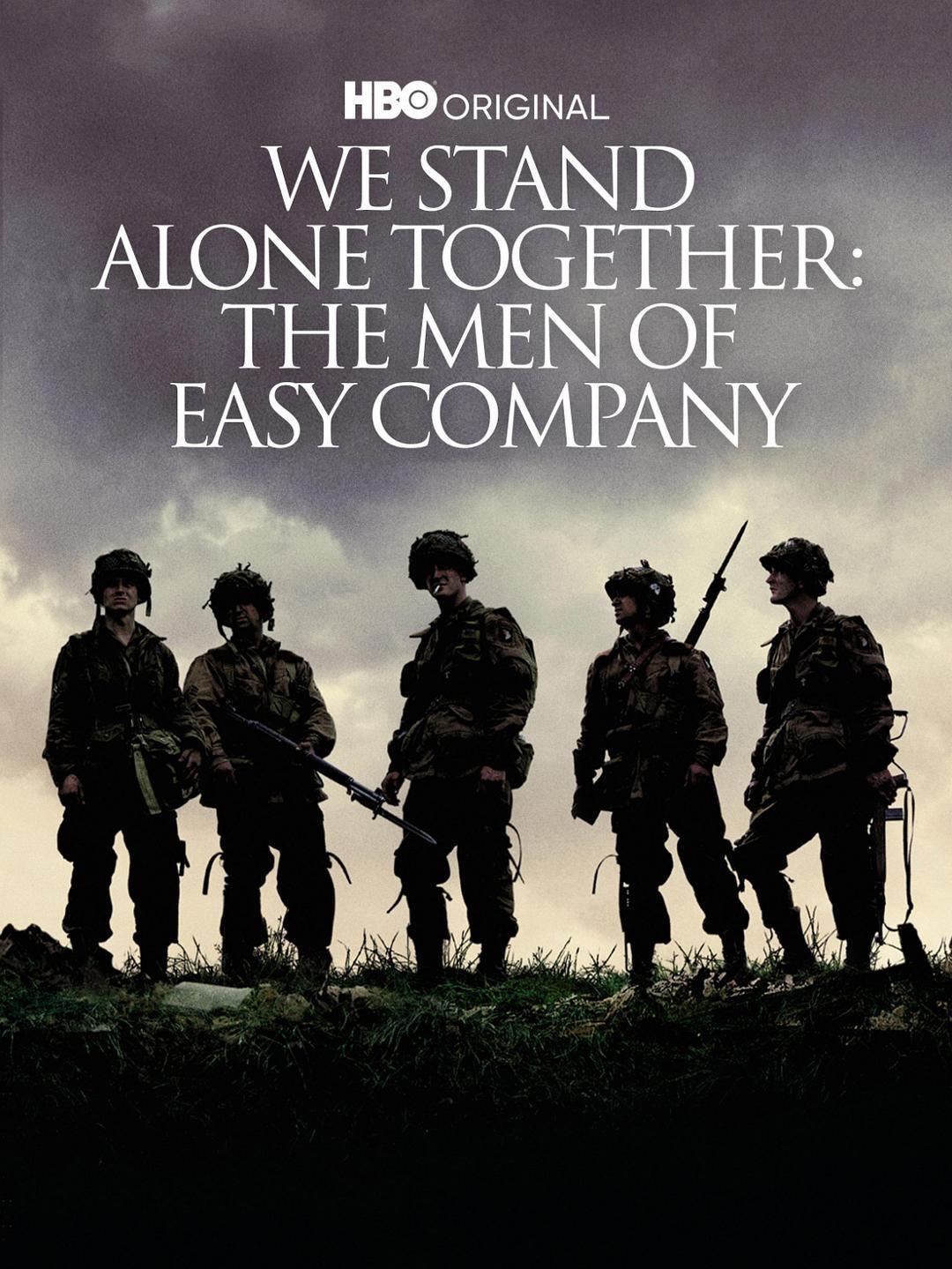
Over a period of two years, Mark Cowen and his crew travelled to thirty U.S. states and ten European cities, to interview the veterans of Easy Company. The stories told by the veterans themselves, create a history of the Second World War from the point of view of this heroic company of men, made famous in the mini-series Band of Brothers.