Women of the Kingdom of Dahomey (now Benin) are shown creating pottery.
Social & External
Hazoumè's "NGO (Beninese Solidarity with Endangered Westerners)" reflects on issues of immigration, economic disparity, and perceptions of wealth. Taking a critical eye toward the vast numbers of local and international nongovernmental organizations (NGOs) operating in his country of Benin, the artist created his own NGO to aid poor Westerners, thereby reversing conventional assumptions concerning poverty and the distribution of capital from so-called developed nations. In an attempt to expose the often hidden realities of the income inequality that exists in global Northern countries, he asked Beninese celebrities to solicit donations from Africans, who commonly associate Westerners with affluence. For Hazoumè, the driving concept of the project is to uncover such illusions: "To all appearances, it’s a matter of reversing the help, from south to north. But in reality—it is about making the Africans cogitate differently."
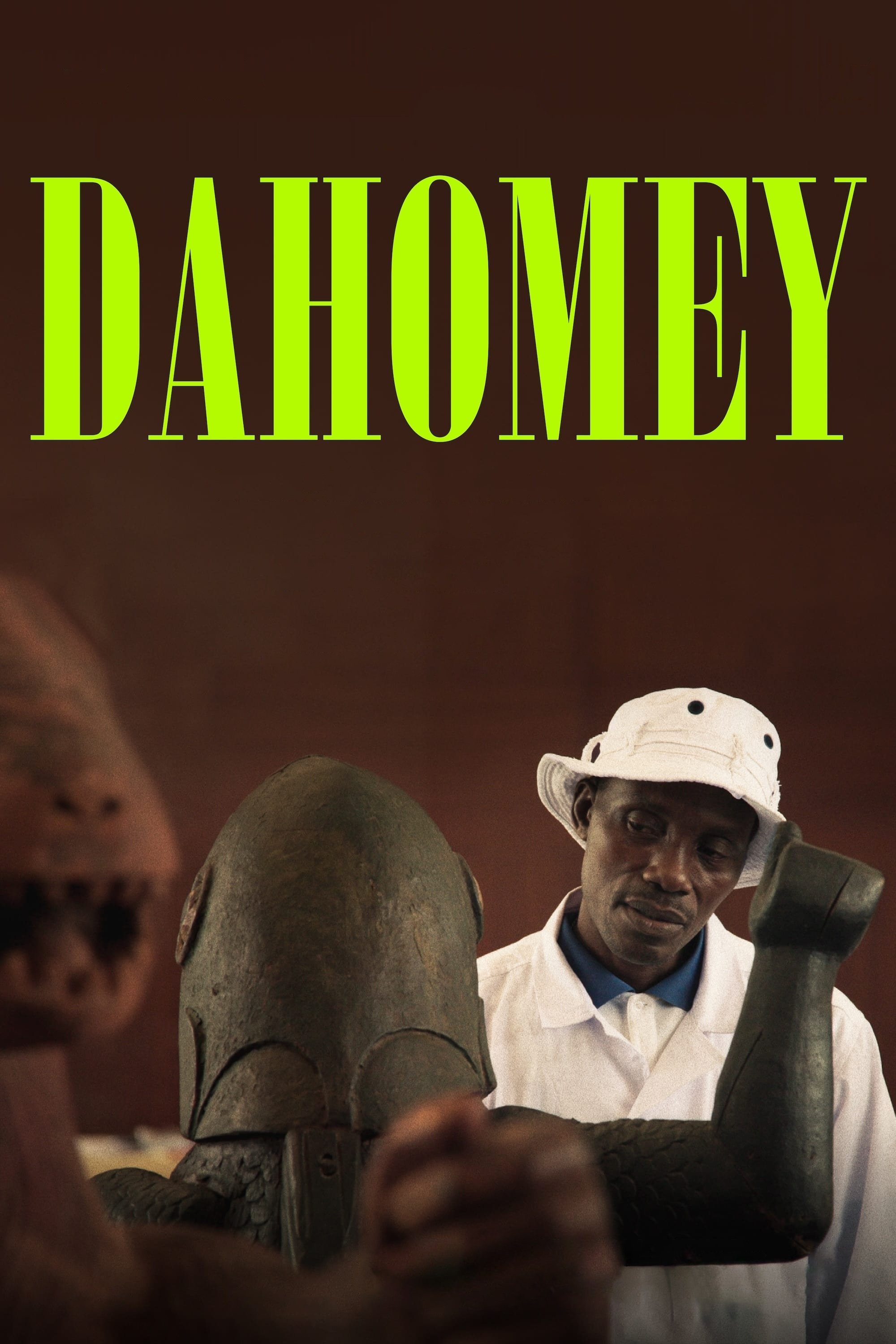
Thousands of royal artifacts of Dahomey, a West African kingdom, were taken by French colonists in the 19th century for collection and display in Paris. Centuries later, a fraction returned to their home in modern-day Benin. This dramatized documentary follows the journey of 26 of the treasures as told by cultural art historians, embattled university students, and one of the repatriated statues himself.
When Lena and Ulli start the engine of their old Land Rover, Lady Terés, they have a plan: to drive from Hamburg to South Africa in six months. What they don't know yet is that they won't ever get there. Two totally different characters, jammed together in two square meters of space for almost two years, they experience what it really means to travel: leaving your comfort zone for good.
The film portrays the trajectory and life of the “Agudá” people today. This is a group of descendants of Africans enslaved in Brazil, who returned to their homeland with the end of slavery, and also descendants, Brazilian and Portuguese, of slave traffickers, who settled in that region of Africa in the 18th and XIX. Present in Benin and Togo, the “agudás” assimilated the surname and part of the culture of their masters.
In July 1860, the schooner Clotilda slipped quietly into the dark waters of Mobile, Ala., holding 110 Africans stolen from their homes and families, smuggled across the sea, and illegally imported to be sold into slavery. Surviving Clotilda is the extraordinary story of the last slave ship ever to reach America's shores: the brash captain who built and sailed her, the wealthy white businessman whose bet set the cruel plan in motion, and the 110 men, women, and children whose resilience turned horror into hope.
What happens when a group of Finns travel to a tiny village in Benin to participate in a vaccination study? By participating, they can aid in the development of a diarrhea vaccine for children in developing countries – and, at the same time, have a different kind of vacation in West Africa. The complicated side of helping people and the clashes between two cultures rise to the forefront of Mia Halme’s delicious documentary film.
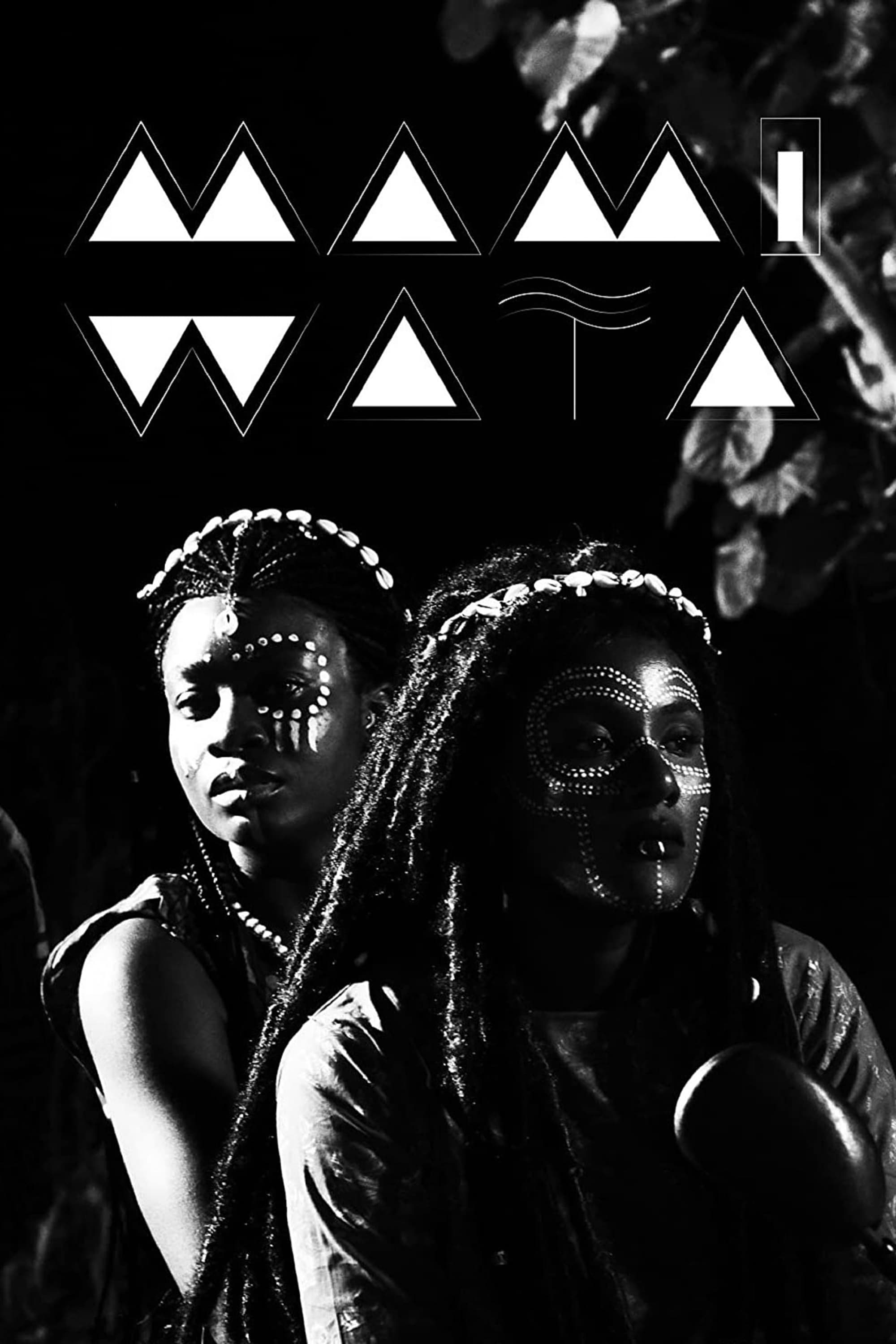
In the oceanside village of Iyi, the revered Mama Efe acts as an intermediary between the people and the all-powerful water deity Mami Wata. But when a young boy is lost to a virus, Efe’s devoted but rebellious daughter Zinwe and skeptical protégé Prisca warn Efe about unrest among the villagers. With the sudden arrival of a mysterious rebel deserter named Jasper, a conflict erupts, leading to a violent clash of ideologies and a crisis of faith for the people of Iyi.
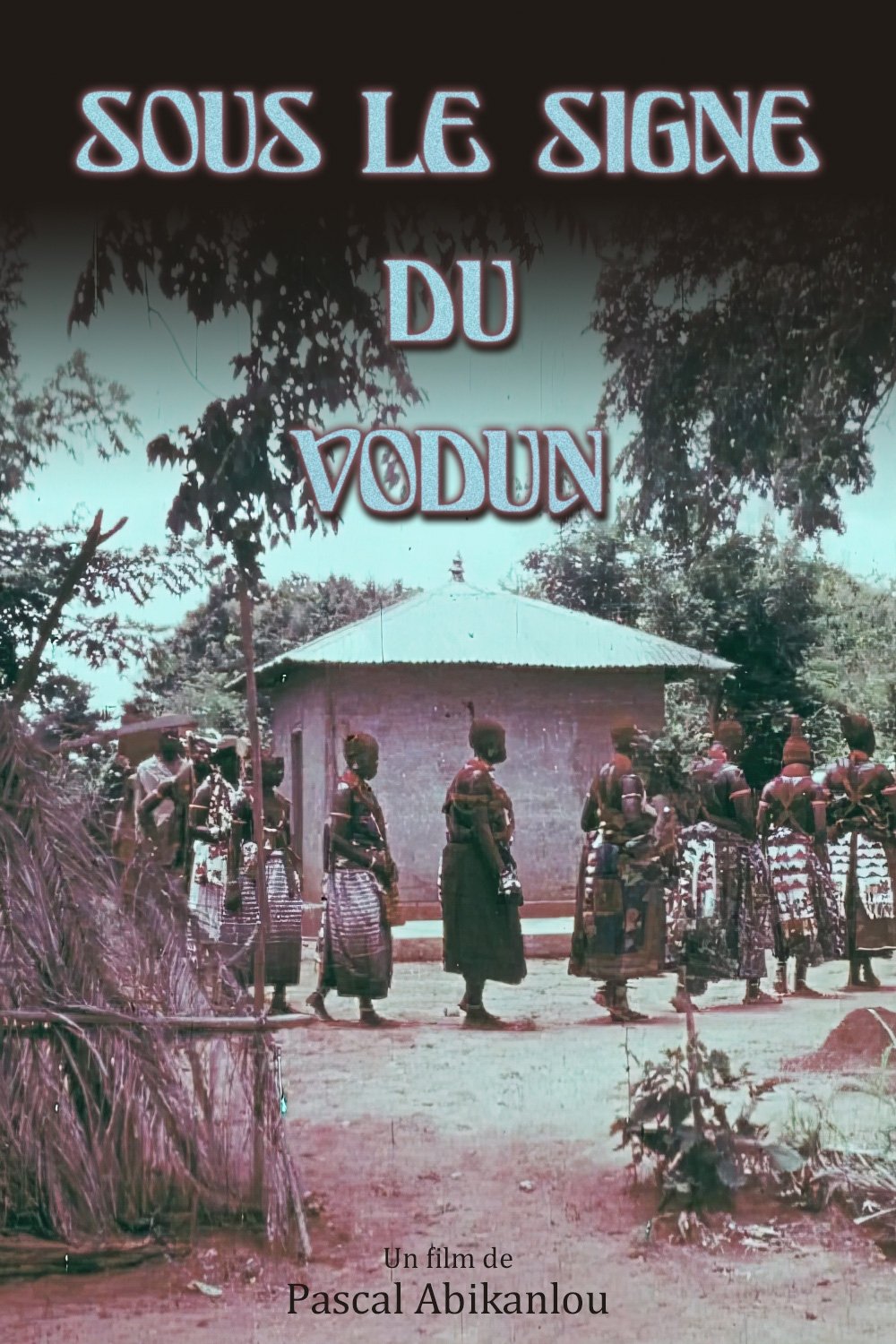
A young man having omitted to make the ritual offerings of voodoo, suffers the wrath of the spirits.
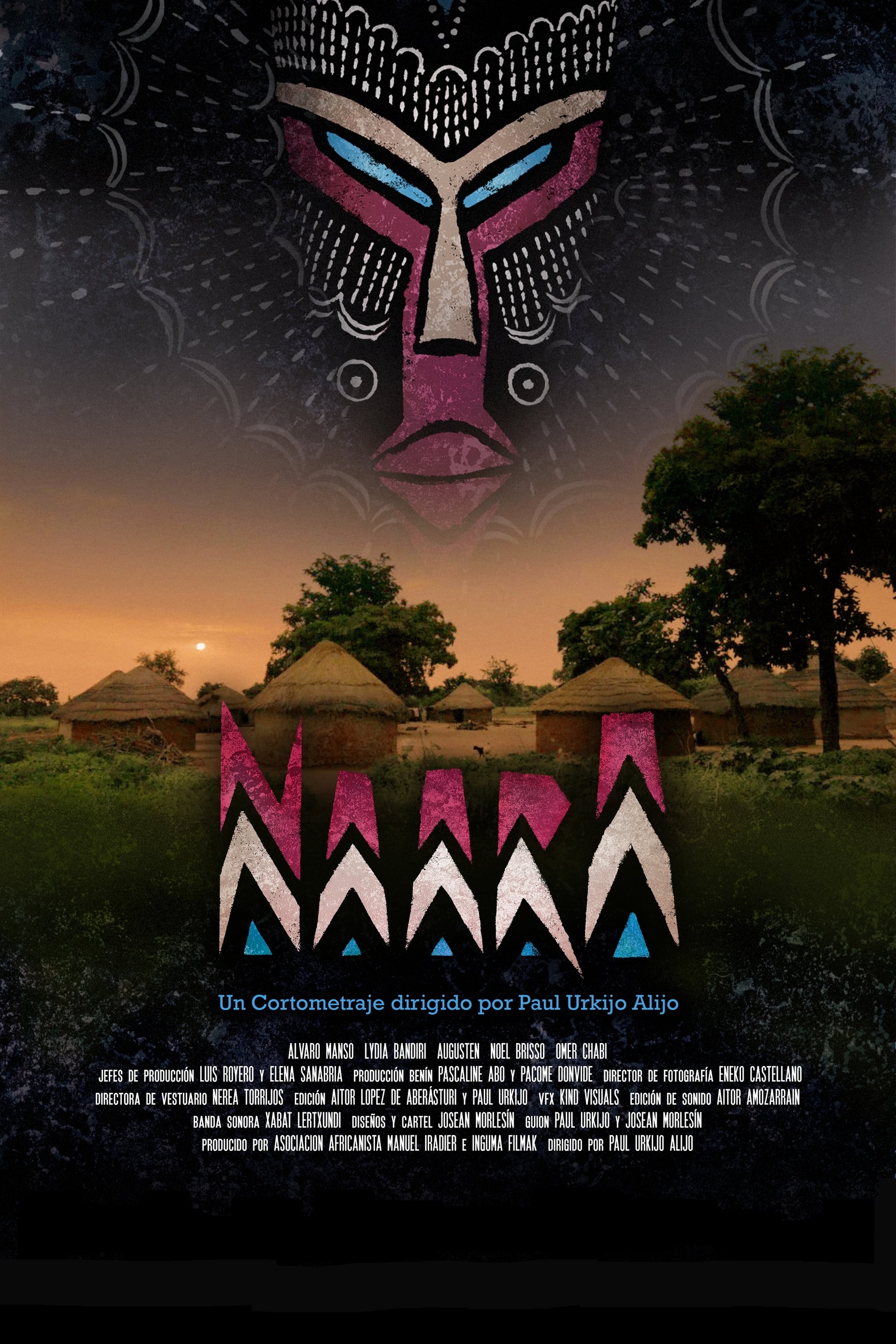
David, a clueless and cocky Spanish video blogger traveling in Africa, arrives in Benin, where he accidentally finds the truth behind an ancient legend.
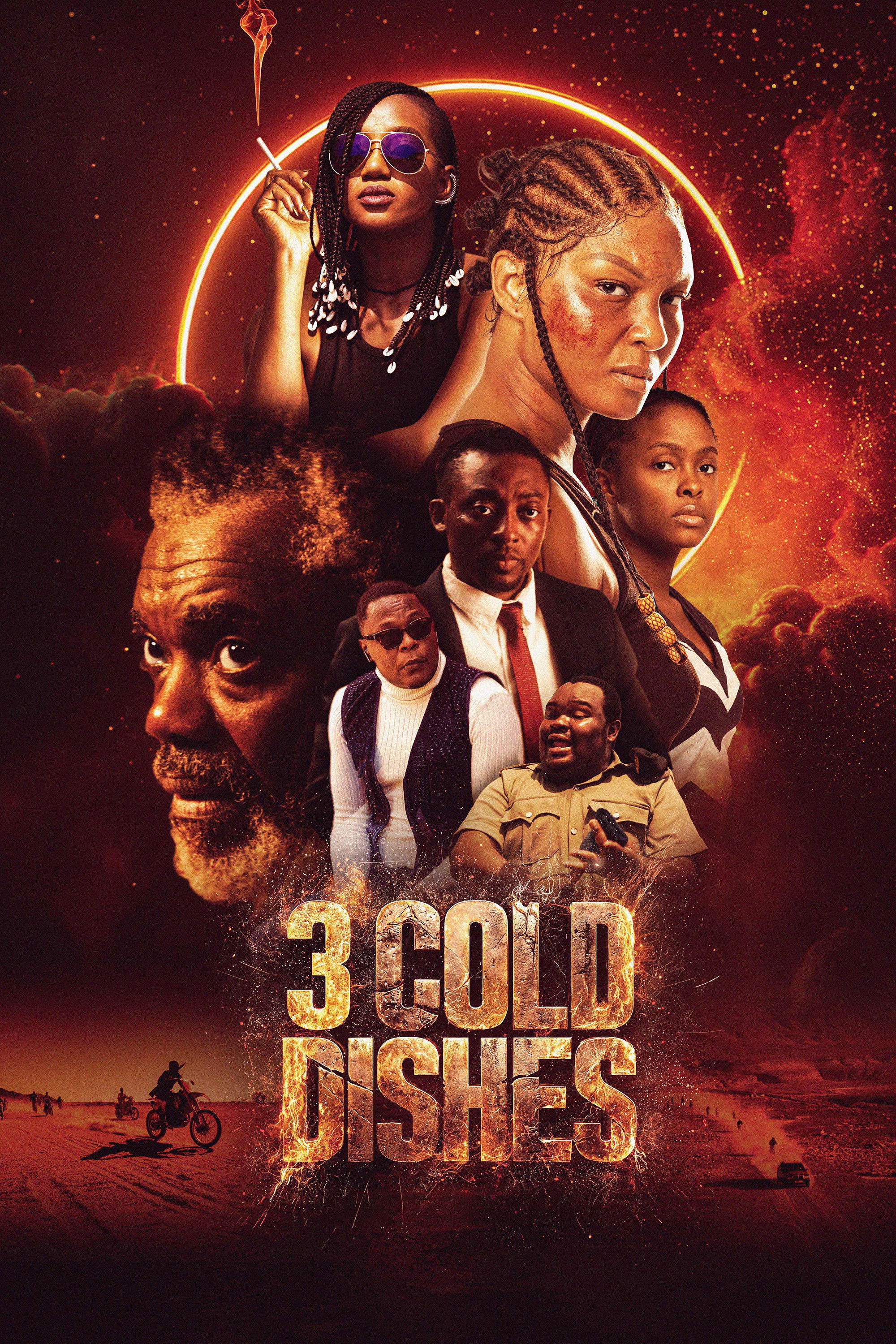
Esosa, Fatouma, and Giselle, three women trafficked as teenagers who reunite seventeen years later to dismantle the powerful men behind their pain. From the streets of Lagos to the shadows of Abidjan and Cotonou, they execute a cold, calculated mission, each move sharpened by trauma, sisterhood, and strategy.
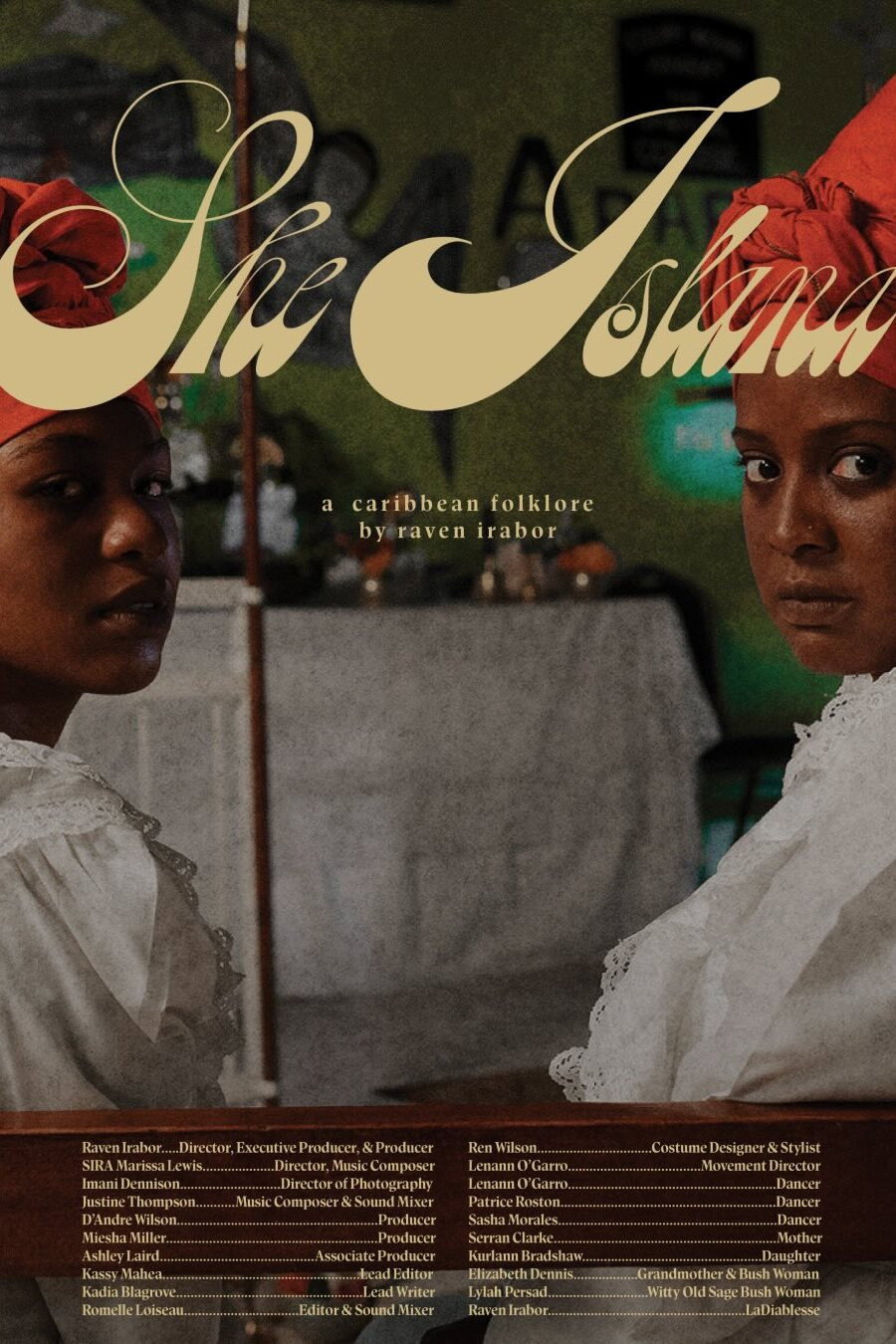
In the heart of the Caribbean, a mother and daughter confront a malevolent curse erasing identities of all the island's women, propelling them on a daring quest to reclaim their rich cultural heritage and triumph over the encroaching darkness.
After coming up against homophobia from straight service providers, Queer Gimp Girl (Marg Scott) seeks out other disabled queers and asks about their experiences of disabled awareness and access in the queer communities.
Is art useful to man? The actors are suited to society. Passers-by are people who want to dream but have now lost confidence, laziness on the one hand, conditioning and deschooling on the other, require you to lower your sights and everyone is content to pursue modest cheap expectations. Reality and art are not in communication, impoverished by individualism, the actors and artists dance to the rhythm imposed by power, they slaughter each other, they abuse each other without realizing the possibilities of communication that open up by moving outside the choir. Rome is occupied by every step, the foot walking lightly occupies the public land. But this occupation is not news because it is lightning fast. The criteria of employment mark the time.
Nicolás Barsoff, a young Argentine actor of Austrian and Russian descent, rescues a box of film reels just as his father was about to throw it away. He hopes the box will be the key to unlocking a tendency toward darkness that haunts him as part of an inevitable inheritance he tries to combat with natural medicines. Through the archive, we delve into the story of a family torn apart by World Wars I and II, immigration to Argentina, and the military dictatorship of 1976. His two grandparents are presented as antagonistic characters in the context of the disappearance: two ghostly figures in a genealogy that Nicolás will try to reconstruct.
Recorded at The Lemon Tree, Aberdeen in December 2013, and features a song from every Stranglers studio album up to 1990 and a song from every Hugh Cornwell studio album.
Ten thousand years ago we were all hunter-gatherers. Now, the Yanomami Indians in the Venezuelan Amazon are the last large group of semi-nomadic hunter gathers remaining on earth. For thousands of years their lifestyle remain fundamentally unchanged. During a short 13 year period, when Hugo Chavez decided to bring remote Yanomami Indians into the modern Venezuelan welfare state, new stresses emerged. The filmmakers have been documenting the path of one Yanomami village in the Venezuelan Amazon, from November, 2000 to December, 2020. This period coincided with the rise and fall of the Venezuelan economy and the related Chavez socialist revolution. The challenges and changes for the people in this village as a result of these forces... compressing thousands of years of adaptation into two decades... created dramatic conflicts still unresolved.
Breaking taboos: Belarusian contemporary artist Aliaksei Kuzmich gives us the keys to understanding his art of action.
In the Realms of the Unreal is a documentary about the reclusive Chicago-based artist Henry Darger. Henry Darger was so reclusive that when he died his neighbors were surprised to find a 15,145-page manuscript along with hundreds of paintings depicting The Story of the Vivian Girls, in What is Known as the Realms of the Unreal, of the Glodeco-Angelinnian War Storm, Cased by the Child Slave Rebellion.
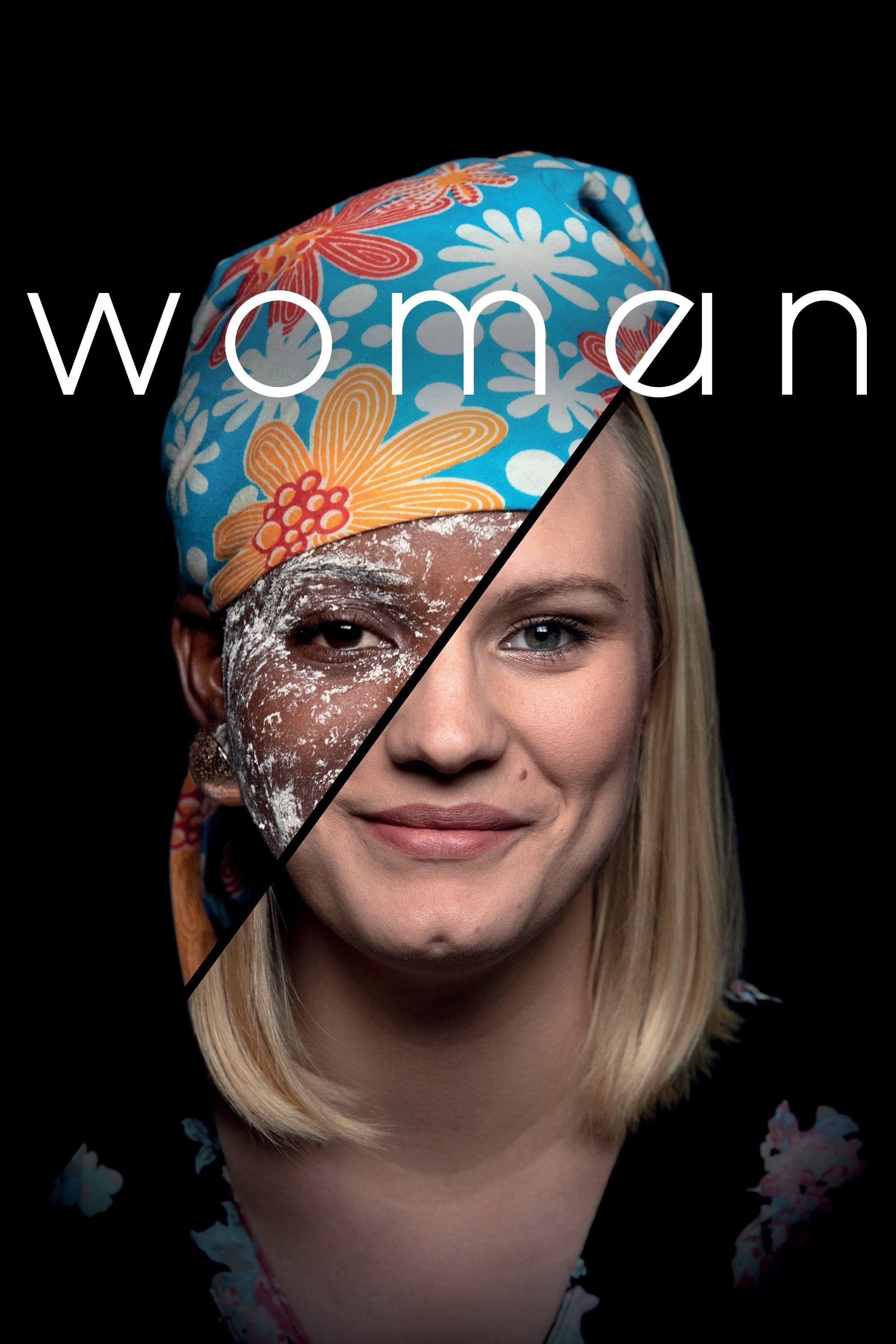
The film is based on interviews with 2,000 women from 50 countries, and covers the status of women all over the world. The topics covered include forced marriages, sexual assault, female genital mutilation, acid attacks, motherhood, sexuality, menstruation, education and the professional success of women.
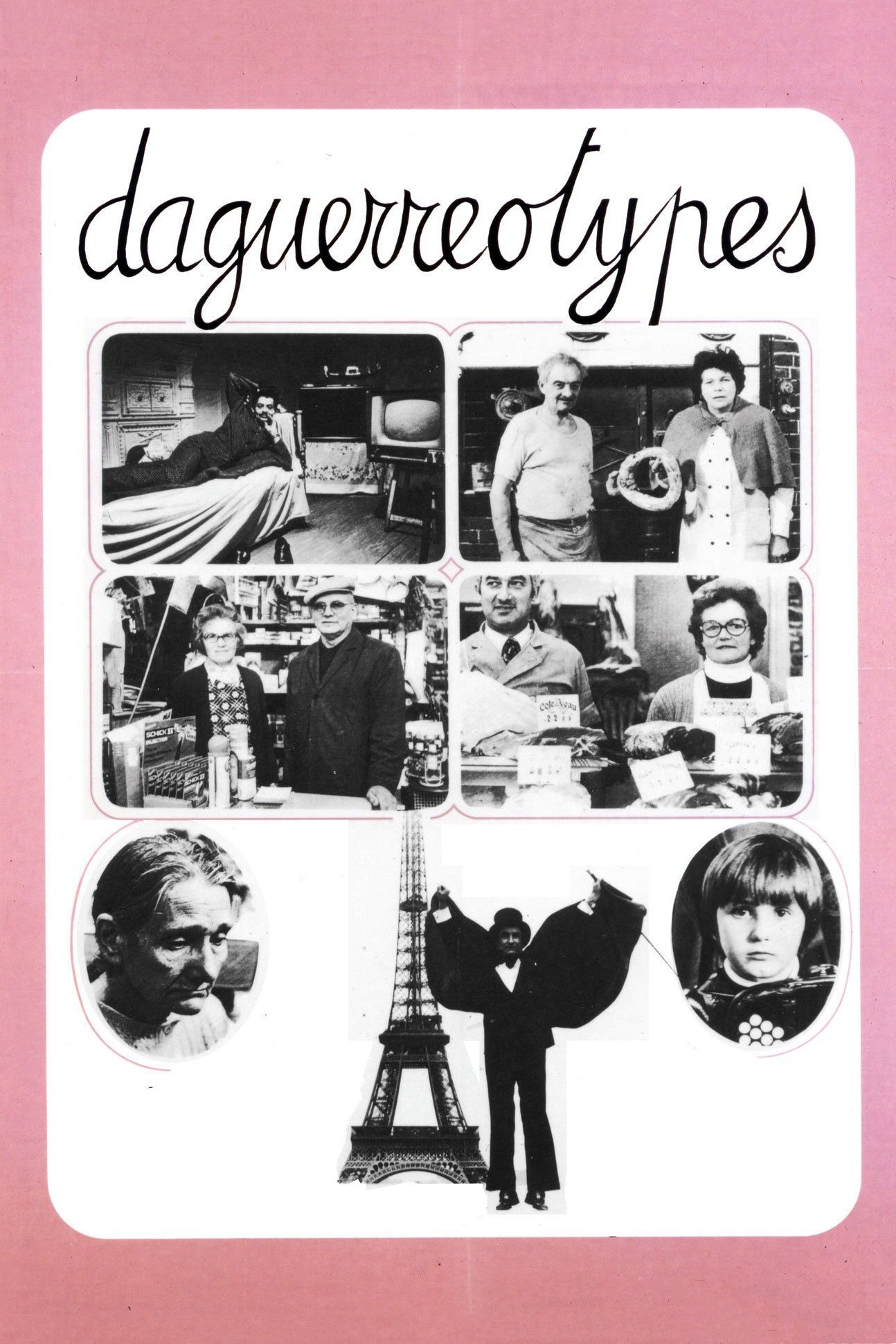
An intimate portrait of the small shops and shopkeepers of the Rue Daguerre in Paris, a picturesque street that has been the filmmaker’s home for more than 50 years.
With unprecedented access to the official archives and intimate recollections from the band, both current and past, Iron Maiden: Burning Ambition invites fans to experience one of the most iconic journeys in music history. Spanning five decades, this electrifying documentary charts the band’s rise from the pubs of East London to the world’s biggest stadiums. Featuring exclusive interviews with band members and contributors such as Javier Bardem, Lars Ulrich and Chuck D, as well as all-new animated sequences of the band's legendary mascot, Eddie, the film offers a rare and intimate look at Iron Maiden’s uncompromising vision and unwavering connection with their truly global army of fans.
A detailing of the rise to prominence and global sporting superstardom of six supremely talented young Manchester United football players (David Beckham, Nicky Butt, Ryan Giggs, Paul Scholes, Phil and Gary Neville). The film covers the period 1992-1999, culminating in Manchester United's European Cup triumph.
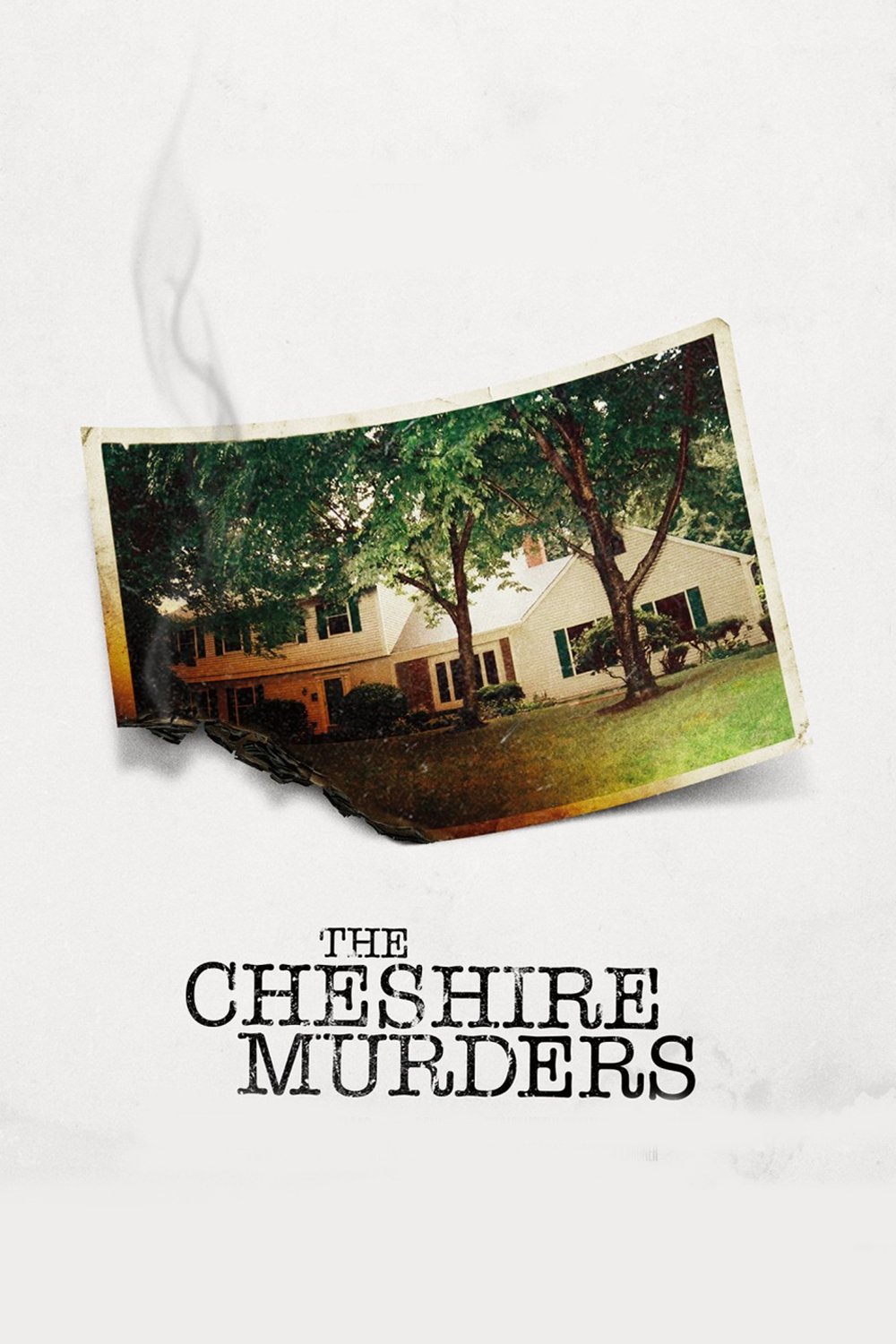
In the early-morning hours of July 23, 2007, in Cheshire, Conn., ex-convicts Steven Hayes and Joshua Komisarjevsky broke into the family home of William Petit, his wife, Jennifer, and their daughters, Michaela, 11, and Hayley, 17. Dr. Petit was beaten and tied to a pole in the basement. The three women were bound in their bedrooms while the men ransacked the house. The brutal ordeal continued throughout the morning, ending with rape, arson and a horrific triple homicide.
This character-driven film considers the evolving sex trafficking landscape as seen by the main players: the exploited, the pimps, the johns that fuel the business, and the cops who fight to stop it.
This special explores the return of Obi-Wan Kenobi and Anakin Skywalker to the screen, as well as Ewan McGregor and Hayden Christensen to their classic roles. Director Deborah Chow leads the cast and crew as they create new heroes and villains that live alongside new incarnations of beloved Star Wars characters, and an epic story that dramatically bridges the saga films.
Through deeply personal interviews with her siblings and an examination of the photographs, letters, and belongings left behind, Mariska assembles a new portrait of her mother Jayne Mansfield, an extraordinary and complex woman.
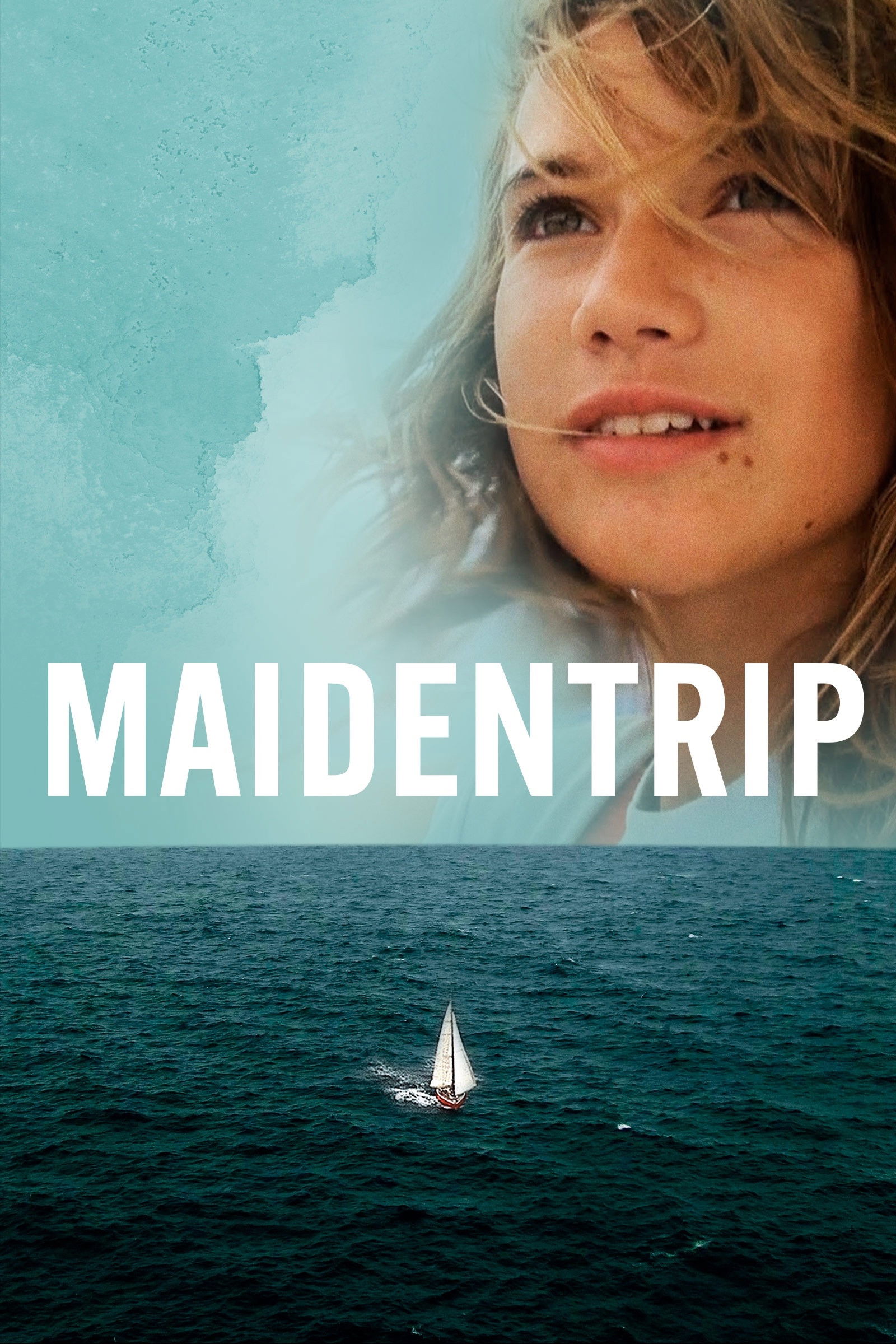
14-year-old Laura Dekker sets out on a two-year voyage in pursuit of her dream to become the youngest person ever to sail around the world alone.
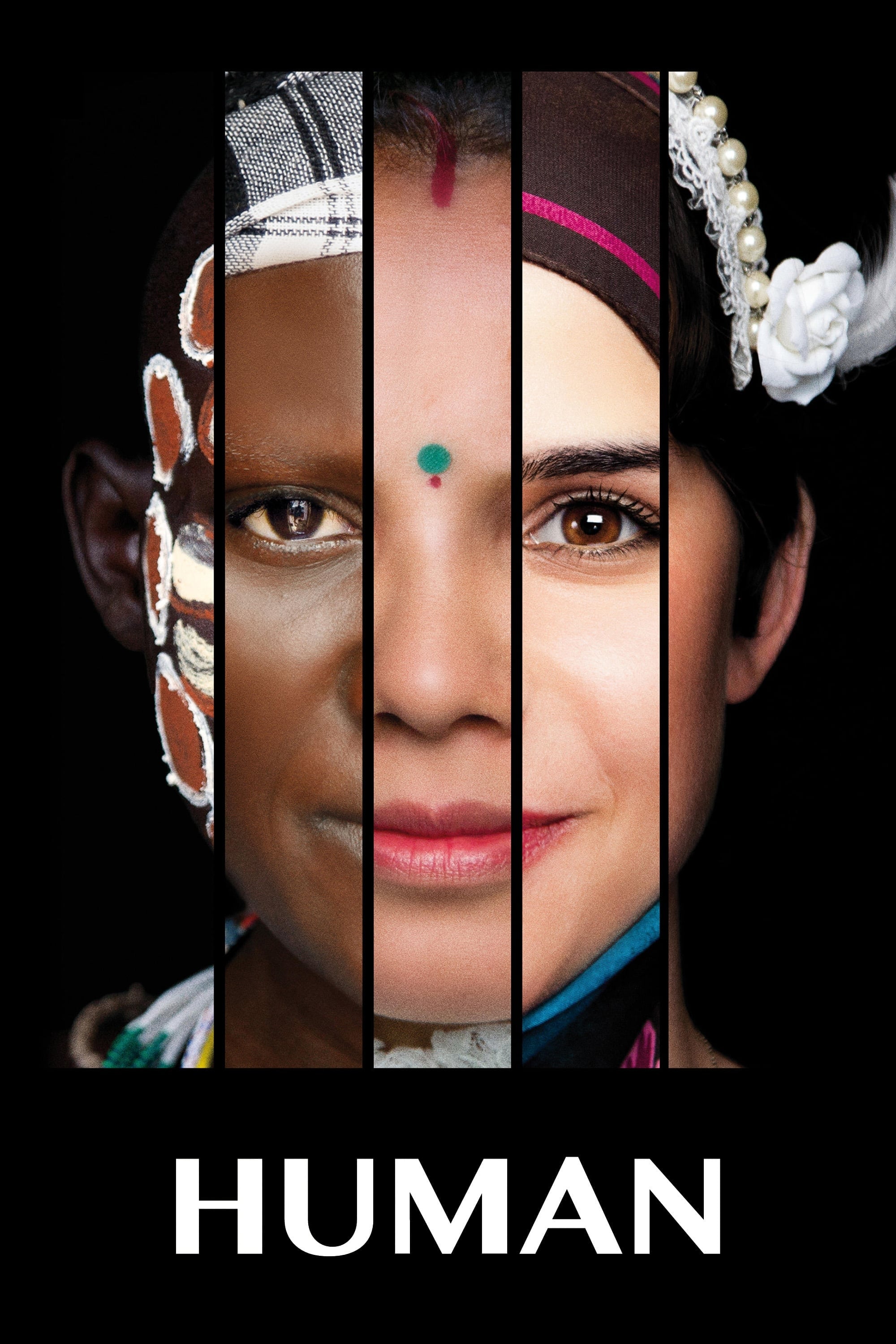
A collection of stories about and images of our world, offering an immersion to the core of what it means to be human. Through these stories full of love and happiness, as well as hatred and violence, it brings us face to face with the Other, making us reflect on our lives. From stories of everyday experiences to accounts of the most unbelievable lives, these poignant encounters share a rare sincerity and underline who we are – our darker side, but also what is most noble in us, and what is universal. Our Earth is shown at its most sublime through never-before-seen aerial images accompanied by soaring music, resulting in an ode to the beauty of the world, providing a moment to draw breath and for introspection. This film is a politically engaged work which allows us to embrace the human condition and to reflect on the meaning of our existence.
Al Pacino's deeply-felt rumination on Shakespeare's significance and relevance to the modern world through interviews and an in-depth analysis of "Richard III."
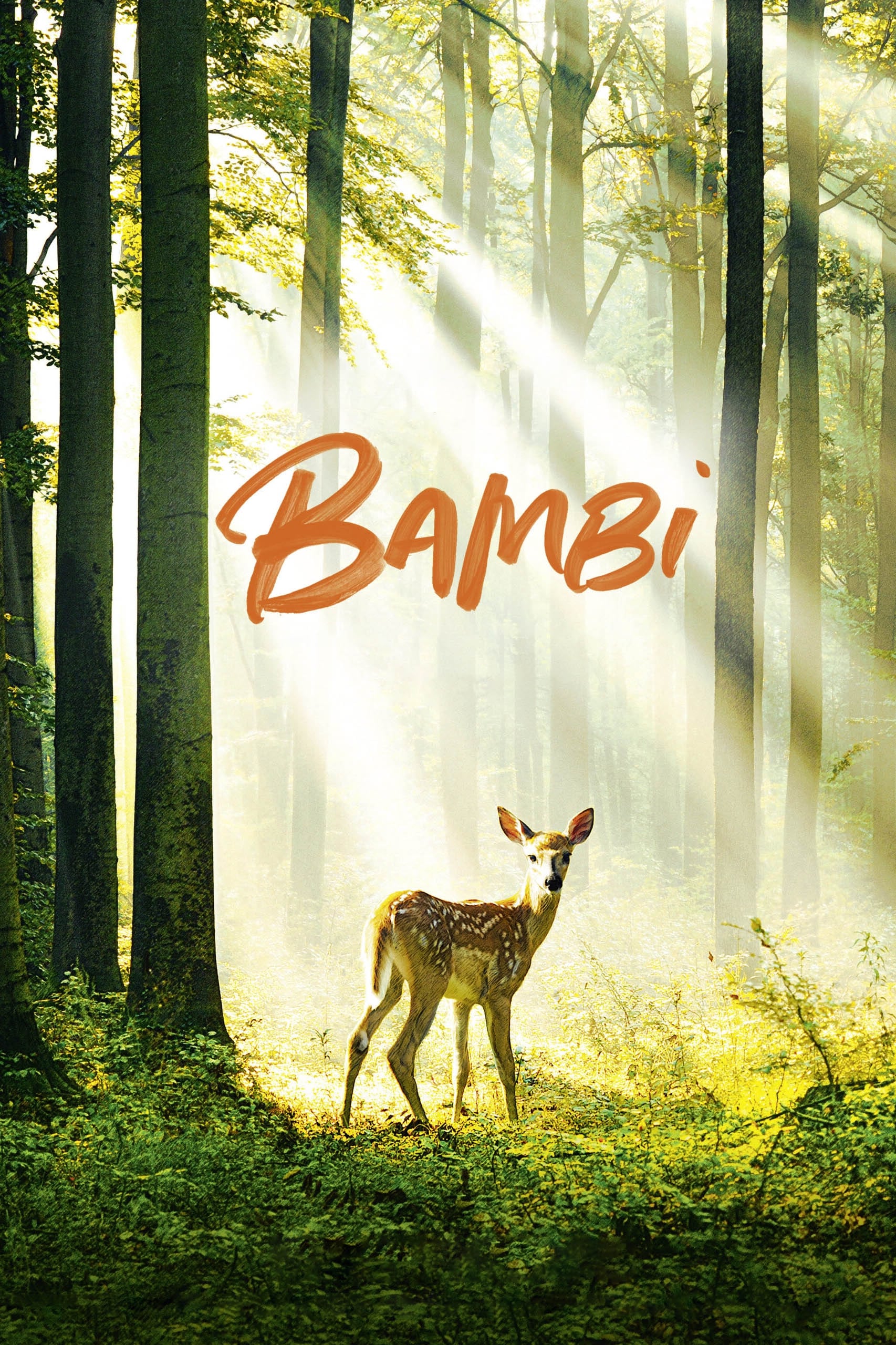
The life of Bambi, a male roe deer, from his birth through childhood, the loss of his mother, the finding of a mate, the lessons he learns from his father, and the experience he gains about the dangers posed by human hunters in the forest.
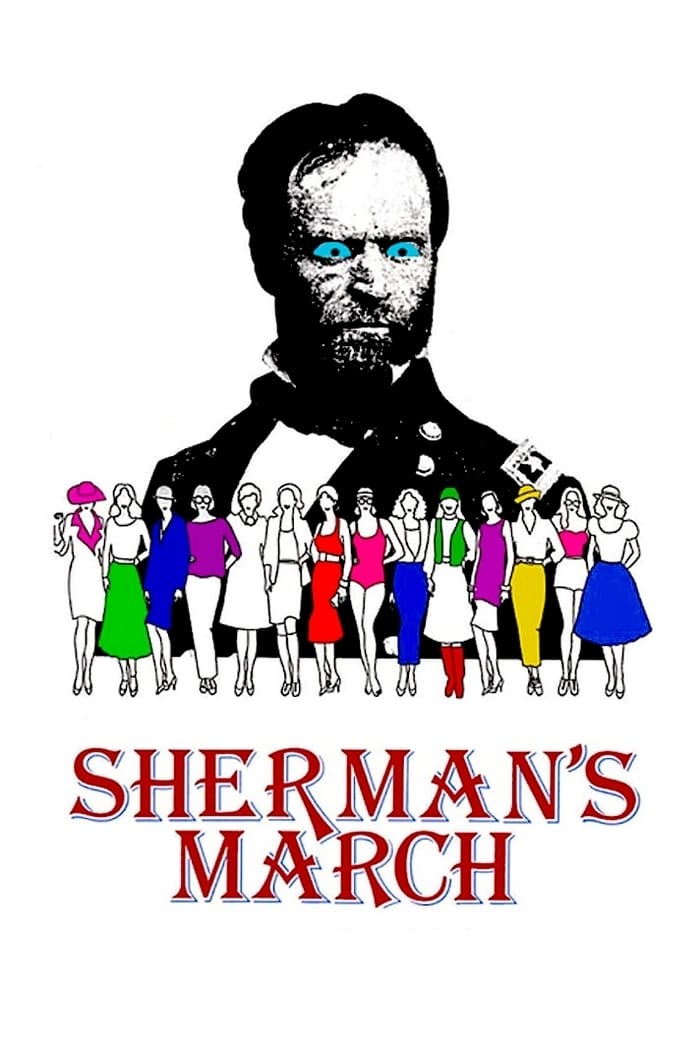
Documentarian Ross McElwee originally set out to make a travelogue of sorts tracing General William T. Sherman's infamous scorched-earth march through the Confederacy in the latter stages of the Civil War. Instead, haunted by a recent breakup with a girlfriend, McElwee ends up documenting his progress -- or lack thereof -- in starting a new relationship. His journey then becomes one of self-reflection and self-discovery rather than a historical/sociological exploration.
What does being a woman really mean? How do women live the status society reserves for them? A group of women, beautiful or not, young or not, gifted with motherly instinct or not, answer before Agnès Varda's camera.
A documentary on the expletive's origin, why it offends some people so deeply, and what can be gained from its use.
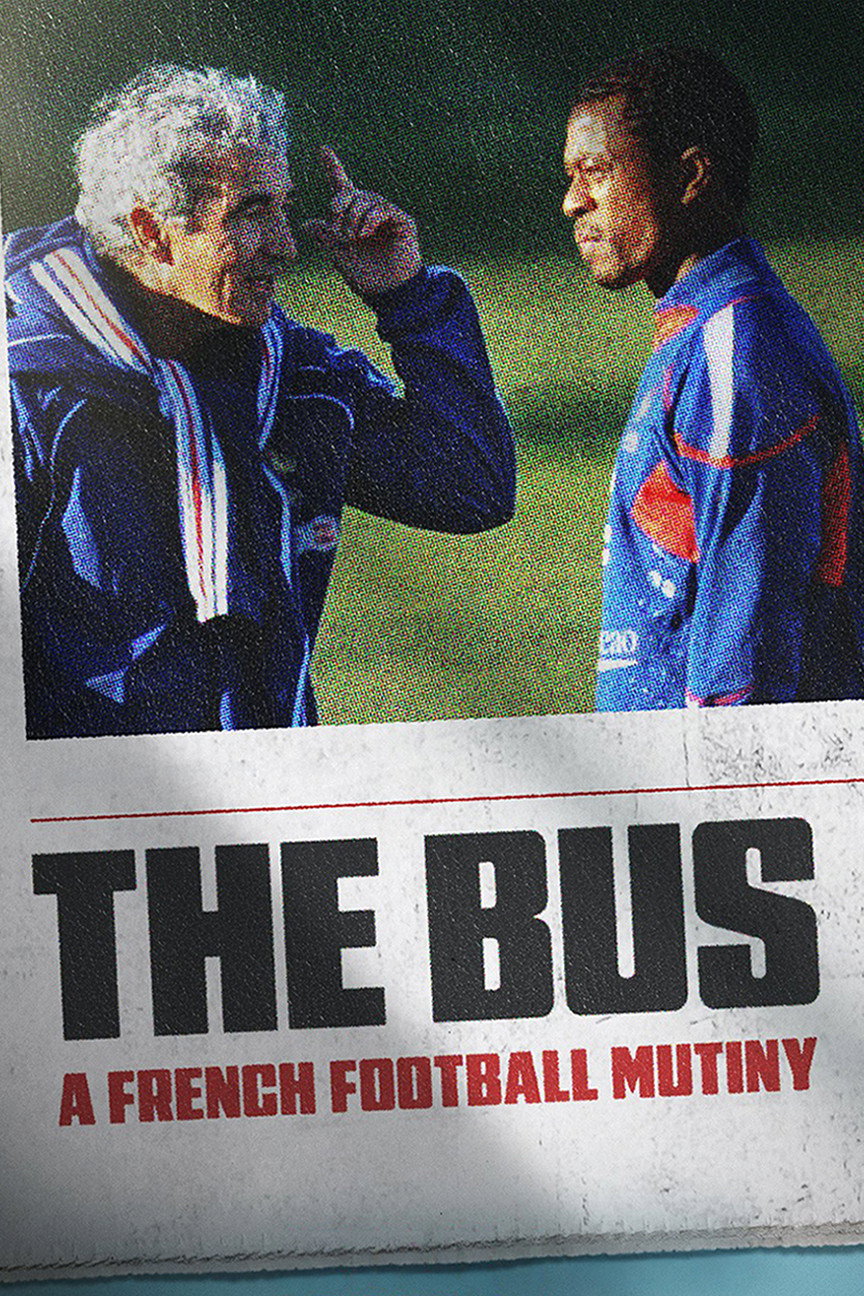
This documentary revisits the French football team's controversial 2010 World Cup and the bus strike that sparked global headlines and national outrage.
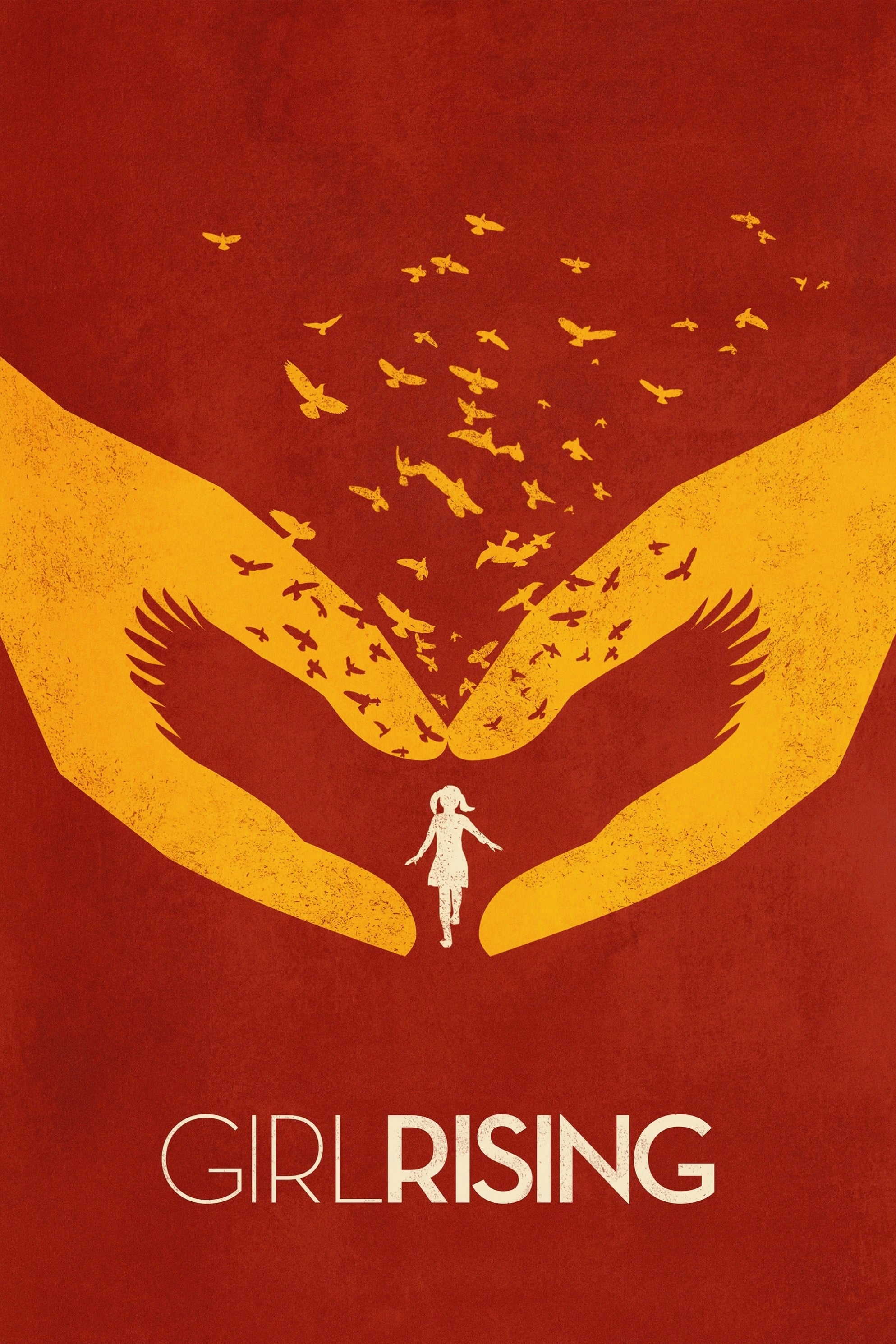
Nine filmmakers each profile a young girl from a different part of the world to weave a global tapestry of youth in the 21st century.
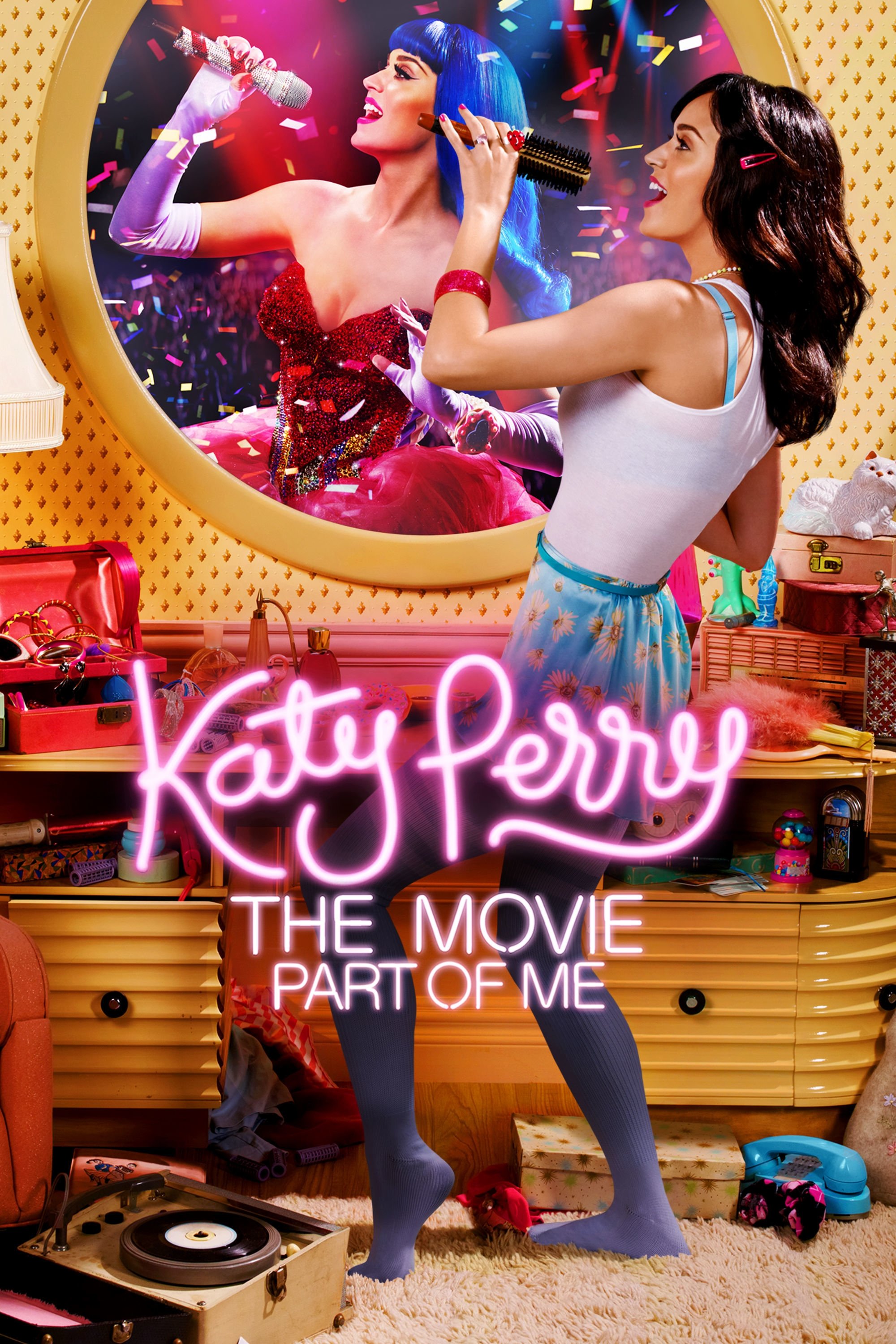
Giving fans unprecedented access to the real life of the music sensation, Katy Perry: Part of Me exposes the hard work, dedication and phenomenal talent of a girl who remained true to herself and her vision in order to achieve her dreams. Featuring rare behind-the-scenes interviews, personal moments between Katy and her friends, and all-access footage of rehearsals, choreography, Katy’s signature style and more, Katy Perry: Part of Me reveals the singer’s unwavering belief that if you can be yourself, then you can be anything.