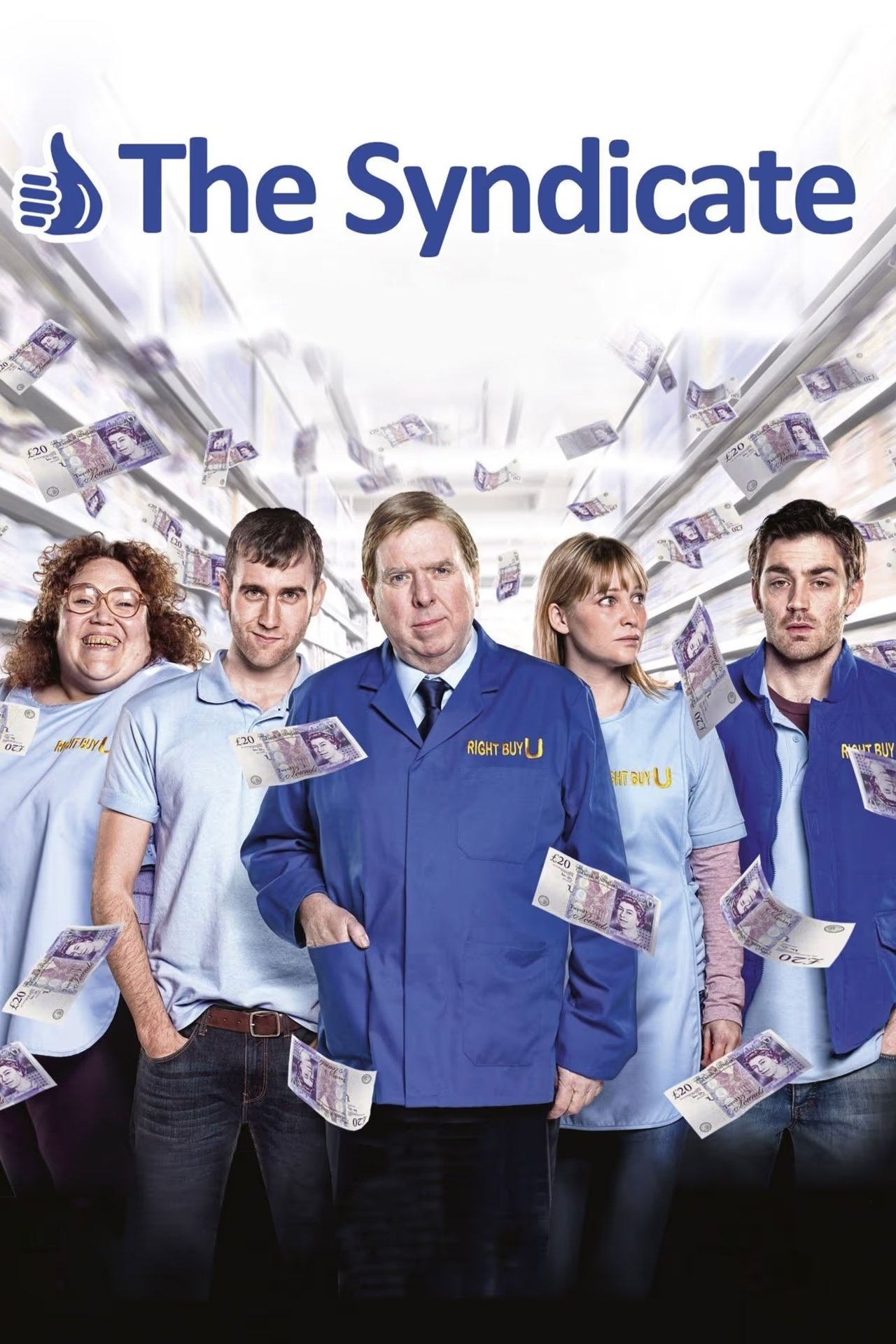
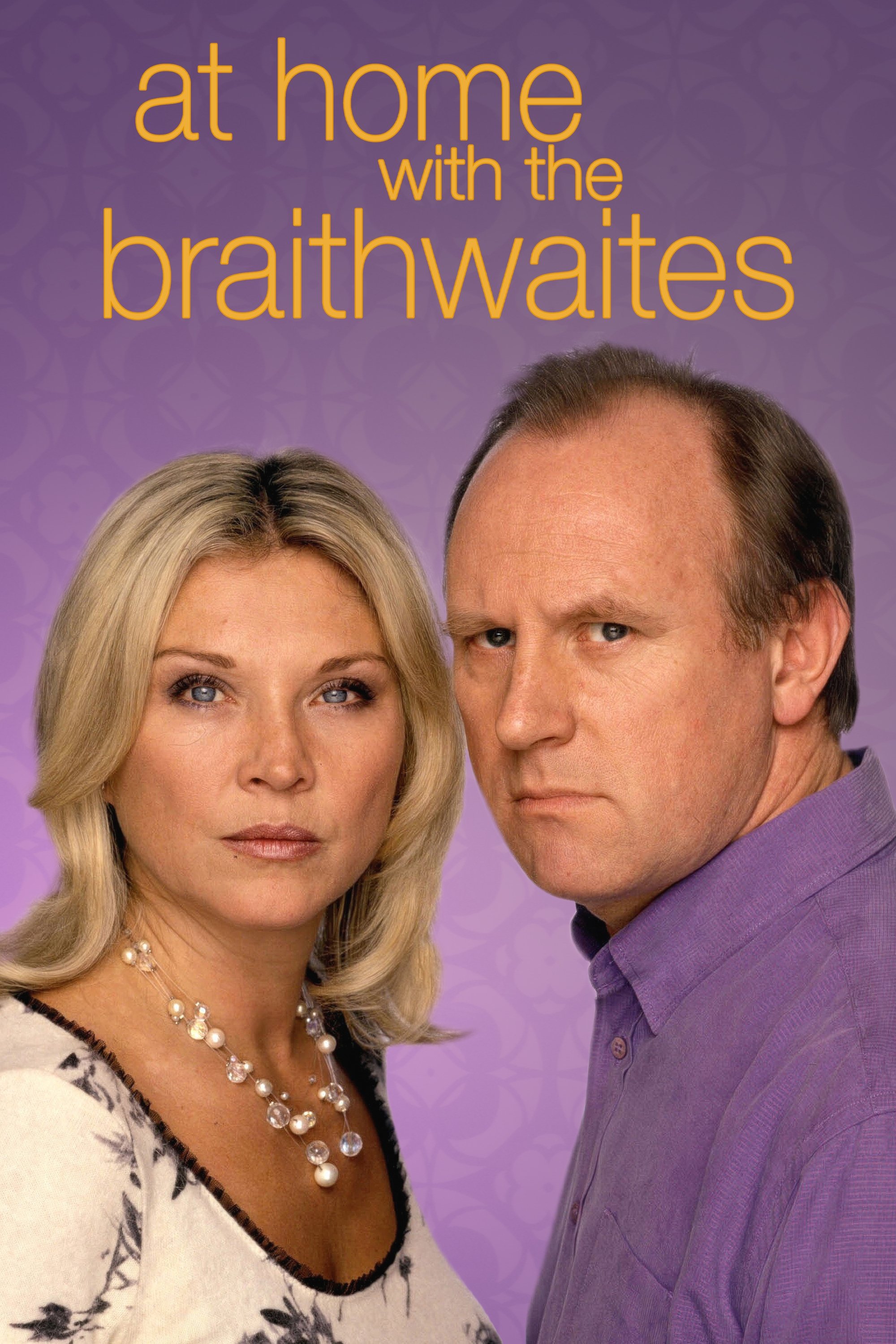

The lives of a suburban family from Leeds are turned upside down when the matriarch wins £38 million on the lottery.
Social & External
Alison Braithwaite
David Braithwaite
Virginia Braithwaite
Sarah Braithwaite
Charlotte Braithwaite
Denise Skidmore
Mike Hartnoll
Elaine Fishwick
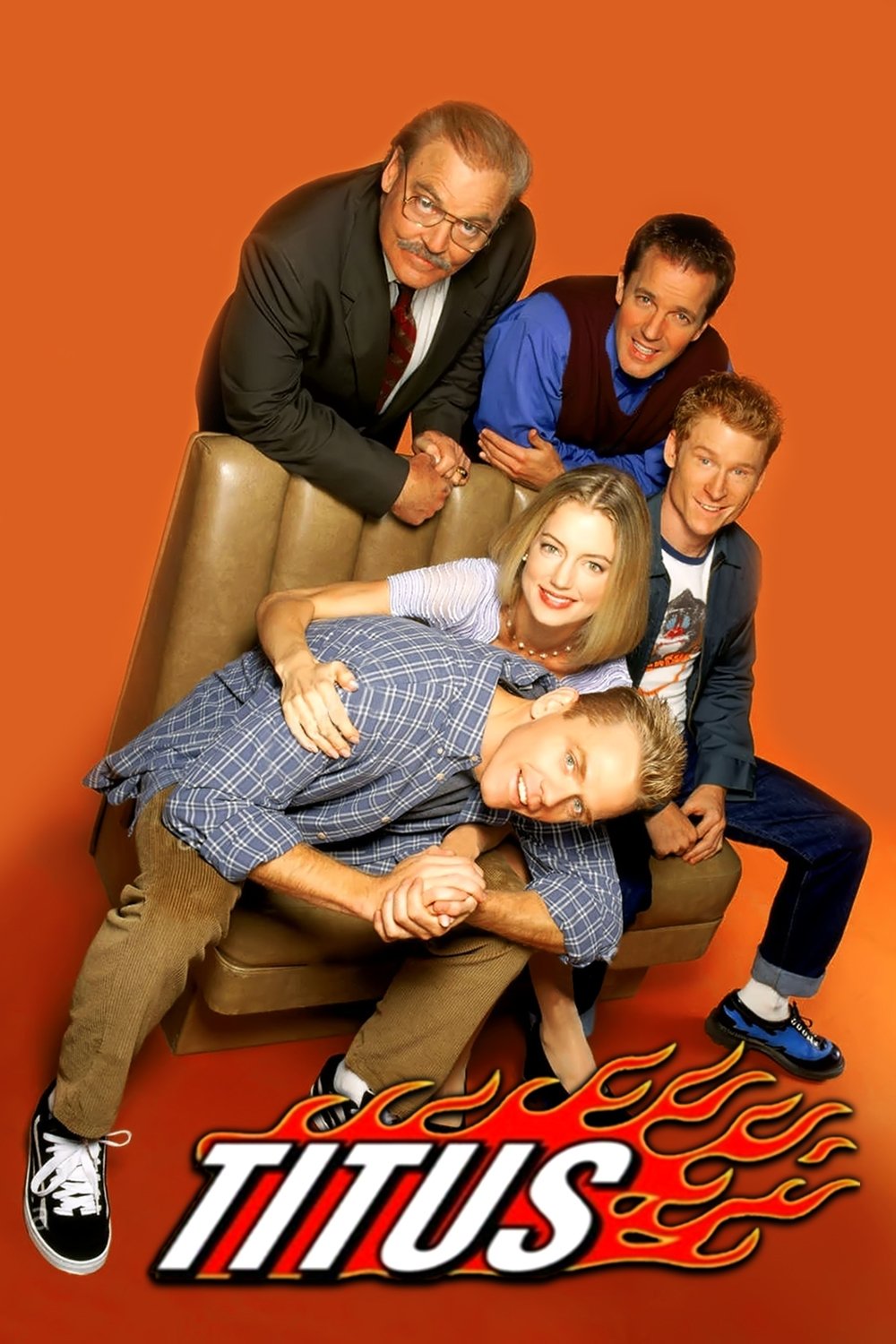
Titus is an American dark comedy sitcom that debuted on Fox in 2000. The series was created by its star, Christopher Titus, Jack Kenny, and Brian Hargrove. This sitcom was based on Christopher's stand-up comedy act, more specifically his one-man show Norman Rockwell is Bleeding, which was based loosely upon his real-life family; lines from Norman Rockwell is Bleeding were spoken by Titus as commentary. Titus plays an outwardly childish adult, who owns a custom car shop. The show follows him and his dimwitted halfbrother Dave, his girlfriend Erin with the "heart of gold", his goody-goody friend Tommy, and his arrogantly lewd, bigoted and multiple-divorced father Ken "Papa" Titus.
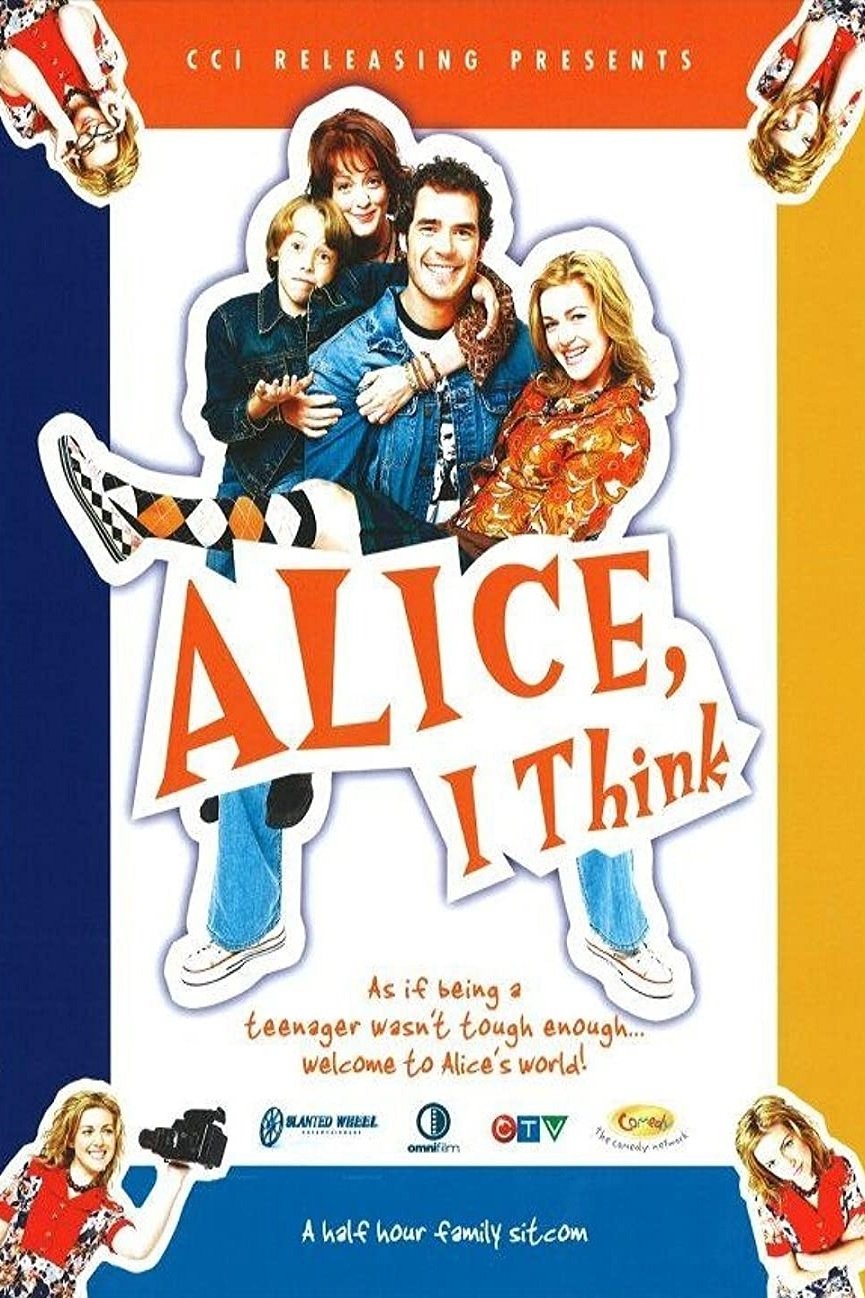
Alice, I Think was a Canadian television series based on the Susan Juby book of the same name. Fifteen-year-old Alice is a "hyper-critical, socially-retarded narcissist with mind-numbingly poor judgement," played by Carly McKillip. Alice's brother, MacGregor, is played by Connor Price. Alice's father, John, is played by Dan Payne, and her mother, Diane, is played by Rebecca Northan. Other characters include Marcus, Aubrey, Bob, Finn, Linda, Becky, Karen, Violet, Rosie and Geraldine. The show takes place in Smithers, British Columbia. The show first aired on The Comedy Network on May 26, 2006. It formerly aired Fridays at 8pm ET/PT and Saturdays at 8:30pm ET/PT on The Comedy Network and airs on A-Channel on Mondays at 8:30pm ET/PT.
Five aspiring lawyers are aiming for the top - but behind the scenes they're a mess of love, drugs and excess.
In Manchester, Nathan is in a love triangle with Fi and Jase, and the trio explore how chance and coincidence shape their lives.
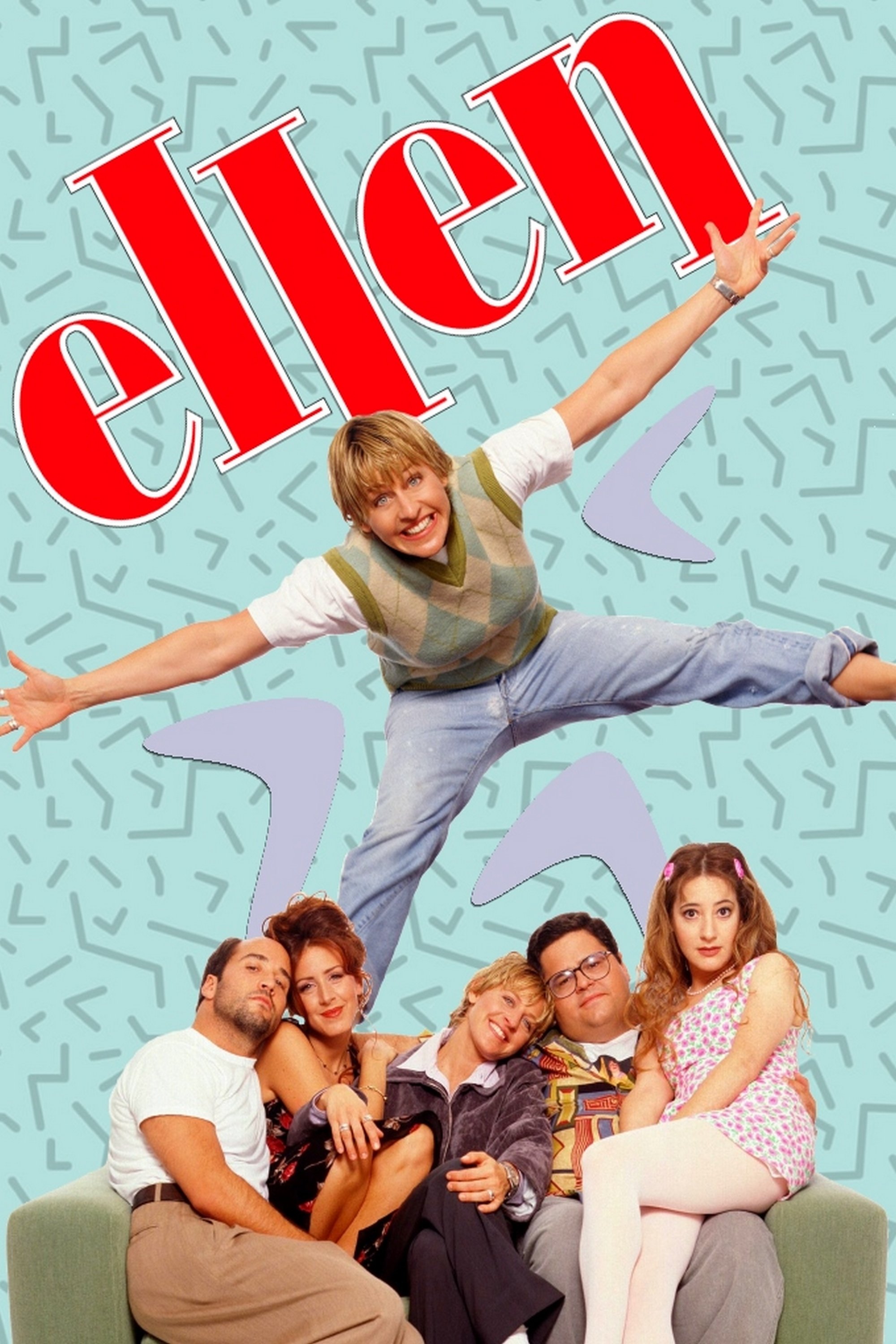
Ellen works in a Los Angeles bookstore called Buy the Book and hangs around with her friends discussing lovers, work and family.
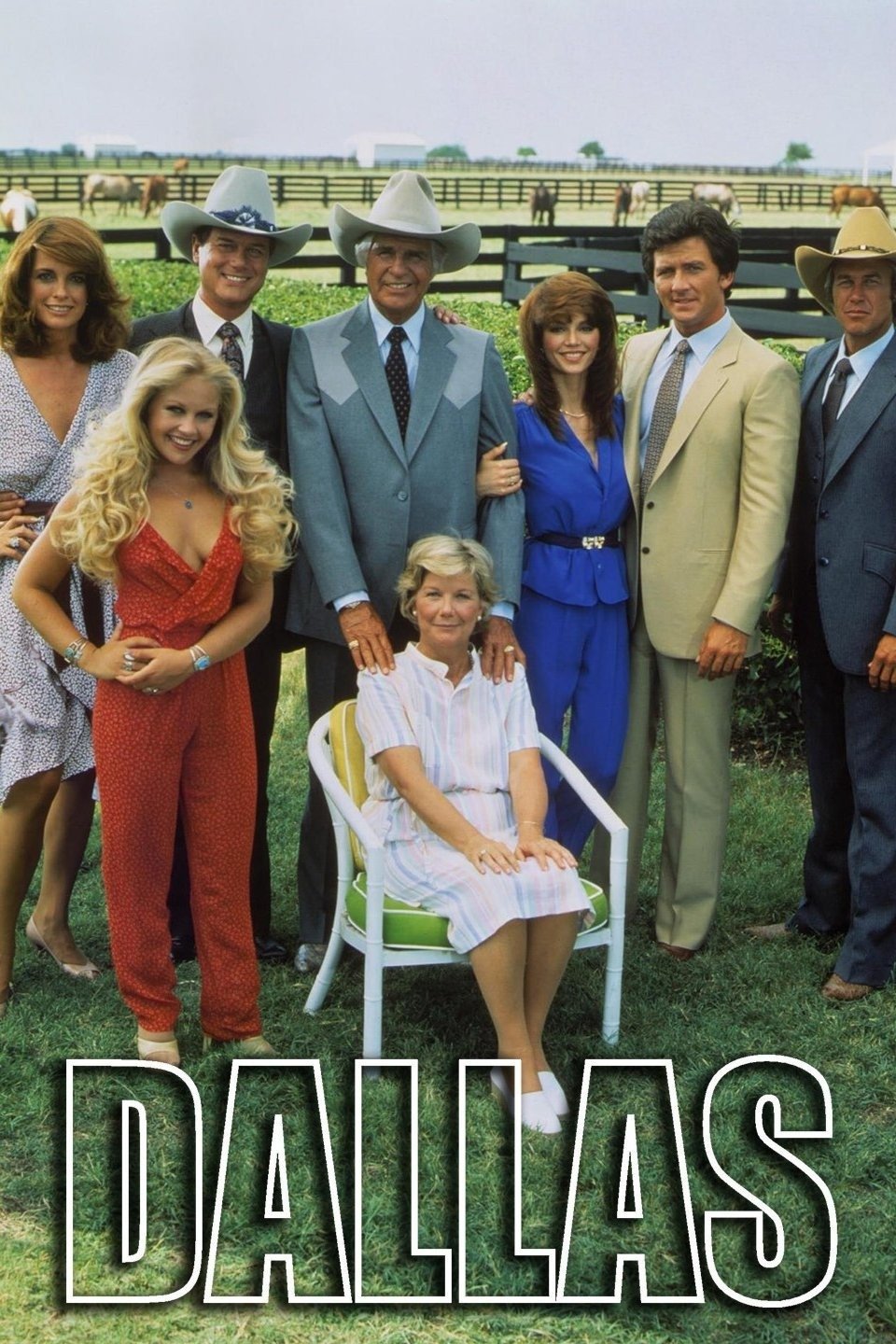
The world's first mega-soap, and one of the most popular ever produced, Dallas had it all. Beautiful women, expensive cars, and men playing Monopoly with real buildings. Famous for one of the best cliffhangers in TV history, as the world asked "Who shot J.R.?" A slow-burner to begin with, Dallas hit its stride in the 2nd season, with long storylines and expert character development. Dallas ruled the airwaves in the 1980's.
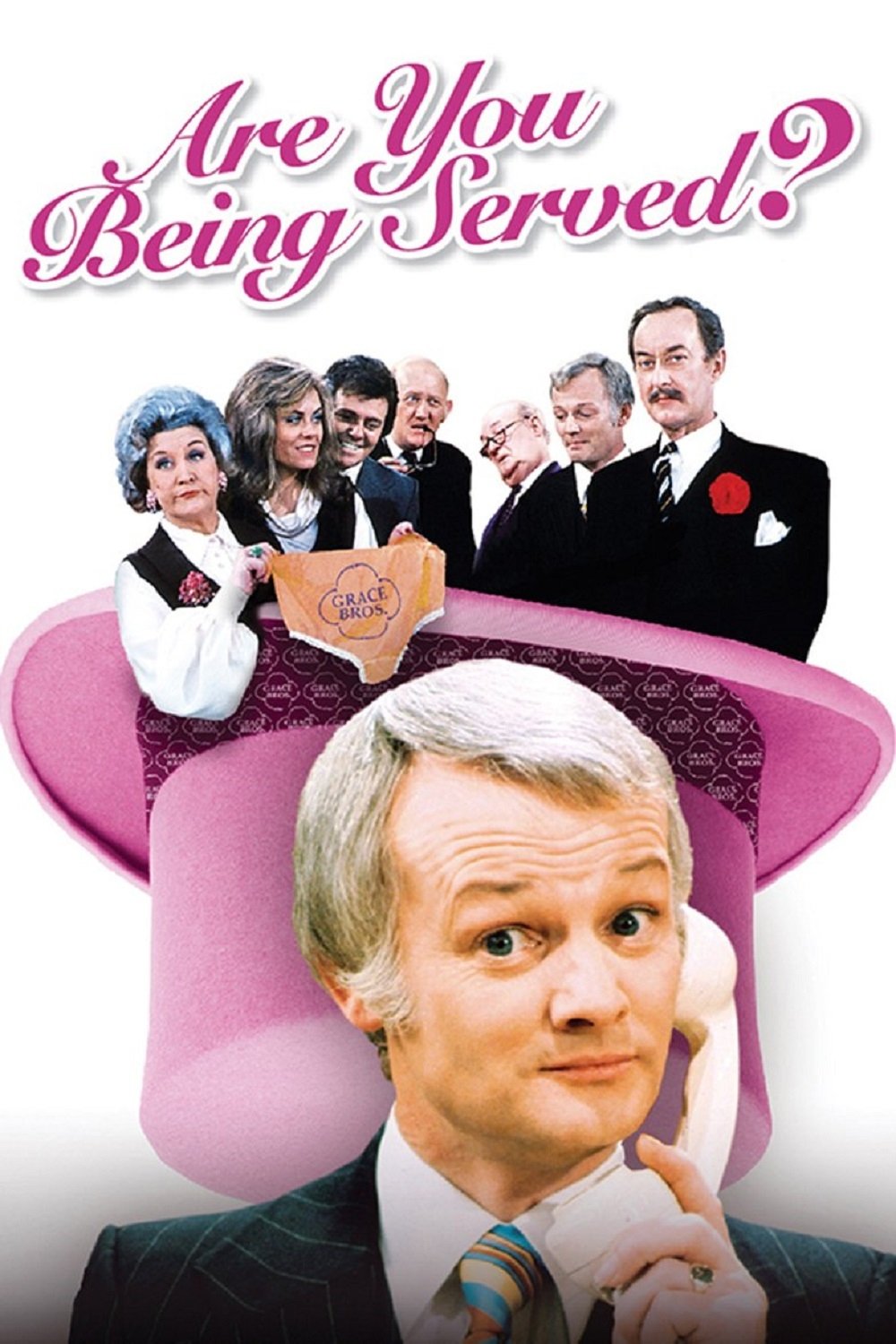
This comedy series, which follows the exploits of employees at London's fictional "Grace Brothers" department store, is full of sexual innuendo, slapstick, visual gags, and double entendres. Much of the show's humor parodies Britain's class system, and many of the show's characters are based on stereotypes of the period, including the effeminate Mr. Humphries and the rich, but stingy, store owner.
After the unexpected death of her husband, a suburban mom resorts to selling weed to support her family.
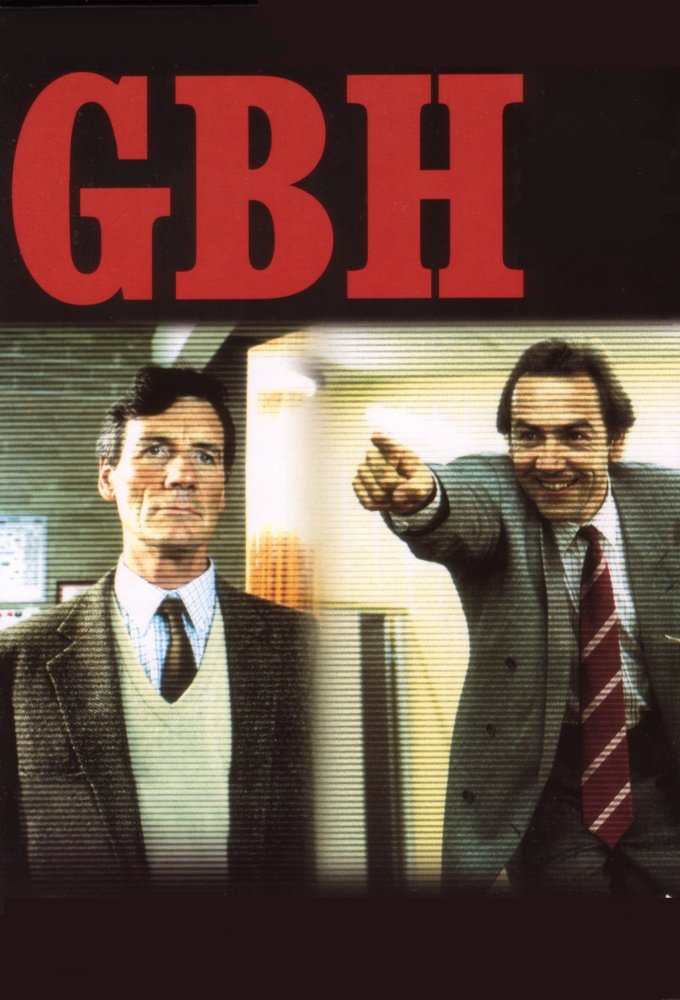
GBH was a seven-part British television drama written by Alan Bleasdale shown in the summer of 1991 on Channel 4. The protagonists were Michael Murray, the Militant tendency-supporting Labour leader of a city council in the North of England and Jim Nelson, the headmaster of a school for disturbed children. The series was controversial partly because Murray appeared to be based on Derek Hatton, former Deputy Leader of Liverpool City Council — in an interview in the G.B.H. DVD Bleasdale recounts an accidental meeting with Hatton before the series, who indicates that he has caught wind of Bleasdale's intentions but does not mind as long as the actor playing him is "handsome". In normal parlance, the initials "GBH" refer to the criminal charge of grievous bodily harm - however, the actual intent of the letters is that it is supposed to stand for Great British Holiday.
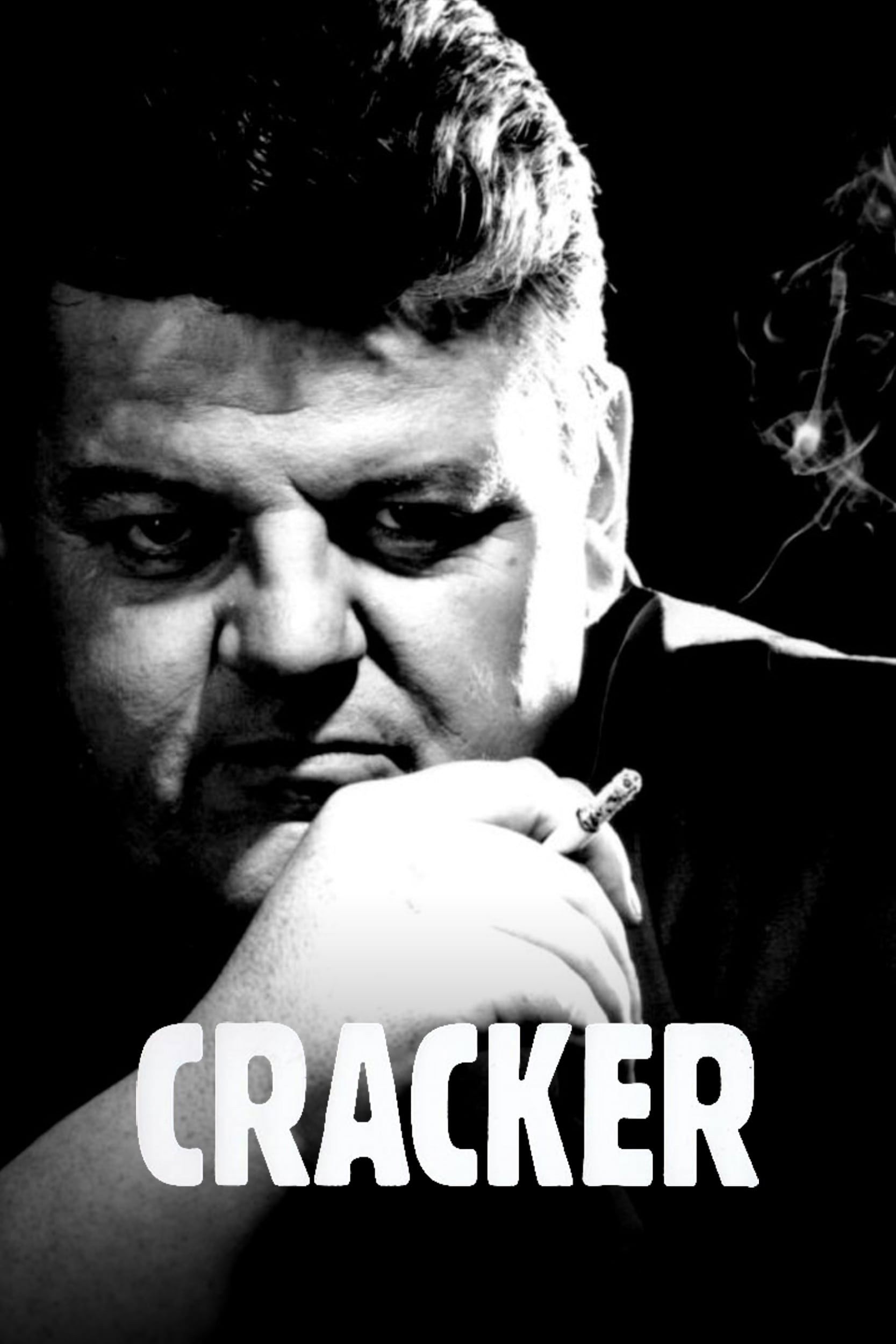
The wise-cracking Fitz is a brilliant but flawed criminal psychologist with a remarkable insight into the criminal mind.
During the Suez Crisis of 1956, two young clerks at the stuffy Foreign Office in Whitehall display little interest in the decline of the British Empire. To their eyes, it can hardly compete with girls, rock music, and the intrigue of romantic entanglements.
After a devastating accident, an ambitious reporter secretly steals the identity of her successful sister. When the sister awakens with total amnesia, she is forced into a life built on lies. As memories slowly return, she uncovers the ultimate betrayal, triggering a dark path toward revenge and destruction.
Home Fires was an American sitcom.
Maniac Mansion was a Canadian sitcom created by Eugene Levy, which aired concurrently on YTV in Canada and The Family Channel in the United States for three seasons from September 17, 1990 to April 4, 1993. The series is very loosely based on the popular 1987 LucasArts video game of the same name. While LucasFilm served as co-producers on the series, the show thematically shares little in common with its source material. The series followed the adventures of the Edison family, who lived in a large mansion in an upper-class suburban neighborhood. Fred, the father of the family, was an eccentric scientist, and many of the plots revolved around his wacky experiments. One of these experiments caused his toddler son, Turner, to transform into a large adult man and his brother-in-law, Harry, to be turned into a fly with a human head! They both remained this way for the entire run of the series.
The series picks up four years after the events of Terminator 2: Judgment Day with John and Sarah Connor trying to stay under-the-radar from the government, as they plot to destroy the computer network, Skynet, in hopes of preventing Armageddon.
This covert combat series focuses on the Red Troop, an elite group of soldiers from the British military's Special Air Service group.
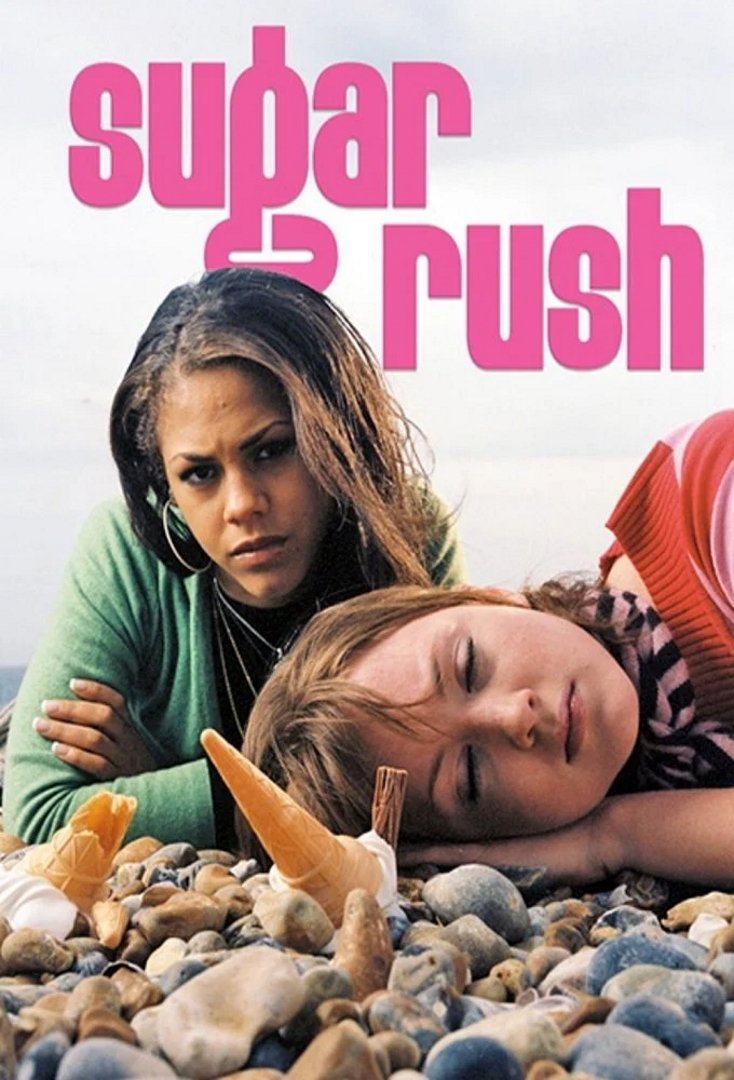
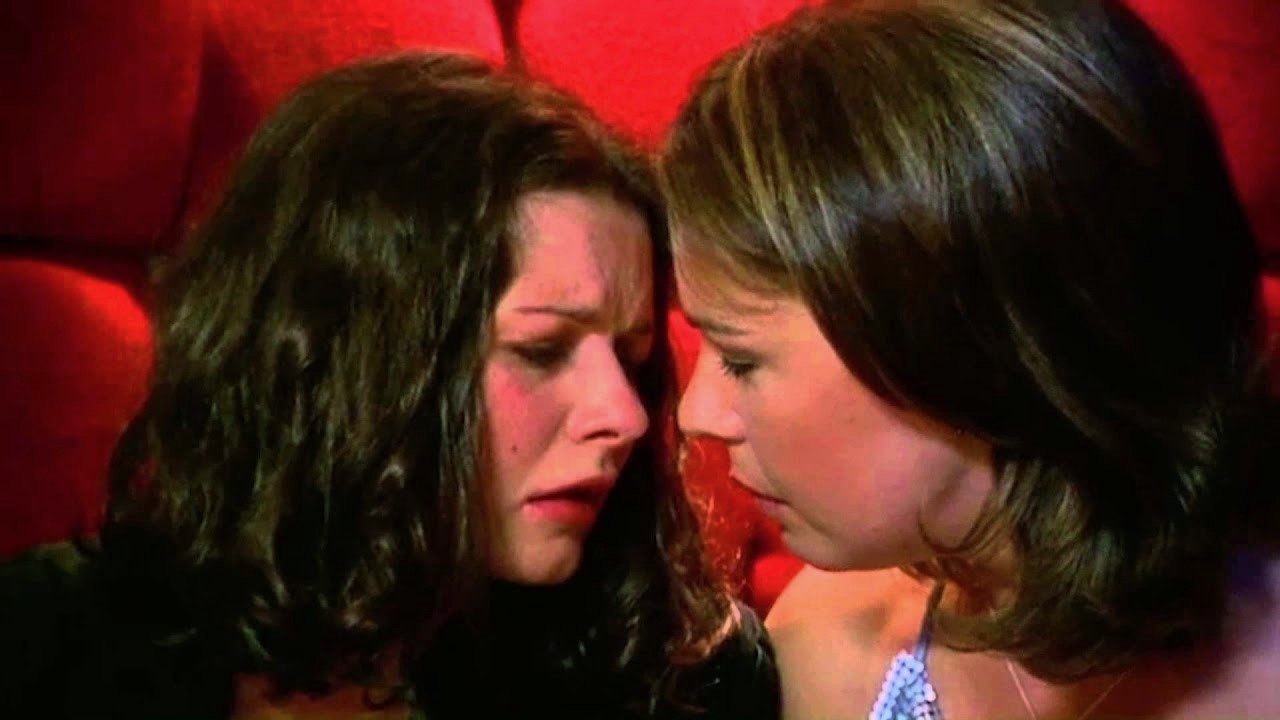
Sugar Rush is an Emmy Award–winning British television comedy drama series developed by Shine Limited and broadcast by Channel 4, based on the Julie Burchill novel of the same name. It follows the trials and tribulations of teenager Kim Daniels, who is dealing with all the usual adolescent issues, plus one - she thinks she might be gay. Her family has recently moved to Brighton from London, and she finds herself with a huge crush on her new best friend, Maria `Sugar' Sweet. Sugar has a bit of a wild side, and frequently gets Kim into trouble, though Kim can find trouble on her own as well. Despite attractions to other girls, and a few attempts at being interested in guys, Kim continues to long for Sugar.
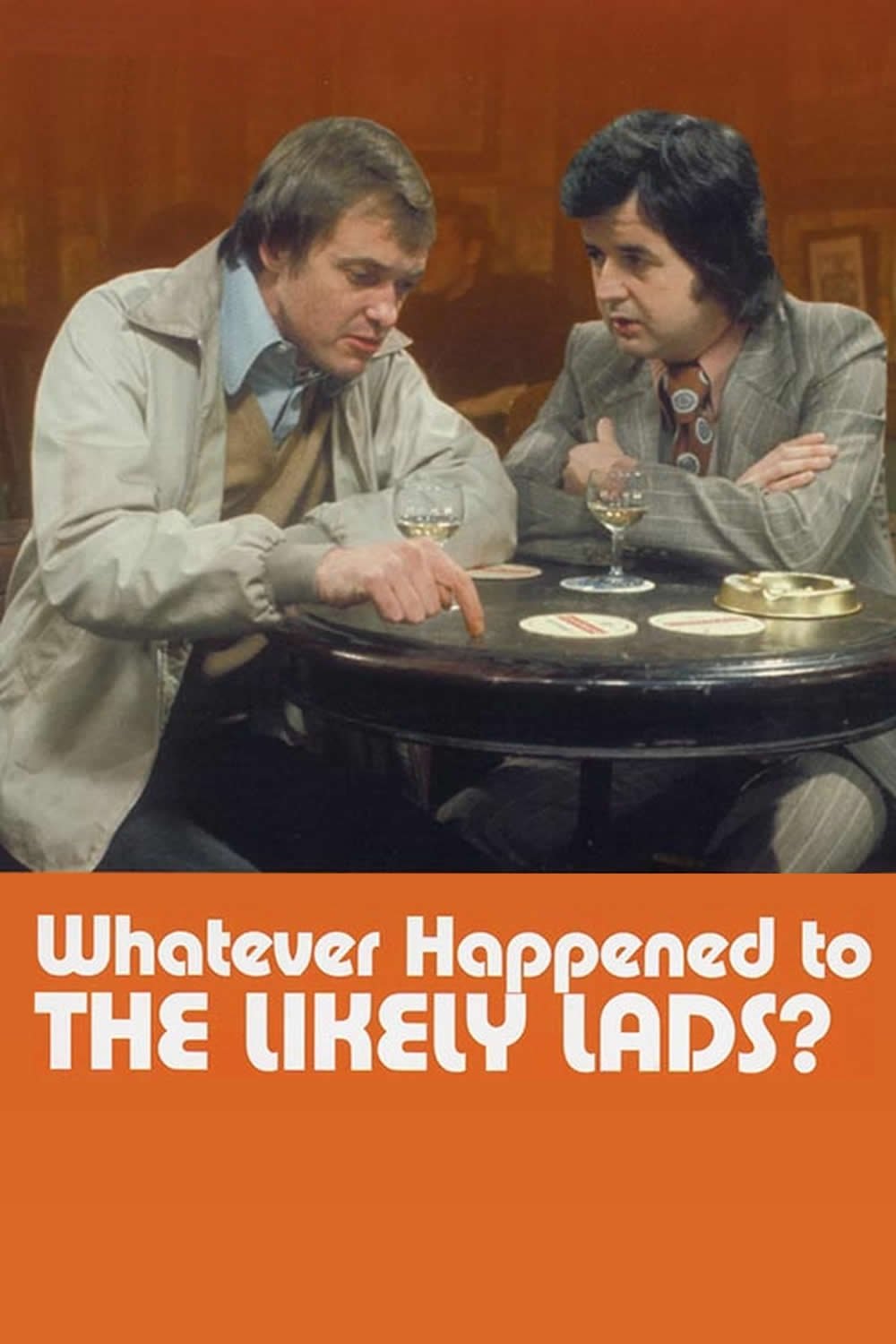
Whatever Happened to the Likely Lads? is a British sitcom which was broadcast between 9 January 1973 and 9 April 1974 on BBC1. It was the colour sequel to the mid-1960s hit The Likely Lads. It was created and written, as was its predecessor, by Dick Clement and Ian La Frenais. There were 26 television episodes over two series; and a subsequent 45-minute Christmas special was aired on 24 December 1974. The cast were reunited in 1975 for a BBC radio adaptation of series 1, transmitted on Radio 4 from July to October that year. In 1976, a feature film spin-off was made. Around the time of its release, however, Rodney Bewes and James Bolam fell out over a misunderstanding involving the press and have not spoken since. This long-suspected situation was finally confirmed by Bewes while promoting his autobiography in 2005. Unlike Bewes, Bolam is consistently reluctant to talk about the show, and has vetoed any attempt to revive his character.
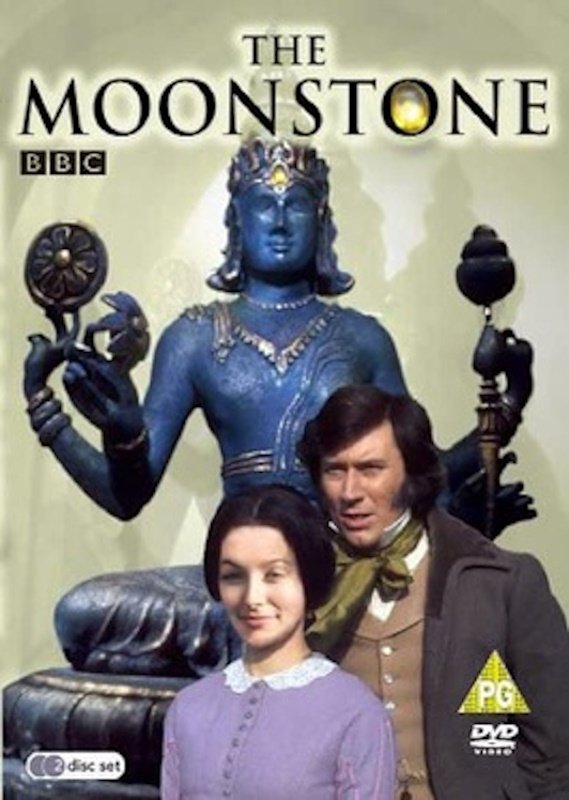
A priceless jewel, originally plundered from a Hindu shrine, is presented to Rachel Verinder on her 18th birthday. The jewel goes missing and suspicion falls over the household, threatening to destroy someone close to Rachel's heart.
Gunya has a reputation for going through girlfriends quickly. She ends up hiring Jenny as her secretary, but does she have something else in mind?
A drama exploring how winning the lottery transforms the lives of ordinary people.
Celia and Alan are both widowed and in their seventies. When their respective grandsons put their details on Facebook, they rediscover a passionate relationship that started over sixty years ago.
The saga of a wealthy Denver family in the oil business: Blake Carrington, the patriarch; Krystle, his former secretary and wife; his children: Adam, lost in childhood after a kidnapping; Fallon, pampered and spoiled; Steven, openly gay; and Amanda, hidden from him by his ex-wife, the conniving Alexis. Most of the show features the conflict between 2 large corporations, Blake's Denver Carrington and Alexis' ColbyCo.
The trials and tribulations of the very large, colorful and imperfect Braverman family.
Family man Jim Anderson copes with the everyday problems among his wife Margaret and their three children as they experience day-to-day changes.
The close-knit Walker family deals with struggles and triumphs.
Set in a seedy bedsit, the cowardly landlord Rigsby has his conceits debunked by his long suffering tenants.
The League of Gentlemen is a British sitcom broadcast on BBC Two over three series from 1999 to 2002. In the fictional Northern England town of Royston Vasey—based on Bacup, Lancashire—the lives are explored of dozens of bizarre citizens, much of whom are played by three of the show's four writers—Mark Gatiss, Steve Pemberton, and Reece Shearsmith—who, along with Jeremy Dyson, formed the titular comedy troupe in 1995. The programme was followed by a film in 2005, and a three-part revival miniseries in December 2017 to celebrate the group's 20th anniversary.
A chronicle of the lives of the aristocratic Crawley family and their servants in the post-Edwardian era—with great events in history having an effect on their lives and on the British social hierarchy.
A seemingly perfect interracial first family becomes the White House's newest residents. But behind closed doors they unleash a torrent of lies, cheating and corruption.
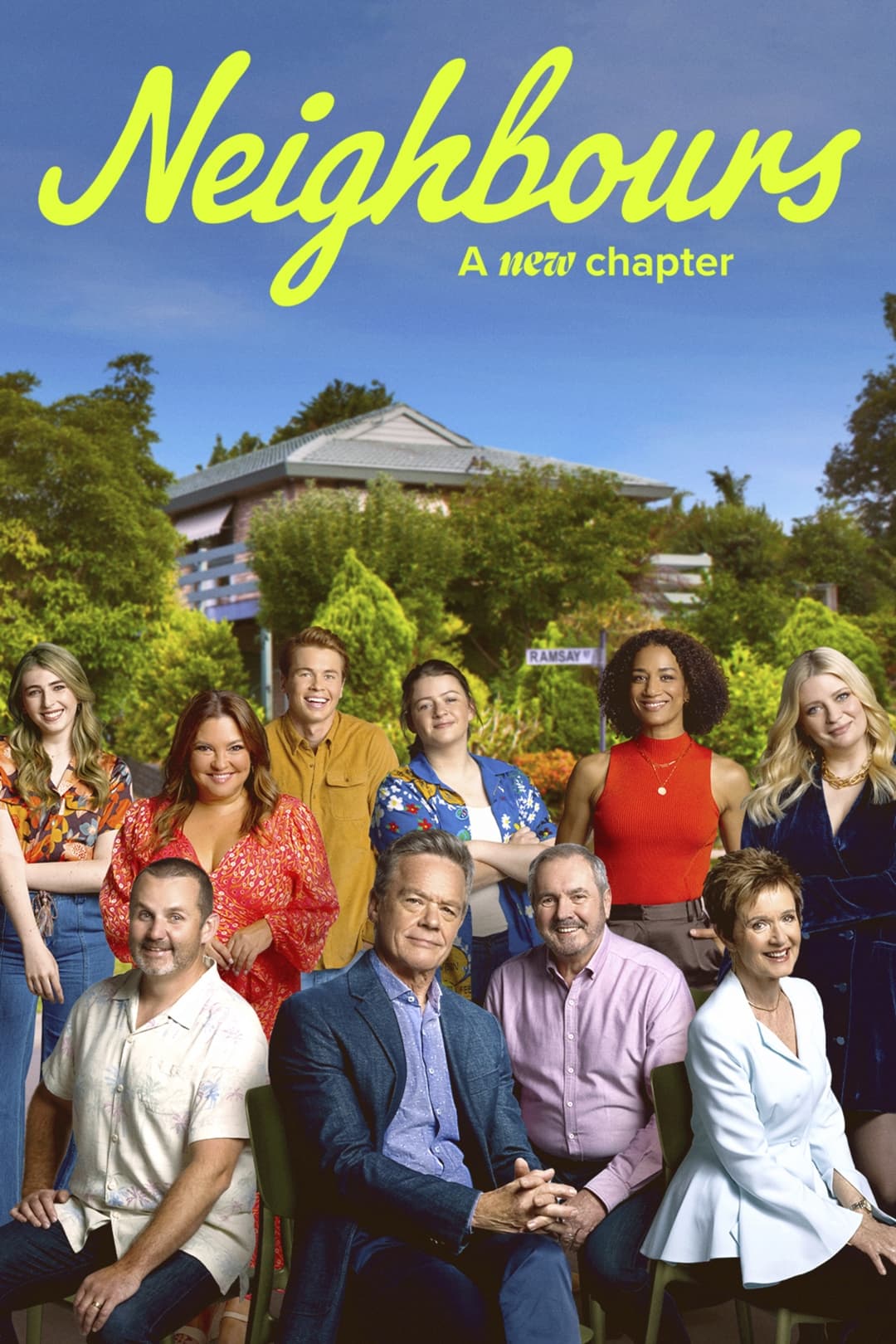
Neighbours is an Australian television soap opera. The show's storylines concern the domestic and professional lives of the people who live and work in Erinsborough, a fictional suburb of Melbourne, Victoria. The series primarily centres around the residents of Ramsay Street, a short cul-de-sac, and its neighbouring areas, the Lassiters complex, which includes a bar, hotel, cafe, news office and park. Neighbours began with three families created by Watson – the Ramsays, the Robinsons and the Clarkes. Watson said that he wanted to show three families who are friends living in a small street. The Robinsons and the Ramsays had a long history and were involved in an ongoing rivalry.
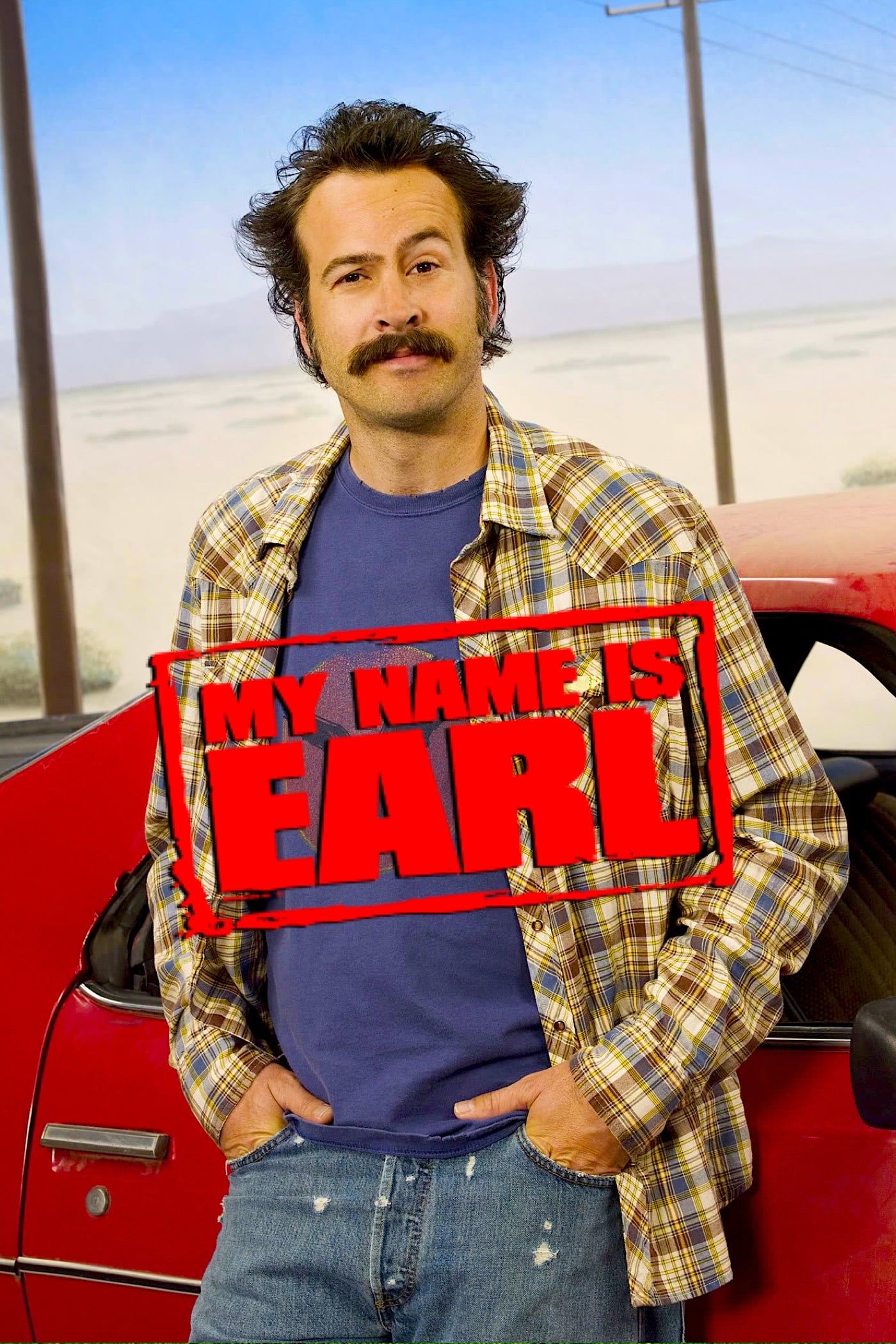
When petty criminal Earl Hickey wins the lottery, he sets off on a quest to repair his questionable karma.
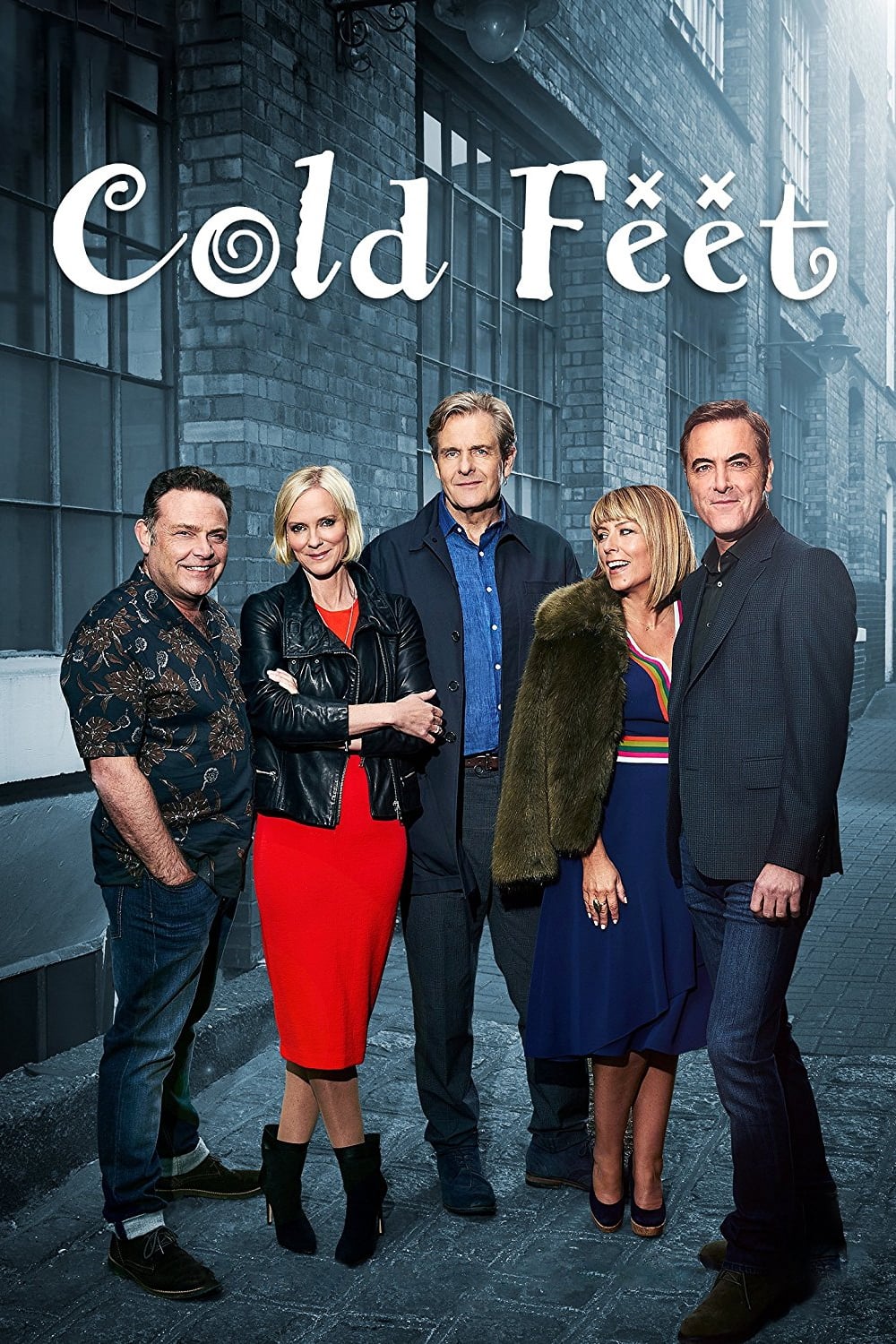
Follow the lives and loves of a group of thirtysomethings in a heart-warming comic drama as they try to find true love - or at least keep their relationships on track. In this wry and funny look at a generation which is as confused as it is liberated by the choices it faces, will the chill in their feet put out the passion that burns in their hearts?
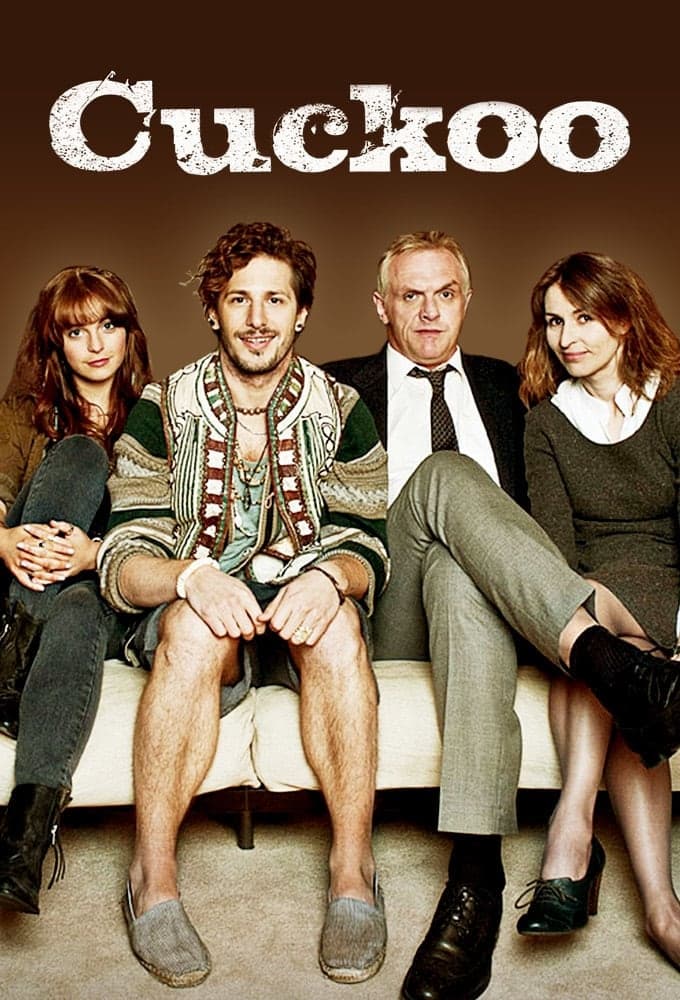
Cuckoo is every parent's worst nightmare - a slacker full of outlandish, New Age ideas. Ken is the over-protective father of a girl who's impulsively married an American hippie on her gap year.
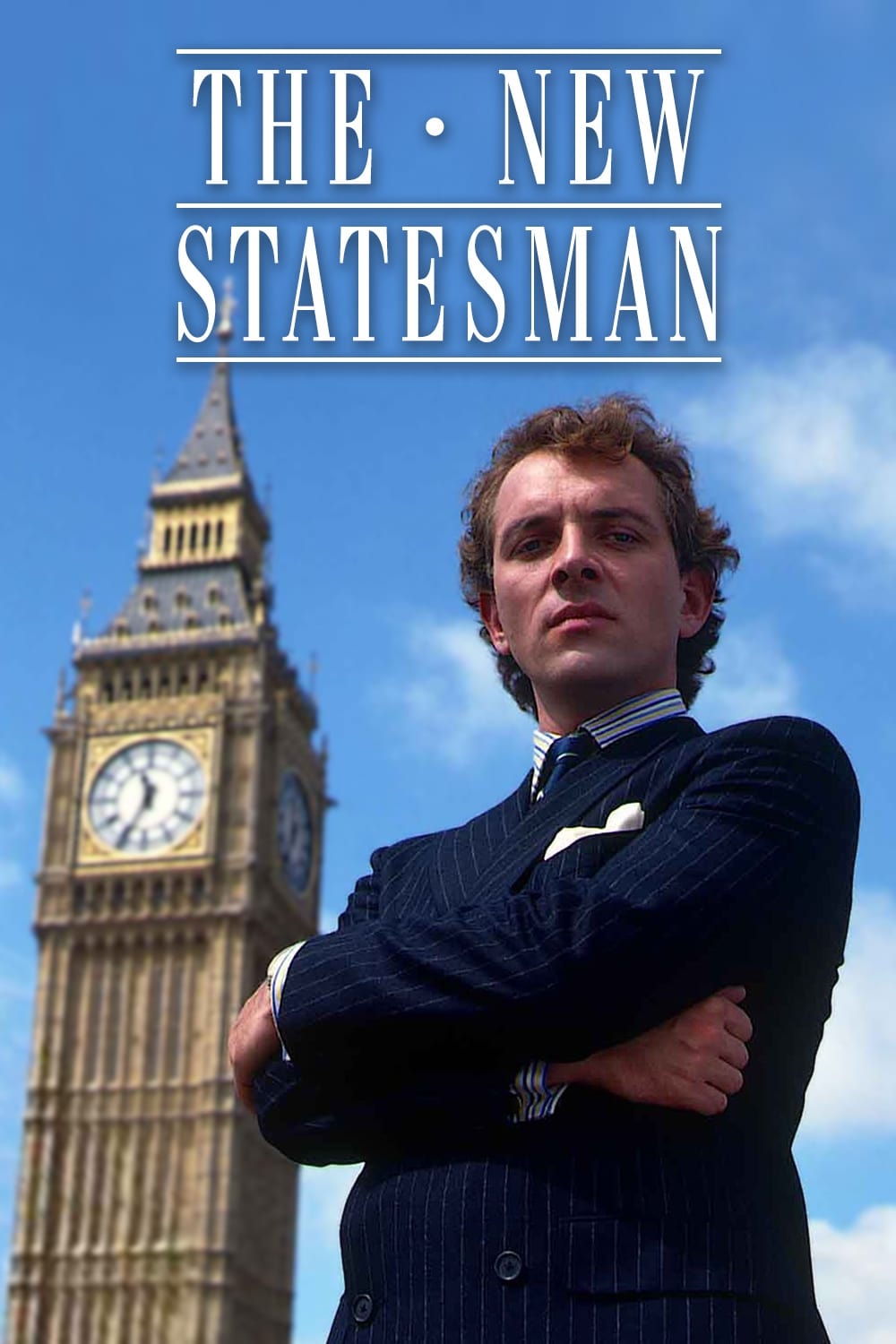
The New Statesman is a British sitcom of the late 1980s and early 1990s satirising the Conservative government of the time.
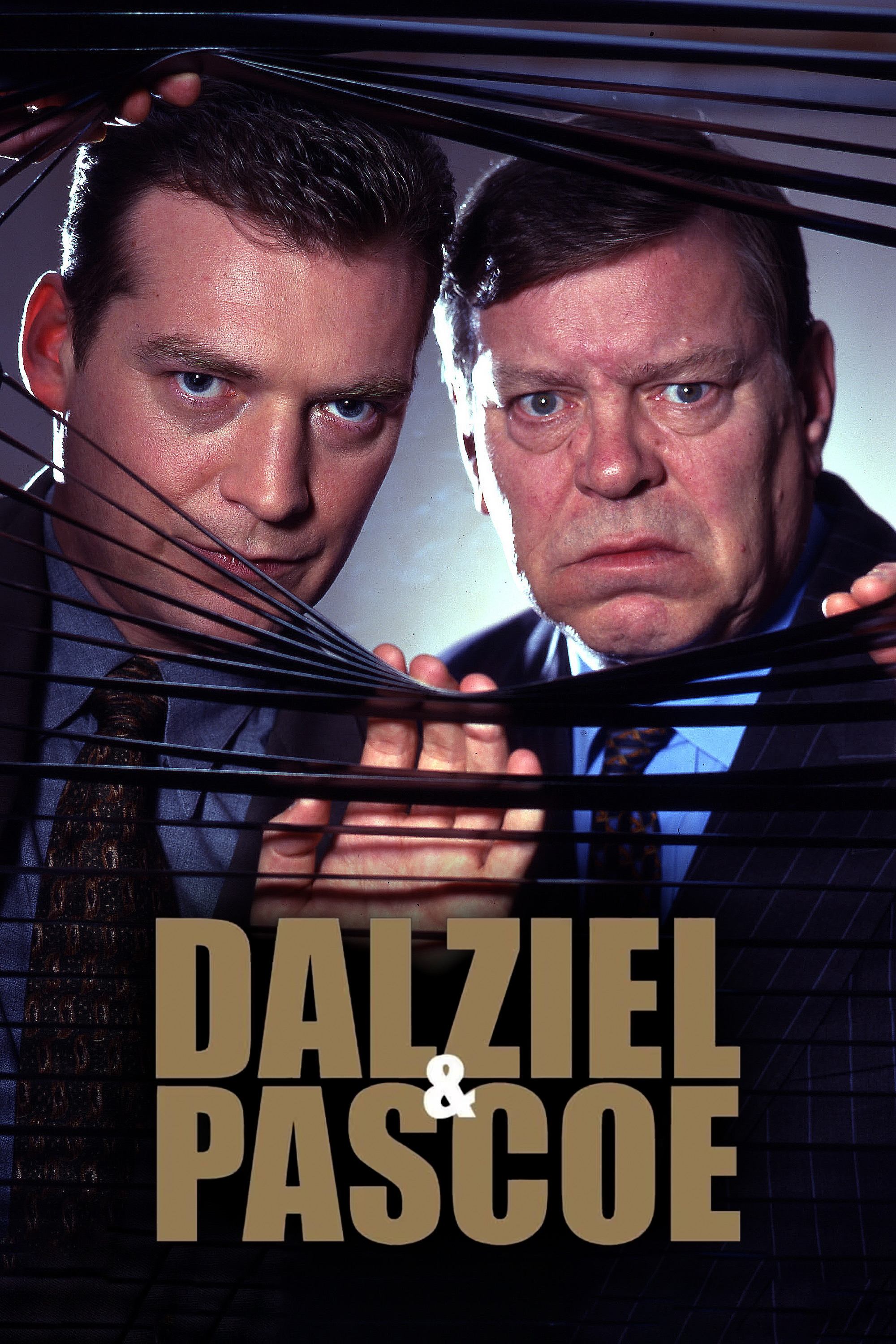
In the fictional Yorkshire town of Wetherton, the unlikely duo of politically incorrect elephant-in-a-China-shop-copper DS Andrew Dalziel (pronounced Dee-ell) and his more sensitive and university educated sidekick DS, later DI, Peter Pascoe is always on hand to solve the classic murder mystery, while maintaining down-to-Earth wit and humour.
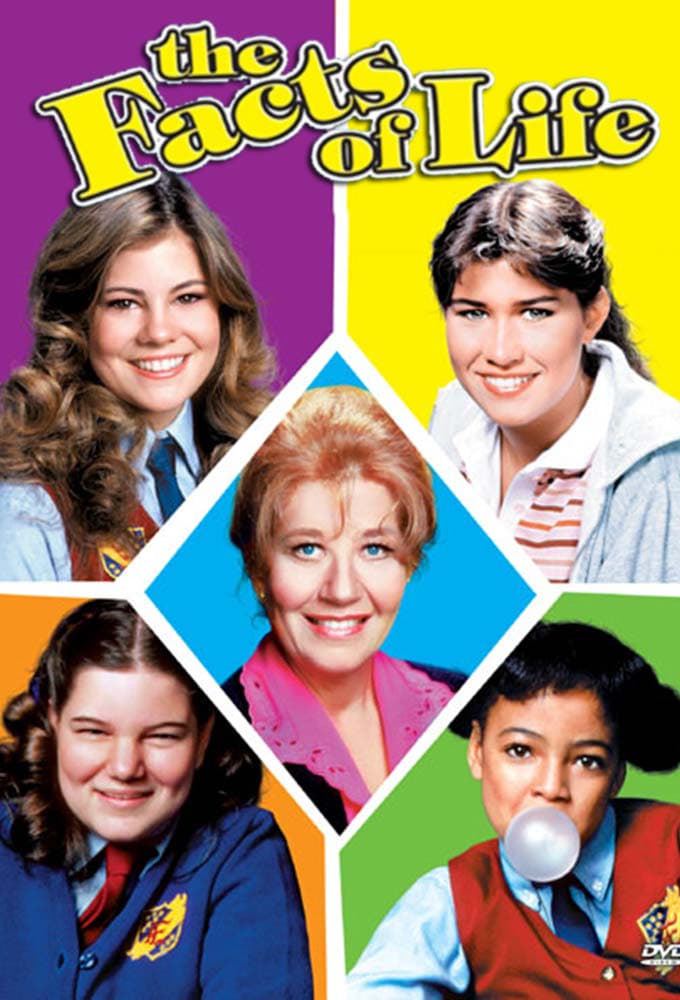
Mrs. Edna Garrett, housemother and dietitian at the Eastland School, teaches a group of girls in her charge how to solve those problems that every teenager has to face.
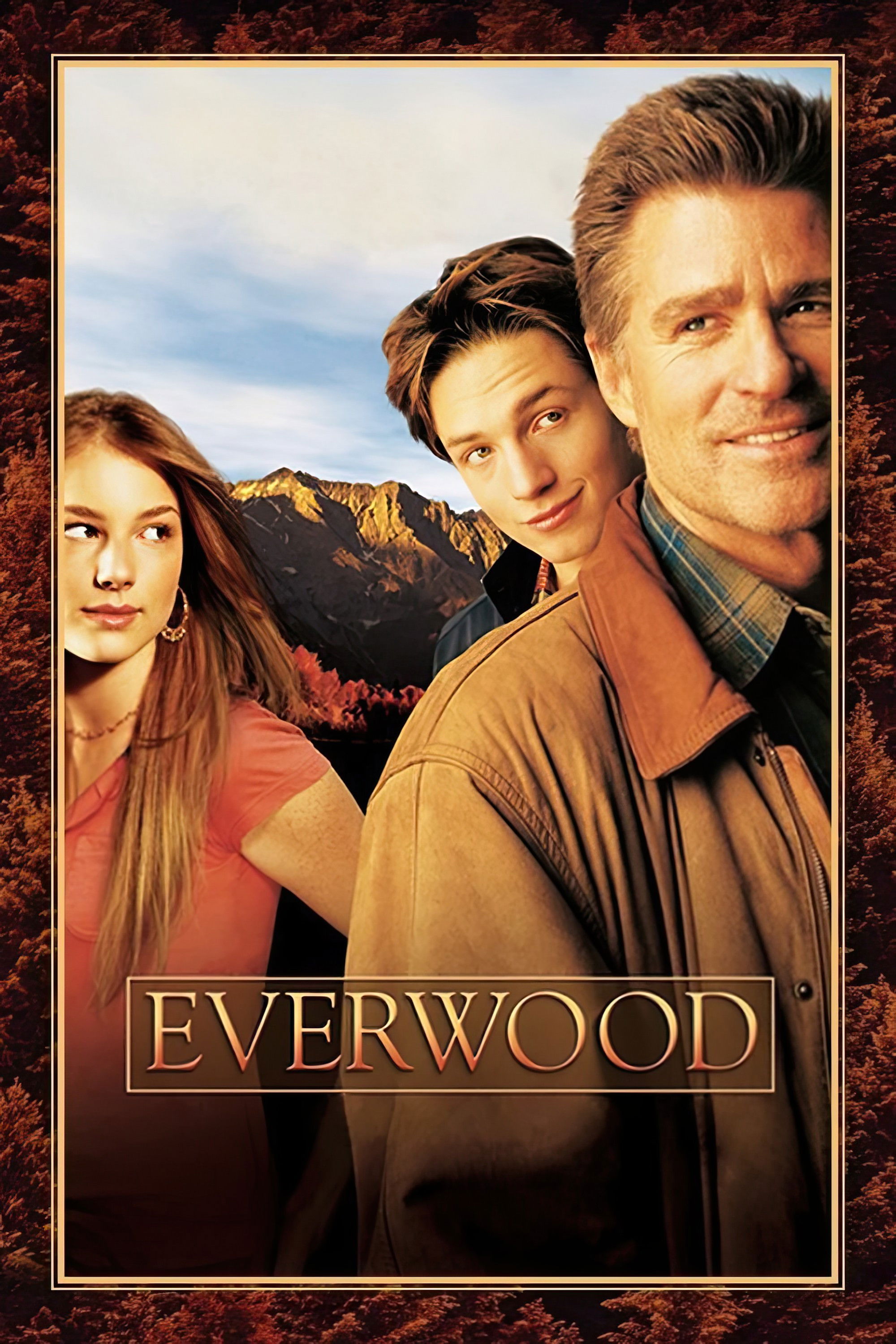
After the death of his wife, world-class neurosurgeon Dr. Andrew Brown leaves Manhattan and moves his family to the small town of Everwood, Colorado. There he becomes a small-town doctor and learns parenting on the fly as he raises his talented but resentful 15-year-old son Ephram and his 9-year-old daughter Delia.
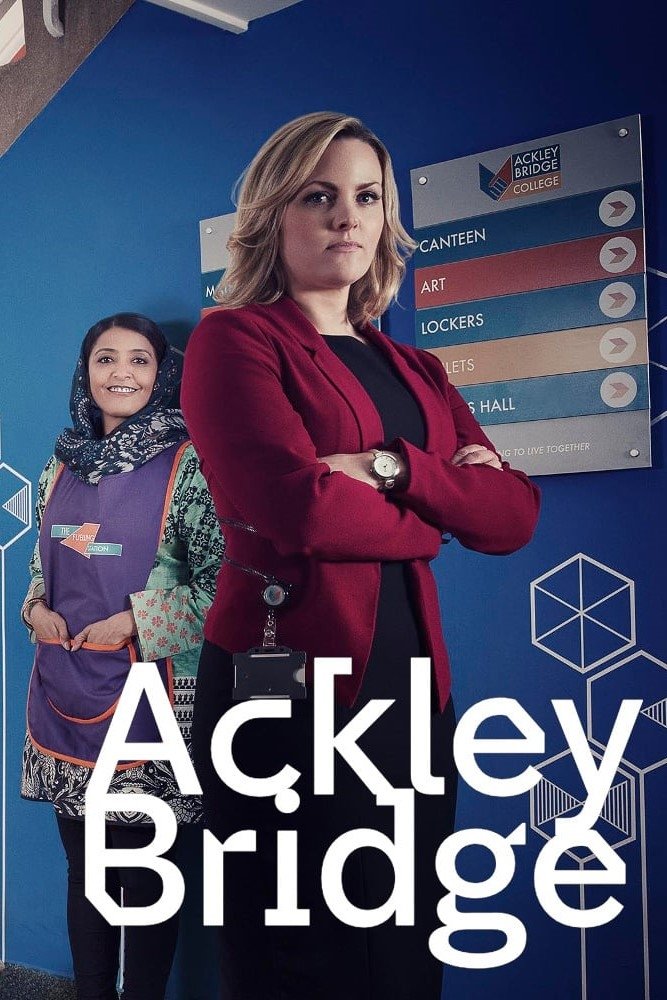
A new academy school in a Yorkshire mill town merges the lives and cultures of the largely divided white and Asian community
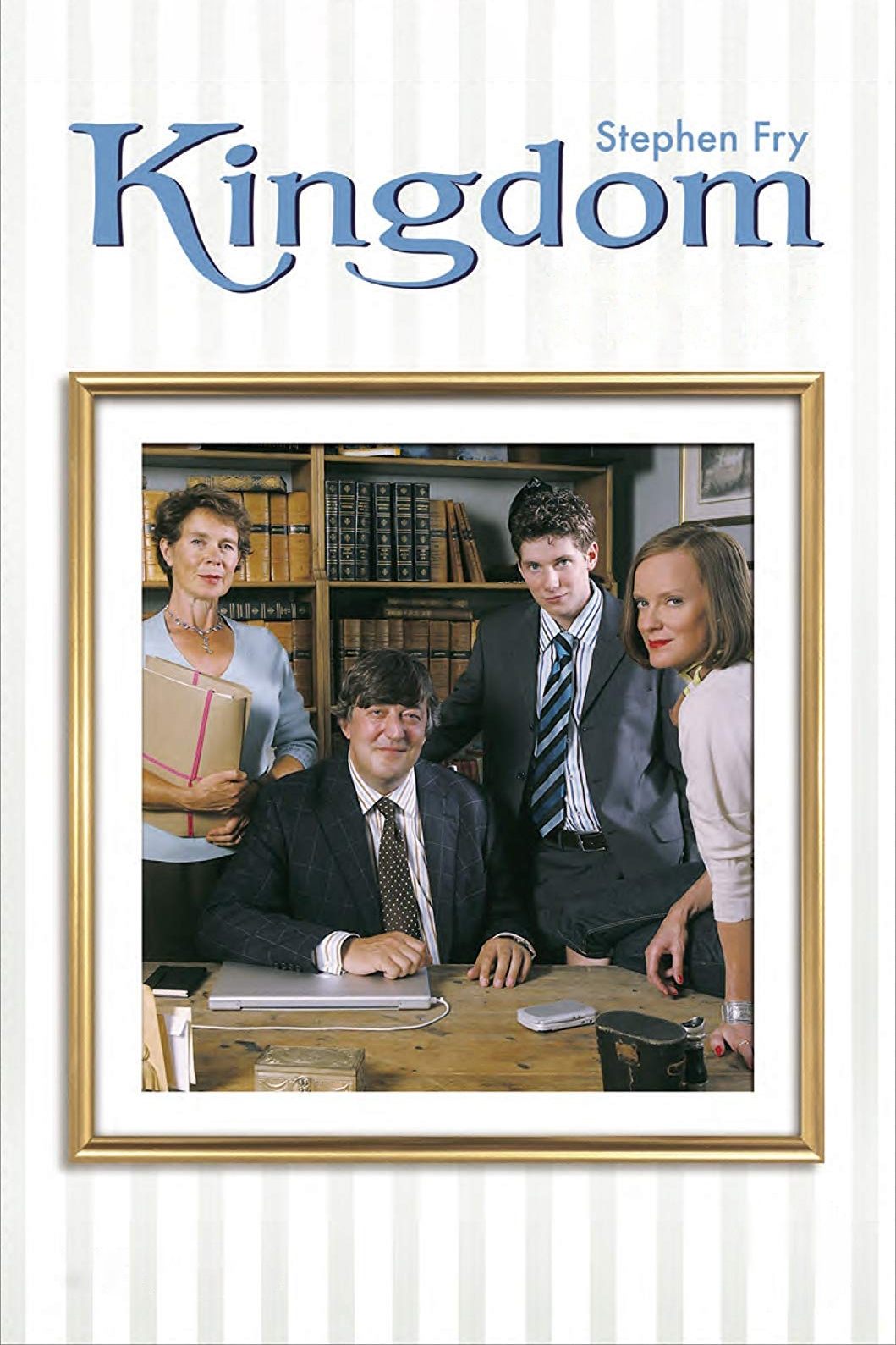
Looks can be deceiving. Peter Kingdom seems to have everything — a man of some standing in the seaside town of Market Shipborough, he dresses well and has all the trappings of success. Why, then, does he wander along the beach and stare out to sea for hours at a time? Despite Peter's thriving legal practice, he must deal with his dysfunctional family (which includes his unstable sister) and his grief over his missing half-brother and law partner, Simon.