Social & External
Host
Experience firsthand "the war to end all wars." World War I was the first war in history to affect most of the globe, with battles fought on land, at sea and, for the first time, in the sky. This five-disc DVD set captures the experience almost a century after it happened, with rare footage, much of it never before released on DVD.
The untold true story behind the Cold War race to put man into space.
When social upheaval sweeps Russia in the early 20th century, Czar Nicholas II resists change, sparking a revolution and ending a dynasty.
When the Boat Comes In is a British television period drama produced by the BBC between 8 January 1976 and 21 April 1981. Taking place between 1919 to 1937, Jack Ford is a veteran of The Great War who returns to his poverty-stricken (fictional) town of Gallowshield in the North East of England. It dramatises the interwar political struggles of the 1920s and 1930s, and explores the impact of national and international politics upon Ford and those around him.
More determined than ever to live her life in accordance with her deepest desires, nurse Johanna Gabathuler finds herself embroiled in a spy conspiracy with international implications. There’s a high price to pay and it’s risky to say the least, but she will do anything it takes to find her daughter and, ultimately, secure her freedom.
The Great War in Numbers tells the complete story of World War I - from outbreak to conclusion - and the fragile peace that followed. It was a war unlike any other before it, with a number of firsts along the way. Seventy-milliion men were mobilised to fight around the world, from the trenches of the Western Front to the Middle East and Africa.
When war broke out in Europe in 1914, most people thought the conflict would be over by Christmas; they could not imagine how wrong they were. An attack in Sarajevo ended up becoming a snowball that swept the world: a new kind of warfare had begun, waged with techniques and means never seen before. By November 1918, ten million people had died and the political map of the planet had been redrawn.
"Löwengrube – Die Grandauers und ihre Zeit" is a German television series first aired between 1989 and 1992, created by Willy Purucker and directed by Rainer Wolffhardt. It is set in Munich and follows the lives of Ludwig Grandauer and his son Karl, both policemen, covering the years from 1897 to 1954. The TV show is based on Purucker's radio play series Die Grandauers und ihre Zeit (‘The Grandauers and their time’). The series’ main title "Löwengrube", meaning ‘Lions’ Den’, refers to the address of the Munich Police Headquarters inaugurated in 1913.
The story of three decades of war told through the eyes of various men who were its key players: Roosevelt, Hitler, Patton, Mussolini, Churchill, Tojo, DeGaulle and MacArthur. The series examines the two wars as one contiguous timeline starting in 1914 and concluding in 1945 with these unique individuals coming of age in World War I before ultimately calling the shots in World War II.
In a tented field hospital on the coast of France, a team of doctors, nurses and women volunteers work together to heal the bodies and souls of men wounded in the trenches.
Our World War is a gripping factual drama series offering viewers first-hand experience of the extraordinary bravery of young soldiers fighting 100 years ago. Drawing on real stories of World War One soldiers it uses the visual techniques and imagery familiar from modern warfare – POV helmet camera footage, surveillance images and night vision – to immerse the BBC Three audience in life on the Western Front. Each episode is closely based on first-hand testimony, interviews and memoirs that reveal often hidden and sometimes disturbing aspects of the combat experience.
At the outbreak of World War I, two teenage boys - one German and one British - defy their parents to sign up. An epic historical drama spanning the five years of the First World War, as seen through the eyes of two ordinary young soldiers.
Dynamic reenactments and expert commentaries bring to life the tumultuous history and power struggles of a warring 16th-century feudal Japan.
Colorized historical footage in ascending order of World War 1. Not only the relatively known Flanders and France battles, but also the generally unknown Italian-Austrian, German-Polish-Russian, Japanese-German, Ottoman Empire- Allied and African German Colonies, and other unknown or forgotten fronts and battles.
The unique, and rarely told true stories of Australian and New Zealand nurses serving at Gallipoli and the Western Front during the First World War.
Hannay is a 1988 spin-off prequel series to the 1978 film adaptation of John Buchan's novel The Thirty-Nine Steps which stars Robert Powell as Richard Hannay, a role which he reprises in the series, an Edwardian mining engineer from Rhodesia of Scottish origin. It features his adventures in pre-World War I Great Britain. These stories had little in common with Buchan's novels about the character, although some names are taken from his other novels.
Andrew Marr's The Making of Modern Britain is a 2009 BBC documentary television series presented by Andrew Marr that covers the period of British history from the death of Queen Victoria to the end of the Second World War. It was a follow-up to his 2007 series Andrew Marr's History of Modern Britain.
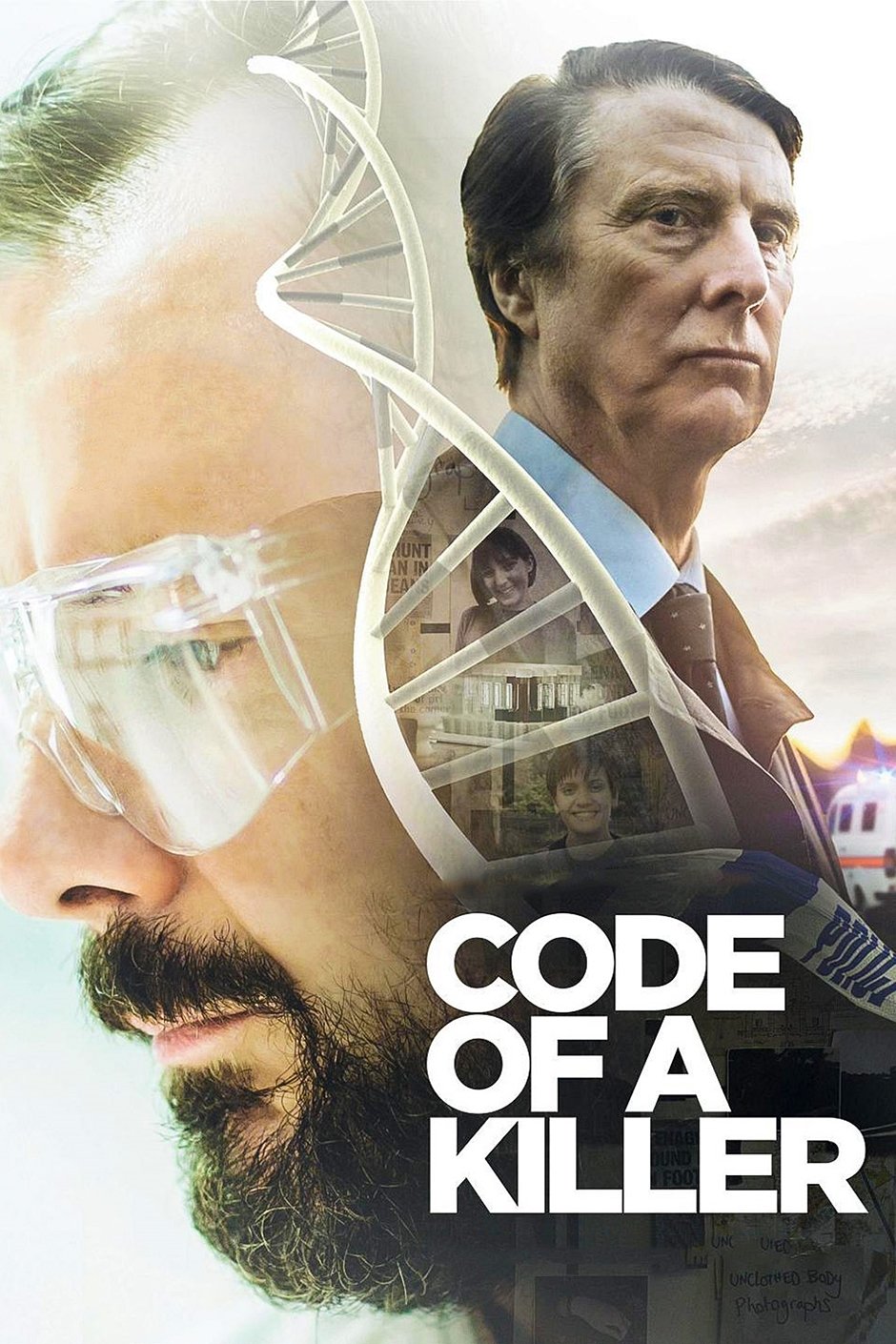
Based on the extraordinary true story of Alec Jeffreys' discovery of DNA fingerprinting and its first use by Detective Chief Superintendent David Baker in catching a double murderer.
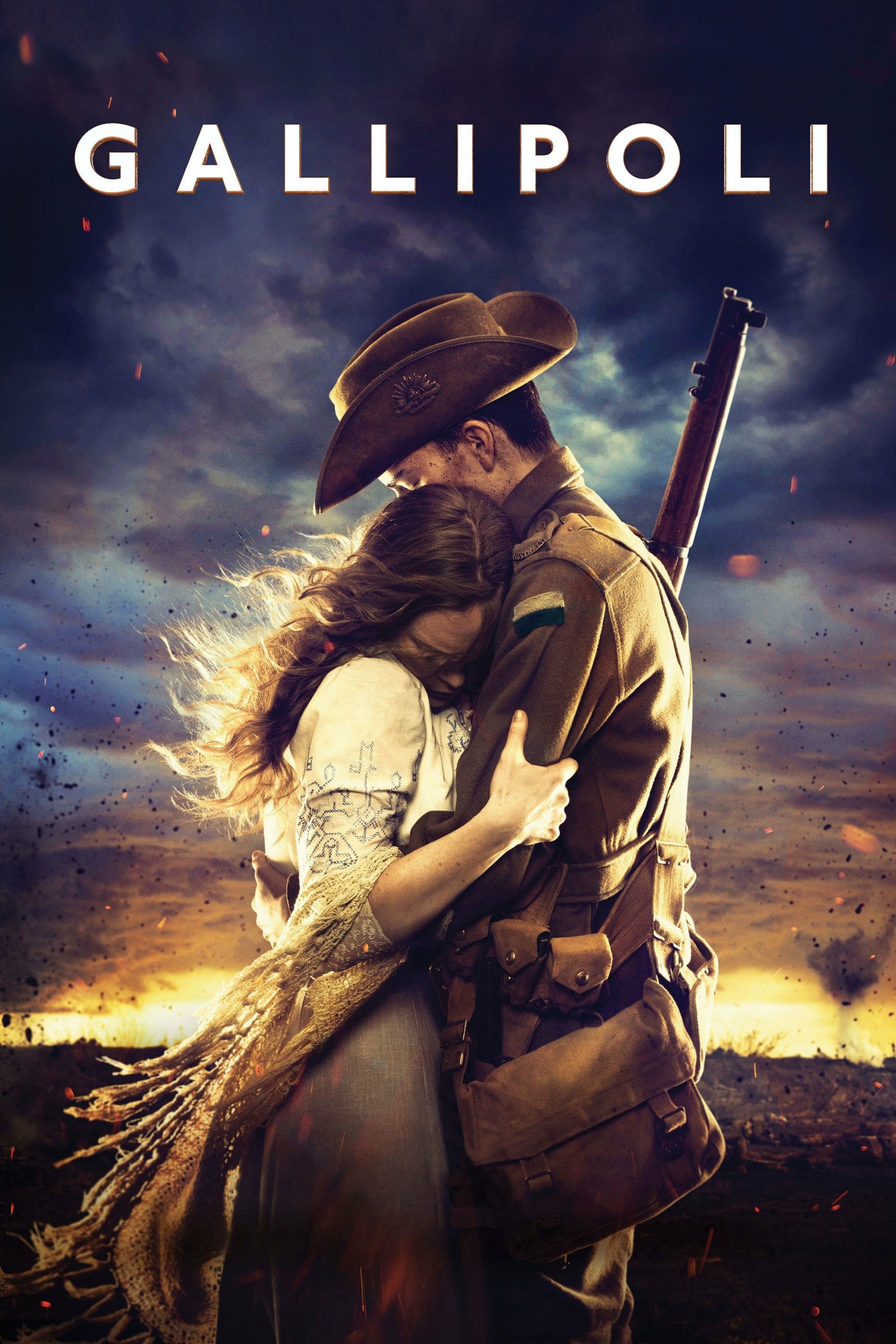
As dawn breaks on April 25, 1915, ANZAC troops go into battle on the beaches of the Gallipoli peninsula. Landing in the dark chaos, Tolly, Bevan and their mates struggle to establish a tenuous foothold on the treacherous slopes and deep ravines. They endure the next eight months on the peninsula learning lessons of survival. By the time of the final evacuation they have also learned the skills of combat and what it means to be a young man in war.
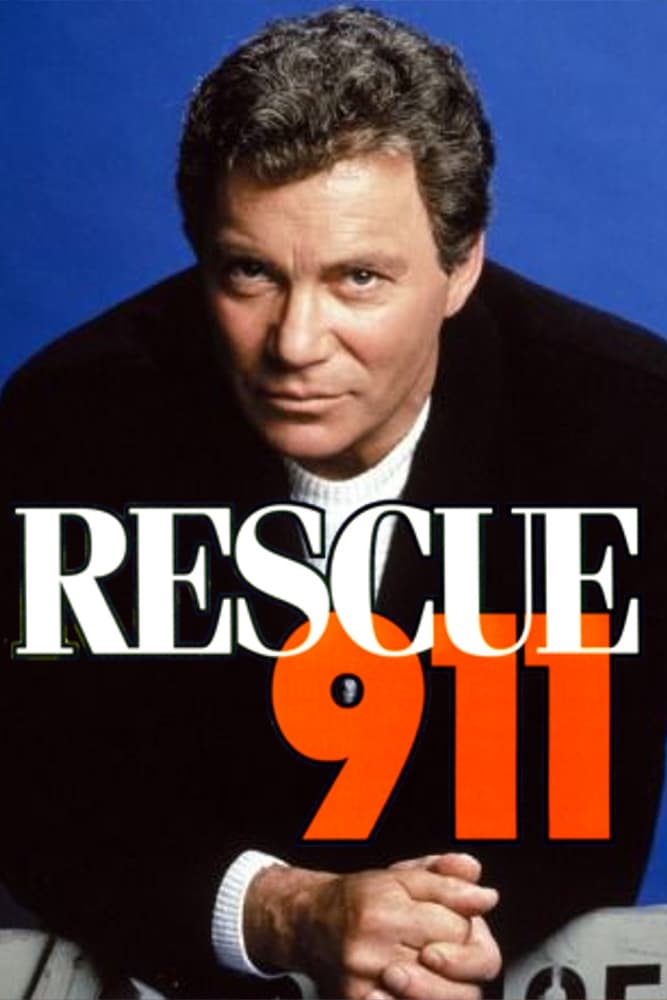
Rescue 911 is an informational reality-based television series that premiered on April 18, 1989 and ended on August 27, 1996. The series was hosted by William Shatner and featured reenactments of emergency situations that often involved calls to 911. Though never intended as a teaching tool, various viewers used the knowledge they obtained watching the show. Two specials, titled "100 Lives Saved" and "200 Lives Saved," were dedicated to viewers who had written to CBS with their stories on how the knowledge they obtained watching the show allowed them to save the life of someone else. At least 350 lives have been saved as a result of what viewers learned from watching it. The show's popularity coincided with the widespread adoption of the 911 emergency system, replacing standalone police and fire numbers that would vary from municipality to municipality. The number is now universally understood in the United States and Canada to be the number dialed for emergency assistance nationwide.
The docuseries follows people deeply involved in the group NXIVM — which is faced with various charges, including sex trafficking and racketeering conspiracy — over the course of several years.
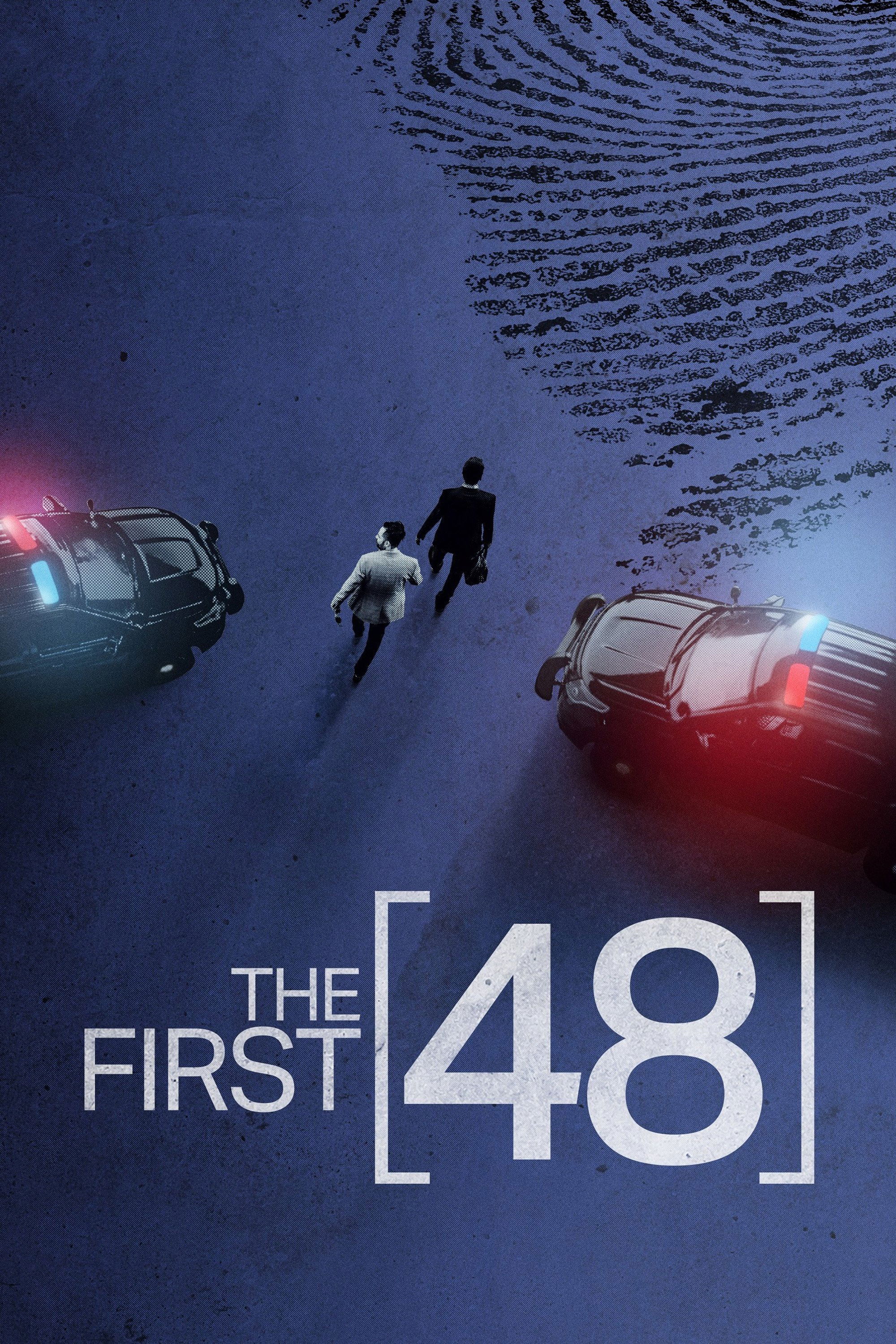
The First 48 follows detectives from around the country during these first critical hours as they race against time to find the suspect. Gritty and fast-paced, it takes viewers behind the scenes of real-life investigations with unprecedented access to crime scenes, autopsies, forensic processing, and interrogations.
30 for 30 is the title for a series of documentary films airing on ESPN, its sister networks, and online highlighting interesting people and events in sports history. This currently includes four "volumes" of 30 episodes each, a 13-episode series under the ESPN Films Presents title in 2011–2012, and a series of 30 for 30 Shorts shown through the ESPN.com website. The series has also expanded to include Soccer Stories, which aired in advance of the 2014 FIFA World Cup, and audio podcasts. This entry refers to the main Volumes of the series presented by ESPN
Doctor Who Confidential is a documentary to complement the revival of the long-running British science fiction television series Doctor Who. Each episode was broadcast on BBC Three on Saturdays, immediately after the broadcast of the weekly television episode on BBC One. The running time of the first two series was 30 minutes, being extended to 45 minutes in the third. BBC Three also broadcast a cut-down edition of the programme, lasting 15 minutes, shown after the repeats on Sundays and Fridays and after the weekday evening repeats of earlier seasons.
The anticipated WWE Network docuseries will look back on The Undertaker’s storied WWE career and place a focus on the ongoing challenges the wrestling legend appears to have with a career beginning to near it's end.
Motoring programme featuring reviews of and reports about cars of all types.
A documentary on the American Civil War narrated by Ken Burns, covering the secession of the Confederacy to the assassination of Abraham Lincoln.
The American Revolution was at once a war for independence, a war of conquest, a civil war, and a world war, fought by neighbors on American farms and between global powers an ocean or more away. It impacted millions from Vermont’s Green Mountains to the swamps of South Carolina, from Indian Country to the Iberian Peninsula. In defeating the British Empire and giving birth to a new nation, the American Revolution turned the world upside-down. Thirteen colonies on the Atlantic Coast united in rebellion, won their independence, and established a republic that still endures. The American Revolution will present the story of the men and women of the Revolutionary generation, their humanity in victory and defeat, and the crisis that they lived through.
Infographics and archival footage deliver bite-size history lessons on scientific breakthroughs, social movements and world-changing discoveries.
A tense, filmic and high-octane drama-documentary series that brings to life the stories of people who have lived through paranormal experiences that defy explanation. Using a mixture of intimate first-hand testimony and grittily realistic drama, the audience is transported into a world turned upside down by extraordinary and terrifying events.
The show features accounts of individuals and groups caught in dangerous scenarios, presented both through interviews and dramatic reenactments. The main focus is how the survivors survived and the decisions they made that kept them alive.
This stylish mix of documentary and historical epic chronicles the reign of Commodus, the emperor whose rule marked the beginning of Rome's fall.
This compelling series investigates the motives and m.o. of female murderers. While males are often driven by anger, impulse and destruction, women usually have more complex, long-term reasons to kill.
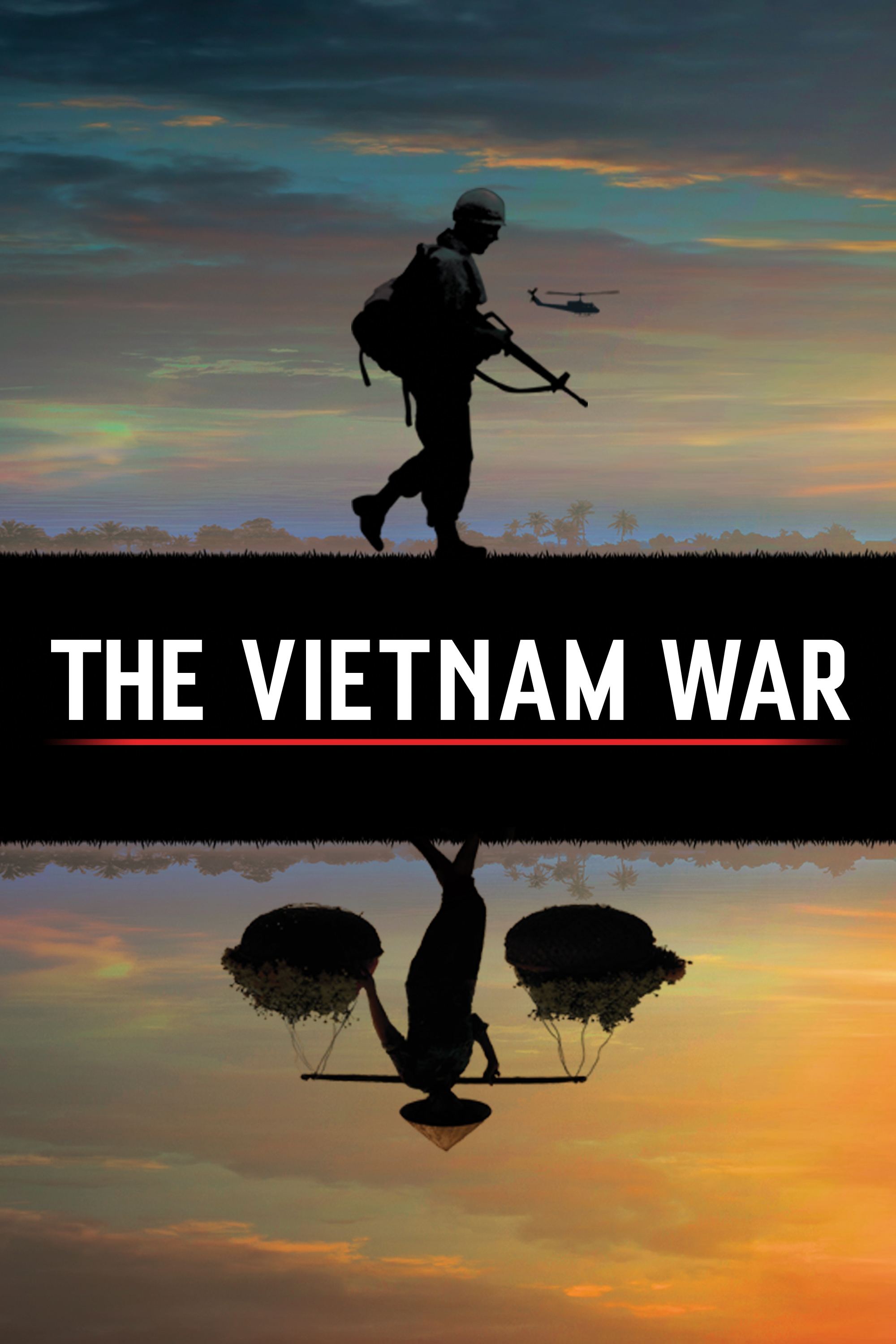
An immersive 360-degree narrative telling the epic story of the Vietnam War as it has never before been told on film. Featuring testimony from nearly 80 witnesses, including many Americans who fought in the war and others who opposed it, as well as Vietnamese combatants and civilians from both the winning and losing sides.
A “psychological exposé” into the minds of the most diabolical antagonists in WWE history and their impact on mainstream culture.
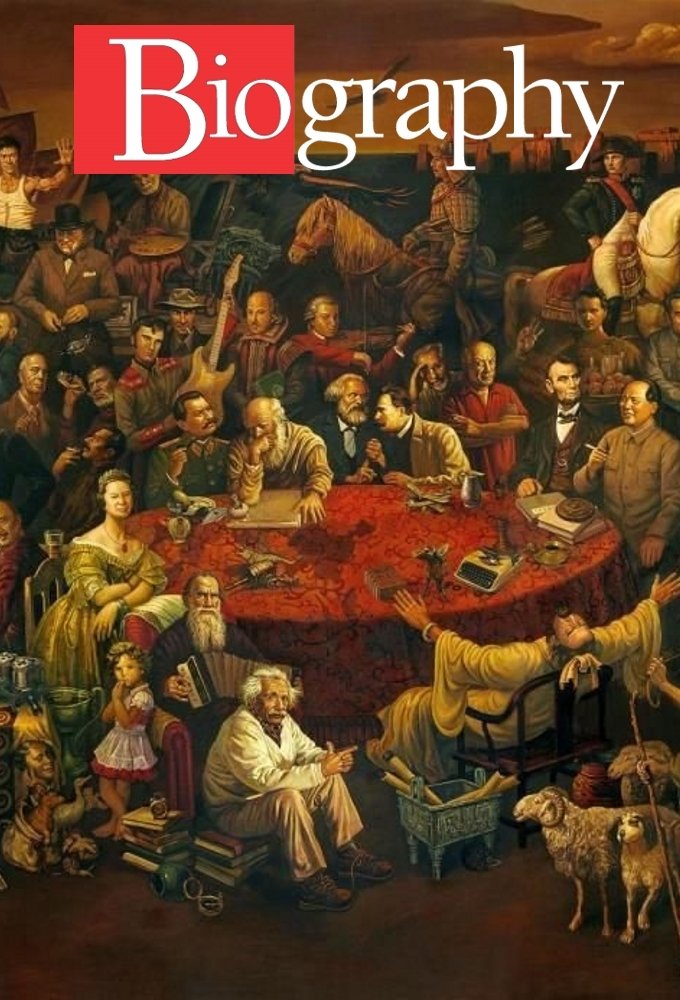
Biography is a documentary television series. It was originally a half-hour filmed series produced for CBS by David Wolper from 1961 to 1964 and hosted by Mike Wallace. The A&E Network later re-ran it and has produced new episodes since 1987. The older version featured historical figures such as Helen Keller and Mark Twain, or long-dead entertainment figures such as Will Rogers or John Barrymore. The A&E series has placed the emphasis on such people as Marilyn Monroe, Elvis Presley, Plácido Domingo, Freddie Mercury, Jacqueline Kennedy Onassis, Eric Clapton, Pope John Paul II, Gene Tierney, Selena, Diego Rivera, Mao Zedong and Queen Elizabeth II, and fictional characters like The Phantom, Superman, Hamlet, Betty Boop, and Santa Claus. The program ended up profiling enough figures that in 1999, A&E spun it off into an entire network, The Biography Channel.
MegaStructures is a documentary television series appearing on the National Geographic Channel in the United States and the United Kingdom, Channel 5 in the United Kingdom, France 5 in France, and 7mate in Australia. Each episode is an educational look of varying depth into the construction, operation, and staffing of various structures or construction projects, but not ordinary construction products. Generally containing interviews with designers and project managers, it presents the problems of construction and the methodology or techniques used to overcome obstacles. In some cases this involved the development of new materials or products that are now in general use within the construction industry. MegaStructures focuses on constructions that are extreme; in the sense that they are the biggest, tallest, longest, or deepest in the world. Alternatively, a project may appear if it had an element of novelty or are a world first. This type of project is known as a Megaproject.
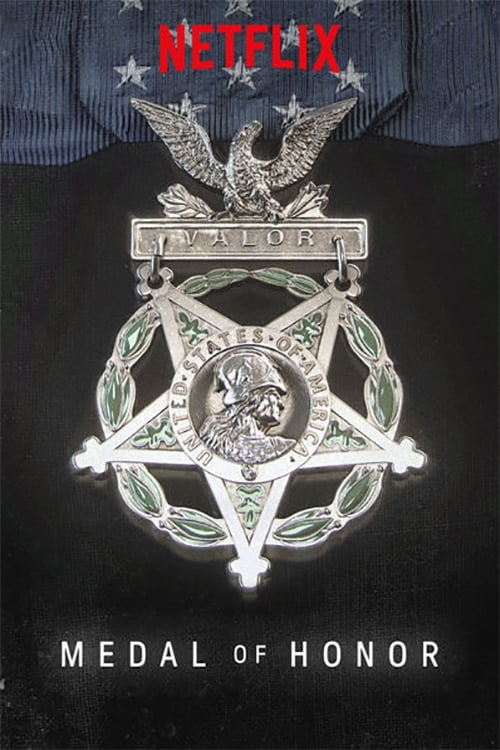
Honoring service members whose courage merited the awarding of a Medal of Honor, this docudrama series re-creates their inspiring true stories.