Social & External
Unknown Role
Centered around Masujiro Omura, who became a commander for the Choshu clan, and founded the modern Japanese millitary system.
Set in Japan several centuries back. It depicts the struggles of three historical warriors, Dosan Saito, Nobunaga Oda and Mitsuhide Akechi.
The story chronicles the life of Nagao Kagetora.
The chronicles of Sakamoto Ryoma, a pre-revolutionary who helped shape the face of modern Japan. In order to study swordsmanship, Ryoma heads for Edo where he meets many people who influence his thinking. He becomes close friends with men like Katsu Kaishu and Saigo Takamori and later establishes a naval training school in Kobe. Ryoma's controversial political views make him a target for shogunate assassins but his fervent belief in a classless society helps forge the Choshu-Satsuma alliance which ultimately brings about the Meiji Restoration.
Set at the end of the 12th century when several wars for control of Japan disrupted a long era of peace, this tale of "Heike" (another name for the Taira clan) focuses on Taira Kiyomori who fights alongside other members of his clan to at first successfully overcome the Minamoto clan and their bid for power. Battles and intrigue abound, as the puppet Emperor and Buddhist monks take sides in the power struggle. At issue is Kiyomori's parentage, not an unusual problem for the nobility in that era where clandestine liaisons among courtiers and the upper classes were common.
The story chronicles the life of Yagyū Munenori.
Depicting Date clan’s internal strife that occurred during a peaceful Edo period governed by the 4th Tokugawa shogun.
It is said that the Shinsengumi, led by Isami Kondo, delayed the start of the Meiji restoration by 10 years. This is a large-scale historical drama that tells about their life path up to the battle of Ikedaya.
The Story is about three daughters of a "Hatamoto" during the end of the Edo period and the Meiji Restoration.
Based on the life of Hideyoshi Toyotomi (February 2, 1537 – September 18, 1598) a Sengoku period daimyo who unified Japan.
"Ako Roshi" is a group of 47 former retainers of Lord Asano. Lord Asano was forced to commit suicide after attempting to kill Lord Kira. Once the retainers hear about their Lord's death, they sacrifice their lives to regain the honor of their former master.
The chronicles of the life of Minamoto no Yoshitsune (1159 - May 17th, 1189). He was a late Heian and early Kamakura general of the Minamoto clan of Japan. Yoshitsune was the ninth son of Minamoto no Yoshitomo. His older brother Minamoto no Yoritomo founded the Kamakura shogunate.
The story chronicles the life of Ii Naosuke.
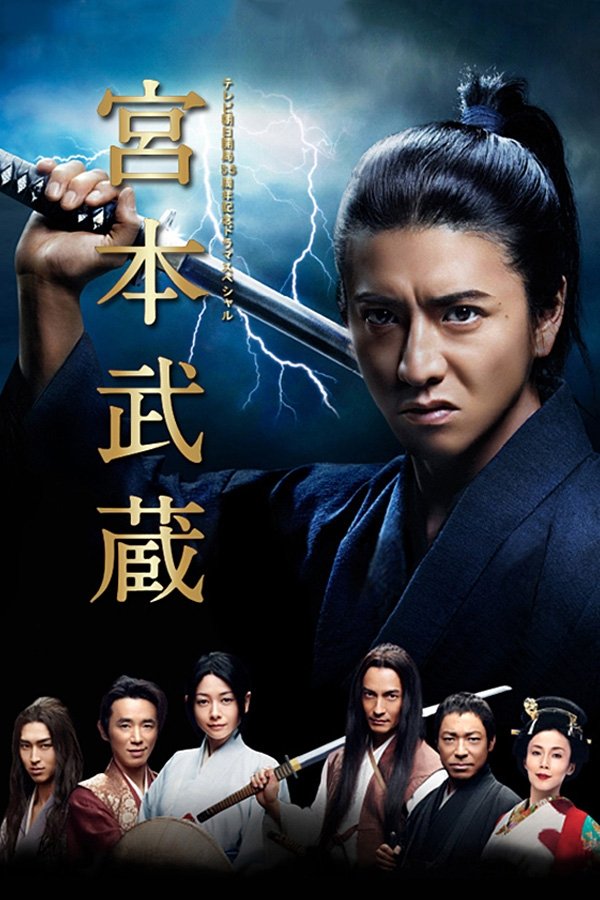
On September 15, Keicho, a young man, Takezo, whose life was ruined by the war in Sekigahara wandered around like a wild beast. Only his lover Otsu and the pacifist monk Takuan understood Musashi, who escaped from the hands of the Ochimusha hunters and turned against everyone. Then, a crisis loomed over Takezo as he fled into the mountains. At the same time in the village of Jokyoji in Echizen, the sword prodigy Sasaki Kojiro, in his quest for strength had defeated his own master, Tomita Seigen and got out of the village.
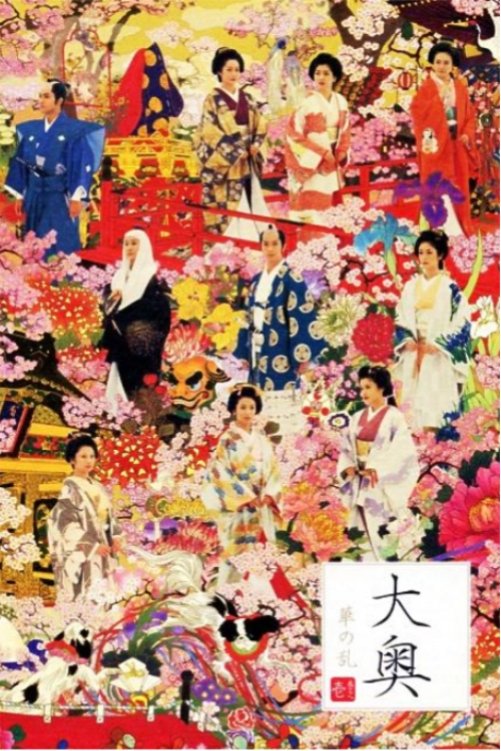
During the reign of the shogun, Iemitsu, an epidemic causes the population of men to greatly drop, leading to an ooku where the role of men and women are reversed. Thus, “the women become the shogun, served by 3000 handsome men”
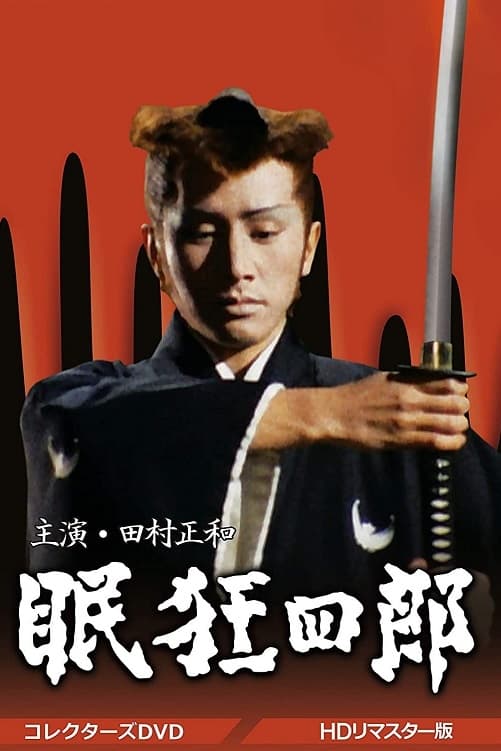
Saotome Mondonosuke, "Hatamoto" (direct servant of the shogun), a handsome man with a scar on his forehead in the form of a crescent moon, a favorite of the shogun. He is a master of martial arts, who owns the style of Moroha-ryu seigan-kuzushi (fencing), Yoshin-ryu tai-jutsu (the art of fighting without weapons) and even military science, but in the era of Genroku (1688-1704) all these skills are not in demand, and this brings boredom to Mondonosuke. To dispel boredom, this so-called "bored gentleman" walks around the city, and when he hears about some incident, he rushes to the place and defeats evil with his invincible swordsmanship. Mondonosuke has a 17-year-old sister, Kikuji (Yukiko Kashiwagi), and Kikuji's lover, Kirishima Kyoya (Takao Kataoka), becomes his right hand.
The protagonist, Naito Samon, was secretly ordered by Tokugawa Ieyoshi, the 12th Shogun of the Tokugawa Shogunate, to begin a new era of reform by fighting evil in various disguises with his minions.
During the 16th Century Japan was involved in the Sengoku Period, an era of Civil Wars and the powerful Warlords who fought them. One of the earliest and strongest of these men was the Great Lord TAKEDA Shingen. A tremendous military genius, his battles are the stuff of legend.
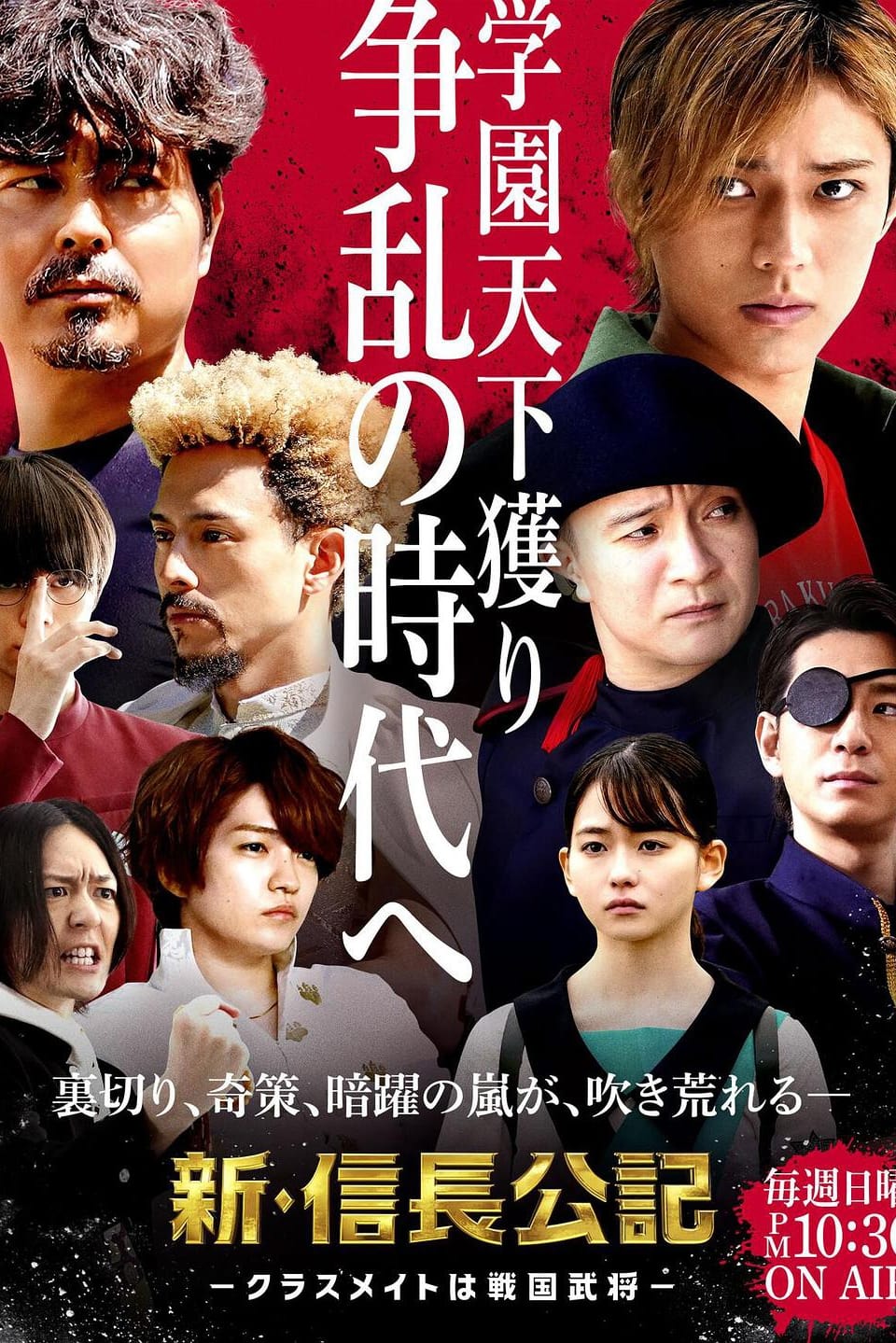
Saburo is a high school student good in sports, but not very good with his studies. One day, Saburo travels back in time and arrives in the Sengoku period of 1549. There, Saburo meets Nobunaga Oda who looks and sounds just like Saburo. Nobunaga Oda is the son of a warlord and magistrate of the lower Owari Province. Nobunaga Oda though is physically weak and he asks Saburo to take his place. Then, Saburo as Nobunaga Oda attempts to unify the country of Japan.
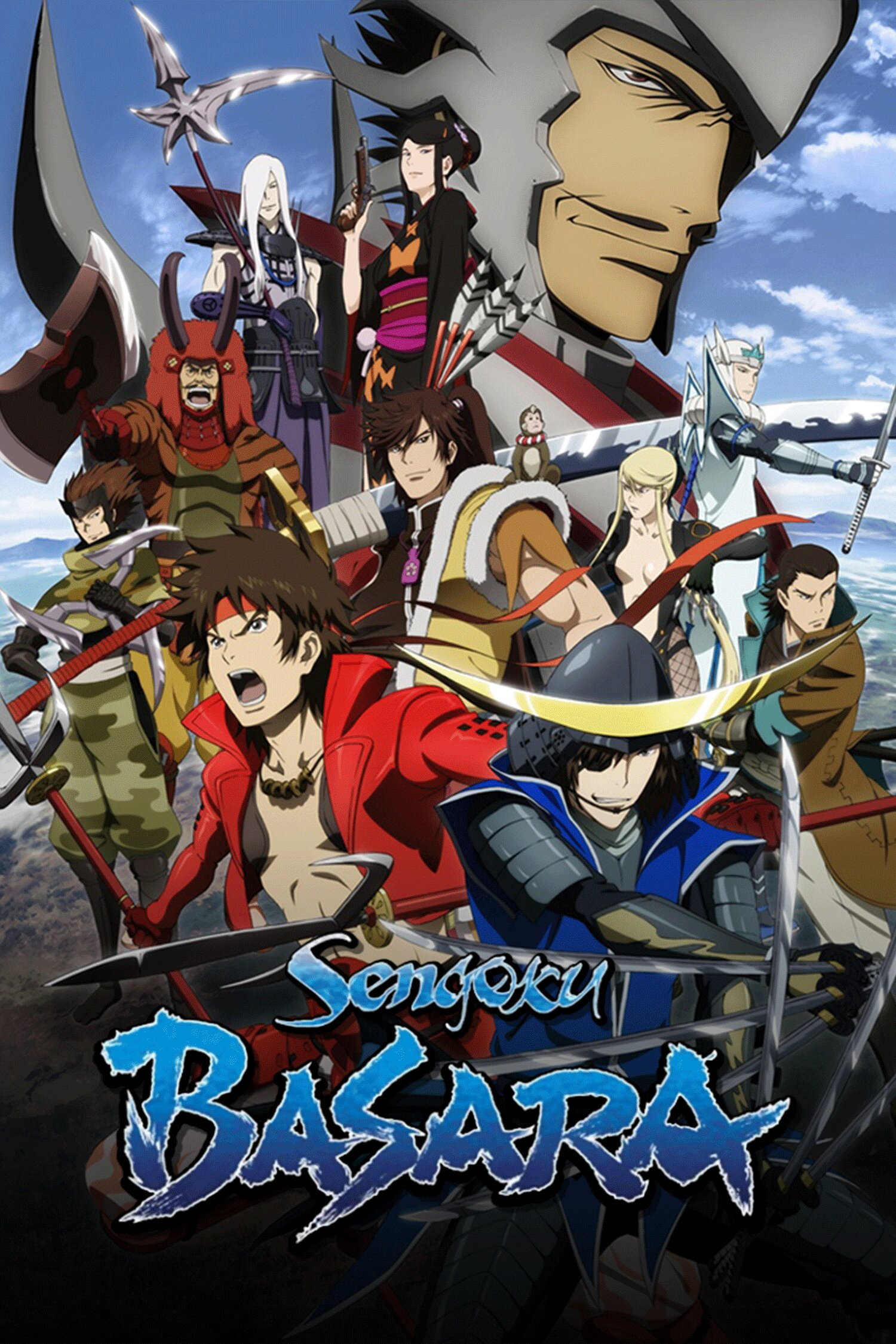
During the Sengoku period, there are many factions constantly at war. One of these is led by a one-eyed man named Date Masamune and another by the imposing Takeda Shingen. The latter has a fiercely loyal subordinate named Sanada Yukimura who goes head to head against Date Masamune multiple times, but the battles between them tend to get interrupted. One such battle occurs when both men try to go after another leader named Imagawa, and they’re forced to break off their heated duel when Imagawa attempts to flee the scene with his body doubles. Yukimura and Masamune go after separate Imagawas, but all of the doubles are killed by a third party, and when their paths cross again, they are in front of the menacing Oda Nobunaga and his army. It was Nobunaga’s subordinates that killed those body doubles, and Nobunaga himself proceeds to kill the real Imagawa with a shotgun blast to the head.
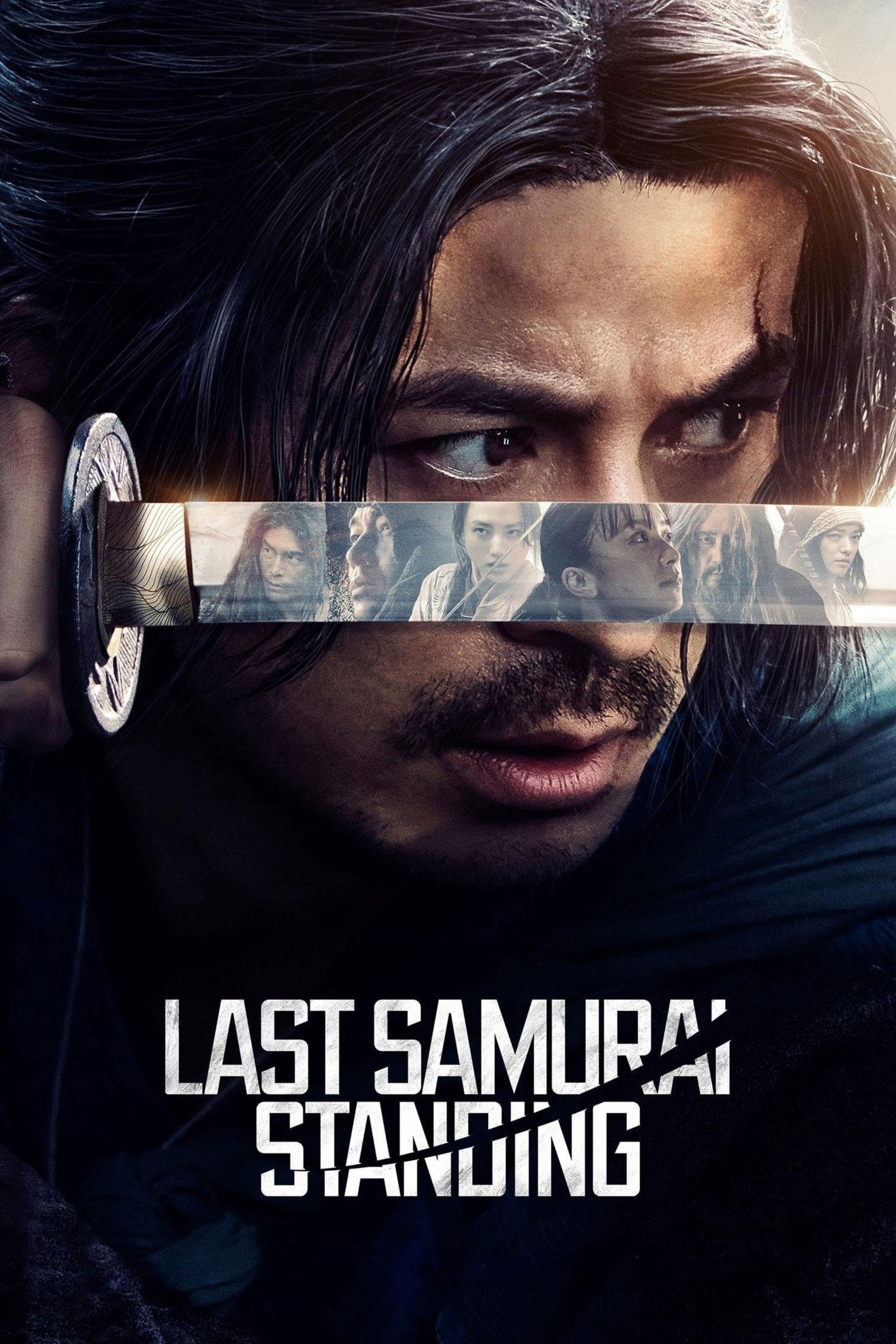
In the early Meiji era, Shujiro, once known as an undefeated samurai, decides to participate in a deadly survival game to save his family and villagers.
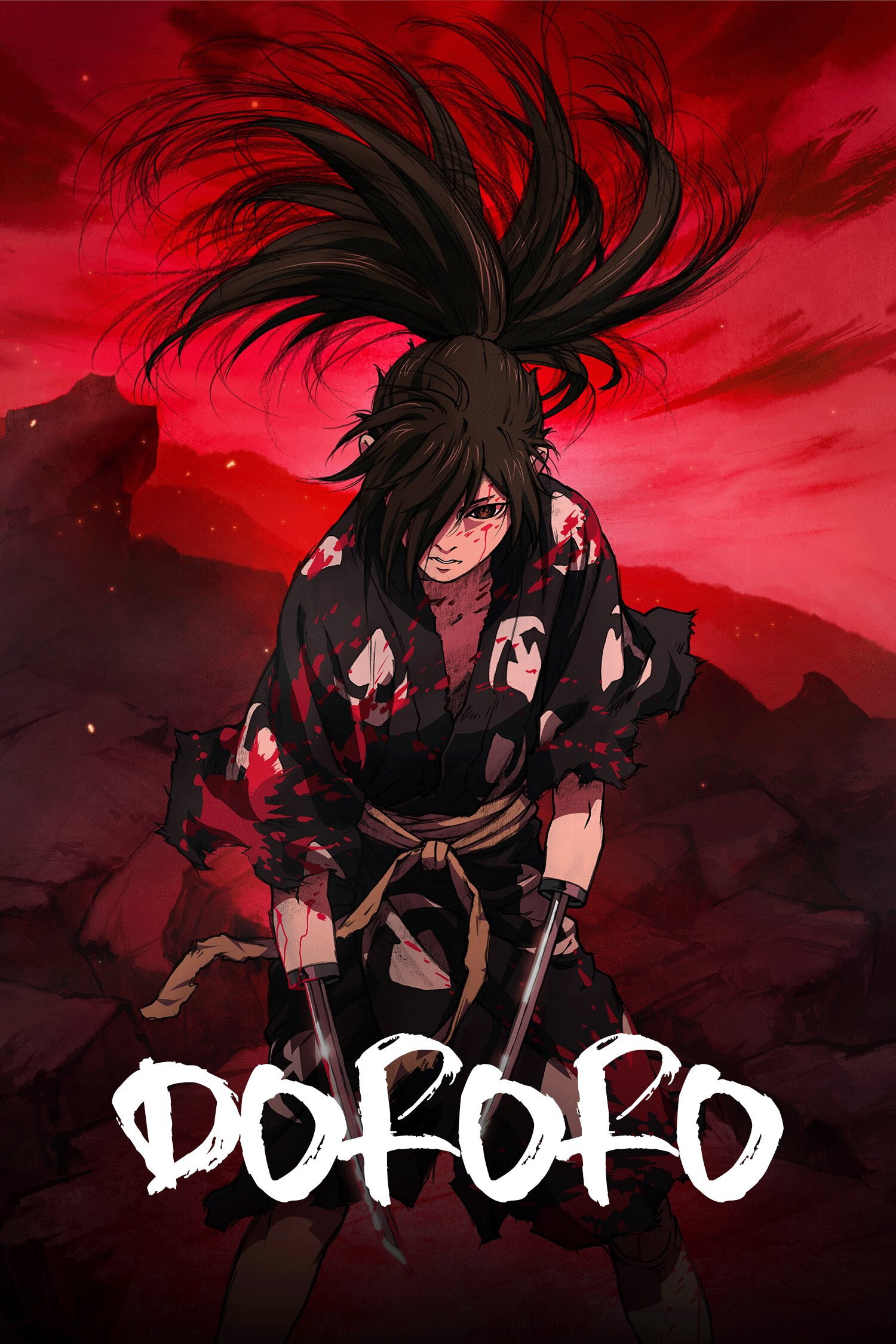
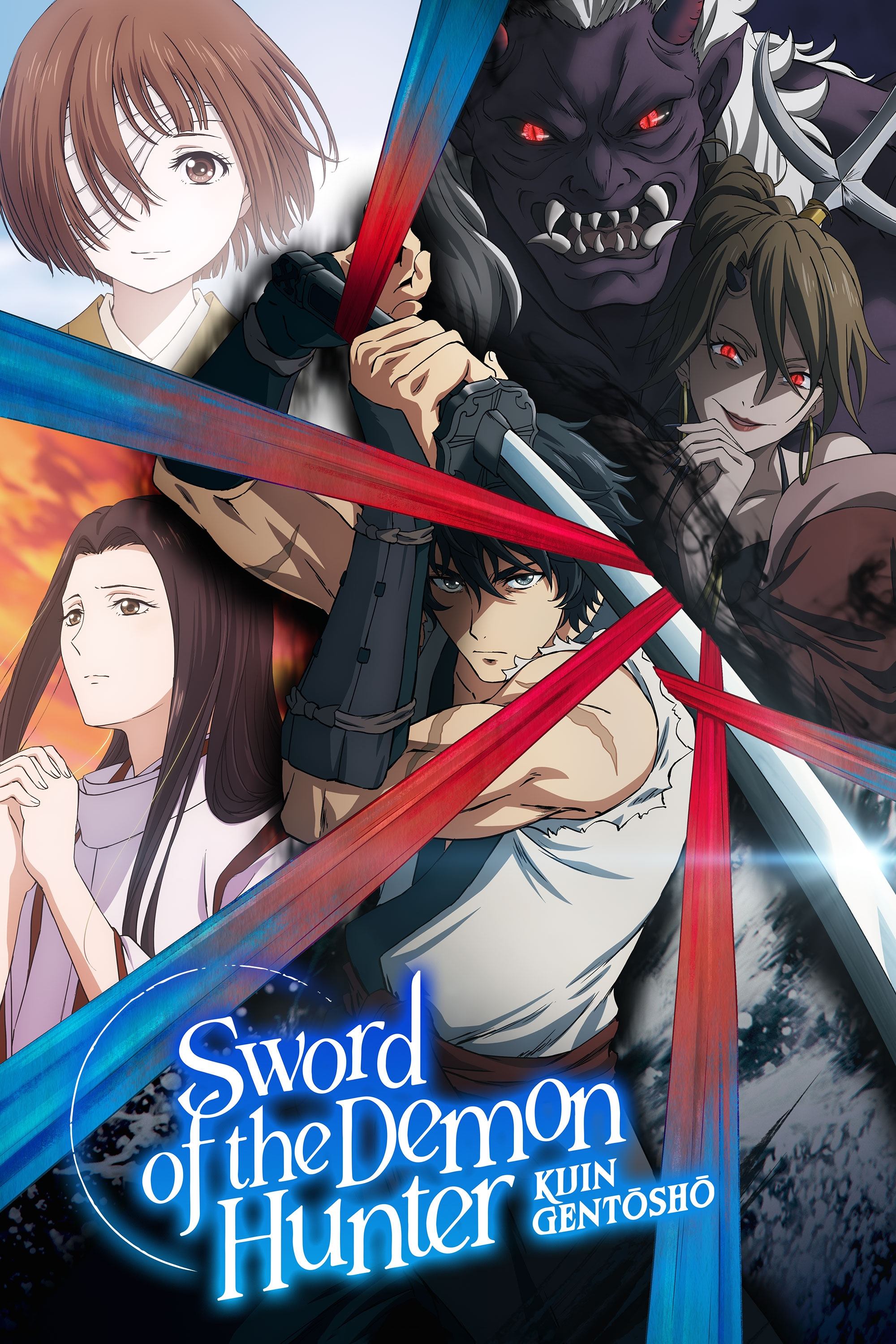
A samurai lord has bartered away his newborn son's organs to forty-eight demons in exchange for dominance on the battlefield. Yet, the abandoned infant survives thanks to a medicine man who equips him with primitive prosthetics—lethal ones with which the wronged son will use to hunt down the multitude of demons to reclaim his body one piece at a time, before confronting his father. On his journeys the young hero encounters an orphan who claims to be the greatest thief in Japan.
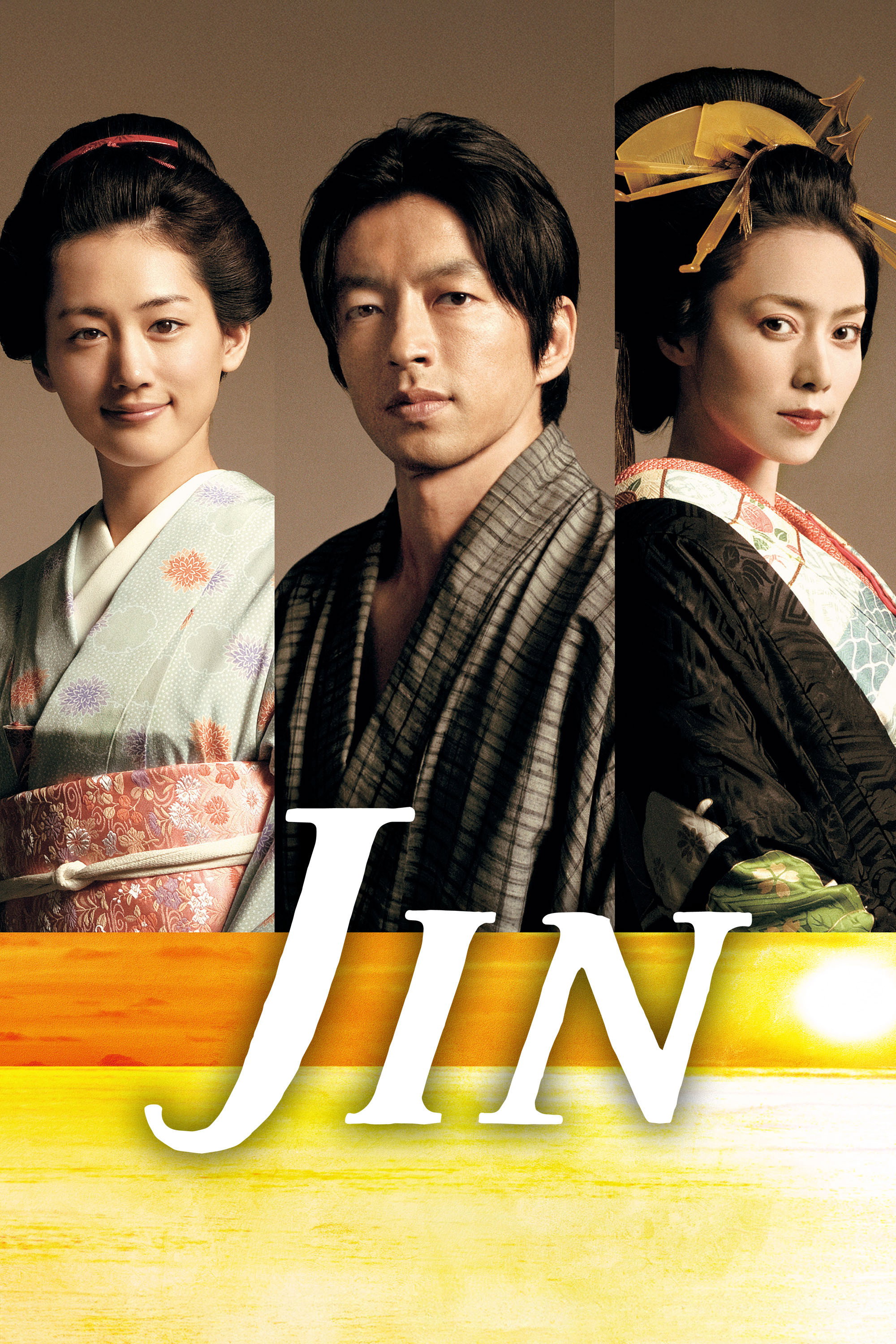
After awakening in the Edo era, a neurosurgeon uses his medical knowledge to help those around him while searching for a way back to the present day.
An English navigator becomes both a player and pawn in complex political games in feudal Japan.
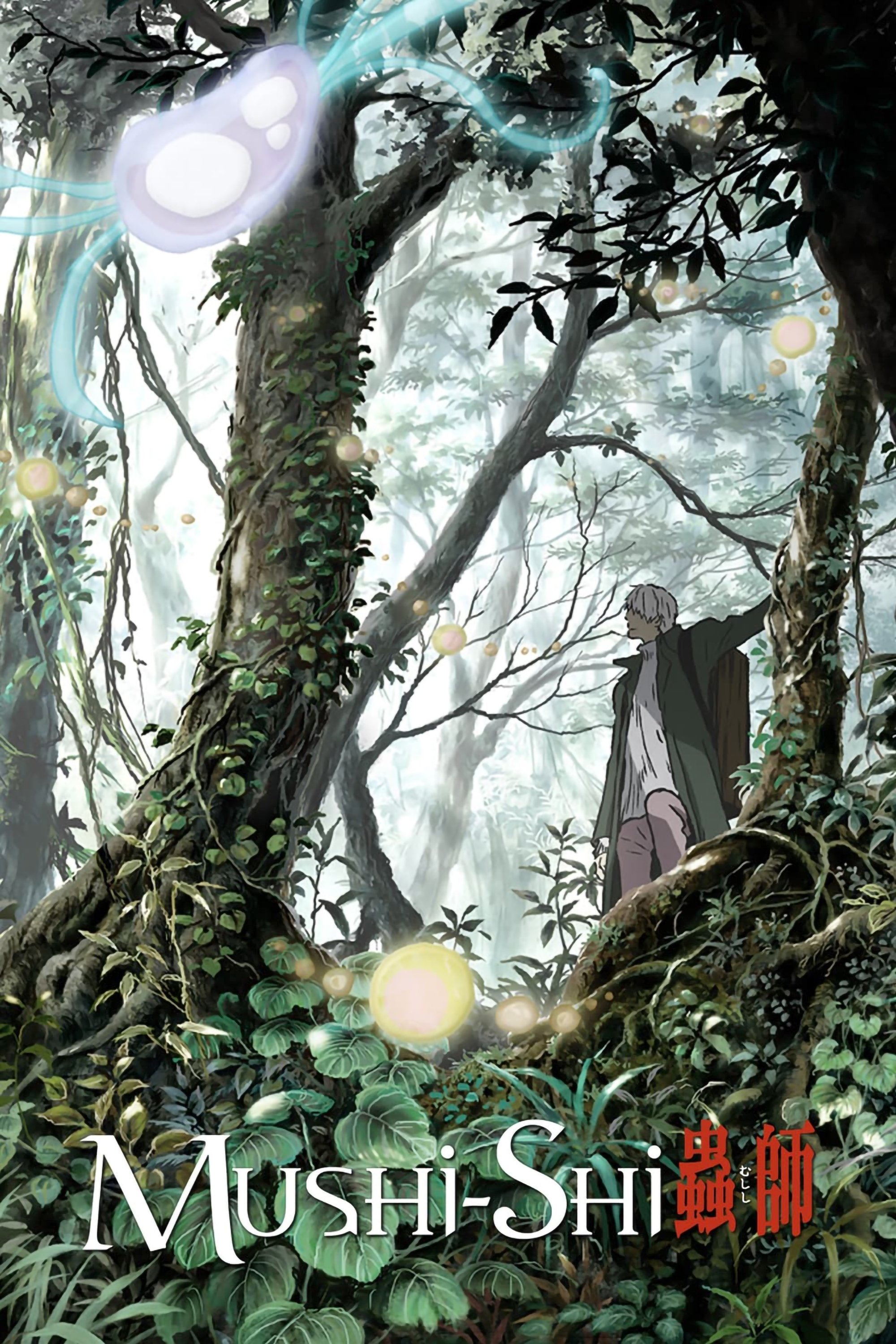
Ginko, a Mushi master, travels from place to place researching the Mushi and helping people who are suffering because of it.
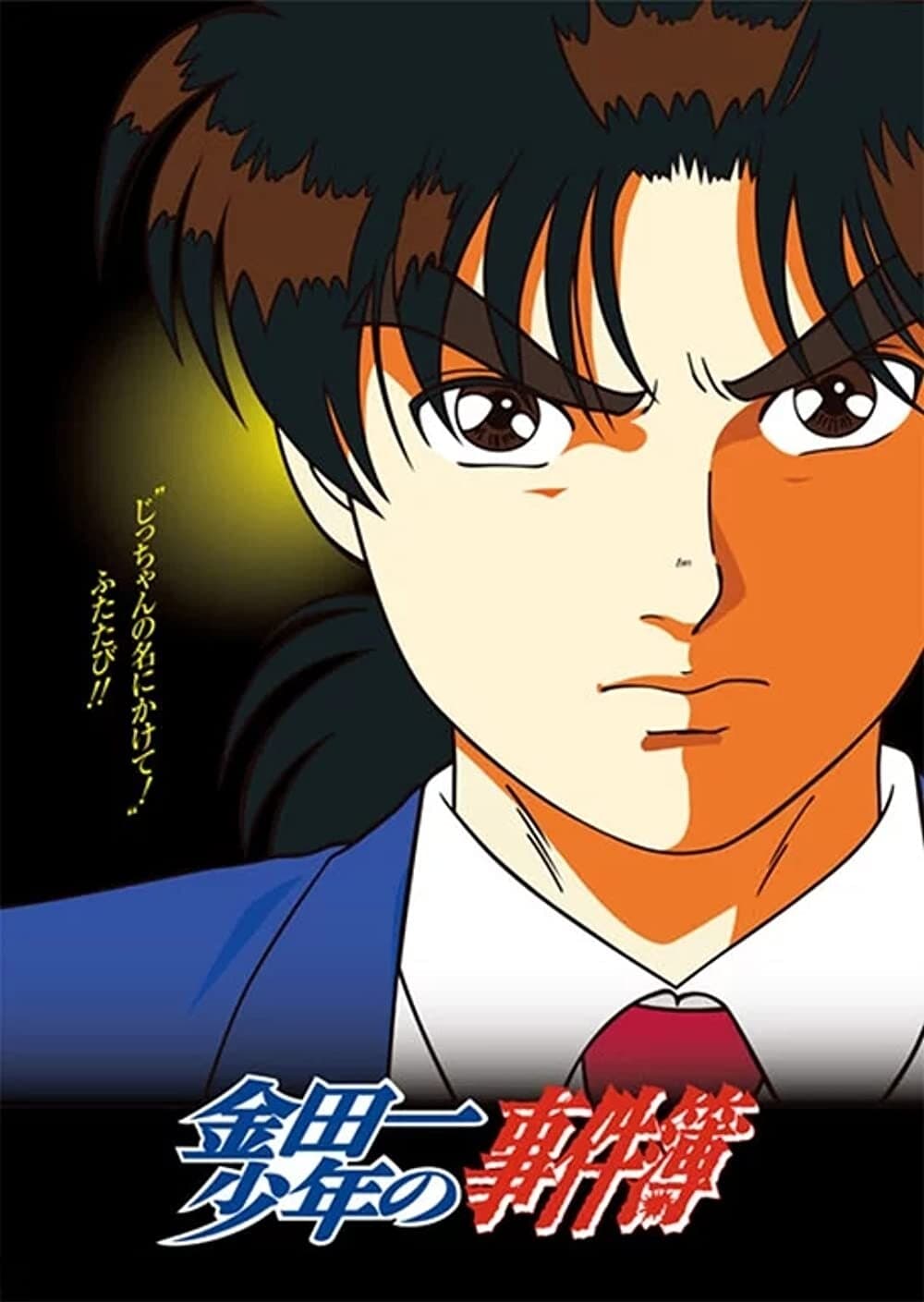
Kindaichi Hajime may look dumb, but he is one of the smartest you will ever see. He encounters mysteries after mysteries with his good friend, Miyuki, and he swears to solve them in the name of his grandfather, which was a great detective.
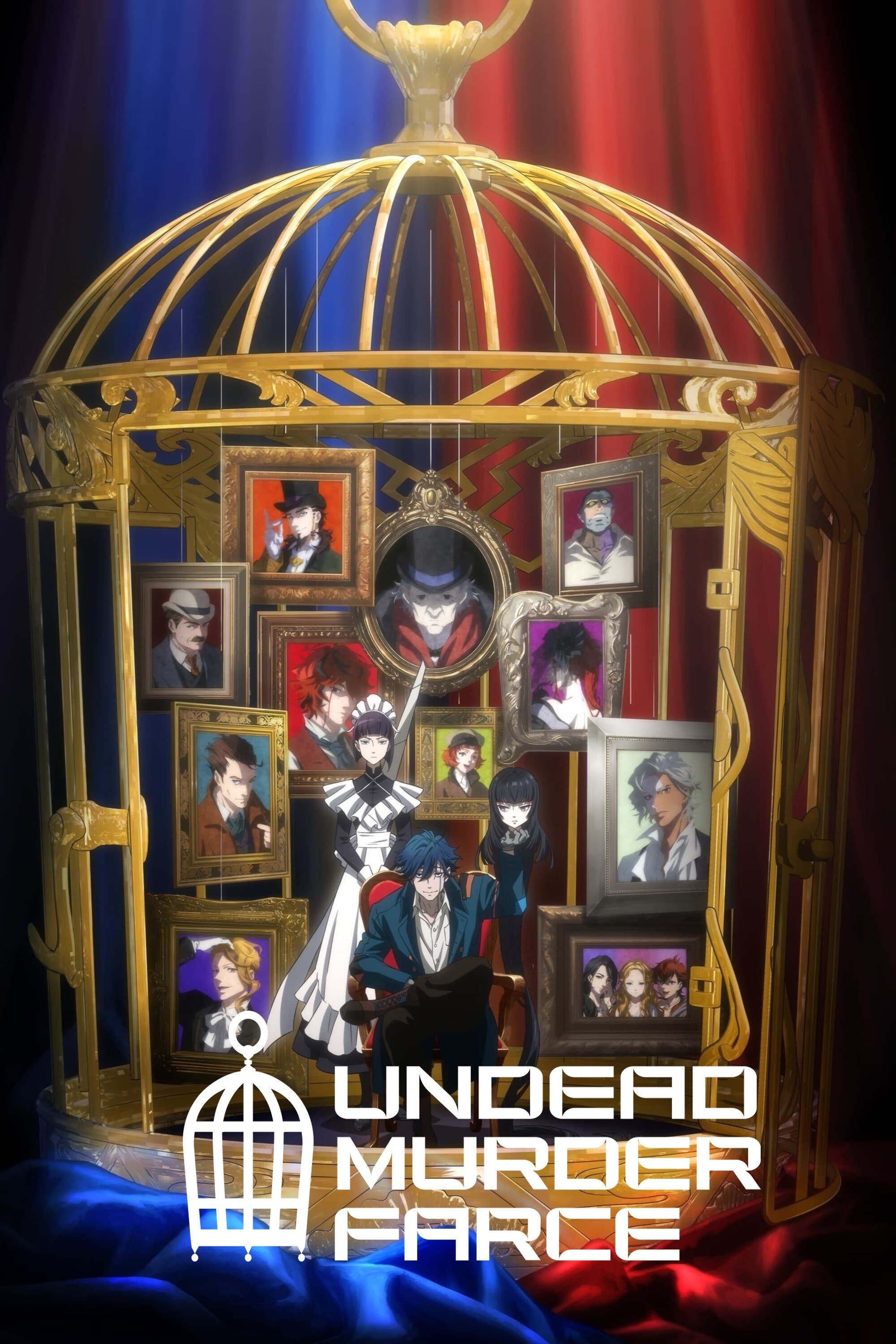
In this world, creatures like vampires and werewolves still walk about, but Aya Rindo can’t say the same for herself. This beautiful disembodied head, carried by her maid Shizuku Hasei, is a detective in search of her stolen body. One evening, they meet half-human Oni Slayer Tsugaru Shunichi, who offers a lending hand. Now, the trio is traveling through Europe, solving mysteries along the way.
The year is 1931. Prince Tokugawa Yoshinobu holds absolute control over Japan. Remnants of the Meiji era’s culture can be seen around the city, but scientific technology and Japanese esoteric cosmology Onmyodo are also developing. Yet lurking behind the glitz is Kuchinawa, a dissident group planning the assassination of the prince. Tasked to extinguish these dissidents is Nue, the government’s secret executioner group. Sawa Yukimura, who works for this organization, suffered at the hands of the Kuchinawa boss. Her entire family was murdered and she dedicated her life to avenging their death.
Ten years have passed since the end of Bakumatsu, an era of war that saw the uprising of citizens against the Tokugawa shogunate. The revolutionaries wanted to create a time of peace, and a thriving country free from oppression. The new age of Meiji has come, but peace has not yet been achieved. Swords are banned but people are still murdered in the streets. Orphans of war veterans are left with nowhere to go, while the government seems content to just line their pockets with money.
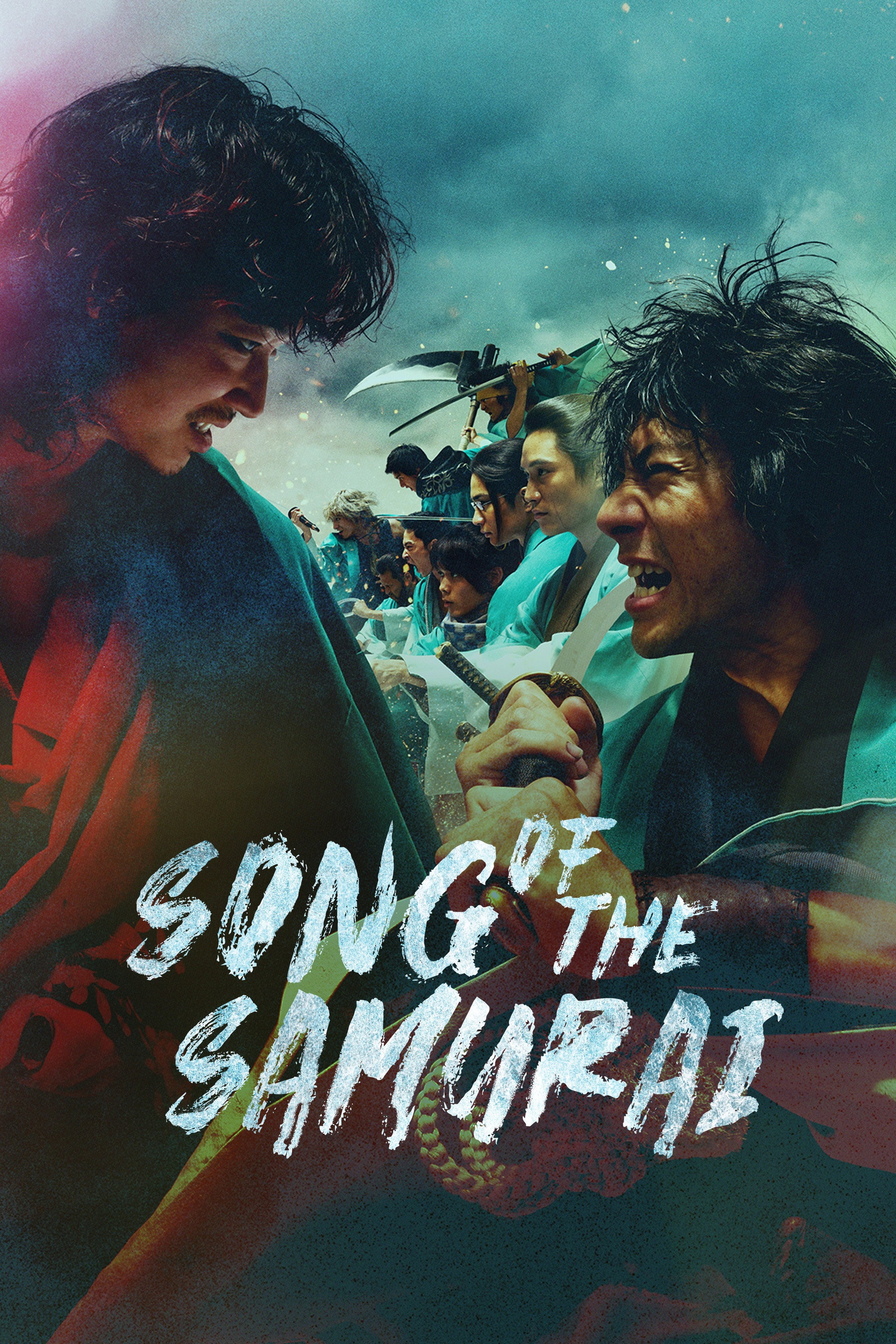
Jinta journeys through a century-spanning epic, all while questioning why he wields a sword.
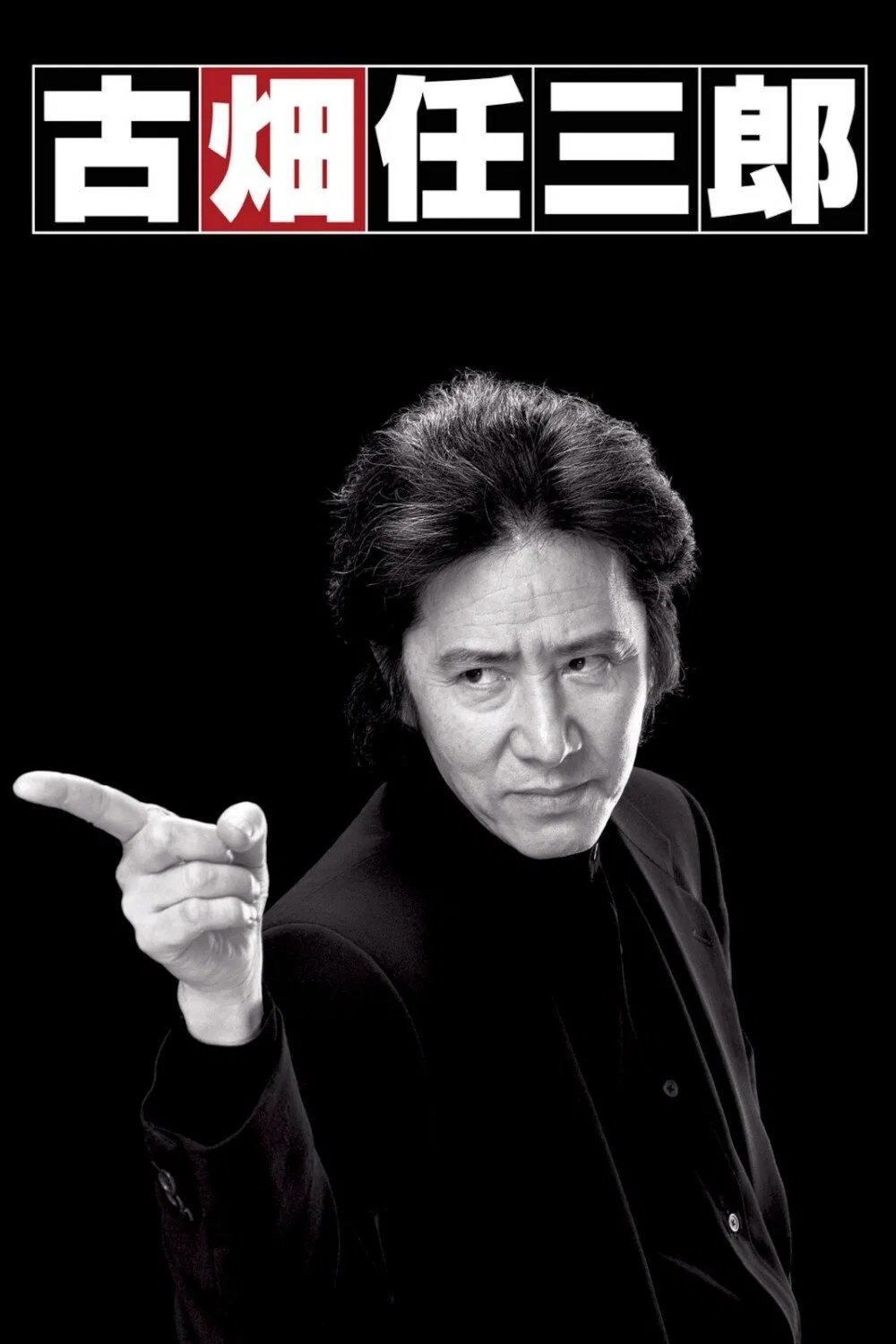
Furuhata Ninzaburō is a Japanese television series that ran periodically on Fuji Television from 1994 until its final episodes in 2006. It was written by Japanese playwright Kōki Mitani and is often referred to as the Japanese version of Columbo. The series is a police detective drama starring actor Masakazu Tamura as Furuhata Ninzaburo and Masahiko Nishimura as his stereotypically bumbling sidekick, Shintaro Imaizumi. The program aired weekly and featured a guest villain each time, usually a famous talent in Japan. Pop-stars like SMAP, television hosts like Sanma Akashiya and even sports figures like Ichiro Suzuki have been featured on this program. It was one of the most popular television dramas in the history of Japanese television, having spawned several seasons and TV specials.
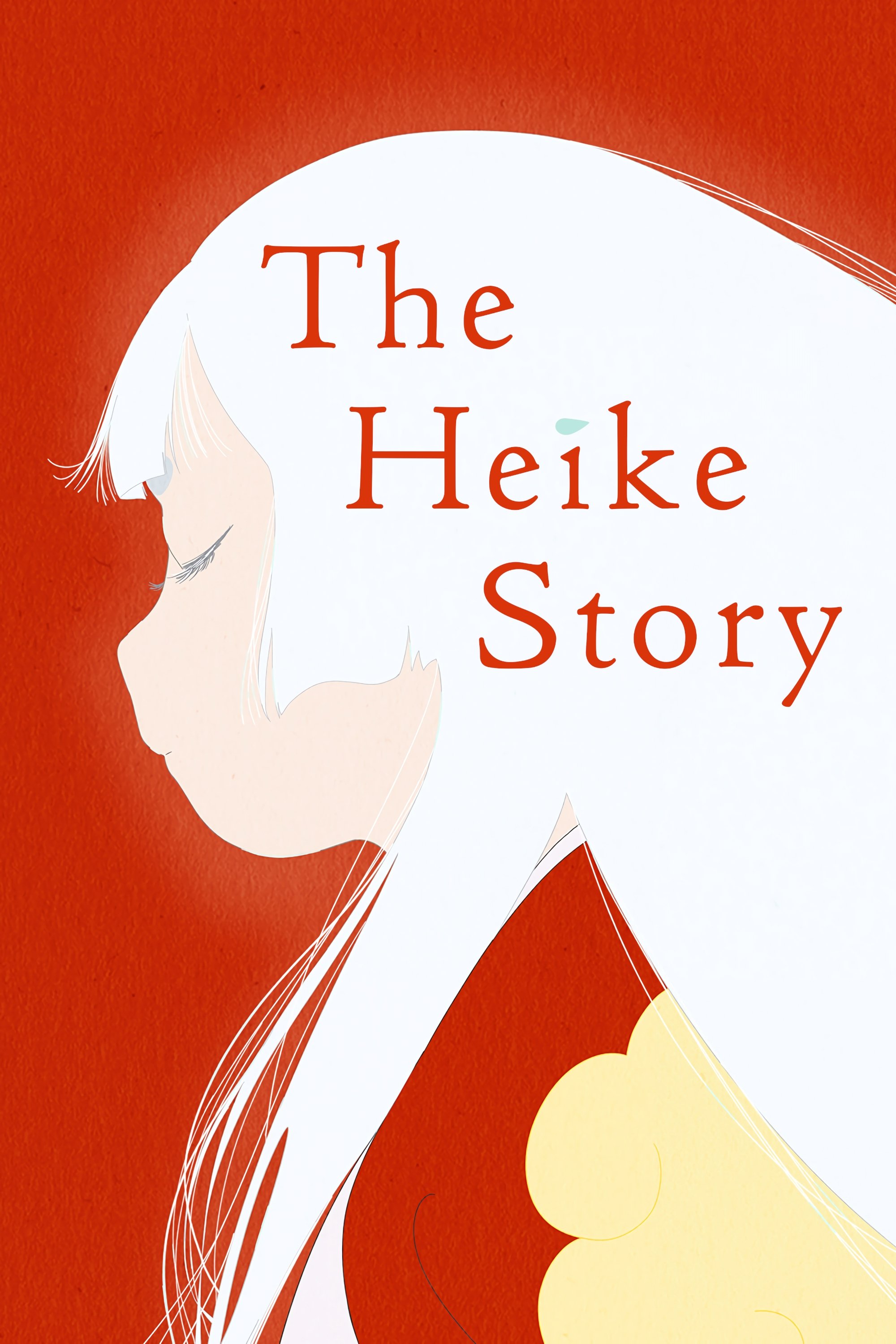
A young orphan named Biwa is taken in by the powerful Taira Clan—also known as the Heike—after their leader witnesses her extraordinary psychic abilities. Unfortunately, what she predicts is a future of bloodshed, violence, and civil war. Inspired by the 12th-century epic tale Heike Monogatari.
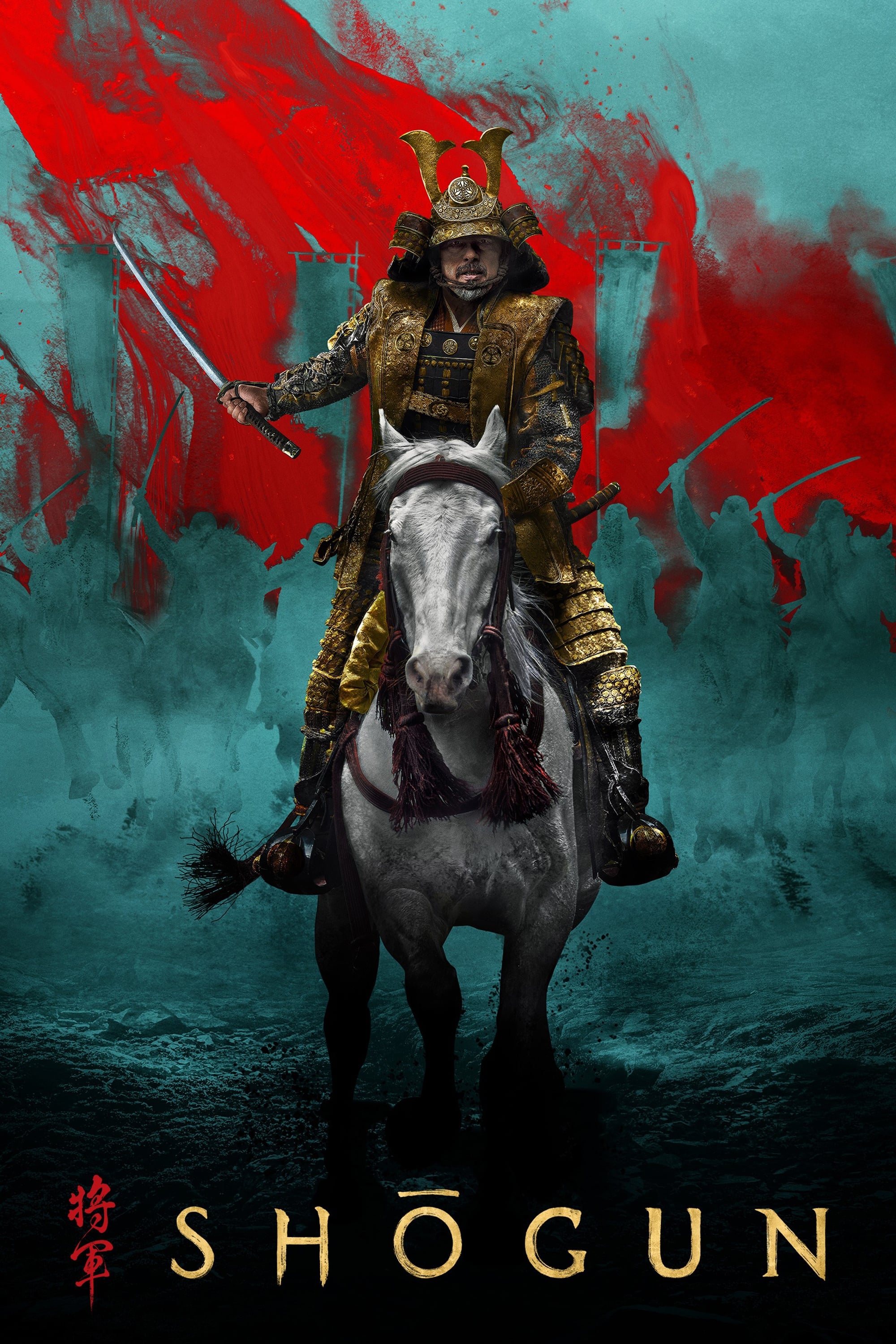
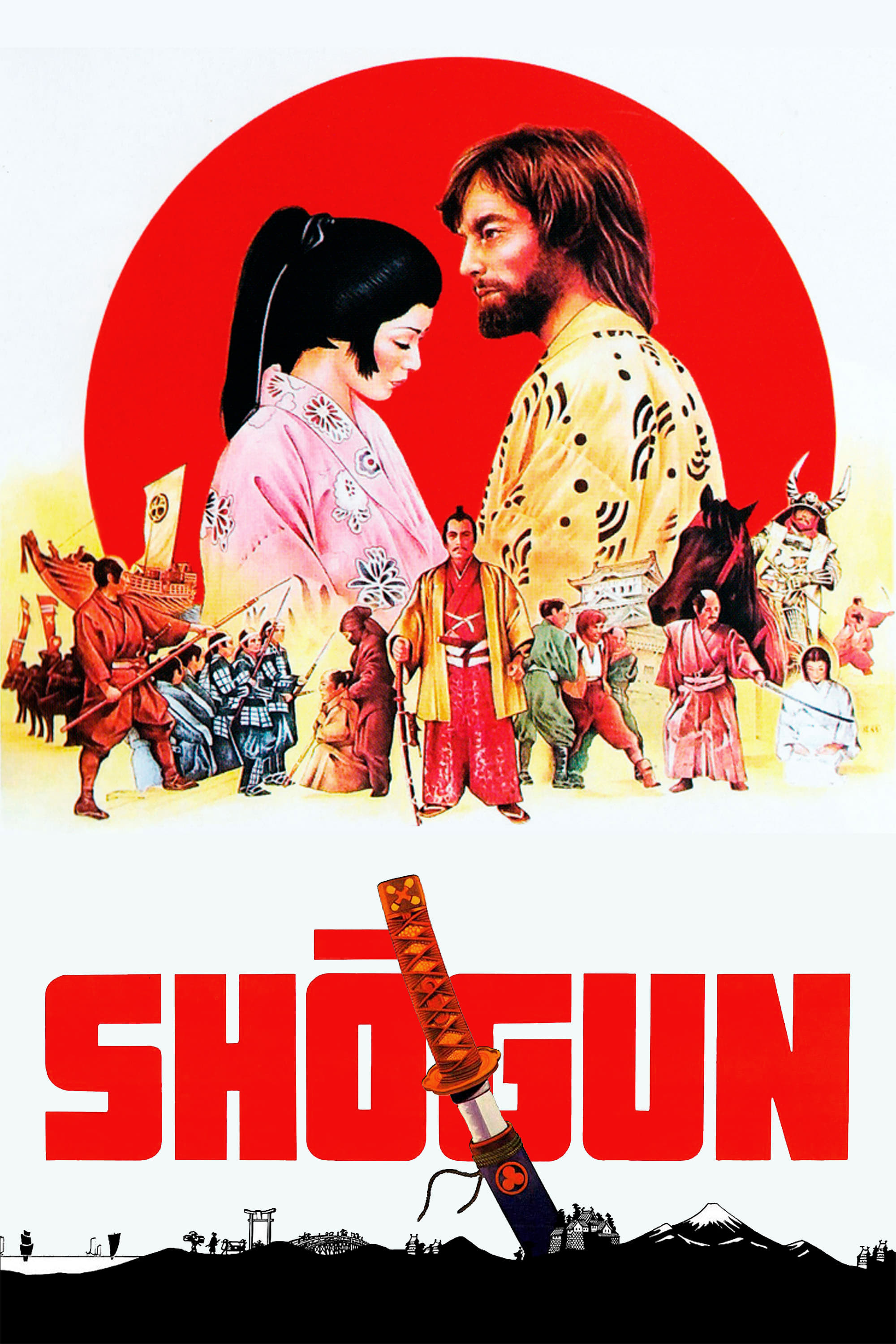
In Japan in the year 1600, at the dawn of a century-defining civil war, Lord Yoshii Toranaga is fighting for his life as his enemies on the Council of Regents unite against him, when a mysterious European ship is found marooned in a nearby fishing village.
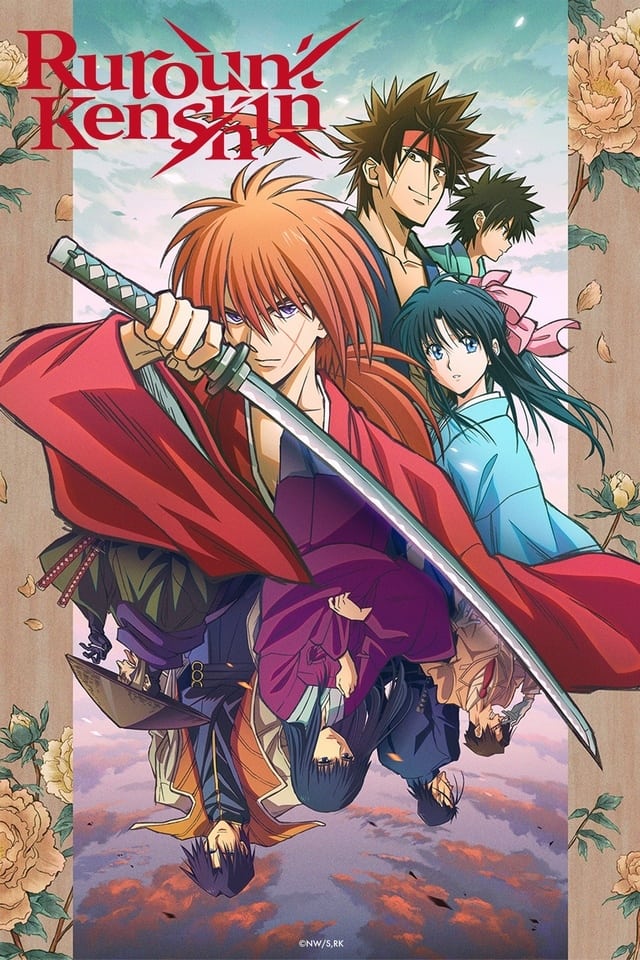
The Meiji Era was one of great renewal for Japan, where swords and killing were outlawed. However, many survivors from the time of Revolution still live, lurking in the shadows and waiting for a chance to use their killing blades again. Only Kenshin Himura, formerly one of the most brutal of killers, hopes to keep his swordsman's honor and still live in the new era.
Kagome Higurashi is a modern day young girl who lives with her family by the old Higure shrine. Unbeknownst to Kagome, she is the reincarnation of priestess Kikyo and posseses the "Jewel of Four Souls" (the Shikon jewel). One ill-fated day, Kagome locates an ancient well near her home and is abruptly transported through the well and into a feudal Japan, inhabited by demons. There, she encounters Inuyasha, son of a powerful demon father and a human mother, who is pinned to a tree by an enchanted arrow.
Daimon Michiko is a 37-year-old freelance surgeon who is part of a questionable “doctor placement service” that has her wander from hospital to hospital. The harsh environment at the hospitals led many doctors to retire from their positions, forcing hospitals to make use of said program to fill the empty spots at least temporary. However, Michiko doesn’t look like a doctor at all with her flashy clothes and eccentric attitude. In the first episode she raises objections to a certain operation which is planned to be done by the head of a hospital who hasn’t performed an operation for a very long time. This causes Michiko to incur odium at the hospital, however, everyone becomes frozen when Michiko points out the outdated skills of the director. She also holds a scrupulous compliance when it comes to her working hours, never does any unnecessary chores that don’t require a medical license, and couldn’t care less about the power struggles within the hospitals. Nobody knows how she acquired such a top-level skill that allows her to claim exorbitant sums as reward, but her private life is an even greater mystery to everyone around her. Tanaka plays a rookie surgeon, Uchida an anesthetist, Kishibe the head of the placement service, and Ito the head of the surgical department of this institution.
When a certain man is released from prison, he knows exactly where he's heading first. After falling in love with a traditional comic storyteller's rendition of the story called "Shinigami," he is determined to become his apprentice. The performer, Yakumo, has never taken an apprentice before, but to everyone's surprise, he accepts the eager ex-prisoner, nicknaming him "Yotaro." As Yotaro happily begins his new life, he meets others in Yakumo's life, including Yakumo's ward Konatsu. Konatsu was the daughter of a famous storyteller, and Yakumo took her in after her father's tragic death. Konatsu loved her father's storytelling, and would love to become a performer in her own right—but that path is not available for women.
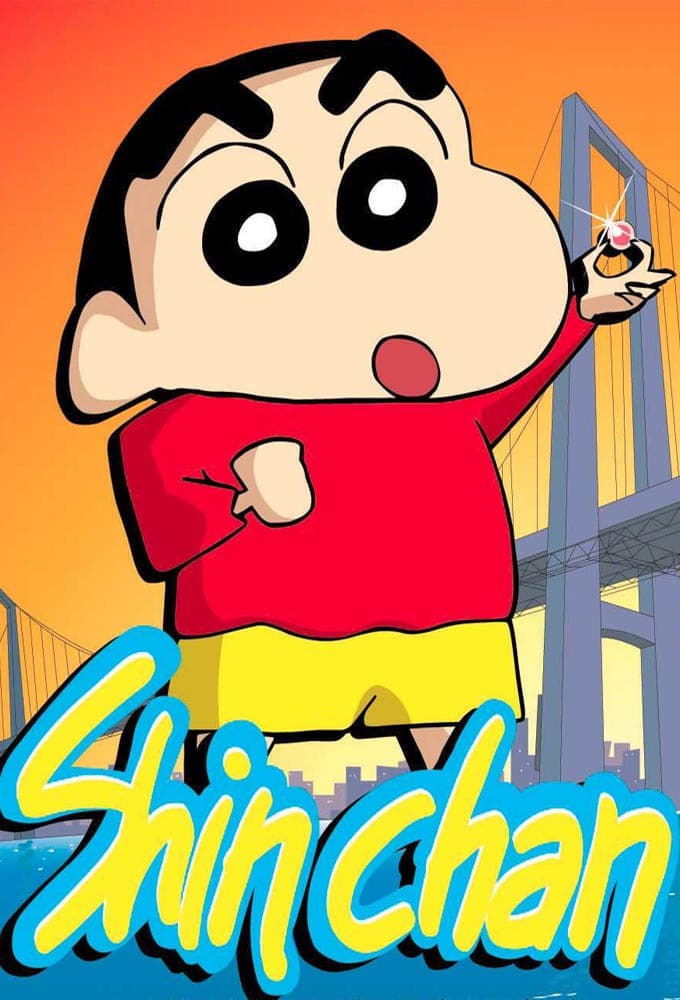
Shin-chan, the boy next door, is a walking disaster, creating chaos wherever he goes. With the body of a child and the mind of an adult, Shinchan is wreaking more havoc than any child before. Shin-chan is carefree, optimistic and gets excited about everything. This 5 year-old likes to do things his way.