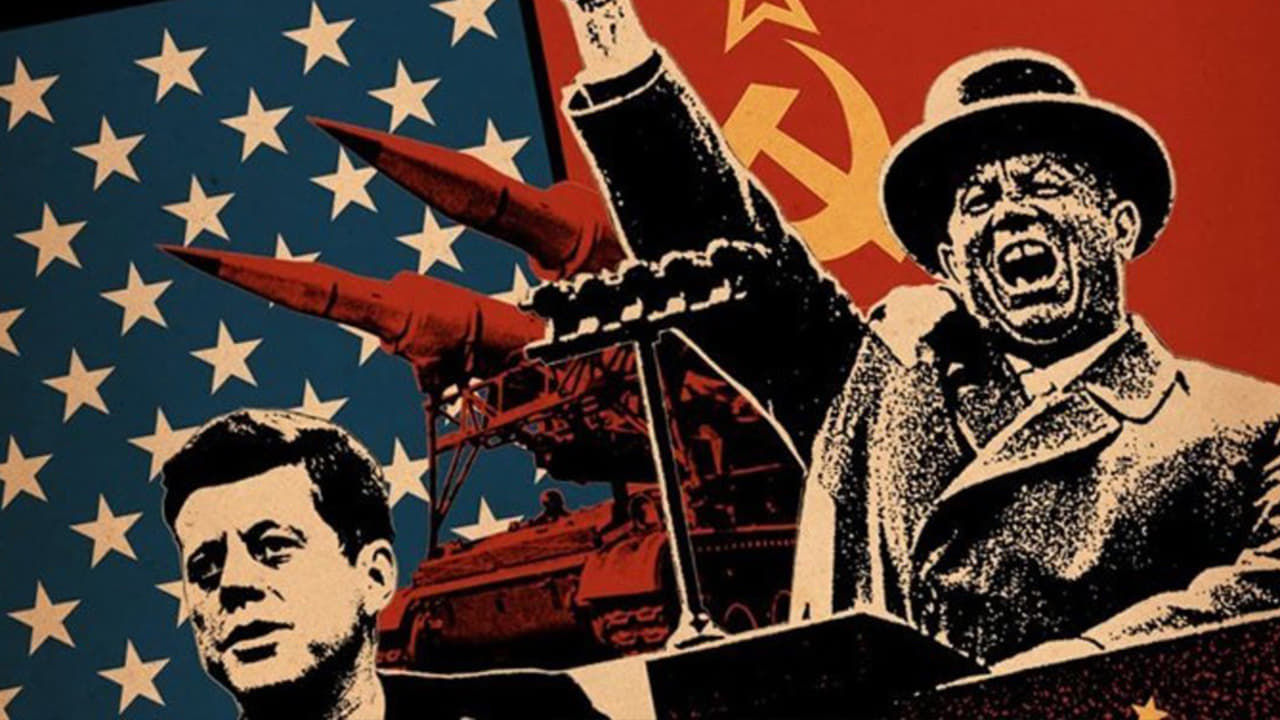
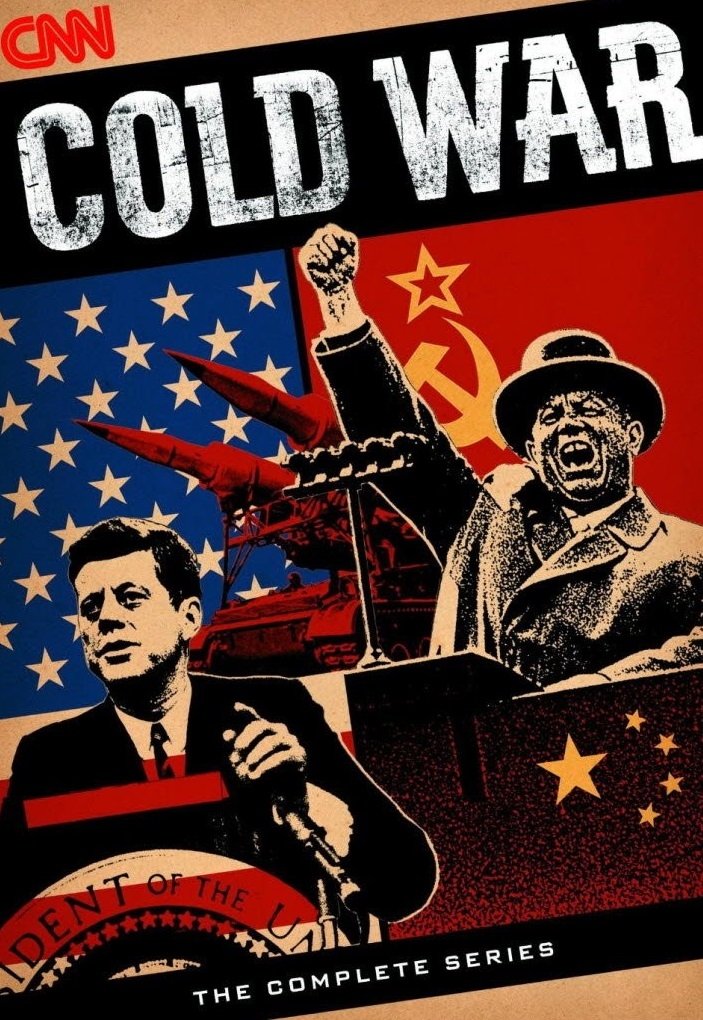
A 24-part series which deals with the relations between the United States, the Soviet Union and their respective allies between the end of World War II to the collapse of the Soviet Union in 1991.
Social & External
Unknown Role

Journalist Charles Moore, who wrote Margaret Thatcher's authorised biography, explores her extremely close relationship with US President Ronald Reagan. These two leaders came together in the shadow of the Cold War and nuclear armageddon, and Charles meets the people who were in the room with them as they faced the great challenges of their age.
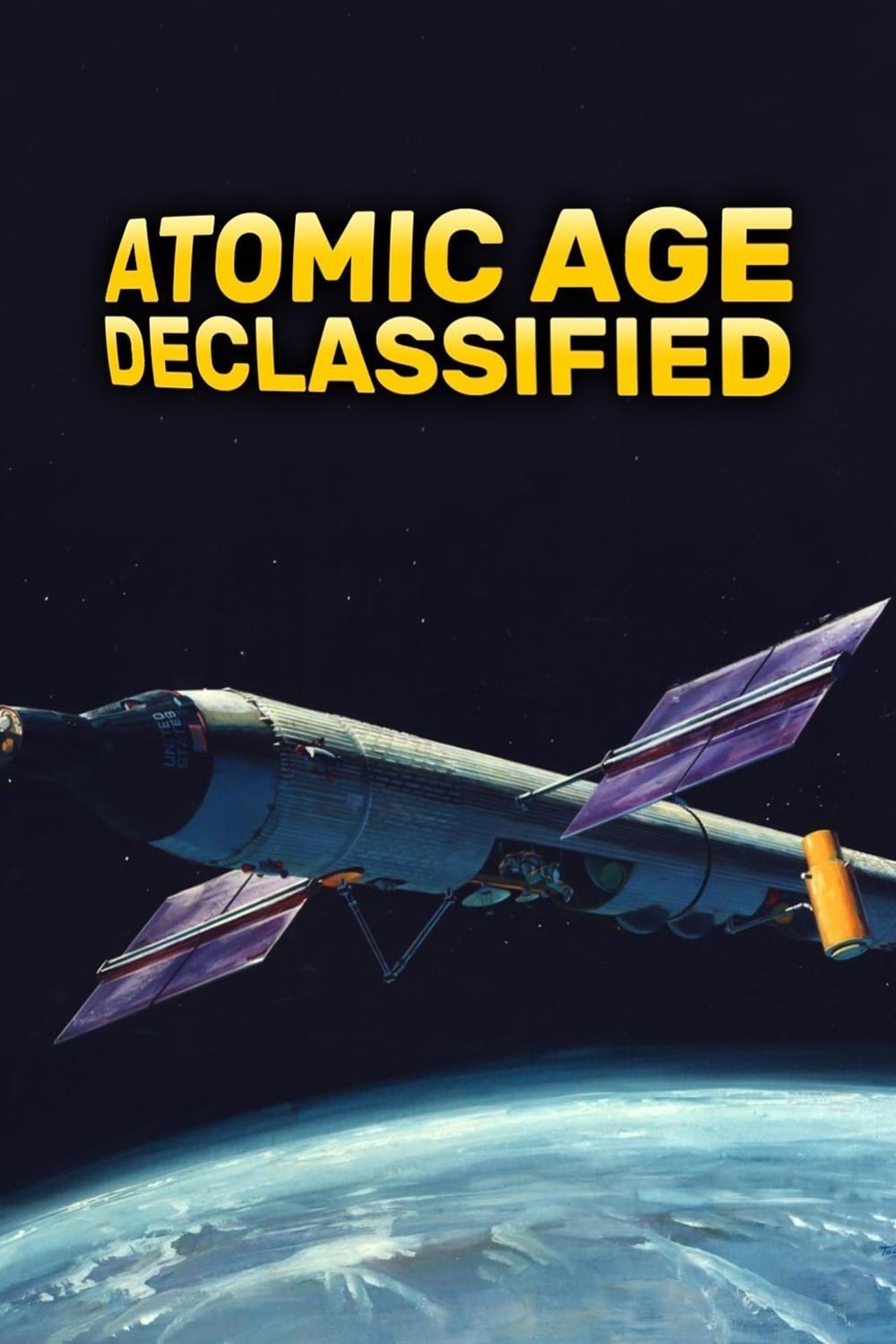
Taking viewers back to the Atomic Age of the mid-20th century by going on a mission to identify the endless possibilities of atoms as an energy source.
The story of this fantastic period of history between 1945 and 1991, which was defined by the confrontation of two worlds and two systems. The capitalist West, dominated by the ever-powerful United States, is pitted against the Communist East, the Soviet Empire.
Montagu, Garbo, Fuchs, Penkovsky... they were the greatest spies of the twentieth century. Through analysis of declassified documents, archives, reconstructions, and interviews, “Spies of War” offers you a glimpse into the minds and methods of undercover operatives. Discover the tactics for transmitting top secret information. See how one man assumed 24 identities to simulate the existence of a spy ring. Witness how scientists provided the USSR with ultra-confidential plans for the atomic bomb.
Pandora's Box is a six-part 1992 BBC documentary television series which examines the consequences of political and technocratic rationalism. The episodes deal, in order, with communism in The Soviet Union, systems analysis and game theory during the Cold War, economy in the United Kingdom during the 1970s, the insecticide DDT, Kwame Nkrumah's leadership in Ghana during the 1950s and 1960s and the history of nuclear power.
A chronicle of John F. Kennedy's life, including his youth, ascension into politics, presidency, and his lasting impact on history.
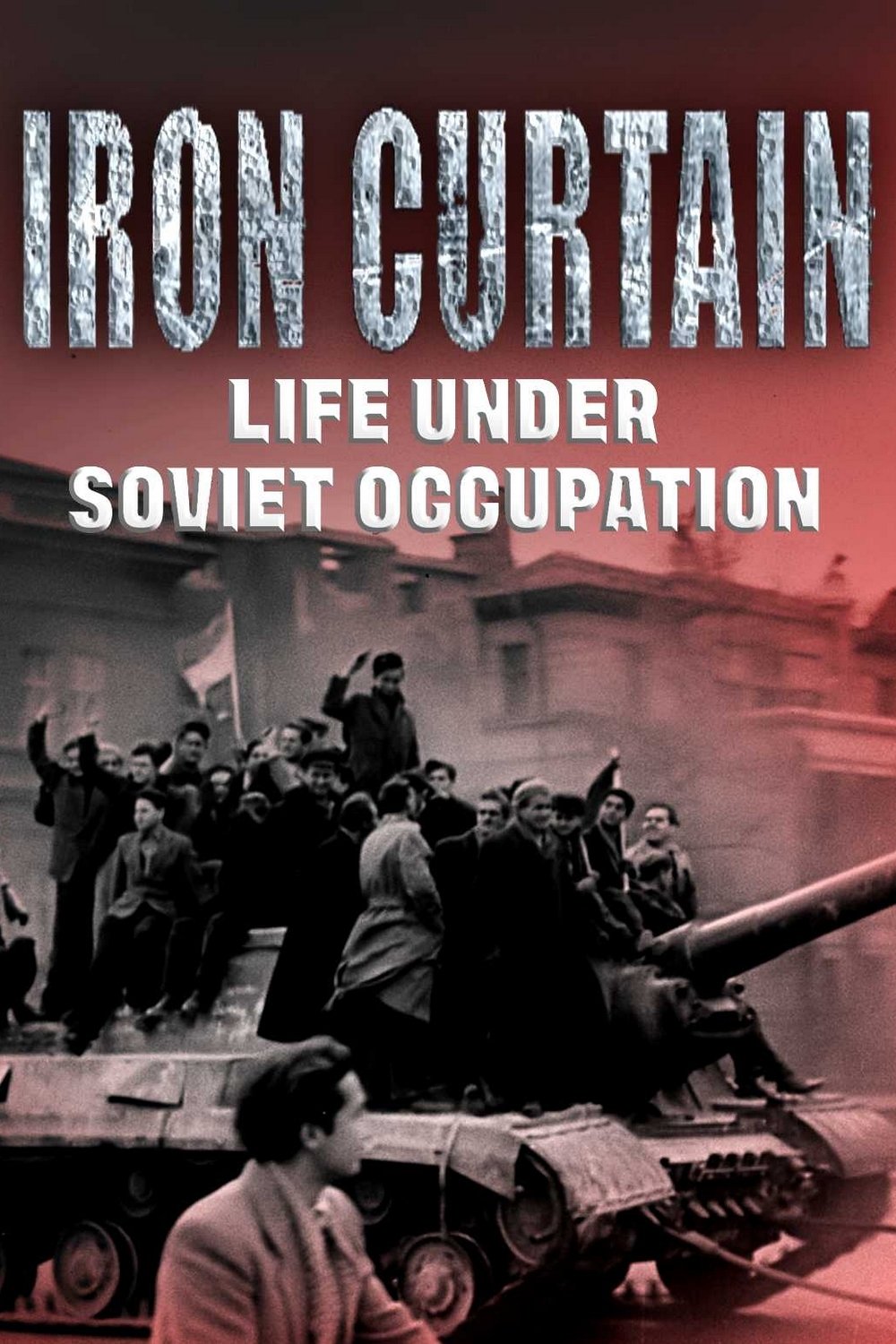
How did the Soviet Union impose its communist ideology on the countries of Central and Eastern Europe after World War II? The story of how, from 1945 until the construction of the Berlin Wall in 1961, these countries were gradually subjected to the totalitarian Soviet yoke.
Hell Below is an event-based series charting the stealth game of sub sea warfare, tracking the dramatic narrative from contact to attack of the greatest submarine patrols of World War II. From the rise of the Wolfpack to the drive for victory in the Pacific, we profile the strategic masterminds and the rapid evolution of technology and tactics, as the threat of undersea warfare brings every sailor's worst nightmare to life. Expert analysis and stock footage are woven with narrative driven re-enactments filmed on authentic Second World War era submarines to place the characters at the heart of the action.
War and Peace in the Nuclear Age, first broadcast in 1989, is a thirteen-part PBS series on the origins and evolution of nuclear competition between the United States and the former Soviet Union. The series examined the rivalry for power and how it shaped the diplomacy, negotiation, ethical debates, and doctrine of deterrence that ran through the forty-year history of the nuclear age. This collection contains the full interviews and selected stock footage from the series.
Communism spread to all of the continents of the word, lasting through four generations and over seven decades. Hundreds of millions of men and women were affected by this political system, one of the most unjust and bloodiest in history. Using newly discovered propaganda films and archival photos, these four episodes explore the mysteries of this totalitarian political machine that lured its share of important followers into the fold. Known as the red church, communism seduced its ardent followers like some earthly religion.
The story of an empire: From its founding in 1922 to its dissolution in 1991, the Soviet Union was shaped by revolutionary idealism, but also by oppression and decay. The USSR evolved from Stalinist terror through the Thaw under Khrushchev to political processes such as glasnost and perestroika under Gorbachev. Finally, in 1991, it collapsed.
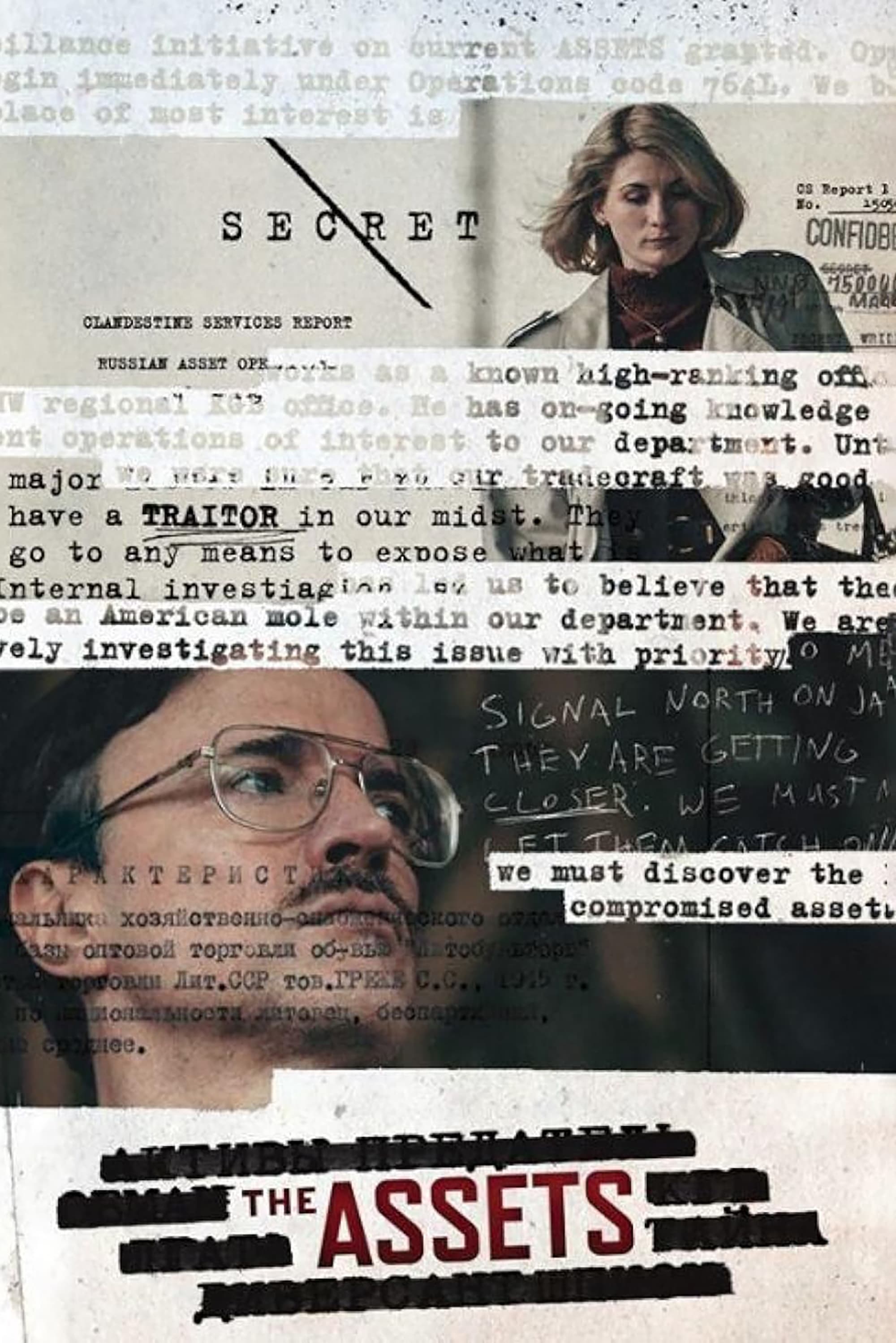
Secrets are divulged and stories of espionage, conspiracy, murder, sabotage and greed are uncovered.
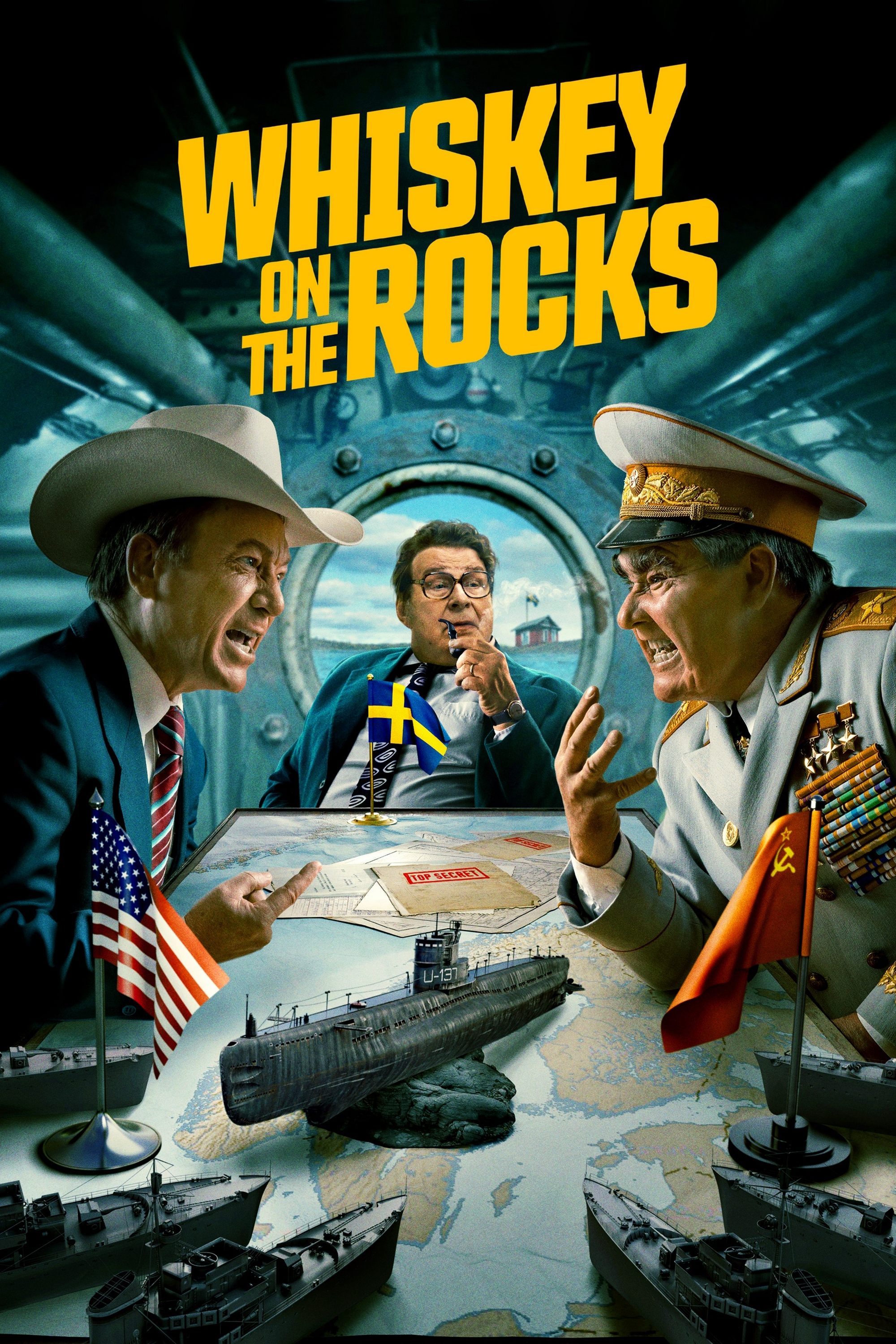
The story of the underwater war between US, UK and Soviet submarines in the second half of the 20th century.
The warplane has evolved over nearly a century to become what it is today, in 2004. This series is the story of how, through life-and-death necessity, invention, ingenuity and sheer hard work that warplane technology evolved. The Warplane series is not a history of every military plane but rather a look at the major stepping stones that advanced military aviation.
Oliver Stone's re-examination of under-reported events in American history.
The evolution of the modern naval warship, from the days of wooden vessels under sail to today's nuclear-powered aircraft carriers, submarines, and missile cruisers.
Spy Web: International Espionage uncovers some of the most fascinating spying and espionage stories of the 20th century.
TV's most-watched history series brings to life the compelling stories from our past that inform our understanding of the world today.
A series of standalone documentaries powered by the unparalleled journalism and insight of The New York Times, bringing viewers close to the essential stories of our time.
Infographics and archival footage deliver bite-size history lessons on scientific breakthroughs, social movements and world-changing discoveries.
With firsthand accounts and access to prominent figures around the world, this comprehensive docuseries explores the Cold War and its aftermath.
Motoring programme featuring reviews of and reports about cars of all types.
Doctor Who Confidential is a documentary to complement the revival of the long-running British science fiction television series Doctor Who. Each episode was broadcast on BBC Three on Saturdays, immediately after the broadcast of the weekly television episode on BBC One. The running time of the first two series was 30 minutes, being extended to 45 minutes in the third. BBC Three also broadcast a cut-down edition of the programme, lasting 15 minutes, shown after the repeats on Sundays and Fridays and after the weekday evening repeats of earlier seasons.
Using highly advanced colourisation techniques, critical moments from World War II, from Stalingrad to The Battle of Britain, are shown in a whole new light.

An in-depth look at the history and pop cultural significance of horror films.
This docuseries takes an unprecedented look at the enduring and influential legacy of DC, allowing fans to rediscover the universe of characters, as well as the iconic comic book company’s origins, its evolution and its nearly nine-decade cultural impact across every artistic medium.
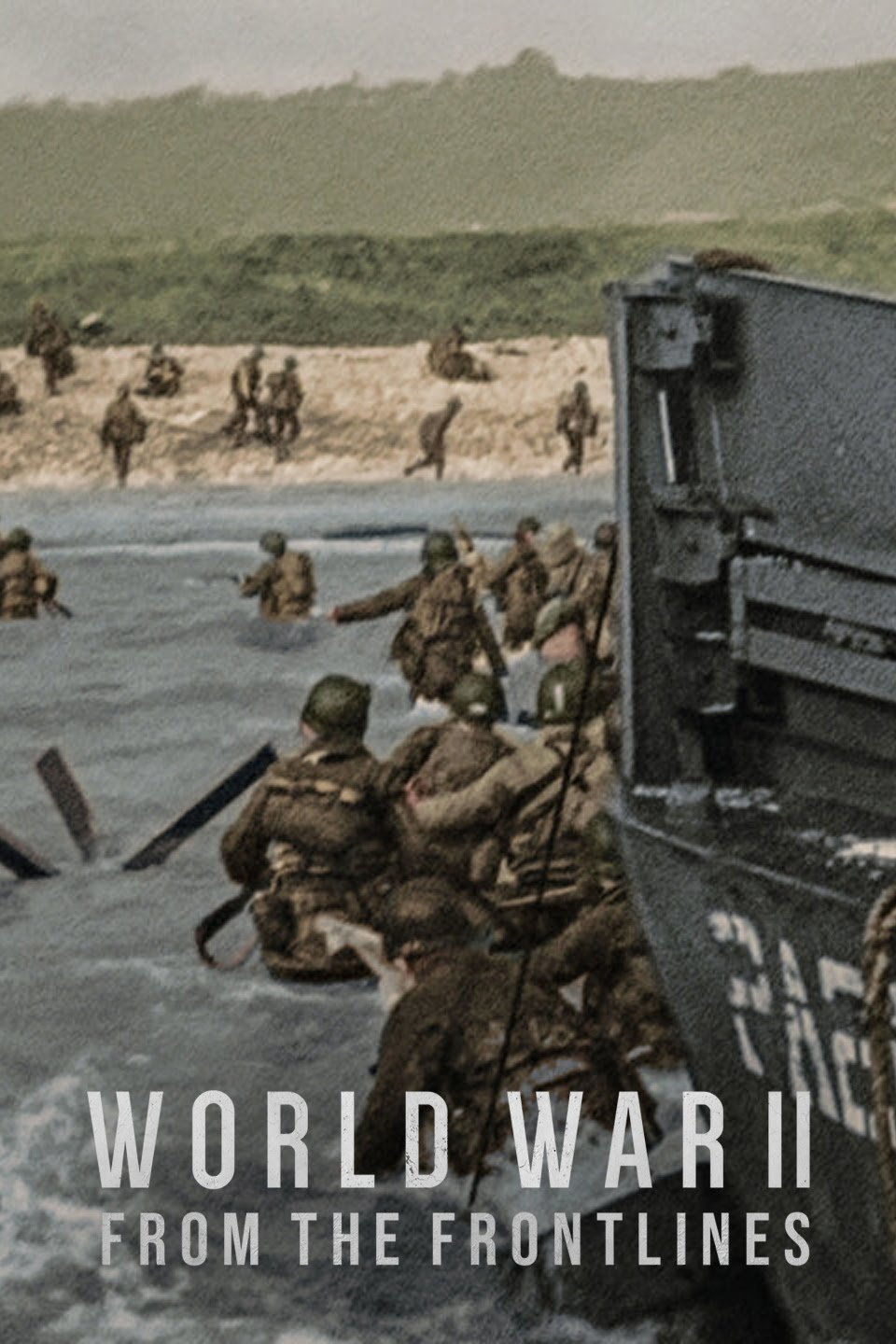
WWII in HD is a 10-part American documentary television miniseries that originally aired from November 15 to November 19, 2009 on the History Channel. The program focuses on the firsthand experiences of twelve American service members during World War II, including an Army nurse, a member of the Tuskegee Airmen, a second generation Japanese American and prisoner of war, and an Austrian Jewish immigrant. The twelve members recorded their time in both theaters and some had later interviews; found footage from the battlefield was paired with the stories of the twelve service members. The episodes premiered on five consecutive days, with two episodes per day. The series is narrated by Gary Sinise and was produced by Lou Reda Productions in Easton, Pennsylvania, United States.
An insider's look at the engineering and scientific miracles behind the things that form the modern world.
The story of the Second World War through the personal accounts of a handful of men and women from four American towns. The war touched the lives of every family on every street in every town in America and demonstrated that in extraordinary times, there are no ordinary lives.
Have you ever wondered how the products you use every day are made? How It's Made leads you through the process of how everyday products, such as apple juice, skateboards, engines, contact lenses, and many more objects are manufactured.

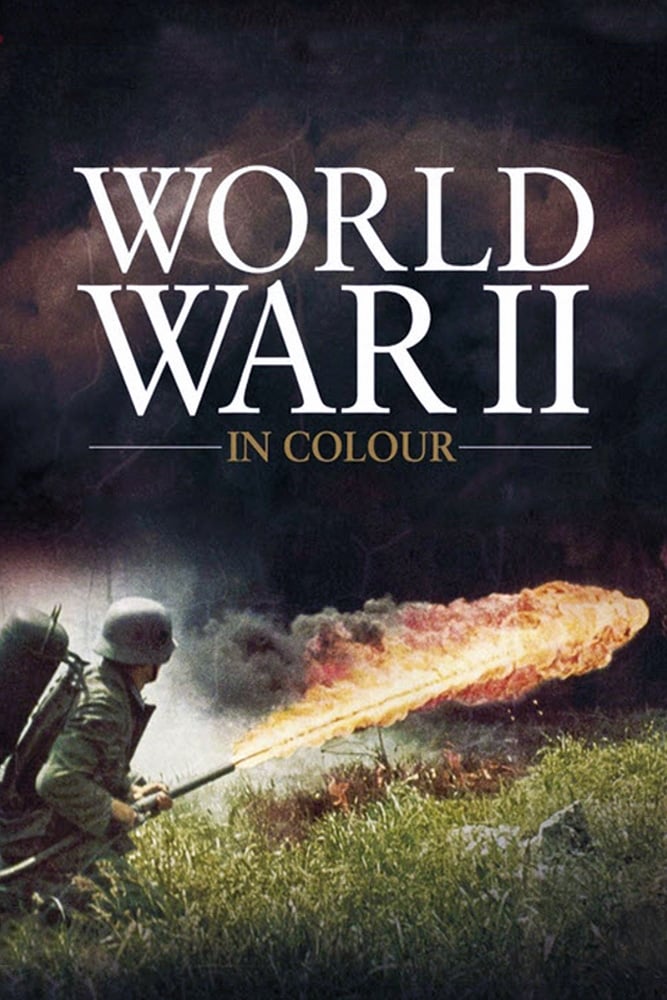
World War II In Colour is a 13-episode television documentary miniseries recounting the events of World War II narrated by Robert Powell. The show covers the Western Front, Eastern Front, and the Pacific War. It is on syndication in America on the Military Channel. This series is in full color, combining both original and colorized footage.
The history of the sport of baseball in America, told through archival photos, film footage, and the words of those who contributed to the game in each era. Writers, historians, players, baseball personnel, and fans review key events and the significance of the game in America's history.
This docuseries captures the remarkable rise and unprecedented success of one of the most dominant and iconic franchises in professional sports. Featuring exclusive access to the Buss Family and probing, revealing interviews with players, coaches, and front office execs, this series chronicles this extraordinary story from the inside – told only by the people who lived it.
Explores the experiences of James Safechuck and Wade Robson, who were both befriended and sexually abused by singer Michael Jackson, and the complicated feelings that led them both to confront their experiences.
A worldwide guided tour of the greatest movies ever made and the story of international cinema through the history of cinematic innovation.
MegaStructures is a documentary television series appearing on the National Geographic Channel in the United States and the United Kingdom, Channel 5 in the United Kingdom, France 5 in France, and 7mate in Australia. Each episode is an educational look of varying depth into the construction, operation, and staffing of various structures or construction projects, but not ordinary construction products. Generally containing interviews with designers and project managers, it presents the problems of construction and the methodology or techniques used to overcome obstacles. In some cases this involved the development of new materials or products that are now in general use within the construction industry. MegaStructures focuses on constructions that are extreme; in the sense that they are the biggest, tallest, longest, or deepest in the world. Alternatively, a project may appear if it had an element of novelty or are a world first. This type of project is known as a Megaproject.