
Social & External
Lila
Celeste Verardi
Teresa Visconti
Franco Ferrero
Bruno Rosetti
Enzo Ferrero
Silvana Rosetti
Laura Corran
Leandro Ferrero
Célica Castellini
Rita Ferrero
Amanda Sadowska
Sebastián Aguirre
A respected and renowned businesswoman and philanthropist, considered one of the most sought-after brides in the country, who is left at the altar on her wedding day. Humiliated, betrayed, and turned into a target of public scrutiny, Doménica decides to flee and take refuge in one of her parents’ old estates. There, marked by pain, she faces new challenges and meets Luis Fernando, the owner of the neighboring estate, who also carries a painful past. Between them, an explosive relationship develops, marked by pride, misunderstandings, and growing attraction, where land disputes intertwine with their shared desire to rebuild, heal, and give new meaning to their lives.
Mar de Amor is a Spanish-language telenovela produced by Nathalie Lartilleux with protagonists Zuria Vega, Mario Cimarro and Mariana Seoane and antagonists Ninel Conde, Marcelo Córdoba and Manuel Landeta. This is a remake of the 1978 Venezuelan telenovela María del Mar.
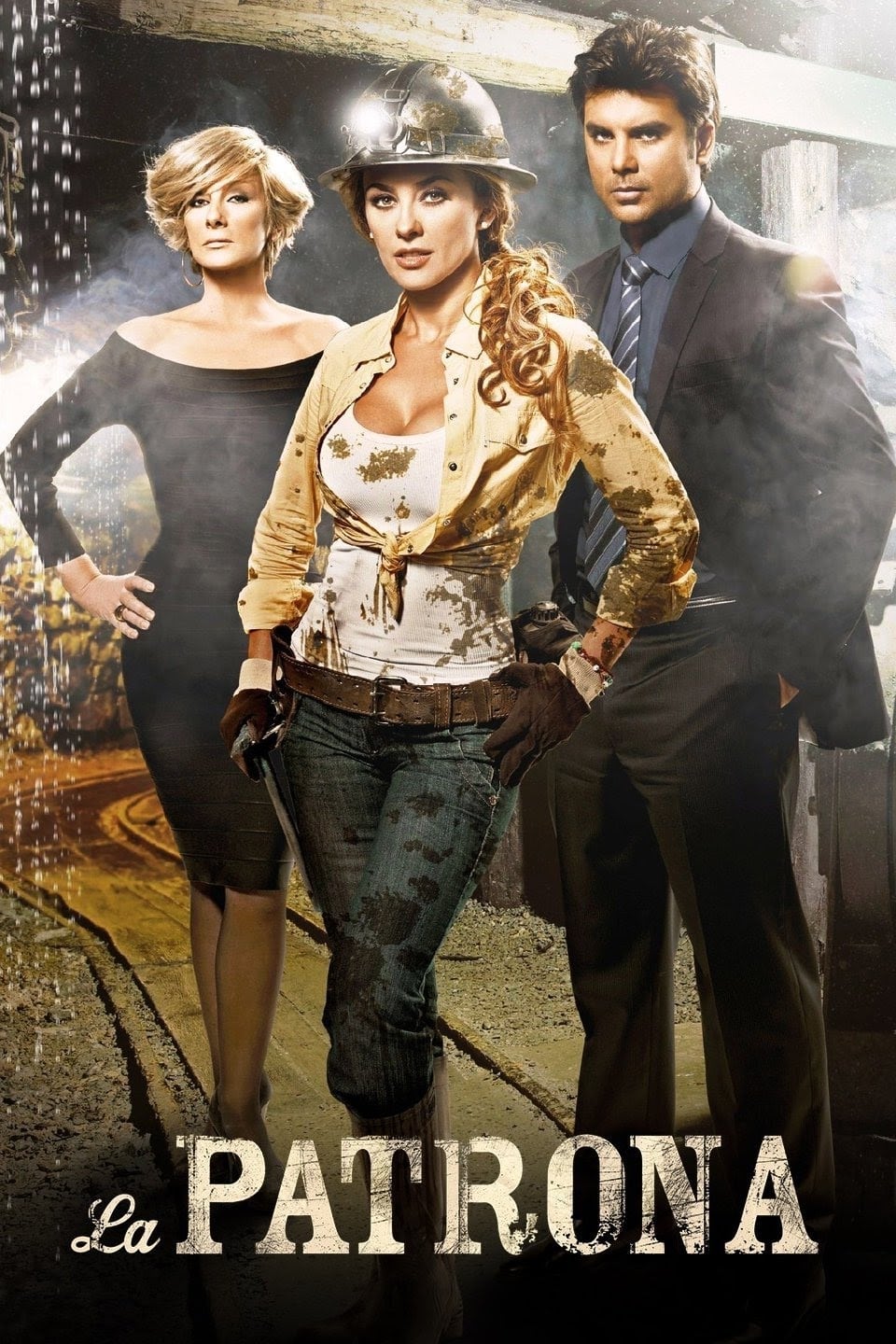
La Patrona is a Spanish-language telenovela produced by United States-based television network Telemundo Studios, Miami and Mexican Argos Comunicación. The telenovela is a remake of the Venezuelan telenovela La Dueña, written by José Ignacio Cabrujas. The name reflects a local term or slang in Mexico to address a person recognized as the main boss. However, the title is also a reflection of both the protagonist and the antagonist struggle to conquer power, authority and respect in a labor field traditionally deemed to be a man's job.
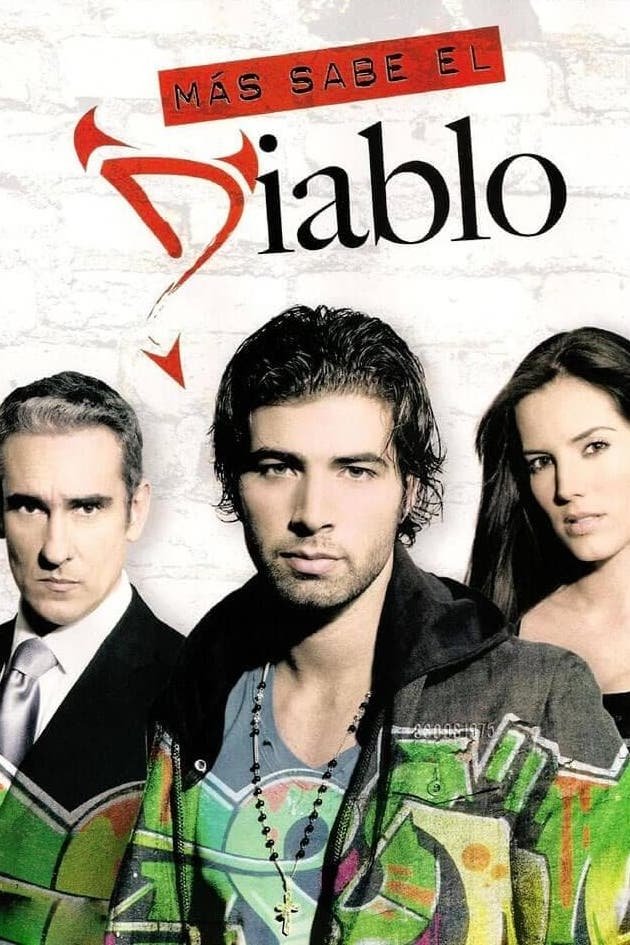
Set in New York, the serial features the street-wise Ángel, who treats life as a game he plays to win. He tangles with the power-hungry Martín, who is engaged to a stunning, feisty lawyer named Manuela. She decides to defend Ángel, even though Martín wants to destroy him. Neither of the men know that Ángel is Martín's own son. Our hero learns that love is the only key to survival.
Amar a Muerte is a Mexican telenovela produced by W Studios for Televisa and originally broadcast on Las Estrellas from October 29, 2018, to March 3, 2019. It is based on the Colombian telenovela En Cuerpo Ajeno, created by Julio Jiménez. The story follows the extraordinary lives of three people whose souls are mysteriously reincarnated into different bodies after their deaths. As they adjust to their new identities, they confront love, revenge, family conflicts, and long-hidden secrets.
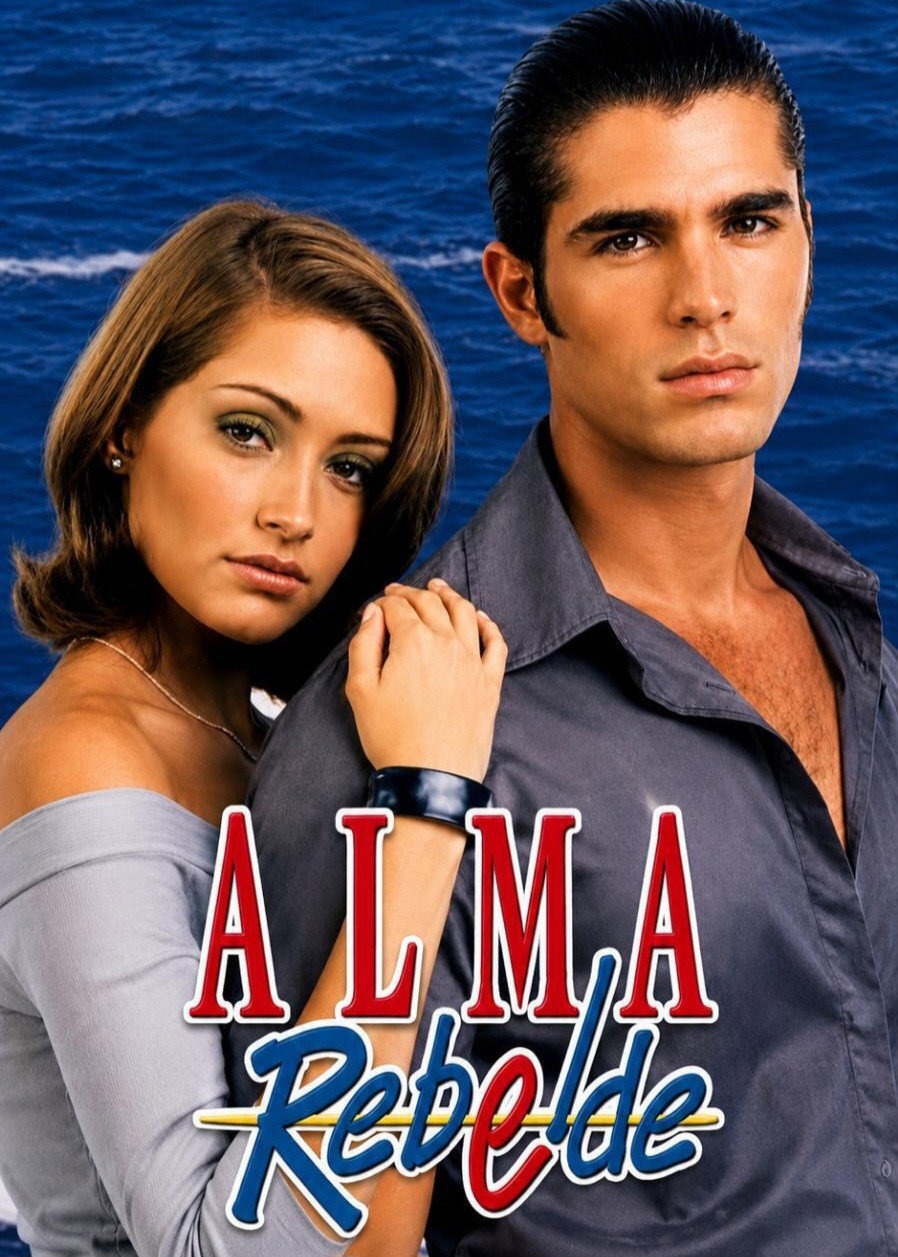
Alma Rebelde is a 1999 Mexican telenovela, starring Lisette Morelos, Eduardo Verástegui and the late Edgar Ponce. It was produced by Televisa. This telenovela contained 90 episodes.
Follow the complicated dynamic between the rich and powerful Cryer family and the hired help who work in their opulent Savannah, Georgia, mansion.
A romance blossoms between a young country woman and the grandson of the late owner of a tequila company. The young man promises to return and marry his girlfriend once he finishes his studies abroad, unaware that she has become pregnant.
The beautiful young Montserrat is forced to marry a man she does not love in order to save her family from ruin and maintain their social standing.
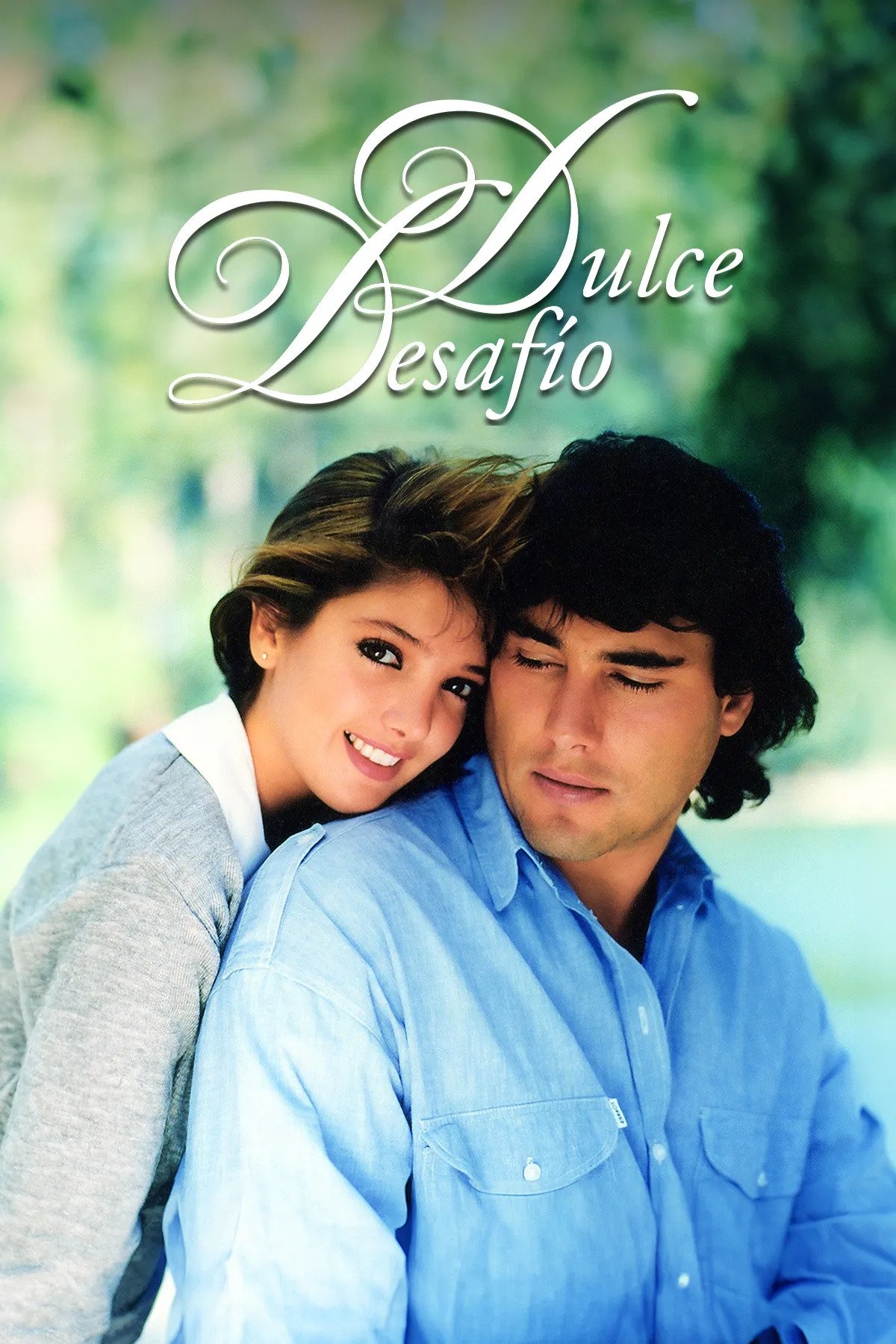
Dulce Desafío is a Mexican telenovela starring Adela Noriega and Eduardo Yáñez.
Having to serve a sentence for a murder she did not commit but took the blame for, a woman gives her baby to her sister to be raised without knowing the truth. 20 years later she is freed and try to be once again part of her life. But things get complicated when the daugther, Rosalinda, and Fernando, the son of the man that was killed, become close.
Paulino Córdoba, Gabino Roura, Rodolfo Huerta, and Matías Quiroga have been friends since childhood; however, as adults, their priorities shifted, and a sin now threatens to destroy their friendship. Paulino owns the El Milagro apple hacienda and is married to Rosario; they have two children, César and Lucrecia. Rosario has always favored her son while openly rejecting her daughter. Lucrecia was raised by Delfina, Rosario’s maid and Manuel’s mother.
La Impostora, is a Spanish-language telenovela presumably to be produced by United States-based television network Telemundo Studios, Miami.
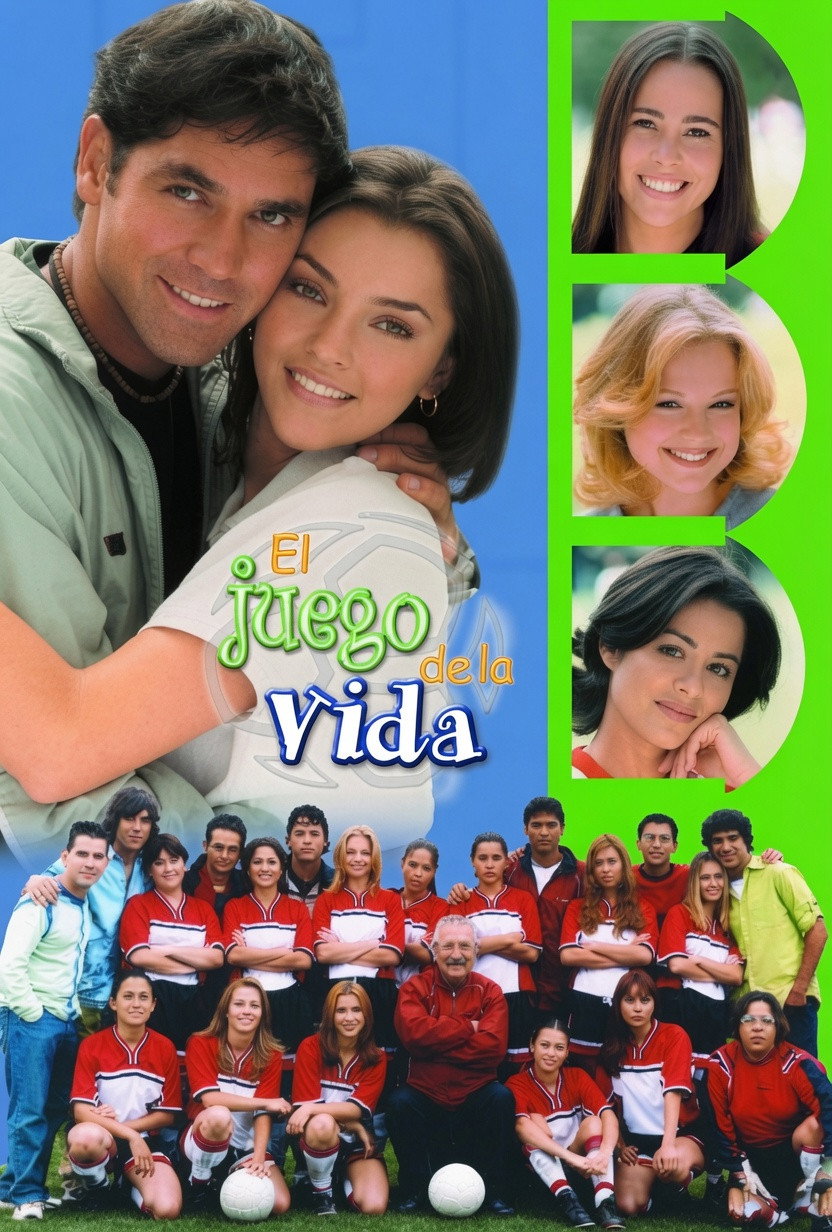
Soccer is the central theme of this fun story, in which Lorena, Paulina, Daniela, and Fernanda learn to face life by tackling the challenges the game presents—both on the field and in love.
Popular telenovela produced in Mexico in 1979, starring Verónica Castro, Rogelio Guerra and Rocío Banquells. Castro also sang the theme Aprendí a Llorar, a song written by Lolita de la Colina. The telenovela was produced by Chilean Valentín Pimstein and Carlos Romero, it was directed by Rafael Banquells. The story was written by Inés Rodena and adapted by Valeria Philips.
When Marichuy was born, her mother—believing she was on the verge of death—handed her over to a priest, who took her to an orphanage. At the age of fourteen, Marichuy ran away from the institution and began wandering from place to place, scraping together a living however she could. Years later, she was attacked by a drunkard; the incident left her harboring resentment toward men and plagued by harrowing nightmares.
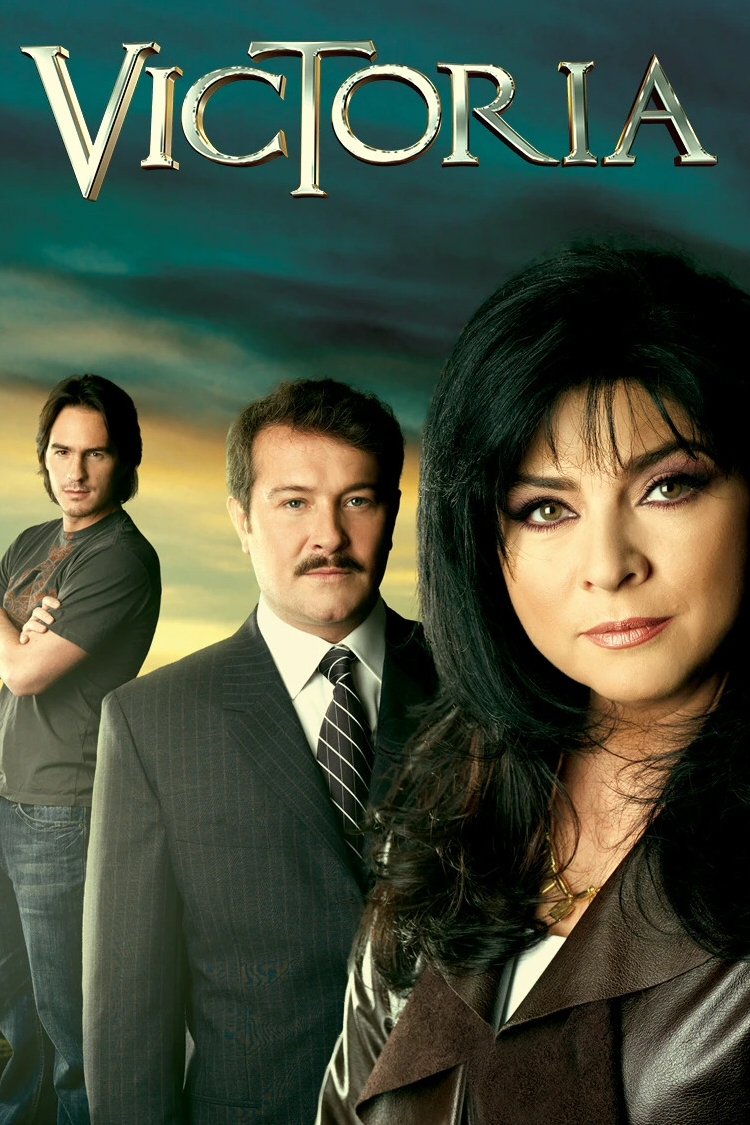
A woman who falls in love with a dashing younger man, when her marriage collapses around her.
Alejandra and Rafael come from completely different worlds, but a life-changing accident brings them together. A massive debt forces them to stay close, sparking a relationship full of tension, passion, and unexpected emotions. Between jealousy, heartbreak, and fate’s twists, their story takes unpredictable turns that will test their connection.
Lola... Érase Una Vez is a teen targeted Mexican melodrama telenovela produced by Televisa that is an adaptation of the Argentine global phenomenon and teenage telenovela Floricienta. The show tells the story of a modern Cinderella, Lola, a 20 year old girl, who works as a nanny and sings in a rock band and meets her so call Prince Charming. It debuted in Mexico on February 26, 2007, starring Aarón Díaz and Eiza González. The show had gained popularity among teens and children not only in Mexico but also internationally including Venezuela, Spain and the in United States. With concert performances filling major auditoriums and songs by the protagonist become radio hits. It debuted in the United States on Univision in March 2008 and ended on January 26, 2009. The series consisted of 224 episodes which aried Monday through Friday at 3 P.M, intentionally for teenagers to watch after school, as is typical for most teenage & children telenovelas in Spanish networks.
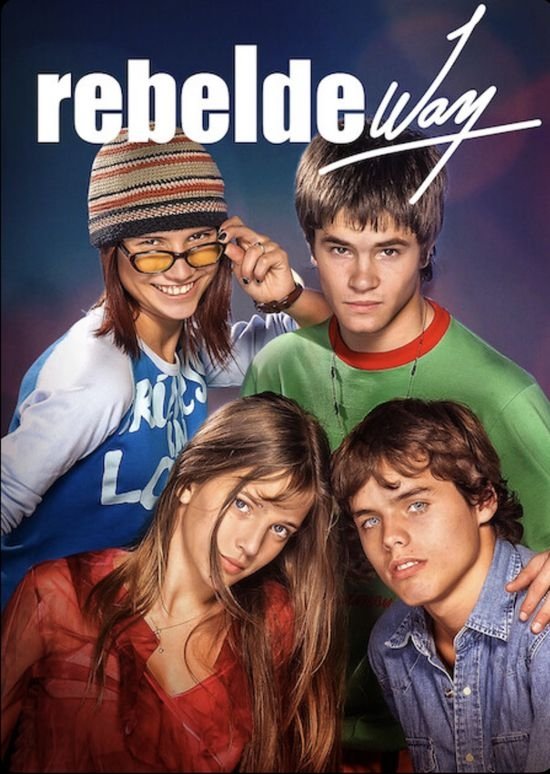
Four teenagers at an elite school in Buenos Aires are drawn together by their love of music, despite their differing social and economic backgrounds.