Social & External
The people behind it
Cristina Dacosta
Andrea Briceño
Lourdes Martínez Downing
Claudia
Simón Pestana
Santiago Lozada
Rosalinda Serfaty
Ana Cecilia
Mayra Alejandra
Isabel Morelli
Eva Blanco
Rosa
Damián Genovese
Sebastián Morelli
Cesar D' La Torre
Ceasar
Henry Soto
Alejandra Vieira
Antonio
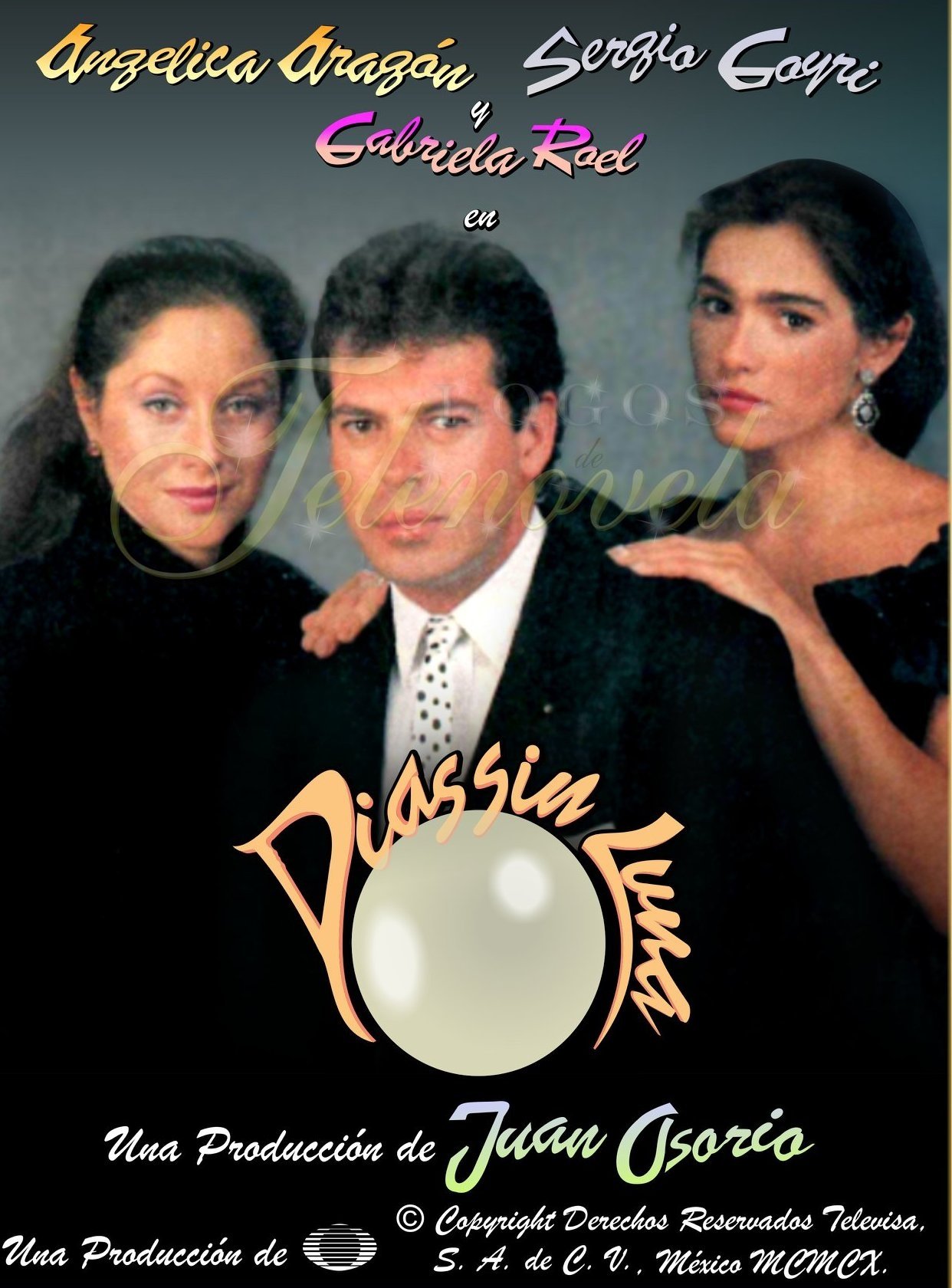
Días sin luna is a 1990 Mexican telenovela produced by Juan Osorio and directed by Rafael Banquells based on an original script by Eric Vonn. It was aired in Canal de las Estrellas Monday to Friday at 17:00 between May 14 and August 31, 1990.
Rosa is abandoned as a baby at a boarding school along with a payment of 18 white diamonds. Her mother is Rosaura Sotomayor, a distinguished socialite who needs to hide the fruit of her affair. Rosa grows up and befriends Eva Sotomayor, and both girls vow to live as sisters. Their lives change after they meet José Ignacio Altamirano, an attractive, intelligent and conquering man who takes advantage of Eva’s innocence. The rich heiress dies in a mysterious accident, and Rosa decides to take her identity to avenge her dear friend.
An Intelligence Agent is sent to El Principe, on the border with Morocco, to investigate a possible police collaboration with a terrorist cell but finds unexpected love in the least suitable person: a drug baron's sister.
Rebeca murders her sister Adriana to end up with the man she loved, and becomes the step mother of her niece Lucía. Nora, Lucía's half sister and daughter of Rebeca, resents Lucía for the same reasons Rebeca hated Adriana, as history repeats itself.
La Viuda Negra is a 2014 Spanish-language telenovela produced by RTI Producciones and Televisa for United States-based television network Univisión and for Colombia-based television network Caracol Television. It is an adaptation of the book La patrona de Pablo Escobar de José Guarnizo based on history from Griselda Blanco.
After her parents death, the little Cecilia is under the care of her aunts: Natalia and Evangelina. Evangelina is a cruel woman who doesn't love the child and she treats her bad. Unlike Evangelina, Natalia is good and will help Cecilia because she is her real mother. She was seduced and got pregnant by Padre Julio. Evangelina hates Padre Julio because in the past he preferred Natalia to her. Many years later, there is a problem, because Evangelina doesn't want to give Cecilia money to attend the University. But Cecilia wins a grant and she can study now. She is engaged and wants to marry Giovanni, but Evangelina is against. She will poison him with a drink. Then Cecilia meets and falls in love with Gerardo, who is engaged to Sofia. Sofia's parents are Marta and Armando. Armando returns home after abandoning his family for many years. Marta has a romance with Manuel, but Sofia and Armando are opposed. Ines and Renato, who are Gerardo's parents, also are opposed to his romance with Cecilia. She breaks up the romance and goes to sor Angelina's nunnery to become a nun. Sonia and Roberto try to separate Gerardo from Cecilia. Then Cecilia finds out the truth about her birth and meets padre Julio. Natalia discovers that Evangelina tries to appropriate the whole patrimony of Cecilia and Evangelina kills her.
Story about a woman that is unhappily married and with two daughters. She constantly reprimands Cristina and baby Raquel. What the people around her don't know is that Raquel is not her husband's daughter as everyone believes. Raquel is Eugenia and León's daughter. She has always loved him, not her husband. That is the reason she's always angry at Cristina.
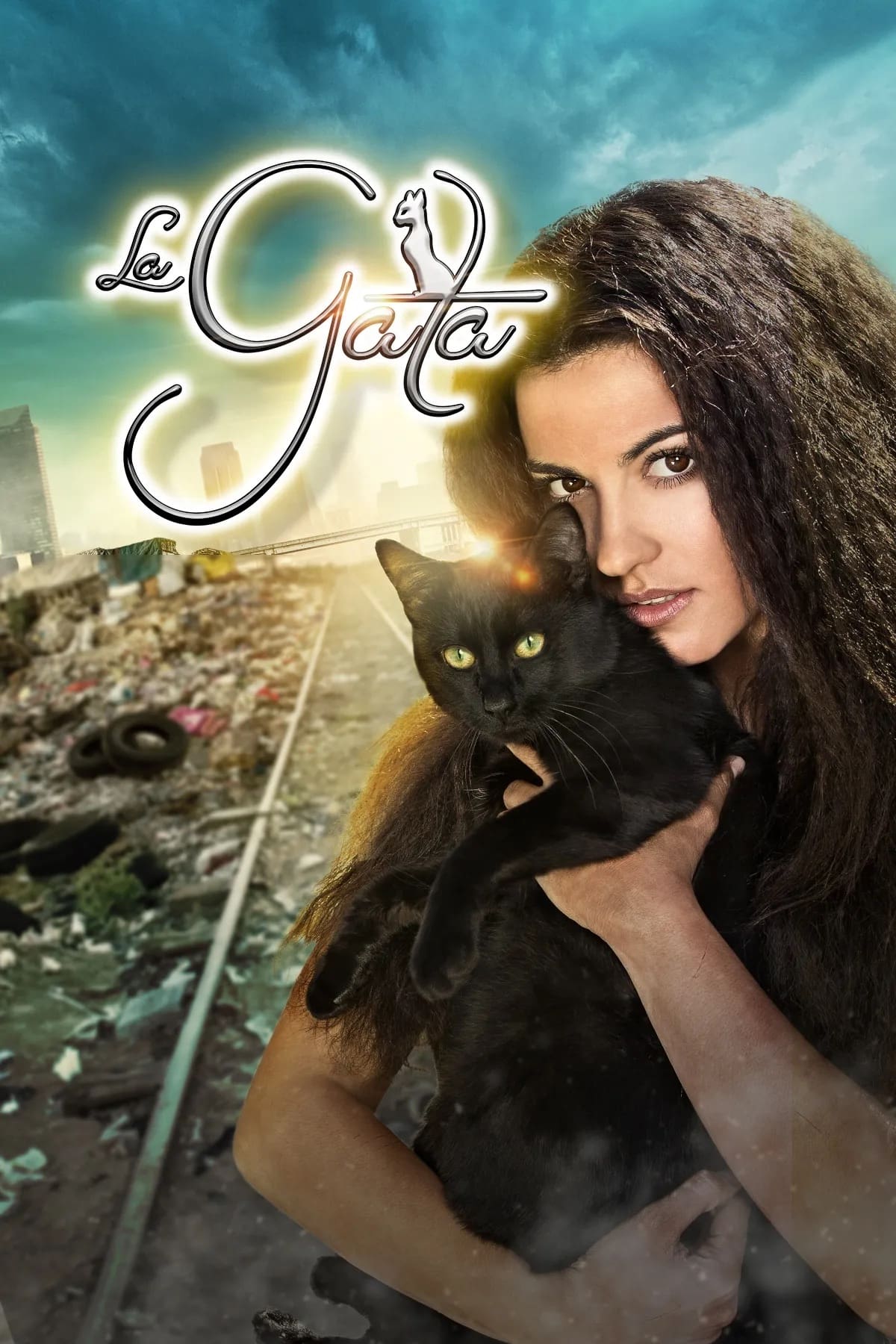
Esmeralda, whom everyone knows as "The Stray Cat," is a girl who grows up in wretched conditions, yet possesses a special sweetness and charm. Her best friend is Pablo, a wealthy boy who defends her against the other children's teasing.
The Poor, Rich Family is a story of love, romance, twists of fate, and countless amusing situations involving two families with nothing in common—yet who are now forced to live under the same roof. On one side are the millionaire Ruizpalacios family; on the other, the Mendonças, a classic working-class family.
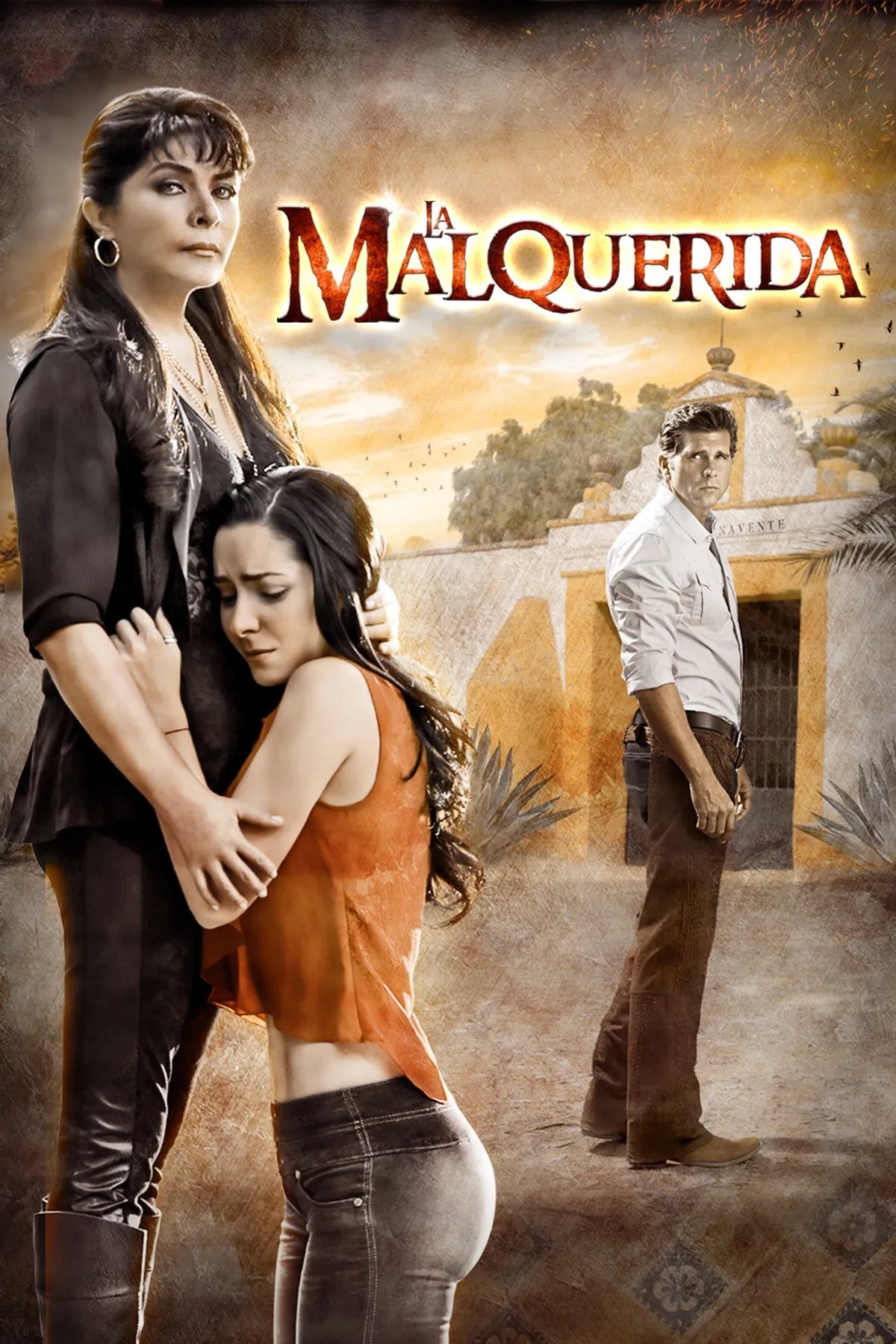
La malquerida is a Mexican telenovela produced by José Alberto Castro for Televisa. It is an adaptation of the play "La malquerida", written by Spanish playwright Jacinto Benavente. Victoria Ruffo and Christian Meier will star as the adult protagonist, Ariadne Díaz and Mane de la Parra will star as the young protagonists, while Brandon Peniche will star as the main antagonist.
Prohibido Amar is a Mexican telenovela produced by Azteca in 2013. It is a remake of Colombian telenovela, La Sombra del Deseo.
In the early 20th century, the Montes de Oca family—comprising two sisters and a cousin—finds itself entangled in an intense love triangle. Matilde is in love with her cousin Rodrigo, who loves the other sister, Branca Flor; she, in turn, loves a humble fisherman. Upon discovering this, Rodrigo accuses the fisherman of theft, leading to his arrest. The lovestruck cousin’s malice knows no bounds; learning that Branca Flor is carrying the fisherman's child, he waits for the baby to be born so he can make it disappear.
Morir dos veces is a Mexican telenovela produced by José Rendón for Televisa and originally broadcast on Canal de las Estrellas from February 26 to May 10, 1996. Created by José Rendón, with adaptation by Ximena Suárez, co-adaptation by Alfonso Espinosa, and literary editing by Martha Carrillo, the telenovela stars Eduardo Palomo and Carina Ricco. The story follows Silvana, a devoted wife whose life is shattered when her husband, Cristóbal, suddenly dies under mysterious circumstances. As the police uncover his connections to organized crime and suspect Silvana of murder, she becomes entangled in a dangerous web of deception, revenge, and betrayal. Meanwhile, the man everyone believed to be dead returns with a new identity, determined to destroy those who betrayed him.
Teresa Chavez is a young woman with an obsession for money and ambition. Despite her beauty and the fact that she was raised in the bosom of a loving family, she is resentful; her one desire is to leave her humble but poor neighbourhood.
Maricruz and Beatriz are school friends; Beatriz comes from a well-to-do family, whereas Maricruz belongs to a lower socioeconomic stratum. Both are on the verge of turning fifteen and are preparing to leave childhood behind. Issues within their family and social environments affect them directly; for Beatriz, her parents' marital breakdown becomes the primary obstacle to overcome, compounded by a sexual awakening fraught with taboos and misinformation. Meanwhile, Maricruz must contend with her mother's overprotectiveness and prejudices, as well as the tension caused by a neighbor who is obsessed with her.
Sofía Peralta-Avitia Villaseñor, a successful businesswoman and great mother, who feels lonely in her marriage to Gonzalo Balmori-Ricci Nava. At the same time, her daughter, Bárbara Balmori-Ricci Peralta-Avitia, and her young bodyguard, Salvador "Chava" Reyes Encino, will transform their rebelliousness into passion. But none of them know that the evil, ambitious people around them will try to meddle in their paths on their road to love.
A telenovela that dramatizes the romances and rivalries between two brothers and two sisters in Mexico between the years 1885 and 1900.
La Impostora, is a Spanish-language telenovela presumably to be produced by United States-based television network Telemundo Studios, Miami.
True love threatens to tear a family apart in this epic Mexican serial set in the 1800s. Rich and beautiful Matilde falls in love with Adolfo, but her mother, Augusta, disapproves of the relationship when she learns Adolfo is poor. Augusta forces her daughter to marry rich and handsome Manuel Fuentes Guerra, but Matilde plays with fire by continuing to be with Adolfo. Adela Noriega, Fernando Colunga, Helena Rojo and Chantal Andere star.
Emiliano, a wealthy Mexican businessman, is ripped off by his friends and partners. Hidden in Bogotá, he receives help from Rosario, a mariachi singer. She does not know Emiliano’s background and that he is wanted by the police of two countries and by a criminal organization. With a new name and personality, he adapts well to his new life as a mariachi band member and finds in Rosario the love of his life. But he is afraid his secret will tear them apart. He needs to clear his name and resolve his case to avoid that fate. Meanwhile, he often finds his love tested and vulnerable to several rivals, but Rosario always trusts that he has been honest with her.
Nunca te olvidaré is a Mexican telenovela produced by Juan Osorio for Televisa in 1999. It is based on a novel by Caridad Bravo Adams and starring Edith González, Fernando Colunga and antagonistic interests of Alma Muriel, Eugenia Cauduro and Humberto Elizondo.
Camila Monterde is a beautiful veterinarian whose life has been torn apart by a tragic accident in which her fiancé, Luis, was killed. Hoping to ease her depression, her uncle, Daniel Monterde, invites her to live at his ranch, where she can rest and recover while caring for the many animals he keeps there. Meanwhile, in Chile, Daniel Diaz suddenly receives a letter stating that he has come into a substantial inheritance and must travel to Mexico to claim it. Surprised and curious, he’s about to make the trip when a vicious lie disrupts his plans and lands him in prison, causing him to lose the inheritance and his family. Deeply bitter and hungry for revenge, Daniel travels to Mexico determined to destroy the Monterde family, which he blames for his terrible misfortune. He takes a job at the Monterde ranch to be close to his prey. His vengeance is perfectly planned except for one unexpected development: he and Camila fall passionately in love and that changes everything.
¡Válgame Dios! is a Spanish-language Venezuelan telenovela written by Mónica Montañéz for Venevisión. Sabrina Seara and Eduardo Orozco star as the main protagonists while Ricardo Alamo, Carlota Sosa and Raquel Yanez star as the main antagonists.
Story of love between Marimar and Sergio. Sergio is from a wealthy family, and Marimar lives with her poor grandparents in a hut in front of the ocean.
Paulino Córdoba, Gabino Roura, Rodolfo Huerta, and Matías Quiroga have been friends since childhood; however, as adults, their priorities shifted, and a sin now threatens to destroy their friendship. Paulino owns the El Milagro apple hacienda and is married to Rosario; they have two children, César and Lucrecia. Rosario has always favored her son while openly rejecting her daughter. Lucrecia was raised by Delfina, Rosario’s maid and Manuel’s mother.
Dos Hogares is a Mexican telenovela produced by Emilio Larrosa for Televisa. Anahí, Carlos Ponce, Sergio Goyri, Alfredo Adame, Laura León, Jorge Ortiz de Pinedo, Joana Benedek, Víctor Noriega, Claudia Álvarez, Abraham Ramos, Malillany Marín and Olivia Collins in the leading roles. Canal de las Estrellas aired Dos Hogares from June 27, 2011 to January 20, 2012, with Abismo de Pasión replacing it. From October 31, 2011 to May 29, 2012., Univision broadcast Dos Hogares at 3pm central, replacing one hour of Ni Contigo Ni Sin Ti.
La Mujer Del Vendaval is a 2012 Mexican telenovela produced by Mapat L. de Zatarain for Televisa. It is a remake of the Venezuelan telenovela Un Esposo para Estela. Ariadne Díaz and José Ron star as the main protagonists, while Chantal Andere, Marco Muñoz, Manuel Flaco Ibañez and Florencia del Saracho as the main antagonists.
Contra viento y marea is a Mexican telenovela aired from April 25 until November 4, 2005. This was also the last acting role of Beatriz Sheridan, who died in 2006 of a heart attack.
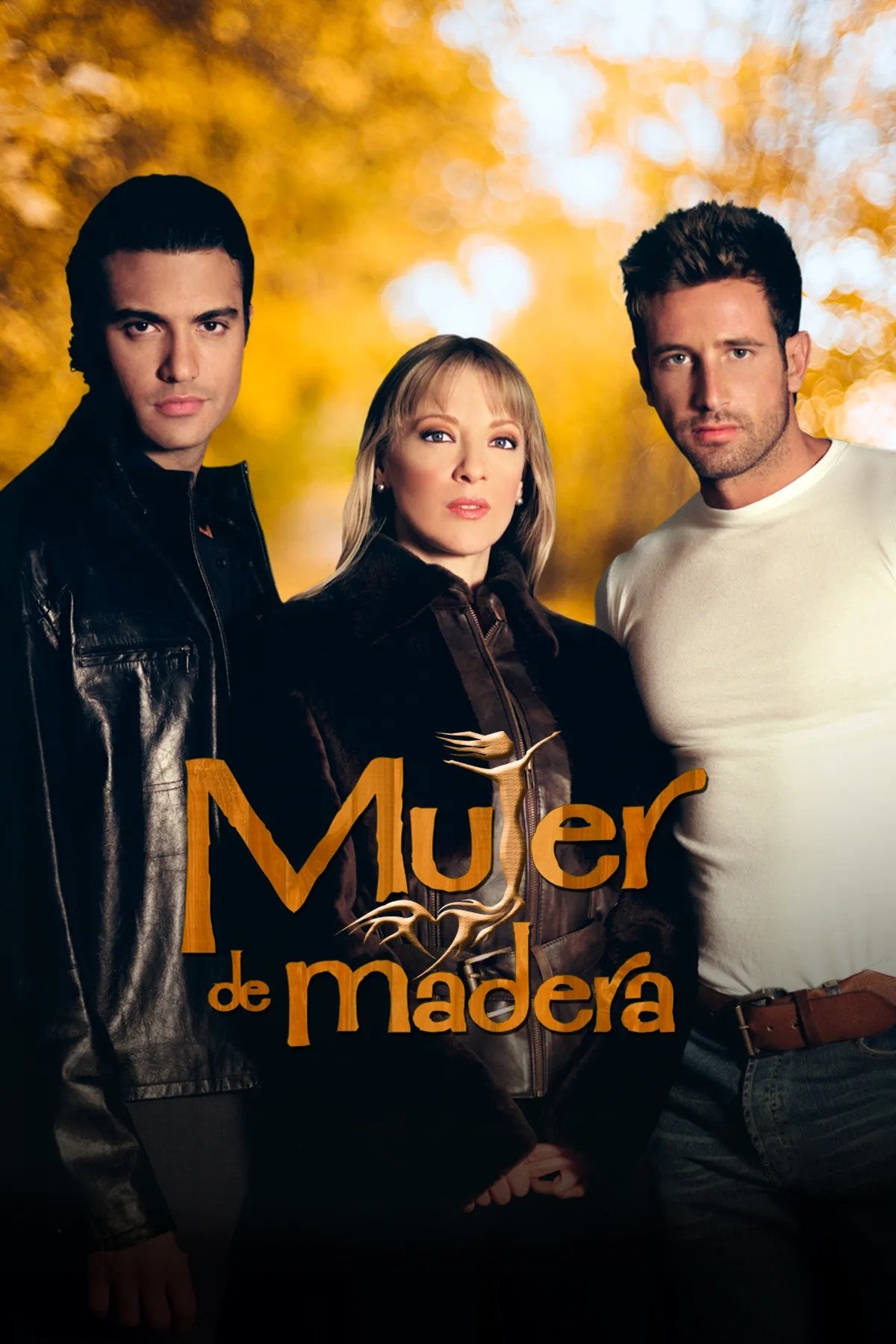
Mujer de Madera is a Mexican telenovela produced by Televisa in 2004. One unusual feature of this telenovela is that the main character is played by different actresses before and after her stay in hospital due to a forest fire.
Apuesta por un Amor is a Mexican telenovela produced by Angelli Nesma Medina for Televisa in 2004. Patricia Manterola and Juan Soler starred as the protagonists, while Alejandra Ávalos, Roberto Ballesteros and Fabián Robles starred as the antagonists.
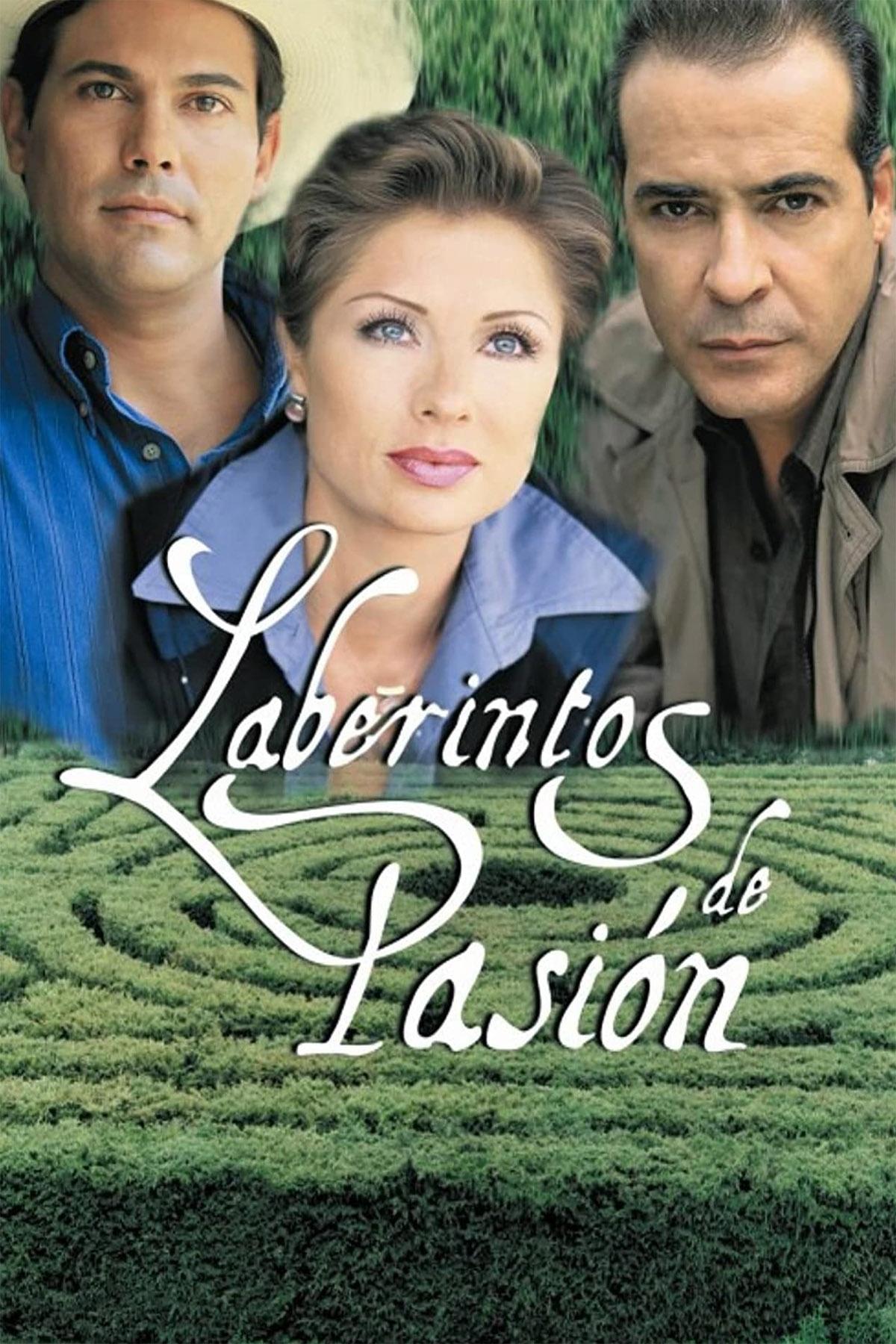
Laberintos de pasión is a Mexican telenovela produced by Televisa in 1999. Starring Leticia Calderon, Francisco Gattorno, César Évora, in addition to the participation of Manuel Ojeda, Monika Sanchez and Azela Robinson.
María Mercedes, a poor girl who sells lottery tickets, meets a rich man who hates his own family and sees in María Mercedes an opportunity to make their lives miserable.