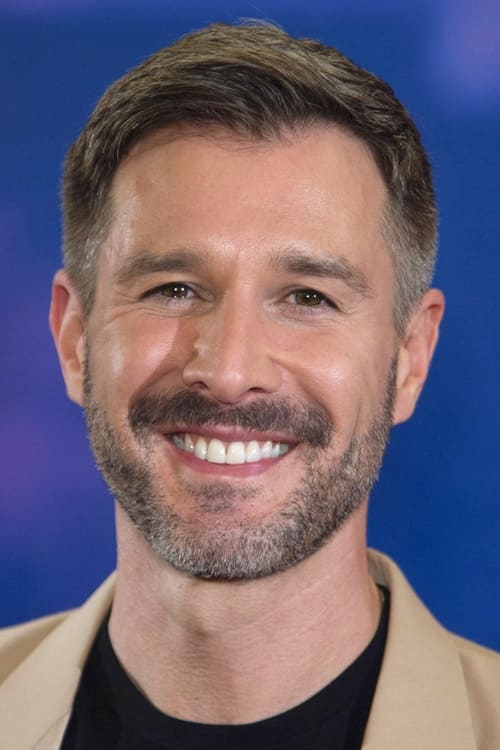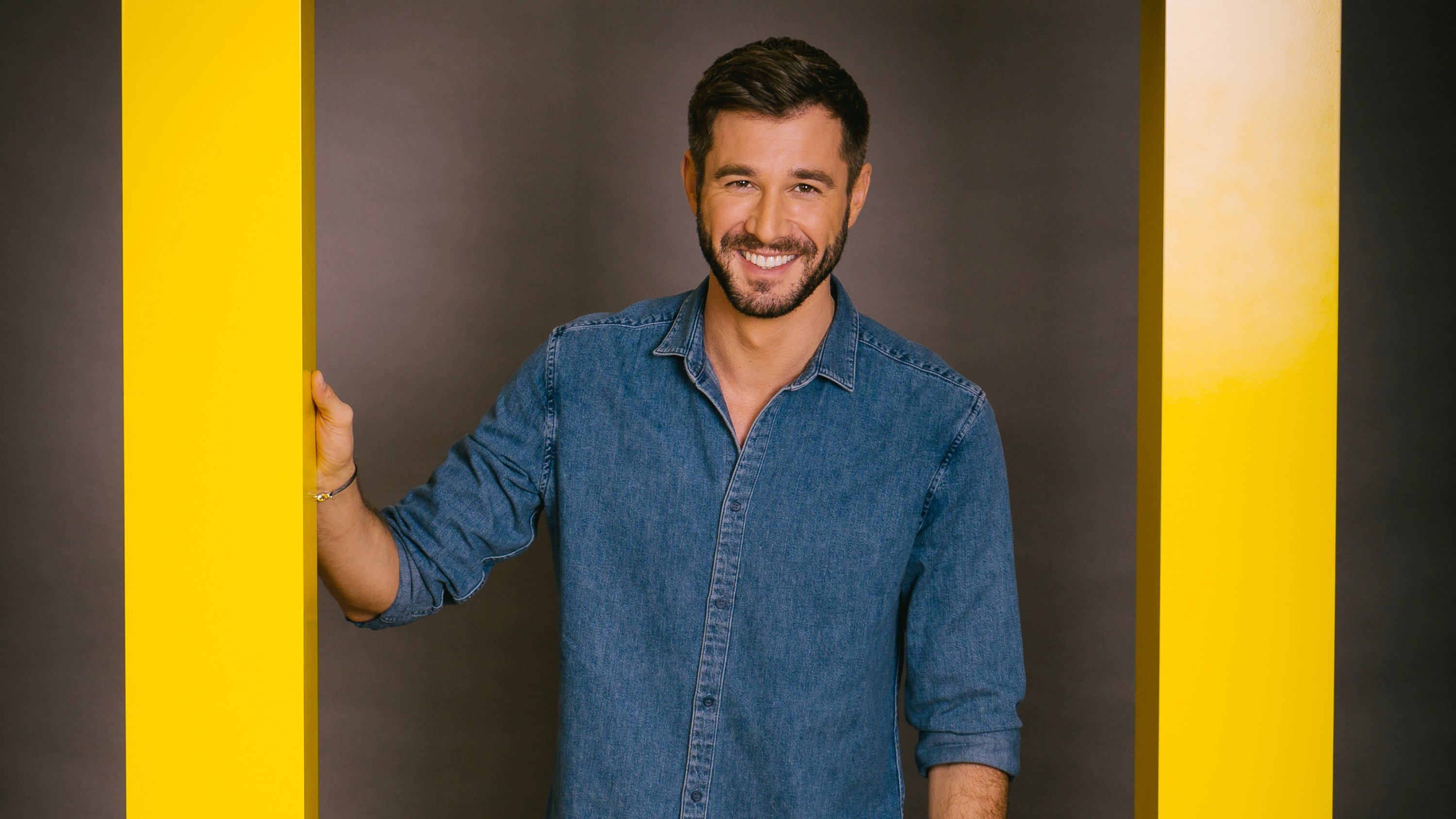
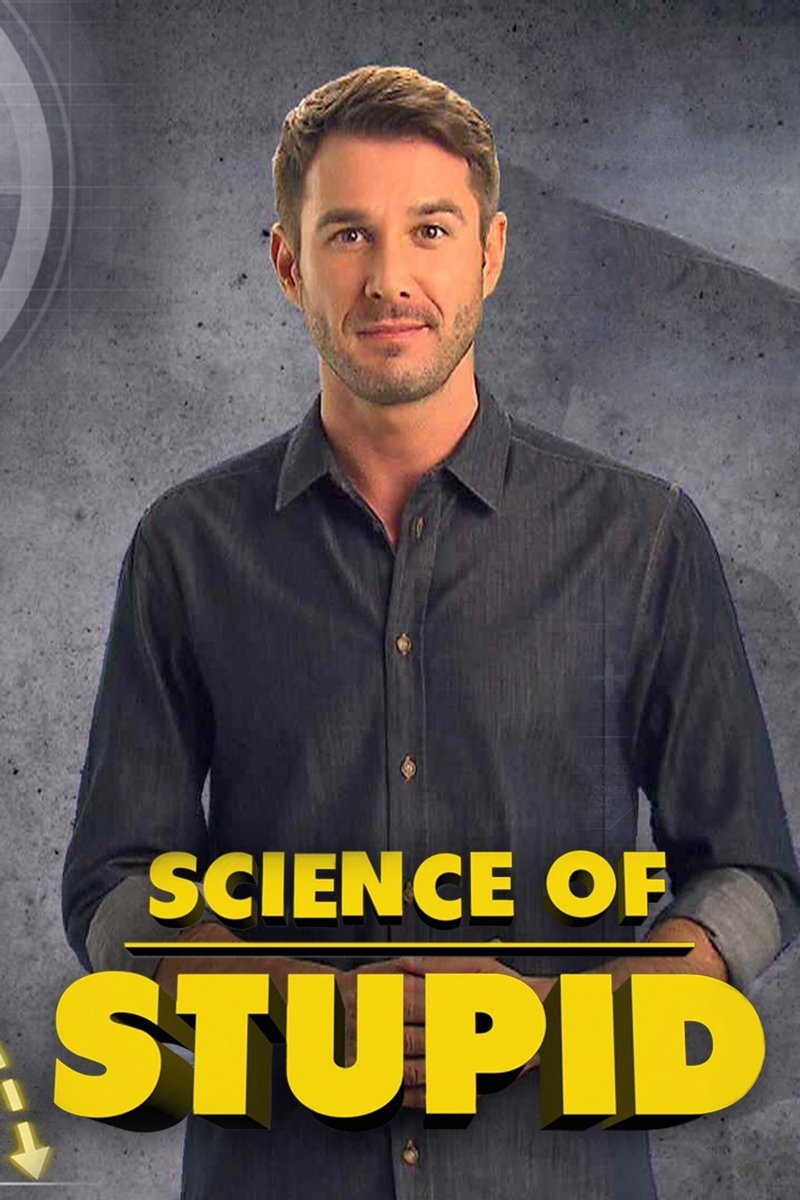
Hosted by Jochen Schropp, this series combines hard data and scientific observations with some of the most outrageous, hilarious and spectacularly painful bloopers ever recorded on video.
Social & External
Self - Host
The World in Your Home is an NBC Television TV series which aired from December 22, 1944 to 1948, originally broadcast on WNBT, NBC's New York flagship, then broadcast on NBC-affiliate stations WRGB in New York's Capital District and WPTZ in Philadelphia starting shortly after its premiere. The program consisted of educational short films. Each episode was 15 minutes long, and is believed to be one of the first television programs in the history of the NBC Television network. The series aired after I Love to Eat with James Beard in 1946, and after Campus Hoopla in 1947. Little else is known about the series.
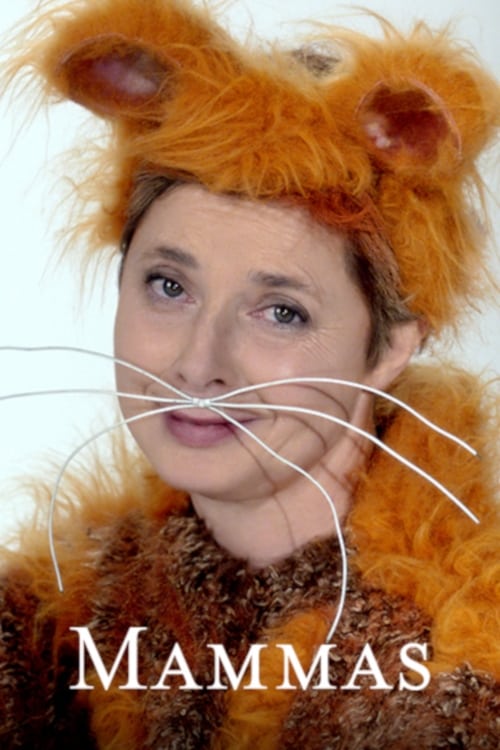
Isabella Rossellini is convinced that, in the maternal animal world, anything goes. 'Mammas,' a series of short videos, has Rossellini playing the role of nine different animals to show the viewer that some mothers lie, are polygamous, and walk out on their animal children all the time.
Sacred mountains, biodiverse reef areas, or active volcanoes – in Asia's national parks, people and animals often share the same habitat. But how can this fragile ecological balance be preserved while simultaneously ensuring a secure future for the local population? This documentary series showcases dazzling natural landscapes and portrays the people who are finding their place within them.
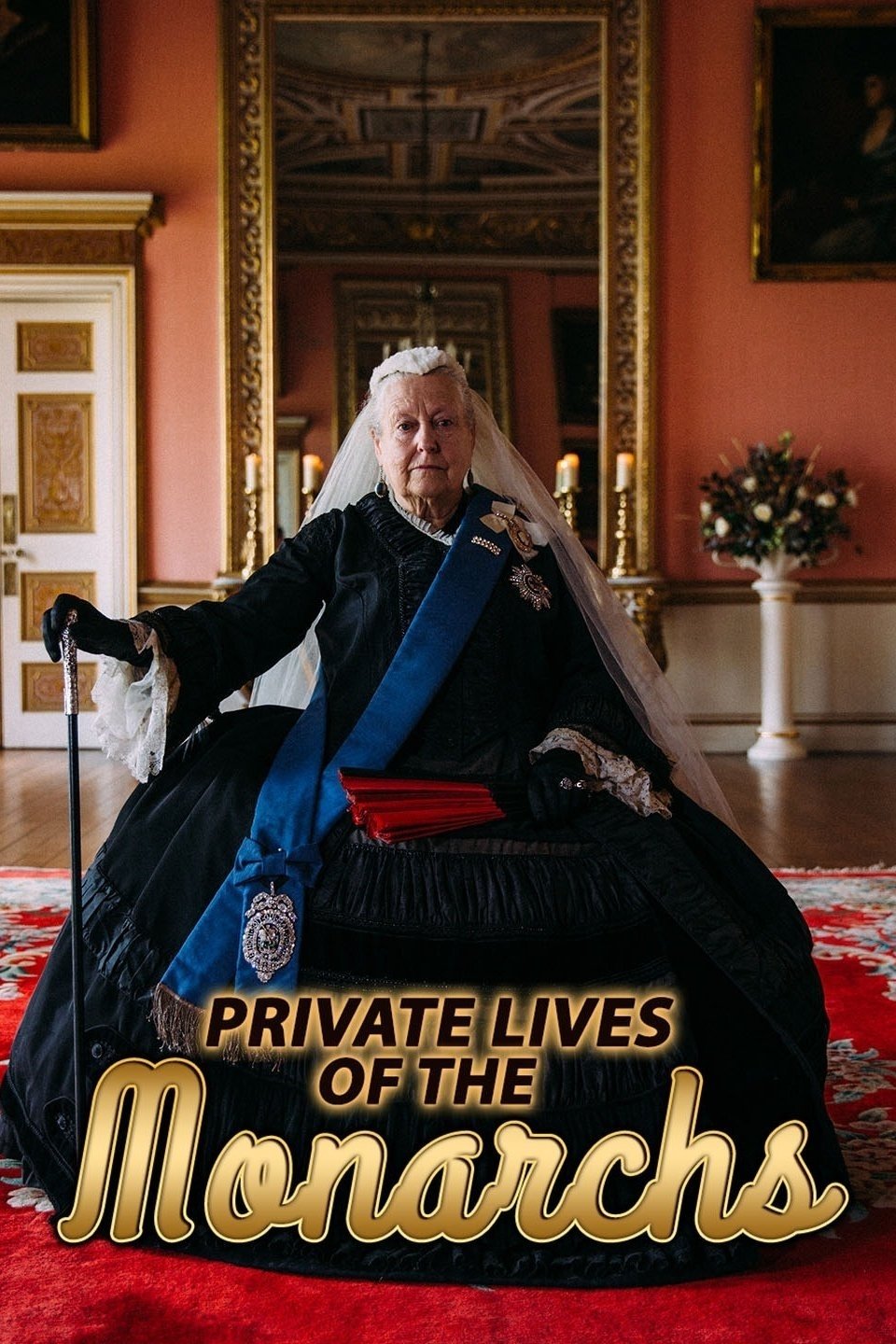
Tracy Borman reveals the intimate details of the monarchs, to find out what really went on in their private lives.
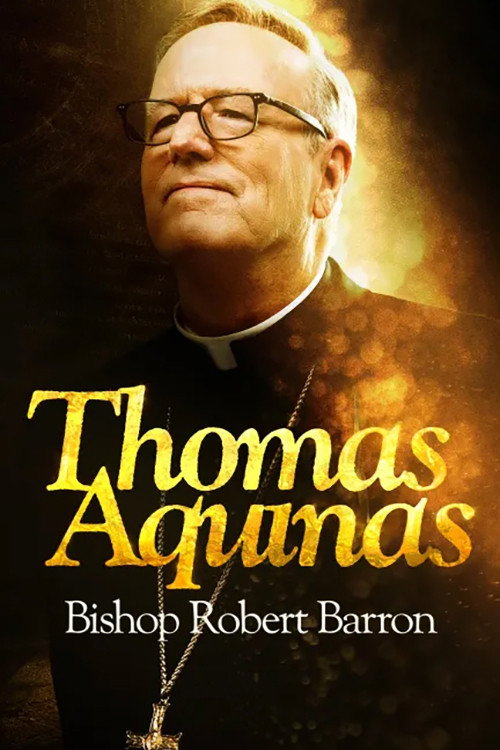
In Thomas Aquinas, a seven-hour course, Bishop Robert Barron guides us through a study of the theological and philosophical system of Thomas Aquinas, the 13th-century Dominican friar who masterfully synthesized Ancient Greek philosophy with Christian doctrine. We examine his Five Ways for demonstrating God's existence, his understanding of divine attributes and the Trinity, and his teachings on creation, providence, and the problem of evil. The course delves into Aquinas's philosophical anthropology, particularly the relationship between body and soul and humanity's creation in God's image. We conclude by studying his ethical framework centered on finding happiness in God as humanity's ultimate goal, and the role of virtues in ordering human life toward God.
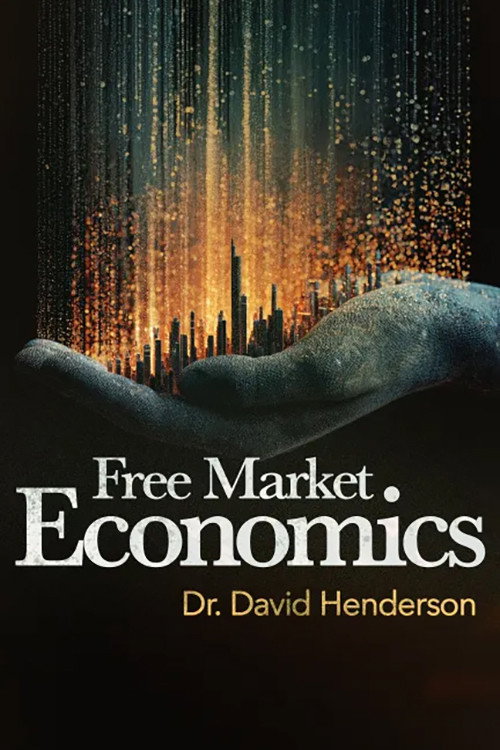
In Free Market Economics, Dr. David Henderson guides us through ten foundational pillars of economic wisdom and the major schools of thought—Austrian, Chicago, UCLA, and Public Choice. Along the way, we explore how markets coordinate through decentralized knowledge, property rights, and voluntary exchange, and why central planning so often falls short. Drawing on vivid historical cases—from the Soviet economic collapse to West Germany’s postwar miracle—the course brings core ideas like subjective value, spontaneous order, and entrepreneurial discovery to life. Ultimately, it shows how economic freedom and open inquiry fuel innovation and prosperity, while government intervention frequently produces unintended consequences and inefficiencies.
Philippe Cousteau Jr., grandson of the legendary Jacques Cousteau, explores the most spectacular places - on the earth, inside the earth, and above the earth - in this riveting earth science series.
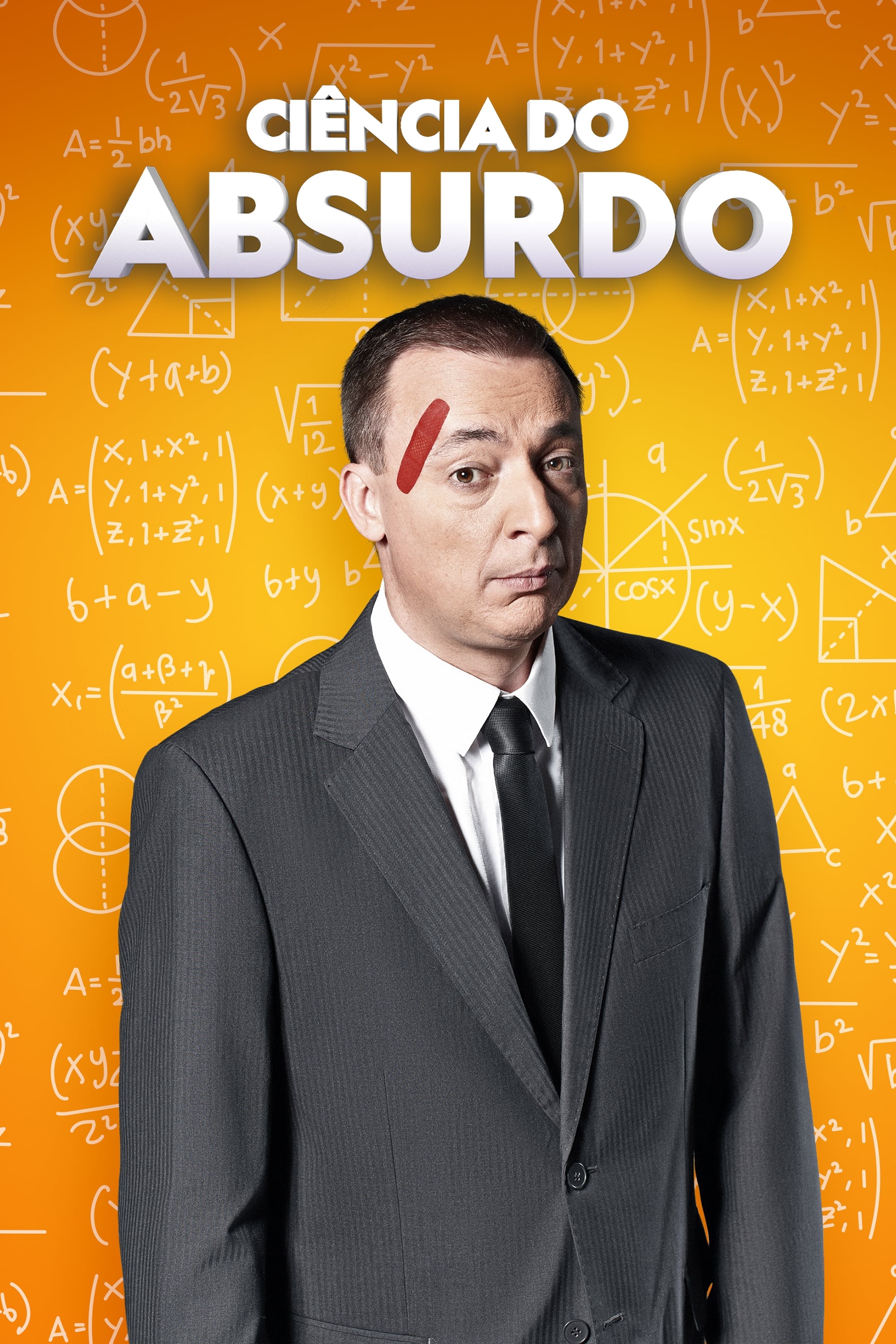
Hosted by the local comedy talent Paulo Bonfá, this brazilian version of "Science of Stupid" combines science with some of the most insanely spectacular and painful bloopers ever captured by amateurs.

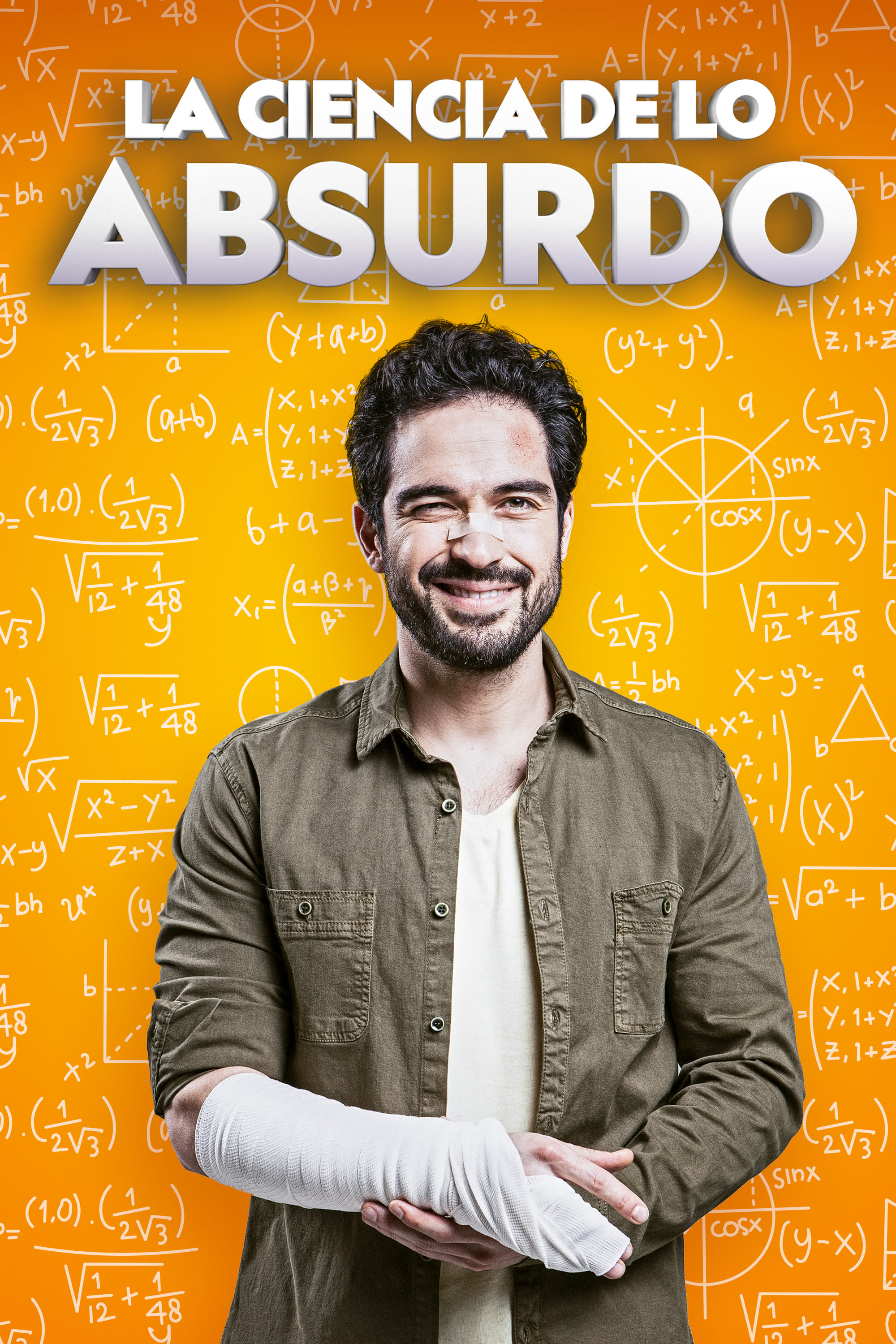
Hosted by Mexican TV personality Alfonso "Poncho" Herrera, this series combines hard data and scientific observations with some of the most outrageous, hilarious and spectacularly painful bloopers ever recorded on video.
Archaeologist Ben Robinson explores the story of the village from Norman times to the present day. With ancient churches, castles, market places and cottages, the English village is a magnet for tourists. This cosy, picture postcard image is a snapshot of England which is recognised across the globe. But the story of the village from ancient times to the present day is not one of sleepy rural idylls. It is a story of purpose, persistence and power. ‘Pubs, Ponds and Power – The Story of the Village’ looks at how some of England’s greatest villages have evolved over time.
Science of Stupid reveals through science experts exactly how & why adventures turn to misadventures.
Iain Stewart reveals some surprising facts about the world's most destructive and spectacular natural phenomena, from earthquakes and tsunamis to avalanches and volcanoes.
A companion programme to TVOntario's Bits and Bytes, The Academy explores the principles and applications of computer technology in greater detail.
An immersive history series in which Ruth Goodman and Rob Rinder explore Britain's defining historical events through the contrasting experiences of the rich and the poor. Blending expert insight, authentic locations and compelling real-life stories, the series reveals how wealth, class and resilience shaped everyday life across Britain's most dramatic moments in history.
From germs and emotions to social media and more, it's the science of your world explained in a way that's refreshingly relatable.
In Ideas of the 20th Century, Dr. Daniel Bonevac examines the major intellectual movements that shaped modern Western thought. Beginning with the Scientific, Agricultural, and Industrial Revolutions, the course explores how traditional beliefs came under pressure, creating tensions between human freedom and scientific determinism and contributing to cultural and political upheavals. Through the ideas of thinkers such as Nietzsche, Marx, Freud, and the existentialists, as well as debates over totalitarianism, liberty, language, truth, and justice, the course traces the search for meaning in the modern world. By connecting philosophy, politics, and culture, it reveals how the central ideas of the 20th century continue to shape contemporary society and the challenges facing Western civilization today.
In Introduction to Philosophy, a nine-hour course, Dr. Bonevac guides us through the major traditions of Western philosophy in eight engaging lectures on ethics, metaphysics, and epistemology. We explore three key ethical frameworks—virtue ethics, deontology, and consequentialism—before tackling fundamental questions about reality, from realism to idealism. The course then examines theories of knowledge, weighing skepticism’s doubt, rationalism’s innate ideas, and empiricism’s reliance on experience. Finally, we consider how these philosophical traditions continue to shape debates about morality, reality, and human understanding today.
PBS' premier science series helps viewers of all ages explore the science behind the headlines. Along the way, NOVA demystifies science and technology, and highlights the people involved in scientific pursuits.
Some of the most amazing, eye-opening and downright scary paranormal videos from around the world are featured as a panel of experts break down the footage and analyze what exactly the eyewitnesses captured.
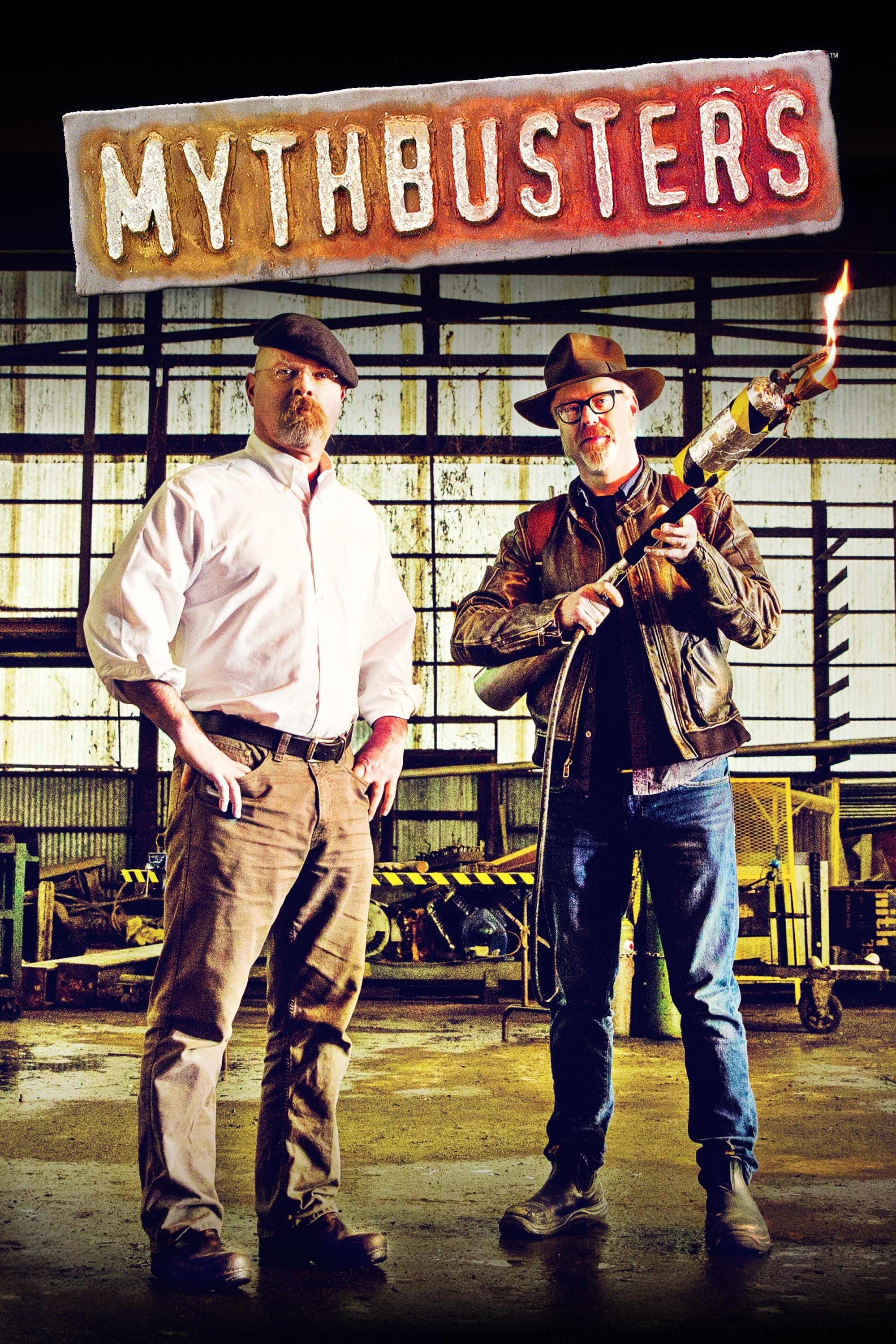
MythBusters is a science entertainment television program created and produced by Australia's Beyond Television Productions for the Discovery Channel. The show's hosts, special effects experts Adam Savage and Jamie Hyneman, use elements of the scientific method to test the validity of rumors, myths, movie scenes, adages, Internet videos, and news stories.
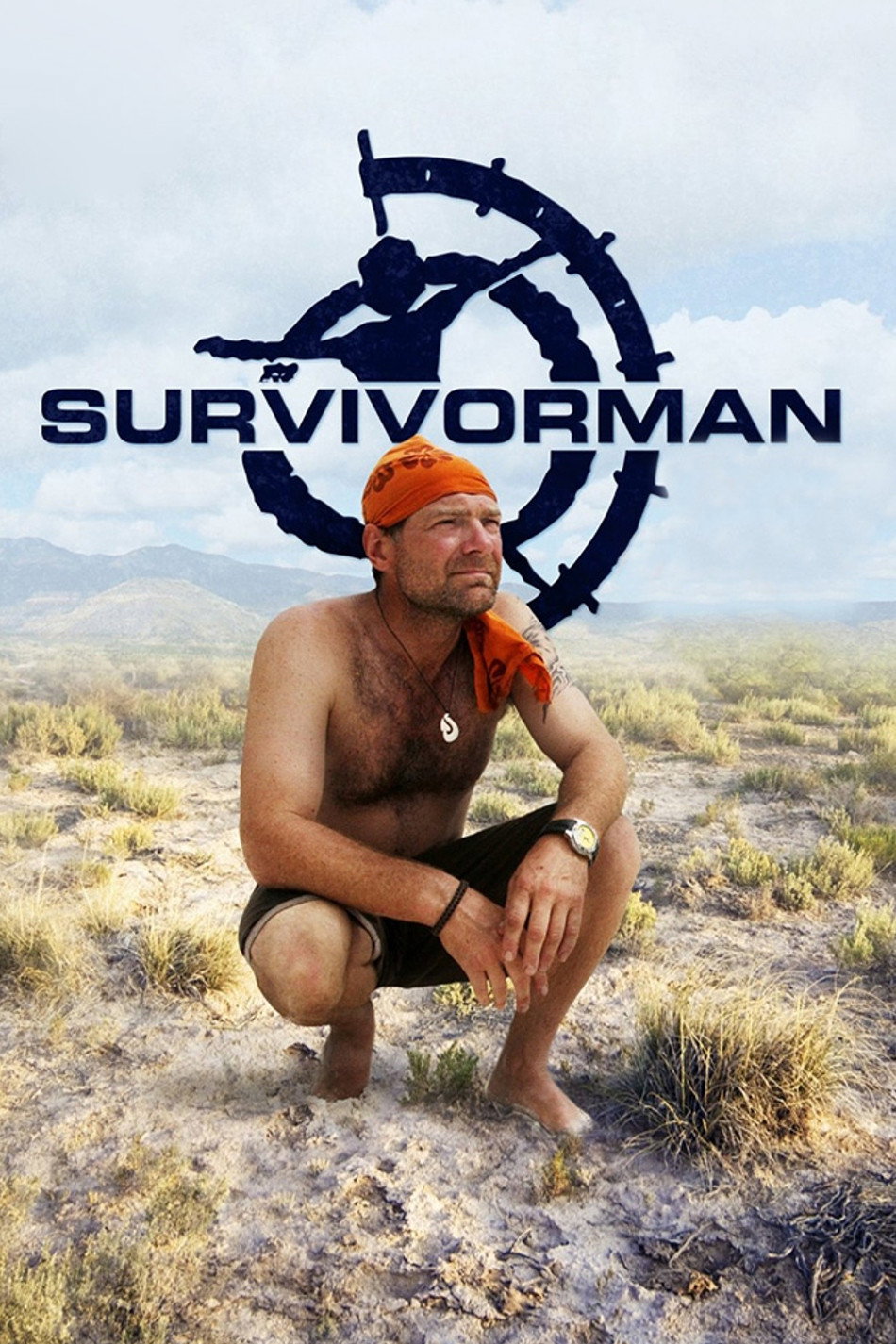
In this harrowing reality series, “Survivorman” Les Stroud travels to far-flung locales with little more than the clothes on his back and 50 pounds of camera equipment to battle - and try to survive - insanely harsh conditions.
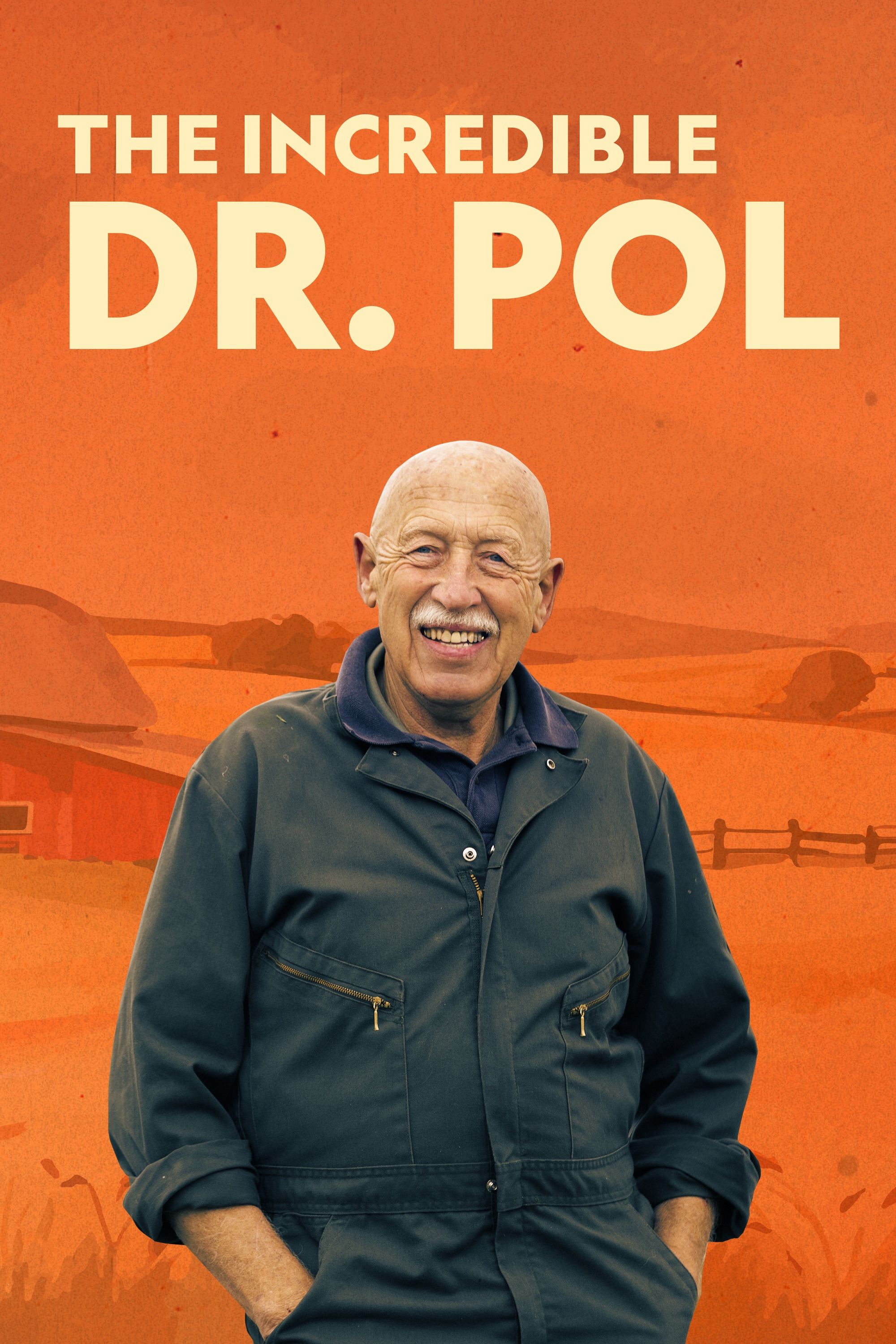
Set in Central Michigan's farm country, this reality series follows the work done at Pol Veterinary Services. Specializing in large farm animals, Dr. Pol treats horses, pigs, cows, sheep, alpacas, goats, chickens and even an occasional reindeer. The program also features Dr. Brenda Grettenberger, who has worked with Dr. Pol since 1992.
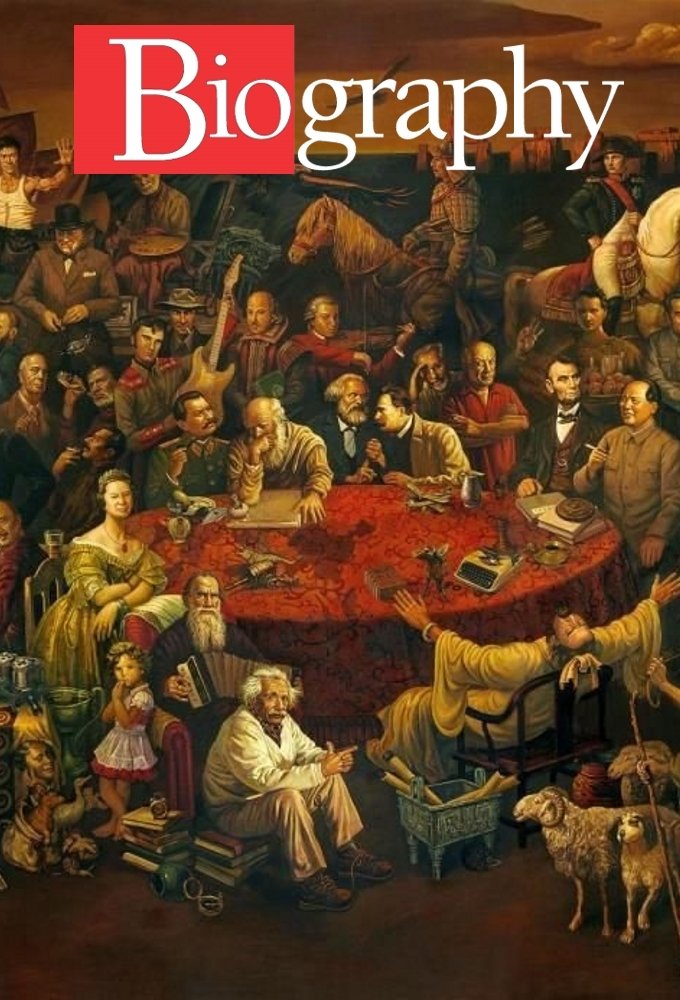
Biography is a documentary television series. It was originally a half-hour filmed series produced for CBS by David Wolper from 1961 to 1964 and hosted by Mike Wallace. The A&E Network later re-ran it and has produced new episodes since 1987. The older version featured historical figures such as Helen Keller and Mark Twain, or long-dead entertainment figures such as Will Rogers or John Barrymore. The A&E series has placed the emphasis on such people as Marilyn Monroe, Elvis Presley, Plácido Domingo, Freddie Mercury, Jacqueline Kennedy Onassis, Eric Clapton, Pope John Paul II, Gene Tierney, Selena, Diego Rivera, Mao Zedong and Queen Elizabeth II, and fictional characters like The Phantom, Superman, Hamlet, Betty Boop, and Santa Claus. The program ended up profiling enough figures that in 1999, A&E spun it off into an entire network, The Biography Channel.
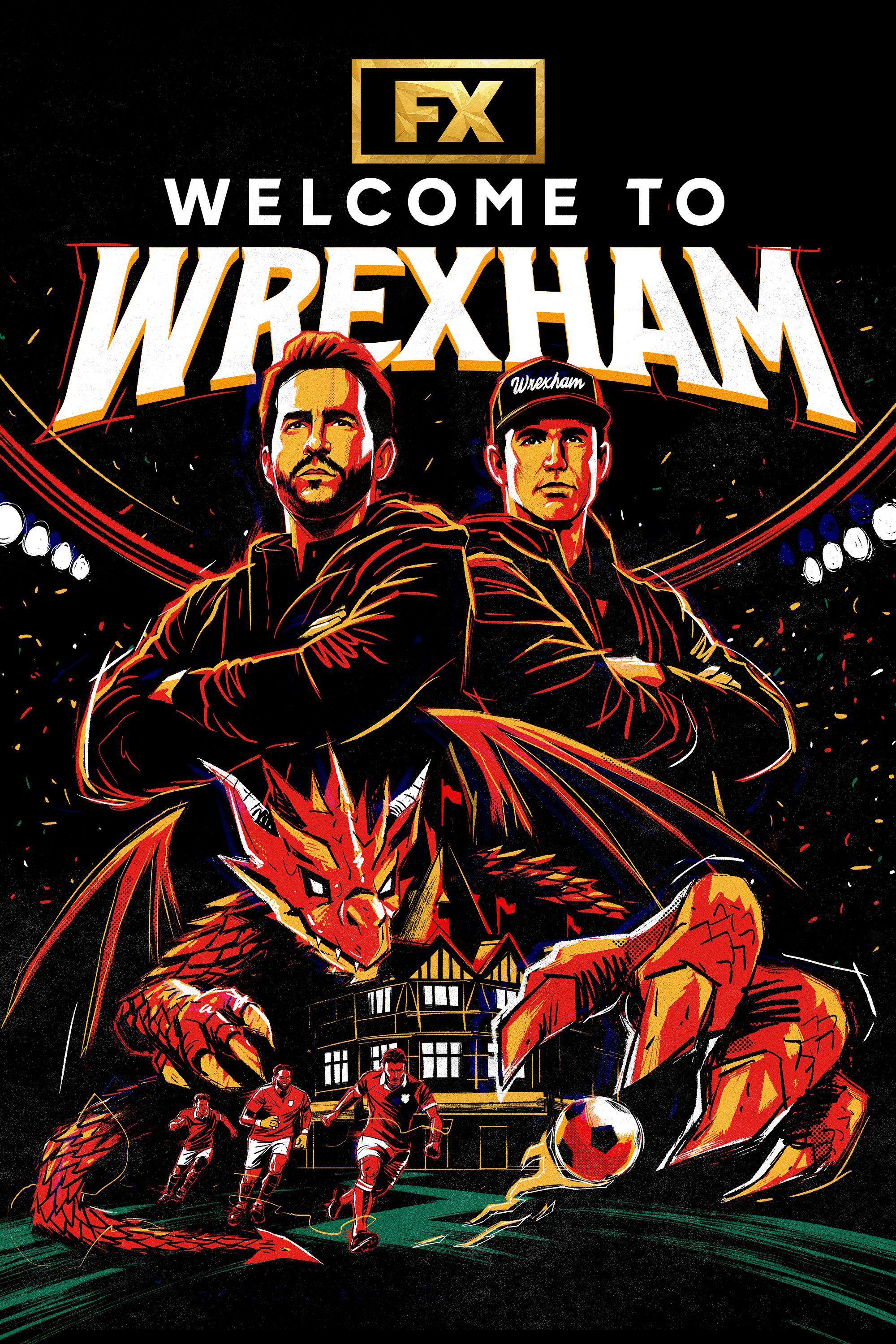
Documentary series tracking the dreams and worries of Wrexham, a working-class town in North Wales, UK, as two Hollywood stars (Rob McElhenney and Ryan Reynolds) take ownership of the town’s historic yet struggling football club.
Psychic medium Amy Allan and former NYPD homicide detective Steve DiSchiavi investigate locations that are reported to be haunted.
Explore the surprising things we know (and don’t know) about why people are the way they are through expert interviews, rare footage from historical experiments, and brand-new, ground-breaking demonstrations of human nature at work.
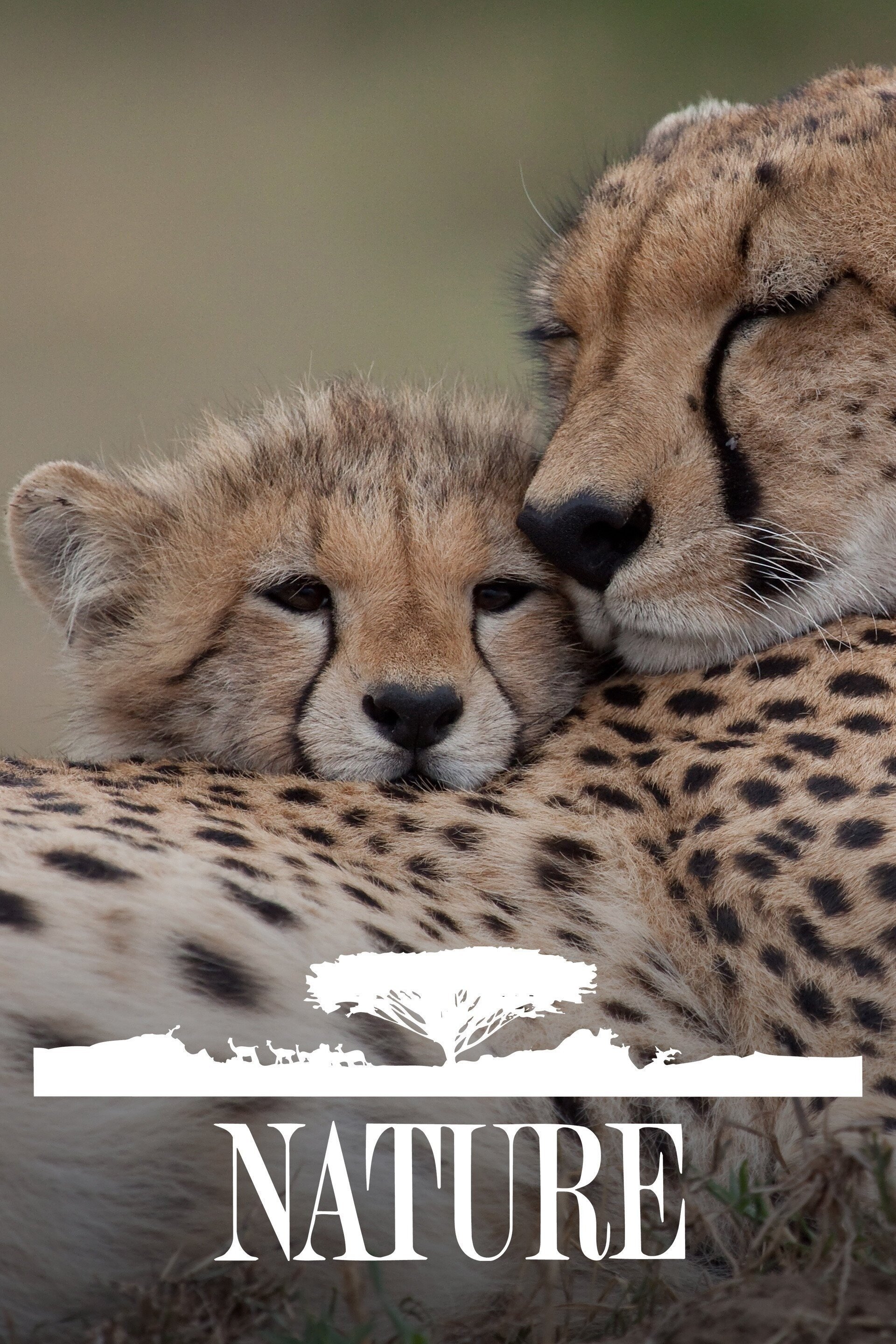
Consistently stunning documentaries transport viewers to far-flung locations ranging from the torrid African plains to the chilly splendours of icy Antarctica. The show's primary focus is on animals and ecosystems around the world. A comic book based on the show, meant to be used an as educational tool for kids, was briefly distributed to museums and schools at no cost in the mid-2000s.
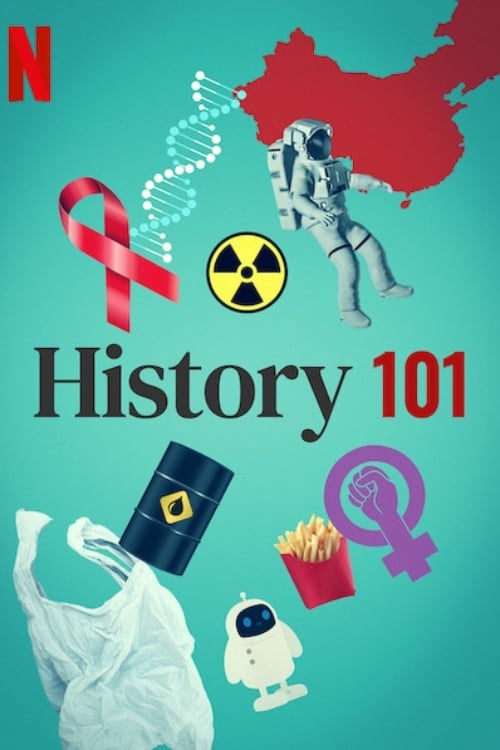
Infographics and archival footage deliver bite-size history lessons on scientific breakthroughs, social movements and world-changing discoveries.
Natural World is a nature documentary television series broadcast annually on BBC Two and regarded by the BBC as its flagship natural history brand. It is currently the longest-running series in its genre on British television, with more than 400 episodes broadcast since its inception in 1983. Natural World is produced by the BBC Natural History Unit in Bristol, but individual programmes can be in-house productions, collaborative productions with other broadcasters or films made and distributed by independent production companies and purchased by the BBC. Natural World programmes are often broadcast as PBS Nature episodes in the USA. Since 2008, most Natural World programmes have been shot and broadcast in high definition.
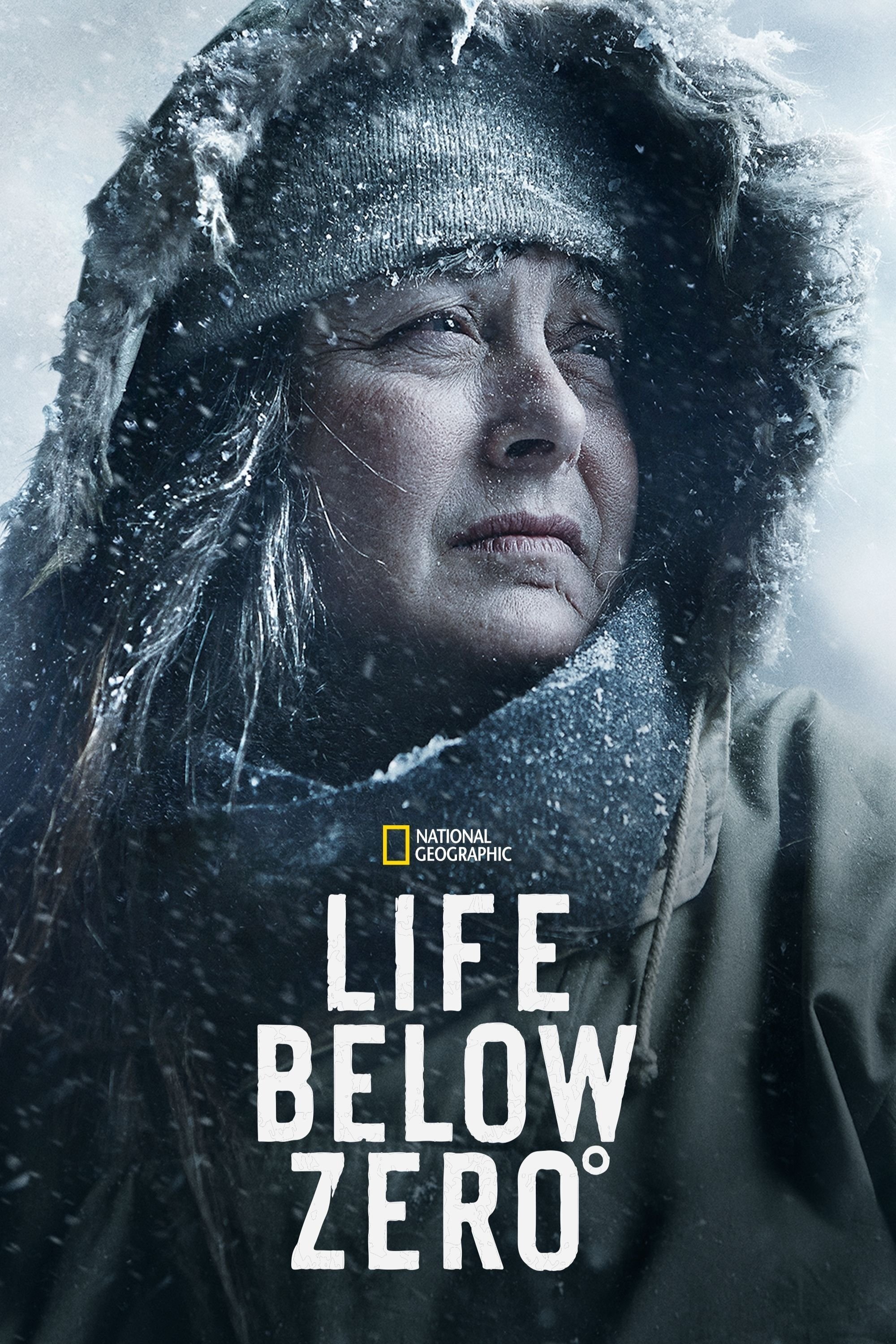
Viewers go deep into an Alaskan winter to meet six tough and resilient residents as they try to stay one step ahead of storms and man-eating beasts to make it through to spring. The closest neighbor to Sue Aikens is more than 300 miles away. Eric Salitan subsists solely on what he hunts and forages. Chip and Agnes Hailstone catch fish for currency in bartering for supplies, and Andy and Kate Bassich use their pack of sled dogs for transportation.
Can you tell the difference between fact and fiction? Several stories of strange, mysterious and incredible occurrences are chronicled during each episode. It is up to the viewer to decide which stories actually happened and which were completely fabricated by the show’s writers. The answer is revealed by Jonathan Frakes at the conclusion of each episode.
An inside look at NFL training camps. From the top coaches to the rookies trying to make the team, Hard Knocks showcases what it takes to be in the NFL.
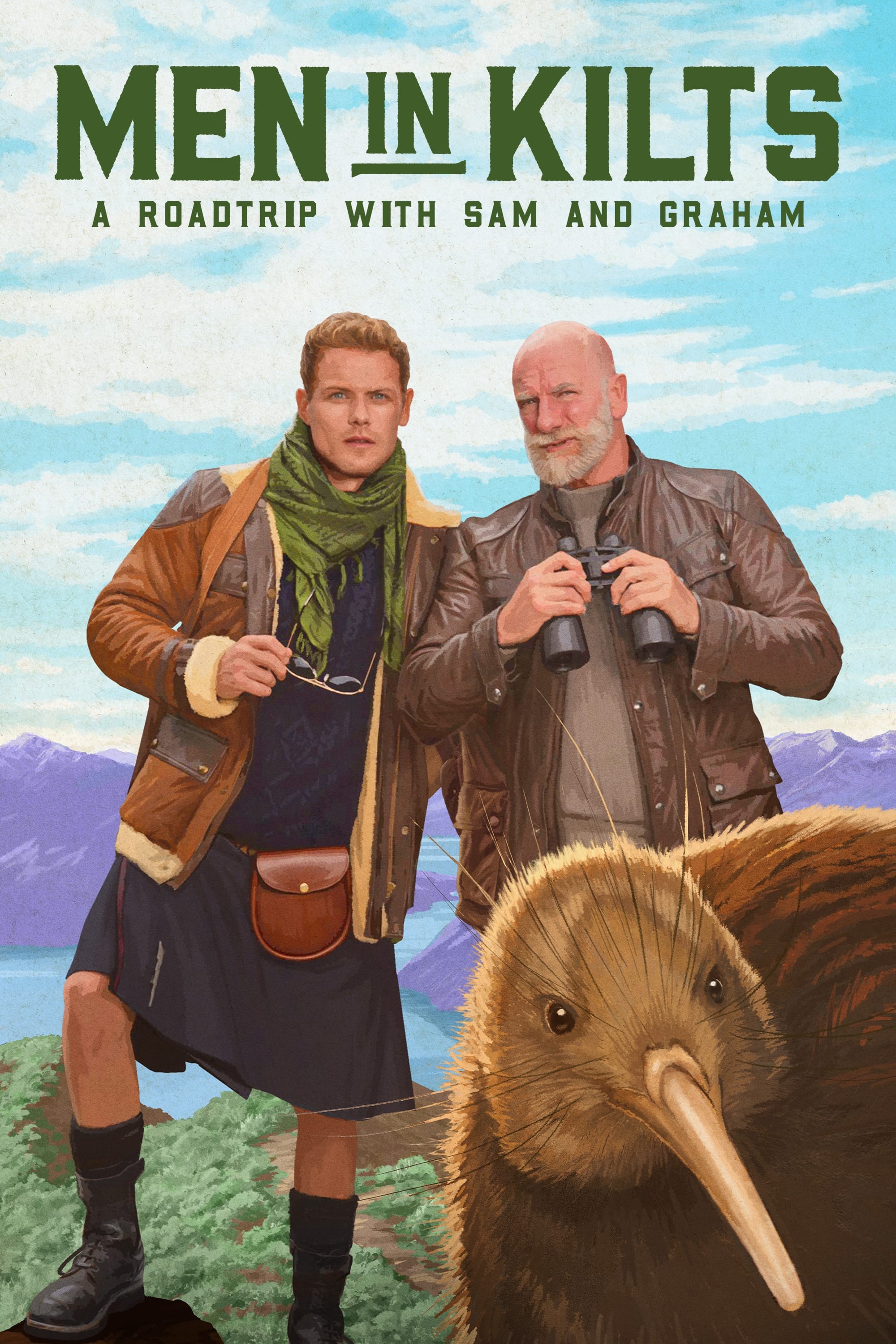
A celebration of Scottish history and culture, with Outlander stars Sam Heughan and Graham McTavish discovering the heritage of their native country, meeting local artisans and experts and experiencing genuine moments of awe and fascination as they share their travels with the audience.
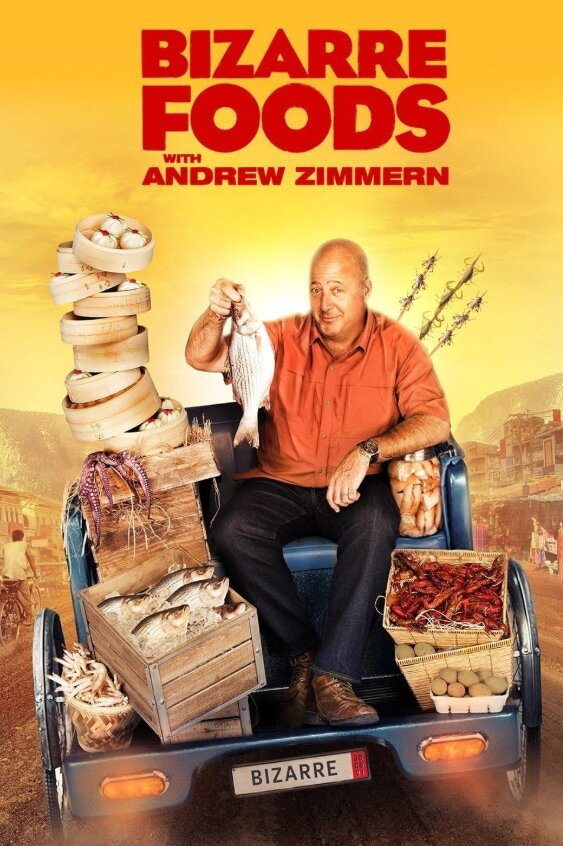
Bizarre Foods with Andrew Zimmern is a travel and cuisine television show hosted by Andrew Zimmern on the Travel Channel. The first season debuted on Monday, February 26, 2007 at 9pm ET/PT. Bizarre Foods focuses on regional cuisine from around the world which is typically perceived by Americans as being disgusting, exotic, or bizarre. In each episode, Zimmern focuses on the cuisine of a particular country or region. He typically shows how the food is procured, where it is served, and, usually without hesitation, eats it. Originally a one-hour documentary titled Bizarre Foods of Asia, repeated showings on the Travel Channel drew consistent, considerable audiences. In late 2006, it was decided to turn the documentary into a weekly, one-hour show with the same premise and with Andrew Zimmern as the host. In 2009, Zimmern took a break from Bizarre Foods to work on one season of the spin-off Bizarre World.
MegaStructures is a documentary television series appearing on the National Geographic Channel in the United States and the United Kingdom, Channel 5 in the United Kingdom, France 5 in France, and 7mate in Australia. Each episode is an educational look of varying depth into the construction, operation, and staffing of various structures or construction projects, but not ordinary construction products. Generally containing interviews with designers and project managers, it presents the problems of construction and the methodology or techniques used to overcome obstacles. In some cases this involved the development of new materials or products that are now in general use within the construction industry. MegaStructures focuses on constructions that are extreme; in the sense that they are the biggest, tallest, longest, or deepest in the world. Alternatively, a project may appear if it had an element of novelty or are a world first. This type of project is known as a Megaproject.
An insider's look at the engineering and scientific miracles behind the things that form the modern world.
This enlightening series from Vox digs into a wide range of topics such as the rise of cryptocurrency, why diets fail, and the wild world of K-pop.