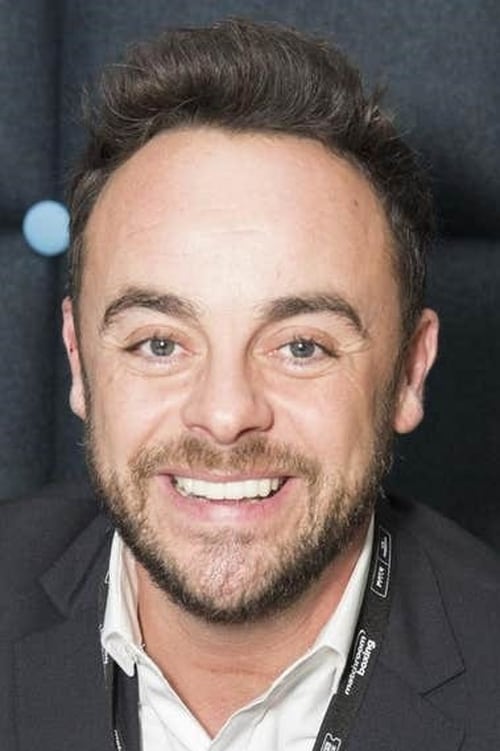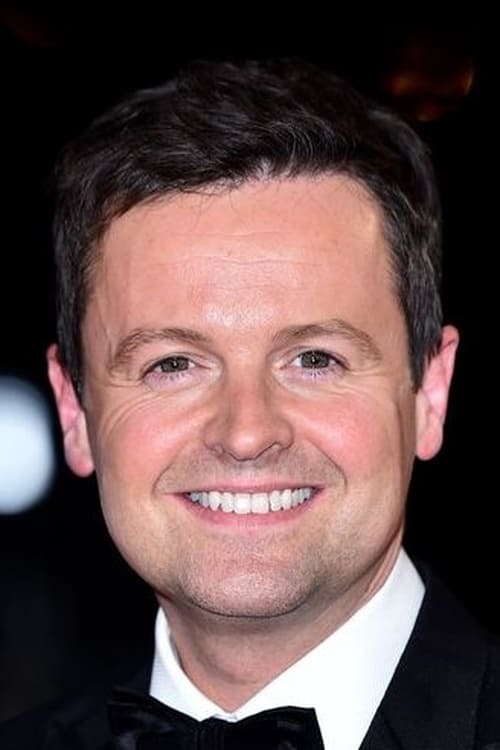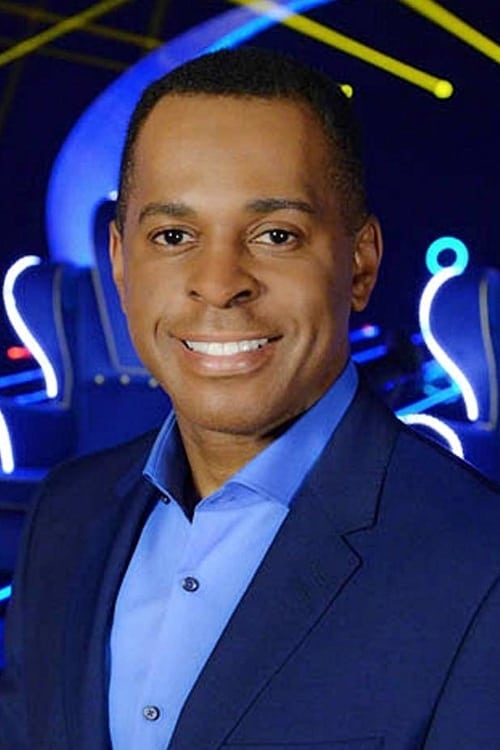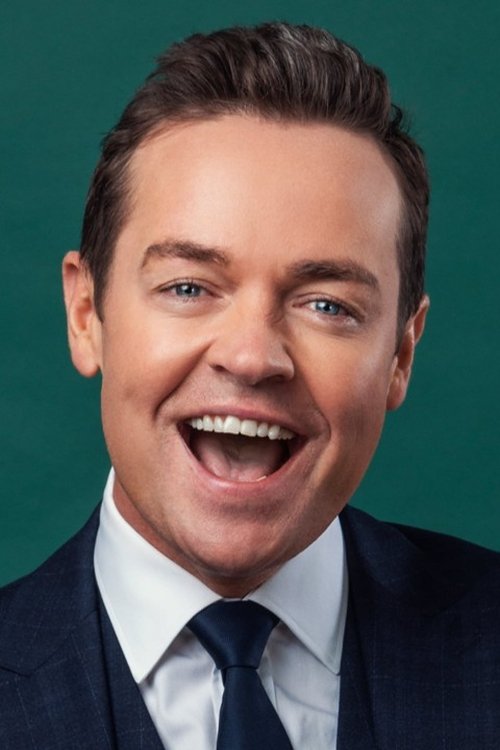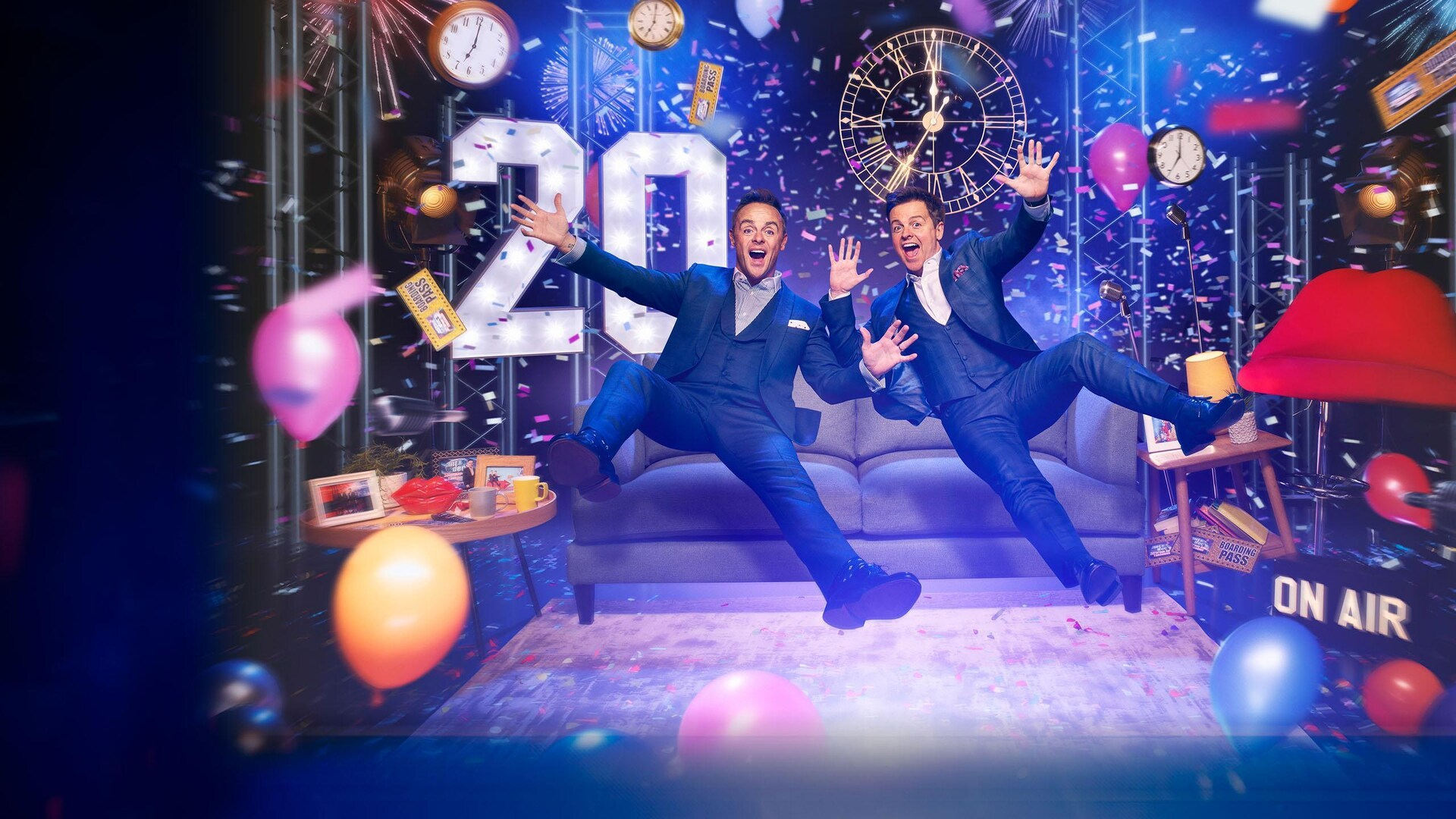
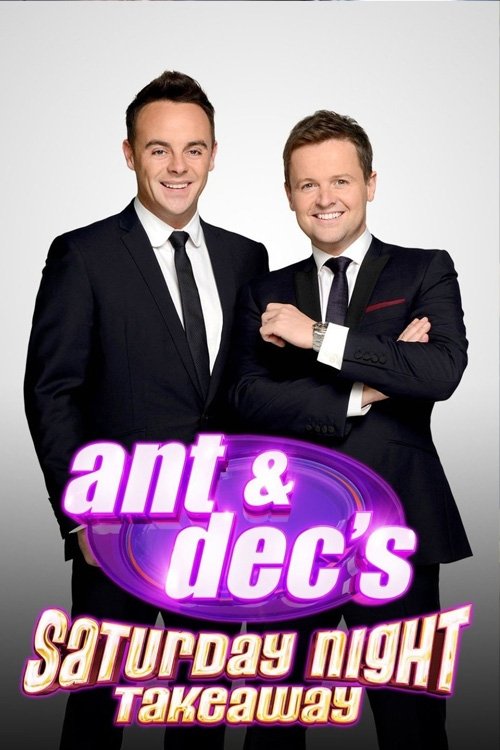




A gameshow hosted by Ant and Dec filled with stunts, sketches, and special guest appearances.
Social & External
Self - Host
Self
Each week, three teams must train and successfully complete a skill-testing challenge in order to win once-in-a-lifetime dream prizes.
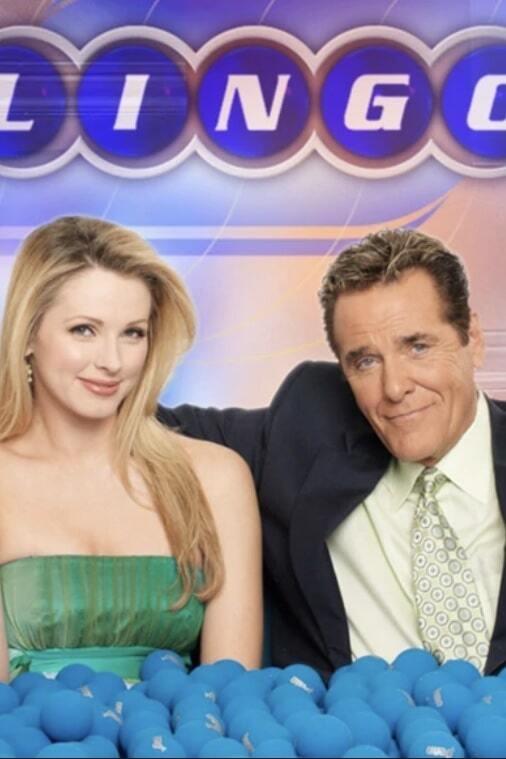
The second version of the American television game show.
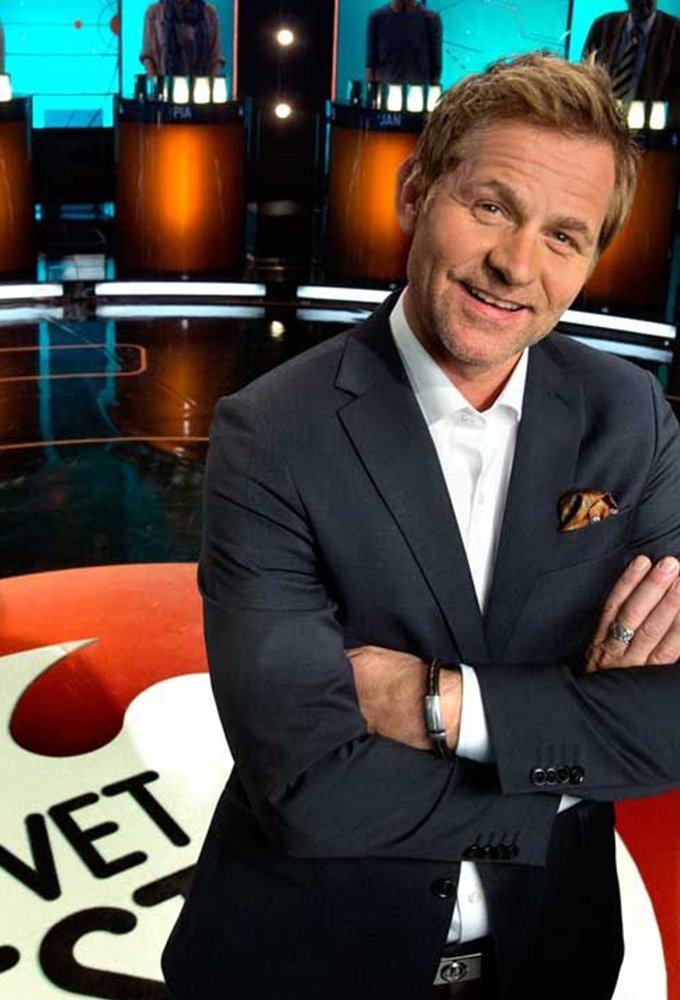
A Swedish quiz show with general knowledge questions, ranging from popular culture to biology and sports. Every week eight contestants compete for 10 000 kr and a place in the final rounds held in spring.
Startime, an anthology of drama, comedy and variety, was one of the first American television shows broadcast in color.
A variety show, hosted by Stéphane Bellavance, featuring a selection of sketches, games and musical numbers.
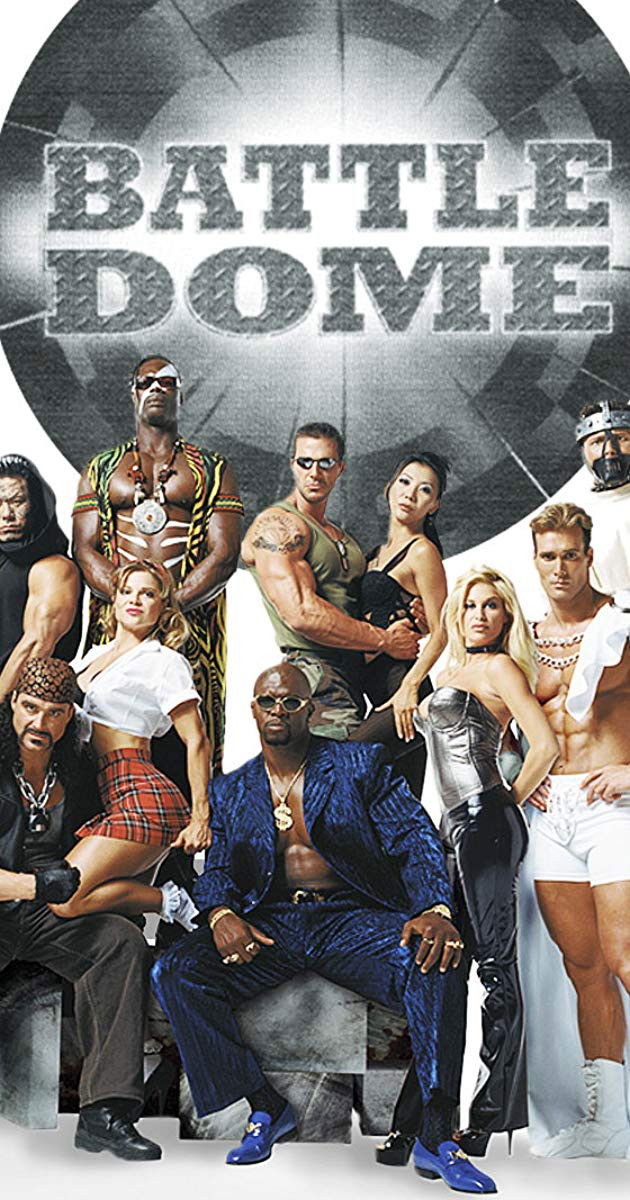
Battle Dome was a syndicated American television series that aired from September 1999 to April 2001. It combined elements of American Gladiators - inspired athletic competition with scripted antics more reminiscent of professional wrestling. Recurring character-athletes known as "Warriors" competed against weekly contestants in a variety of physically demanding events. The series was filmed at the Los Angeles Sports Arena and produced by Columbia TriStar Television. The entire first and second season of Battle Dome is available for purchase on iTunes and Amazon Instant Video.
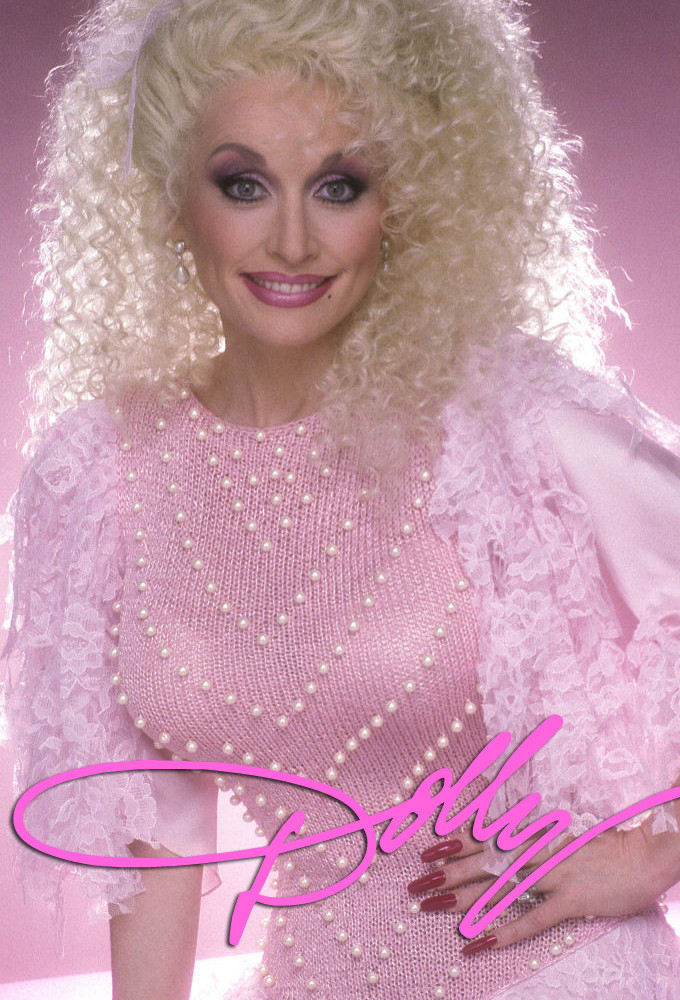
Dolly is a television variety show that ran on ABC during the 1987-1988 season featuring Dolly Parton.
Variety show featuring talented acts from around the world displaying their mastery of performance, with disciplines ranging from singing and stand-up routines to acrobatics and aerial dance, along with everything in between.
A variety show set against the background of the Blue Angel night club in New York City.
A game of wits, strategy and high stakes as contestants try to avoid the iconic WHAMMY for a chance at life-changing cash and prizes.
In a Temple filled with lost treasures and protected by mysterious Mayan temple guards, six teams of two children compete to retrieve one of the historical artifacts in the Temple by performing physical stunts and answering questions based on history, mythology, and geography. After three elimination rounds, only one team remains, who then earns the right to go through the Temple to retrieve the artifact within three minutes and win a grand prize.
Texaco Star Theater is an American comedy-variety show, broadcast on radio from 1938 to 1949 and telecast from 1948 to 1956. It was one of the first successful examples of American television broadcasting, remembered as the show that gave Milton Berle the nickname "Mr. Television". The classic 1940–44 version of the program, hosted by radio's Fred Allen, was followed by a radio series on ABC in the spring of 1948. When Texaco first took it to television on NBC on June 8, 1948, the show had a huge cultural impact.
The Amanda Show is an American live action sketch comedy and variety show that aired on Nickelodeon from October 16, 1999 to September 21, 2002. It starred Amanda Bynes, Drake Bell, and Nancy Sullivan, along with several performing artists who came and left at different points, such as John Kassir, Raquel Lee, and Josh Peck. The show was a spin-off from All That, in which Bynes had co-starred for several years. The show was unexpectedly cancelled at the end of 2002, according to creator Dan Schneider's blog. Writers for the show included John Hoberg, Steven Molaro, Andrew Hill Newman, and Dan Schneider. Two years after the end of The Amanda Show, Dan Schneider created a new series, called Drake & Josh, featuring Drake Bell, Josh Peck and Nancy Sullivan.
Card Sharks is an American television game show created by Chester Feldman for Mark Goodson-Bill Todman Productions. Two contestants compete for control of a row of oversized playing cards by answering questions posed by the host and then guessing if the next card is higher or lower in value than the previous one. The concept has been made into a series four separate times since its debut in 1978, and also appeared as part of CBS's Gameshow Marathon. The primary announcer for the first three series was Gene Wood.
After a very successful first season, it's here, the popular Traitors are back! If you think that nothing can surprise you in the second season, you are very wrong. The second season is even darker and full of intrigue. The principle of the game remains the same. Groups of contestants complete daily tasks, but the essential thing is that every night a group of traitors will eliminate one of the participants from the game. The remaining participants have the opportunity to reveal the alleged traitor by voting and eliminate him from the game. The entire time, the viewer follows the classic and actually popular plot. Who will win? Good or evil? Loyal or traitors? Thanks to the selected contestants, this is a great psychological game. Traitors is once again set in one of the oldest Czech castles, surrounded by a number of legends and secrets, Křivoklát. The moderator is none other than Vojta Kotek
A game show where talented contestants compete to bring to life silly prompts.
High-tension members variety show about YUQI, CHUU, and TSUKI's special ability development to prepare for the space market that will succeed the K-pop market.
Follows the three rounds and three-stage, obstacle course consisting of multiple strategy and decision points designed to further challenge, and wear out, the stamina of the competitors.
German version of the reality singing competition where celebrities battle it out with one major twist: each singer is shrouded from head to toe in an elaborate costume, concealing their identity from the audience and the viewers at home.
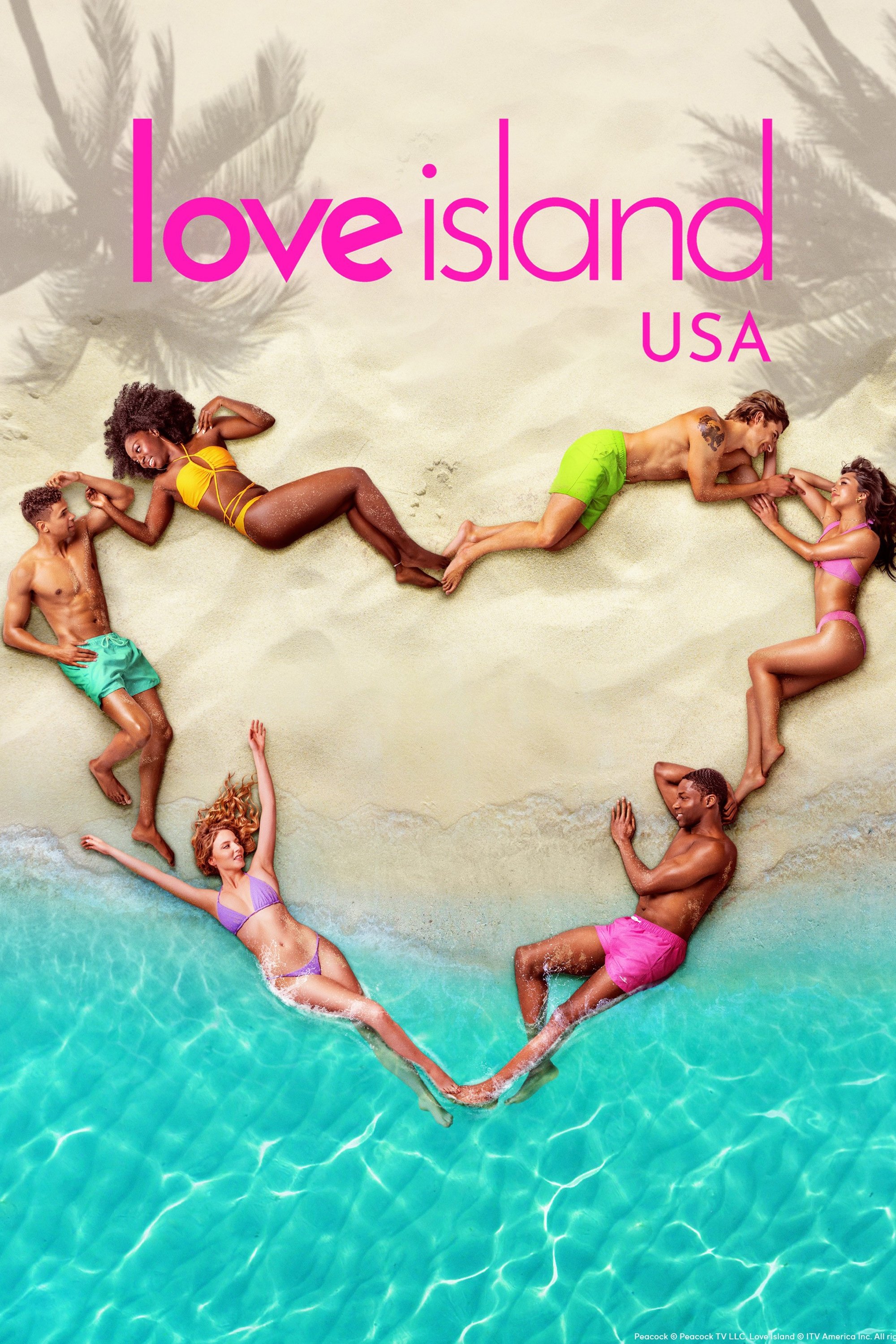
The matchmaking begins as a group of single "Islanders" come together in a stunning villa on a beautiful tropical island, ready to embark on a summer of dating, romance, and ultimately, relationships. Every few days the Islanders pair up and those who are not coupled are at risk of being dumped from the island. Islanders are on the lookout for romance, but the road to love doesn't always run smoothly.
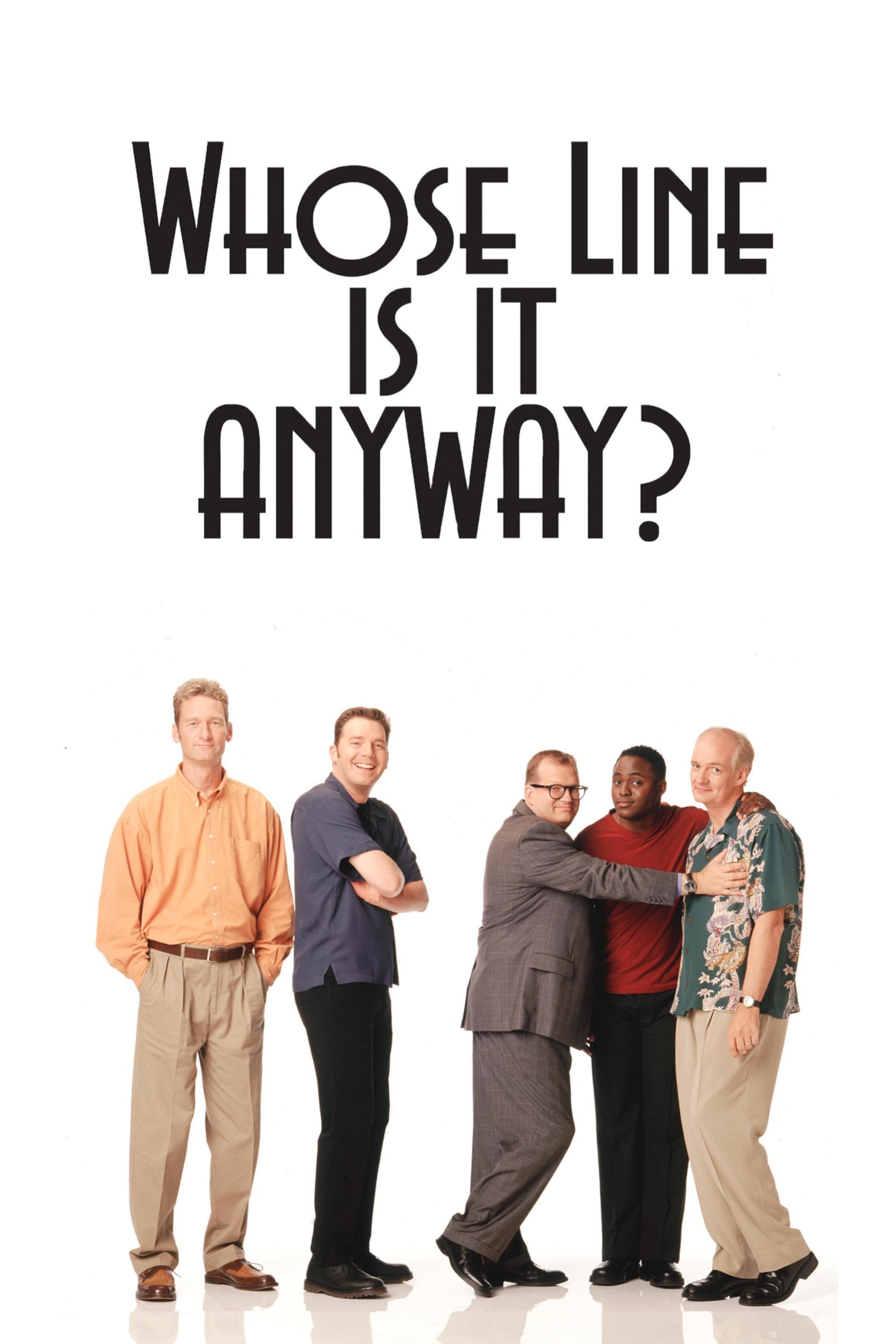
The show where everything's made up and the points don't matter. Not a talk show, not a sitcom, not a game show, Whose Line Is It Anyway? is a completely unique concept to network television. Four talented actors perform completely unrehearsed skits and games in front of a studio audience. Host Drew Carey sets the scene, with contributions from the audience, but the actors rely completely on their quick wit and improvisational skills. It's genuinely improvised, so anything can happen - and often does.
Footage from the popular game show, Takeshi's Castle has been re-edited, re-written and re-voiced into a hilarious, intentionally over-produced, modern "action/X-treme" sports show.
Two families compete against each other in a contest to name the most popular responses to a survey question posed to 100 people.
Takeshi's Castle was a Japanese game show that aired between 1986 and 1990 on the Tokyo Broadcasting System. It featured the Japanese actor Takeshi Kitano as a count who owns a castle and sets up difficult challenges for players to get to him. Contestants throw themselves into daunting physical challenges as they attempt to storm Takeshi's Castle and win the grand prize of one million yen. The show has become a cult television hit around the world. A special live "revival" was broadcast on April 2, 2005, for TBS's 50th anniversary celebrations.
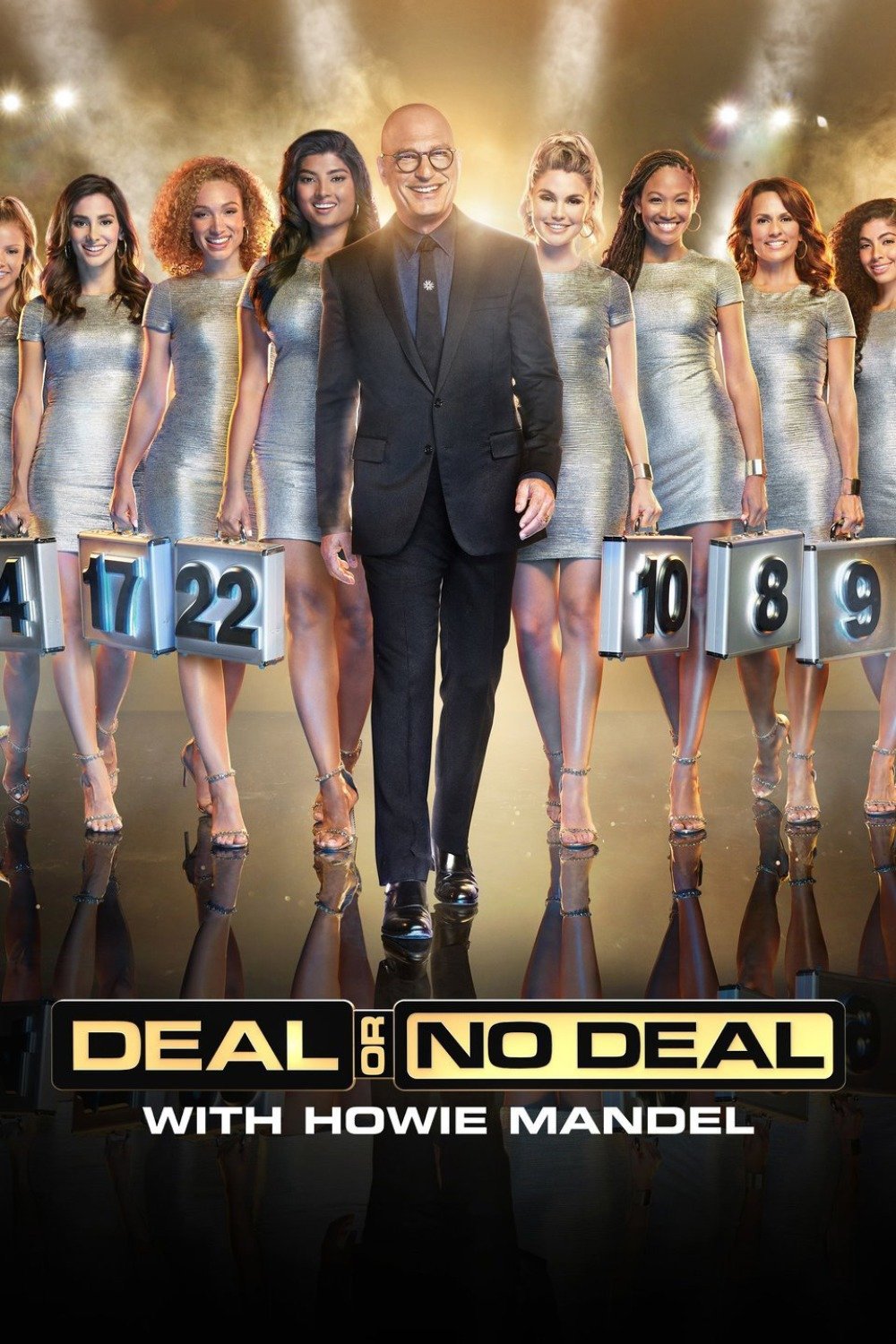
A contestant must choose from 26 sealed briefcases containing a marker for various amounts of cash from one penny to $1 million. The player then eliminates the remaining 25 cases one by one. The chosen ones are opened and the amount of money inside revealed. After several cases are opened, the player is tempted by the Banker to accept an offer of cash in exchange for not continuing the game and possibly winning a larger sum of money.
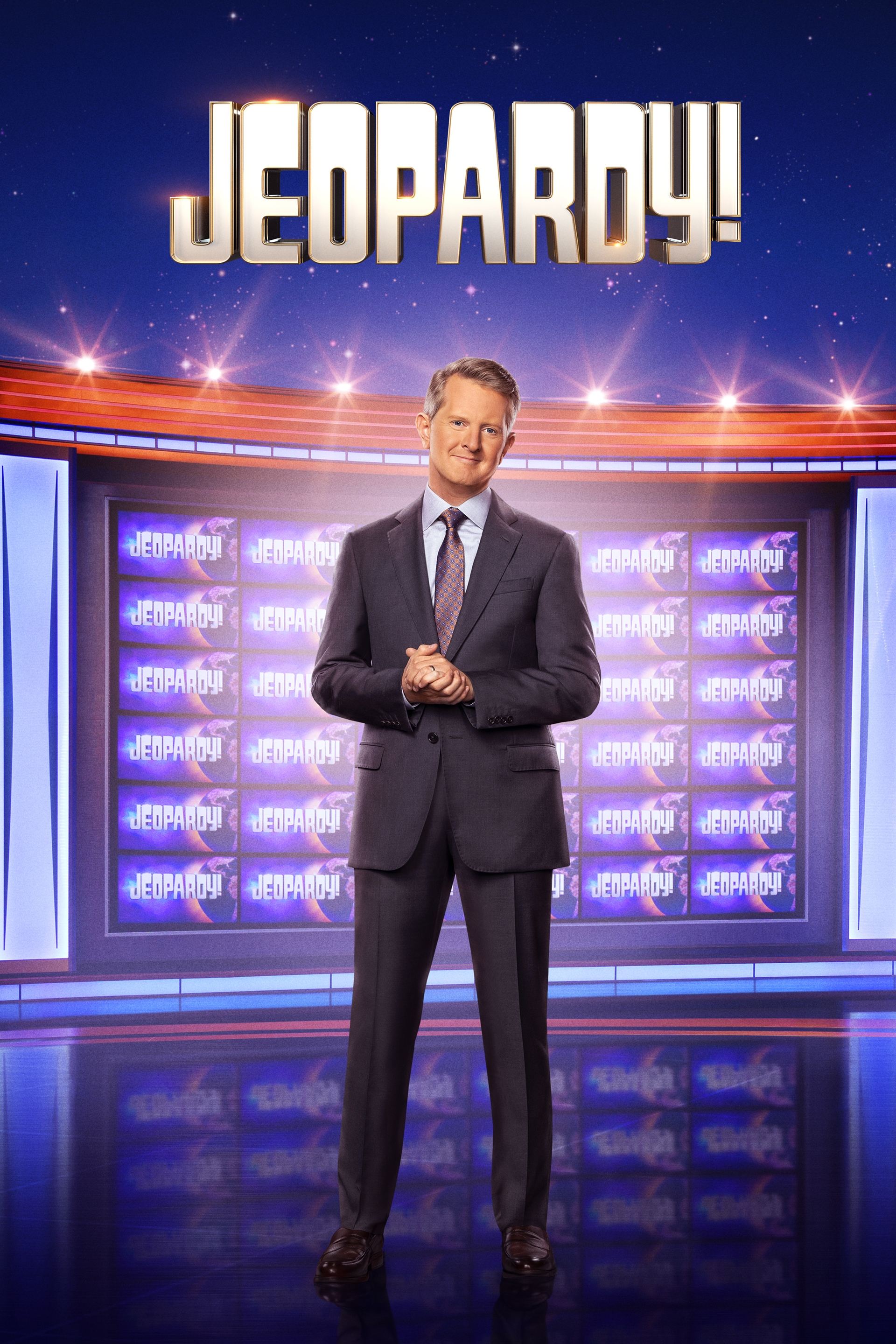
America's favorite quiz show where contestants are presented with general knowledge clues in the form of answers, and must phrase their responses in question form.
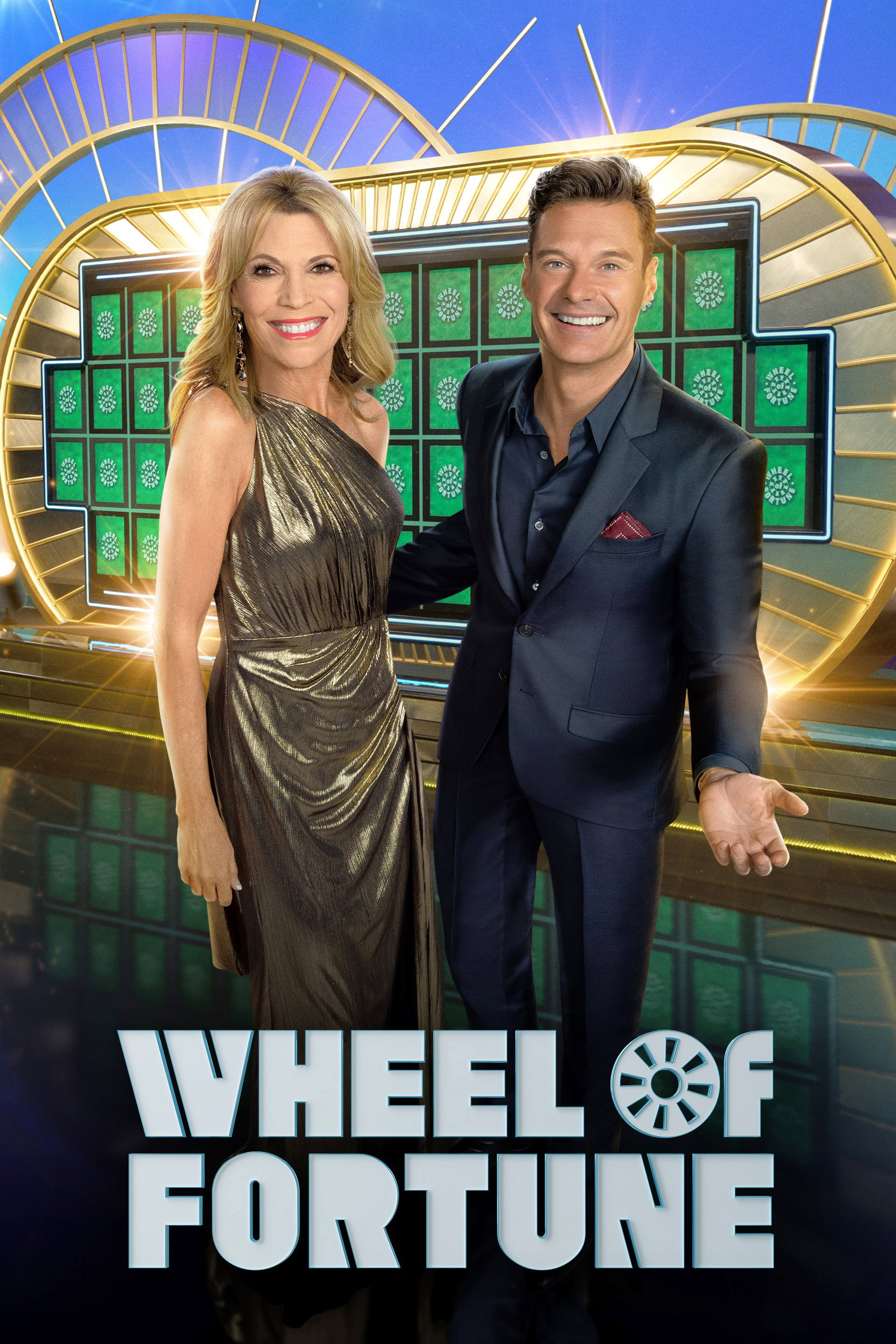
This game show sees contestants solve word puzzles, similar to those used in Hangman, to win cash and prizes determined by spinning a giant carnival wheel.
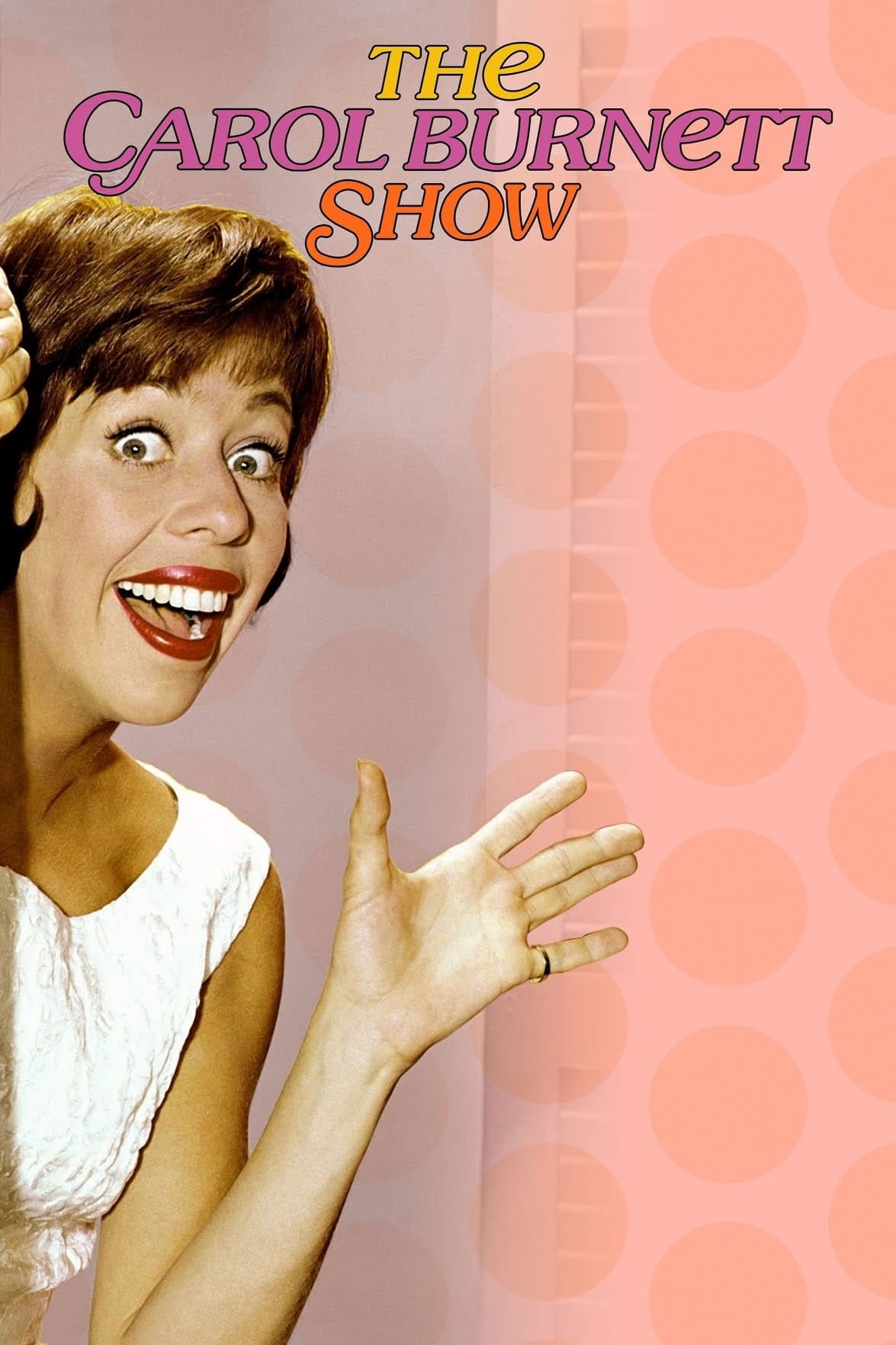
The Carol Burnett Show is an American variety/sketch comedy television show starring Carol Burnett, Harvey Korman, Vicki Lawrence, Lyle Waggoner, and Tim Conway. It originally ran on CBS from September 11, 1967, to March 29, 1978, for 278 episodes and originated from CBS Television City's Studio 33. The series won 25 prime time Emmy Awards, was ranked No. 16 on TV Guide's 50 Greatest TV Shows of All Time in 2002 and in 2007 was listed as one of Time magazine's "100 Best TV Shows of All Time."
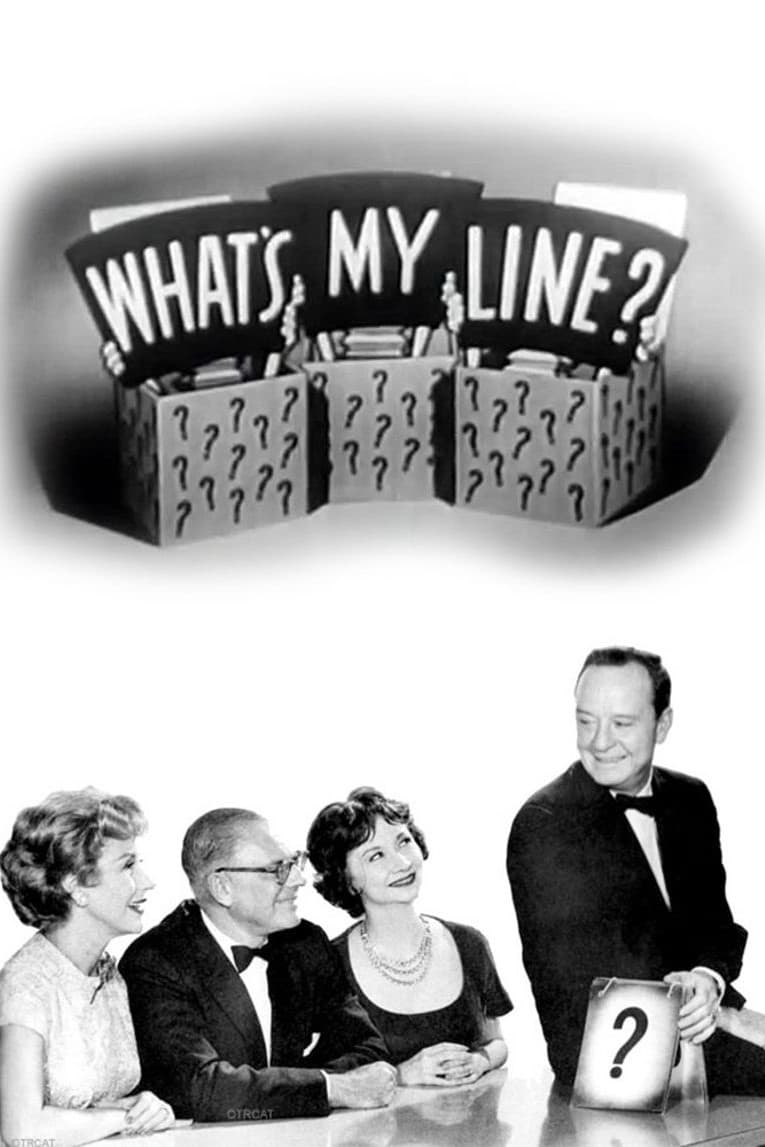
Four panelists must determine guests' occupations - and, in the case of famous guests, while blindfolded, their identity - by asking only "yes" or "no" questions.
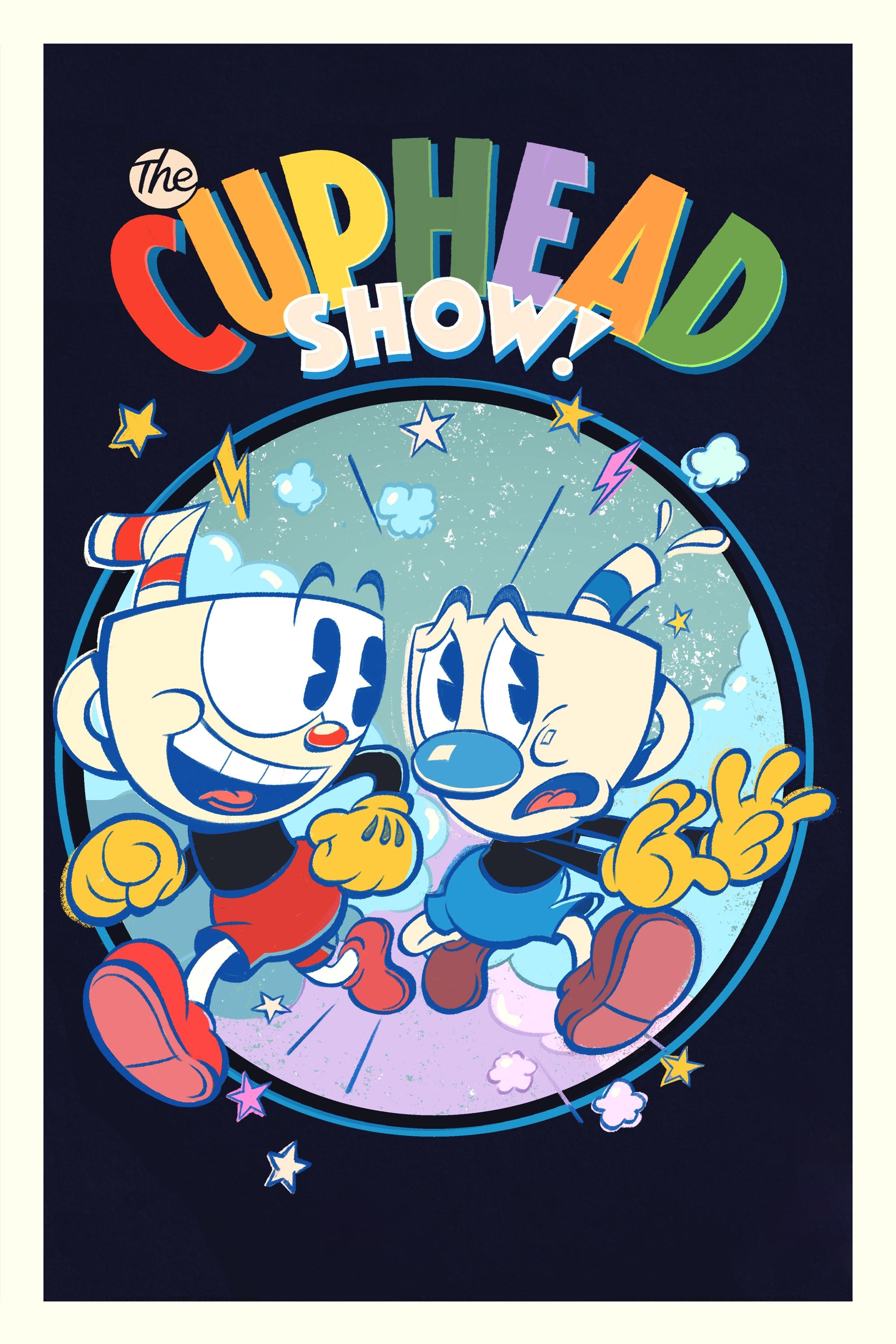
Follow the misadventures of the impulsive Cuphead and his cautious but persuadable brother Mugman in this animated series based on the hit video game.
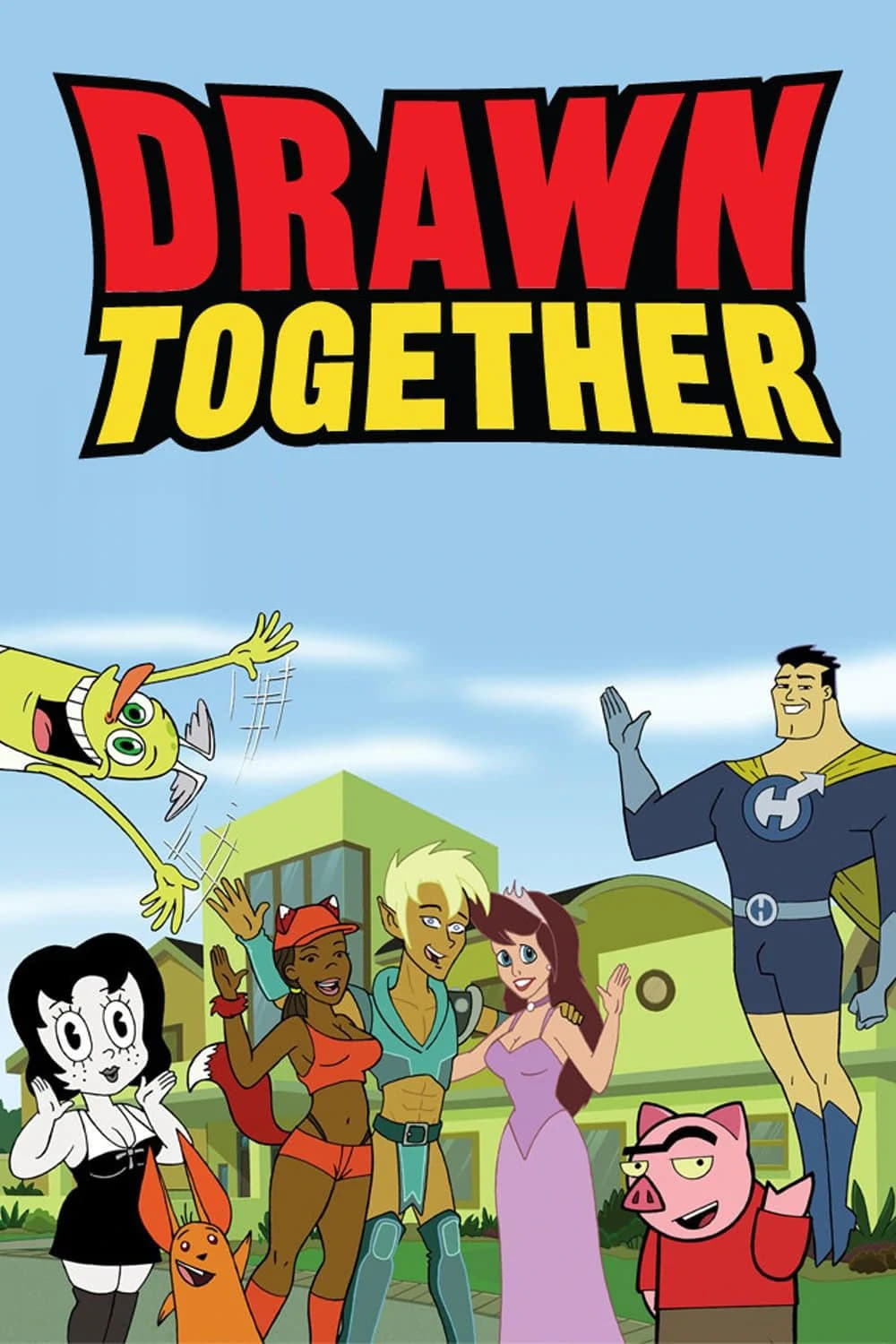
The world's first animated reality series gathers icons from all corners of the cartoon universe and lets them loose, with plenty of cameras to catch their exploits. Here's what happens when eight cartoon characters stop being polite and start getting real.
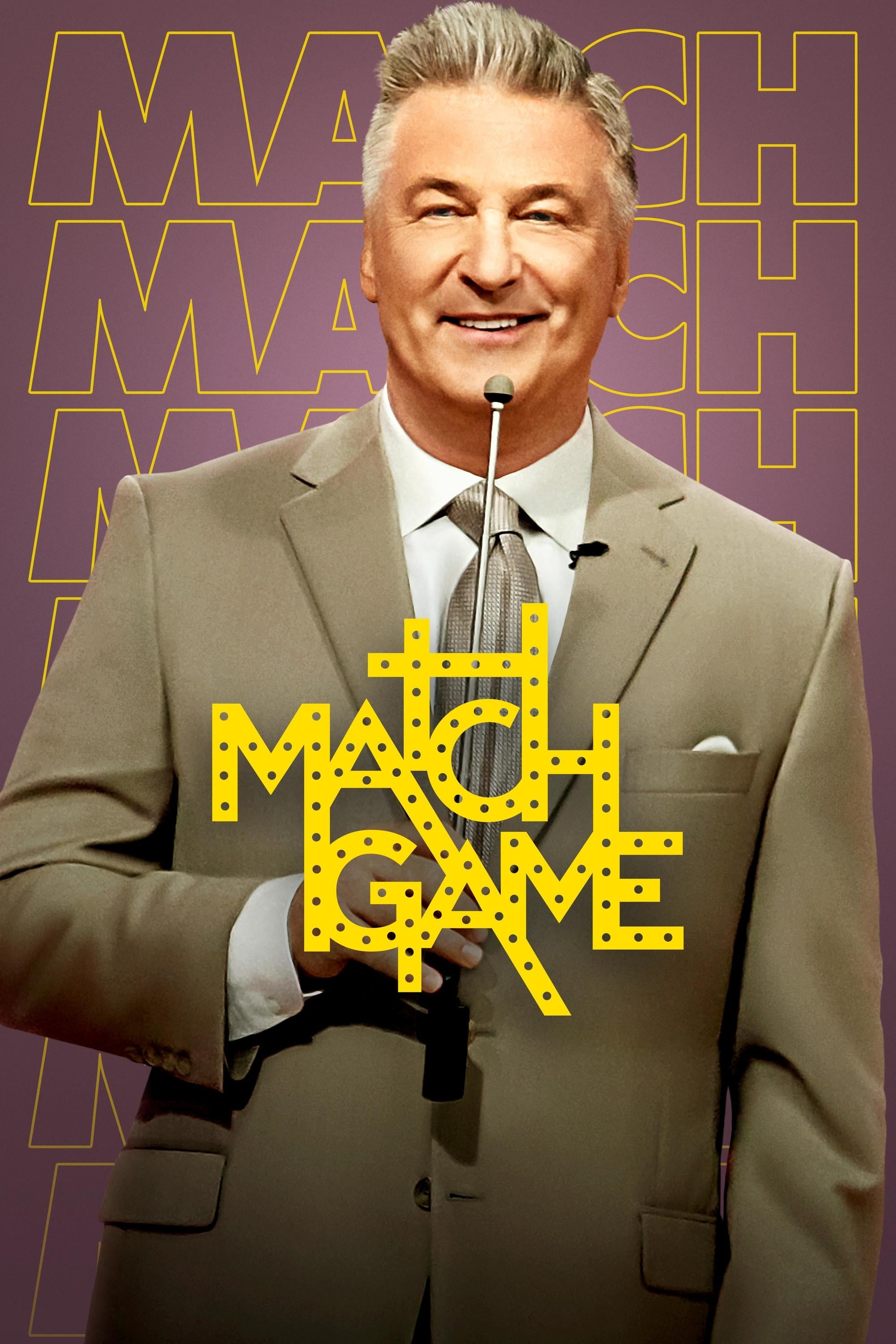
A modern reboot of the classic 70s game show that features two contestants attempting to match the answers of six celebrities in a game of fill-in-the-blank.
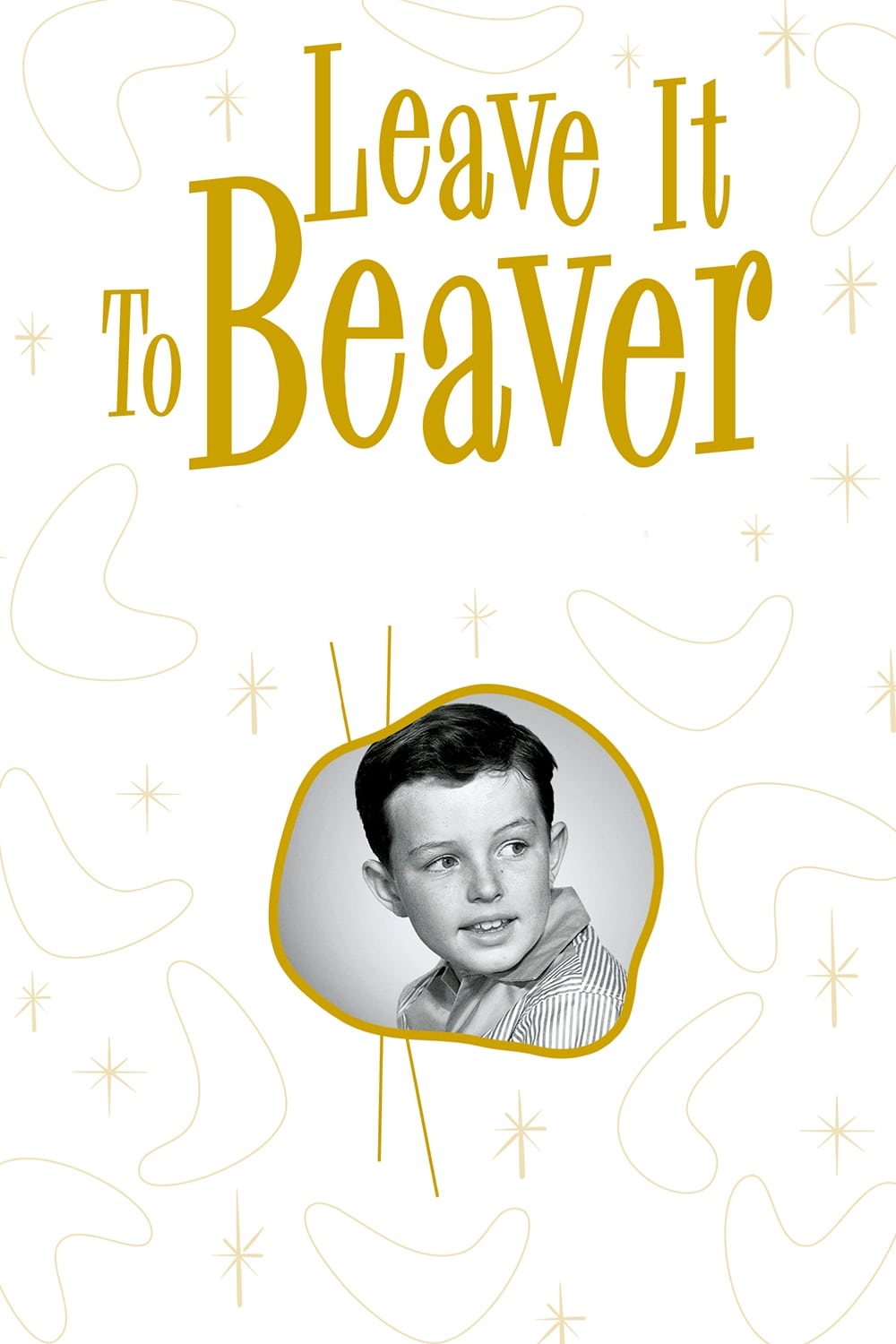
An inquisitive and often naïve boy, Theodore 'The Beaver' Cleaver, has adventures at home, in school, and around his suburban neighborhood. The show also starred Barbara Billingsley and Hugh Beaumont as Beaver's parents, June and Ward Cleaver, and Tony Dow as Beaver's brother Wally. The show has attained an iconic status in the US, with the Cleavers exemplifying the idealized suburban family of the mid-20th century.
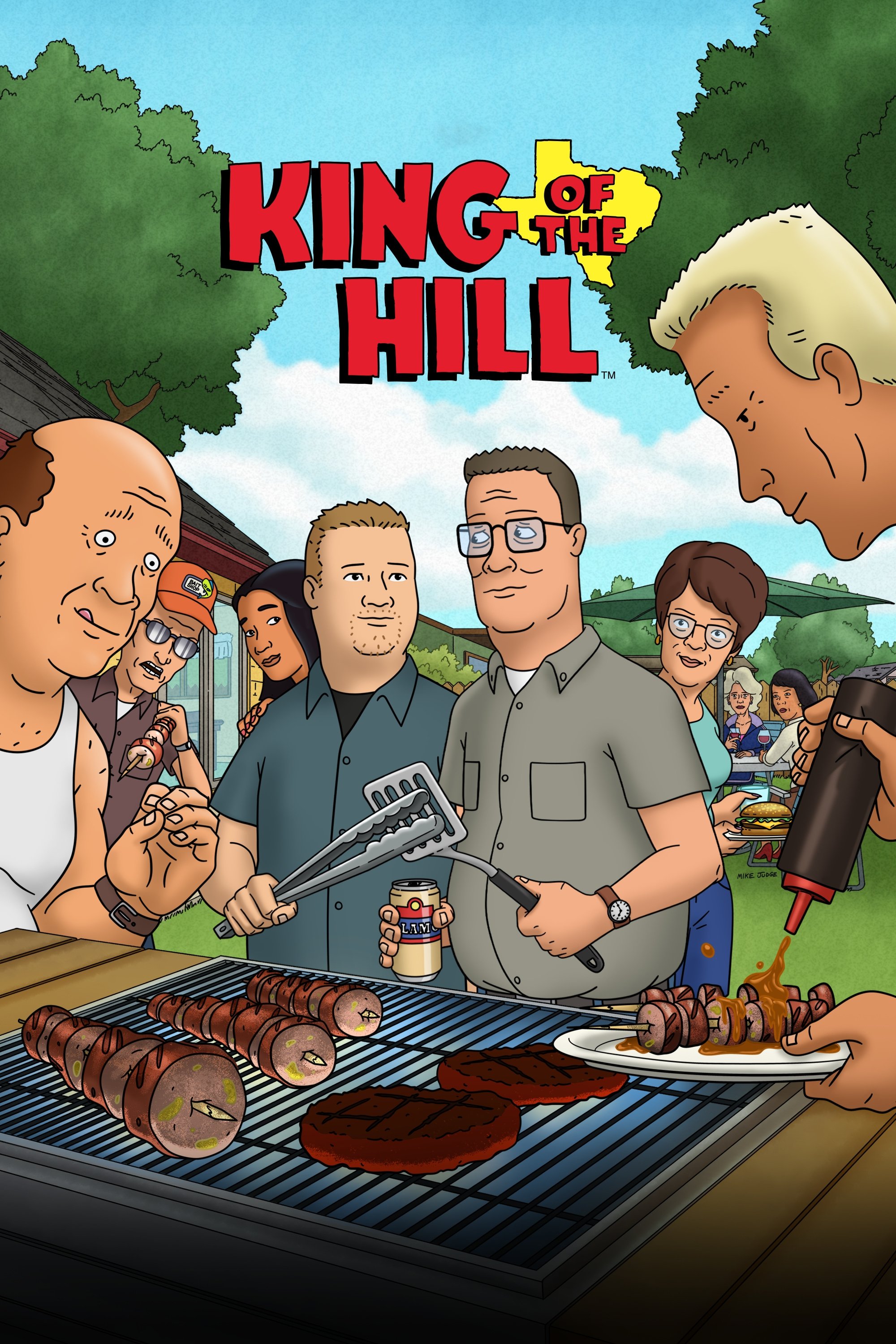
Set in Texas, this animated series follows the life of propane salesman Hank Hill, who lives with his overly confident substitute Spanish teacher wife Peggy, wannabe comedian son Bobby, and naive niece Luanne. Hank has conservative views about God, family, and country, but his values and ethics are often challenged by the situations he, his family, and his beer-drinking neighbors/buddies find themselves in.
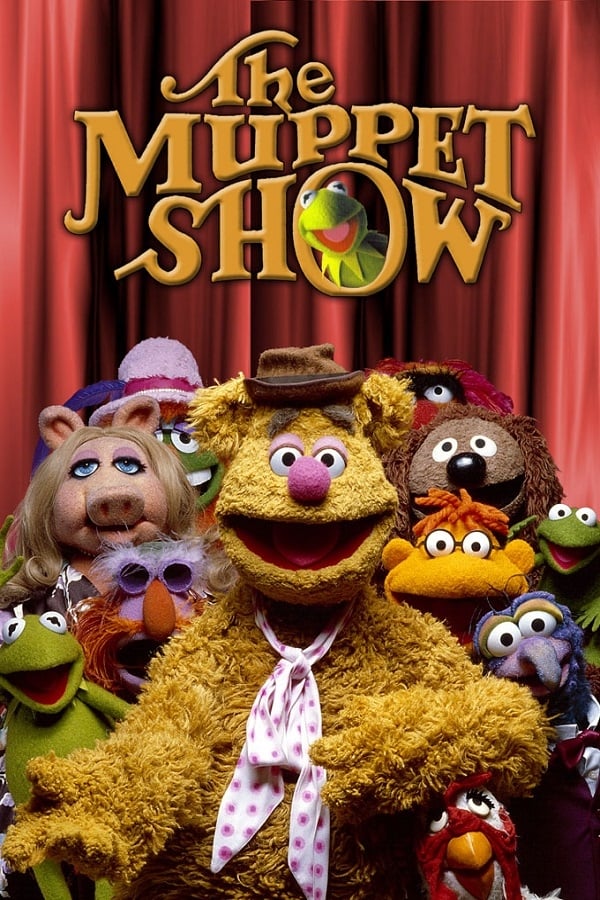
Go behind the curtains as Kermit the Frog and his muppet friends struggle to put on a weekly variety show.
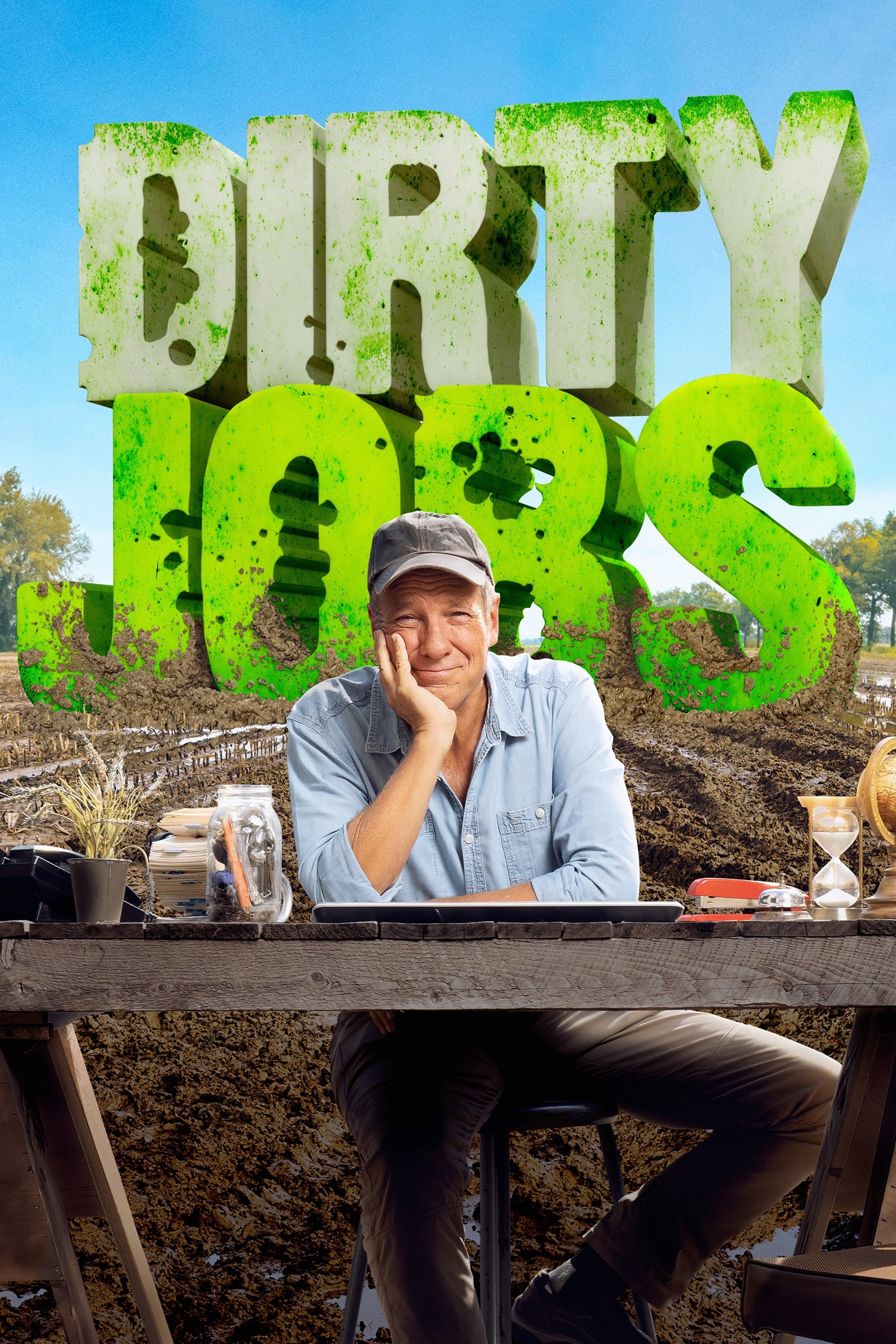
Host and everyman Mike Rowe gets the grimy scoop on downright nasty occupations.
AJ is an 8-year-old techie who drives monster-truck Blaze, the top racer in Axle City. The two go on adventures that have them taking on problems involving science and math. Many predicaments they face are caused by Blaze's rival, Crusher, a tractor-trailer that will do anything to beat other vehicles to the finish line. The animated series is billed as the first TV show for preschoolers to comprehensively cover areas of science, technology, engineering and math. Each episode introduces different STEM concepts, including buoyancy and trajectory.
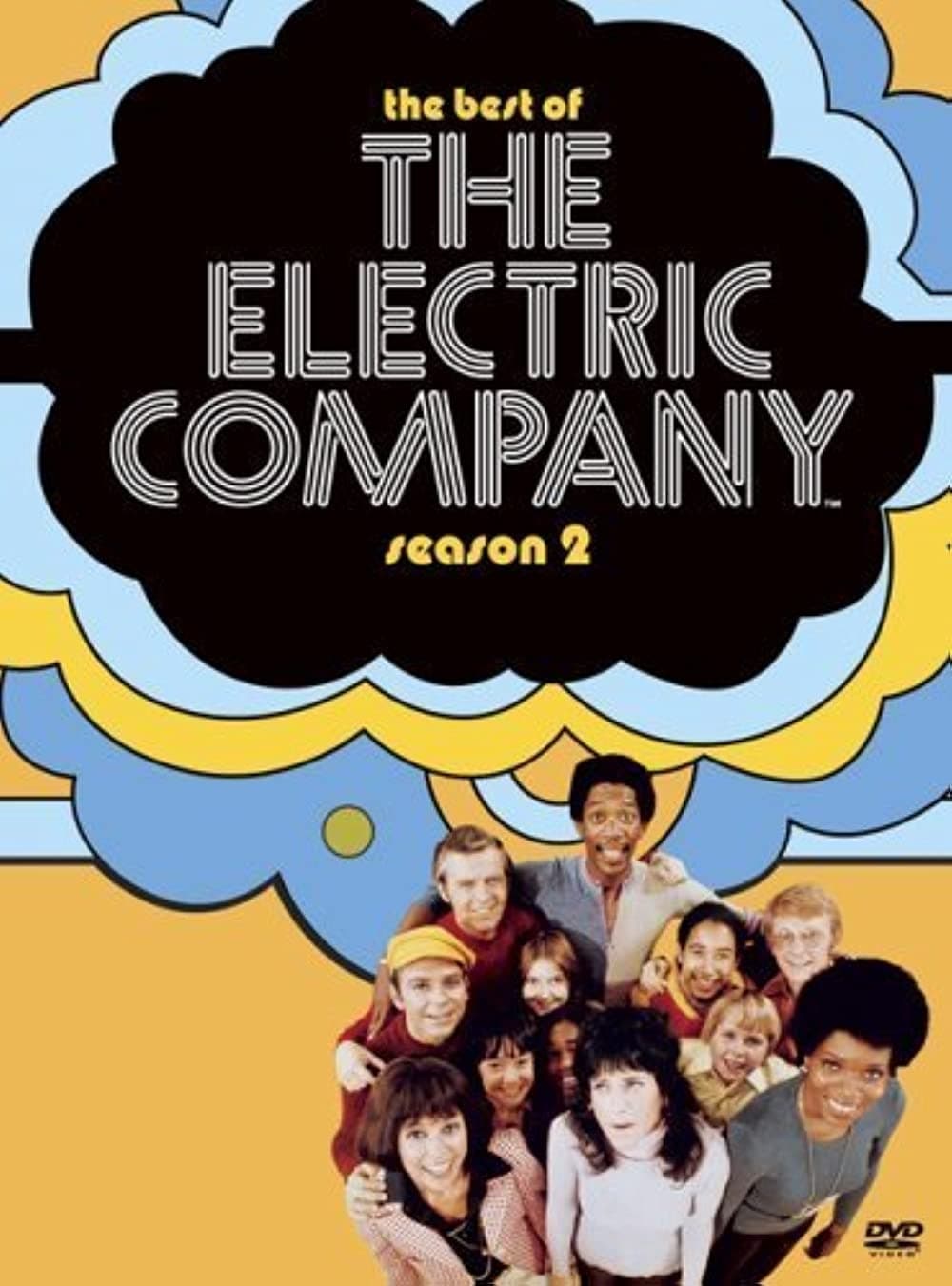
The Electric Company is an educational American children's television series that was produced by the Children's Television Workshop for PBS in the United States. PBS broadcast 780 episodes over the course of its six seasons from October 25, 1971 to April 15, 1977. After it ceased production that year, the program continued in reruns from 1977 to 1985, the result of a decision made in 1975 to produce two final seasons for perpetual use. CTW produced the show at Teletape Studios Second Stage in Manhattan, the first home of Sesame Street. The Electric Company employed sketch comedy and other devices to provide an entertaining program to help elementary school children develop their grammar and reading skills. It was intended for children who had graduated from CTW's flagship program, Sesame Street. Appropriately, the humor was more mature than what was seen there.
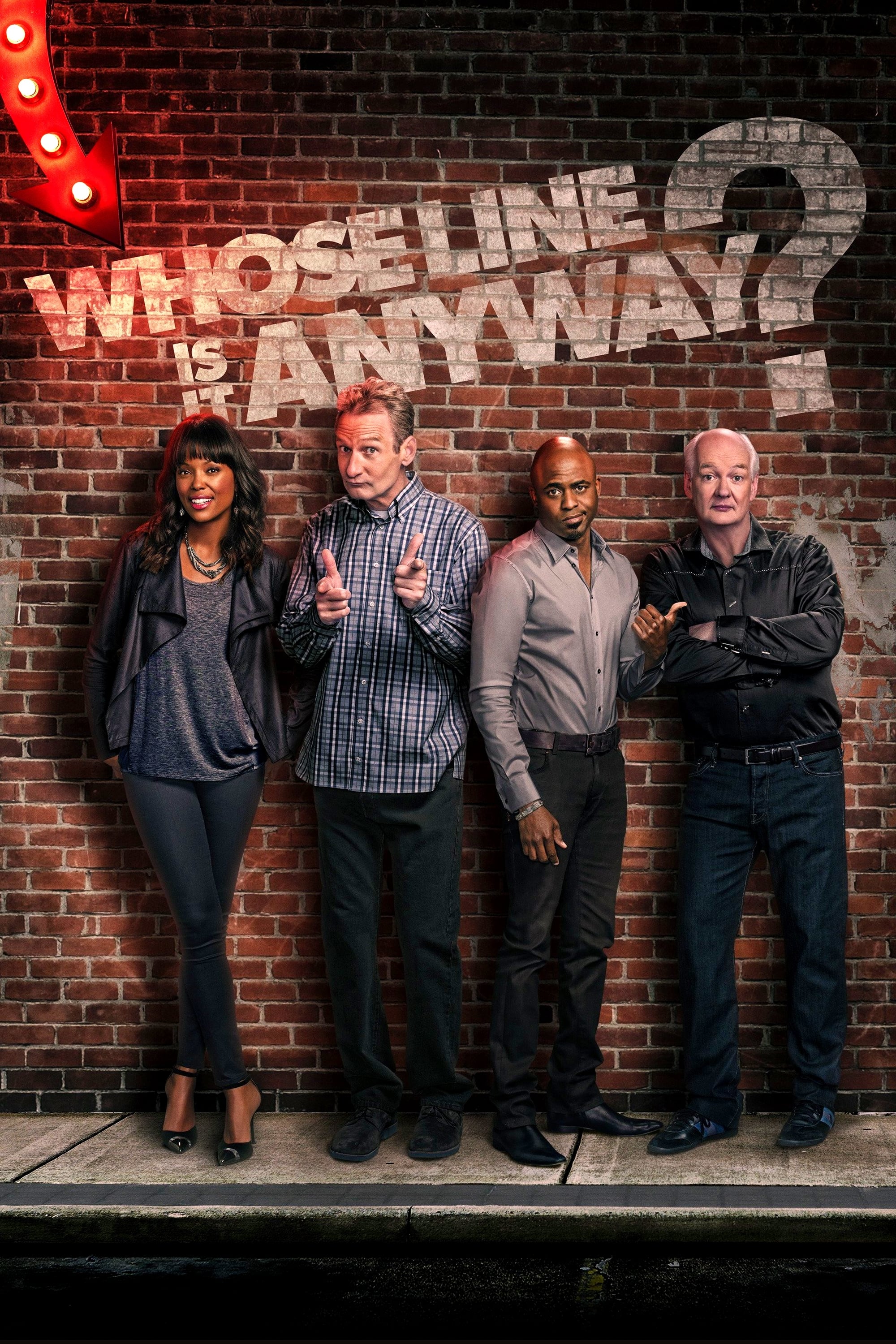
Comedian Aisha Tyler hosts this improv comedy show where the actors on the show - Wayne Brady, Colin Mochrie, Ryan Stiles along with a special guest each episode -must put their comedic skills to the test through a series of spontaneous improv games, prompted only by random ideas supplied by the studio audience.
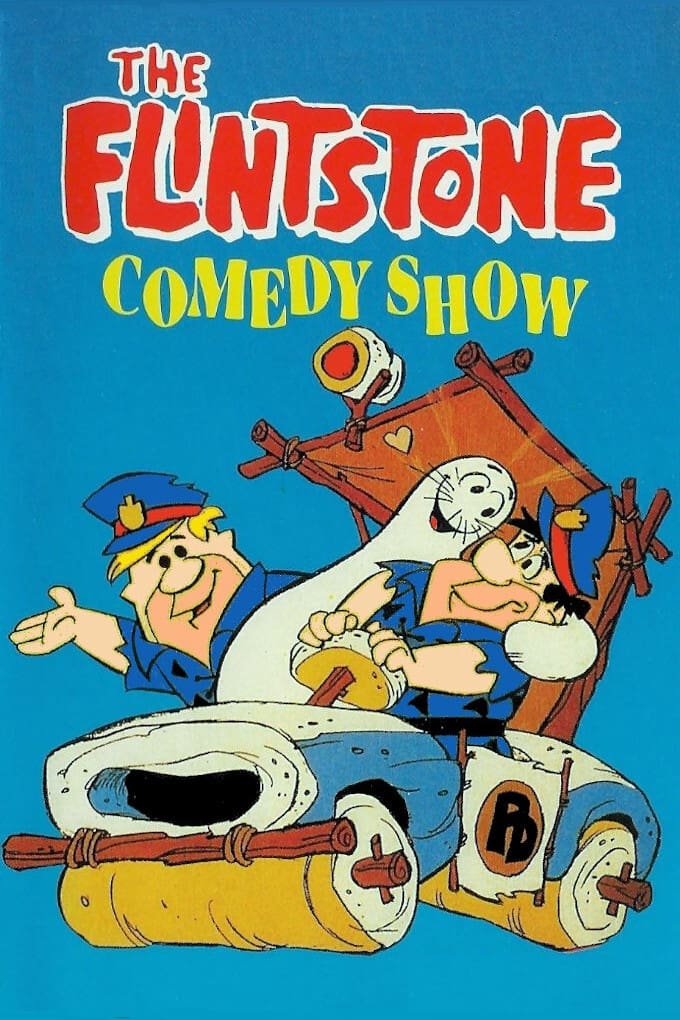
The Flintstone Comedy Show is a 90-minute Saturday morning animated series revival of The Flintstones produced by Hanna-Barbera and aired from November 22, 1980 to September 11, 1982 on NBC. Outside North America, the show was released under title of Flintstone Frolics. The show contained six segments: The Flintstone Family Adventures, Bedrock Cops, Pebbles, Dino and Bamm-Bamm, Captain Caveman, Dino and Cavemouse, and The Frankenstones.