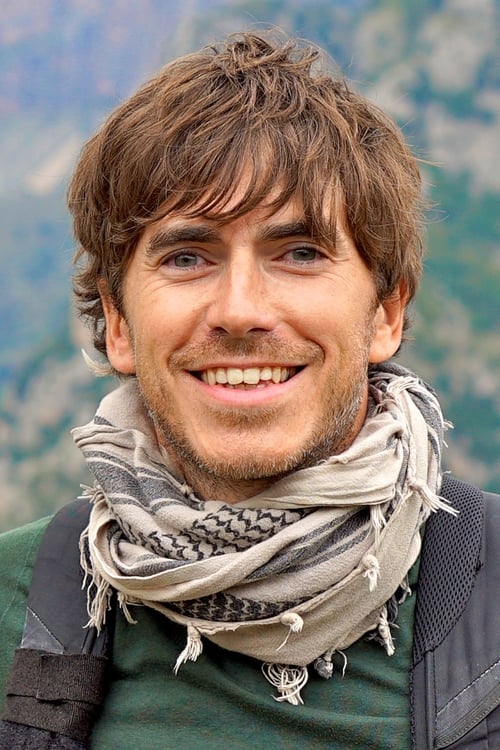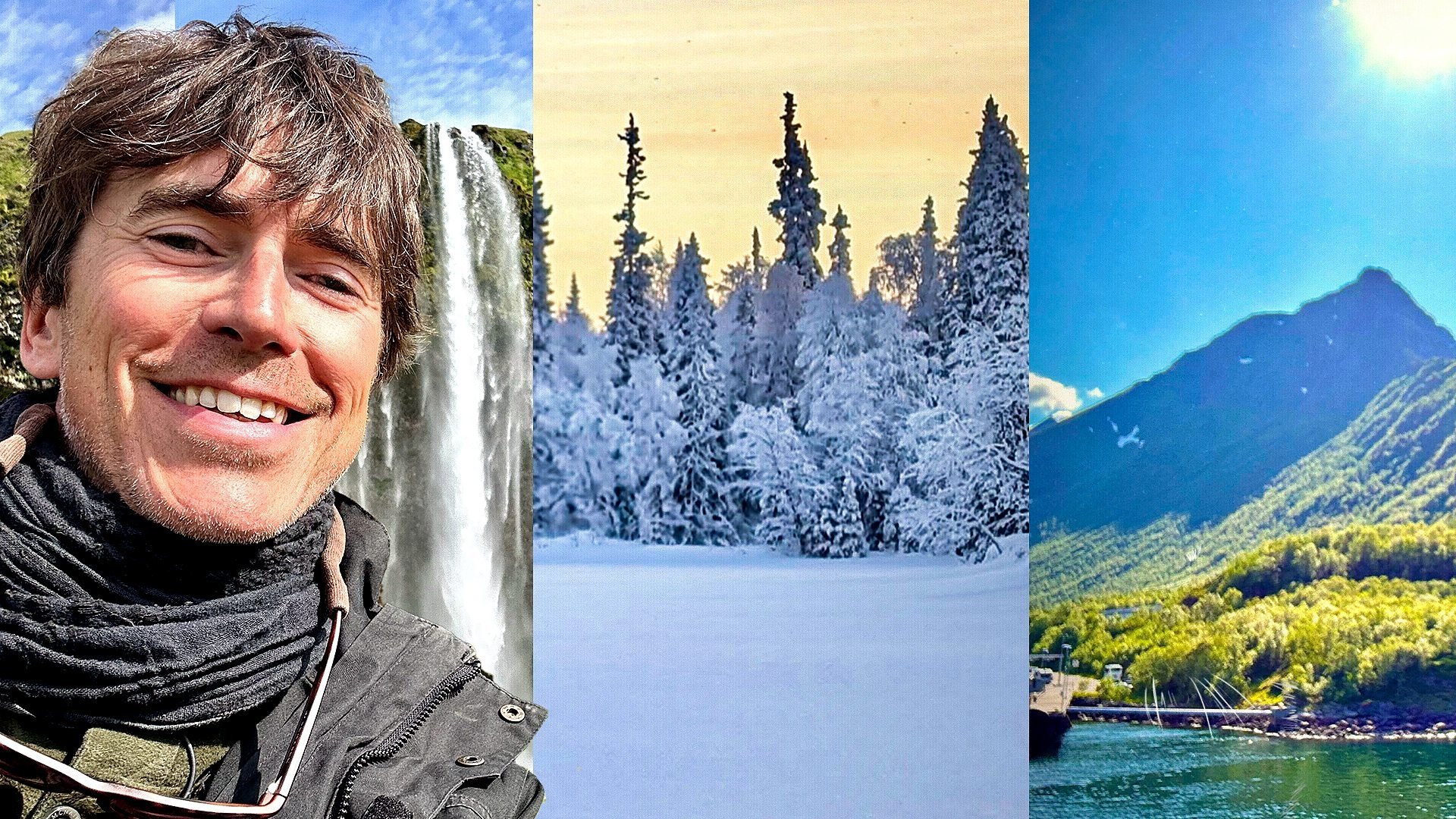
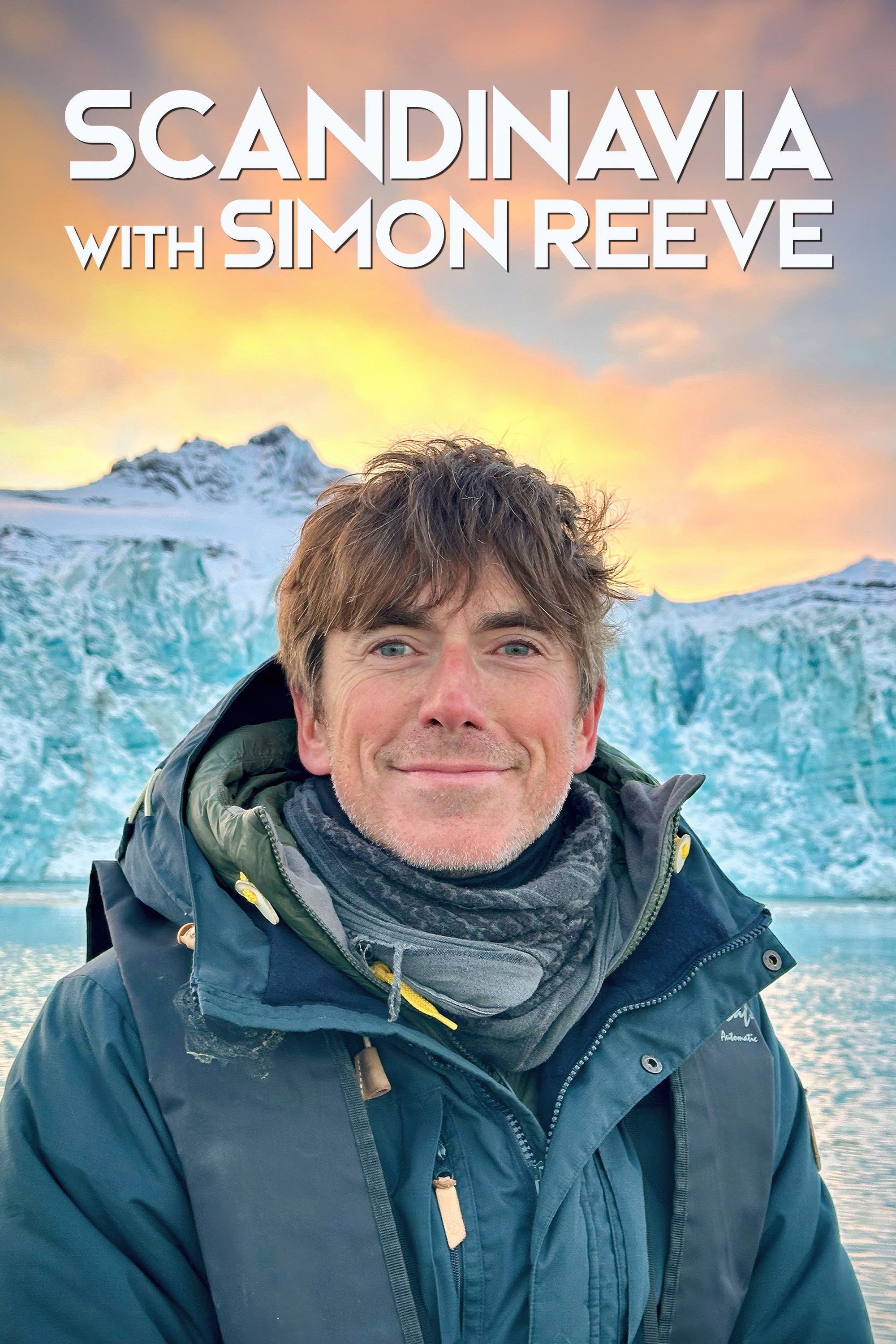

Simon Reeve journeys across a land of Arctic tundra, vast forests and stunning fjords, investigating the surprising secrets of some of the happiest and most equal societies on earth.
Social & External
Self - Presenter

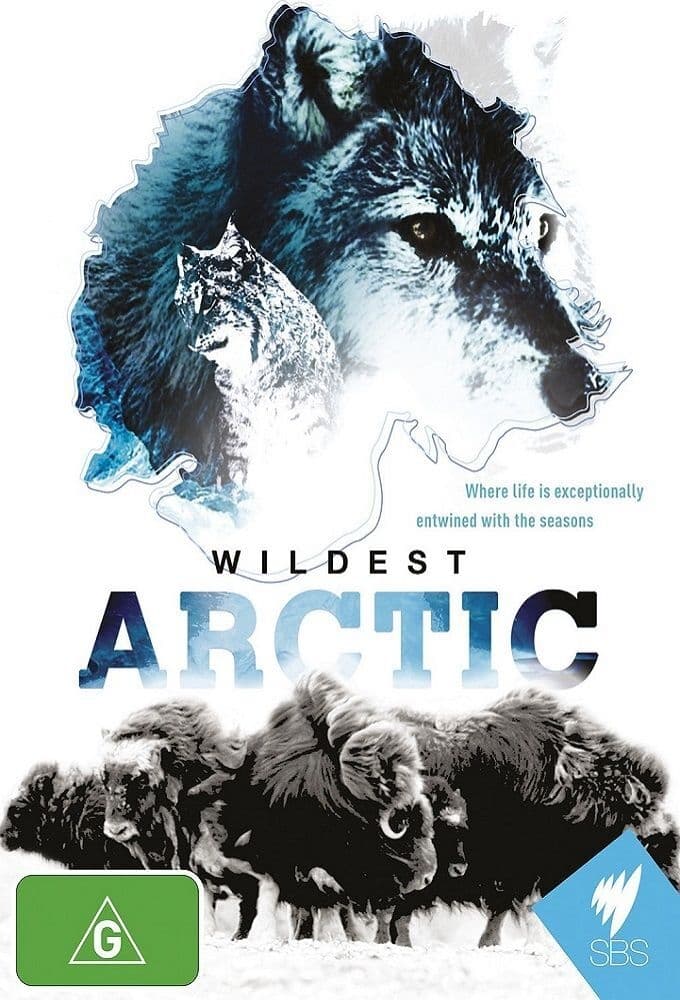
From the Taiga to the Tundra to the Arctic Ocean, this series immerses the viewer in the nature of the northern extremities of Europe, beyond the Arctic Circle and into a land of ice and fire. Wildest Arctic captures the awesome cinematic range of the Arctic region, from the creaks, crashes of vast glaciers, to the howls of the wildest wolves and the haunting remoteness of this true wilderness.
Growing old (dis)gracefully? Facing down 50, Paddy McGuinness and Chris Harris are on a quest to crack the code of aging well, seeking secrets from the Europeans who do it best.
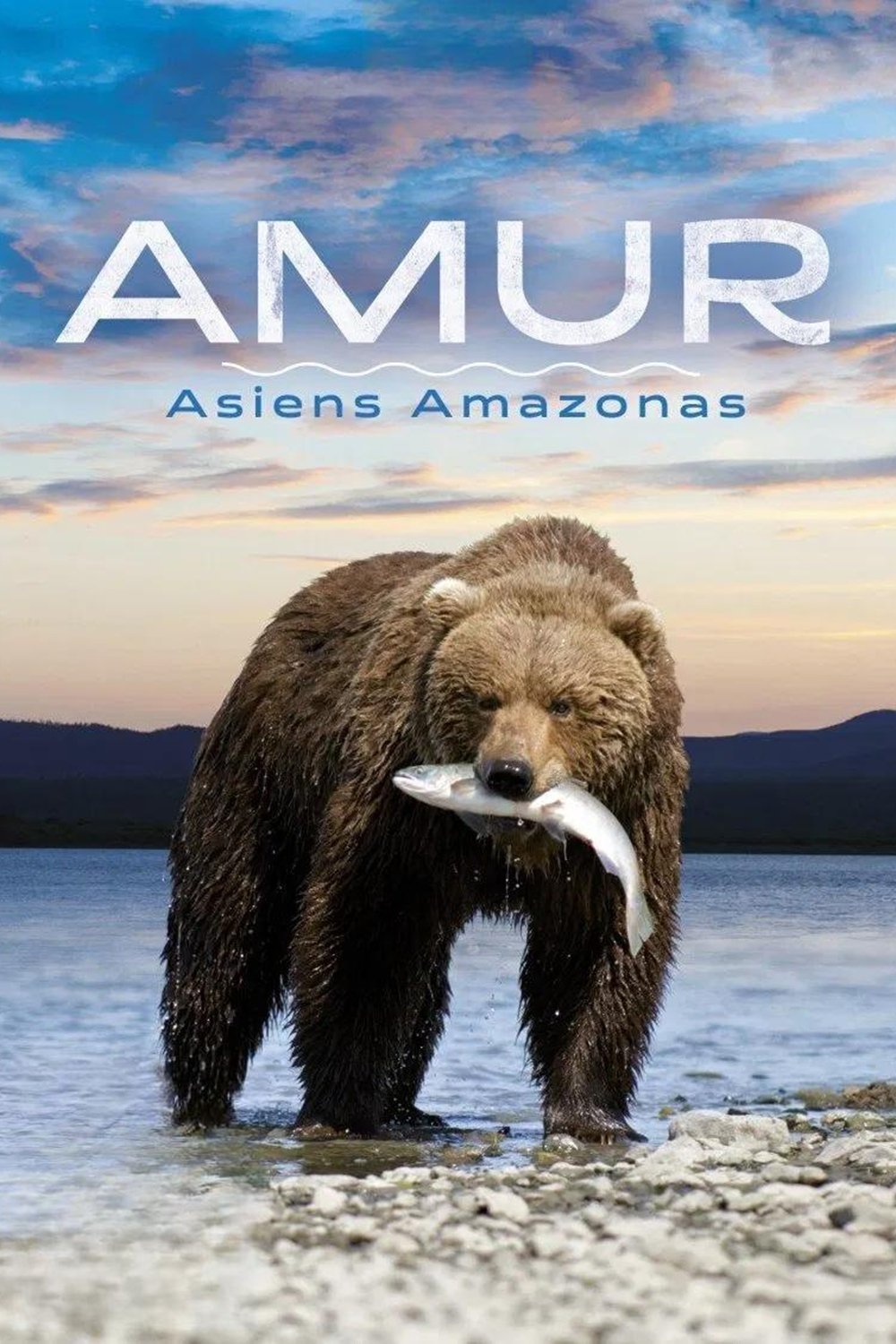
This three-part series is an epic journey of discovery of the natural world along the Amur and its tributaries and of the rich wildlife and the native people inhabiting the Earth’s greatest remaining wilderness area – a surprising and exotic world shaped and perpetually reshaped by extreme forces of the atmosphere and one of the Earth’s most active tectonic zones. The three episodes portray the unique characters of the Amur’s lower, middle and upper reaches – separate worlds that could not be more different and diverse.
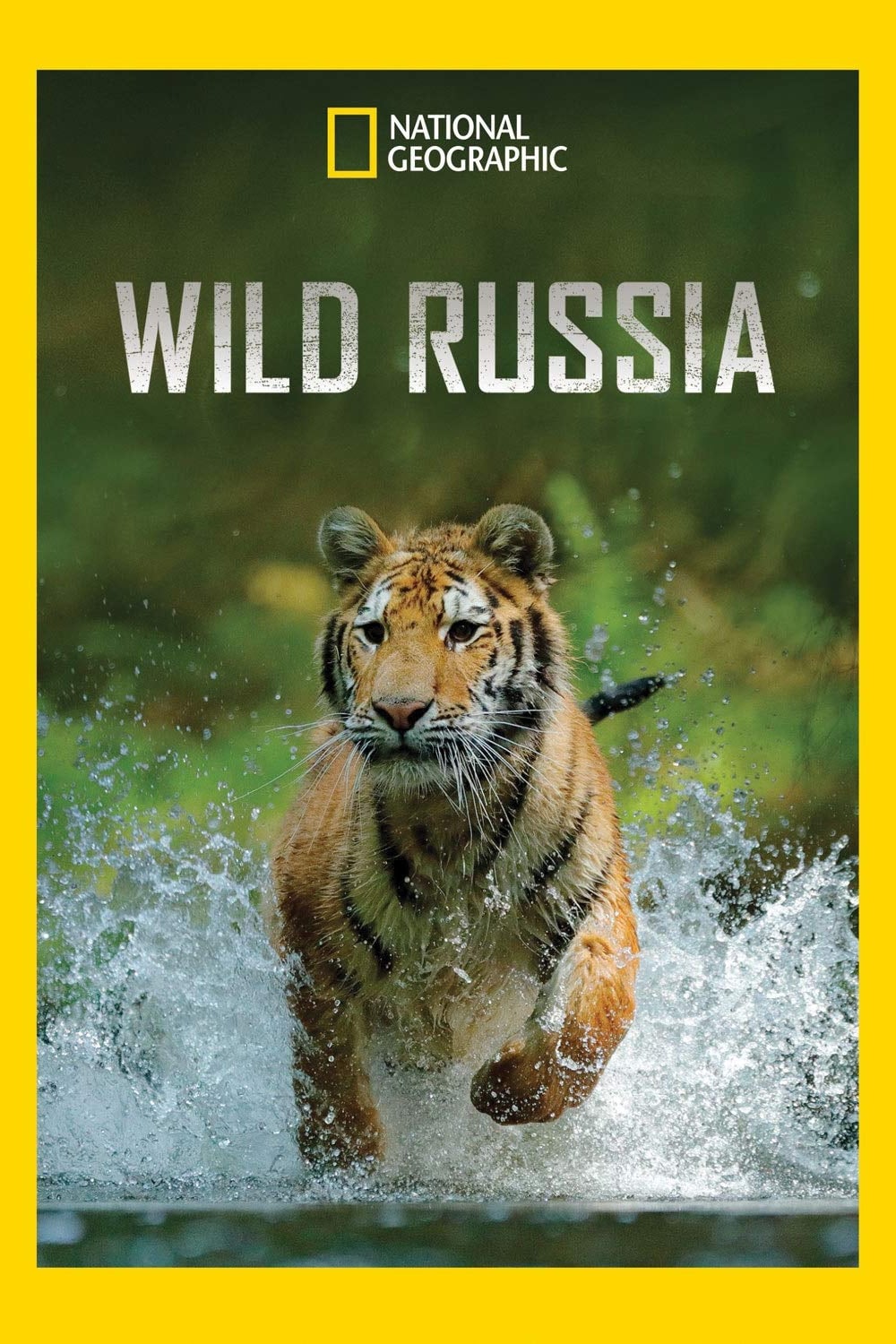
Through unprecedented access we showcase the spectacle that is Wild Russia. From east to west, via mountains, volcanoes, deserts, lakes and Arctic ice, this breathtaking six-part series uses stunning cinematography to chart the dazzling natural wonders of this vast country.
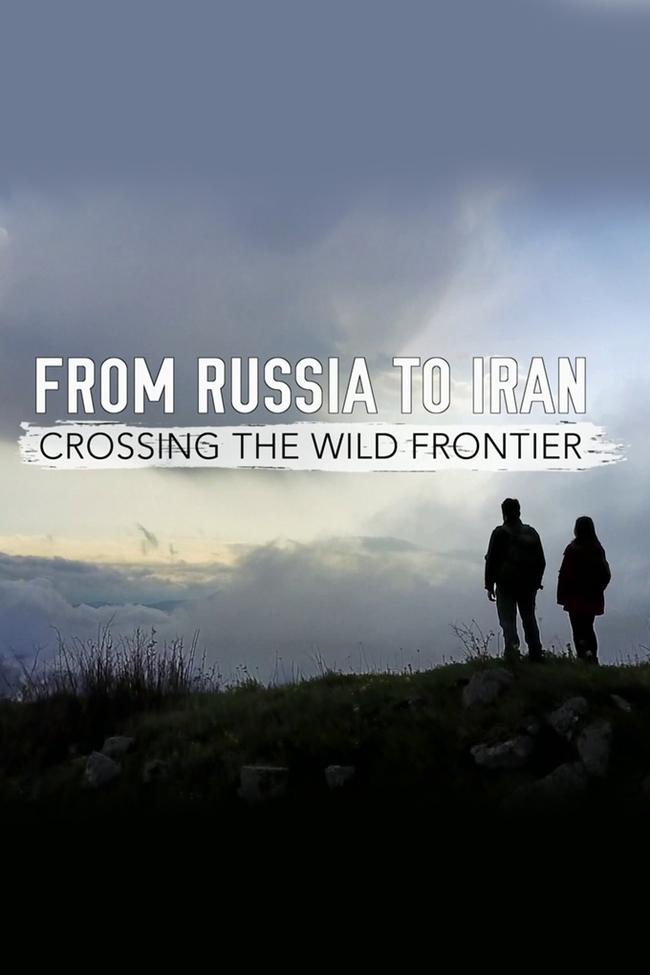
Explorer Levison Wood - famous for Walking the Nile, Walking the Himalayas and Walking the Americas - is taking on a new expedition in this four-part series: to cross the mighty Caucusus mountain range that lies between Russia and Iran. And as well as a new region of the world, Levison is taking a new approach to exploring: making his way by any means necessary. Travelling with the locals and living as they do, Levison's epic, 2,600-mile journey takes him through five countries, crossing the wild lands on the tense frontier between Europe and Asia and visiting some of the most fascinating and diverse people's on earth.
With firsthand accounts and access to prominent figures around the world, this comprehensive docuseries explores the Cold War and its aftermath.
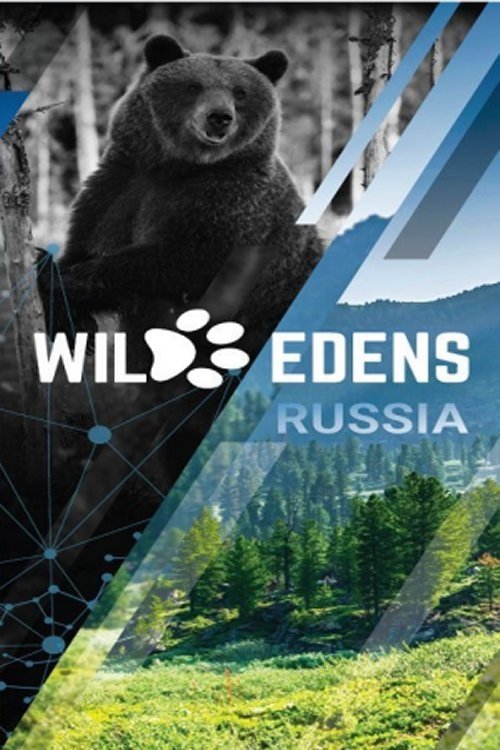
The WILD EDENS project was initiated by the State Atomic Energy Corporation “Rosatom” and includes the filming and broadcasting of a series of full-length documentaries on distant corners of nature, whose ecosystem is especially vulnerable to the effects of global warming. The main goal of the project is to attract the attention of the international community to climate change and the need for a global transition to clean energy. WILD EDENS: RUSSIA - the first film of the new series, telling about the flora and fauna of the one of a kind wild corners of Russia: the Altai Mountains, the Kamchatka Peninsula and the Arctic
Dan Snow uncovers the lost Vikings in America with Dr Sarah Parcak. As Sarah searches for Vikings across the Atlantic, Dan explores their journey 500 years before Columbus.
The series investigates Paolo Macchiarini’s claims to have invented a ground-breaking method to create new organs. His method using plastic tracheas sown with stemcells has been operated on patients in the US, Russia, Sweden and the UK. So far, unfortunately, the track record of his plastic organs is not very good. Almost all patients are dead. And several of his former surgeon colleagues in Sweden claim that not only does the method not work, but that his scientific claim to fame is based on falsified and misrepresented data. Some even claim that his patients have been used as human guinea-pigs.
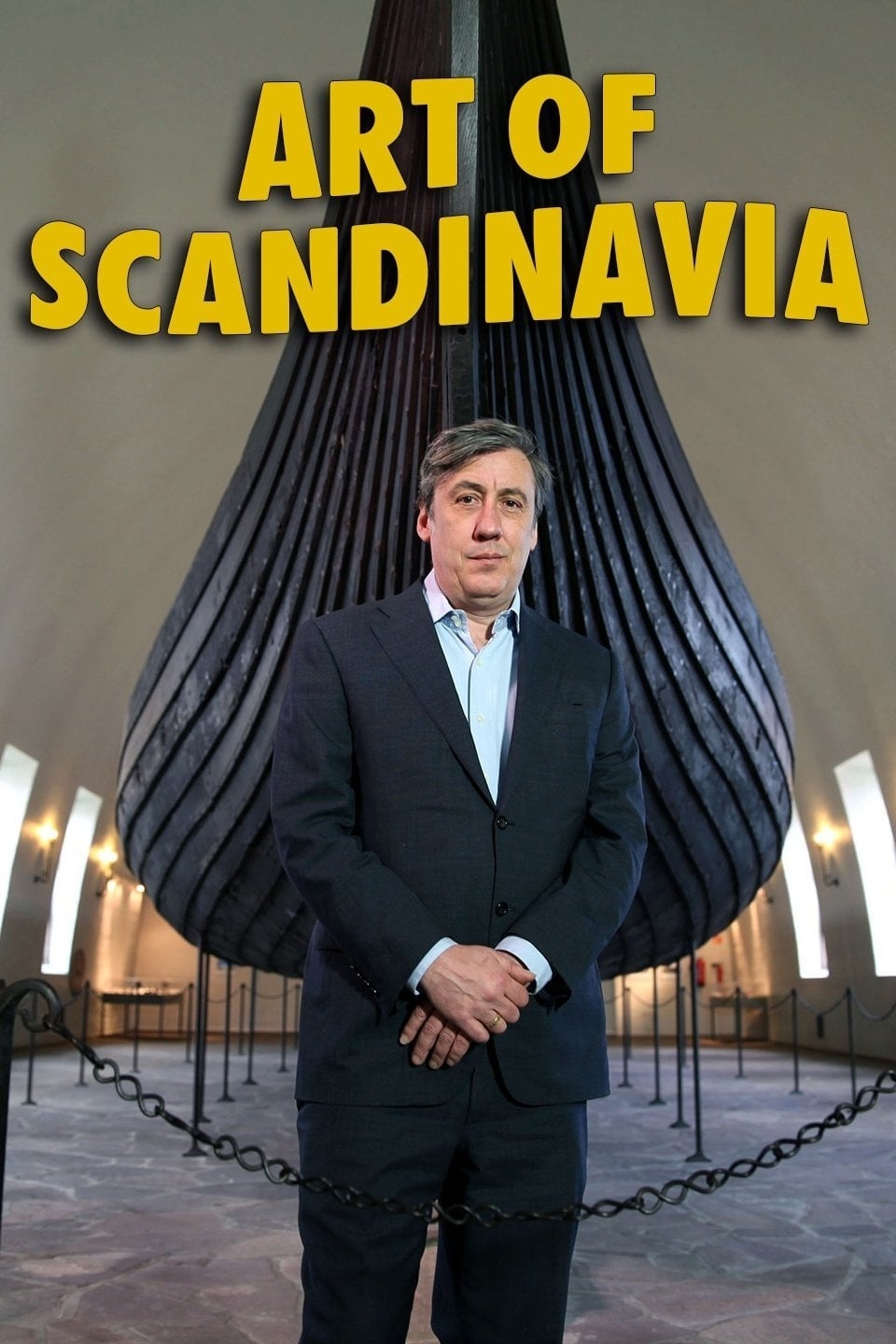
Andrew Graham-Dixon explores the history of Scandinavia through its art.
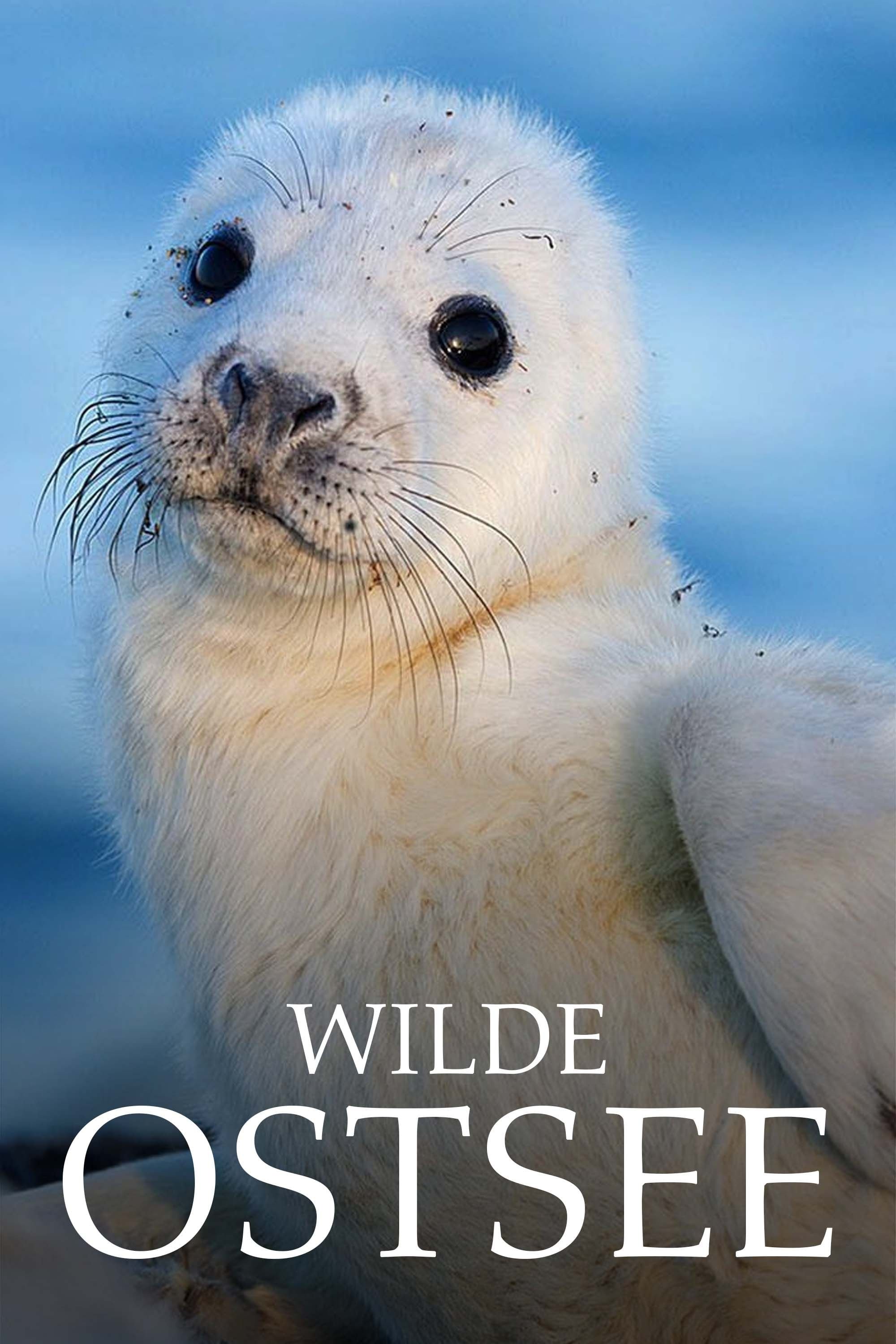
The nature of the Baltic Sea offers many surprises as demonstrated in the three-part series Wild Baltic Sea. From the Northern most tip of Denmark to the Curonian Spit, from the Estonian island world to the Bay of Bothnia. For the first time bottlenose dolphins and a Sowerby's beaked whale could be filmed in the Baltic Sea.
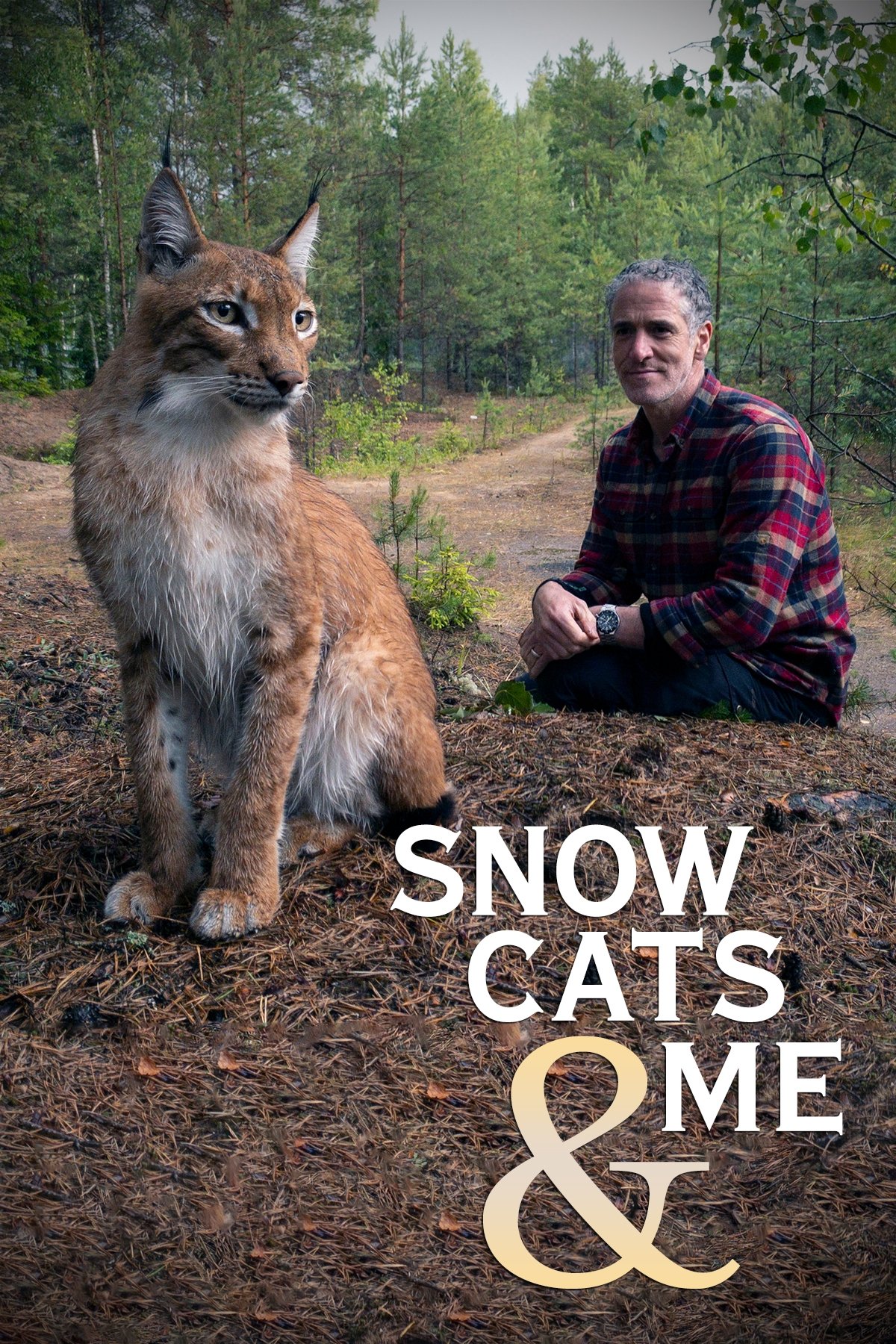
Gordon Buchanan helps cat expert Dr Victor Lukarevsky as he tries - for the first time ever - to rescue and rehabilitate lynx from the lucrative fur and pet trades back to the wild.
What it felt like to live through the collapse of communism and democracy. A series of films by Adam Curtis.
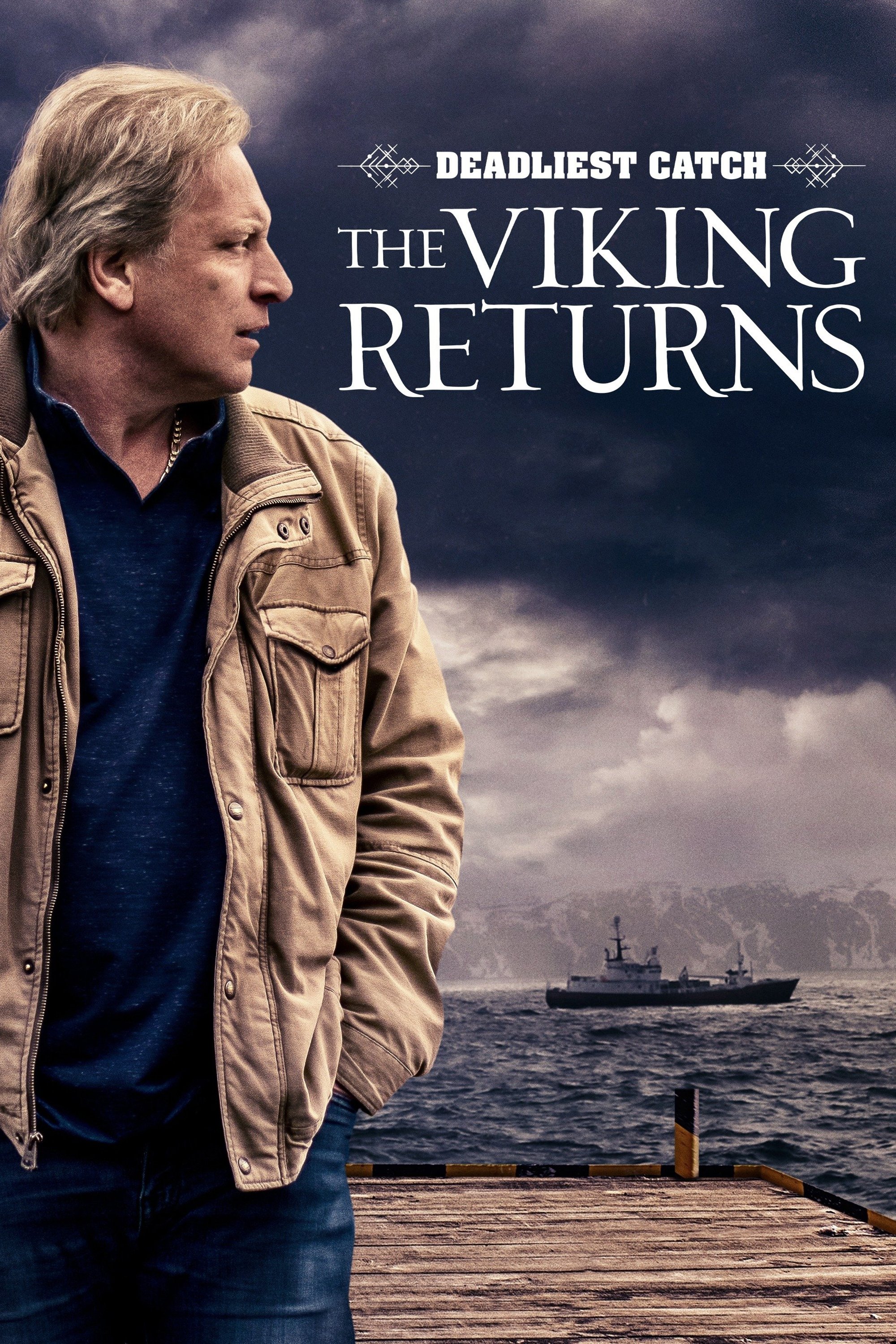
Sig Hansen lures his family back to their Norwegian homeland hoping to build a new king crab fishing empire. As co-captain Mandy begins her own family, starting over in the land of their ancestors becomes an unexpected journey to rediscover a lost legacy.
A documentary about the story of the Swedish pop wonder.
The Russian army has no shortage of weapons despite sanctions: With an arsenal mixing old Soviet stocks and modern hypersonic weapons, the country could strike Europe in minutes. An opaque network of spies, shell companies and oligarchs ensures its war capacity through the arms trade, technology theft and state-organized policy of terror.
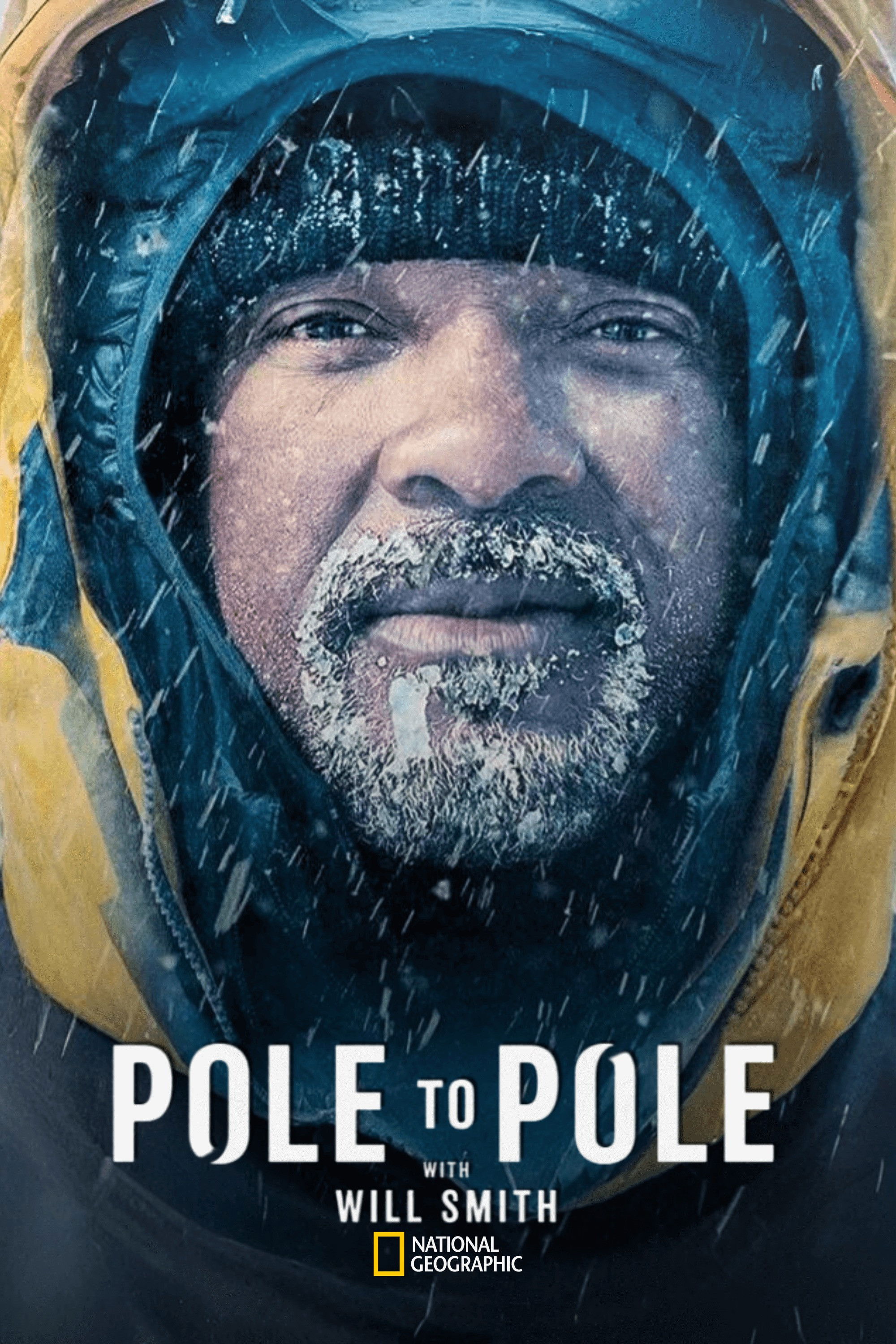
Inspired by his late mentor, Will Smith spends 100 days facing extreme challenges, venturing from pole to pole with scientists, explorers and experts.
Horizon tells amazing science stories, unravels mysteries and reveals worlds you've never seen before.
Motoring programme featuring reviews of and reports about cars of all types.
30 for 30 is the title for a series of documentary films airing on ESPN, its sister networks, and online highlighting interesting people and events in sports history. This currently includes four "volumes" of 30 episodes each, a 13-episode series under the ESPN Films Presents title in 2011–2012, and a series of 30 for 30 Shorts shown through the ESPN.com website. The series has also expanded to include Soccer Stories, which aired in advance of the 2014 FIFA World Cup, and audio podcasts. This entry refers to the main Volumes of the series presented by ESPN


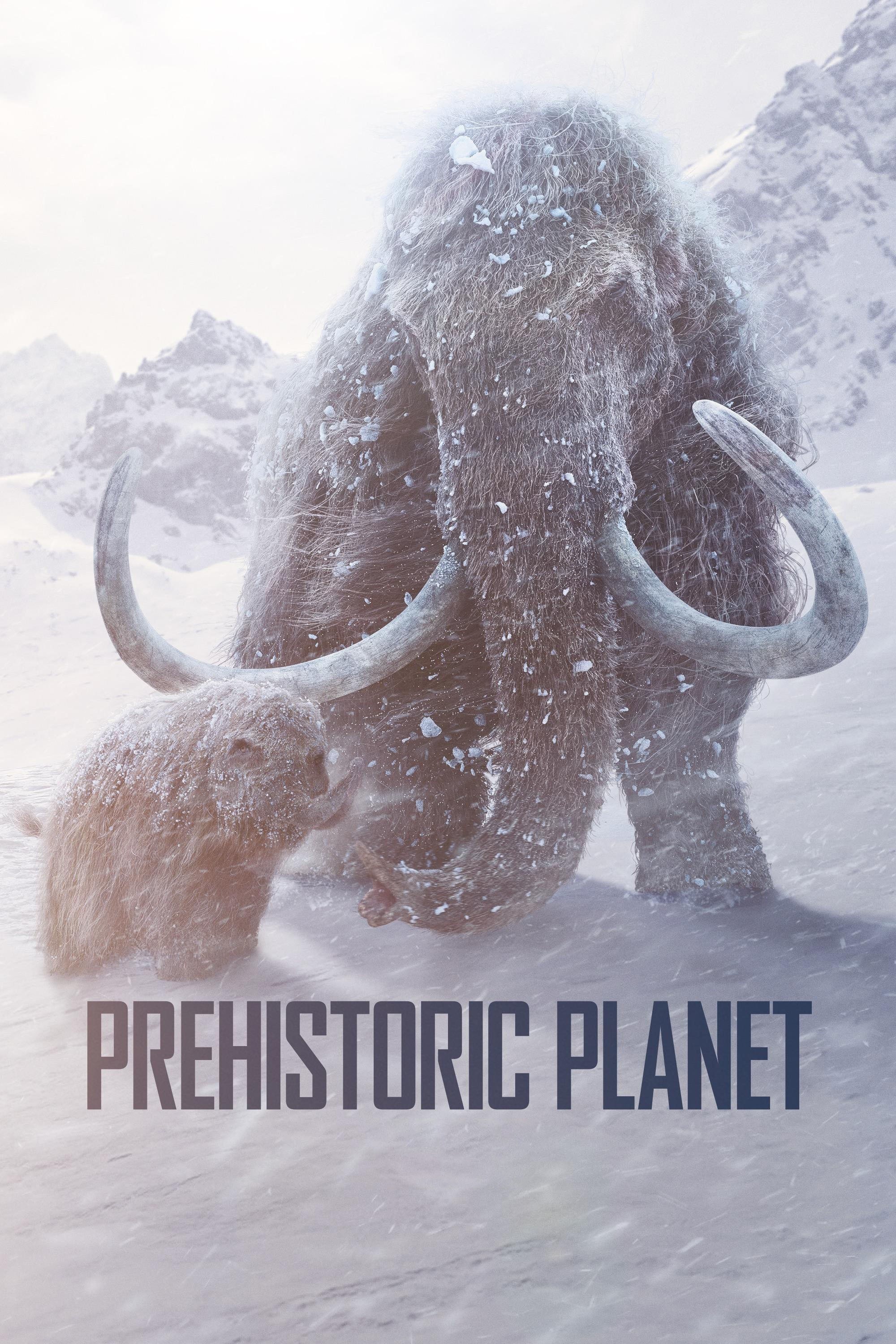
Experience the wonders of our world like never before in this epic series from Jon Favreau and the producers of Planet Earth. Travel back 66 million years to when majestic dinosaurs and extraordinary creatures roamed the lands, seas, and skies.
An insider's look at the engineering and scientific miracles behind the things that form the modern world.
TV's most-watched history series brings to life the compelling stories from our past that inform our understanding of the world today.
The history of the sport of baseball in America, told through archival photos, film footage, and the words of those who contributed to the game in each era. Writers, historians, players, baseball personnel, and fans review key events and the significance of the game in America's history.
An in-depth look at the history and pop cultural significance of horror films.
Natural World is a nature documentary television series broadcast annually on BBC Two and regarded by the BBC as its flagship natural history brand. It is currently the longest-running series in its genre on British television, with more than 400 episodes broadcast since its inception in 1983. Natural World is produced by the BBC Natural History Unit in Bristol, but individual programmes can be in-house productions, collaborative productions with other broadcasters or films made and distributed by independent production companies and purchased by the BBC. Natural World programmes are often broadcast as PBS Nature episodes in the USA. Since 2008, most Natural World programmes have been shot and broadcast in high definition.
This compelling series investigates the motives and m.o. of female murderers. While males are often driven by anger, impulse and destruction, women usually have more complex, long-term reasons to kill.
Award-winning actor and nervous explorer Eugene Levy steps out of his comfort zone for a whirlwind tour of the world's most beautiful and intriguing destinations.
MegaStructures is a documentary television series appearing on the National Geographic Channel in the United States and the United Kingdom, Channel 5 in the United Kingdom, France 5 in France, and 7mate in Australia. Each episode is an educational look of varying depth into the construction, operation, and staffing of various structures or construction projects, but not ordinary construction products. Generally containing interviews with designers and project managers, it presents the problems of construction and the methodology or techniques used to overcome obstacles. In some cases this involved the development of new materials or products that are now in general use within the construction industry. MegaStructures focuses on constructions that are extreme; in the sense that they are the biggest, tallest, longest, or deepest in the world. Alternatively, a project may appear if it had an element of novelty or are a world first. This type of project is known as a Megaproject.
Have you ever wondered how the products you use every day are made? How It's Made leads you through the process of how everyday products, such as apple juice, skateboards, engines, contact lenses, and many more objects are manufactured.
British television series which features unusual and often elaborate architectural homebuilding projects.
Don Wildman unearths relics from the world's greatest institutions to reveal secrets from the past. He examines each artifact to illuminate history's most incredible triumphs, sensational crimes and bizarre encounters.
PBS' premier science series helps viewers of all ages explore the science behind the headlines. Along the way, NOVA demystifies science and technology, and highlights the people involved in scientific pursuits.
Drivers, managers and team owners live life in the fast lane — both on and off the track — during each cutthroat season of Formula 1 racing.
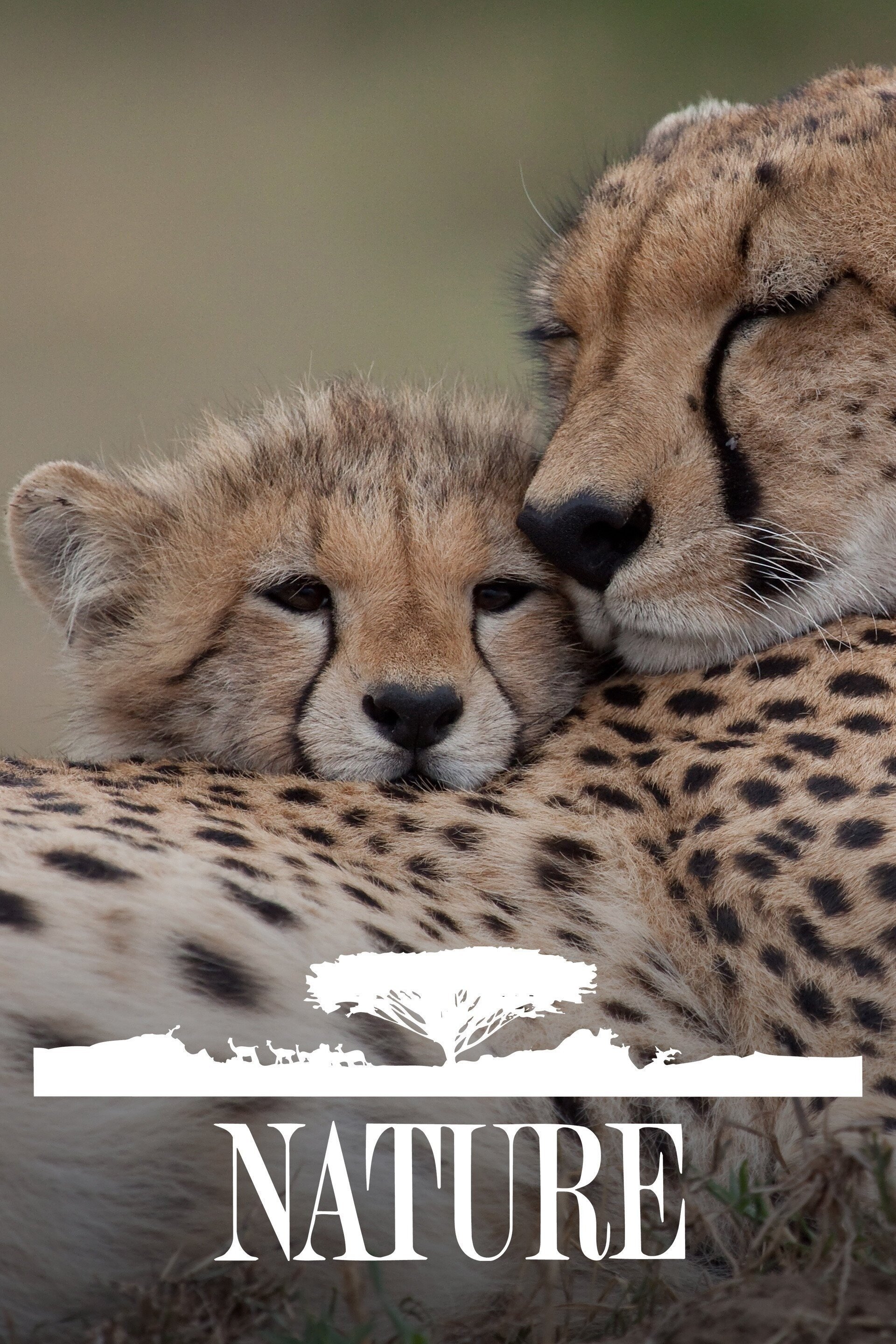
Consistently stunning documentaries transport viewers to far-flung locations ranging from the torrid African plains to the chilly splendours of icy Antarctica. The show's primary focus is on animals and ecosystems around the world. A comic book based on the show, meant to be used an as educational tool for kids, was briefly distributed to museums and schools at no cost in the mid-2000s.
Explore the surprising things we know (and don’t know) about why people are the way they are through expert interviews, rare footage from historical experiments, and brand-new, ground-breaking demonstrations of human nature at work.