Social & External
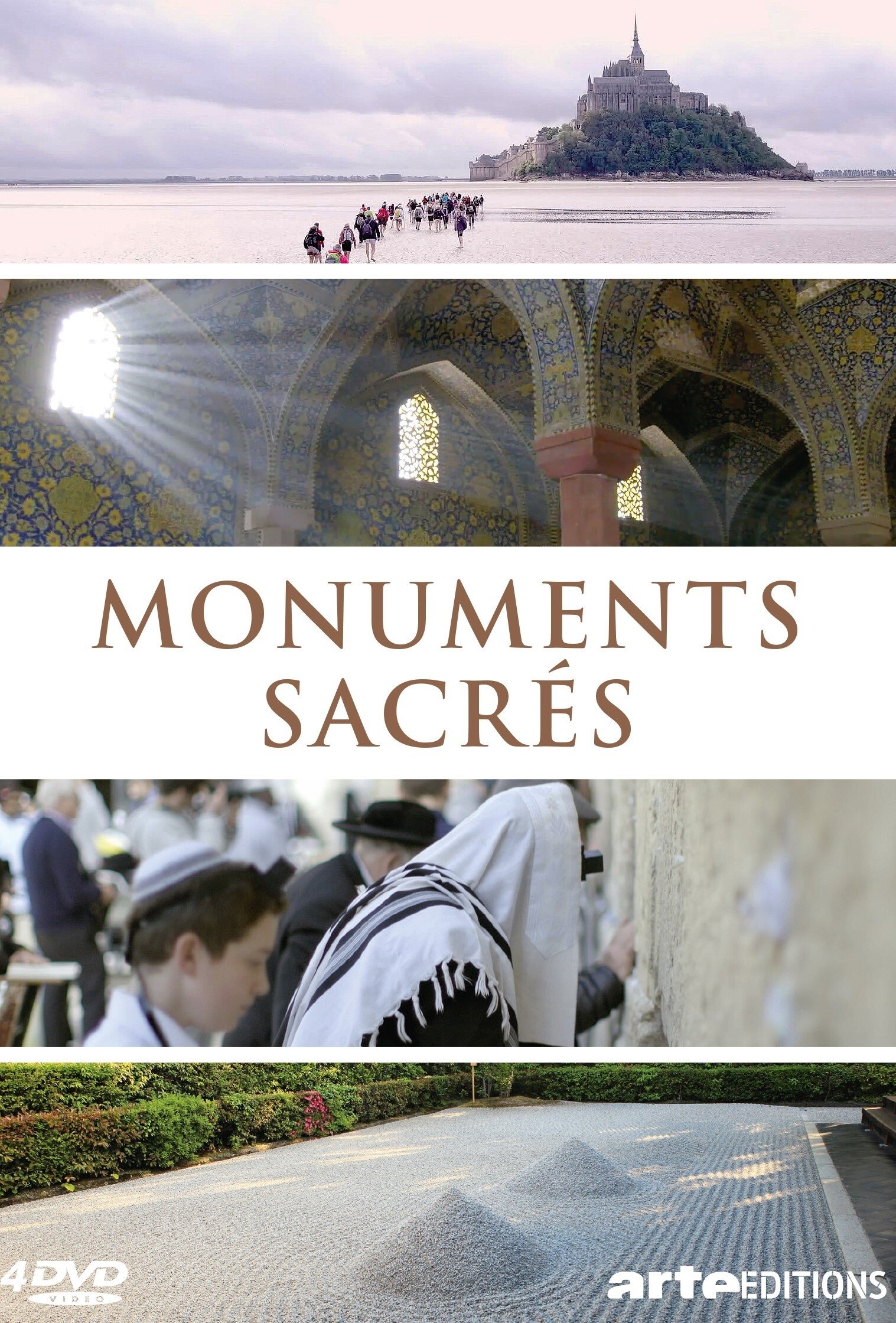
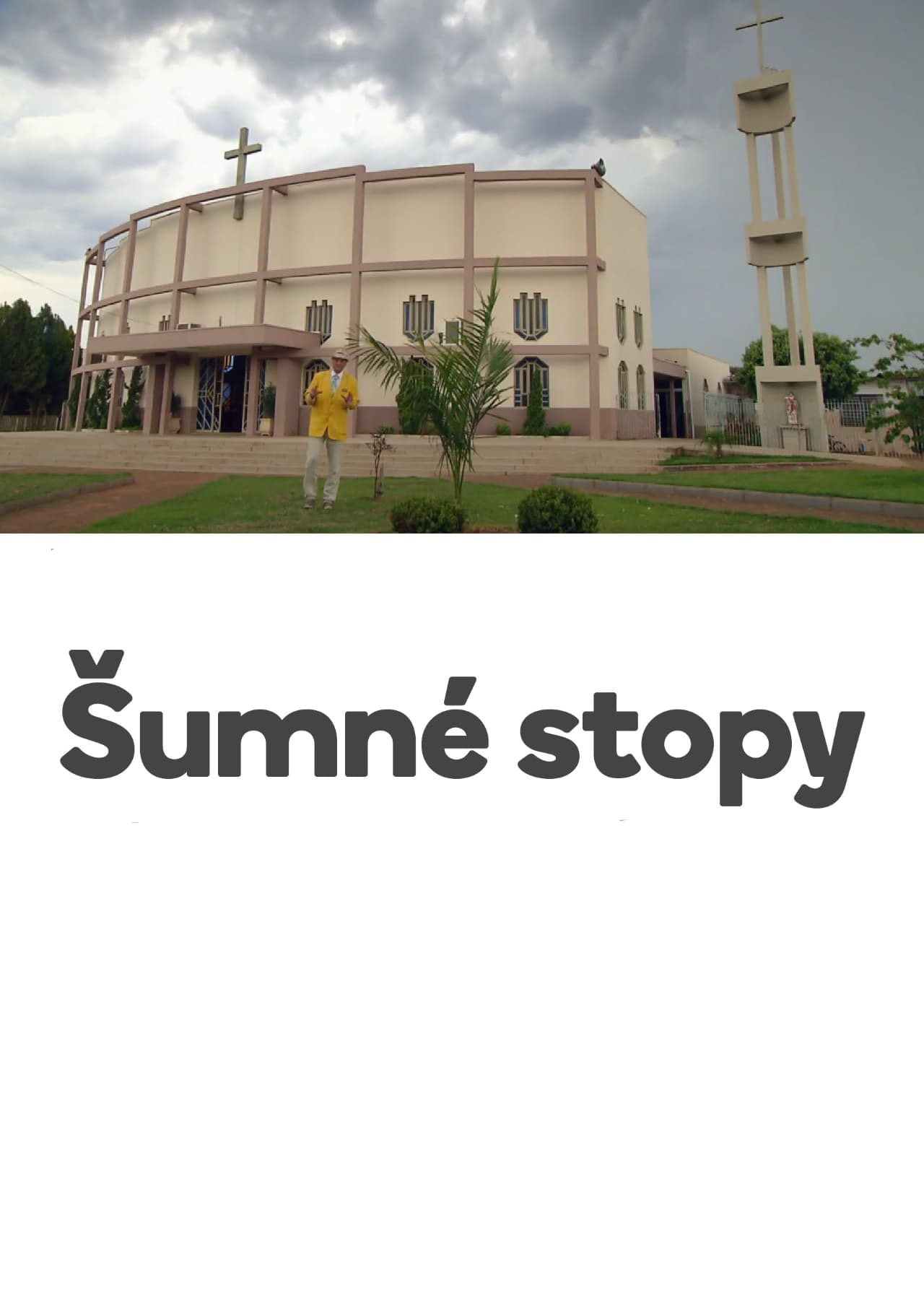
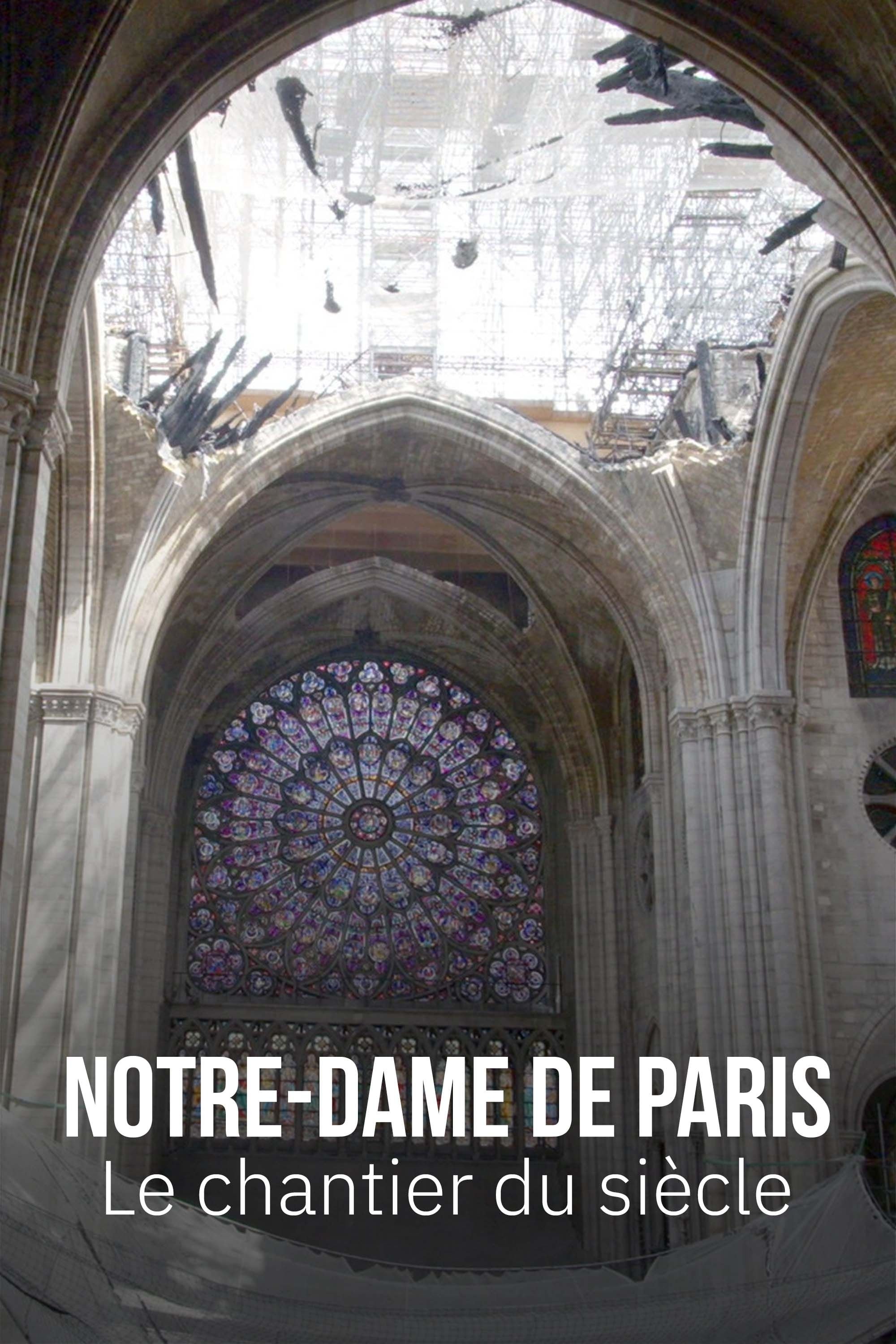
Hindu or Buddhist temples, synagogues, churches or mosques: religions have inspired architectural marvels. Four episodes to discover jewels of Muslim sacred art, masterpieces of Christian architecture, captivating Hindu and Buddhist buildings or even the most beautiful synagogues, witnesses of the history of the Jewish people.
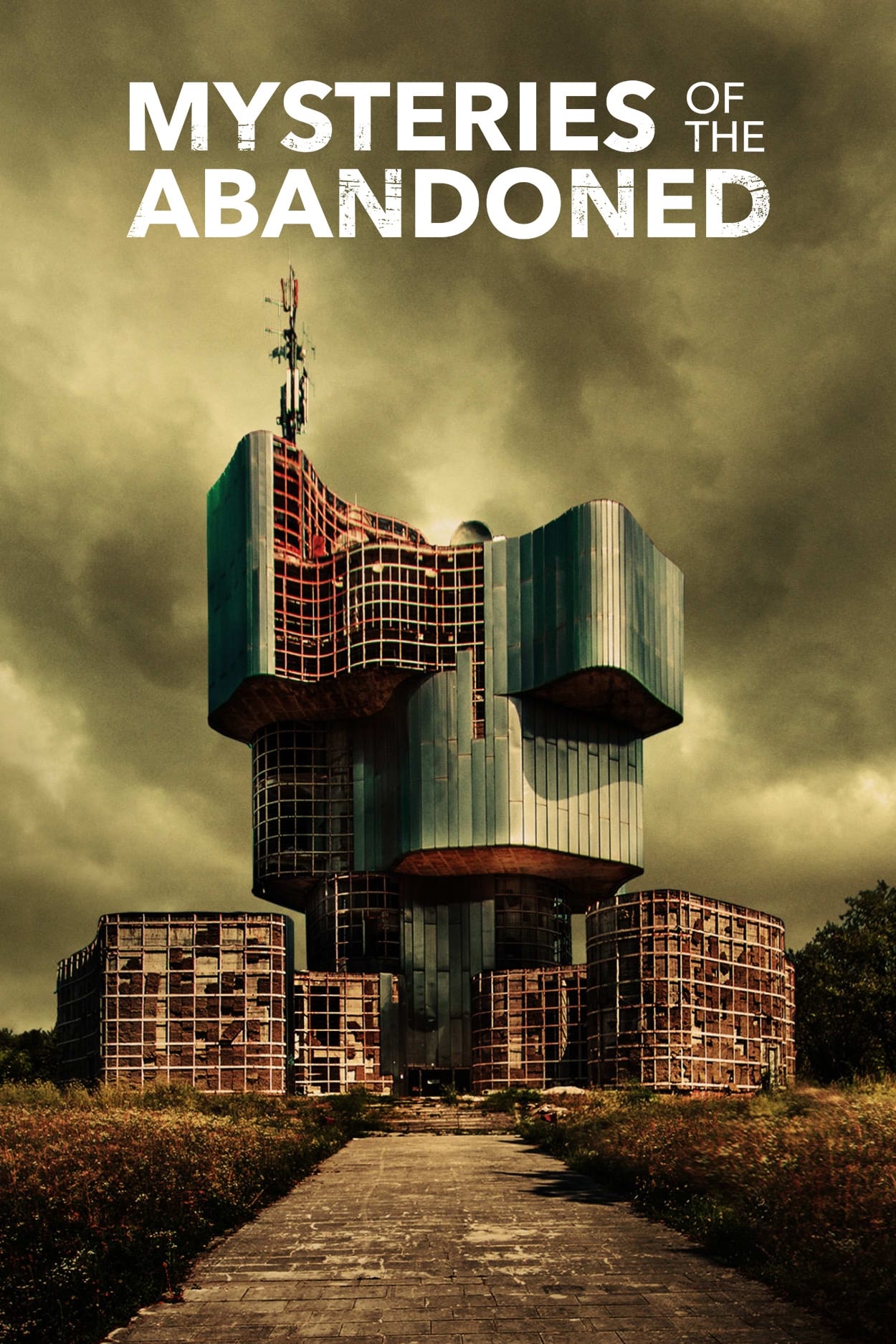
Documentary series investigating why some of the world's most advanced architectural achievements were abandoned.
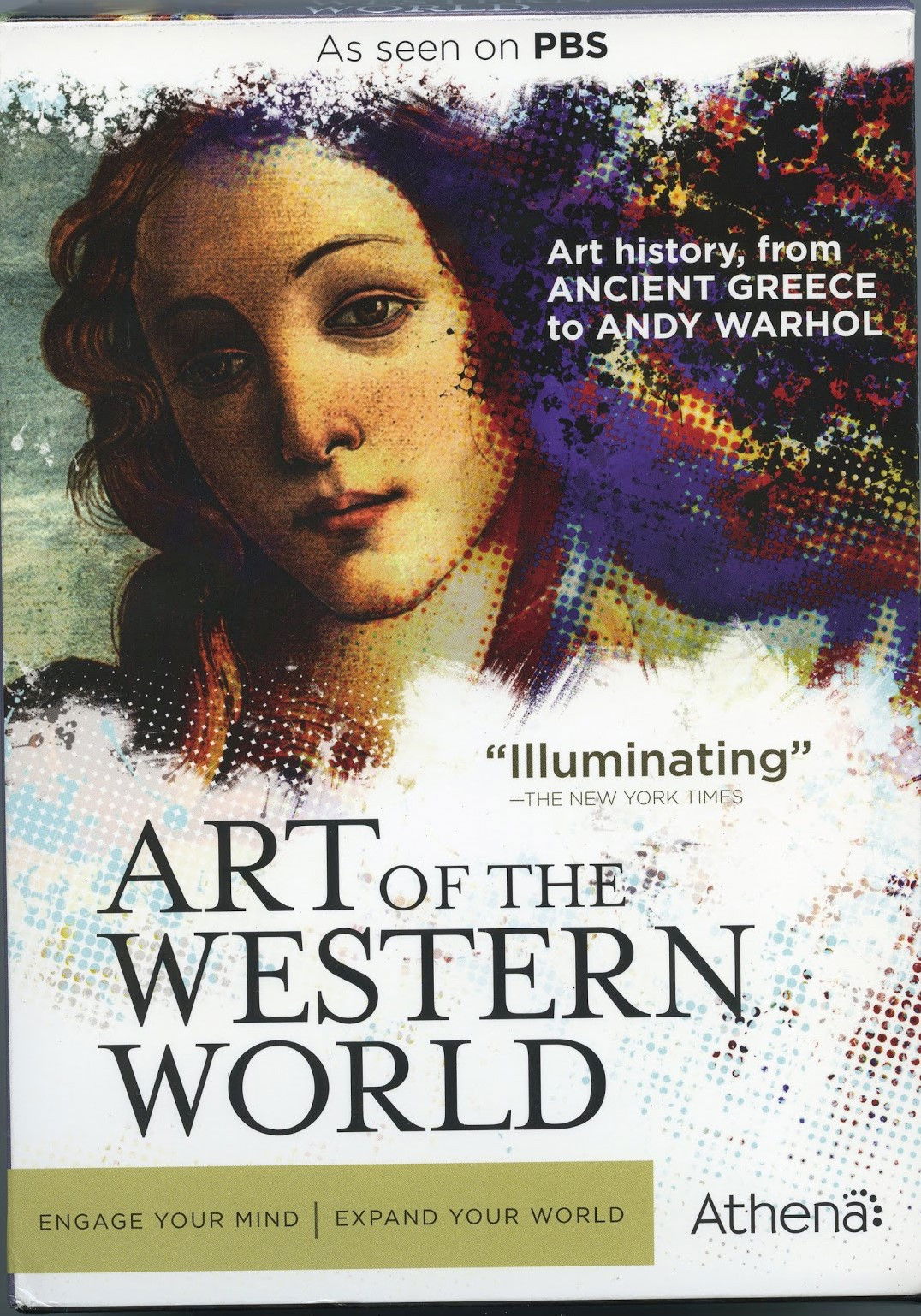
First broadcast on October 2, 1989, these 18 original 30-minute episodes provide a panorama of 2000 years of architecture, painting and sculpture, and studies the art masterpieces as reflections of the Western culture that produced them.
These are some of the most spectacular examples of abandoned engineering the world has ever known. The series explores how and why they were built, consider the financial and social costs of their failure and examine the environmental and ecological impacts. The series also explores how experts came up with plans to make something beautiful or useful from the ruins.
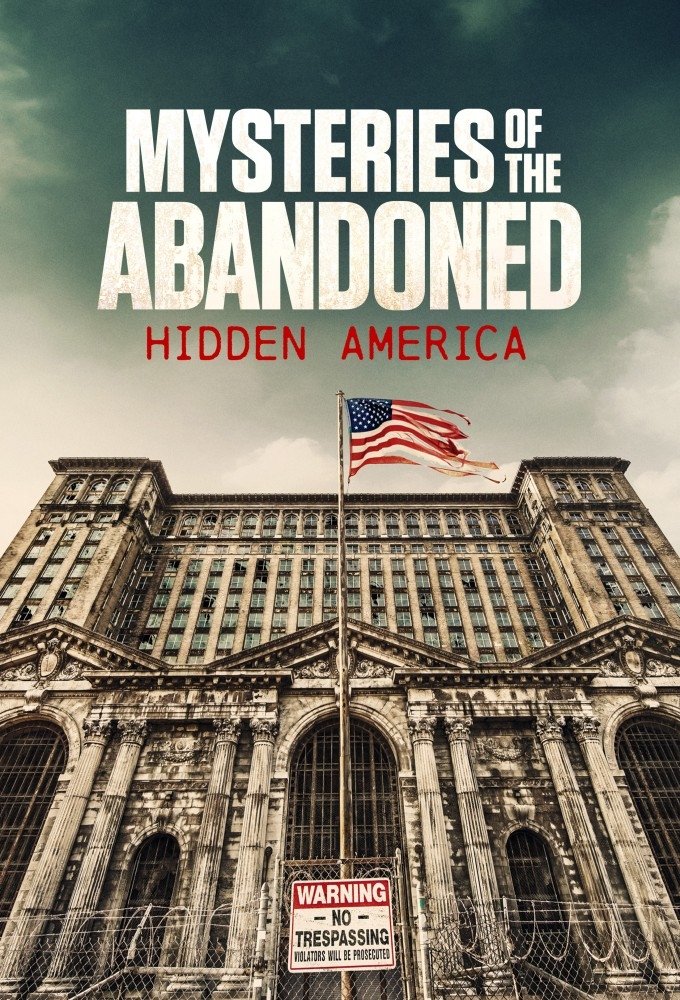
Scattered across the United States are abandoned structures, forgotten ruins of the past and monuments to a bygone era. Each one shines a light on the story of this land and its people, revealing the secrets of a hidden America.
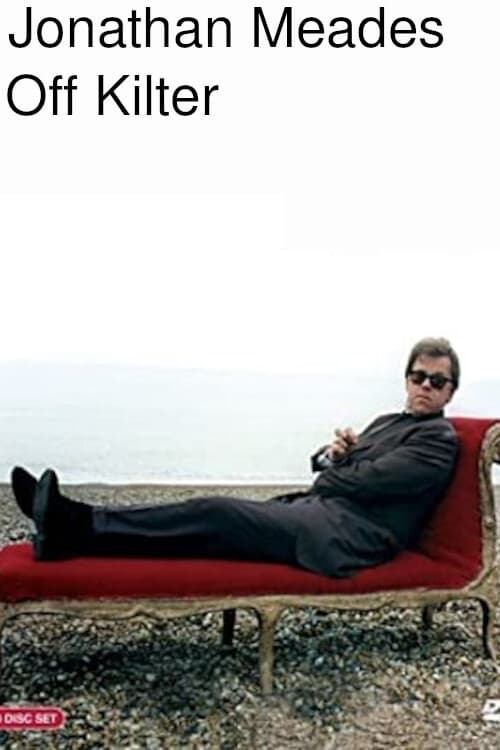
Jonathan Meades takes a quixotic tour of Scotland, a country which has intrigued him since he first encountered lists of towns only known from football coupons
Across Quebec, André Robitaille meets with individuals, organizations, and businesses that have embarked on renovations or restorations of unique historic buildings. Whether by vocation, business, or because fate has thrown an ambitious project their way, the people who have taken charge of these unforgettable places share their stories with passion. Through their experience, the show offers an open door to a host of fascinating heritage sites, where we understand that built heritage is more alive than ever.
Robert Hughes tackles the work and lives of three remarkable 20th-century architects: Albert Speer, Mies van der Rohe, and Antonio Gaudi - whose work did so much to shape the modern world. Hughes looks at how each one used space in different ways to express our response, respectively, to the power of religion (Gaudi), the power of the State (Speer), and the power of the corporation (Mies van der Rohe).
This four-part history series looks at how Australia has been shaped by its many definitions of home. Historic moments impacted homes, their designs, and the way we live as a society. From economic booms and busts to the fight for Land Rights and recognition, from various cultural migrations to the unrelenting force of nature, emerges a country building its way into the future.
Dateline NBC, or simply Dateline, is a weekly American television newsmagazine series. It was previously the network's flagship newsmagazine, but now focuses mainly on true crime stories with only occasional editions that focus on other topics.
Driven was a motoring television programme launched by Channel 4 in 1998 as a rival to the successful and long-running BBC series Top Gear. The style was similar to its rival, but with additional features such as the "Driven 100", a road test of three cars in the same class, where each car would be given marks for qualities such as practicality, desirability and cost of ownership. The car with the highest total score would be the winner. The programme launched with the concept that the presenters should interact with each other rather than present items on their own, as was then the case on Top Gear. The first series also featured a "headquarters", a racing team truck, set on a former air force base at which cars were put through their paces. These concepts resurfaced in the reborn Top Gear soon after.
Declassified is an American television series produced by Ten Worlds Productions on The History Channel that originally aired on November 9, 2004. The series takes viewers inside vaults and archives around the world to reveal the untold stories of modern history. With the fall of the Iron Curtain and the advent of market economies worldwide, new footage and materials are flooding out of formerly secret organizations like East Germany's Stasi, the Kremlin, the U.S. Central Intelligence Agency, and state television in Korea. Declassified reveals the stories behind the previously unseen footage with relentless, fast-cut montage and a rock beat. Declassified fuses modern graphics and editing, story-telling, rock music and expert interviews to bring to light the thrilling and secret tales of our modern era. The show's director Kosh, winner of three Grammy Awards, is the former creative director for Apple Records and designer for the Beatles and Eagles. Produced and created by Susan Shearer, John J. Flynn and Kosh. Executive produced by Carl Lindahl for the History Channel.
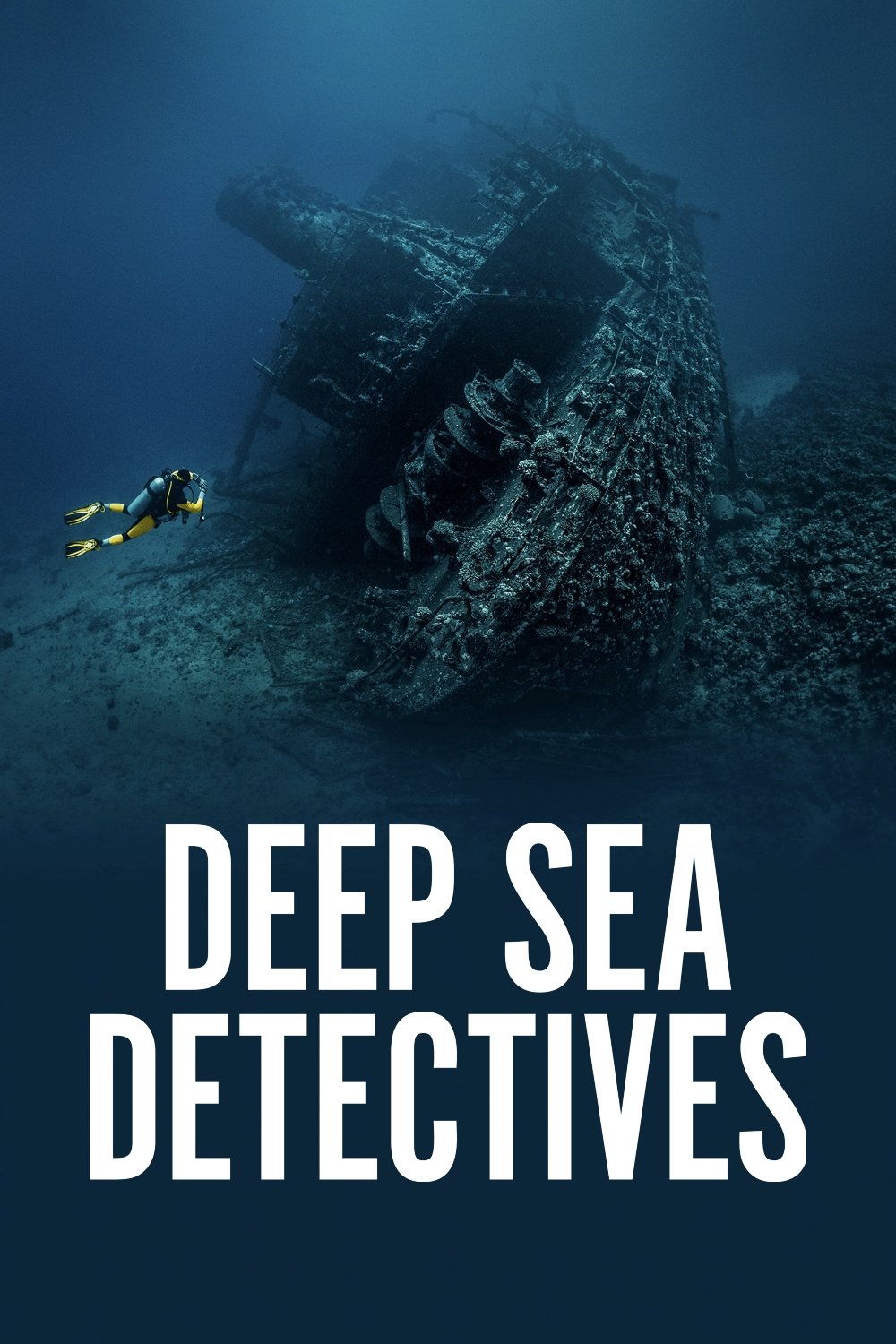
Deep Sea Detectives was a television show on The History Channel. The show began airing in 2003. In a post dated September 1, 2006 on the Deep Sea Detectives' message board, series producer Kirk Wolfinger stated that the show would not be renewed for another season.
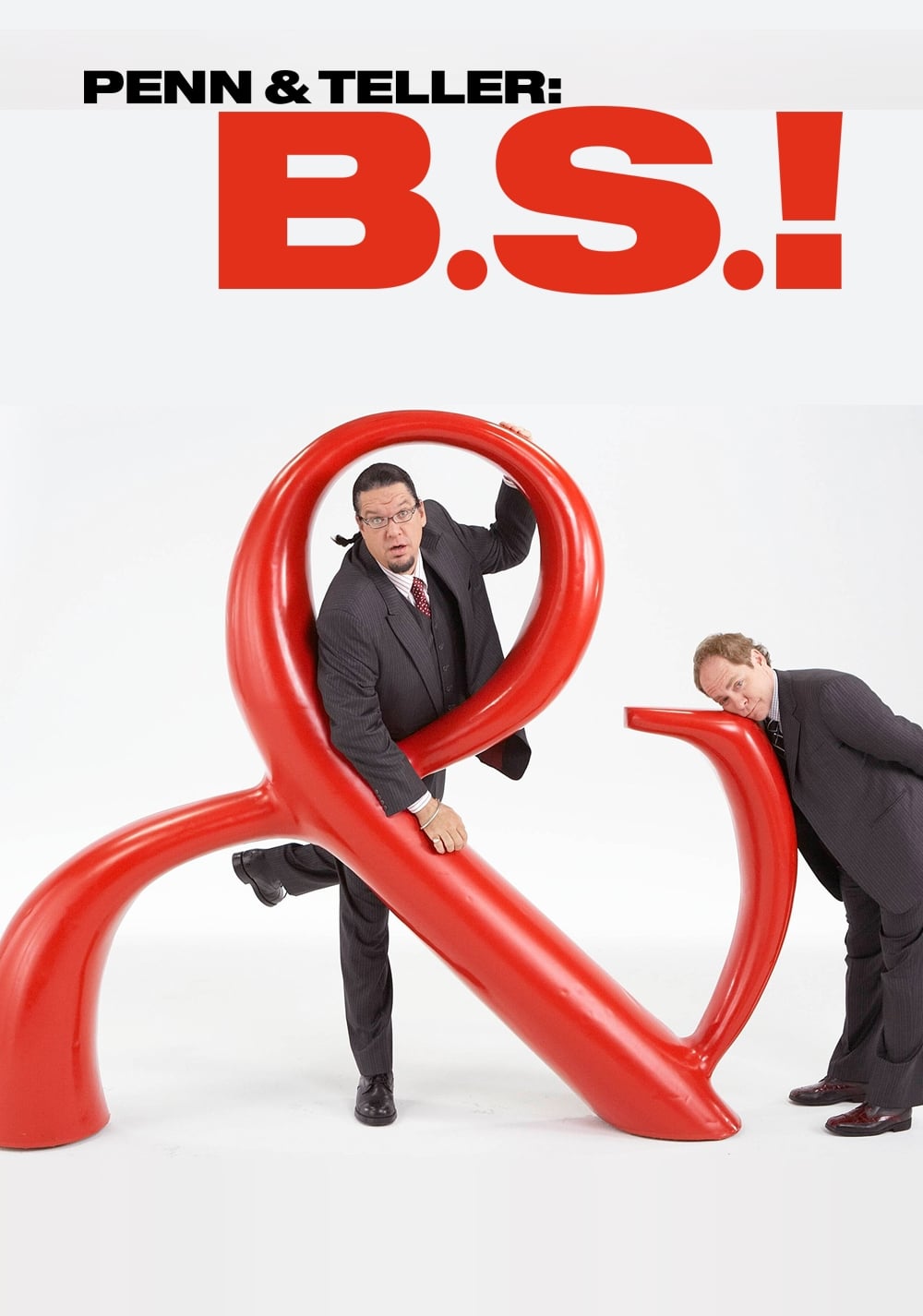
This daring original series stars postmodern bad boys of magic Penn & Teller as they question many of our culture's most cherished and widely held beliefs. From the truth about palm readings and TV psychics to the reality behind Feng Shui and Ouija boards, the archly comic masters of misdirection host this eye-opening analysis of the middle-ground between perception and reality.
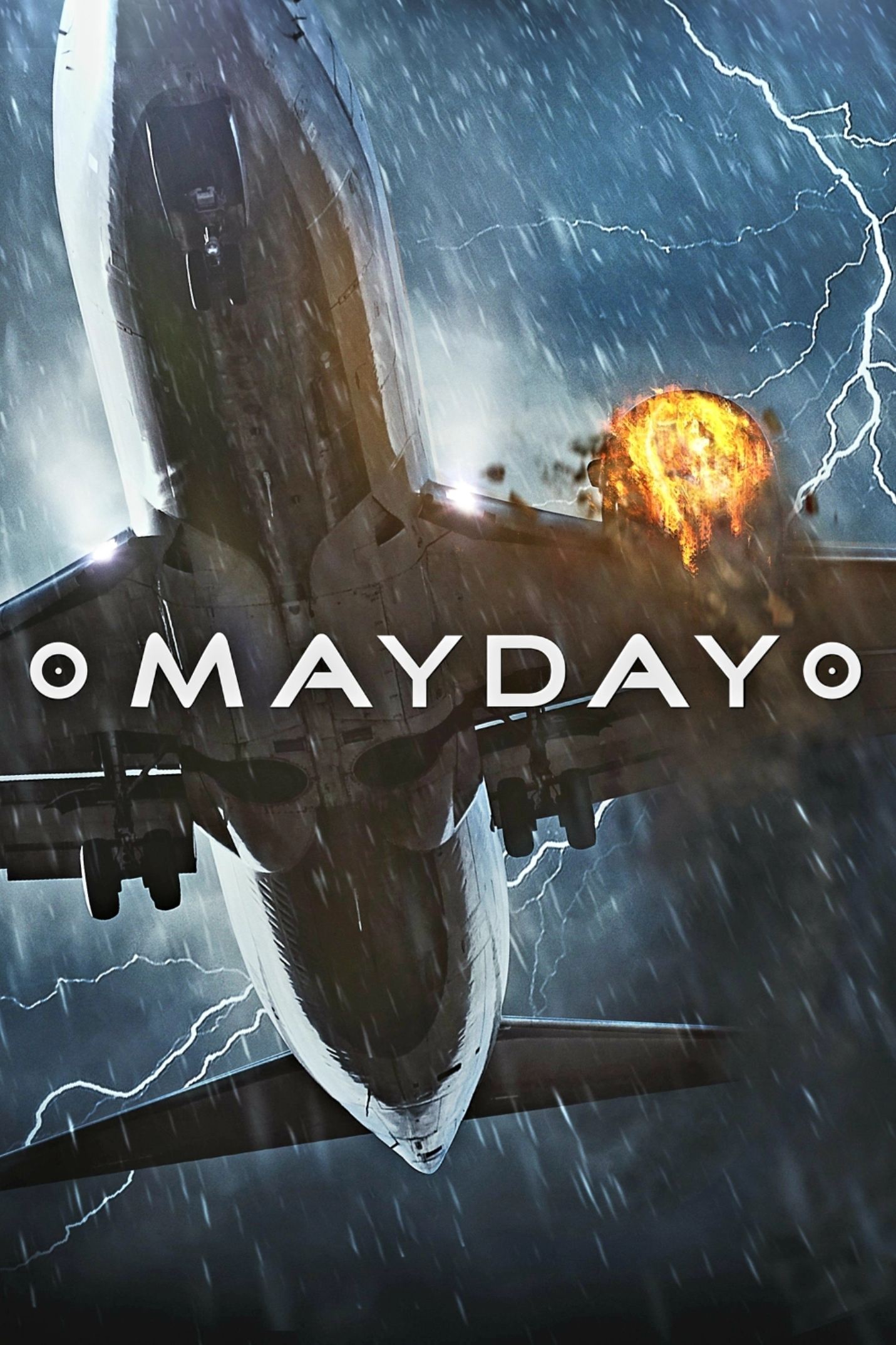
Major real-life air disasters are depicted in this series. Each episode features a detailed dramatized reconstruction of the incident based on cockpit voice recorders and air traffic control transcripts, as well as eyewitnesses recounts and interviews with aviation experts.
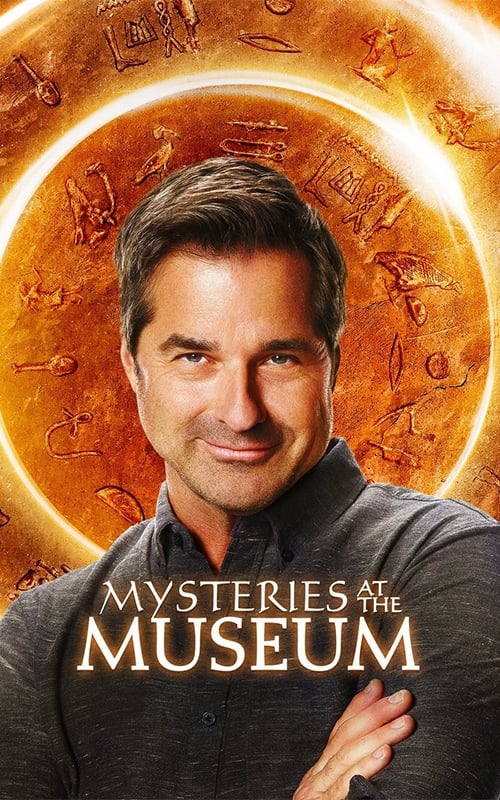
Don Wildman unearths relics from the world's greatest institutions to reveal secrets from the past. He examines each artifact to illuminate history's most incredible triumphs, sensational crimes and bizarre encounters.
An insider's look at the engineering and scientific miracles behind the things that form the modern world.
MegaStructures is a documentary television series appearing on the National Geographic Channel in the United States and the United Kingdom, Channel 5 in the United Kingdom, France 5 in France, and 7mate in Australia. Each episode is an educational look of varying depth into the construction, operation, and staffing of various structures or construction projects, but not ordinary construction products. Generally containing interviews with designers and project managers, it presents the problems of construction and the methodology or techniques used to overcome obstacles. In some cases this involved the development of new materials or products that are now in general use within the construction industry. MegaStructures focuses on constructions that are extreme; in the sense that they are the biggest, tallest, longest, or deepest in the world. Alternatively, a project may appear if it had an element of novelty or are a world first. This type of project is known as a Megaproject.
Motoring programme featuring reviews of and reports about cars of all types.
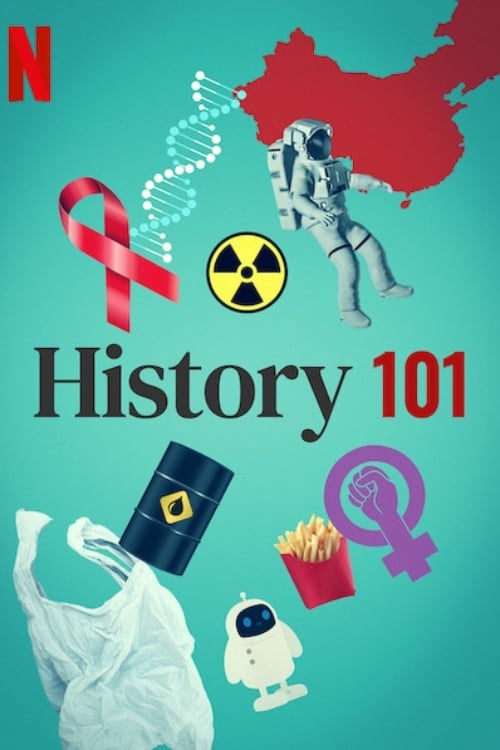
Infographics and archival footage deliver bite-size history lessons on scientific breakthroughs, social movements and world-changing discoveries.
British television series which features unusual and often elaborate architectural homebuilding projects.
Award-winning actor and nervous explorer Eugene Levy steps out of his comfort zone for a whirlwind tour of the world's most beautiful and intriguing destinations.
American Masters is a PBS television series which produces biographies on enduring writers, musicians, visual and performing artists, dramatists, filmmakers, and others who have left an indelible impression on the cultural landscape of the United States.
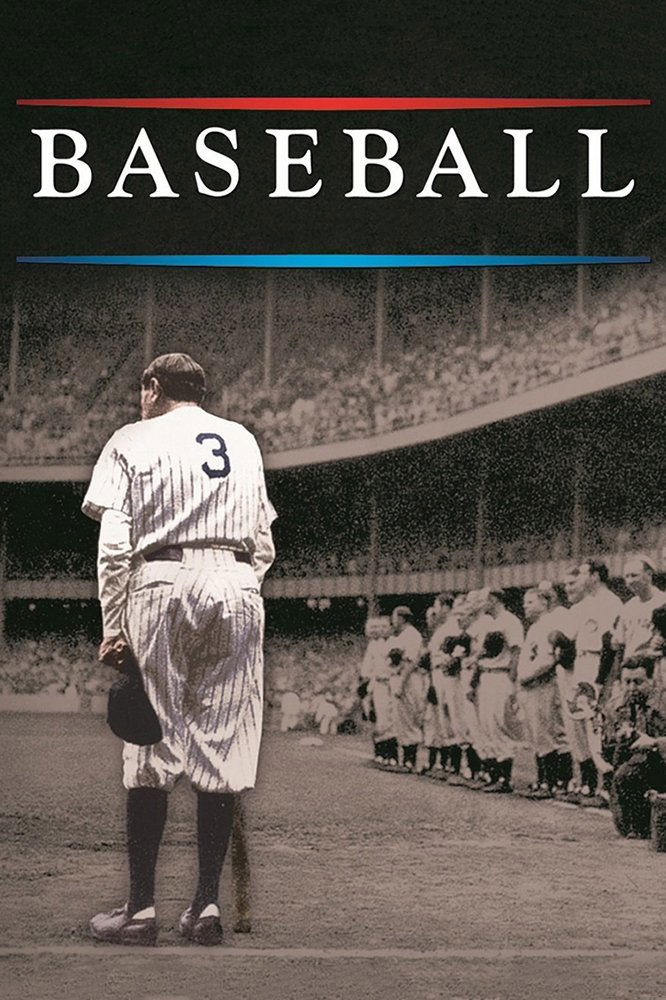
The history of the sport of baseball in America, told through archival photos, film footage, and the words of those who contributed to the game in each era. Writers, historians, players, baseball personnel, and fans review key events and the significance of the game in America's history.
This compelling series investigates the motives and m.o. of female murderers. While males are often driven by anger, impulse and destruction, women usually have more complex, long-term reasons to kill.
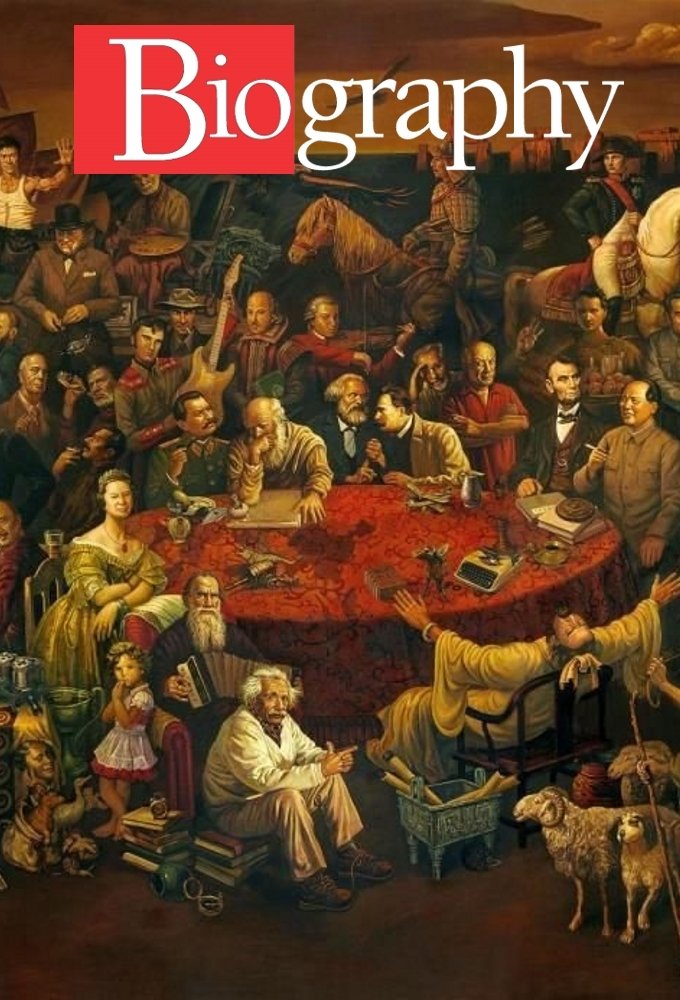
Biography is a documentary television series. It was originally a half-hour filmed series produced for CBS by David Wolper from 1961 to 1964 and hosted by Mike Wallace. The A&E Network later re-ran it and has produced new episodes since 1987. The older version featured historical figures such as Helen Keller and Mark Twain, or long-dead entertainment figures such as Will Rogers or John Barrymore. The A&E series has placed the emphasis on such people as Marilyn Monroe, Elvis Presley, Plácido Domingo, Freddie Mercury, Jacqueline Kennedy Onassis, Eric Clapton, Pope John Paul II, Gene Tierney, Selena, Diego Rivera, Mao Zedong and Queen Elizabeth II, and fictional characters like The Phantom, Superman, Hamlet, Betty Boop, and Santa Claus. The program ended up profiling enough figures that in 1999, A&E spun it off into an entire network, The Biography Channel.
TV's most-watched history series brings to life the compelling stories from our past that inform our understanding of the world today.
30 for 30 is the title for a series of documentary films airing on ESPN, its sister networks, and online highlighting interesting people and events in sports history. This currently includes four "volumes" of 30 episodes each, a 13-episode series under the ESPN Films Presents title in 2011–2012, and a series of 30 for 30 Shorts shown through the ESPN.com website. The series has also expanded to include Soccer Stories, which aired in advance of the 2014 FIFA World Cup, and audio podcasts. This entry refers to the main Volumes of the series presented by ESPN
An in-depth look at the history and pop cultural significance of horror films.
Based on the popular BBC series running since 1979, the PBS Antiques Roadshow combines history with discovery. Each year, the show visits a handful of cities to appraise items brought in by viewers. Are these items worth a lot of money, more than the visitors expect?
Doctor Who Confidential is a documentary to complement the revival of the long-running British science fiction television series Doctor Who. Each episode was broadcast on BBC Three on Saturdays, immediately after the broadcast of the weekly television episode on BBC One. The running time of the first two series was 30 minutes, being extended to 45 minutes in the third. BBC Three also broadcast a cut-down edition of the programme, lasting 15 minutes, shown after the repeats on Sundays and Fridays and after the weekday evening repeats of earlier seasons.
Natural World is a nature documentary television series broadcast annually on BBC Two and regarded by the BBC as its flagship natural history brand. It is currently the longest-running series in its genre on British television, with more than 400 episodes broadcast since its inception in 1983. Natural World is produced by the BBC Natural History Unit in Bristol, but individual programmes can be in-house productions, collaborative productions with other broadcasters or films made and distributed by independent production companies and purchased by the BBC. Natural World programmes are often broadcast as PBS Nature episodes in the USA. Since 2008, most Natural World programmes have been shot and broadcast in high definition.
Horizon tells amazing science stories, unravels mysteries and reveals worlds you've never seen before.
Morgan Freeman presents his quest in order to find how most religions perceive life after death, what different civilizations thought about the act of creation and other big questions that mankind has continuously asked.