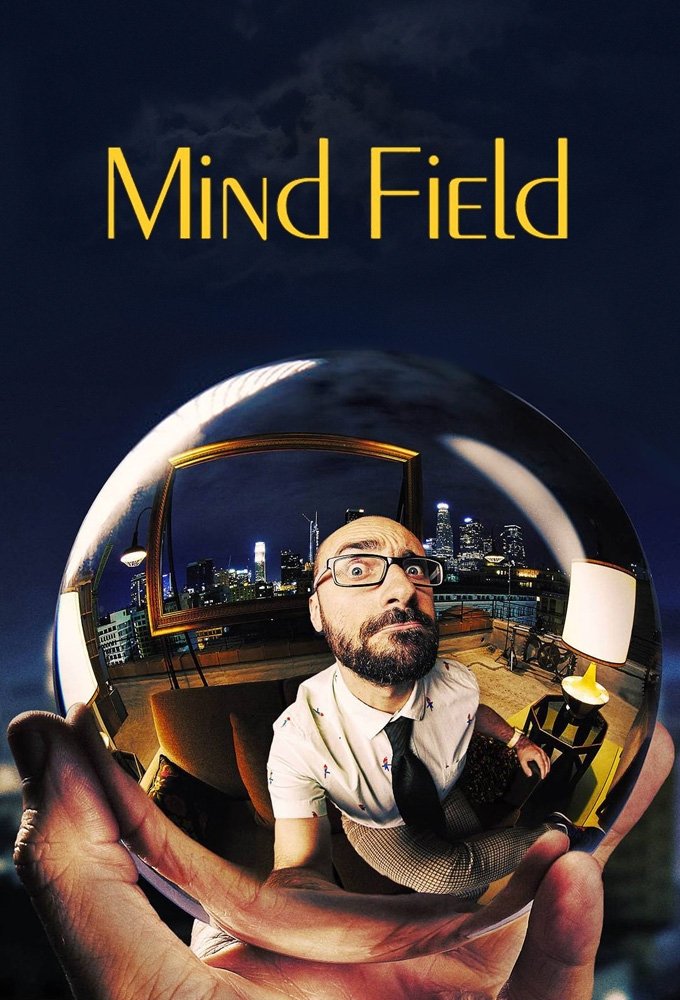
Michael Mosley embarks on three journeys to understand science's last great frontier - the human mind - as he traces the history of the attempts to understand and manipulate the brain.
Social & External
Self - Presenter
In this "entertaining medical series" (The Sunday Times, U.K.), Dr. Michael Mosley shows how drugs have revolutionized medicine and changed the course of human history. Unfolding over a period of 200 years, it's an extraordinary tale of daring, self-experimentation, revelation, genius, and outright luck.
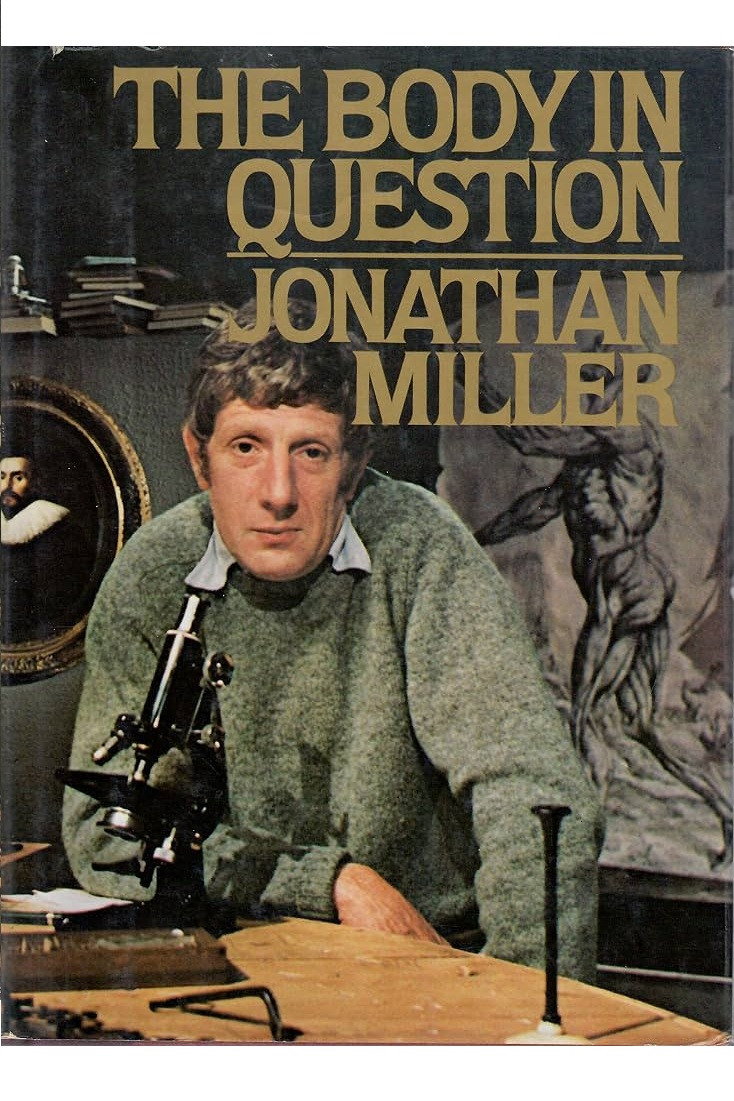
The Body in Question is a landmark British medical documentary series of 13 shows made for the BBC. It was a groundbreaking show, being the first to ever televise an autopsy (in the final show on 29 Jan 1979). Dr Jonathan Miller considers the functioning of the body as a subject of private experience. He explores our attitudes towards our bodies, our ignorance of them, and our inability to read our body's signals. The first episode starts with vox populi asking where various organs in the body are located. By the final episode we are left in no doubt. Taking as his starting point the experience of pain, Dr Miller analyses the elaborate social process of "falling ill", considers the physical foundations of "disease" and looks at the types of individuals humankind has historically attributed with the power of healing. The series was nominated for two 1979 BAFTAs: Best Factual Television Series and Most Original Programme/Series.
The series investigates Paolo Macchiarini’s claims to have invented a ground-breaking method to create new organs. His method using plastic tracheas sown with stemcells has been operated on patients in the US, Russia, Sweden and the UK. So far, unfortunately, the track record of his plastic organs is not very good. Almost all patients are dead. And several of his former surgeon colleagues in Sweden claim that not only does the method not work, but that his scientific claim to fame is based on falsified and misrepresented data. Some even claim that his patients have been used as human guinea-pigs.
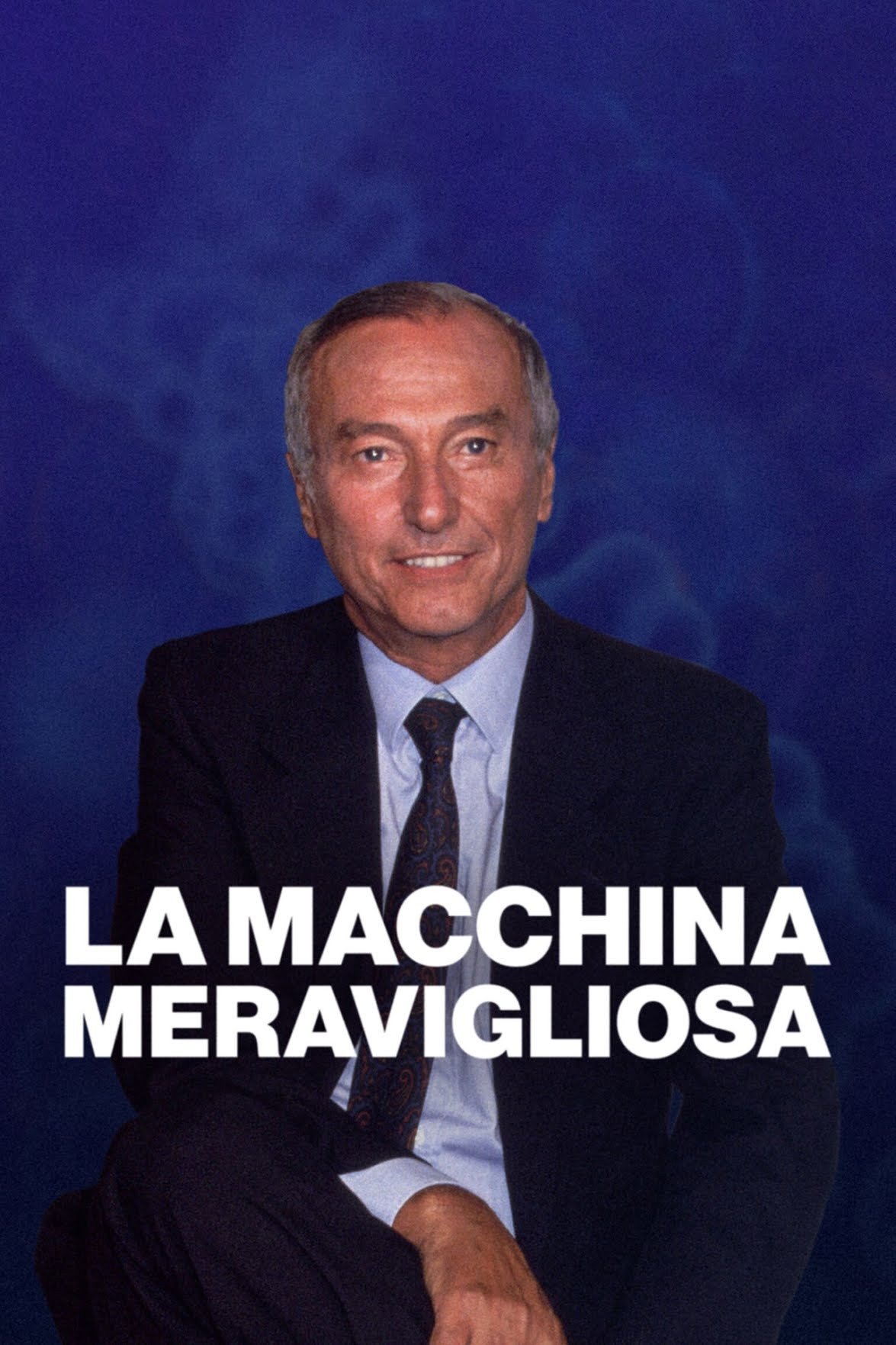
A long journey in 8 episodes to discover the human body, with Piero Angela who closely observes our organism, focusing each time on a theme: the eye, the ear, taste and smell, the stomach and the intestine, liver, bones, lungs and heart. How does our "wonder machine" work? To make each explanation direct and clear, the program uses films, animations and photographs developed with the scanning electron microscope.
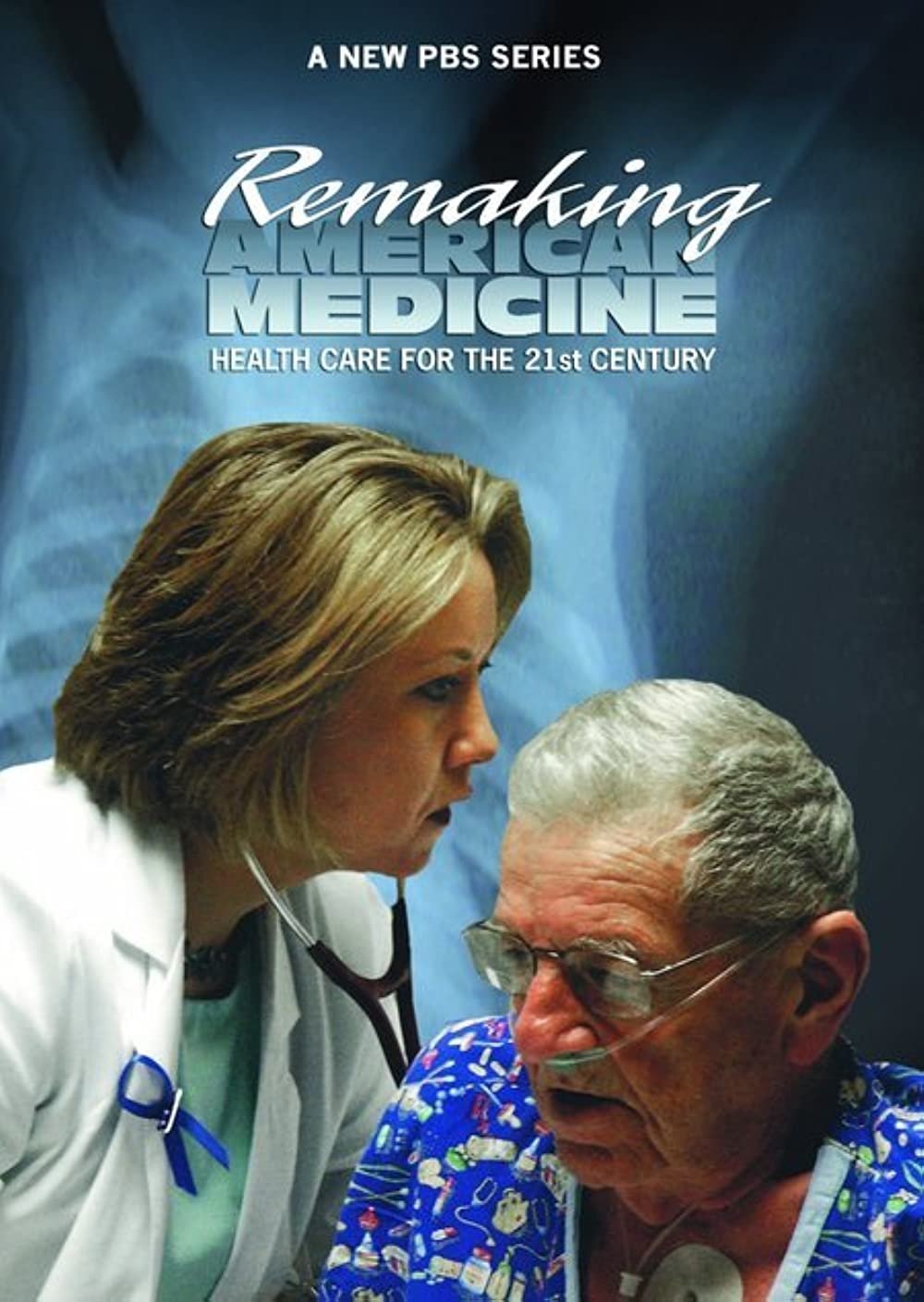
Examining the quality crisis in our health-care system and exploring innovative solutions, this four-part PBS documentary provides a comprehensive look at the state of medicine in America today. Topics include patient safety, medical and medication mistakes, hospital-acquired infections, family-centered care and effective management of chronic disease. Moving personal stories highlight the problems and the people who are working to solve them.
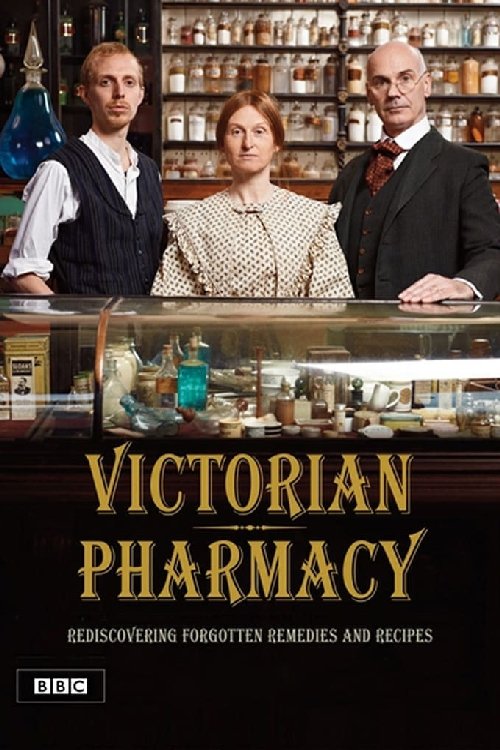
Victorian Pharmacy is a historical documentary TV series in four parts, first shown on BBC Two in July 2010. It was made for the BBC by independent production company Lion Television. It was filmed at Blists Hill Victorian Town in Shropshire. It is a historical documentary that looks at life in the 19th Century and how people attempted to cure common ailments. Since some of the ingredients of Victorian remedies are now either illegal or known to be dangerous, Nick Barber often uses his modern pharmaceutical knowledge to produce similar products without those ingredients. The other main presenters are Tom Quick, a PhD student, and Ruth Goodman, a domestic historian who also appeared in Tales from the Green Valley, Victorian Farm and Edwardian Farm.
Some people see their lives dramatically turned upside down because they waited for too long before seeking care. The documentary series showcases individual who should have rapidly consulted with a doctor when the first signs of illness appeared, before the situation became critical.
Follow teens in treatment as they work to reclaim their lives in the face of eating disorders, suicidal depression and other mental health issues.
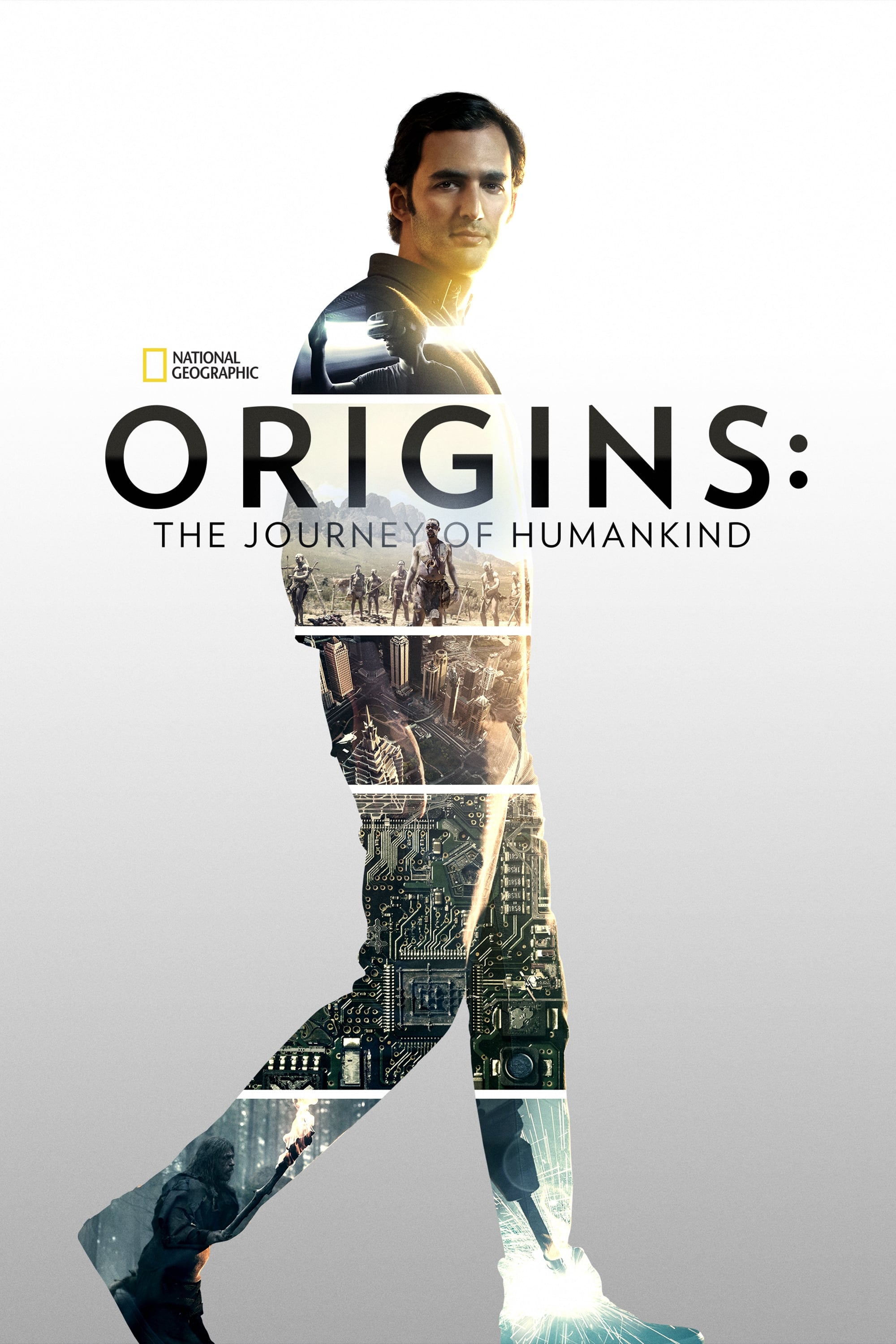
Hosted by Jason Silva, Origins: The Journey of Humankind rewinds all the way back to the beginning and traces the innovations that made us modern.
Surgeon Gabriel Weston introduces us to people from across the globe with the world's most unique bodies.
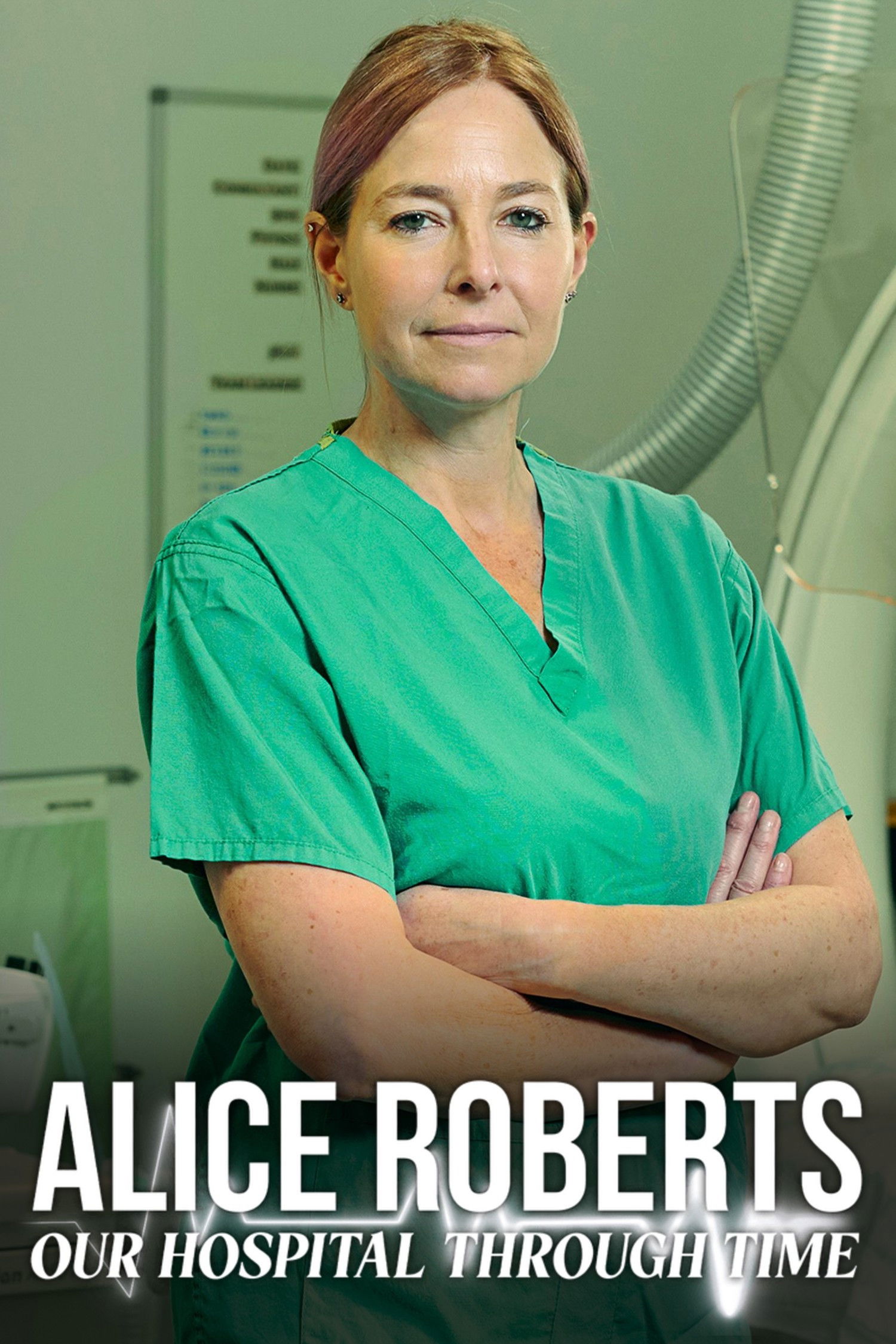
Unprecedented access to the renowned hospital's modern wards and private archive.
Who really laced Tylenol with cyanide? This true-crime series examines alarming theories behind the unsolved killings — and tracks down a key suspect.
A fascinating insight into the evolution of modern medicine as we explore the medical treatments for certain issues from past to present, seeing just how much we have learned through trial and error. The series is also a chance to see how medical advancements are currently used to treat problems in the fields of oncology, ophthalmology, dentistry, neurology, obstetrics and orthopaedics, and to see what the future may hold.
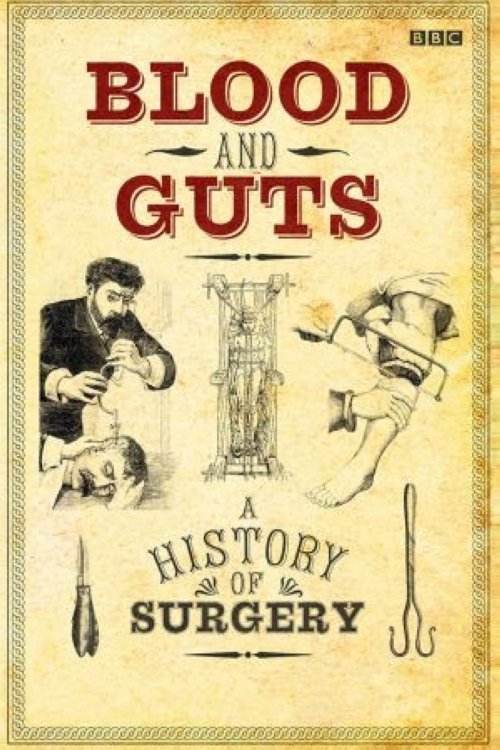
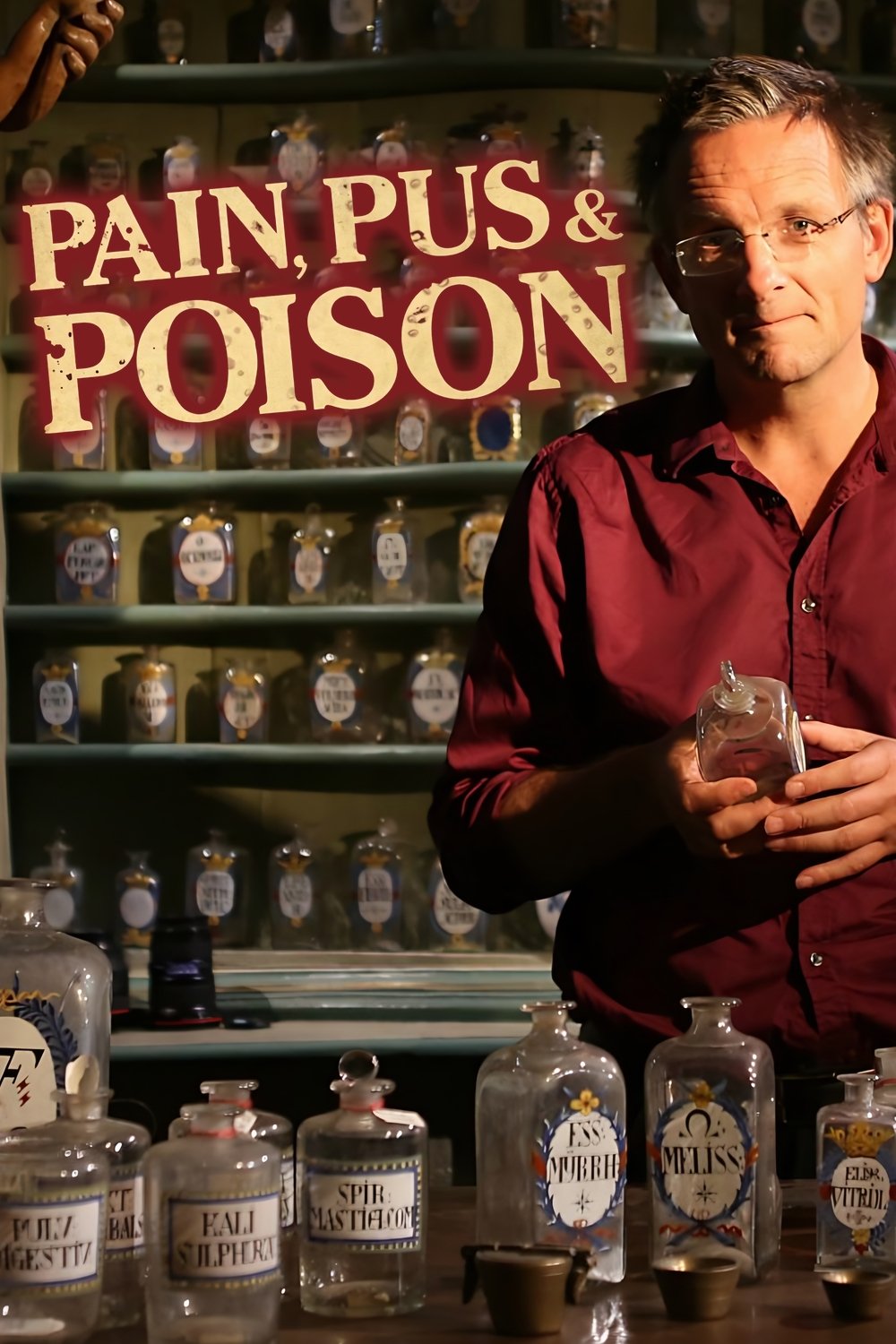
From the pioneering work of Galen on Roman gladiators to the latest advances in plastic surgery, this five-part series illustrates the evolution of surgical techniques—a story as much of mishaps and misadventures as it is of successes and amazing advances. Filmed in America and Europe and presented by the charismatic and medically trained Michael J. Mosley. Contains surgical scenes of a graphic nature. A BBC Production. 5-part series.
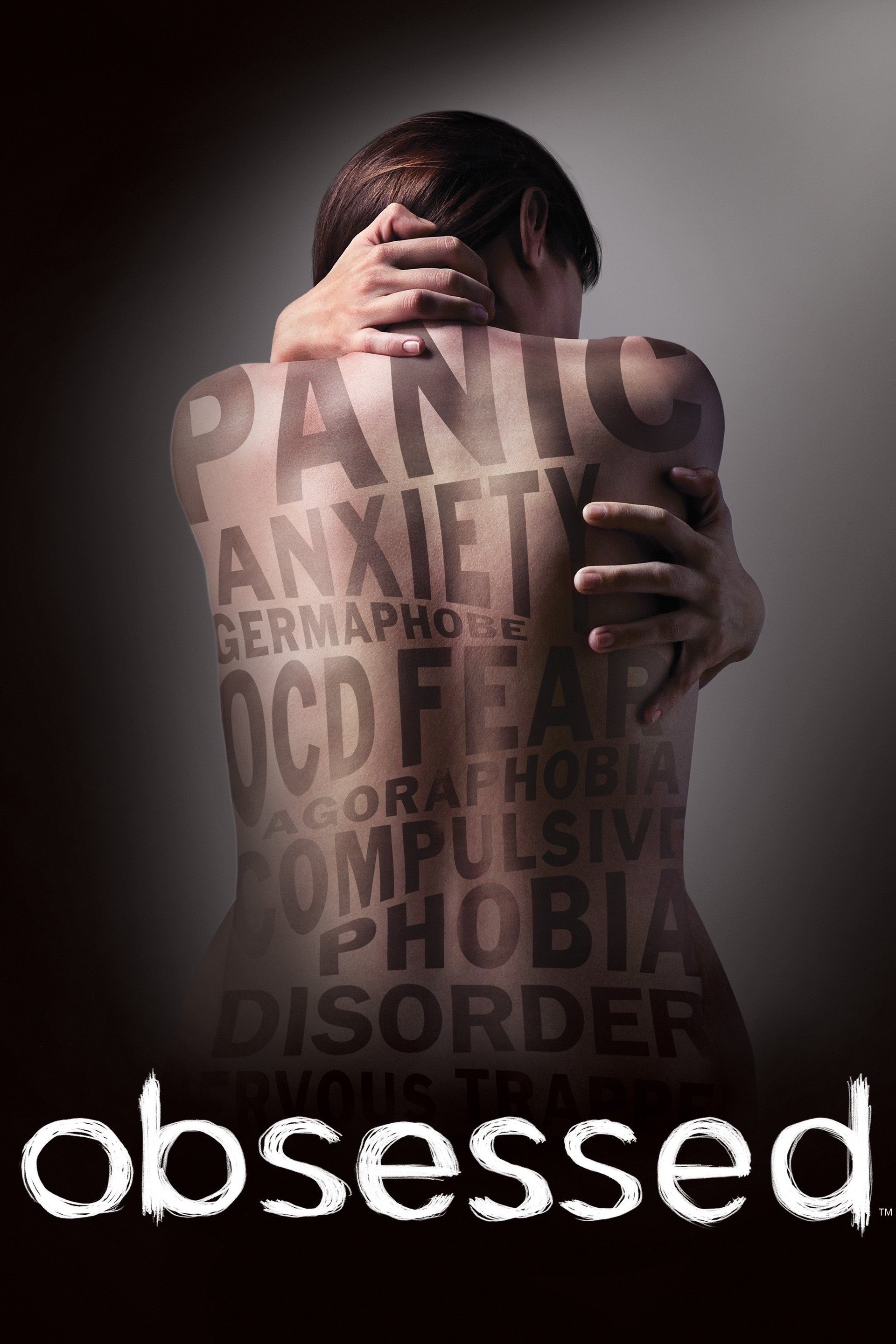
"Obsessed" offers an honest and unflinching look at a difficult subject: extreme anxiety disorders. It explores the world of individuals suffering from such mental illnesses as obsessive-compulsive disorder, panic disorder, social anxiety disorder, and hoarding, as well as the effects their illness has on their family and friends. Each participant undergoes a form of cognitive behavioral therapy that exposes the sources of their fears in an attempt to manage them.
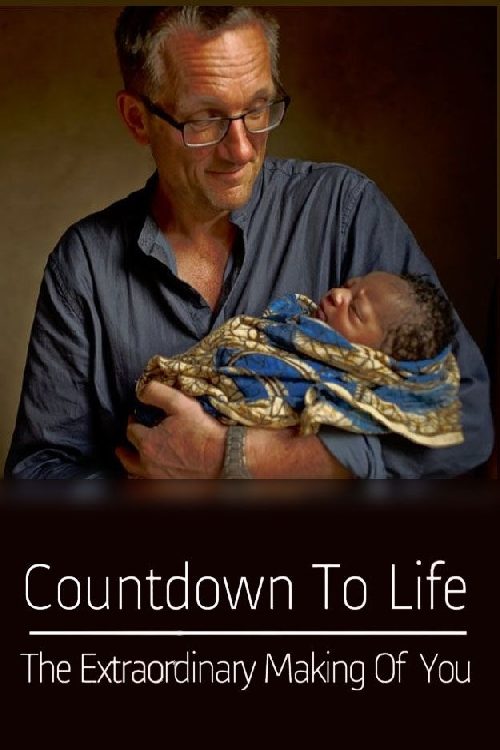
100 trillion cells. 280 days. One human life. A BBC Science series, produced in partnership with The Open University, exploring the making of you.
What is like living with medical conditions that erode one’s sense of self? Following the journey of 12 individuals this documentary series explores what happens when one loses a a particular aspect important to the formation of one’s identity such as personality, expression, memories, consciousness, emotions and the physical body.
The lives of an emerging superstar and a filmmaker intertwine in this intense, intimate docuseries charting Kanye West's career, filmed over two decades.
Horizon tells amazing science stories, unravels mysteries and reveals worlds you've never seen before.
Explores the experiences of James Safechuck and Wade Robson, who were both befriended and sexually abused by singer Michael Jackson, and the complicated feelings that led them both to confront their experiences.
An in-depth look at the history and pop cultural significance of horror films.
Explore the surprising things we know (and don’t know) about why people are the way they are through expert interviews, rare footage from historical experiments, and brand-new, ground-breaking demonstrations of human nature at work.
Ever wonder what's happening inside your head? From dreaming to anxiety disorders, discover how your brain works with this illuminating series.
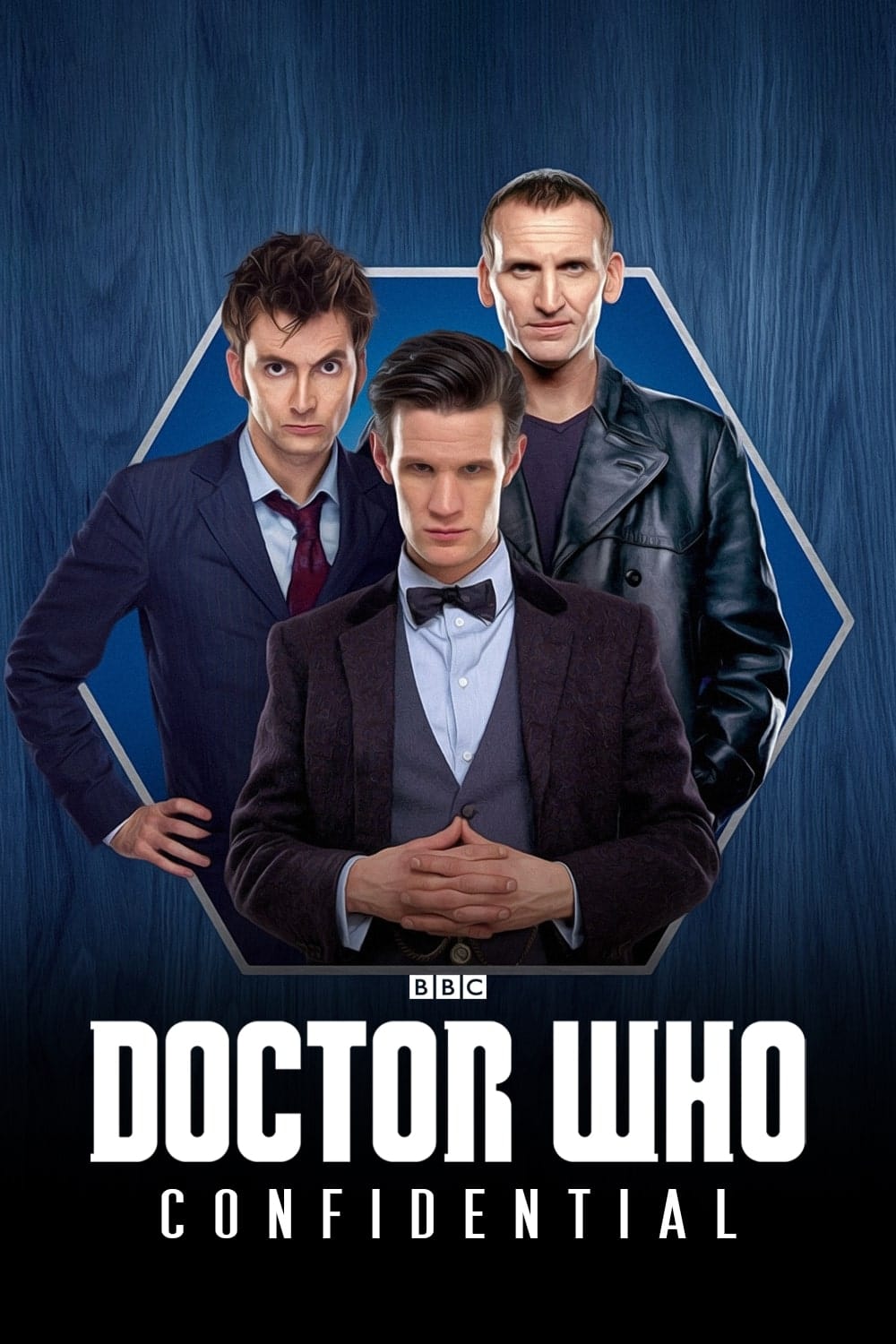
Doctor Who Confidential is a documentary to complement the revival of the long-running British science fiction television series Doctor Who. Each episode was broadcast on BBC Three on Saturdays, immediately after the broadcast of the weekly television episode on BBC One. The running time of the first two series was 30 minutes, being extended to 45 minutes in the third. BBC Three also broadcast a cut-down edition of the programme, lasting 15 minutes, shown after the repeats on Sundays and Fridays and after the weekday evening repeats of earlier seasons.

TV's most-watched history series brings to life the compelling stories from our past that inform our understanding of the world today.
Award-winning actor and nervous explorer Eugene Levy steps out of his comfort zone for a whirlwind tour of the world's most beautiful and intriguing destinations.
Infographics and archival footage deliver bite-size history lessons on scientific breakthroughs, social movements and world-changing discoveries.
Film lovers examine the cinematic moments that thrilled, perplexed, challenged and forever changed them in this collection of visual essays.
American Masters is a PBS television series which produces biographies on enduring writers, musicians, visual and performing artists, dramatists, filmmakers, and others who have left an indelible impression on the cultural landscape of the United States.
Motoring programme featuring reviews of and reports about cars of all types.
Three-part crime thriller. When detective Marcus Farrow looks into a seemingly forgotten case, he has no idea of the chaos and heartache that will soon follow. He is found at the scene of a murder, and with all the evidence pointing towards him, he is arrested and charged.
In 2020, the world changed. This topical series examines the coronavirus pandemic, the efforts to combat it and ways to manage its mental health toll.
Morgan Freeman presents his quest in order to find how most religions perceive life after death, what different civilizations thought about the act of creation and other big questions that mankind has continuously asked.
A series of standalone documentaries powered by the unparalleled journalism and insight of The New York Times, bringing viewers close to the essential stories of our time.
Gadget Man shows the world's collection of handy gadgets throughout the ages, from today's smart devices to decades old electronics to even older mechanical devices.
The Rifleman is an American Western television program starring Chuck Connors as rancher Lucas McCain and Johnny Crawford as his son, Mark McCain. It was set in the 1880s in the town of North Fork, New Mexico Territory. The show was filmed in black-and-white, half-hour episodes. "The Rifleman" aired on ABC from September 30, 1958 to April 8, 1963 as a production of Four Star Television. It was one of the first prime time series to have a widowed parent raise a child.
Follow the bruised bodies, soul-crushing fumbles, agonizing losses, and pure joy of three NFL quarterbacks during one season.
Through the prism of Jeff Goldblum's always inquisitive and highly entertaining mind, nothing is as it seems. Each episode is centered around something we all love — like sneakers or ice cream — as Jeff pulls the thread on these deceptively familiar objects and unravels a wonderful world of astonishing connections, fascinating science and history, amazing people, and a whole lot of surprising big ideas and insights.