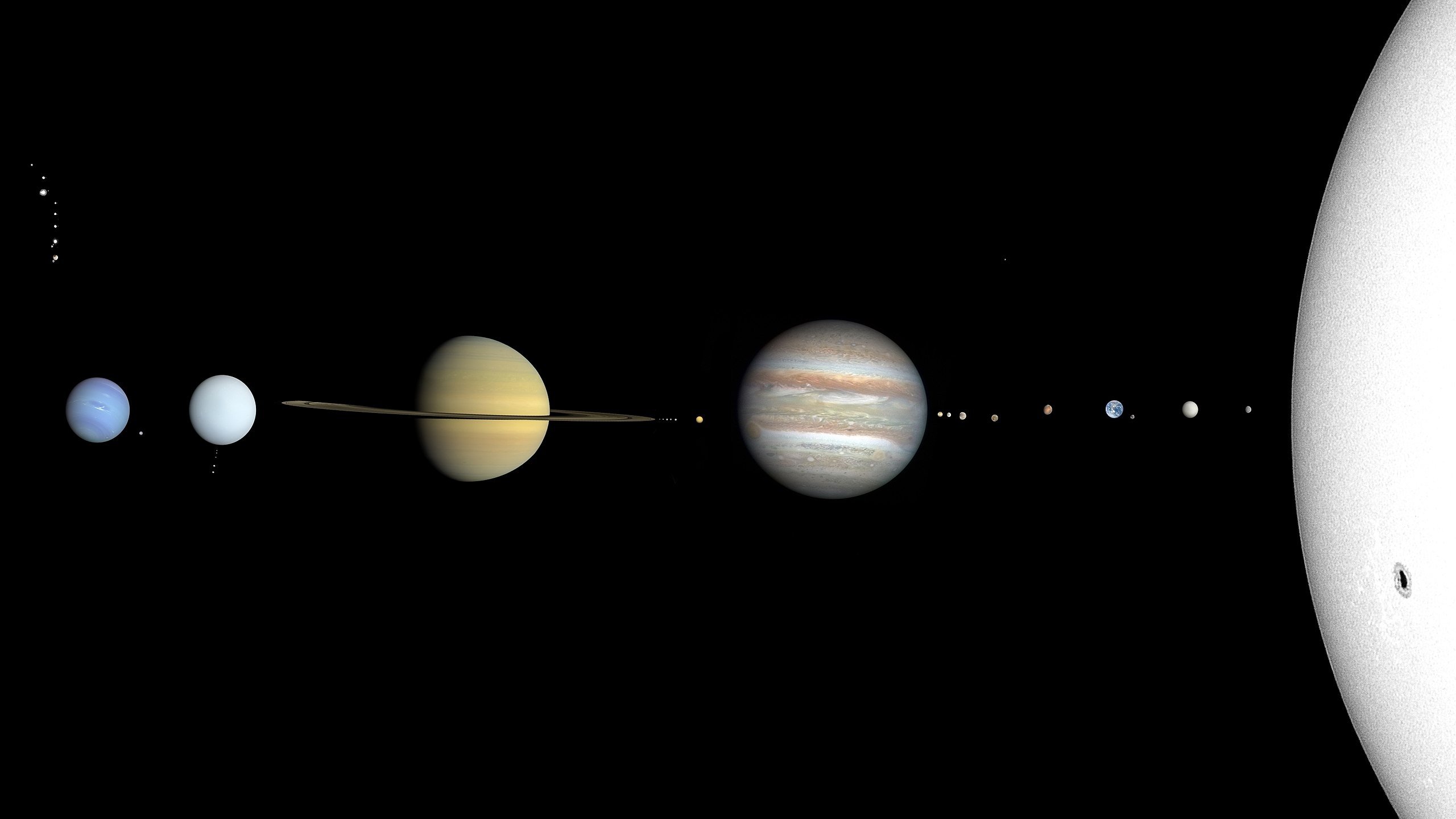
Documentary series tracing mankind's exploration of our solar system.
Social & External
Himself - Narrator
An unprecedented look at the decade-long odyssey to land a man on the moon. This documentary pulls back the curtain on the familiar narrative of the moonshot, revealing a fascinating stew of scientific innovation, political calculation, media spectacle, visionary impulses and personal drama.
July 20, 1969. Nearly six hundred million people have their eyes glued to their televisions: Neil Armstrong is just about to make one of mankind’s oldest dreams come true. After more than twenty years of intense struggle between the Americans and the Soviets, the biggest adventure for humanity in the 20th century has just been achieved. As a climax of the Cold War, the conquest of the moon was a true saga, passionate, epic and filled with twists and turns. It wasn’t just a scientific competition between East and West; It was also a fabulous adventure combining political history, technological exploits, acts of bravery and personal dramas.
Voyage across the solar system with Professor Brian Cox and explore the new discoveries, natural wonders and strange mysteries on the diverse worlds that orbit the sun.
Famed astrophysicist Neil deGrasse Tyson provides clarity for the vision of the cosmos as he voyages across the universe with never-before-told stories that delve into the scientific concepts of the laws of gravity and the origins of space and time.
In each episode, geologist Dr. Iain Stewart explains the effects and importance of a specific force of nature, such as wind or volcanism. He also examines the various ways in which it shapes planet earth itself and influences life on it, often in conjunction with other natural forces, and sometimes with lifeforms, as in the 'apocalyptically' grave case of global warming.
Carl Sagan covers a wide range of scientific subjects, including the origin of life and a perspective of our place in the universe.
Meet the bizarre, amazing and breathtaking creatures and landscapes of a vibrant lost world; and discover how life not only survived during the cataclysmic events of this prehistoric era, but thrived.
Search for Second Earth brings to life, in breathtaking CGI, an epic future journey that our species has already begun: the voyage of an autonomous spacecraft to a planet beyond our Solar System in search of life. Join NASA planetary explorers Gentry Lee and Steve Squyres; and exo-planet hunters Sara Seager, Francois Forget and Natalie Batalha on their quest to find life beyond Earth.
From the planets to the stars and out to the edge of the unknown, history and science collide in a wondrous yet deadly adventure through space and time.
It's "Mr. Wizard" for a different decade. Bill Nye is the Science Guy, a host who's hooked on experimenting and explaining. Picking one topic per show (like the human heart or electricity), Nye gets creative with teaching kids and adults alike the nuances of science.
The inside stories of how the unknown engineers of NASA created such superior machines as the Saturn V moon rocket, the Space Shuttle, and the Hubble Space Telescope, often against incredible odds.
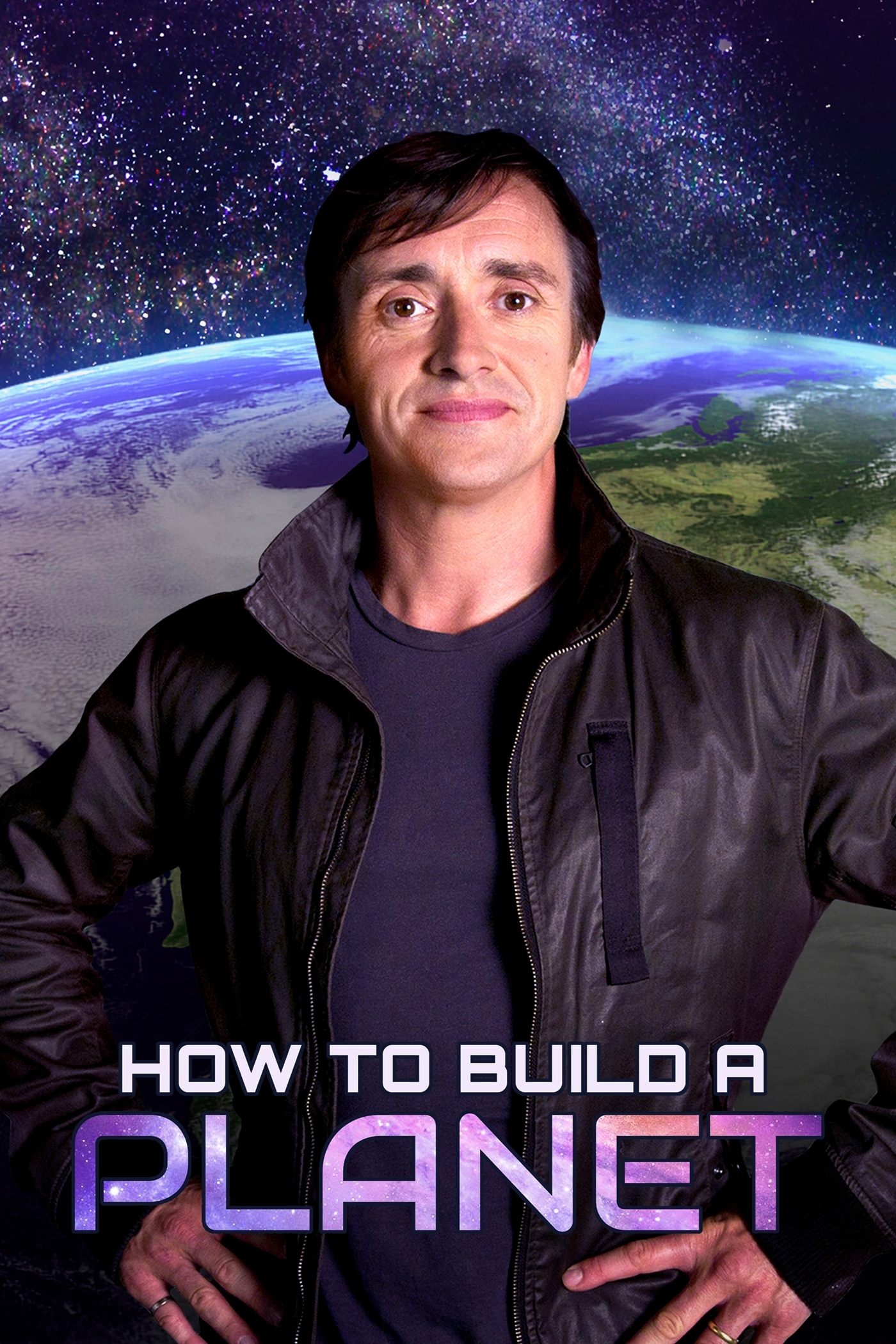
The series uses stunning interactive CGI to reveal step-by-step how a world is put together. With a little help from the world's top scientists and engineers, Hammond will build the Earth and Solar System piece by piece.
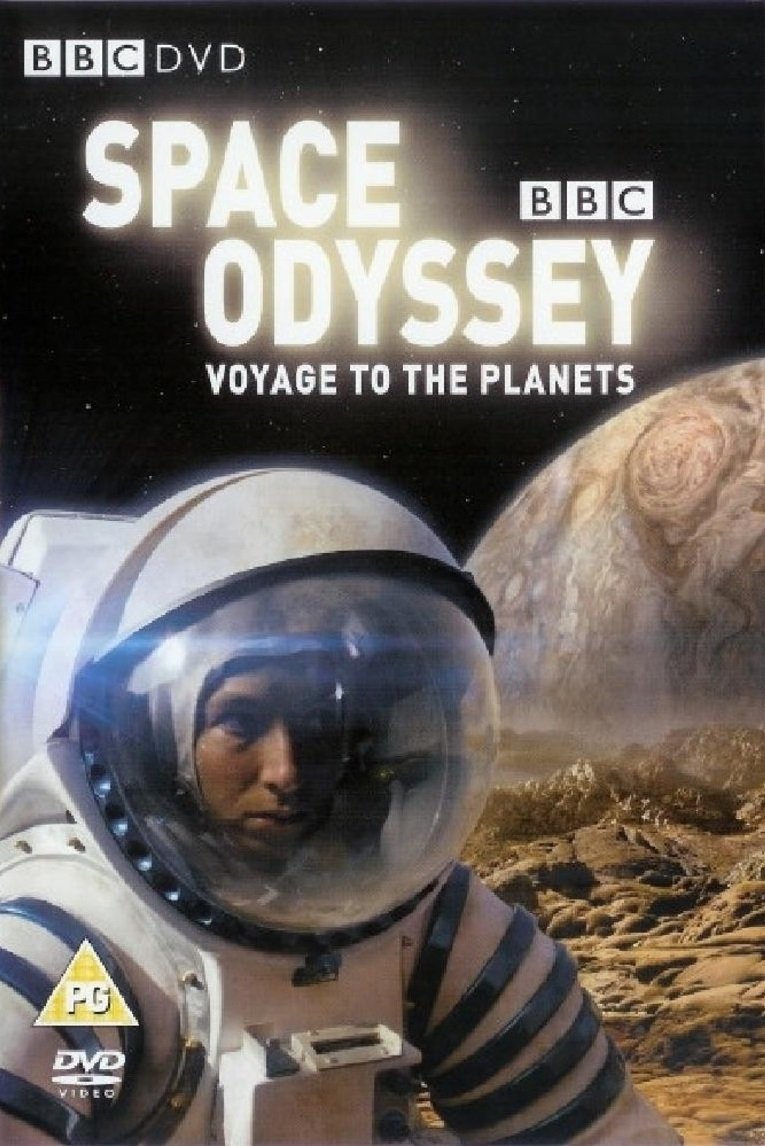
Imagine crashing through the acid storms of Venus, taking a space walk in the magnificent rings of Saturn, or collecting samples on the disintegrating surface of an unstable comet. Seen through the eyes of five astronauts on a six-year mission to the new frontiers that make up our solar system, it reveals the spectacle - and the dangers - they face when landing on and exploring the exotic worlds of our neighbouring planets.
In this spellbinding series, Professor Brian Cox visits the most extreme locations on Earth to explain how the laws of physics carved natural wonders across the solar system.
An astronomy series that brings the galaxy's most famous family to life, with the sun as the matriarch, surrounded by her unruly planetary children.
Seven episodes explore the fascinating adventure of the universe. Scientific rigor is complemented by spectacular images created with the aid of cutting-edge technology and special effects, films, animated fact sheets, and astronomical instruments. Piero Angela connects with a replica of himself in space, AstroPiero. A second correspondent, Alberto Angela, connects with the study from astrophysics laboratories and observatories around the world.
From renowned author, educator and television presenter Ted Rimmarniet comes "Our Fascinating Planet", an exciting new educational series that explores our Universe and ourselves - and our place in both of those things. Featuring episodes on Space, Energy, The Brain and The Earth, this staggeringly monumental series contains all of the passion, wonder and curiosity of award-winning programs like “NOVA" but with double or triple the amount of fascinatingness.
Witness the remarkable story of our universe over billions of years and its inextricable link to life on Earth in this sweeping documentary series.
Professor Brian Cox explores the dramatic lives of the eight majestic planets/worlds that make up our solar system.
Horizon tells amazing science stories, unravels mysteries and reveals worlds you've never seen before.
Maritime mysteries—old and new—come to life in this series, combining scientific data and digital re-creations to reveal shipwrecks, treasures, and sunken cities on the bottom of lakes, seas and oceans around the world.
Motoring programme featuring reviews of and reports about cars of all types.
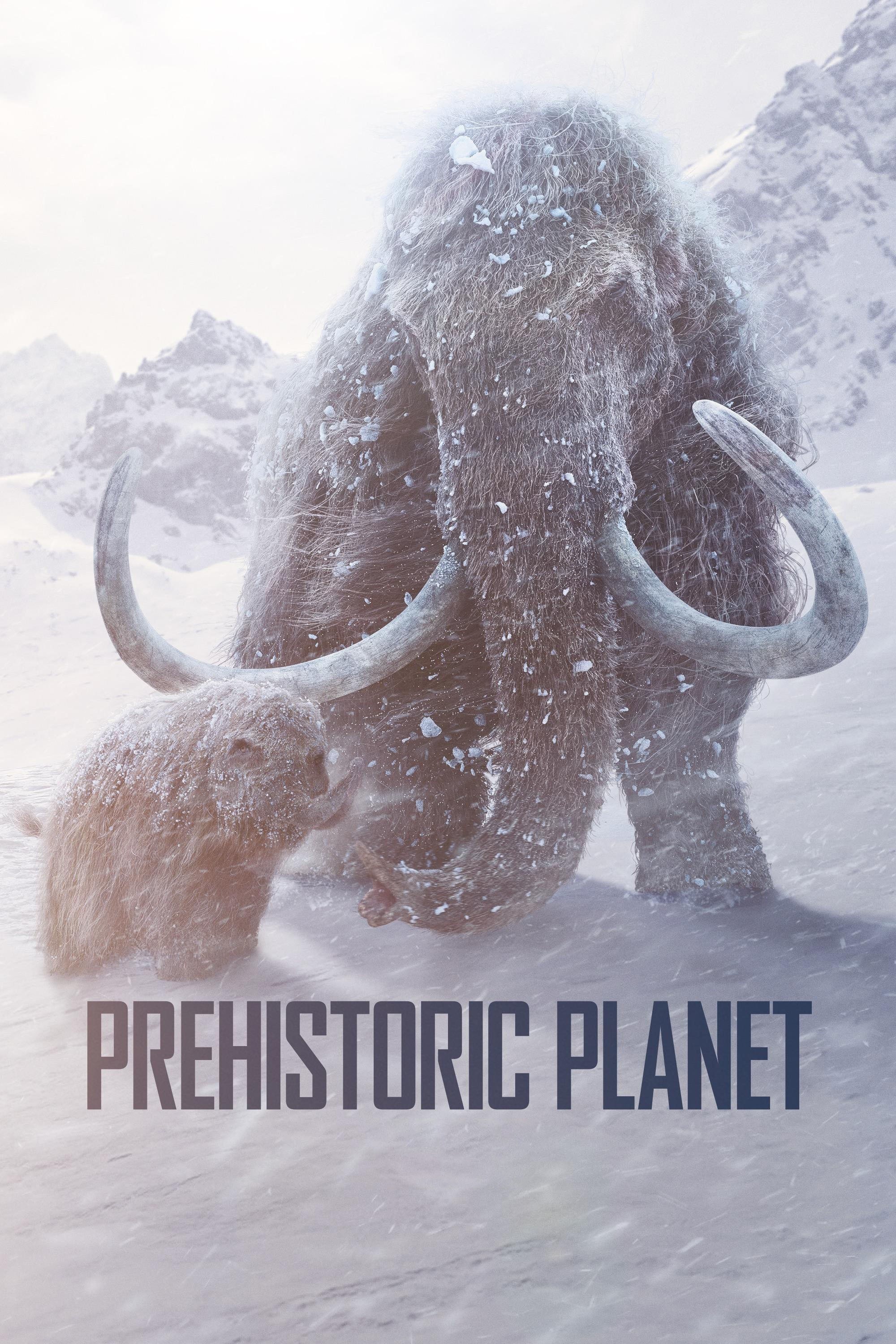
Experience the wonders of our world like never before in this epic series from Jon Favreau and the producers of Planet Earth. Travel back 66 million years to when majestic dinosaurs and extraordinary creatures roamed the lands, seas, and skies.
MegaStructures is a documentary television series appearing on the National Geographic Channel in the United States and the United Kingdom, Channel 5 in the United Kingdom, France 5 in France, and 7mate in Australia. Each episode is an educational look of varying depth into the construction, operation, and staffing of various structures or construction projects, but not ordinary construction products. Generally containing interviews with designers and project managers, it presents the problems of construction and the methodology or techniques used to overcome obstacles. In some cases this involved the development of new materials or products that are now in general use within the construction industry. MegaStructures focuses on constructions that are extreme; in the sense that they are the biggest, tallest, longest, or deepest in the world. Alternatively, a project may appear if it had an element of novelty or are a world first. This type of project is known as a Megaproject.
The history of the sport of baseball in America, told through archival photos, film footage, and the words of those who contributed to the game in each era. Writers, historians, players, baseball personnel, and fans review key events and the significance of the game in America's history.
TV's most-watched history series brings to life the compelling stories from our past that inform our understanding of the world today.
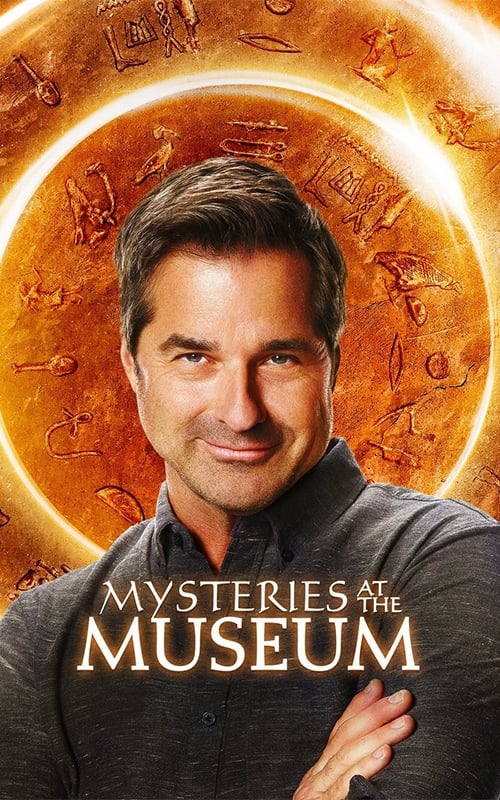
Don Wildman unearths relics from the world's greatest institutions to reveal secrets from the past. He examines each artifact to illuminate history's most incredible triumphs, sensational crimes and bizarre encounters.
PBS' premier science series helps viewers of all ages explore the science behind the headlines. Along the way, NOVA demystifies science and technology, and highlights the people involved in scientific pursuits.
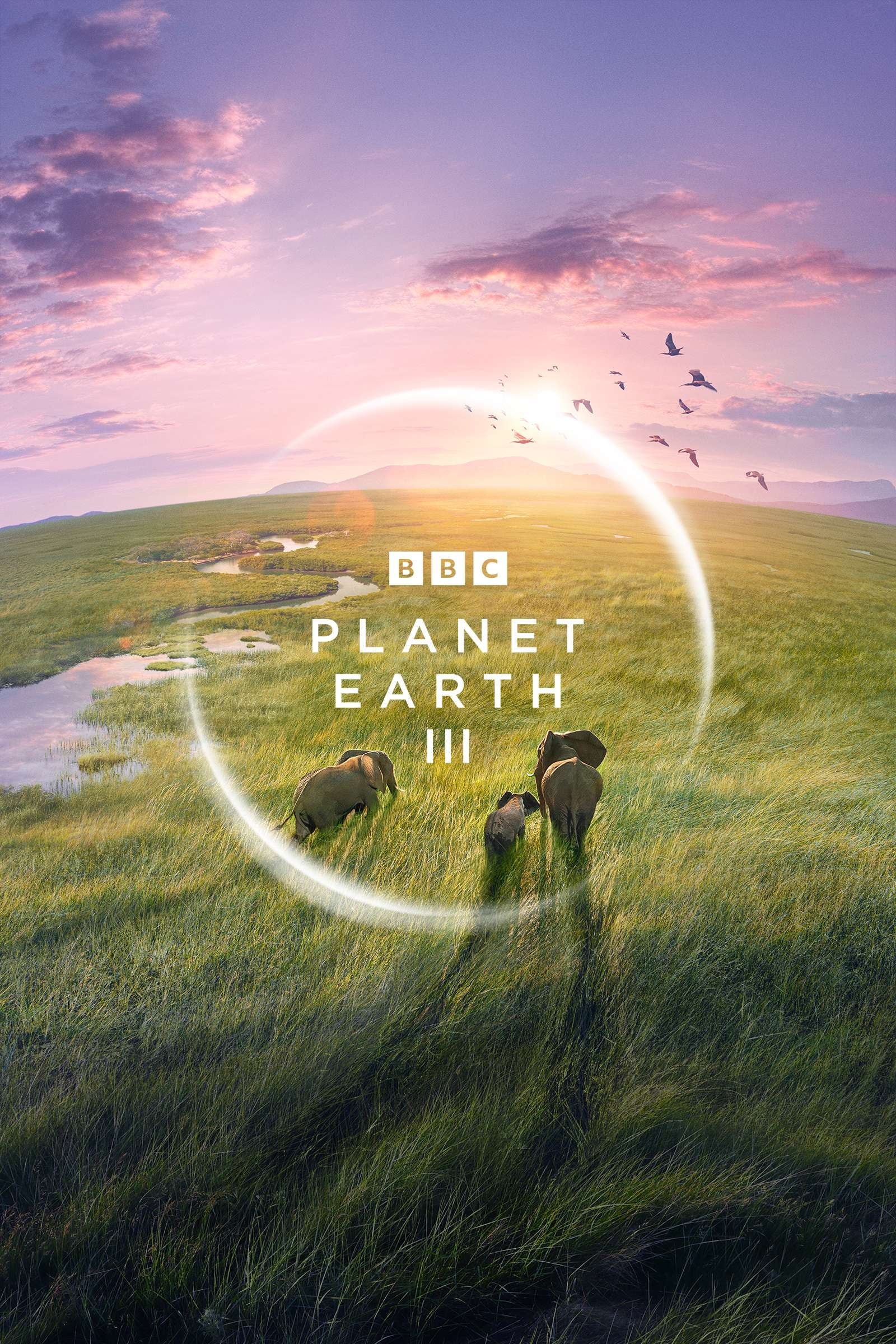
Journeying to the far reaches of our planet, this eight part series follows some of the world's most amazing species, telling extraordinary stories that are dramatic, thrilling, funny and sometimes heart-breaking, but always full of hope.
Consistently stunning documentaries transport viewers to far-flung locations ranging from the torrid African plains to the chilly splendours of icy Antarctica. The show's primary focus is on animals and ecosystems around the world. A comic book based on the show, meant to be used an as educational tool for kids, was briefly distributed to museums and schools at no cost in the mid-2000s.
Award-winning actor and nervous explorer Eugene Levy steps out of his comfort zone for a whirlwind tour of the world's most beautiful and intriguing destinations.
British television series which features unusual and often elaborate architectural homebuilding projects.
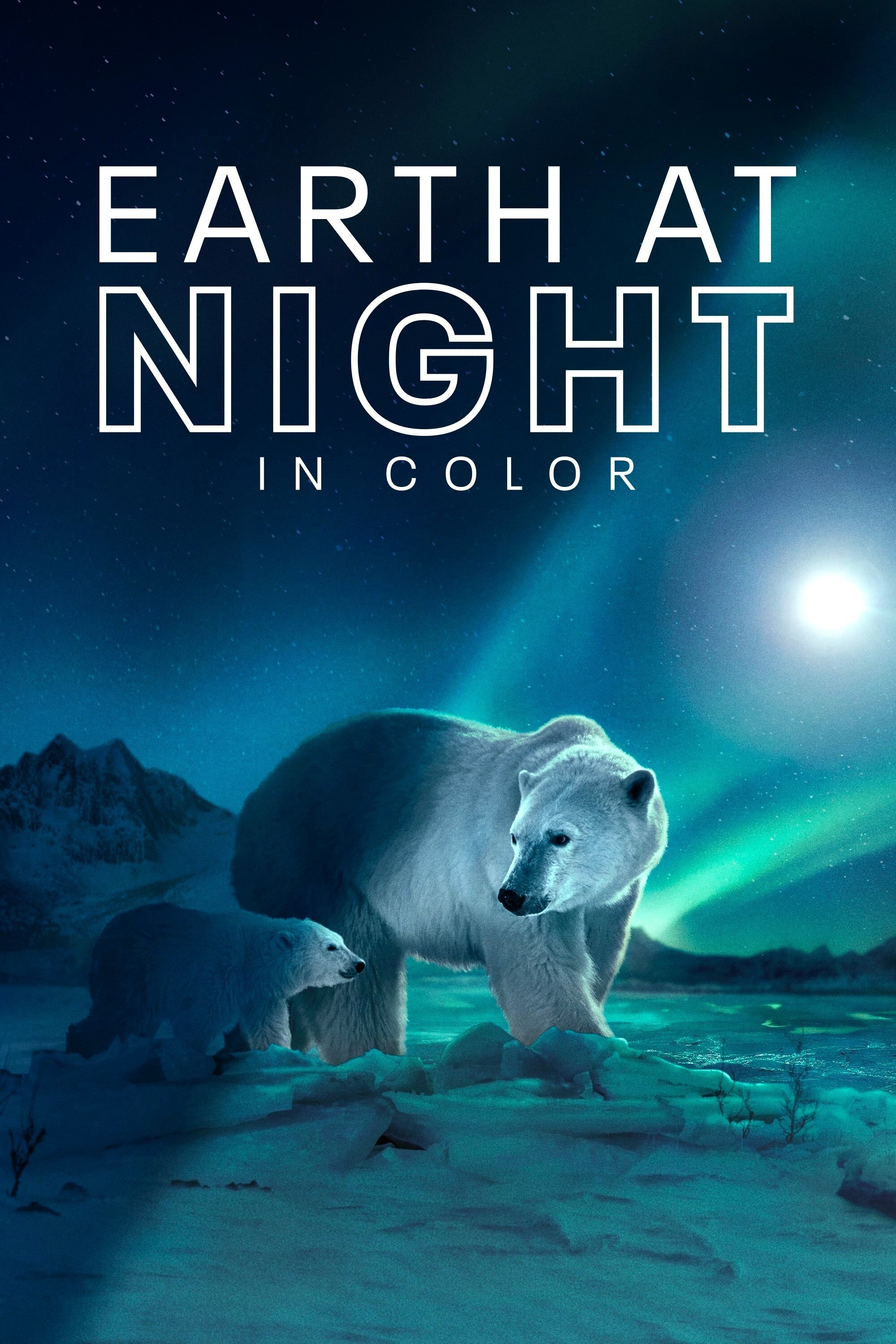
Filmed across six continents, this docuseries uses cutting-edge camera technology to capture animals' nocturnal lives, revealing new behaviours filmed in full color like never before.