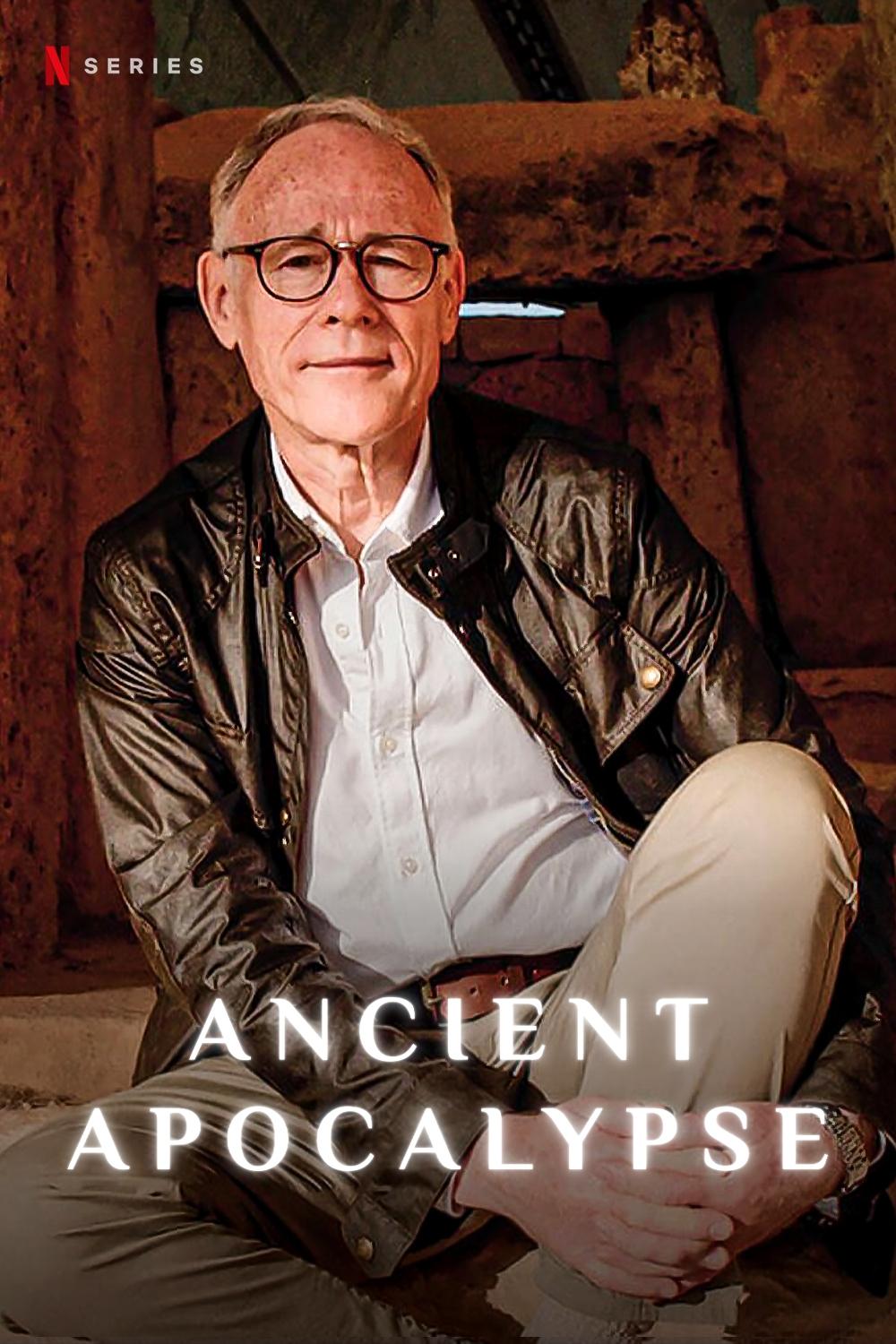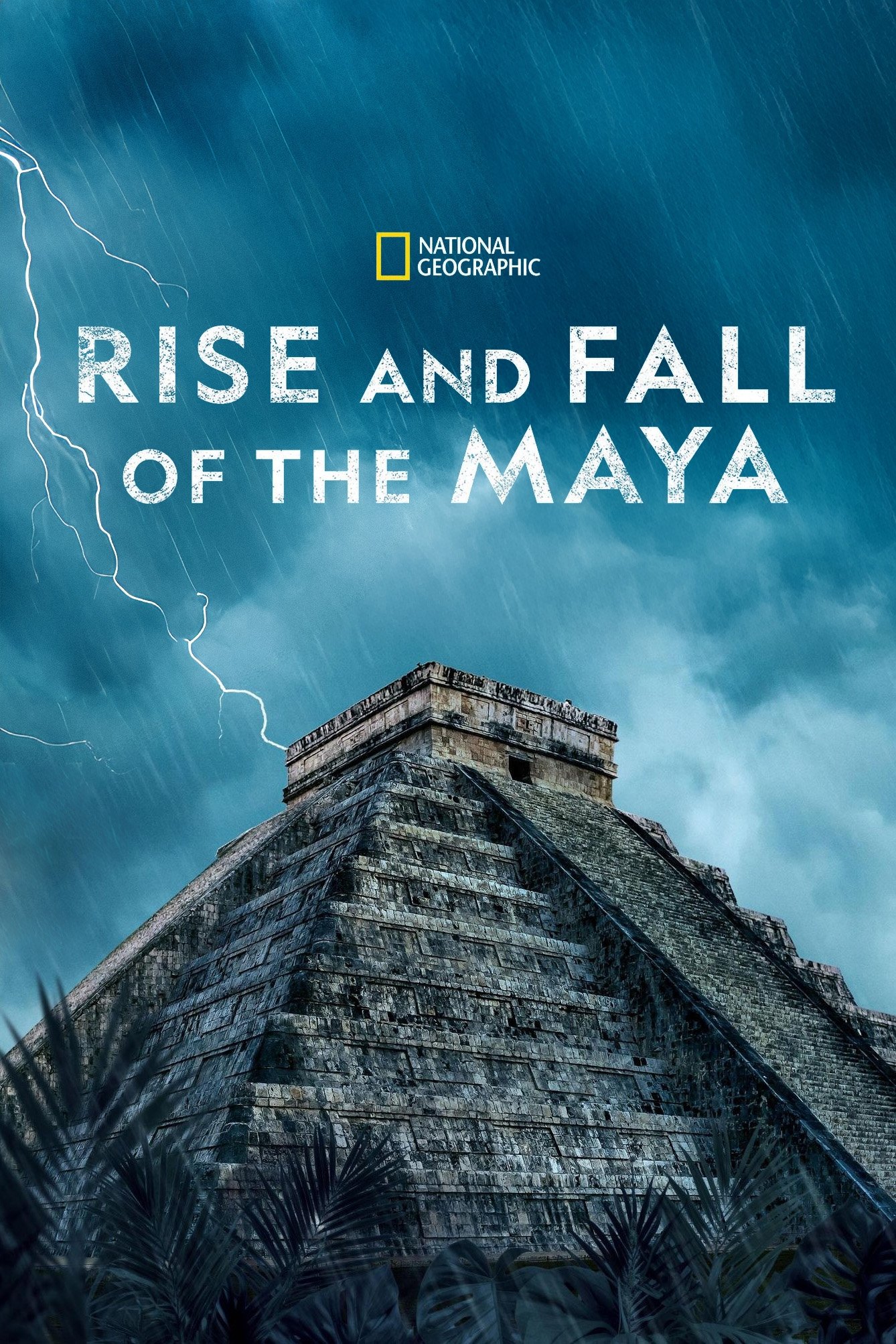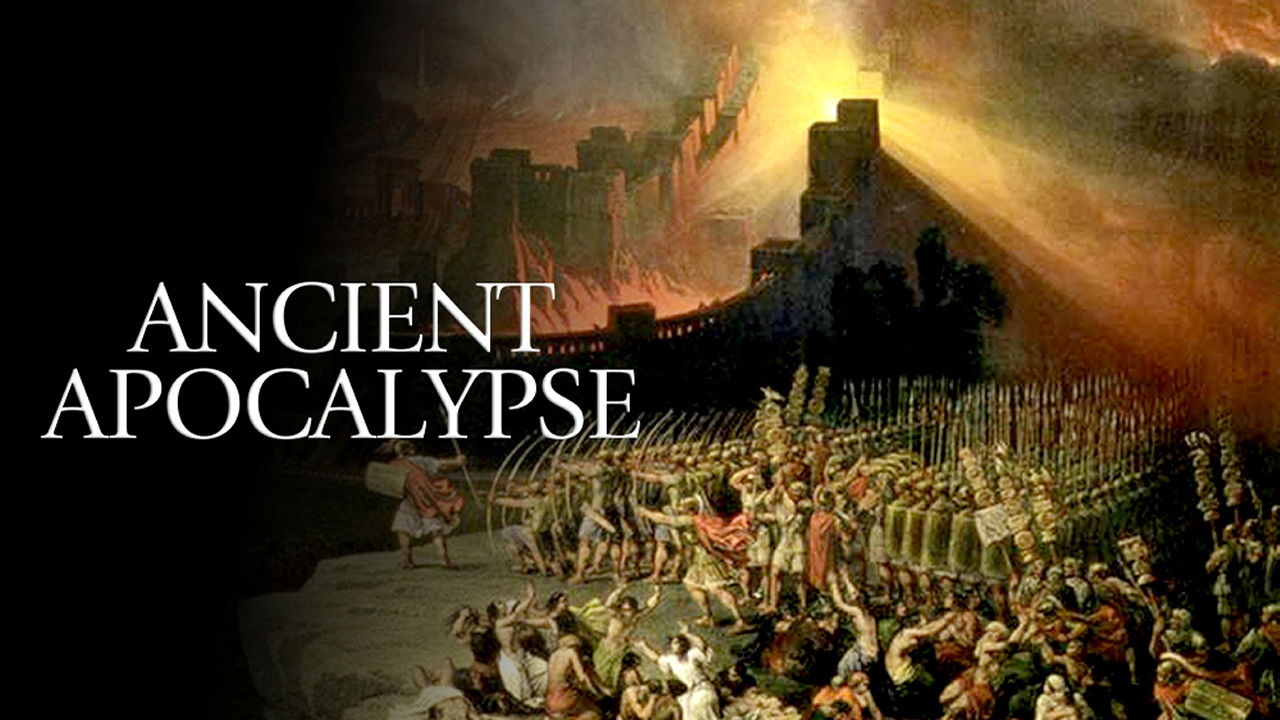
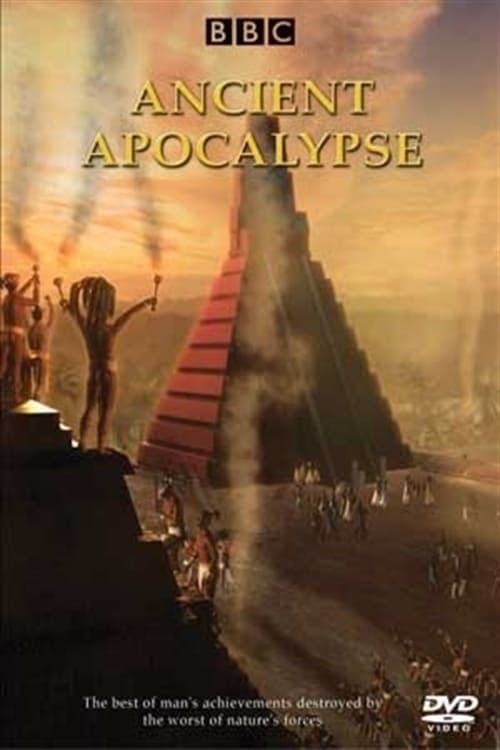
Throughout the ages, civilisations have risen up and then disappeared. Ancient Apocalypse seeks to explain how human achievements were destroyed by the forces of nature.
Social & External
This new series follows International teams of archaeologists on the front line, as they embark on a season of excavations to unravel the secrets of life in the Roman Empire. Crawling beneath Pompeii, unearthing an enormous lost coliseum, and hauling a 2000 year old battleship ram from the depths of the ocean, they race to unlock the secrets of this ancient civilization.
The Ring of Fire: An Indonesian Odyssey is a series of five documentary films following the decade-long Wanderjahr of the filmmaker/sibling partnership Lorne and Lawrence Blair.
Long-running travel programme
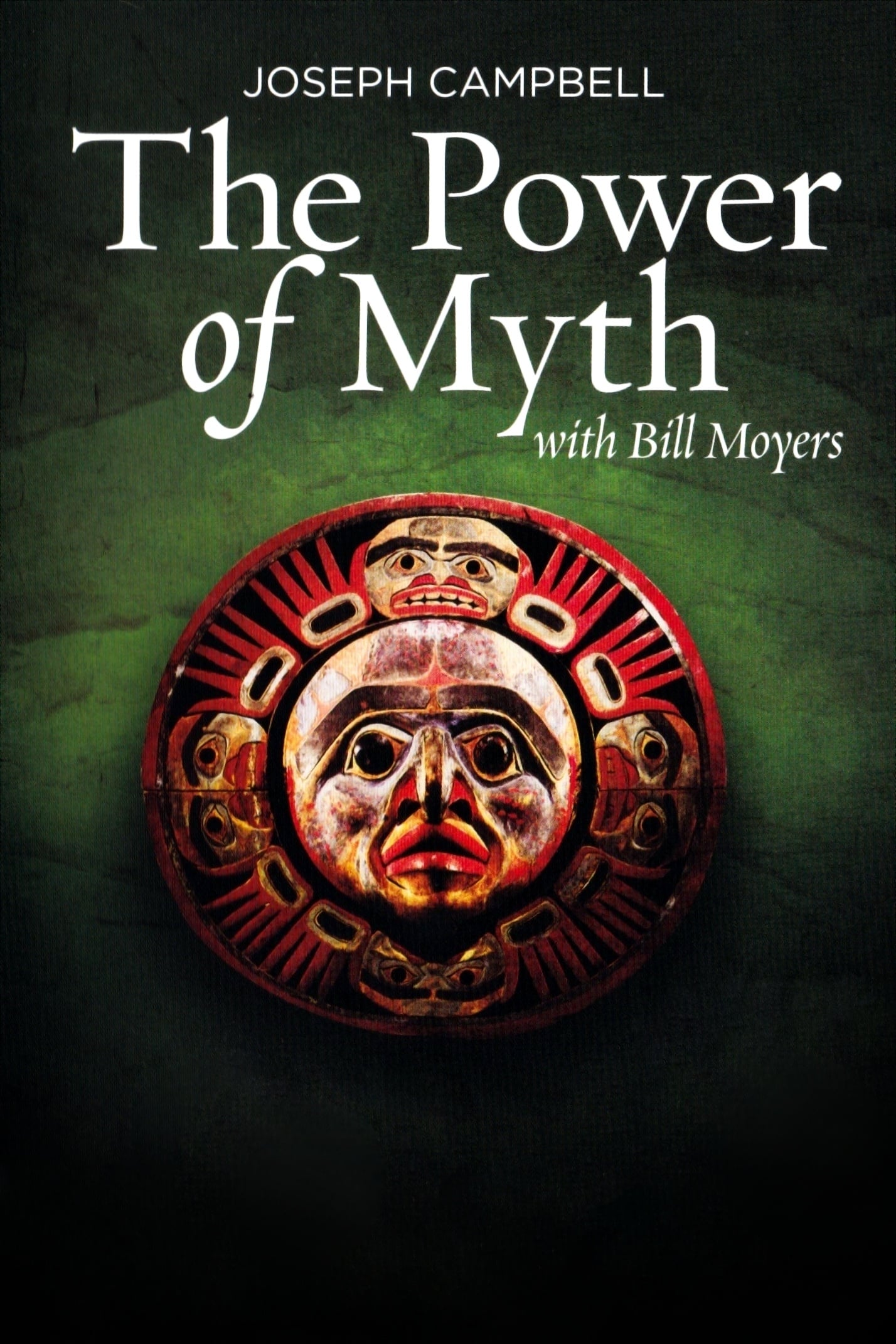
The Power of Myth is a television series originally broadcast on PBS in 1988 as Joseph Campbell and the Power of Myth. The documentary comprises six one-hour conversations between mythologist Joseph Campbell and journalist Bill Moyers.
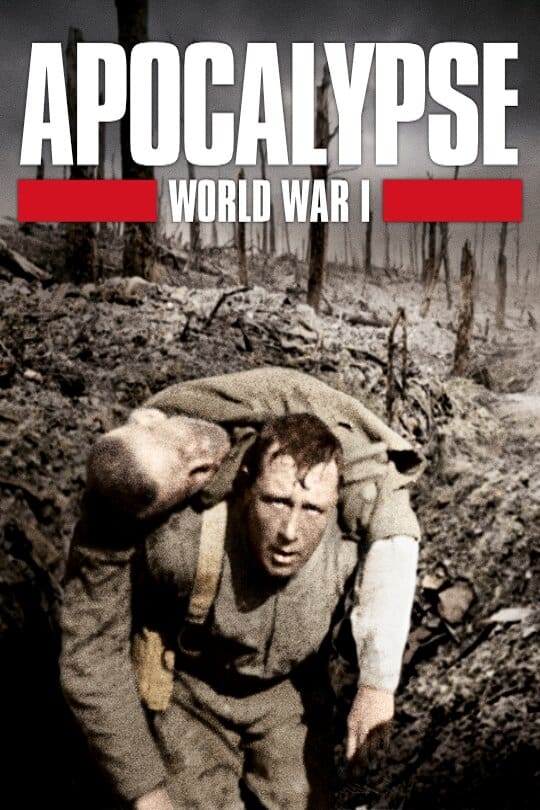
Colorized historical footage in ascending order of World War 1. Not only the relatively known Flanders and France battles, but also the generally unknown Italian-Austrian, German-Polish-Russian, Japanese-German, Ottoman Empire- Allied and African German Colonies, and other unknown or forgotten fronts and battles.
A mission to discover and re-create unexcavated worlds still hidden beneath the earth.
A five-part series that features the latest research exploring how early humans evolved. See how the mixing of prehistoric human genes led the way for our species to survive and thrive around the globe. Archaeology, genetics and anthropology cast new light on 200,000 years of history, detailing how early humans became dominant.
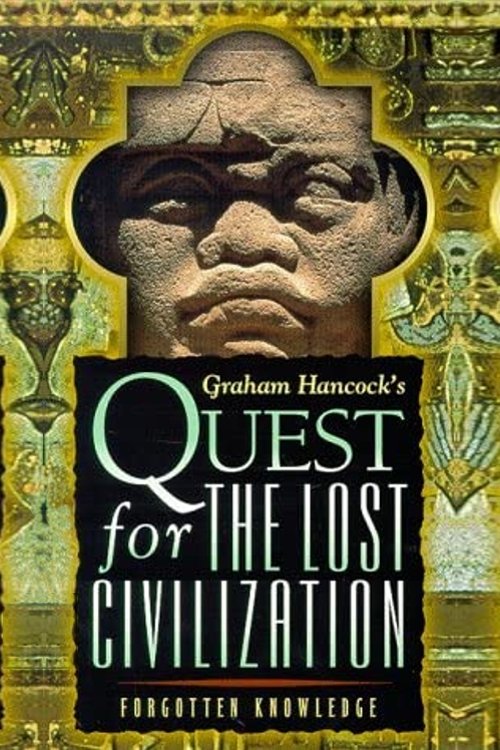
Journalist and writer Graham Hancock travels the globe hunting for evidence of mysterious, lost civilizations dating back to the last Ice Age. He attempts to prove that a climatic event 12,000 years ago wiped out an entire civilization far more sophisticated than the simple hunter-gatherers some archaeologists believe lived at that time.
A journey into our evolutionary past, piecing together the bodies of our prehistoric family.
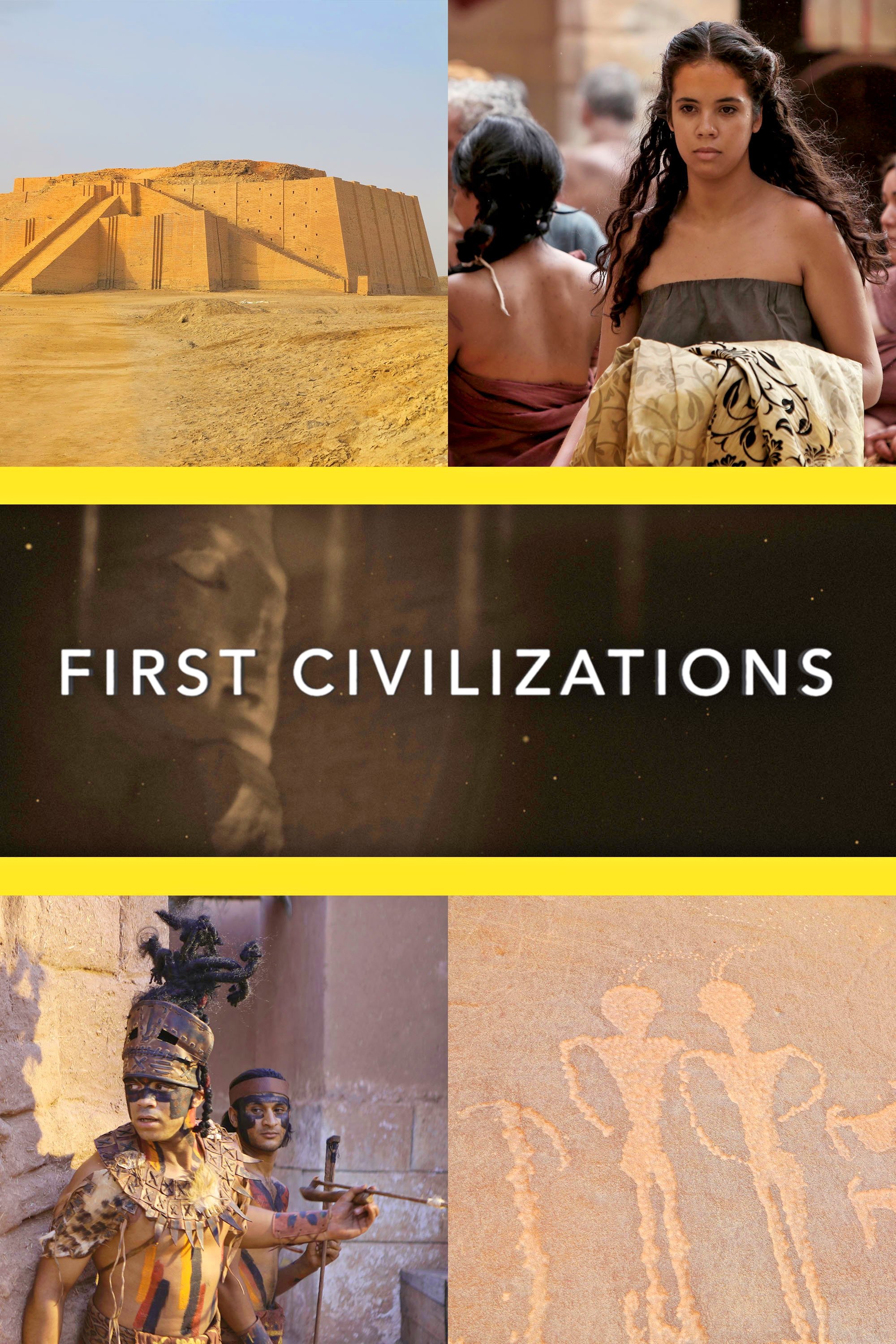
Using the latest in archaeology, anthropology and genetics, this series tells the story of where the modern world began. Incorporating studies of artifacts, renowned sites of archaeological interest and interviews with leading experts, it moves around the geographic zones of the world, exploring how and why civilization first sparked into life.
There are seven billion humans on Earth, spread across the whole planet. Scientific evidence suggests that most of us can trace our origins to one tiny group of people who left Africa around 70,000 years ago. In this five-part series, Dr Alice Roberts follows the archaeological and genetic footprints of our ancient ancestors to find out how their journeys transformed our species into the humans we are today, and how Homo Sapiens came to dominate the planet.
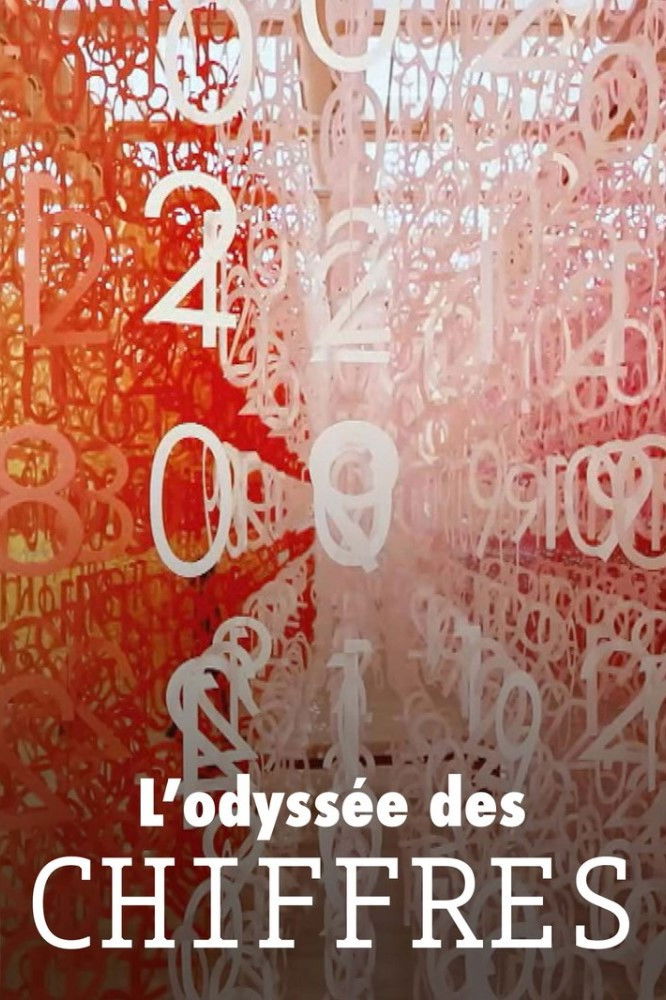
The history of our modern Indo-Arabic numeral system begins in Mesopotamia, leads through India to the Arab world – and from there around the globe. This three-part series explores how the "Arabic numerals" began their triumphant march and the special role that zero played in this process. From its beginnings to modern computer science – today, numbers are the universal language of the world.
In this set of three videotapes, writer Graham Hancock traverses the world and explains his controversial theory that an ancient civilization, highly intelligent people who sailed the planet as early as 10,500 B.C., spread advanced astronomical knowledge and built ancient observatories.
Embark in a journey through some of the most beautiful cities in the world in this documentary series. Each episode features a new city and explores the many things that make it the legendary place it is today.
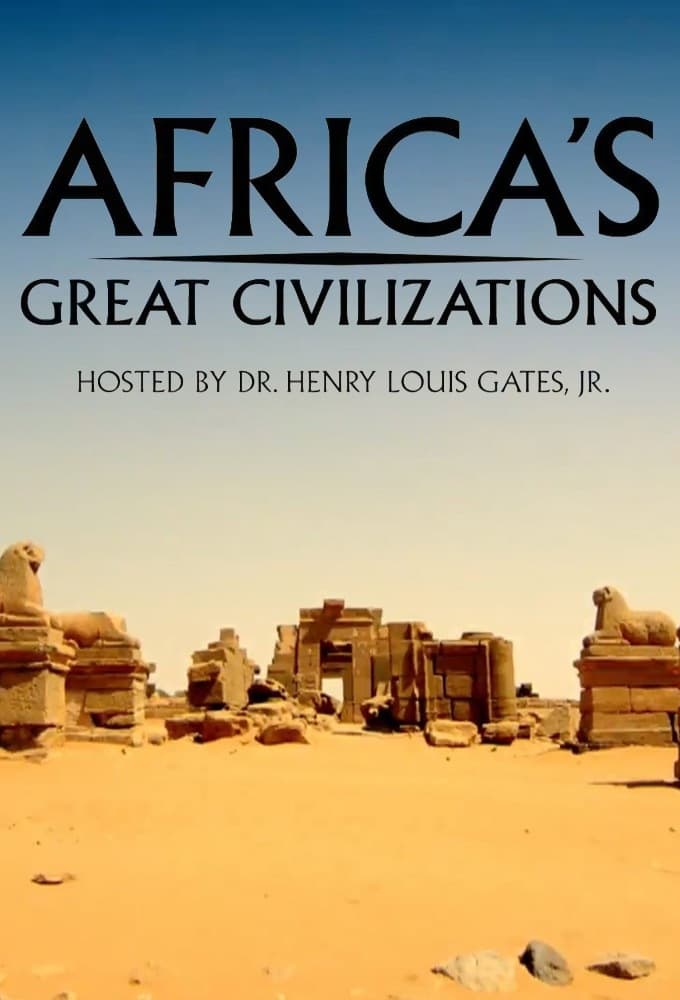
Henry Louis Gates Jr. takes a look at the history of Africa, from the birth of humankind to the dawn of the 20th century. A breathtaking and personal journey through two hundred thousand years of history, from the origins, on the African continent, of art, writing and civilization itself, through the millennia in which Africa and Africans shaped not only their own rich civilizations, but also the wider world.
TV's most-watched history series brings to life the compelling stories from our past that inform our understanding of the world today.
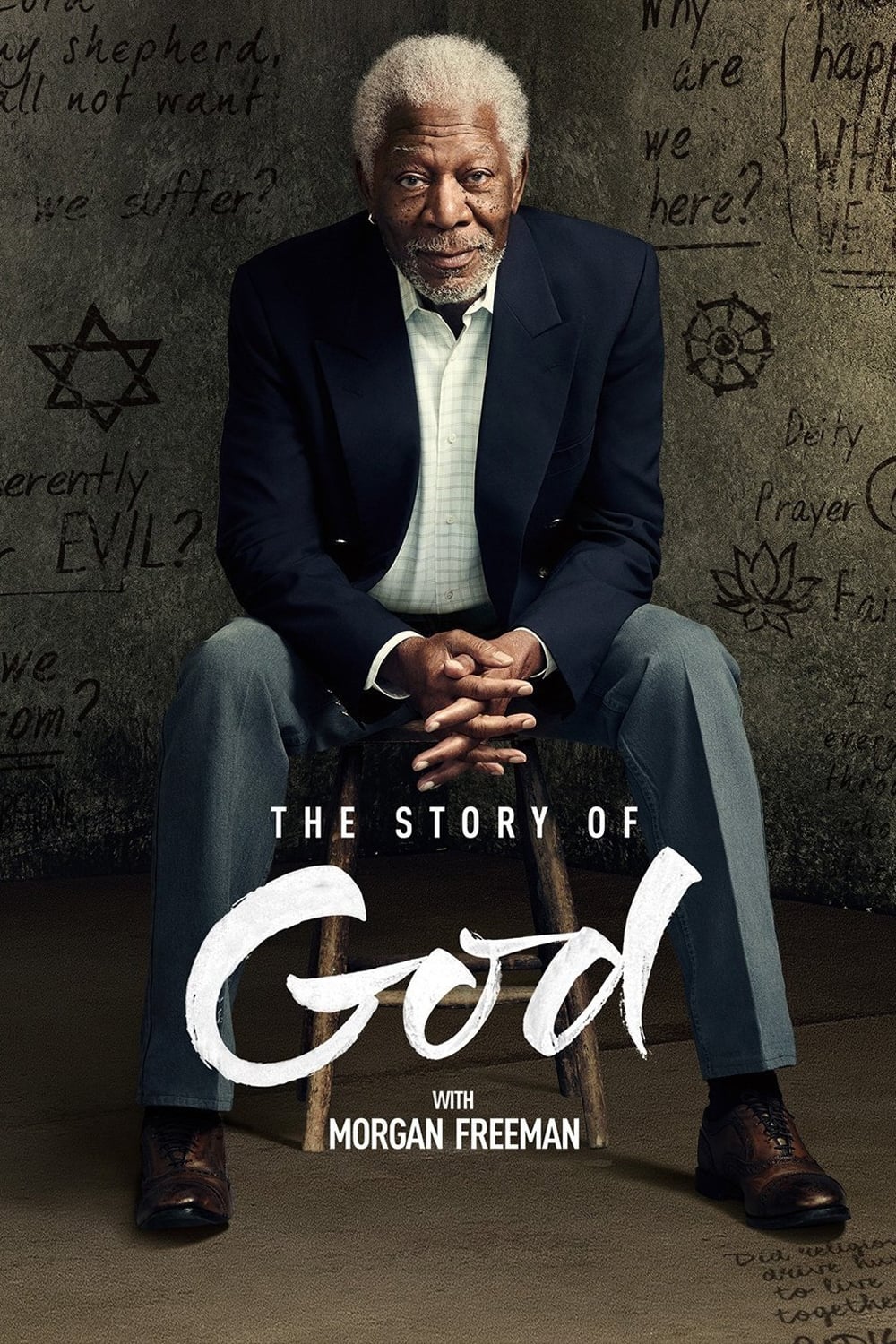
Morgan Freeman presents his quest in order to find how most religions perceive life after death, what different civilizations thought about the act of creation and other big questions that mankind has continuously asked.
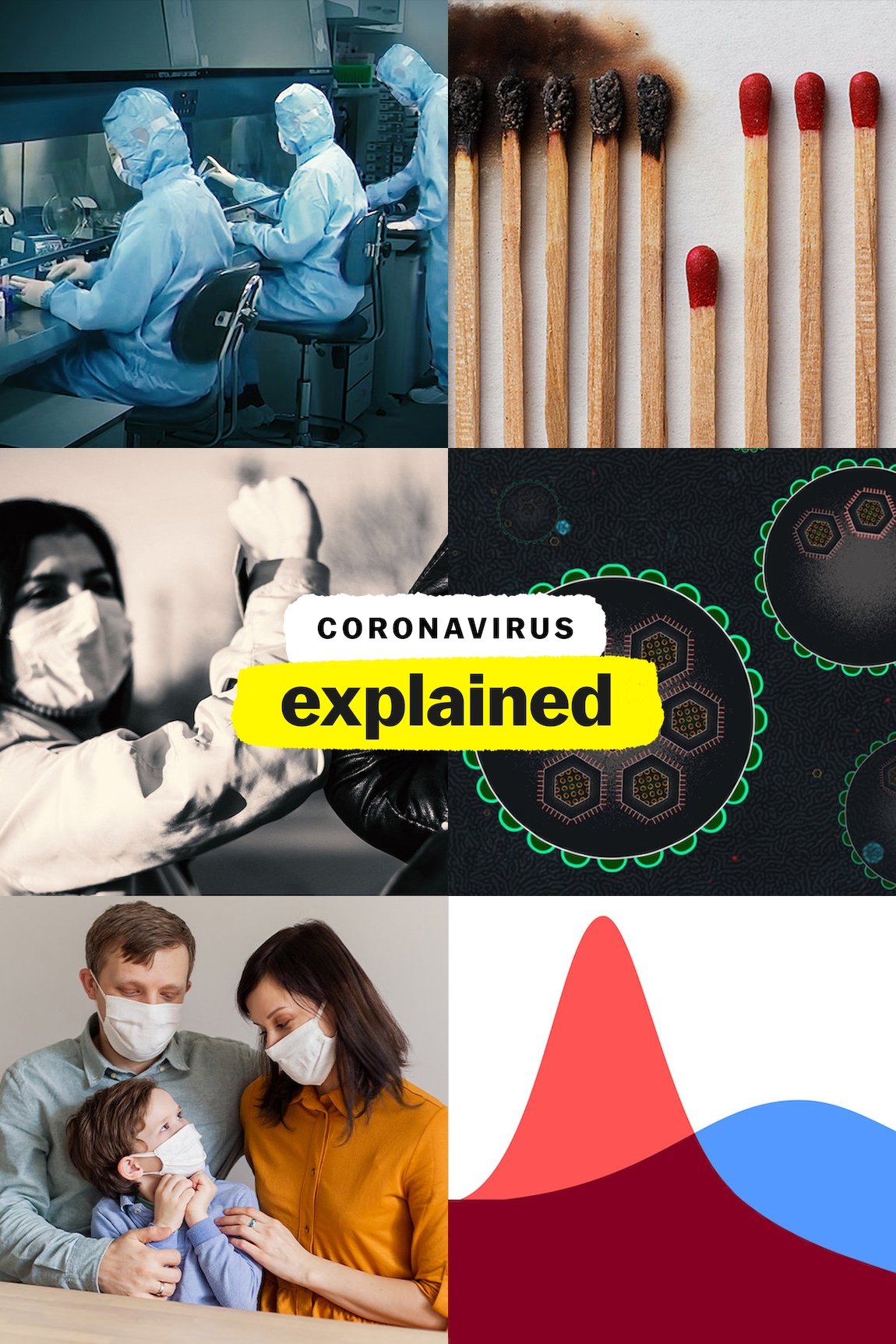
In 2020, the world changed. This topical series examines the coronavirus pandemic, the efforts to combat it and ways to manage its mental health toll.
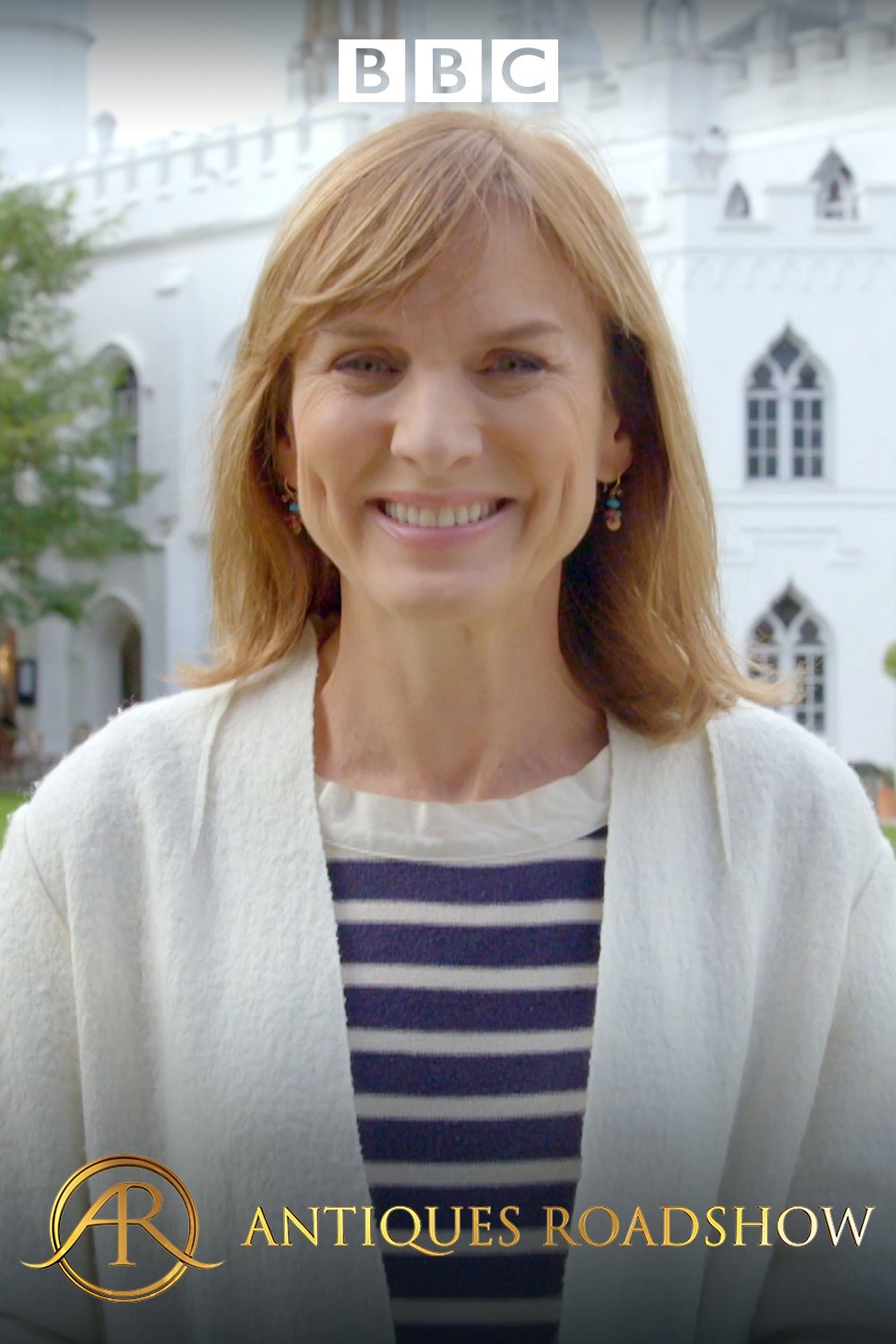
Antiques Roadshow is a British television show in which antiques appraisers travel to various regions of the United Kingdom to appraise antiques brought in by local people. It has been running since 1979. There are also international versions of the programme.
Explores the experiences of James Safechuck and Wade Robson, who were both befriended and sexually abused by singer Michael Jackson, and the complicated feelings that led them both to confront their experiences.
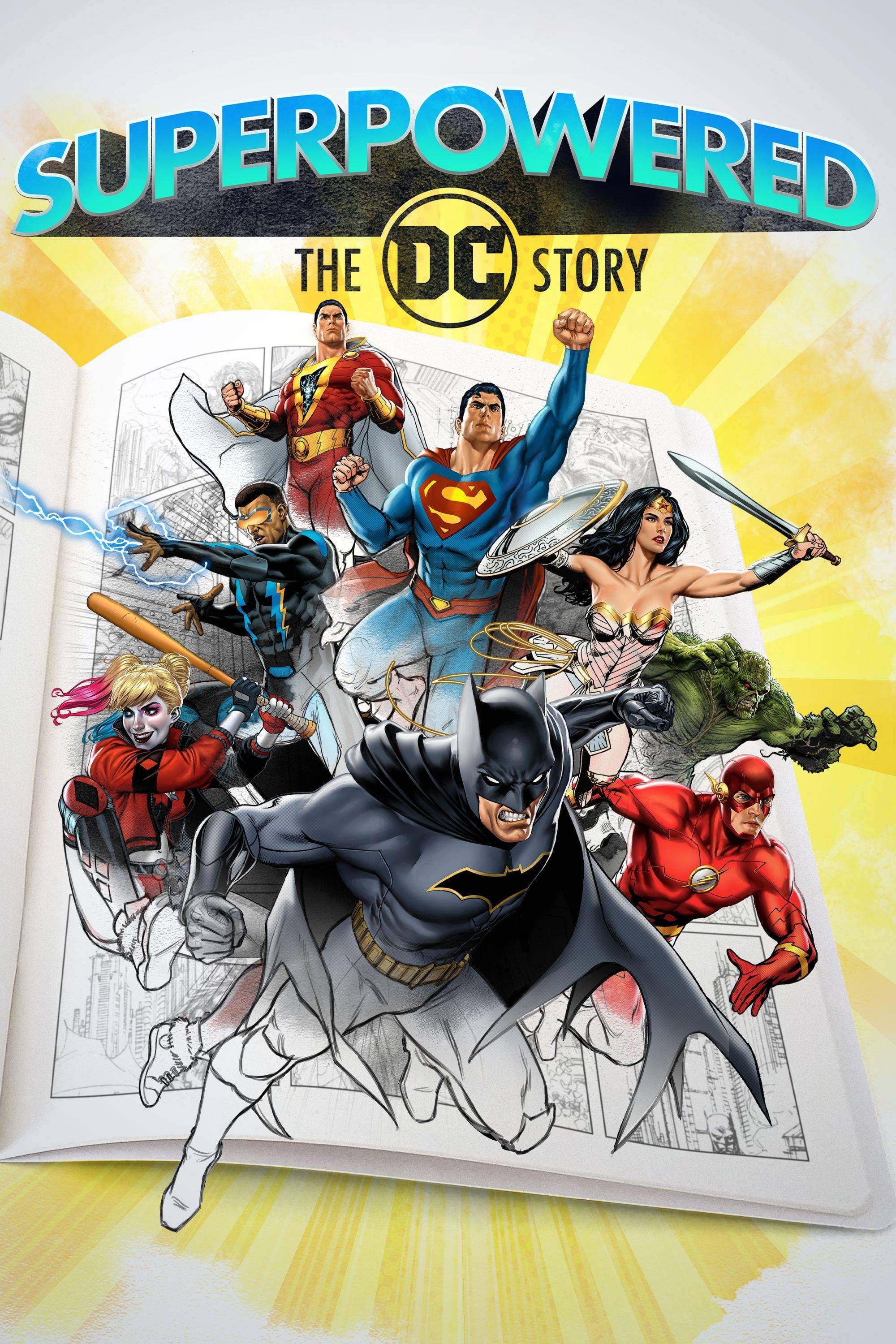
This docuseries takes an unprecedented look at the enduring and influential legacy of DC, allowing fans to rediscover the universe of characters, as well as the iconic comic book company’s origins, its evolution and its nearly nine-decade cultural impact across every artistic medium.
Motoring programme featuring reviews of and reports about cars of all types.
Actor Zac Efron journeys around the world with wellness expert Darin Olien in a travel show that explores healthy, sustainable ways to live.
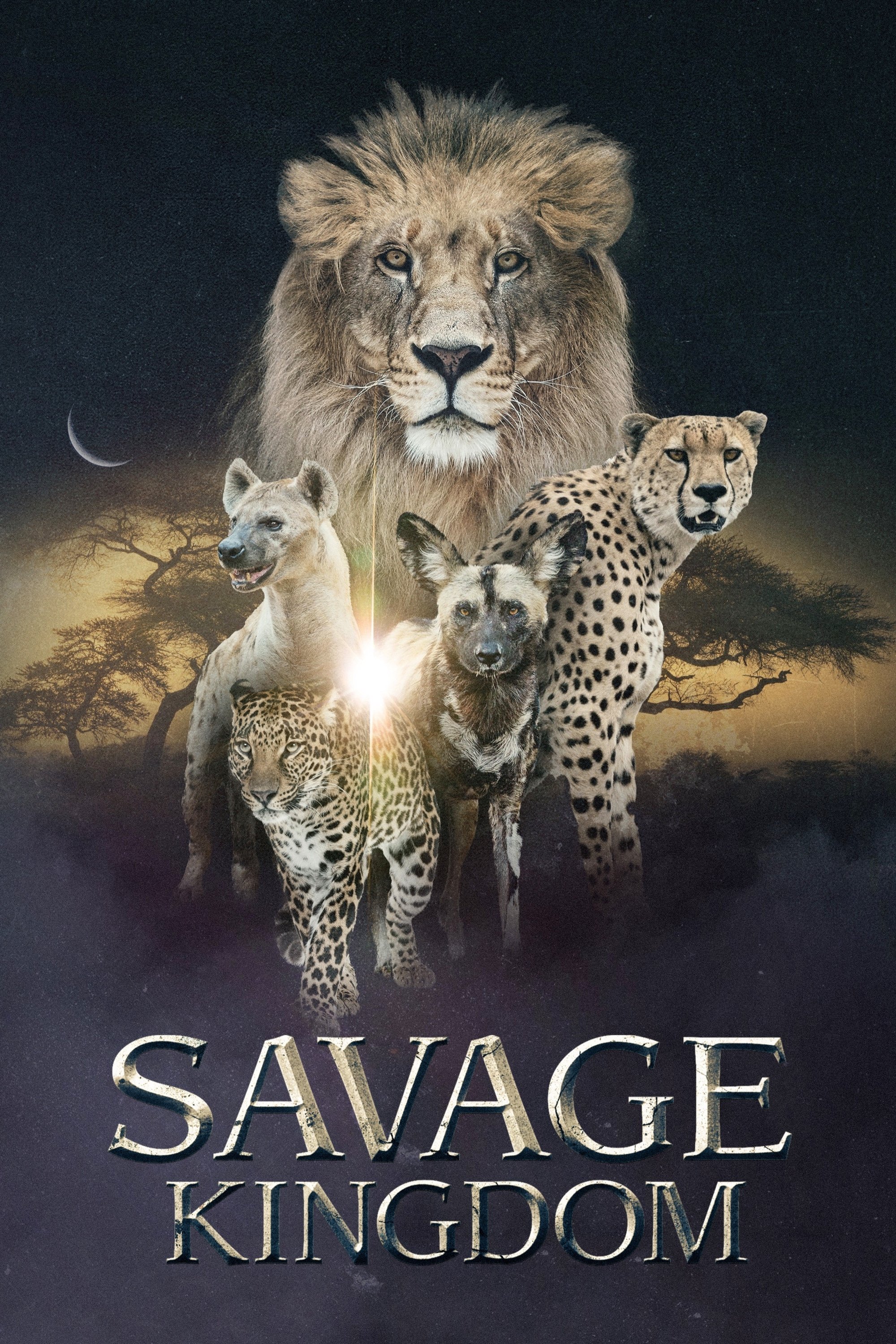
A rare look at warring animal clans battling for survival in a remote region of Africa, which is drying up after years of flood-soaked abundance.
The Rifleman is an American Western television program starring Chuck Connors as rancher Lucas McCain and Johnny Crawford as his son, Mark McCain. It was set in the 1880s in the town of North Fork, New Mexico Territory. The show was filmed in black-and-white, half-hour episodes. "The Rifleman" aired on ABC from September 30, 1958 to April 8, 1963 as a production of Four Star Television. It was one of the first prime time series to have a widowed parent raise a child.
A group of five high schoolers embark on a shadowy and twisted journey to investigate the tragic passing three decades earlier of a teen named Harold Biddle – while also unearthing dark secrets from their parents' past.
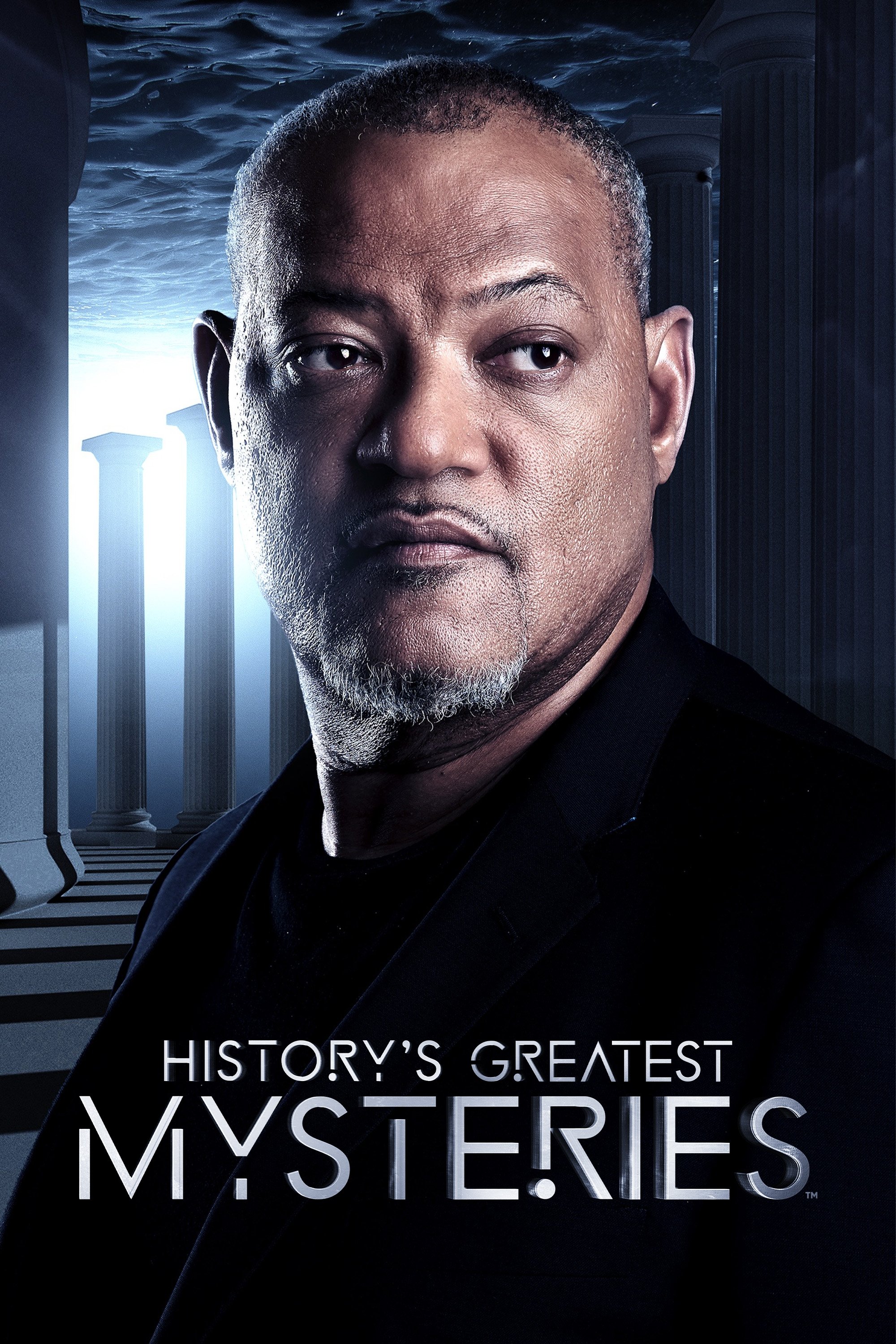
Investigates a wide range of historically compelling topics and the mysteries surrounding each including the Titanic, D.B. Cooper, Roswell, John Wilkes Booth, and more. Fresh, new evidence and perspectives will be showcased, such as never-before-released documents, personal diaries and DNA evidence.
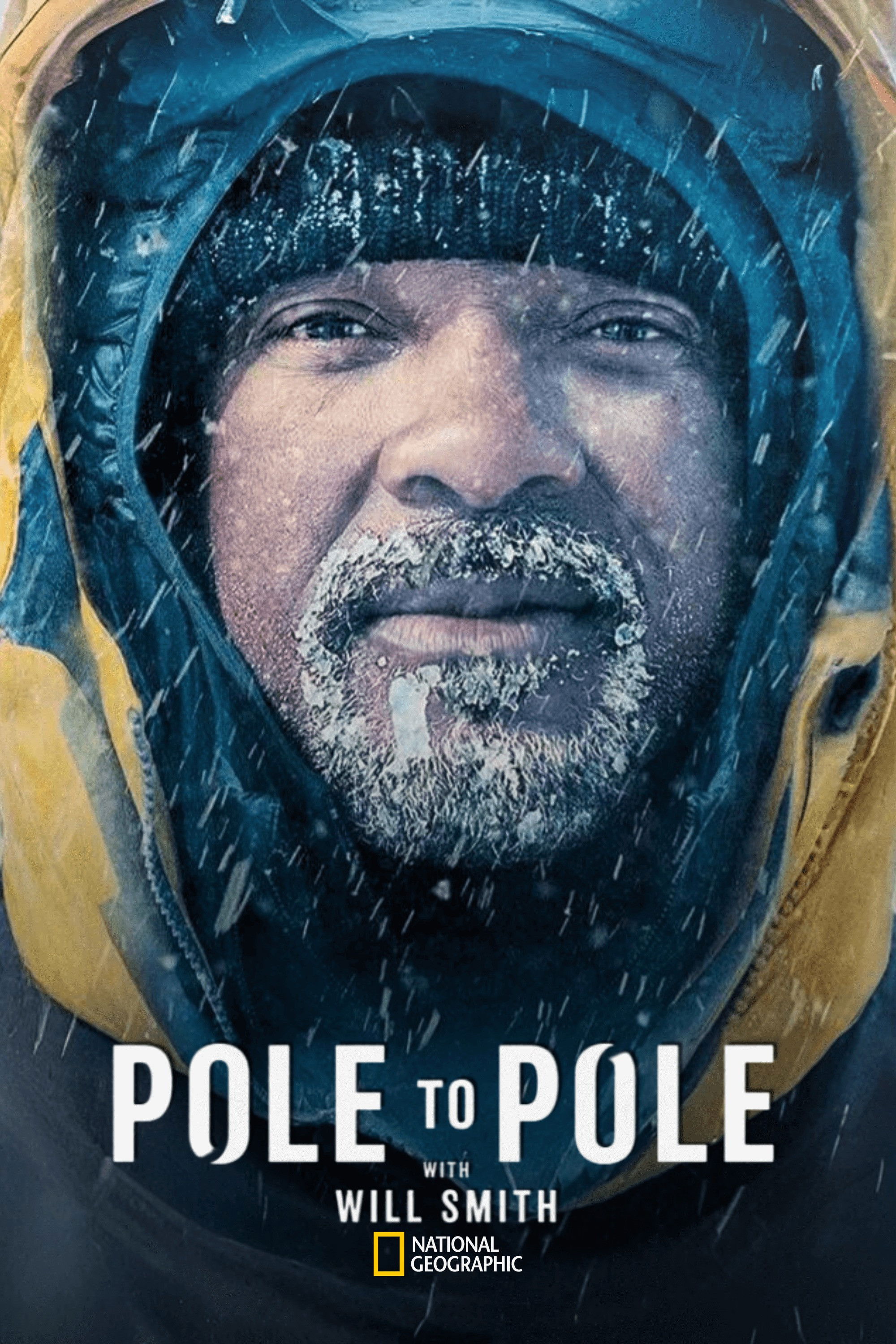
Inspired by his late mentor, Will Smith spends 100 days facing extreme challenges, venturing from pole to pole with scientists, explorers and experts.
The Outer Limits is an anthology tv series of self-contained sci-fi-horror stories, sometimes with a plot twist at the end.
Gadget Man shows the world's collection of handy gadgets throughout the ages, from today's smart devices to decades old electronics to even older mechanical devices.
Ben Mears has returned to his hometown to write a book about the supposedly haunted Marsten House. When people around the Marsten House start dying mysteriously, Mears discovers that the owner of the mansion is actually a vampire who is turning them into an army of undead slaves.
What happens after we die? This docuseries explores personal stories and research on near-death experiences, reincarnation and paranormal phenomena.
An elite team of soldiers thwart the evil Cobra organization's desire for world domination at every turn, cleverly stopping them from controlling the weather, creating unstoppable weapons, and genetically engineering super-warriors.
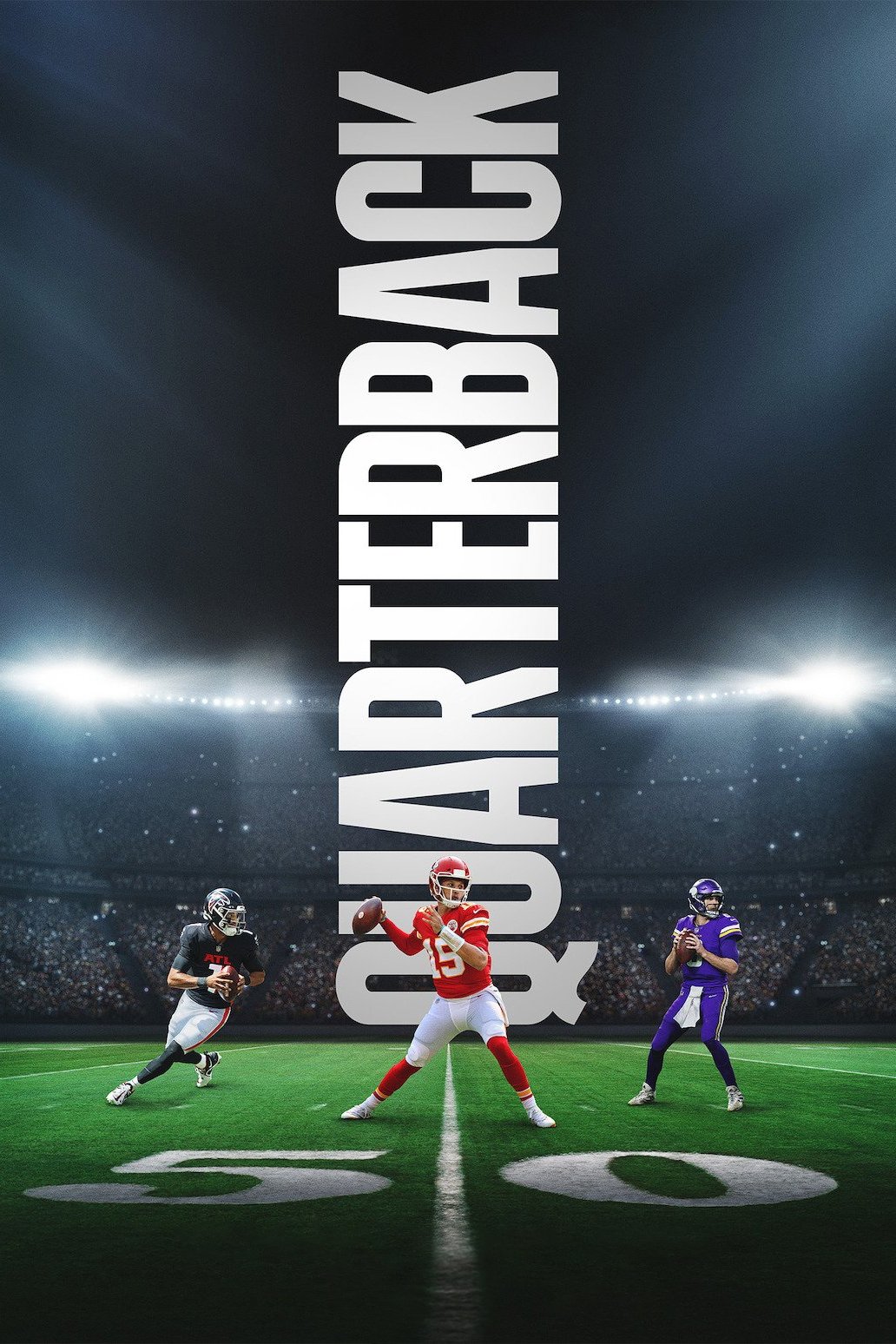
Follow the bruised bodies, soul-crushing fumbles, agonizing losses, and pure joy of three NFL quarterbacks during one season.