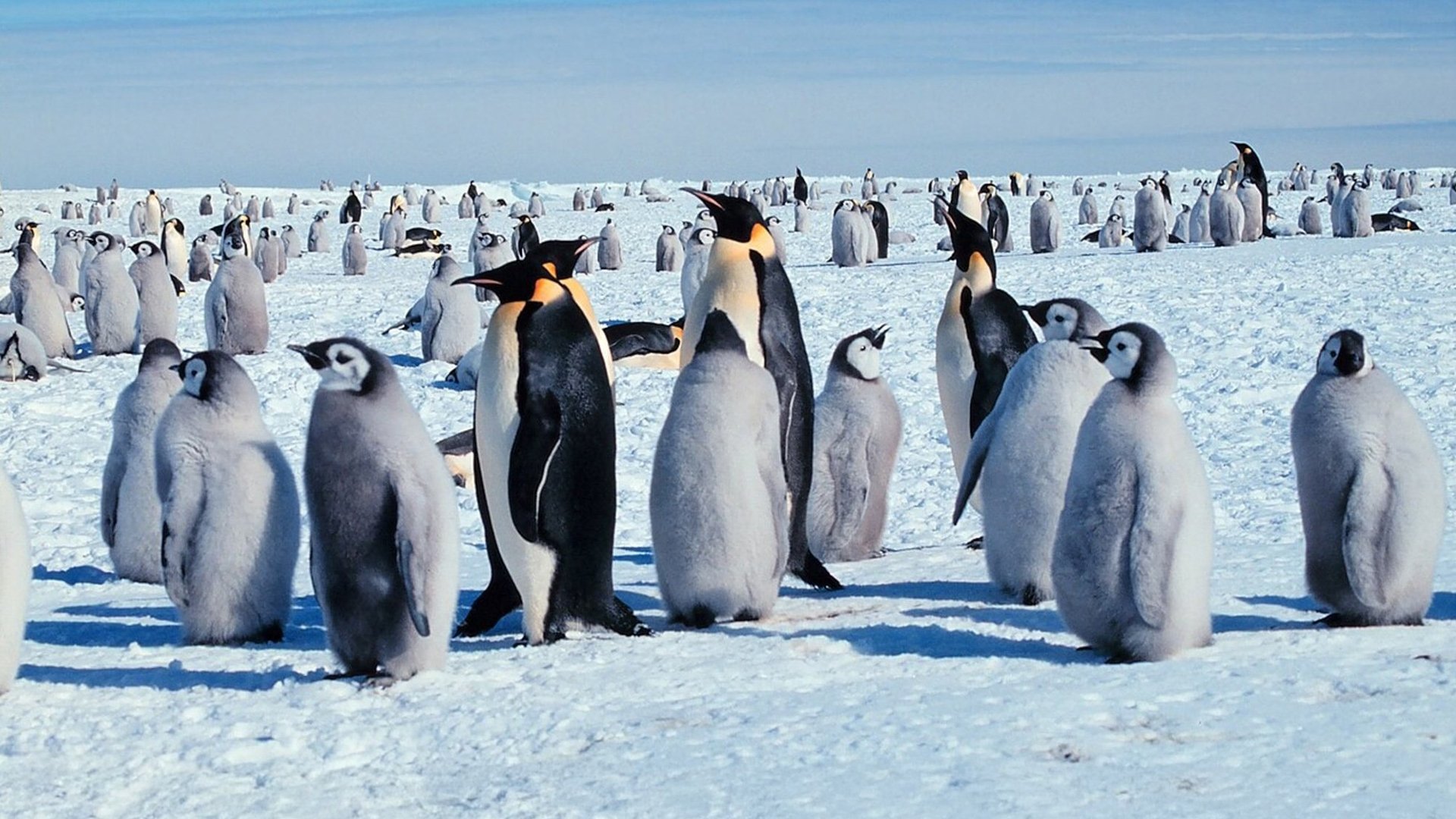
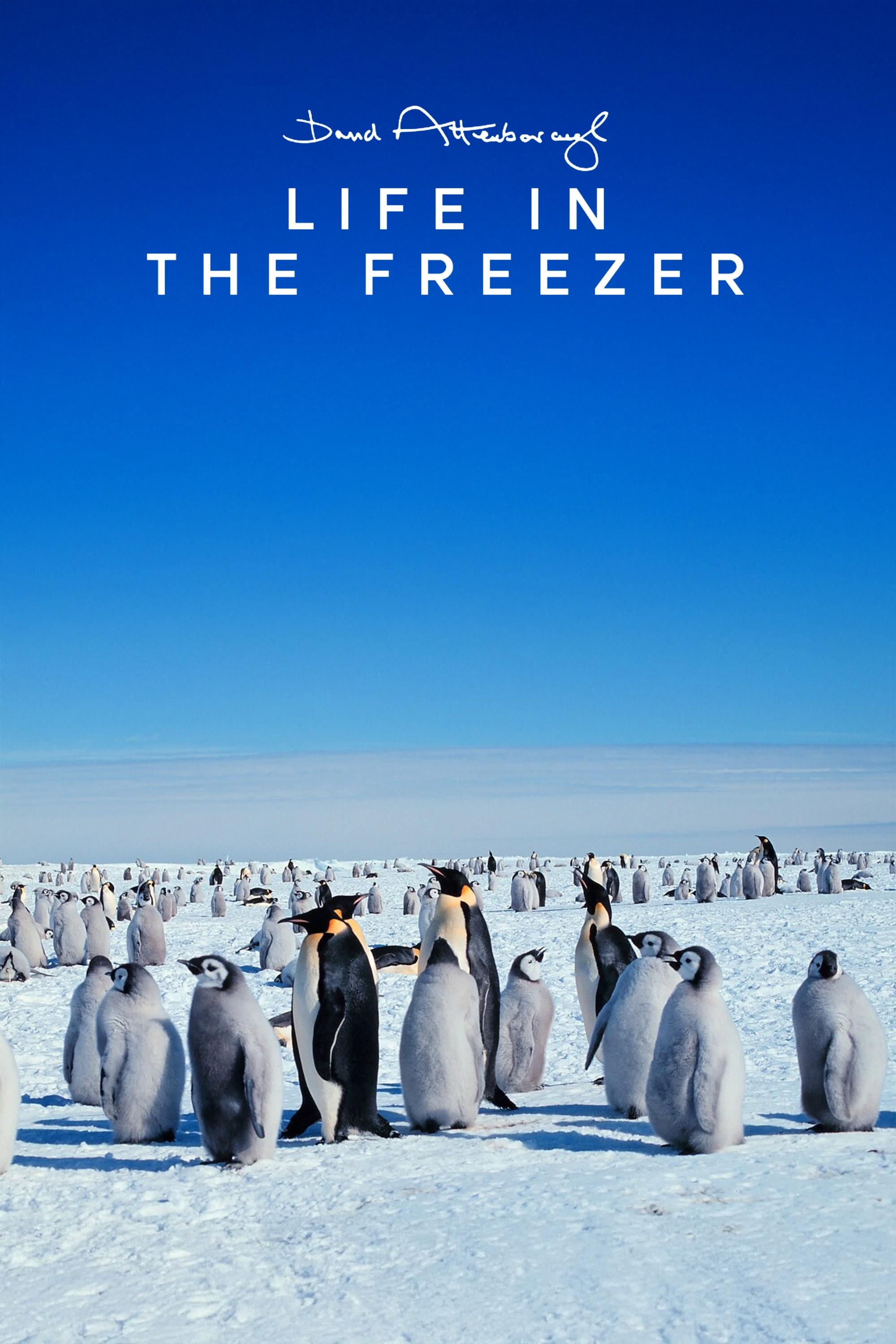
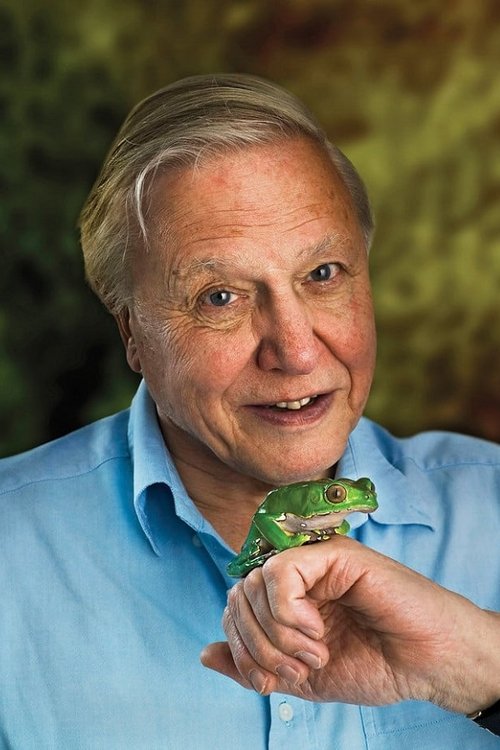
Sir David Attenborough looks at the natural history of the Antarctic continent
Social & External
Self - Presenter
Keep an eye on the daily routines, quirky habits and cozy habitats of several baby animals at Cleveland Metroparks.
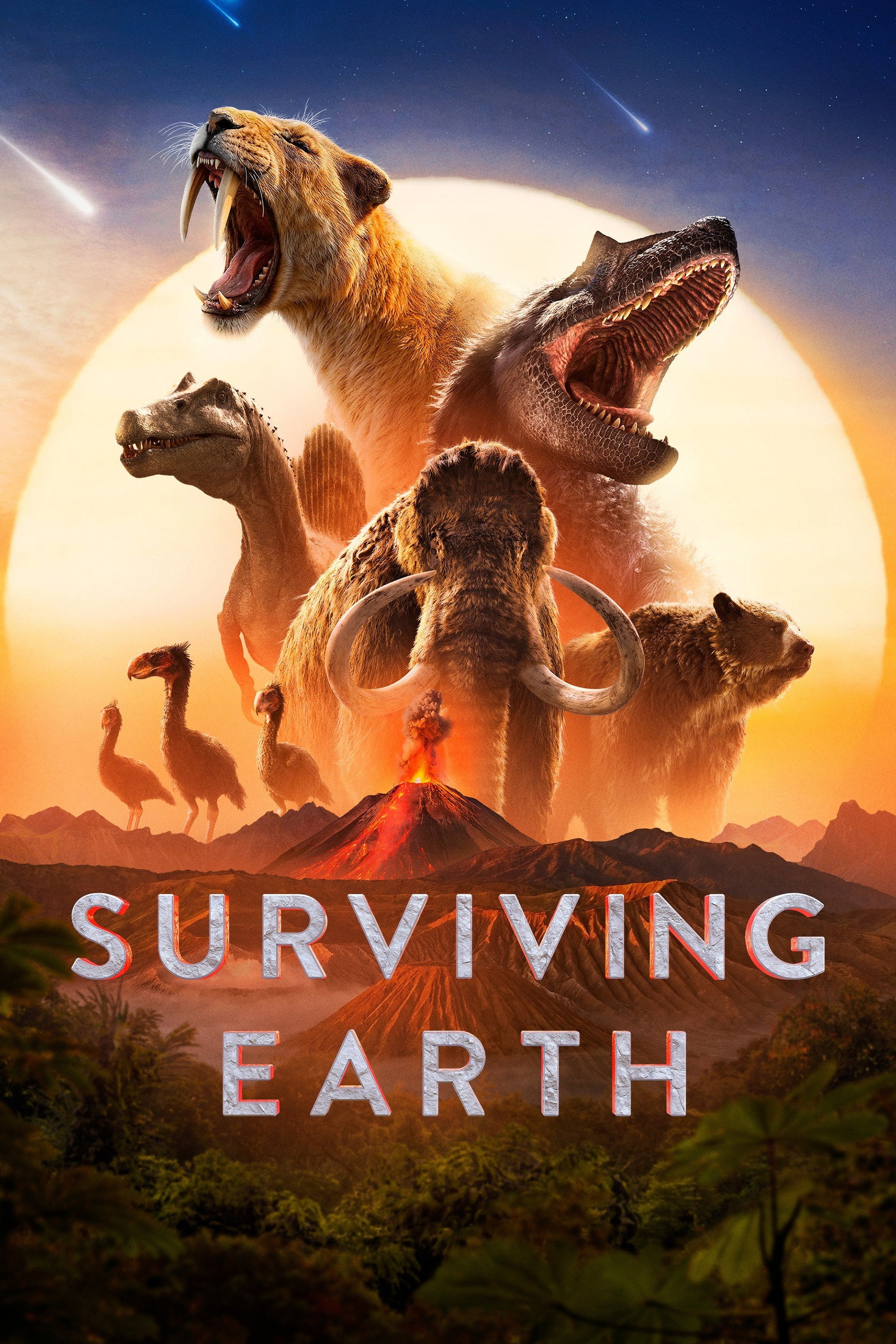
Meet the bizarre, amazing and breathtaking creatures and landscapes of a vibrant lost world; and discover how life not only survived during the cataclysmic events of this prehistoric era, but thrived.
The crystal clear waters of East Asia are home to some of the world’s rarest and most exotic creatures. Dive beneath the waves to discover this stunning underwater landscape and learn how these aquatic species have evolved alongside their environment to allow both plant and fish to thrive.
Sitting on top of one of the world’s largest super-volcanos are 3,500 square miles of the most spectacular American wilderness. This summer, National Geographic Channel opens this world to you LIVE with a four-night special event. The action reaches boiling point in the world’s first National Park, Yellowstone.
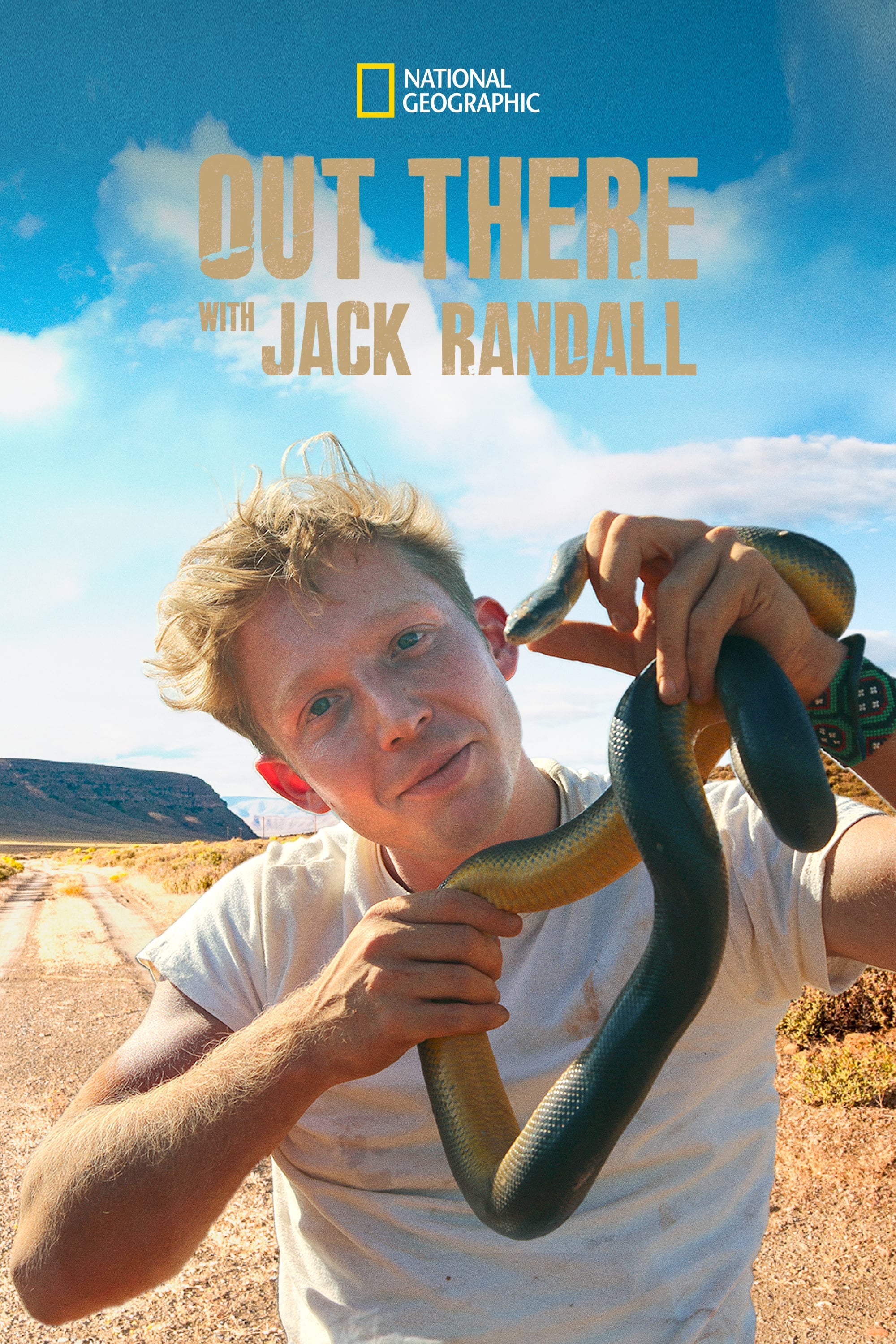
Zoologist Jack Randall journeys into Australia's Outback to encounter extraordinary wildlife.
Sky One introduces the start of a new ongoing documentary series that highlights the potential extinction of some of the world's most famous species. Working with Tiger Aspect Productions, the series follows a team of experts assisted by a wellknown personality. Each documentary will highlight the plight of the world's most endangered animals including the tigers of India, Aye-Ayes and Gorillas. Presenters include Sanjeev Bhaskar, Bill Bailey, Miranda Richardson and Joe Simpson. Each of the presenters will draw on the expertise of local teams campaigning to save the endangered species and work with conservationists to develop and implement strategies to help in their fight for survival.
In 2049, the only remaining data center "Black Box" on the planet rendered uninhabitable by climate disaster. The recorder who resides in "Black Box" accidentally brings out the documentary made by 2023 musicians... The last record on earth left with music on the fast-destroying earth, "The Black Box on Earth"!
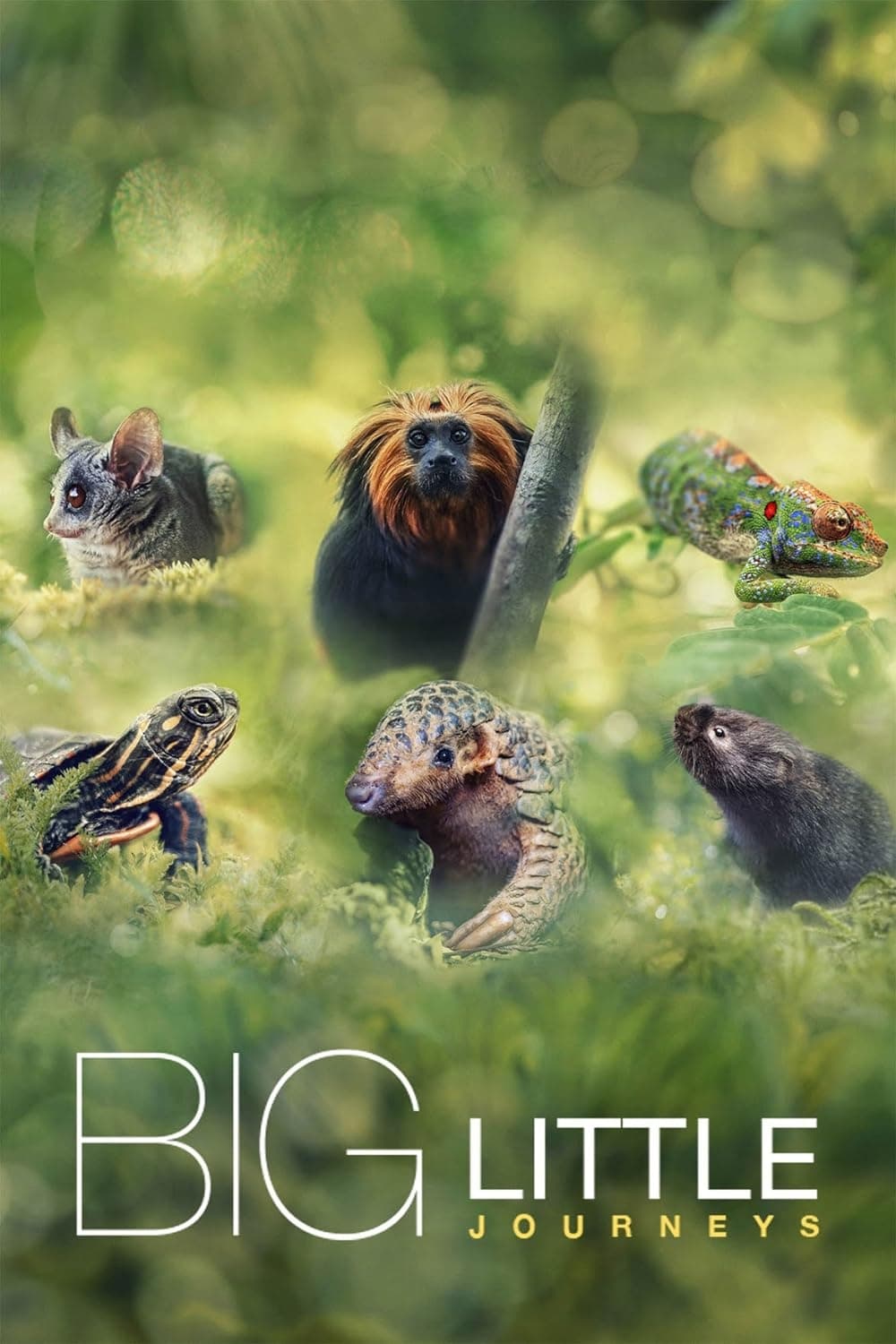
Dive into the extraordinary worlds of six tiny animals as they embark on the biggest journeys of their lives.
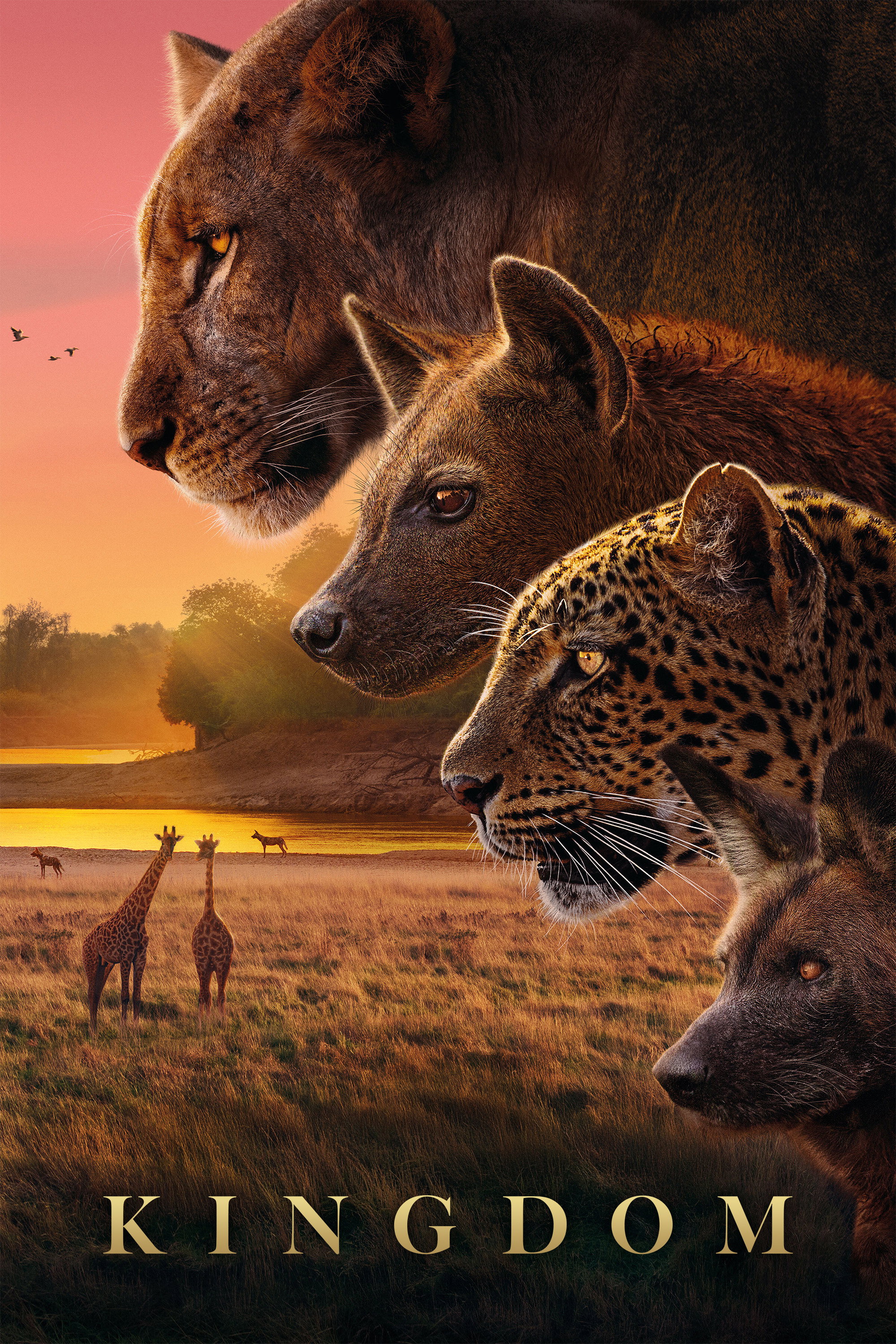
Filmed across five years in a single spectacular location, the lives and fates of our four families - leopards, hyenas, wild dogs, and lions - are inextricably linked as they strive for a foothold in a remote and fertile river valley in Zambia.
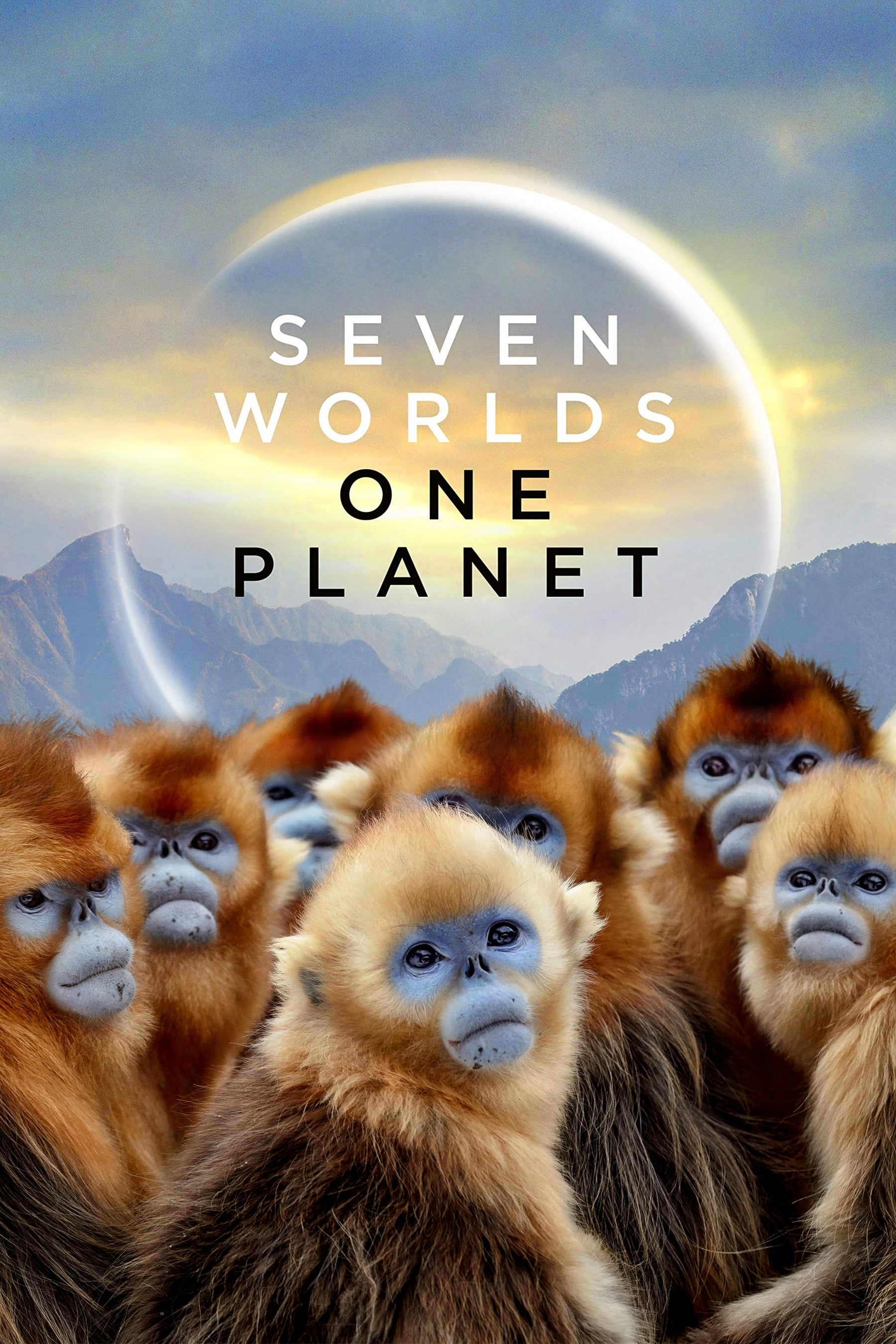
Millions of years ago, incredible forces ripped apart the Earth’s crust creating seven extraordinary continents. This documentary series reveals how each distinct continent has shaped the unique animal life found there.
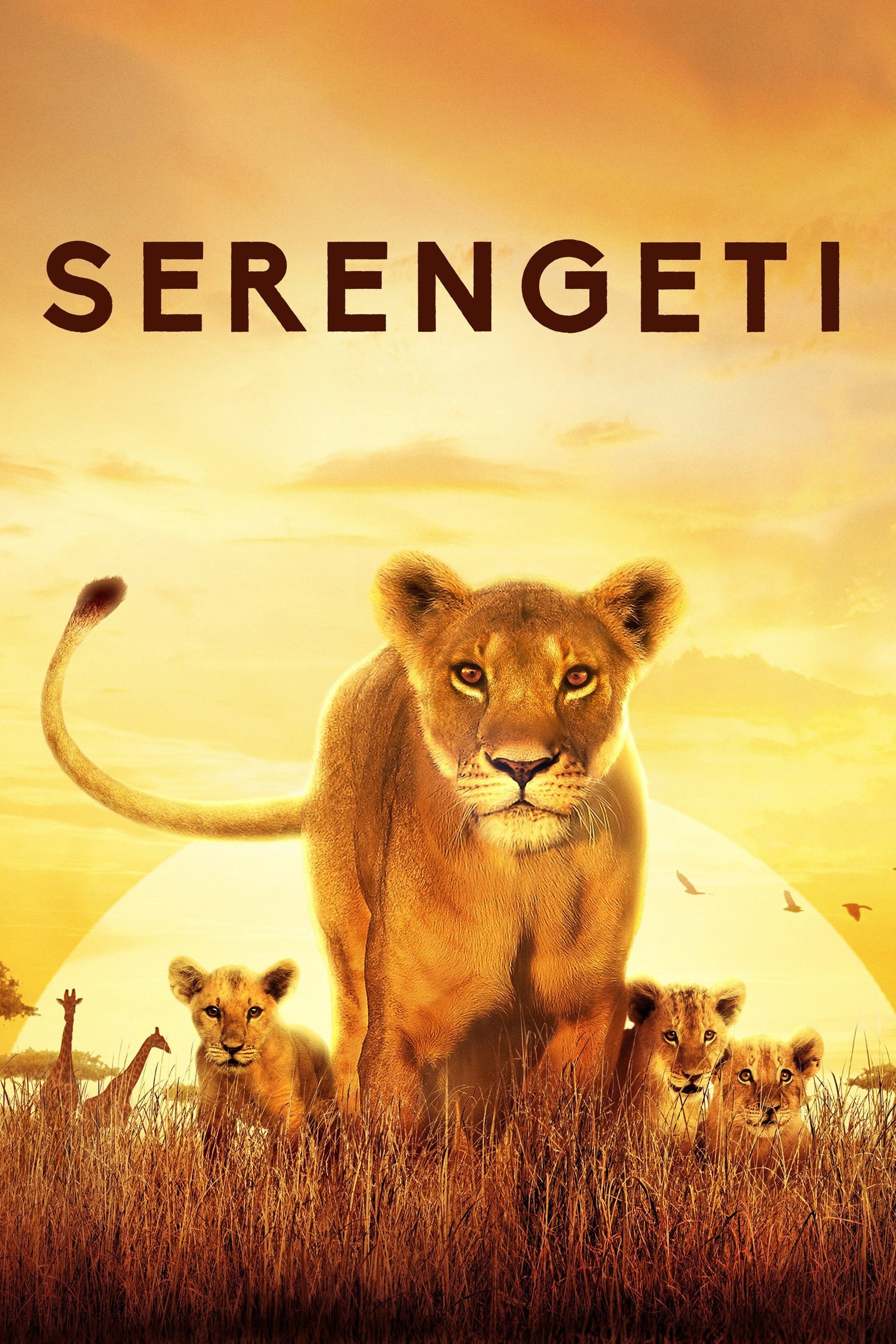
Capturing the high drama of the Serengeti’s distinctive wildlife up close.
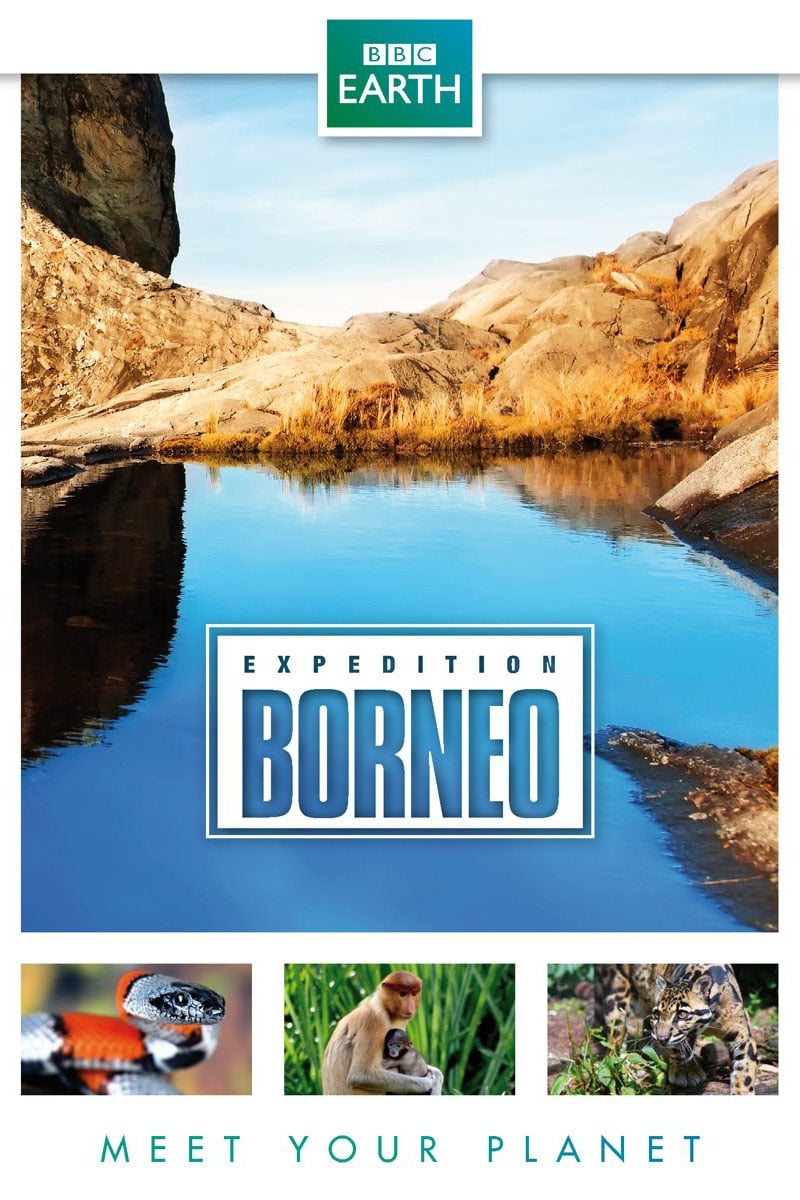
Wildlife adventure series following a team of explorers in the heart of the tropical island of Borneo.
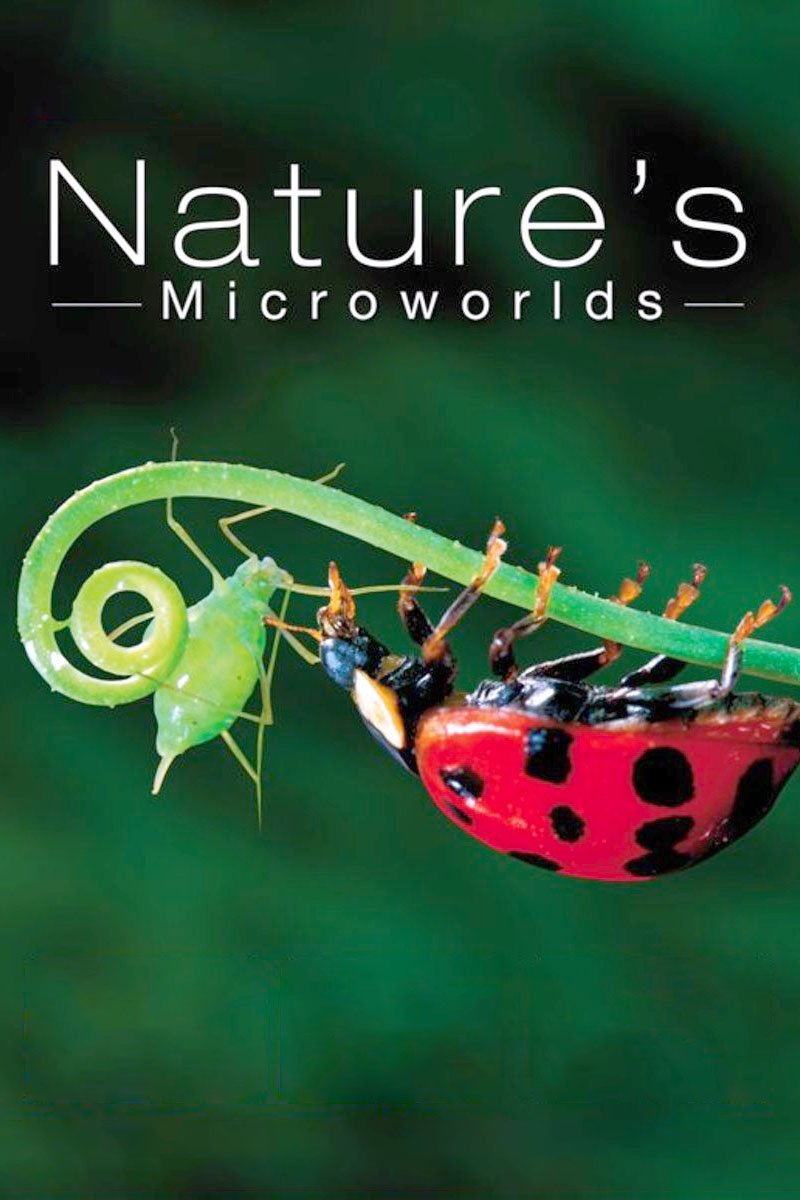
Earth is a collection of worlds within worlds, each one a self-contained ecosystem bursting with life. These microworlds depend on an intricate web of relationships and natural forces that make each one unique. This stunning series delves deep into the heart of these habitats, breaking down each intricate ecosystem into all of its component parts, introducing the animals that live there, and revealing the fine balances of its existence.
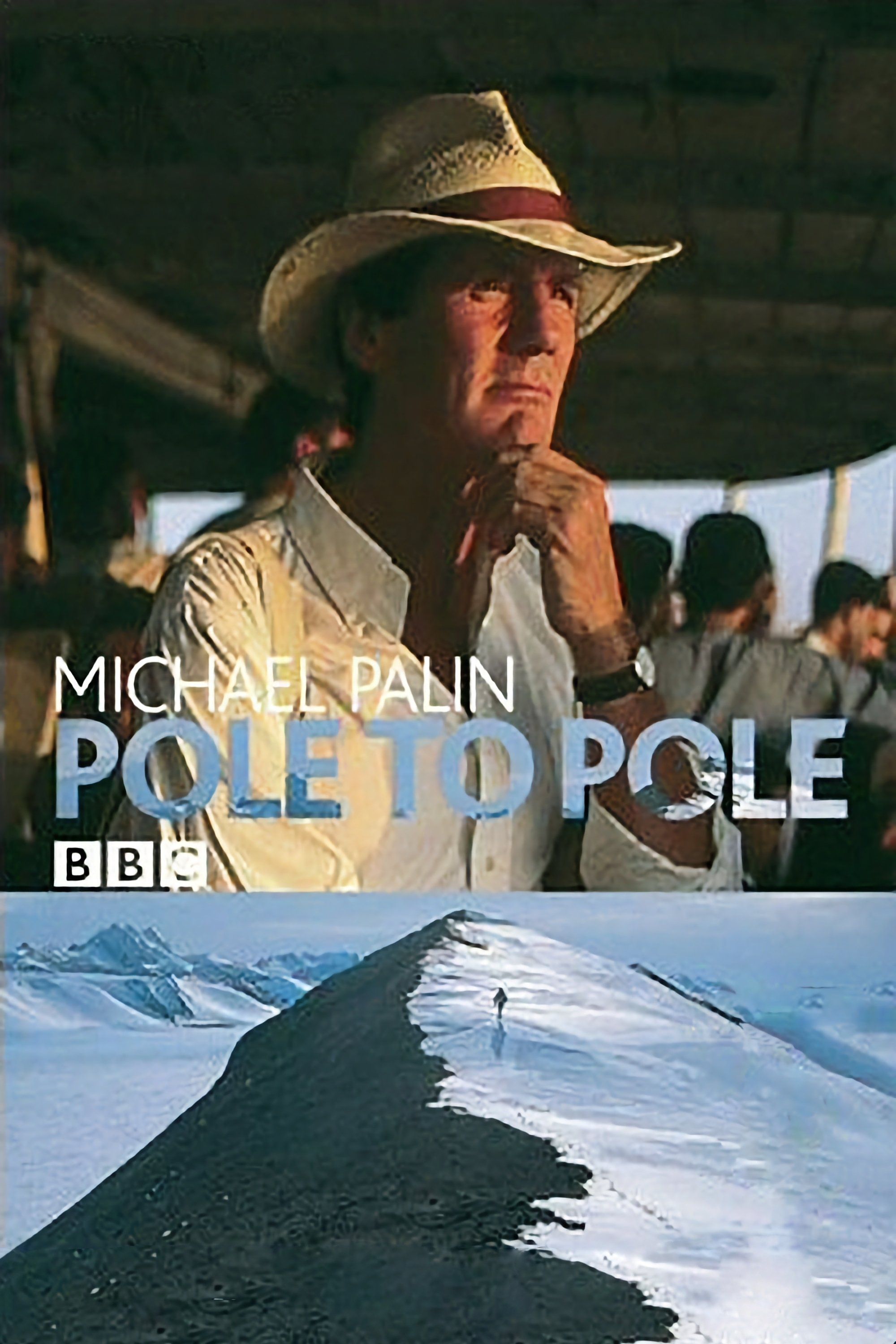
Michael Palin undertakes an epic journey of 23,000 miles, traveling from the North to the South Pole across 17 countries with a minimum of air travel, all on a tight deadline.
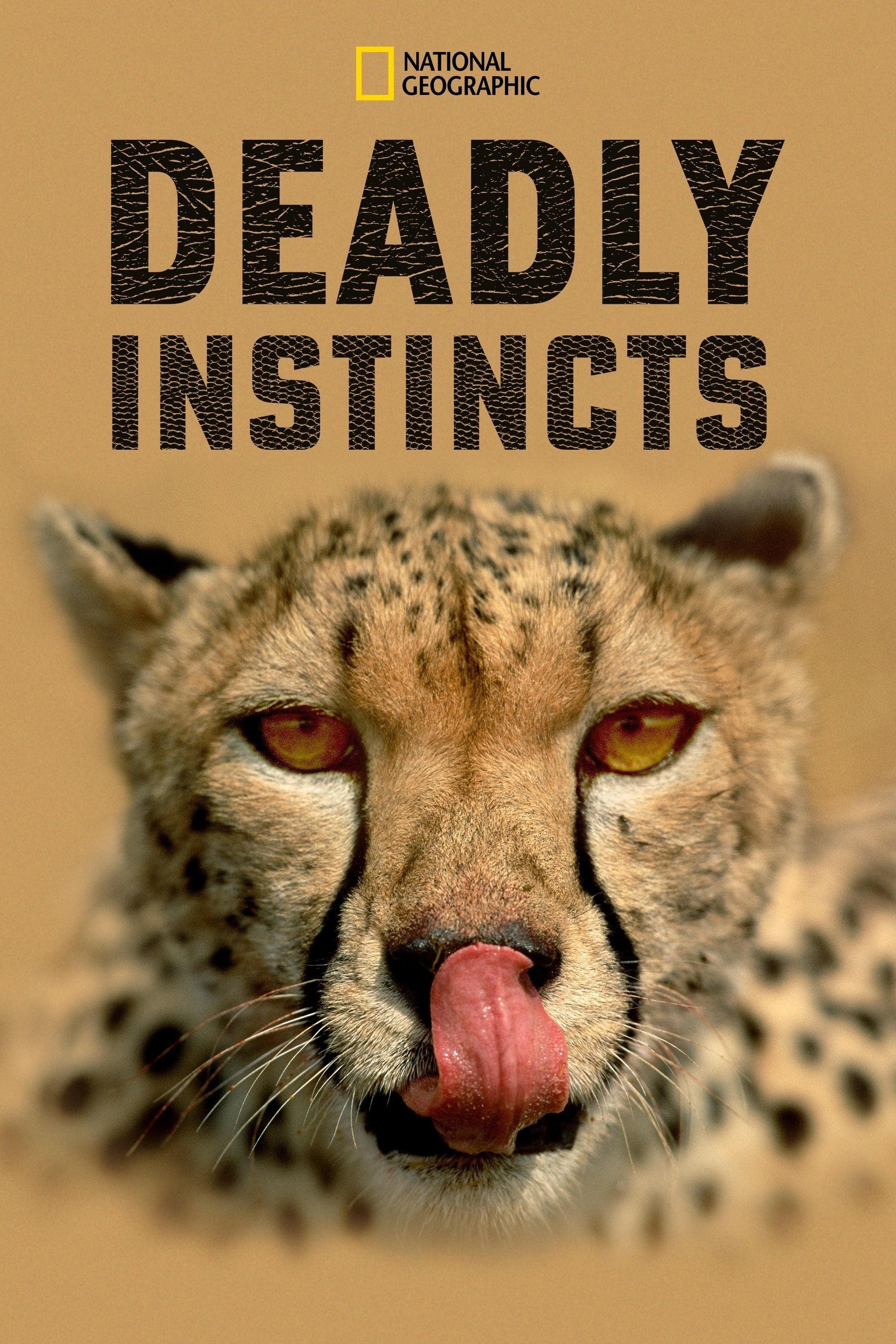
The law of the wild is kill or be killed; learning how animals kill.
David Attenborough celebrates the amazing variety of the natural world in this epic documentary series, filmed over four years across 64 different countries.
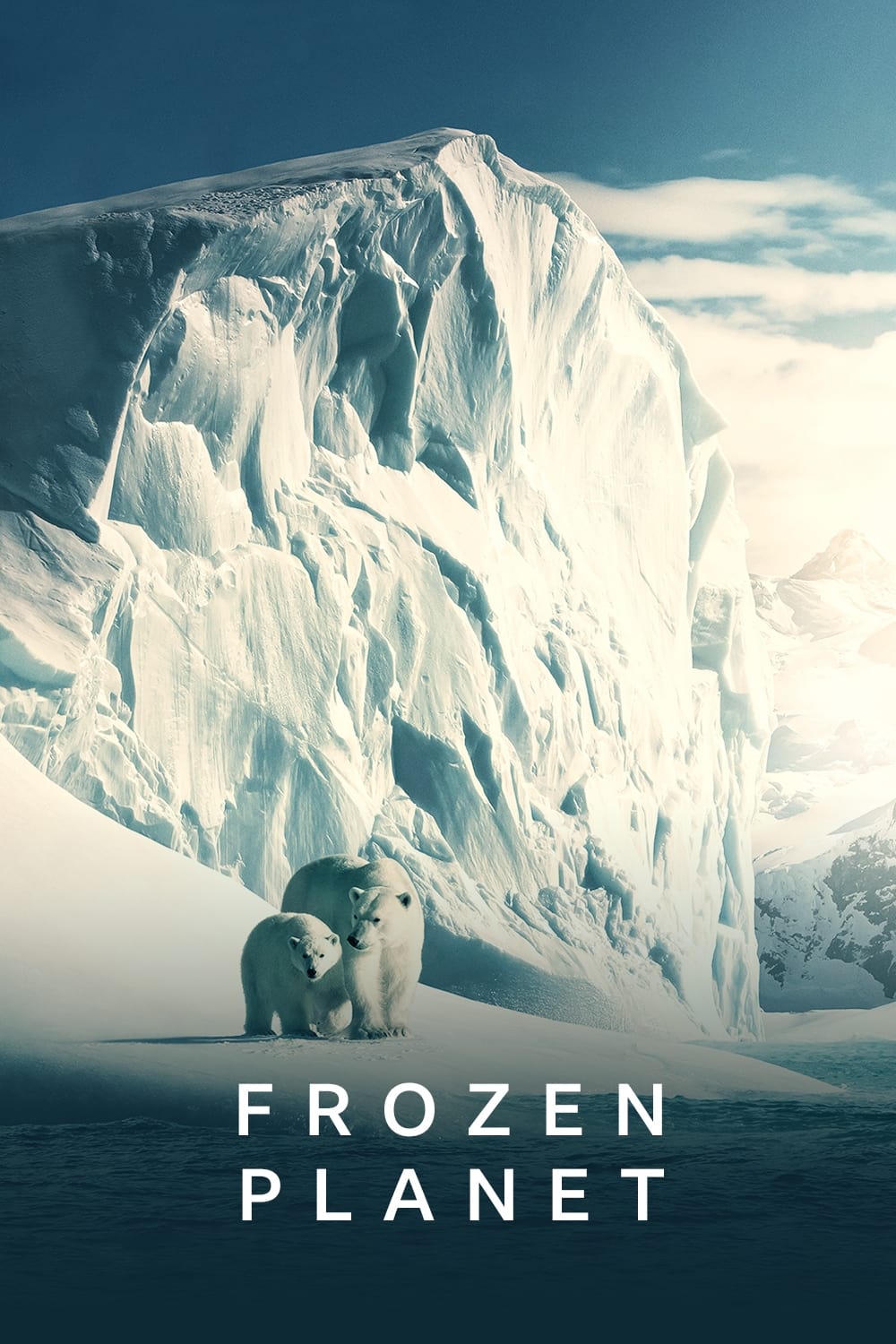
David Attenborough travels to the end of the earth, taking viewers on an extraordinary journey across the polar regions of our planet.
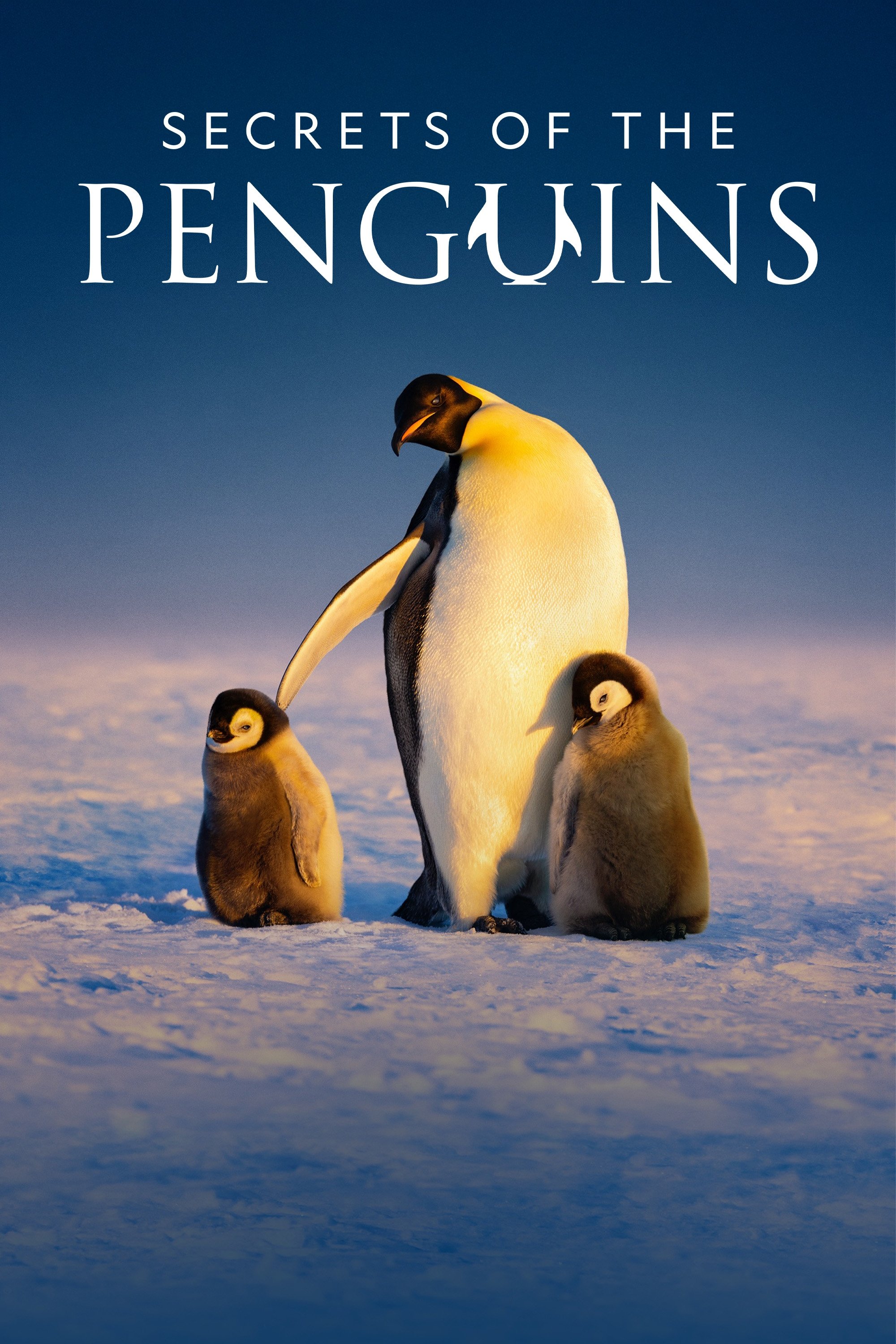
Over two extraordinary years, National Geographic Explorer Bertie Gregory discovered never-before-filmed secret traditions, surprising intelligence and close-knit societies of penguins. This astonishing series reveals they are more like us than we ever dreamed, from their powerful friendships to the courageous risk-takers using ingenuity and innovation in some of the world's most extreme places.
Natural World is a nature documentary television series broadcast annually on BBC Two and regarded by the BBC as its flagship natural history brand. It is currently the longest-running series in its genre on British television, with more than 400 episodes broadcast since its inception in 1983. Natural World is produced by the BBC Natural History Unit in Bristol, but individual programmes can be in-house productions, collaborative productions with other broadcasters or films made and distributed by independent production companies and purchased by the BBC. Natural World programmes are often broadcast as PBS Nature episodes in the USA. Since 2008, most Natural World programmes have been shot and broadcast in high definition.
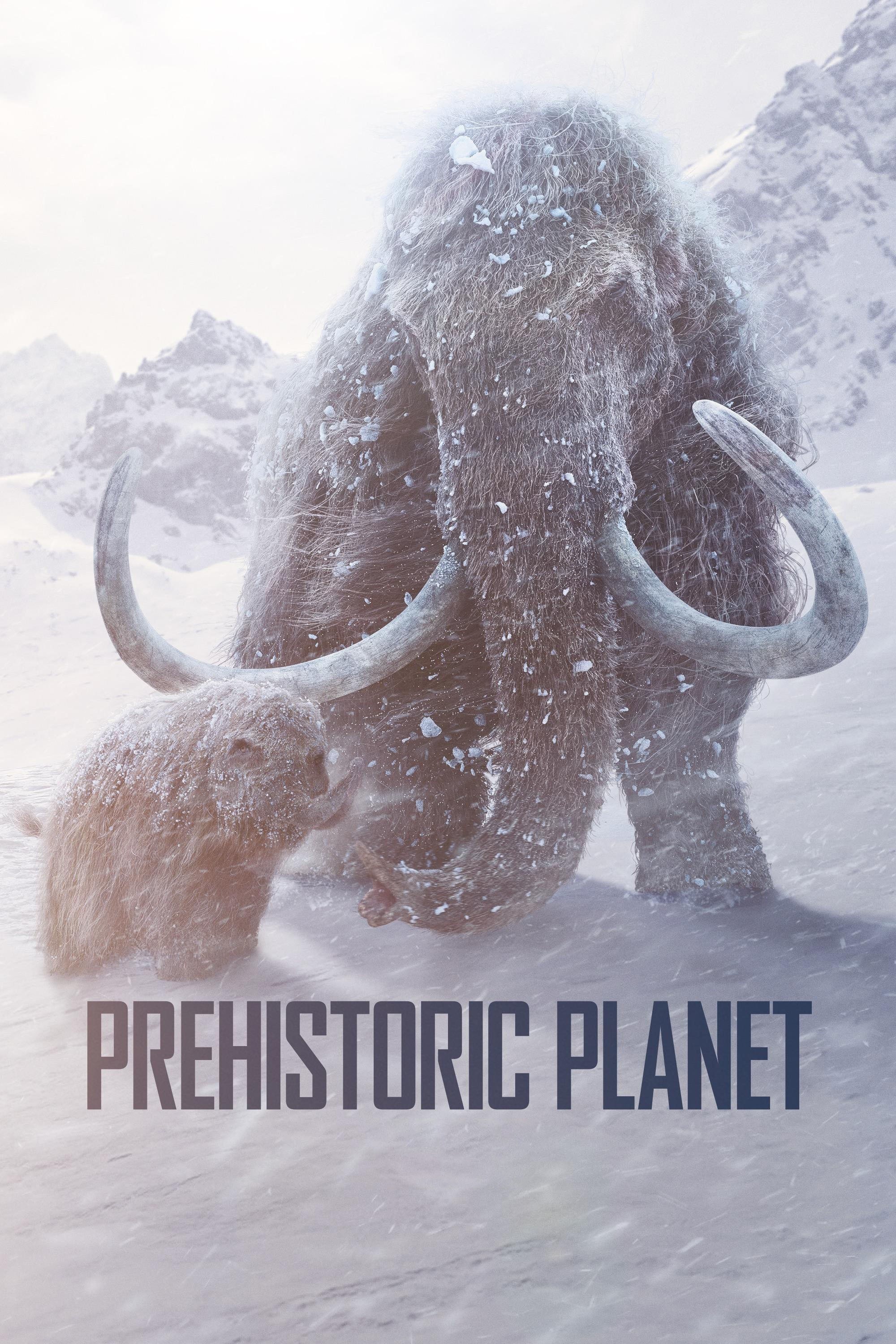
Experience the wonders of our world like never before in this epic series from Jon Favreau and the producers of Planet Earth. Travel back 66 million years to when majestic dinosaurs and extraordinary creatures roamed the lands, seas, and skies.
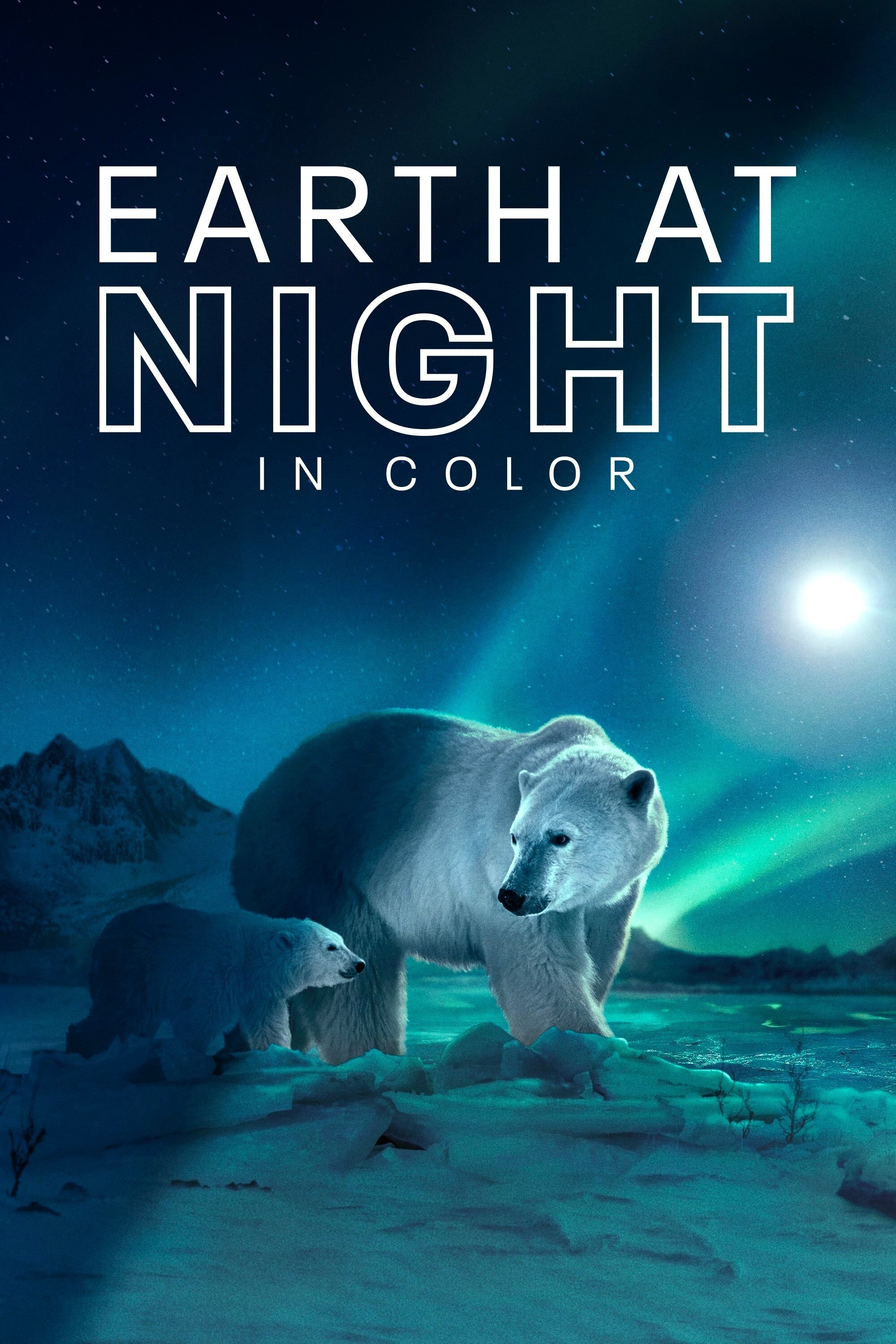
Filmed across six continents, this docuseries uses cutting-edge camera technology to capture animals' nocturnal lives, revealing new behaviours filmed in full color like never before.
Consistently stunning documentaries transport viewers to far-flung locations ranging from the torrid African plains to the chilly splendours of icy Antarctica. The show's primary focus is on animals and ecosystems around the world. A comic book based on the show, meant to be used an as educational tool for kids, was briefly distributed to museums and schools at no cost in the mid-2000s.
Experience our planet's natural beauty and examine how climate change impacts all living creatures in this ambitious documentary of spectacular scope.
David Attenborough presents a documentary series exploring how animals meet the challenges of surviving in the most iconic habitats on earth.
30 for 30 is the title for a series of documentary films airing on ESPN, its sister networks, and online highlighting interesting people and events in sports history. This currently includes four "volumes" of 30 episodes each, a 13-episode series under the ESPN Films Presents title in 2011–2012, and a series of 30 for 30 Shorts shown through the ESPN.com website. The series has also expanded to include Soccer Stories, which aired in advance of the 2014 FIFA World Cup, and audio podcasts. This entry refers to the main Volumes of the series presented by ESPN
Journeying to the far reaches of our planet, this eight part series follows some of the world's most amazing species, telling extraordinary stories that are dramatic, thrilling, funny and sometimes heart-breaking, but always full of hope.
PBS' premier science series helps viewers of all ages explore the science behind the headlines. Along the way, NOVA demystifies science and technology, and highlights the people involved in scientific pursuits.
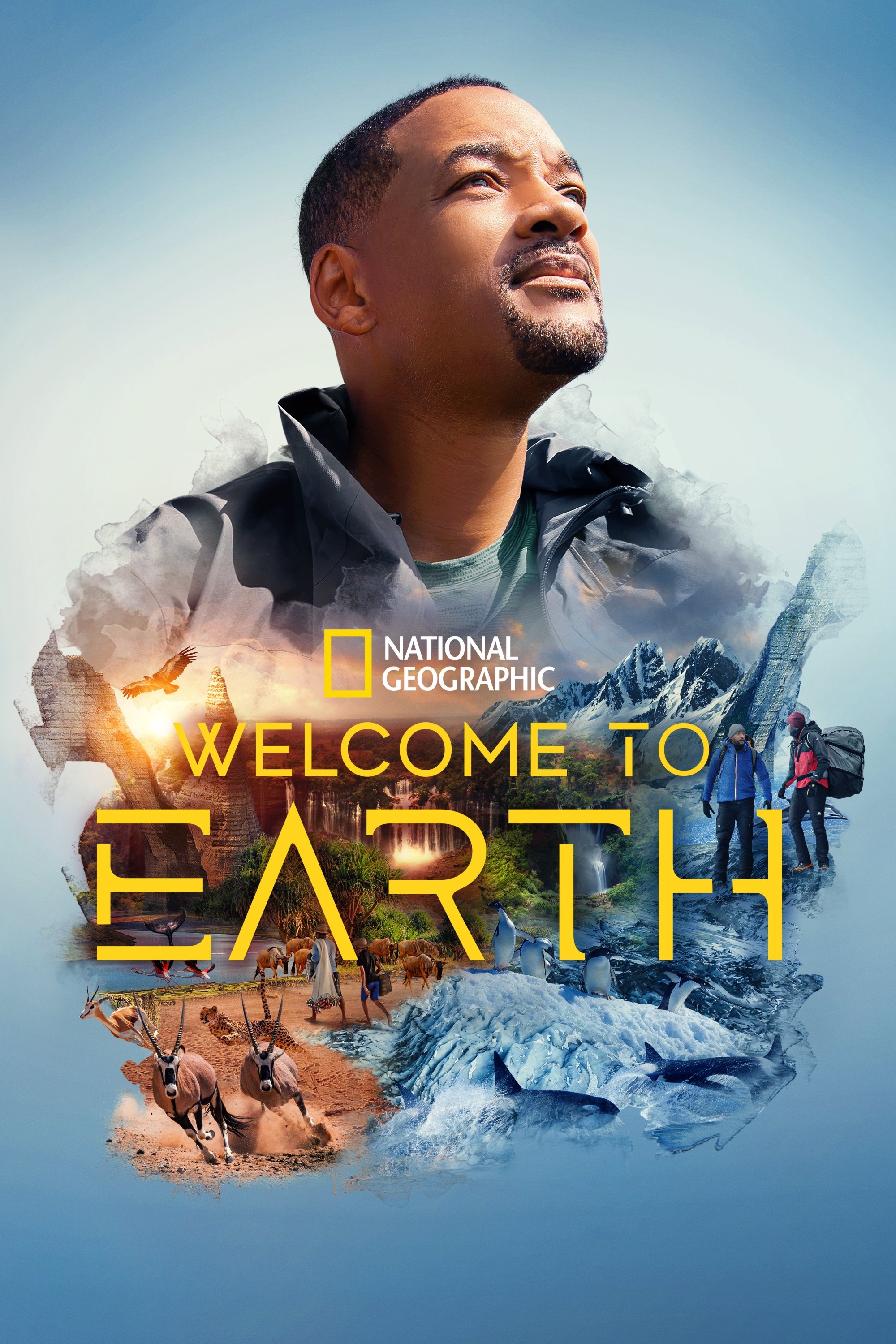
Will Smith whose curiosity and wonder is positively infectious—is guided by National Geographic Explorers traveling to different corners of the world to get up close and personal with the weirdest, most unusual, dangerous and thrilling spectacles of the planet.
Follow the true stories of five of the world's most celebrated, yet endangered animals; penguins, chimpanzees, lions, painted wolves and tigers. Each in a heroic struggle against rivals and against the forces of nature, these families fight for their own survival and for the future of their dynasties.
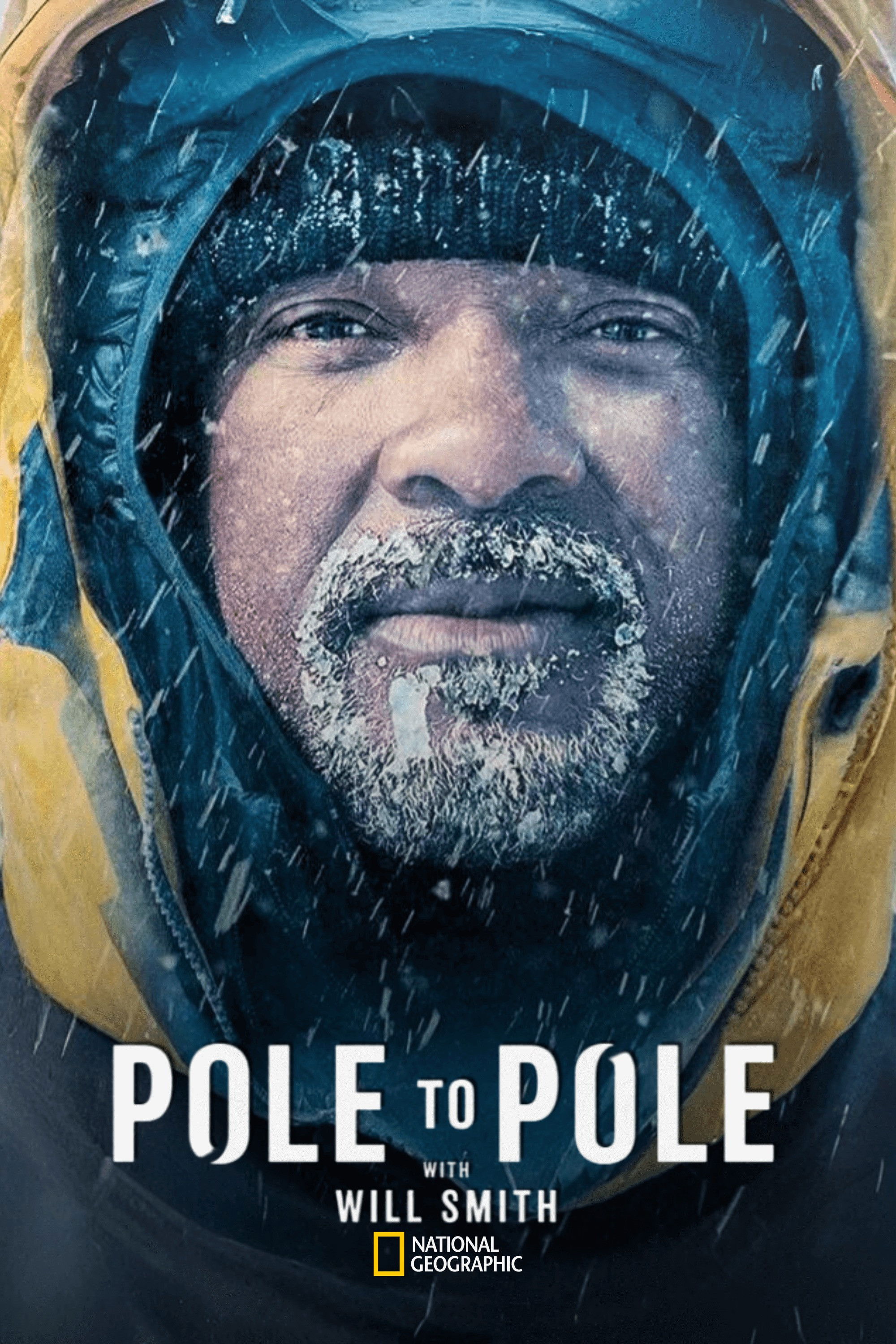
Inspired by his late mentor, Will Smith spends 100 days facing extreme challenges, venturing from pole to pole with scientists, explorers and experts.
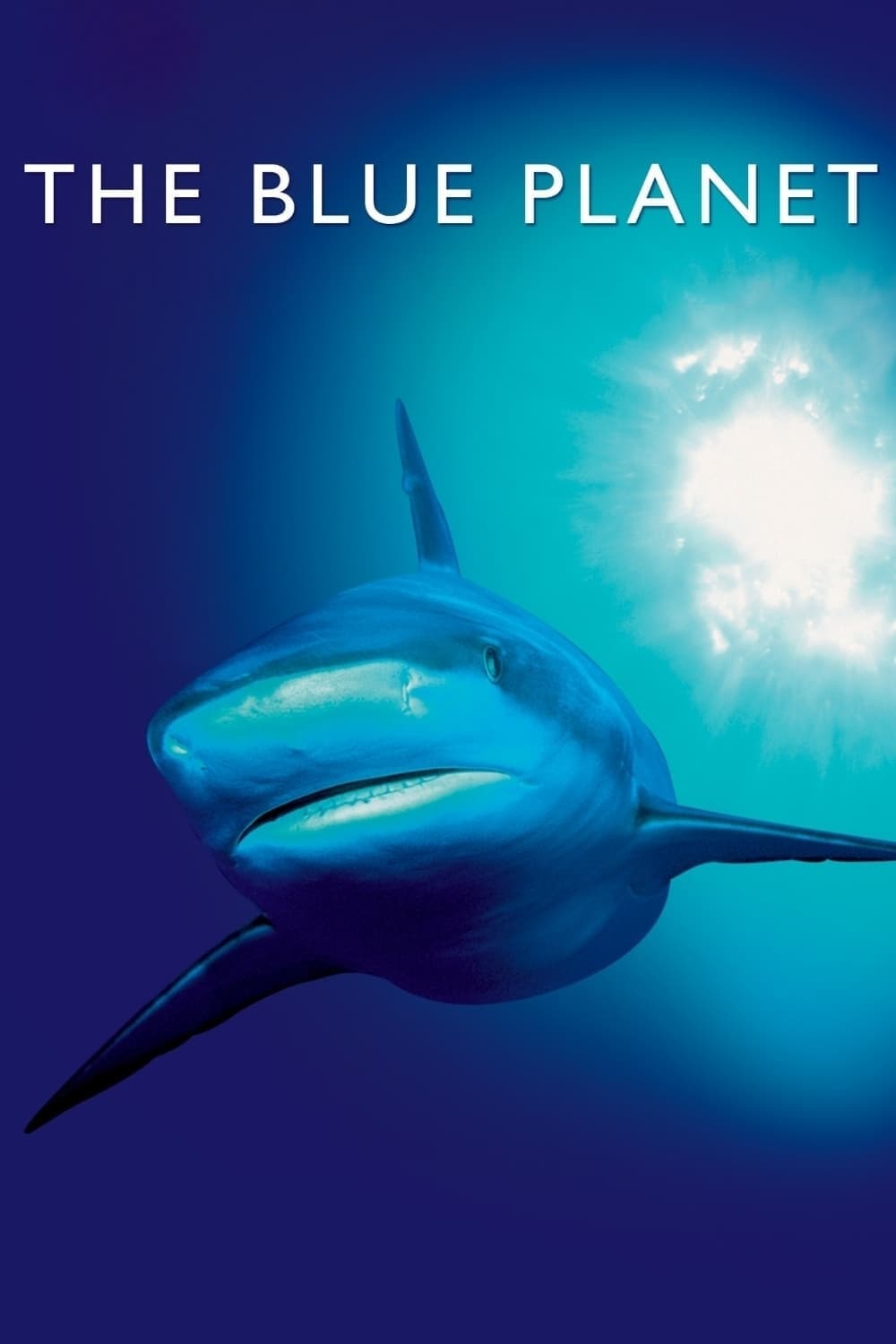
Sir David Attenborough narrates this critically acclaimed series that dives deep into the marine environment of Planet Earth. Although two-thirds of the world's surface is covered with water, scientists know less about the oceans than they do about the surface of the moon. This limited series travels from various coasts to the poles to examine watery denizens ranging from the gigantic blue whale to microscopic coral polyps.
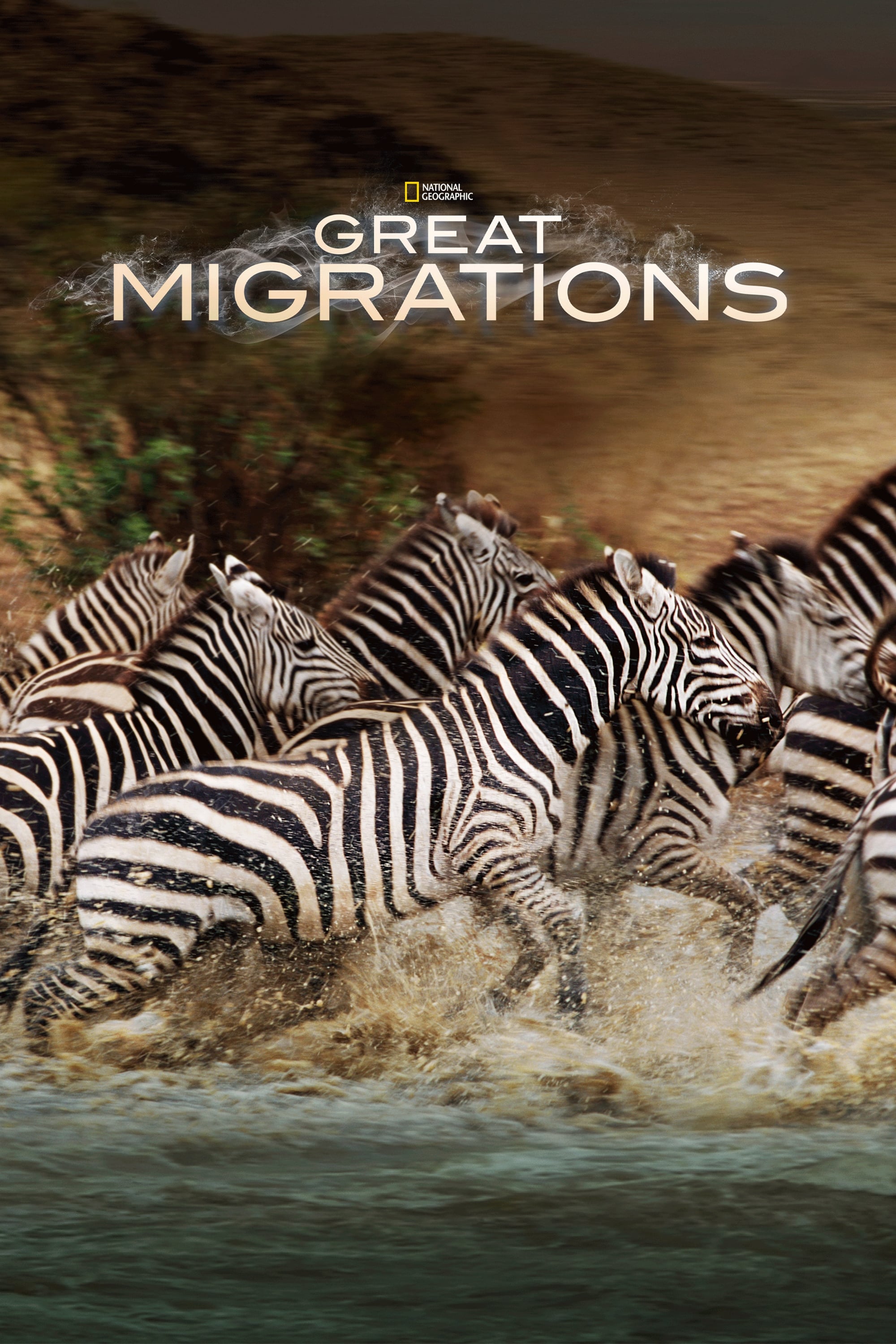
Shot from land and air, in trees and cliff-blinds, on ice floes and underwater, this documentary tells the powerful stories of many of the planet's species and their movements, while revealing new scientific insights with breathtaking high-definition clarity and emotional impact. The beauty of these stories is underscored by a new focus into these species; fragile existence and their life-and-death quest for survival in an ever-changing world.
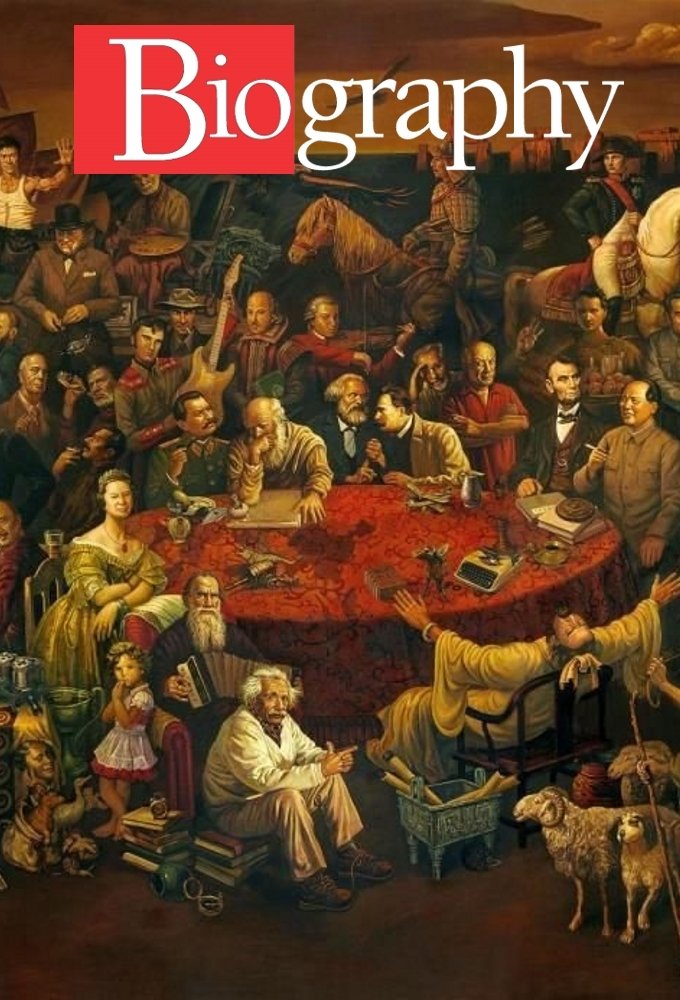
Biography is a documentary television series. It was originally a half-hour filmed series produced for CBS by David Wolper from 1961 to 1964 and hosted by Mike Wallace. The A&E Network later re-ran it and has produced new episodes since 1987. The older version featured historical figures such as Helen Keller and Mark Twain, or long-dead entertainment figures such as Will Rogers or John Barrymore. The A&E series has placed the emphasis on such people as Marilyn Monroe, Elvis Presley, Plácido Domingo, Freddie Mercury, Jacqueline Kennedy Onassis, Eric Clapton, Pope John Paul II, Gene Tierney, Selena, Diego Rivera, Mao Zedong and Queen Elizabeth II, and fictional characters like The Phantom, Superman, Hamlet, Betty Boop, and Santa Claus. The program ended up profiling enough figures that in 1999, A&E spun it off into an entire network, The Biography Channel.
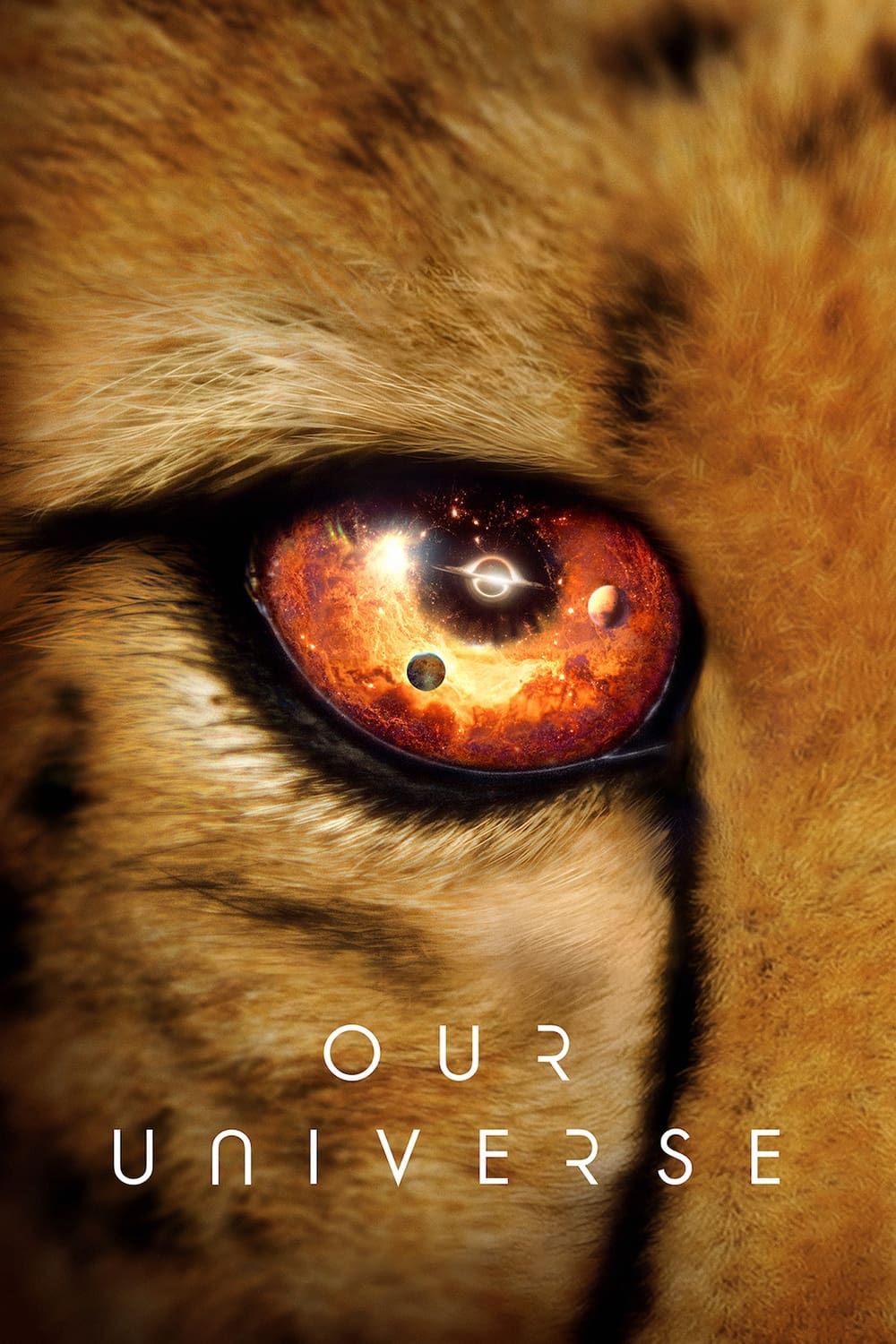
Witness the remarkable story of our universe over billions of years and its inextricable link to life on Earth in this sweeping documentary series.