Social & External
Donal MacIntyre investigates the secretive world of white power music and how the money made helps fund far right political organizations in many countries, including the British National Party in the UK. In this documentary, the crew gained access to the men and women behind one of the most disturbing musical movements. It reveals how British neo-Nazis and skinheads plan to launch 'Project School-Yard' in Britain after a similar scheme was tried out in the United States. In the UK, the team follows one of the most infamous British white-power bands, Whitelaw, as they prepare for one of the biggest gigs of their career. The band are filmed on stage, with riot police surrounding the venue, performing as the forces of law and order move in to shut down their hate-filled act. The film also contains shocking images of hate rock concerts in the USA where, thanks to the first amendment protecting freedom of speech, anything goes.
Black people face a lot of problems, but the root cause of those issues is our lack of businesses. 7 A.M. is the first documentary ever that talks to leading scholars, academics, and businessmen exploring in depth why racism isn’t a social issue but an economic one. Since the 1960’s we’ve focused on education and politics, however, the solution isn’t building more schools or government positions… The solution is building more businesses.
The first in-depth analysis of the unspoken ethnic component behind the most devastating socio-economic movement in America today.
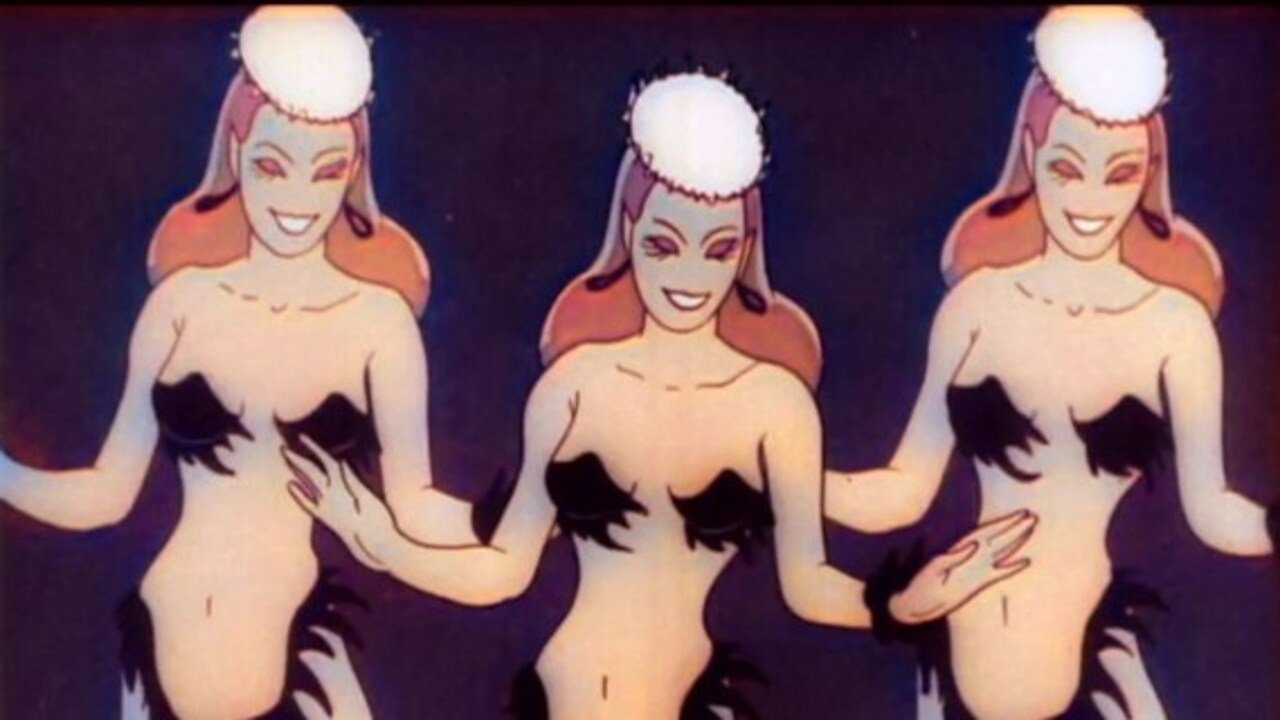
A compilation of animated shorts restored by Thomas Stathes. A snapshot of the state of animated filmmaking 100 years ago. Includes several 1923 films.
This riveting documentary investigates allegations of systemic racism and child sexual abuse in the New Hanover School District.
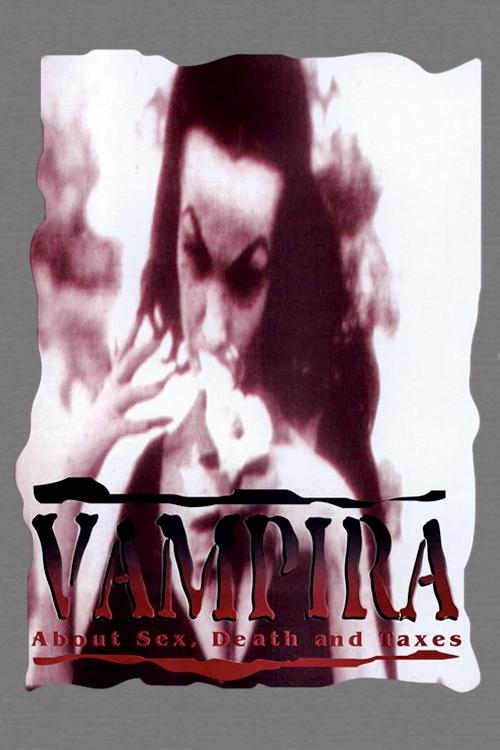
Interviews with Maila Nurmi, who famously played the horror hostess Vampira
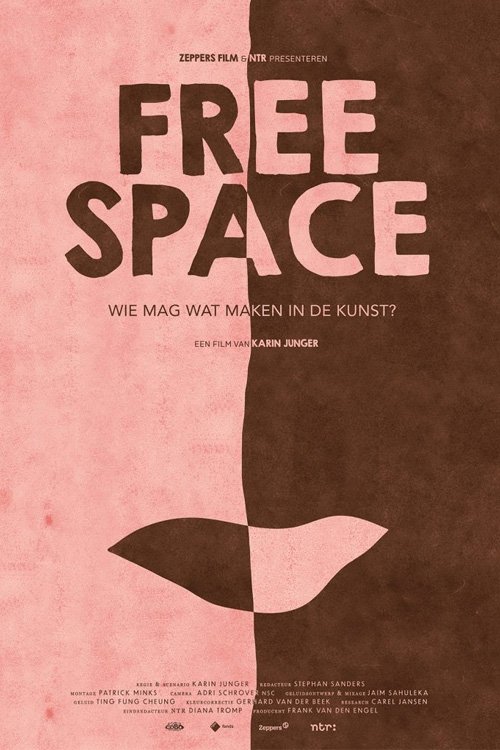
Under pressure from activist groups, art is increasingly being cancelled for ideological reasons, because of 'cultural appropriation' or because of the desire for a 'safe space'. The colour and gender of the artist seem to be all-determining in this. How do you relate to this as an artist? Is this a disturbing development or a sign of emancipation? And what does it mean for freedom of expression? Director Karin Junger investigates this with Anne-Fay Kops, Ted van Lieshout, Angel-Rose Oedit Doebé, Raymi Sambo, Boris van Berkum, Marian Markelo, Stephan Sanders and Thomas Chatterton Williams.
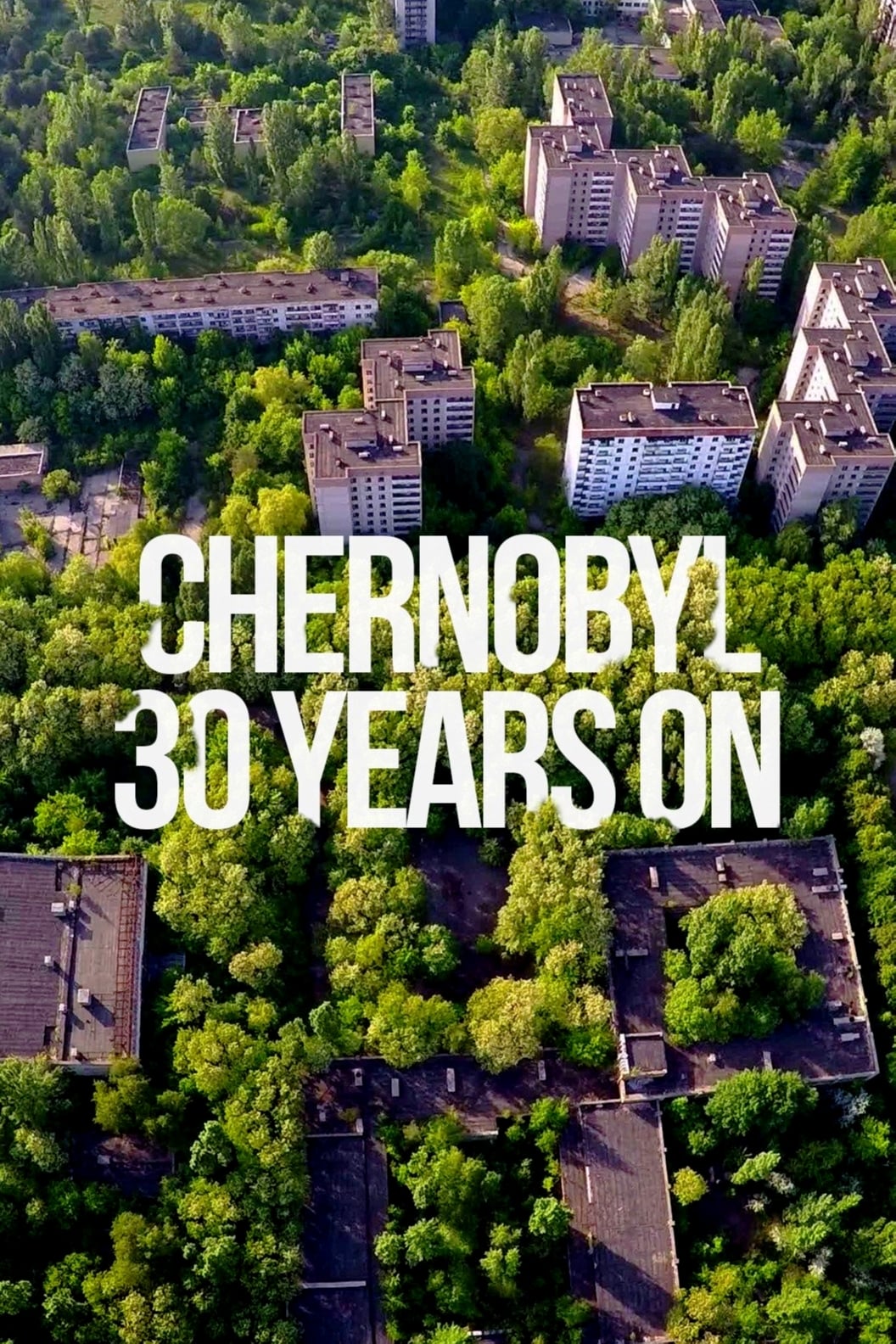
Thirty years after the Chernobyl disaster, which occurred on the night of April 26, 1986, its causes and consequences are examined. In addition, a report on efforts to strengthen the structures covering the core of the nuclear plant in order to better protect the population and the environment is offered.
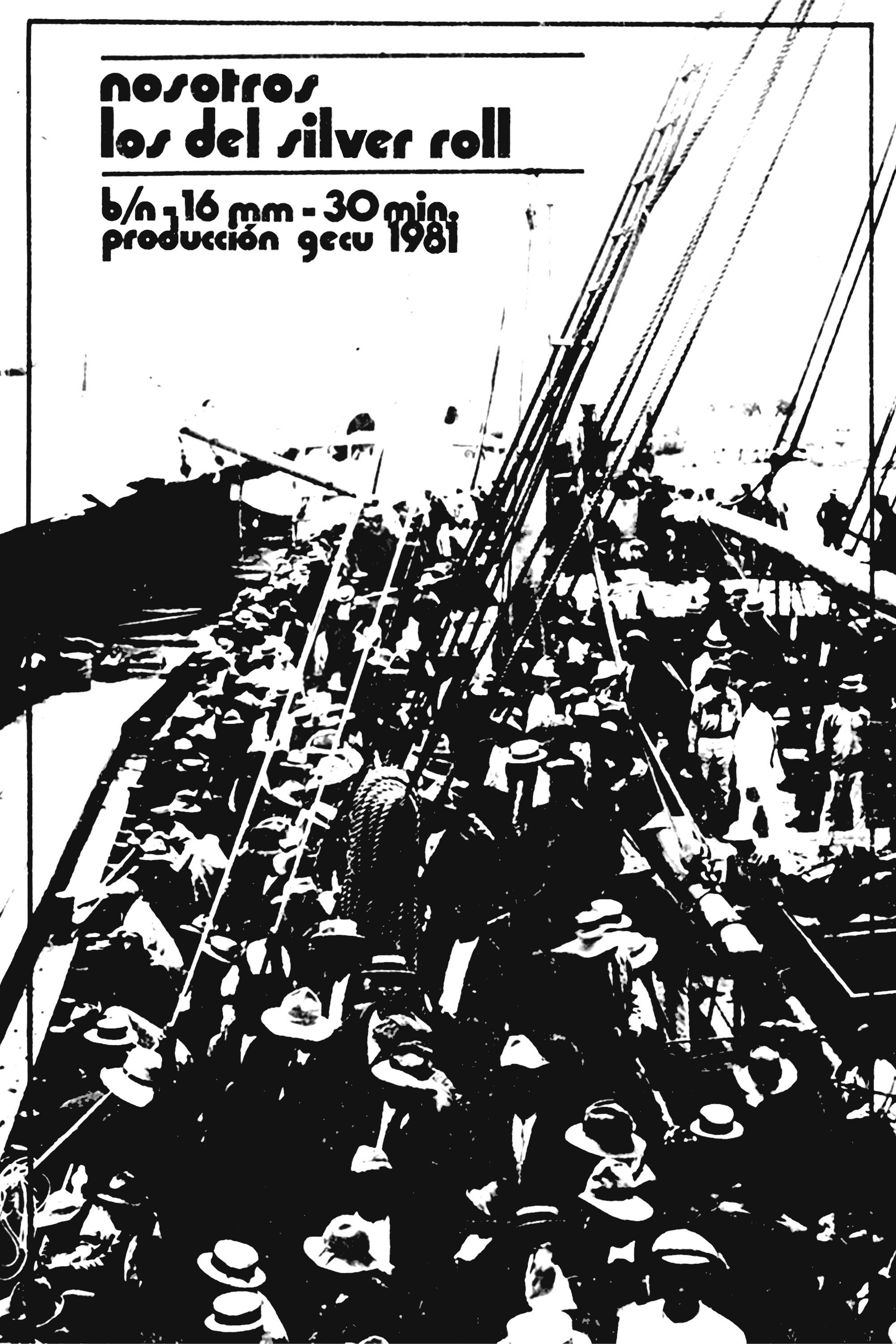
Afro-Antillean workers hired for the construction of the Panama Canal are brought from their homes to work in conditions that were not those promised. They, the descendants of African slaves and domesticated from England, manage to raise their voices against American injustices.
Germán Cipriano Gómez Valdés Castillo, a young radio announcer from Cuidad Juárez, succeeds in drawing attention to the pachuco movement through his character Tin Tan, laying the groundwork for a new form of binational and mass linguistic expression: Spanglish. He soon became a leading figure in theater and film on the American Continent. Singled out by critics as a destroyer of the language, he quickly won the approval of the public. His ability to improvise revolutionized the film industry. His talent as an actor, singer, dancer and comedian contributed to the Golden Age of Mexican Cinema. From El Hijo Desobediente to Capitán Mantarraya, from Cuidad Juárez to Havana, from mambo to rock, the legacy of Tin Tan makes him one of the great icons of Mexico today. This film tells his story as it has never been told before.
A documentary about rap artists from Ceilândia, a satellite-city of Brazil capital, Brasilia. The film portrait the struggle of the lives of the rapers and makes a parallel with the violent building of the city designed to settle the outcast from Brasilia after its completion.
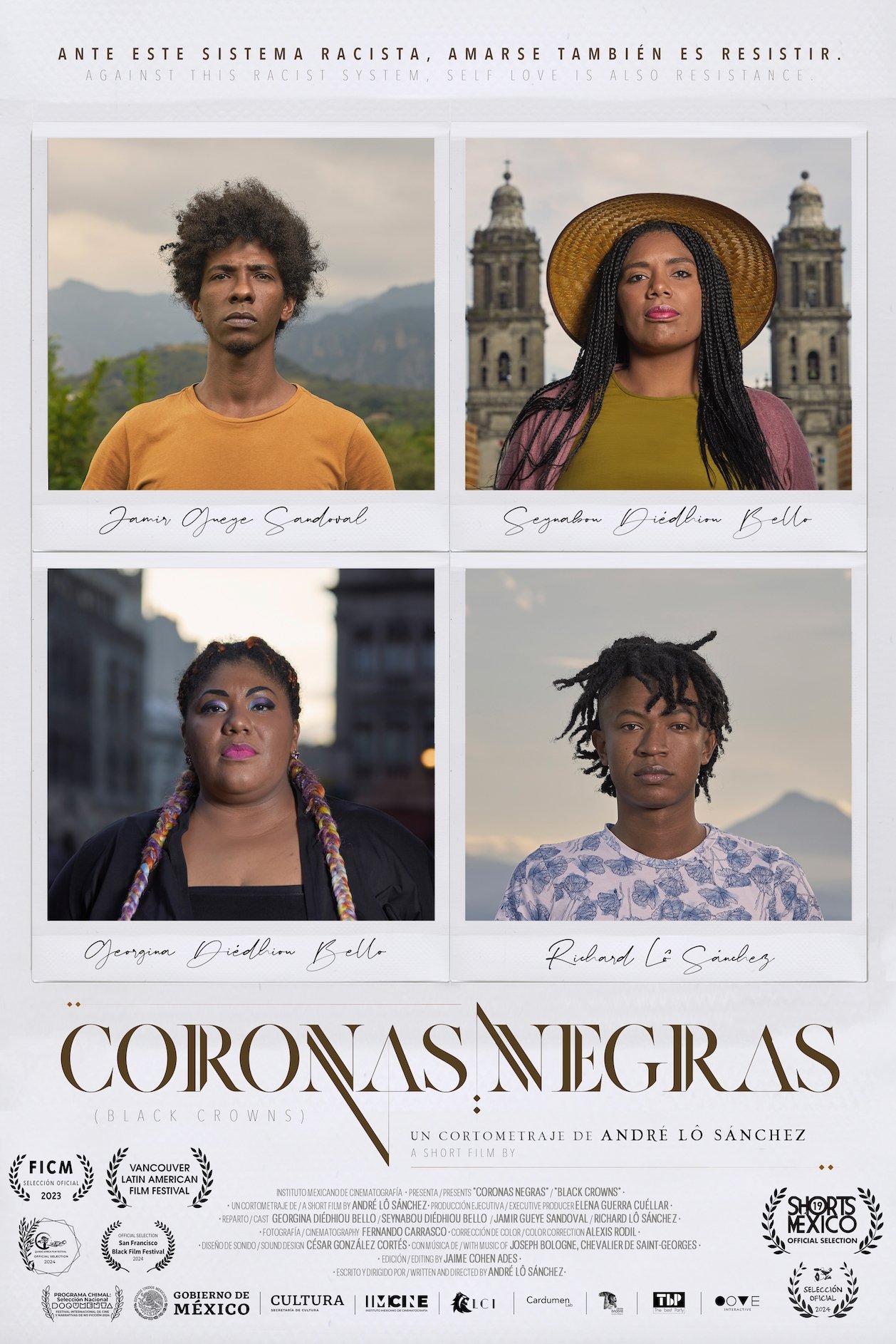
The hairstyles of four Afro-descendant people from Mexican - Senegalese families, represent the starting point to reflect, through memories that emerge from their past and present, what it is like to live in México wearing a Black Crown and the consequences that implies.
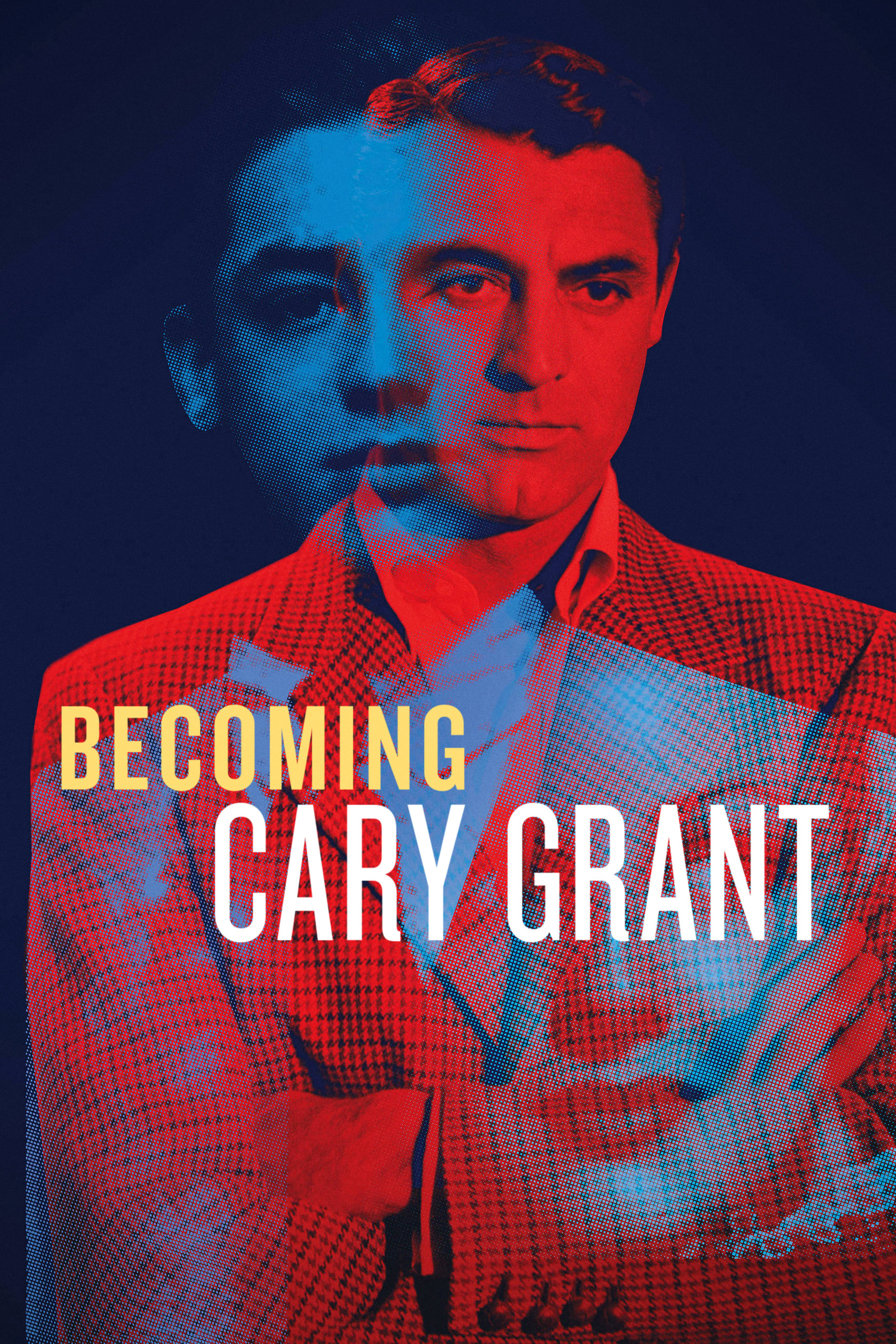
For the first time one of Hollywood's greatest stars tells his own story, in his own words. From a childhood of poverty to global fame, Cary Grant, the ultimate self-made star, explores his own screen image and what it took to create it.
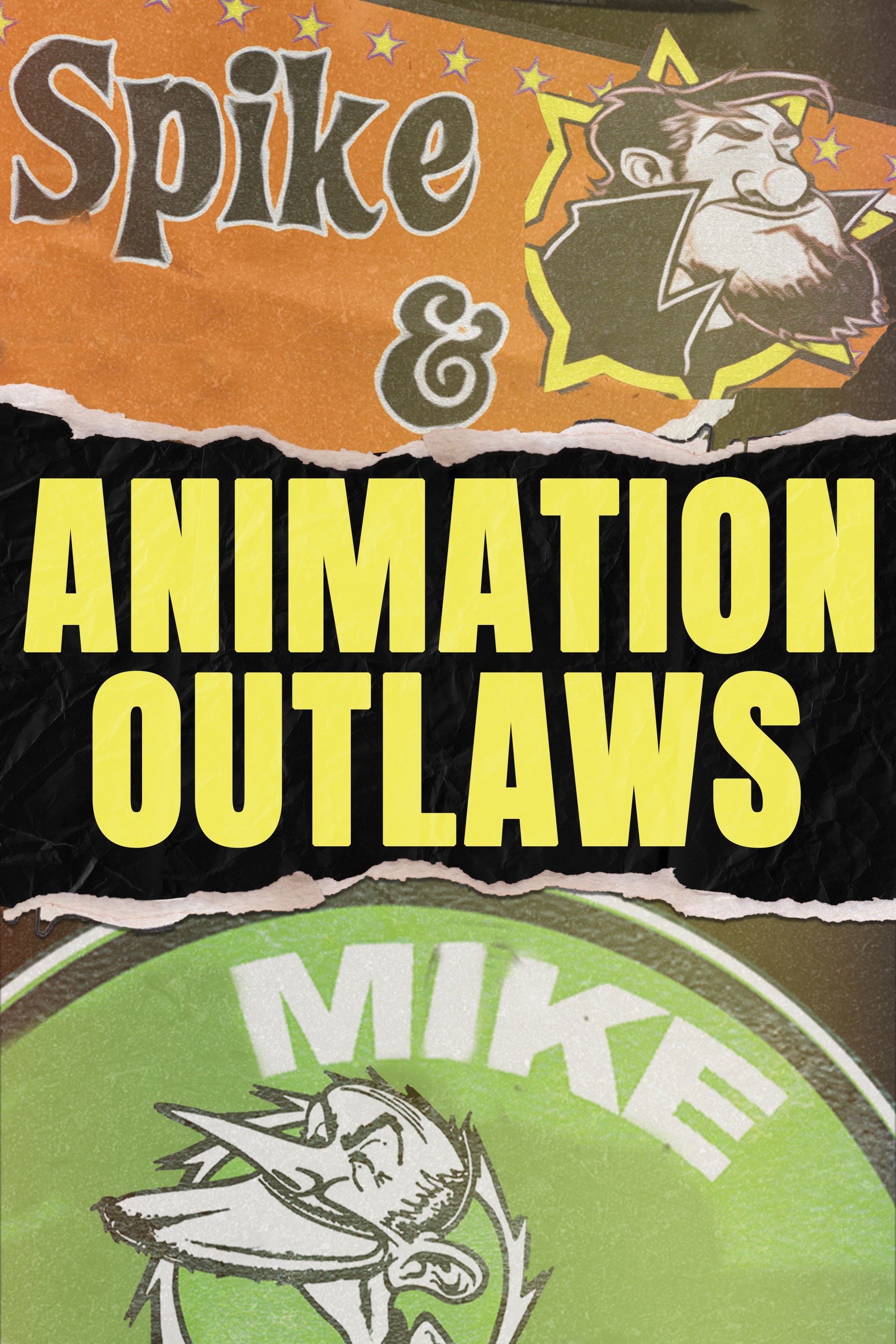
Walt Disney said “We have created characters and animated them in the dimension of depth, revealing through them to our perturbed world that the things we have in common far outnumber and outweigh those that divide us.” Outside of Walt himself there are few people who have brought together and united more animators in the history of the genre than Craig "Spike" Decker and Mike Gribble, known to all as Spike & Mike. They created an animation festival that helped launch the careers of John Lasseter, Peter Lord, Will Vinton, Bill Plympton and Mike Judge to name just a few. Their Spike & Mike festival had an enormous impact on animation that was felt the world over. The festival was known as much for the breakthrough animation it presented as the outrageous antics of the founders.
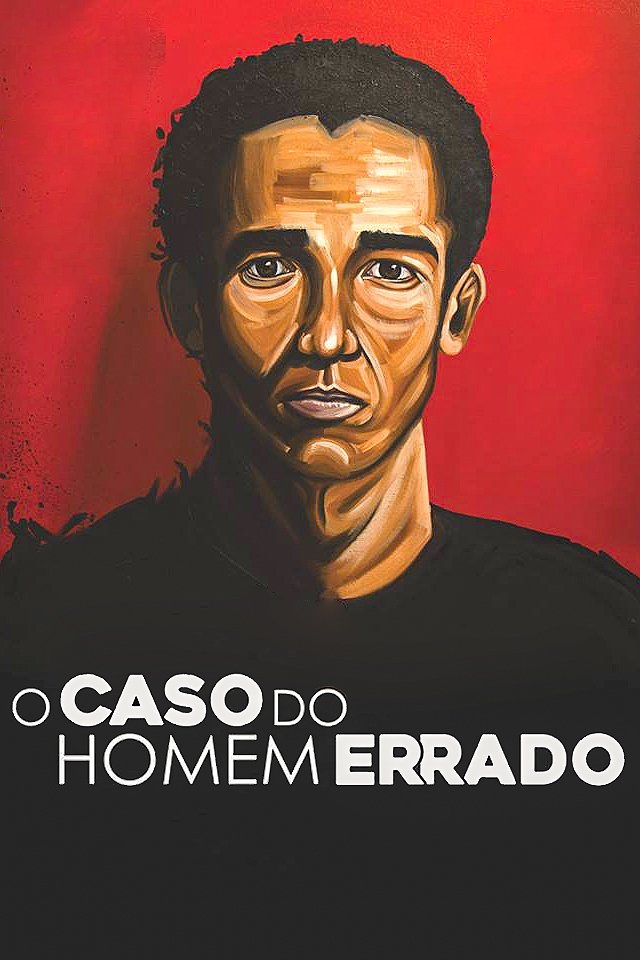
The documentary tells the story of Júlio César, a young Afro-Brazilian who was executed by the Police in the 1980s in Porto Alegre. The crime became notorious when the press published photos of Julius being put alive in the police car and arriving 37 minutes later shot and dead at the hospital.
The Californian sun, which lights up the city, lights up again every evening in cinemas all over the world". Guided by these words from Blaise Cendrars, L.A. L.A. END is a stroll through Los Angeles, among the remnants of Hollywood's Golden Age. Following in the footsteps of a Marilyn Monroe lookalike, we meet a gallery of characters who paint a sensitive portrait of a bygone era that gradually becomes a portrait of a woman.
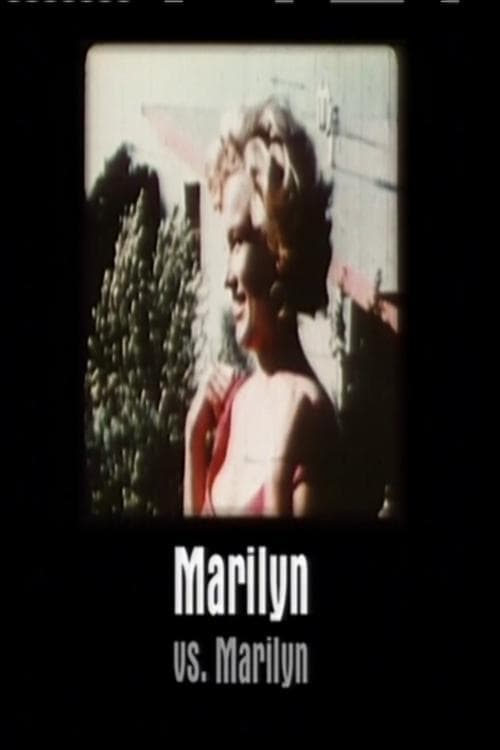
“Marilyn vs. Marilyn” tells the story of a little-known period of Marilyn’s life – the years she spent in New York, trying to became a ‘serious”’ actress, taking lessons with Lee Strasberg and setting up a production company with her photographer and trusted friend, Milton Green. Based on hitherto unpublished – and magical - photos from the Greene archives, the film focuses on the photographic image of a woman who remains one of the greatest legends in the history of cinema… and an enduring enigma.
The nostalgic retrospective of the time from a very candid perspective, over five chapters.
How do white South Africans deal with their fears of crime and violence? Like crocodiles, some survive without evolving, living with their fears. Others make fear their friend and evolve in ways you'd never imagine.
The explosive documentary from Black Channel Films daring to ask the question "Is it still just racism or is it a race war?" NOW IS THE TIME TO ASK IS IT STILL JUST "RACISM" OR IS IT A RACE WAR? RACE WAR IS THE FIRST DOCUMENTARY IN HISTORY THAT EXAMINES EVERY LEVEL OF AMERICAN SOCIETY TO EXPLORE THE MOST EXPLOSIVE ISSUE FACING AMERICA ALL OF OUR YESTERDAYS . . . AND TOMORROW.
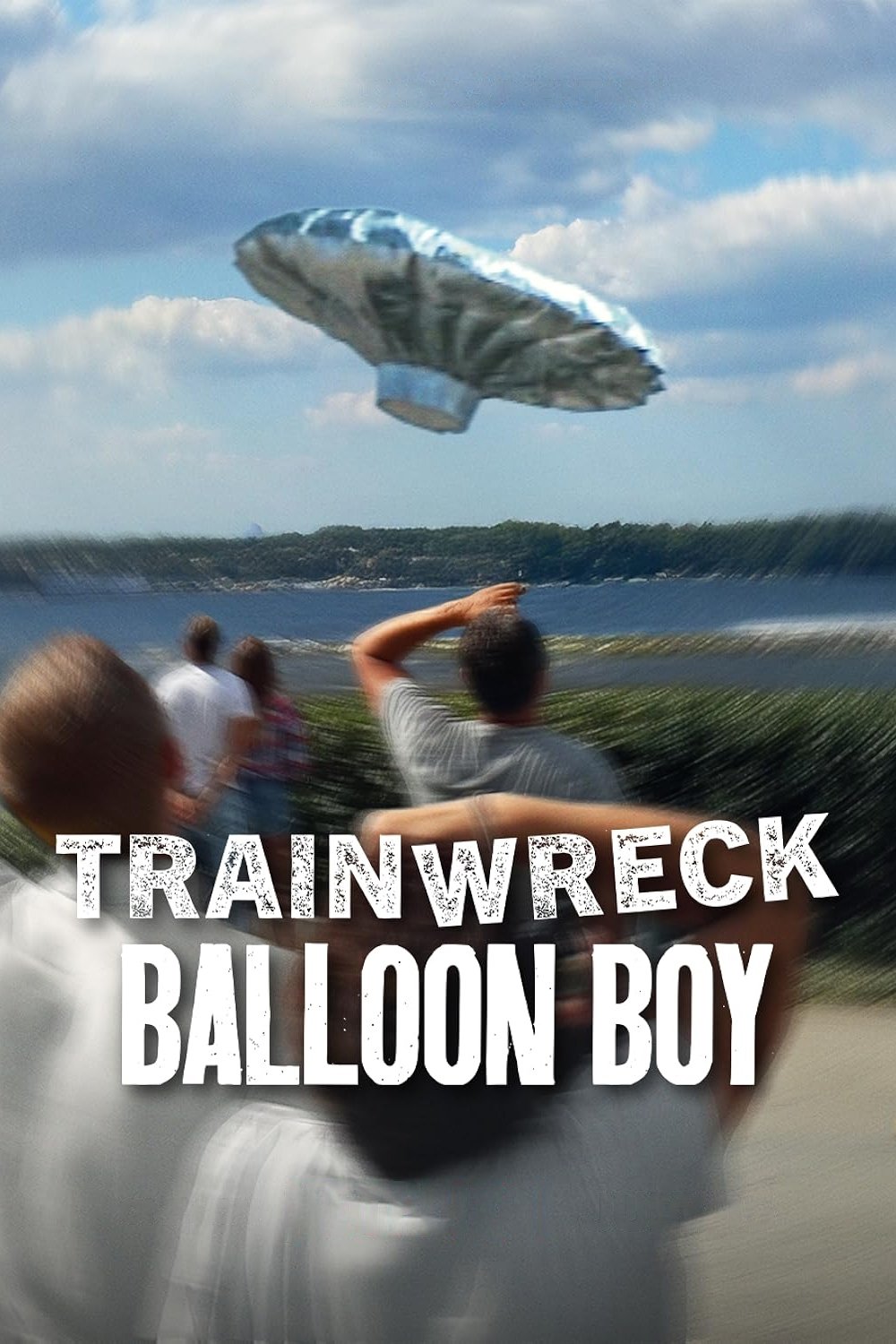
A homemade flying saucer lifts off, and a 6-year-old boy might be inside. National panic ensues — but what truly happened? This documentary investigates.
An in-depth look at the prison system in the United States and how it reveals the nation's history of racial inequality.
Bastien is twenty years old and has been an activist for five years in the main extreme right party. When the presidential campaign begins, he's invited by his superior to commit even further. Initiated into the art of decking himself out like a politician, he starts to dream of a career, but old demons surge forth...
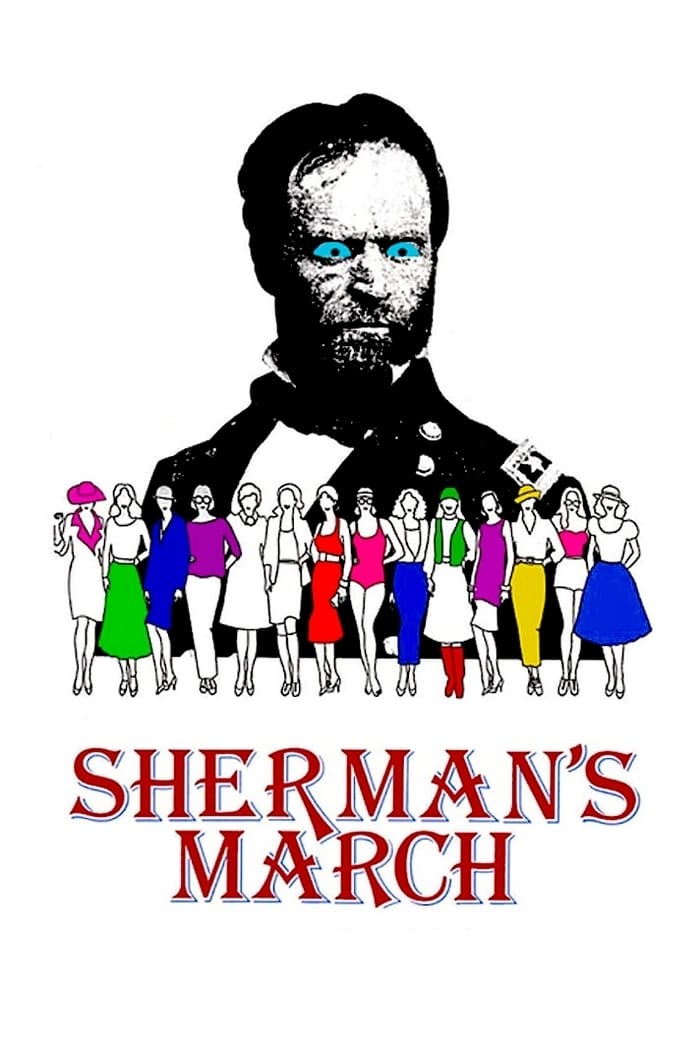
Documentarian Ross McElwee originally set out to make a travelogue of sorts tracing General William T. Sherman's infamous scorched-earth march through the Confederacy in the latter stages of the Civil War. Instead, haunted by a recent breakup with a girlfriend, McElwee ends up documenting his progress -- or lack thereof -- in starting a new relationship. His journey then becomes one of self-reflection and self-discovery rather than a historical/sociological exploration.
When Allied forces liberated the Nazi concentration camps in 1944-45, their terrible discoveries were recorded by army and newsreel cameramen, revealing for the first time the full horror of what had happened. Making use of British, Soviet and American footage, the Ministry of Information’s Sidney Bernstein (later founder of Granada Television) aimed to create a documentary that would provide lasting, undeniable evidence of the Nazis’ unspeakable crimes. He commissioned a wealth of British talent, including editor Stewart McAllister, writer and future cabinet minister Richard Crossman – and, as treatment advisor, his friend Alfred Hitchcock. Yet, despite initial support from the British and US Governments, the film was shelved, and only now, 70 years on, has it been restored and completed by Imperial War Museums under its original title "German Concentration Camps Factual Survey".
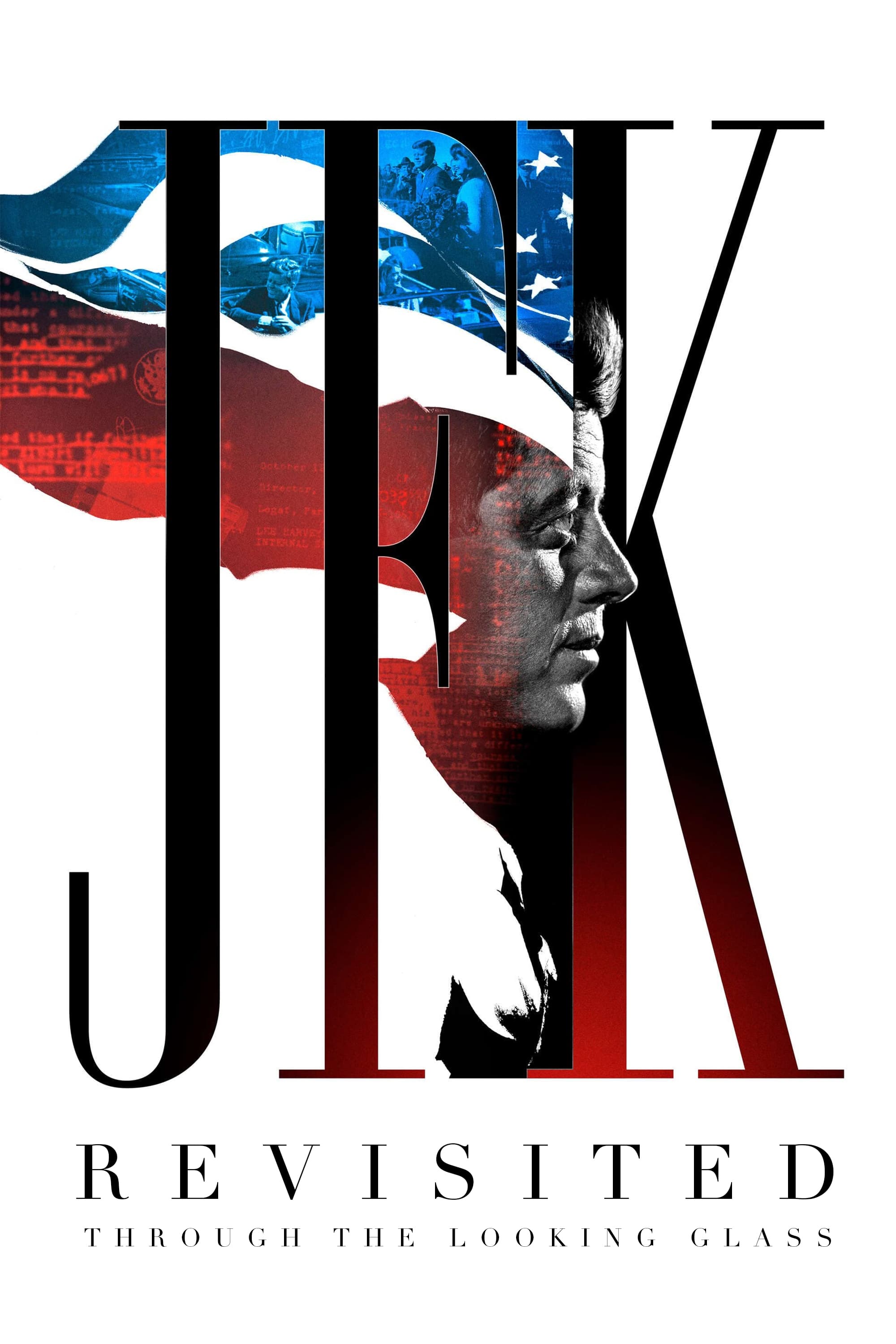
Thirty years after the release of his film JFK (1991), filmmaker Oliver Stone reviews recently declassified evidence related to the assassination of President John F. Kennedy, which took place in Dallas on November 22, 1963.
A documentary on the expletive's origin, why it offends some people so deeply, and what can be gained from its use.
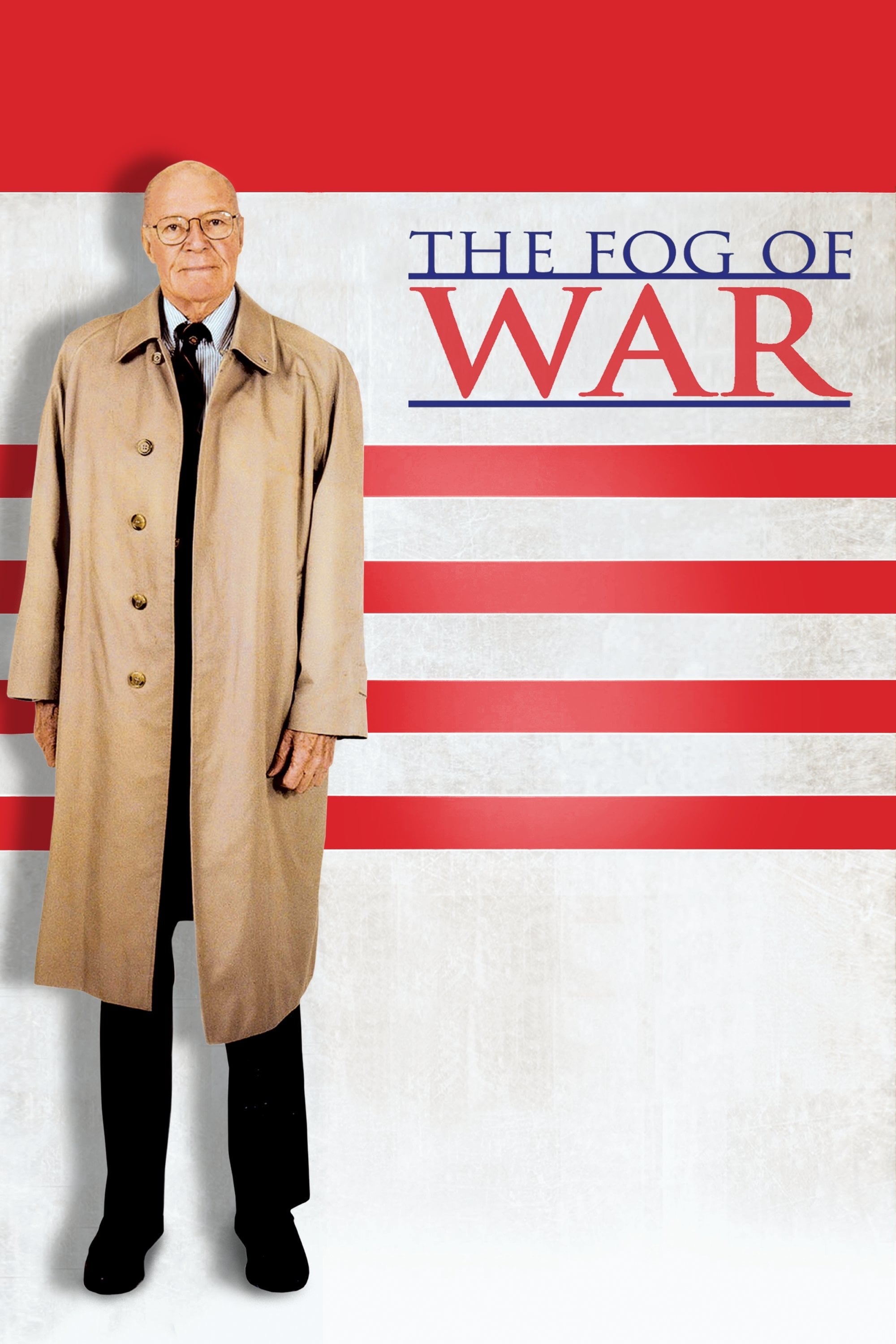
Using archival footage, cabinet conversation recordings, and an interview of the 85-year-old Robert McNamara, The Fog of War depicts his life, from working as a WWII whiz-kid military officer, to being the Ford Motor Company's president, to managing the Vietnam War as defense secretary for presidents Kennedy and Johnson.
In 1972, a seemingly typical shoestring budget pornographic film was made in a Florida hotel: "Deep Throat," starring Linda Lovelace. This film would surpass the wildest expectation of everyone involved to become one of the most successful independent films of all time. It caught the public imagination which met the spirit of the times, even as the self-appointed guardians of public morality struggled to suppress it, and created, for a brief moment, a possible future where sexuality in film had a bold artistic potential. This film covers the story of the making of this controversial film, its stunning success, its hysterical opposition along with its dark side of mob influence and allegations of the on set mistreatment of the film's star.
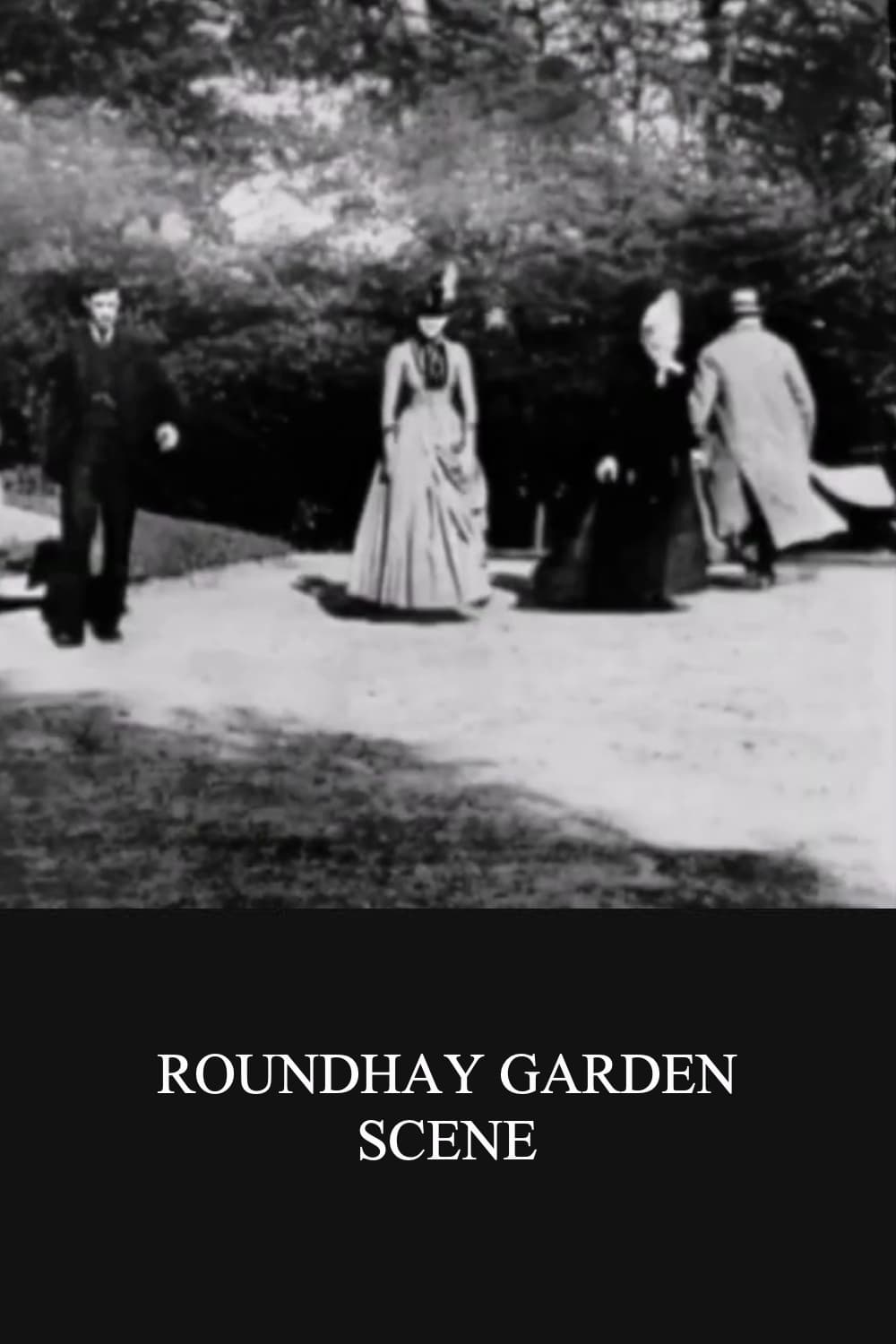
The earliest surviving motion-picture film, and believed to be one of the very first moving images ever created, was shot by Louis Aimé Augustin Le Prince using the LPCCP Type-1 MkII single-lens camera. It was taken on paper-based photographic film in the garden of Oakwood Grange, the Whitley family house in Roundhay, Leeds, West Riding of Yorkshire (UK), on 14 October 1888. The film shows Adolphe Le Prince (Le Prince’s son), Mrs. Sarah Whitley (Le Prince’s mother-in-law), Joseph Whitley, and Miss Harriet Hartley walking around in circles, laughing to themselves, and staying within the area framed by the camera. Roundhay Garden Scene is often associated with a recording speed of around 12 frames per second and runs for about 2 to 3 seconds.
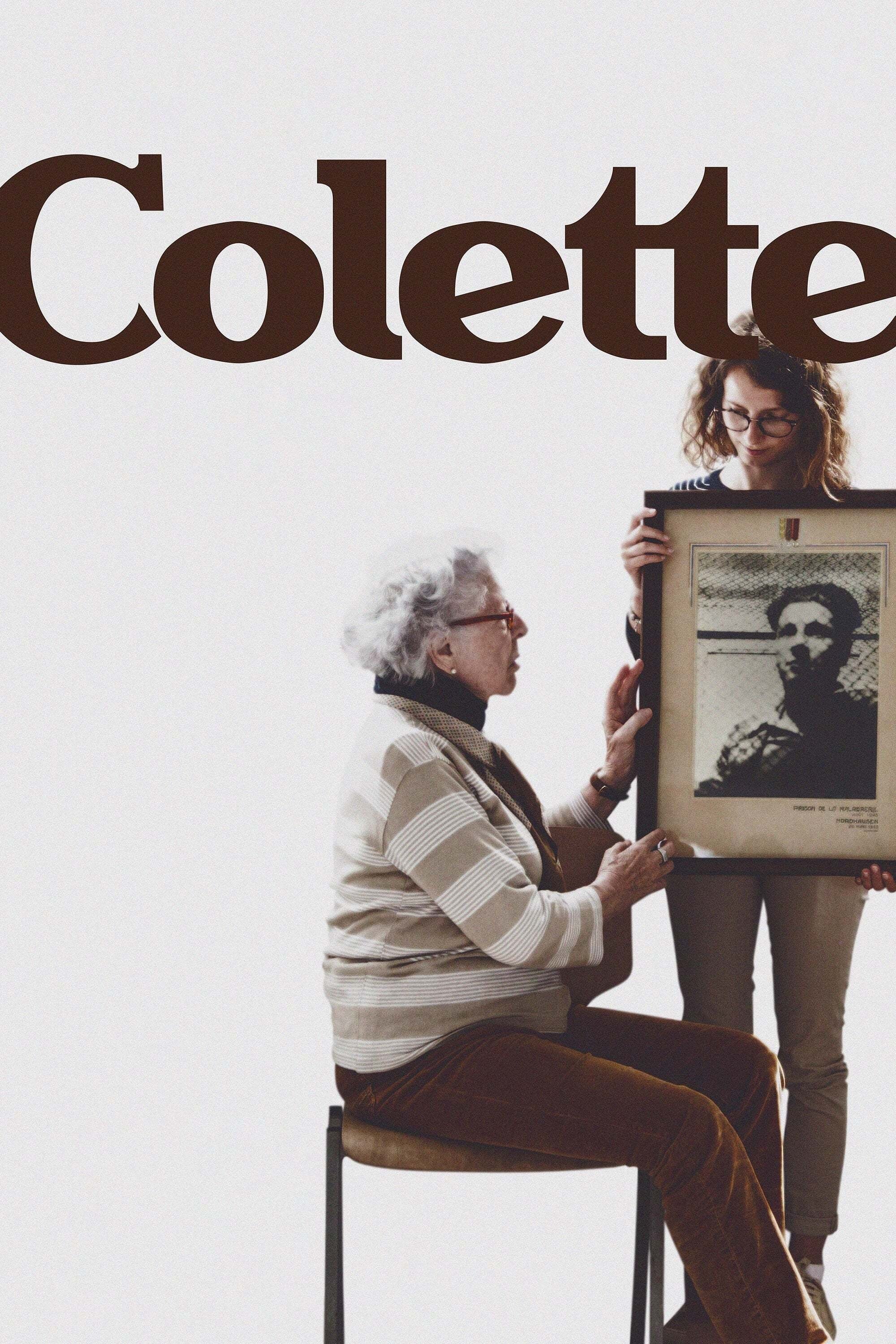
World War II. Not all warriors wore uniforms. Not all warriors were men. Meet ninety-year-old Colette Catherine who, as a young girl, fought the Nazis as a member of the French Resistance. Now she’s about to re-open old wounds, re-visting the terrors of that time. Some nightmares are too terrible to remember. But also, too dangerous to forget.
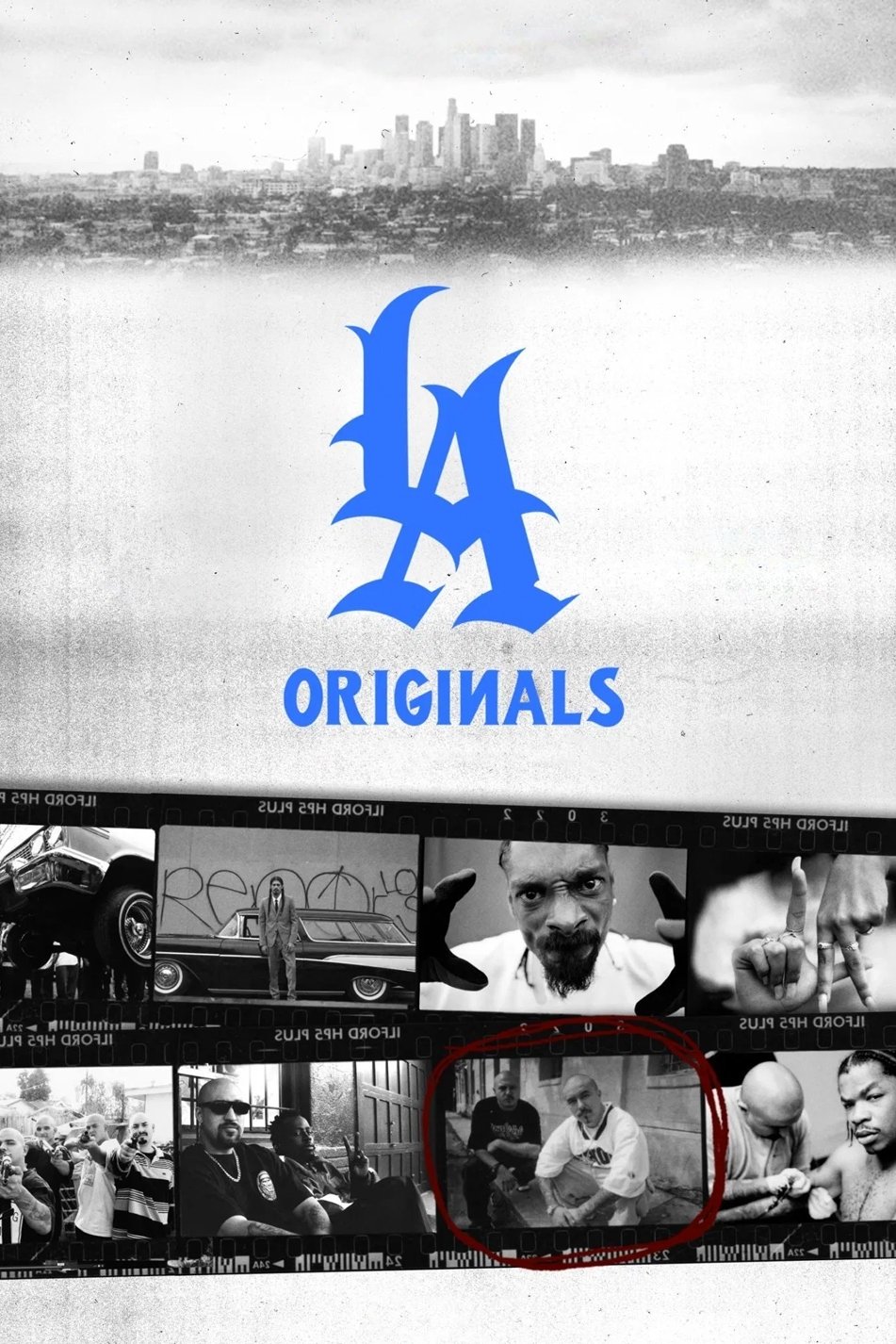
Photographer Estevan Oriol and artist Mister Cartoon turned their Chicano roots into gritty art, impacting street culture, hip hop and beyond.
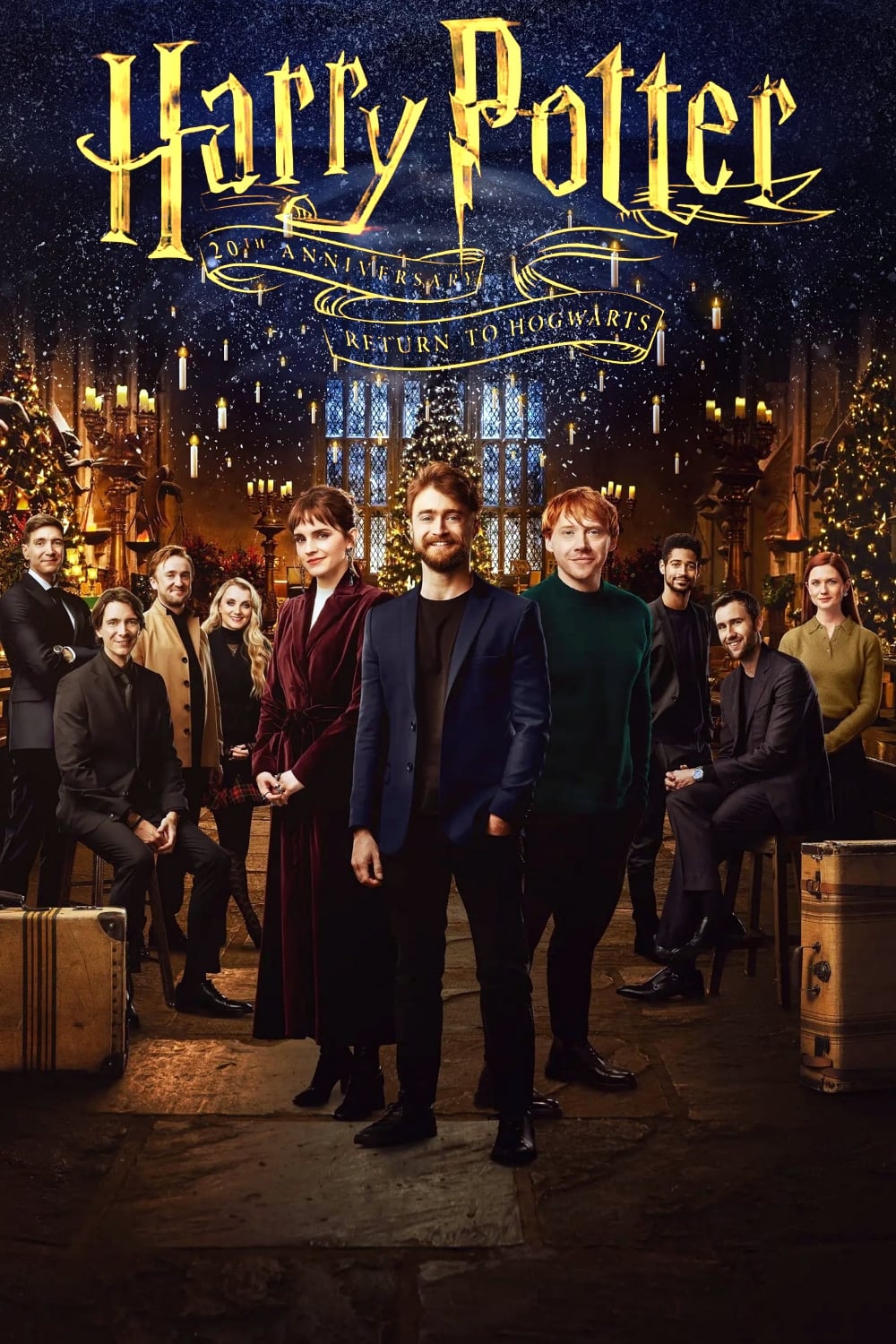
An enchanting making-of story told through all-new in-depth interviews and cast conversations, inviting fans on a magical first-person journey through one of the most beloved film franchises of all time.
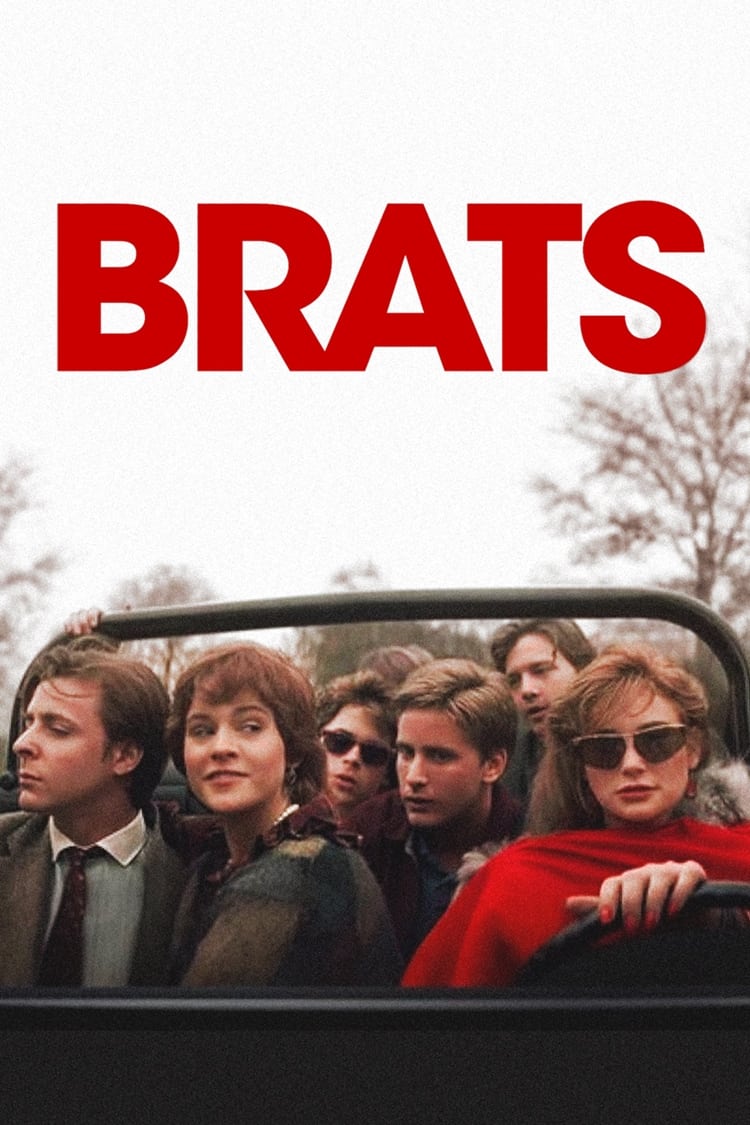
In the 1980s, Andrew McCarthy was part of a young generation of actors who were set to take over Hollywood after a string of successful teen movies. However, when the New York magazine cover story in 1985 dubs them the Brat Pack, stars in the making suddenly find themselves losing control over the trajectory of their careers. Now, almost forty years later, McCarthy looks to reconnect with peers and co-stars so that together they can reflect on their respective legacies.
This revealing documentary honors the legendary Sidney Poitier—iconic actor, filmmaker, and civil rights activist. Featuring interviews with Denzel Washington, Spike Lee, Halle Berry, and more.
Marlon Riggs, with assistance from other gay Black men, especially poet Essex Hemphill, celebrates Black men loving Black men as a revolutionary act. The film intercuts footage of Hemphill reciting his poetry, Riggs telling the story of his growing up, scenes of men in social intercourse and dance, and various comic riffs, including a visit to the "Institute of Snap!thology," where men take lessons in how to snap their fingers: the sling snap, the point snap, the diva snap.
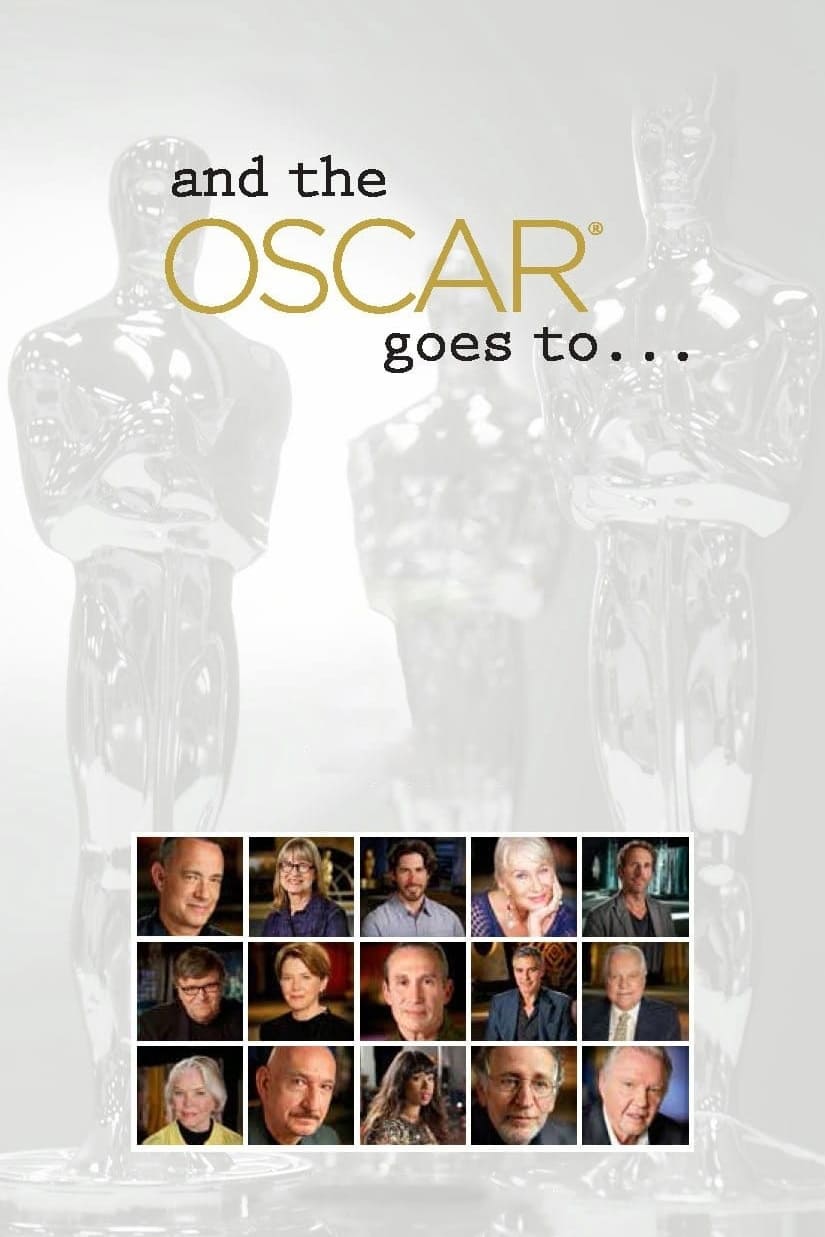
The story of the gold-plated statuette that became the film industry's most coveted prize, AND THE OSCAR GOES TO... traces the history of the Academy itself, which began in 1927 when Louis B. Mayer, then head of MGM, led other prominent members of the industry in forming this professional honorary organization. Two years later the Academy began bestowing awards, which were nicknamed "Oscar," and quickly came to represent the pinnacle of cinematic achievement.
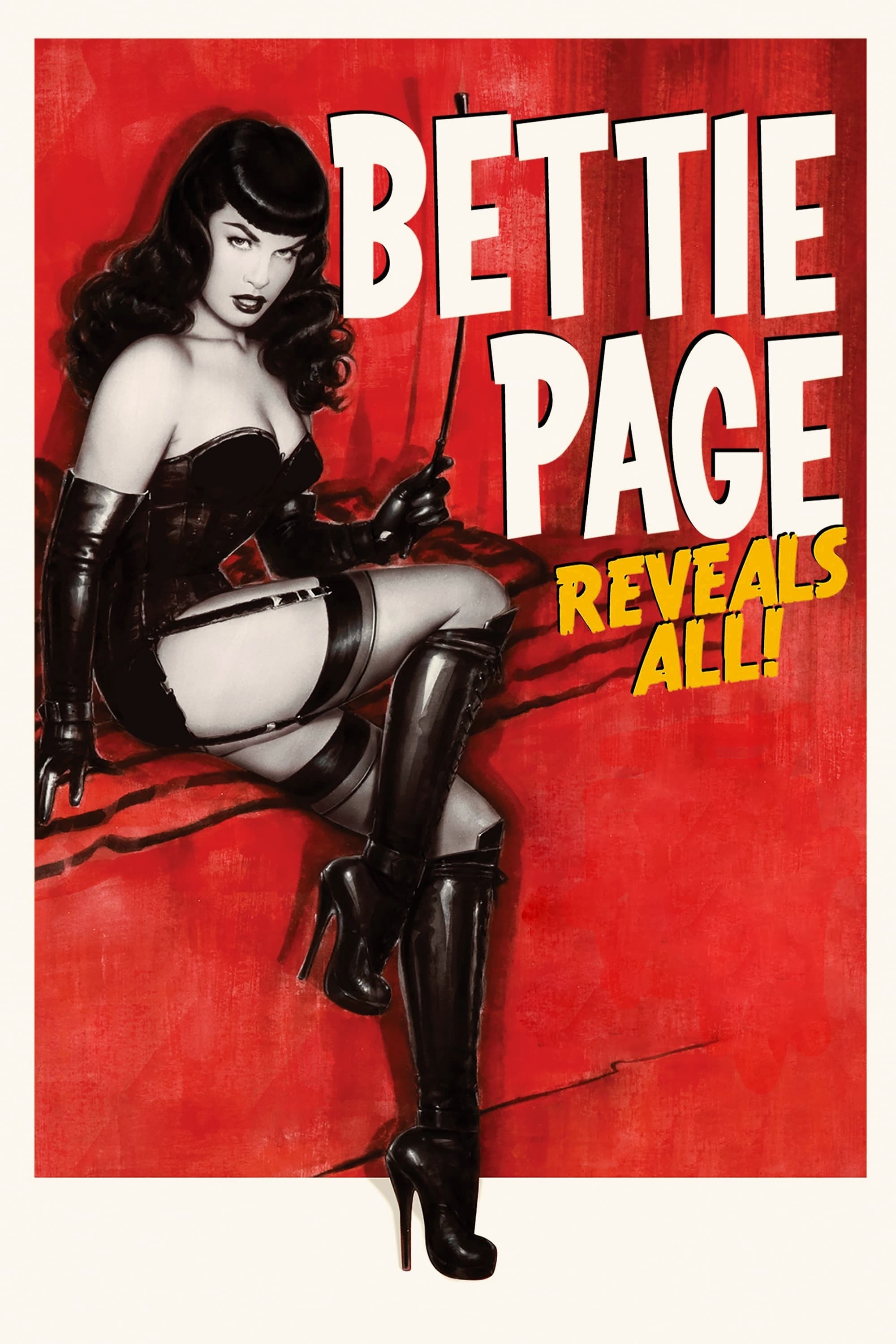
The world's greatest pin-up model and cult icon, Bettie Page, recounts the true story of how her free expression overcame government witch-hunts to help launch America's sexual revolution. When she saw the film The Notorious Bettie Page, produced by HBO in 2006, the main person concerned reacted unequivocally: “Lies! Lies!” In a long interview recorded shortly before her death, the woman who entered the collective unconscious as the ultimate pin-up gave her version of events to director Mark Mori. In a gravelly voice, Bettie Page tells her own story and lifts the veil on areas often hidden by images that have made so many men and women fantasize since the 1950s: her abused childhood, an eclipse that lasted forty years, her mental illness. Through testimonies and unpublished archives, this documentary brings back to life a body and a face endlessly declined before our eyes, just as Bettie wanted: “I would like people to remember me as I was in the photos.”
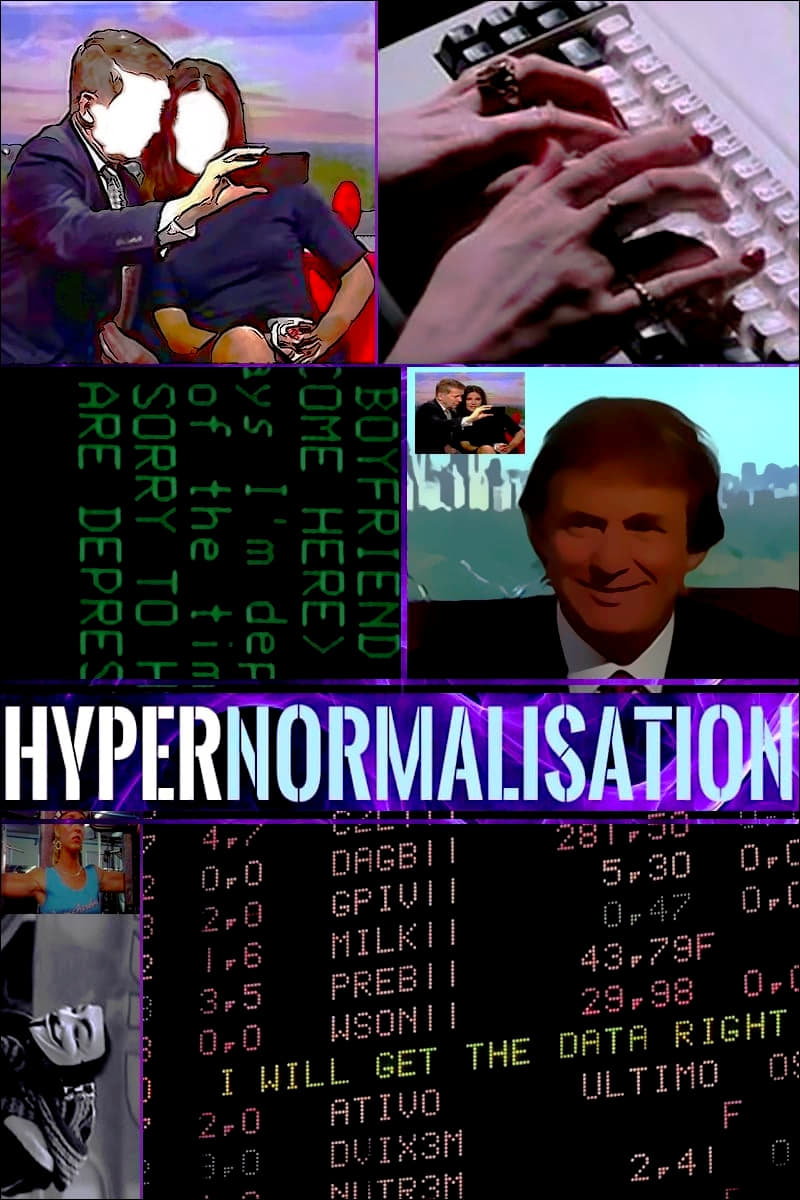
We live in a world where the powerful deceive us. We know they lie. They know we know they lie. They do not care. We say we care, but we do nothing, and nothing ever changes. It is normal. Welcome to the post-truth world. How we got to where we are now…
Alexander McQueen's rags-to-riches story is a modern-day fairy tale, laced with the gothic. Mirroring the savage beauty, boldness and vivacity of his design, this documentary is an intimate revelation of McQueen's own world, both tortured and inspired, which celebrates a radical and mesmerizing genius of profound influence.