The nostalgic retrospective of the time from a very candid perspective, over five chapters.
Social & External
Unknown Role
“Marilyn vs. Marilyn” tells the story of a little-known period of Marilyn’s life – the years she spent in New York, trying to became a ‘serious”’ actress, taking lessons with Lee Strasberg and setting up a production company with her photographer and trusted friend, Milton Green. Based on hitherto unpublished – and magical - photos from the Greene archives, the film focuses on the photographic image of a woman who remains one of the greatest legends in the history of cinema… and an enduring enigma.
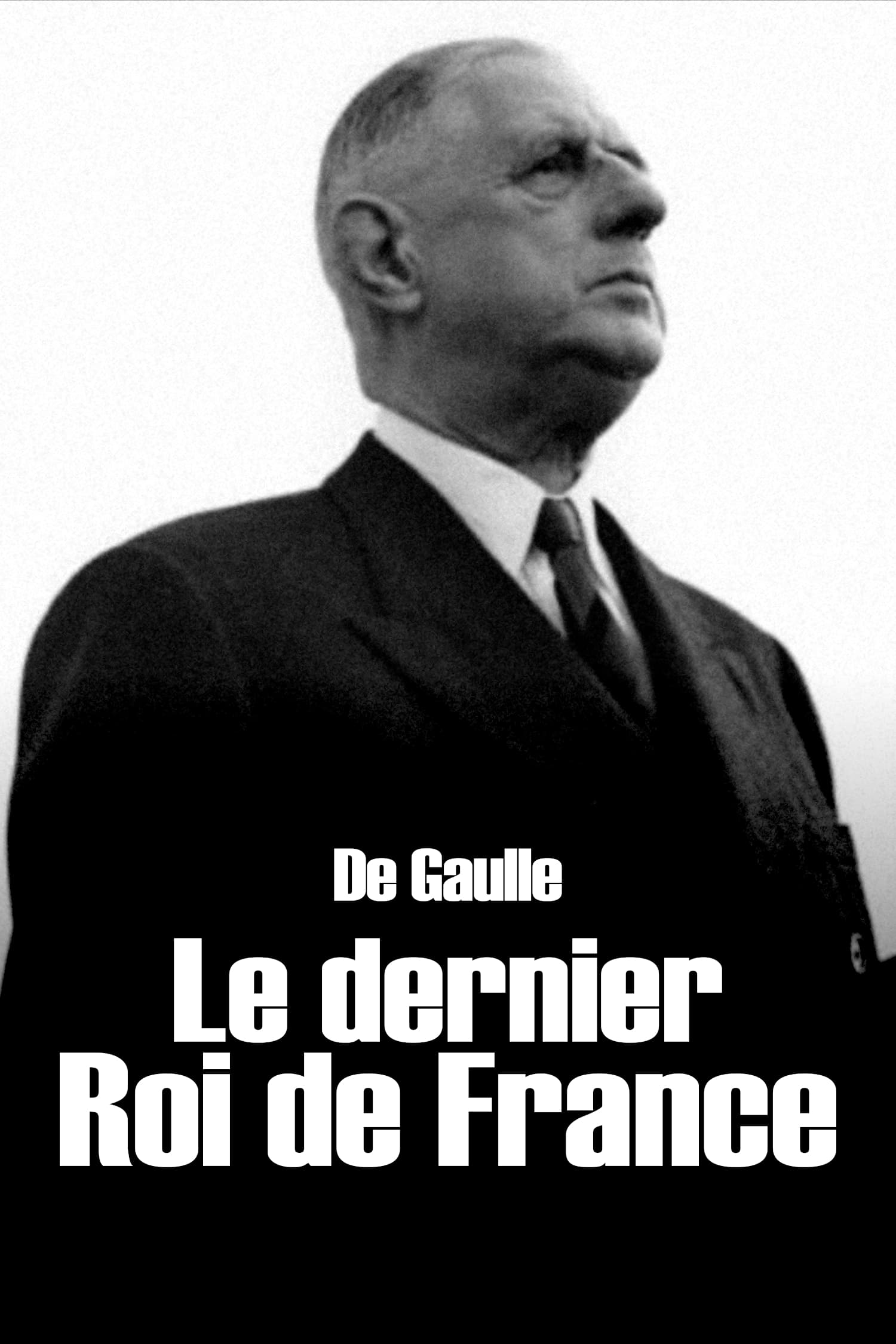
Charles de Gaulle, the first president (1958-1969) of the Vth Republic, France’s current system of government, left his mark on the country . He was statesman of action and has been compared to a monarch. This film depicts the general’s personality through the great events of his presidential term, at a time when the world was undergoing considerable changes.
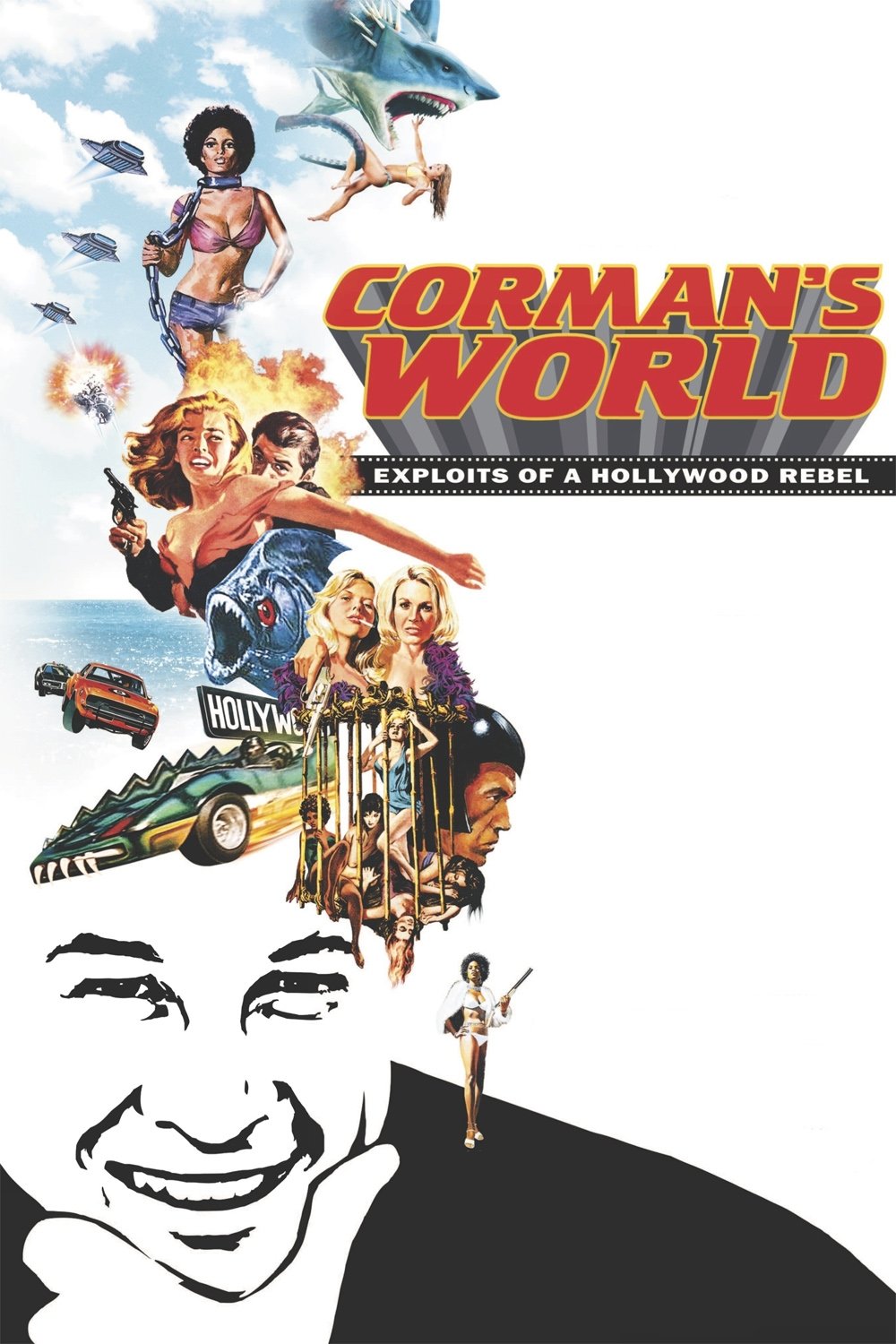
A chronicle of the long career of American filmmaker Roger Corman, the most tenacious and ingenious low-budget producer and director in the US film industry, a pioneer of independent filmmaking and discoverer of new talent.
Germán Cipriano Gómez Valdés Castillo, a young radio announcer from Cuidad Juárez, succeeds in drawing attention to the pachuco movement through his character Tin Tan, laying the groundwork for a new form of binational and mass linguistic expression: Spanglish. He soon became a leading figure in theater and film on the American Continent. Singled out by critics as a destroyer of the language, he quickly won the approval of the public. His ability to improvise revolutionized the film industry. His talent as an actor, singer, dancer and comedian contributed to the Golden Age of Mexican Cinema. From El Hijo Desobediente to Capitán Mantarraya, from Cuidad Juárez to Havana, from mambo to rock, the legacy of Tin Tan makes him one of the great icons of Mexico today. This film tells his story as it has never been told before.
The film looks at men and women of color in the U.S. Merchant Marine from 1938-1975. Through chronicling the lives of these men and women who, with a median age of 82, are beset with a host of life-threatening illnesses, the movie tells how they navigated issues of racism, disparities in the workplace, gender and familial relations.
How in 1959, during the heat of the Cold War, the government of the United States decided to create a secret military base located in the far north of Greenland: Camp Century, almost a real town with roads and houses, a nuclear plant to provide power and silos to house missiles aimed at the Soviet Union.
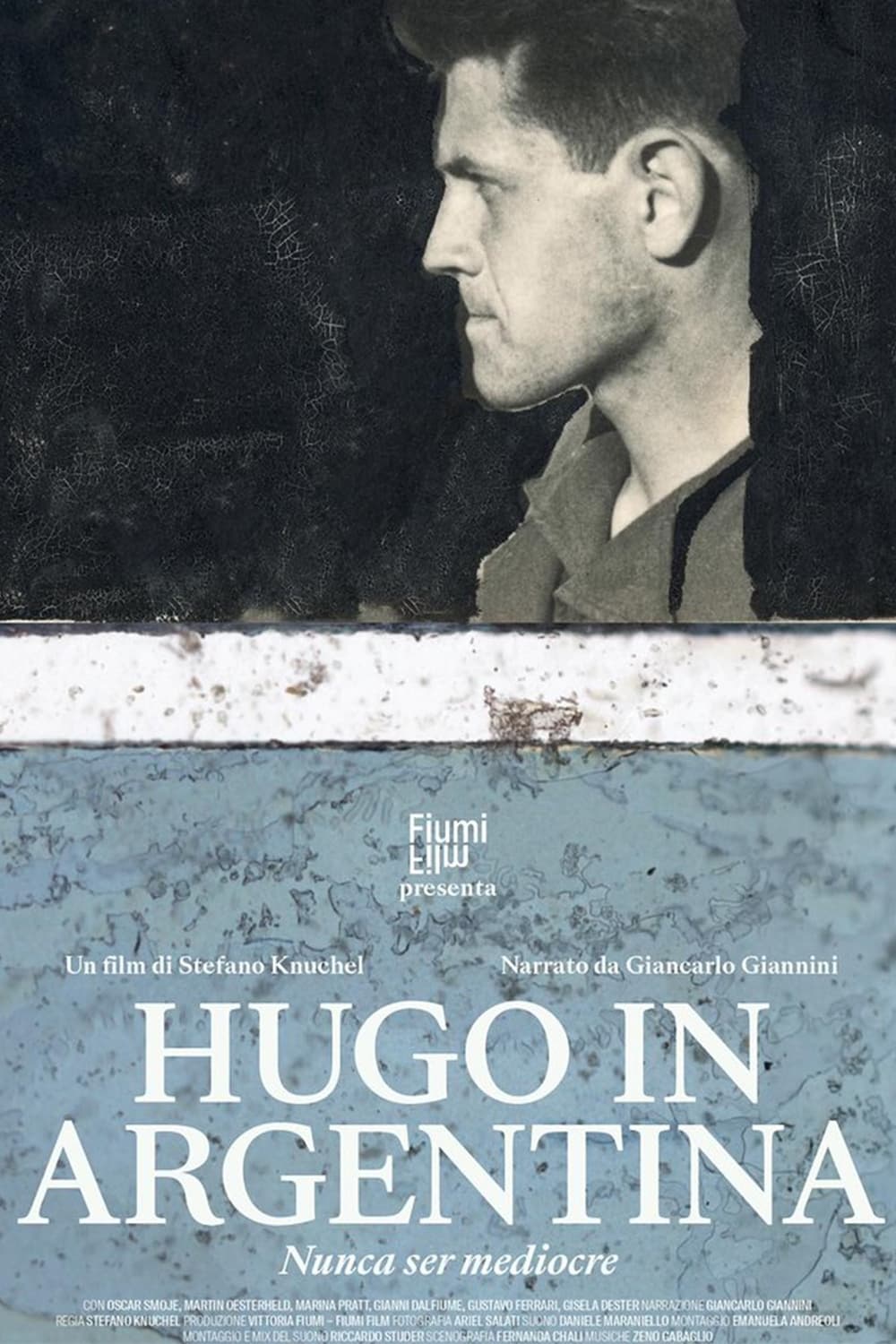
A promising Italian cartoonist lands in Buenos Aires in 1950, with the dream of reaching the United States, to discover that, for him, America will be Argentina. The country immediately overwhelms him with its massive economic boom and a cultural scene among the most vibrant in the world. We are at the dawn of Argentina's most delirious decade, and the young immigrant feels that the vast promise of this country is within his grasp. His name will indeed make itself known: Hugo Pratt.
1950s. An escape. A new family. Through VHS footage and rescued letters, a grandmother's past is revealed.
In the 1960s, the suburbs were meant to be modern havens for newcomers from rural France, Portugal, Spain, North Africa, and Africa, helping rebuild post-war France. Large housing complexes symbolized this ideal, offering comfort, heating, and electricity. But by the 1980s, disillusionment set in as economic crisis, unemployment, poverty, crime, racism, and police violence took hold. Mohamed Bouhafsi tells the story of a dream that didn’t last.
In the movies since he was an infant, Chris Olsen appeared in films by some of the best directors of the 1950's. Even though he never became a famous child actor, he played a pivotal role in some of the most iconic movies of the era. Retired since the age of 14, he looks back on his life as a child actor, trying to find the thread that ties his movie roles together.
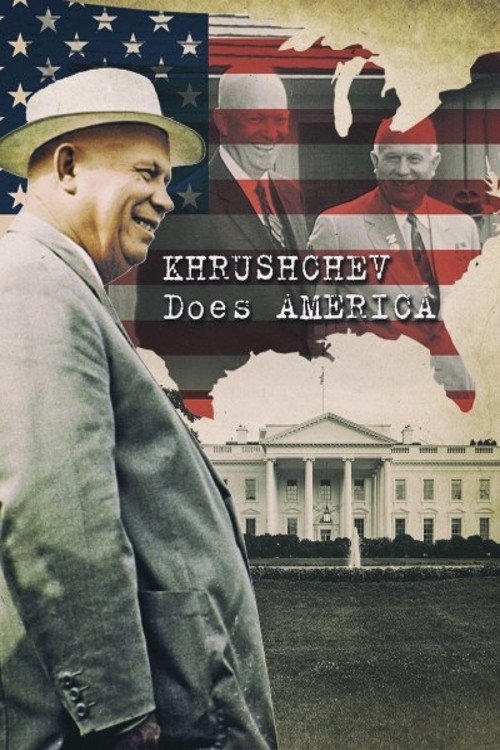
The story of the unconditional, no-holds-barred tour of America by Soviet Premier Nikita Khrushchev, leader of World Communism and America's arch nemesis, during 13 sun-filled days in the fall of 1959.
A look at the Mau Mau Rebellion of the 1950s as experienced by filmmaker Donald McWilliams.
The career of French comic author René Goscinny was a living blend of cultures and an expression of the great importance this artist attached to the production and dissemination of sophisticated popular culture. Goscinny left behind an extremely extensive body of work: "Asterix", "Lucky Luke", "Isnogud", "Little Nick" and many more.
Demonstration of shoplifting methods. With the Cooperation and Assistance of Berkeley, California Police Department and Berkeley Police Reserve; Addison H. Fording, Chief of Police; J.F. Hink & Son Department Store, L.W. Hink, President. Technical Assistance: Wm. P. Beall, Lieutenant; E.A. Skells, Sergeant, Berkeley Police DepartmentGeorge Jelten, Director of Visual Merchandising, J.F. Hink and Son. Director of Photography: John L. Siegle. Sound: Walter D. Porep. Narration: John E. Pedersen.
A sociopolitical historical documentary-thriller about the international decline of communism and the 1956 Hungarian Revolution.
Luxembourgish presenter, director, producer, and actress Désirée Nosbusch, born in 1965, is a woman of many talents. After starting out in radio at the age of 12, she landed her first role on the big screen four years later, then presented the Eurovision Song Contest in five languages at the age of just 19. Over the years, she has hosted popular TV shows and starred in more than 30 films and TV dramas, establishing herself as a major figure in European cinema.
New light is shed on the complex relationship between Romy Schneider and her mother Magda, a German film star of the 1930s admired by Hitler - who welcomed her and her daughter to his chalet in Berchtesgaden.
The life and career of an actor, artist, and icon. His own journey through his own camera.
Follow the evolution of the 'Halloween' movies over the past twenty-five years. It examines why the films are so popular and revisits many of the original locations used in the films - seeing the effects on the local community. For the first time, cast, crew, critics and fans join together in the ultimate 'Halloween' retrospective.
Documentarian Ross McElwee originally set out to make a travelogue of sorts tracing General William T. Sherman's infamous scorched-earth march through the Confederacy in the latter stages of the Civil War. Instead, haunted by a recent breakup with a girlfriend, McElwee ends up documenting his progress -- or lack thereof -- in starting a new relationship. His journey then becomes one of self-reflection and self-discovery rather than a historical/sociological exploration.
A documentary examining the decade of the 1970s as a turning point in American cinema. Some of today's best filmmakers interview the influential directors of that time.
Those who knew iconic funnyman John Candy best share his story, in their own words, through never-before-seen archival footage, imagery, and interviews.
Through deeply personal interviews with her siblings and an examination of the photographs, letters, and belongings left behind, Mariska assembles a new portrait of her mother Jayne Mansfield, an extraordinary and complex woman.
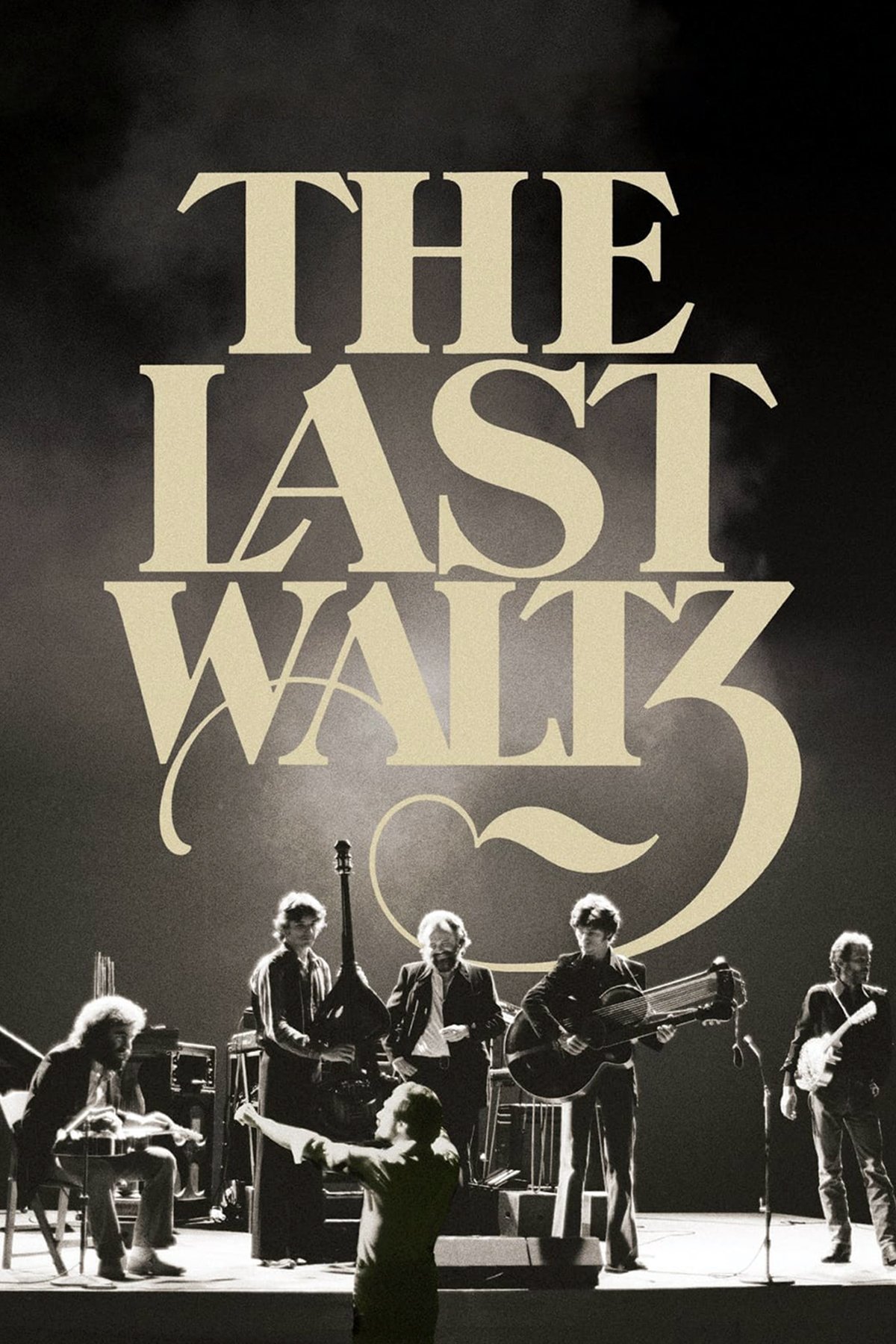
Martin Scorsese's documentary intertwines footage from The Band's incredible farewell tour with probing backstage interviews and featured performances by Eric Clapton, Bob Dylan, Joni Mitchell, Van Morrison, and other rock legends.
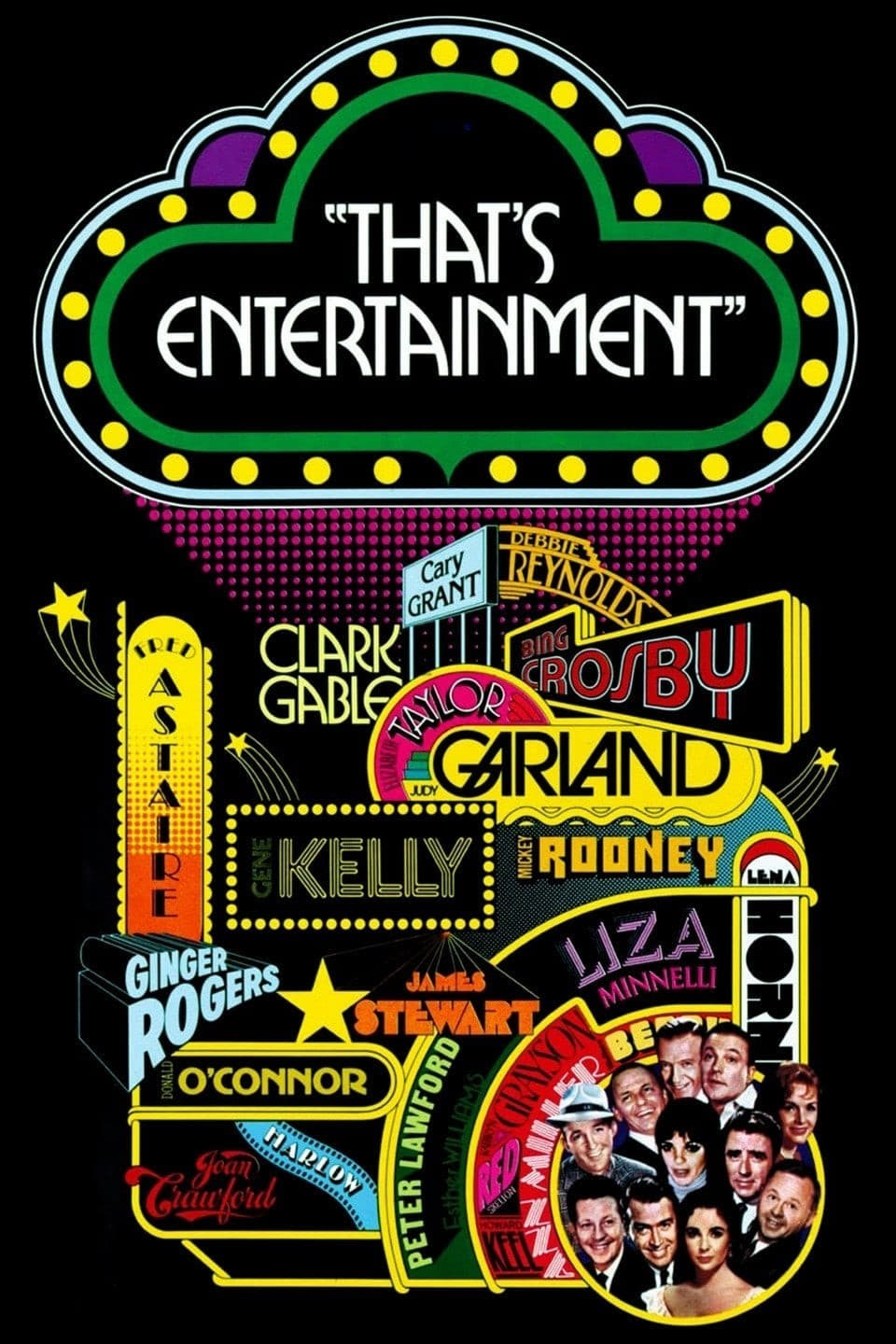
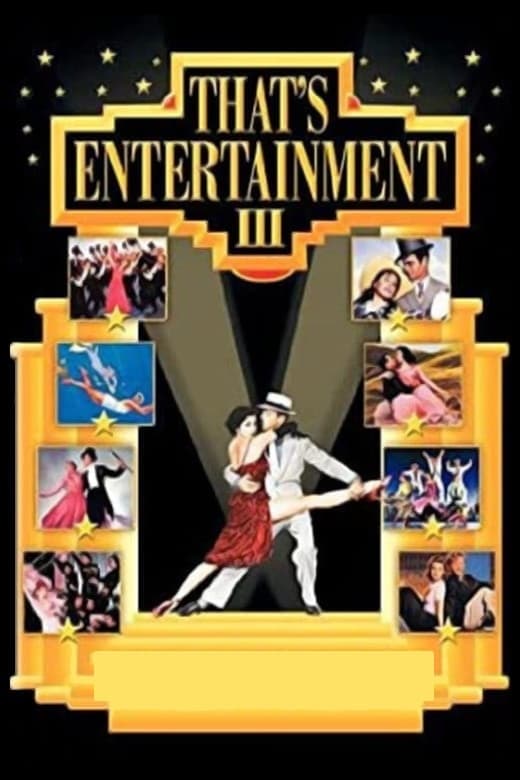
Various MGM stars from yesterday present their favorite musical moments from the studio's 50 year history.
A documentary about the life and films of director John Ford.
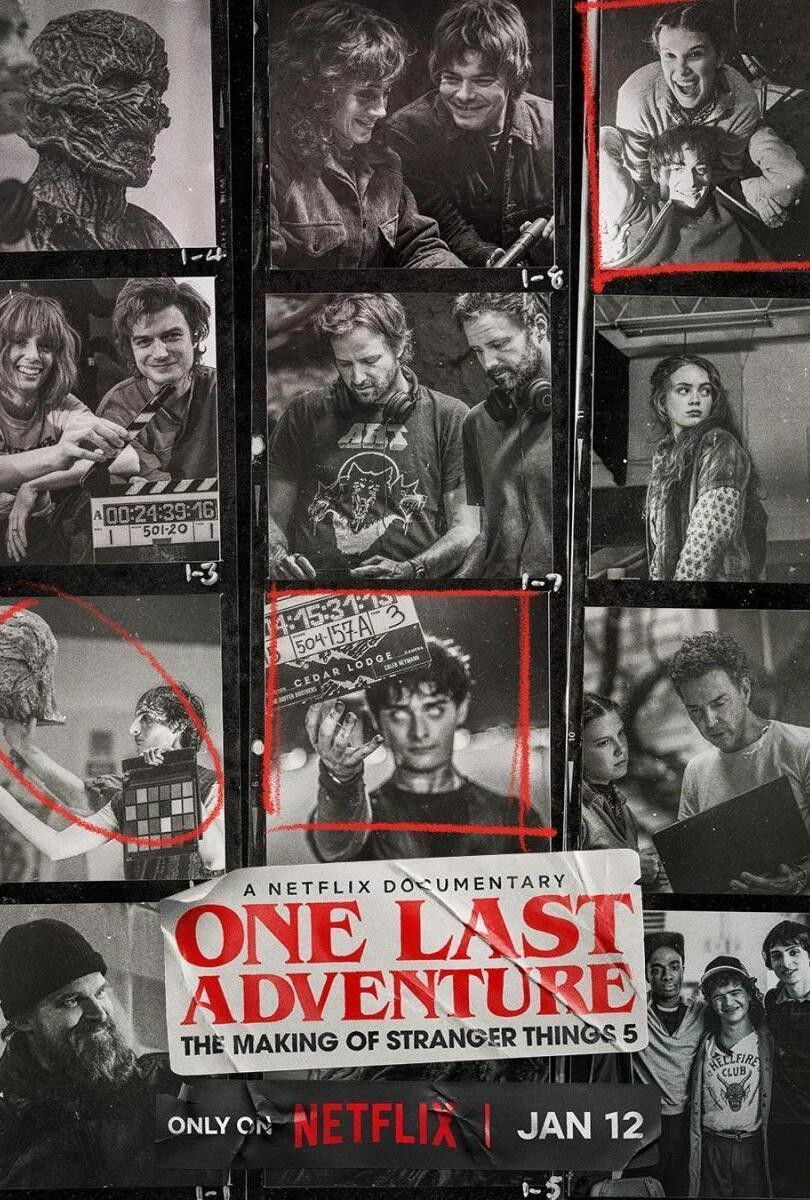
An inside look at the years of effort and craft that went into the final installment of the Duffer Brothers' generation-defining series.
When Allied forces liberated the Nazi concentration camps in 1944-45, their terrible discoveries were recorded by army and newsreel cameramen, revealing for the first time the full horror of what had happened. Making use of British, Soviet and American footage, the Ministry of Information’s Sidney Bernstein (later founder of Granada Television) aimed to create a documentary that would provide lasting, undeniable evidence of the Nazis’ unspeakable crimes. He commissioned a wealth of British talent, including editor Stewart McAllister, writer and future cabinet minister Richard Crossman – and, as treatment advisor, his friend Alfred Hitchcock. Yet, despite initial support from the British and US Governments, the film was shelved, and only now, 70 years on, has it been restored and completed by Imperial War Museums under its original title "German Concentration Camps Factual Survey".
A detailing of the rise to prominence and global sporting superstardom of six supremely talented young Manchester United football players (David Beckham, Nicky Butt, Ryan Giggs, Paul Scholes, Phil and Gary Neville). The film covers the period 1992-1999, culminating in Manchester United's European Cup triumph.
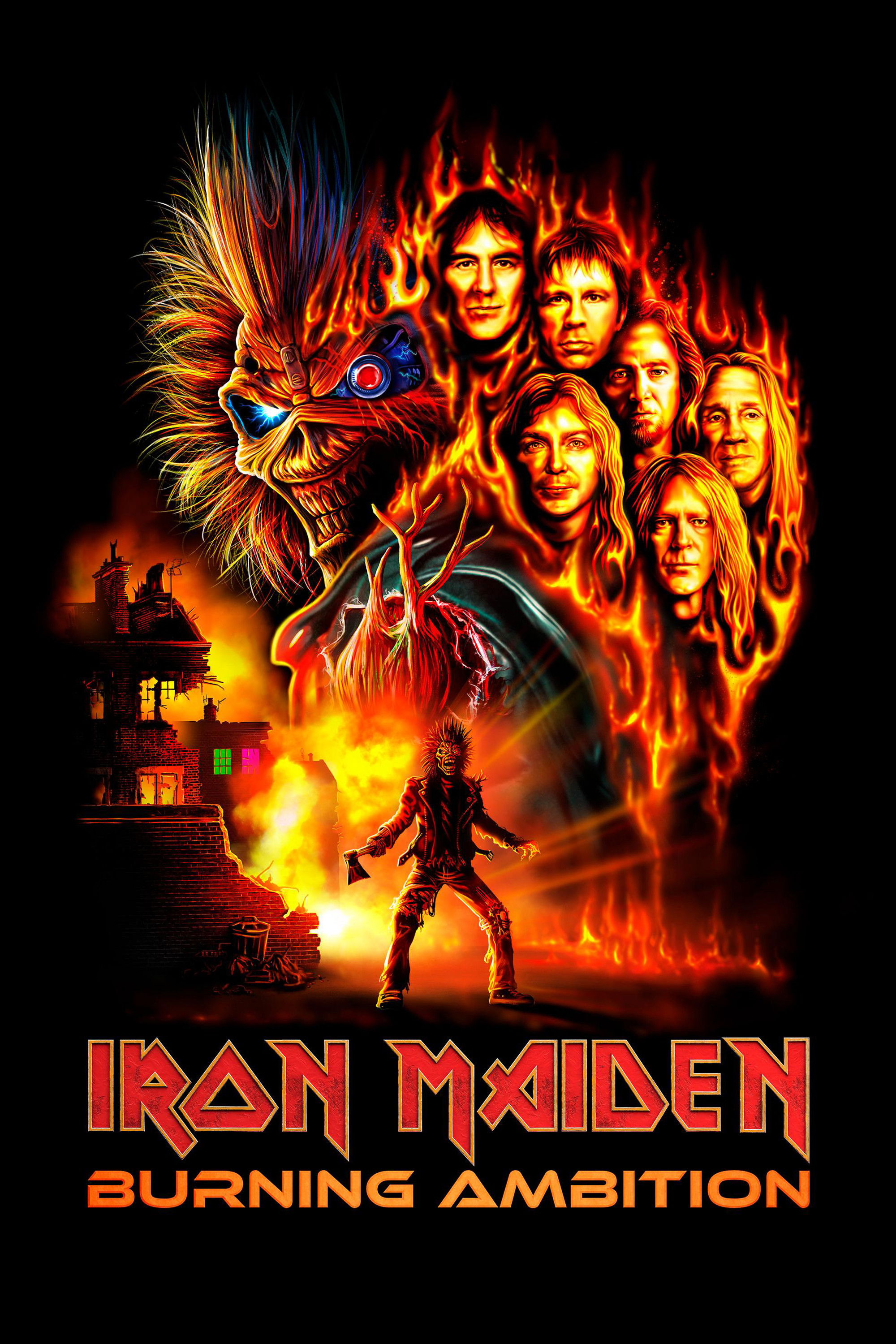
With unprecedented access to the official archives and intimate recollections from the band, both current and past, Iron Maiden: Burning Ambition invites fans to experience one of the most iconic journeys in music history. Spanning five decades, this electrifying documentary charts the band’s rise from the pubs of East London to the world’s biggest stadiums. Featuring exclusive interviews with band members and contributors such as Javier Bardem, Lars Ulrich and Chuck D, as well as all-new animated sequences of the band's legendary mascot, Eddie, the film offers a rare and intimate look at Iron Maiden’s uncompromising vision and unwavering connection with their truly global army of fans.
After years in the limelight, Selena Gomez achieves unimaginable stardom. But just as she reaches a new peak, an unexpected turn pulls her into darkness. This uniquely raw and intimate documentary spans her six-year journey into a new light.
The life and career of one of comedy's most inimitable modern voices, Mr. Gilbert Gottfried.
A night of drunken chaos rocks a quiet Dutch town in this shocking documentary about a teen's birthday invite that accidentally went viral on Facebook.
Some of MGM'S musical stars review the studios history of musicals. From The Hollywood Revue of 1929 to Brigadoon, from the first musical talkies to Gene Kelly in Singin' in the Rain.
The life of Mr. Spock, as well as that of Leonard Nimoy, the actor who played him for almost fifty years, written and directed by his son: Adam.
In the Realms of the Unreal is a documentary about the reclusive Chicago-based artist Henry Darger. Henry Darger was so reclusive that when he died his neighbors were surprised to find a 15,145-page manuscript along with hundreds of paintings depicting The Story of the Vivian Girls, in What is Known as the Realms of the Unreal, of the Glodeco-Angelinnian War Storm, Cased by the Child Slave Rebellion.
Experience the iconic rock band's legacy in the first major documentary to tell their story. Directed with the era’s avant-garde spirit by Todd Haynes, this kaleidoscopic oral history combines exclusive interviews with dazzling archival footage.