A history of the bridges of Paris, through modern views and historical engravings.
Social & External
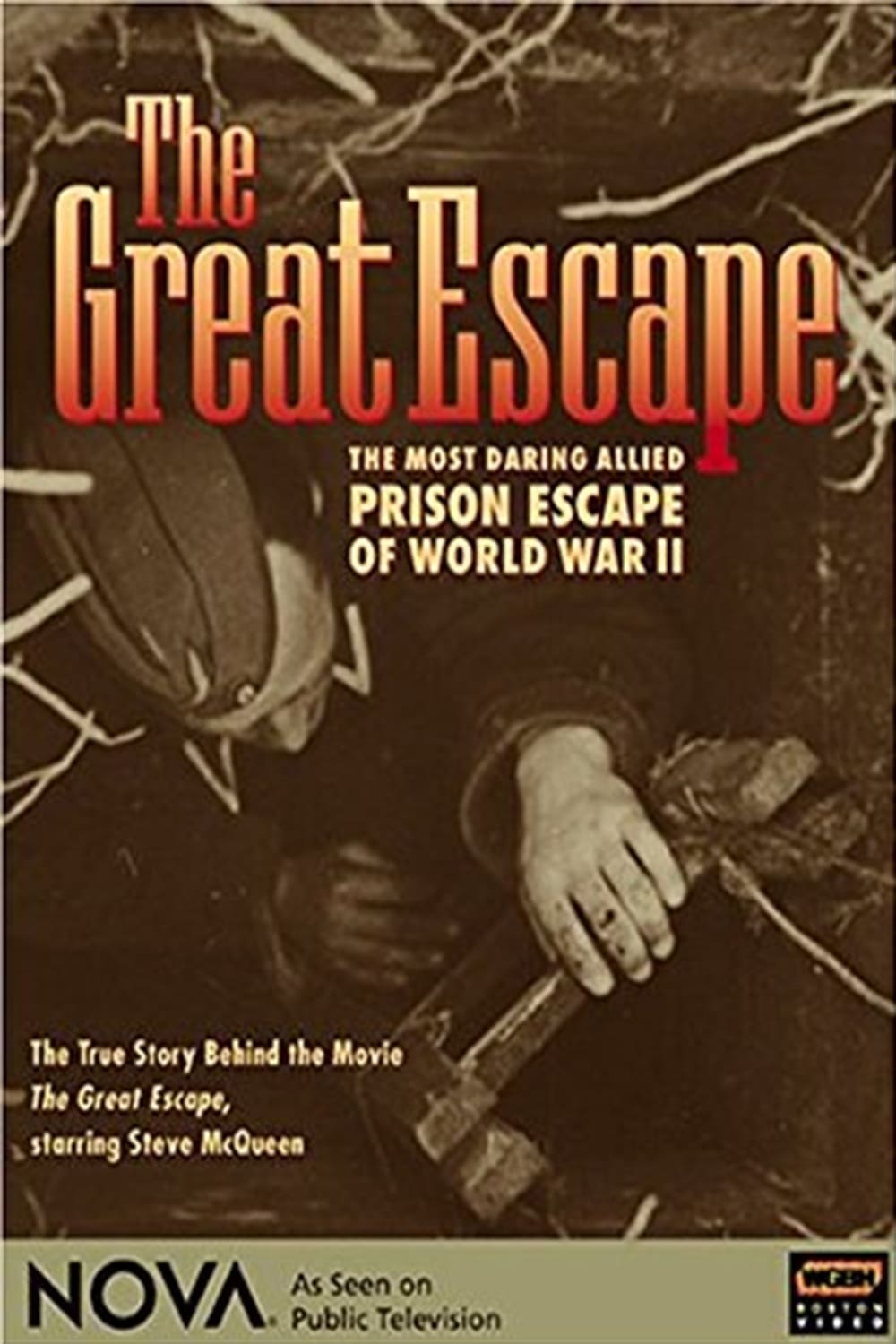
The real Great Escape didn't feature Steve McQueen racing through the Third Reich on a motorcycle like in the 1963 movie, but the big breakout was still thrilling in every way. This program sheds new light on the audacious escape of 76 Allied airmen from a Nazi POW camp during World War II.
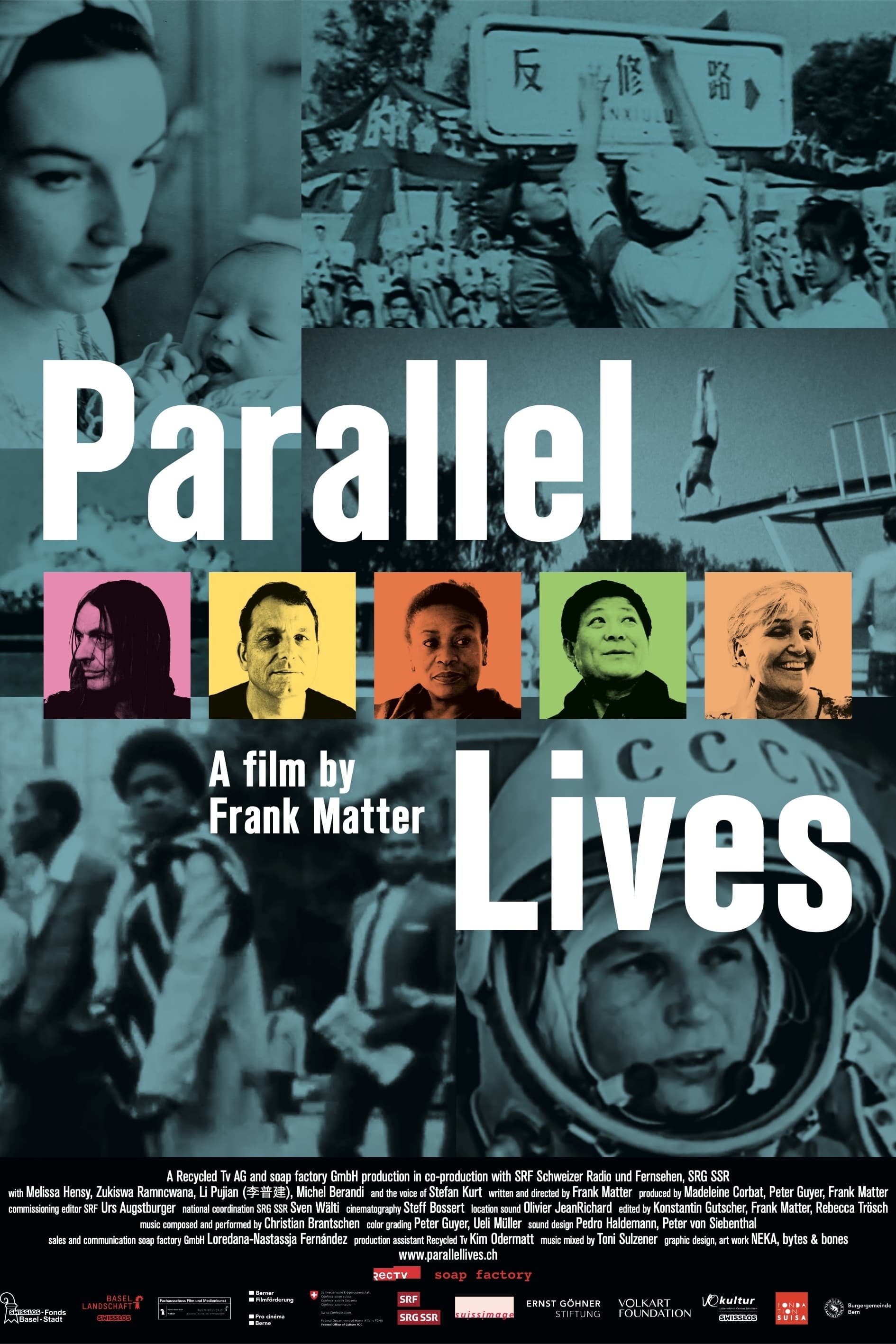
Born June 8, 1964, Frank Matter films four "twins", born the same day as him, but in other latitudes. Interweaving their life stories with rich archival material, the filmmaker links these Parallel Lives with elements from his own biography, to compose a fascinating fresco where intimate trajectories are part of the advent of the global village.
When asked to make a documentary about her friend’s mother—a Parisian astrologer named Juliane—the filmmaker sets off for Montmartre with a Bolex to craft a portrait of an infectiously exuberant personality and the pre-war apartment she’s called home for 50 years.
About 4 000 years ago, Assyrian merchants established a commercial settlement in the ancient city of Kaneš, within Central Anatolia. They came from Aššur, north of Mesopotamia. We have come to understand their history through their writings on clay tablets that have stood the test of time: more than 22 500 cuneiform tablets have been unearthed from the archaeological site of Kültepe. How did these Mesopotamian clay tablets arrived in Anatolia and what do they tell us? The voice of Tarām-Kūbi, an Assyrian woman who corresponded with her brother and her husband in Kaneš, takes us back in time.
In May of 1982 Julio Cortázar, the Argentinean writer and his companion in life, Carol Dunlop set out in their VW bus on a journey along the highway from Paris to Marseille that, for each of them, was to be their final one. Twenty-five years later, Océane Madelaine and Jocelyn Bonnerave set out to undertake the journey again.
Bastien is twenty years old and has been an activist for five years in the main extreme right party. When the presidential campaign begins, he's invited by his superior to commit even further. Initiated into the art of decking himself out like a politician, he starts to dream of a career, but old demons surge forth...
Professor Saul David uses the BBC archive to chart the history of the world's most destructive war, by chronicling how the story of the battle has changed. As new information has come to light, and forgotten stories are remembered, the history of World War Two evolves. The BBC has followed that evolution, and this programme examines the most important stories, and how our understanding of them has been re-defined since the war ended over 70 years ago.
September 3rd, 1939. Britain and France declare war on Nazi Germany, only two days after the Wehrmacht invades Poland. This day, the sad date when the fate of the world changed forever, the Phoney War began: eight months of uncertainty, preparations, evacuations and skirmishes.
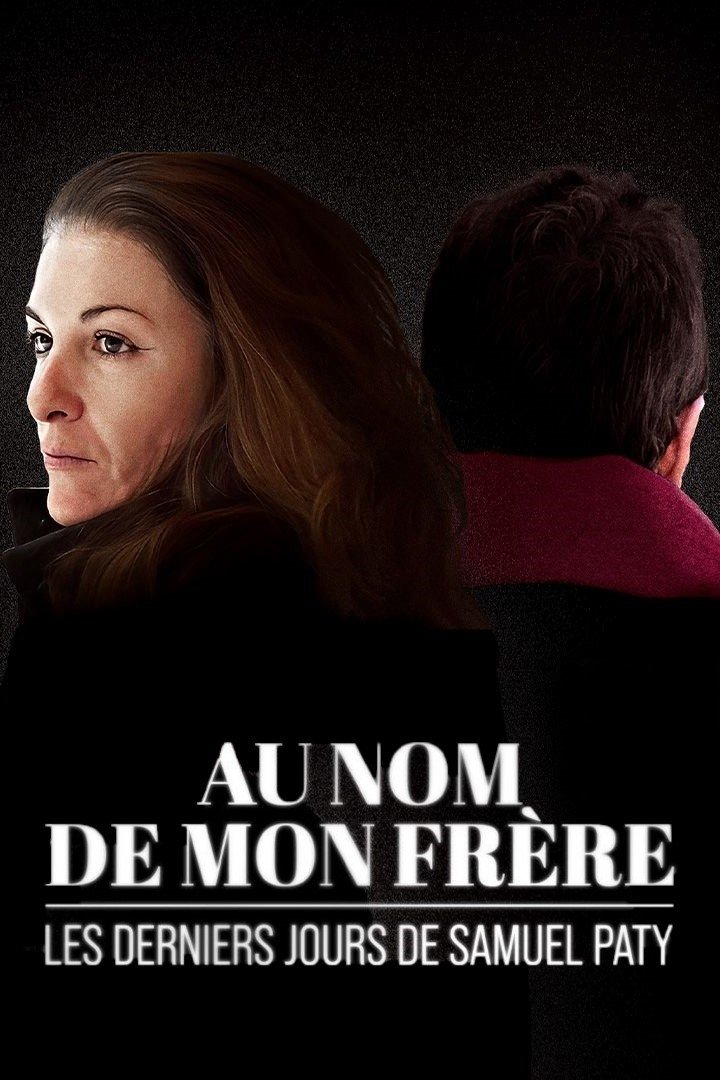
The documentary, devoted to the last days of the professor who was tragically beheaded by an Islamist terrorist. This film highlights the failings of the state and the national education system in this deeply disturbing case.
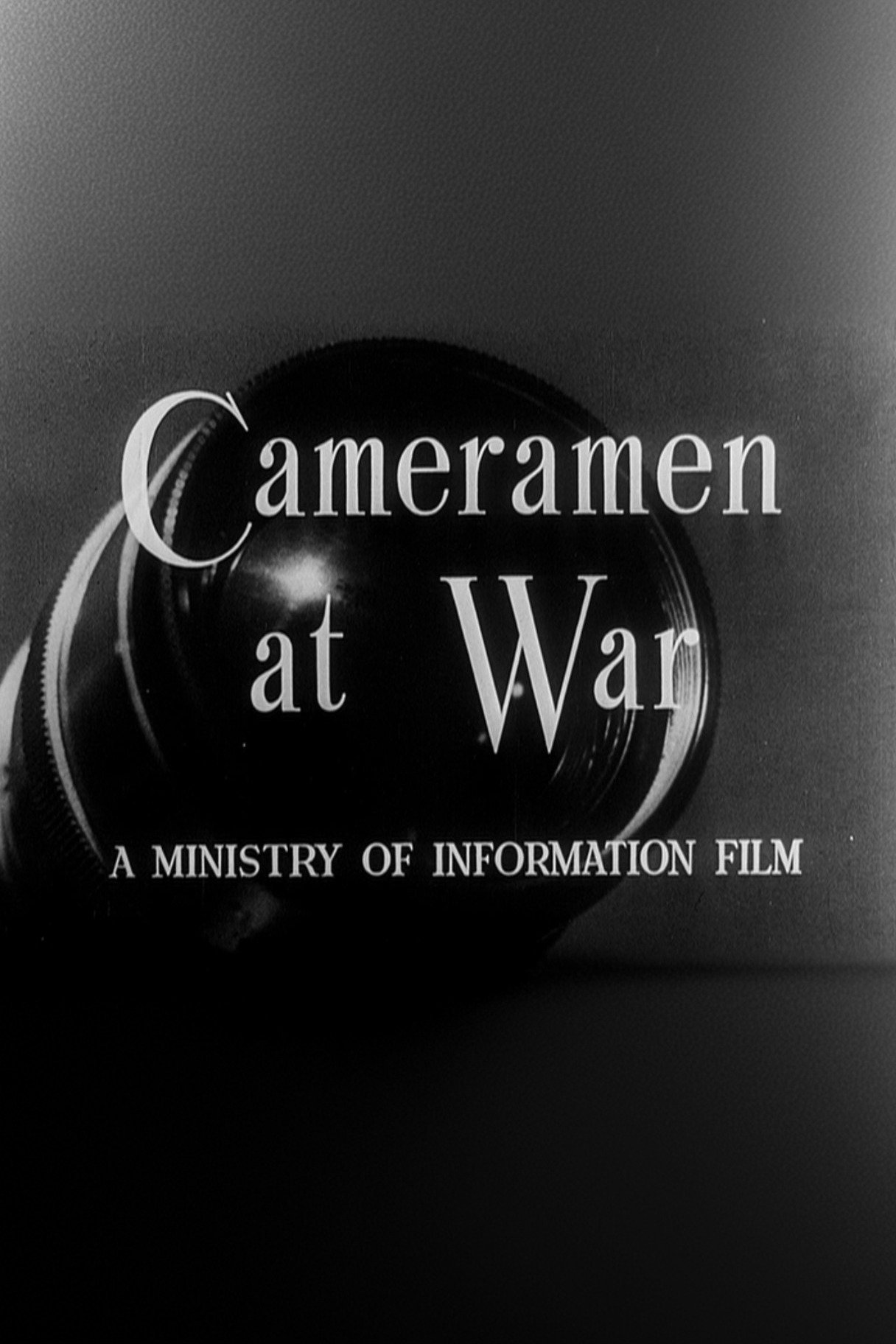
A tribute to the cameramen of the newsreel companies and the service film units, in the form of a compilation of film of the cameramen themselves, their training and some of their most dramatic film.
A personal journey. A search for "the image of death" along the paths of the incommunicable, during a long walk through the cemeteries of Paris in search of César Vallejo's tomb.
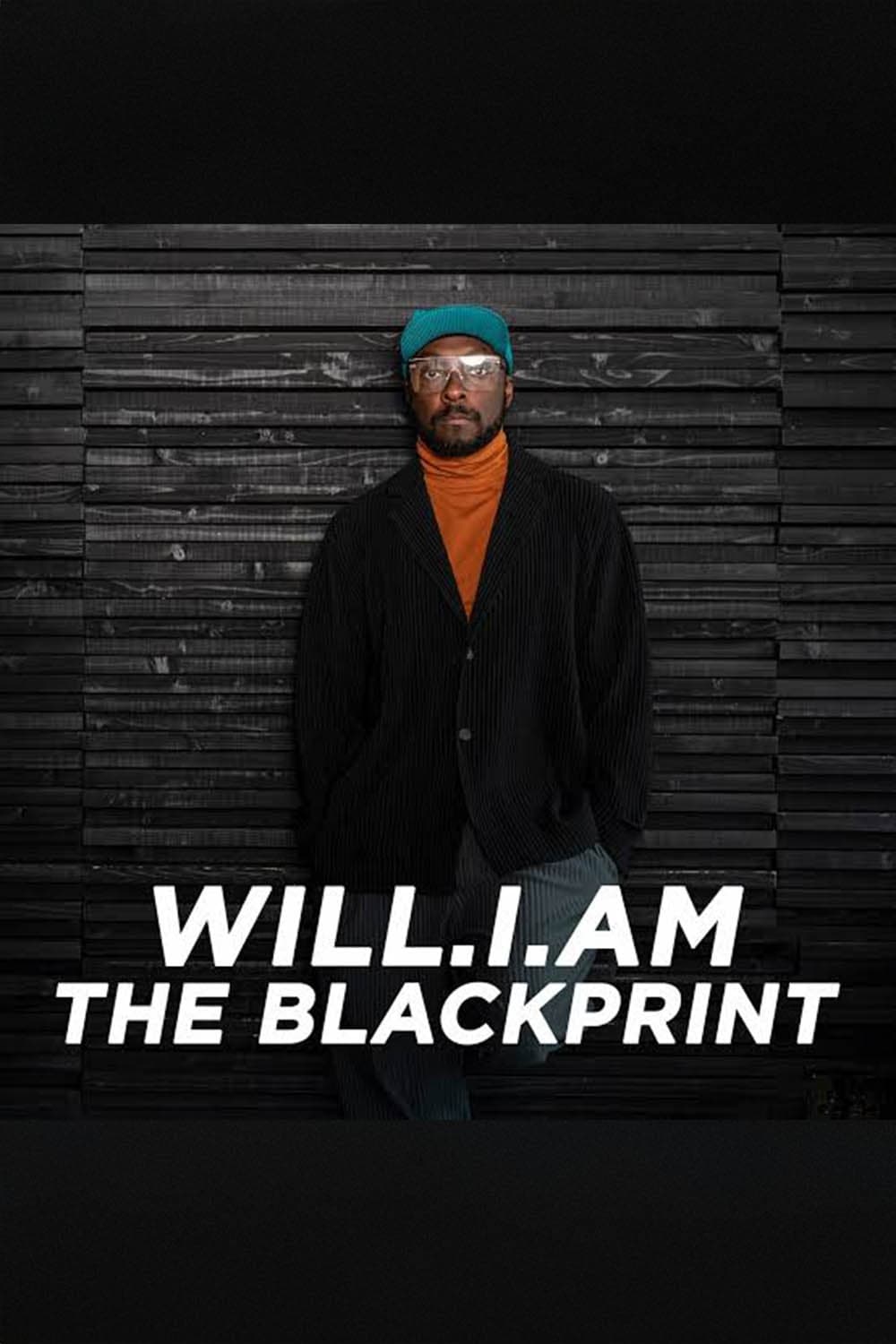
The Blackprint explores what it means to be Black and British. will.i.am traveled the UK to meet civil rights heroes, schoolchildren and technology trailblazers while also exploring issues they face because of their race. A basic look at racial discrimination experienced by young Black men and women but also, where it began with the slave trade in the 1800s.
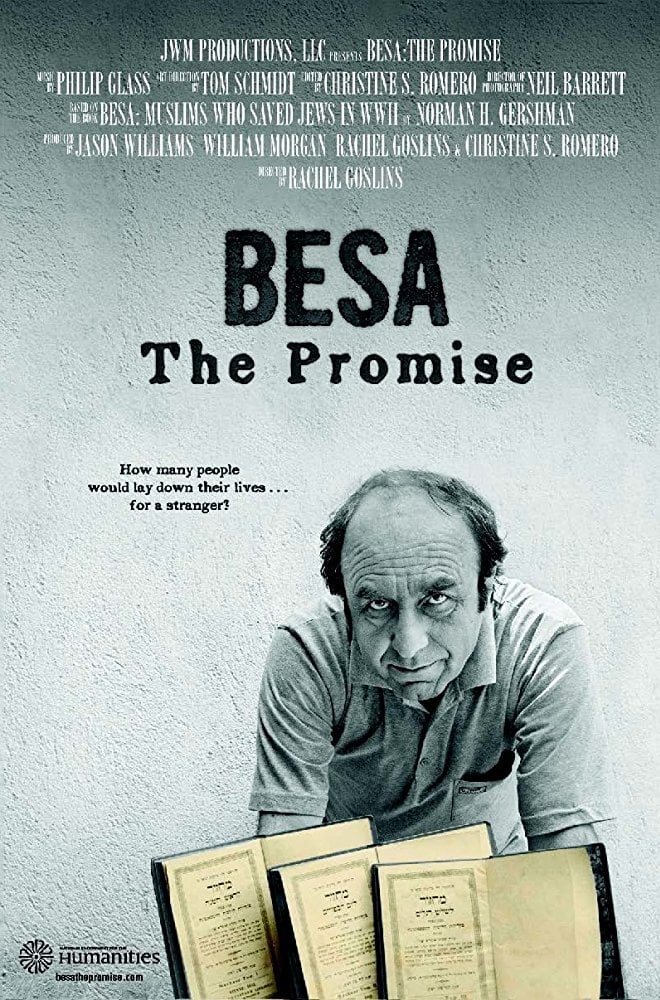
A documentary exploring how Albanians, including many Muslims, helped and sheltered Jewish refugees during WWII at their own risk, and trying to help the son of an Albanian baker that housed a Jewish family for a year return some Hebrew books that the family had to leave behind.
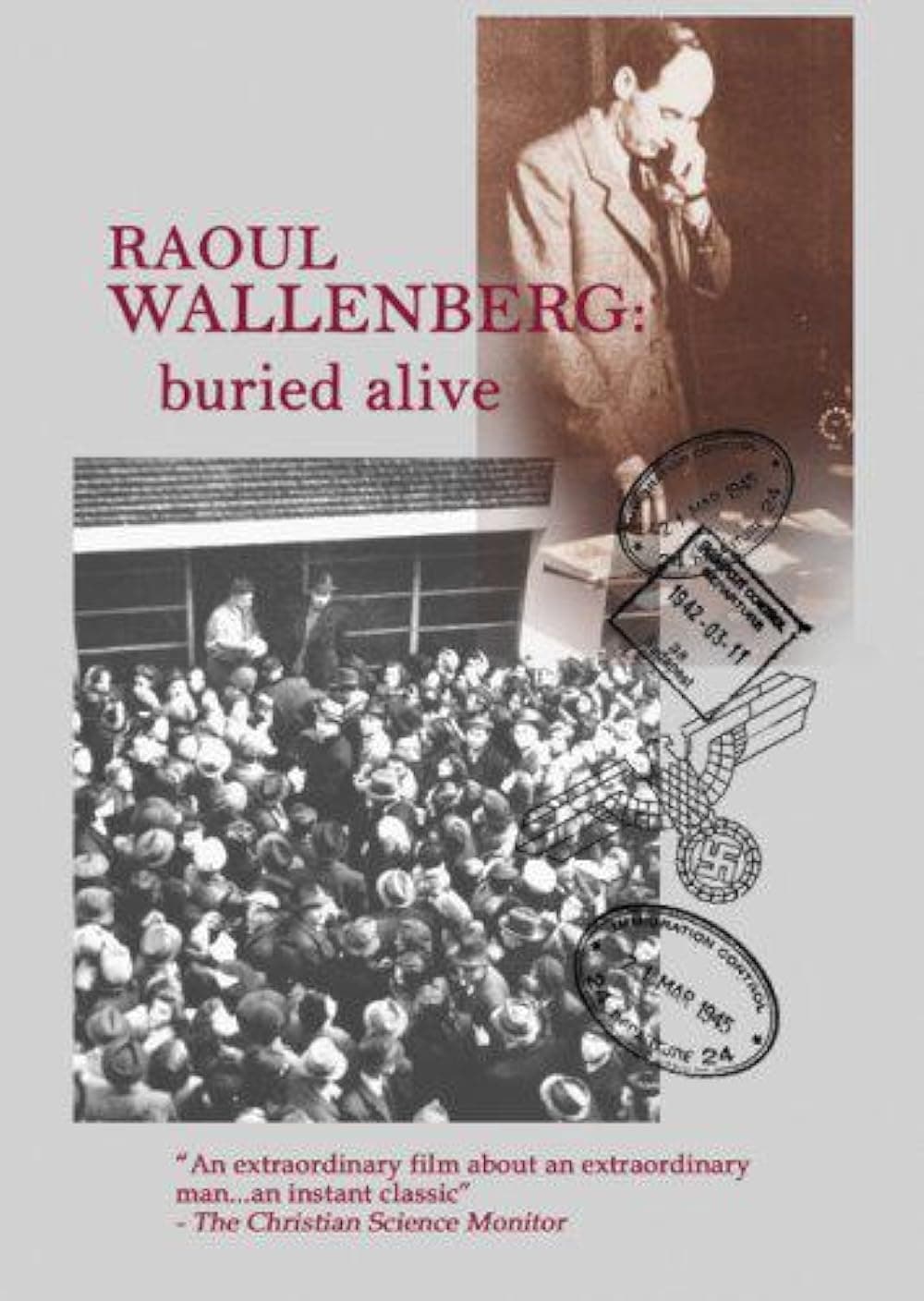
A profile of Swedish diplomat Raoul Wallenberg, the film covers his role in saving the lives of Jewish refugees from the Holocaust, as well as exploring the evidence that he may still have been alive in a Soviet gulag as late as the early 1980s.
A day-to-day record of the construction of the Confederation Bridge linking Prince Edward Island to the mainland, Abegweit reveals some of the innovations that made this mammoth project one of the most impressive engineering feats in Canadian history.
A documentary about World War I with never-before-seen footage to commemorate the centennial of Armistice Day, and the end of the war.
14-year-old Laura Dekker sets out on a two-year voyage in pursuit of her dream to become the youngest person ever to sail around the world alone.
The film follows adventurer Jeff Johnson as he retraces the epic 1968 journey of his heroes Yvon Chouinard and Doug Tompkins to Patagonia.
Daniel Craig candidly reflects on his 15 year adventure as James Bond. Including never-before-seen archival footage from Casino Royale to the upcoming 25th film No Time To Die, Craig shares his personal memories in conversation with 007 producers, Michael G Wilson and Barbara Broccoli.
The history of cinematic sound, told by legendary sound designers and visionary filmmakers.
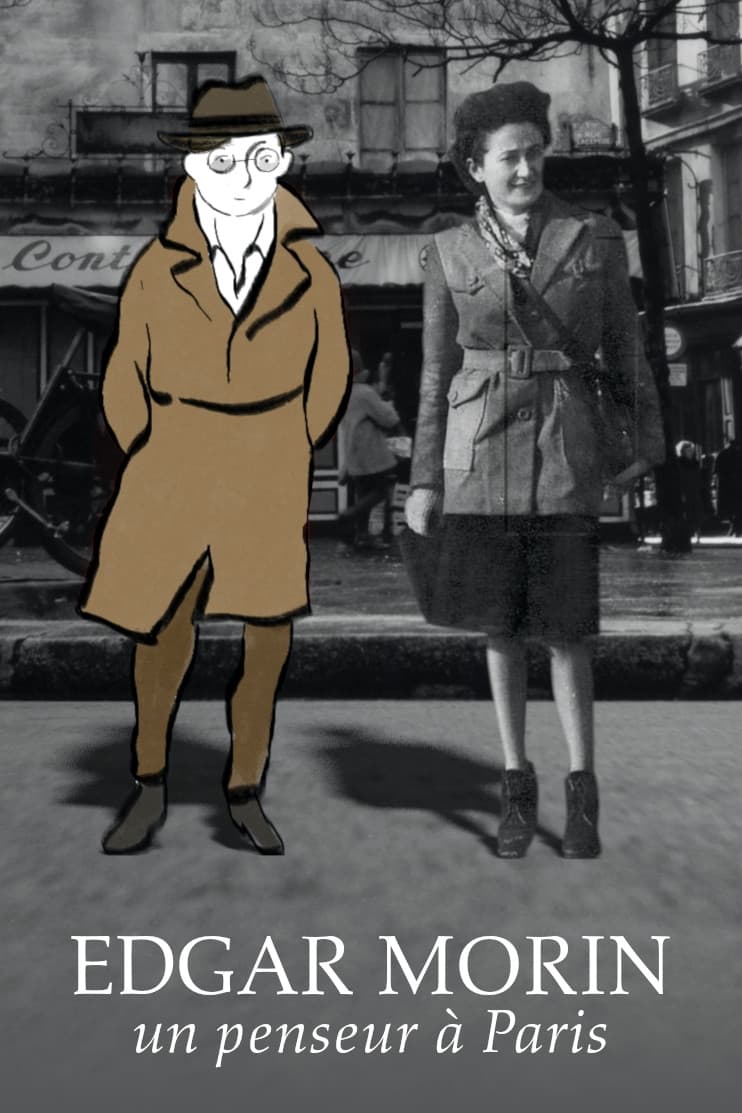
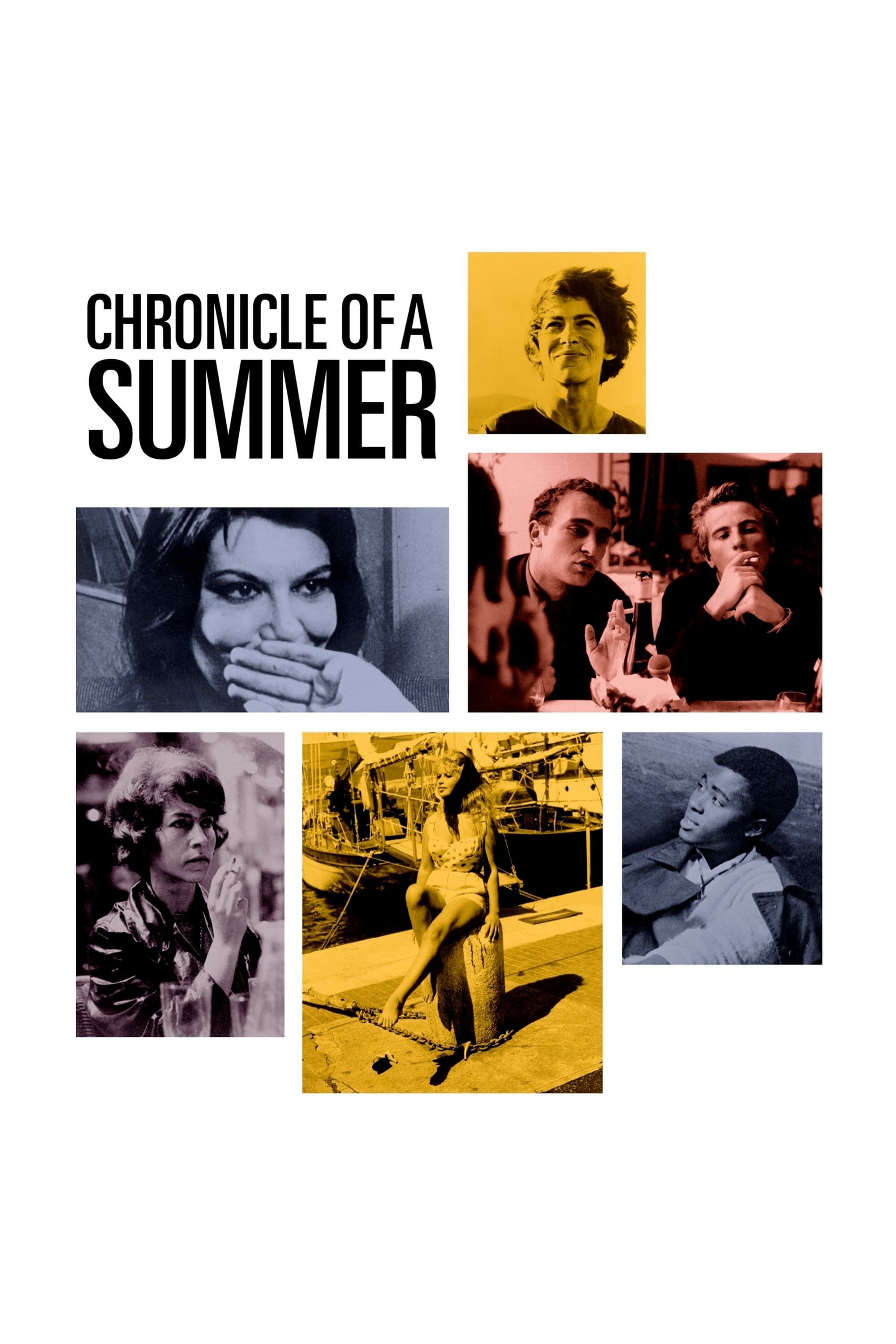
Paris, summer 1960. Anthropologist and filmmaker Jean Rouch and sociologist and film critic Edgar Morin wander through the crowded streets asking passersby how they cope with life's misfortunes.
An inside look at one of the most anticipated movie sequels ever with James Cameron and cast.
“The Soviet Story” is a story of an Allied power, which helped the Nazis to fight Jews and which slaughtered its own people on an industrial scale. Assisted by the West, this power triumphed on May 9th, 1945. Its crimes were made taboo, and the complete story of Europe’s most murderous regime has never been told. Until now...
Those who knew iconic funnyman John Candy best share his story, in their own words, through never-before-seen archival footage, imagery, and interviews.
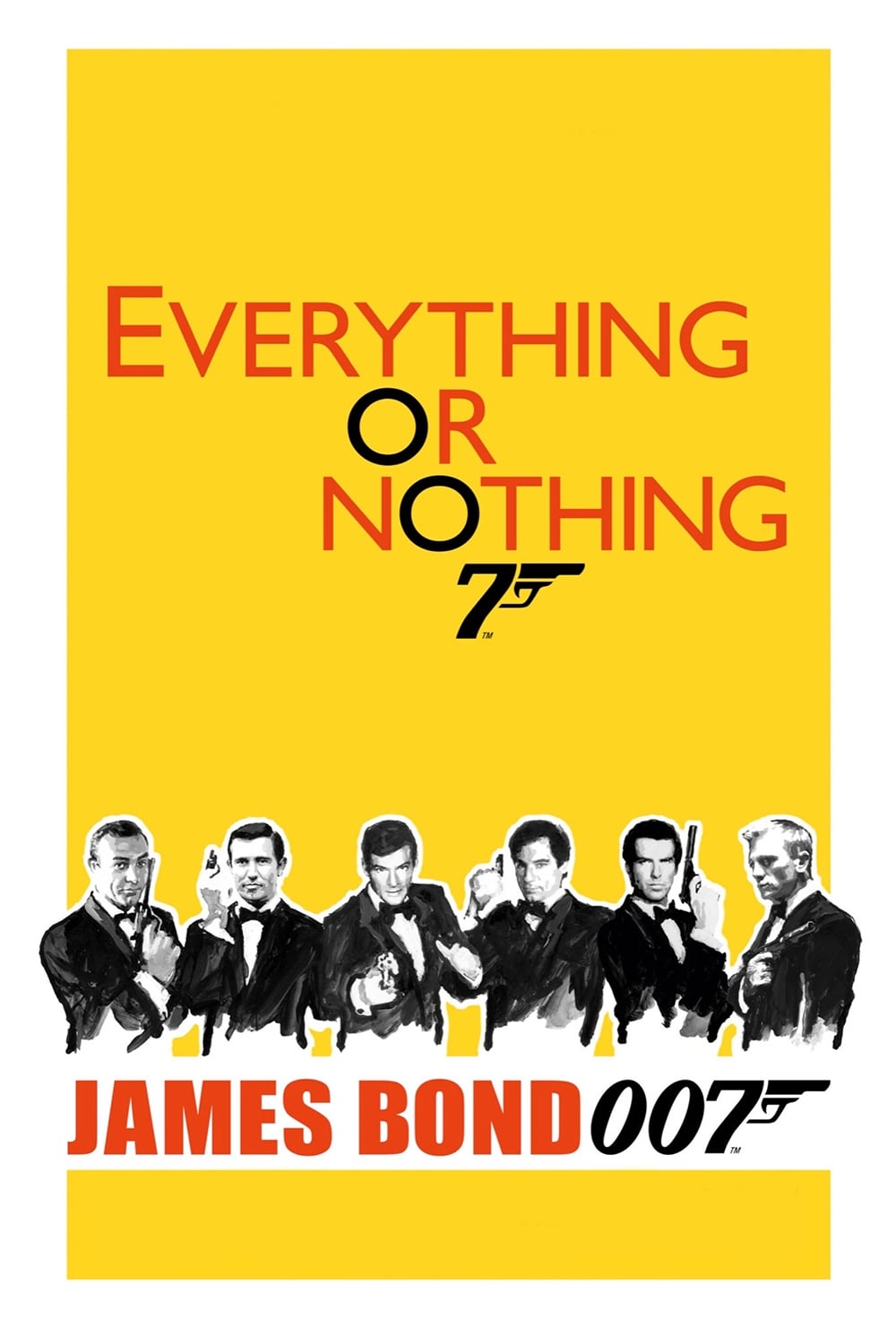
The story of three men with a shared dream: James Bond franchise producers Albert R. Broccoli and Harry Saltzman, and Bond creator and author Ian Fleming. It’s the thrilling and inspiring narrative behind the longest running film franchise in cinema history, which began in 1962.
To mark the release two weeks ago of the eighth and final movie in the series, Robbie Coltrane narrates a countdown of the movie franchise's best moments. From Harry's first meeting with Ron and Hermione aboard the Hogwarts Express through to magical mysteries.
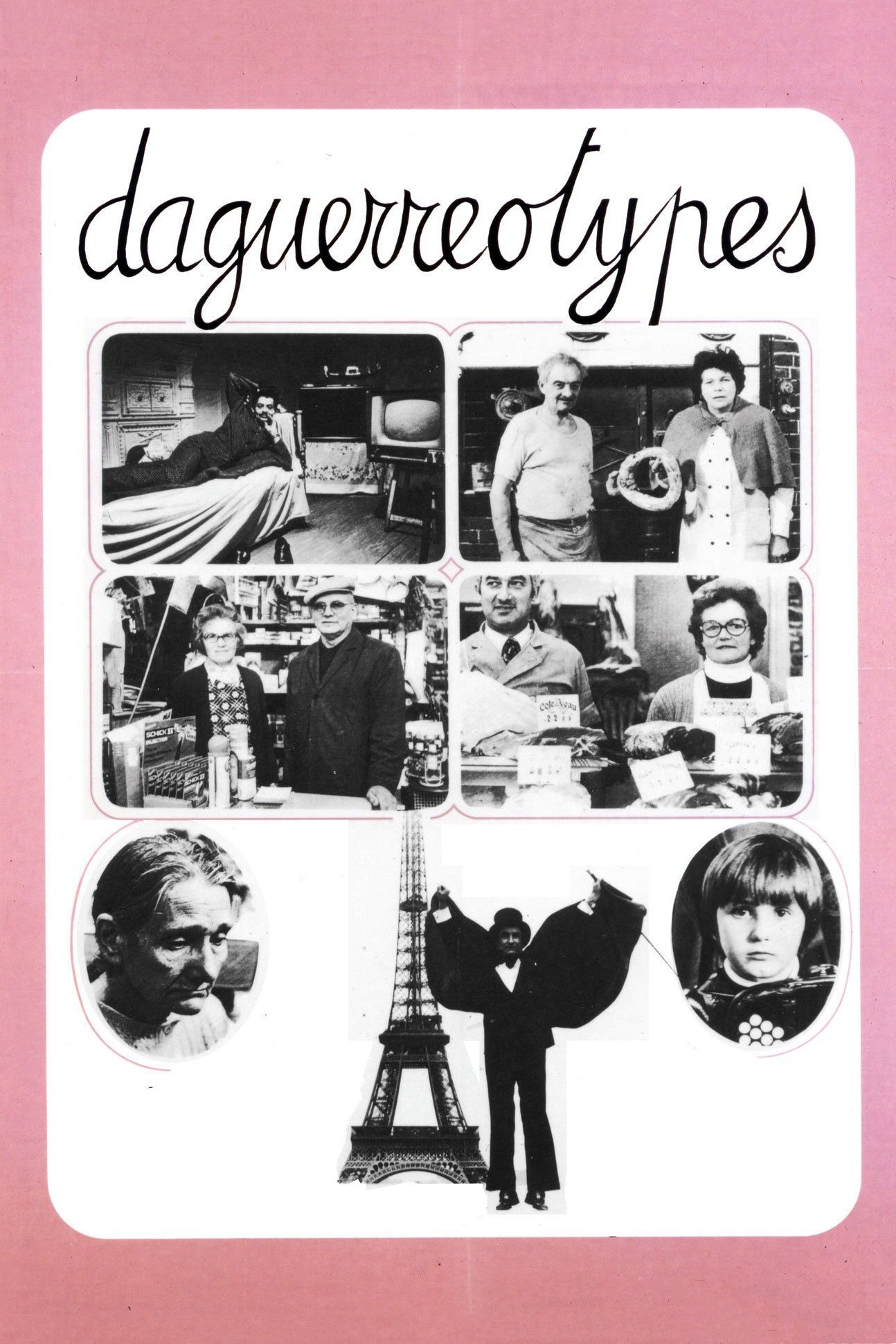
An intimate portrait of the small shops and shopkeepers of the Rue Daguerre in Paris, a picturesque street that has been the filmmaker’s home for more than 50 years.
A doomed love triangle between intrepid French scientists Katia and Maurice Krafft, and their beloved volcanoes.
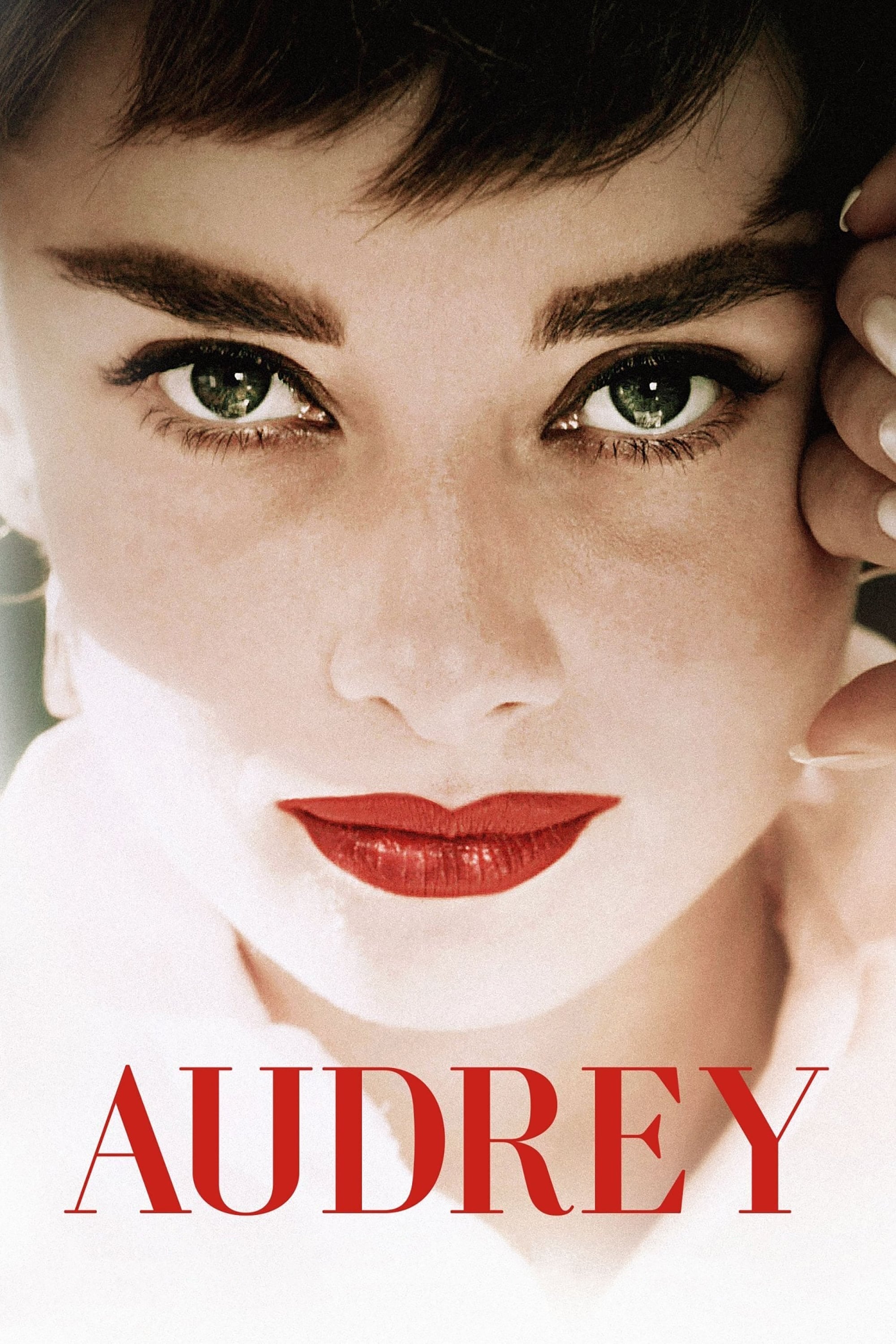
An unprecedented and intimate look at the life, work and enduring legacy of British actress Audrey Hepburn (1929-1993).
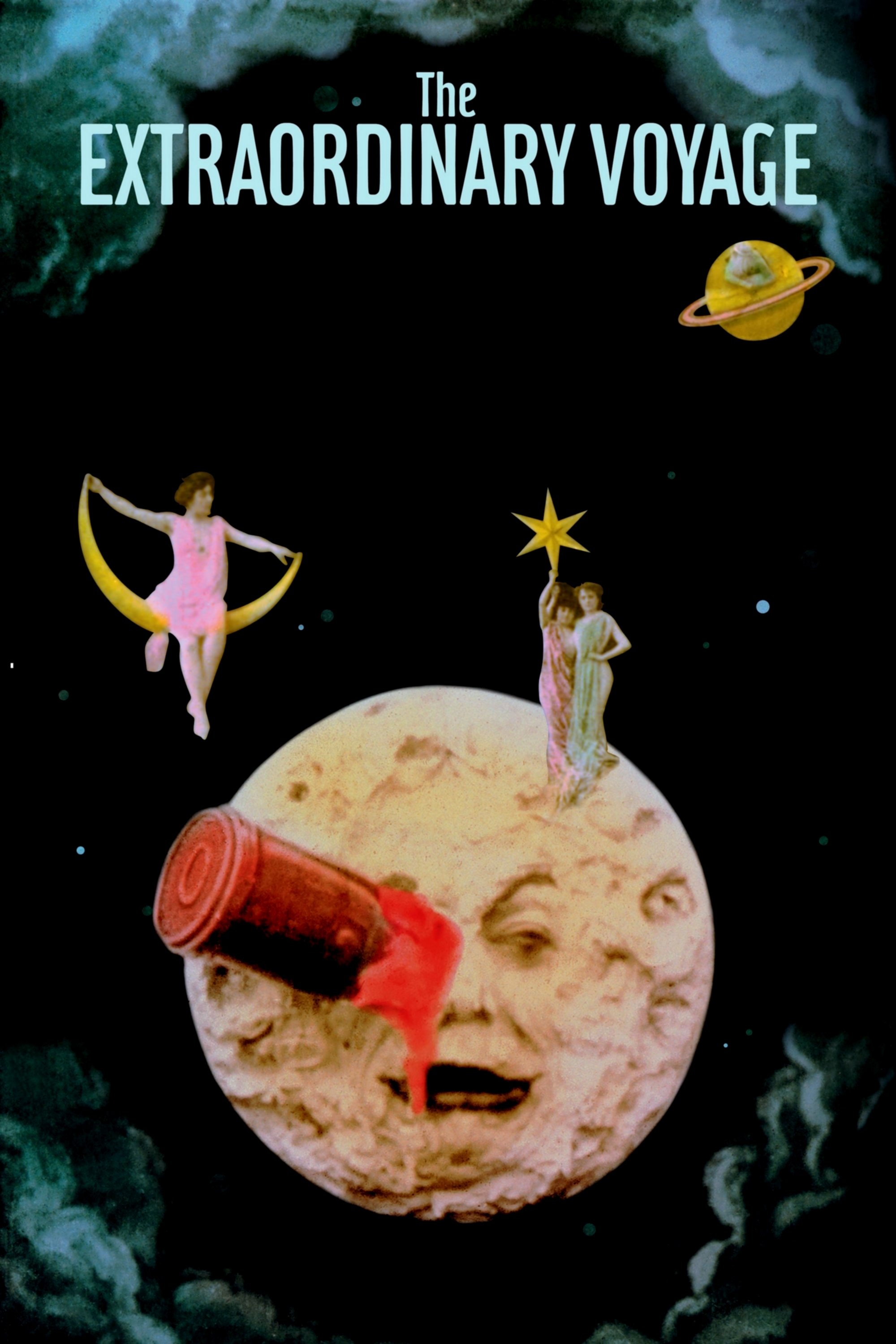
An account of the extraordinary life of film pioneer Georges Méliès (1861-1938) and the amazing story of the copy in color of his masterpiece A Trip to the Moon (1902), unexpectedly found in Spain and restored thanks to the heroic efforts of a group of true cinema lovers.
When Allied forces liberated the Nazi concentration camps in 1944-45, their terrible discoveries were recorded by army and newsreel cameramen, revealing for the first time the full horror of what had happened. Making use of British, Soviet and American footage, the Ministry of Information’s Sidney Bernstein (later founder of Granada Television) aimed to create a documentary that would provide lasting, undeniable evidence of the Nazis’ unspeakable crimes. He commissioned a wealth of British talent, including editor Stewart McAllister, writer and future cabinet minister Richard Crossman – and, as treatment advisor, his friend Alfred Hitchcock. Yet, despite initial support from the British and US Governments, the film was shelved, and only now, 70 years on, has it been restored and completed by Imperial War Museums under its original title "German Concentration Camps Factual Survey".
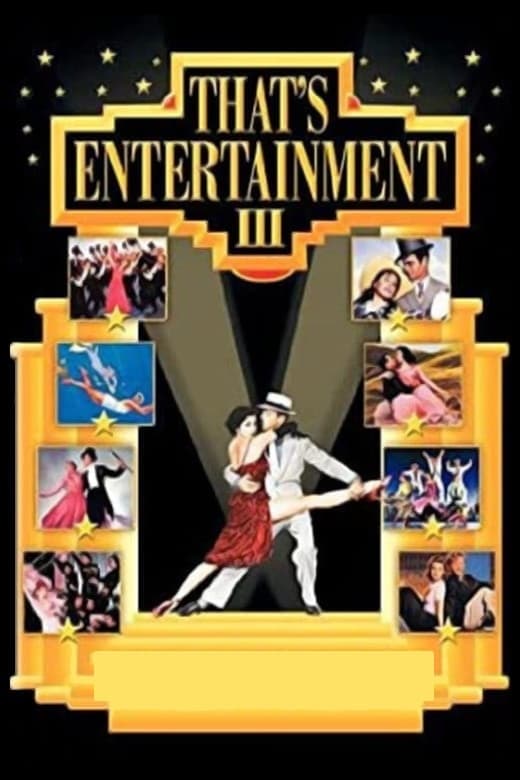
Some of MGM'S musical stars review the studios history of musicals. From The Hollywood Revue of 1929 to Brigadoon, from the first musical talkies to Gene Kelly in Singin' in the Rain.
Documentarian Ross McElwee originally set out to make a travelogue of sorts tracing General William T. Sherman's infamous scorched-earth march through the Confederacy in the latter stages of the Civil War. Instead, haunted by a recent breakup with a girlfriend, McElwee ends up documenting his progress -- or lack thereof -- in starting a new relationship. His journey then becomes one of self-reflection and self-discovery rather than a historical/sociological exploration.
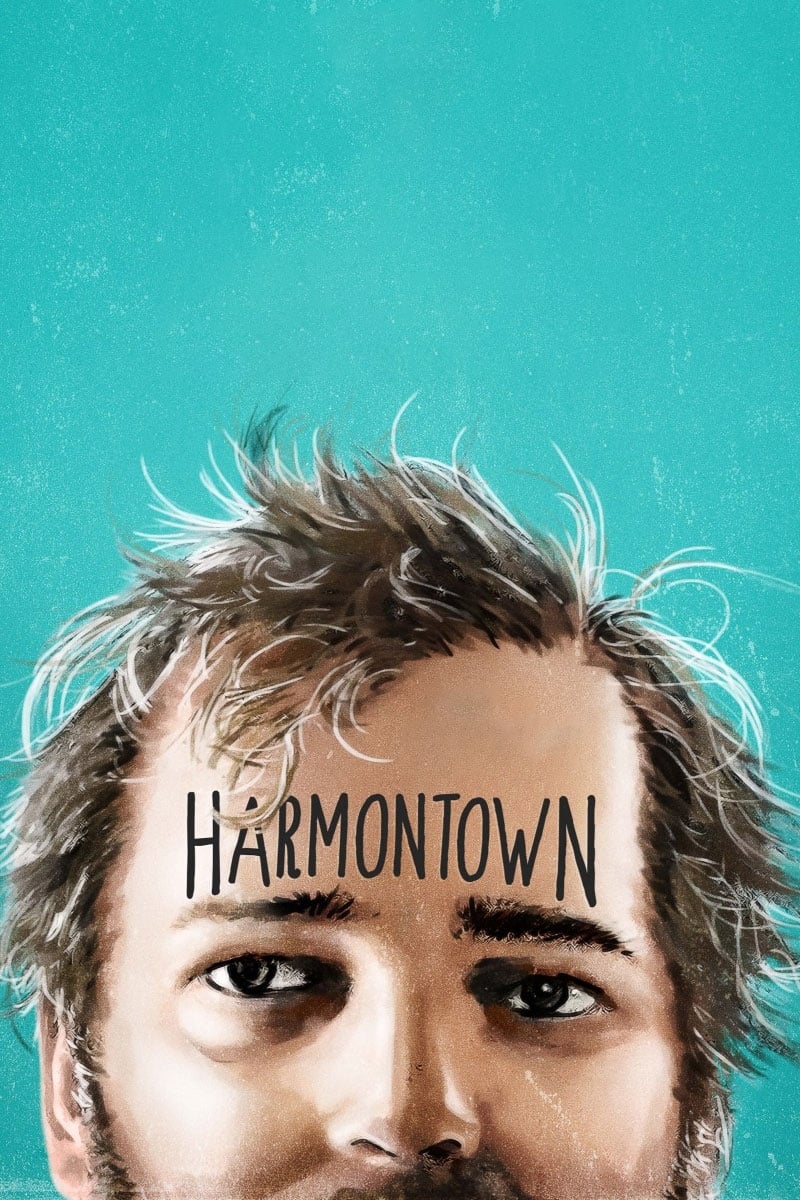
A comedic, brutally honest documentary following self-destructive TV writer Dan Harmon as he takes his live podcast on a national tour.
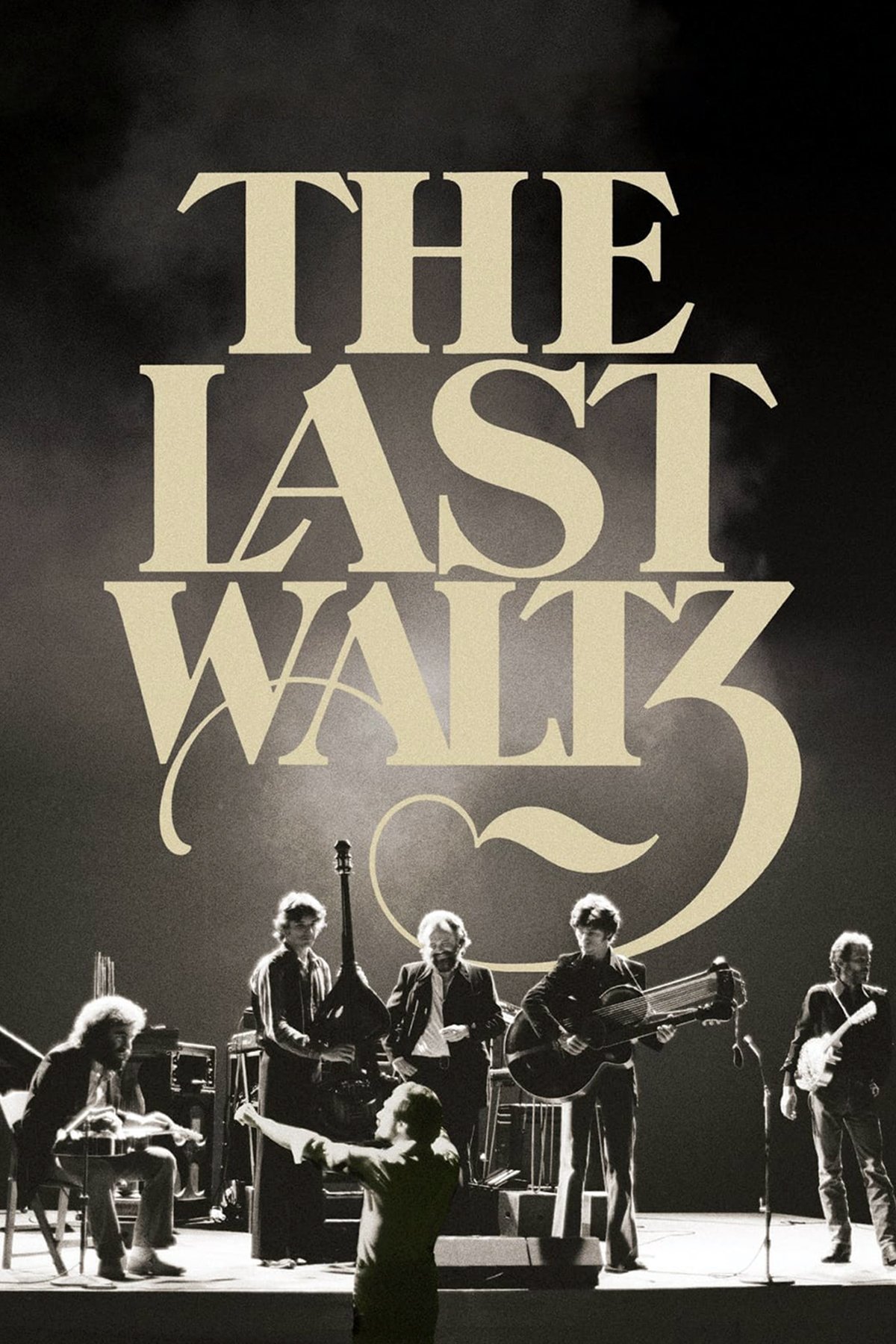
Martin Scorsese's documentary intertwines footage from The Band's incredible farewell tour with probing backstage interviews and featured performances by Eric Clapton, Bob Dylan, Joni Mitchell, Van Morrison, and other rock legends.