This color educational film is a driver's safety film about city driving. There is no copyright at the beginning or end of the film so the date of the production appears to be the mid to late 1970s.
Social & External
The Ministry of Labour exhorts women to return to industry – the post-war production drive depends on them.
Describes how to resist the deception and pressure used to recruit members into cults and keep them there. It also provides advice on how to resist these tactics. The video is designed for young people, parents, educators, counselors, clergy, law enforcement officials, and others.
This highway scare film produced by the Highway Safety Foundation in 1971, "Decade of Death", is a retrospective of the organization's 10 years of gory, shocking social guidance films which aimed to promote traffic safety and driver responsibility through the display of bloody and horrific footage of traffic crashes.The Highway Safety Foundation made driver scare films such as "Signal 30," "Mechanized Death," and "Highways of Agony" that intended to encourage drivers to drive responsibly and with consideration of the risks and consequences. It was the organization's belief that crash footage, while horrific, was the best way to convey the importance of driving safely.
Sid James learns of the joys of owning a budgerigar.
The film emphasizes the importance of safety when using power tools in a workshop. It outlines key safety practices, such as using guards, securing materials, and wearing protective gear like safety glasses. The film also covers specific tool usage tips, including the correct handling of cutting machines, drills, grinders, and lathes, stressing that safety precautions should never be neglected. Proper maintenance and awareness of tool settings are crucial to prevent accidents.
Public warning film on road safety for children - 3 small children meet Death.
Discusses essential scuba diving safety and rescue techniques. It highlights the importance of following safety rules, such as not diving alone and knowing how to use rescue equipment effectively. It demonstrates various rescue methods, including the removal of a weight belt, inflating life vests, and using paddleboards and rescue tubes. The film emphasizes that proper training and equipment can significantly enhance a rescuer's ability to save lives in emergencies.
“The Mystery Crash” discusses the dangers of drinking and driving especially as it pertains to the seemingly harmless “social drinker.” This film was produced by Jack Lieb Productions Inc, Chicago and sponsored by the National Safety Council. It is part of a series of films, with each episode describing a different element of driving and road safety.
The film features a meeting led by Dave Taylor, the shelter manager, discussing the protocols and responsibilities for staff members involved in managing a public shelter. Key participants, including operations deputy Harvey Johnson and health leader Mrs. Carter, outline their roles in ensuring a smooth entry for occupants during an emergency. The meeting emphasizes the importance of organization, communication, and the distribution of supplies. Staff members are encouraged to familiarize themselves with each other's duties and prepare for potential scenarios, including managing newcomers and ensuring safety and sanitation within the shelter.
A training film for public shelter managers explaining when people should be allowed to leave the shelter after a disaster.
Created in 1963 at the height of the Cold War, this Civil Defense training film uses a dramatic premise to show how emergency staff should manage and organize a large public fallout shelter during a crisis. A Shelter Manager is shown immediately taking control of the situation in the shelter, speaking calmly to those who have made it into the facility, closing the door promptly once the shelter is full, and sticking to the "shelter plan" as the situation unfolds. Some of the areas discussed in this nuclear war drama are the safety plan, regular inspections, supervised public entry into shelters, ventilation, first aid, sanitation, fire prevention, decontamination of personnel, and more. "Shelter living is different," the Manager states, "But we have a trained staff that will make your stay in this shelter livable for us all."
A heavily dramatized Civil Defense film that demonstrates how a public fallout shelter is supposed to function after a nuclear attack. This scenario takes place in a fictional any town called "Middlebury". The film describes the situation in a public shelter in Middlebury following an attack on the United States.
This Cold War film "Information Within Public Shelters" (1953) takes place in a fallout shelter, showing how a well-trained staff that provides information to shelter occupants, can keep them busy and calm during nuclear armageddon. This film was produced as the U.S. Government began to shift from promoting privately-owned "family" fallout shelters to the concept of large, public shelters.
The film provides a comprehensive guide on snorkeling skills and rescue techniques, emphasizing the importance of proper equipment such as masks, snorkels, and fins. It discusses how to choose the right mask for comfort and fit, the proper use of snorkels, and techniques for clearing water from both masks and snorkels. The film also covers essential skills for entering the water safely, practicing buddy systems during snorkeling, and techniques for locating and rescuing submerged victims. It highlights the need for training and emphasizes that while these skills are crucial for rescue, they do not replace the need for a full certified course in skin diving.
The transcript discusses the prevalent drug culture, particularly marijuana use, among youth in national parks. It highlights the perception that marijuana is less harmful than harder drugs and reflects on the challenges park rangers face in enforcing drug laws. While acknowledging the existence of drug trafficking, the narrative emphasizes that marijuana use is often seen as a minor issue compared to alcohol consumption or harder narcotics. The conversation also touches on the need for a more nuanced understanding of drug use, suggesting that current laws may be overly stringent and not reflective of societal attitudes.
When two parties get in a head-on collision, it's up to emergency services to free them from the wreckage. What follows is a demonstration of what their job and duties entail.
This film shows the dangers of driving commercial trucks professionally as part of driver’s education. It displays various truck drivers; some cautious and others fatally dangerous.
A hard-hitting public information film made at the height of the Great Influenza 1918-18.
Hospital staff are reporting more violence and anti-social behaviour than ever before. In 2015, 8 staff were assaulted every hour – a new record high. At The Queen Elizabeth Hospital in Birmingham – one of the UK’s biggest hospitals – they think they have the answer. Here a private security force of 46 uniformed guards, and a sophisticated CCTV system, keep staff and patients safe. A colourful mixture of characters ranging from ex-soldiers, to bouncers, to former elite sportsmen, it’s the security team’s job to keep the hospital running smoothly. With more than 2 million visitors they have to deal with all aspects of crime and anti-social behaviour. All against a back drop of life changing and life saving procedures.
Intercuts scenes from Jack London's To build a fire with modern urban and rural winter scenes to point out the dangers of winter storms and low temperatures. Designed to stimulate discussion on civil preparedness for winter storms.
Film adaptation of French economist Thomas Piketty's ground-breaking global bestseller of the same name: an eye-opening journey through wealth and power.
Delve into the digestive system with this lighthearted and informative documentary that demystifies the role gut health plays in our overall well-being.
A visual montage portrait of our contemporary world dominated by globalized technology and violence.
The compelling feature-length documentary film, by director Barry Ptolemy, chronicles the life and controversial ideas of luminary Ray Kurzweil. For more than three decades, inventor, futures, and New York Times best-selling author Ray Kurzweil has been one of the most respected and provocative advocates of the role of technology in our future.
The Crash Reel tells the story of a sport and the risks that athletes face in reaching the pinnacle of their profession. This is Kevin Pearce’s story, a celebrated snowboarder who sustained a brain injury in a trick gone wrong and who now aims, against all the odds, to get back on the snow.
The remarkable story of Brazilian racing driver Ayrton Senna, charting his physical and spiritual achievements on the track and off, his quest for perfection, and the mythical status he has since attained, is the subject of Senna, a documentary feature that spans the racing legend's years as an F1 driver, from his opening season in 1984 to his untimely death a decade later.
A celebration of the universe, displaying the whole of time, from its start to its final collapse. This film examines all that occurred to prepare the world that stands before us now: science and spirit, birth and death, the grand cosmos and the minute life systems of our planet.
A paralysingly beautiful documentary with a global vision—an odyssey through landscape and time—that attempts to capture the essence of life.
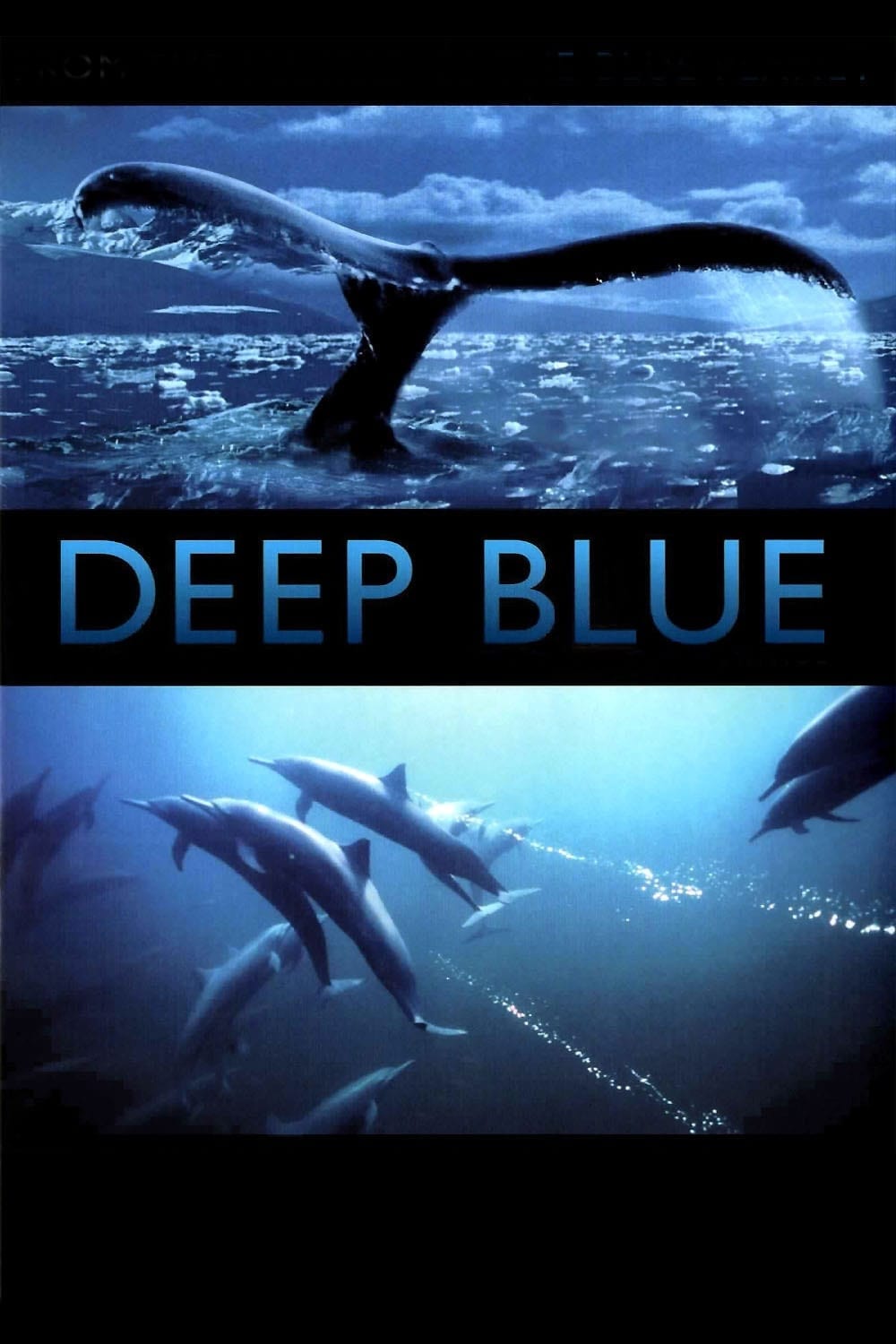
Deep Blue is a major documentary feature film shot by the BBC Natural History Unit. An epic cinematic rollercoaster ride for all ages, Deep Blue uses amazing footage to tell us the story of our oceans and the life they support.
JB Smoove and Martin Starr host a celebration of 20 years of "Spider-Man" movies, from the Sam Raimi trilogy to Marc Webb's movies and the trio from Jon Watts.
A coming of age story following a young meerkat pup, Kolo, growing up in the Kalahari desert; and an inspiring look at how one family's connection to each other and their surroundings is a model of resilience and fortitude for us all. Shot using ground-breaking techniques, this dramatised documentary is a one-of-a-kind presentation from The Weinstein Company and the BBC, featuring narration by Paul Newman.
Interviews with leading authors, philosophers and scientists, with an in-depth discussion of the Law of Attraction. The audience is shown how they can learn and use 'The Secret' in their everyday lives.
The successes and failures of a couple determined to live in harmony with nature on a farm outside of Los Angeles are lovingly chronicled by filmmaking farmer John Chester, in this inspiring documentary.
Documentary filmmaker Amy Berg investigates the life of 30-year pedophile Father Oliver O'Grady and exposes the corruption inside the Catholic Church that allowed him to abuse countless children. Victims' stories and a disturbing interview with O'Grady offer a view into the troubled mind of the spiritual leader who moved from parish to parish gaining trust ... all the while betraying so many.
Since the late 18th century American legal decision that the business corporation organizational model is legally a person, it has become a dominant economic, political and social force around the globe. This film takes an in-depth psychological examination of the organization model through various case studies. What the study illustrates is that in the its behaviour, this type of "person" typically acts like a dangerously destructive psychopath without conscience. Furthermore, we see the profound threat this psychopath has for our world and our future, but also how the people with courage, intelligence and determination can do to stop it.
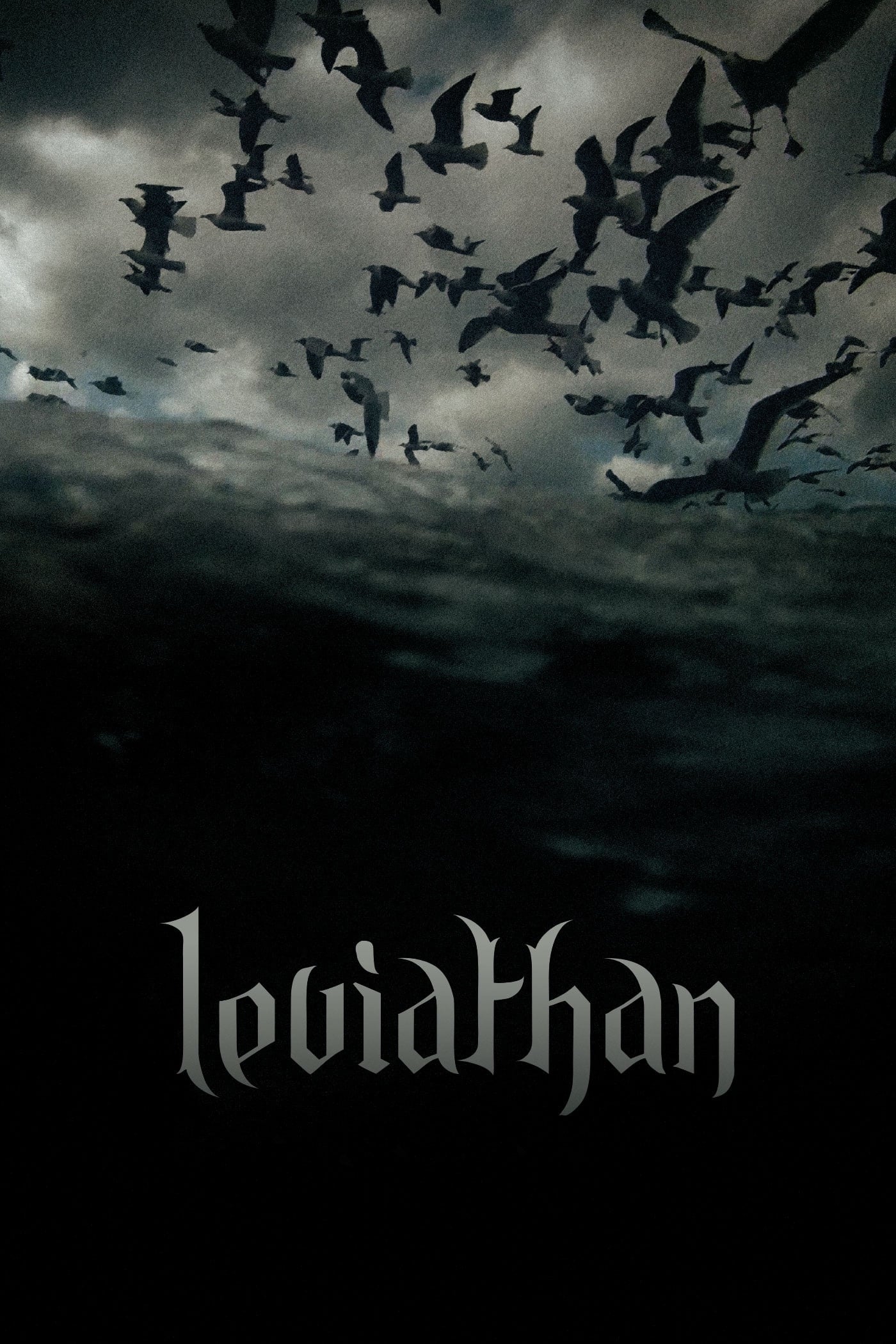
An experimental portrait of the North American commercial fishing industry through the lens of GoPro cameras placed on a fishing vessel off the coast of New England.
A documentary focused on plastic pollution in the world's oceans.
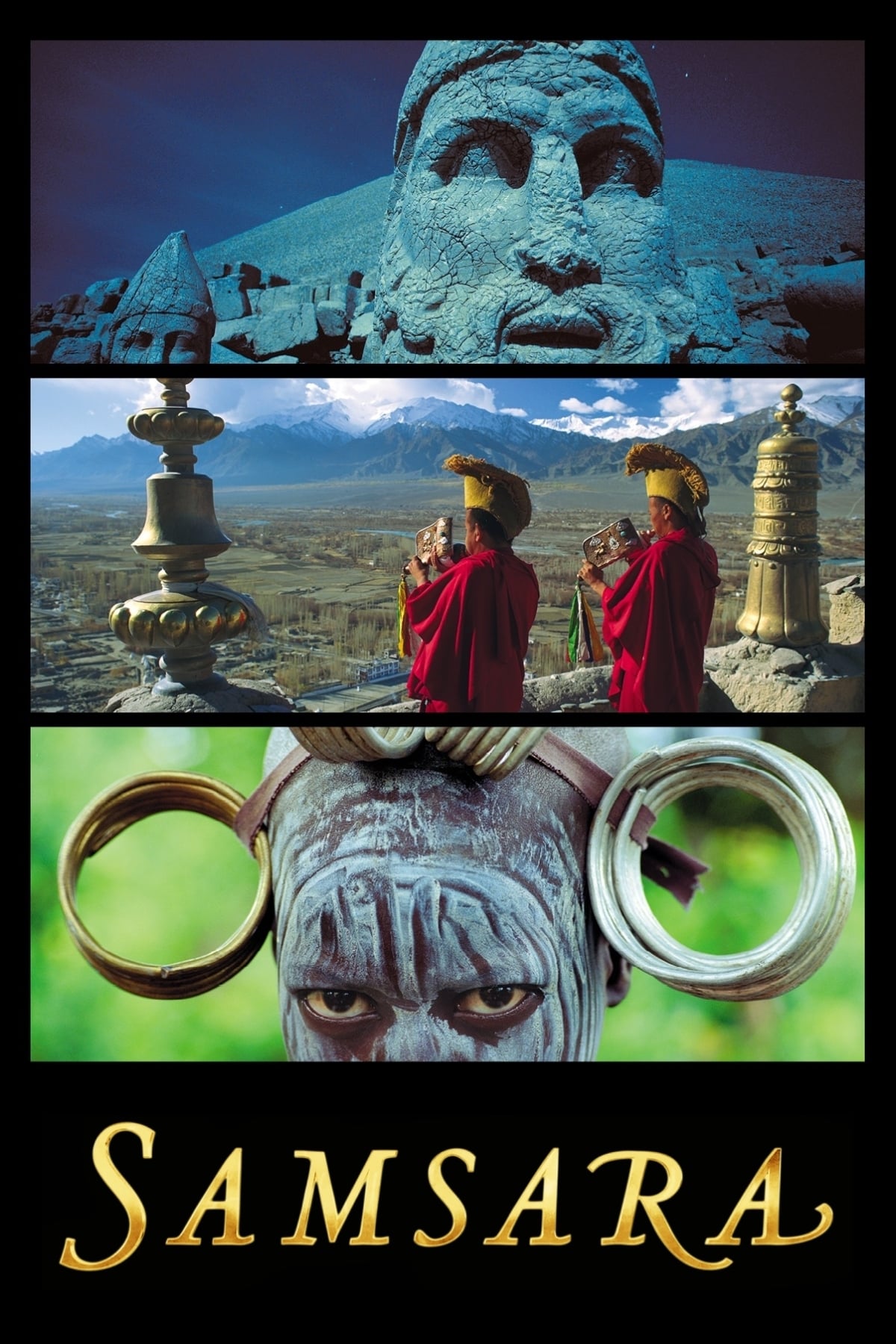
Filmed over nearly five years in twenty-five countries on five continents, and shot on seventy-millimetre film, Samsara transports us to the varied worlds of sacred grounds, disaster zones, industrial complexes, and natural wonders.
Over seven decades, actor and activist George Takei journeyed from a World War II internment camp to the helm of the Starship Enterprise, and then to the daily news feeds of five million Facebook fans. Join George and his husband, Brad, on a wacky and profound trek for life, liberty, and love.
Filmmakers discuss the legacy of Alfred Hitchcock and the book “Hitchcock/Truffaut” (“Le cinéma selon Hitchcock”), written by François Truffaut and published in 1966.