Social & External
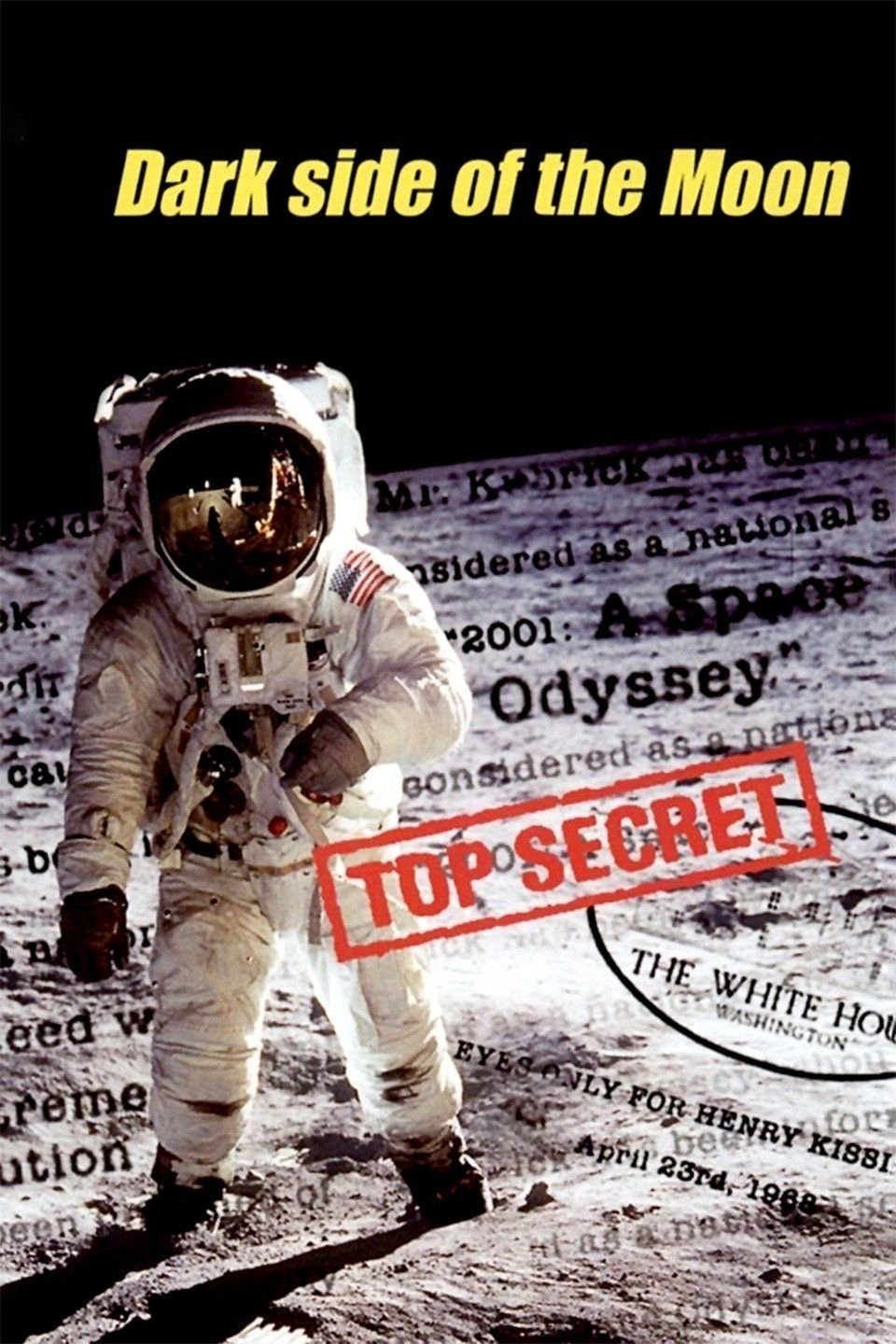
A French documentary or, one might say more accurately, a mockumentary, by director William Karel which originally aired on Arte in 2002 with the title Opération Lune. The basic premise for the film is the theory that the television footage from the Apollo 11 Moon landing was faked and actually recorded in a studio by the CIA with help from director Stanley Kubrick.
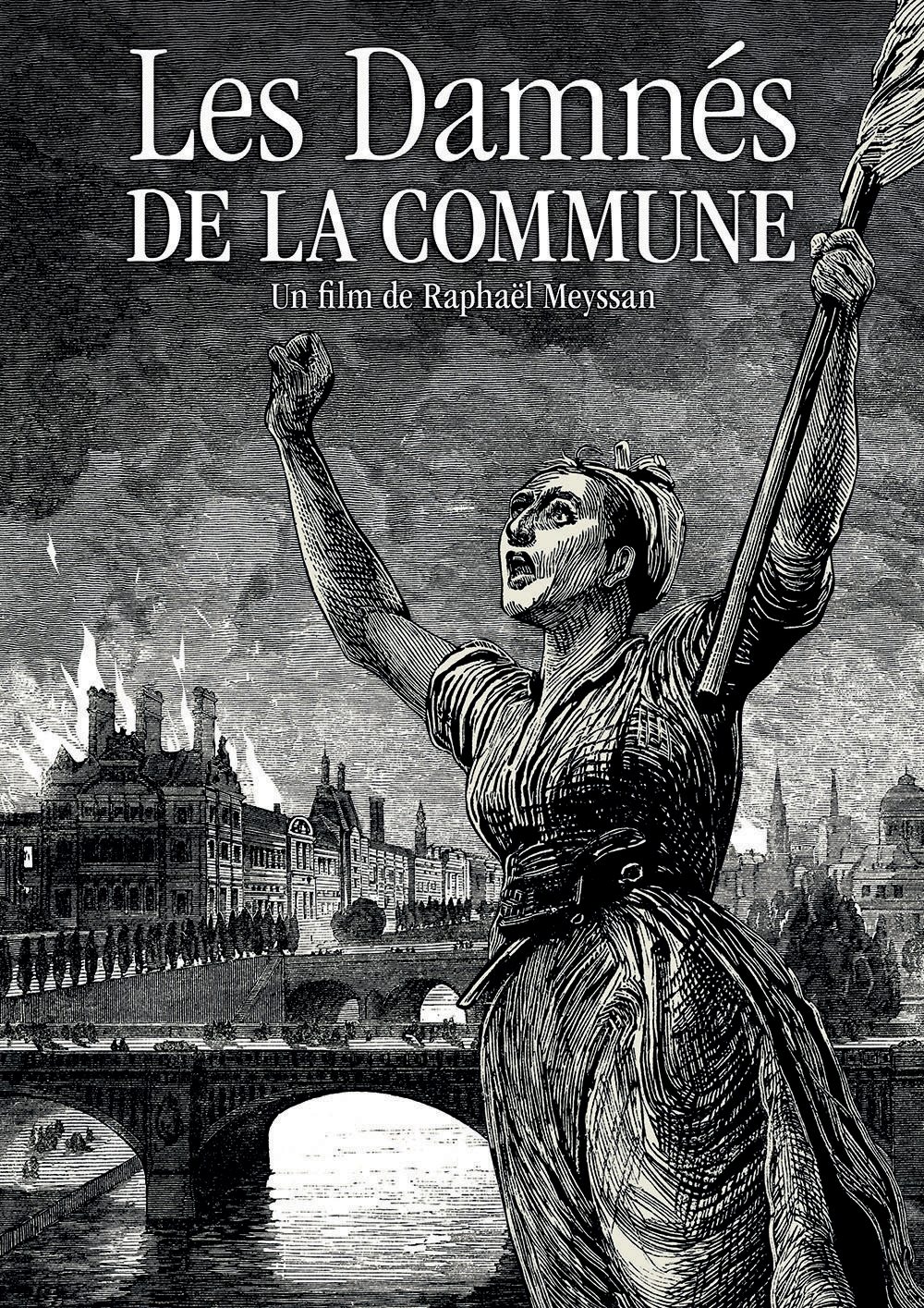
Exclusively created with period engravings, this animated feature explores the Franco-Prussian War of 1870 and the ensuing Paris Commune revolution in 1871.
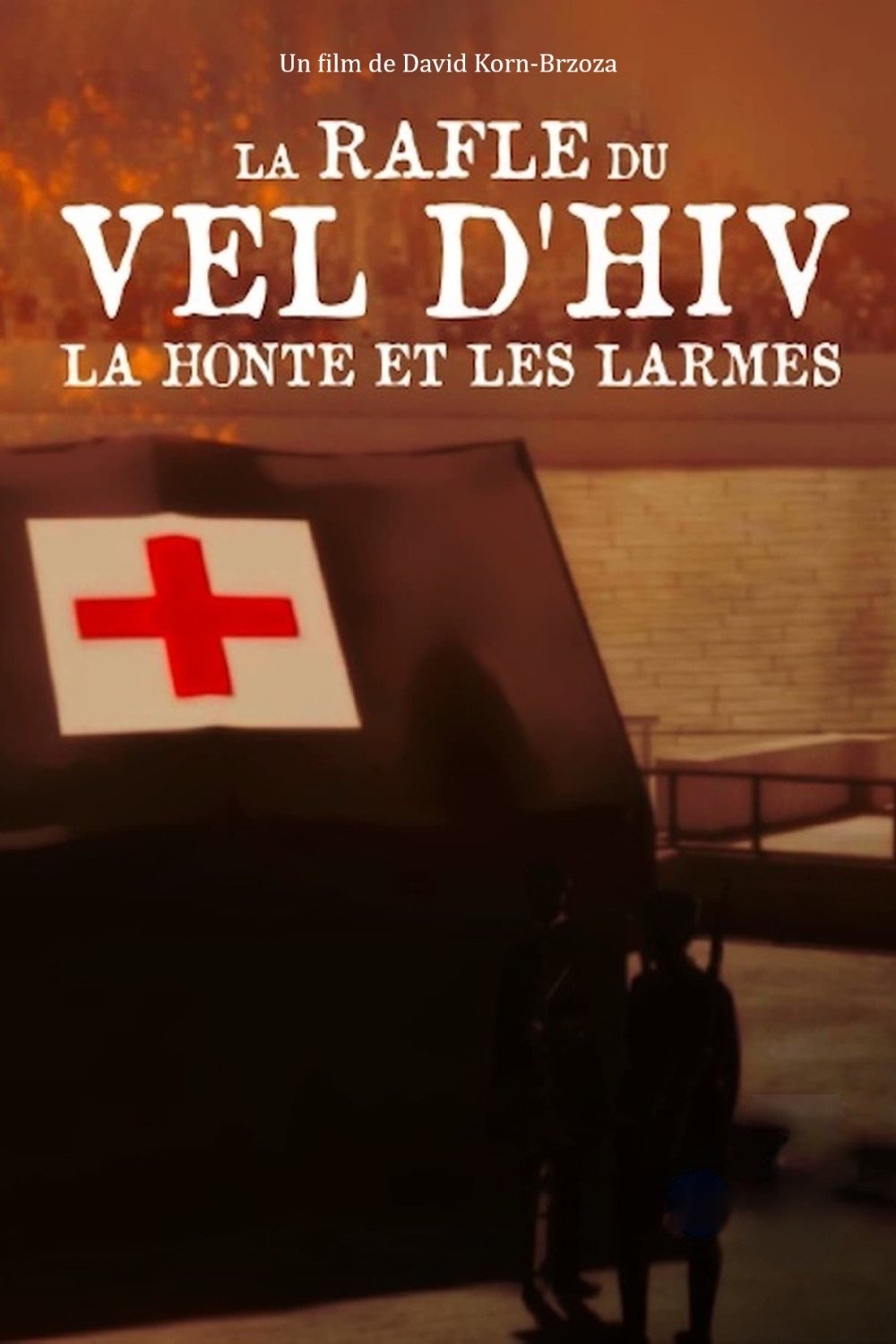
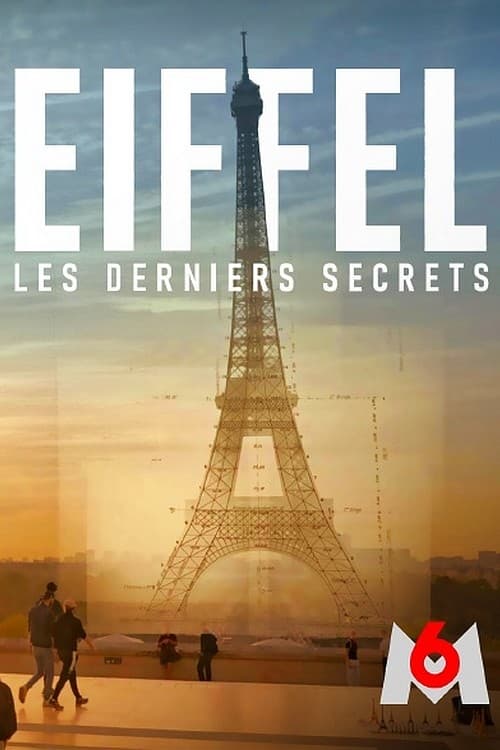
In 1942, more than 8,000 Jews were arrested on 16 and 17 July and sent to the Vélodrome d'Hiver sports center in the 15th district, a stone's throw from the Eiffel Tower, before being deported. The expression "Vel d'Hiv round-up" has become part of our collective memory, to the point of becoming the main memorial reference point for France during the dark years. Based on research carried out in unpublished or rarely explored archives, this film retraces the history of this roundup as experienced by hunted Jews and police trackers, from its planning in the Vichy offices to its hour-by-hour unfolding in the streets of Paris.
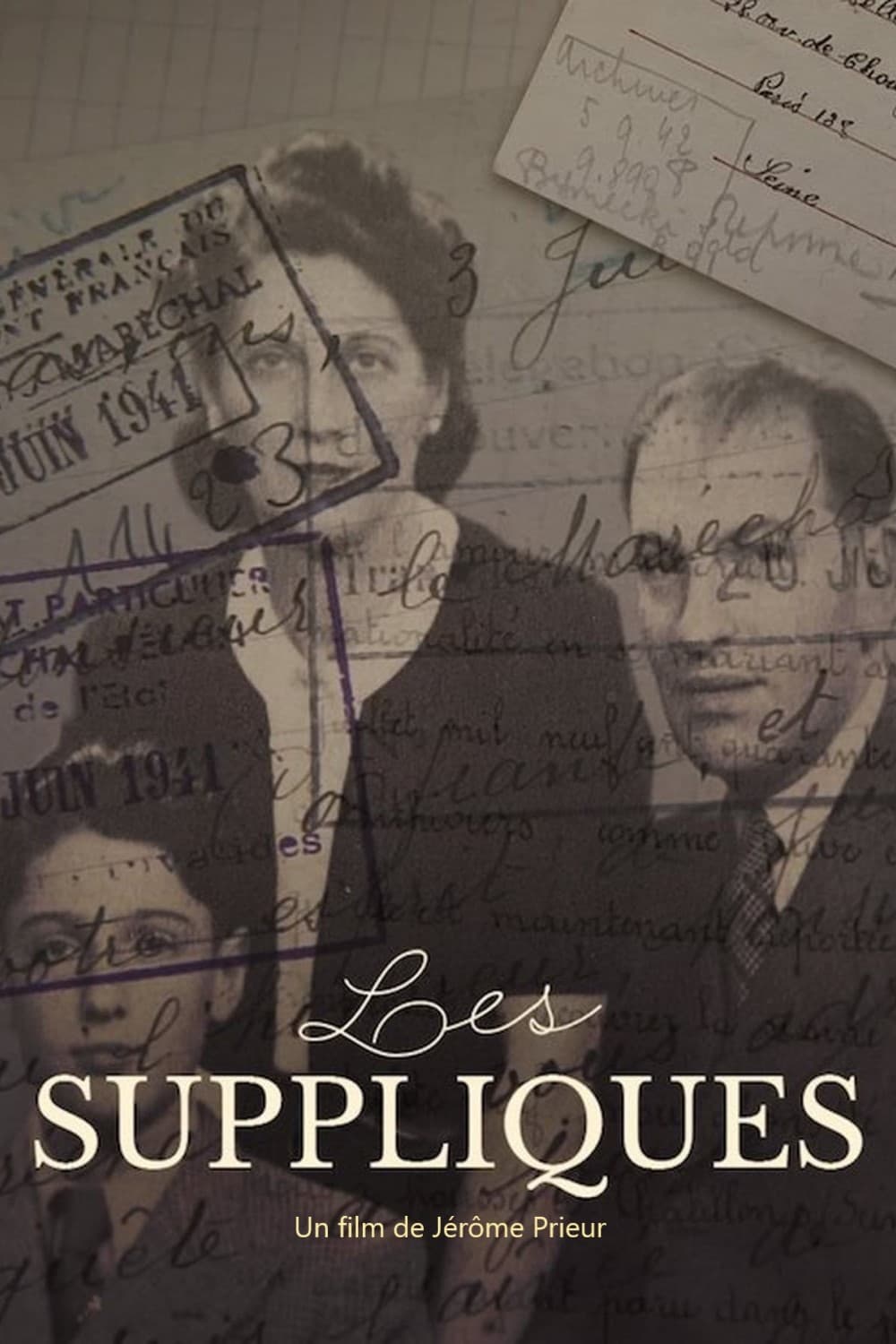
Since the defeat, the Nazis, who were the masters of the occupied zone, and the French State, which had been ruling the so-called free zone since Vichy, ordered the Jews to take a census. From the spring of 1941, whether they had been French for several generations or naturalized for a few years, foreigners who had taken refuge in France or stateless people who had been driven out of their country, they were put on file, arrested or threatened at any time. Some wrote to the administration, or directly to Marshal Pétain, who seemed to them to be the last resort. These requests are called Suppliques. Men, women, sometimes children, tried as best they could, by all means, to loosen the trap. They address themselves to their executioners, but they do not know it.
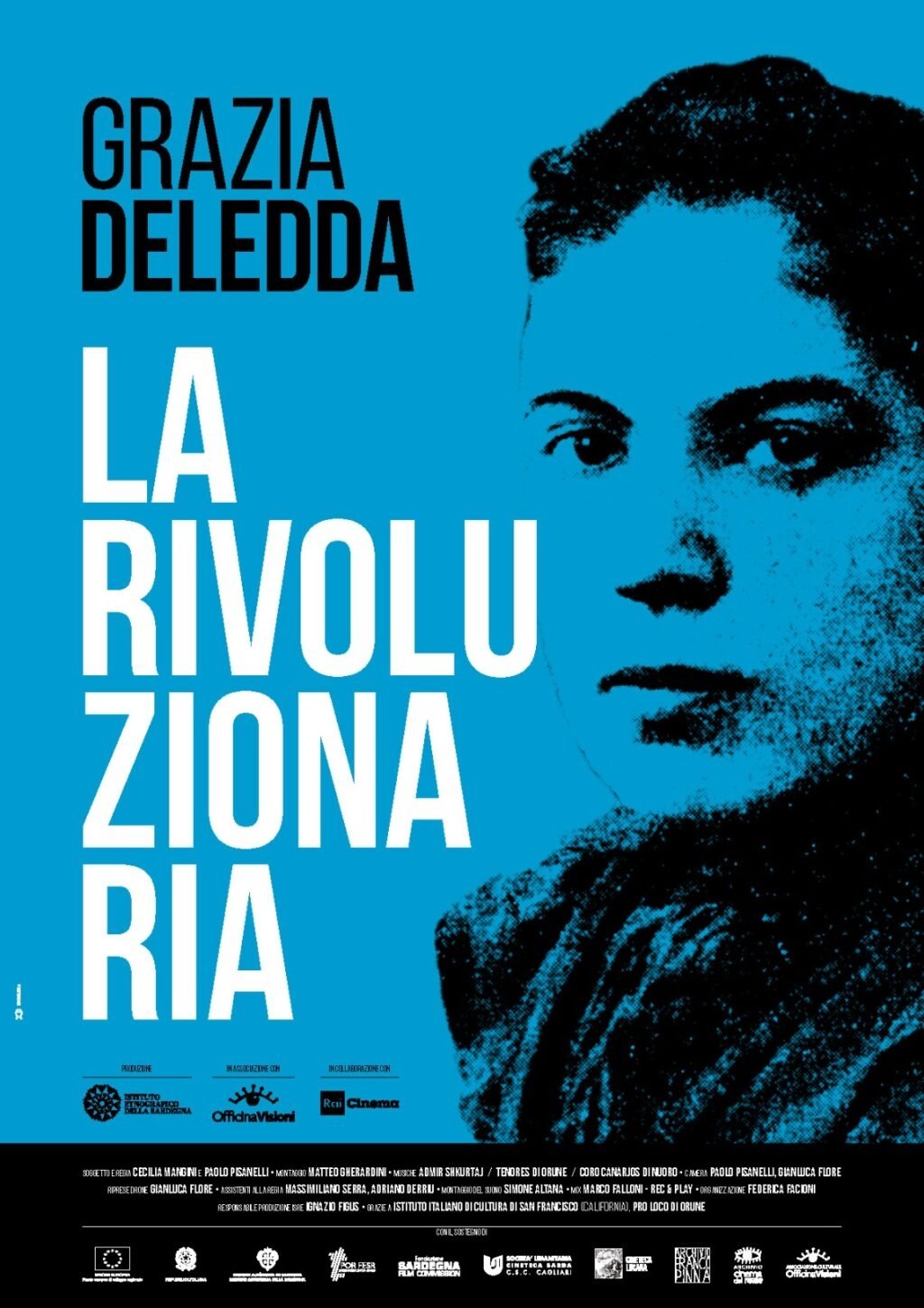
A cinematic journey to discover, through previously unpublished documents and manuscripts, the world of writer and ethnographer Grazia Deledda, the first Italian woman and writer to win the Nobel Prize for Literature in 1926. A revolutionary author, she transcended the confines of male-dominated culture and asserted her creative path as an artist and a woman.
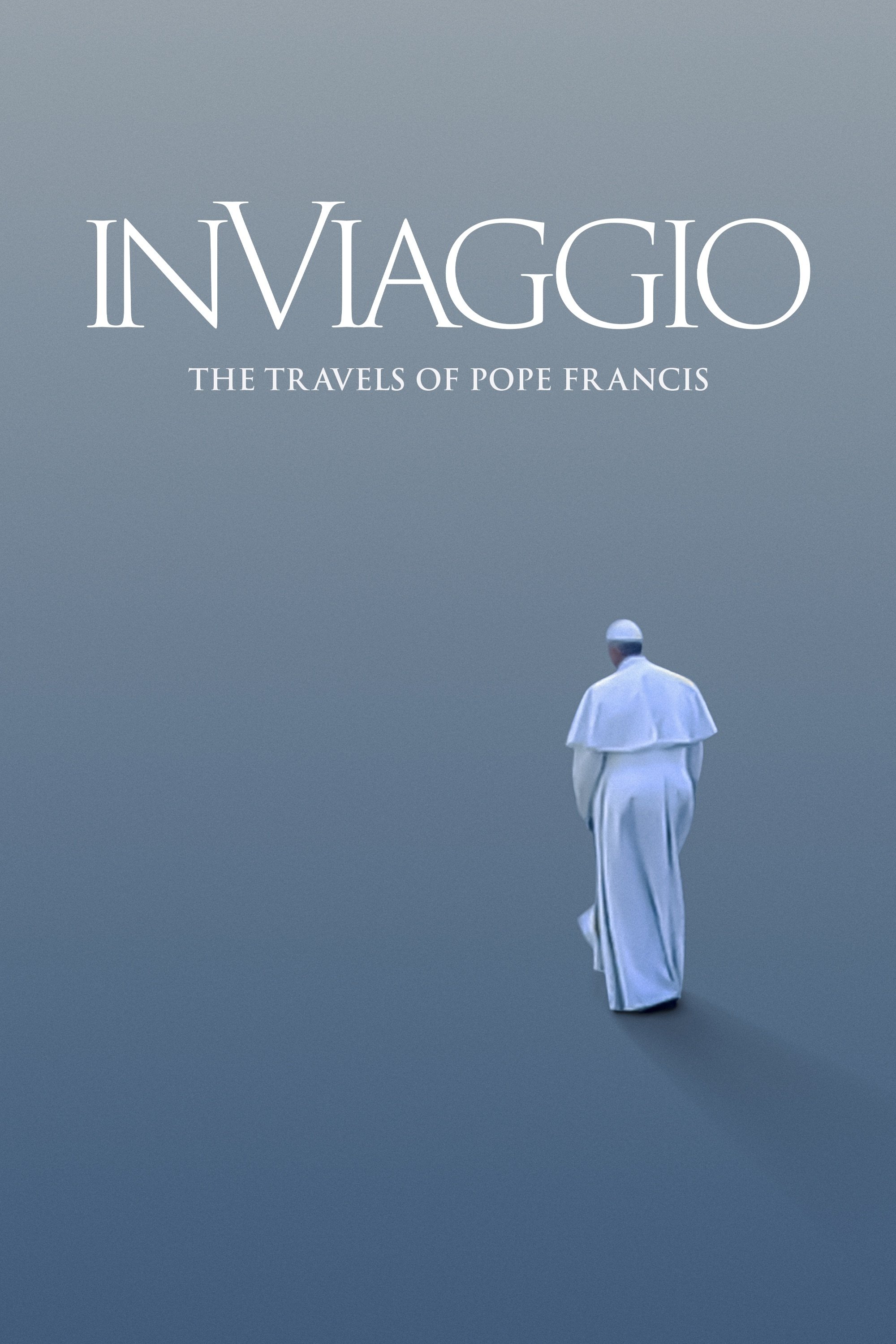
A chronicle of the first nine years of Pope Francis' pontificate, including trips to 53 countries, focusing on his most important issues - poverty, migration, environment, solidarity, and war - while also giving rare access to the public life of the pontifical.
A day-to-day record of the construction of the Confederation Bridge linking Prince Edward Island to the mainland, Abegweit reveals some of the innovations that made this mammoth project one of the most impressive engineering feats in Canadian history.
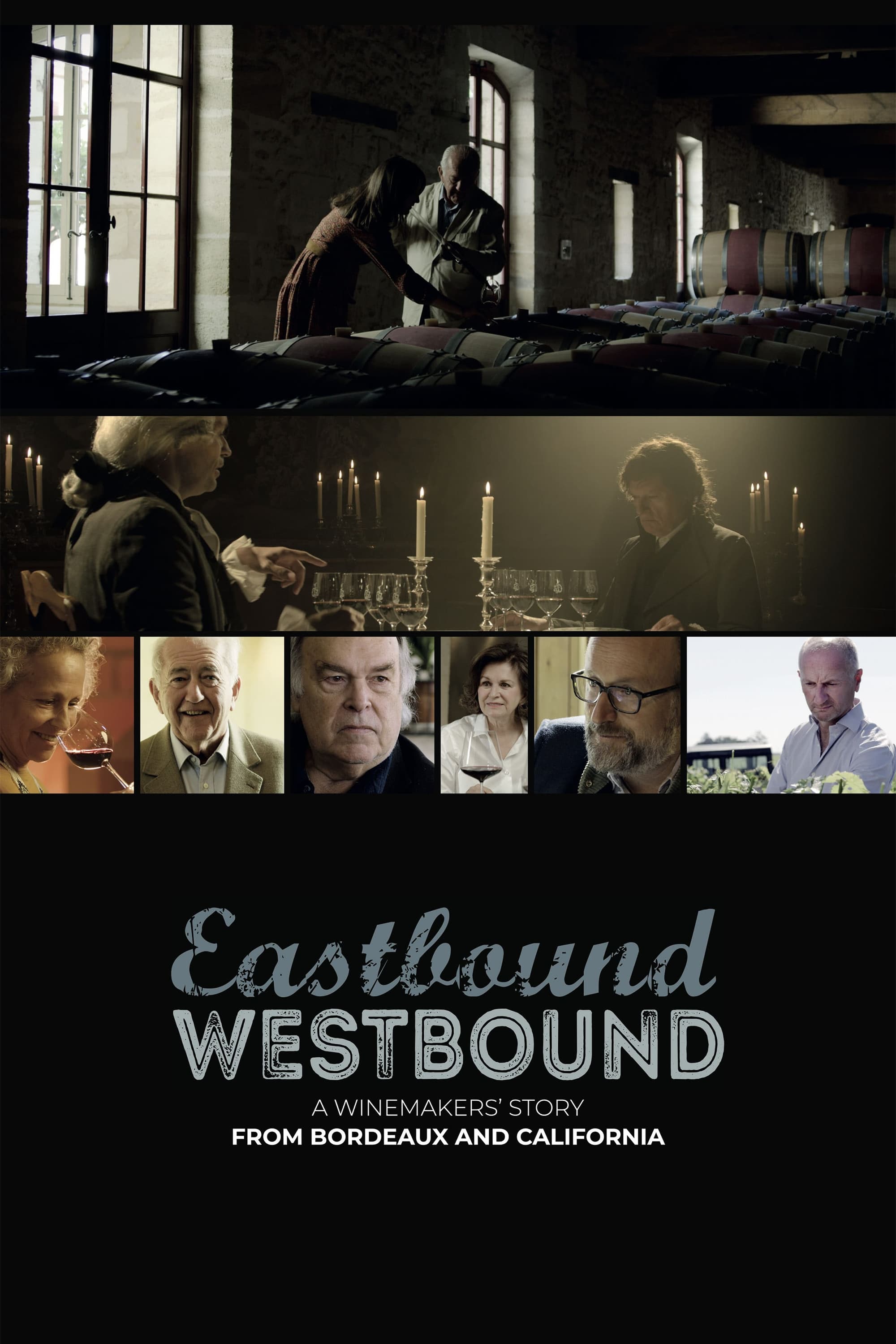
A modern and fast-paced cinematic documentary that aims to trace, understand and demonstrate the historical and unwavering links between the United States, Bordeaux and its wines. An investigation like no other, Eastbound Westbound lets the viewer understand how this Franco-American friendship around Bordeaux wines had its starting point in the 18th century around the greatest connoisseur of fine wines and lover of Bordeaux, the American Thomas Jefferson, US Ambassador to Paris and third President of the United States. To better demonstrate Thomas Jefferson’s legacy, this intimate relationship between the two winegrowing continents is illustrated through interlinked portraits of wine families, from many and varied backgrounds but all sharing a real passion for wine. Leading players in their field, they produce some of the best wines in the world.
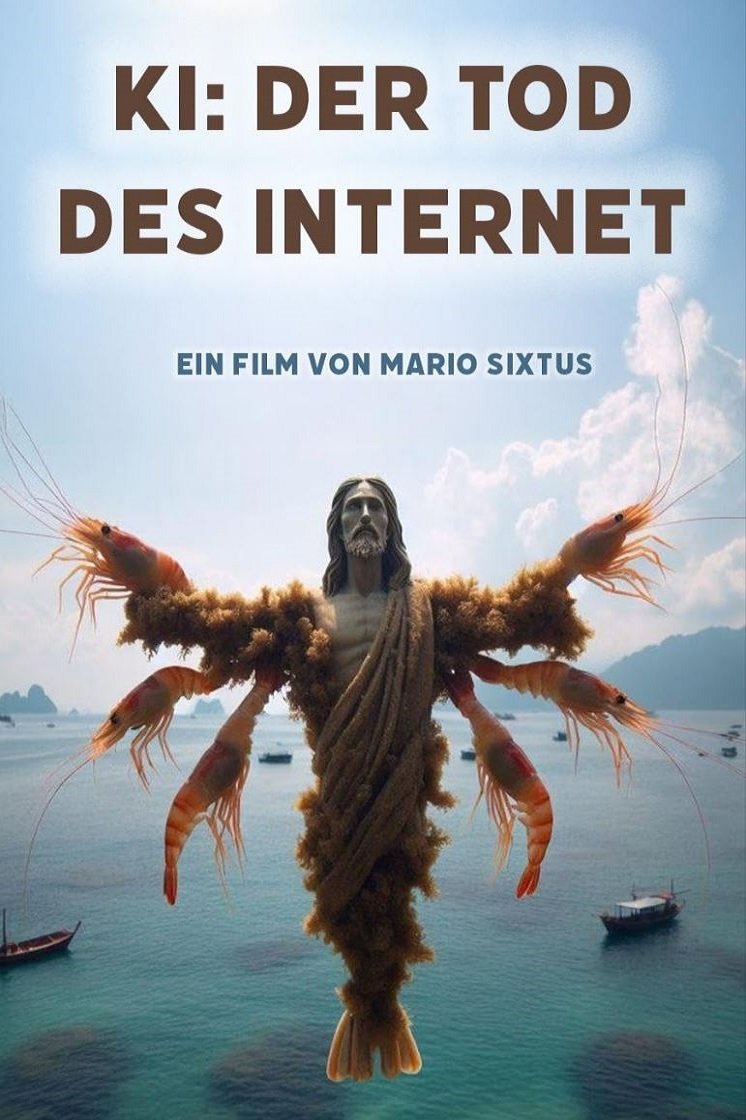
The internet has been flooded with AI-generated rubbish. Automated bots are producing a flood of AI-generated content that threatens to push everything else out of our social media feeds. Will this ‘slop’ lead to the death of the internet? Or perhaps is the internet a dead space already?
September 3rd, 1939. Britain and France declare war on Nazi Germany, only two days after the Wehrmacht invades Poland. This day, the sad date when the fate of the world changed forever, the Phoney War began: eight months of uncertainty, preparations, evacuations and skirmishes.
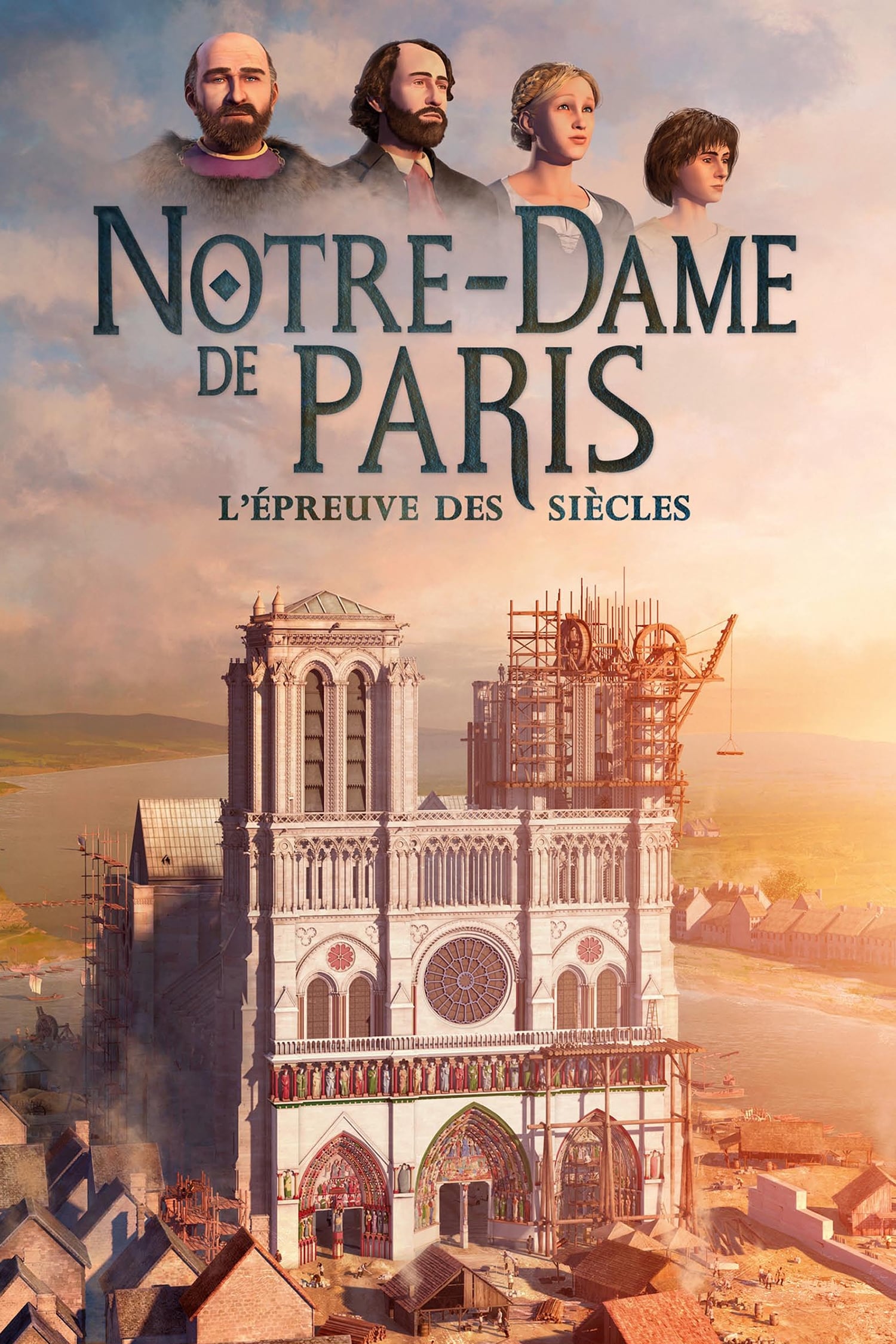
A fictional documentary on Notre Dame de Paris, produced in 2019.
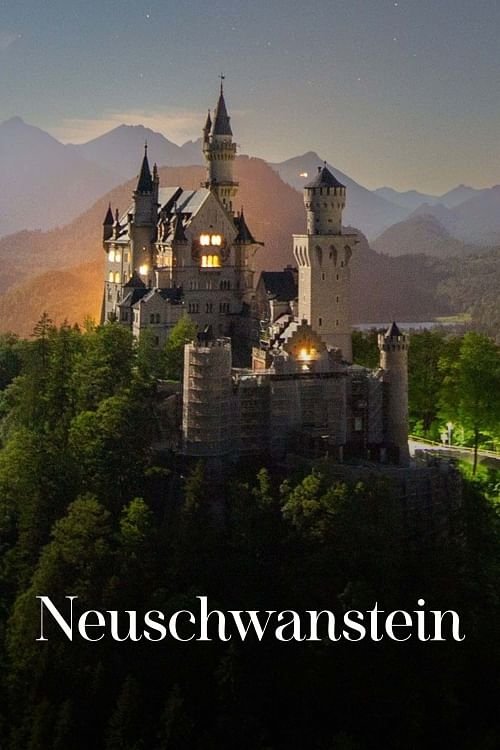
Part architectural genius, part kitsch fairytale, Neuschwanstein Castle is closely linked to the tragic fate of Ludwig II of Bavaria (1845-1886). The "Mad King" poured his heart and soul into this unique construction which looks back nostalgically to the Middle Ages. A focus on the history of a building filled with dreams and legends which has become an icon of Germany around the world.
Chronicling the reconstruction of the World Trade Center and restoration of the New York City skyline, with a focus on the construction workers who made it happen. Thirteen cameras placed throughout the site document eight years of progress with stunning time-lapse imagery, and shadow workers every step of the way as they turn a pile of ashes into a towering testament to imagination and resilience.
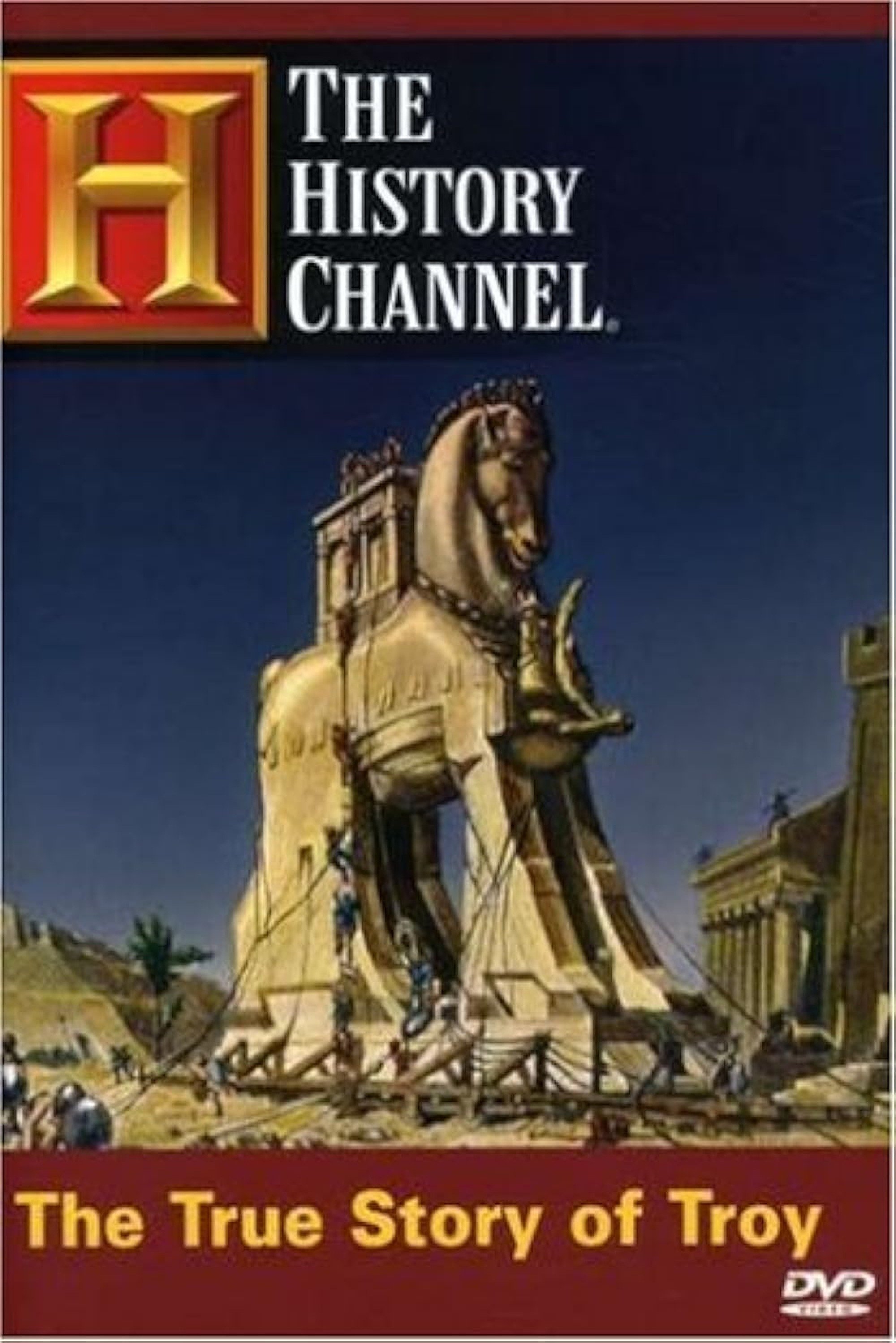
The story of the Trojan war is one of history's most enduring legends. A beautiful queen elopes with a foreign prince, which results in a decade-long battle that ends in the complete annihilation of an entire city. However, what grain of truth is there to this mythologicale tale of love and destruction?
Director Claude Lanzmann spent 11 years on this sprawling documentary about the Holocaust, conducting his own interviews and refusing to use a single frame of archival footage. Dividing Holocaust witnesses into three categories – survivors, bystanders, and perpetrators – Lanzmann presents testimonies from survivors of the Chelmno concentration camp, an Auschwitz escapee, and witnesses of the Warsaw Ghetto Uprising, as well as a chilling report of gas chambers from an SS officer at Treblinka.
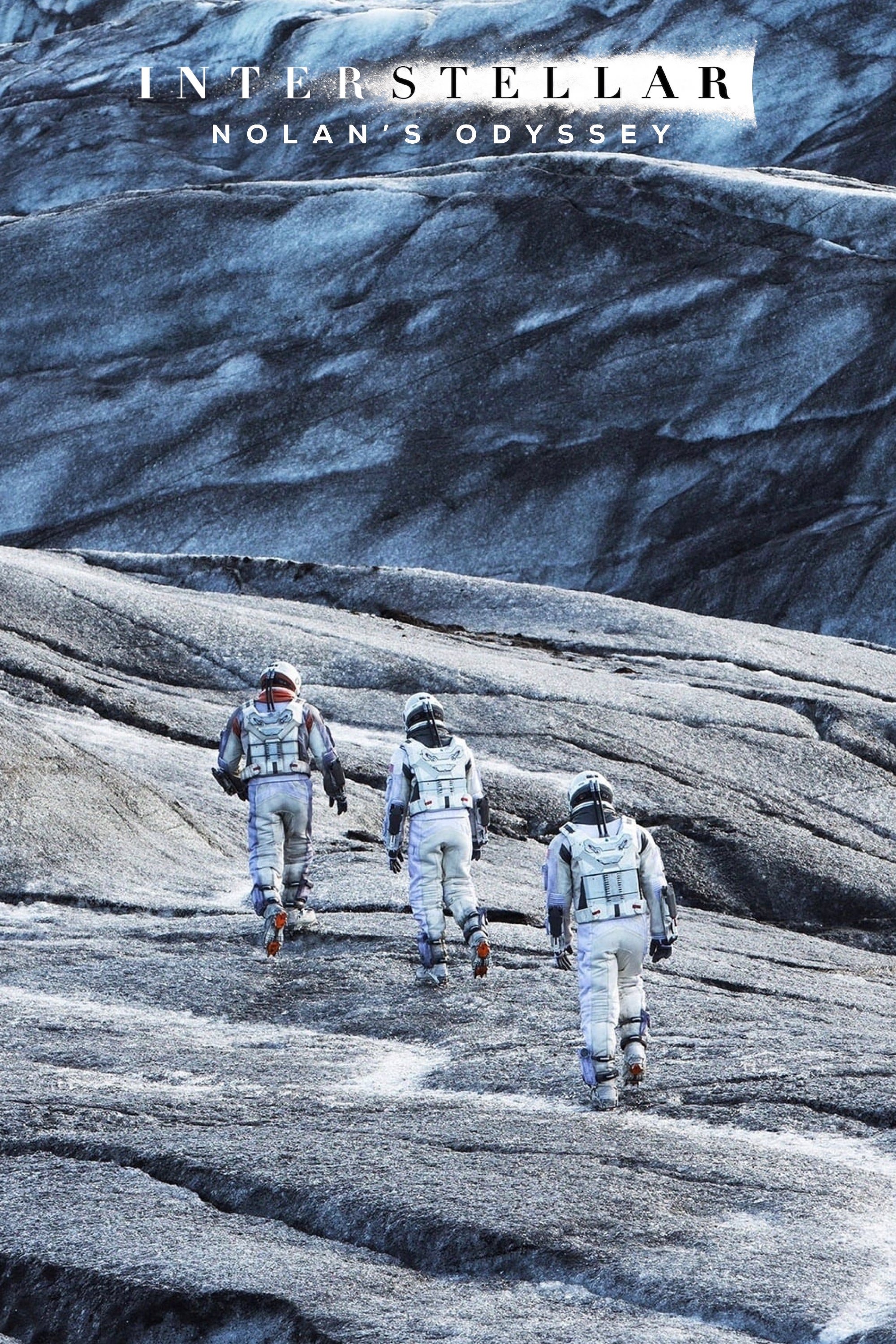
A look behind the lens of Christopher Nolan's space epic.
Filmmaker Alain Resnais documents the atrocities behind the walls of Hitler's concentration camps.
Witness the never-before-seen footage and true story behind the John Wick phenomenon – from independent film to billion-dollar franchise.
With mesmerizing footage and time lapses of animators at work, this behind-the-scenes special captures the artistry of a unique tale years in the making.
This special explores the return of Obi-Wan Kenobi and Anakin Skywalker to the screen, as well as Ewan McGregor and Hayden Christensen to their classic roles. Director Deborah Chow leads the cast and crew as they create new heroes and villains that live alongside new incarnations of beloved Star Wars characters, and an epic story that dramatically bridges the saga films.
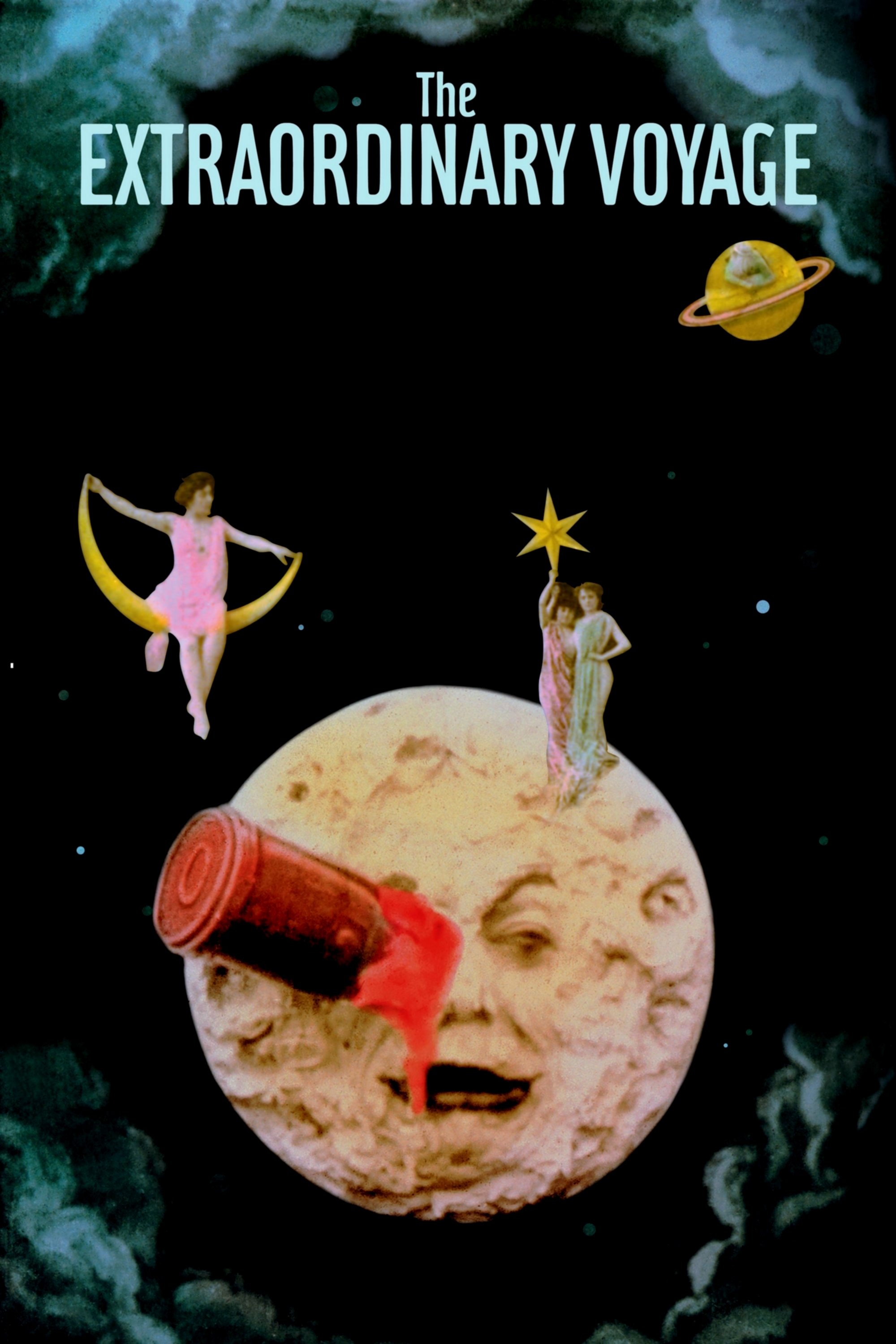
An account of the extraordinary life of film pioneer Georges Méliès (1861-1938) and the amazing story of the copy in color of his masterpiece A Trip to the Moon (1902), unexpectedly found in Spain and restored thanks to the heroic efforts of a group of true cinema lovers.
Stars of "The Walking Dead," Andrew Lincoln and Danai Gurira, walk down memory lane and visit iconic locations where pivotal moments between their characters, Rick and Michonne, were filmed.
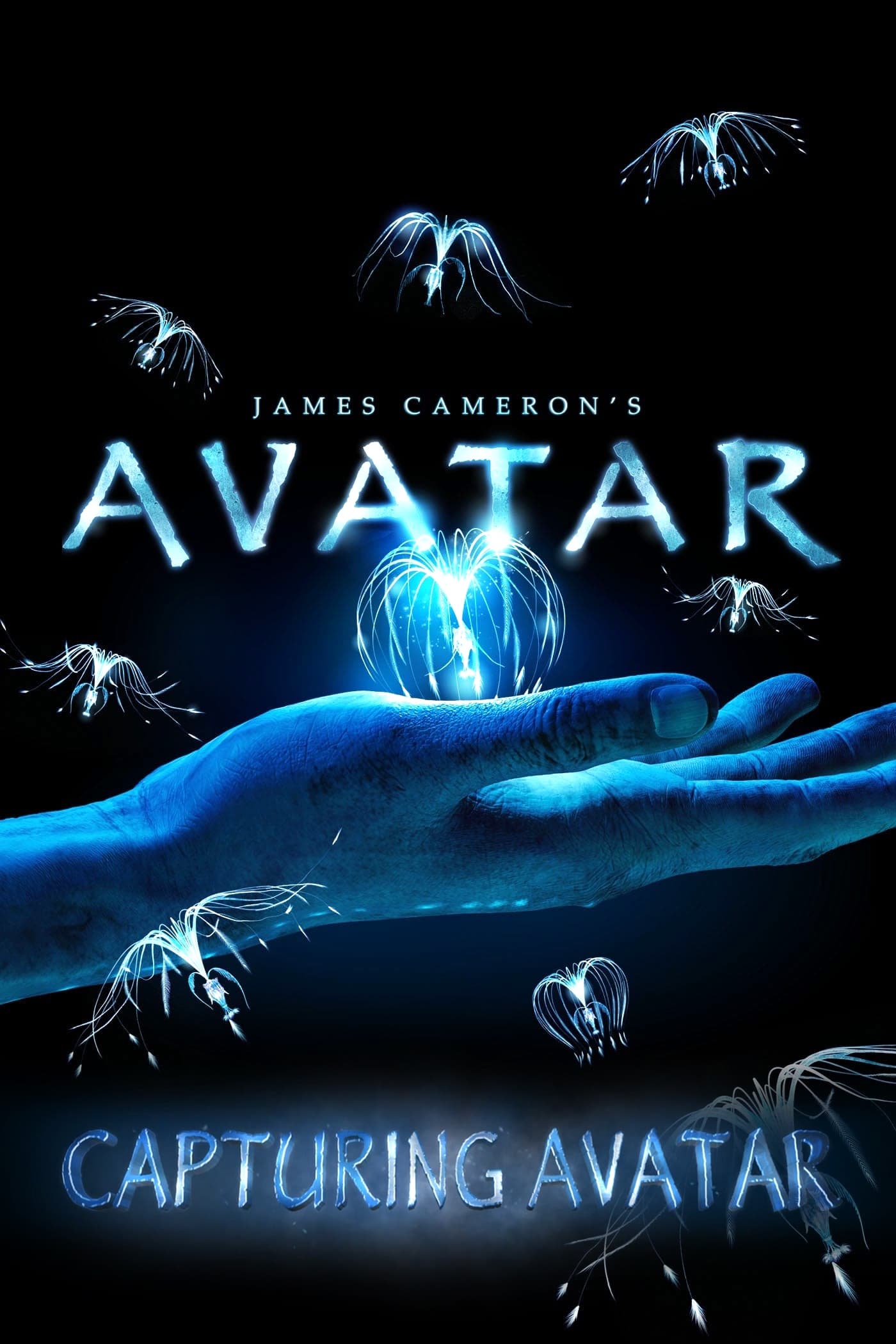
Capturing Avatar is a feature length behind-the-scenes documentary about the making of Avatar. It uses footage from the film's development, as well as stock footage from as far back as the production of Titanic in 1995. Also included are numerous interviews with cast, artists, and other crew members. The documentary was released as a bonus feature on the extended collector's edition of Avatar.
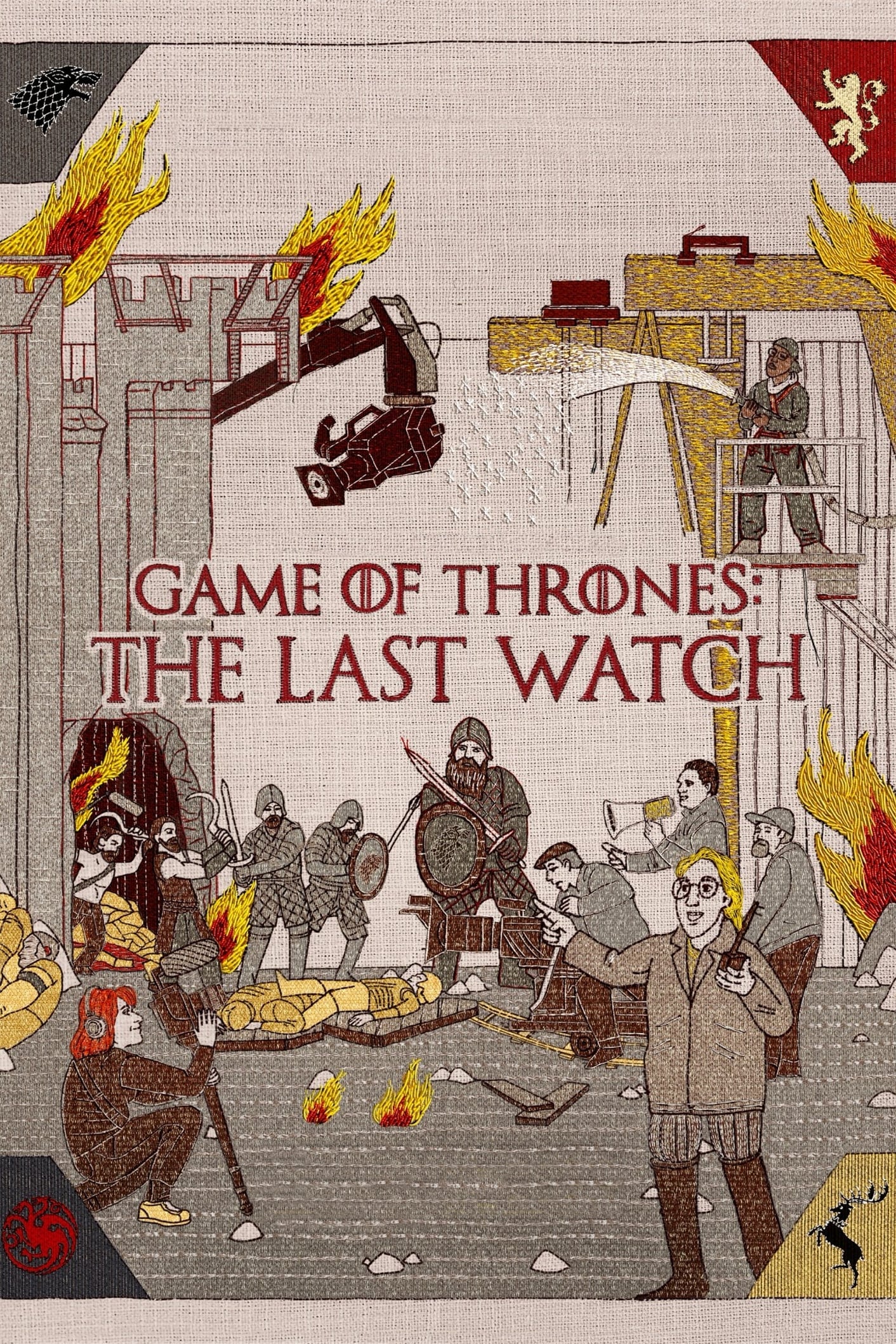
For a year, acclaimed British filmmaker Jeanie Finlay was embedded on the set of the hit HBO series “Game of Thrones,” chronicling the creation of the show’s most ambitious and complicated season. Debuting one week after the series 8 finale, GAME OF THRONES: THE LAST WATCH delves deep into the mud and blood to reveal the tears and triumphs involved in the challenge of bringing the fantasy world of Westeros to life in the very real studios, fields and car-parks of Northern Ireland. Made with unprecedented access, GAME OF THRONES: THE LAST WATCH is an up-close and personal portrait from the trenches of production, following the crew and the cast as they contend with extreme weather, punishing deadlines and an ever-excited fandom hungry for spoilers. Much more than a “making of” documentary, this is a funny, heartbreaking story, told with wit and intimacy, about the bittersweet pleasures of what it means to create a world – and then have to say goodbye to it.
The history of cinematic sound, told by legendary sound designers and visionary filmmakers.
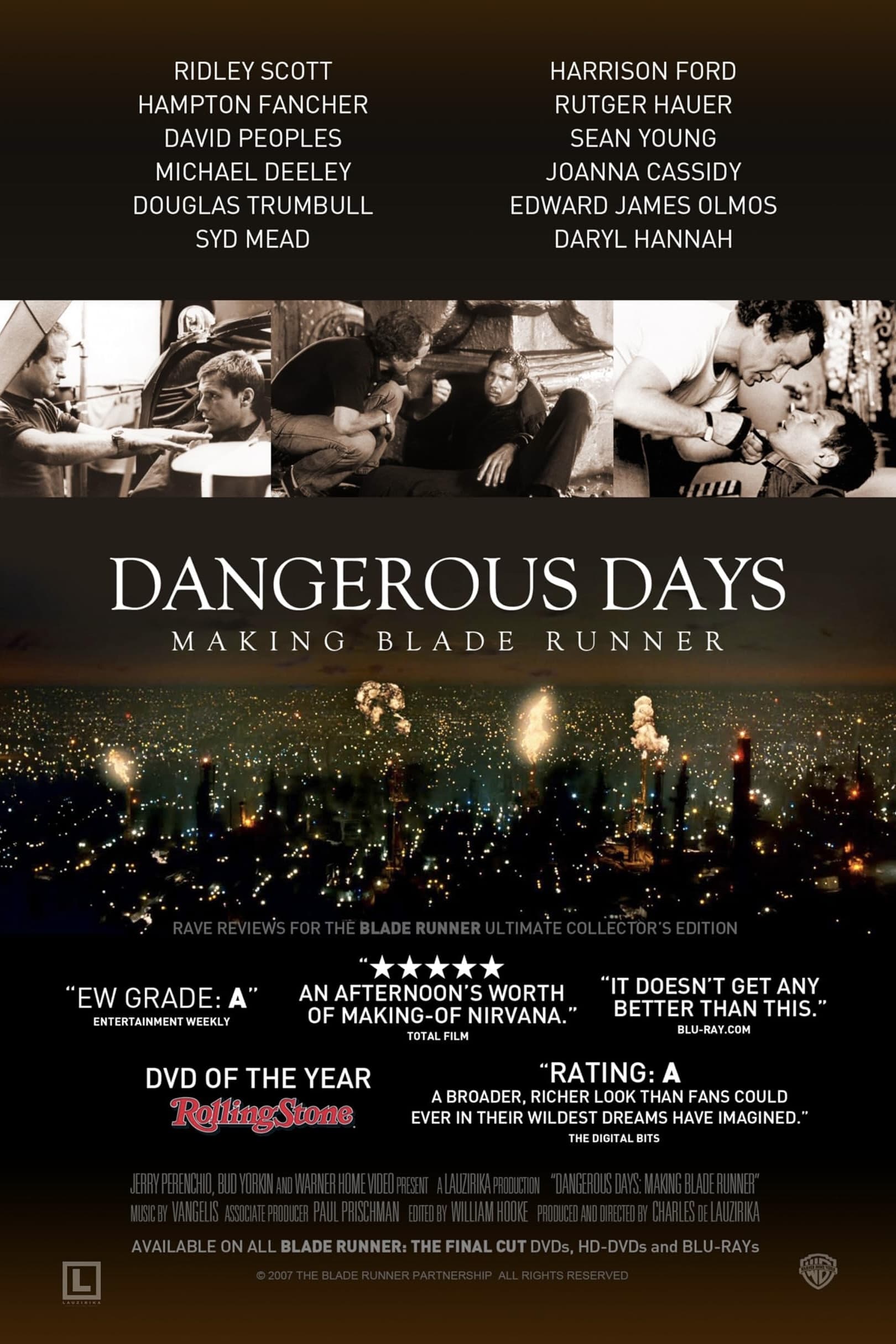
The definitive 3½-hour documentary about the troubled creation and enduring legacy of the science fiction classic 'Blade Runner', culled from 80 interviews and hours of never-before-seen outtakes and lost footage.
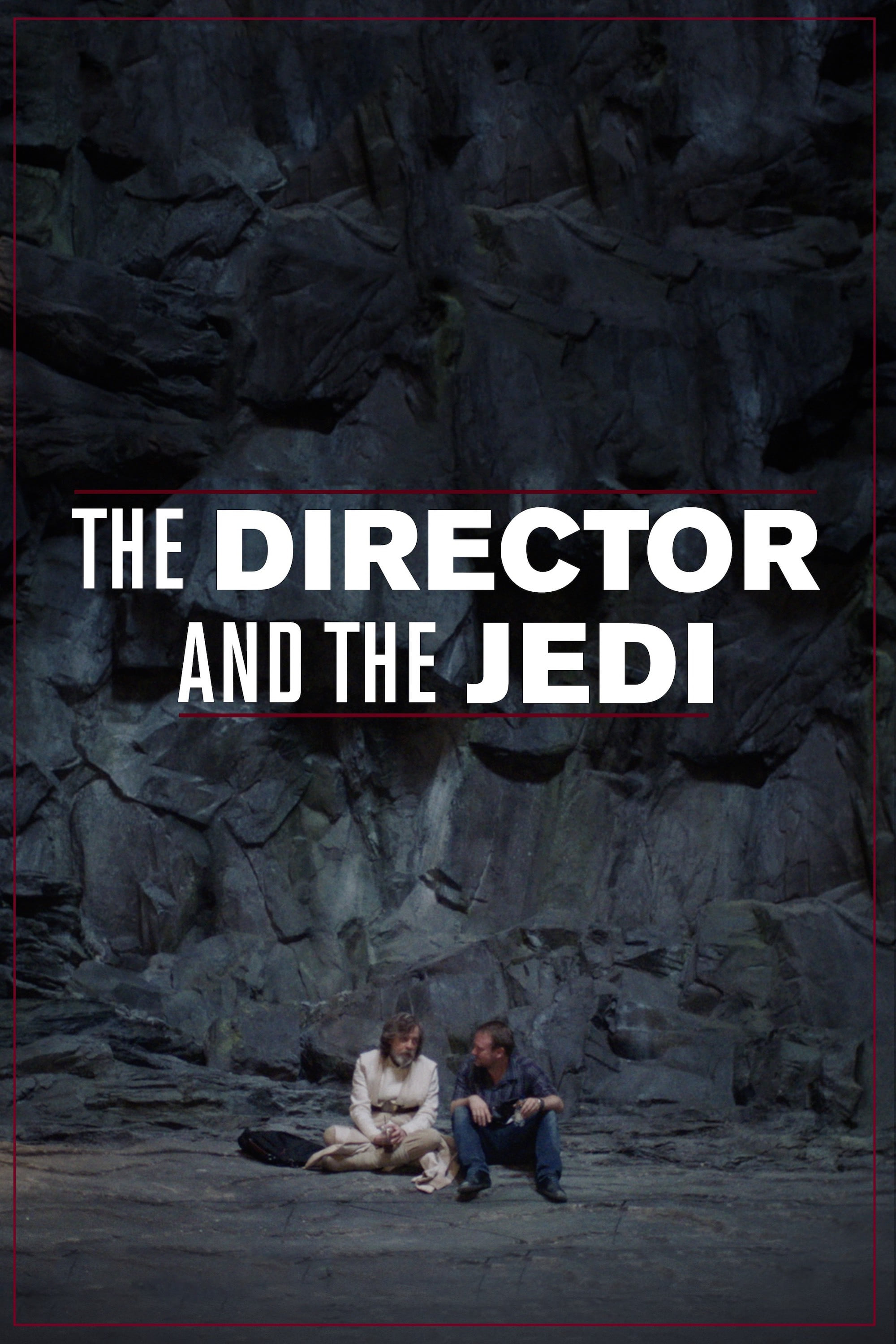
An intimate documentary delving into Rian Johnson's process as he comes in as a director new to the Star Wars universe.
The story lives forever in this feature-length documentary that charts the making of Star Wars: The Rise of Skywalker.
Filmed over 14 months with unprecedented access into the inner circle of the man and the sport, this is the first official and fully authorised film of one of the most celebrated figures in football. For the first time ever, the world gets vividly candid and un-paralleled, behind-closed-doors access to the footballer, father, family-man and friend in this moving & fascinating documentary. Through in-depth conversations, state of the art football footage and never before seen archival footage, the film gives an astonishing insight into the sporting and personal life of triple Ballon D'Or winner Cristiano Ronaldo at the peak of his career. From the makers of ‘Senna’ and ‘Amy’, Ronaldo takes audiences on an intimate and revealing journey of what it’s like to live as an iconic athlete in the eye of the storm.
The film follows adventurer Jeff Johnson as he retraces the epic 1968 journey of his heroes Yvon Chouinard and Doug Tompkins to Patagonia.
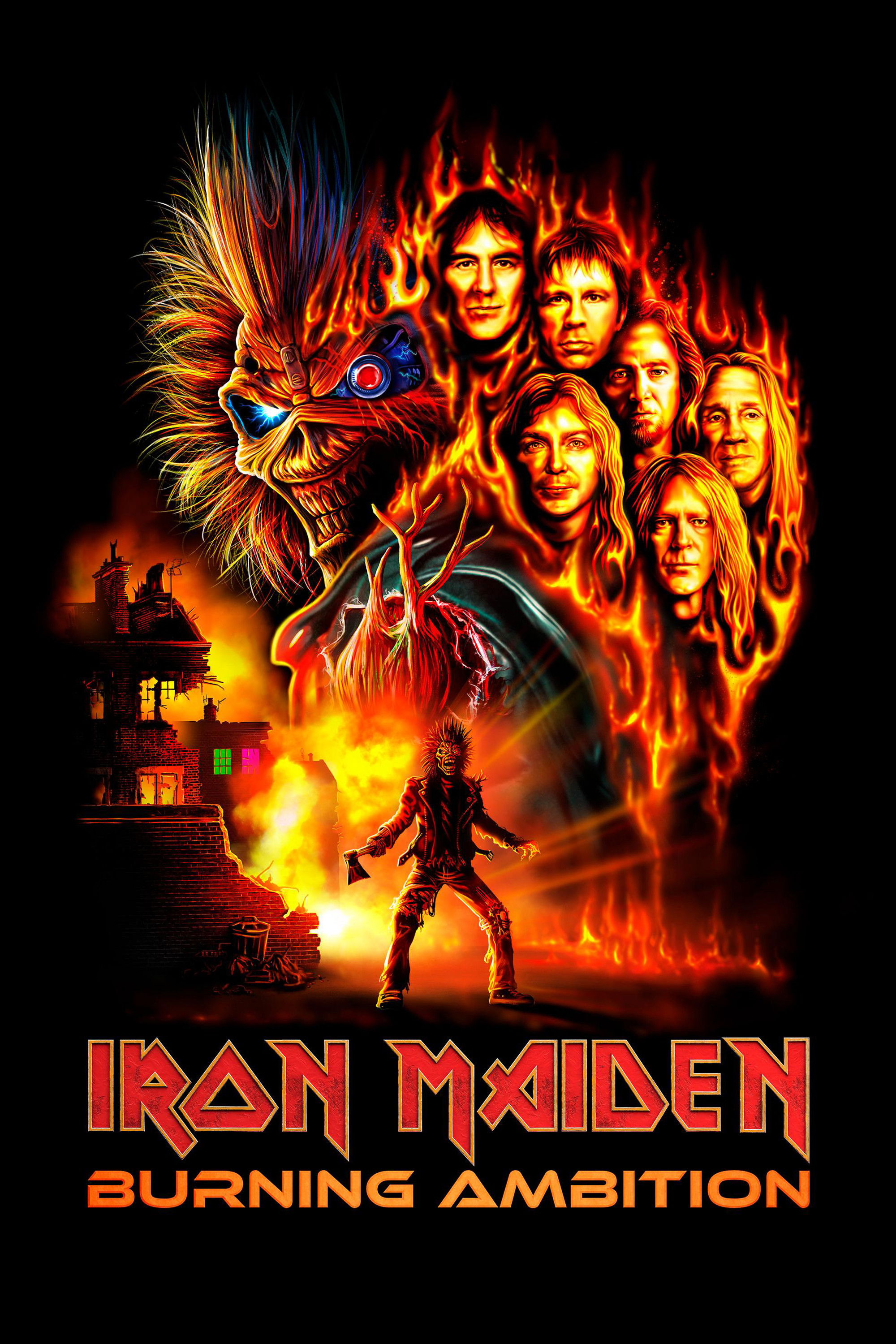
With unprecedented access to the official archives and intimate recollections from the band, both current and past, Iron Maiden: Burning Ambition invites fans to experience one of the most iconic journeys in music history. Spanning five decades, this electrifying documentary charts the band’s rise from the pubs of East London to the world’s biggest stadiums. Featuring exclusive interviews with band members and contributors such as Javier Bardem, Lars Ulrich and Chuck D, as well as all-new animated sequences of the band's legendary mascot, Eddie, the film offers a rare and intimate look at Iron Maiden’s uncompromising vision and unwavering connection with their truly global army of fans.
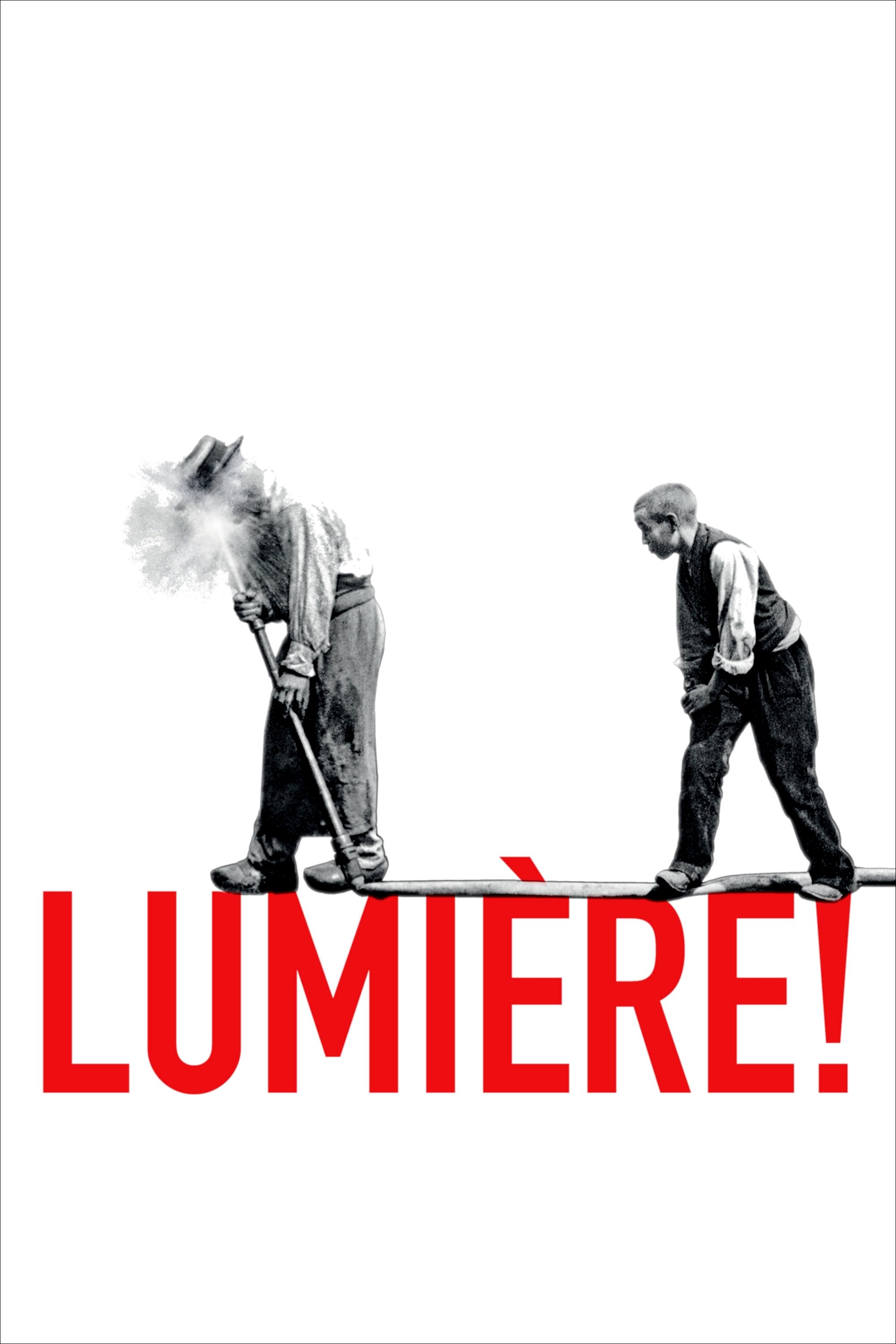
A collection of restored prints from the Lumière Brothers.
Journey into the extraordinary world of "The Witcher" — from casting the roles to Jaskier's catchy song — in this behind-the-scenes look at the series.
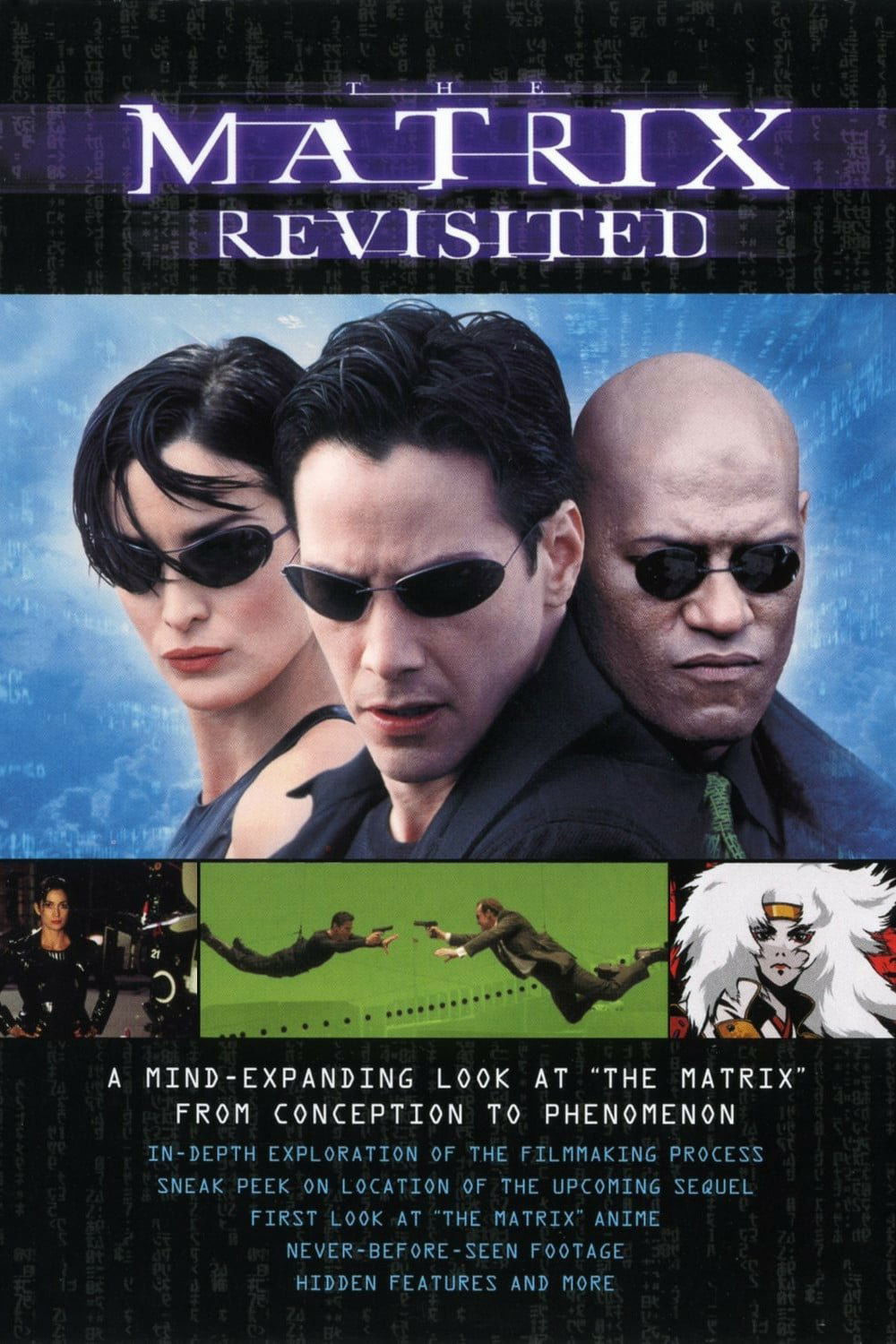
The film goes behind the scenes of the 1999 sci-fi movie The Matrix.