Social & External
Unknown Role
Caudillo is a documentary film by Spanish film director Basilio Martín Patino. It follows the military and political career of Francisco Franco and the most important moments of the Spanish Civil War. It uses footage from both sides of the war, music from the period and voice-over testimonies of various people.
Documentary about the killer of Trotsky
Leningrad, 1970. A group of young Jewish dissidents plot to hijack an empty plane and escape the USSR. Caught by the KGB a few steps from boarding, they were sentenced to years in the gulag and two were sentenced to death; they never got on a plane. 45 years later, filmmaker Anat Zalmanson-Kuznetsov reveals the compelling story of her parents, leaders of the group, "heroes" in the West but "terrorists" in Russia, even today.
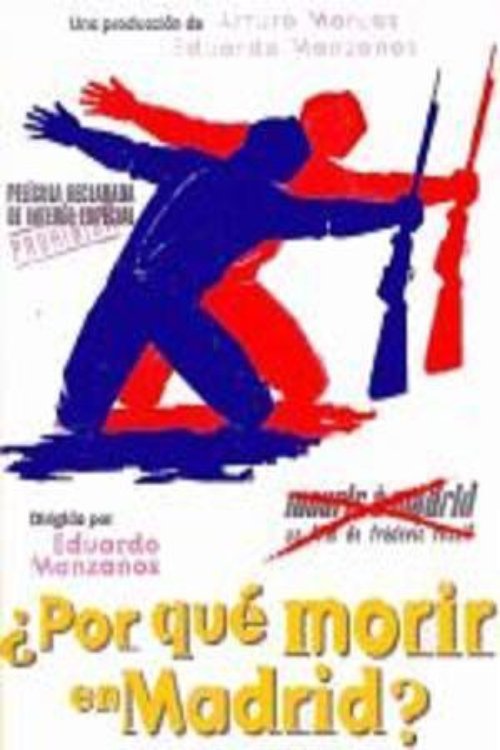
A particular reading of the hard years of famine, repression and censorship after the massacre of the Spanish Civil War (1936-39), through popular culture: songs, newspapers and magazines, movies and newsreels.
In 1910, the Pennsylvania Railroad successfully accomplished the enormous engineering feat of building tunnels under New York City's Hudson and East Rivers, connecting the railroad to New York and New England, knitting together the entire eastern half of the United States. The tunnels terminated in what was one of the greatest architectural achievements of its time, Pennsylvania Station. Penn Station covered nearly eight acres, extended two city blocks, and housed one of the largest public spaces in the world. But just 53 years after the station’s opening, the monumental building that was supposed to last forever, to herald and represent the American Empire, was slated to be destroyed.
To commemorate the 75th anniversary of D-Day, this special presents the key events of the Allied invasion of Nazi-held Europe and the subsequent battles that captured the control of the Normandy coast. Some of the last surviving veterans recall in detail the terror, patriotism and drama from the frontlines of war. This special also honors the diverse backgrounds of all who served.
The life and work of stage designer ADOLPHE APPIA, originator of the most profound agitations in contemporary theatre. Through the dynamic alternation of animated drawings and choreographies specially conceived for the film, we discover the steps of his artistic evolution.
Fareed Zakaria explains the modern explosion in white supremacy, why the ideology is growing in the U.S. and abroad, who the leaders are, and what they want.
The adventurous life of Natacha Rambova (1897-1966), an American artist, born Winifred Kimball Shaughnessy, who reincarnated herself countless times: false Russian dancer, silent film actress, scenographer and costume designer, writer, spiritist, Egyptologist, indefatigable traveler, mysterious and curious; an amazing 20th century woman who created the myth of Rudolph Valentino.
This History Channel documentary traces the Ottoman Empire from its beginnings in the 14th century to its incarnation as one of the largest empires in history, spanning three continents.
100 Years of Wrigley Field celebrates a century of the greatest moments and best personalities of the ballpark on Chicago's North Side.
An account of the brief life of the writer Albert Camus (1913-1960), a Frenchman born in Algeria: his Spanish origin on the isle of Menorca, his childhood in Algiers, his literary career and his constant struggle against the pomposity of French bourgeois intellectuals, his communist commitment, his love for Spain and his opposition to the independence of Algeria, since it would cause the loss of his true home, his definitive estrangement.
In this propaganda film intended to raise money for republicans fighting in the Spanish Civil War, Henri Cartier-Bresson first presents the achievements of the Spanish Republic in the field of public health. He then shows how members of the public and organizations across the world were supporting the fighters.
Juan Méndez Bernal leaves his house on the 9th of april of 1936 to fight in the imminent Spanish Civil War. 83 years later, his body is still one of the Grass Dwellers. The only thing that he leaves from those years on the front is a collection of 28 letters in his own writing.
BBC documentary about Franz Kafka played by GREEK TV in 1990. This documentary is one of the ten films of “The Modern World: Ten Great Writers (1988)”.
Raphael: The Lord of the Arts is a documentary about the 15th century Italian Renaissance painter Raphael Sanzio.
Resorting on a vast archive material of newsreels, photographs, letters, family videos, fiction movies, diary and popular songs excerpts, the documentary reassesses the legacy of the dictatorial period of Getúlio Vargas (1937-1945). Through the comparison and analysis of these heterogeneous records, produced for different purposes, from political propaganda to family celebration, the film explores the several layers of the political web of the Estado Novo, exposing its external inspirational sources, functionality and contradictions.
In Uganda, AIDS-infected mothers have begun writing what they call Memory Books for their children. Aware of the illness, it is a way for the family to come to terms with the inevitable death that it faces. Hopelessness and desperation are confronted through the collaborative effort of remembering and recording, a process that inspires unexpected strength and even solace in the face of death.
A heady, energised mash-up of animation, unseen archive footage and interviews, Rebel Dykes provides an intimate insight into the politically charged, artistically radical anarchist subculture in 1980s London, and the individuals who helped shape and change their world. Bringing together BDSM nightclubs, inclusive, sex-positive feminism, DIY zine culture, post-punk musicians and artists, squatters, activists and sex workers, these rebel dykes went out onto the streets to make their voices heard. [Feature length version of 2016 short of the same name.]
A documentary that explores the downloading revolution; the kids that created it, the bands and the businesses that were affected by it, and its impact on the world at large.
An exploration —manipulated and staged— of life in Las Hurdes, in the province of Cáceres, in Extremadura, Spain, as it was in 1932. Insalubrity, misery and lack of opportunities provoke the emigration of young people and the solitude of those who remain in the desolation of one of the poorest and least developed Spanish regions at that time.
The chronicle of the political tension in Chile in 1973 and of the violent counter revolution against the democratically elected government of Salvador Allende.
When Allied forces liberated the Nazi concentration camps in 1944-45, their terrible discoveries were recorded by army and newsreel cameramen, revealing for the first time the full horror of what had happened. Making use of British, Soviet and American footage, the Ministry of Information’s Sidney Bernstein (later founder of Granada Television) aimed to create a documentary that would provide lasting, undeniable evidence of the Nazis’ unspeakable crimes. He commissioned a wealth of British talent, including editor Stewart McAllister, writer and future cabinet minister Richard Crossman – and, as treatment advisor, his friend Alfred Hitchcock. Yet, despite initial support from the British and US Governments, the film was shelved, and only now, 70 years on, has it been restored and completed by Imperial War Museums under its original title "German Concentration Camps Factual Survey".
A documentary on the expletive's origin, why it offends some people so deeply, and what can be gained from its use.
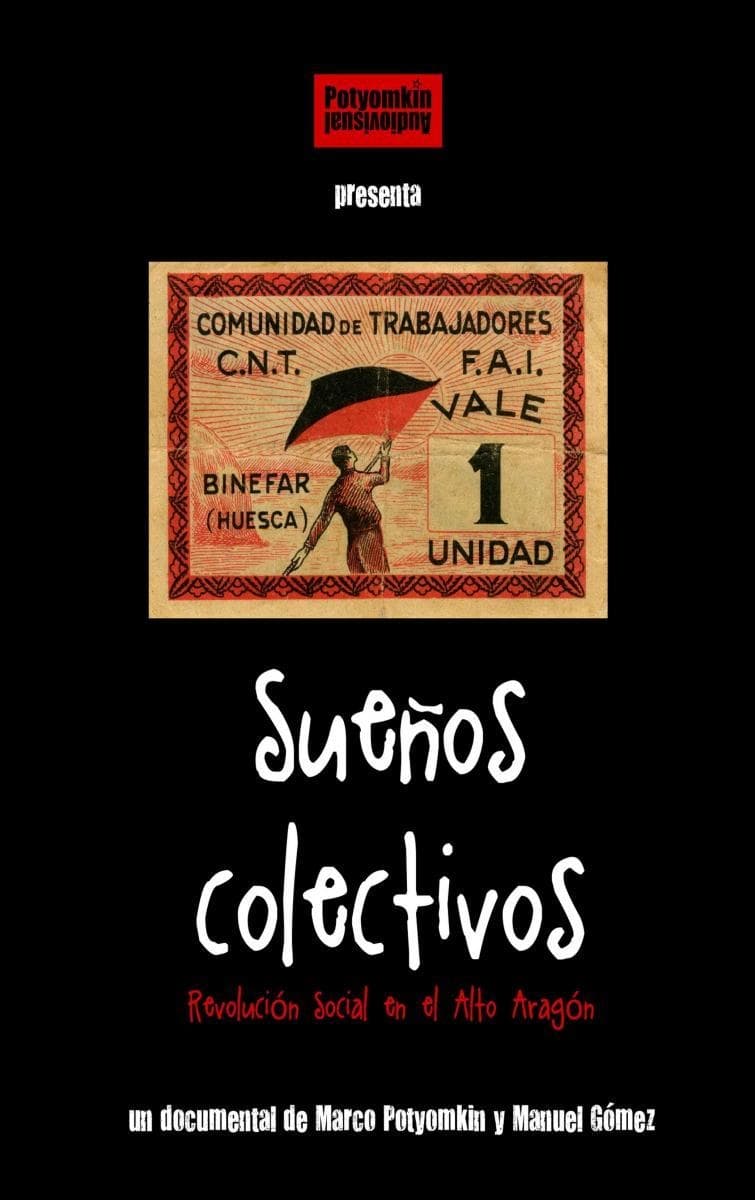
The story of the tortuous struggle against the silence of the victims of the dictatorship imposed by General Franco after the victory of the rebel side in the Spanish Civil War (1936-1975). In a democratic country, but still ideologically divided, the survivors seek justice as they organize the so-called “Argentinian lawsuit” and denounce the legally sanctioned pact of oblivion that intends to hide the crimes they were subjects of.
A detailing of the rise to prominence and global sporting superstardom of six supremely talented young Manchester United football players (David Beckham, Nicky Butt, Ryan Giggs, Paul Scholes, Phil and Gary Neville). The film covers the period 1992-1999, culminating in Manchester United's European Cup triumph.
A compilation of over 30 years of private home movie footage shot by Lithuanian-American avant-garde director Jonas Mekas, assembled by Mekas "purely by chance", without concern for chronological order.
A documentary about the making of season five of the acclaimed AMC series Breaking Bad.
Martin Scorsese’s portrait of writer and social commentator Fran Lebowitz, celebrated for her sharp wit and observations on modern life. Filmed at New York’s Waverly Inn and intercut with archival footage and interviews, the documentary captures Lebowitz’s distinctive worldview through her spontaneous monologues and public appearances.
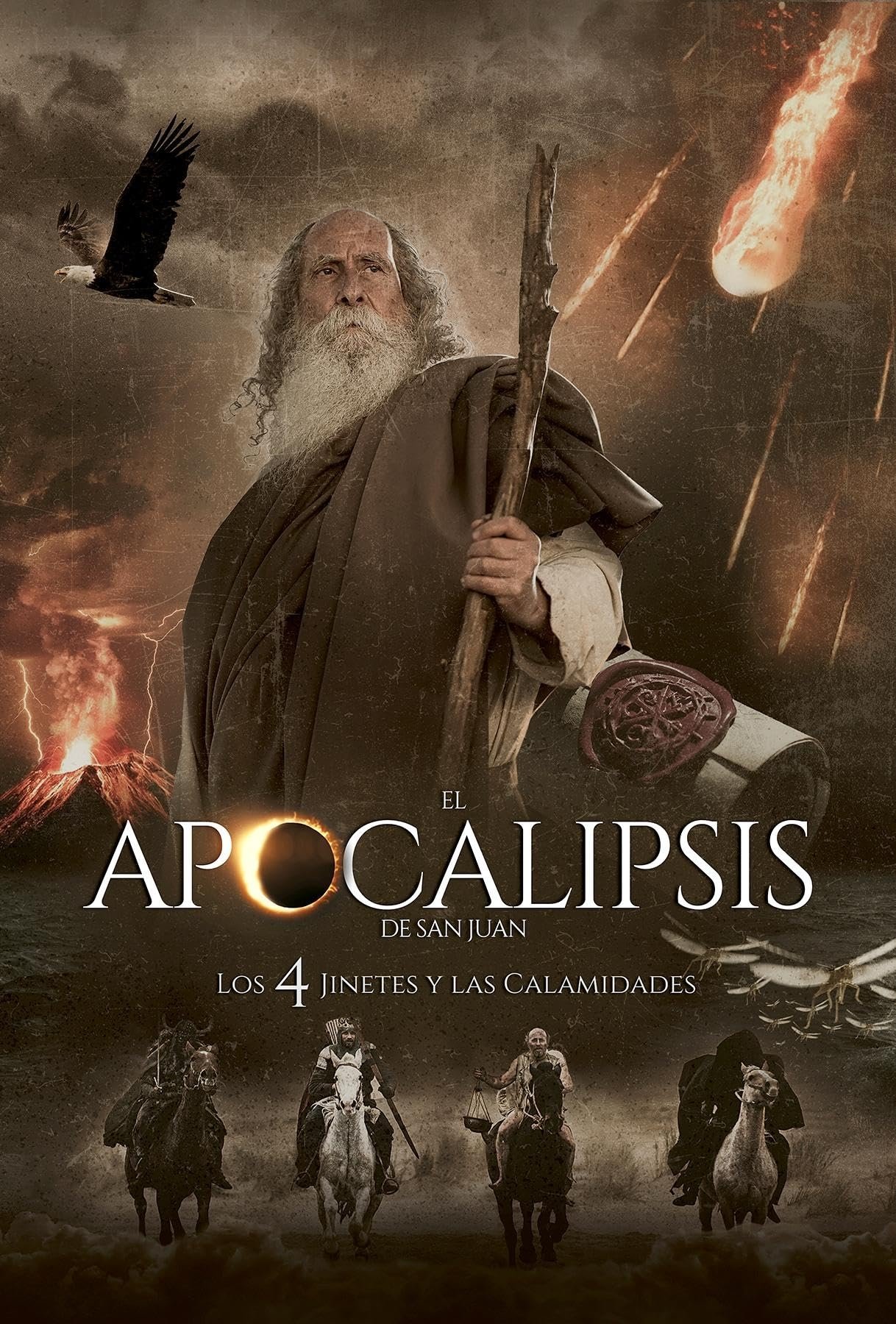
Embark on an epic journey through time and faith with 'The Apocalypse of Saint John.' Join the Apostle John in a stunning visual narrative that unravels the visions of the End Times. Experience each vision like never before, with striking visual effects and epic scenes that immerse you in the apocalyptic narrative.
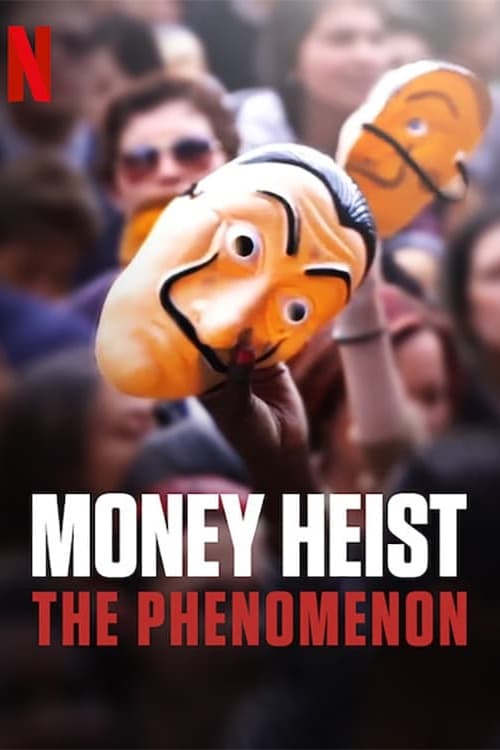
A documentary on why 'Money Heist' sparked a wave of enthusiasm around the world for a lovable group of thieves and their professor.
Alex Gibney explores the charged issue of pedophilia in the Catholic Church, following a trail from the first known protest against clerical sexual abuse in the United States and all way to the Vatican.
This revealing documentary honors the legendary Sidney Poitier—iconic actor, filmmaker, and civil rights activist. Featuring interviews with Denzel Washington, Spike Lee, Halle Berry, and more.
JB Smoove and Martin Starr host a celebration of 20 years of "Spider-Man" movies, from the Sam Raimi trilogy to Marc Webb's movies and the trio from Jon Watts.
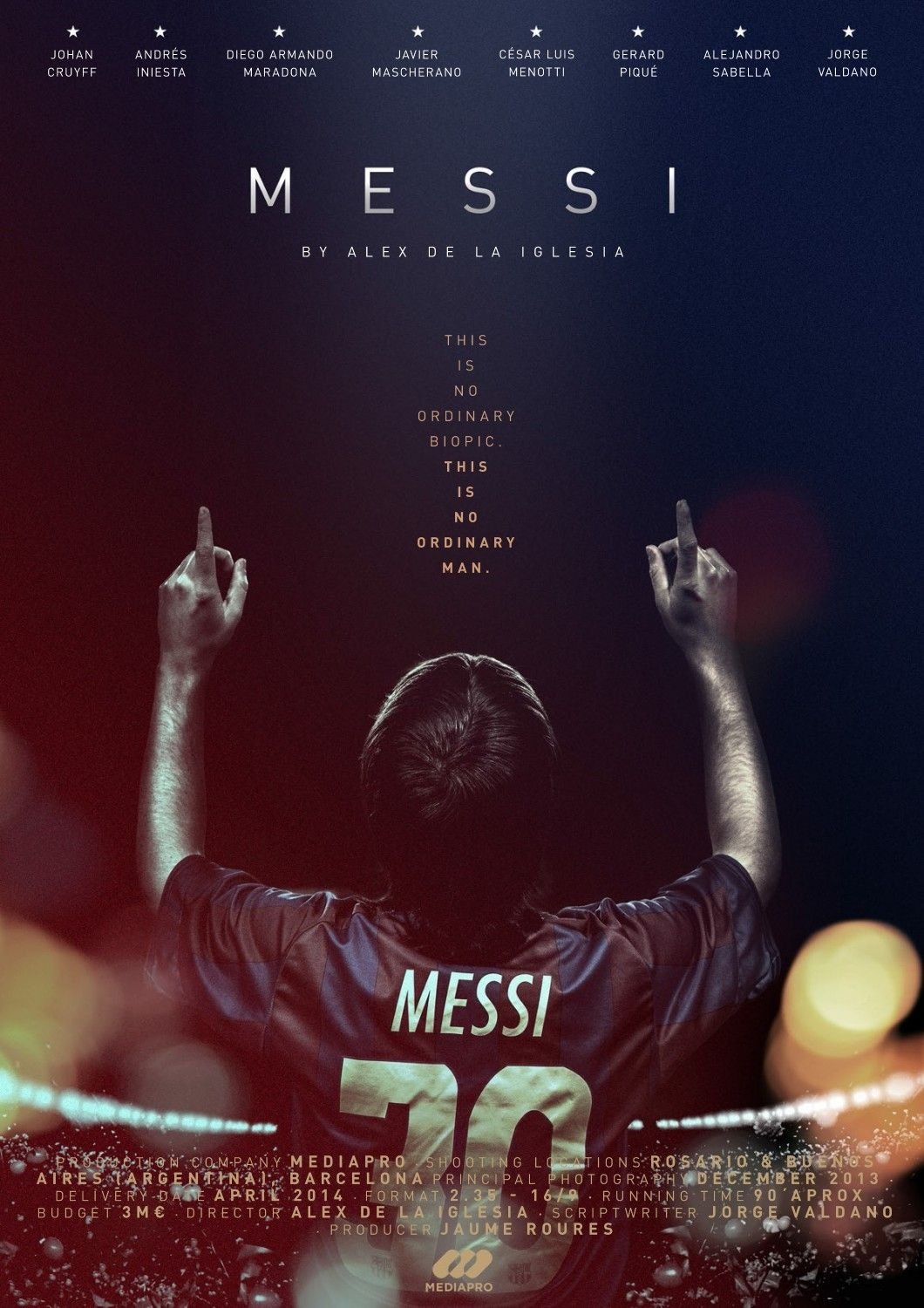
His teachers, coaches, childhood friends and Barça teammates, together with journalists, writers and prominent figures from the history of football, come together in a restaurant to analyze and pick apart Messi's personality both on and off the field, and to look back at some of the most significant moments in his life. Viewed from Álex de la Iglesia's unique perspective, Messi recreates the player's childhood and teenage years, from his very first steps, with a football always at his feet, through to the decision to leave Rosario for Barcelona, the separation from his family, and the role played in his career by individuals such as Ronaldinho, Rijkaard, Rexach and Guardiola.
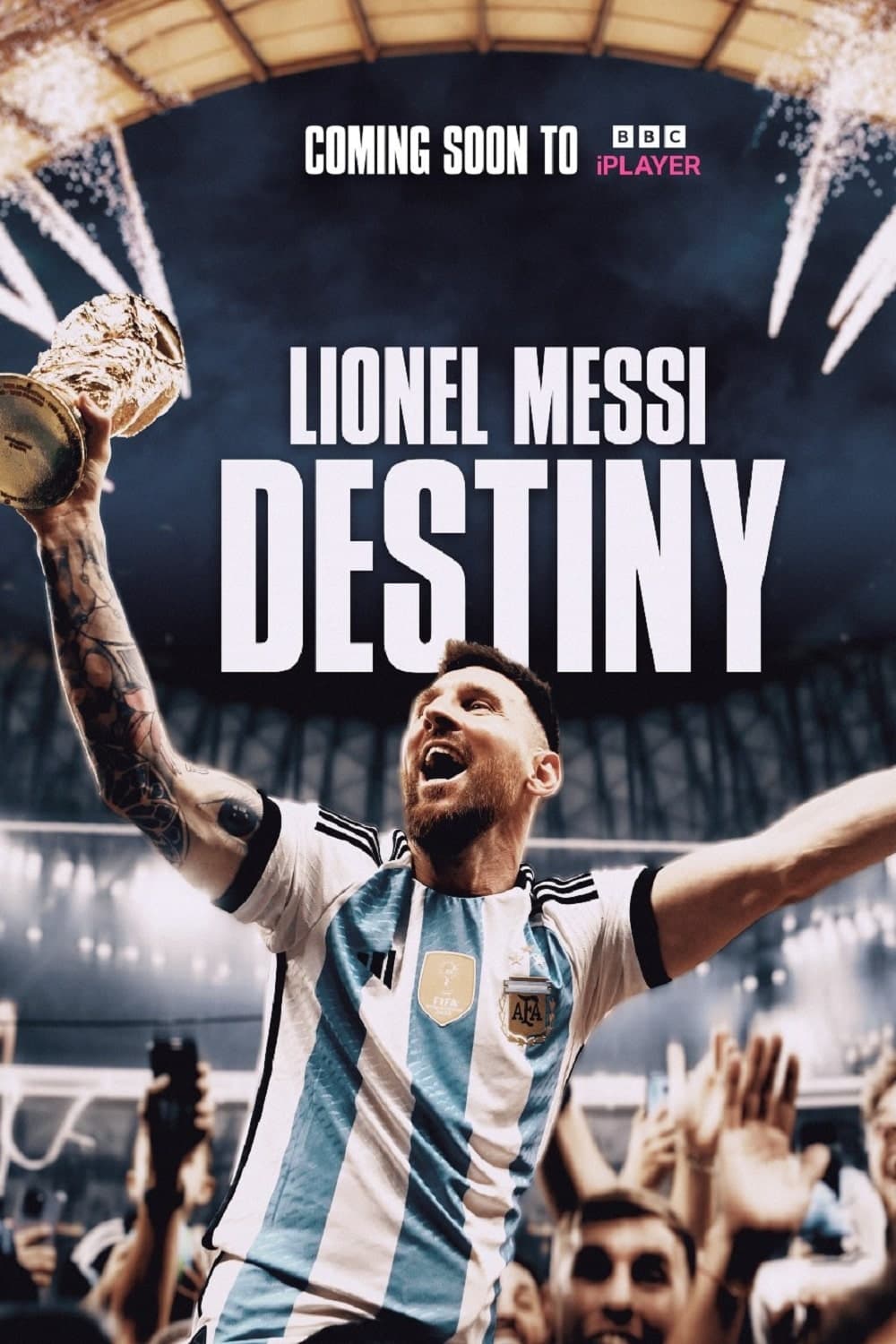
Behind-the-scenes documentary about how Lionel Messi succeeded in lifting the World Cup – the only trophy to have eluded him in an incredible career.
“Showrunners” is the first ever feature length documentary film to explore the fascinating world of US television showrunners and the creative forces aligned around them. These are the people responsible for creating, writing and overseeing every element of production on one of the United State’s biggest exports – television drama and comedy series. Often described as the most complex job in the entertainment business, a showrunner is the chief writer / producer on a TV series and, in most instances, the show’s creator. Battling daily between art and commerce, showrunners manage every aspect of a TV show’s development and production: creative, financial and logistical.
A road trip across five countries to explore the social and political movements as well as the mainstream media's misperception of South America while interviewing seven of its elected presidents.
A documentary on the life of John Lennon, with a focus on the time in his life when he transformed from a musician into an antiwar activist.