Documentary on the Korean War.
Social & External
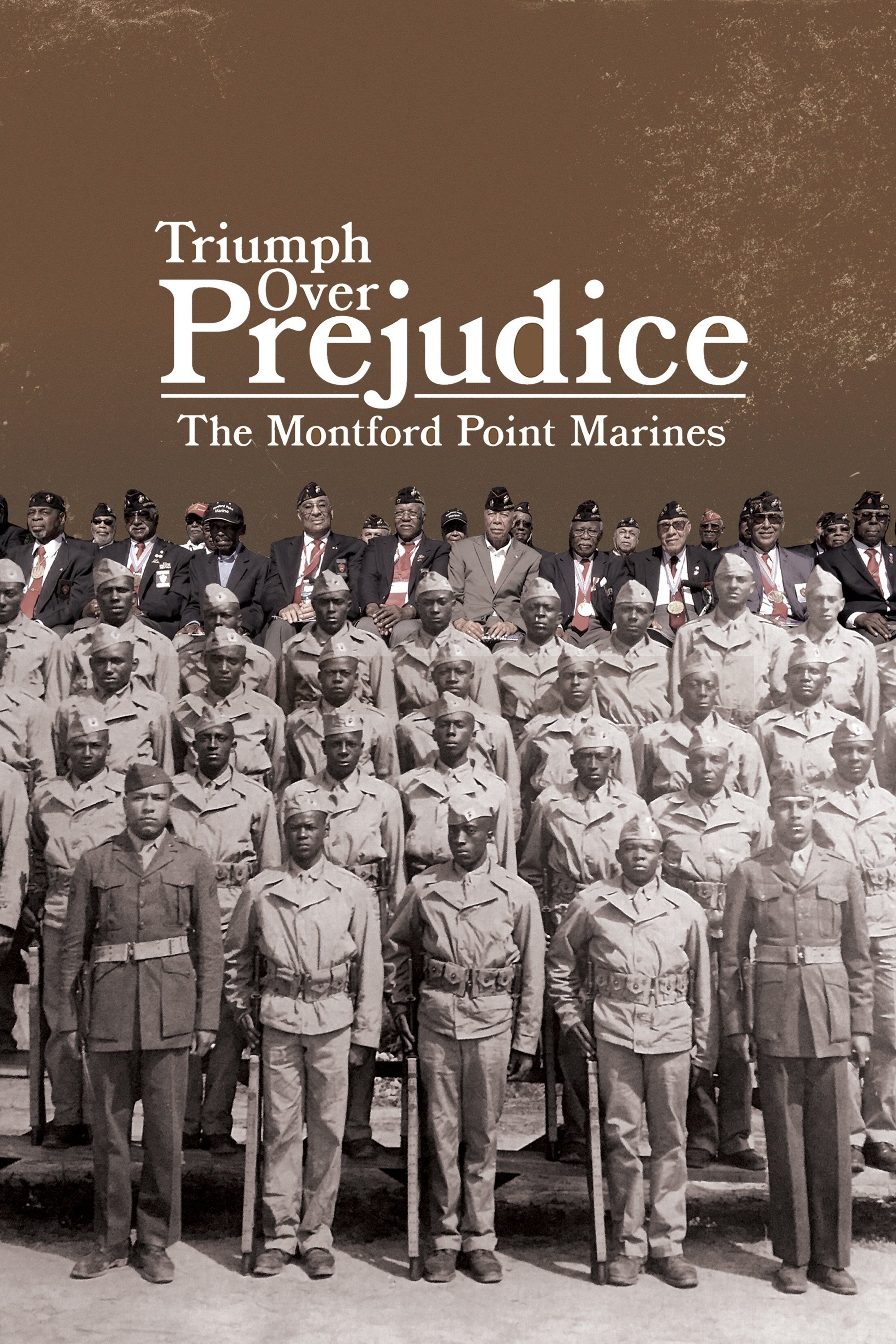
Against the backdrop of a world on the brink, the Montford Point Marines transcended enemy lines and formidable barriers of racial segregation. Beginning in rural Virginia, their journey to the front lines of World War II, the Korean War, and the Vietnam War is more than a testament to their bravery - it's a reflection of their indomitable spirit and unyielding resolve. Confronting racial prejudices, the heartbreaks of war, and the turbulent transition to civilian life, these men never wavered in their commitment. "Triumph Over Prejudice" dives deep into the uncharted terrains of the Black experience in the early 20th century Marine Corps, illuminating stories often shadowed in history's corners. With cinematic finesse fit for a global streaming audience, the film weaves personal narratives into a rich tapestry, culminating in an epic saga of heroism, perseverance, and the enduring legacy of the American veteran.
The Korean conflict is often called "The Forgotten War," but it has never been forgotten by the men and women who experienced it. These veterans share their thoughts, experiences and memories, highlighting the human and social costs of war.
Based on declassified US military documents and archival footage, as well as testimonies from those who participated in bombings and civilian victims, director Lee Mi-young thoroughly illuminates the reality of the US Air Force’s indiscriminate bombing that resulted in numerous civilian casualties during the three-year Korean War.
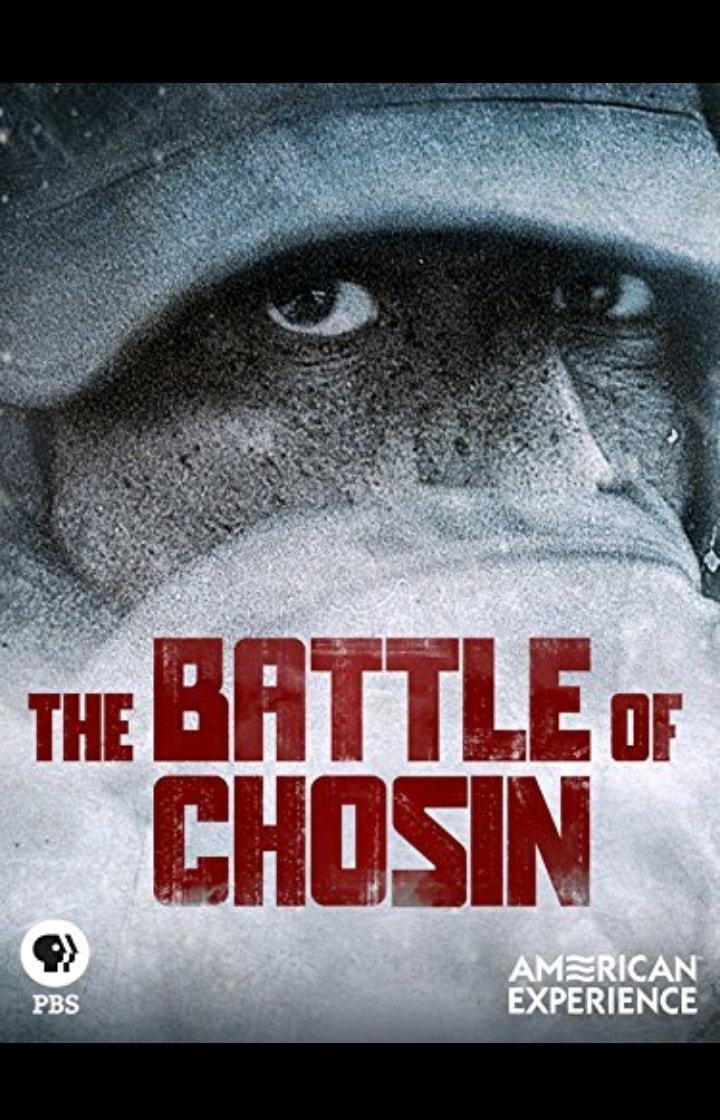
An amazingly harrowing story of the 17 day engagement of bloody combat and heroic survival in subartic temperatures. UN forces largely outnumbered and surrounded, due to a surprise attack led by 120,000 Chinese troops.
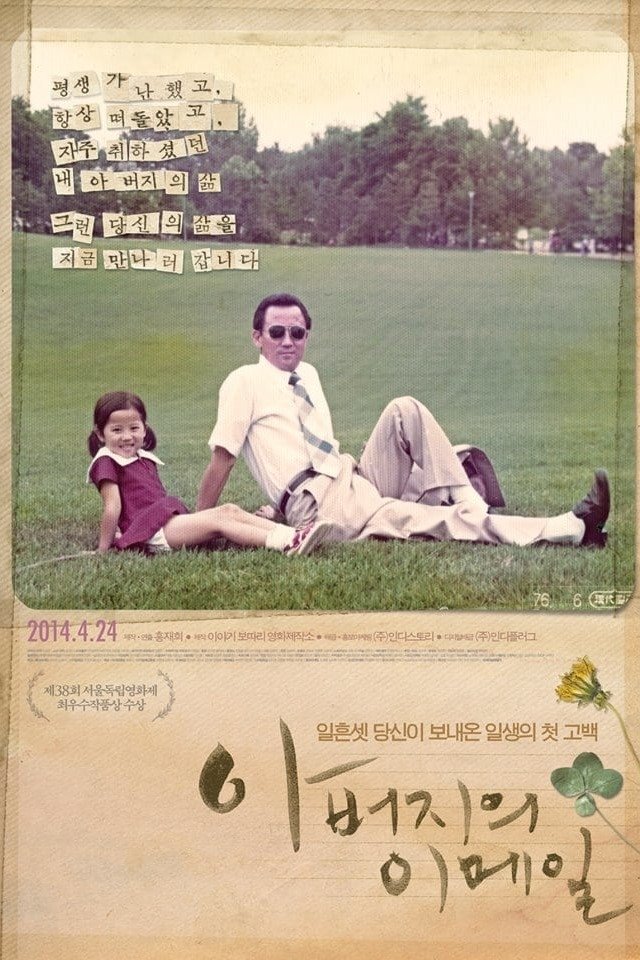
The director's father, who did not know how to use a computer, left her an autobiography via email. It includes his whole life through many notable events such as the Korean War, the Vietnam War, 88's Seoul Olympic, New Town Development, etc.
Documentary about the struggle of the people of Jeju Island, South Korea. Set in the context of the U.S. presence in Korea after World War II, the film reveals horrible atrocities at the hands of the U.S. Military Government of Korea.
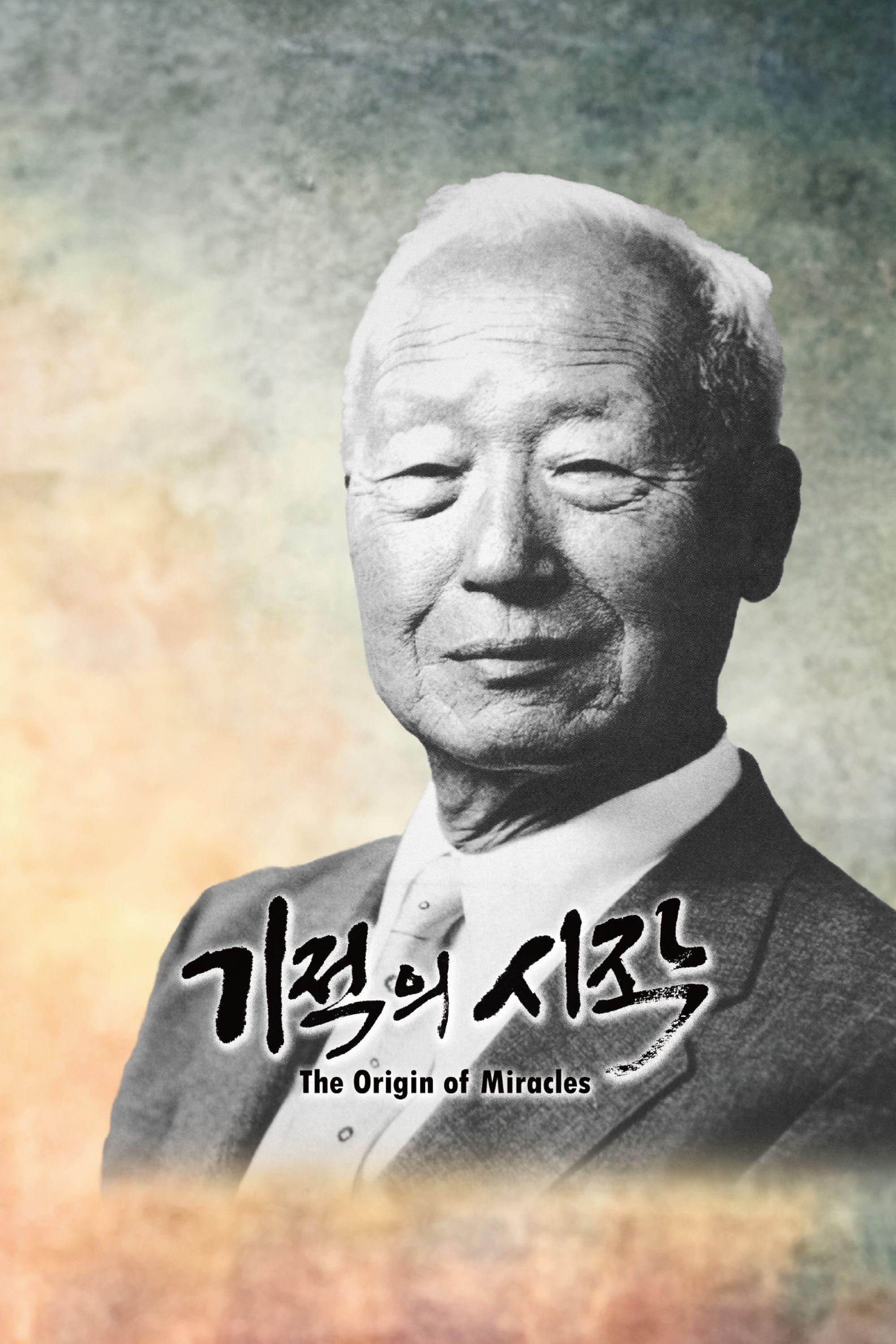
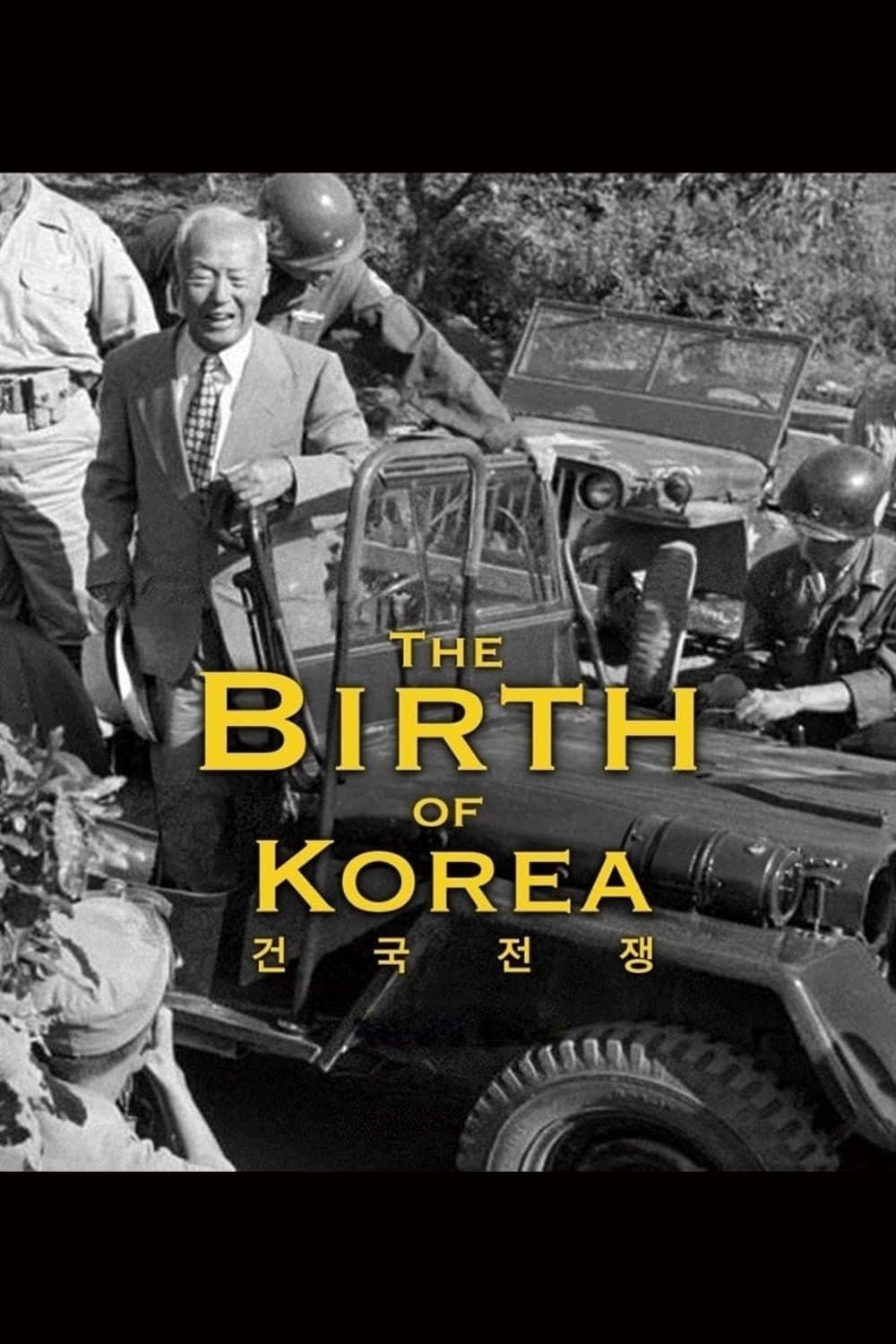
A documentary film covering the life of President Syngman Rhee and the contributions he made to the Republic of Korea, spanning his childhood, focusing on his independence movement, the founding of the nation, the process of leading to victory in the Korean War, and the process of laying the foundation for Korea's industrialization.
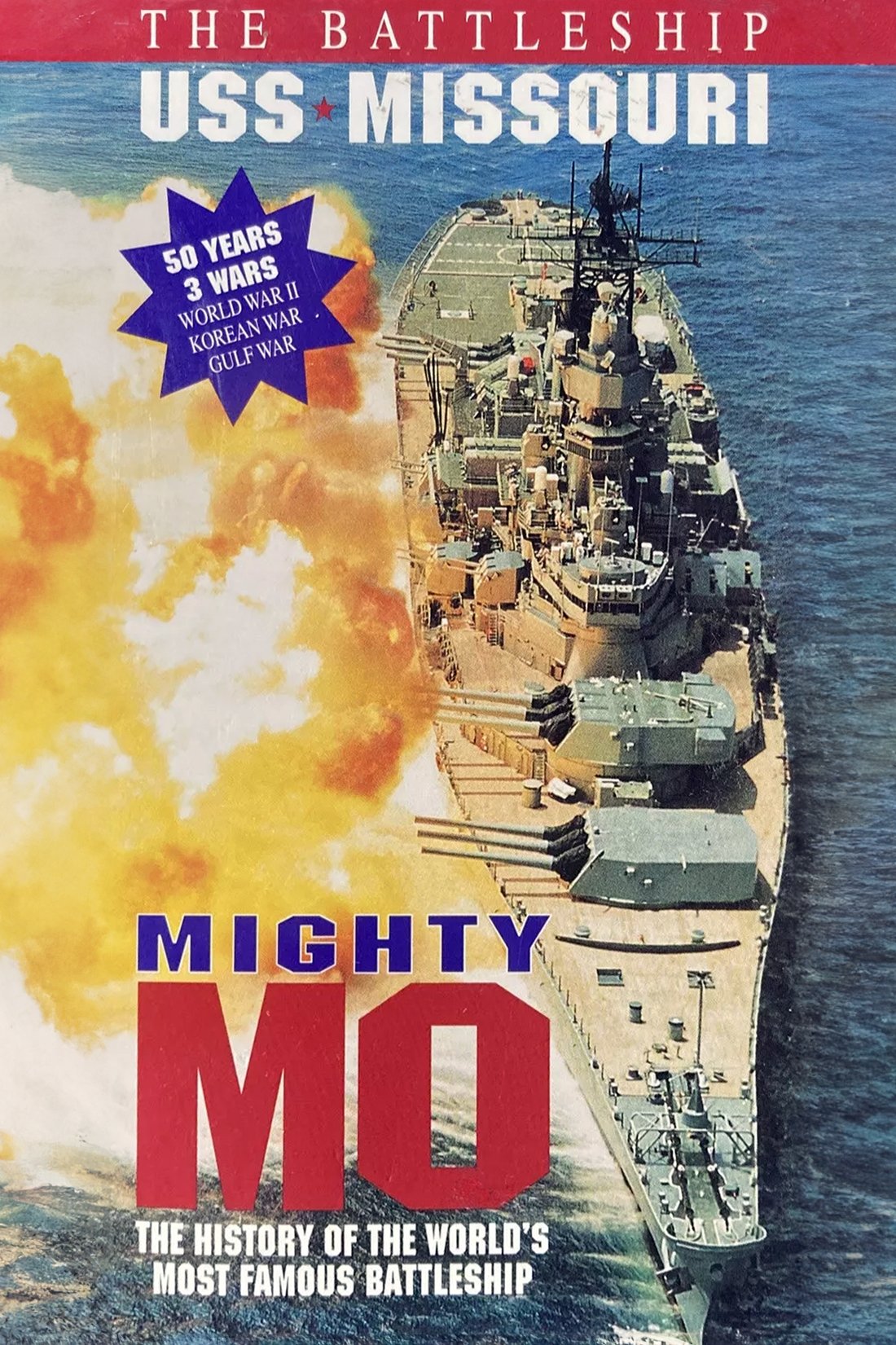
Explore the history of the world's most famous battleship, the USS Missouri, with this revealing documentary that chronicles the ship's distinguished career that spanned more than 50 years of service. Narrated by decorated Navy officer Wes Carey, this portrait combines archival film footage, photographs and personal accounts to paint a vivid picture of the celebrated ship, affectionately known as "Mighty Mo."
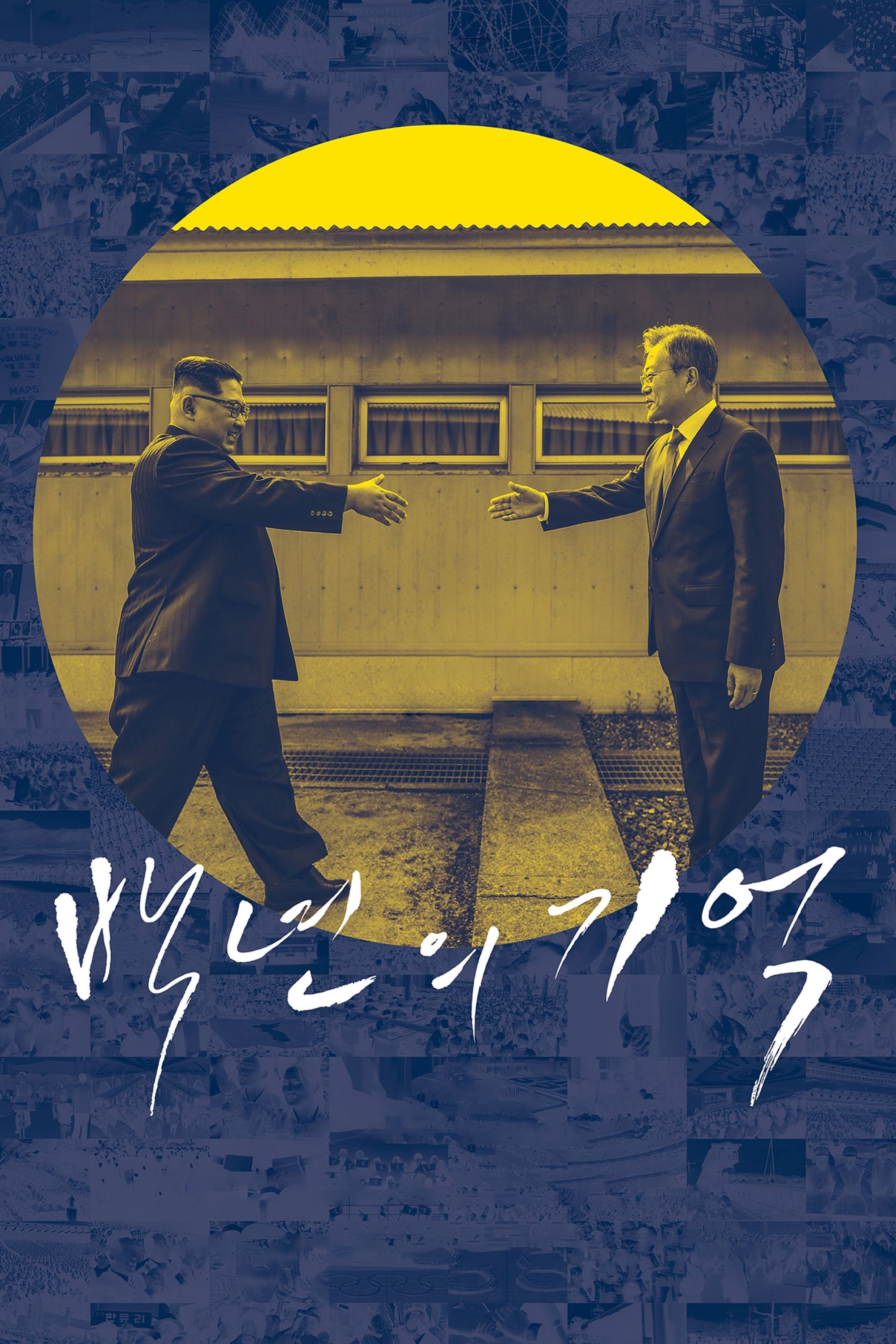
In July 1951, all the sides to the Korean War sought a ceasefire. For a ceasefire, the Allied and Communist forces began to hold talks at Naebongjang, located northeast of Kaesong. However, they only sharply opposed each other and didn't make progress in the negotiation. In October 1951, the two sides met again in the small village of Neolmun-ri below Gaeseong. They set up tents there to negotiate and named the place Panmunjom. The name Panmunjeom is a combination word of Panmun, meaning Neulmun-ri, and “Jom,” of an inn.
A visit to the famed aircraft carrier USS Midway and interviews with men who served aboard it bring the exciting story of the vessel to life in this dramatic documentary. In service for 47 years, the Midway saw heavy action during the Vietnam War, and its hair-raising missions to rescue downed pilots were legendary. After Vietnam, the Midway, now berthed in San Diego, participated in numerous operations, including the Gulf War.
Nearly 250,000 South Korean children were adopted to the West as “orphans” in the 60 years following the Korean War. Some to loving homes. Others to tragic ends. Raised in places where they looked like nobody else, many were told to forget their past and be grateful. But the innate desire to understand where you came from has led many Korean adoptees to search for their roots. In the process, they discover lies in their past and families they never knew existed. In this documentary series, correspondent Wei Du travels around the world to meet Korean adoptees and accompany a few on their journey to reclaim who they are. Together, they reveal how an “orphan rescue” mission separated families and erased the roots of hundreds of thousands.
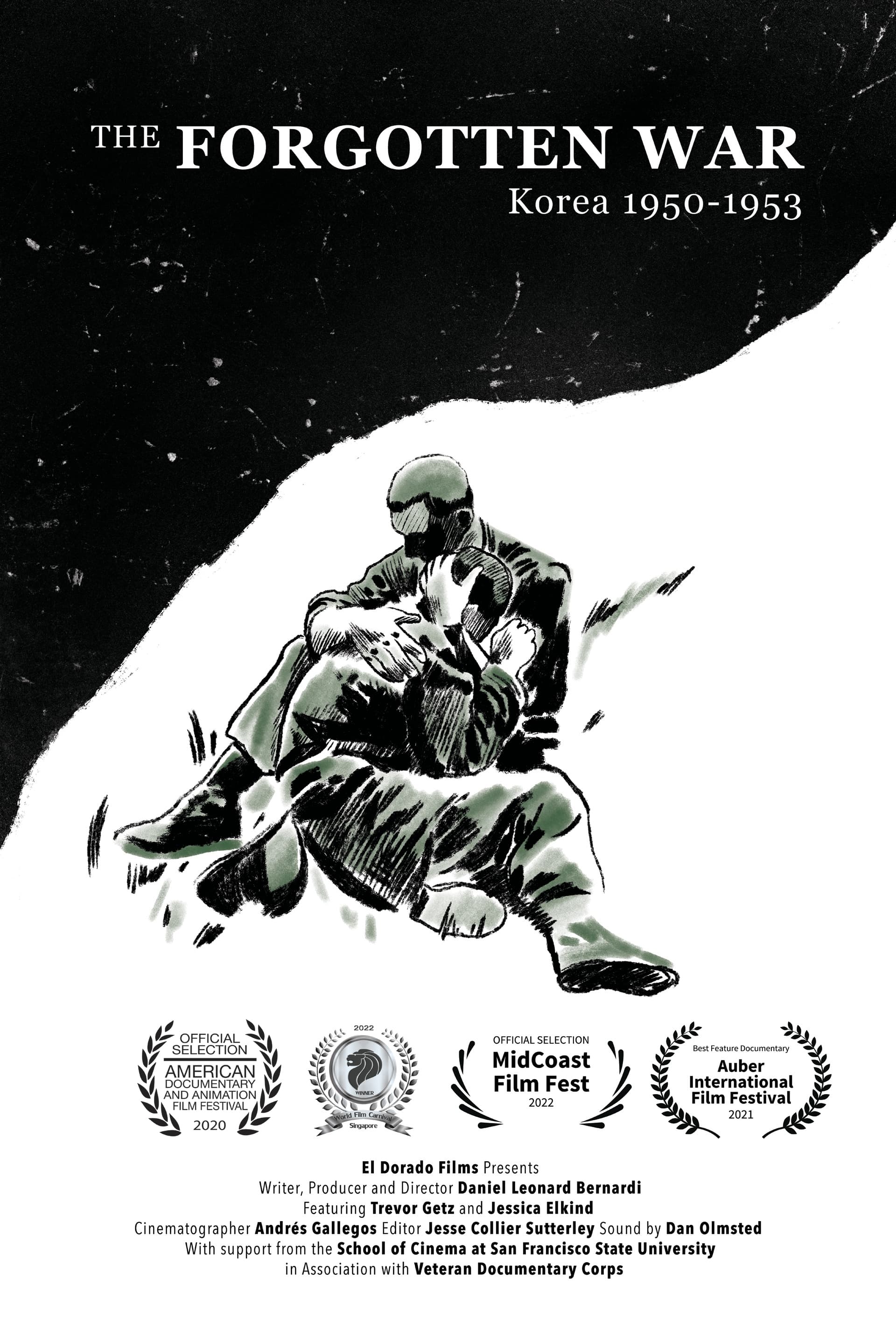
The Korean War saw three years of heavy combat take place on the small Korean peninsula, ending in a stalemate that remains contested to this day. This documentary tells the story of the Forgotten War from the point of view of the veterans that were sent to fight it.
With the largest humanitarian undertaking ever made by Sweden, in 1950 volunteers rushed to help setting up the Swedish Red Cross Field Hospital in Busan. This was 69 years ago. Today the aging Swedish samaritans can testify how the Korean war became the start of new relations, new friendships, and lasting, strong bonds between Sweden and Korea.
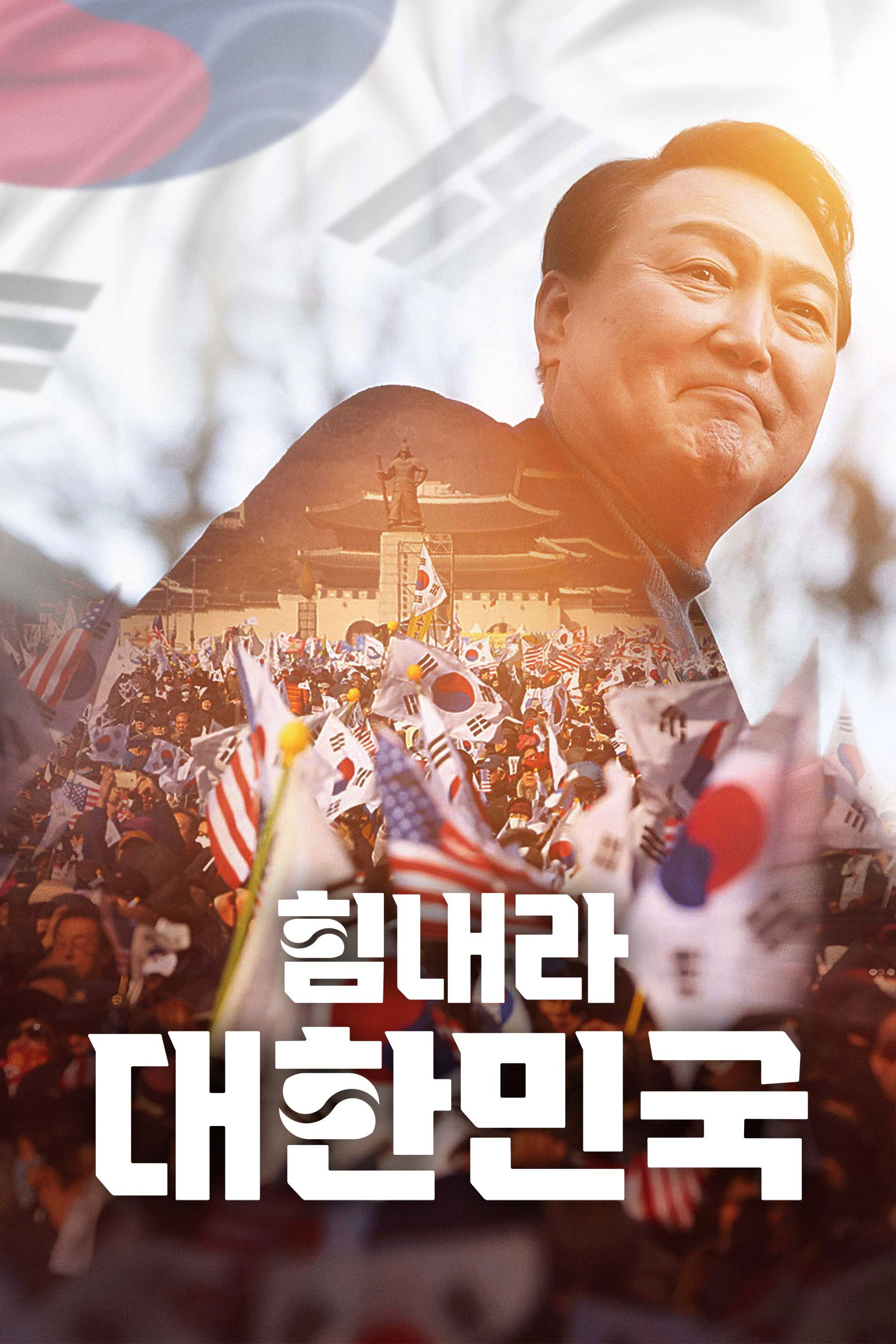
Since South and North Korea's liberation in 1945, North Korea, a communist dictatorship that suppresses freedom and oppresses human rights, and South Korea, which has entered the path of economic prosperity and advanced countries based on freedom and democracy, have taken different paths. How did the two countries with the same language, history, and race, become divided into two extreme countries? A work that highlights the sacrifices and struggles of President Syngman Rhee and the first generation of founding members who worked to create and protect today's Republic of Korea over the past 70 years of history.
A contemporary history of Korea(s) from a unique point of view that embraces the inner history of both South and North Korea in a single narrative.
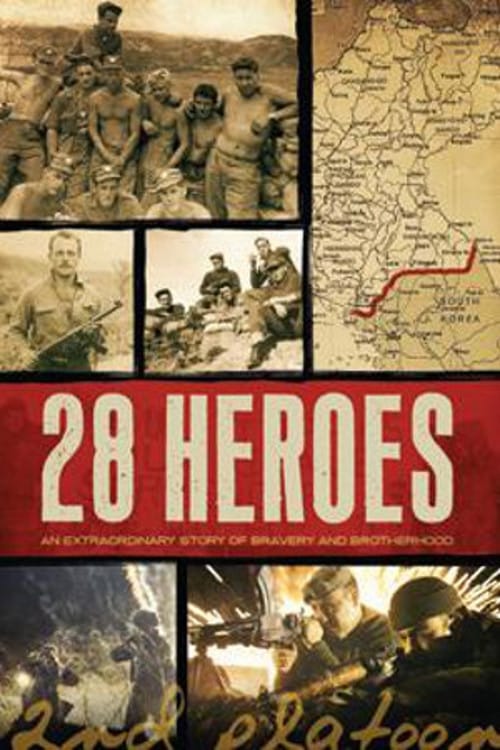
Heroes brings to life the harrowing exploits of a Canadian platoon who fought to hold their vulnerable outpost in the face of repeated attacks during the Korean War.
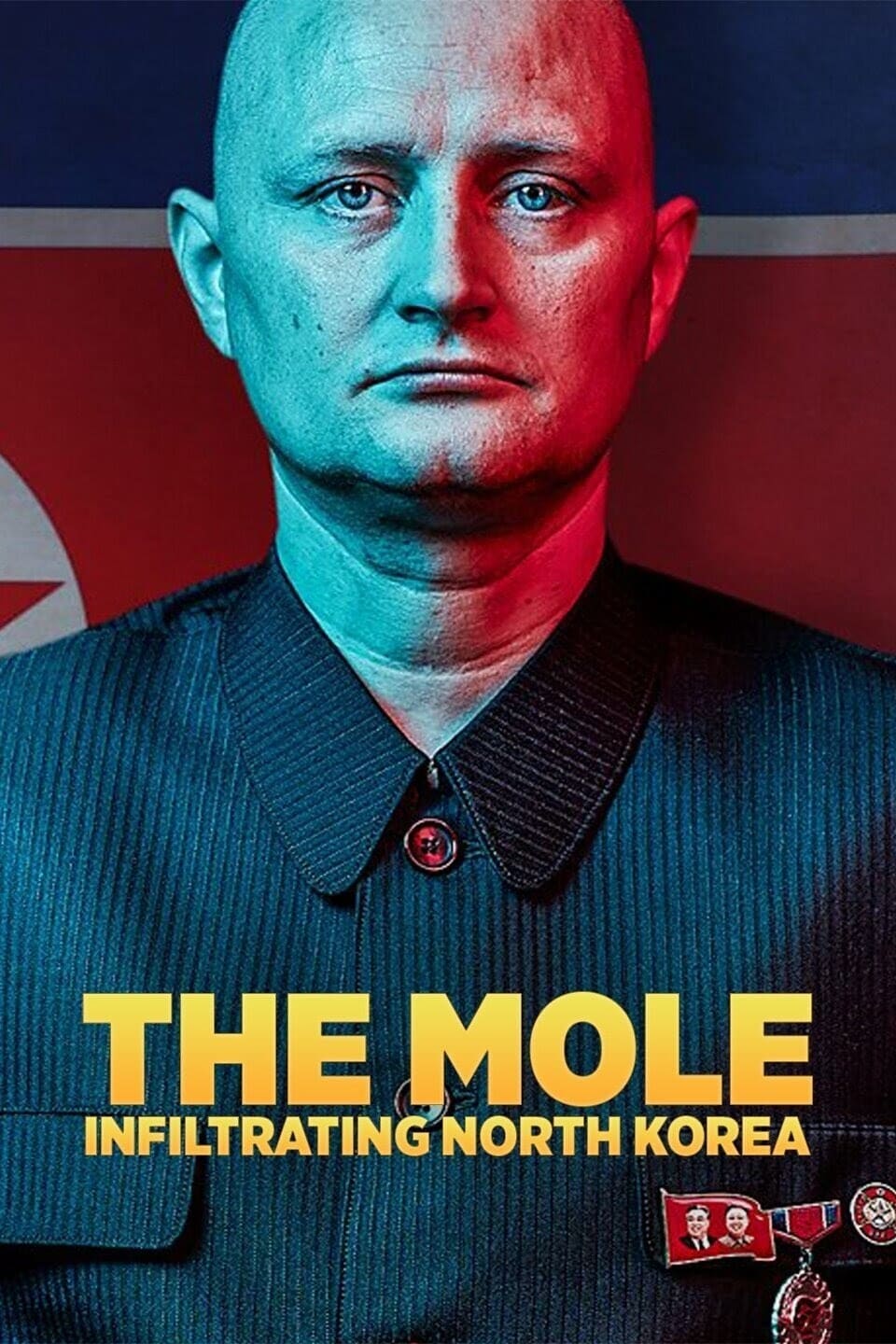
A real-life undercover thriller about two ordinary men who embark on an outrageously dangerous ten-year mission to penetrate the world's most secretive and brutal dictatorship: North Korea.
Documentarian Ross McElwee originally set out to make a travelogue of sorts tracing General William T. Sherman's infamous scorched-earth march through the Confederacy in the latter stages of the Civil War. Instead, haunted by a recent breakup with a girlfriend, McElwee ends up documenting his progress -- or lack thereof -- in starting a new relationship. His journey then becomes one of self-reflection and self-discovery rather than a historical/sociological exploration.
An inside look at one of the most anticipated movie sequels ever with James Cameron and cast.
When Allied forces liberated the Nazi concentration camps in 1944-45, their terrible discoveries were recorded by army and newsreel cameramen, revealing for the first time the full horror of what had happened. Making use of British, Soviet and American footage, the Ministry of Information’s Sidney Bernstein (later founder of Granada Television) aimed to create a documentary that would provide lasting, undeniable evidence of the Nazis’ unspeakable crimes. He commissioned a wealth of British talent, including editor Stewart McAllister, writer and future cabinet minister Richard Crossman – and, as treatment advisor, his friend Alfred Hitchcock. Yet, despite initial support from the British and US Governments, the film was shelved, and only now, 70 years on, has it been restored and completed by Imperial War Museums under its original title "German Concentration Camps Factual Survey".
A documentary about the making of season five of the acclaimed AMC series Breaking Bad.
A purely observational non-fiction film that takes viewers into the ethically murky world of end-of-life decision making in a public hospital.
A documentary about the life and films of director John Ford.
Alexander McQueen's rags-to-riches story is a modern-day fairy tale, laced with the gothic. Mirroring the savage beauty, boldness and vivacity of his design, this documentary is an intimate revelation of McQueen's own world, both tortured and inspired, which celebrates a radical and mesmerizing genius of profound influence.
A detailing of the rise to prominence and global sporting superstardom of six supremely talented young Manchester United football players (David Beckham, Nicky Butt, Ryan Giggs, Paul Scholes, Phil and Gary Neville). The film covers the period 1992-1999, culminating in Manchester United's European Cup triumph.
Through deeply personal interviews with her siblings and an examination of the photographs, letters, and belongings left behind, Mariska assembles a new portrait of her mother Jayne Mansfield, an extraordinary and complex woman.
In the Realms of the Unreal is a documentary about the reclusive Chicago-based artist Henry Darger. Henry Darger was so reclusive that when he died his neighbors were surprised to find a 15,145-page manuscript along with hundreds of paintings depicting The Story of the Vivian Girls, in What is Known as the Realms of the Unreal, of the Glodeco-Angelinnian War Storm, Cased by the Child Slave Rebellion.
The film follows adventurer Jeff Johnson as he retraces the epic 1968 journey of his heroes Yvon Chouinard and Doug Tompkins to Patagonia.
Behind-the-scenes documentary about how Lionel Messi succeeded in lifting the World Cup – the only trophy to have eluded him in an incredible career.
JB Smoove and Martin Starr host a celebration of 20 years of "Spider-Man" movies, from the Sam Raimi trilogy to Marc Webb's movies and the trio from Jon Watts.
Vulgar, taunting texts blow up the phones of a teen and her boyfriend. Who's sending them — and why? This twisty documentary reveals the shocking answer.
A documentary examining the decade of the 1970s as a turning point in American cinema. Some of today's best filmmakers interview the influential directors of that time.
SEDUCED AND ABANDONED combines acting legend Alec Baldwin with director James Toback as they lead us on a troublesome and often hilarious journey of raising financing for their next feature film. Moving from director to financier to star actor, the two players provide us with a unique look behind the curtain at the world's biggest and most glamourous film festival, shining a light on the bitter-sweet relationship filmmakers have with Cannes and the film business. Featuring insights from directors Martin Scorsese, 'Bernando Bertolucci' and Roman Polanski; actors Ryan Gosling and Jessica Chastain and a host of film distribution luminaries.
A night of drunken chaos rocks a quiet Dutch town in this shocking documentary about a teen's birthday invite that accidentally went viral on Facebook.
This documentary focuses on the actors and their journey over two summers to create the remake to the original IT, by Stephen King. The documentary originally released as bonus material, bundled with IT: Chapter Two.
In a crime-plagued neighborhood near Miami, brutal, bare-knuckled backyard fights give young men a chance to earn money -- and self-respect.