Social & External
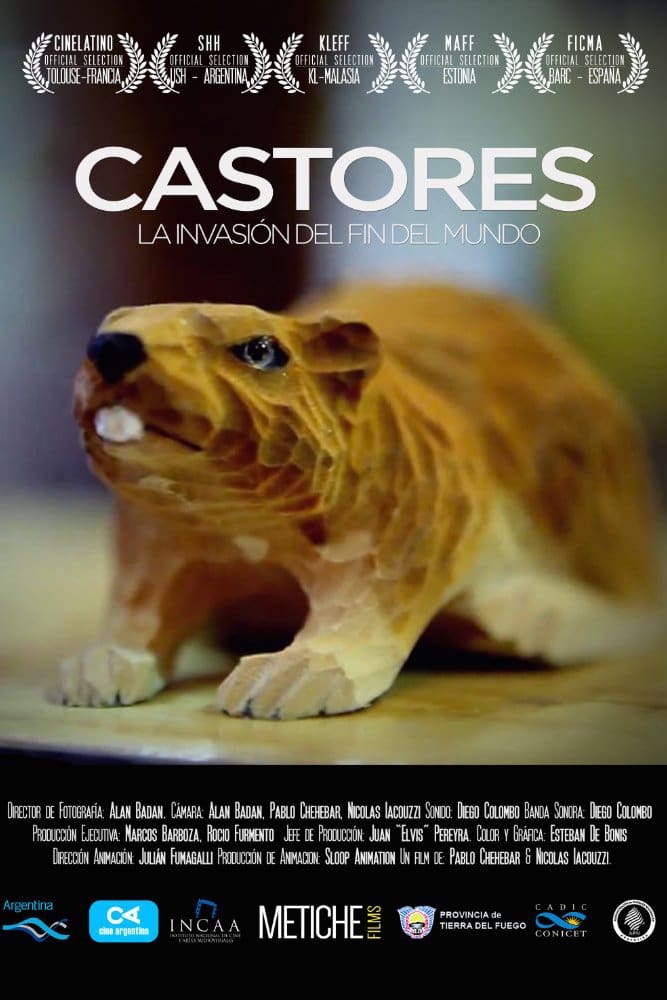
In 1940 twenty Canadian Beavers were brought to 'Tierra del Fuego' island in southern Patagonia for commercial fur production. However, beavers having no natural predators, quickly spread throughout the island, causing massive destruction of trees threatening the entire Patagonian forests rivers and species. Why wildlife conservationist are convinced that 150.000 beavers must be killed? Why some of the most recognized specialist are convinced that an eradication is not possible? Meanwhile truism is capitalizing on the situation: a man dressed as a beaver passes out flyers promoting a famous sky resort: 'Cerro Castor' - Beaver Hill. Hunters claim for subsidies, scientists are researching, rangers do what they can and restaurants tray to offer beaver meat to tourist.
With unprecedented access to the nuclear industry in France, Russia, and the United States, Nuclear Now explores the possibility for the global community to overcome the challenges of climate change and energy poverty to reach a brighter future through the power of nuclear energy. Beneath our feet, Uranium atoms in the Earth’s crust hold incredibly concentrated energy. Science unlocked this energy in the mid-20th century, first for bombs and then to power submarines. The United States led the effort to generate electricity from this new source. Yet in the mid-20th century as societies began the transition to nuclear power and away from fossil fuels, a long-term PR campaign to scare the public began, funded in part by coal and oil interests.
As societies grapple with the escalating concern of environmental pollution, the imperative for collective consciousness and concerted action becomes ever more pronounced. The impact of human activities on the environment demands heightened awareness and proactive measures. In this context, the utilization of First Person View (FPV) drone technology emerges as a compelling and immersive tool for capturing the essence of our surroundings. The allure of FPV drone footage lies in its ability to provide a unique and genuine perspective of various landscapes, ranging from pristine beaches to meandering valleys and flowing river currents. This immersive visual medium not only serves as a means of documentation but also as a potent catalyst for instigating dialogue and inspiring environmental stewardship.
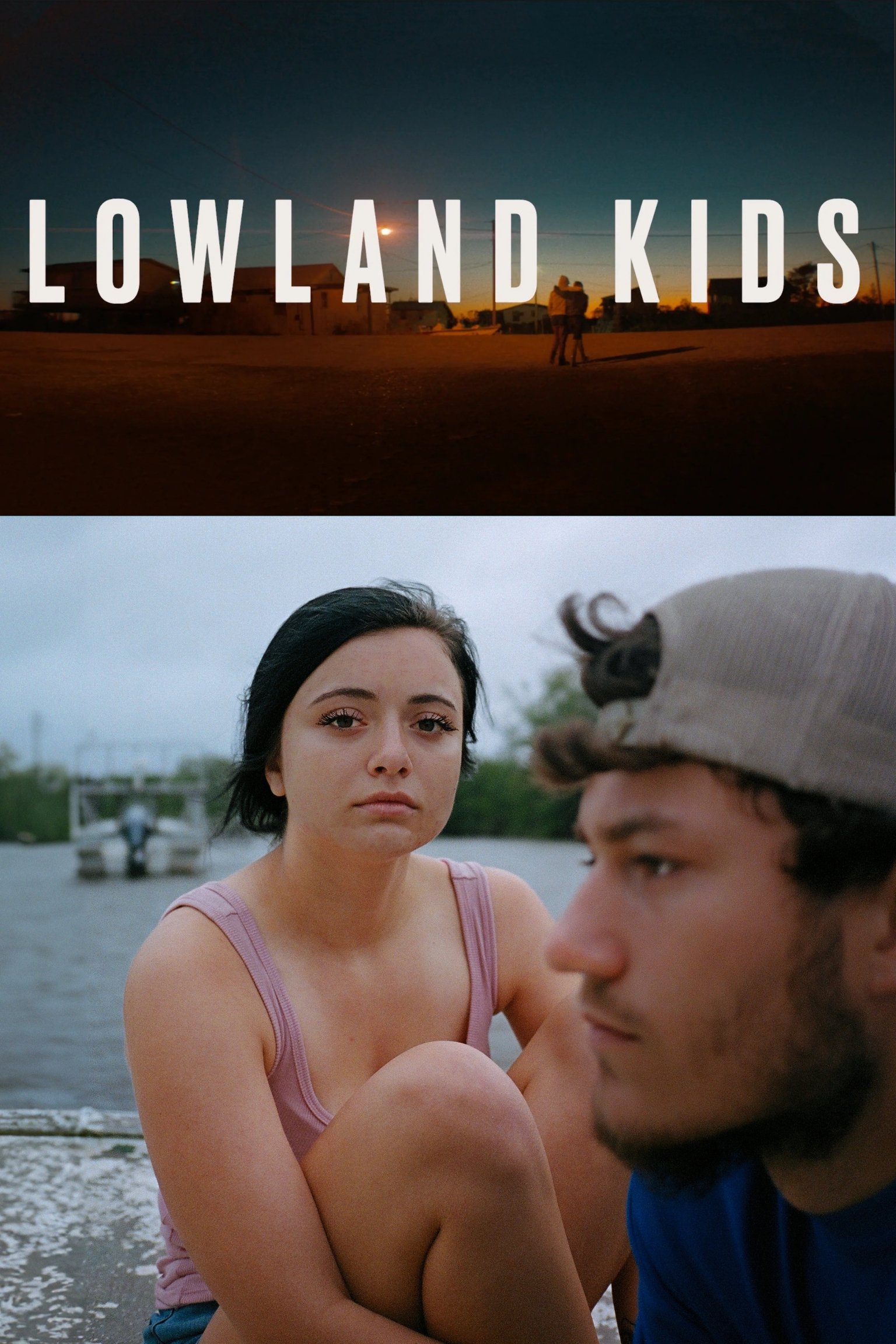
As climate change erases the Louisiana coast, the last two teenagers on Isle de Jean Charles fight to stay on an island that's been in their family home for generations. Feature film continuation of a short of the same name.
A surrealistic look at the future if man does not learn to control pollution.
Ouroboros delicately captures Highgate Cemetery’s gothic architecture, ivy-draped tombs, and nature-reclaimed landscapes, drawing on staff perspectives to reconsider ideas of death, remembrance and everyday work there.
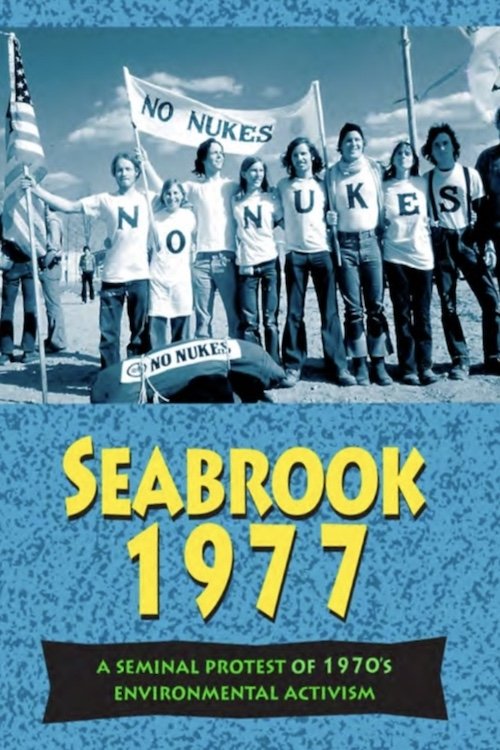
In April 1977, the small coastal town of Seabrook, New Hampshire became an international symbol in the battle over atomic energy. Concerned about the dangers of potential radioactive accidents, over 2,000 members of the Clamshell Alliance, a coalition of environmental groups, attempted to block construction of a nuclear power plant. 1,414 people were arrested in that civil disobedience protest and jailed en masse in National Guard armories for two weeks.
Everyone has heard about bee declines, but with so much attention focused on domesticated honeybees, someone has to speak up for the 4,000 species of native bees in North America. Natural history photographer Clay Bolt is on a multi-year quest to tell the stories of our native bees, and one elusive species – the Rusty-patched Bumble Bee – has become his white whale. Traveling from state to state in search of the Rusty-patched, he meets the scientists and conservationists working tirelessly to preserve it. Clay’s journey finally brings him to Wisconsin, where he comes face to face with his quarry and discovers an answer to the question that has been nagging him: why save a species?
In June 2010, French actress Marion Cotillard spent a week in the heart of the tropical forests of the Democratic Republic of Congo with members of Greenpeace France and Greenpeace Africa. She delivers in video a strong testimony on the looting of Congolese forests which benefits a few industrial groups, often European.
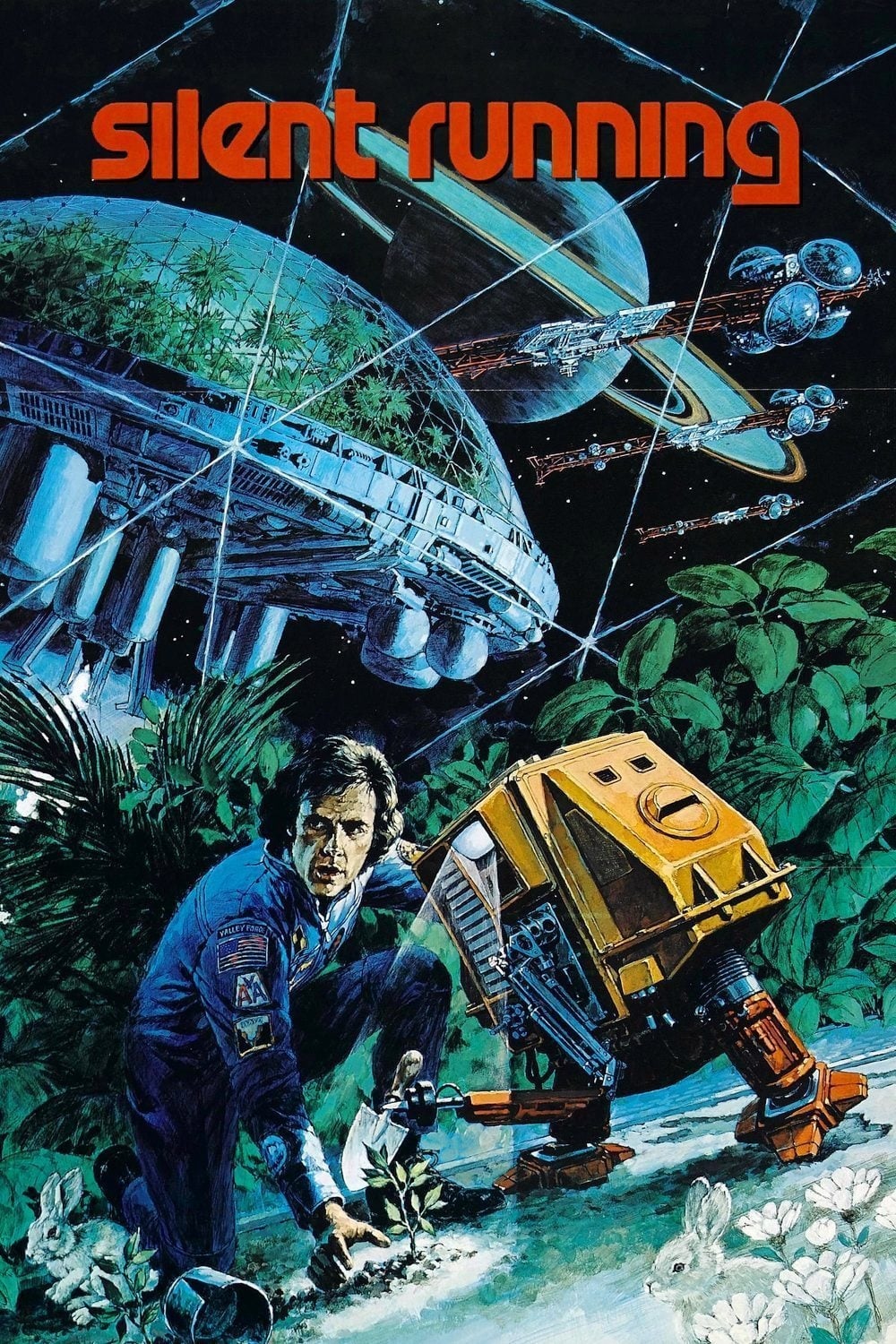
After the entire flora goes extinct, ecologist Lowell maintains a greenhouse aboard a space station for the future with his android companions. However, he rebels after being ordered to destroy the greenhouse in favor of carrying cargo, a decision that puts him at odds with everyone but his mechanical companions.
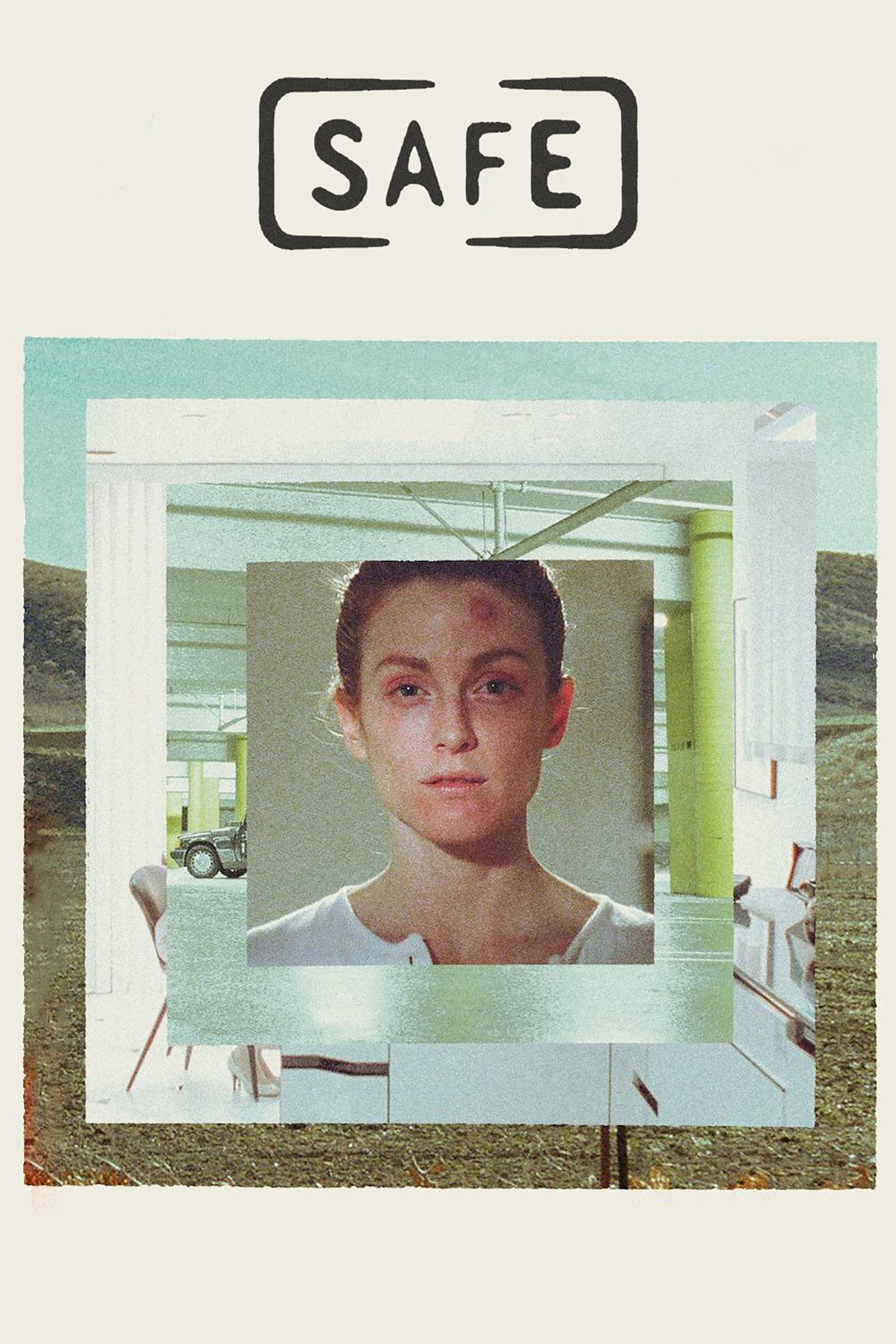
Carol White, a Los Angeles housewife in the late 1980s, comes down with a debilitating illness with no clear diagnosis.
After Mallory disrupts nature, nature begins disrupting her.
In this prequel to FERN, Bill Verne attempts to climb the cut-throat corporate ladder of Mammon Incorporated, only to find that his pursuit of wealth and success comes at a devastating cost to both his loved ones and the world around him.
Greenpeace brings the rampant destruction of rainforest habitat in Indonesia to grow palm oil into the spotlight.
This documentary first aired in Britain in May 1994 during the height of the Ogoni conflict in which a small Nigerian minority, the Ogoni, rose up against the oppression and exploitation perpetrated by Shell in their collaboration with the Nigerian military government and powerful Western economic interests. The peaceful Ogoni protests were violently ended by the military government in 1995 with the unlawful hanging of Ken Saro-Wiwa, a writer, journalist and activist for the Ogoni people. Saro-Wiwa succeeded in reaching out to the international community to put pressure on those holding the Ogoni hostage. In the end, he may not have achieved all the goals set out by the Ogoni, but he drew attention to social grievances which were falsely believed to be exclusive to the colonial era.
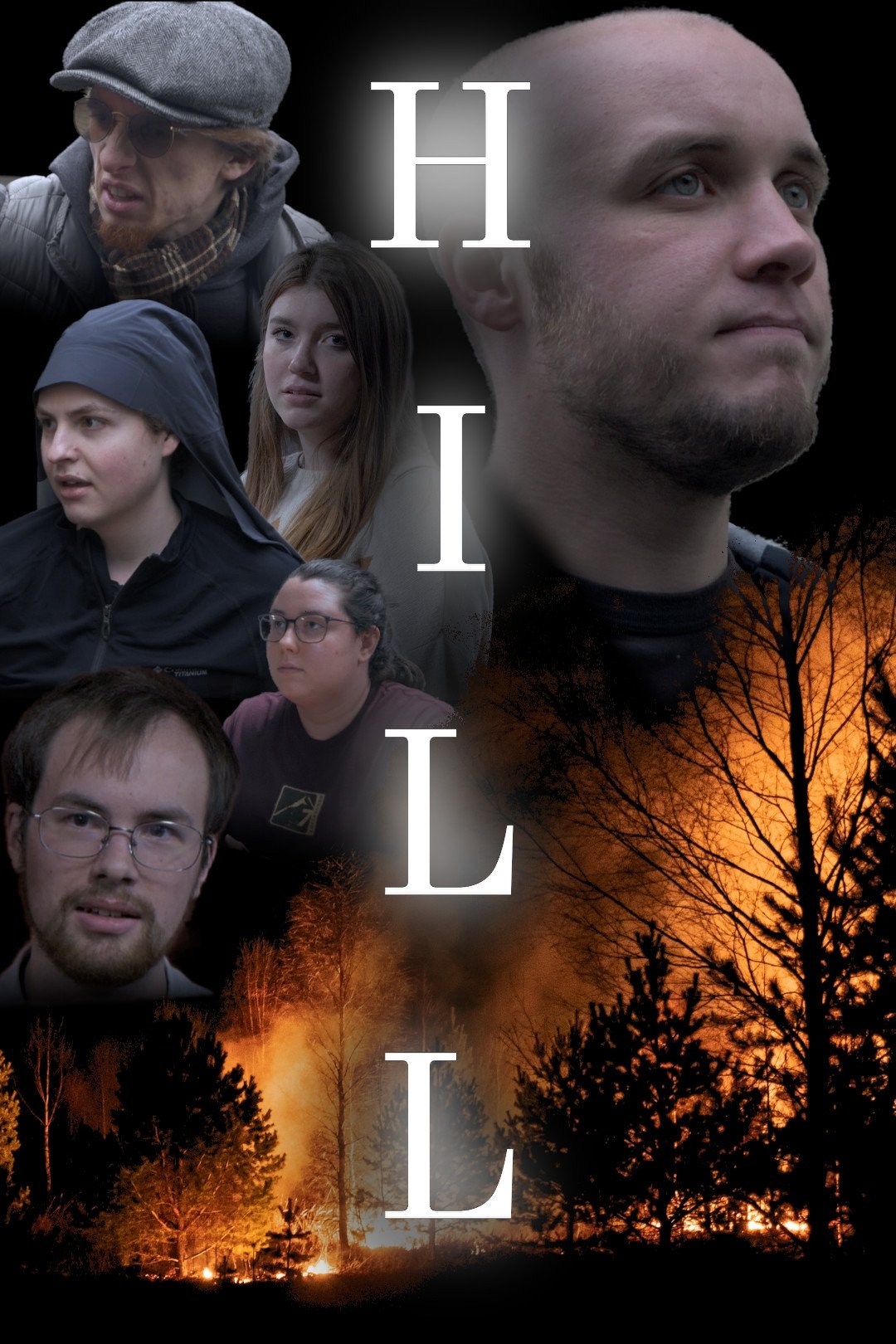
In a remaster of a film screened a decade prior; a school field trip is disrupted by a group of illegal loggers led by a man named Alexander Hickman. While the rest of the class runs a student named Sean stays behind to stop the loggers from cutting down the forest.
After coming up against homophobia from straight service providers, Queer Gimp Girl (Marg Scott) seeks out other disabled queers and asks about their experiences of disabled awareness and access in the queer communities.
Is art useful to man? The actors are suited to society. Passers-by are people who want to dream but have now lost confidence, laziness on the one hand, conditioning and deschooling on the other, require you to lower your sights and everyone is content to pursue modest cheap expectations. Reality and art are not in communication, impoverished by individualism, the actors and artists dance to the rhythm imposed by power, they slaughter each other, they abuse each other without realizing the possibilities of communication that open up by moving outside the choir. Rome is occupied by every step, the foot walking lightly occupies the public land. But this occupation is not news because it is lightning fast. The criteria of employment mark the time.
Takes us to locations all around the US and shows us the heavy toll that modern technology is having on humans and the earth. The visual tone poem contains neither dialogue nor a vocalized narration: its tone is set by the juxtaposition of images and the exceptional music by Philip Glass.
A look at the origins, history and conspiracies behind the "Majestic 12", a clandestine group of military and corporate figureheads charged with reverse-engineering extraterrestrial technology.
Through deeply personal interviews with her siblings and an examination of the photographs, letters, and belongings left behind, Mariska assembles a new portrait of her mother Jayne Mansfield, an extraordinary and complex woman.
A visual montage portrait of our contemporary world dominated by globalized technology and violence.
JB Smoove and Martin Starr host a celebration of 20 years of "Spider-Man" movies, from the Sam Raimi trilogy to Marc Webb's movies and the trio from Jon Watts.
The life and career of an actor, artist, and icon. His own journey through his own camera.
Daniel Craig candidly reflects on his 15 year adventure as James Bond. Including never-before-seen archival footage from Casino Royale to the upcoming 25th film No Time To Die, Craig shares his personal memories in conversation with 007 producers, Michael G Wilson and Barbara Broccoli.
An astonishing journey revealing the awesome power of the natural world. Over the course of one single day, we track the sun from the highest mountains to the remotest islands to exotic jungles.
The Captains is a feature-length documentary film written and directed by William Shatner. The film follows Shatner as he interviews the other actors who have portrayed starship captains in the Star Trek franchise.
Interviews with leading authors, philosophers and scientists, with an in-depth discussion of the Law of Attraction. The audience is shown how they can learn and use 'The Secret' in their everyday lives.
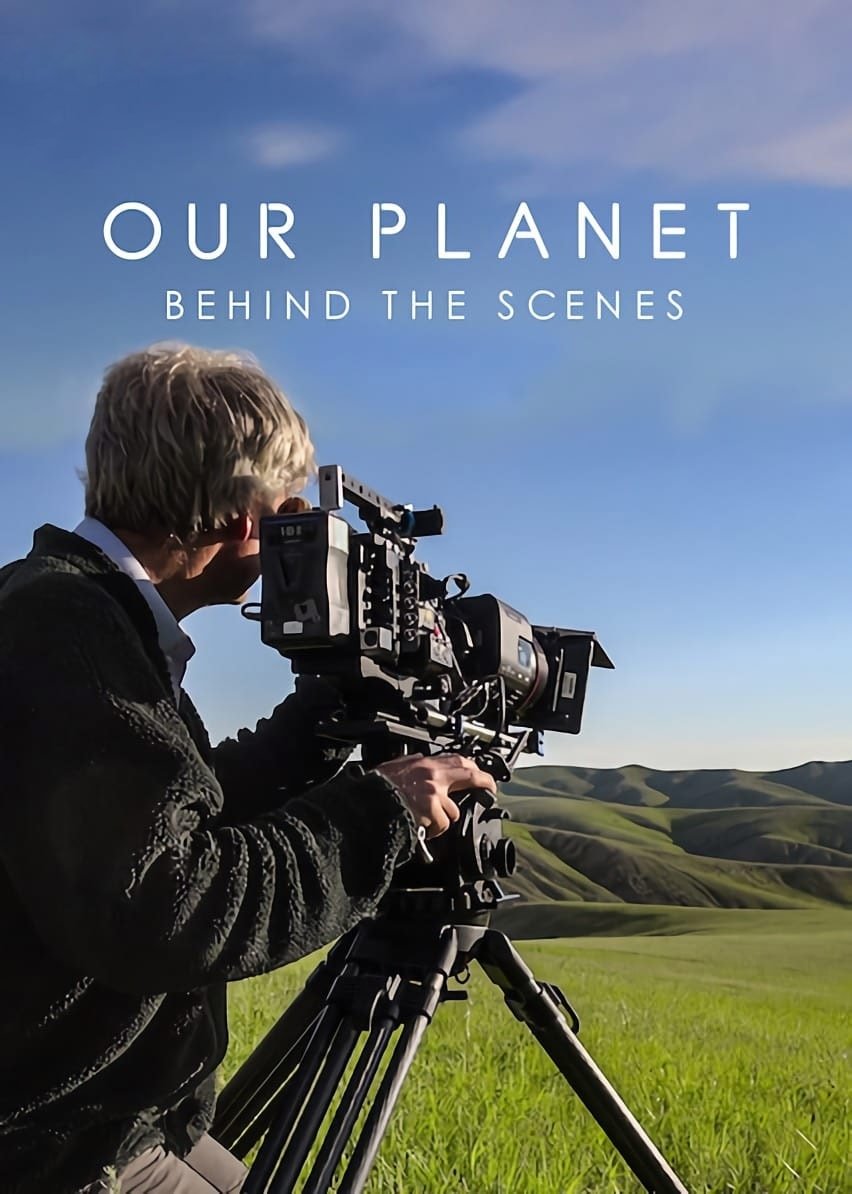
Years spent recording footage of creatures from every corner of the globe is bound to produce a bit of drama. Here's a behind-the-scenes look.
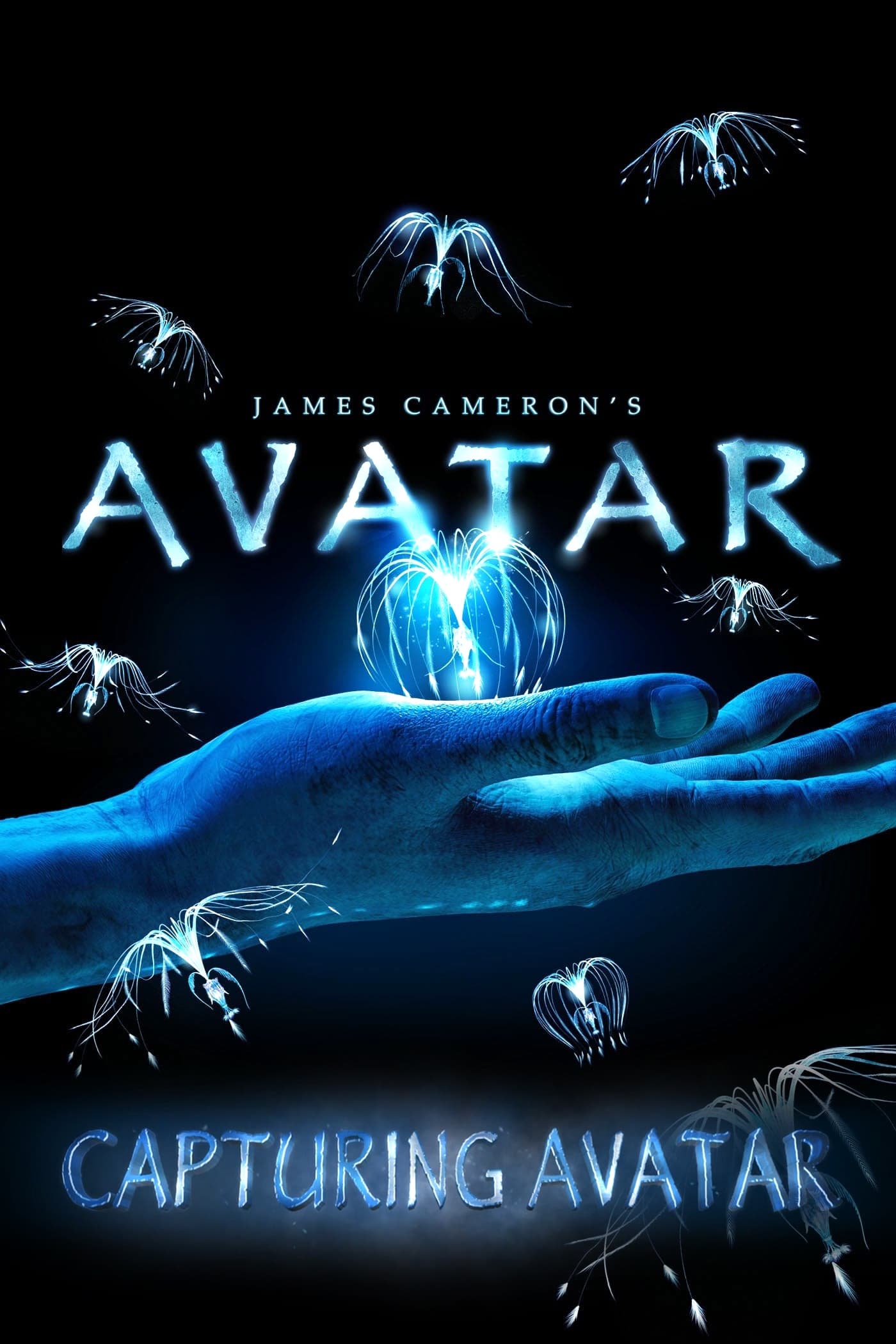
Capturing Avatar is a feature length behind-the-scenes documentary about the making of Avatar. It uses footage from the film's development, as well as stock footage from as far back as the production of Titanic in 1995. Also included are numerous interviews with cast, artists, and other crew members. The documentary was released as a bonus feature on the extended collector's edition of Avatar.
A glimpse into the raw and simple power of nature through encounters with farm animals: the eponymous Gunda, a mother pig; two cows, and a one-legged chicken.
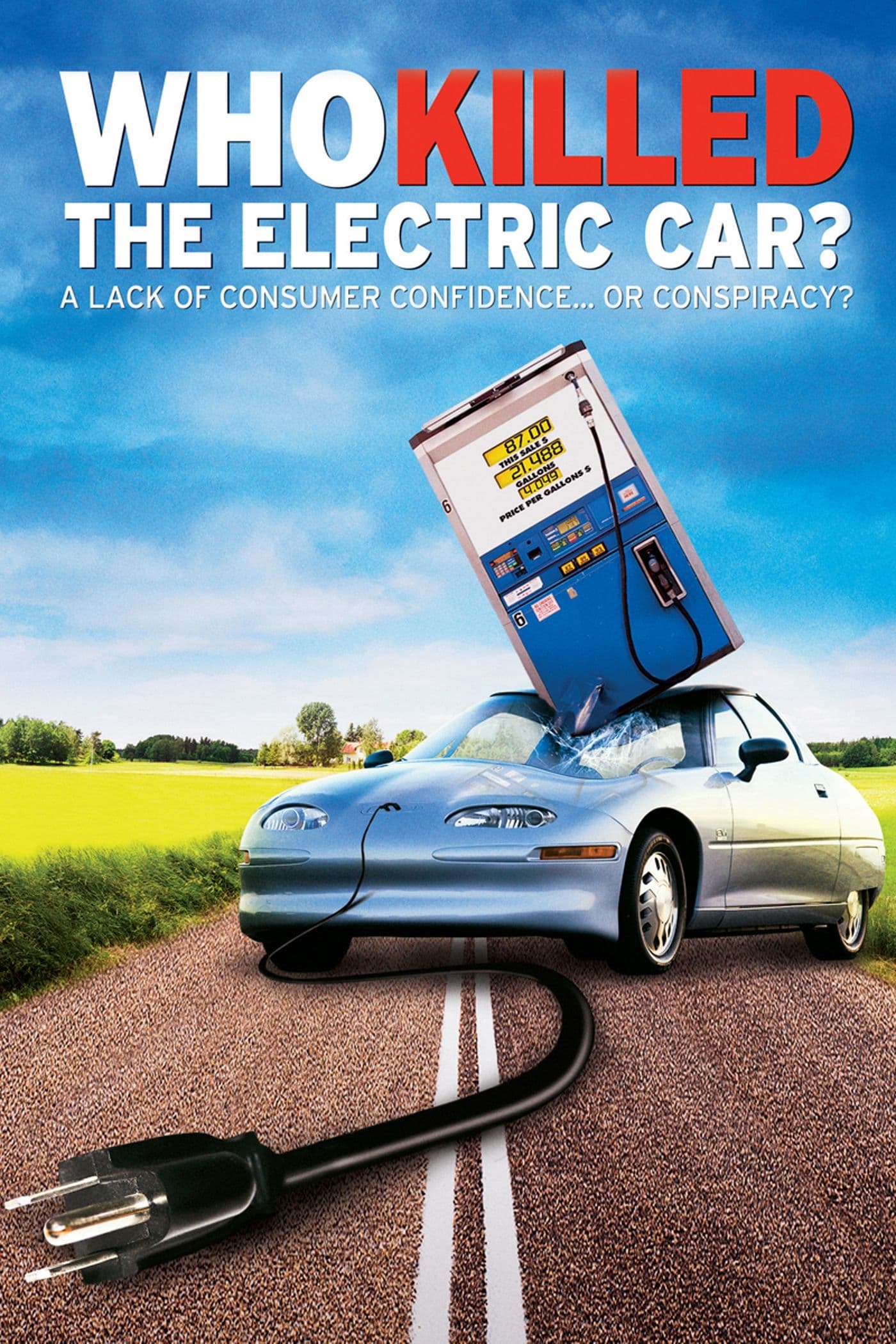
In 1996, electric cars began to appear on roads all over California. They were quiet and fast, produced no exhaust, and ran without gasoline... Ten years later, these cars were destroyed.
After years of swimming every day in the freezing ocean at the tip of Africa, Craig Foster meets an unlikely teacher: a young octopus who displays remarkable curiosity. Visiting her den and tracking her movements for months on end he eventually wins the animal’s trust and they develop a never-before-seen bond between human and wild animal.
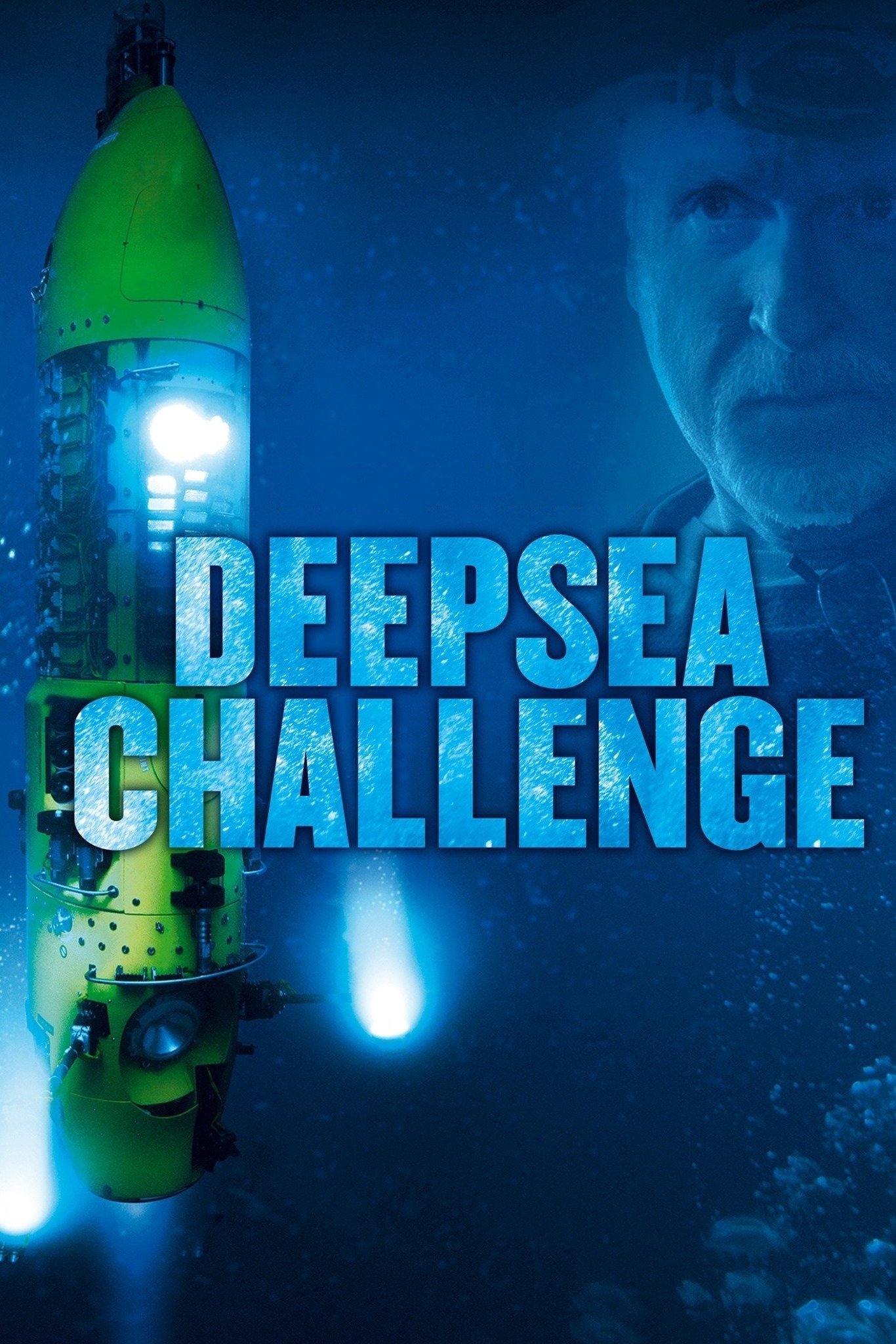
Described as being a film about determination, danger and the ocean’s greatest depths, James Cameron's "Deepsea Challenge 3D" tells the story of Cameron’s journey to fulfill his boyhood dream of becoming an explorer. The movie offers a unique insight into Cameron's world as he makes that dream reality – and makes history – by becoming the first person to travel solo to the deepest point on the planet.
Al Pacino's deeply-felt rumination on Shakespeare's significance and relevance to the modern world through interviews and an in-depth analysis of "Richard III."
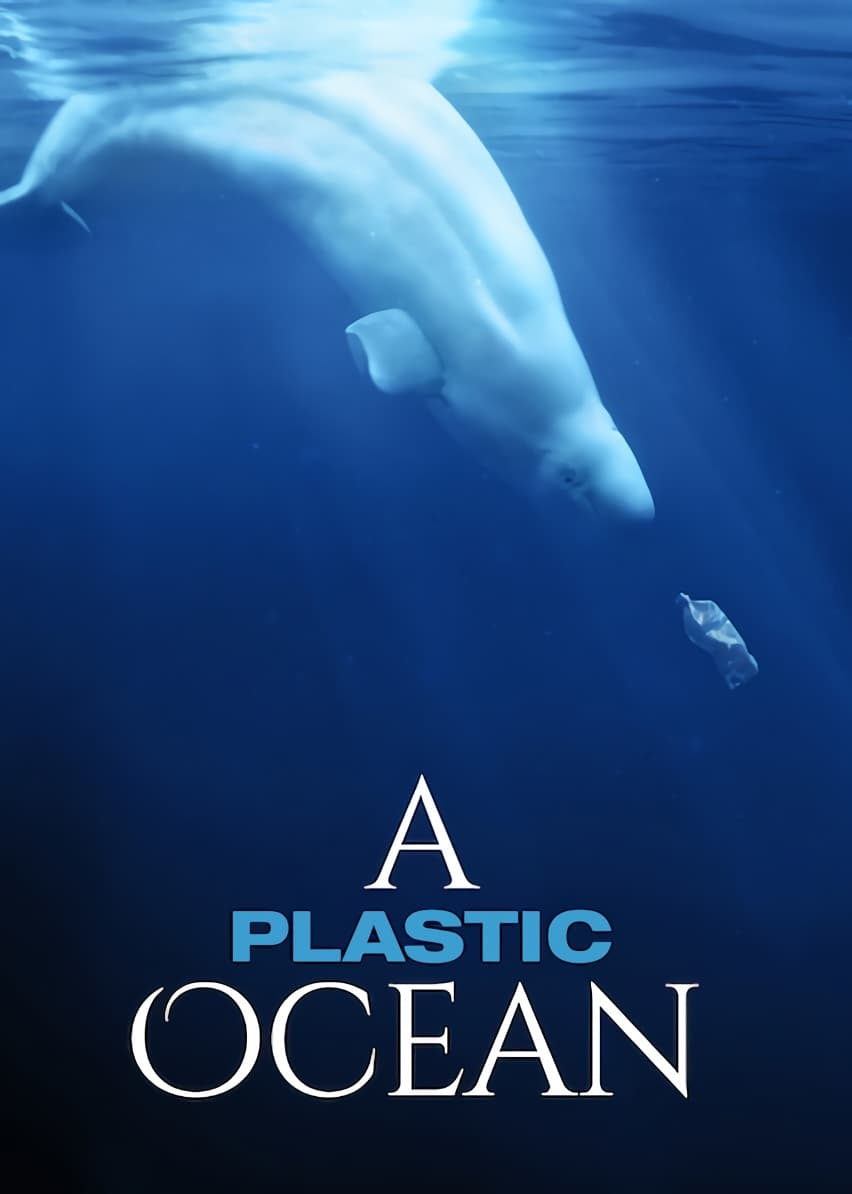
A documentary focused on plastic pollution in the world's oceans.
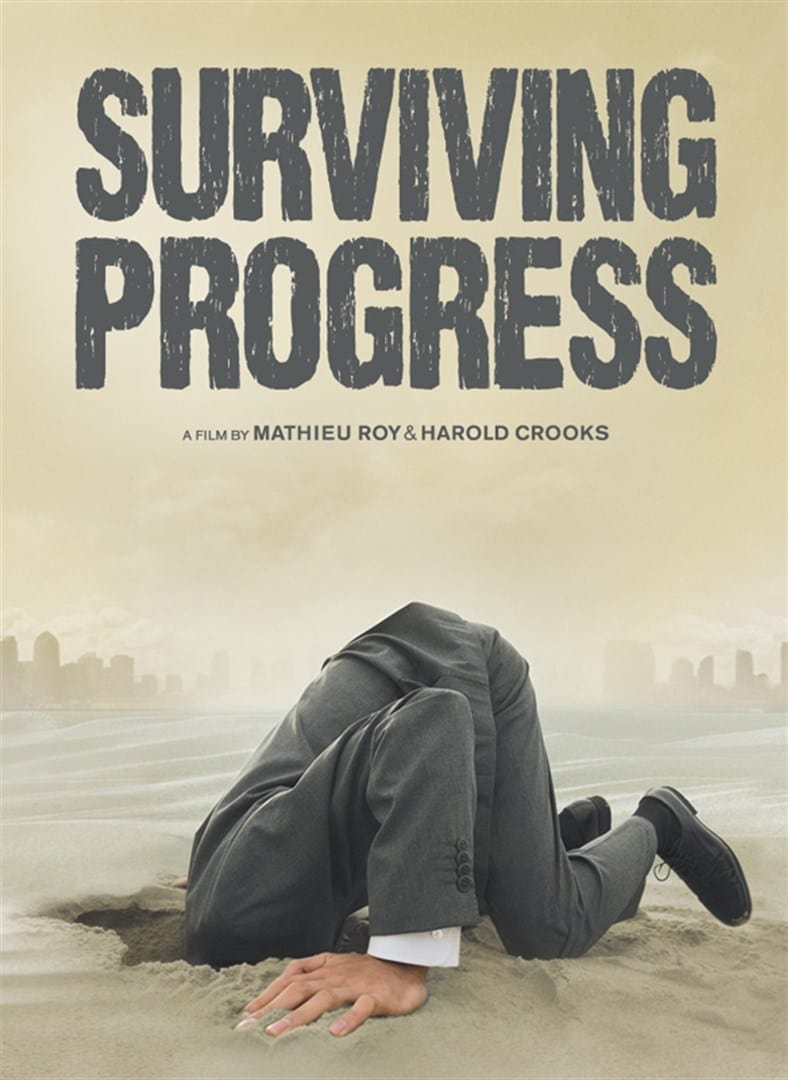
Humanity’s ascent is often measured by the speed of progress. But what if progress is actually spiraling us downwards, towards collapse? Ronald Wright, whose best-seller, “A Short History Of Progress” inspired “Surviving Progress”, shows how past civilizations were destroyed by “progress traps”—alluring technologies and belief systems that serve immediate needs, but ransom the future. As pressure on the world’s resources accelerates and financial elites bankrupt nations, can our globally-entwined civilization escape a final, catastrophic progress trap? With potent images and illuminating insights from thinkers who have probed our genes, our brains, and our social behaviour, this requiem to progress-as-usual also poses a challenge: to prove that making apes smarter isn’t an evolutionary dead-end.
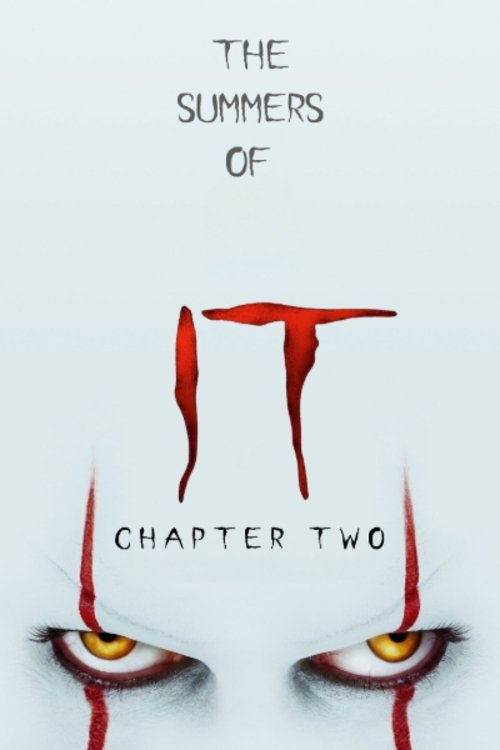
This documentary focuses on the actors and their journey over two summers to create the remake to the original IT, by Stephen King. The documentary originally released as bonus material, bundled with IT: Chapter Two.