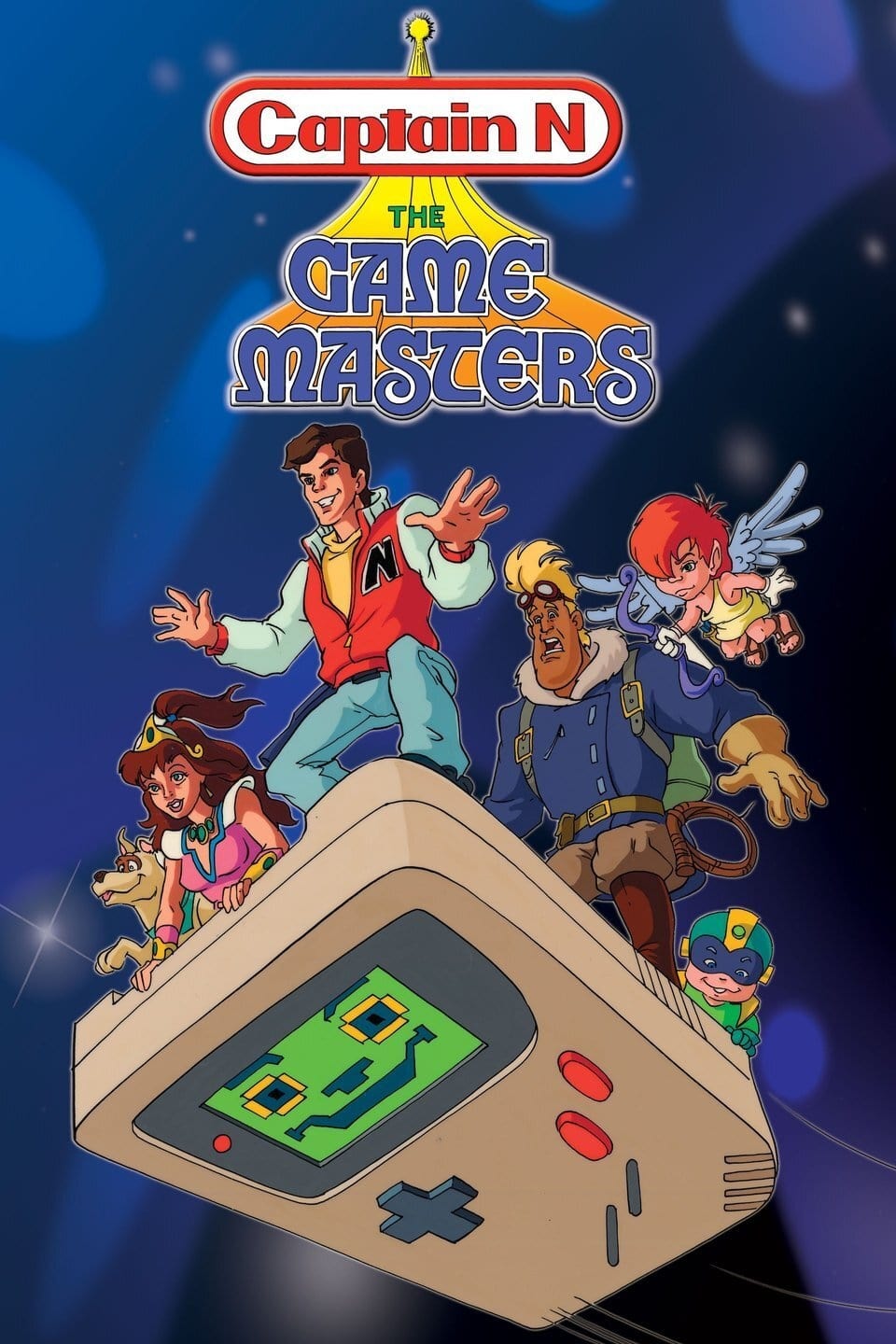
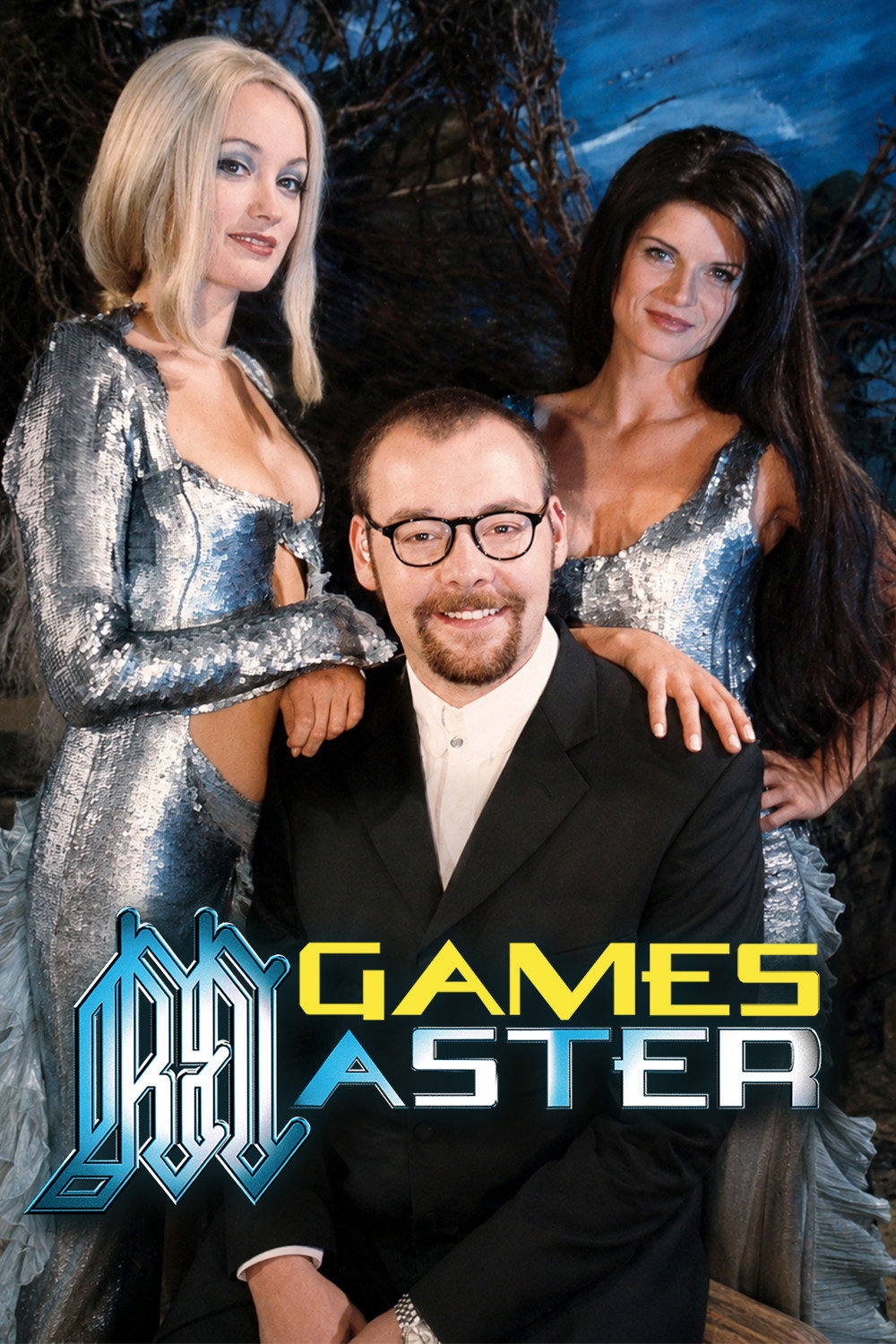
GamesMaster was a British television show, screened on Channel 4 from 1992 to 1998, and was the first ever UK television show dedicated to computer and video games.

Social & External
GamesMaster
Self - Presenter
The second version of the American television game show.
Britain's ultimate puzzler. At the start of each episode, six super smart strangers are split into two teams of three. The two teams try to accrue the most points through their powers of puzzling deduction. Every area of our player's mind will be tested across five puzzling rounds – In Other Words (language), Pressure Points (calculation), Rule Breakers (lateral thinking), Picture This (visual intelligence) and Memory Bank (memory). Then, in a dramatic plot twist, the winning team turn on each other to be named the ‘Best of the Best' and earn a place in the series Grand Final where the ultimate puzzler will be crowned.
In a Temple filled with lost treasures and protected by mysterious Mayan temple guards, six teams of two children compete to retrieve one of the historical artifacts in the Temple by performing physical stunts and answering questions based on history, mythology, and geography. After three elimination rounds, only one team remains, who then earns the right to go through the Temple to retrieve the artifact within three minutes and win a grand prize.
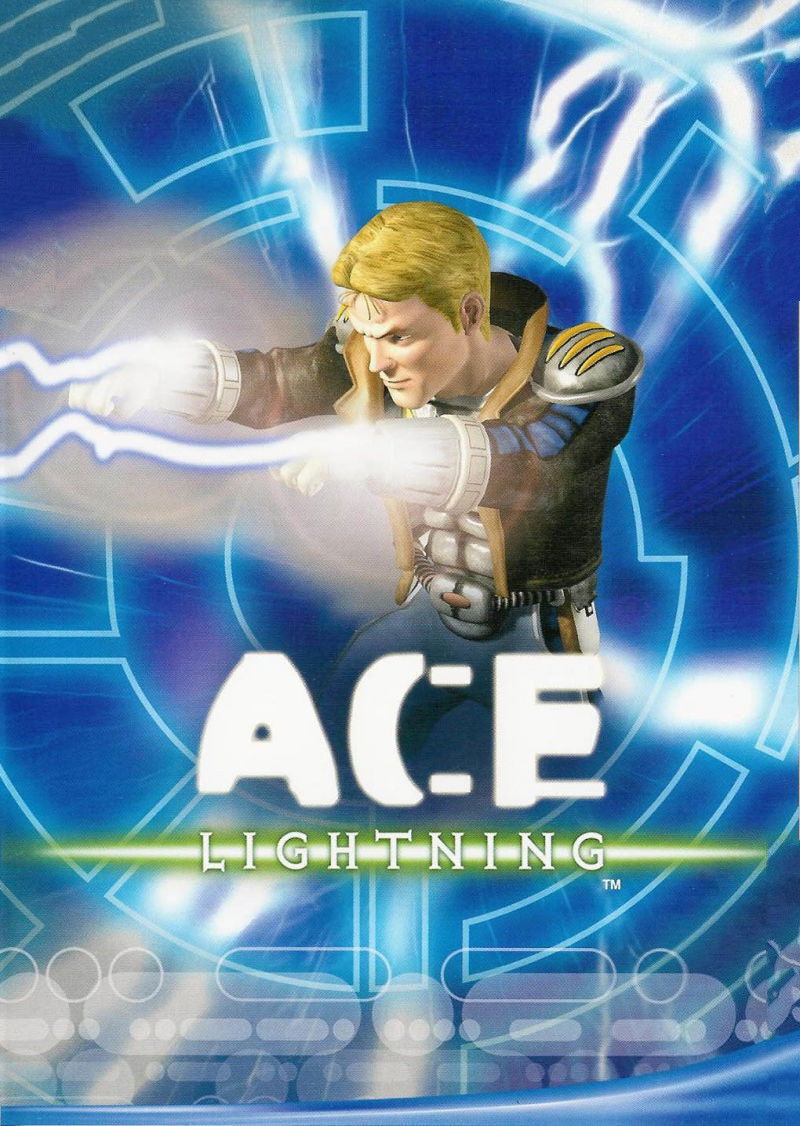
Ace Lightning is a children's television series co-produced by the BBC and Alliance Atlantis, which has been broadcast in the United States as well as in the United Kingdom and Australia. The show was filmed in Canada, but the program was set in America. It ran for two seasons, and spawned several books, including a yearbook for the year 2003, an activity book and a companion to the series. A computer game based upon the show was released in 2002. Most of the programme was live-action, although the heroes and villains from the video game were created using CGI. The primary focus of the series is the power of friendship, as well as the battle between good and evil. The series is significant in that until its creation, live action and CGI had not been attempted to such a huge and constant degree within a weekly television serial.
Danish version of the British “Taskmaster” panel show in which comedians, actors and musicians (the contestants) must solve weird challenges in weird ways.
The show is divided into several segments, each one offering contestants prizes in return for achieving a set of challenges or game tasks given by the host. The prizes offered range from cars and motorcycles to gold, cash, vacation packages and household items. The show is funded by sponsors, advertisers and commercial brands
Bamzooki is a mixed reality television gameshow on the BBC which features a toolkit developed by Gameware Development. The first series aired in March 2004 on CBBC. The show was presented by Jake Humphrey. It has occasionally featured specials with Sophie McDonnell. In July 2008, it was announced on CBBC on BBC One that Bamzooki was returning. A new thirteen part series began in November 2009 and was now hosted by Barney Harwood and Gemma Hunt.
Bad Influence! is an early to mid-1990s British factual television programme broadcast on CITV between 1992 and 1996, and was produced in Leeds by Yorkshire Television. It looked at video games and computer technology, and was described as a "kid’s Tomorrow's World". It was shown on Thursday afternoons and had a run of four series of between 13 and 15 shows, each of 20 minutes duration. For three of the four series, it had the highest ratings of any CITV programme at the time. Its working title was Deep Techies, a colloquial term derived from 'techies' basically meaning technology-obsessed individuals.
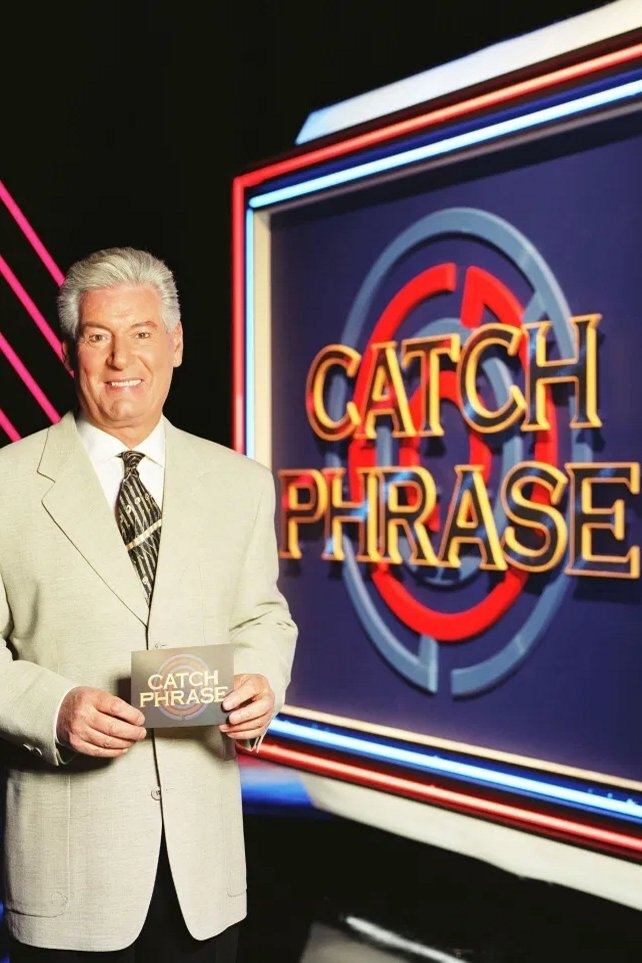
Catchphrase is a British game show based on the short-lived U.S. game show of the same name. It originally aired on ITV in the United Kingdom between 12 January 1986 and 19 December 2002. It was presented by Northern Irish comedian Roy Walker from 1986–1999; followed by Nick Weir from 2000–2002, and Mark Curry in 2002. In the original series, two contestants, one male and one female would have to identify the familiar phrase represented by a piece of animation accompanied by background music. The show's mascot, a golden robot called "Mr. Chips", appears in many of the animations. In the revived version of the show, the same format remains, but there are three contestants. In August 2012, it was announced that Stephen Mulhern would host a revived version of the show beginning on 7 April 2013. On 21 August 2013, it was confirmed that Catchphrase has been re-commissioned for a second series, following the success of the first.
A game show based on the Carmen Sandiego computer game series created by Brøderbund Software.
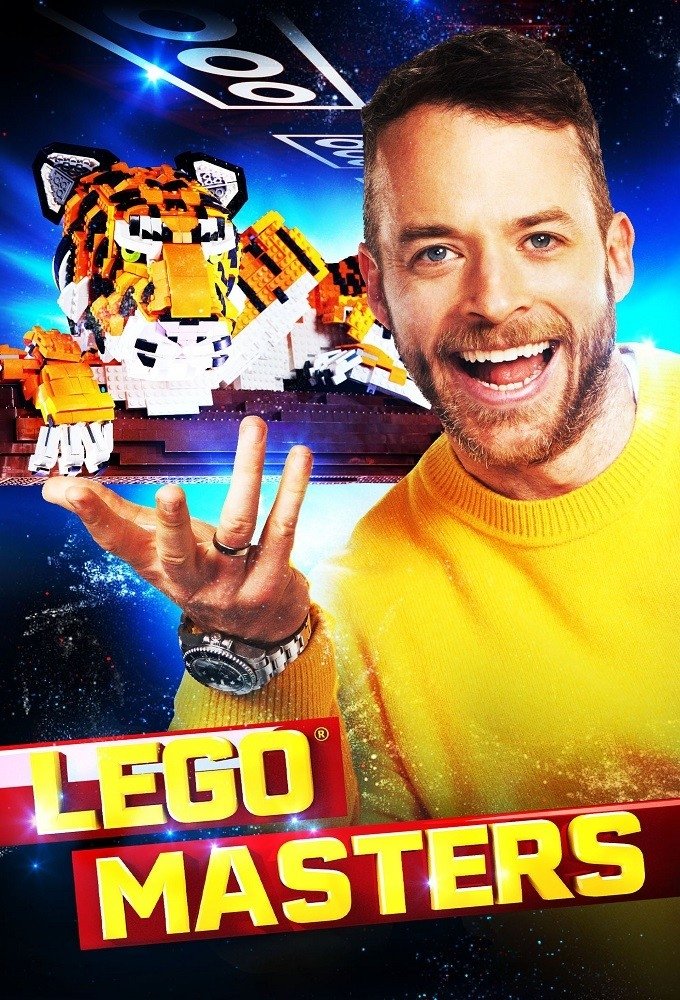
Eight pairs of Brick heads are pitted against each other in a quest to impress with their creativity, design and flair, driven by their unparalleled passion for the possibilities that will start with a single LEGO brick.
Young athletes between the ages of 10 and 13 show what they are made of in the youth version of "Ninja Warrior Germany" in various obstacle courses. Only those who demonstrate courage, strength, endurance and skill can master the difficult tasks and win the respective age group.
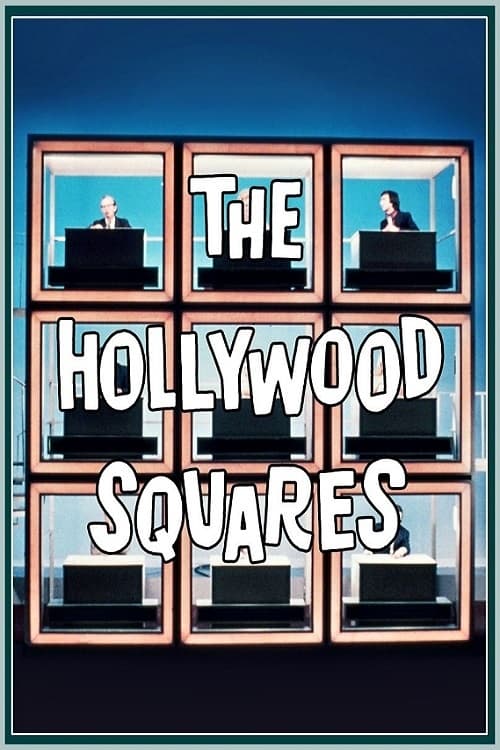
Hollywood Squares is an American panel game show, in which two contestants play tic-tac-toe to win cash and prizes. The "board" for the game is a 3 × 3 vertical stack of open-faced cubes, each occupied by a celebrity seated at a desk and facing the contestants. The stars are asked questions by the host, or "Square-Master", and the contestants judge the veracity of their answers in order to win the game. Although Hollywood Squares was a legitimate game show, the game largely acted as the background for the show's comedy in the form of joke answers, often given by the stars prior to their "real" answer. The show's writers usually supplied the jokes. In addition, the stars were given question subjects and plausible incorrect answers prior to the show. The show was scripted in this sense, but the gameplay was not. In any case, as host Peter Marshall, the best-known "Square-Master" and the man in whose honor the show's first announcer, Kenny Williams, actually "coined" the term, would explain at the beginning of the Secret Square game, the celebrities were briefed prior to show to help them with bluff answers, but they otherwise heard the actual questions for the first time as they were asked on air.
The hit game show where adults have to answer grade-school level questions to win big is back! And this time, the kids play a bigger role as they help contestants prove that they're smarter than a 5th grader.
A heart-racing quiz show where three competitors must pit their wits and face off against the Chaser, a ruthless quiz genius determined to stop them from winning cash prizes. Each episode is a fast-paced battle of brainpower, where contestants are challenged to think faster than they ever thought possible to answer up to 166 questions across all topics.
In this family-friendly game show, two teams face off to guess Americans' responses to questions covering a variety of topics.
Storybook Squares is a short-lived Saturday morning version of Hollywood Squares for children. The primary difference, apart from having children as contestants, was that it featured celebrities in costume as well-known fictional characters and some as historical figures. As with the adult version, Peter Marshall was host and Kenny Williams was announcer; Williams read the characters' names off a scroll as "The Guardian of the Gate", a role similar to his "Town Crier" on Video Village. The series originally ran on NBC from January 4 to April 19, 1969, with repeats airing until August 30.
In 1989 the two most famous plumbers from Brooklyn burst out of the Nintendo game world and onto television screens across America. The Super Mario Bros. Super Show! aired weekday afternoons and brought Mario, Luigi, Princess Toadstool and King Koopa more thrilling adventures as cartoon characters. And if that weren't enough, each episode also contained live-action segments featuring Mario and Luigi running their Brooklyn plumbing shop - all before they were flushed down a drainpipe into the Mushroom World.
A gameshow hosted by Ant and Dec filled with stunts, sketches, and special guest appearances.
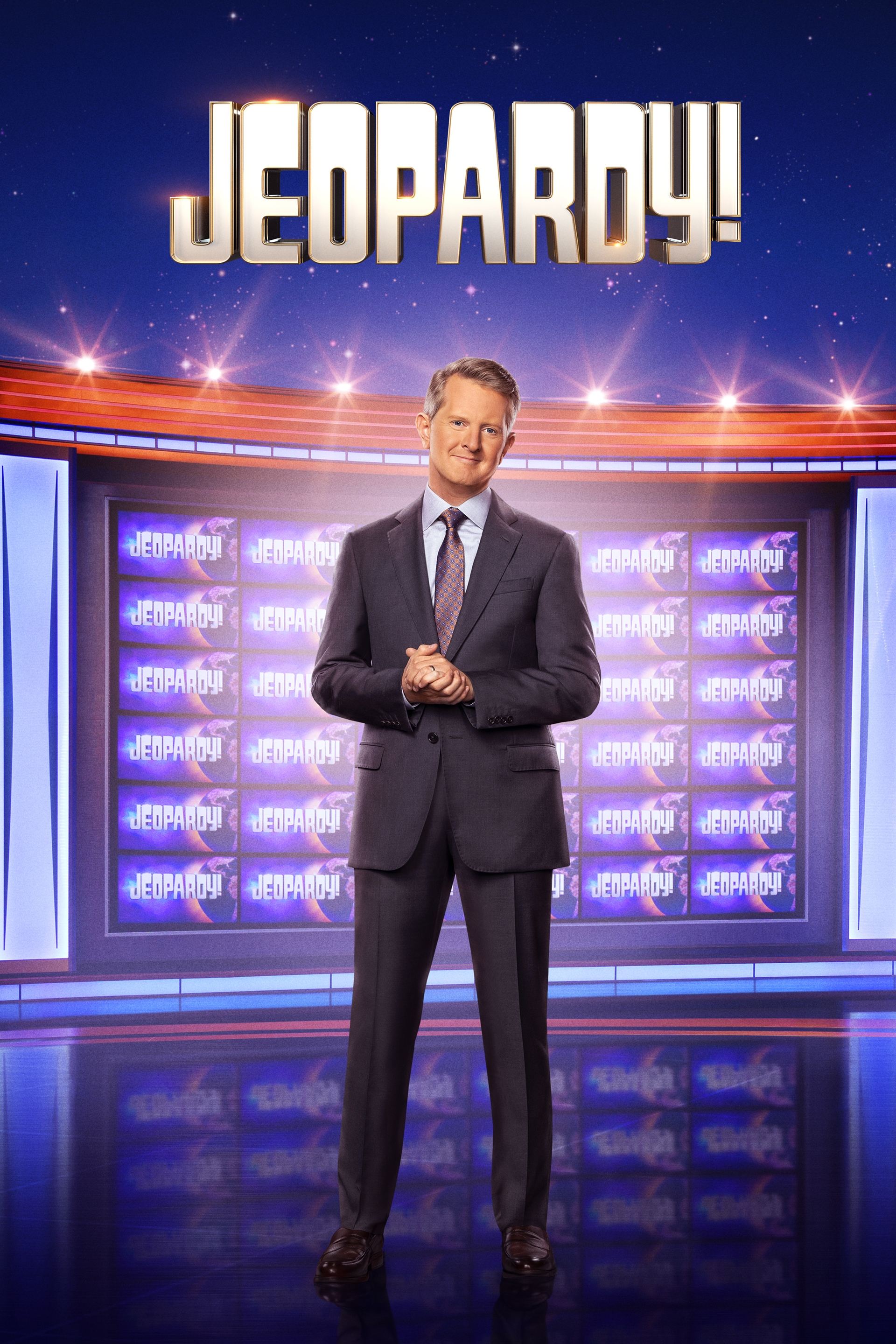
American version of the tense gameshow where contestants tackle a series of multiple-choice questions to win large cash prizes.
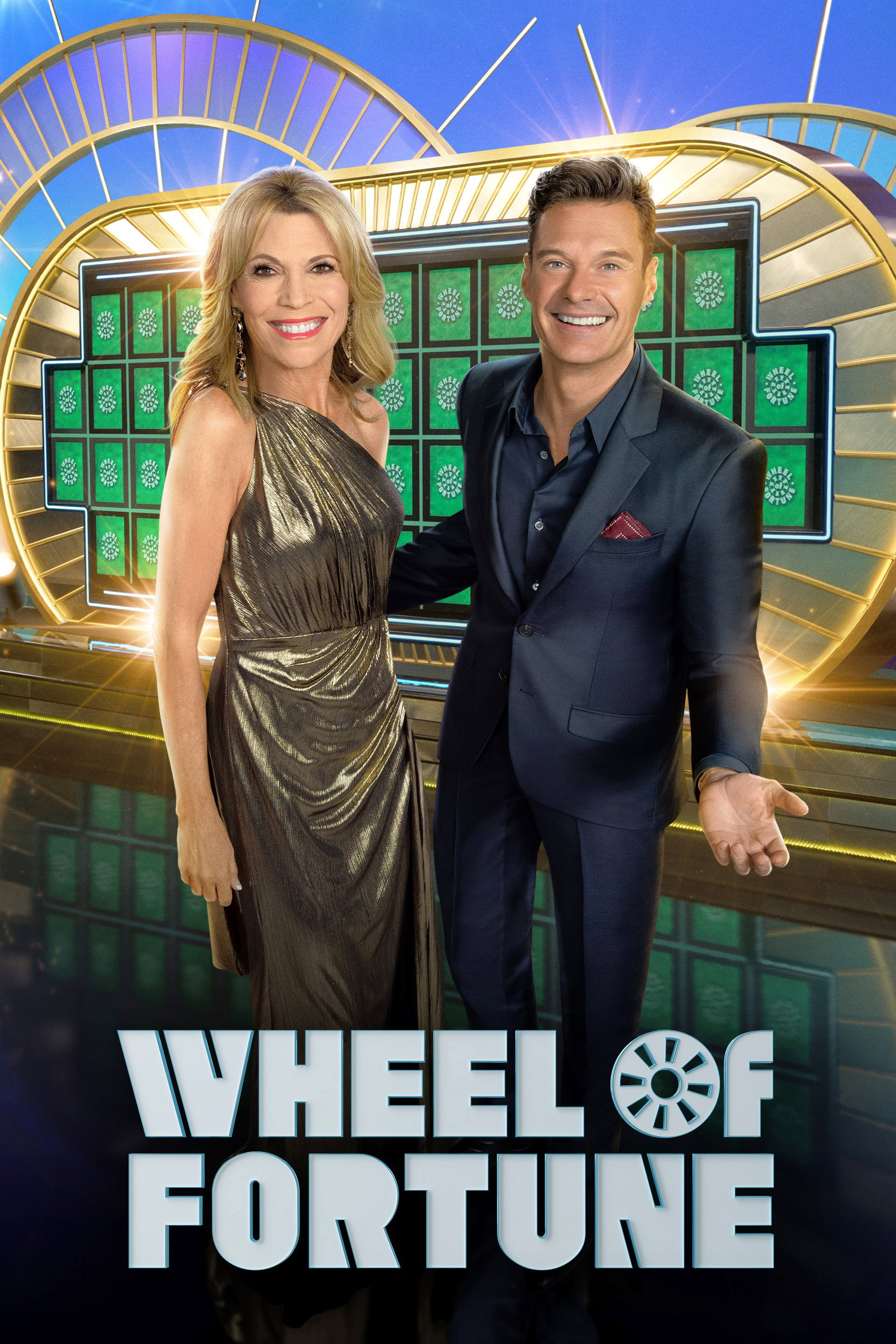
This game show sees contestants solve word puzzles, similar to those used in Hangman, to win cash and prizes determined by spinning a giant carnival wheel.
Takeshi's Castle was a Japanese game show that aired between 1986 and 1990 on the Tokyo Broadcasting System. It featured the Japanese actor Takeshi Kitano as a count who owns a castle and sets up difficult challenges for players to get to him. Contestants throw themselves into daunting physical challenges as they attempt to storm Takeshi's Castle and win the grand prize of one million yen. The show has become a cult television hit around the world. A special live "revival" was broadcast on April 2, 2005, for TBS's 50th anniversary celebrations.
I gathered 1,000 people to fight for $5,000,000, the LARGEST cash prize in TV history! We're also giving away a private island, Lamborghinis, and millions more in cash throughout the competition! Go watch to see the greatest show ever made!
The Angry Video Game Nerd is an adult web television series of comedic retrogaming video reviews created by and starring James Rolfe. The show's format revolves around his commentary and review of older, but unsuccessful video games which are deemed to be of particularly low-quality, unfair difficulty or poor design. The series began as a feature on YouTube and later became a program on ScrewAttack Entertainment before moving to GameTrailers exclusively. The show was renamed The Angry Video Game Nerd to prevent any trademark issues with Nintendo and due to the fact he started reviewing games from non-Nintendo consoles such as those made by Atari and Sega. Rolfe's character, "The Nerd" is a short-tempered and foul-mouthed video game fanatic. He derives comic appeal from excessive and inventive use of anger, profanity, and habitual consumption of alcohol while reviewing video games.
Two families compete against each other in a contest to name the most popular responses to a survey question posed to 100 people.
Footage from the popular game show, Takeshi's Castle has been re-edited, re-written and re-voiced into a hilarious, intentionally over-produced, modern "action/X-treme" sports show.
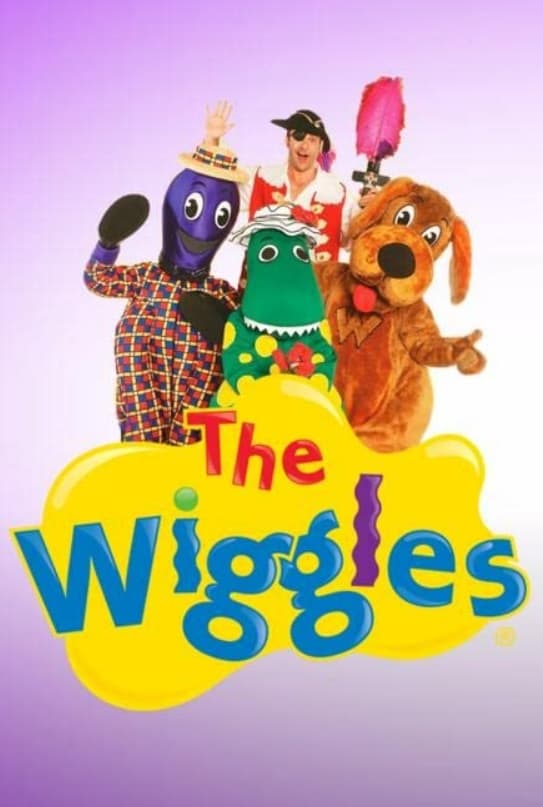
A show geared for babies up to older toddlers. This show is full of music, teaching kids songs and easy dances.
The Chase isn’t just a quiz… it’s a race, where the players must ensure they stay one step ahead of ‘The Chaser’, a ruthless quiz genius determined to stop them winning at all costs.
A five-person team comprised of a thief, a grifter, a hacker, and a retrieval specialist, led by former insurance investigator Nathan Ford, use their skills to fight corporate and governmental injustices inflicted on ordinary citizens.
Wizarding World fans put their Harry Potter knowledge to the test for the ultimate honor to be named House Cup champion.
The show where everything's made up and the points don't matter. Not a talk show, not a sitcom, not a game show, Whose Line Is It Anyway? is a completely unique concept to network television. Four talented actors perform completely unrehearsed skits and games in front of a studio audience. Host Drew Carey sets the scene, with contributions from the audience, but the actors rely completely on their quick wit and improvisational skills. It's genuinely improvised, so anything can happen - and often does.
The sparkling notes of a trumpet fanfare and the familiar logo of the sun alert viewers that it's time for CBS's Sunday morning staple. Journalist Jane Pauley helms the show, taking over hosting duties from Charles Osgood, who spent 22 years on the job. A morning talk show, this program airs at a different pace and focuses much of its attention on the performing arts. After a quick update of the day's news and national weather, correspondents offer longer-length segments on a variety of topics, from architecture to ballet to music to pop culture to politics.
Hundreds of years from now, the last surviving humans discover the means of sending consciousness back through time, directly into people in the 21st century. These "travelers" assume the lives of seemingly random people, while secretly working as teams to perform missions in order to save humanity from a terrible future.
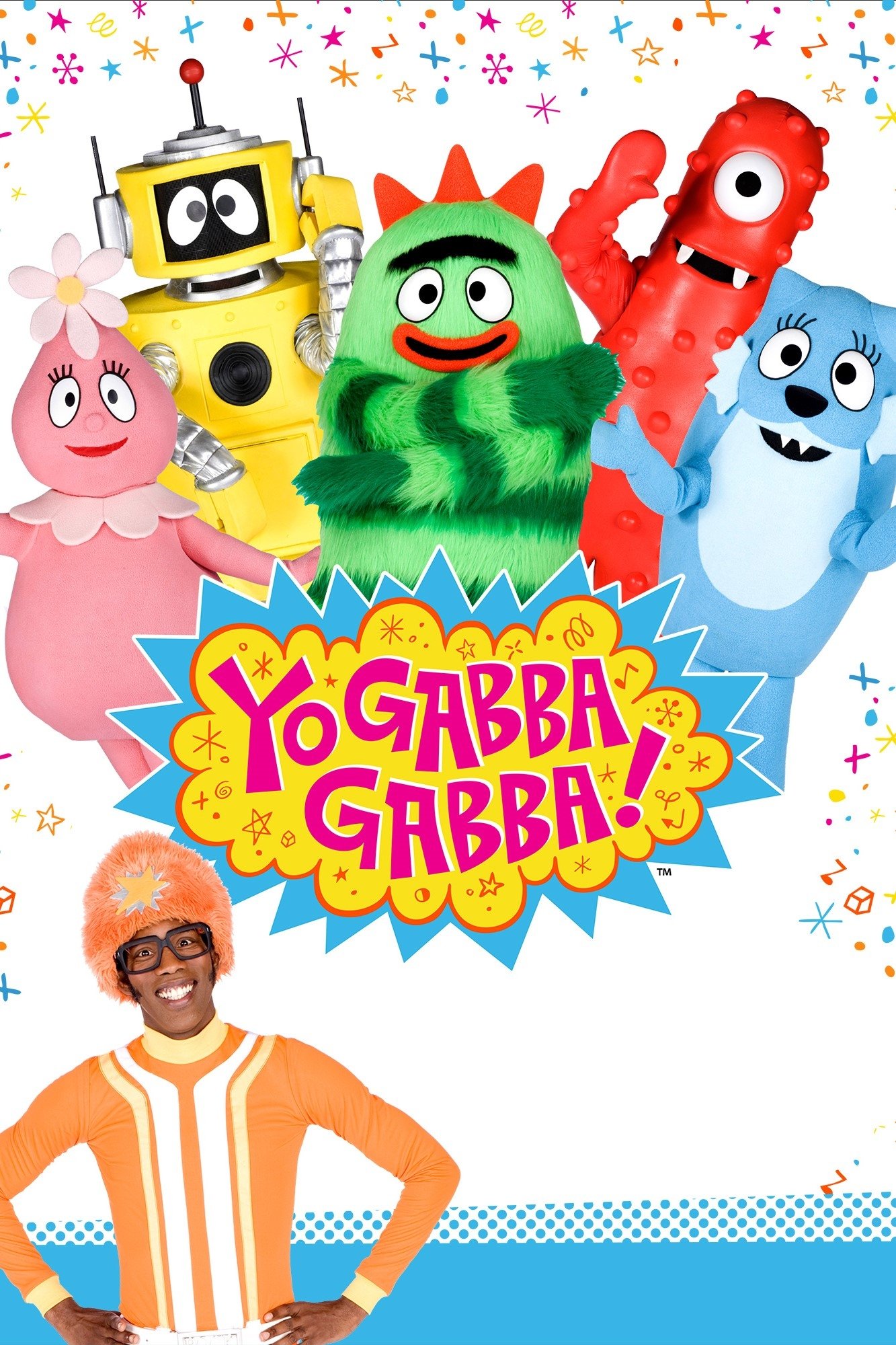
Yo Gabba Gabba! is an American children's television show that airs on the Nick Jr. cable network in the United States and the Nick Jr. networks in the United Kingdom & Ireland, Italy, France and Australia as well as Treehouse TV network in Canada and RTE2 on RTÉjr in Ireland. The show stars five costumed toys-come-to-life and their friend DJ Lance Rock, who explore a single topic in each episode through songs and short storylines in the half-hour program while teaching children life and social skills. It also encourages viewers to move along with and dance with the characters in the program. The show is noted for its indie-culture guest stars and bands, and for drawing visual inspiration from 8-bit video games and H. R. Pufnstuff.
The Amanda Show is an American live action sketch comedy and variety show that aired on Nickelodeon from October 16, 1999 to September 21, 2002. It starred Amanda Bynes, Drake Bell, and Nancy Sullivan, along with several performing artists who came and left at different points, such as John Kassir, Raquel Lee, and Josh Peck. The show was a spin-off from All That, in which Bynes had co-starred for several years. The show was unexpectedly cancelled at the end of 2002, according to creator Dan Schneider's blog. Writers for the show included John Hoberg, Steven Molaro, Andrew Hill Newman, and Dan Schneider. Two years after the end of The Amanda Show, Dan Schneider created a new series, called Drake & Josh, featuring Drake Bell, Josh Peck and Nancy Sullivan.
20/20 is an American television newsmagazine that has been broadcast on ABC since June 6, 1978. Created by ABC News executive Roone Arledge, the show was designed similarly to CBS's 60 Minutes but focuses more on human interest stories than international and political subjects. The program's name derives from the "20/20" measurement of visual acuity. The hour-long program has been a staple on Friday evenings for much of the time since it moved to that timeslot from Thursdays in September 1987, though special editions of the program occasionally air on other nights.
The adventures of a larger-than-life red dog on Bridwell Island.