What role will the moon play in man's next attempts to conquer space?
Stream
Social & External
Dive into the mysteries of some of NASA’s most curious missions and explore stories of engineering achievement and human endurance. Each episode offers first hand testimony from astronauts, NASA mission footage, plus beautifully rendered CGI to bring to life these voyages that reveal unexplained sightings that have dogged many of NASA’s most famous missions.
An unprecedented look at the decade-long odyssey to land a man on the moon. This documentary pulls back the curtain on the familiar narrative of the moonshot, revealing a fascinating stew of scientific innovation, political calculation, media spectacle, visionary impulses and personal drama.
July 20, 1969. Nearly six hundred million people have their eyes glued to their televisions: Neil Armstrong is just about to make one of mankind’s oldest dreams come true. After more than twenty years of intense struggle between the Americans and the Soviets, the biggest adventure for humanity in the 20th century has just been achieved. As a climax of the Cold War, the conquest of the moon was a true saga, passionate, epic and filled with twists and turns. It wasn’t just a scientific competition between East and West; It was also a fabulous adventure combining political history, technological exploits, acts of bravery and personal dramas.
Voyage across the solar system with Professor Brian Cox and explore the new discoveries, natural wonders and strange mysteries on the diverse worlds that orbit the sun.
Search for Second Earth brings to life, in breathtaking CGI, an epic future journey that our species has already begun: the voyage of an autonomous spacecraft to a planet beyond our Solar System in search of life. Join NASA planetary explorers Gentry Lee and Steve Squyres; and exo-planet hunters Sara Seager, Francois Forget and Natalie Batalha on their quest to find life beyond Earth.
The inside stories of how the unknown engineers of NASA created such superior machines as the Saturn V moon rocket, the Space Shuttle, and the Hubble Space Telescope, often against incredible odds.
A users' guide to the cosmos, from the Big Bang to galaxies, stars, planets and moons: where did it all come from and how does it all fit together? A primer for anyone who has ever looked up at the night sky and wondered.
Documentary series tracing mankind's exploration of our solar system.
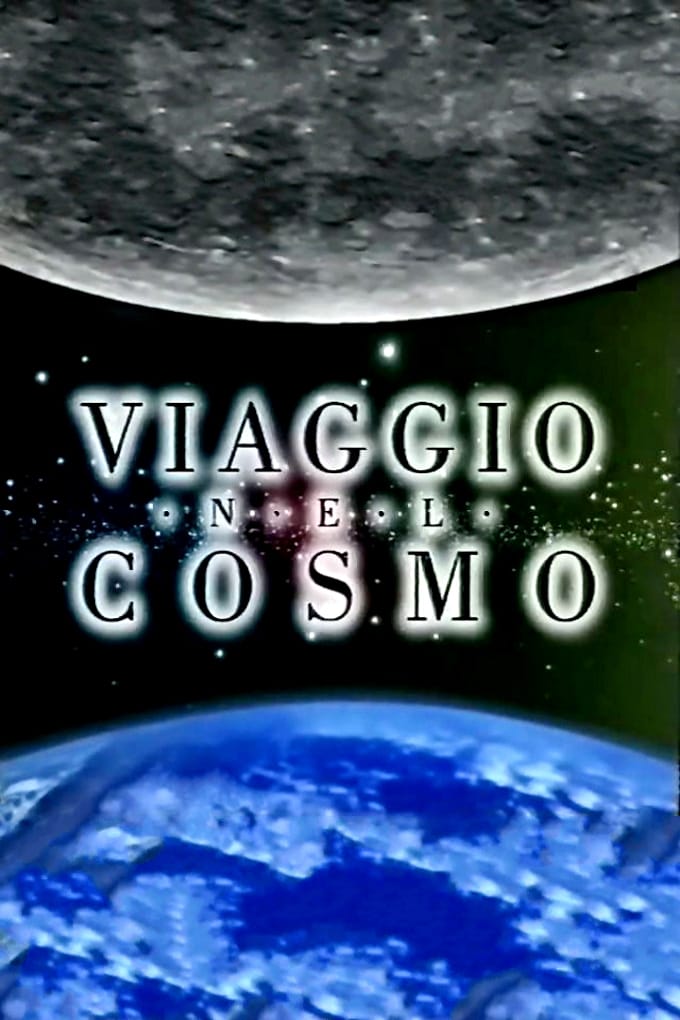
Seven episodes explore the fascinating adventure of the universe. Scientific rigor is complemented by spectacular images created with the aid of cutting-edge technology and special effects, films, animated fact sheets, and astronomical instruments. Piero Angela connects with a replica of himself in space, AstroPiero. A second correspondent, Alberto Angela, connects with the study from astrophysics laboratories and observatories around the world.
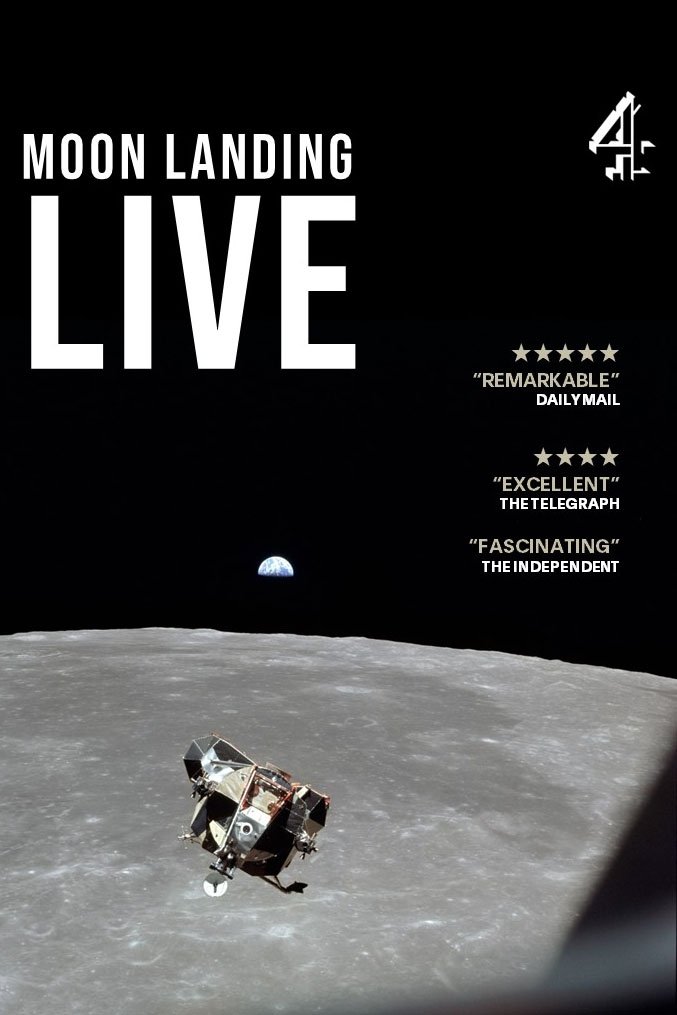
For the 50th anniversary of the Apollo 11 mission, two immersive documentaries gave viewers the chance to re-live this awe-inspiring event as it unfolds in real time, with incredible cinematic NASA footage and global news archive. Episode One relives the drama of the launch, while Episode Two focuses on the landing, as the world followed the nail-biting moments leading up to the first ever boot print of Man on the Moon.
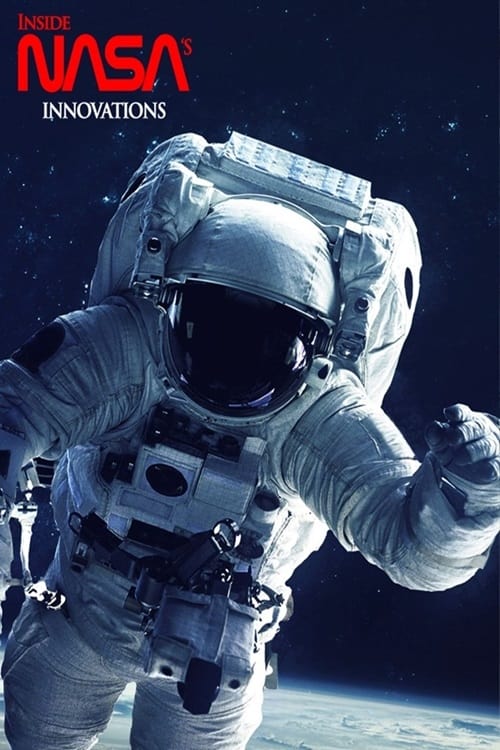
Inside NASA's Innovations takes you behind the scenes with one of the world's leading technology innovators. Find out what it takes to collaborate with NASA in developing the next breakthrough in space exploration.
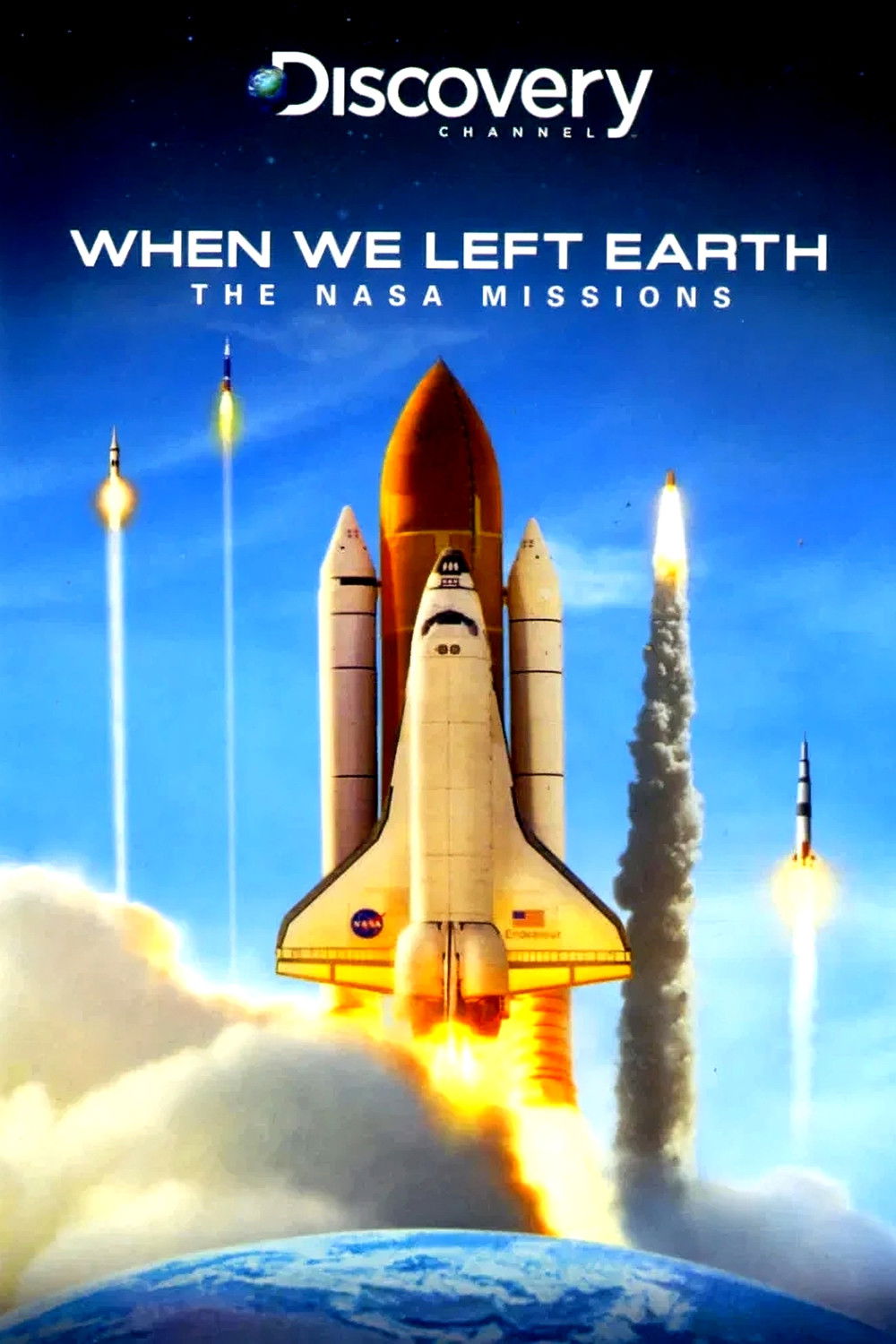
A miniseries documenting American human spaceflight, spanning from the first Mercury flights through the Gemini program to the Apollo moon landings, the Space Shuttle, and the construction of the International Space Station. It was created in association with NASA to commemorate the agency's fiftieth anniversary in 2008.
Professor Brian Cox goes on a grand tour of the planet to explain how the Earth's beauty is created by just a handful of forces.
From training to launch to landing, this all-access docuseries rides along with the Inspiration4 crew on the first all-civilian orbital space mission.
In 2003, Space Shuttle Columbia breaks apart in the skies above America. The astronauts’ families and Nasa staff share personal stories of the launch, unfolding disaster and fallout.
The story of the discovery and exploration of the planets, revealing the deepest secrets of our neighbors in space.
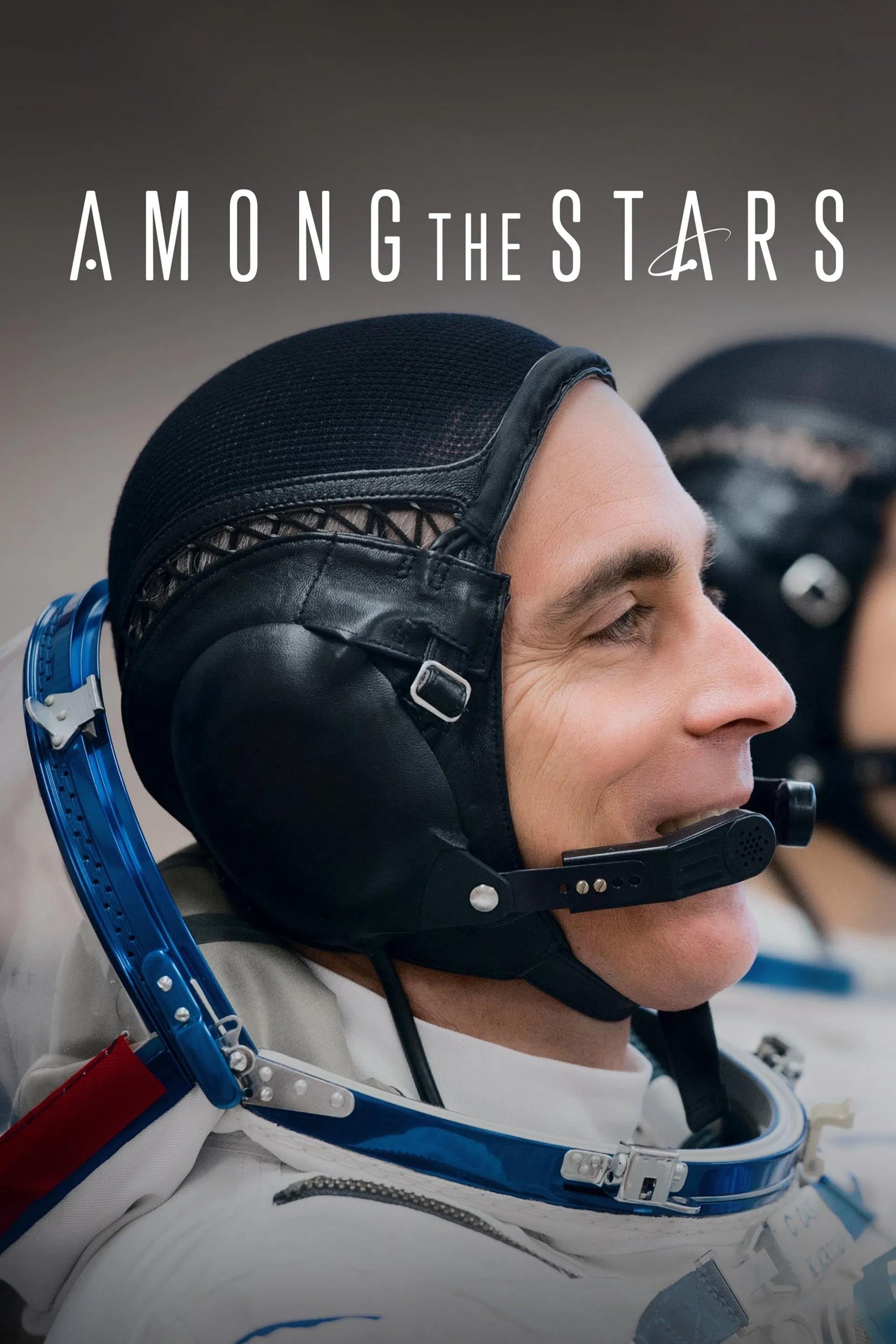
A six-part docuseries with fly on the wall access into the wider world of NASA, with cameras on Earth and in space. NASA astronaut Captain Chris Cassidy is on a quest to get back in his spacesuit for one last mission. This series follows Chris and the wider team who take on missions that risk life, limb and reputation for the greater good of humankind. Join them as their missions unfold.
The human story of space exploration using unique, unexpected archive, present-day footage and first-hand testimony from around the world. This series will connect the past with the present and examine what the consequences are for the future of humankind as we once again head into space.
Host Emily Calandrelli, Harvard scholar and former Nasa employee, takes viewers on incredible journeys through space. She visits various NASA facilities as we search for answers about our universe. Xploration Outer Space is part of the Xploration Station two hour syndicated block airing on Fox stations throughout the country.
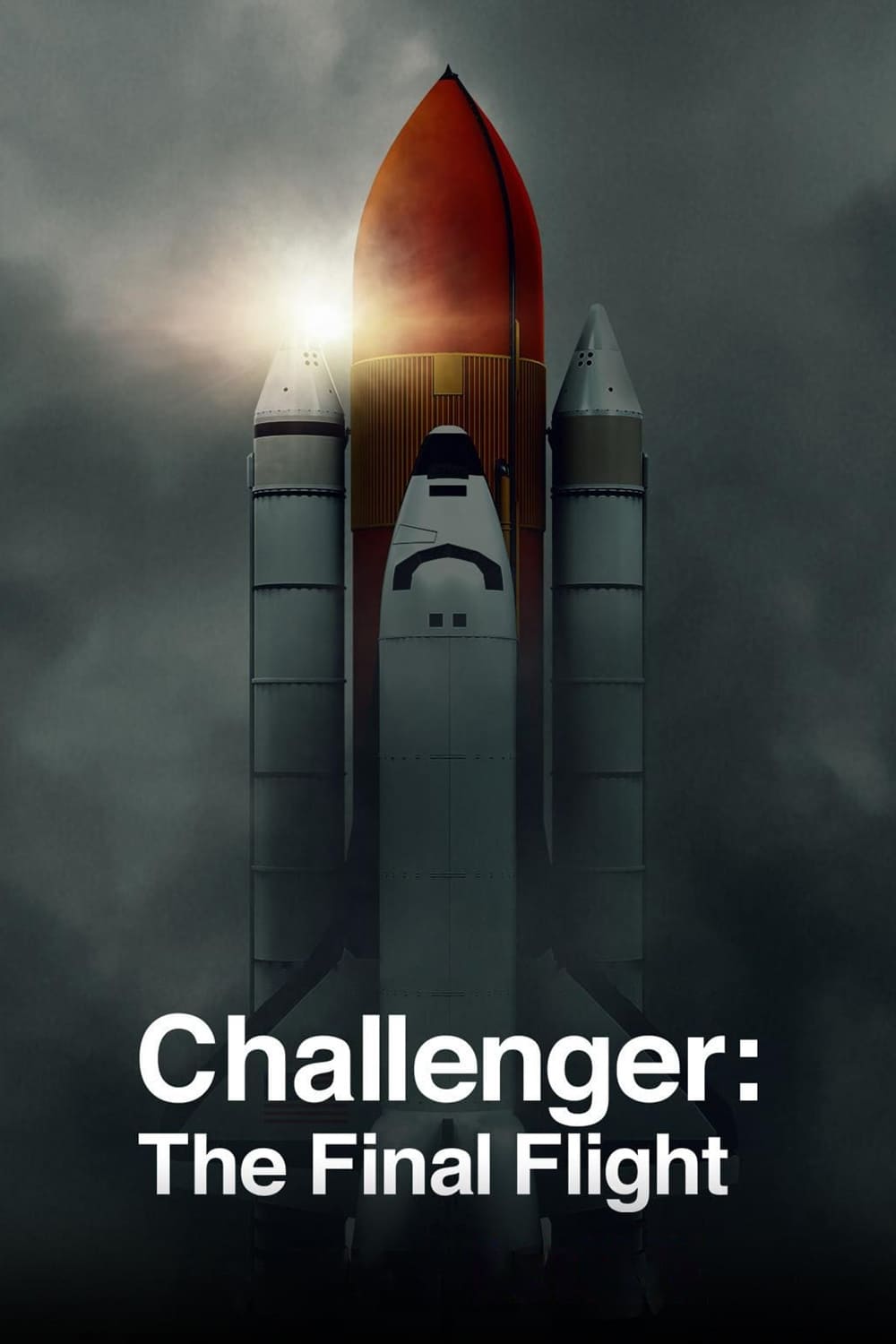
Engineers, officials and the crew members' families provide their perspective on the 1986 Space Shuttle Challenger disaster and its aftermath.
Don Wildman unearths relics from the world's greatest institutions to reveal secrets from the past. He examines each artifact to illuminate history's most incredible triumphs, sensational crimes and bizarre encounters.
Doctor Who Confidential is a documentary to complement the revival of the long-running British science fiction television series Doctor Who. Each episode was broadcast on BBC Three on Saturdays, immediately after the broadcast of the weekly television episode on BBC One. The running time of the first two series was 30 minutes, being extended to 45 minutes in the third. BBC Three also broadcast a cut-down edition of the programme, lasting 15 minutes, shown after the repeats on Sundays and Fridays and after the weekday evening repeats of earlier seasons.
The history of the sport of baseball in America, told through archival photos, film footage, and the words of those who contributed to the game in each era. Writers, historians, players, baseball personnel, and fans review key events and the significance of the game in America's history.
From the planets to the stars and out to the edge of the unknown, history and science collide in a wondrous yet deadly adventure through space and time.
Consistently stunning documentaries transport viewers to far-flung locations ranging from the torrid African plains to the chilly splendours of icy Antarctica. The show's primary focus is on animals and ecosystems around the world. A comic book based on the show, meant to be used an as educational tool for kids, was briefly distributed to museums and schools at no cost in the mid-2000s.
Maritime mysteries—old and new—come to life in this series, combining scientific data and digital re-creations to reveal shipwrecks, treasures, and sunken cities on the bottom of lakes, seas and oceans around the world.
American Masters is a PBS television series which produces biographies on enduring writers, musicians, visual and performing artists, dramatists, filmmakers, and others who have left an indelible impression on the cultural landscape of the United States.
Ghost Hunters International was a spin-off series of Ghost Hunters that aired on Syfy. The series premiered on January 9, 2008. Like its parent series, GHI was a reality series that followed a team of paranormal investigators; whereas, the original series primarily covers only locations within the United States, the GHI team traveled around the world and documented some of the world's most legendary haunted locations.
Horizon tells amazing science stories, unravels mysteries and reveals worlds you've never seen before.
Have you ever wondered how the products you use every day are made? How It's Made leads you through the process of how everyday products, such as apple juice, skateboards, engines, contact lenses, and many more objects are manufactured.
TV's most-watched history series brings to life the compelling stories from our past that inform our understanding of the world today.
Professor Brian Cox explores the dramatic lives of the eight majestic planets/worlds that make up our solar system.
Morgan Freeman presents his quest in order to find how most religions perceive life after death, what different civilizations thought about the act of creation and other big questions that mankind has continuously asked.
Part detective story, part true-life drama, long-running series explores some of the most iconic moments in history to debunk myths and shed new light on past events. Using the latest investigative techniques, forensic science and historical examination, it shatters accepted wisdom, challenges prevailing ideas, overturns existing hypotheses, spotlights forgotten mysteries, and ultimately rewrites history.
Antiques Roadshow is a British television show in which antiques appraisers travel to various regions of the United Kingdom to appraise antiques brought in by local people. It has been running since 1979. There are also international versions of the programme.
30 for 30 is the title for a series of documentary films airing on ESPN, its sister networks, and online highlighting interesting people and events in sports history. This currently includes four "volumes" of 30 episodes each, a 13-episode series under the ESPN Films Presents title in 2011–2012, and a series of 30 for 30 Shorts shown through the ESPN.com website. The series has also expanded to include Soccer Stories, which aired in advance of the 2014 FIFA World Cup, and audio podcasts. This entry refers to the main Volumes of the series presented by ESPN