A documentary edited by Jiří Weiss on the role of Soviet women in the Second World War
Social & External
The people behind it
Claudia Nikolayeva
Viktor Talalikhin
The surprising story of how one of music's biggest icons helped to establish a USS Arizona memorial in Pearl Harbor. Elvis’ fundraising concert drew public attention to the plight and helped to galvanize efforts to finish the USS Arizona Memorial as it stands today.
This short documentary is part of the Canada Carries On series of morale-boosting wartime propaganda films. In Home Front, the various WWII-era social contributions of women are highlighted. From medicine to industrial labour to hospitality, education and domesticity, the service these women provided to their country is lauded.
Stories of 12 gay and lesbian survivors of Nazism and the Holocaust.
Upon Canada's entry into World War II, the RCMP rounded up thousands of people it considered fascist sympathizers. Among them, 700 Italian-Canadians were held for up to three years in internment camps. None were ever charged with a criminal offence.
This documentary takes us back to... ...the troubled days of 1943. A team of young airmen, of the allied forces, is being shot down out the coast of Sifnos. They manage to reach the island and get rescued by the locals. We will get to know our heroes, through the eyes of their descendants and know about their actions that echo to our days.
A WWII film about children evacuated from Britain and sent to Canada for their safety. The film begins in England with children seeking shelter as anti-aircraft guns roar outside. On their arrival in Canada, they are thrilled by the brightly lit cities, powerful Canadian trains, hot dogs and ice cream. They find, too, that instead of becoming Mounties or cowboys, they have to go to school. The closing sequence shows them learning to ski and skate and preparing for Christmas in their new homes.
A wartime documentary following Canadian convoy operations and naval escort duties in the North Atlantic during the early years of World War II.
In this documentary, experts dissect the Battle of Britain, which took place on Sept. 15, 1940 — a day that determined the fate of the nation.
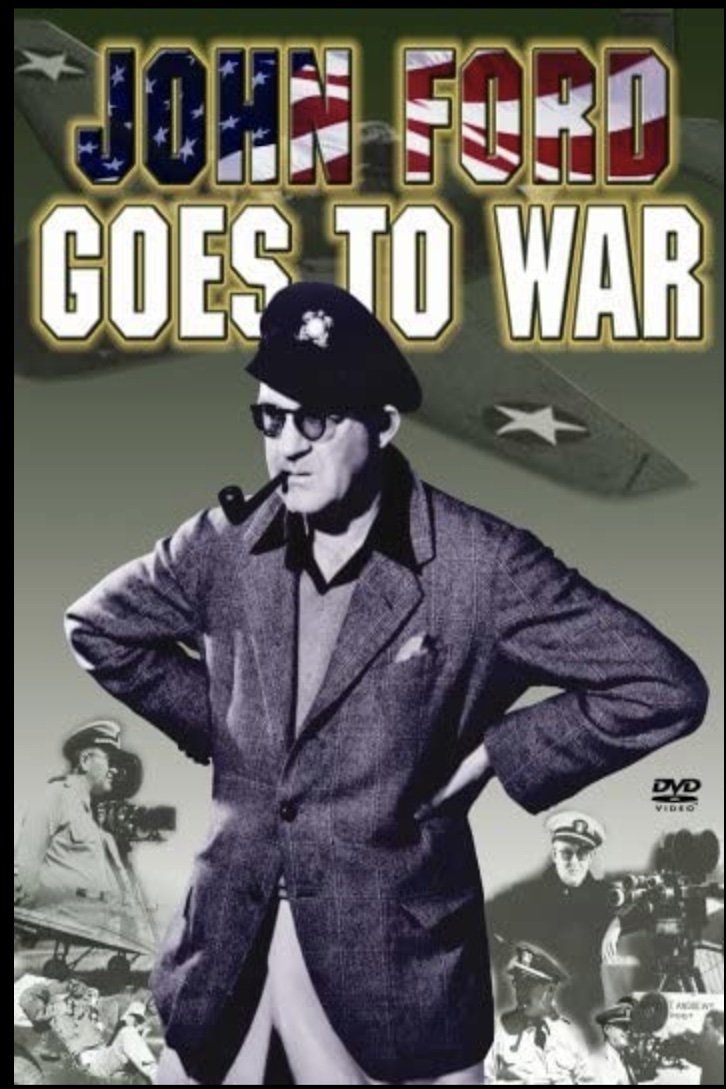
When World War II broke out, John Ford, in his forties, commissioned in the Naval Reserve, was put in charge of the Field Photographic Unit by Bill Donavan, director of the soon-to-be-OSS. During the war, Field Photo made at least 87 documentaries, many with Ford's signature attention to heroism and loss, and many from the point of view of the fighting soldier and sailor. Talking heads discuss Ford's life and personality, the ways that the war gave him fulfillment, and the ways that his war films embodied the same values and conflicts that his Hollywood films did. Among the films profiled are "Battle of Midway," "Torpedo Squadron," "Sexual Hygiene," and "December 7."
A dramatised account of Norwegian fishermen outwitting occupational forces during World War II, directed by Jiří Weiss and written by acclaimed author Laurie Lee.
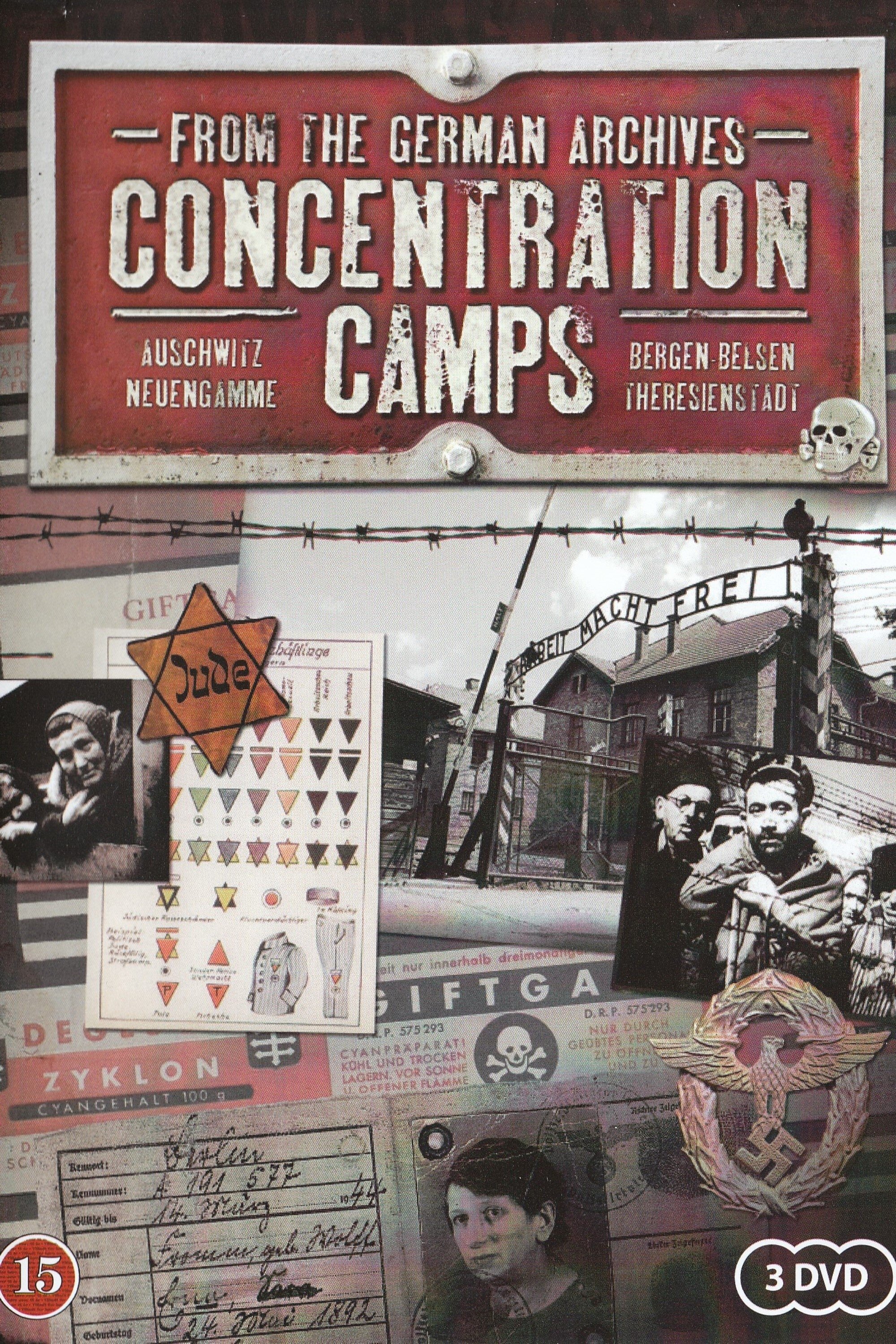
This chilling, vitally important documentary was produced to mark the 40th anniversary of the liberation of Auschwitz Concentration Camp. The film contains unedited, previously unavailable film footage of Auschwitz shot by the Soviet military forces between January 27 and February 28, 1945 and includes an interview with Alexander Voronsov, the cameraman who shot the footage. The horrifying images include: survivors; camp visit by Soviet investigation commission; criminal experiments; forced laborers; evacuation of ill and weak prisoners with the aid of Russian and Polish volunteers; aerial photos of the IG Farben Works in Monowitz; and pictures of local people cleaning up the camp under Soviet supervision. - Written by National Center for Jewish Film
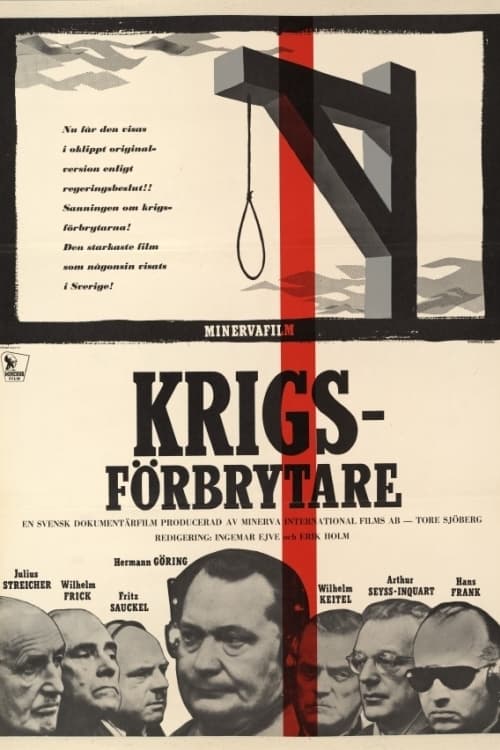
Documents the major trial of the Nazi war criminals and the violent acts that they were accused of.
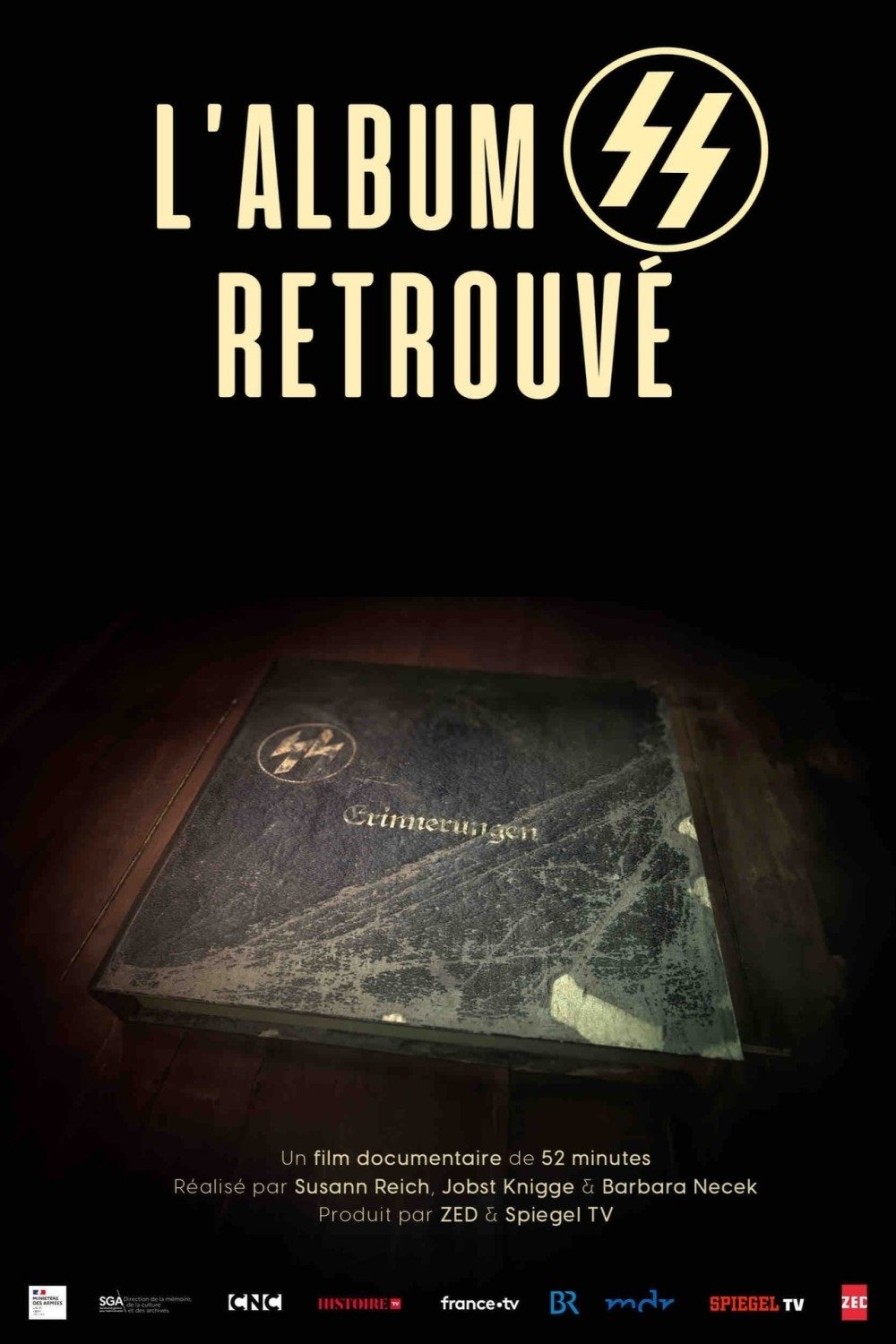
In 2016, an album containing 250 previously unseen photos of Nazi officials was discovered in the USA by Stephan Hördler, a prominent Holocaust historian, who immediately understood the album's inestimable value. The album brings together photographs of a "group of friends," all from the same region of Germany, all of whom became SS men. From 1928 to 1943, the photo album allows us to follow their journey. Hördler conducted the investigation, comparing the photos in the album with other, better-known ones, the faces of these men with those of concentration camp officials, and ultimately revealed that it was at Lichtencburg that these young men were trained, a "school" for future camp executioners, and the bonds of camaraderie and informal network that would allow them to help each other, even after the war.
This short film gives background on the Free French movement during World War II.
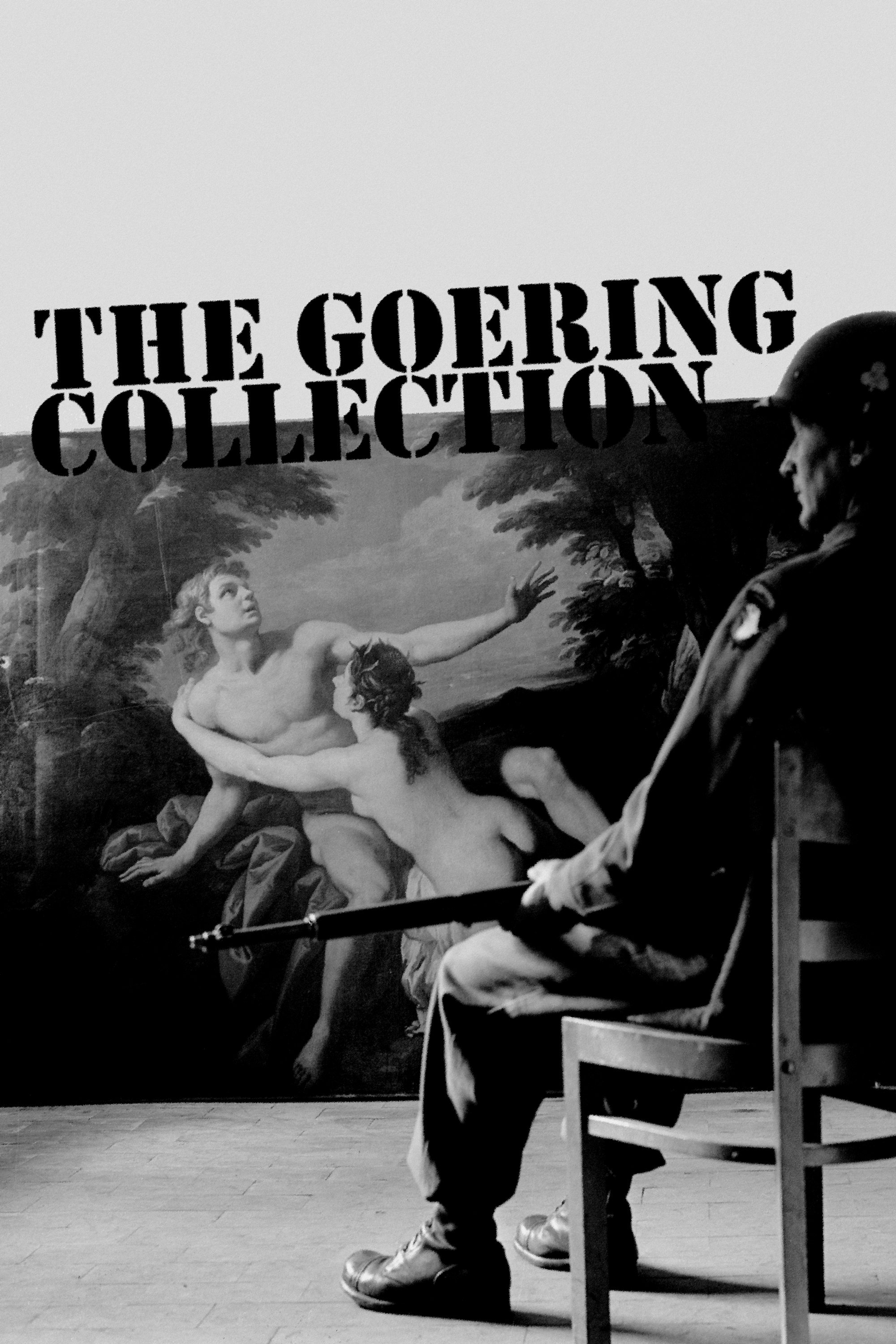
For more than a decade, Reichsmarschall Hermann Goering, Adolf Hitler's right-hand man during the infamous Third Reich, assembled a collection of thousands of works of art that were meticulously catalogued.
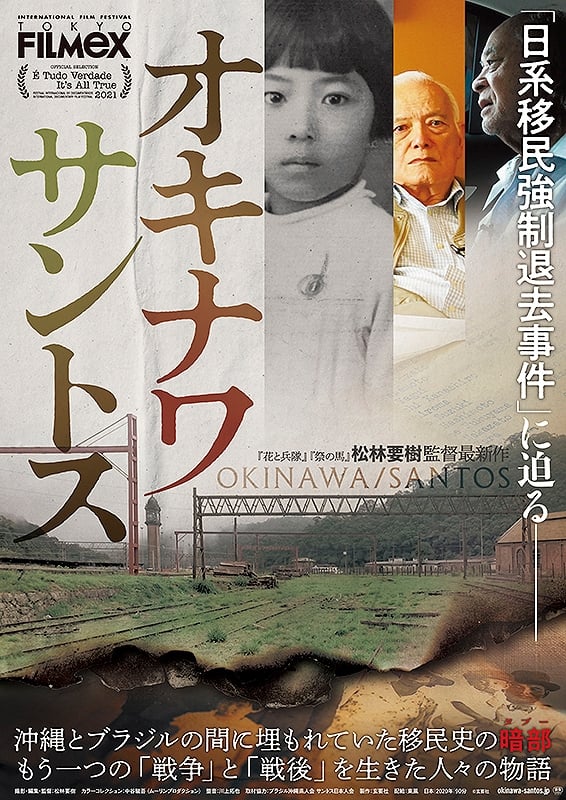
During World War II, many Japanese immigrants in Santos, Brazil, were forced to move to another place. Matsubayashi draws attention to the fact that 60% of the immigrants were from Okinawa. Based on testimonies from interviewees, this film reveals the hidden historical relationship between Okinawa and Brazil.
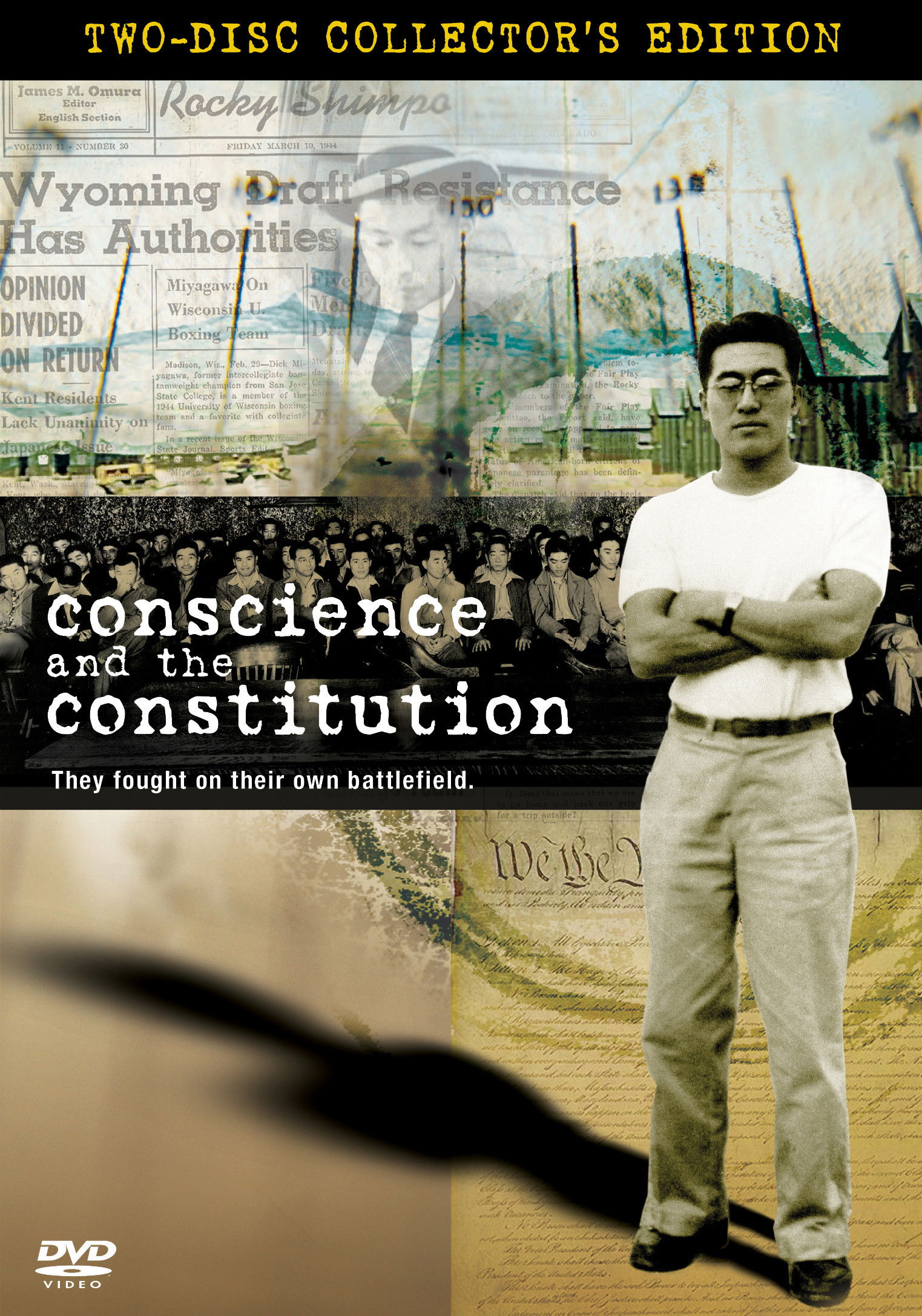
Americans refused to be drafted from the concentration camp at Heart Mountain, Wyoming. Ready to fight, but not before their rights as U.S. citizens were restored and families released.
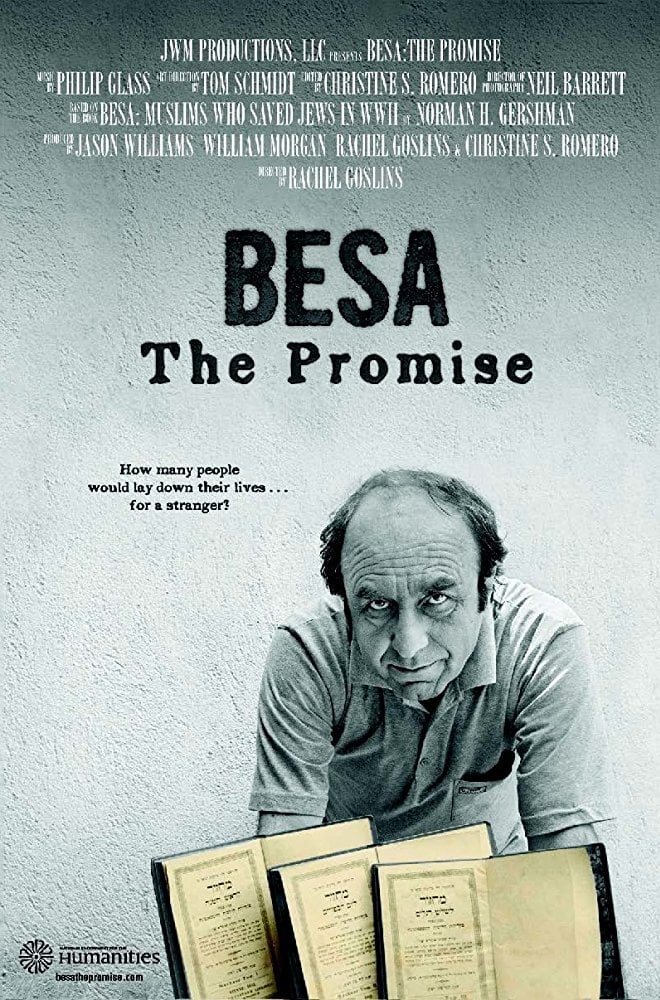
A documentary exploring how Albanians, including many Muslims, helped and sheltered Jewish refugees during WWII at their own risk, and trying to help the son of an Albanian baker that housed a Jewish family for a year return some Hebrew books that the family had to leave behind.
Through deeply personal interviews with her siblings and an examination of the photographs, letters, and belongings left behind, Mariska assembles a new portrait of her mother Jayne Mansfield, an extraordinary and complex woman.
With unprecedented access to the official archives and intimate recollections from the band, both current and past, Iron Maiden: Burning Ambition invites fans to experience one of the most iconic journeys in music history. Spanning five decades, this electrifying documentary charts the band’s rise from the pubs of East London to the world’s biggest stadiums. Featuring exclusive interviews with band members and contributors such as Javier Bardem, Lars Ulrich and Chuck D, as well as all-new animated sequences of the band's legendary mascot, Eddie, the film offers a rare and intimate look at Iron Maiden’s uncompromising vision and unwavering connection with their truly global army of fans.
Those who knew iconic funnyman John Candy best share his story, in their own words, through never-before-seen archival footage, imagery, and interviews.
When Allied forces liberated the Nazi concentration camps in 1944-45, their terrible discoveries were recorded by army and newsreel cameramen, revealing for the first time the full horror of what had happened. Making use of British, Soviet and American footage, the Ministry of Information’s Sidney Bernstein (later founder of Granada Television) aimed to create a documentary that would provide lasting, undeniable evidence of the Nazis’ unspeakable crimes. He commissioned a wealth of British talent, including editor Stewart McAllister, writer and future cabinet minister Richard Crossman – and, as treatment advisor, his friend Alfred Hitchcock. Yet, despite initial support from the British and US Governments, the film was shelved, and only now, 70 years on, has it been restored and completed by Imperial War Museums under its original title "German Concentration Camps Factual Survey".
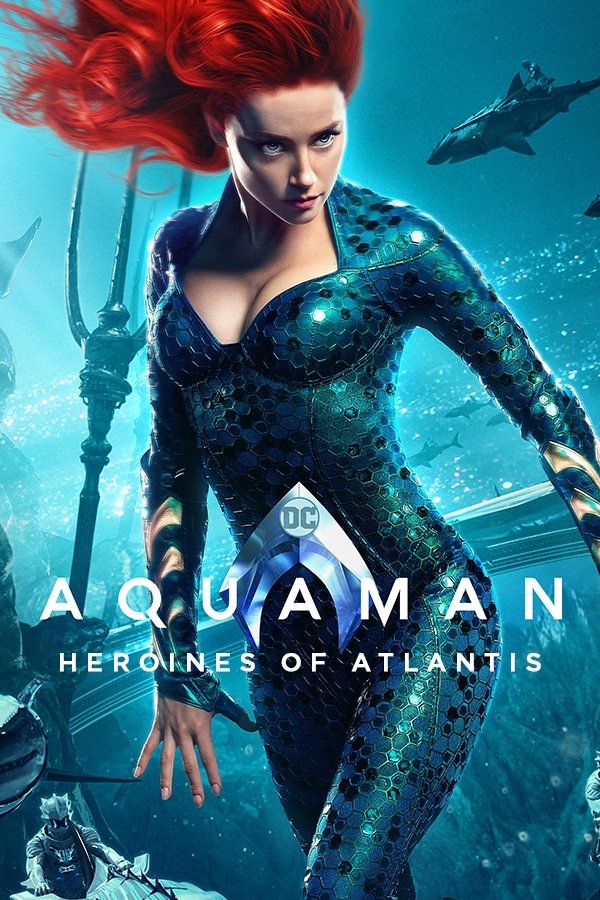
Amber Heard and Nicole Kidman discuss their characters Mera and Atlanna.
In the Realms of the Unreal is a documentary about the reclusive Chicago-based artist Henry Darger. Henry Darger was so reclusive that when he died his neighbors were surprised to find a 15,145-page manuscript along with hundreds of paintings depicting The Story of the Vivian Girls, in What is Known as the Realms of the Unreal, of the Glodeco-Angelinnian War Storm, Cased by the Child Slave Rebellion.
A detailing of the rise to prominence and global sporting superstardom of six supremely talented young Manchester United football players (David Beckham, Nicky Butt, Ryan Giggs, Paul Scholes, Phil and Gary Neville). The film covers the period 1992-1999, culminating in Manchester United's European Cup triumph.
SEDUCED AND ABANDONED combines acting legend Alec Baldwin with director James Toback as they lead us on a troublesome and often hilarious journey of raising financing for their next feature film. Moving from director to financier to star actor, the two players provide us with a unique look behind the curtain at the world's biggest and most glamourous film festival, shining a light on the bitter-sweet relationship filmmakers have with Cannes and the film business. Featuring insights from directors Martin Scorsese, 'Bernando Bertolucci' and Roman Polanski; actors Ryan Gosling and Jessica Chastain and a host of film distribution luminaries.
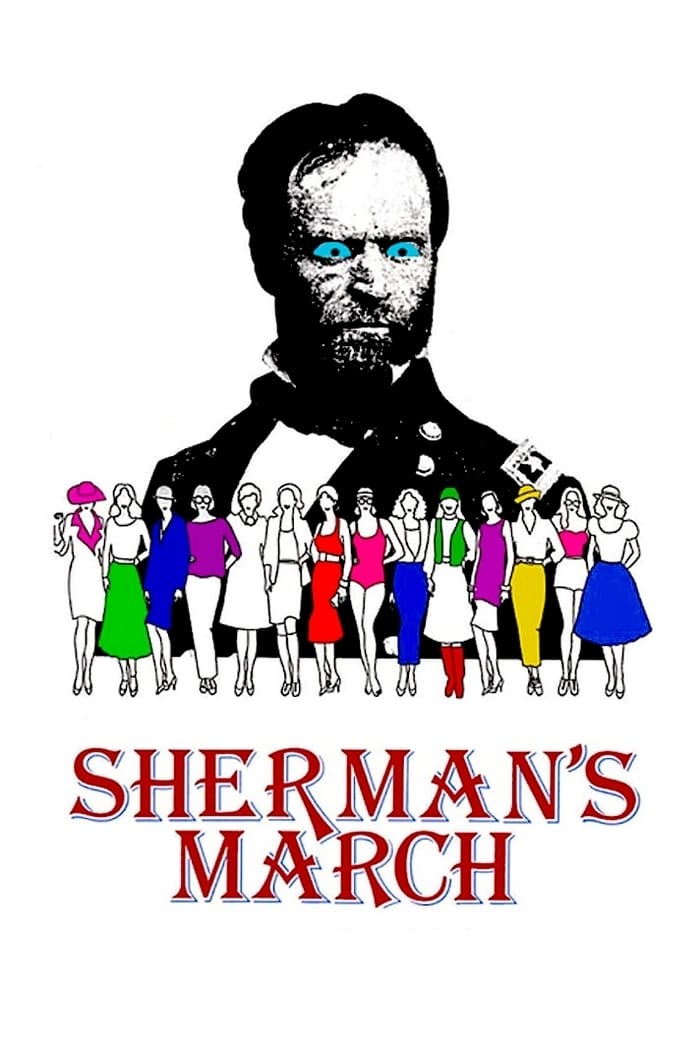
Documentarian Ross McElwee originally set out to make a travelogue of sorts tracing General William T. Sherman's infamous scorched-earth march through the Confederacy in the latter stages of the Civil War. Instead, haunted by a recent breakup with a girlfriend, McElwee ends up documenting his progress -- or lack thereof -- in starting a new relationship. His journey then becomes one of self-reflection and self-discovery rather than a historical/sociological exploration.
A documentary about the life and films of director John Ford.
A purely observational non-fiction film that takes viewers into the ethically murky world of end-of-life decision making in a public hospital.
JB Smoove and Martin Starr host a celebration of 20 years of "Spider-Man" movies, from the Sam Raimi trilogy to Marc Webb's movies and the trio from Jon Watts.
Prelude to War was the first film of Frank Capra's Why We Fight propaganda film series, commissioned by the Pentagon and George C. Marshall. It was made to convince American troops of the necessity of combating the Axis Powers during World War II. This film examines the differences between democratic and fascist states.
“The Soviet Story” is a story of an Allied power, which helped the Nazis to fight Jews and which slaughtered its own people on an industrial scale. Assisted by the West, this power triumphed on May 9th, 1945. Its crimes were made taboo, and the complete story of Europe’s most murderous regime has never been told. Until now...
This special explores the return of Obi-Wan Kenobi and Anakin Skywalker to the screen, as well as Ewan McGregor and Hayden Christensen to their classic roles. Director Deborah Chow leads the cast and crew as they create new heroes and villains that live alongside new incarnations of beloved Star Wars characters, and an epic story that dramatically bridges the saga films.
This documentary focuses on the actors and their journey over two summers to create the remake to the original IT, by Stephen King. The documentary originally released as bonus material, bundled with IT: Chapter Two.
The film follows adventurer Jeff Johnson as he retraces the epic 1968 journey of his heroes Yvon Chouinard and Doug Tompkins to Patagonia.
Daniel Craig candidly reflects on his 15 year adventure as James Bond. Including never-before-seen archival footage from Casino Royale to the upcoming 25th film No Time To Die, Craig shares his personal memories in conversation with 007 producers, Michael G Wilson and Barbara Broccoli.
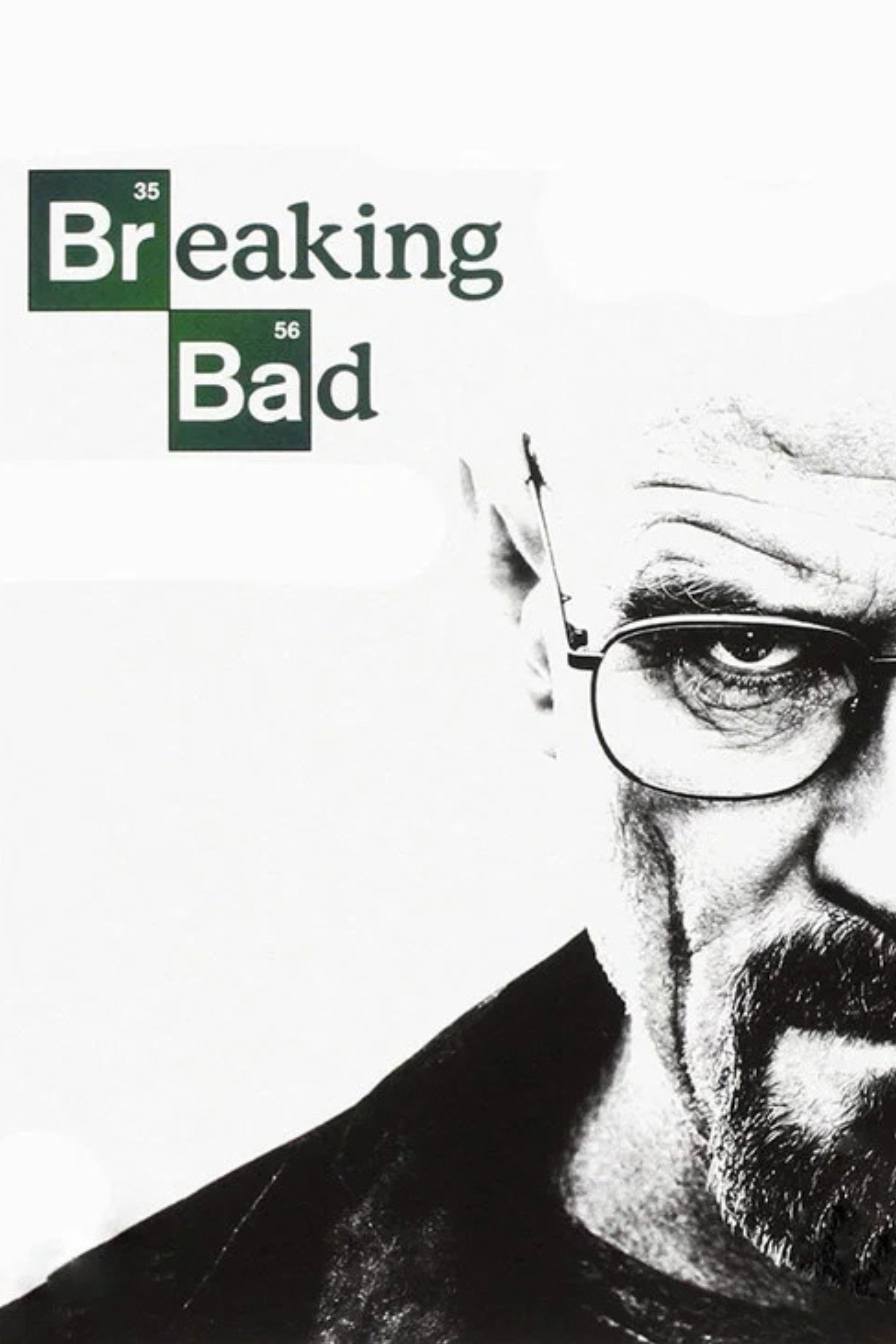
A documentary about the making of season five of the acclaimed AMC series Breaking Bad.
Giving fans unprecedented access to the real life of the music sensation, Katy Perry: Part of Me exposes the hard work, dedication and phenomenal talent of a girl who remained true to herself and her vision in order to achieve her dreams. Featuring rare behind-the-scenes interviews, personal moments between Katy and her friends, and all-access footage of rehearsals, choreography, Katy’s signature style and more, Katy Perry: Part of Me reveals the singer’s unwavering belief that if you can be yourself, then you can be anything.